ZhiCloud AI
ZhiCloud AI
ZhiCloud AI
Explore our top-tier GPU workstations and enterprise rack systems configured for high-density AI model execution, LLM training, and massive data storage solutions.
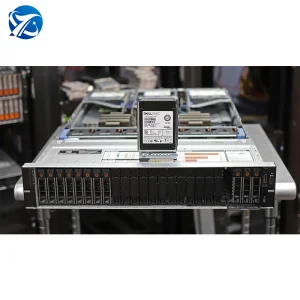
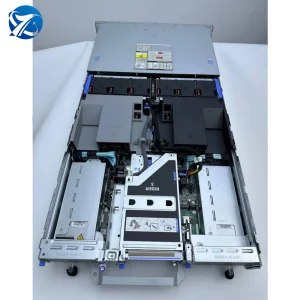
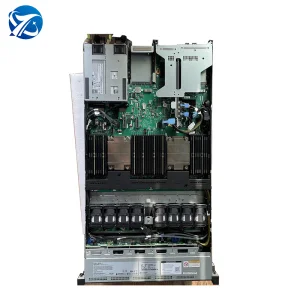
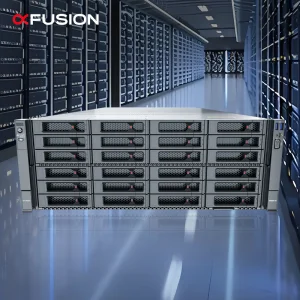
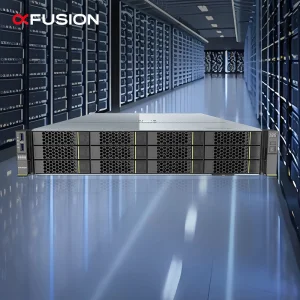
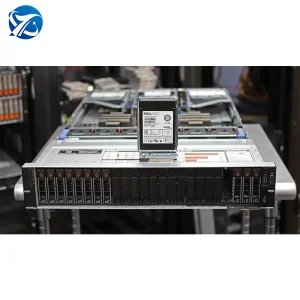
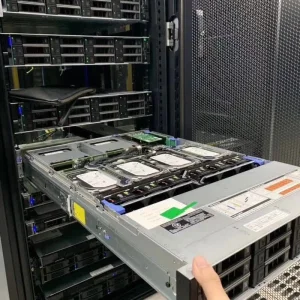
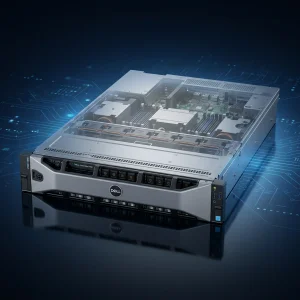
The global computational demand has shifted drastically. General-purpose servers are no longer sufficient to process the multi-billion parameter matrices that modern deep learning models, such as DeepSeek-R1 (671B), large-scale LLMs, and neural graphics renderers, demand. Hardware architecture is now the primary determining factor of an enterprise's machine learning capabilities. In this whitepaper, we dissect the hardware parameters, quality control pathways, and supply chains of high-performance AI computing nodes.
Modern AI infrastructure demands massive raw floating-point operations per second (FLOPS) and exceptional interconnect bandwidth. Sourcing hardware has evolved from simply buying rack components to strategically implementing cohesive hardware ecosystems. High-speed networking standards such as InfiniBand and RoCE v2 (RDMA over Converged Ethernet) have become critical components, ensuring low latency in distributed model training across multi-node GPU clusters.
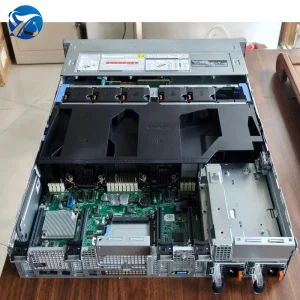
Thermal management has emerged as a major challenge in modern data centers. With modern accelerators drawing high wattages per unit, enterprise clusters require highly engineered chassis layouts. Advanced airflow modeling, structural cooling channels, and liquid cooling architectures (Direct-to-Chip or Immersion) are now standard requirements for maintaining continuous performance. Additionally, the adoption of PCIe Gen 5 and DDR5 system memory has mitigated traditional host-to-device bottlenecks, allowing rapid dataset transfers to GPU memory.
Supports multi-node scaling with PCIe Gen 5 configurations for low-latency deep learning training.
Optimized internal chassis dynamics designed to handle TDP levels up to 700W+ per accelerator card.
Optimized motherboard bus paths minimizing communication bottlenecks between PCIe root ports.
Procurement teams faces challenges including long hardware lead times, regional export compliance limitations, and integration compatibility issues. Global enterprises require flexible suppliers capable of configuring mixed-vendor nodes (e.g., matching Intel Xeon or AMD EPYC scalable processors with specific GPU configurations).
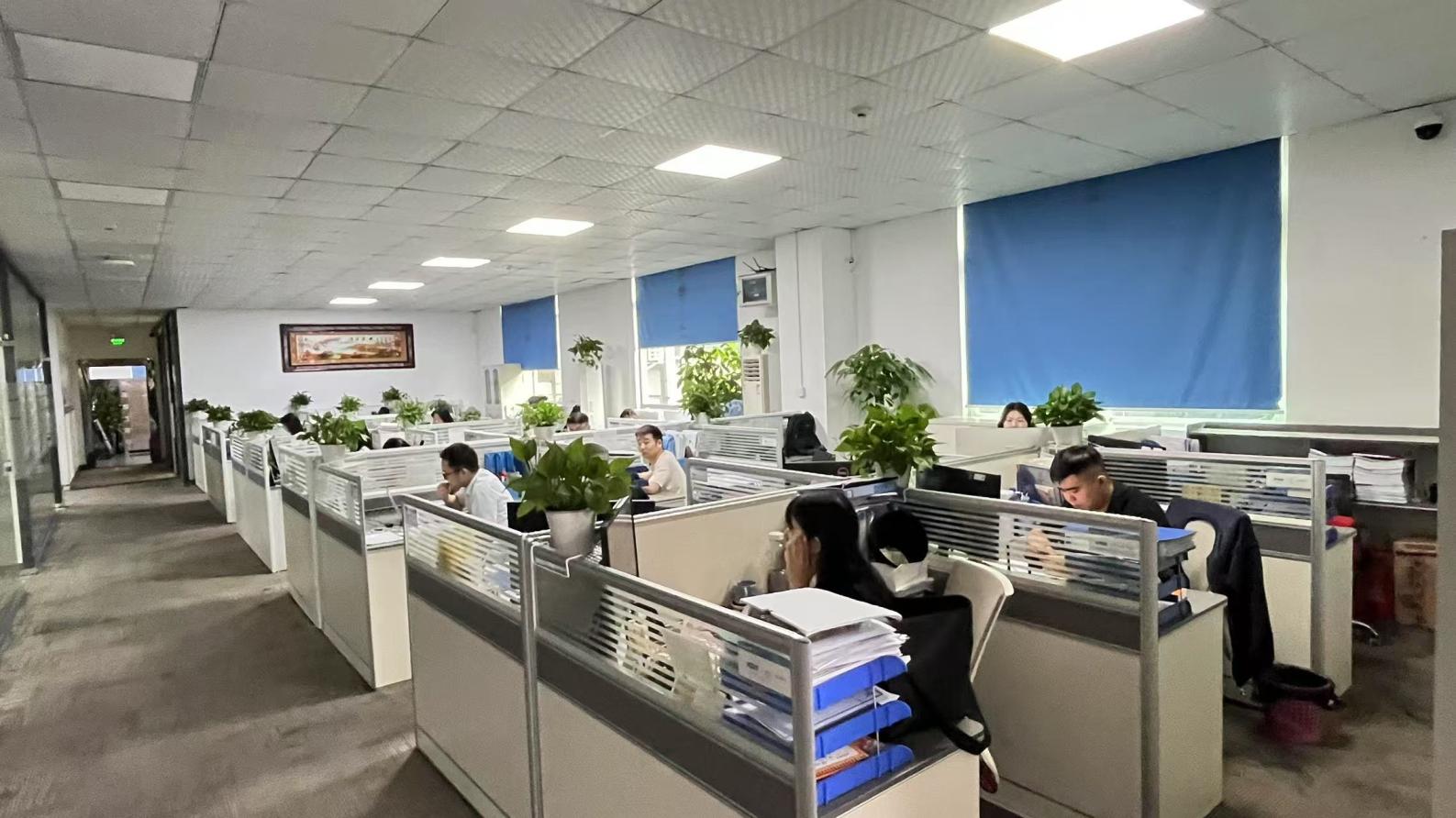
As a global exporter, Shenzhen Intelligent Computing Cloud Technology Co., Ltd. (ZhiCloud AI) addresses these challenges by offering flexible system integration and custom solutions. With over 11 years of experience in AI infrastructure engineering and a strong network of 1,200 partners, ZhiCloud AI ensures a stable supply chain for enterprise projects.
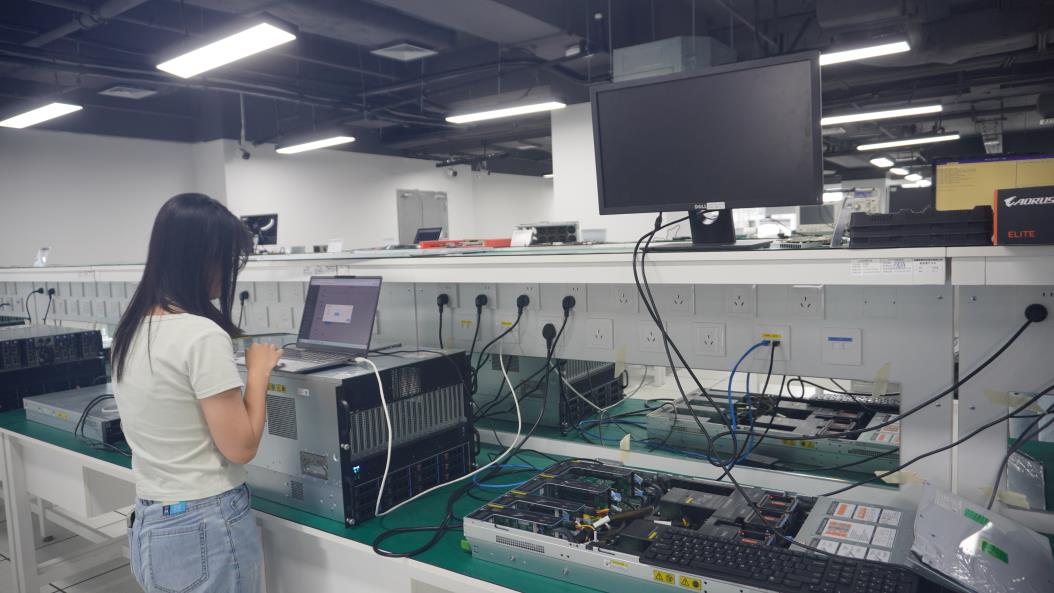
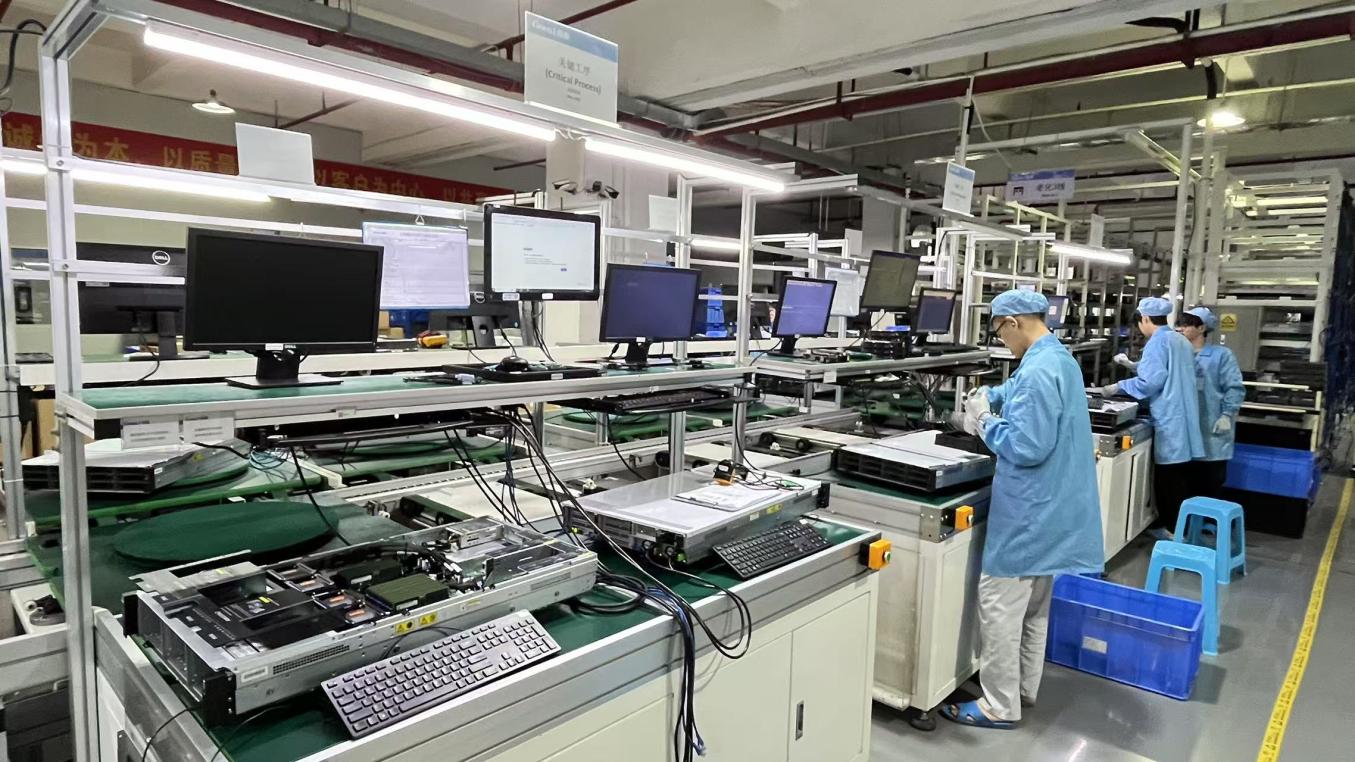
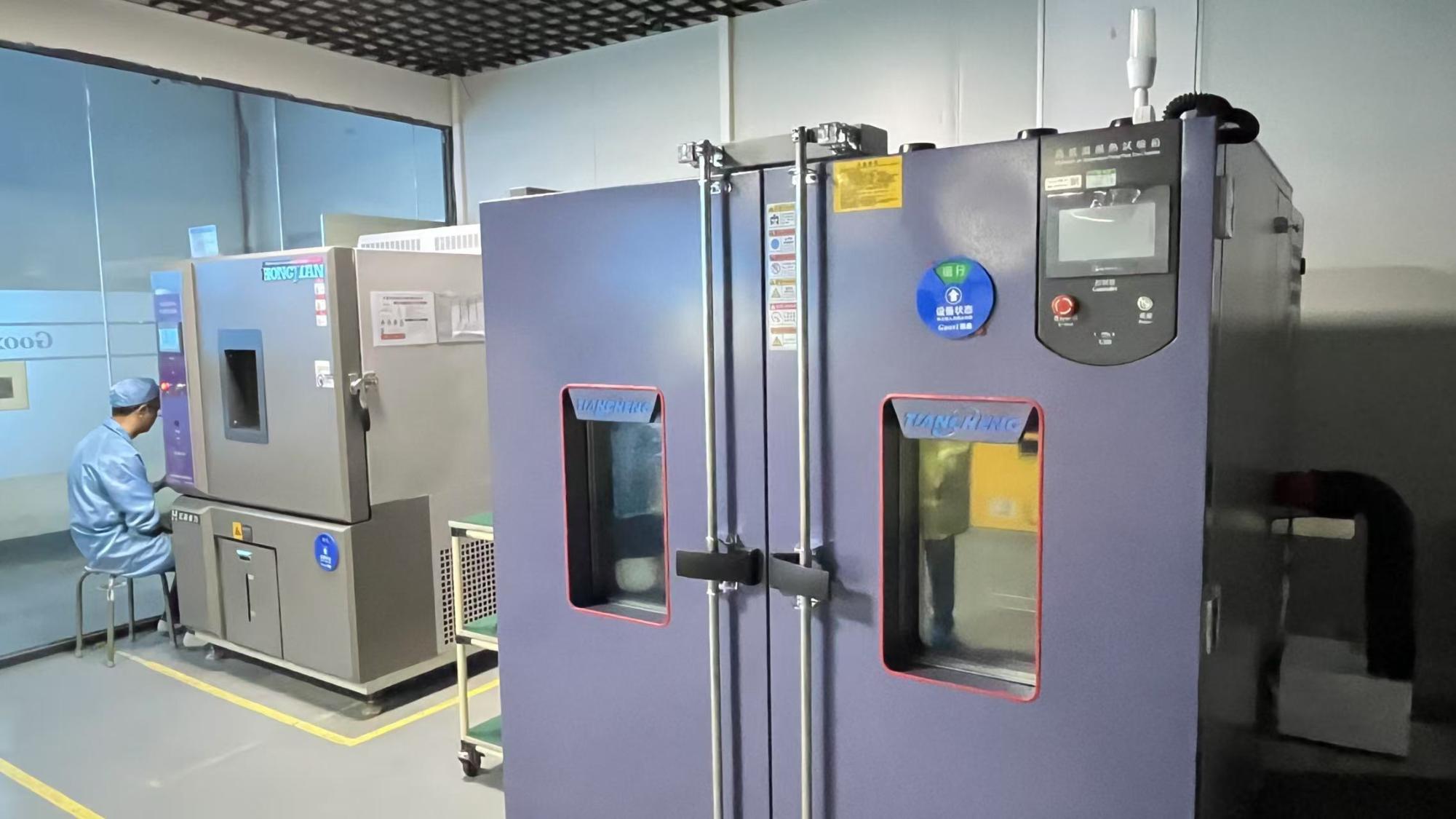
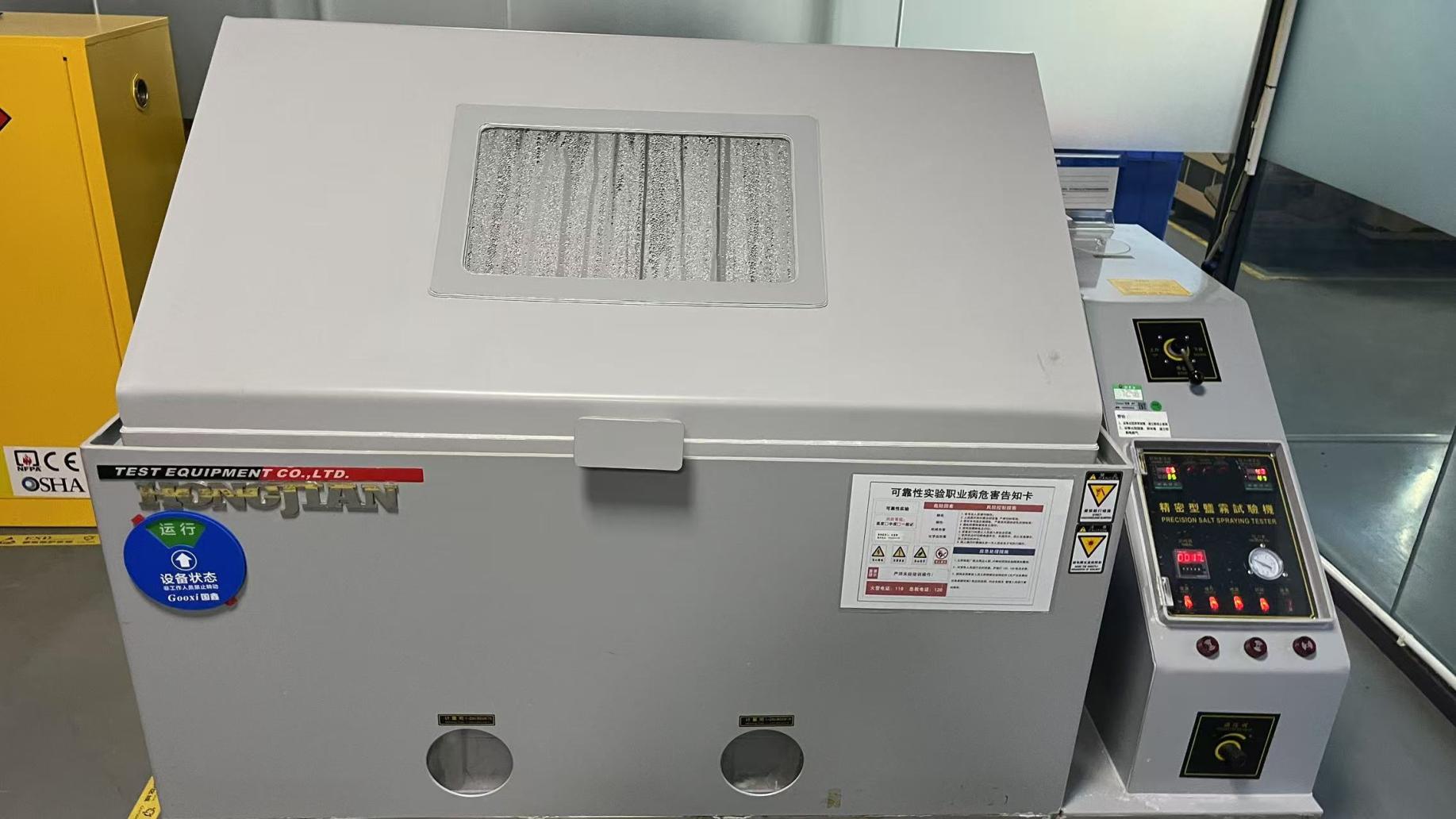
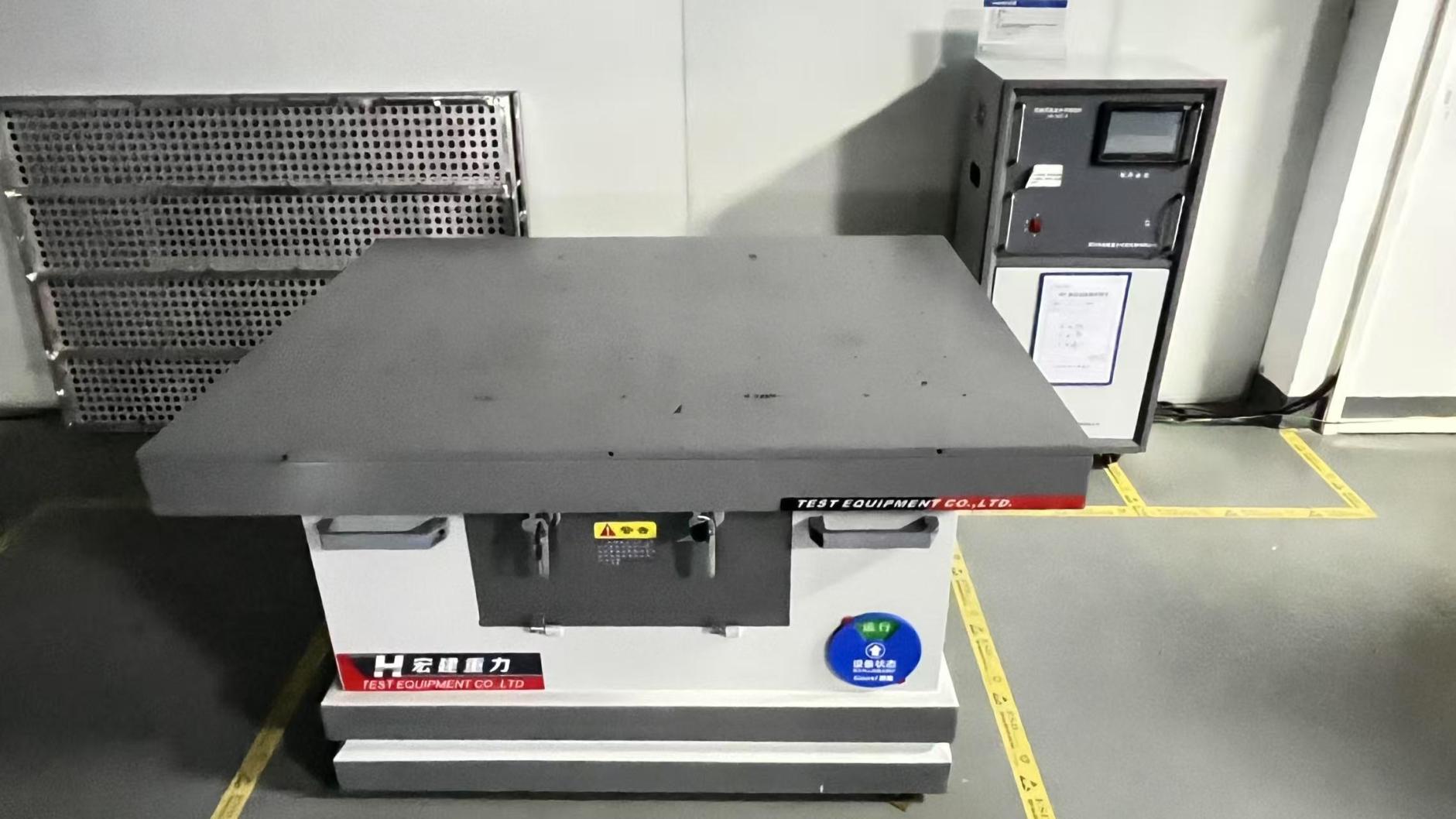
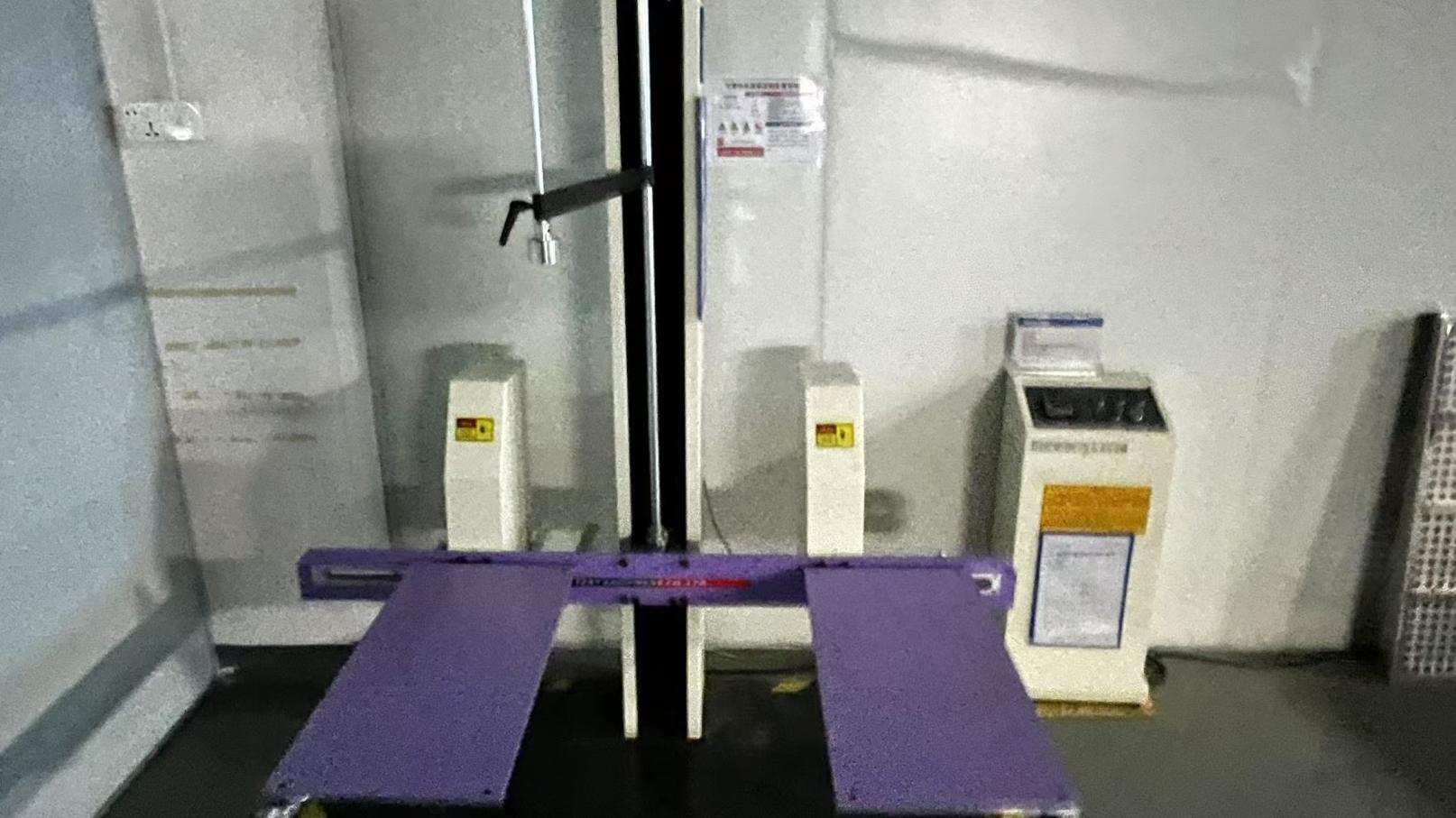
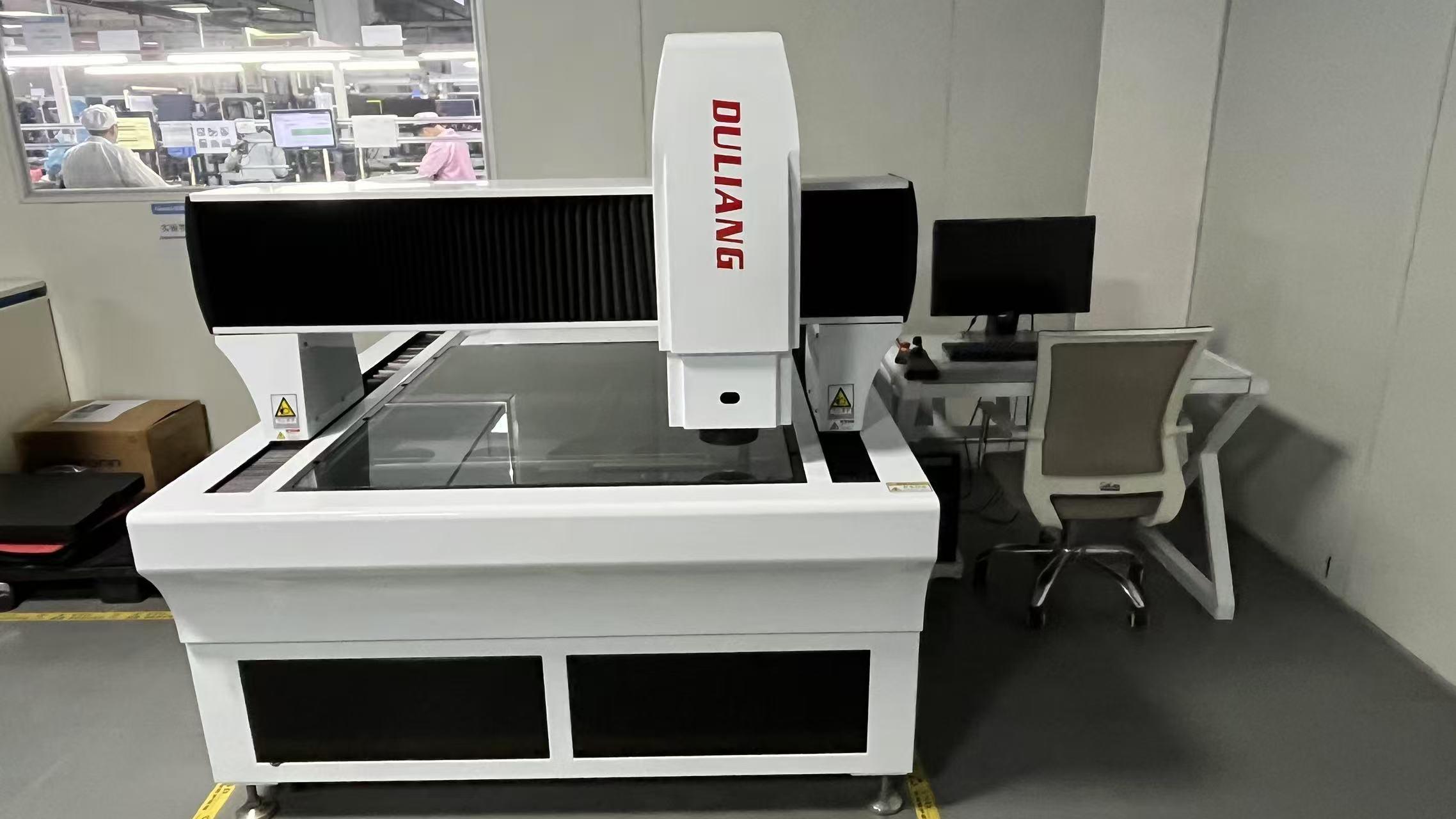
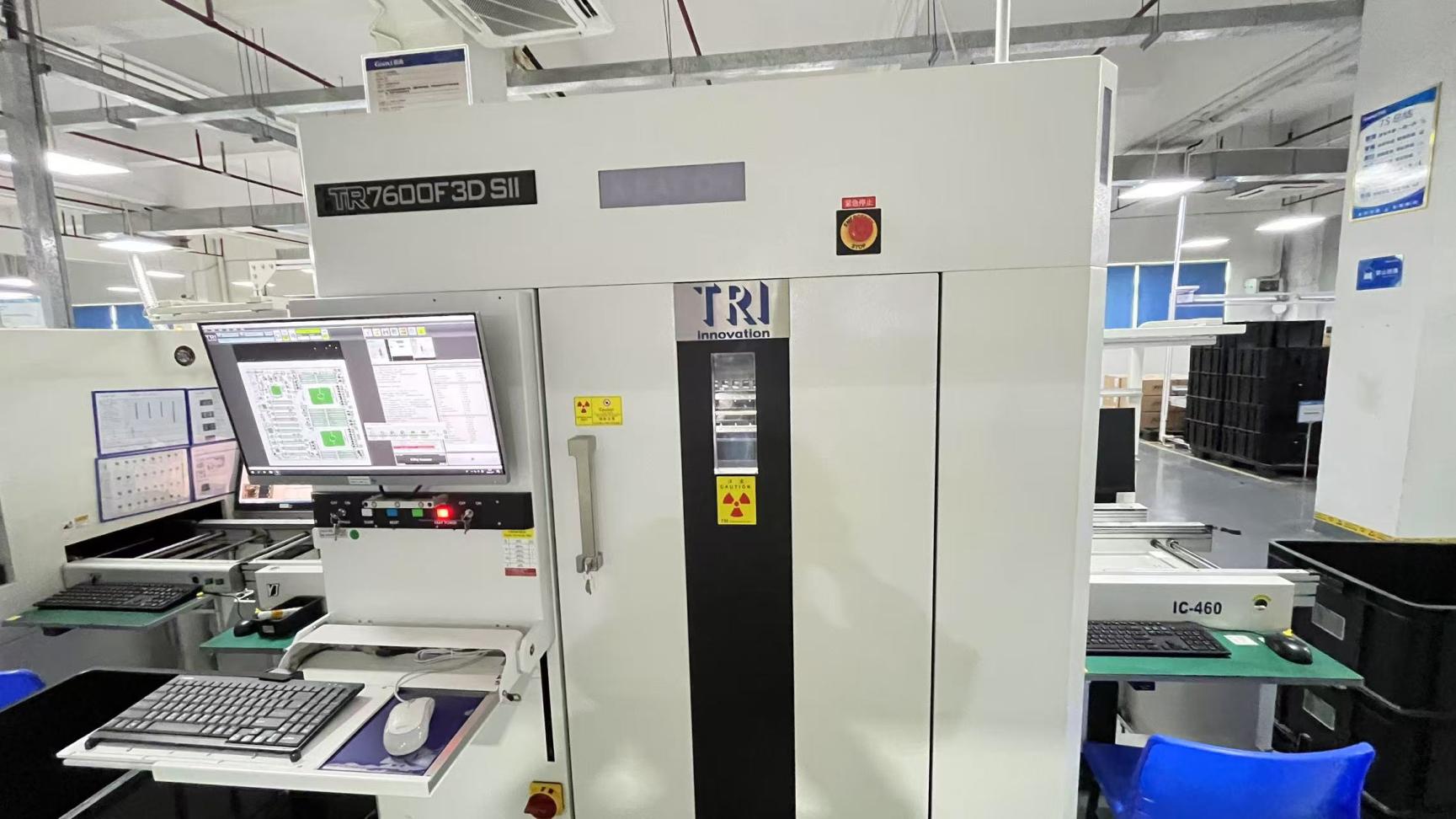
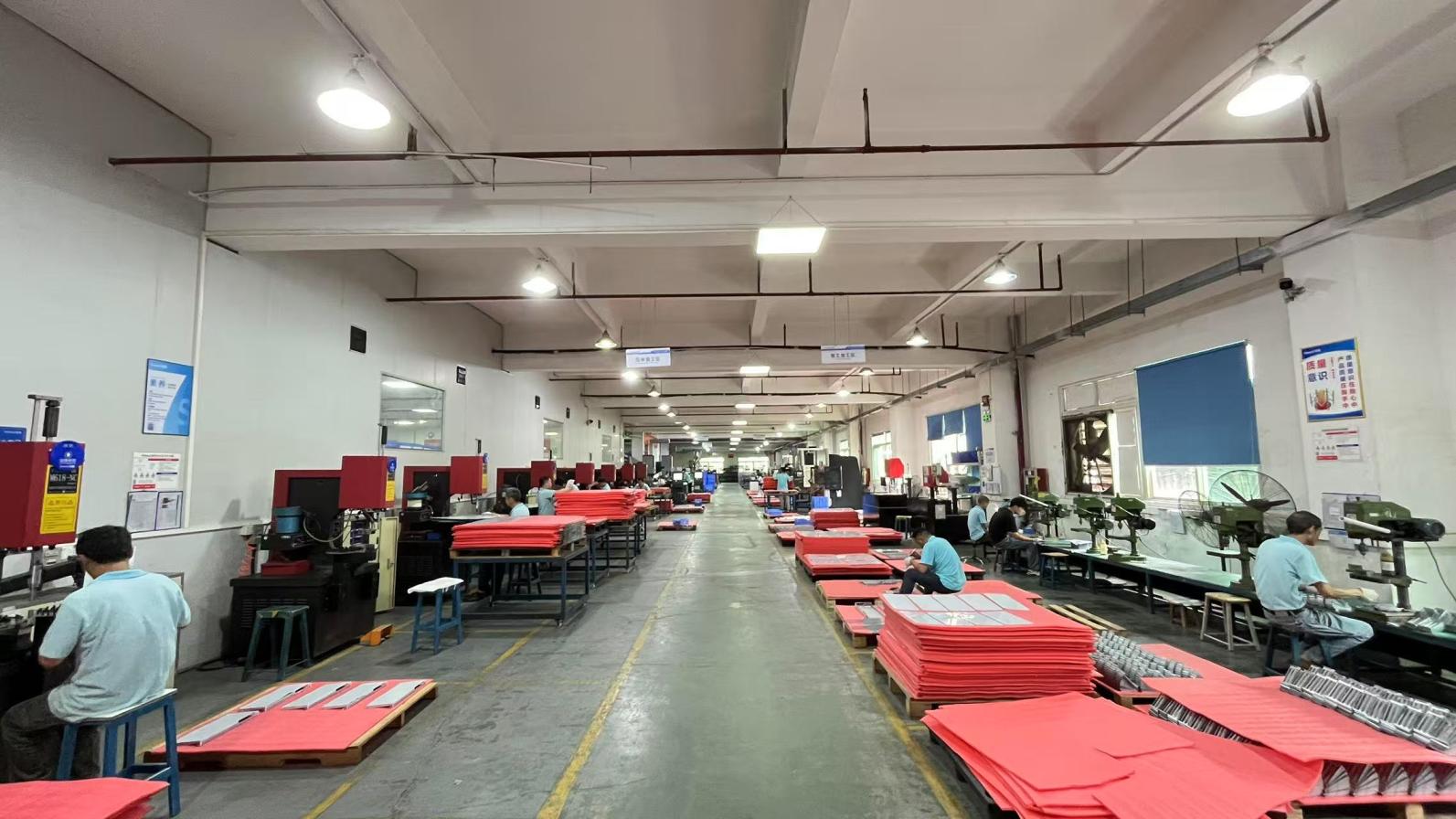
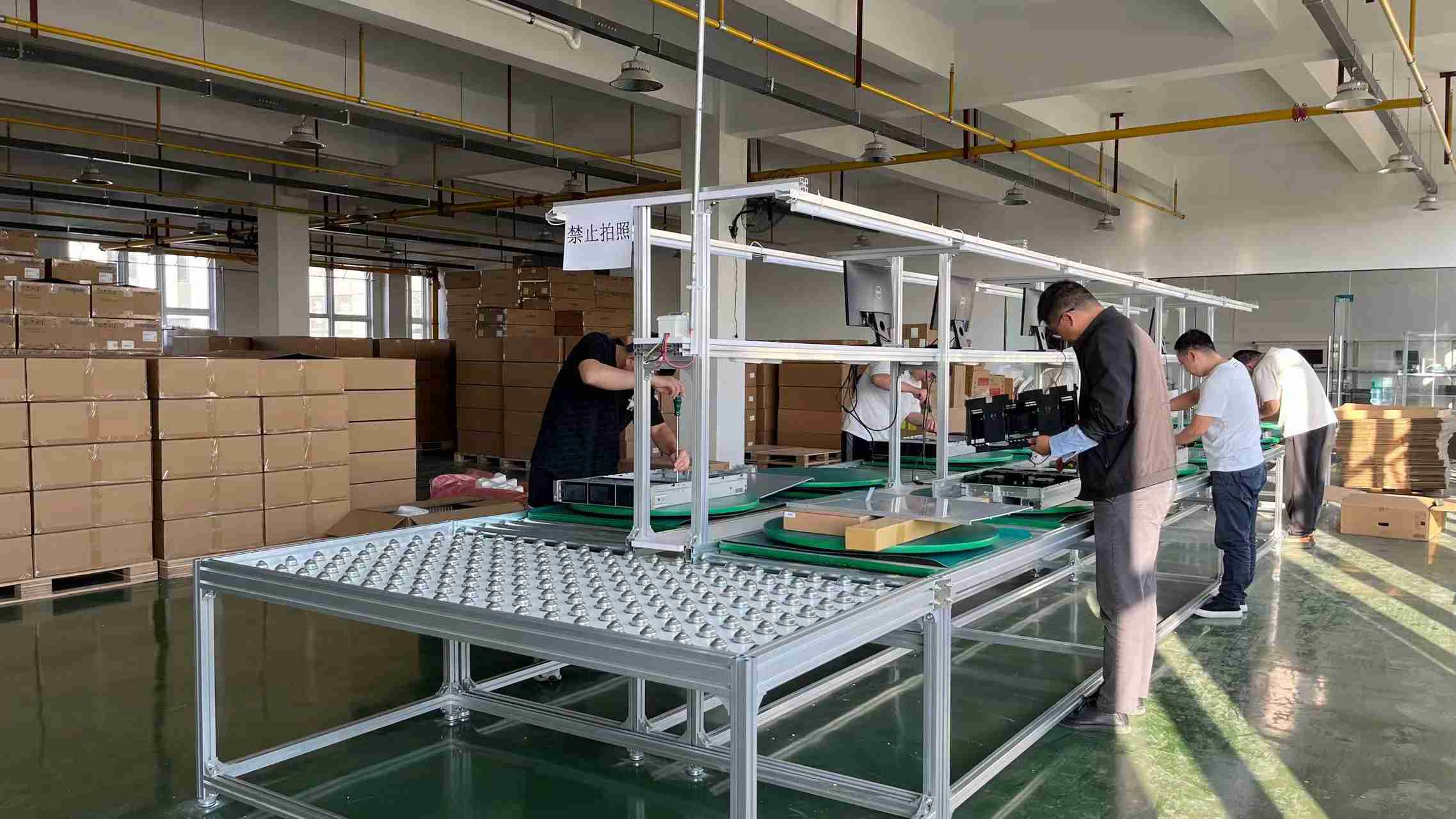
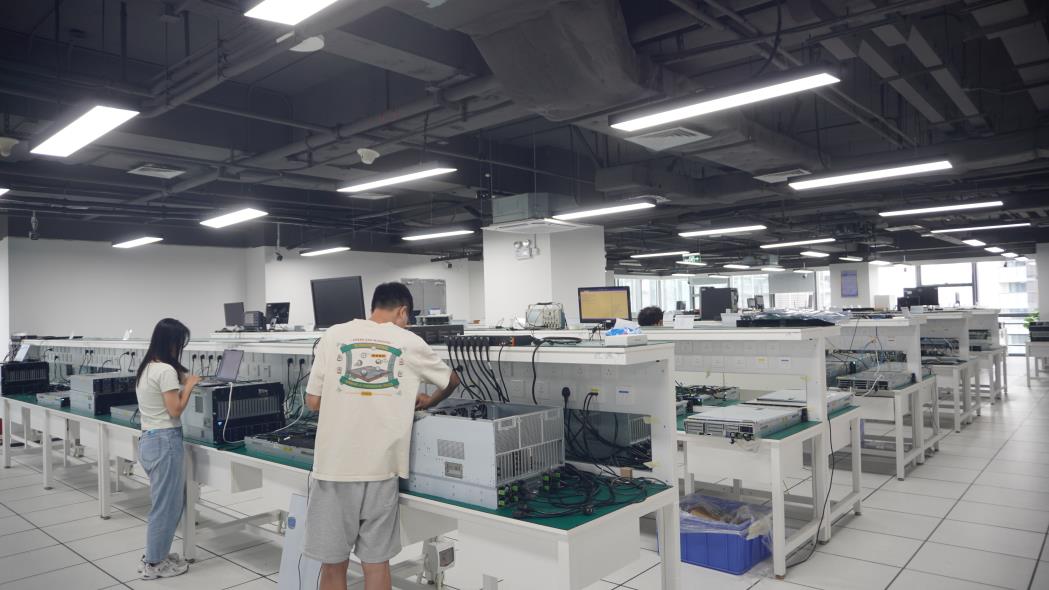
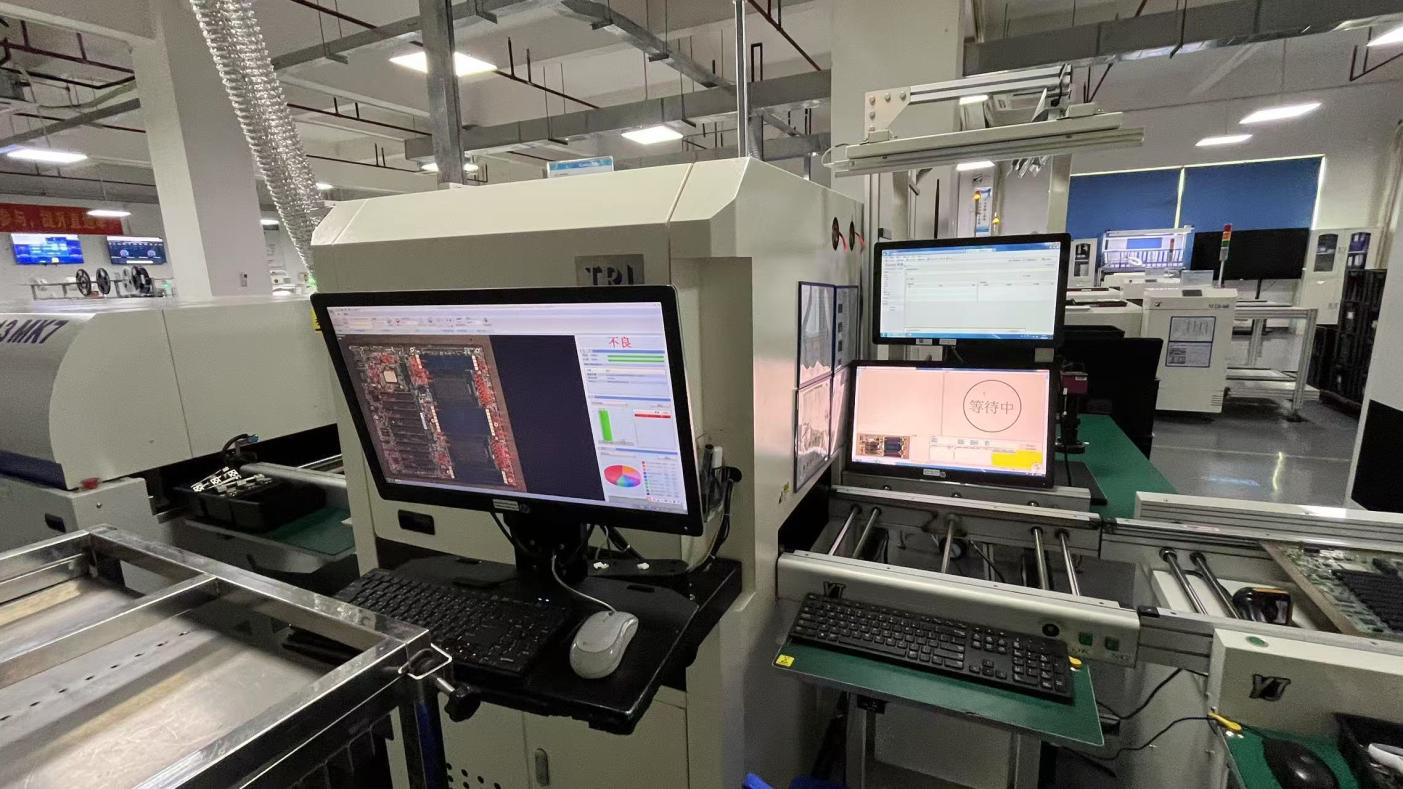
Reliability is critical for high-performance servers running intensive AI workloads for weeks or months at a time. Systems must be engineered to withstand structural stress during transport and thermal stress under full load. Below is an overview of our quality control pipeline, illustrating the multi-stage validation process each server undergoes prior to export.
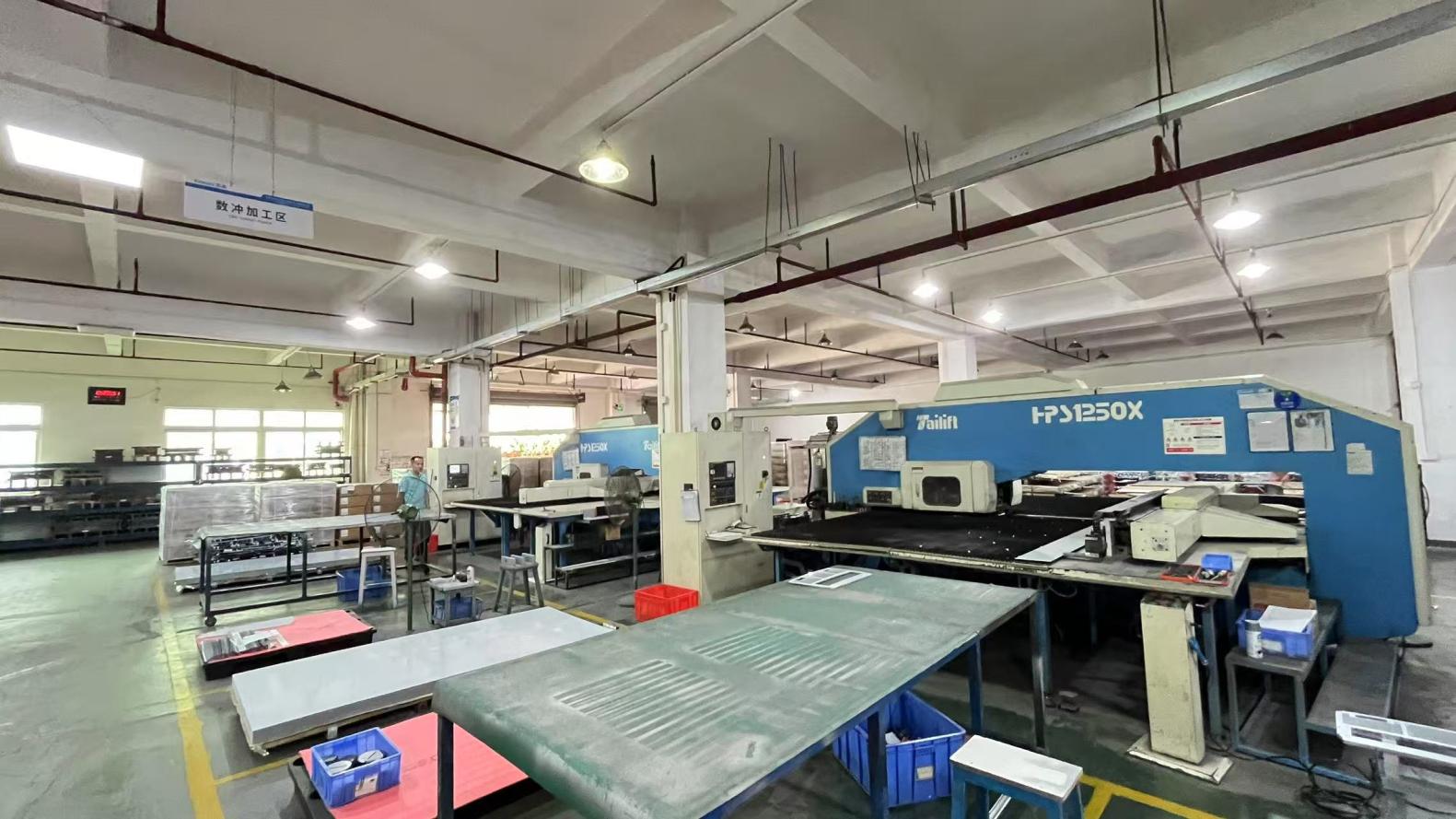
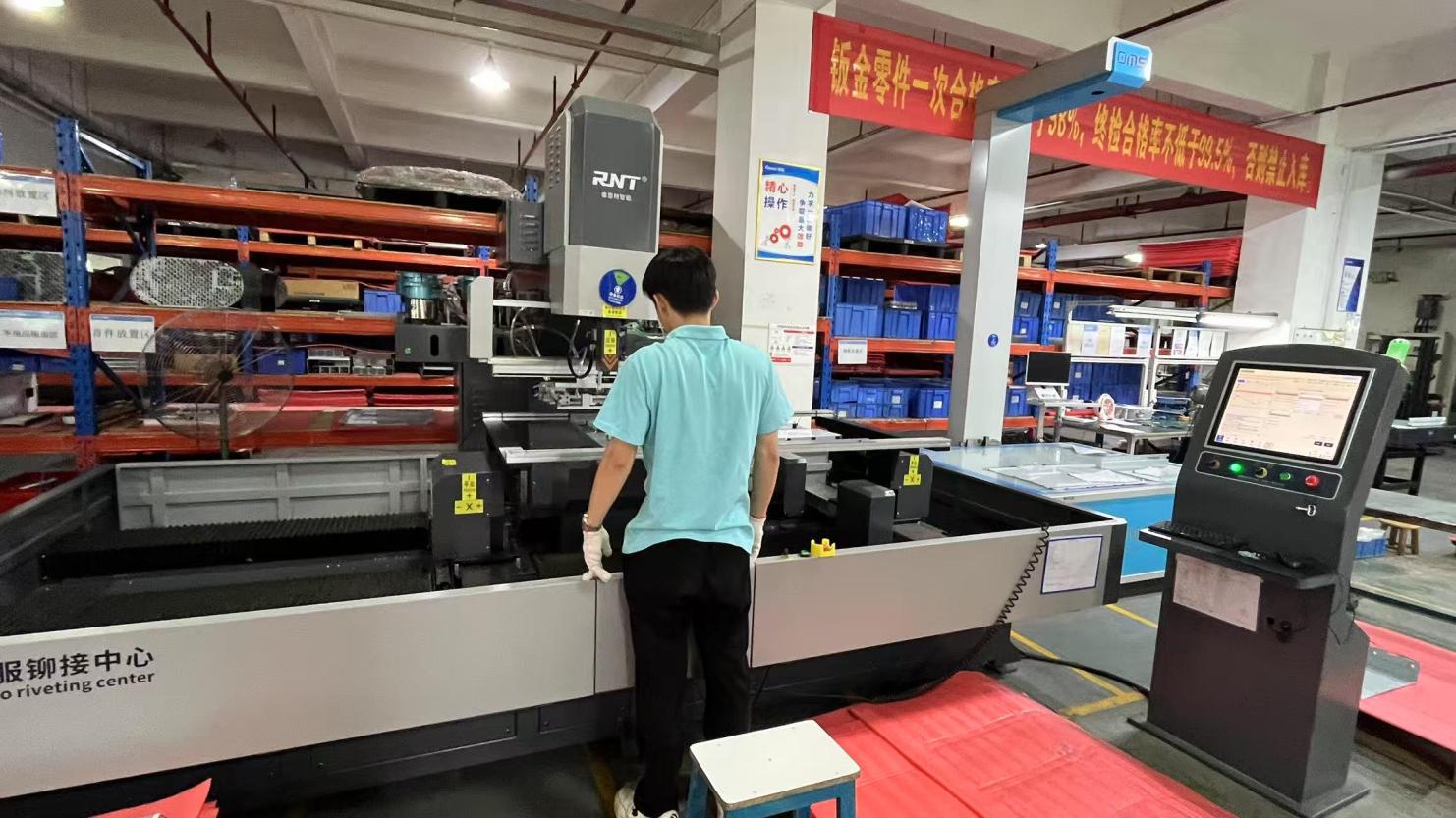
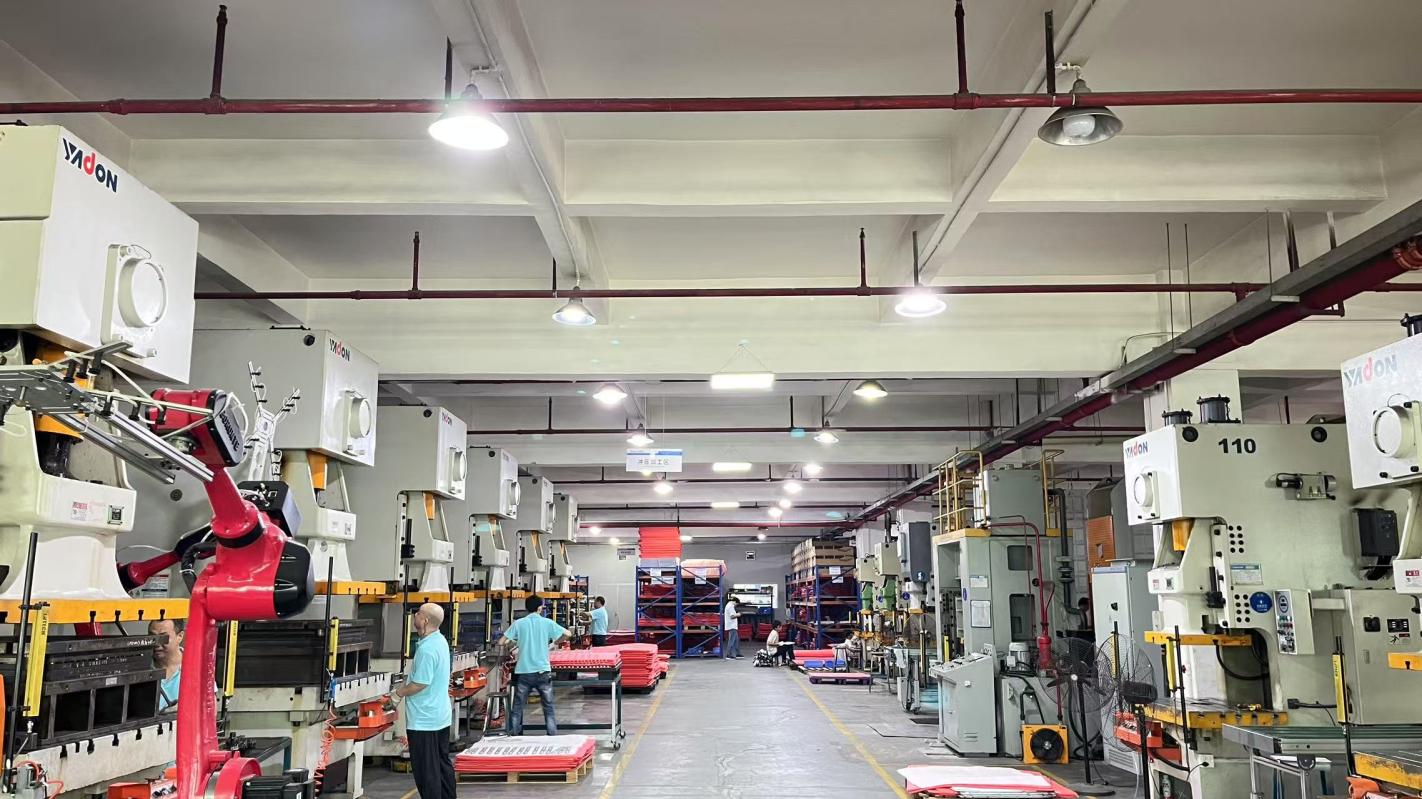
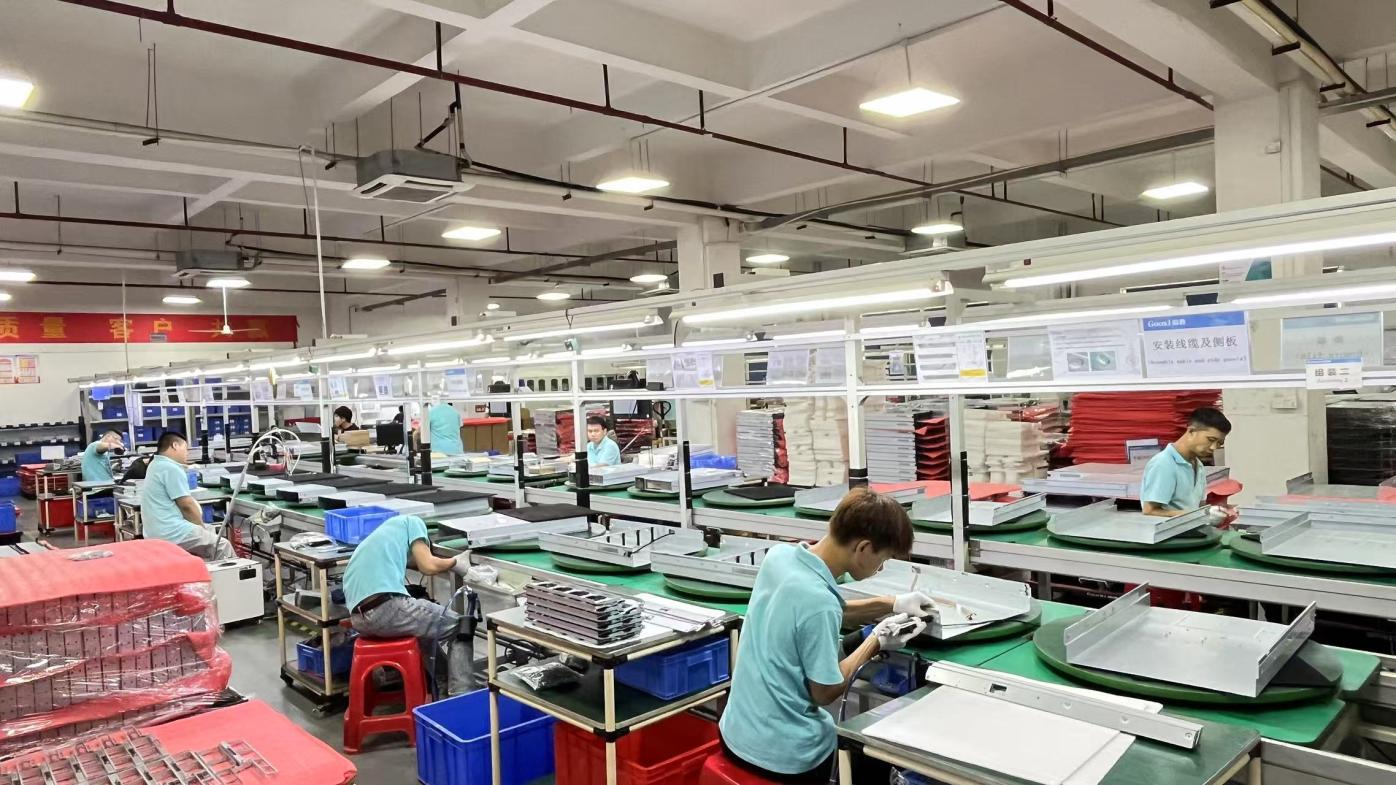

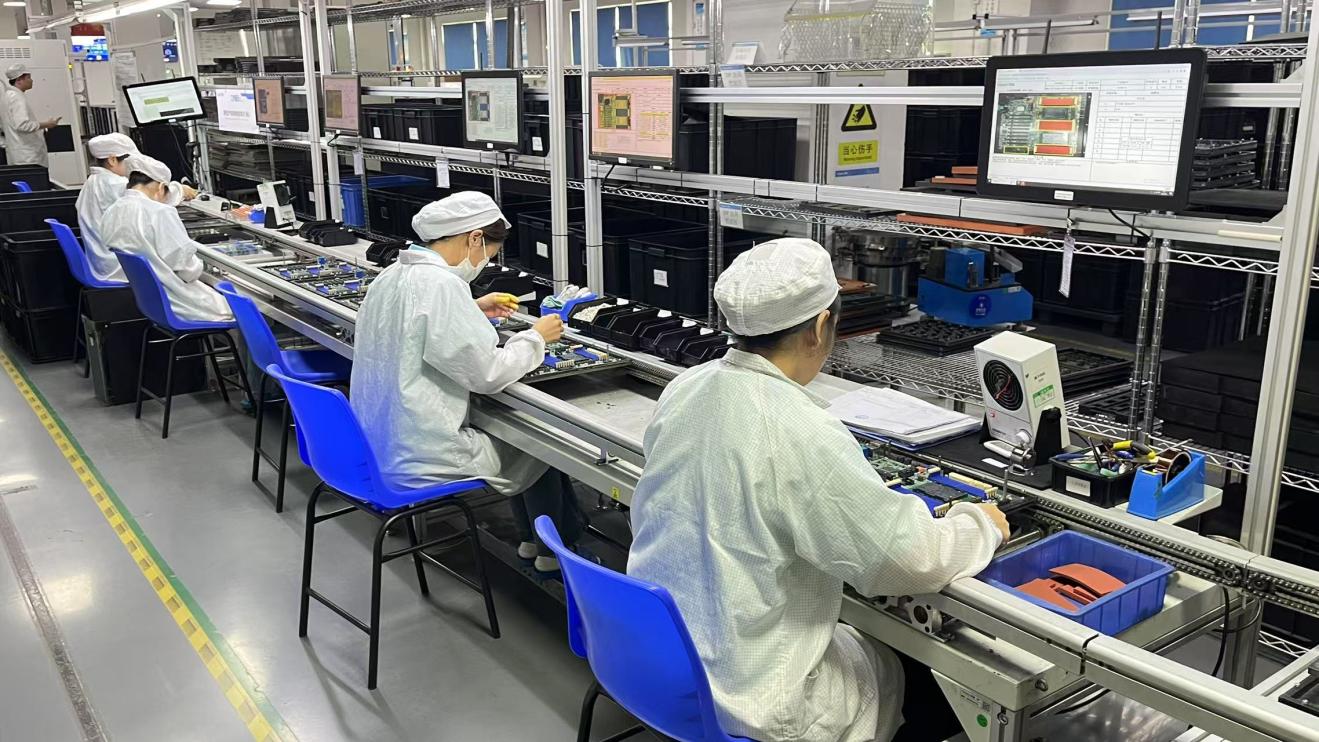
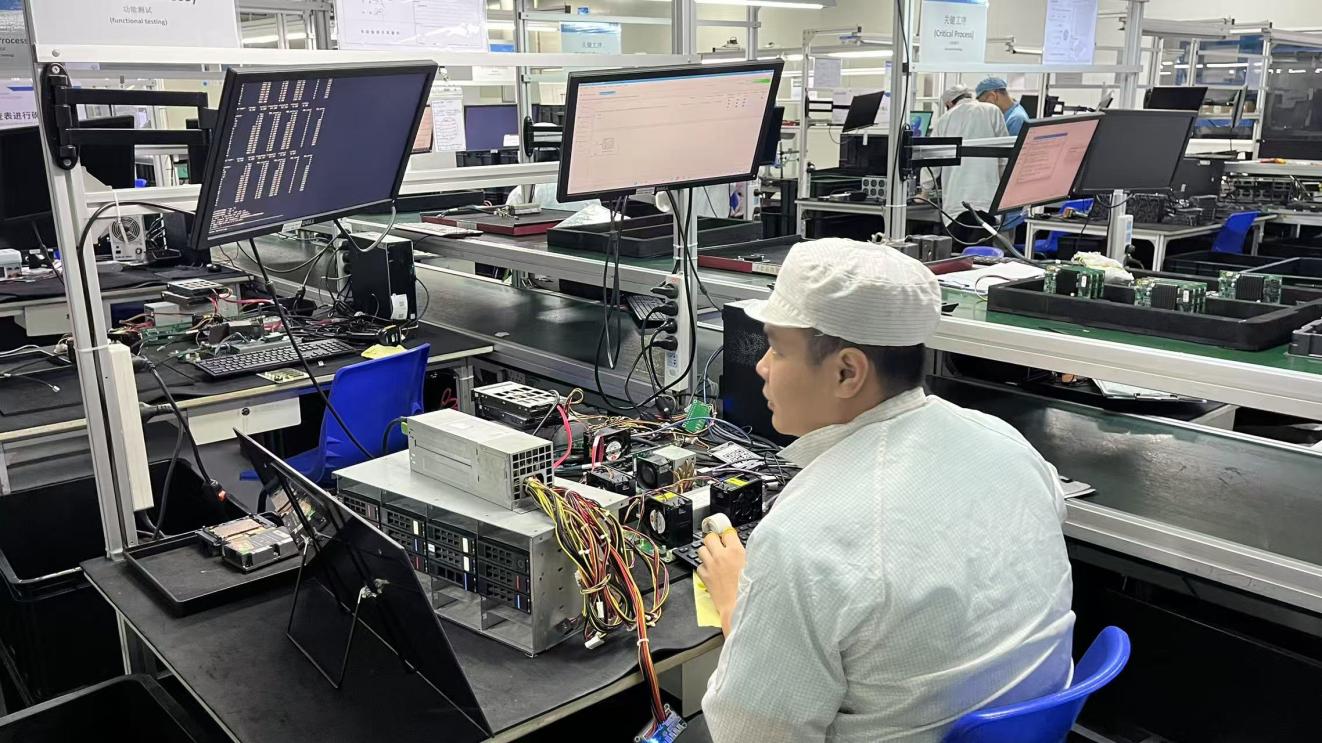
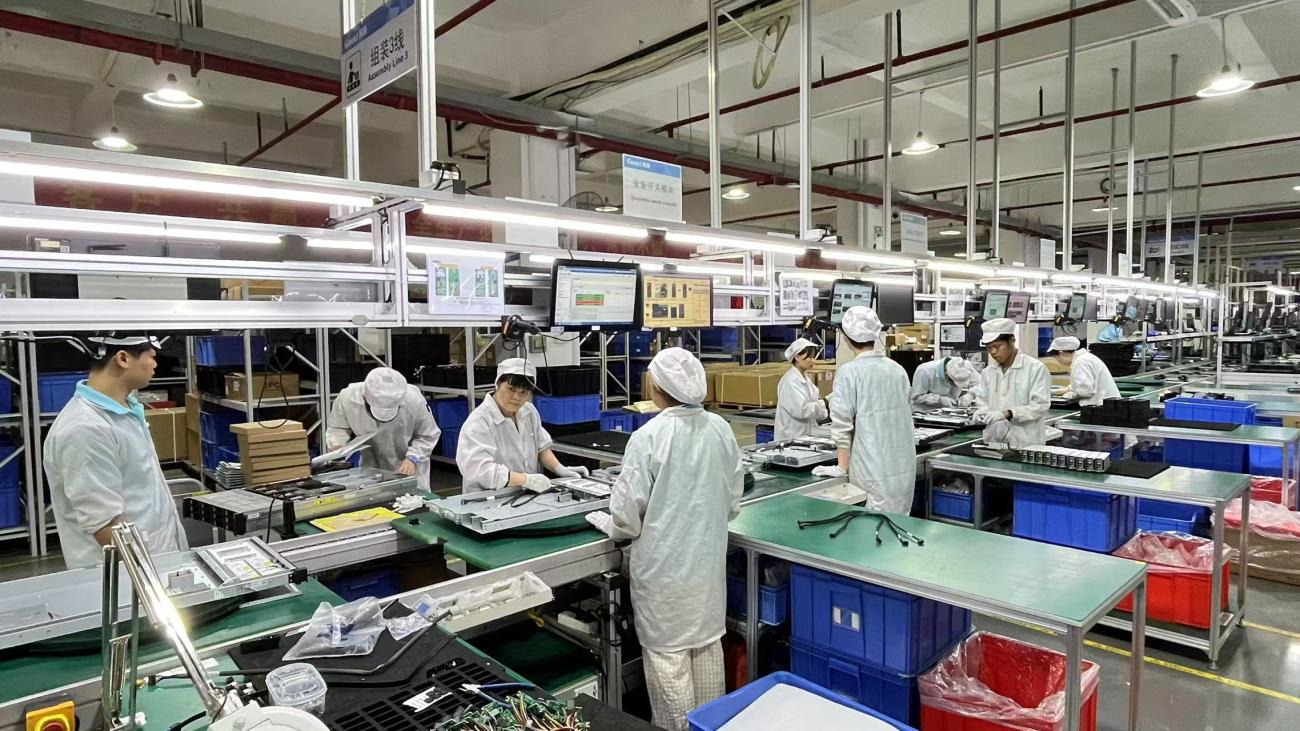
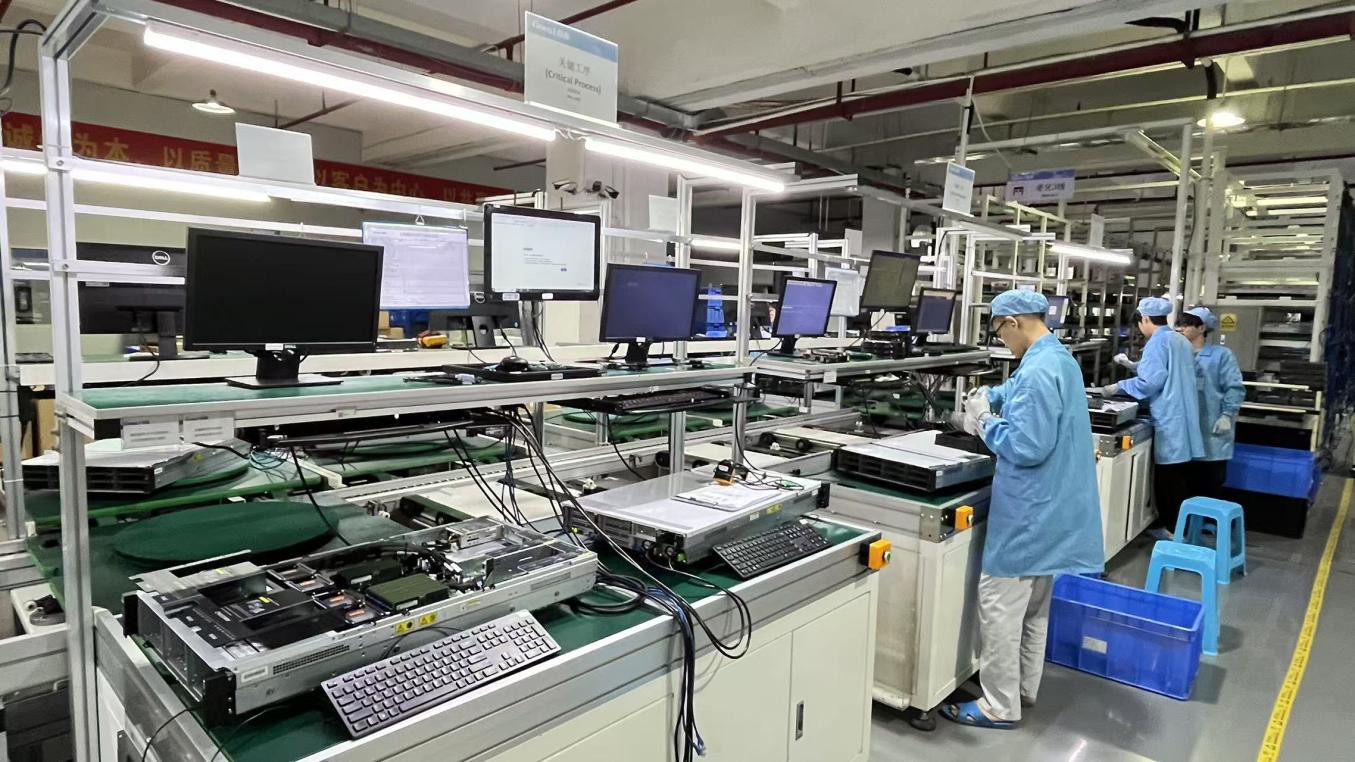
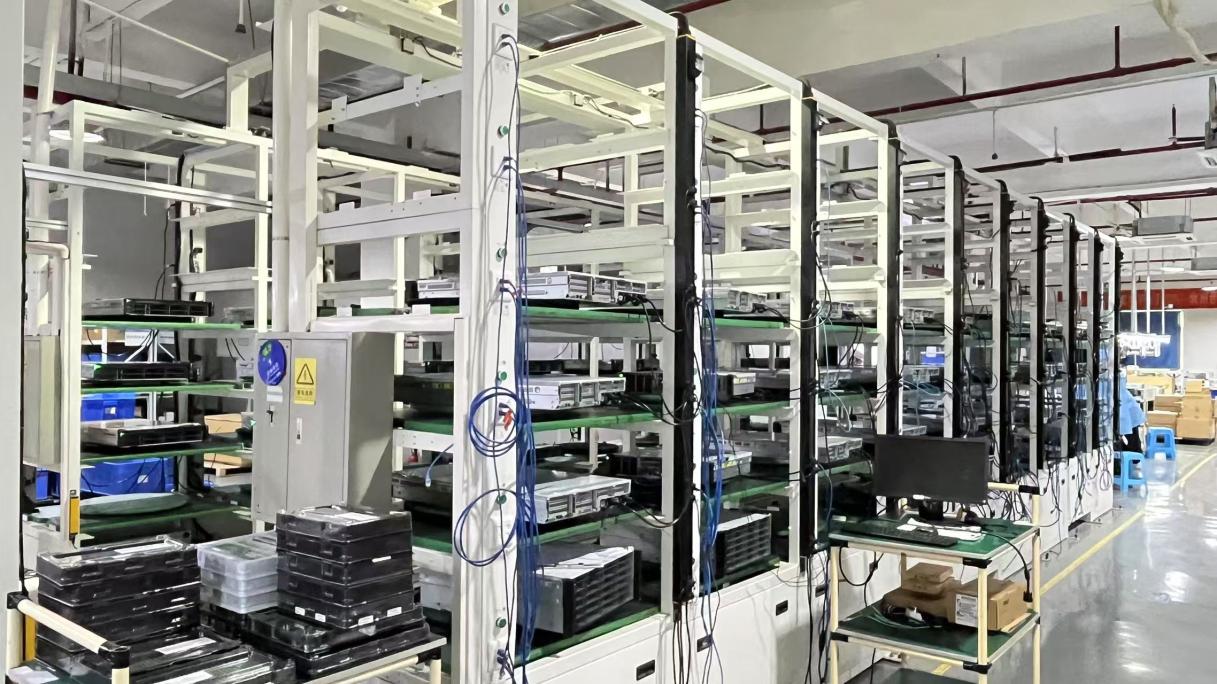
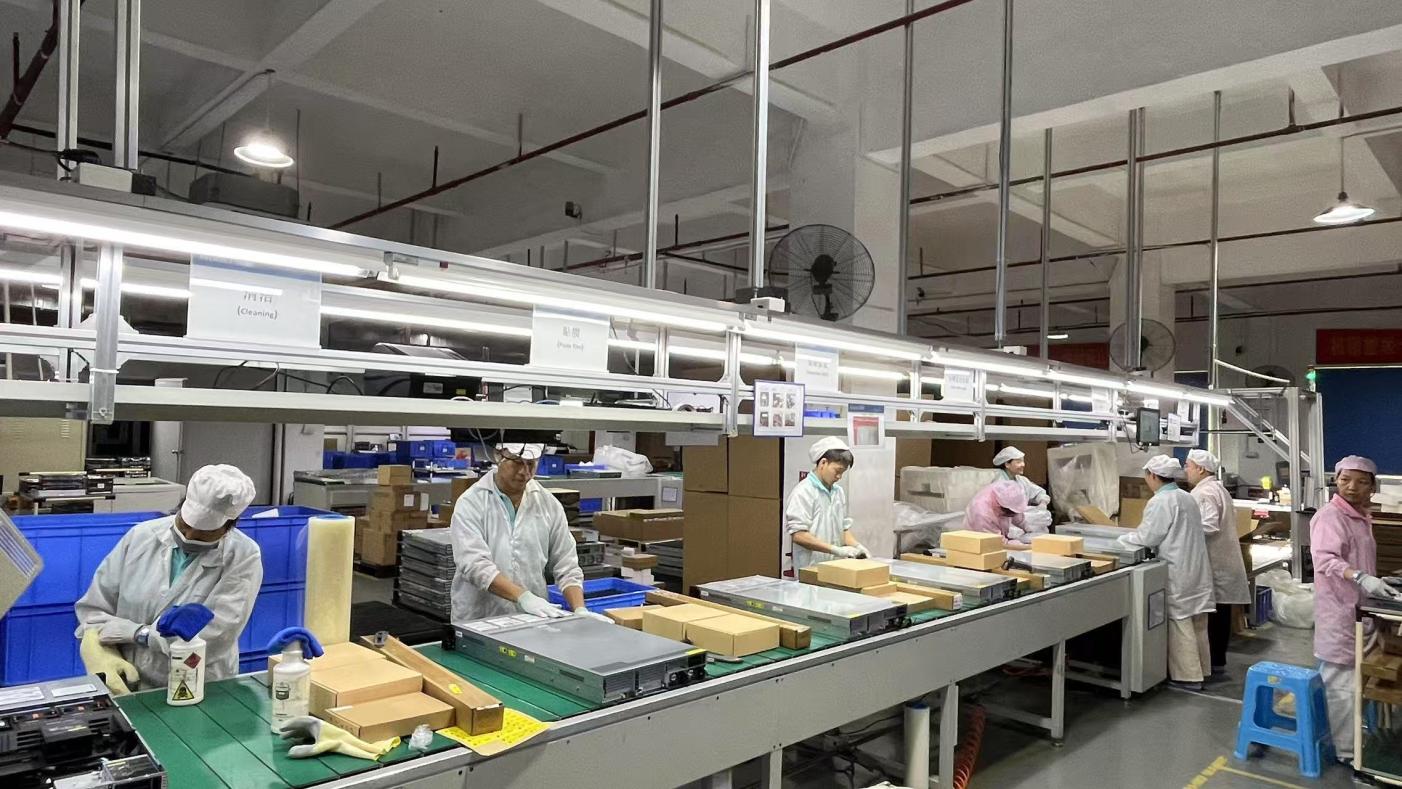
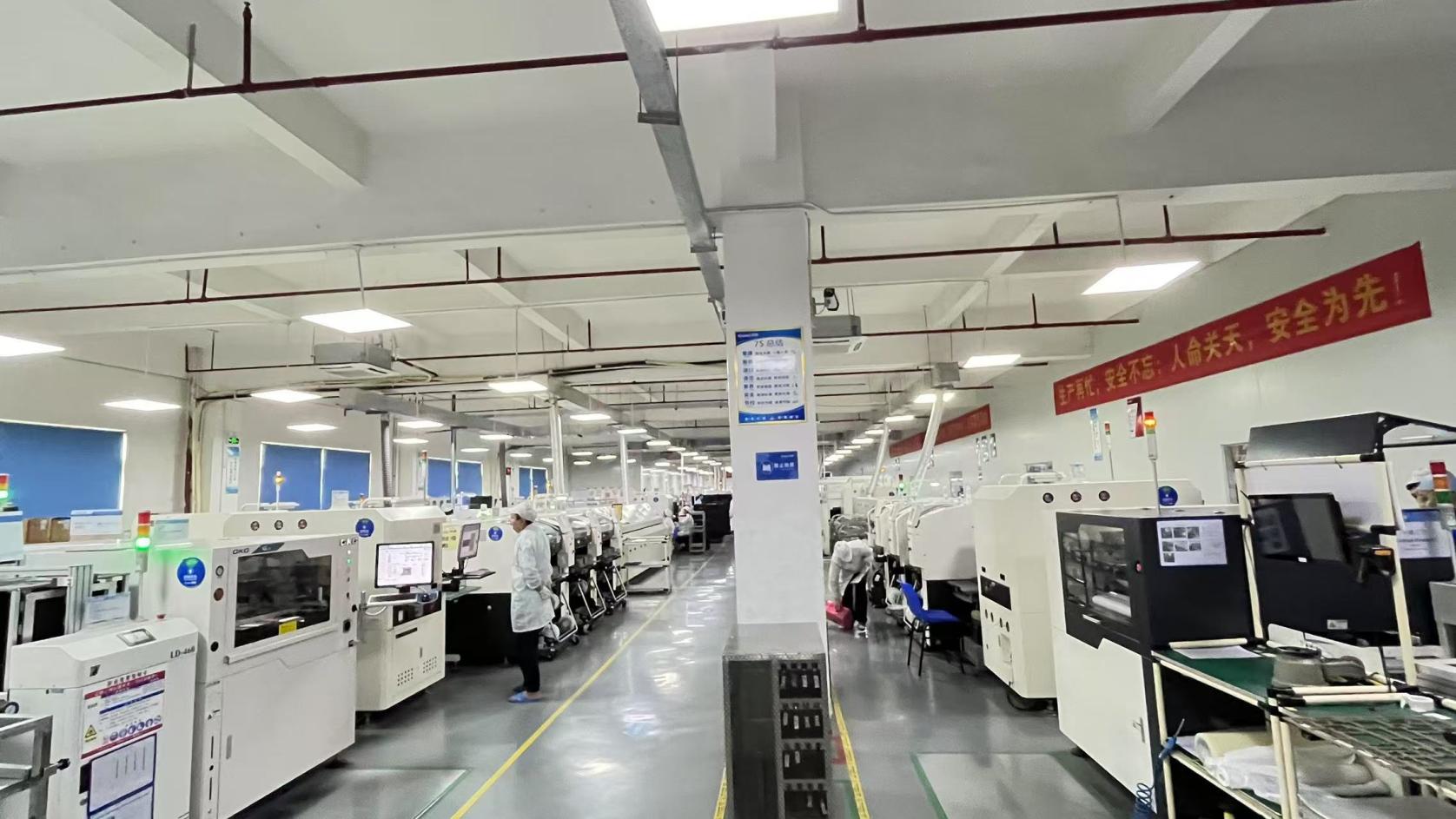
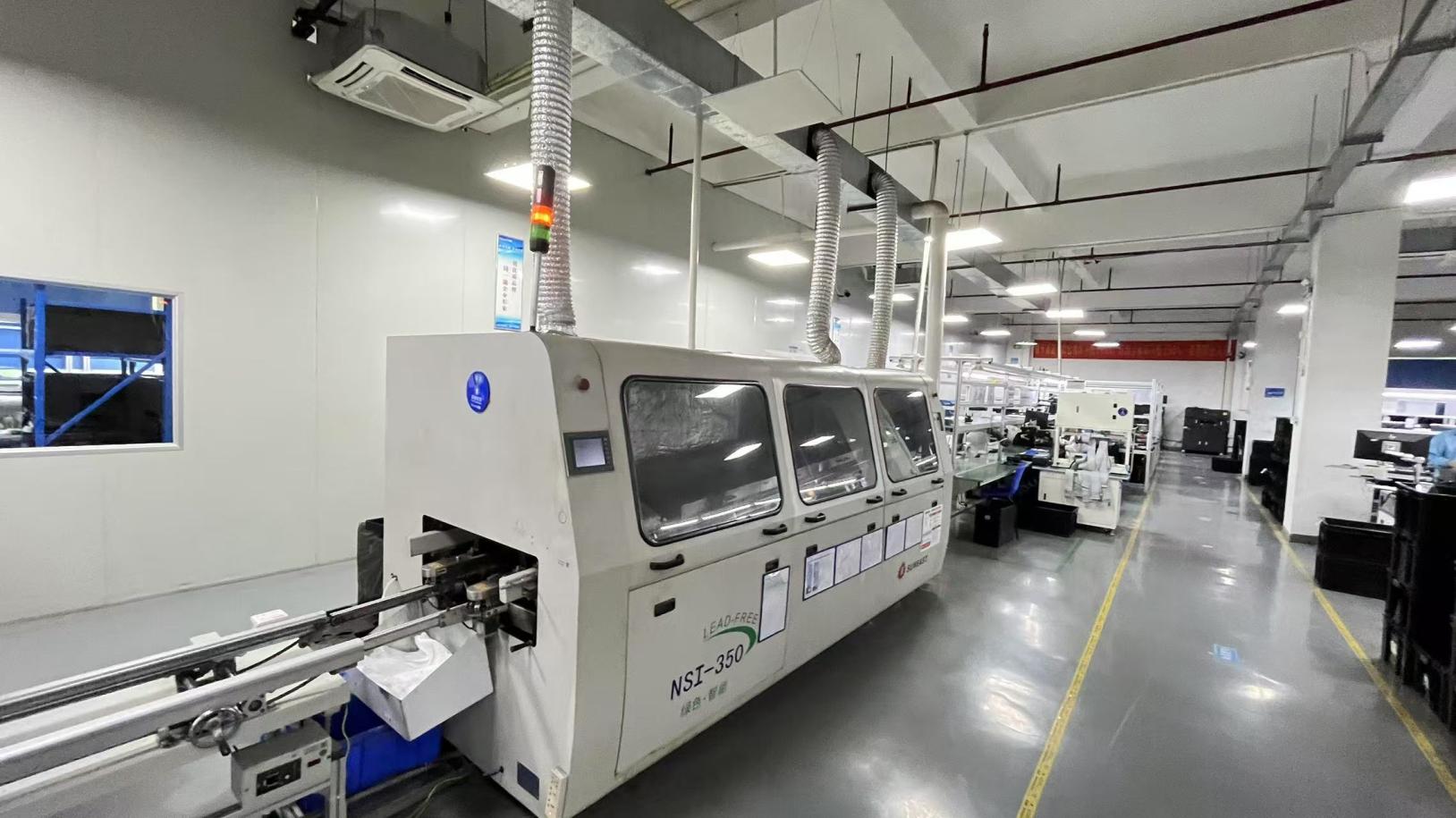
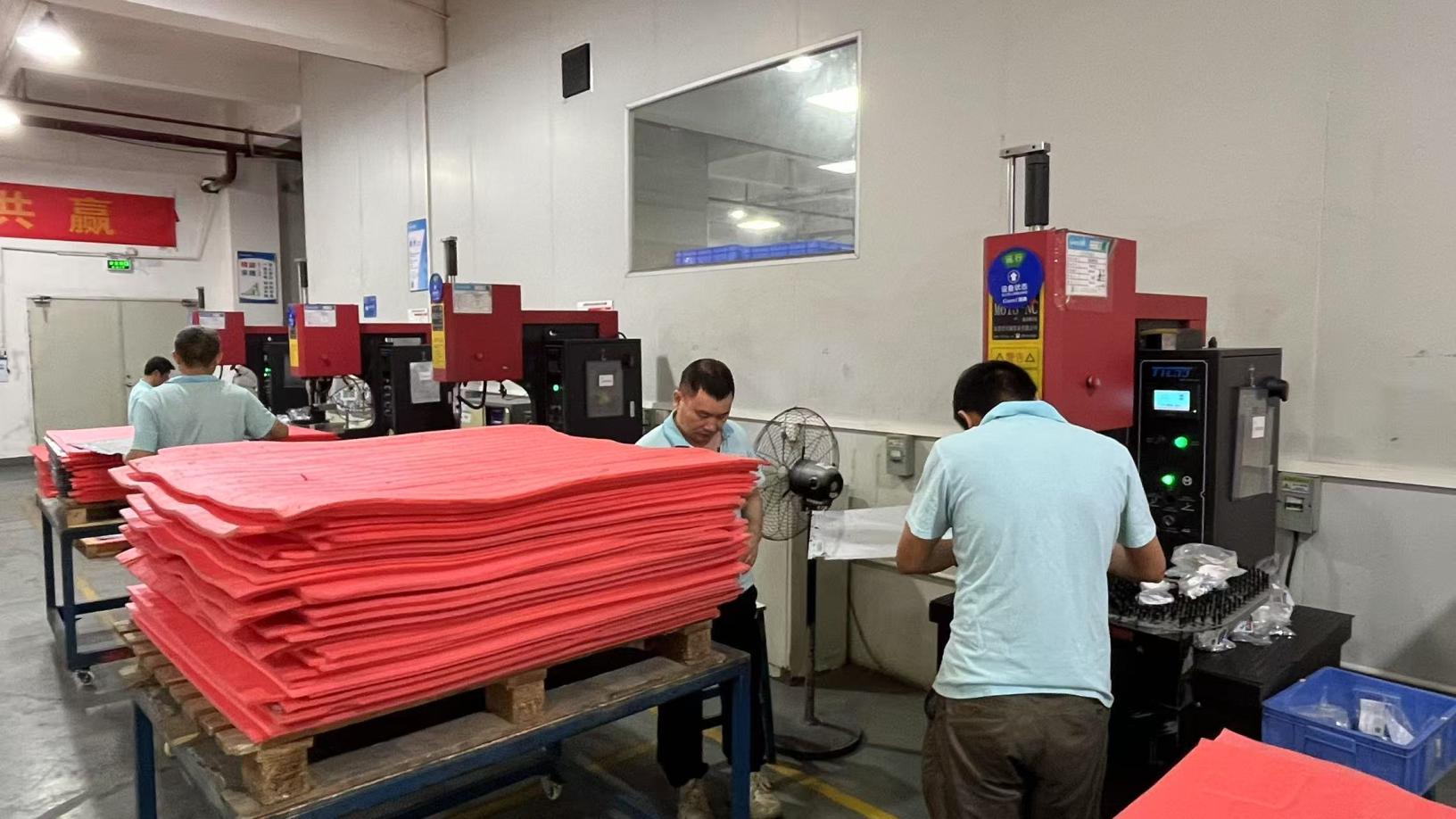
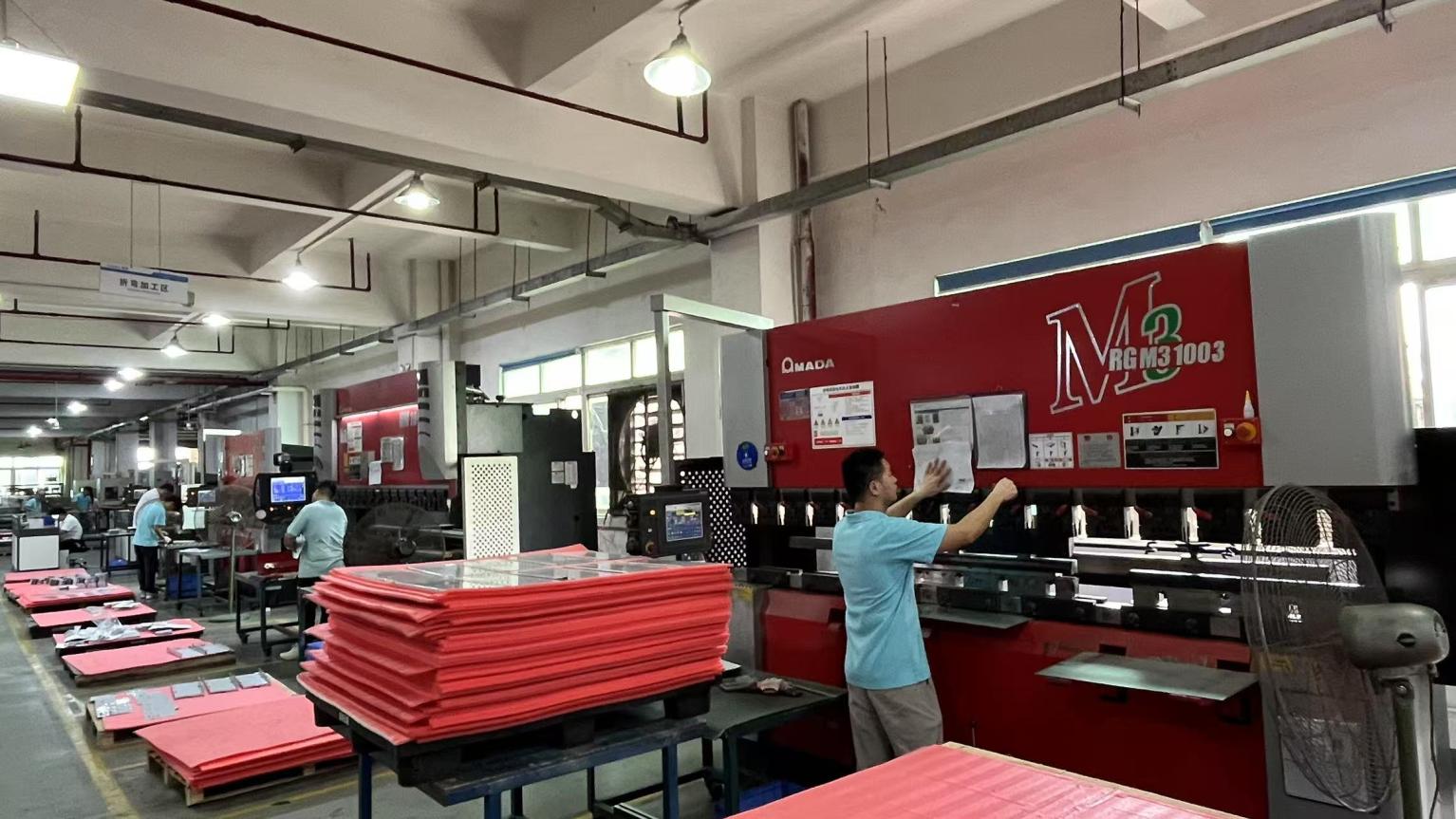

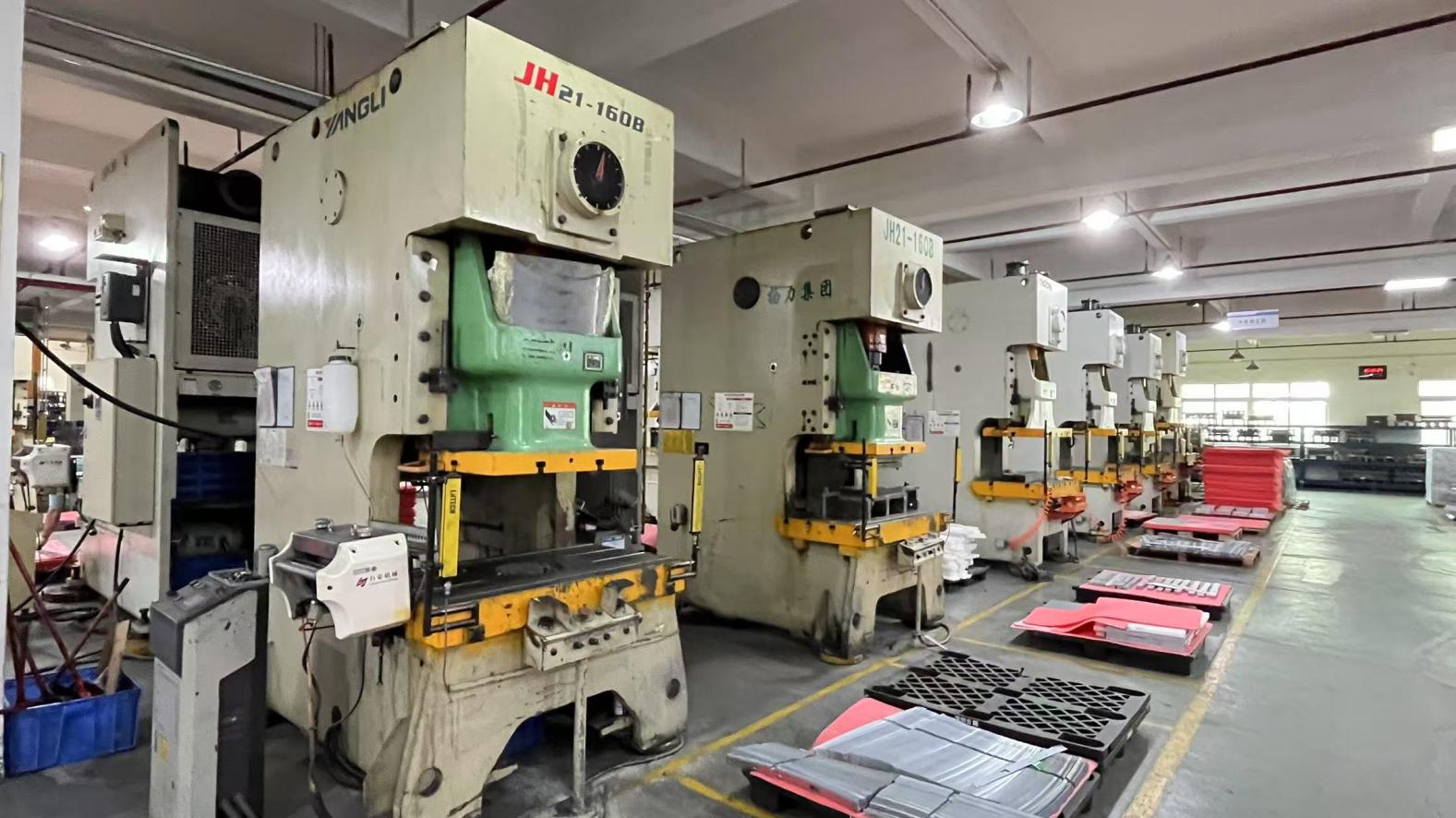

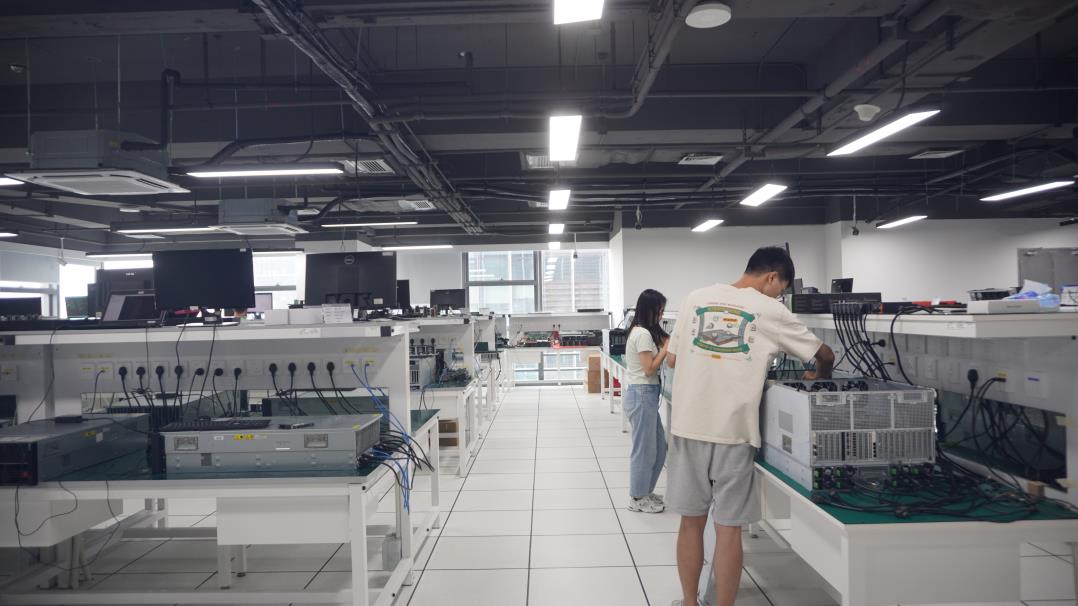
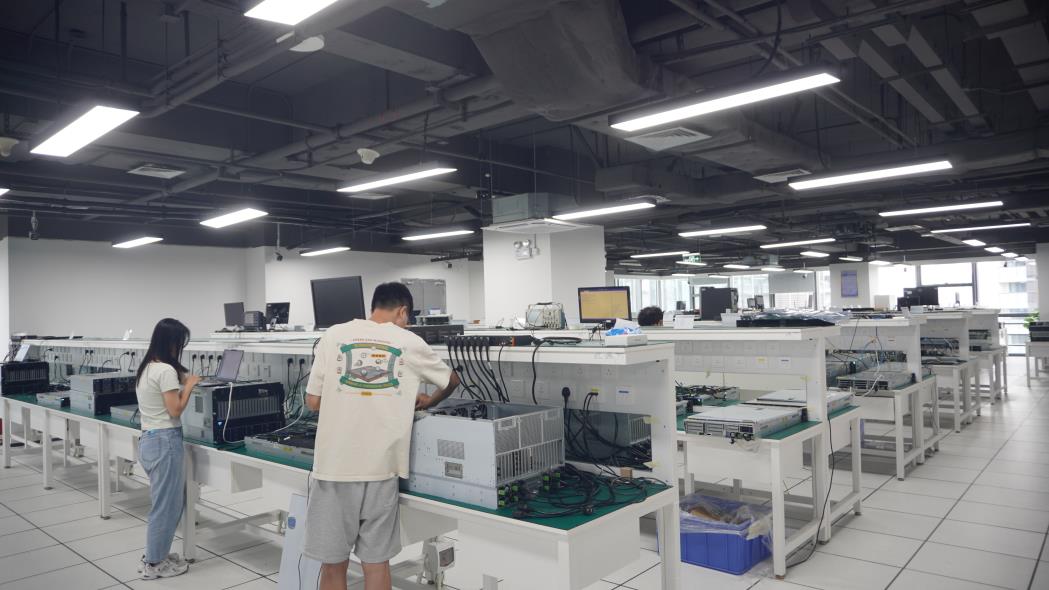
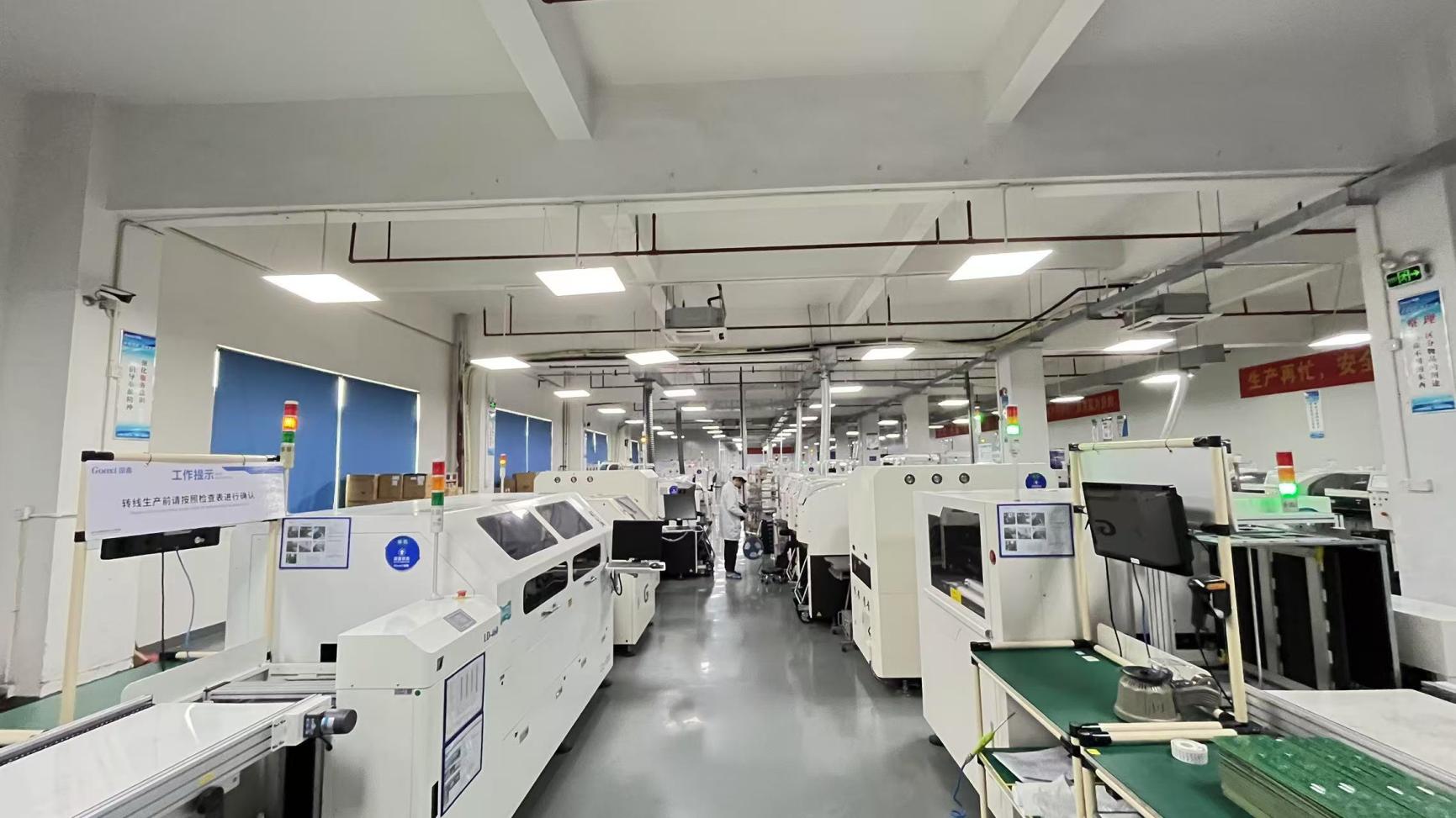
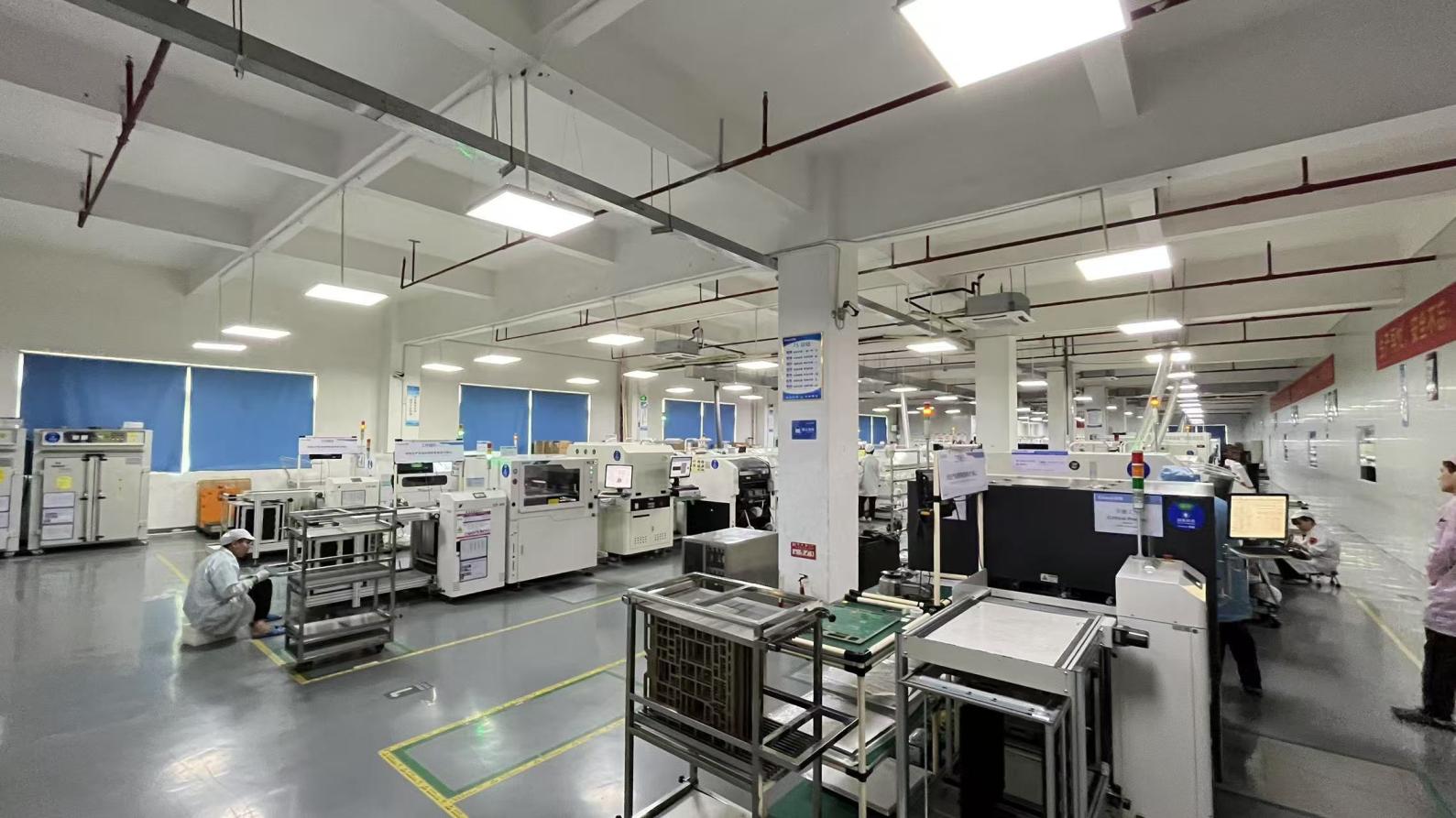
During production, each unit undergoes validation by our 45-person Quality Control team. This includes post-SMT inspection, PCBA functional testing, and full-system thermal stress tests inside environmental chambers.
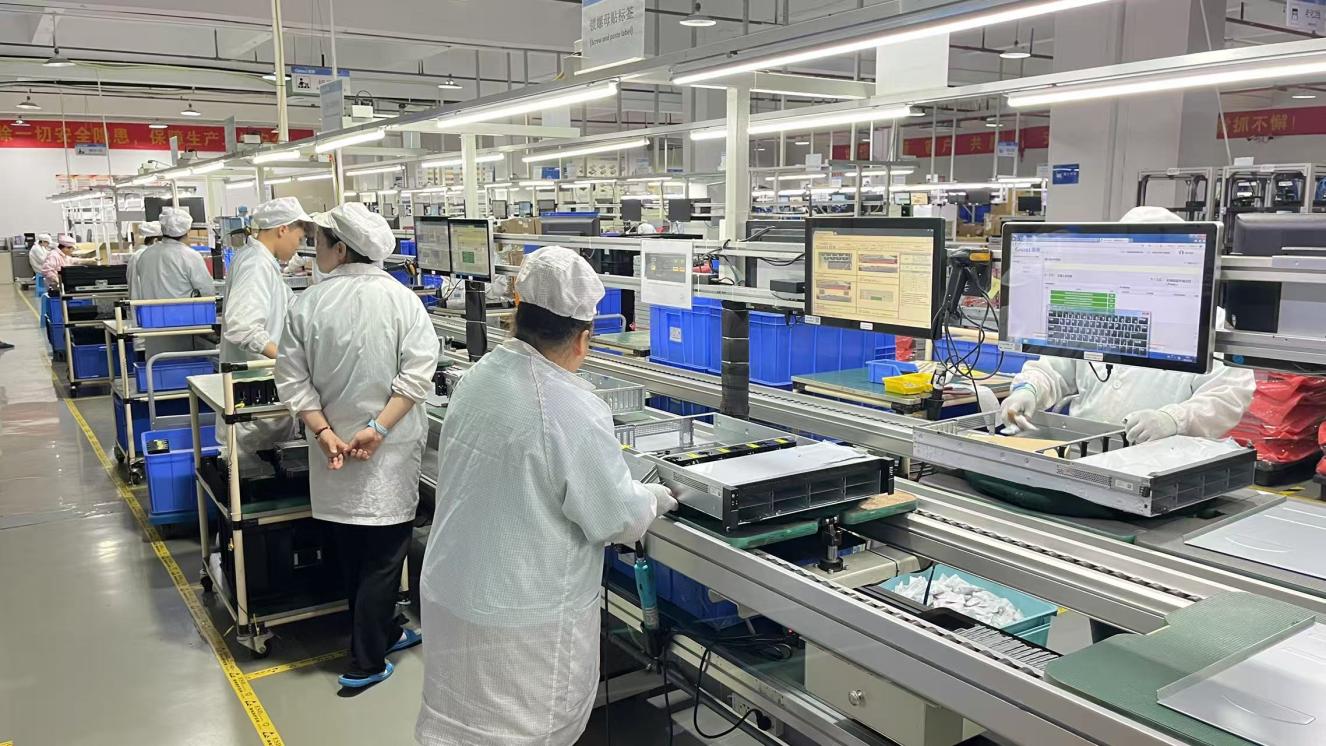
Different computational workloads require specific hardware configurations. Below are common deployment architectural patterns used by our clients:
Deployment of PCIe Gen 5 configurations and DDR5 RAM to optimize host-to-device bandwidth for enterprise workflows.
Widespread adoption of direct-to-chip liquid cooling systems to support high thermal design power (TDP) processors.
Integration of PCIe Gen 6 interfaces and CXL memory pooling technologies to enable larger model execution.
Shipping high-value enterprise IT equipment internationally requires careful adherence to regulatory standards. ZhiCloud AI manages export processes to key markets including North America, Europe, Southeast Asia, and the Middle East. We ensure compliance with safety certifications (CE, FCC, RoHS, CCC) and verify customs clearance details for each destination country.
Additionally, our systems undergo strict packaging protocols to protect them from transport risks. This includes anti-static vacuum wrapping, shock-absorbent cushioning, and heavy-duty, double-walled wooden crates designed to withstand maritime and air shipping stresses.


Find answers to common questions regarding GPU server procurement, configuration options, export regulations, and technical support.
We offer hardware customization including CPU models (Intel Xeon, AMD EPYC), GPU types and quantities, RAM sizes (DDR4, DDR5), storage setups (NVMe SSD, SAS/SATA configurations), and operating system or driver pre-installation services.
Each server undergoes a multi-stage validation process managed by our 45-person QC team. This includes component checking, thermal stress testing inside environmental chambers, and full-system diagnostic benchmarking before final packing.
Yes, our servers can be customized with high-bandwidth memory and peer-to-peer interconnects to meet the computational and data throughput requirements of large language models like DeepSeek-R1.
Lead times vary based on component availability and customization requirements. Standard configurations generally ship within 2 to 3 weeks, while larger clusters or heavily customized hardware configurations may require additional time.
Browse our extended product selection including high-density server nodes, deep learning platforms, and custom storage arrays.