ZhiCloud AI
ZhiCloud AI
ZhiCloud AI
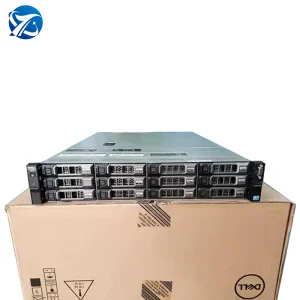
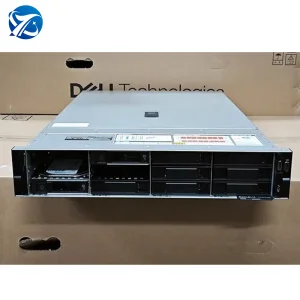
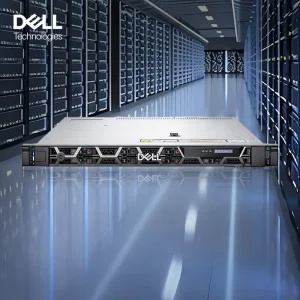
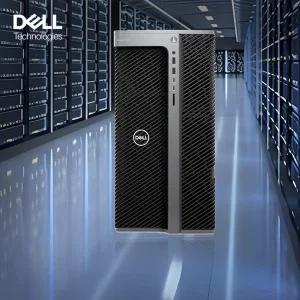
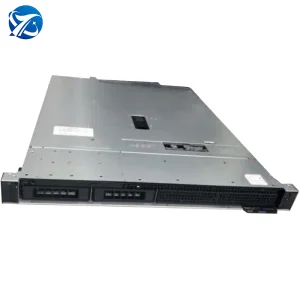
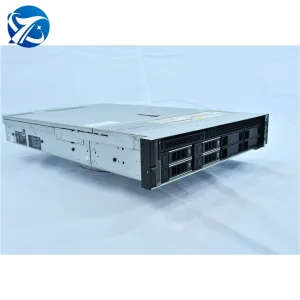
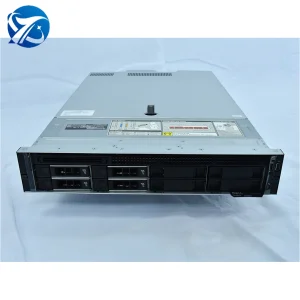
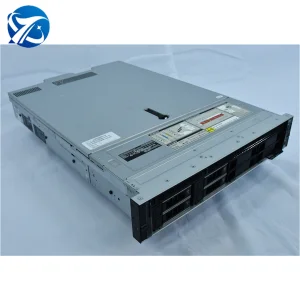
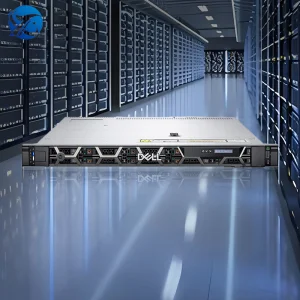
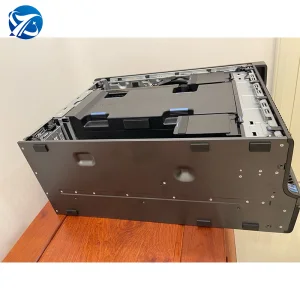
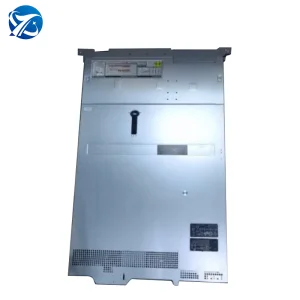
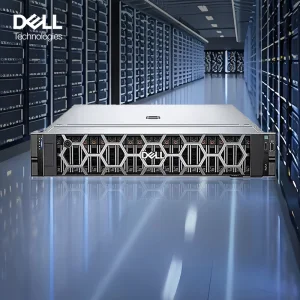
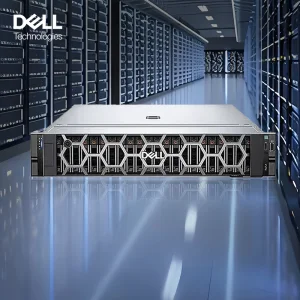
Explore our highly reliable, top-tier Dell server systems, fully integrated and quality-checked by ZhiCloud AI for global export.
An in-depth analysis of high-performance computing deployment, manufacturing quality, and export structures in the AI era.
In the modern era of computing, data centers serve as the engine of the global digital economy. The rapid rise of artificial intelligence, large language models (LLMs), machine learning, and big data analytics has driven a monumental shift in enterprise hardware requirements. Standard computing clusters are no longer sufficient; organizations now demand extreme computational density, energy-efficient architectures, and highly resilient storage frameworks.
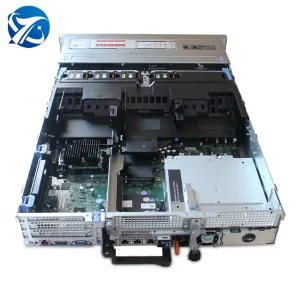
Dell PowerEdge servers, specifically the 16th generation (such as the R760 and R960 series), are designed to meet these challenges. Featuring Intel® Xeon® Scalable processors, DDR5 memory, and PCIe Gen5 interfaces, these servers provide double the bandwidth of previous generations, eliminating bottlenecks in data transfer. Integrating these systems requires deep alignment with micro-architectures, GPU acceleration arrays, and high-speed networking adapters. Global enterprises look to Dell's mature server ecosystem for its predictability, security, and global support structures.
The manufacturing of global IT infrastructure is a complex process. Key components—from memory modules and system controllers to barebones chassis—must be sourced, assembled, and validated. Dell's global manufacturing network is supported by specialized systems integrators and exporters, like Shenzhen Intelligent Computing Cloud Technology Co., Ltd. (ZhiCloud AI).
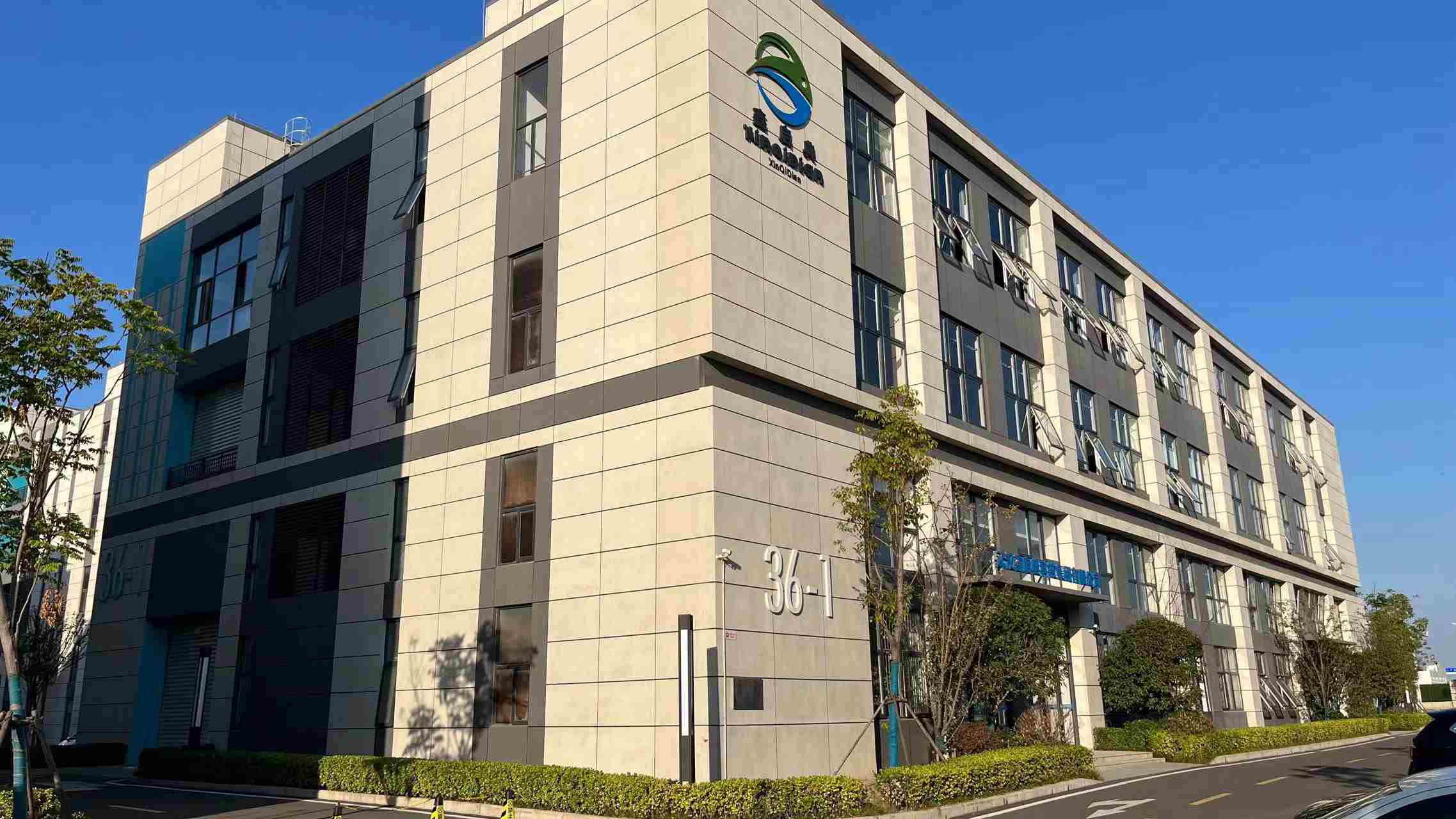
Founded in 2016 and backed by over 11 years of industry expertise, ZhiCloud AI plays an important role in customizing and exporting enterprise-grade Dell servers. Running a modern production facility of 320㎡, the company acts as a vital bridge between global hardware distributors and localized end-users in North America, Europe, Southeast Asia, and the Middle East. With 7 years of export experience and an annual export revenue of approximately USD 12 million, ZhiCloud AI demonstrates the technical depth required to manage complex supply chains and international hardware shipping rules.
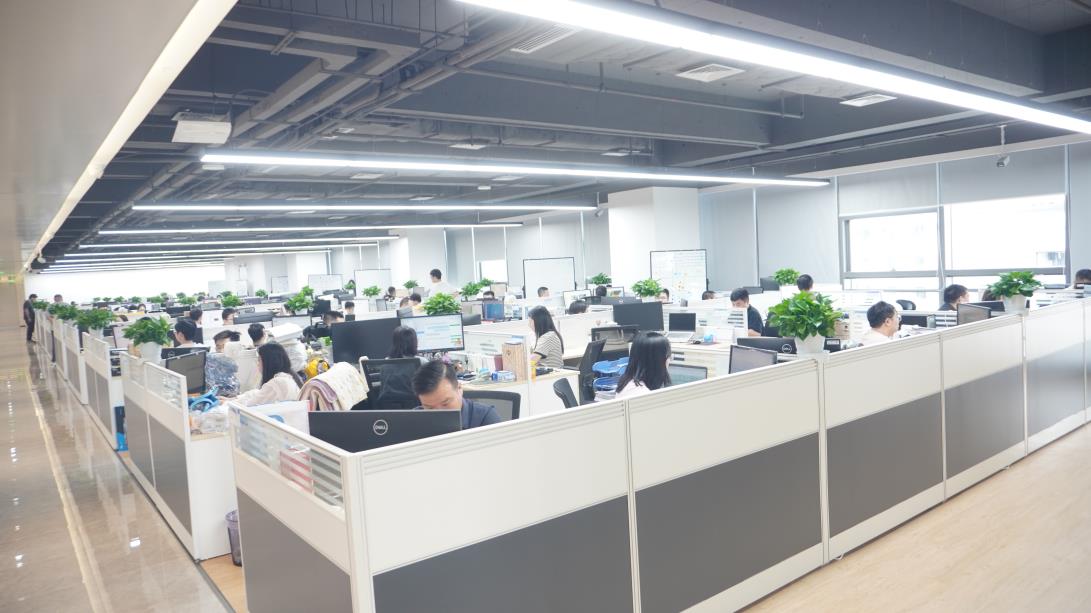
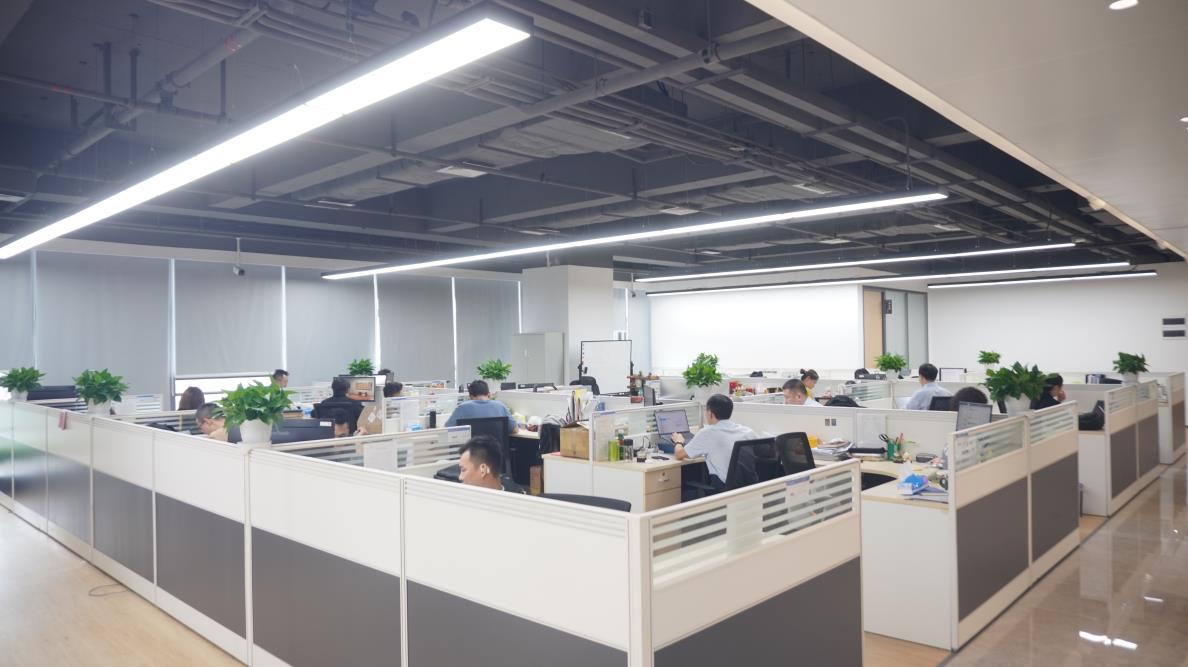
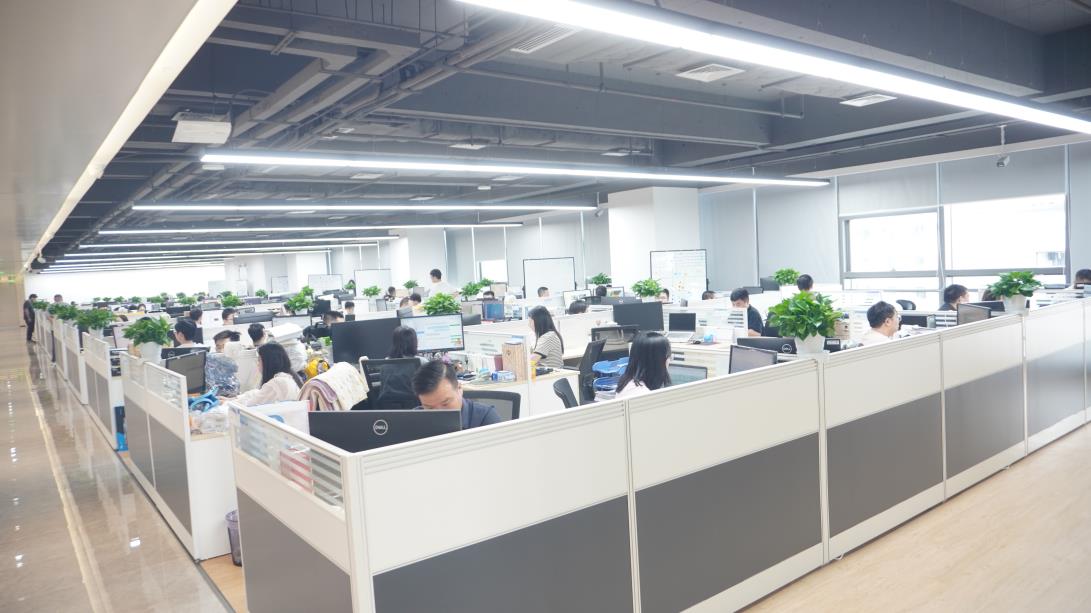
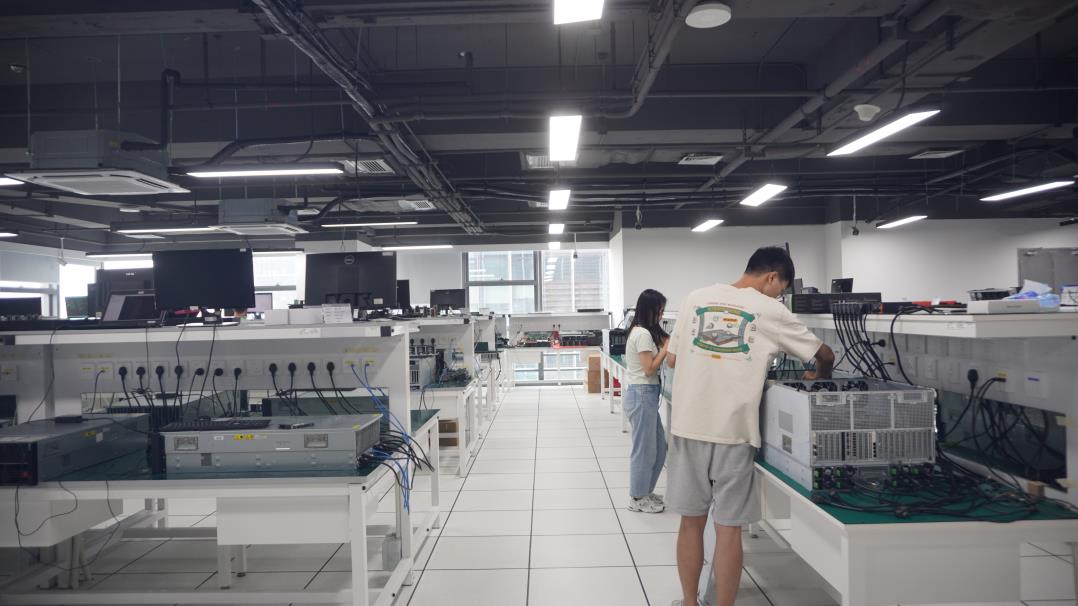
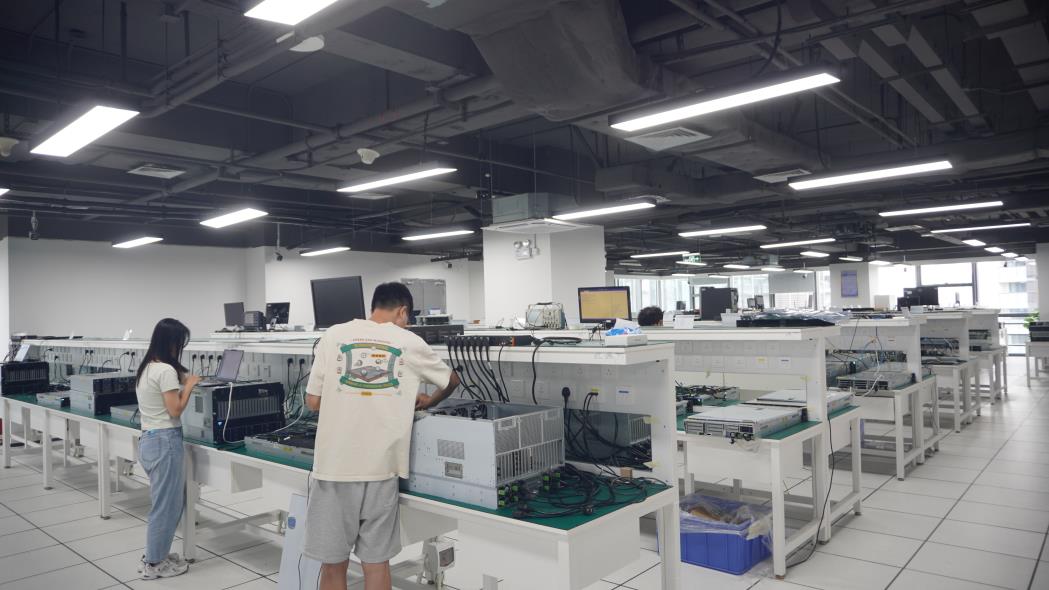
Deploying international hardware requires navigating a complex environment of regulatory certifications, safety standards, and regional environmental rules. ZhiCloud AI works to ensure that all exported Dell server configurations comply with target market regulations, including FCC (USA), CE (Europe), RoHS (Environmental safety), and VCCI (Japan).
Compliance is not just about paperwork; it involves hardware-level validation. For example, systems exported to the European Union are checked for energy-consumption patterns under ErP Lot 9 requirements. For markets with high humidity or coastal salinity, systems undergo rigorous environmental testing. Crucially, ZhiCloud AI manages complex logistics procedures—from customs clearance and secure packaging to door-to-door delivery—reducing transit risks for enterprise customers.
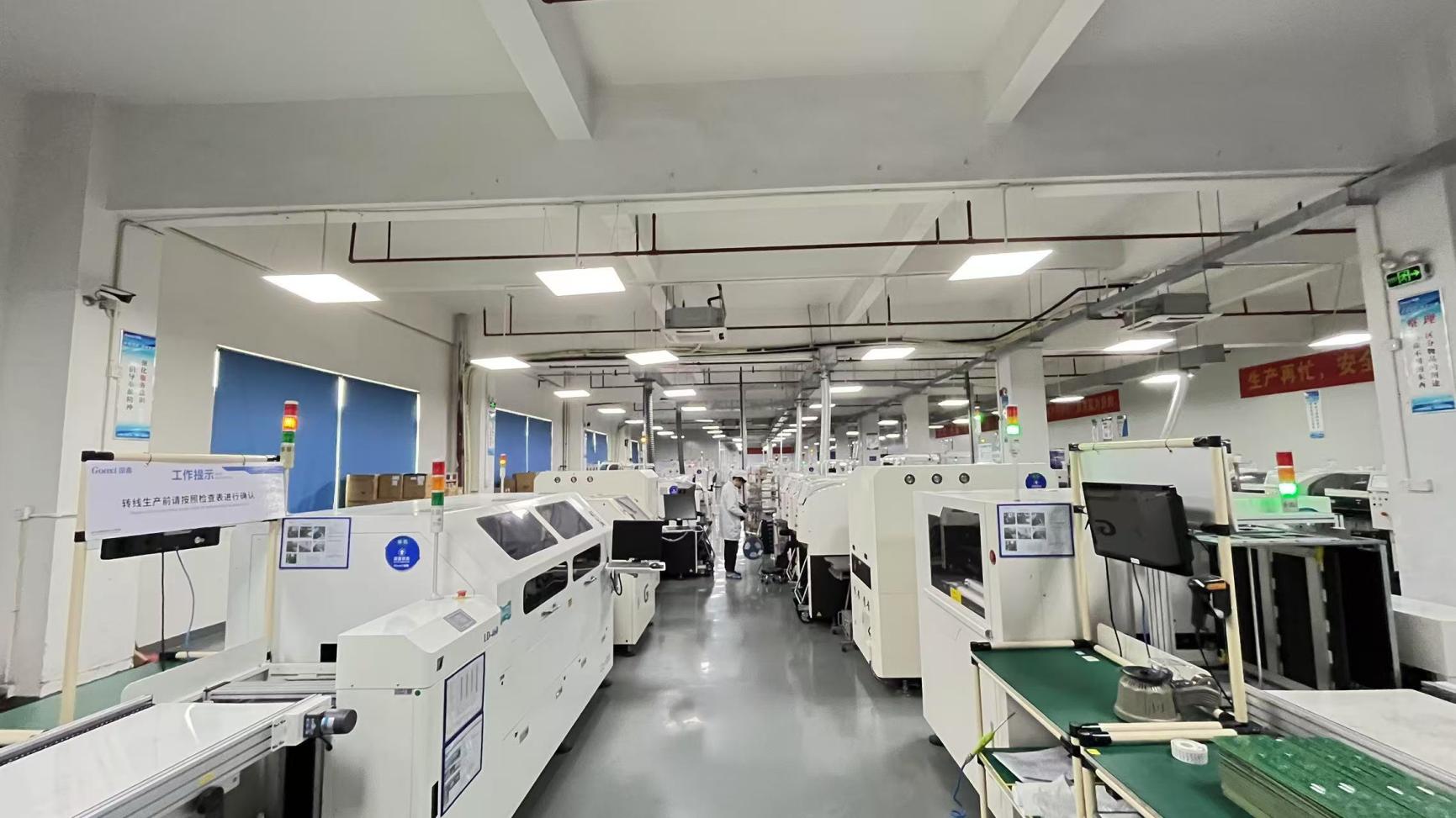
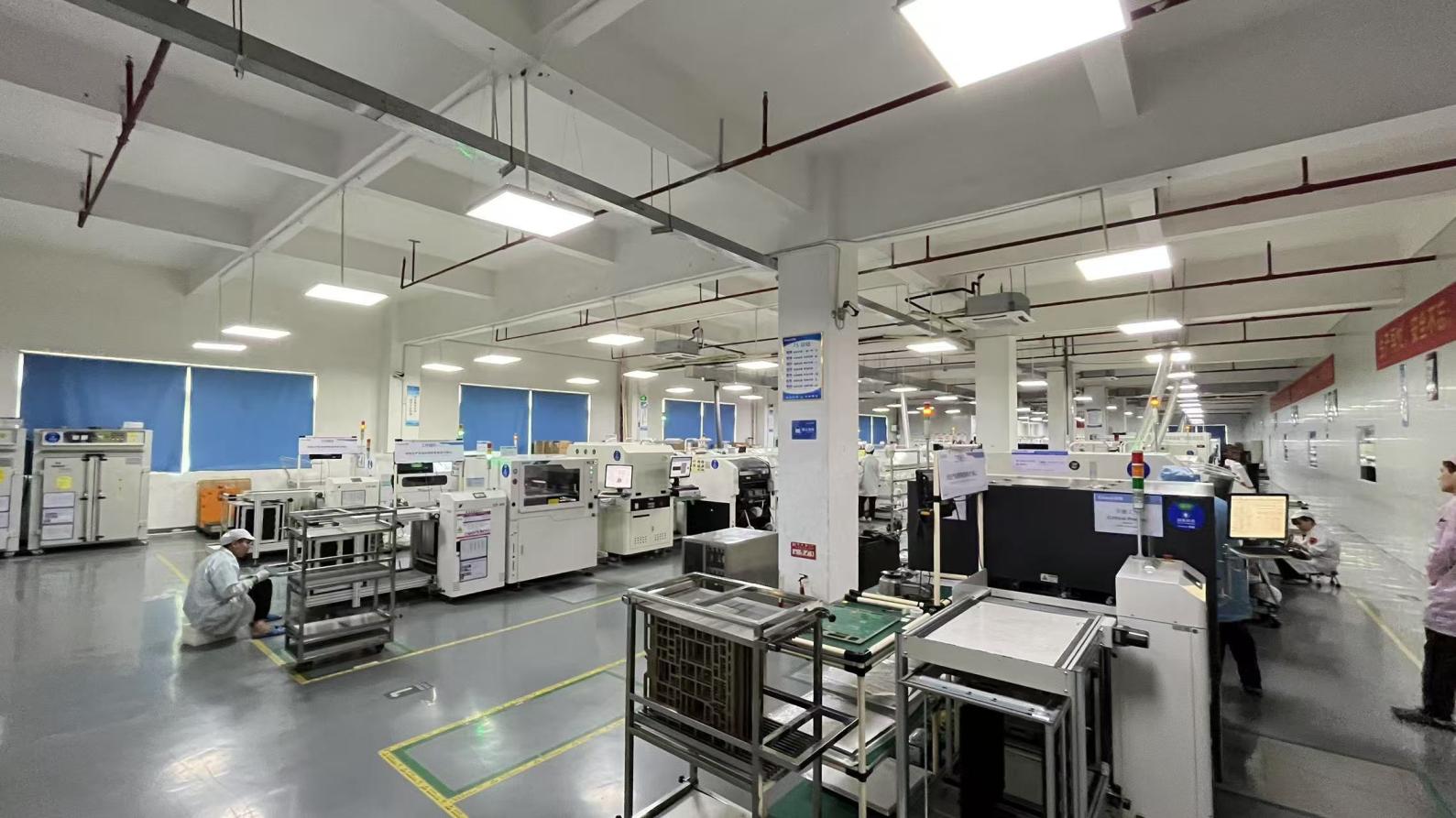

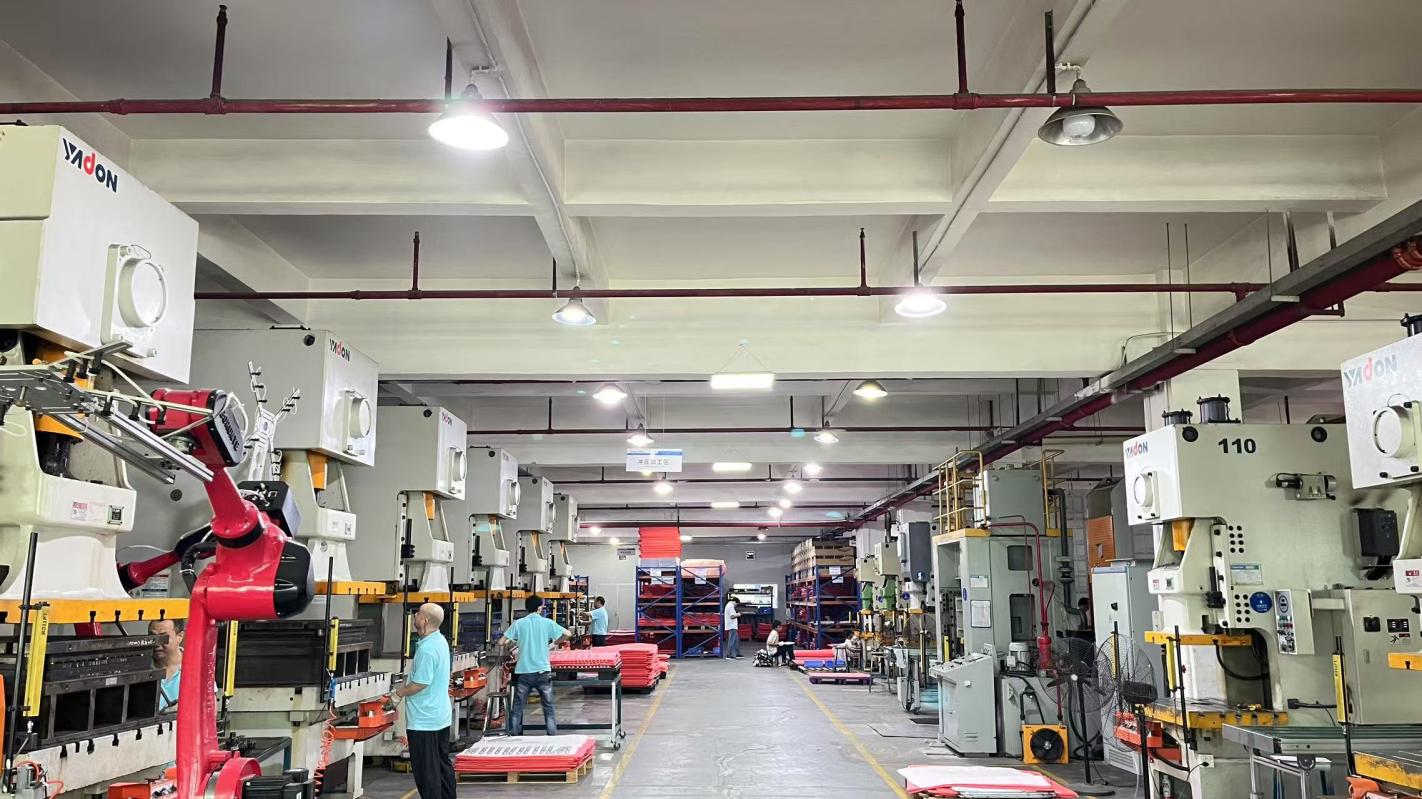
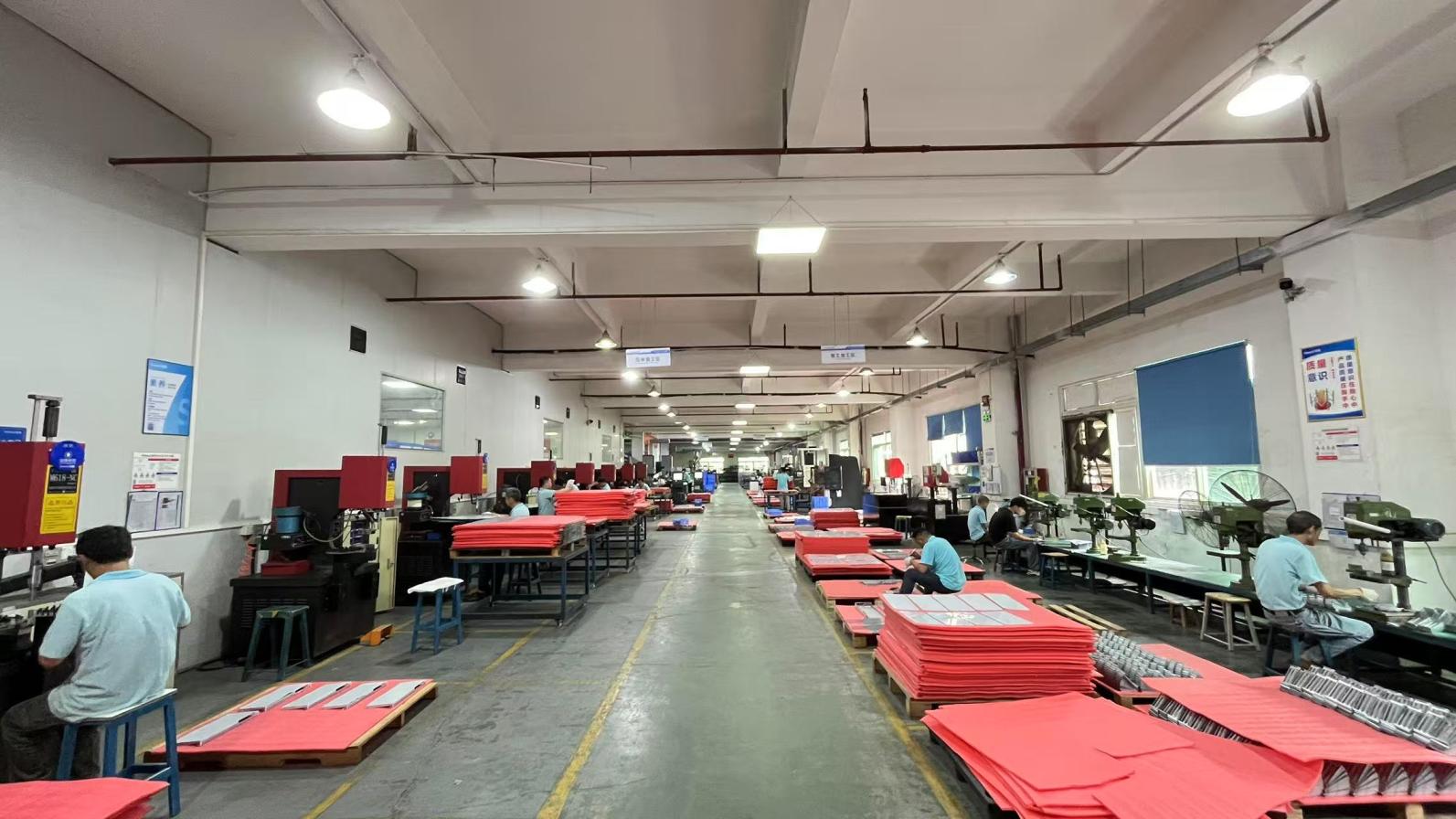
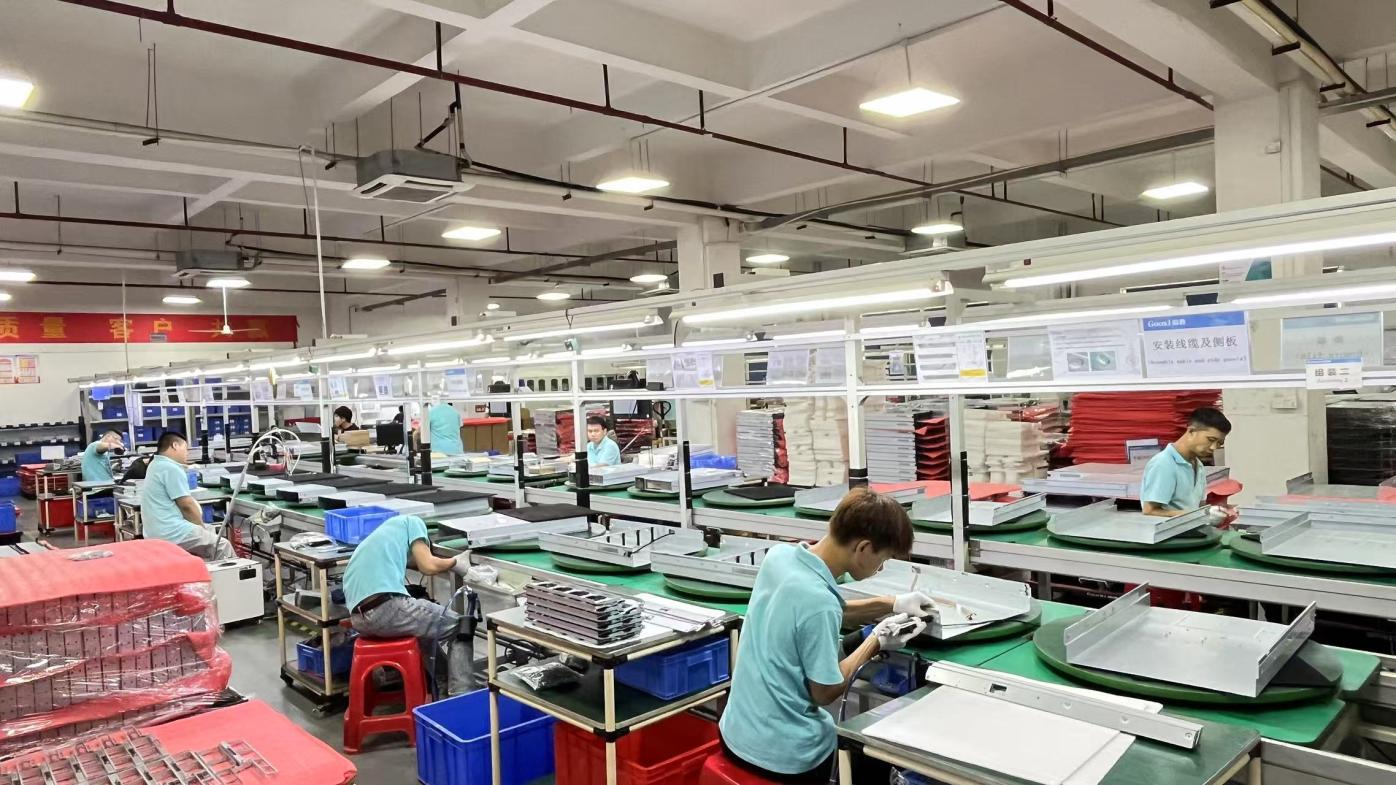
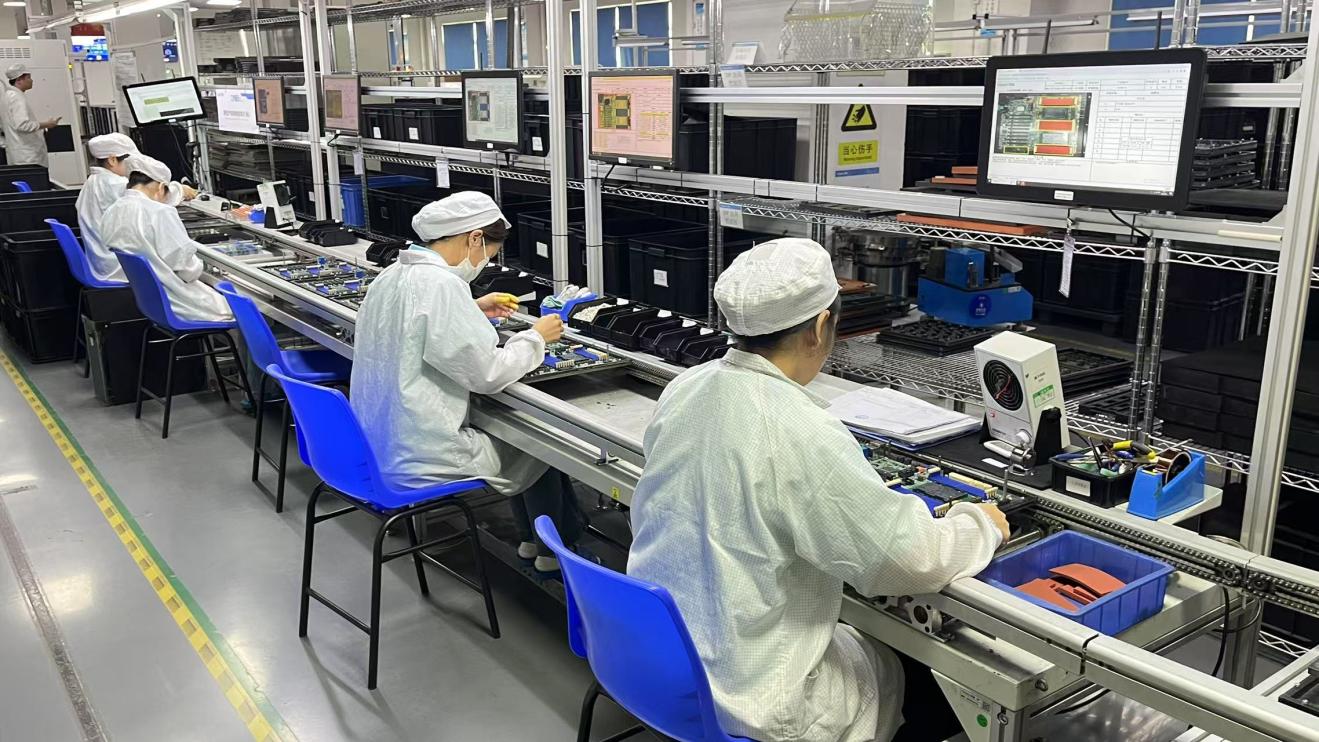
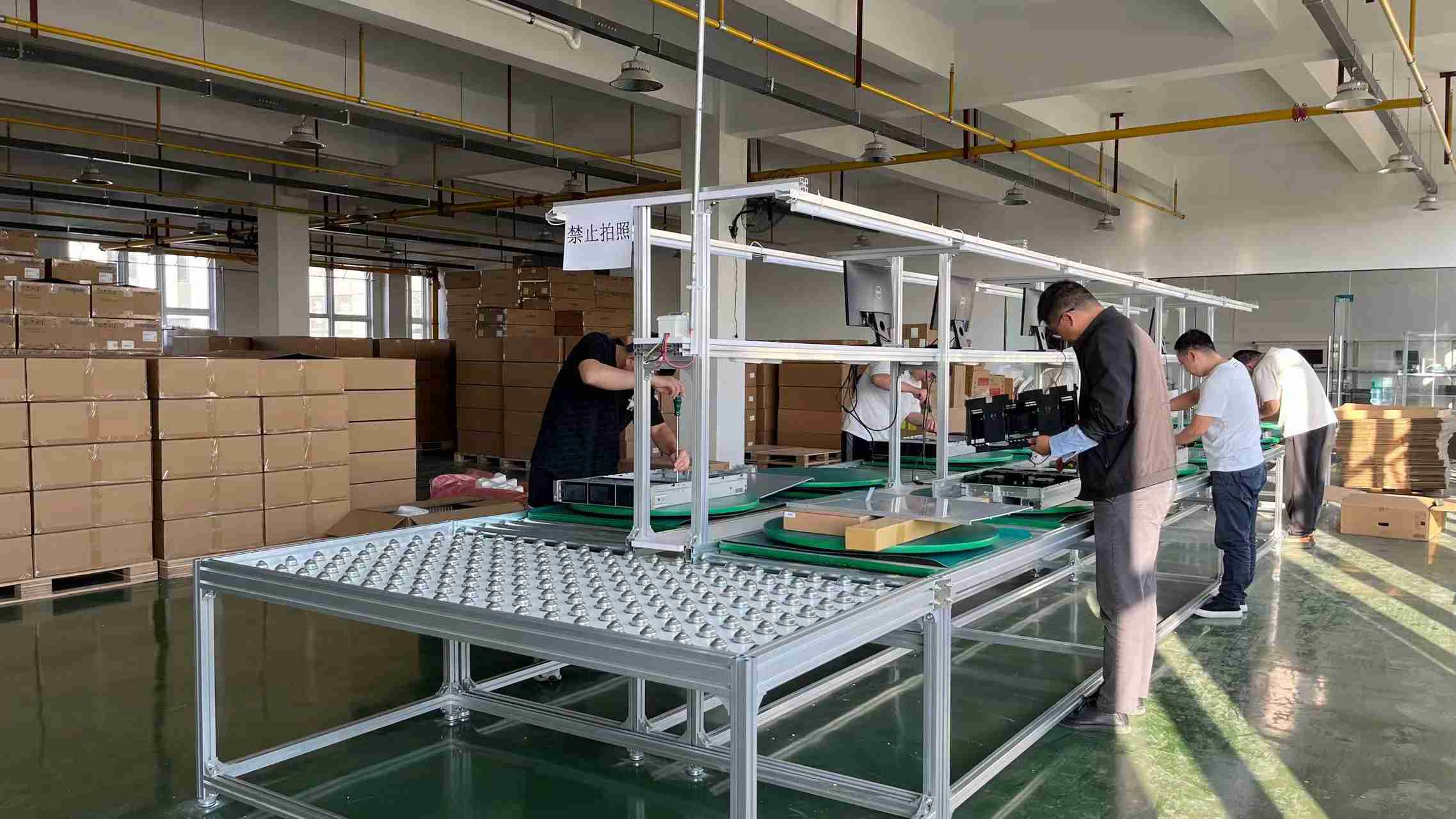
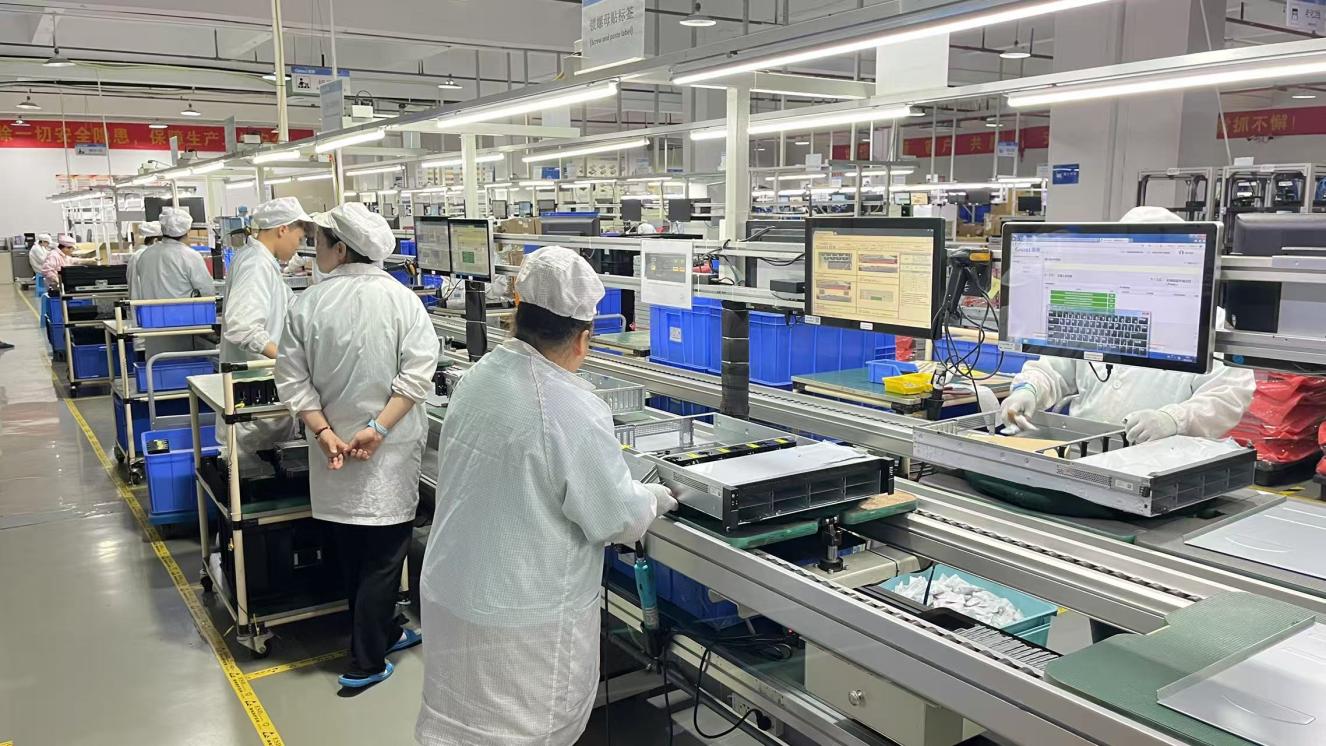
Quality is built directly into every stage of the manufacturing and integration processes. ZhiCloud AI's partner factories utilize state-of-the-art machinery to guarantee structural integrity and component longevity. Below is an overview of the key phases of production, from initial metal cutting to final packaging:
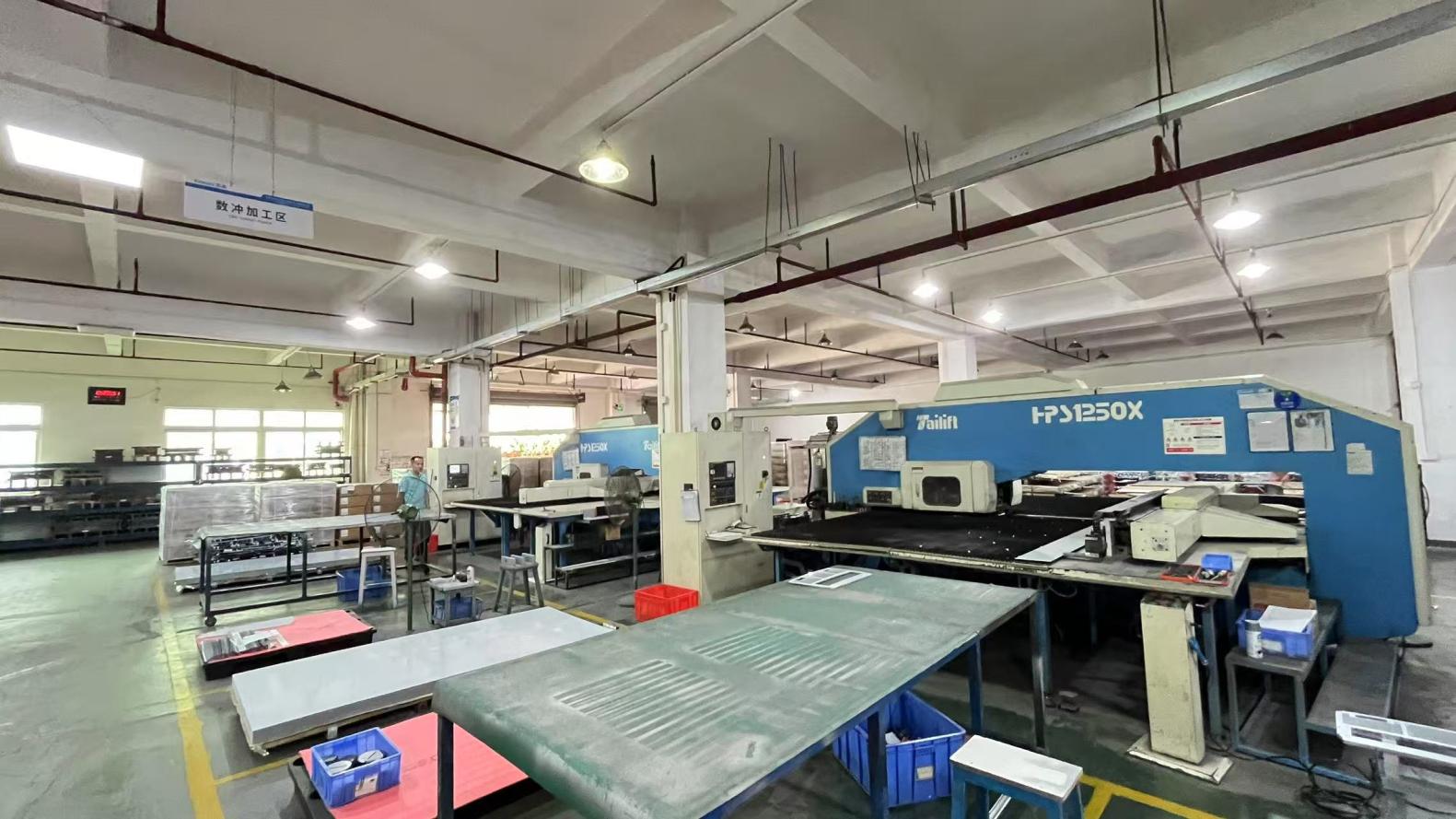
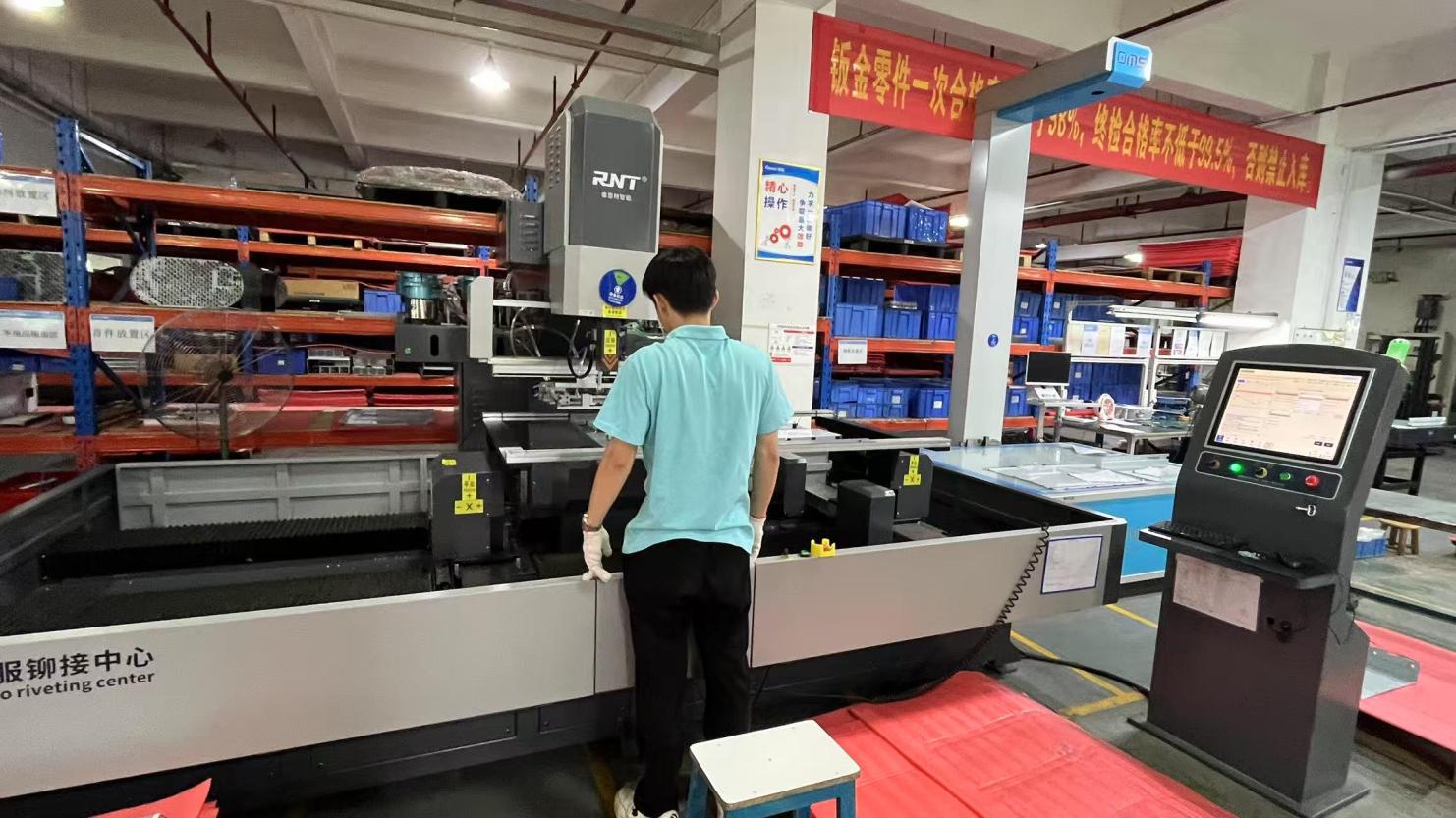
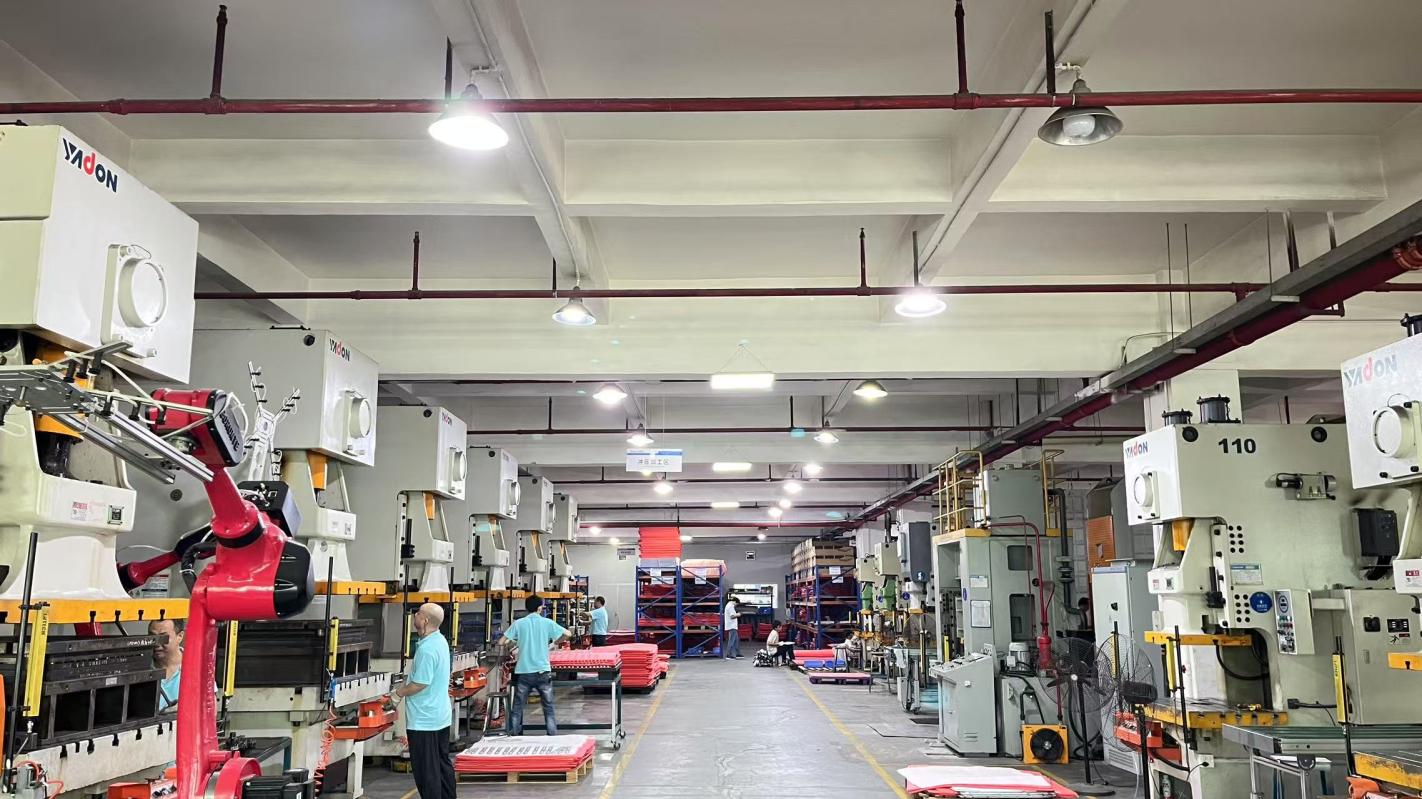
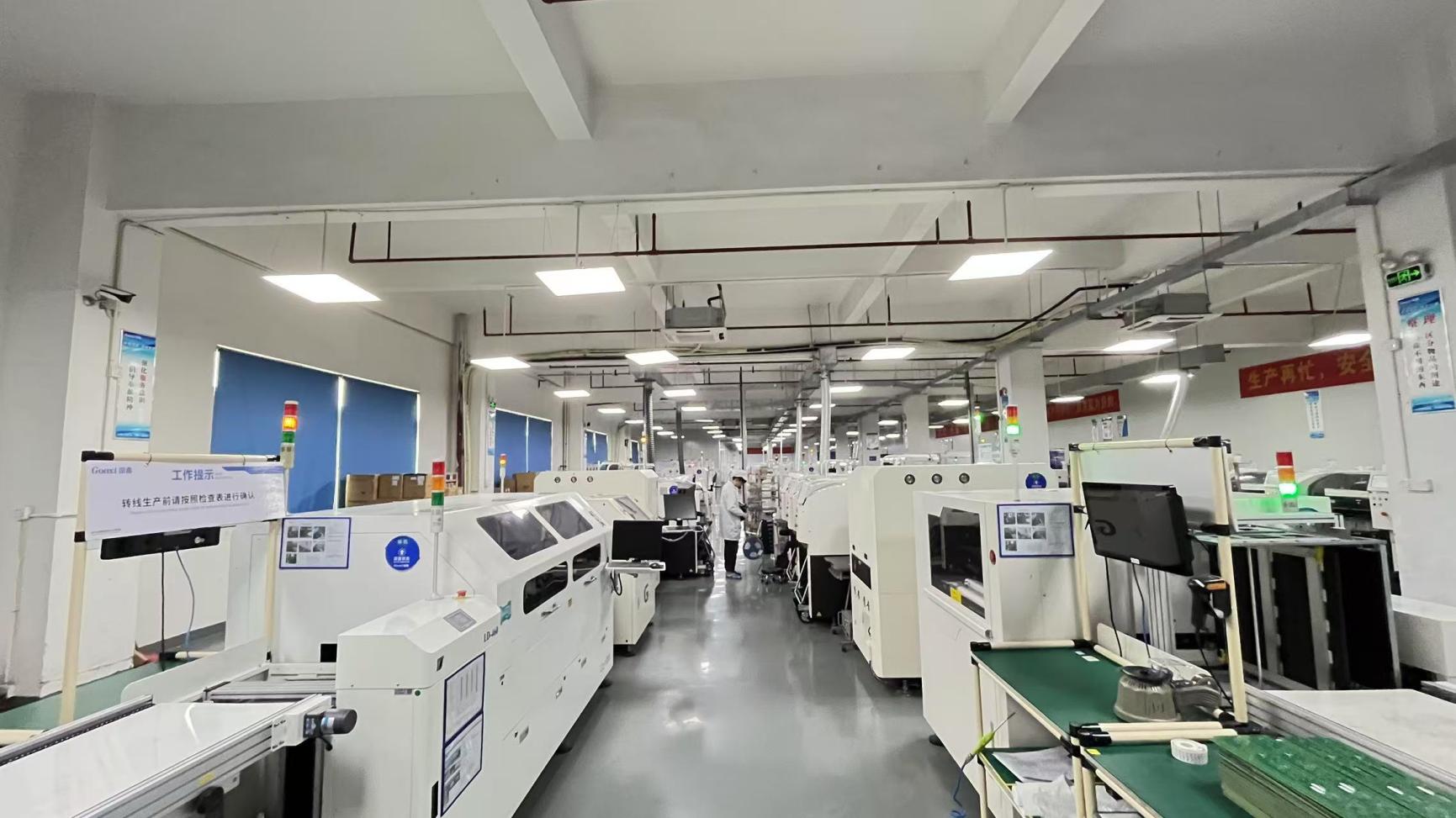
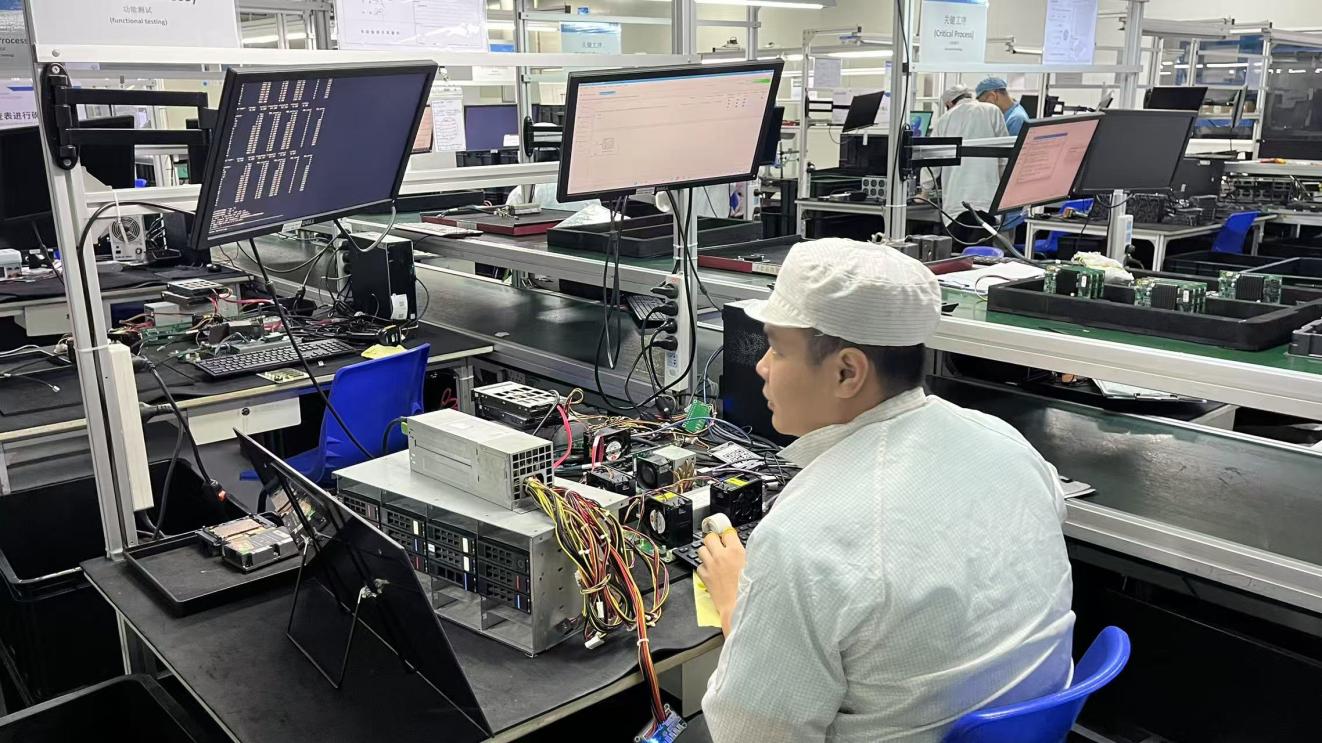
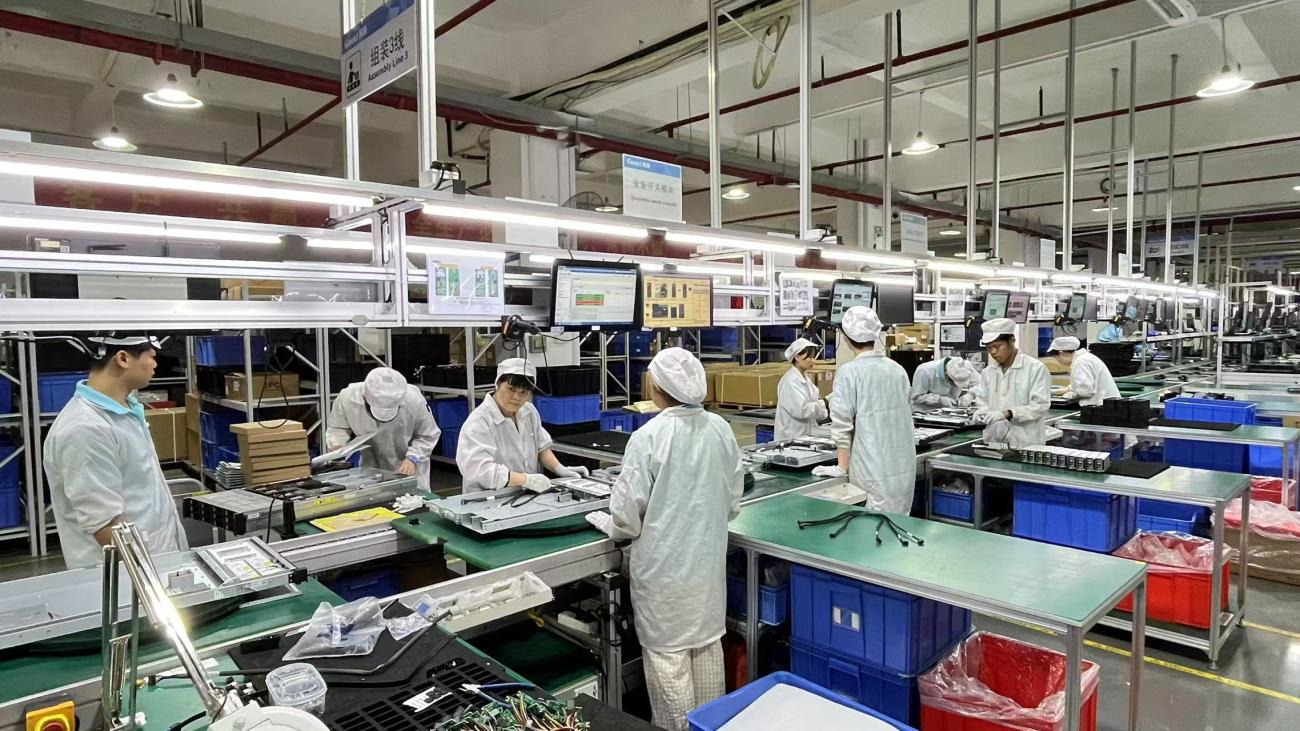
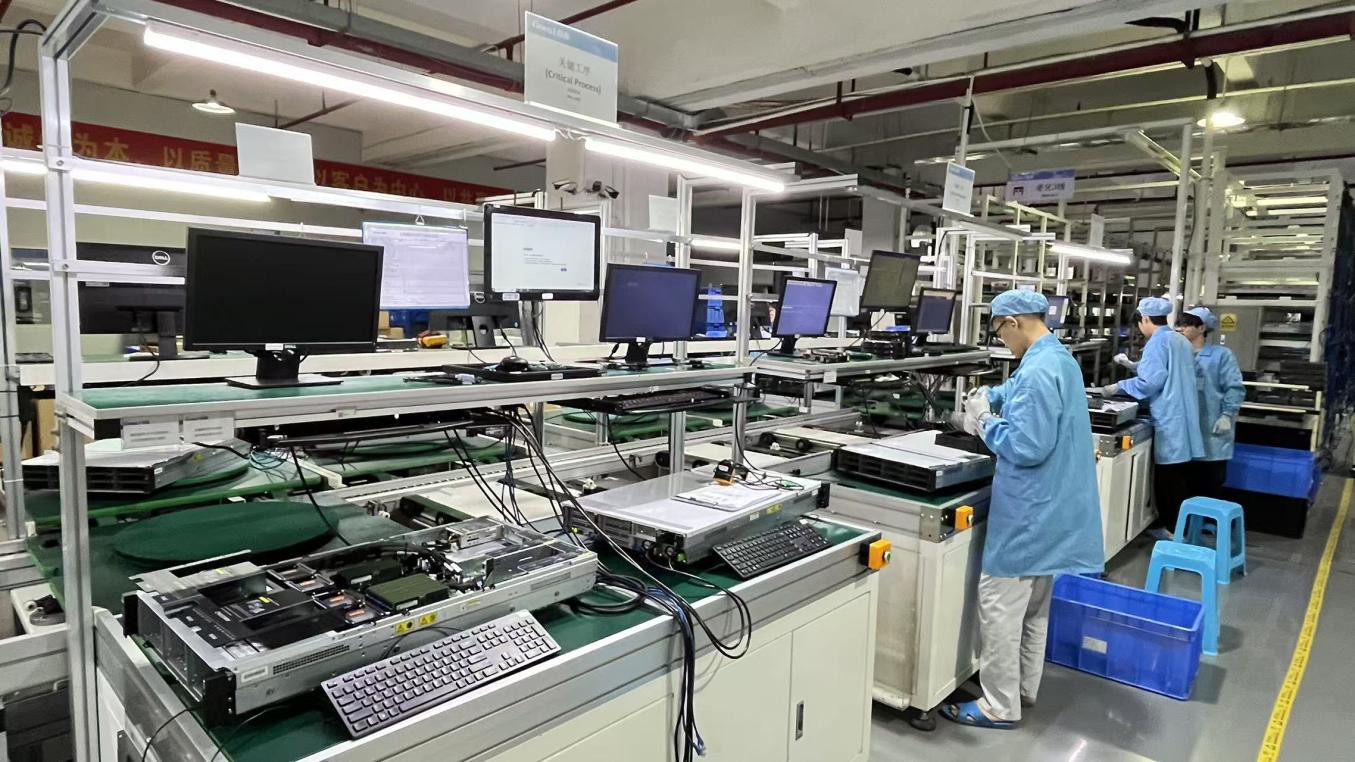
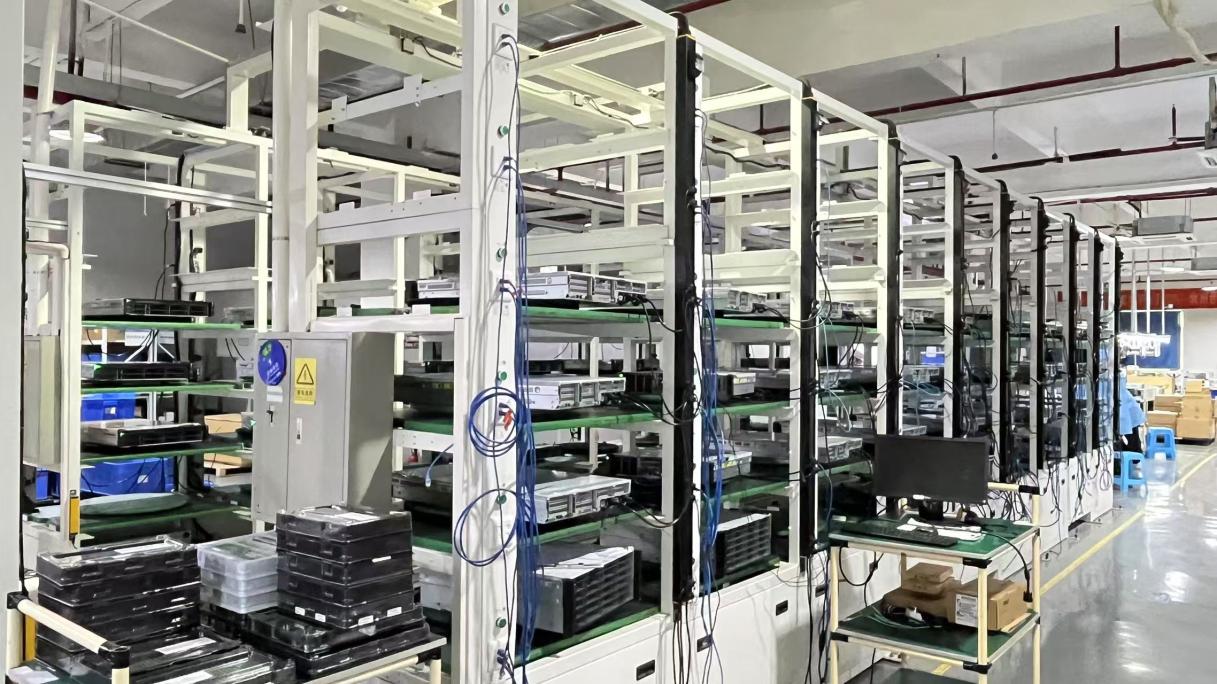
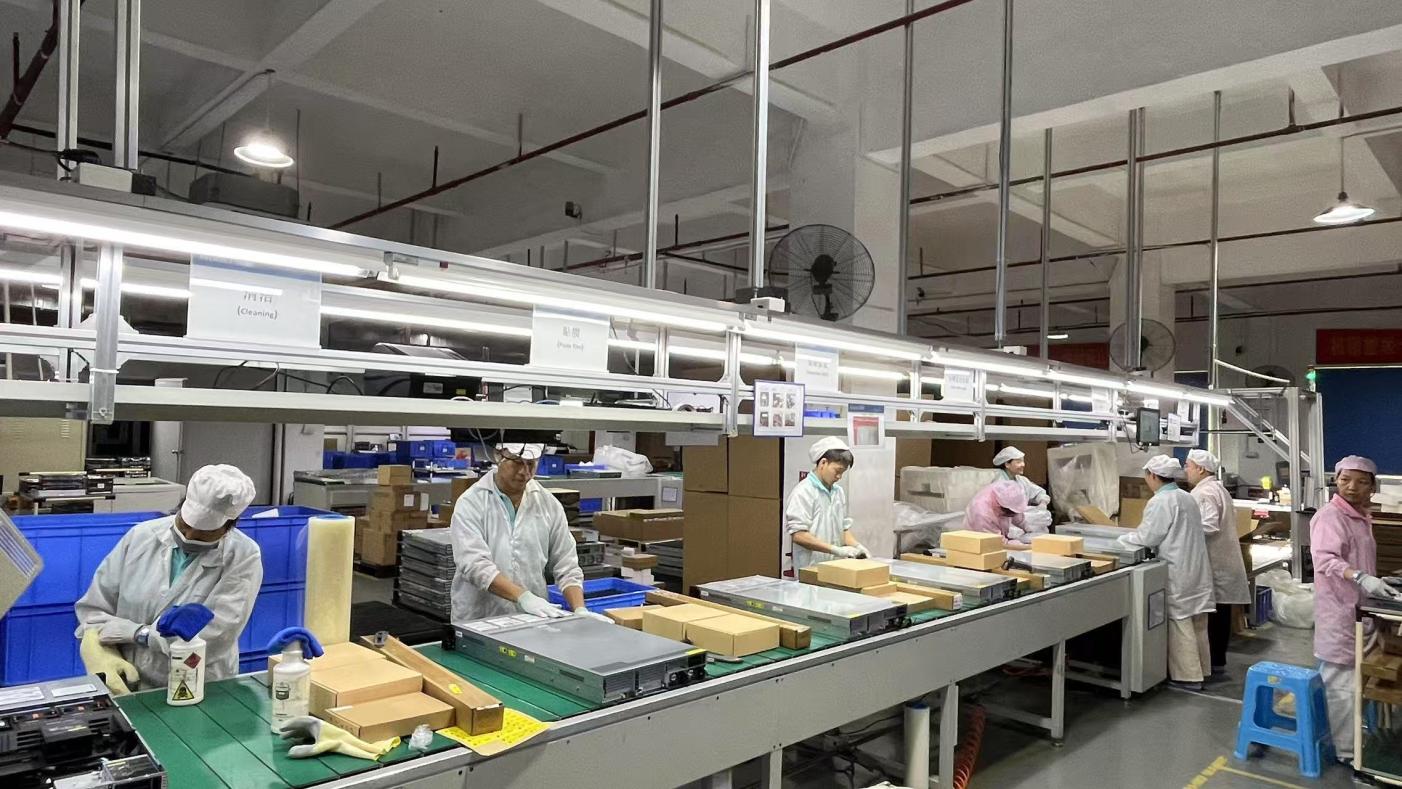
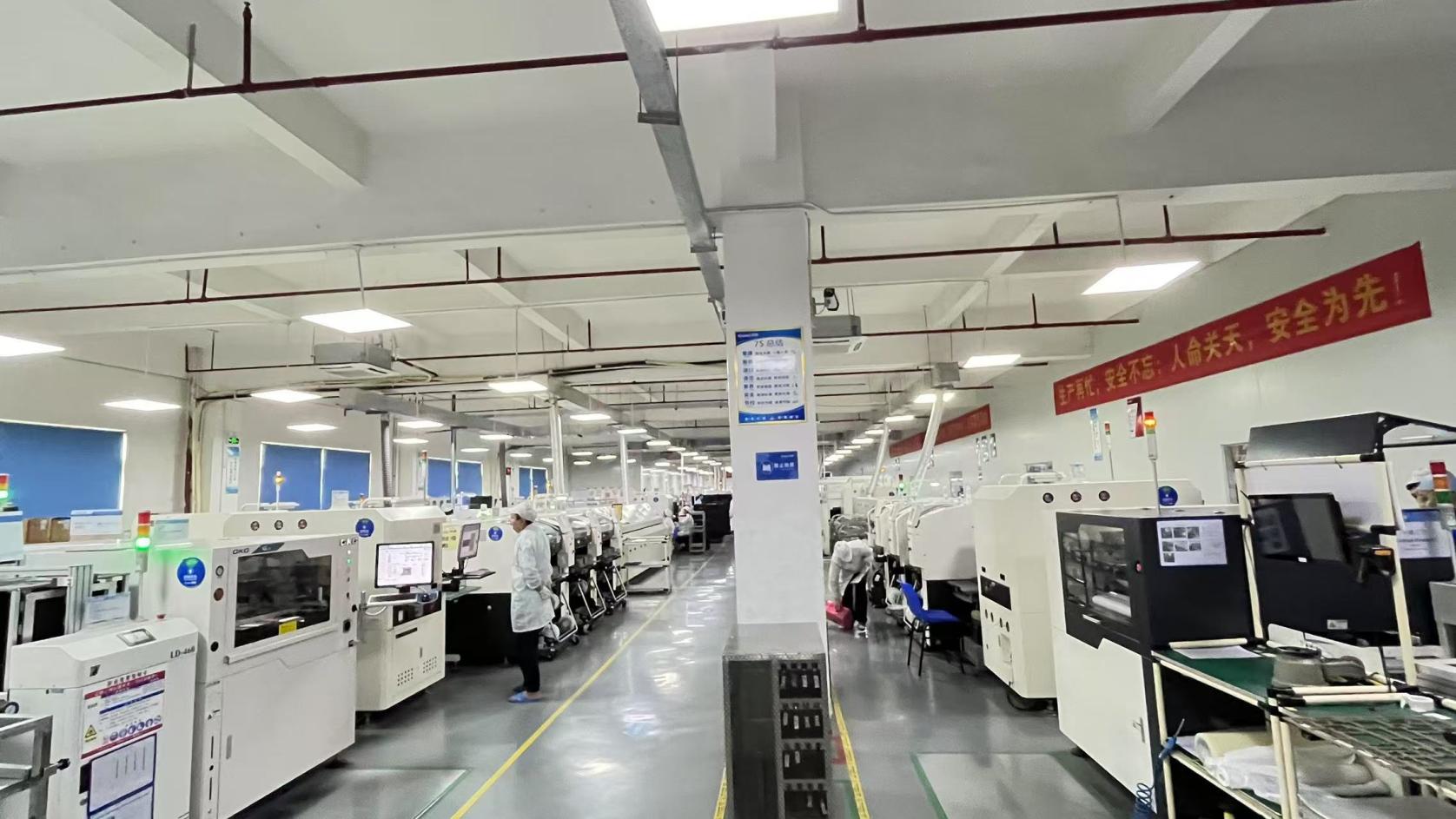
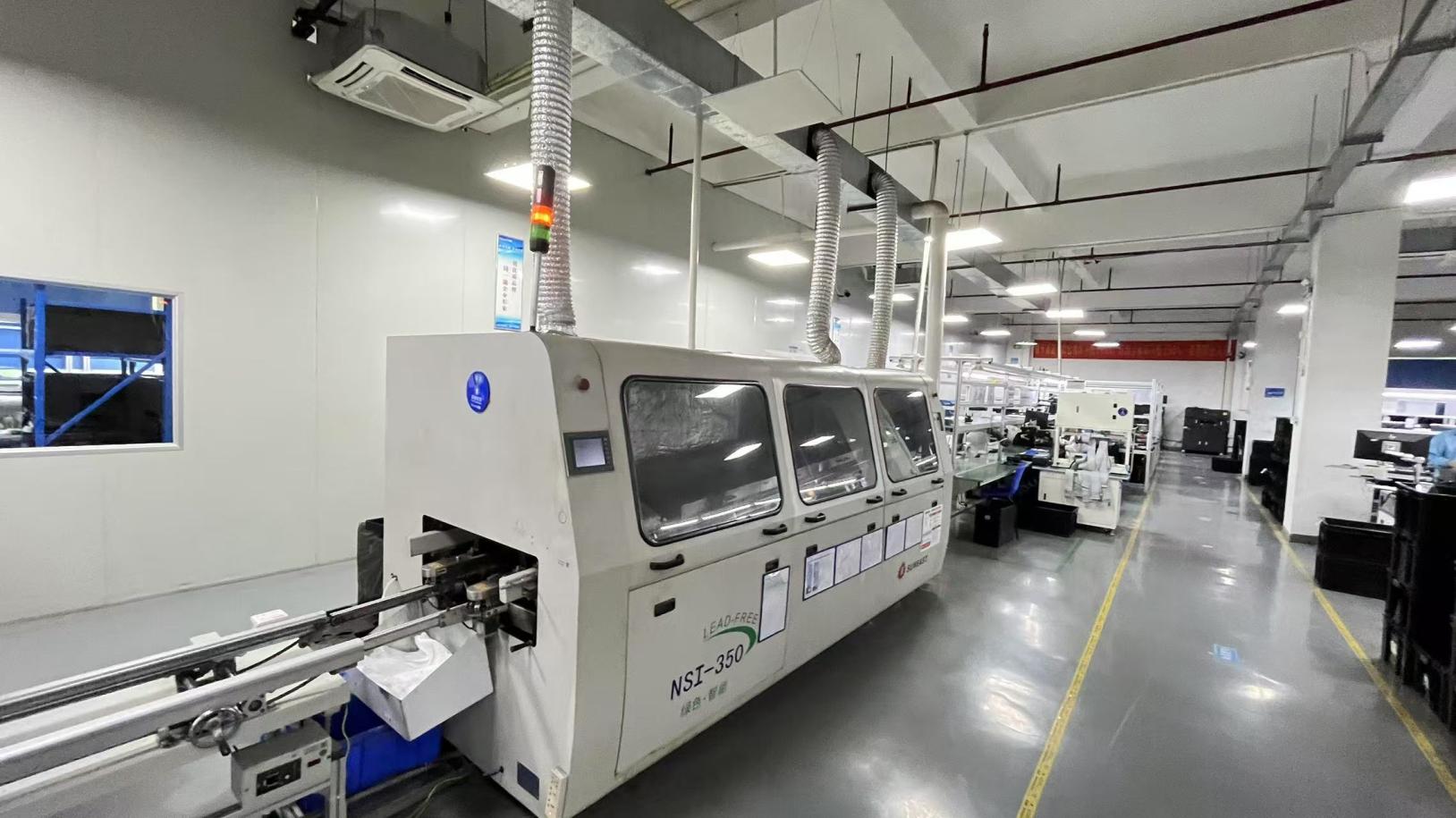
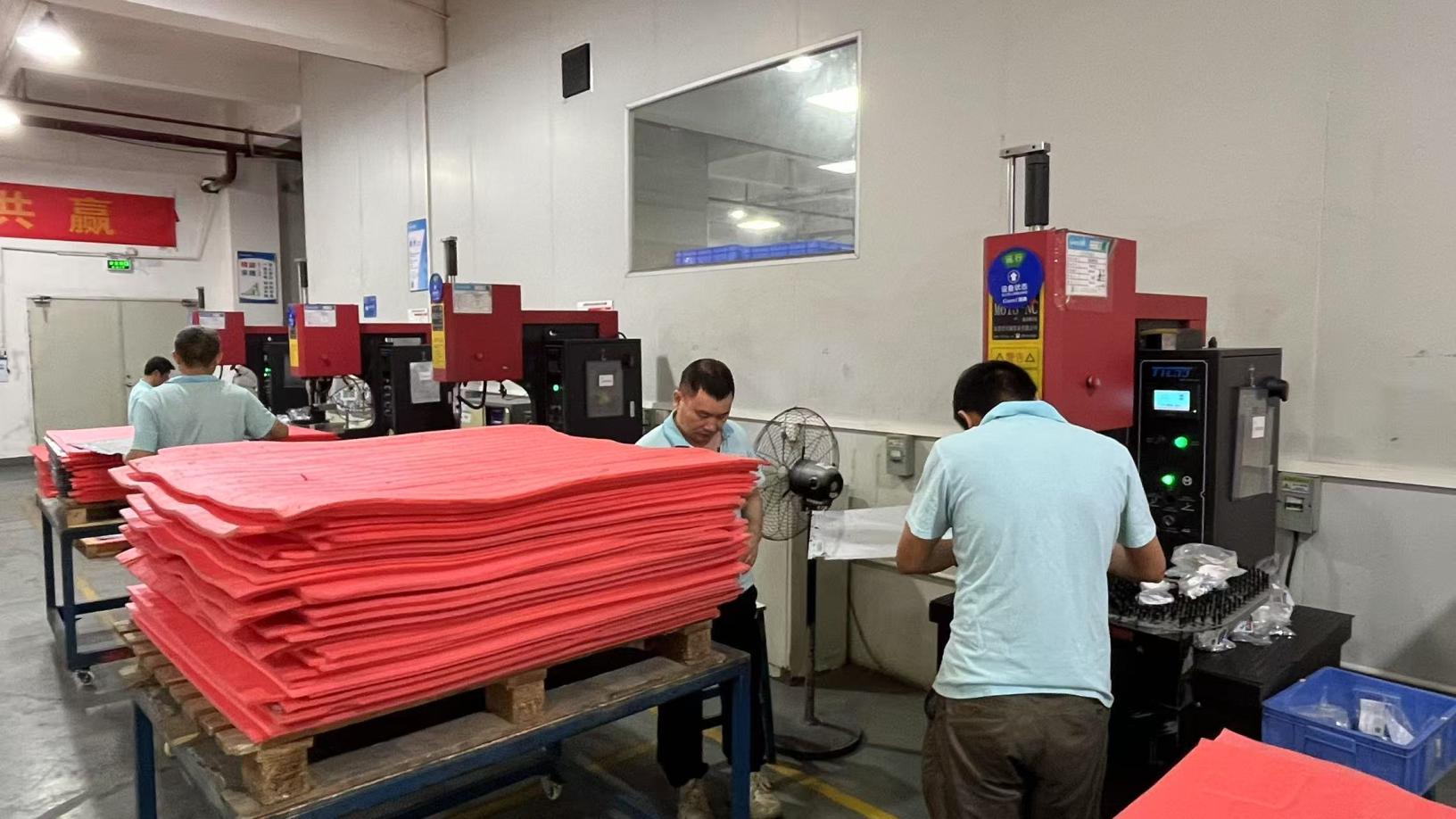
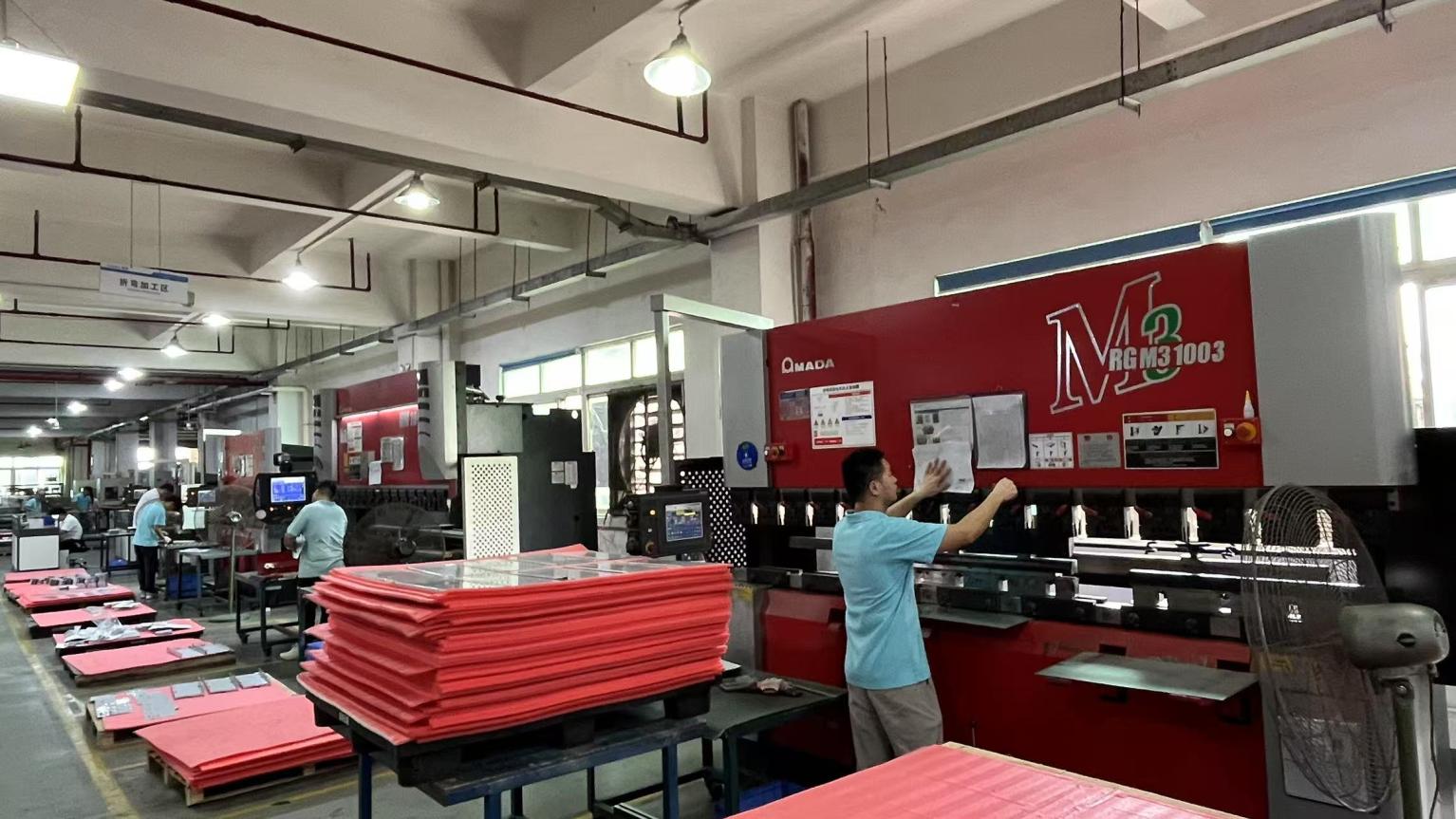

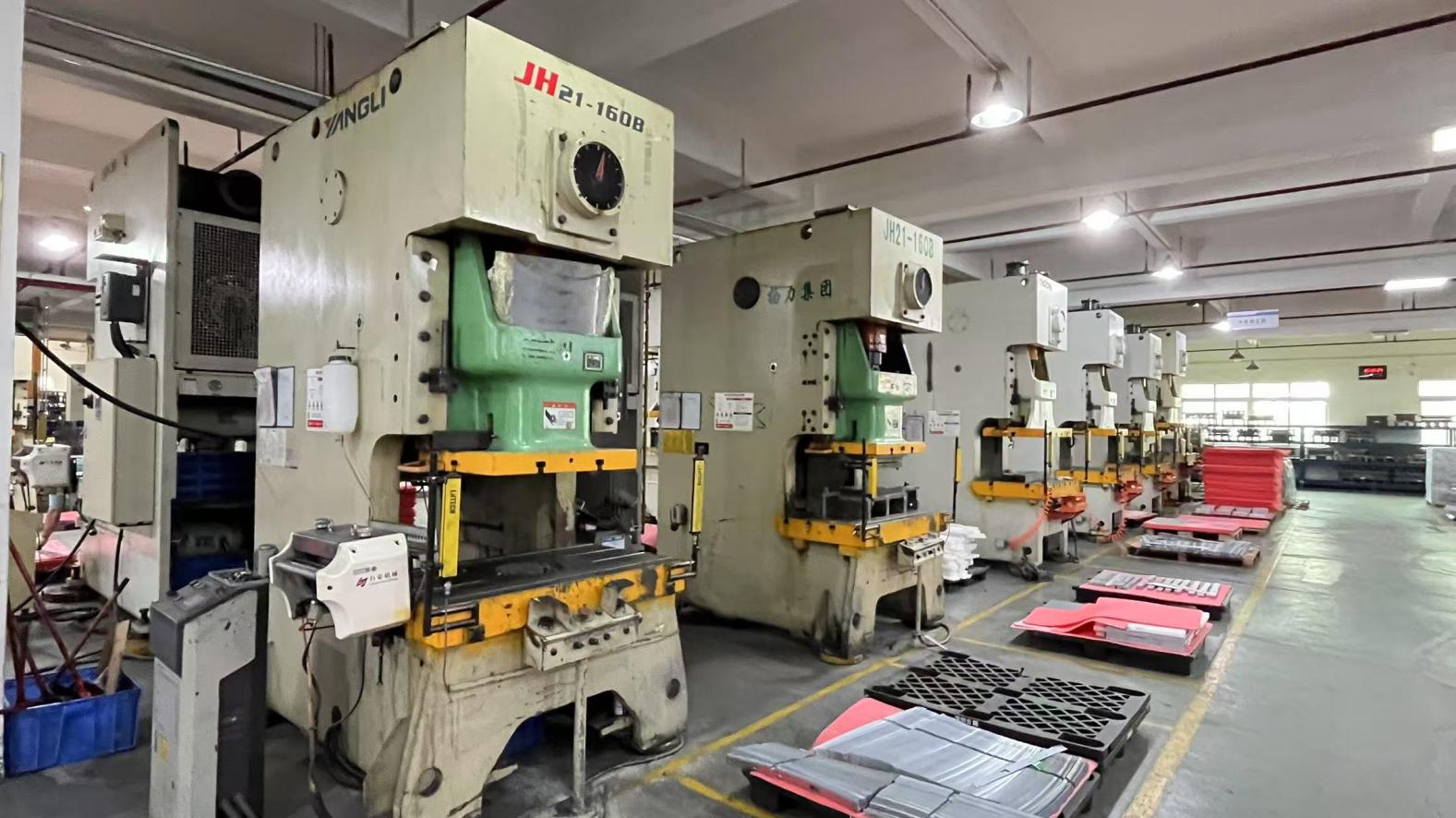
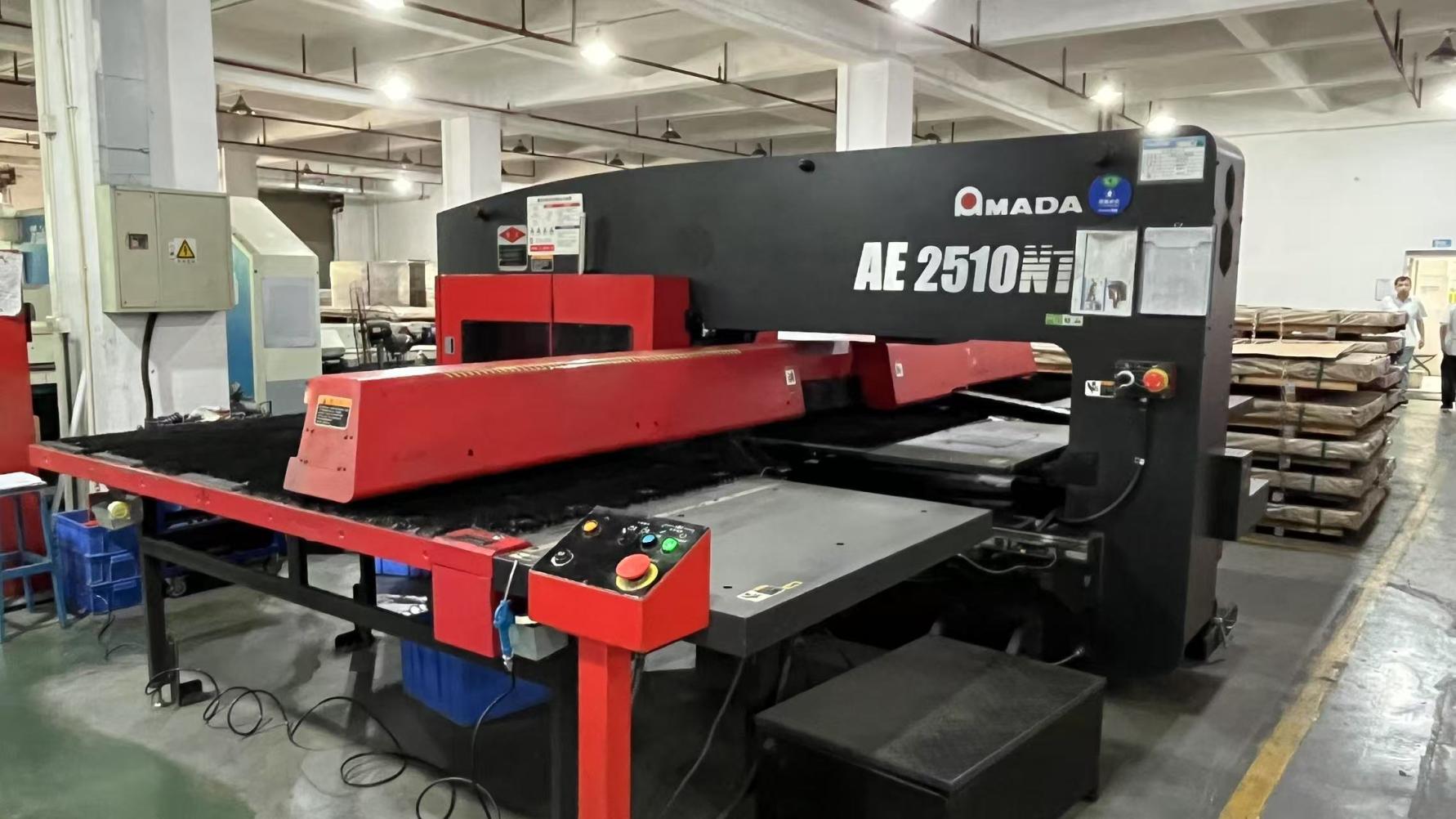
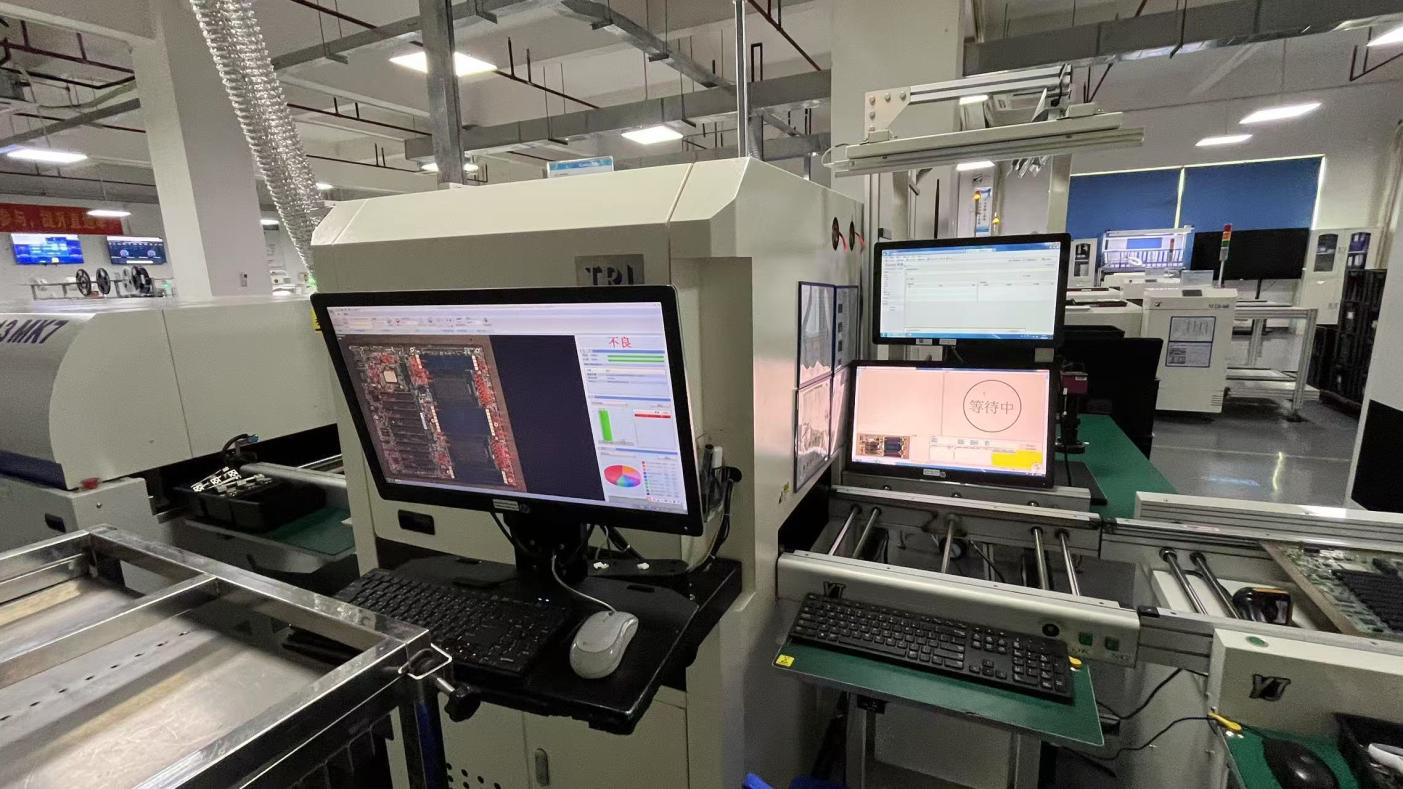
Assembly begins with high-precision sheet metal fabrication. Advanced laser-cutting and automated bending machines form the server's outer frame. The motherboard and key controllers are processed through an automated Surface Mount Technology (SMT) line. Here, solder paste is printed, components are precisely placed, and the boards pass through reflow soldering ovens.
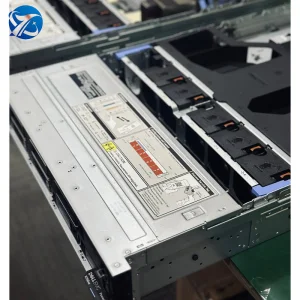
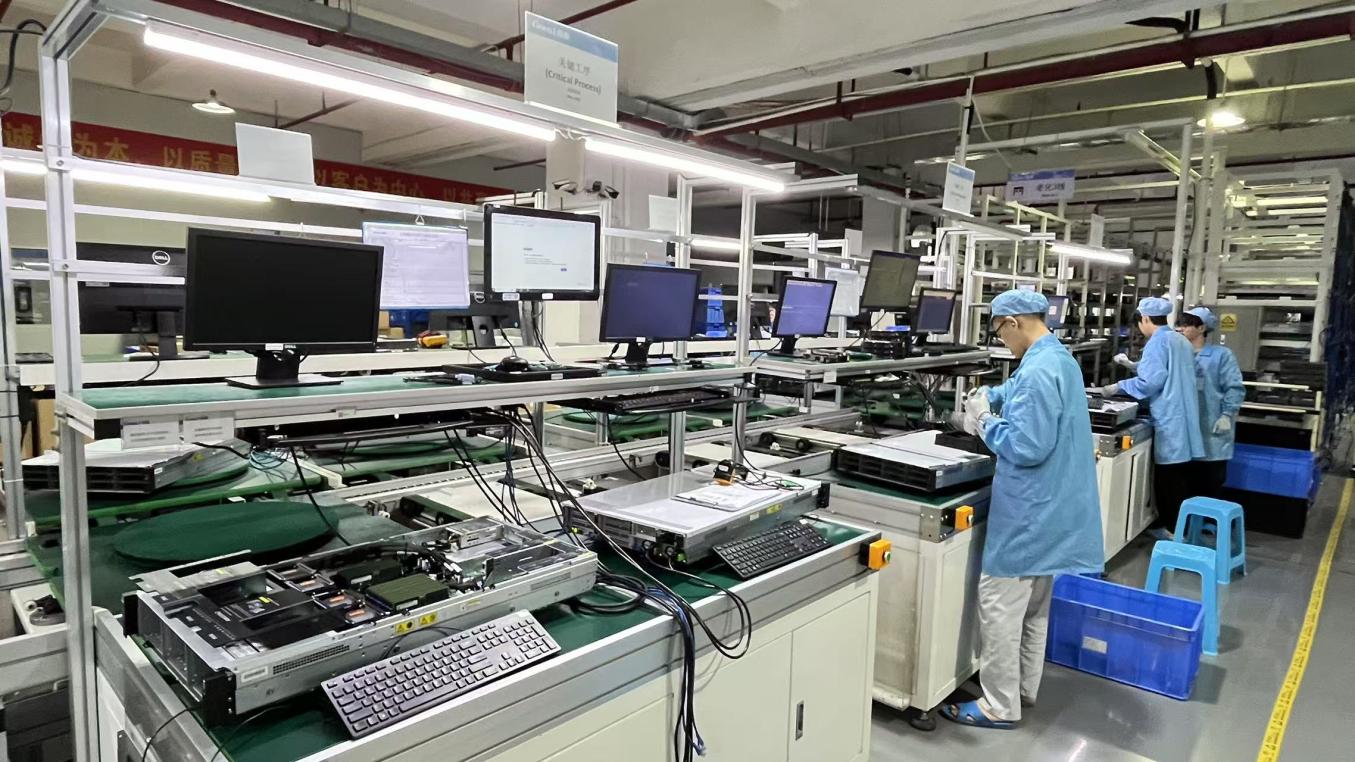
Following manual inspection (MI) and initial PCBA testing, the systems are moved to final assembly. Dedicated technicians integrate cooling fans, power distribution boards, custom cabling, and processor retention brackets. The assembled server is then sent to thermal testing bays for dynamic burn-in and functional validation, ensuring complete hardware stability before shipment.
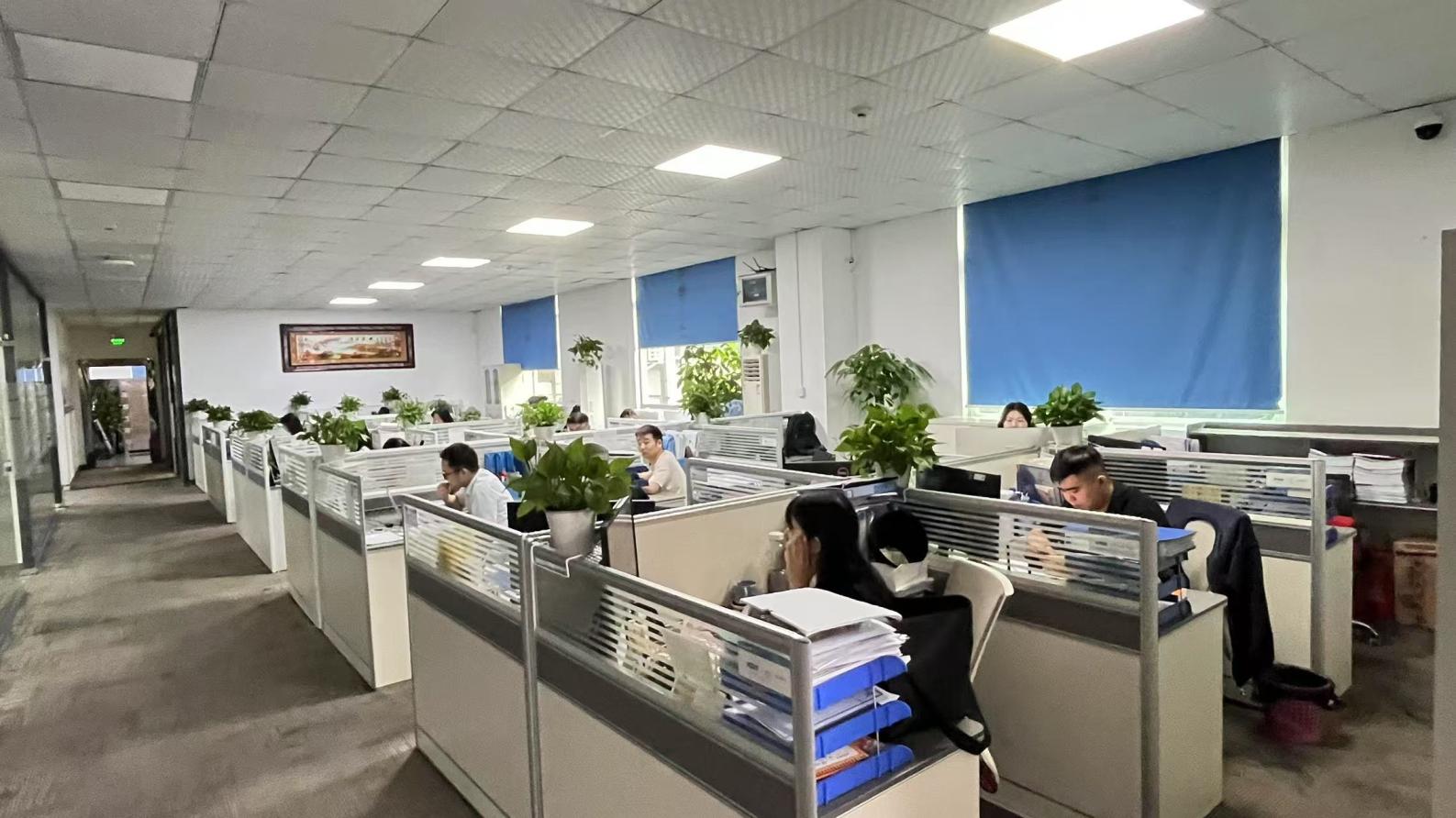
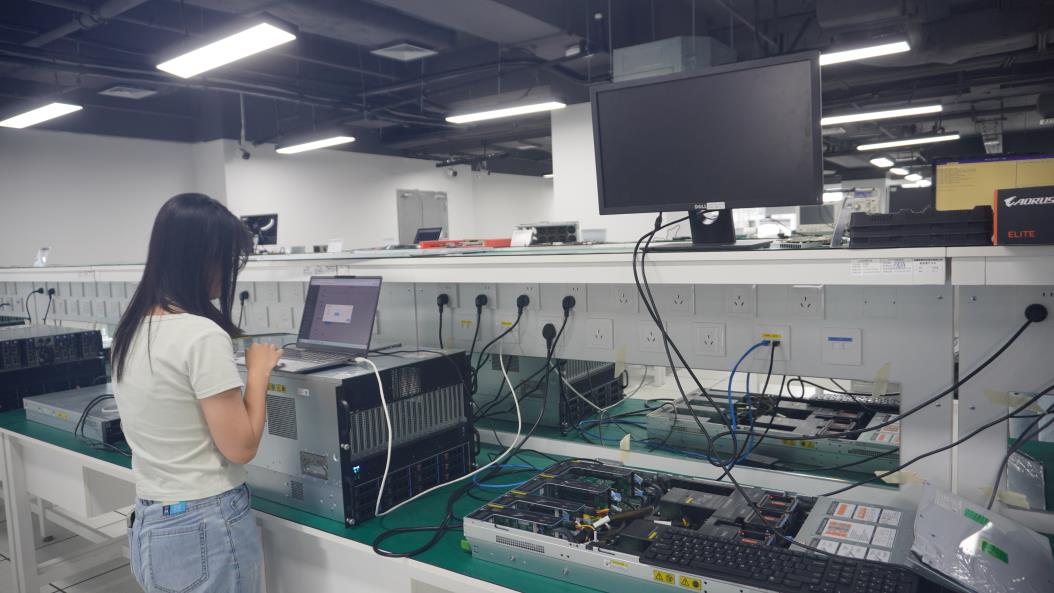
To maintain high reliability, ZhiCloud AI employs a 45-member Quality Control (QC) team. Utilizing specialized diagnostic labs, each server is tested against strict mechanical, electrical, and environmental criteria.
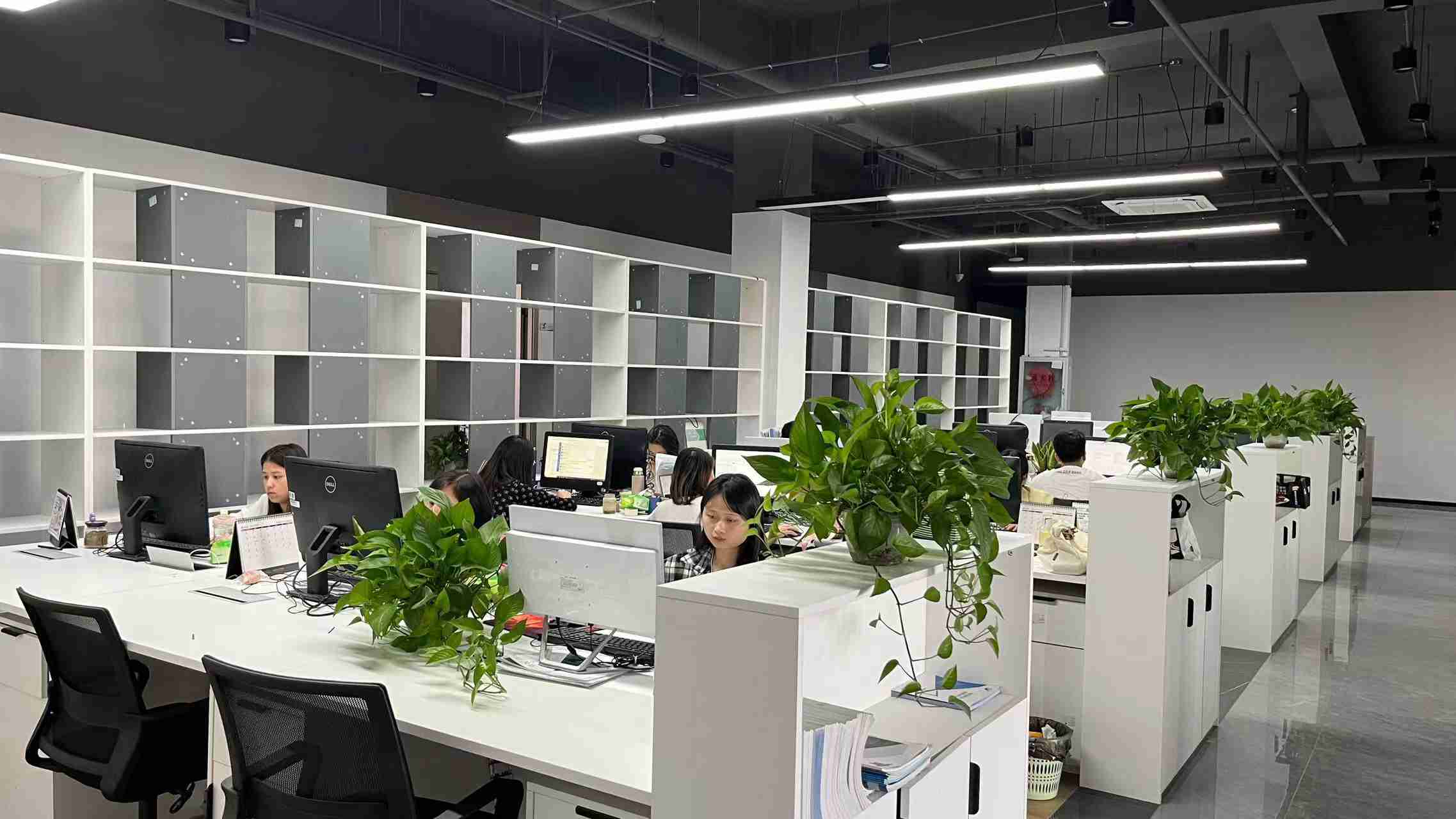
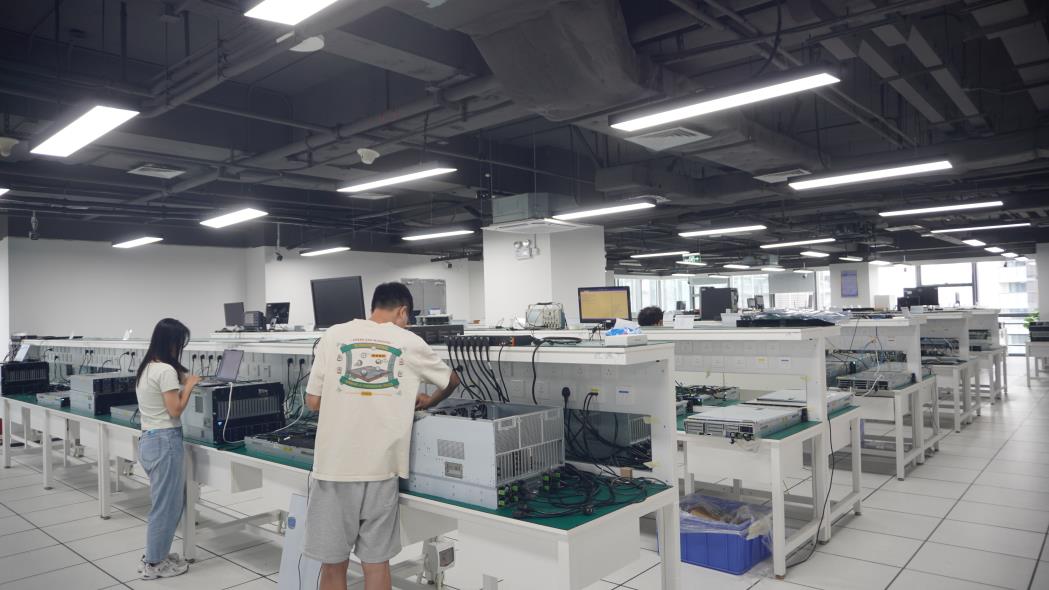
Our quality system uses advanced testing apparatuses to evaluate hardware performance:
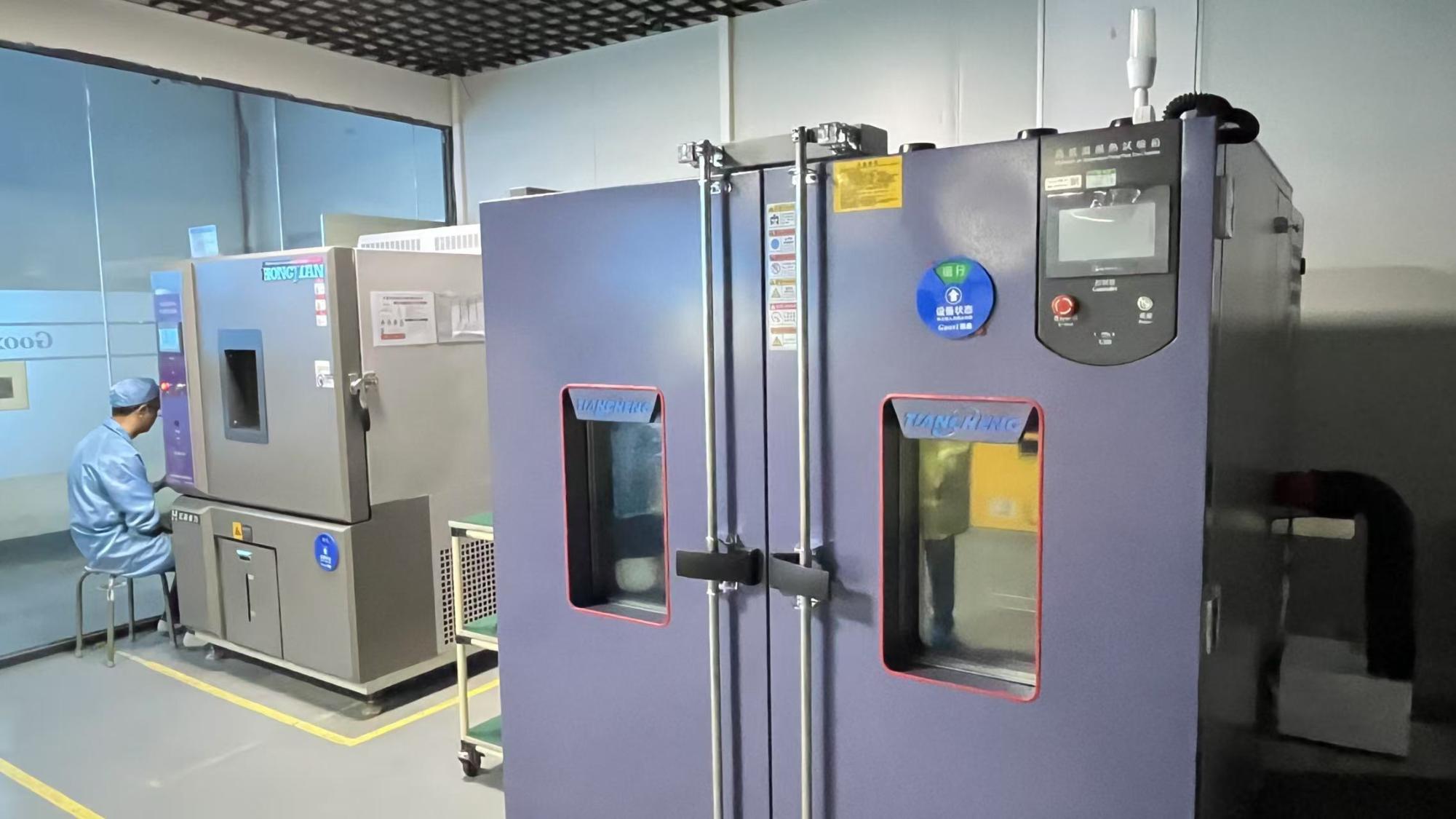
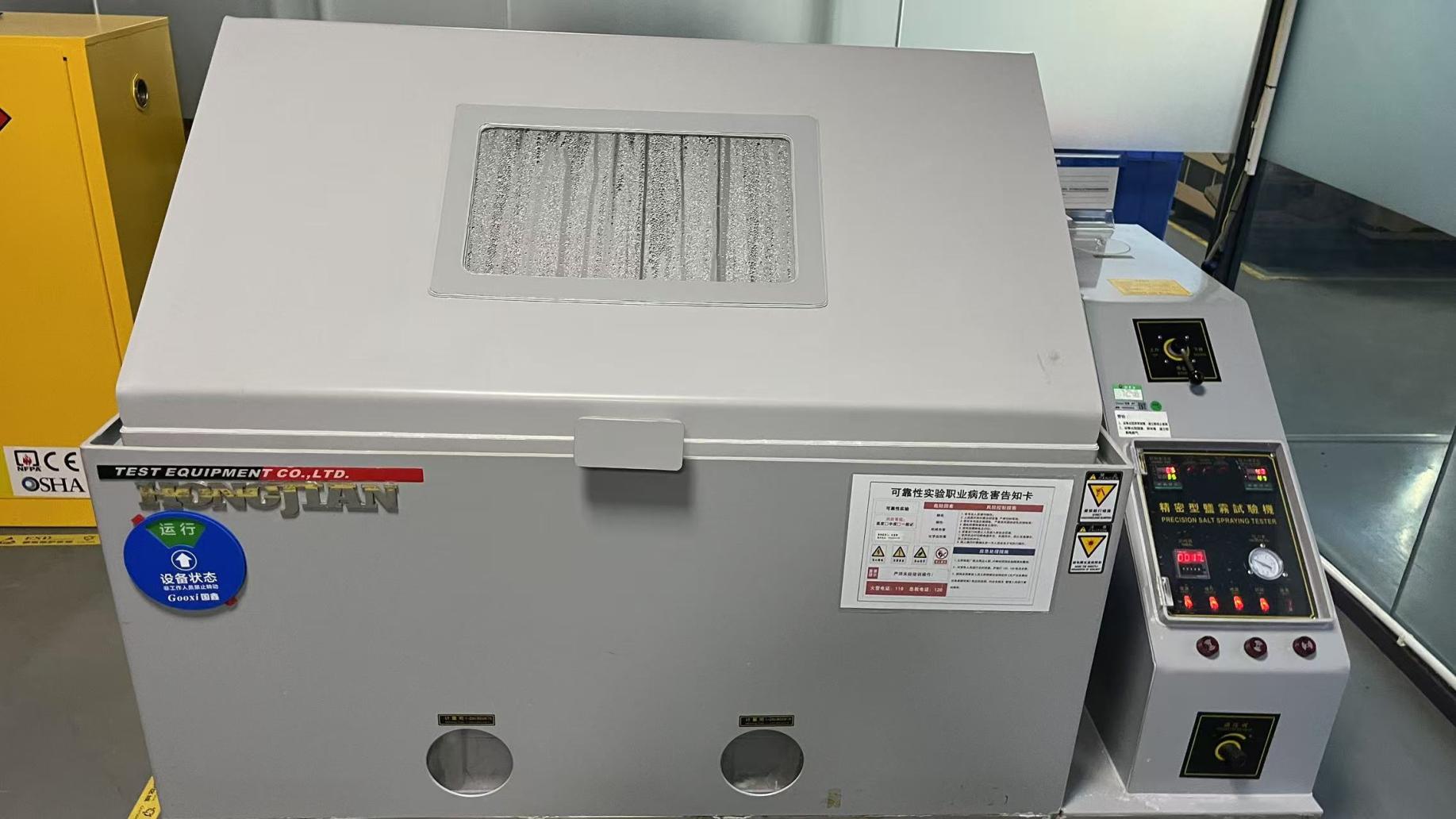
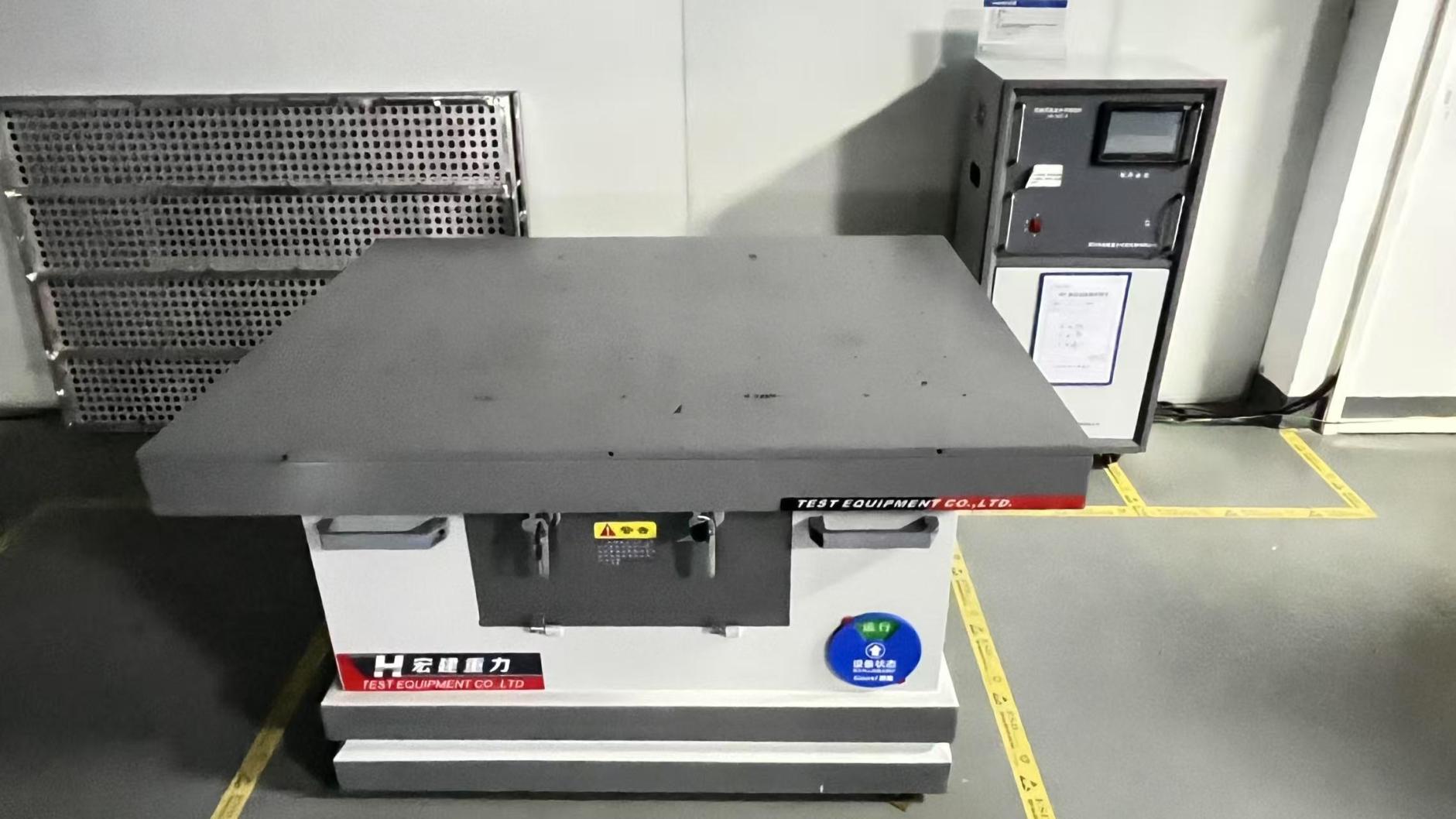
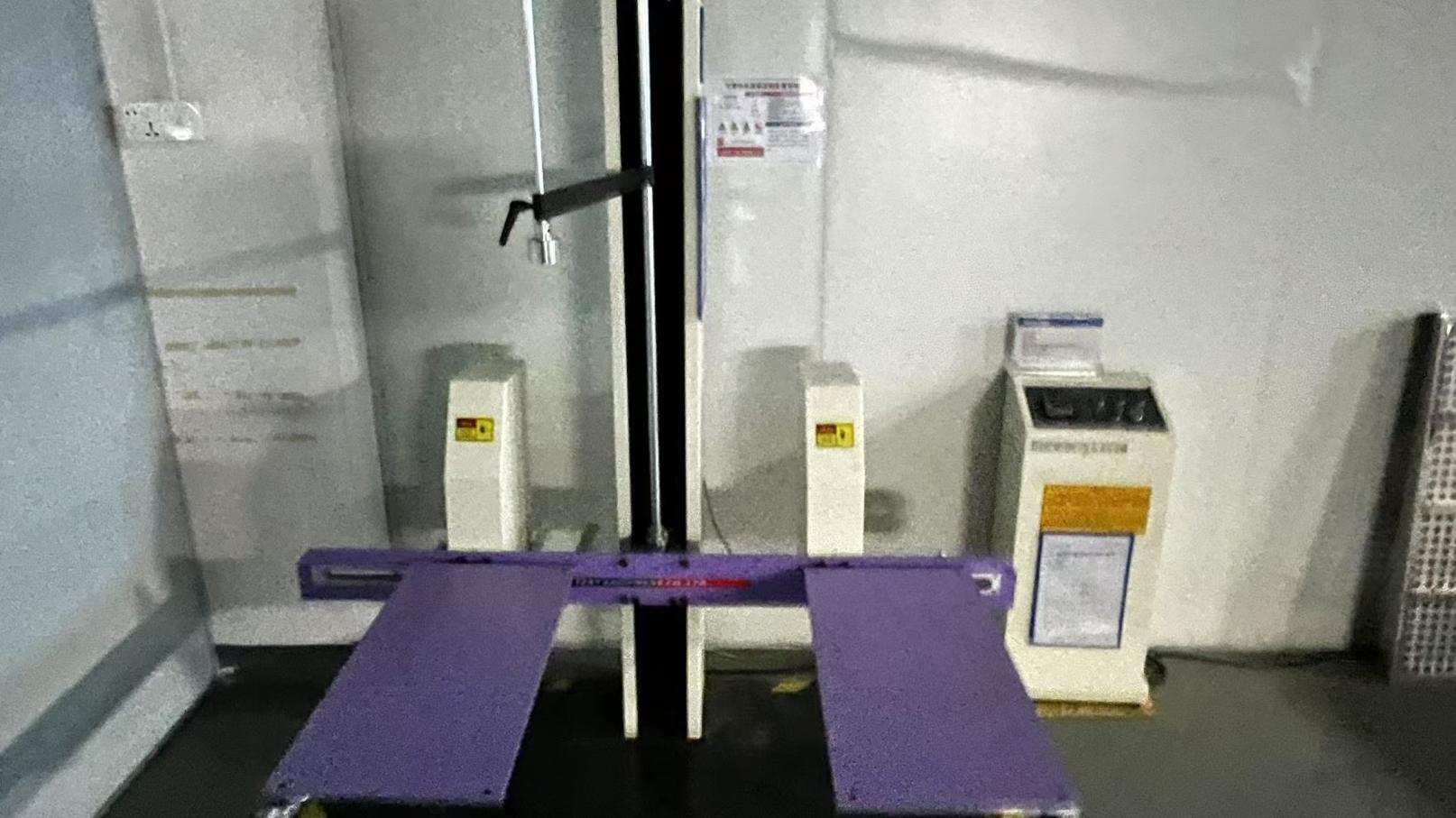
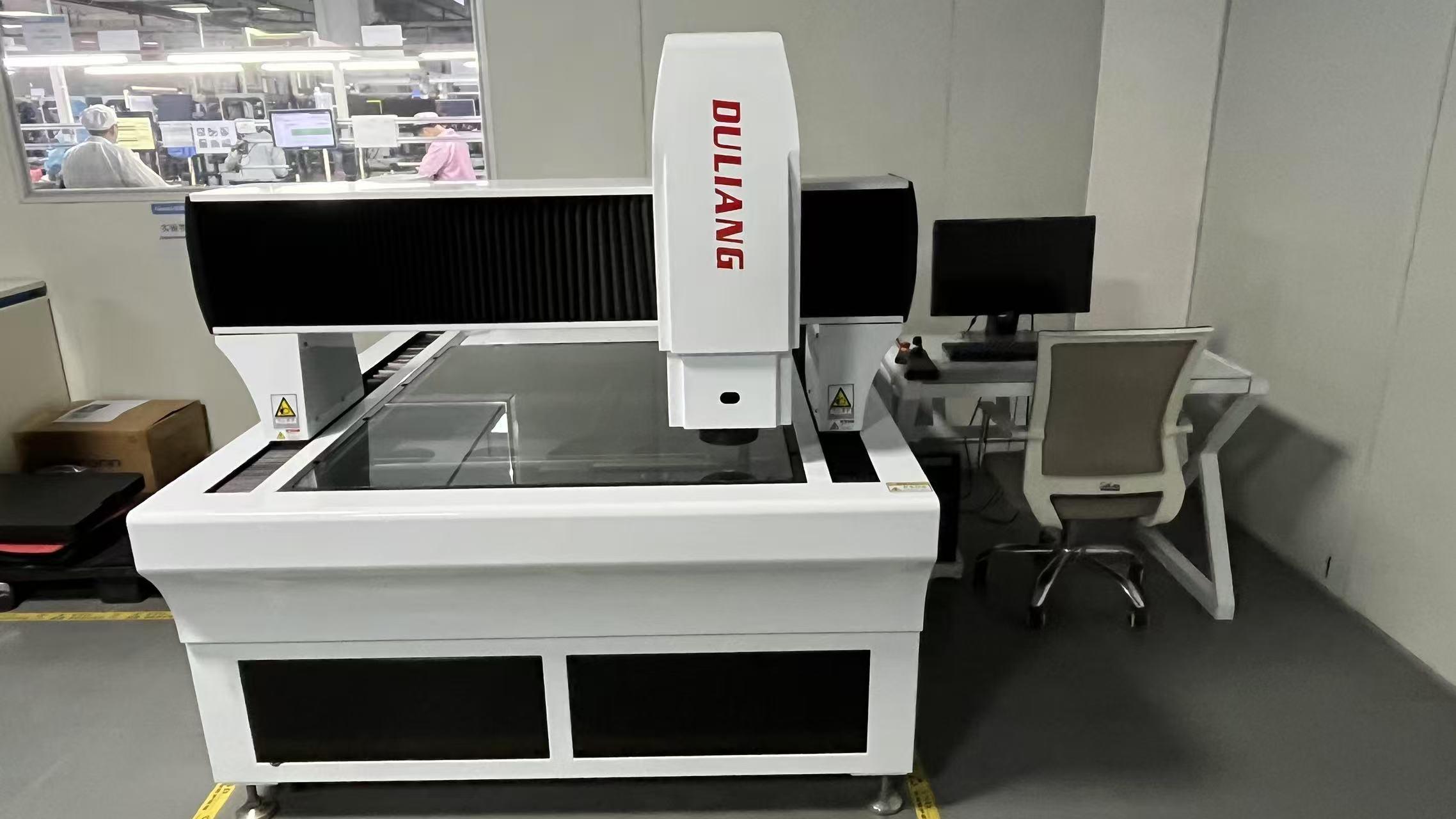

Testing begins with the Functional Test, verifying BIOS code, IPMI configurations, and PCIe pathway connectivity. Next, servers undergo environmental stress testing within a specialized Thermotank, simulating continuous operations at 45°C. For systems destined for maritime shipping or coastal deployment, a Salt Spray Tester ensures anti-corrosive coatings protect exposed metal contacts.
Structural testing is performed using a Vibration Tester and a Drop Tester, simulating harsh transit conditions. Finally, micro-level inspections are completed: a Coordinate Measuring Machine (CMM) checks mechanical alignment down to the micron level, while X-ray inspection looks for hidden cracks within solder joints beneath ball-grid-array (BGA) components.
Enterprise servers are deployed across a variety of business scenarios, each requiring specific hardware profiles:
Server technology is evolving rapidly. Next-generation systems will integrate PCIe Gen 6 connections, doubling data transfer rates for faster NVMe storage arrays. Power demands are also rising, making legacy air-cooling systems less practical. As a result, factories are shifting toward liquid-cooling options, including direct-to-chip water loops and immersion cooling.
Additionally, SmartNICs and Data Processing Units (DPUs) are taking over networking and security tasks from primary CPUs, freeing up computing resources for applications. Systems also rely on hardware-level roots of trust, cryptographic verification, and secure boot technologies to defend against physical and firmware-level threats.
Complete your deployment with our range of high-performance rack, tower, and custom enterprise server models.