ZhiCloud AI
ZhiCloud AI
ZhiCloud AI
Premium, factory-tested memory modules and GPU server platforms designed for massive database scaling, AI processing, and edge deployments.
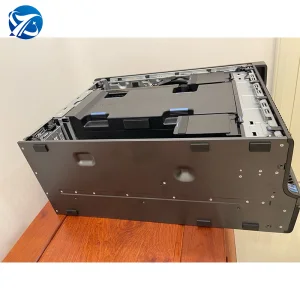
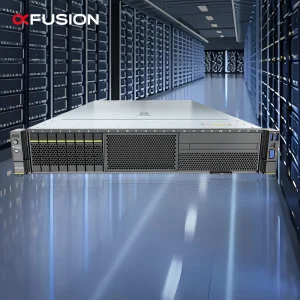
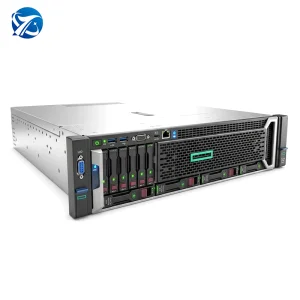
Unlocking Enterprise Value Through Scalable Solid-State Pipelines, Deep Learning Racks, and Hybrid Cloud Ecosystems.
Modern Large Language Models (LLMs) and systems like DeepSeek or LLaMA process petabytes of tokenized parameters continuously. Memory throughput and high-speed storage caching are no longer auxiliary components—they are the core computational bottleneck. Enterprise solid-state storage systems must scale vertically and horizontally to prevent CPU/GPU starvation during compute cycles.
Traditional SAS networks fail to meet the performance criteria of contemporary deep learning clusters. Our architectures prioritize NVMe over Fabrics (NVMe-oF) and PCIe Gen 4.0/5.0 controller cards, enabling sub-millisecond response rates and ultra-wide pipelines. This prevents system latency and enhances high-performance computing (HPC) operations.
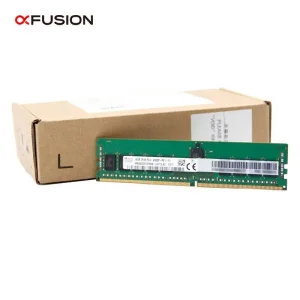
System downtimes in financial or research centers incur immense overhead costs. Incorporating enterprise-tier ECC server RAM and high-grade RAID setups prevents silent data corruption (bit rot) and hardware failure. This provides global entities with uninterrupted operations and dependable long-term data consistency.
An overview of how manufacturing methodologies, hardware interfaces, and multi-channel memory modules are configured for international deployment.
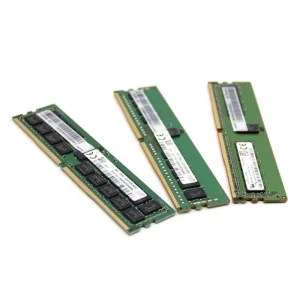
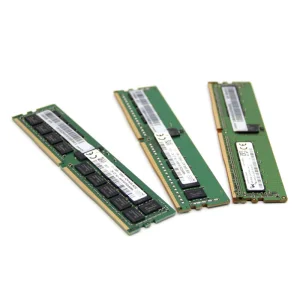
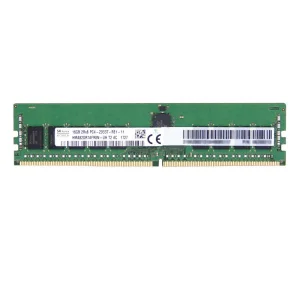
In the contemporary digital landscape, a storage factory serves as more than an assembly facility. It acts as the epicenter of next-generation digital transformation. The integration of high-density DRAM (such as 288-pin DDR4 and DDR5 memory modules) alongside dedicated multi-socket server platforms forms the backbone of private cloud networks and high-throughput data nodes. Global exporters must maintain an intricate balance of component sourcing, hardware optimization, and customized firmware settings to fulfill diverse compliance requirements in North America, Europe, and Asia.
By specializing in key interfaces such as PCIe RAID controller cards, high-speed server memories, and multi-socket deep learning servers, modern manufacturers ensure that data pipelines remain fluid. Scalability pathways are customized to accommodate immediate read-write bursts and support multi-year storage preservation strategies. This ensures systems remain reliable under heavy workloads.
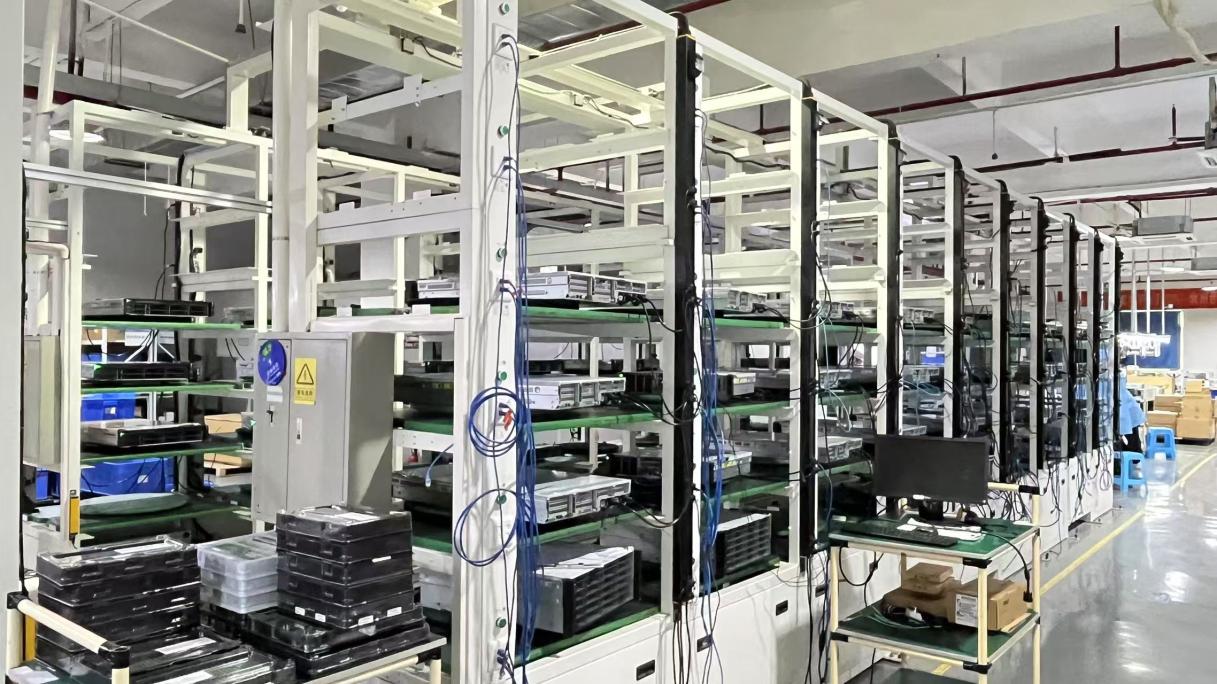
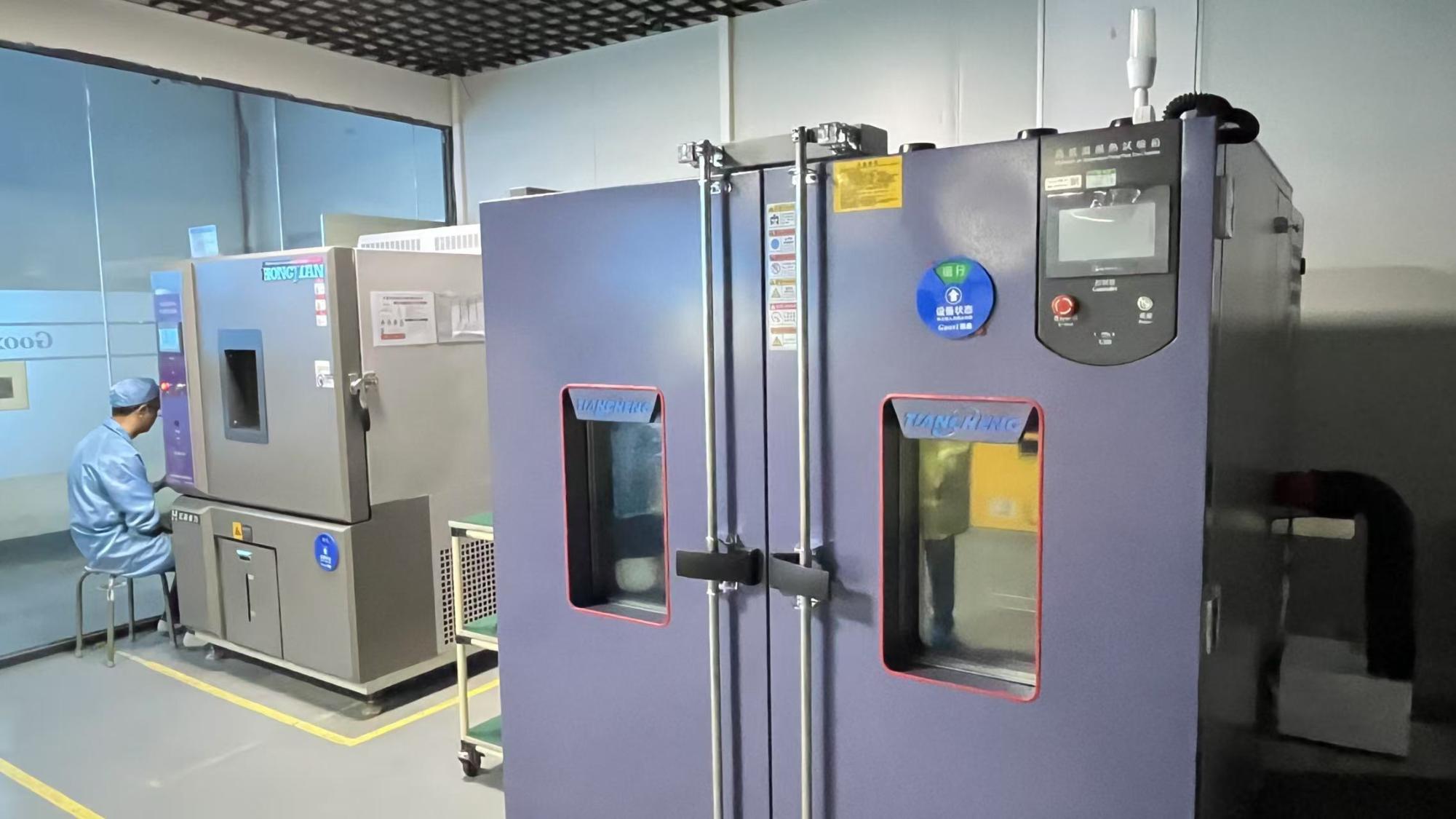
Through systematic, automated operations, modern fabrication facilities design components that minimize operational energy requirements while keeping throughput rates high. This includes implementing advanced thermal testing zones to evaluate hardware reliability under sustained loads.
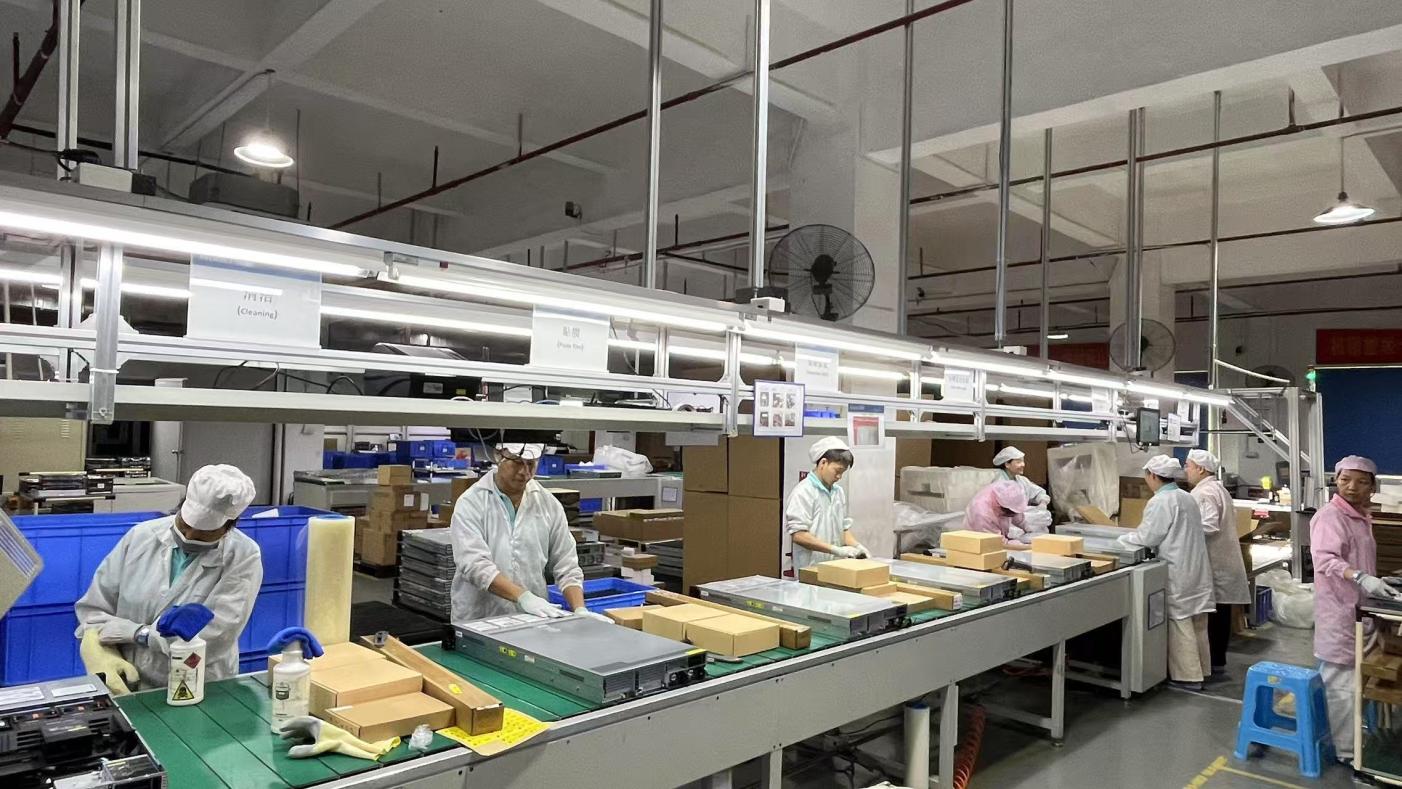
Exporters must handle diverse customs protocols, safety compliance certifications (such as CE, FCC, and RoHS), and secure logistical pipelines. Providing comprehensive hardware solutions ensures that systems arrive pre-configured, pre-tested, and ready for deployment in local target grids.
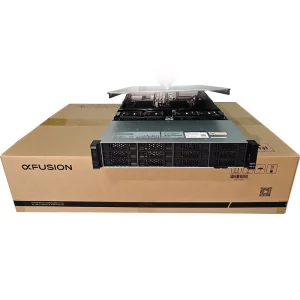
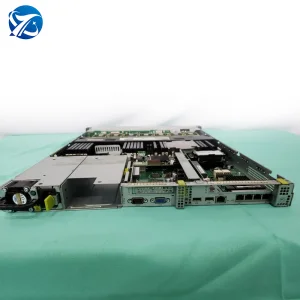
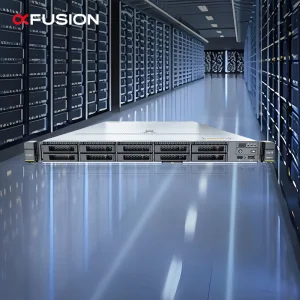
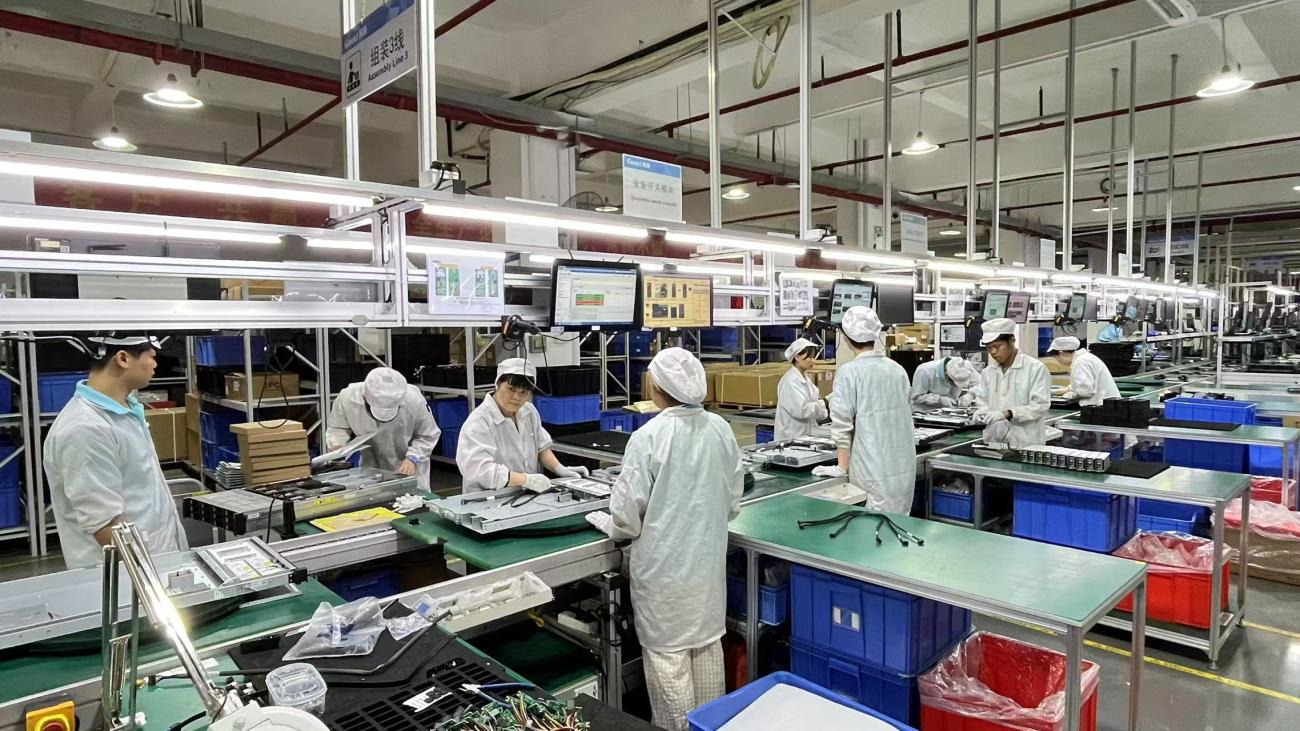
Every enterprise network features distinct architectures. From 1U rack servers built for cloud virtualization to 4U rackmount platforms housing GPU acceleration units, custom fabrication and flexible assembly lines cater to various specific client requirements.
Establishing the core credentials, engineering capabilities, and global distribution network of Shenzhen Intelligent Computing Cloud Technology Co., Ltd.
Shenzhen Intelligent Computing Cloud Technology Co., Ltd. (ZhiCloud AI) is a professional AI server and high-performance computing (HPC) solution provider specializing in GPU servers, AI infrastructure, and cloud computing systems for global enterprise clients.
Founded in 2016, the company operates a modern production facility covering approximately 320㎡, supporting efficient manufacturing and system integration for advanced computing hardware. With a strong export-oriented strategy, ZhiCloud AI has achieved an annual export revenue of around USD 12 million, backed by 7 years of export experience and 11 years of industry expertise in AI computing and server engineering.
The company employs a robust quality assurance system, including multi-stage product inspection methods such as thermal stress testing, performance benchmarking, and full-system burn-in testing. Its quality control team consists of 45 dedicated QC personnel, ensuring strict compliance with international standards.
With a strong trade background in global B2B electronics and IT infrastructure, ZhiCloud AI serves major markets including North America, Europe, Southeast Asia, and the Middle East. The company maintains a solid supply chain network with over 1,200 strategic partners, enabling stable procurement of high-quality components and scalable production capacity.
ZhiCloud AI primarily serves data centers, AI startups, cloud service providers, research institutions, and enterprise IT departments. Its R&D team demonstrates strong innovation capabilities, offering customized server architecture, GPU configuration tuning, and private deployment solutions to meet diverse computing demands. The company released approximately 180 new products last year, supported by a team of 120 R&D engineers focused on next-generation AI server design, liquid cooling systems, and high-density computing clusters.
Customization options include hardware configuration, GPU selection, storage architecture, branding customization, and software pre-installation services, enabling clients to build tailored AI computing solutions. ZhiCloud AI is committed to delivering high-performance, energy-efficient, and scalable AI server systems, empowering global customers to accelerate AI development and digital transformation.
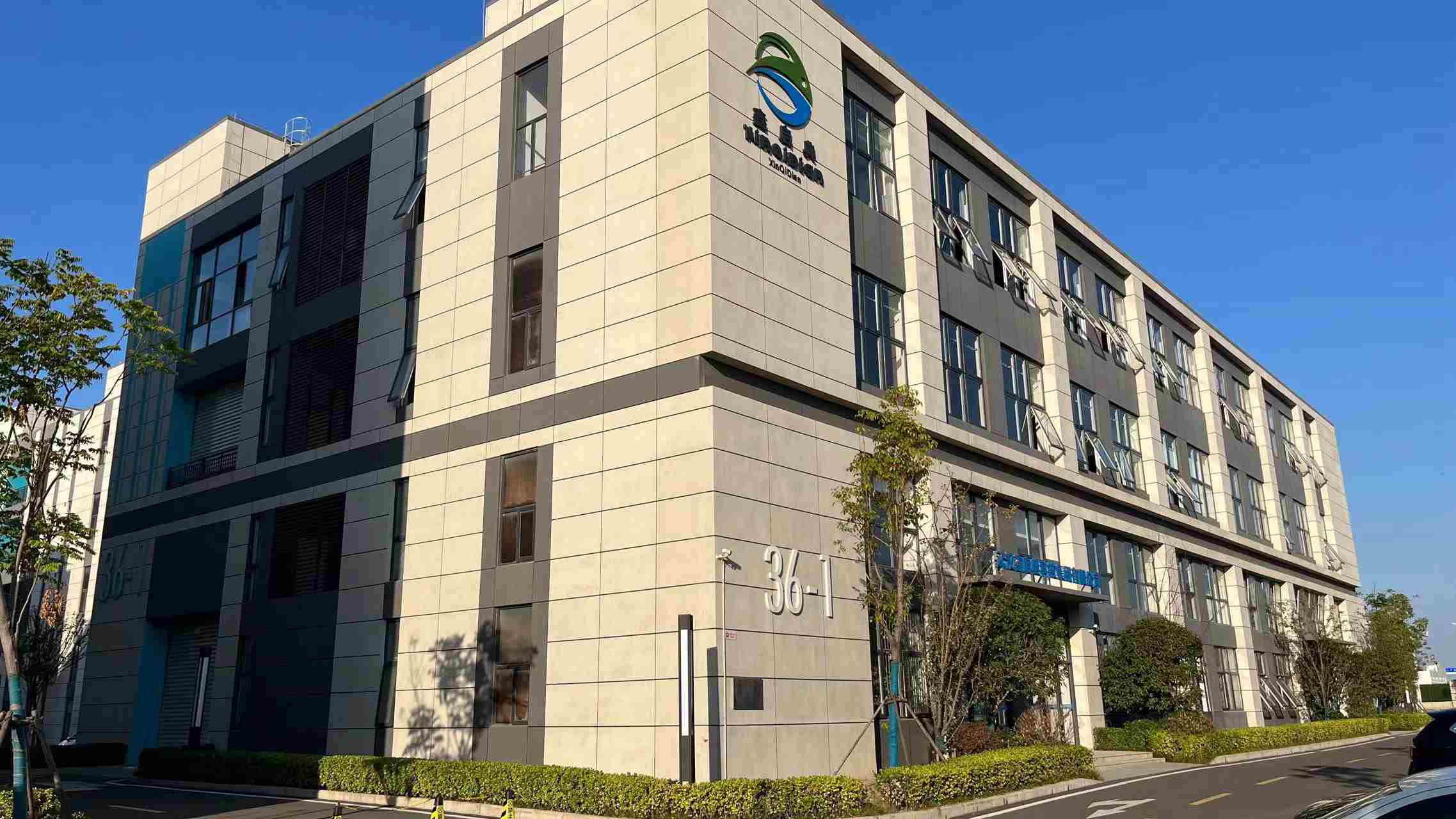
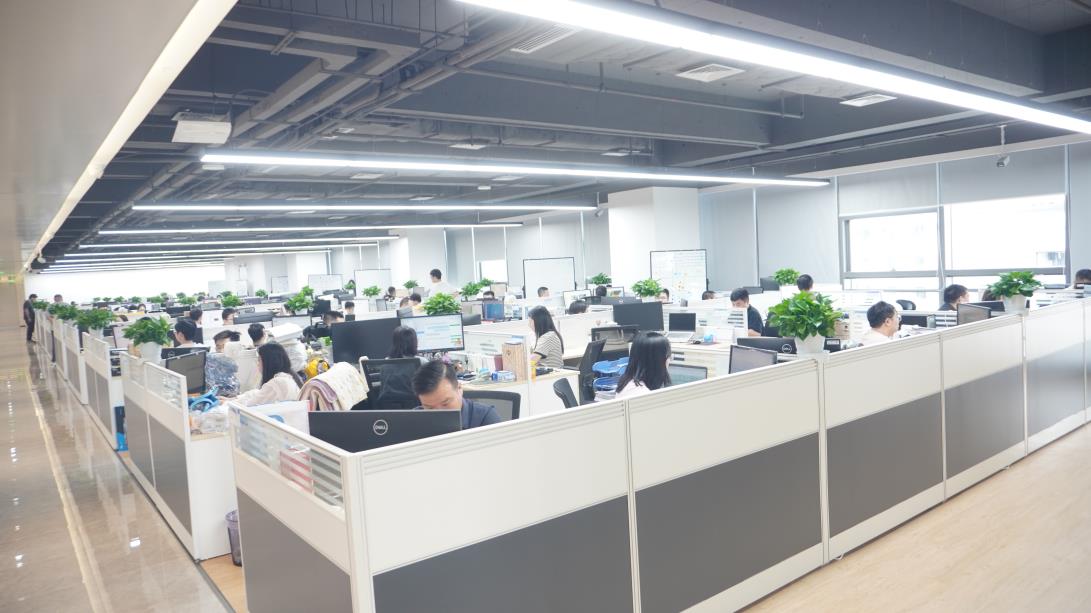
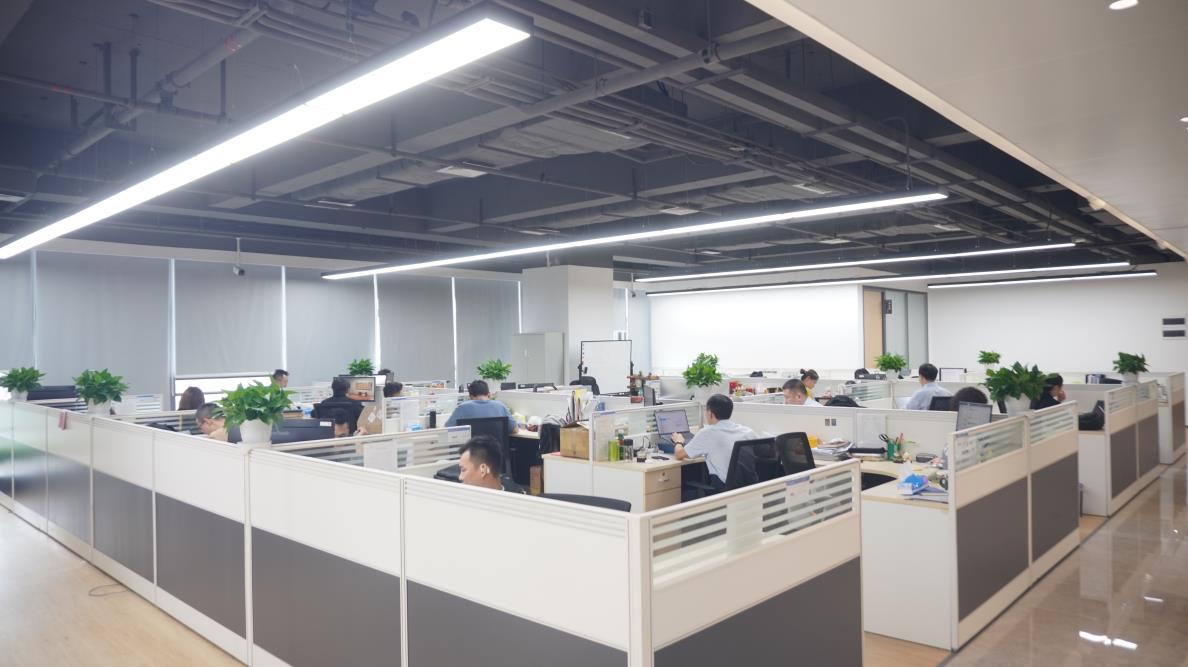
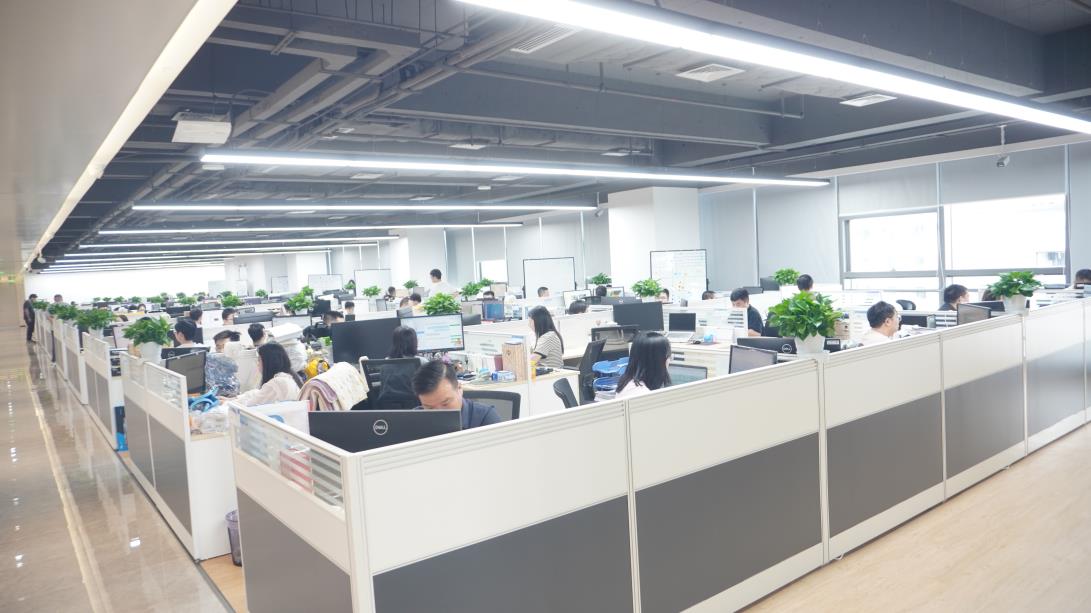
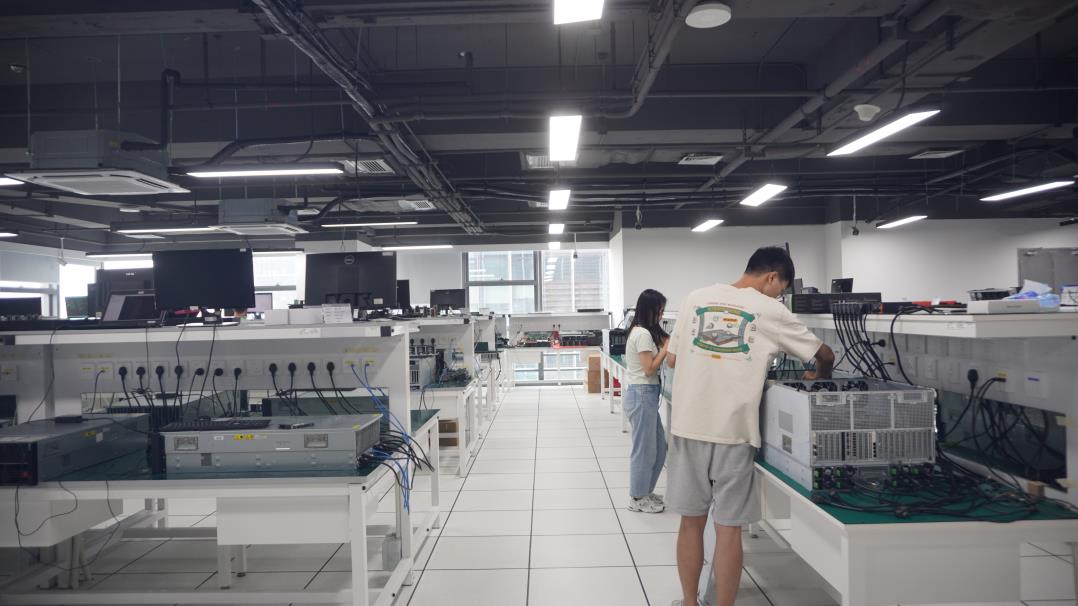
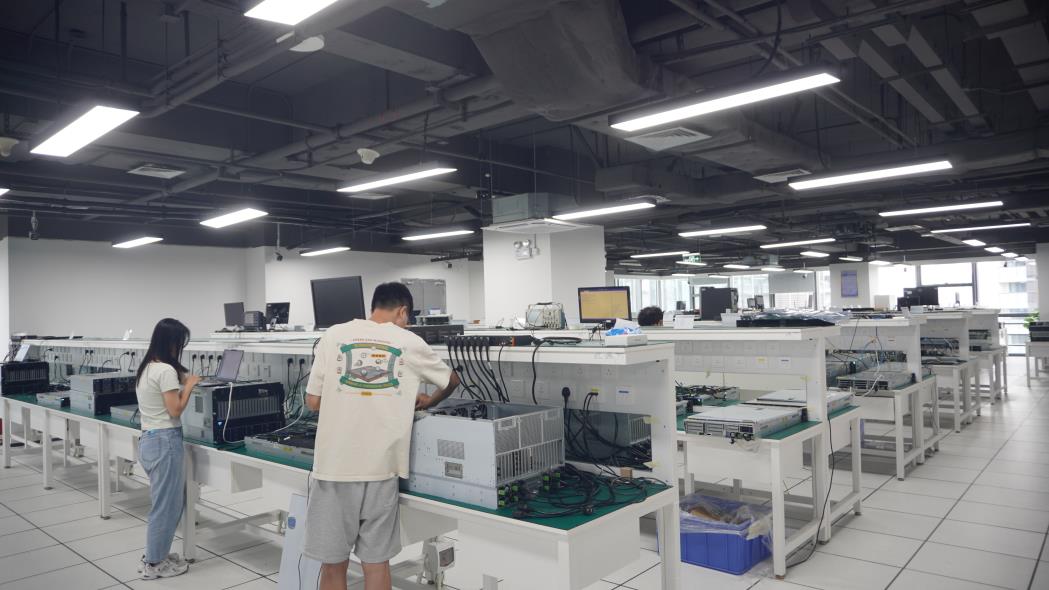
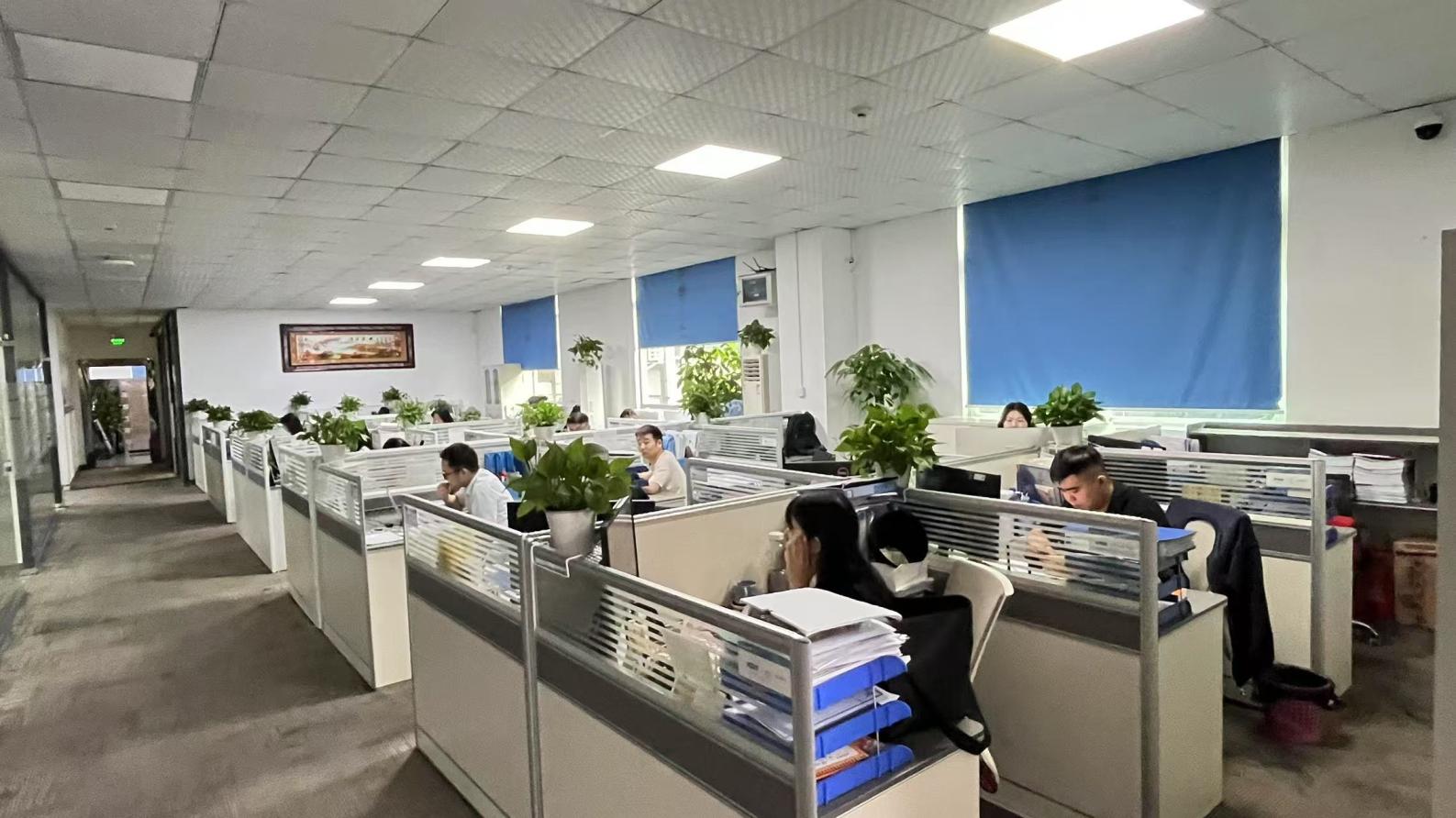
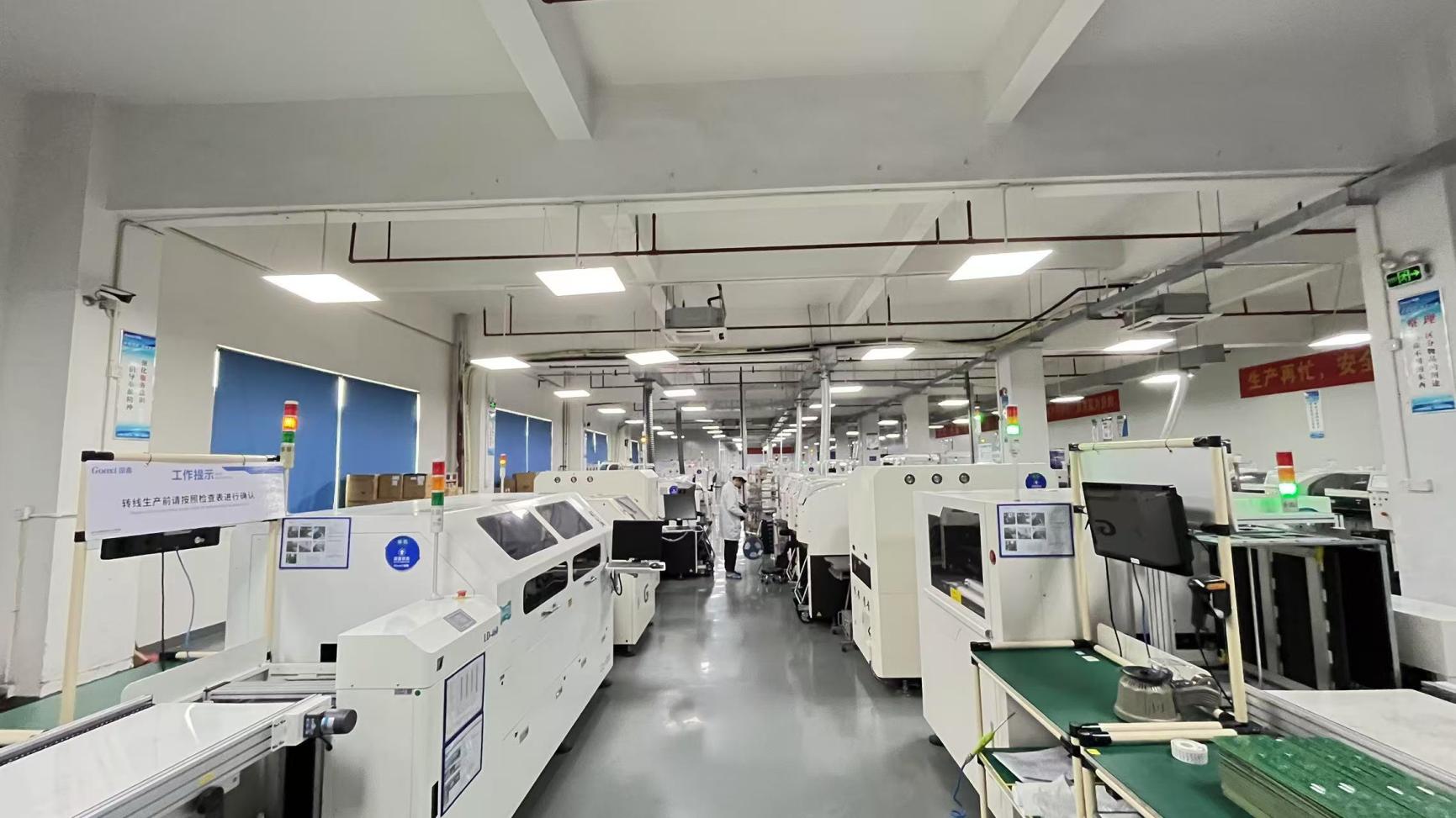
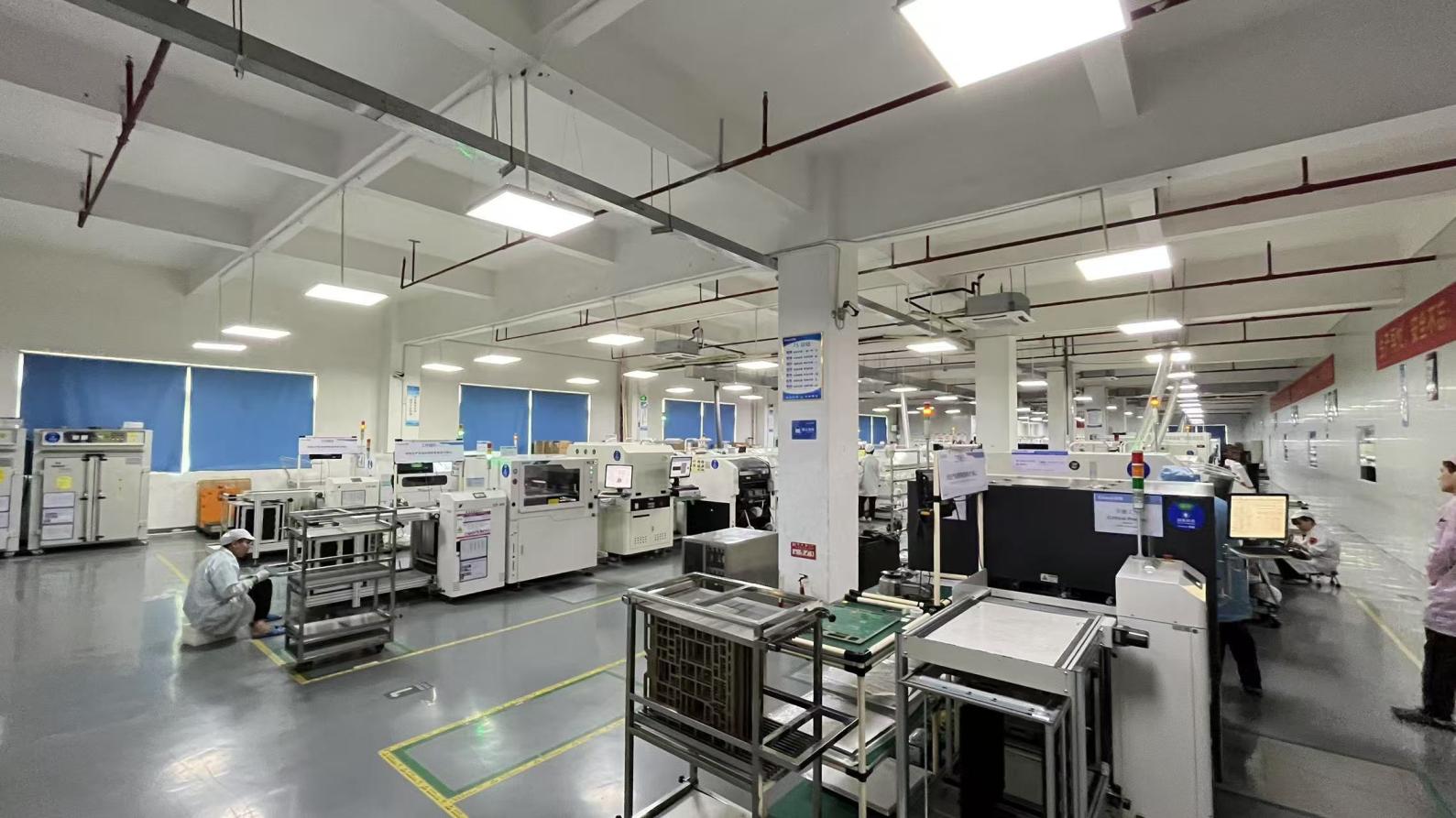

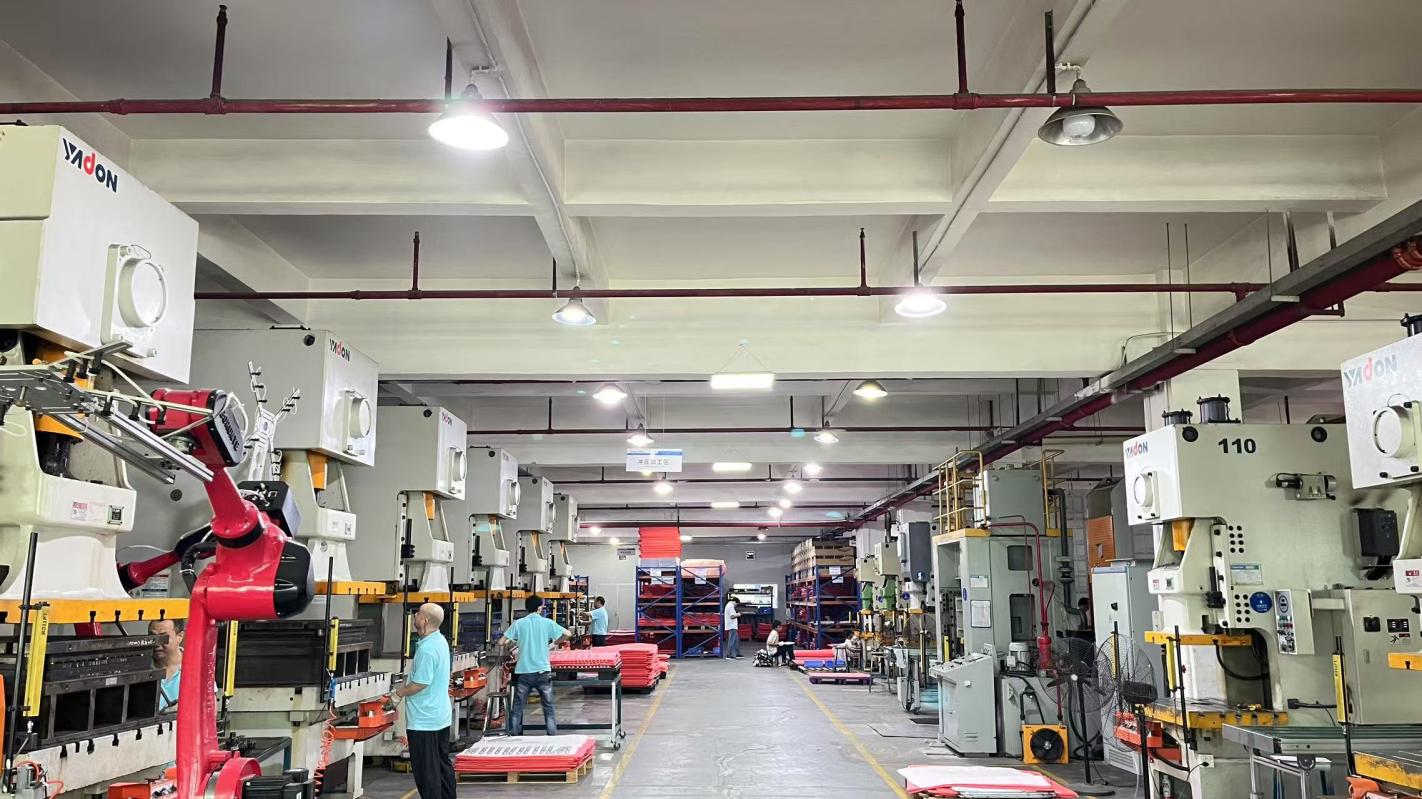
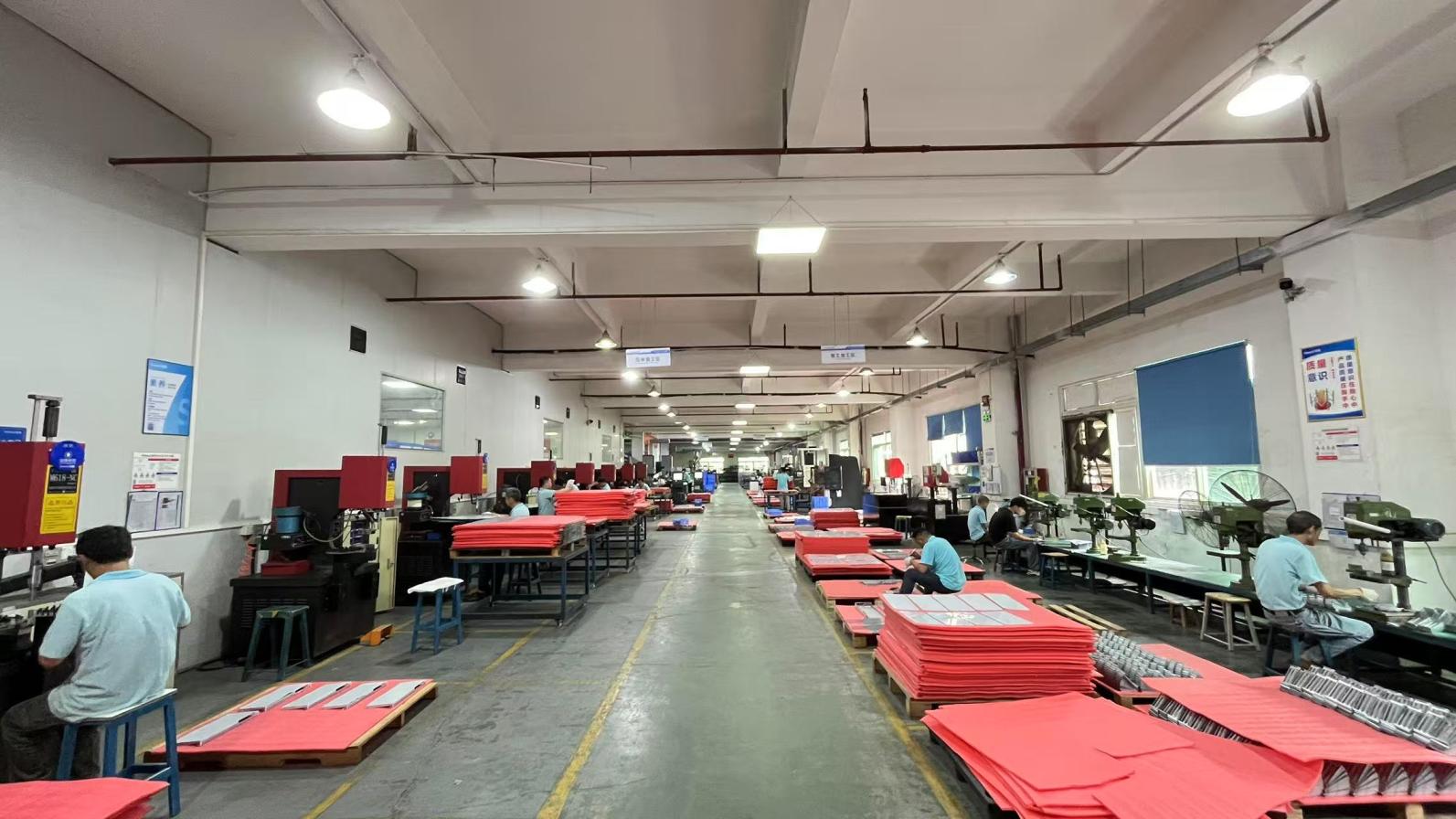
Every chassis, PCBA, and memory interface undergoes structured engineering workflows to match strict industrial standards.
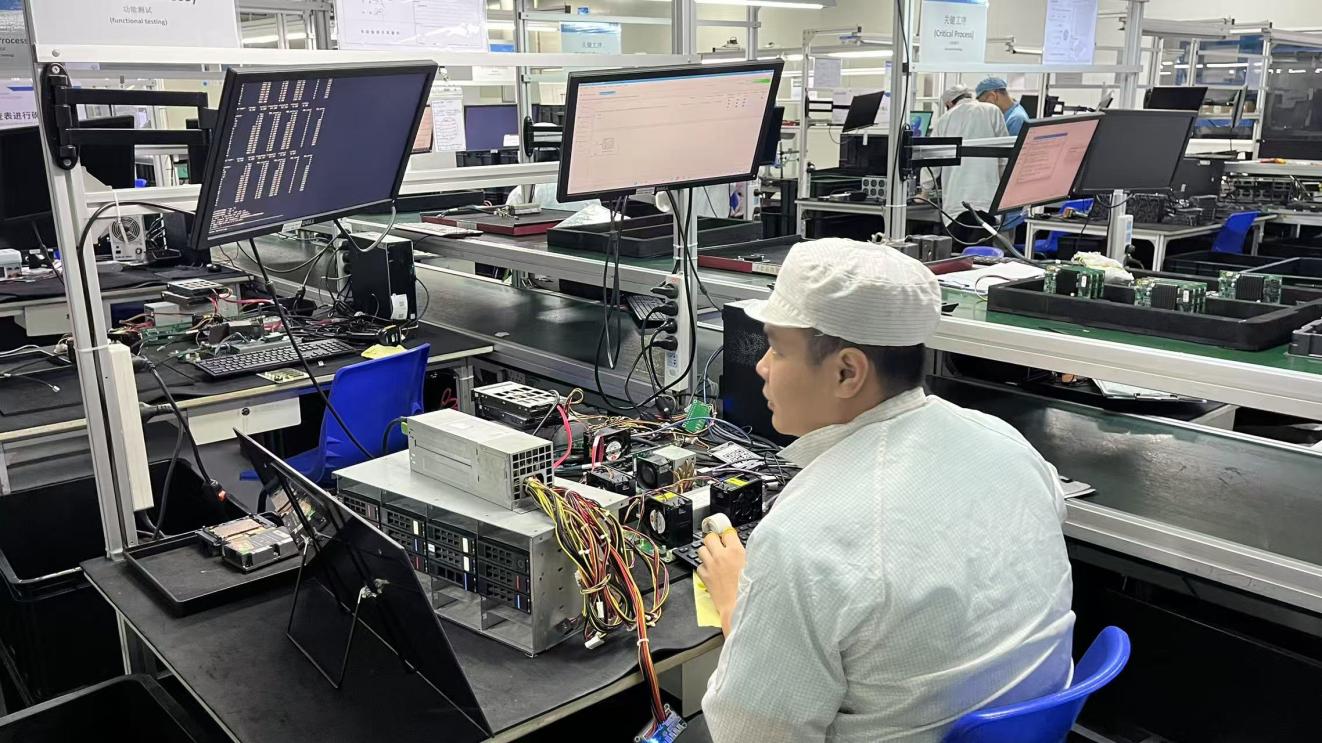
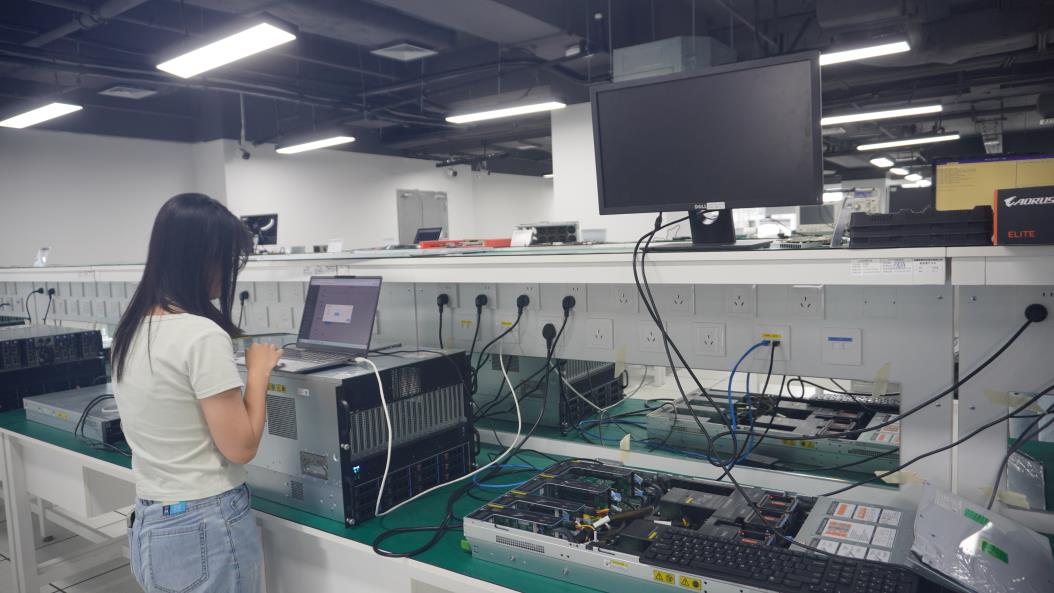
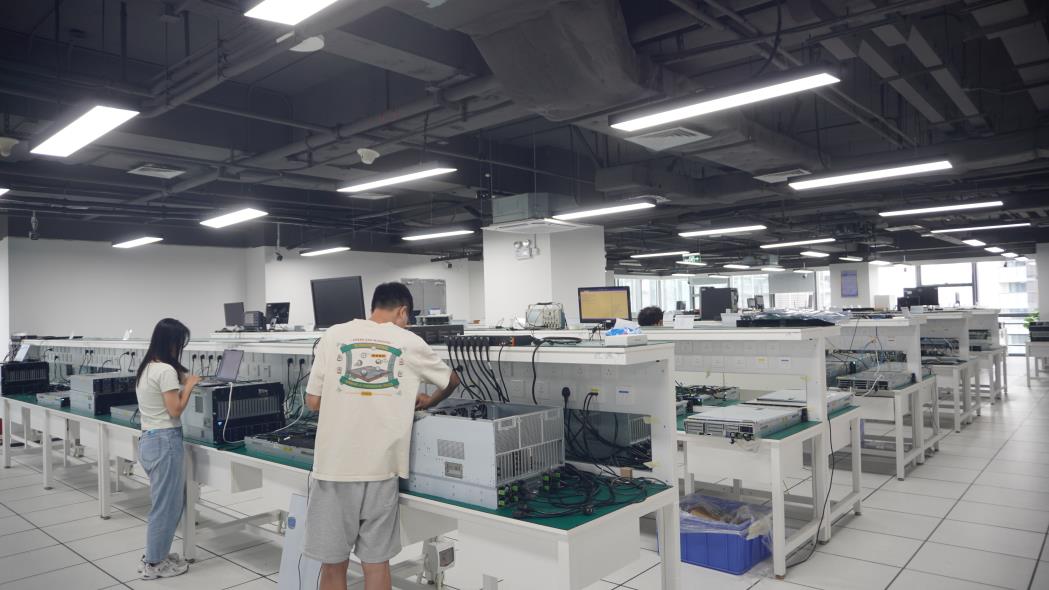
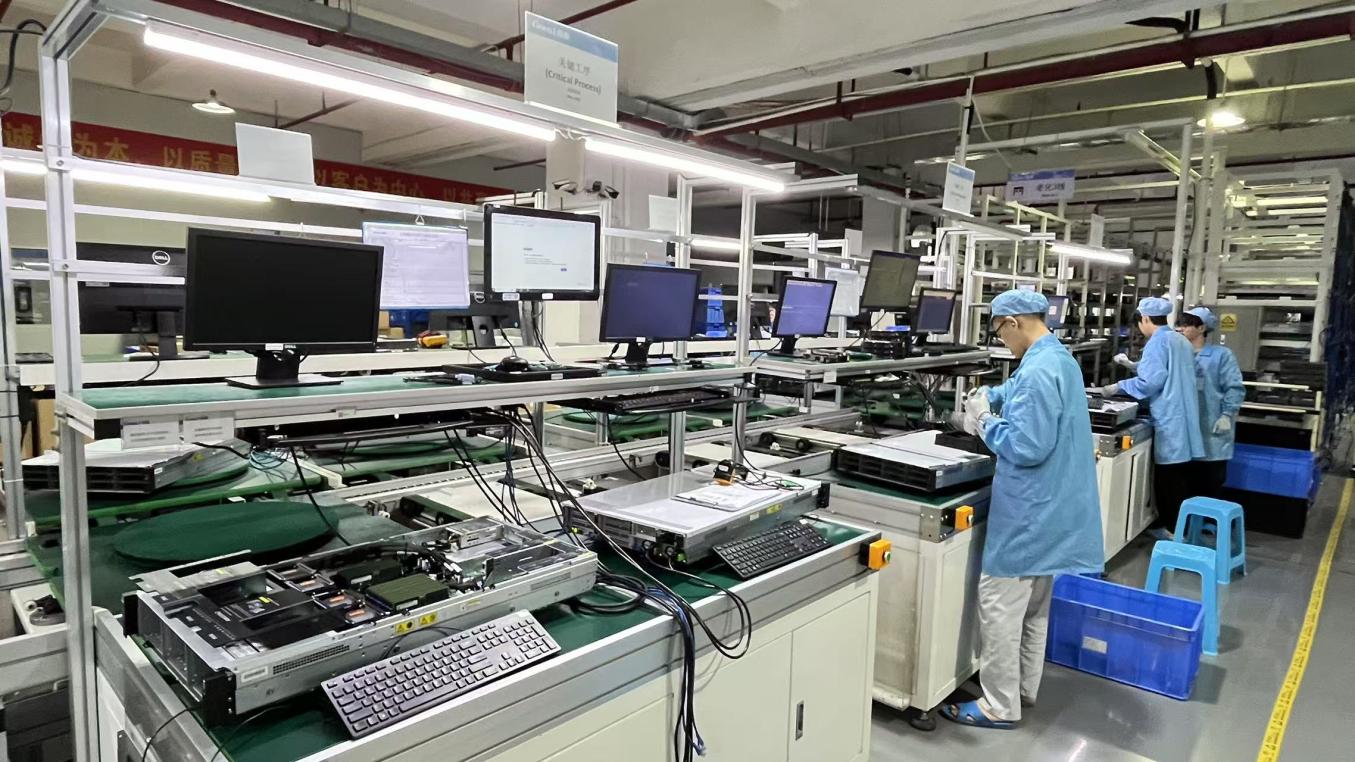
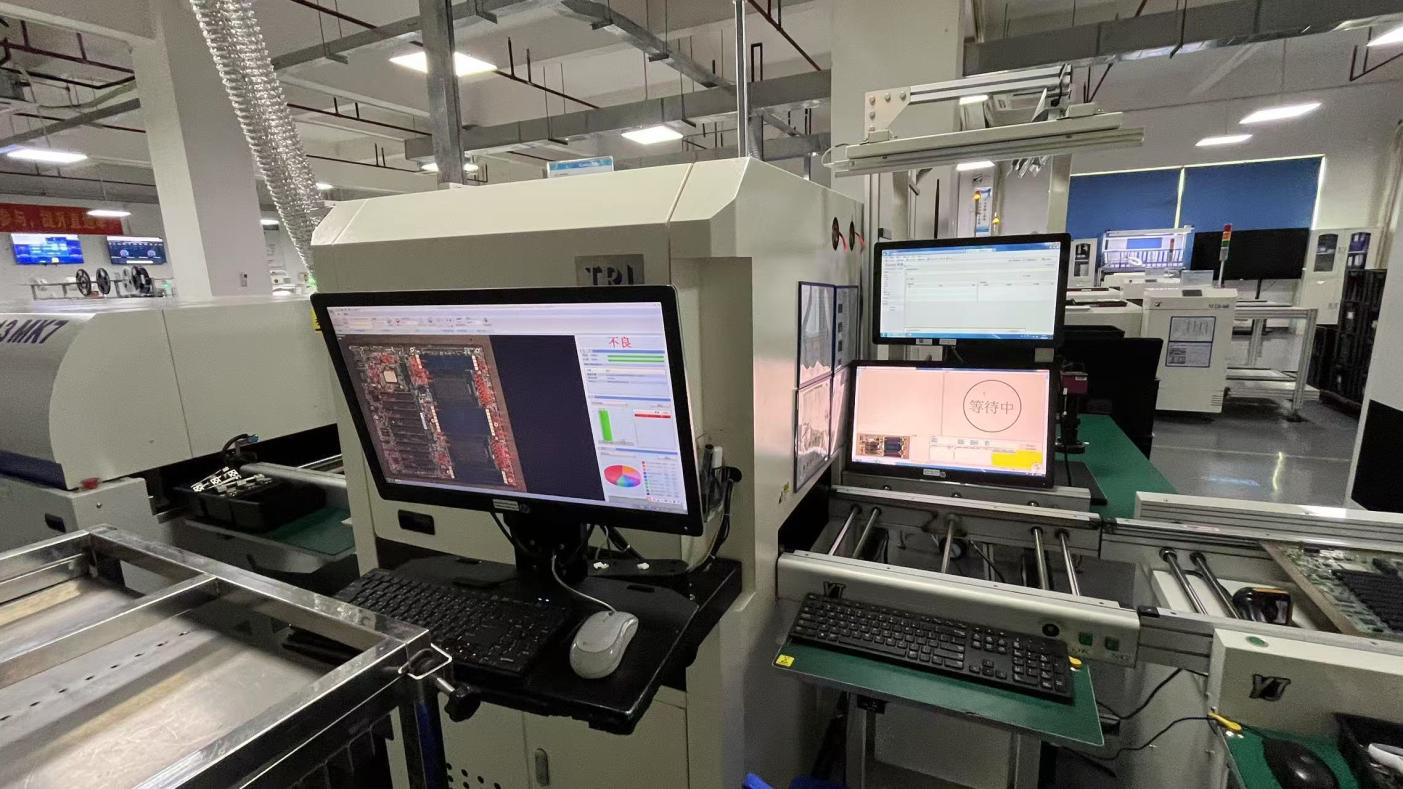
Achieving stable server performance requires systematic, automated manufacturing workflows. The production environment is divided into core physical manufacturing phases and detailed component inspection steps. These range from high-precision laser cutting of heavy-gauge steel server chassis to Surface Mount Technology (SMT) and Manual Insertion (MI) of micro-capacitors onto PCBs. These operations ensure structural durability and electrical stability across all memory tracks and expansion nodes.
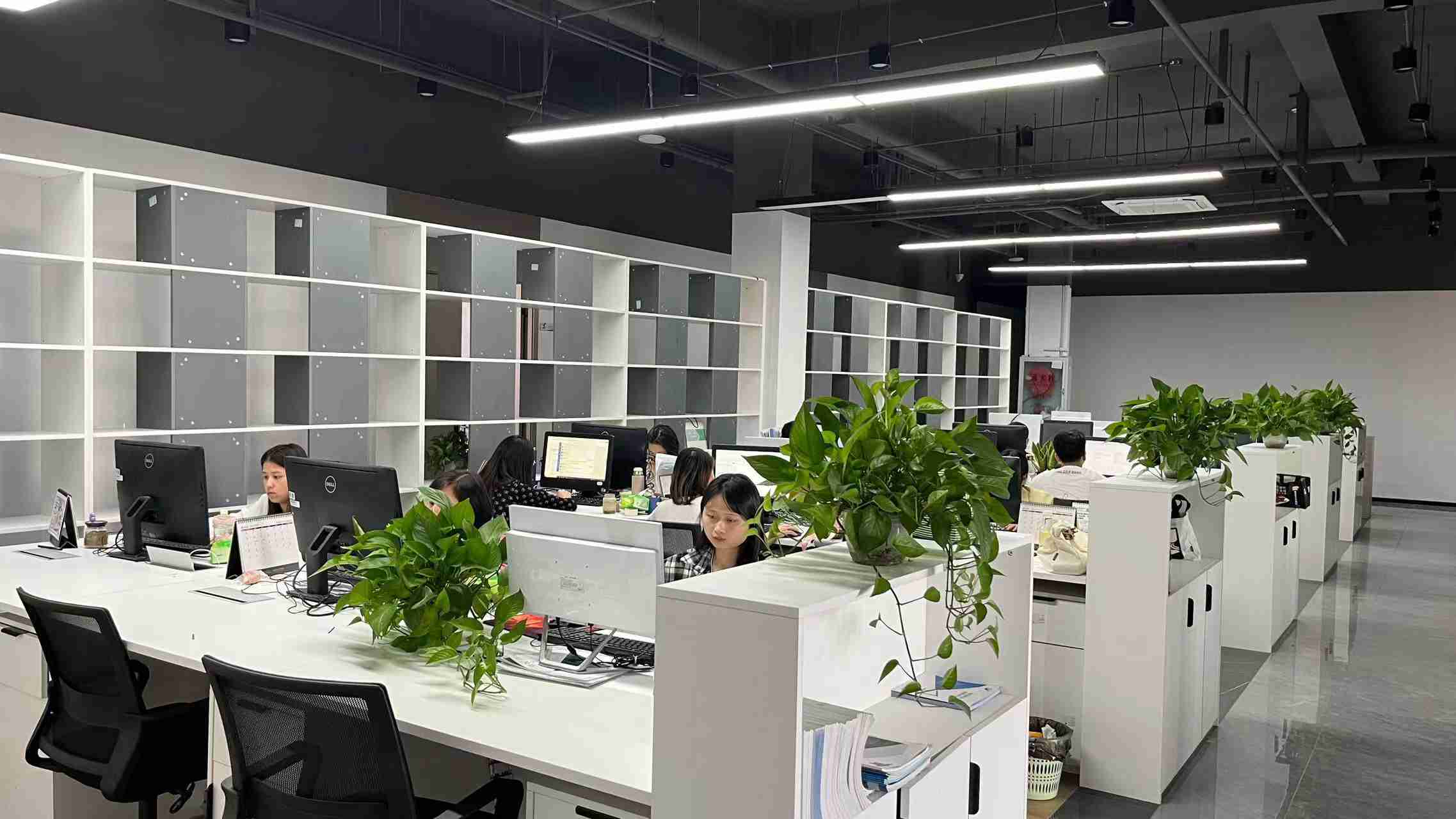
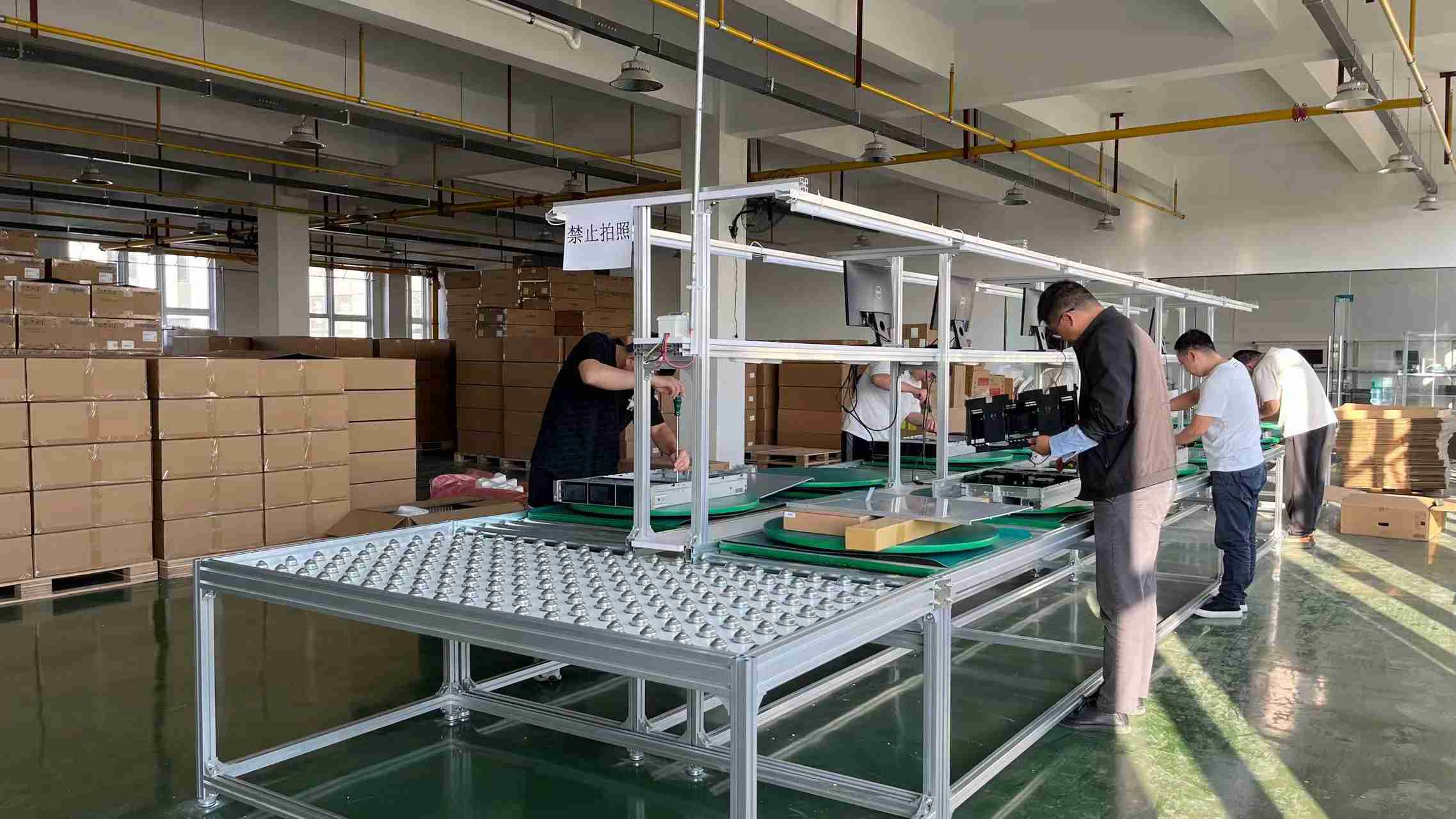
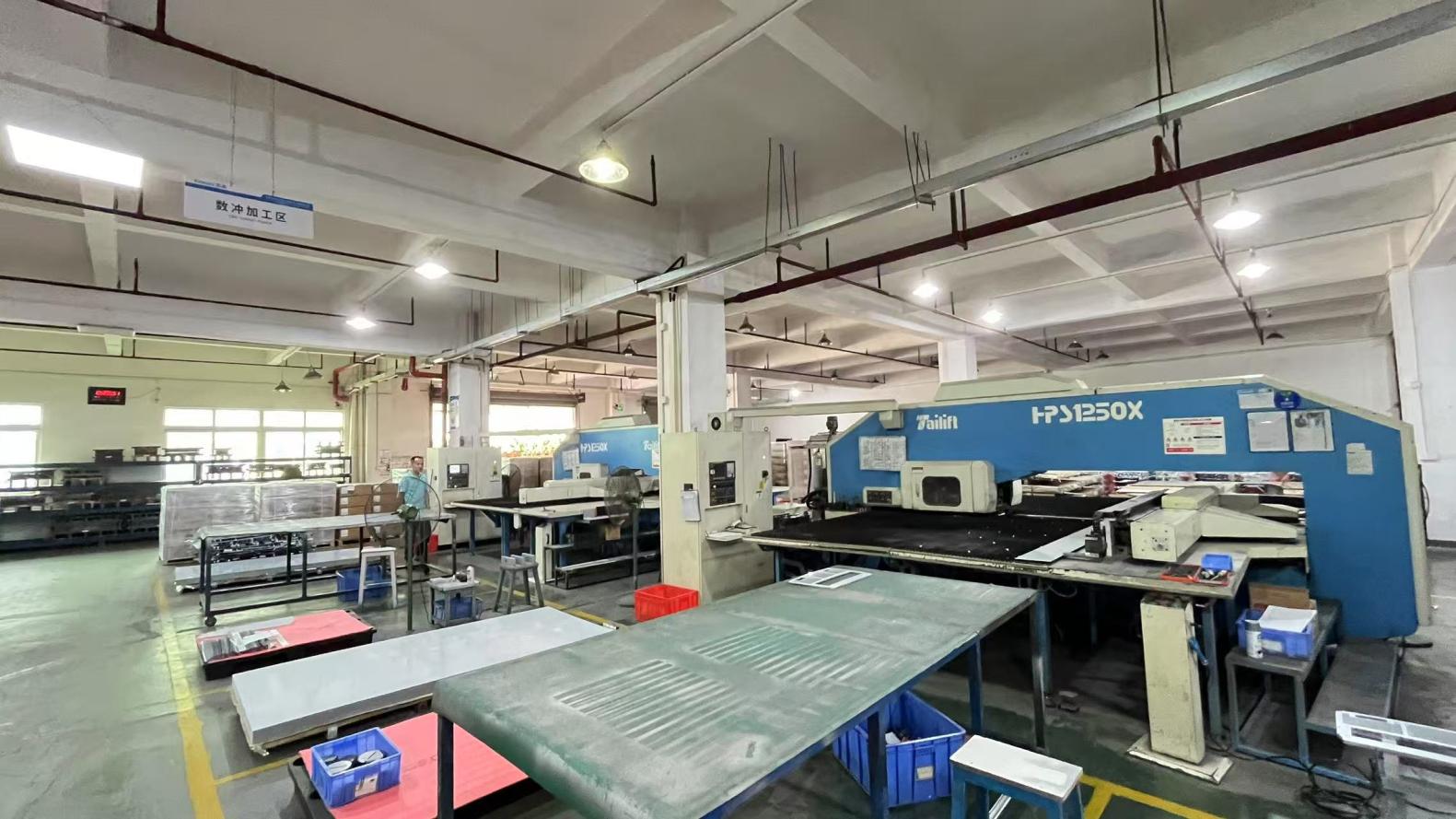
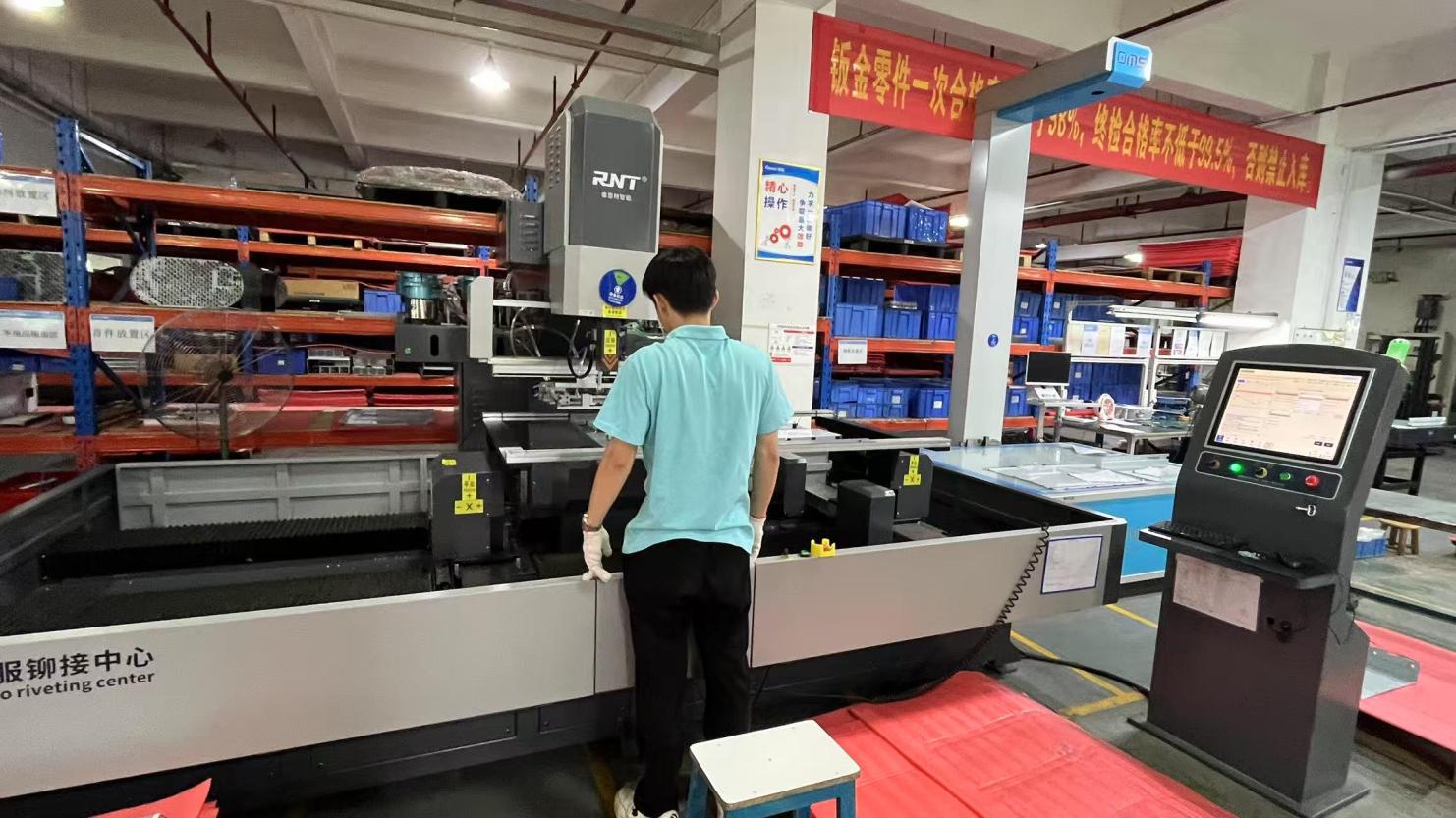

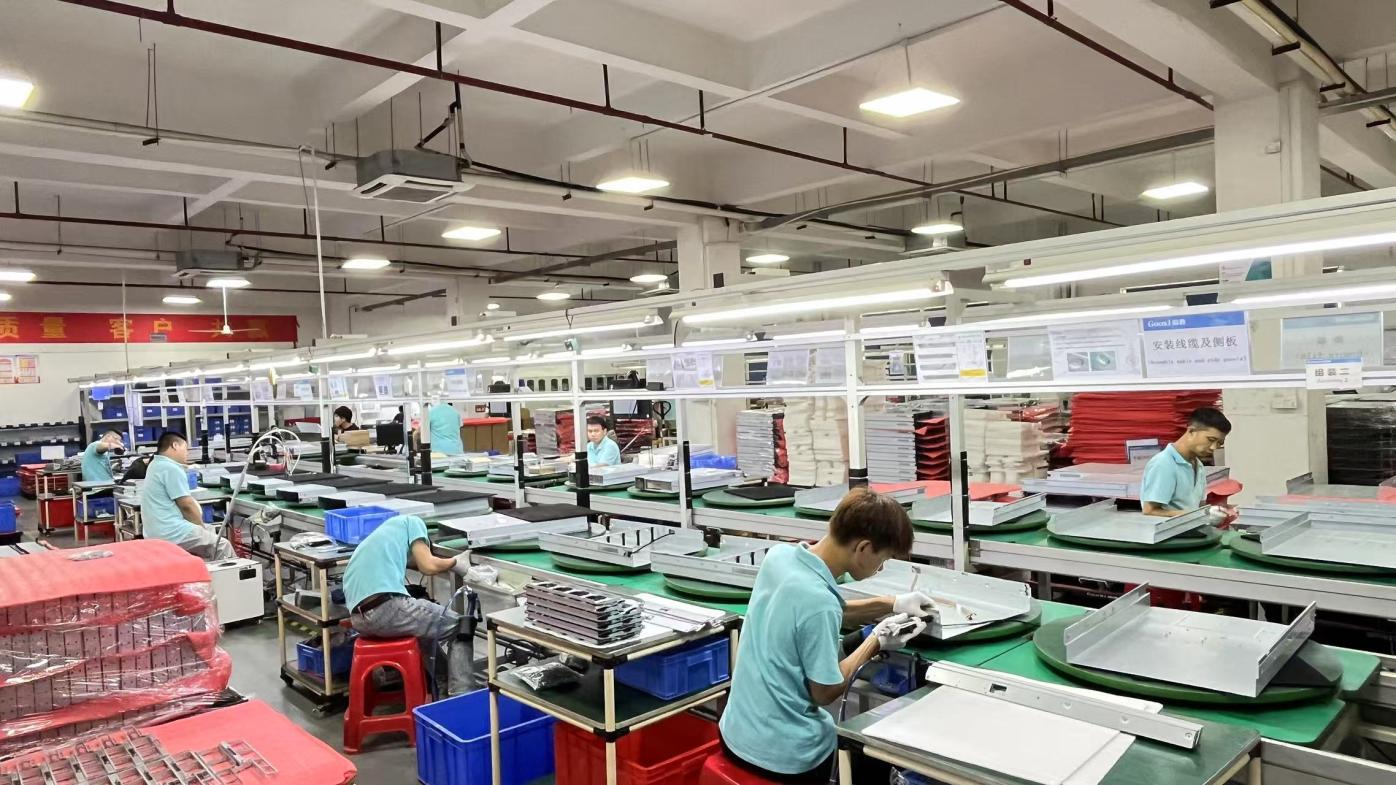
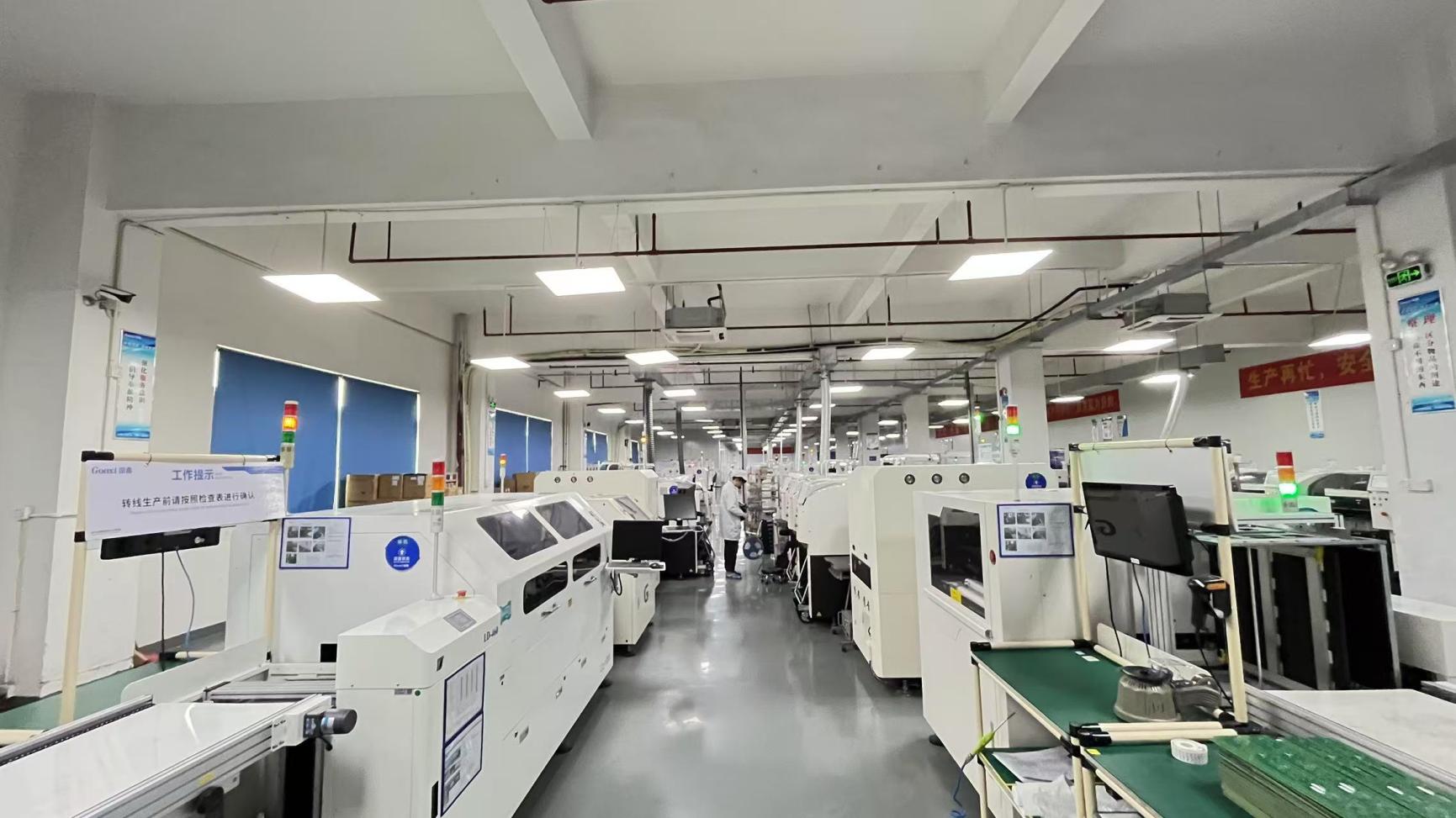


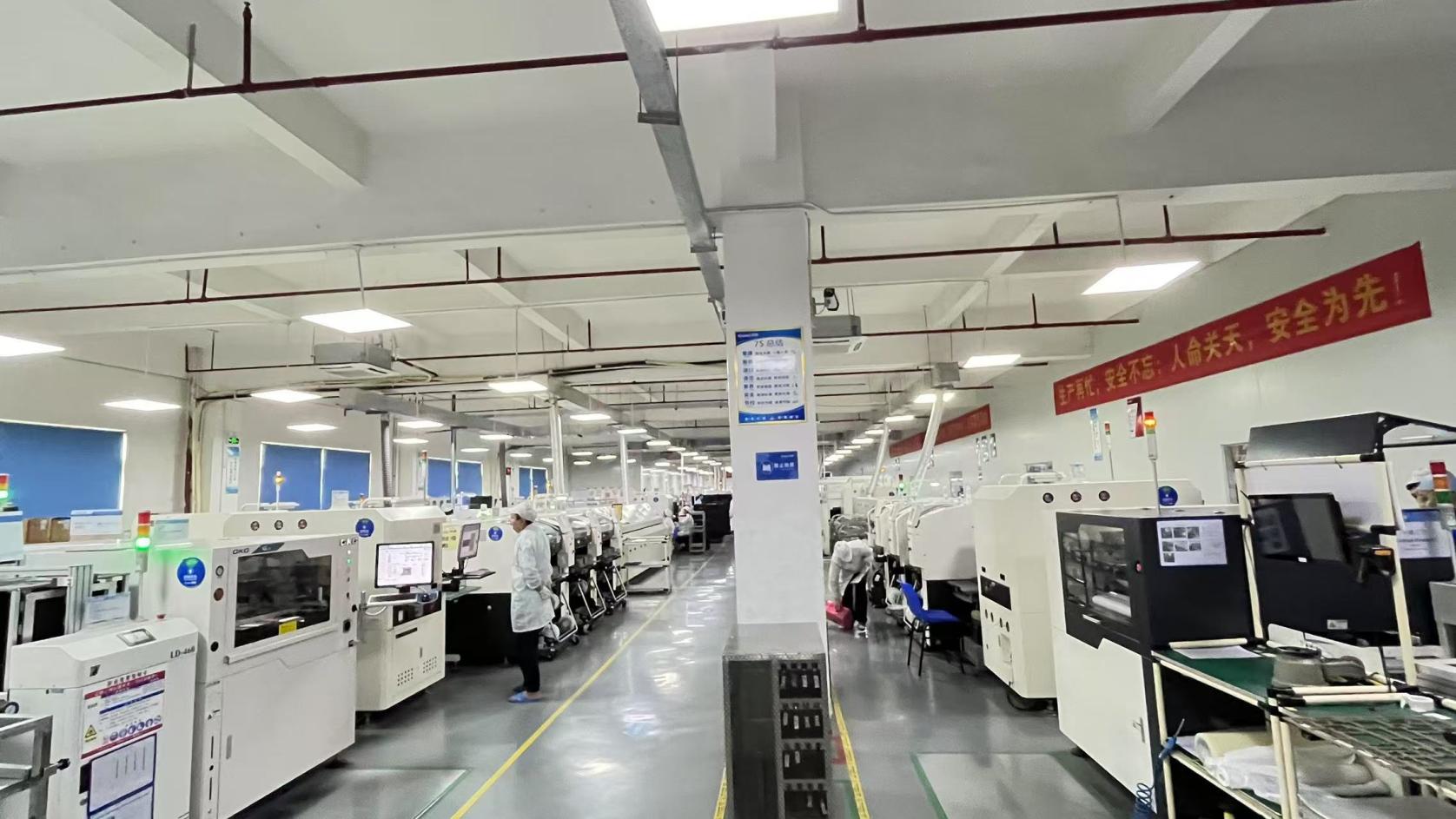

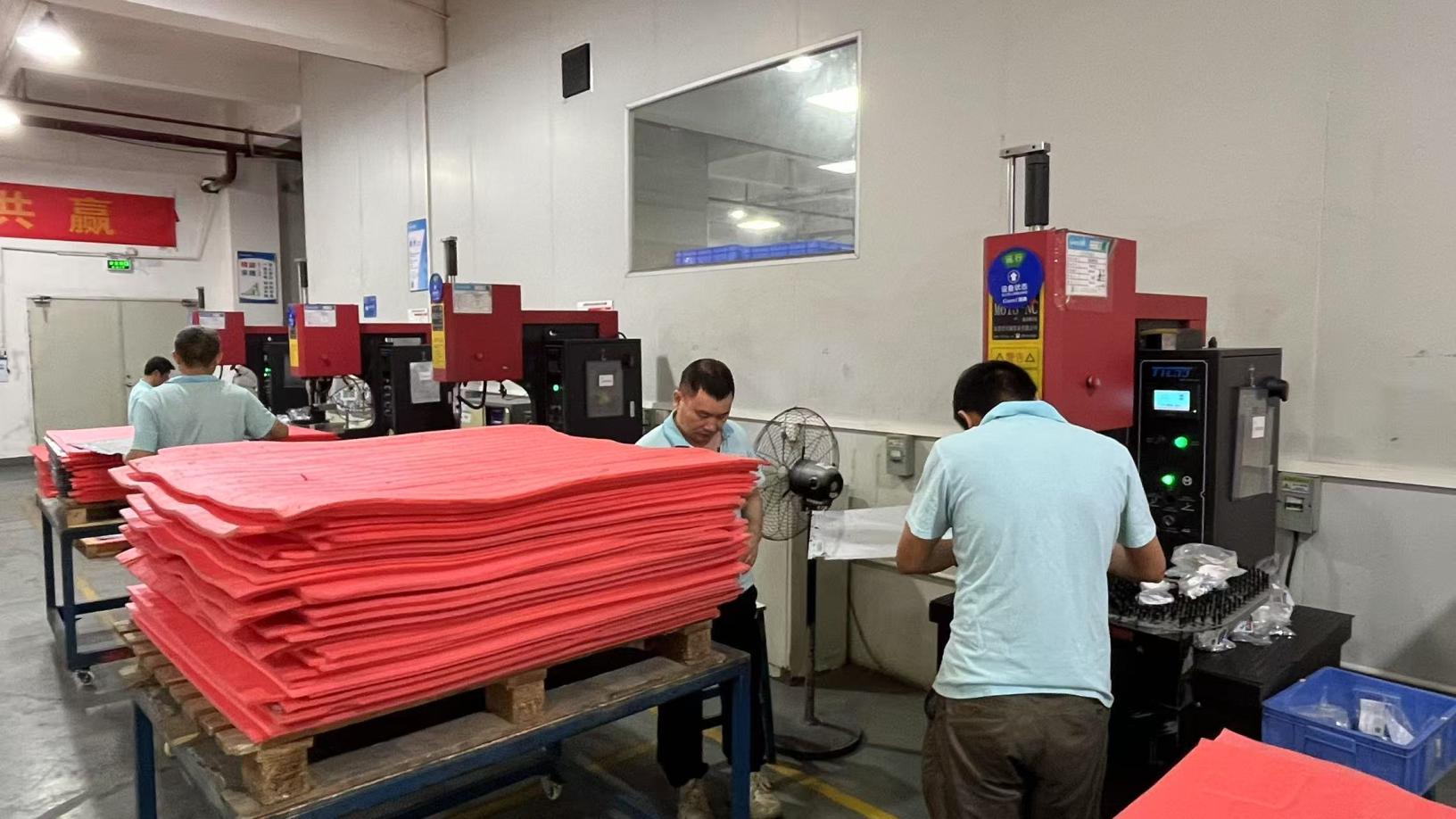
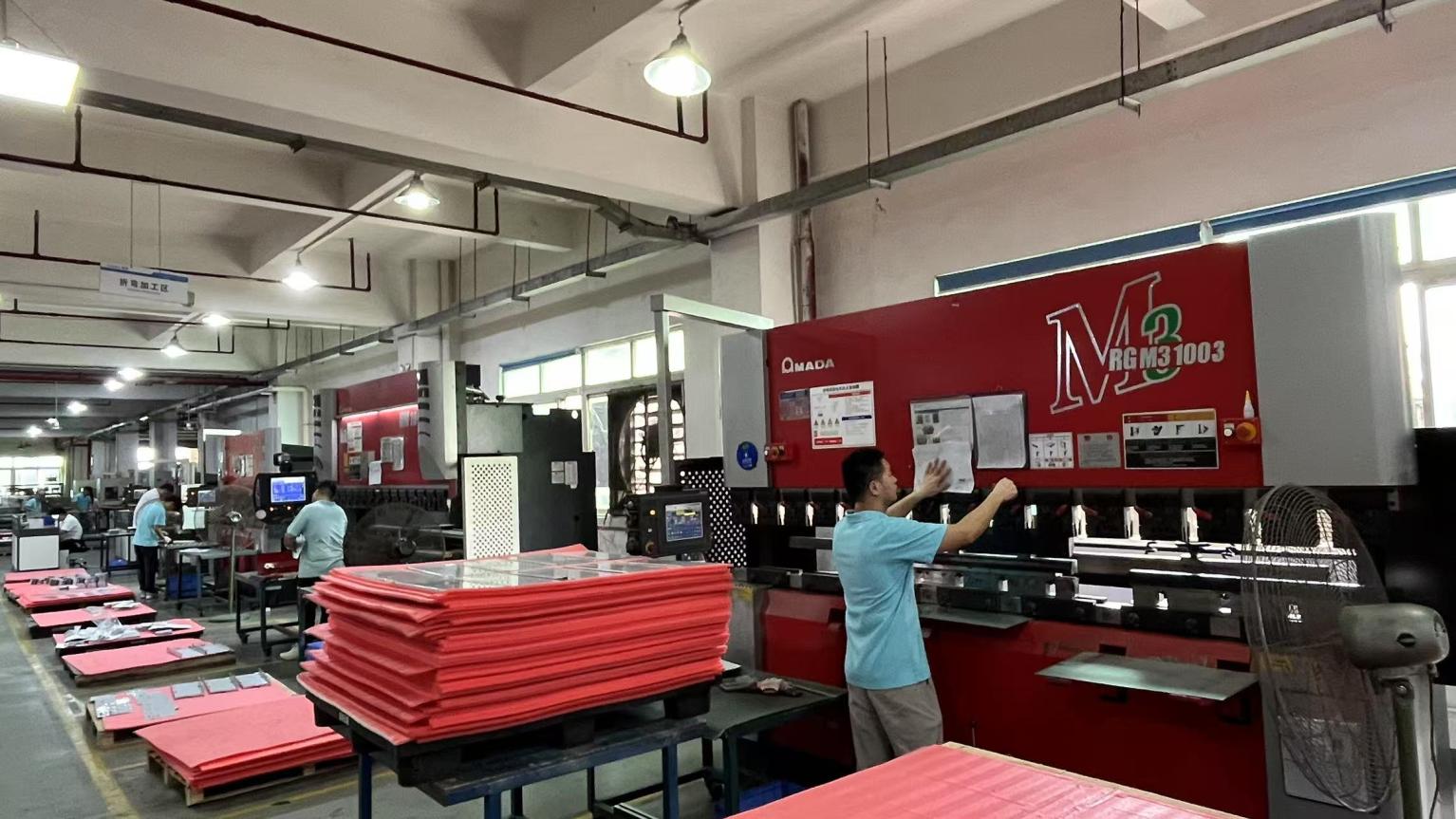

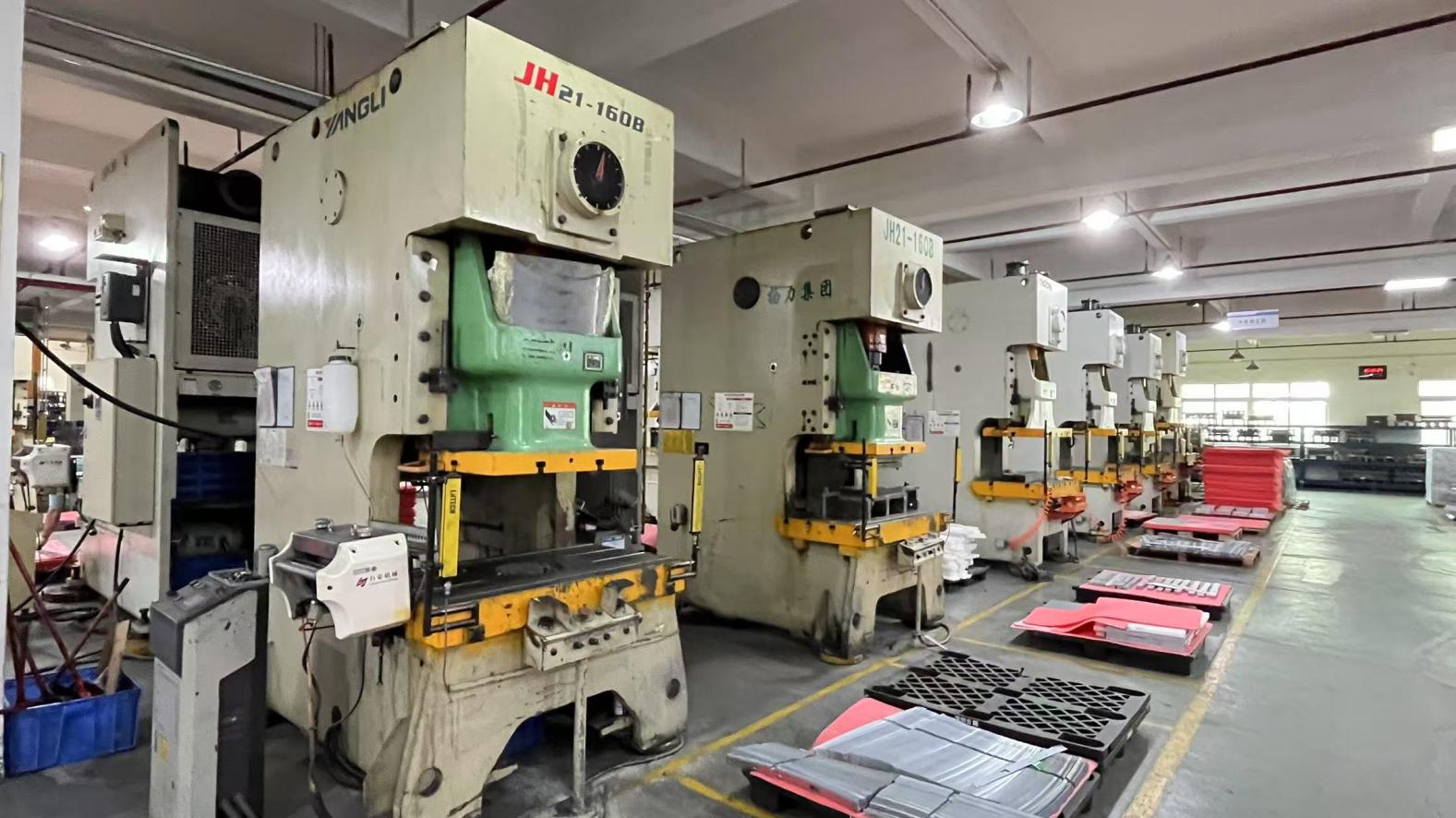

Integrating environmental stress screening, precision physical metrics, and diagnostic hardware scanning.
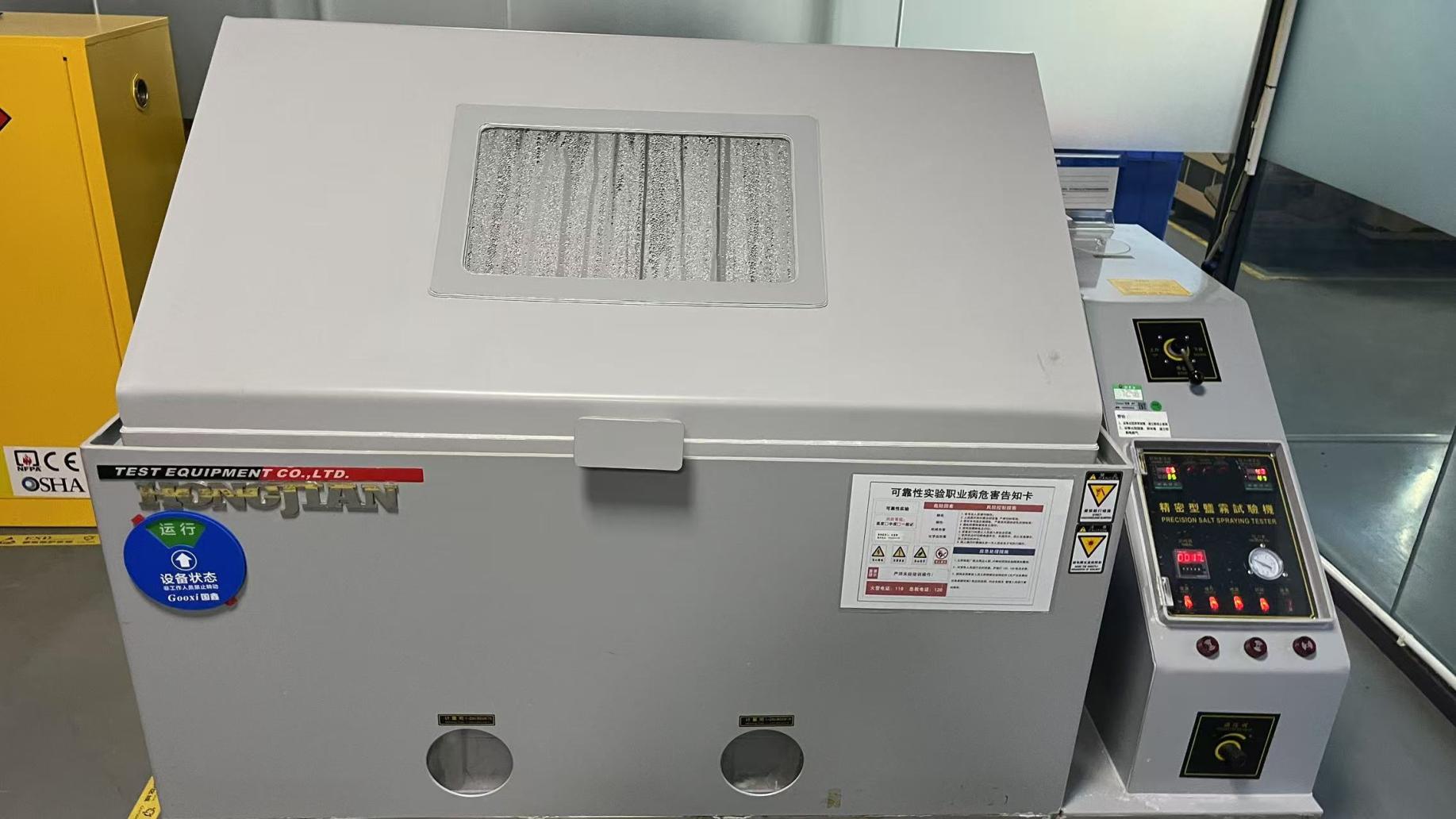
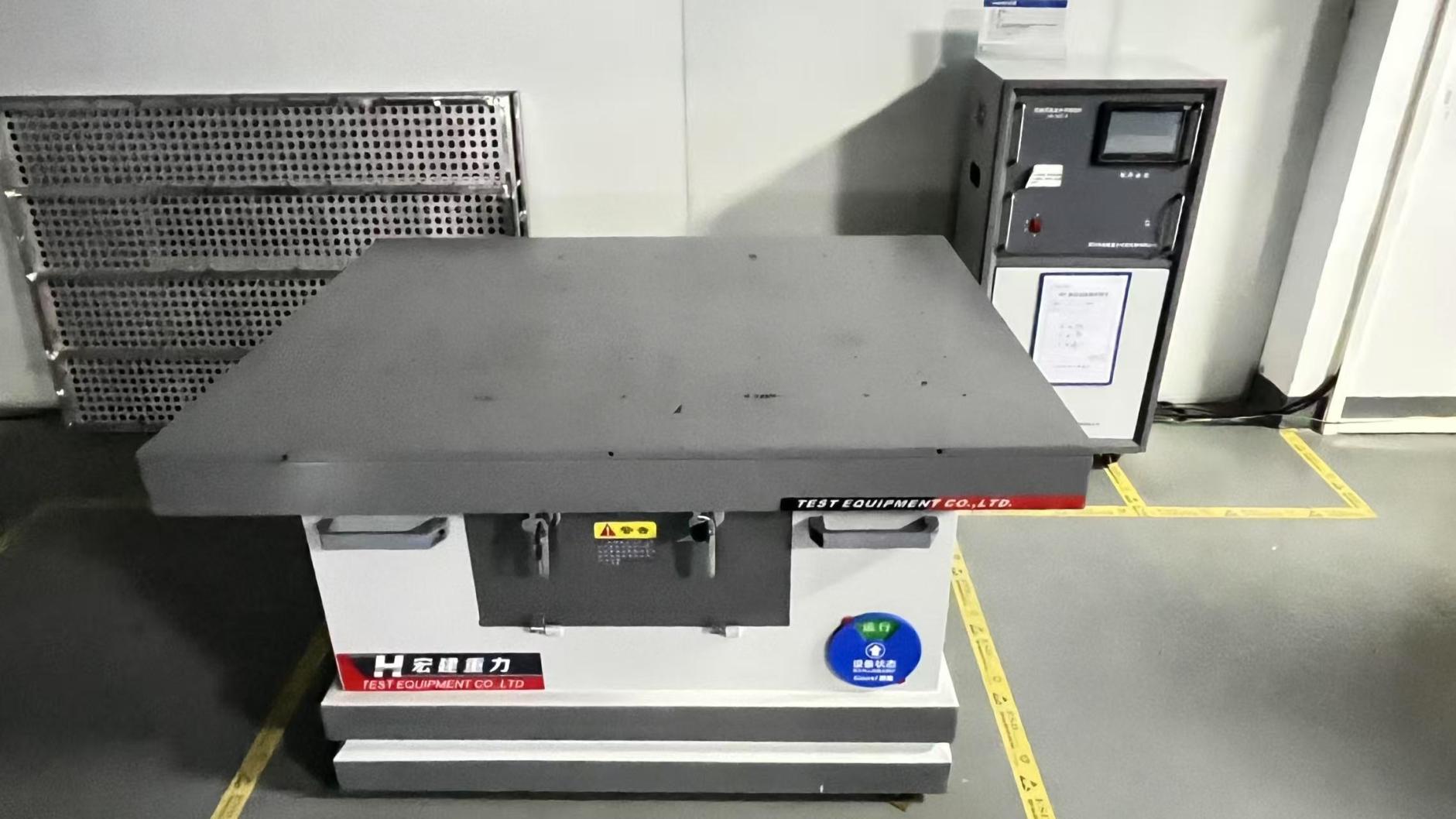
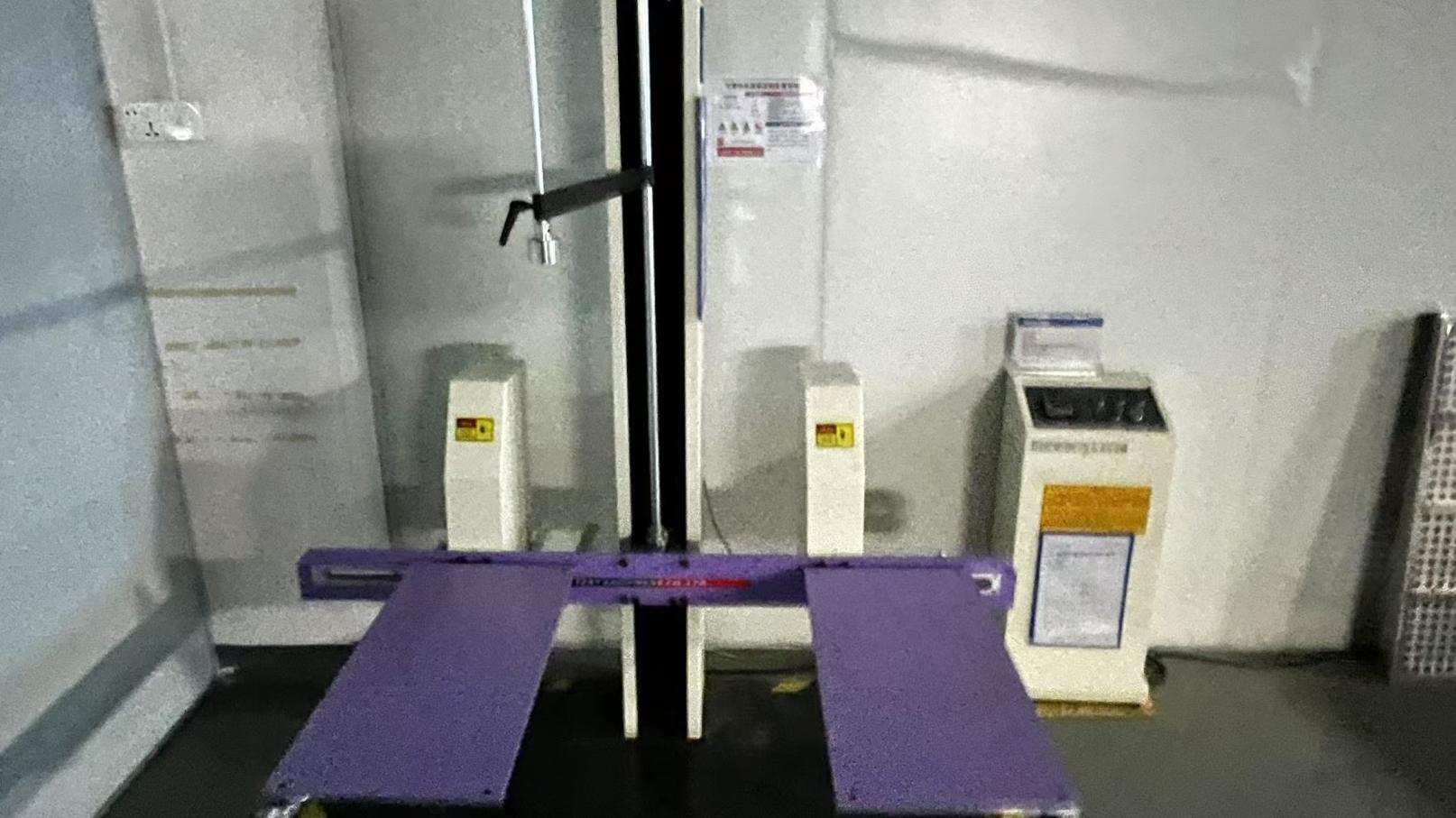
To operate reliably in high-density data centers, server components must withstand diverse stresses, including micro-vibrations, thermal changes, and electrical fluctuations. ZhiCloud AI's quality control facilities employ advanced physical inspection machinery to ensure every structural weld, SMT solder point, and bus layout meets strict quality specifications.



Adapting to regional server configurations and data security standards in North America, Europe, the Middle East, and Asia-Pacific.
We comply with EU energy efficiency directives (such as ErP Lot 9) and CE certifications for electromagnetic safety. Our high-density server configurations support secure cryptographic hardware standards to assist enterprise clients in meeting GDPR compliance guidelines.
For data centers and enterprise IT architectures across the United States and Canada, our hardware designs comply with FCC Class A electromagnetic interference regulations and meet UL structural safety guidelines. This ensures seamless integration into major Western cloud networks.
Leveraging our extensive logistics network and partner services, we provide replacement components and remote debugging assistance globally. This reduces mean-time-to-repair (MTTR) metrics for high-availability IT infrastructures.
Our technical blueprint for expanding computational bandwidth, memory pooling, and energy efficiency.
In response to growing data demands from LLM compute farms and real-time database query setups, the engineering team at ZhiCloud AI is optimizing hardware designs to improve performance. Our roadmap centers on three core pillars:
Detailed responses to architectural questions regarding server layout, memory configurations, and system design.
AI workloads involve high-volume matrix multiplications and long-running training loops. Standard memory is susceptible to single-bit flips caused by electrical noise or cosmic rays, which can corrupt gradients and cause training tasks to fail. ECC memory detects and corrects single-bit errors dynamically, ensuring long-term system stability and data consistency.
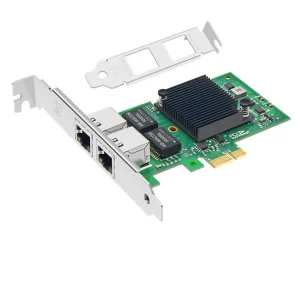
A dedicated hardware RAID controller card, like the 9540-8i, handles disk parity calculations directly, offloading these tasks from the host CPU. By utilizing PCIe 4.0 x8 lanes, it provides up to 16 GB/s of bidirectional interface bandwidth. This layout prevents data bottlenecks, enabling fast write and read operations across attached SAS or NVMe storage arrays.
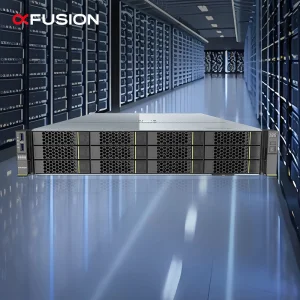
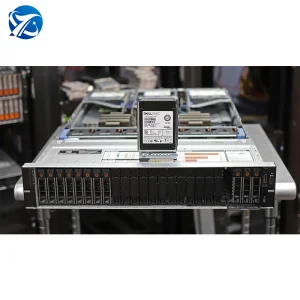
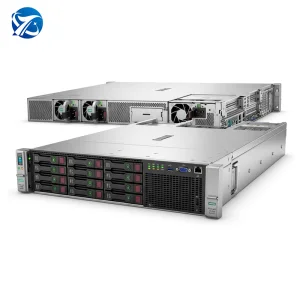
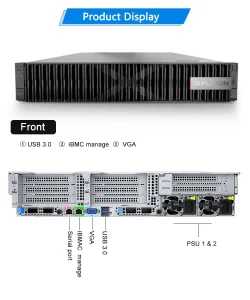
A 2U chassis provides an optimal balance between spatial density, system cooling, and expansion capabilities. Dual-processor motherboards allow for high memory capacities and support multiple PCIe expansion slots. This space accommodates GPU accelerators, high-speed network interfaces, and multiple storage drives, making it a versatile platform for enterprise deep learning deployments.
ZhiCloud AI implements a strict quality assurance process. Every system undergoes extensive testing, including physical vibration analysis to simulate transit conditions, salt spray exposure for environmental durability, and high-temperature stress tests. These evaluations ensure that systems arrive fully functional and perform reliably in the field.
Yes. ZhiCloud AI offers hardware customization options, including specific GPU configurations, customized RAM sizes, customized RAID configurations, and various chassis styles. Additionally, we provide software pre-installation services to ensure systems integrate easily with existing enterprise IT workflows.
Premium, factory-tested memory modules and GPU server platforms designed for massive database scaling, AI processing, and edge deployments.