ZhiCloud AI
ZhiCloud AI
ZhiCloud AI
Direct supply of high-density AI accelerators, ECC server memory, and enterprise infrastructure components for mission-critical IT deployments.
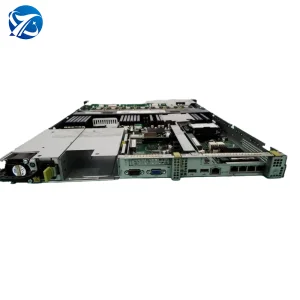
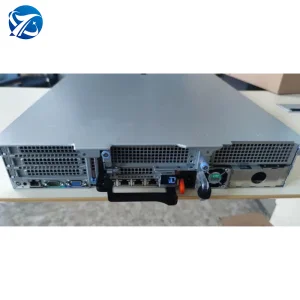
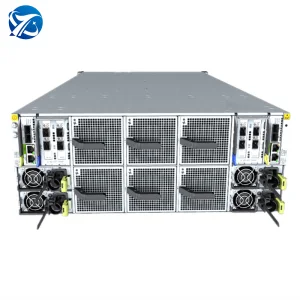
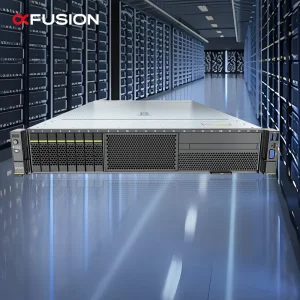
An in-depth analysis of how high-concurrency workloads, neural training arrays, and hyper-converged databases are redefining Solid State Drive performance metrics.
In modern high-performance computing (HPC) and localized Artificial Intelligence frameworks (such as deep neural network modeling, LLM caching, and database acceleration), the storage tier is historically the primary architectural bottleneck. The transition from legacy rotating media to enterprise Solid State Drives (SSDs) is no longer a luxury—it is the baseline criteria for modern server operations.
With databases executing hundreds of thousands of Input/Output Operations Per Second (IOPS), storage drives must offer consistent latency profiles, resilient endurance metrics (measured in Drive Writes Per Day, or DWPD), and integrated physical safety networks. Advanced SSD technologies utilize high-density TLC (Triple-Level Cell) and QLC (Quad-Level Cell) 3D NAND flash layouts, running on PCIe Gen 4.0 and 5.0 protocols to achieve data transfer speeds exceeding 7,000 to 14,000 MB/s per lane controller.
As deep learning engines process multi-terabyte datasets, storage drives must endure constant sustained workloads without thermal throttling or silent data corruption. This requires intelligent controller architectures built with LDPC (Low-Density Parity-Check) error correction, end-to-end data path protection (protecting data from the host interface to the NAND cells), and hardware-implemented Power Loss Protection (PLP) via robust tantalum capacitor arrays.
As a leading Chinese Solid State Drive factory and experienced global IT supplier, ZhiCloud AI interfaces directly with global data centers, public cloud architectures, and specialized scientific labs. We engineer storage nodes that directly complement dense CPU and GPU topologies, ensuring that high-speed computational clusters are never starved of critical raw data input.
A statistical breakdown of Shenzhen Intelligent Computing Cloud Technology Co., Ltd. (ZhiCloud AI) and its global industrial footprint.
Analyzing how customized storage architectures are deployed across diverse sectors to maximize operational efficiency and prevent transaction bottlenecks.
Cloud service providers require rapid scaling, virtualization densities, and minimal tail-latency (99.99th percentile). In these hyperscale architectures, our high-density NVMe solid-state drives optimize server footprint, minimize power draw per terabyte (W/TB), and deliver consistent multi-tenant virtualization performance with IOPS isolation policies.
AI pipelines thrive on immediate access to raw training data. Deploying customized NVMe arrays directly alongside GPU accelerators like DeepSeek clusters eliminates data pipeline delays. This allows models to quickly perform weights adjustment and feature mapping directly from high-speed local NVMe lanes without relying on slow network attachments.
Financial transaction hubs operate with strict SLA requirements, handling thousands of queries per second. A single write latency spike can disrupt transactional integrity. ZhiCloud AI SSD designs leverage custom over-provisioning (OP) configurations, raising sustained random write consistency and preventing performance degradation over years of operation.
Industrial computing requires hardware capable of surviving extreme environments. Our specialized solid state drive configurations feature conformal coating for moisture resistance, hardware-level thermal management to withstand sub-zero or high-heat environments, and robust physical dampening against severe structural shock and vibration.
An architectural insight into next-generation memory structures, emerging interfaces, and the technological evolution of flash storage.
PCIe Gen 5.0 systems double the theoretical bandwidth of Gen 4, supporting throughput speeds of up to 32 GT/s per lane. Our product roadmap integrates advanced physical layers (PHY) and optimized controllers that process complex command queues without overheating. We are testing and developing solutions for the PCIe 6.0 standard, incorporating PAM4 signaling to double data rates while keeping latency extremely low.
Additionally, we are exploring CXL (Compute Express Link) protocols. CXL enables shared memory pools across CPUs, GPUs, and SSD storage nodes, helping data centers reduce latency overhead and avoid redundant storage architectures.
Traditional 2.5-inch U.2 form factors are gradually making way for EDSFF (Enterprise and Datacenter Standard Form Factor) standards, such as E1.S and E3.S. These form factors optimize space utilization, improve thermal cooling, and allow for higher drive density per rack unit (RU).
To maximize the service life of these high-density setups, our R&D team implements advanced Wear Leveling algorithms and predictive health monitoring. Utilizing telemetry and SMART reporting, system administrators can view real-time data on flash block wear patterns, write amplification factors (WAF), and operating temperatures, allowing them to schedule maintenance before drive failures occur.
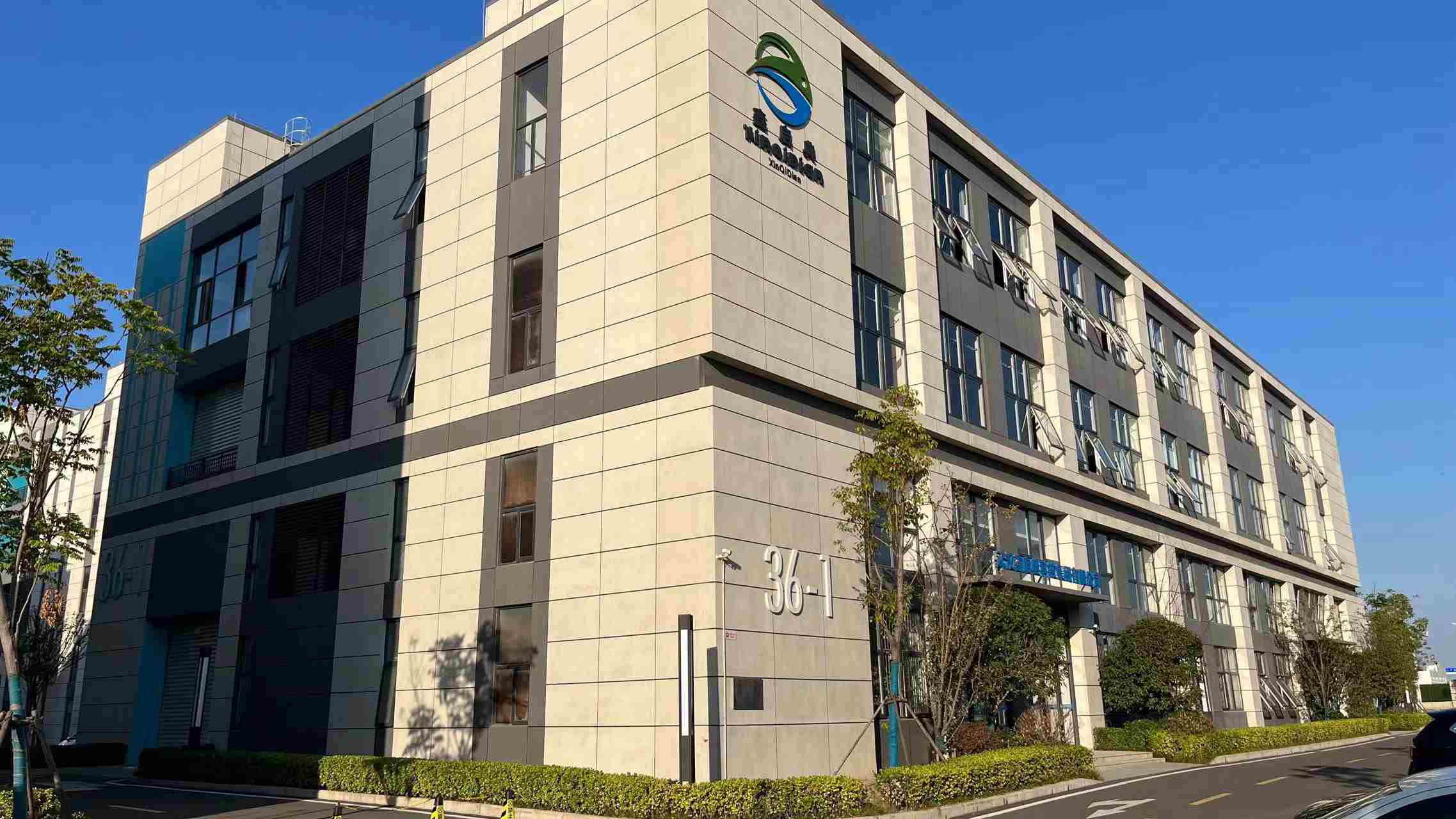
Our facility in Shenzhen operates at the center of the world's most advanced electronics hardware manufacturing cluster. This strategic location enables exceptional assembly speed, quick material sourcing, and efficient prototyping capabilities.
We maintain active relationships with over 1,200 strategic material partners. This diverse network helps secure constant access to crucial silicon wafers, controller chips, PCBs, and power management units, protecting our operations from international raw material shortages.
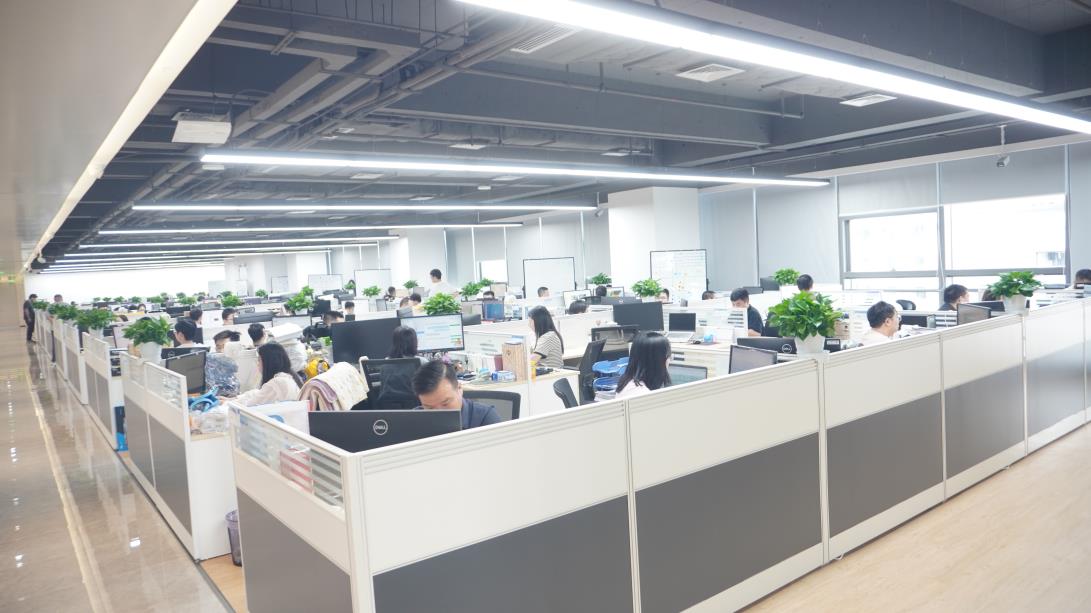
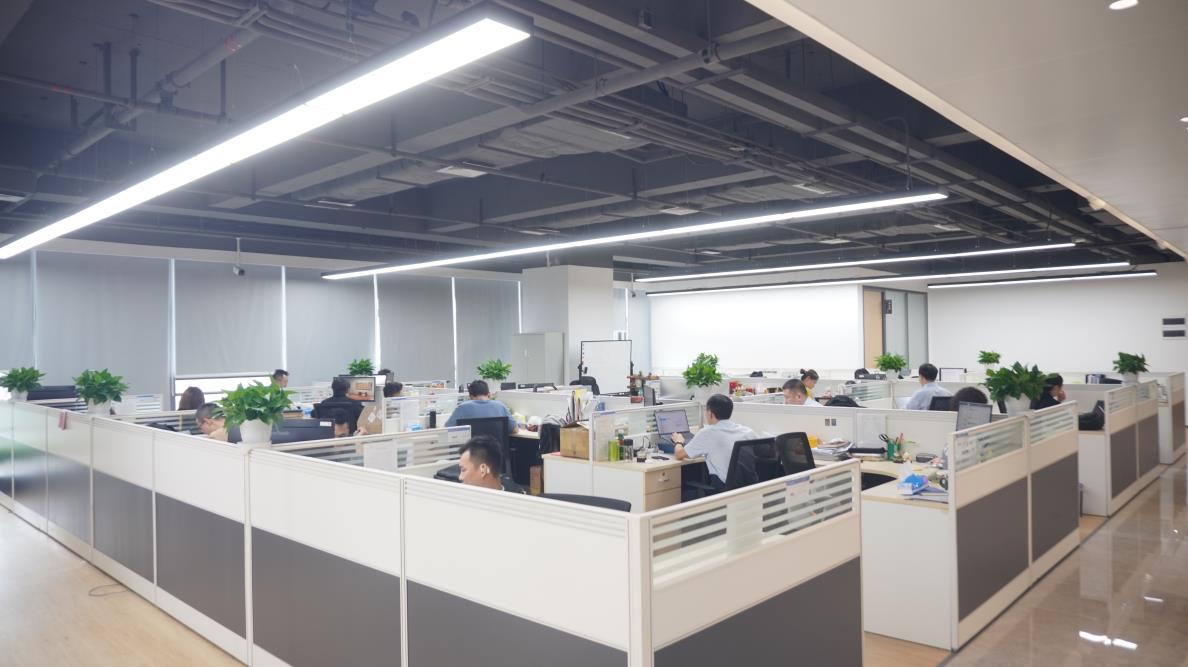
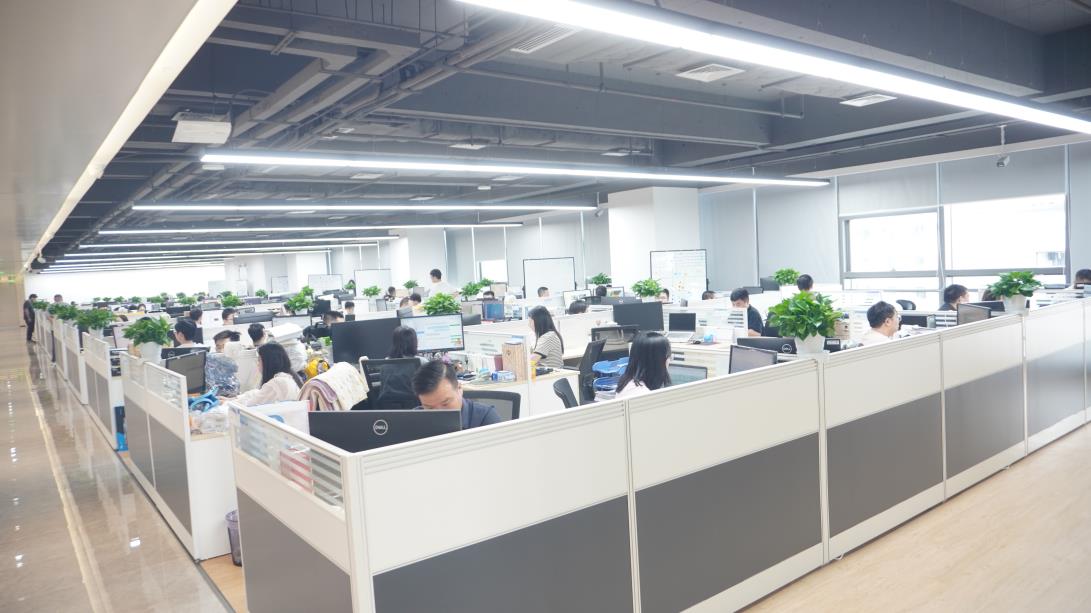
With an experienced team of 120 R&D engineers, we handle design, manufacturing, validation, and optimization under one roof. This integrated process allows us to rapidly introduce new products to the market, launching over 180 updated server and storage products last year alone.
"ZhiCloud AI leverages its close proximity to component fabricators and advanced SMT lines to reduce standard OEM production cycles from weeks to just days."
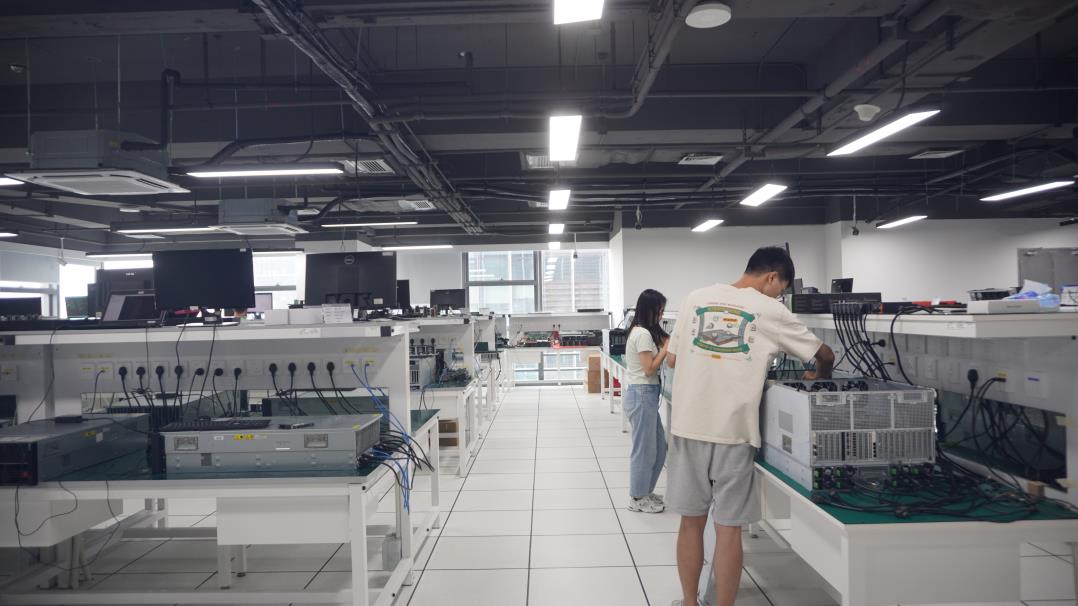
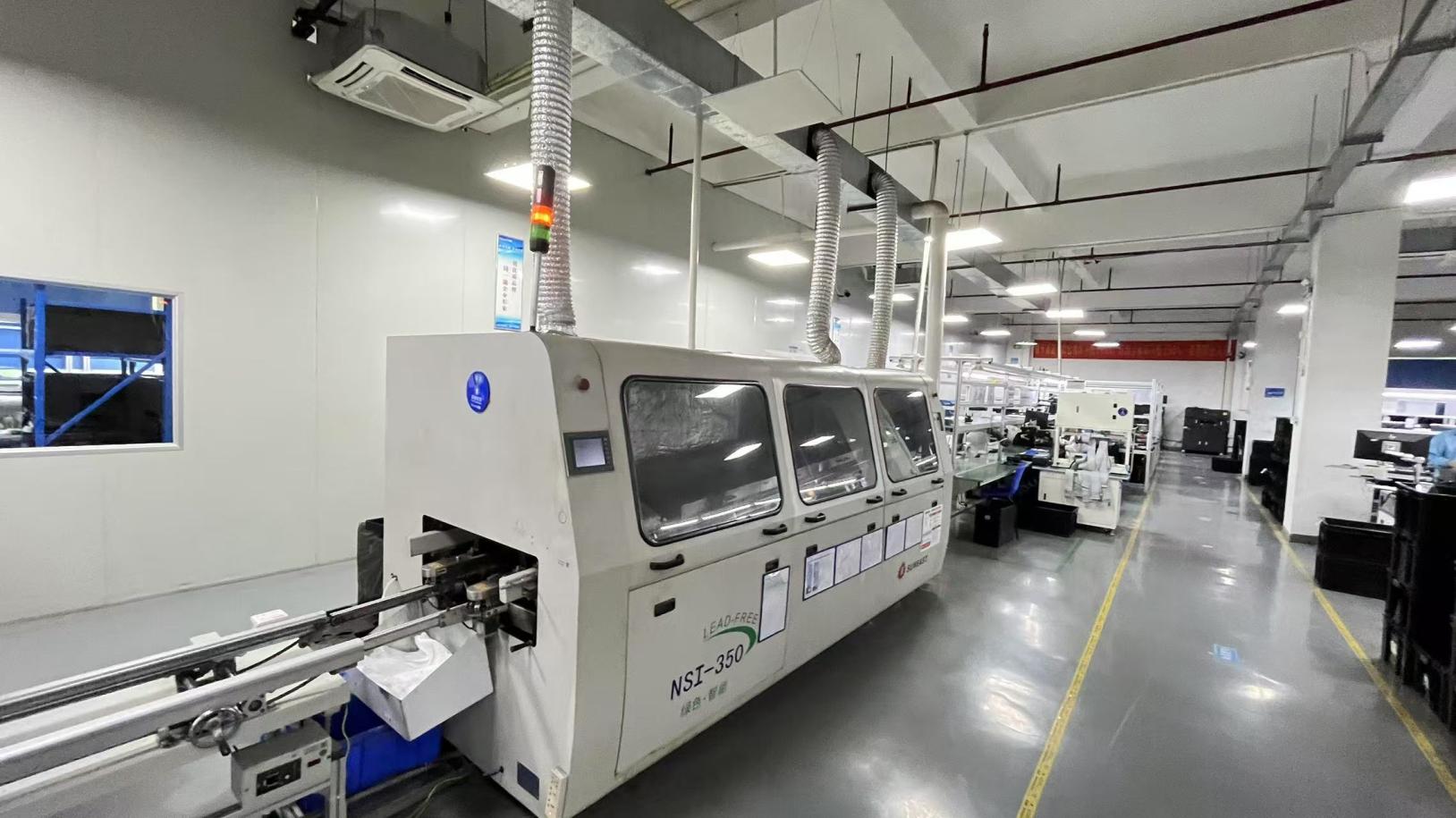
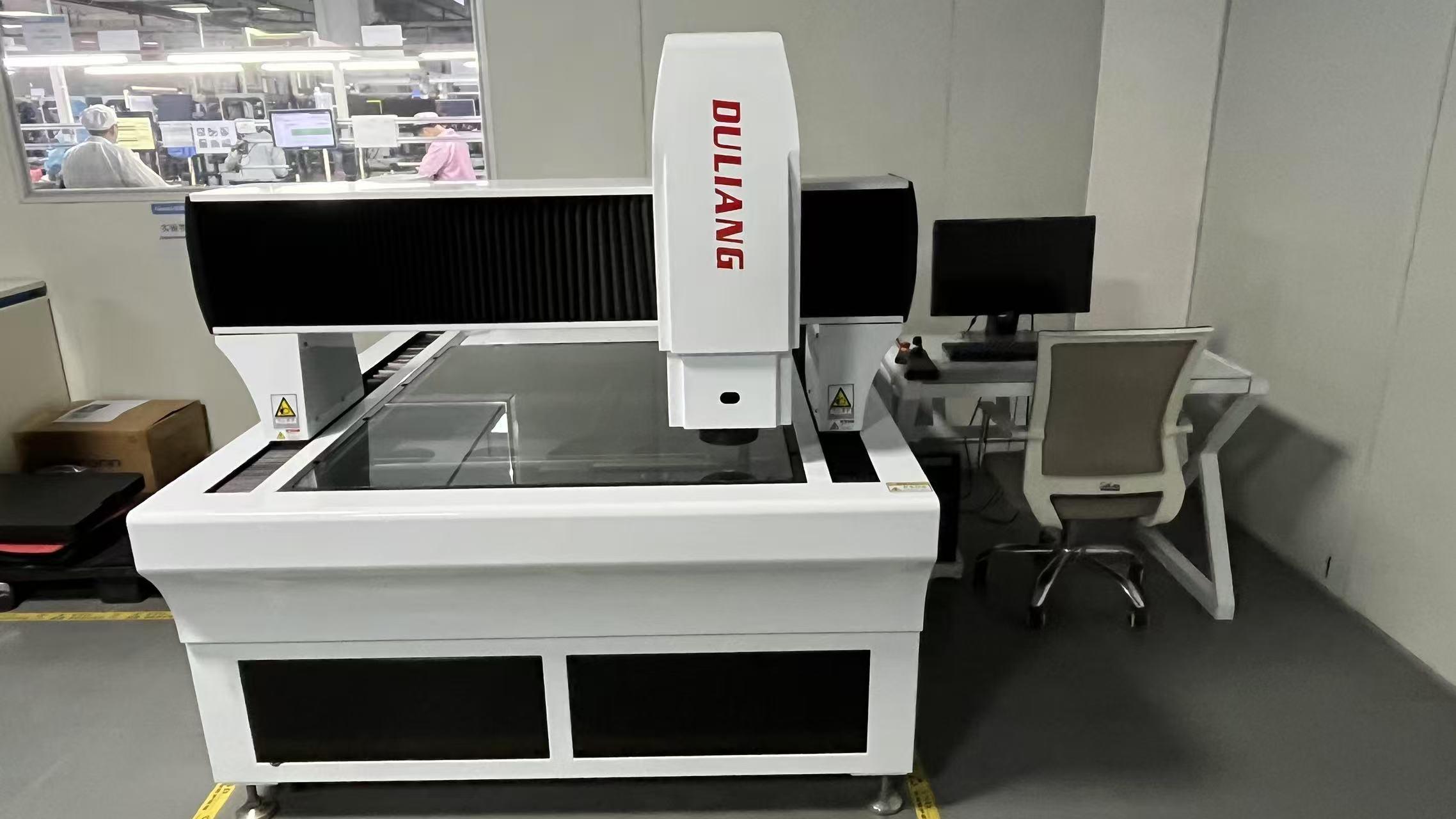
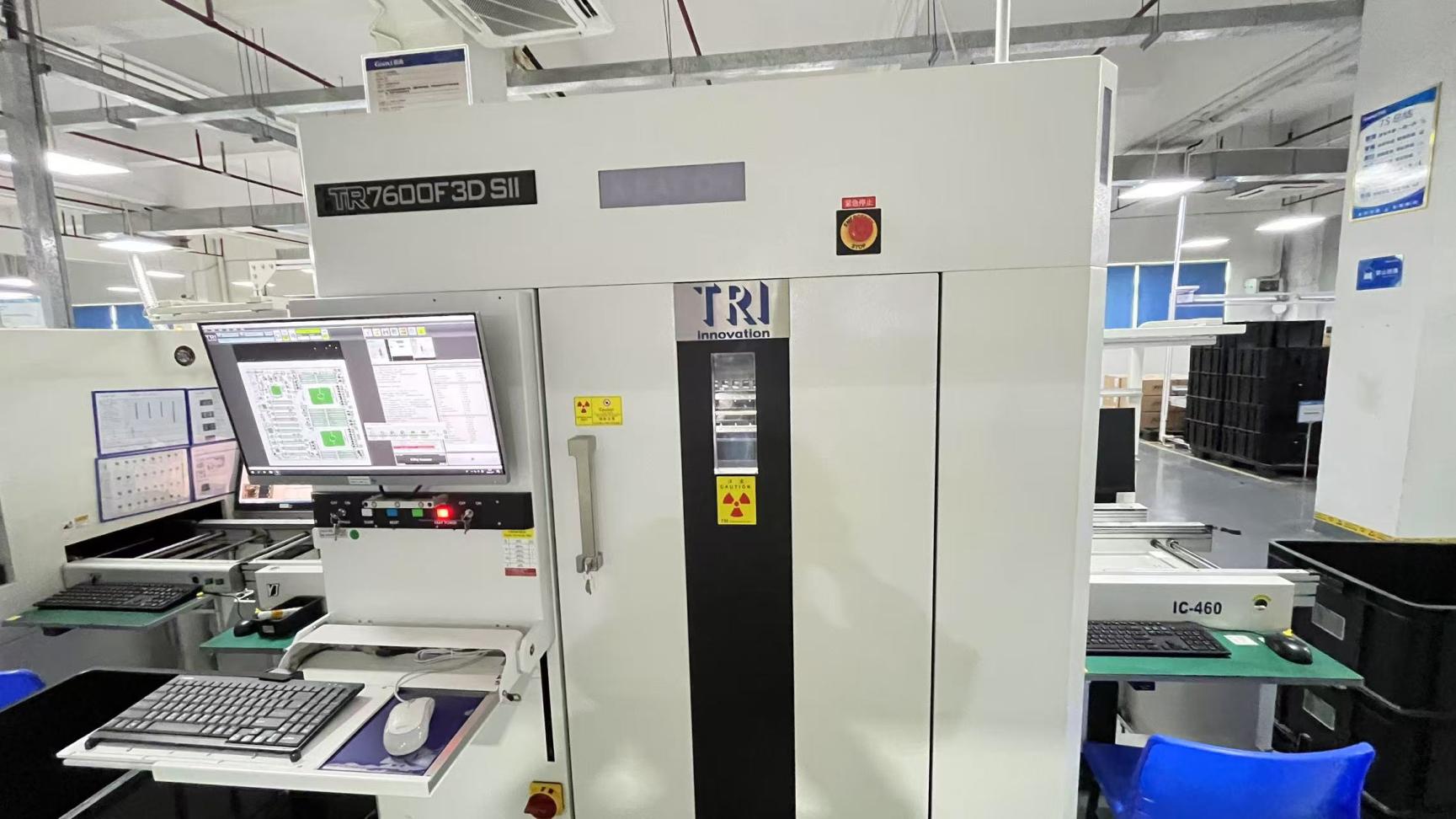
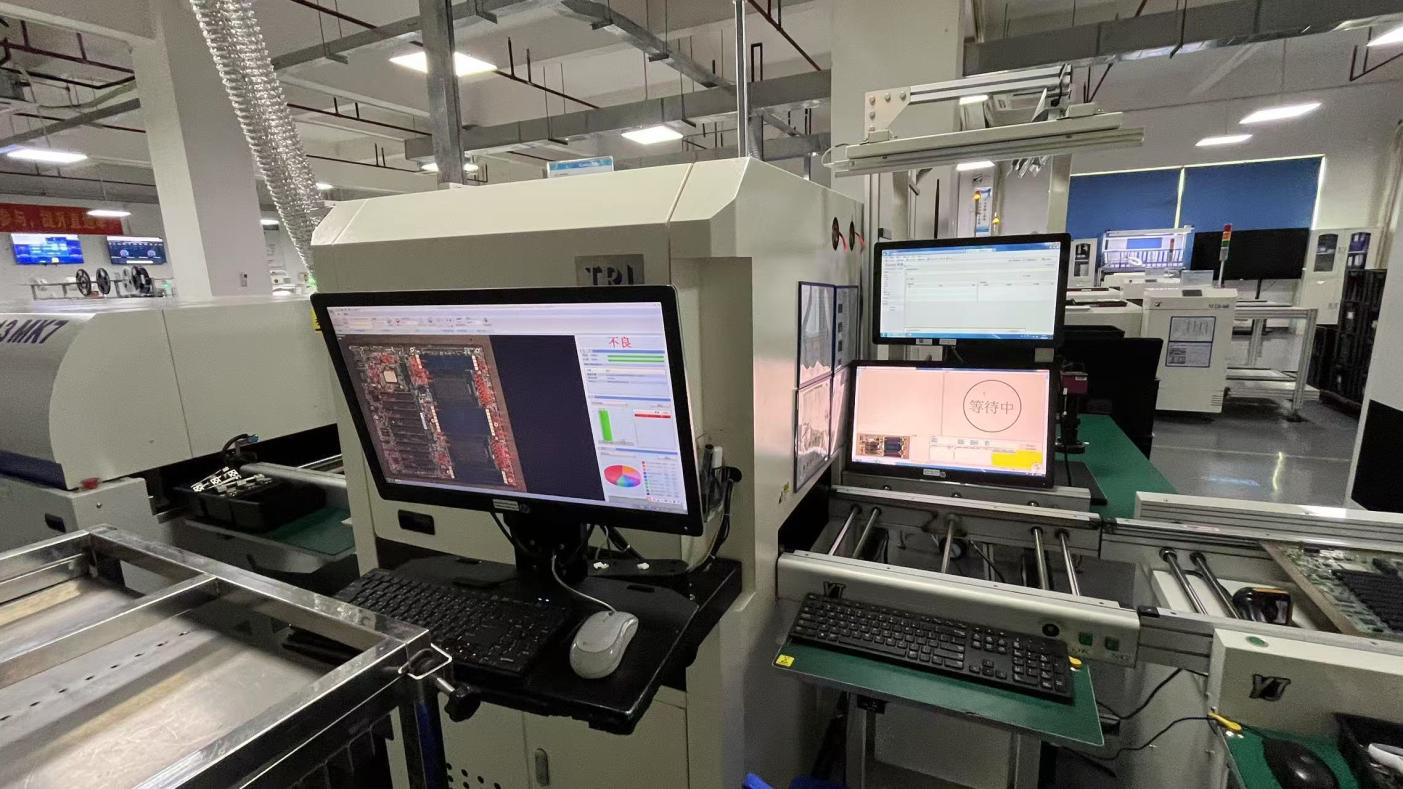
A look at the assembly steps, surface mount technology, and machinery used at ZhiCloud AI to build reliable IT systems.
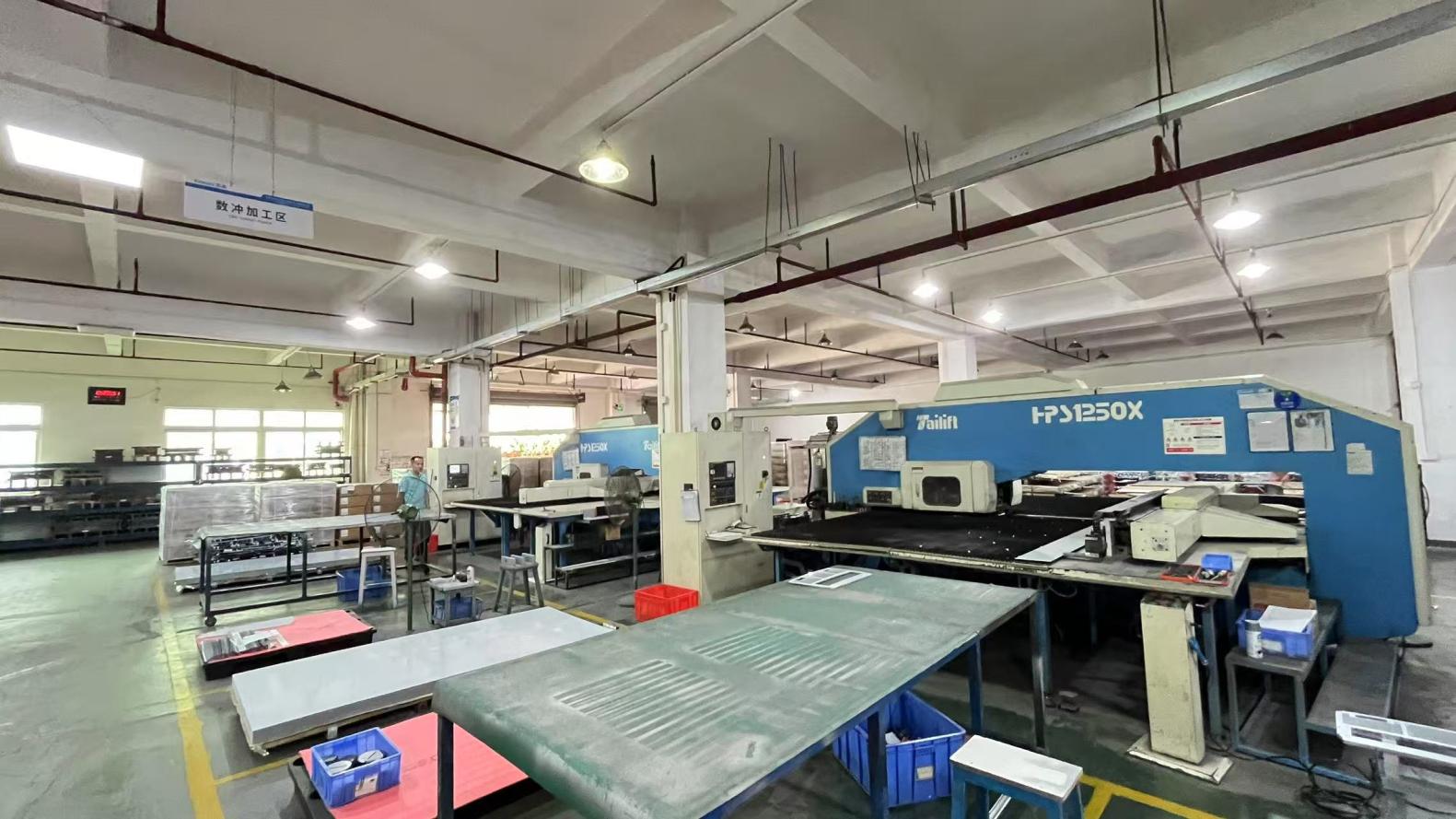
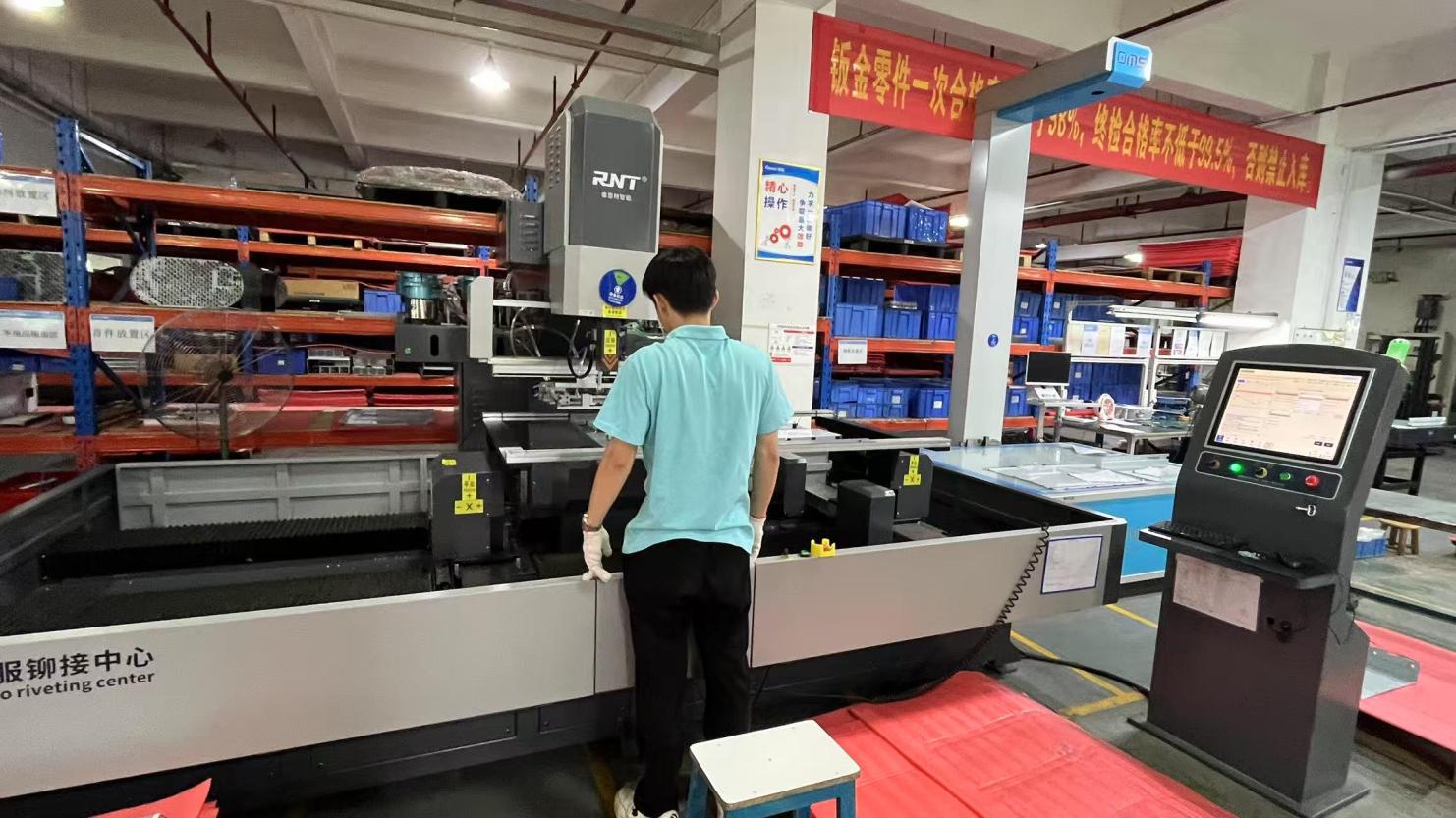
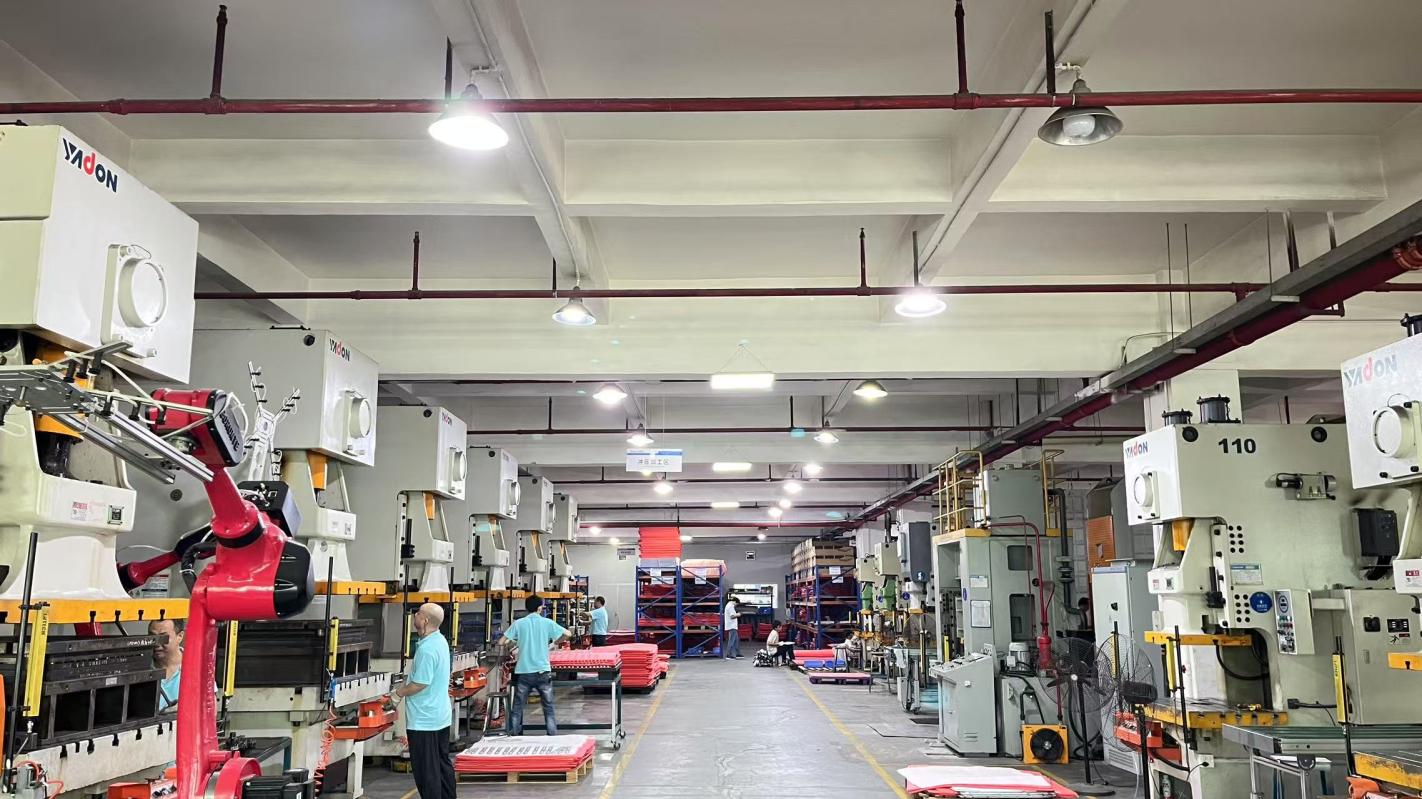
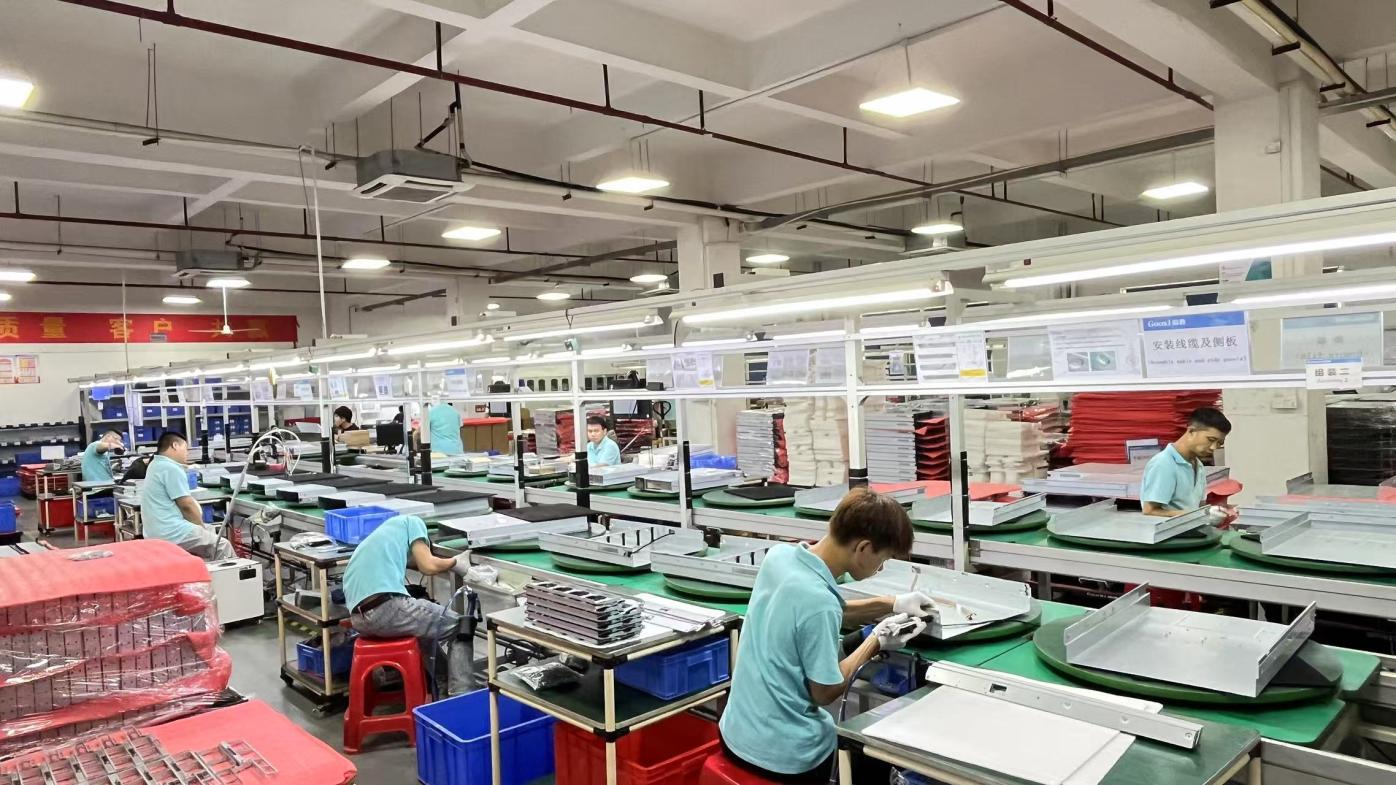
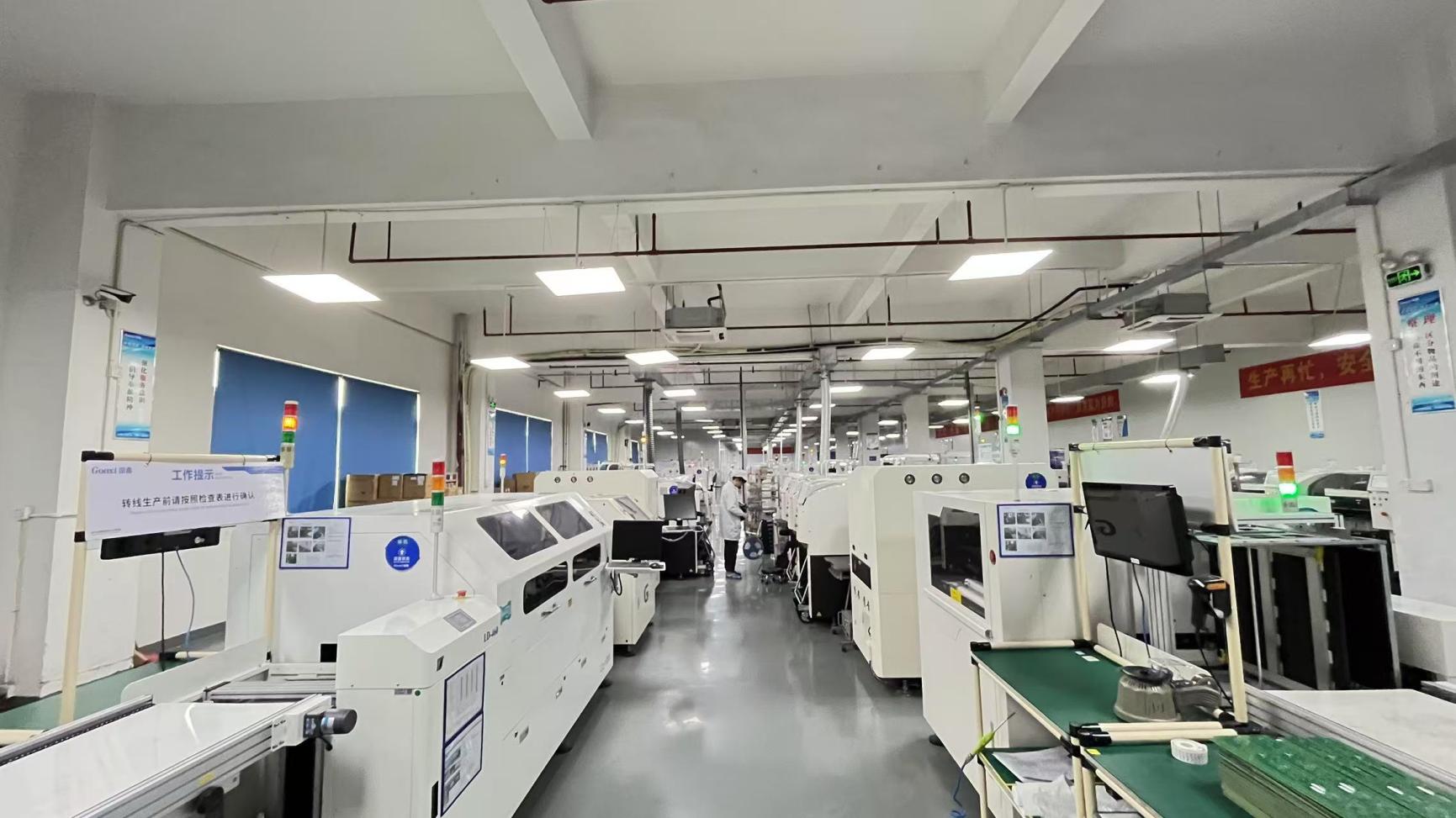
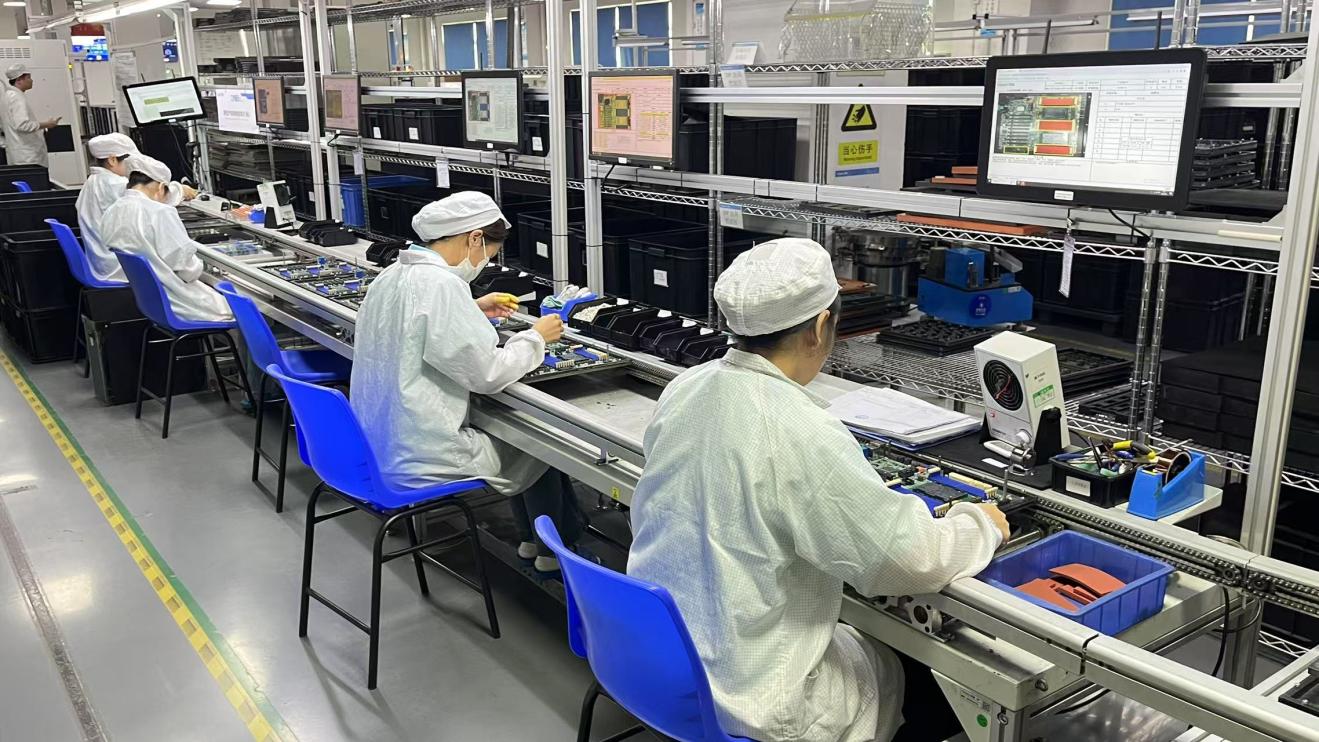
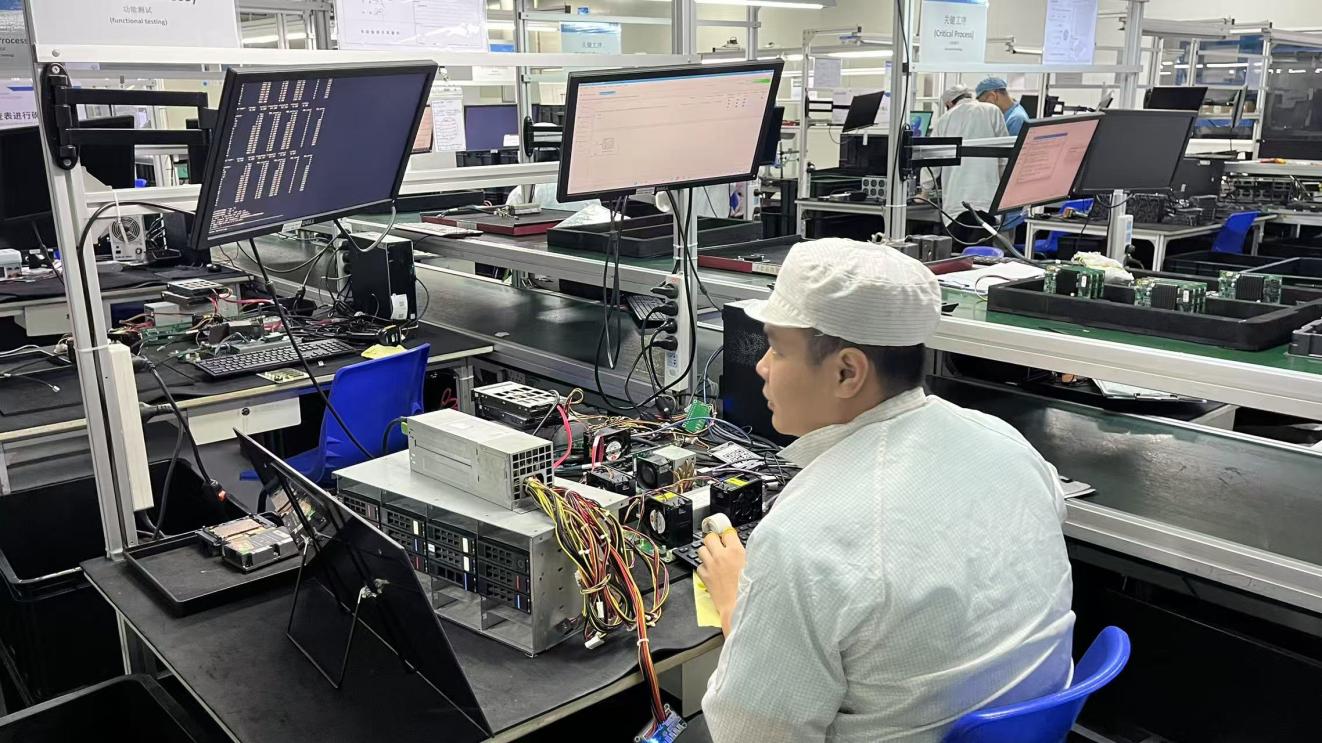
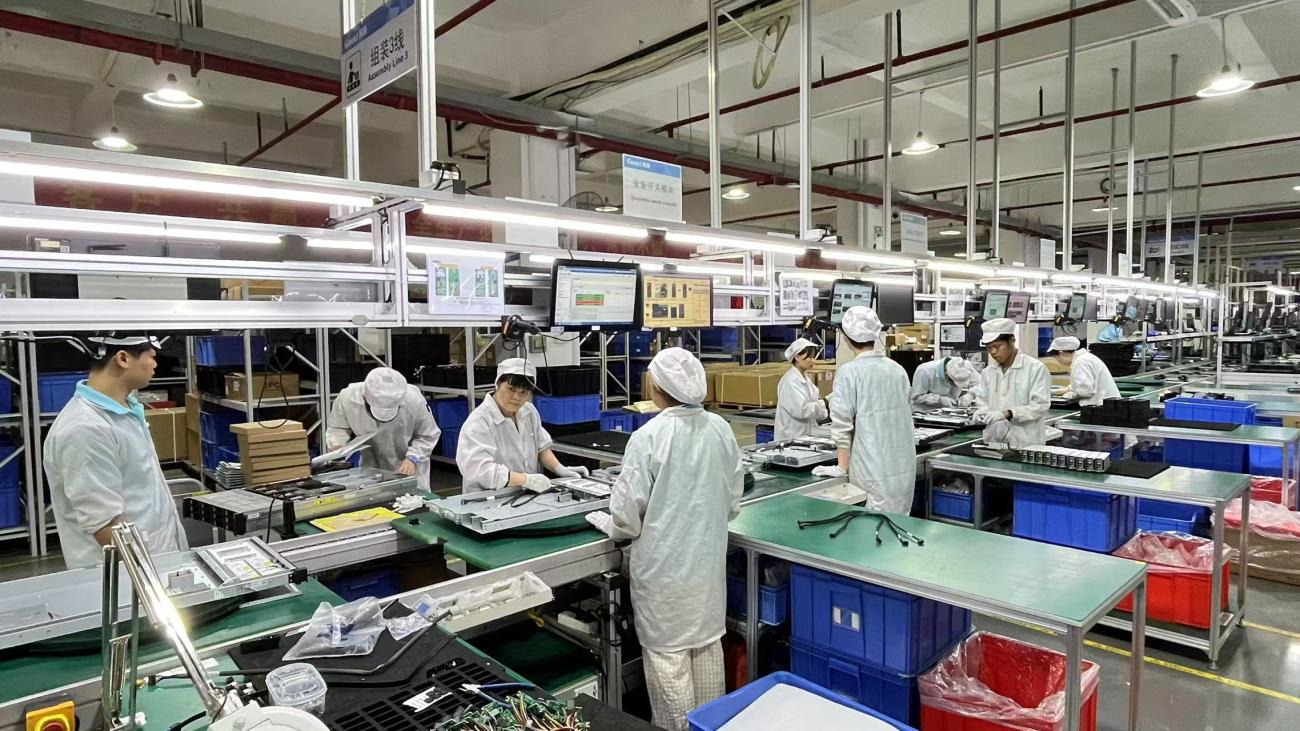
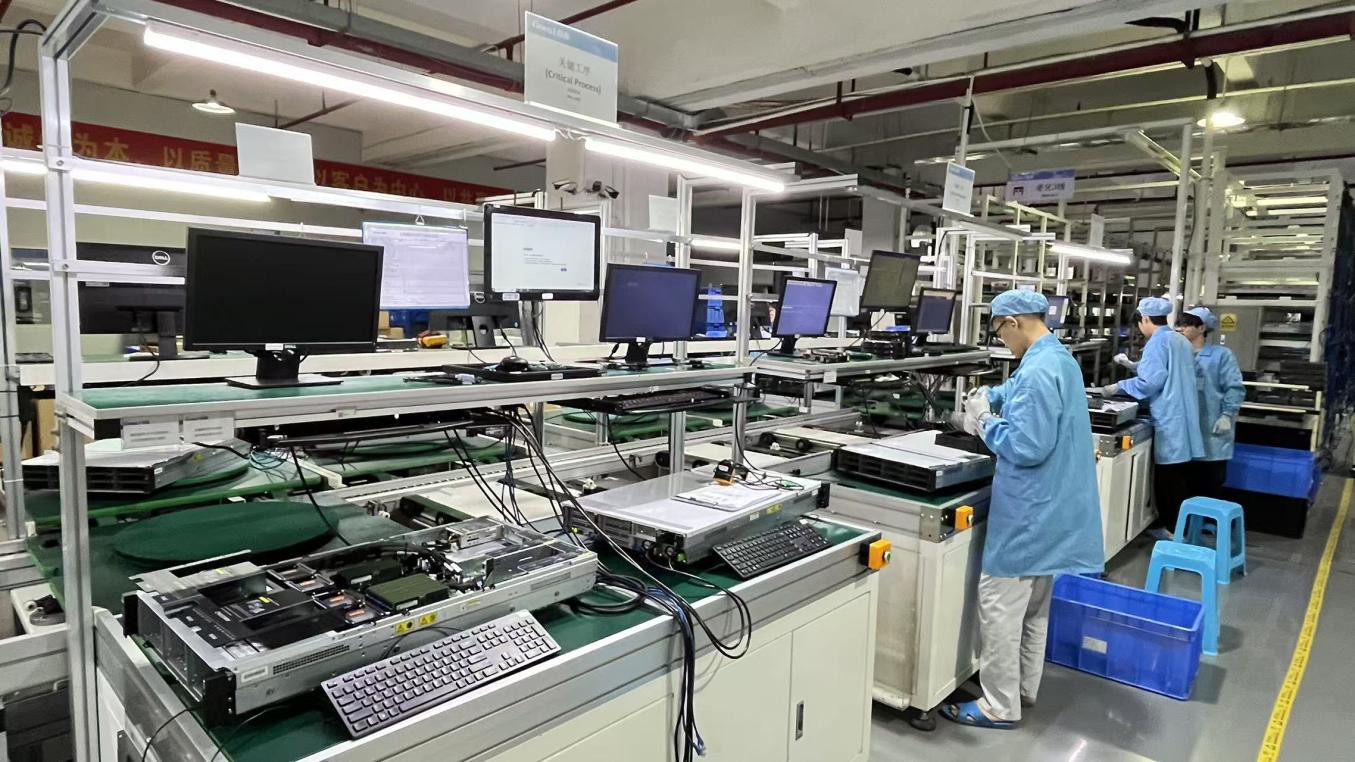
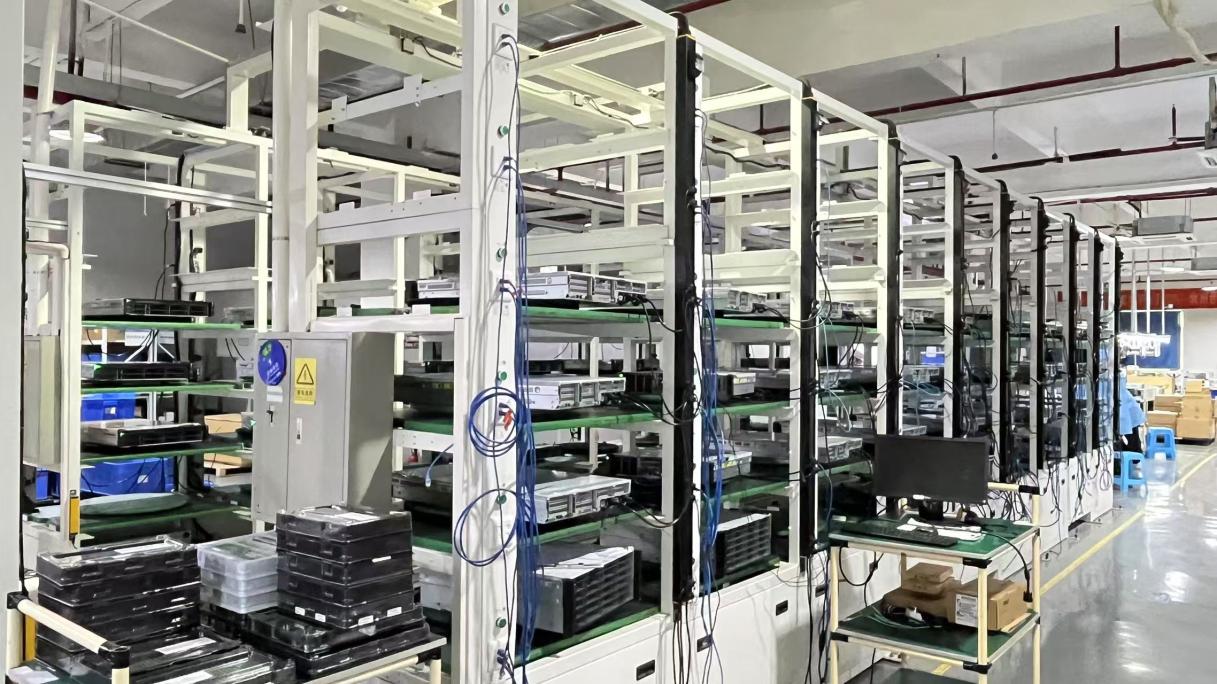
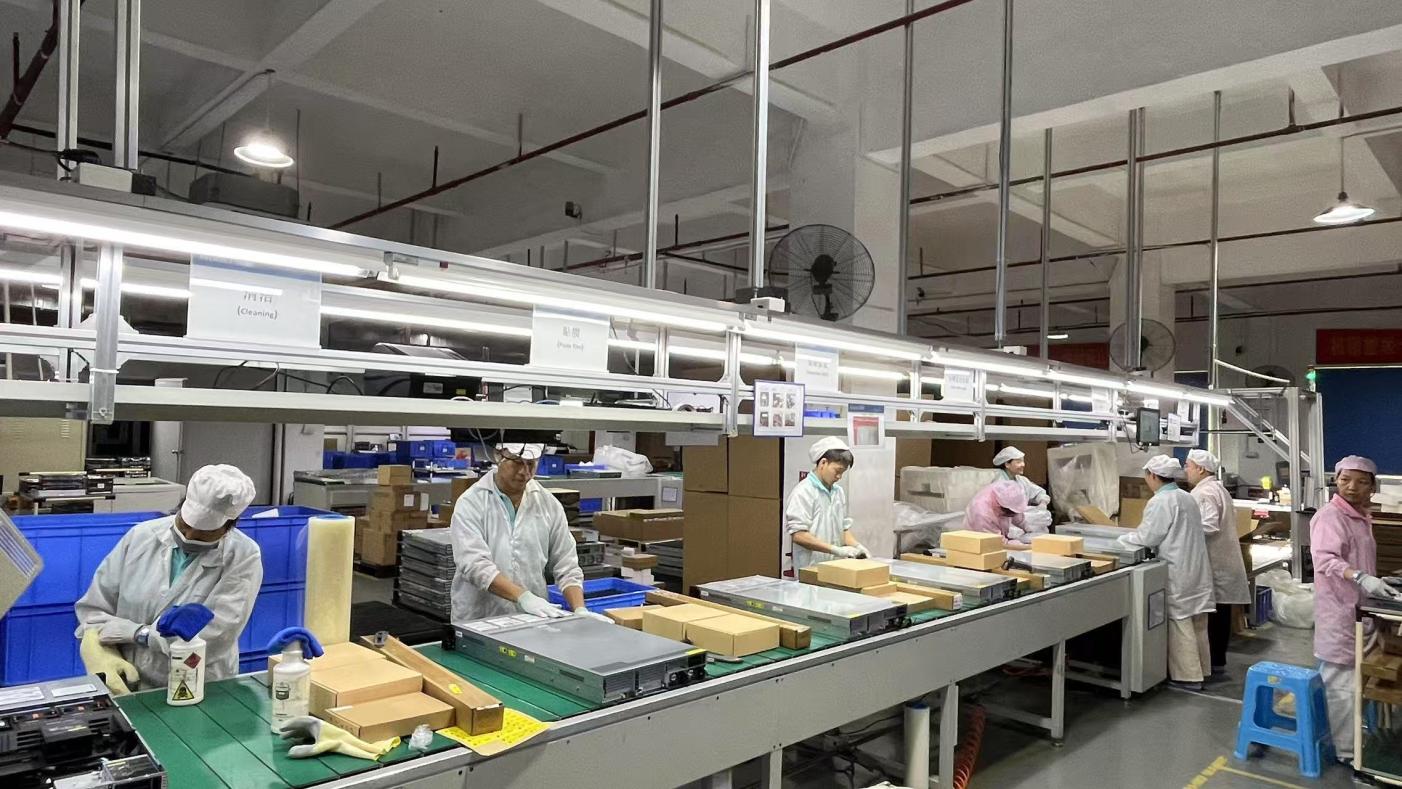
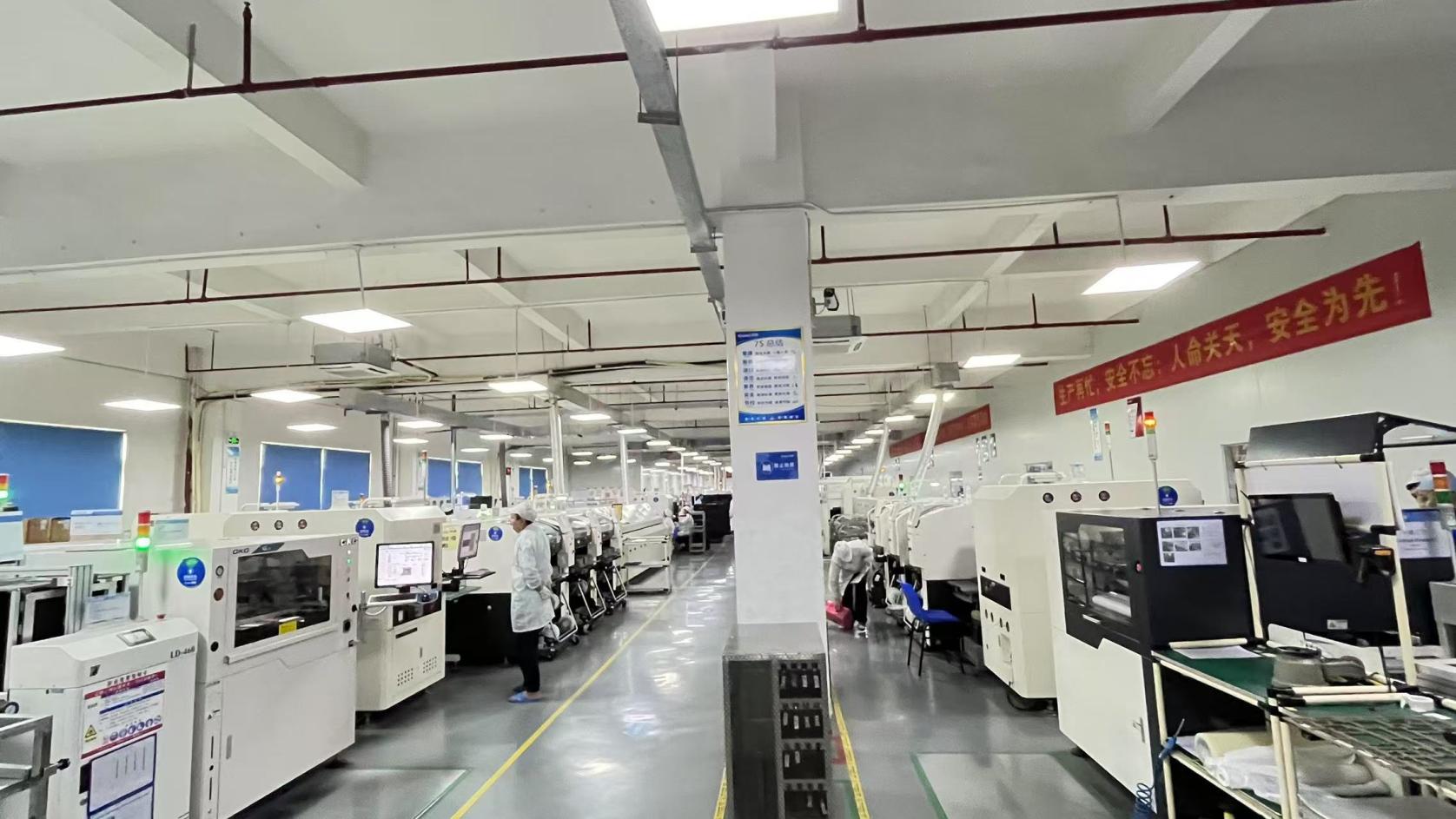
Detailed view of our in-house metal fabrication and machinery, supporting high-durability server chassis production.
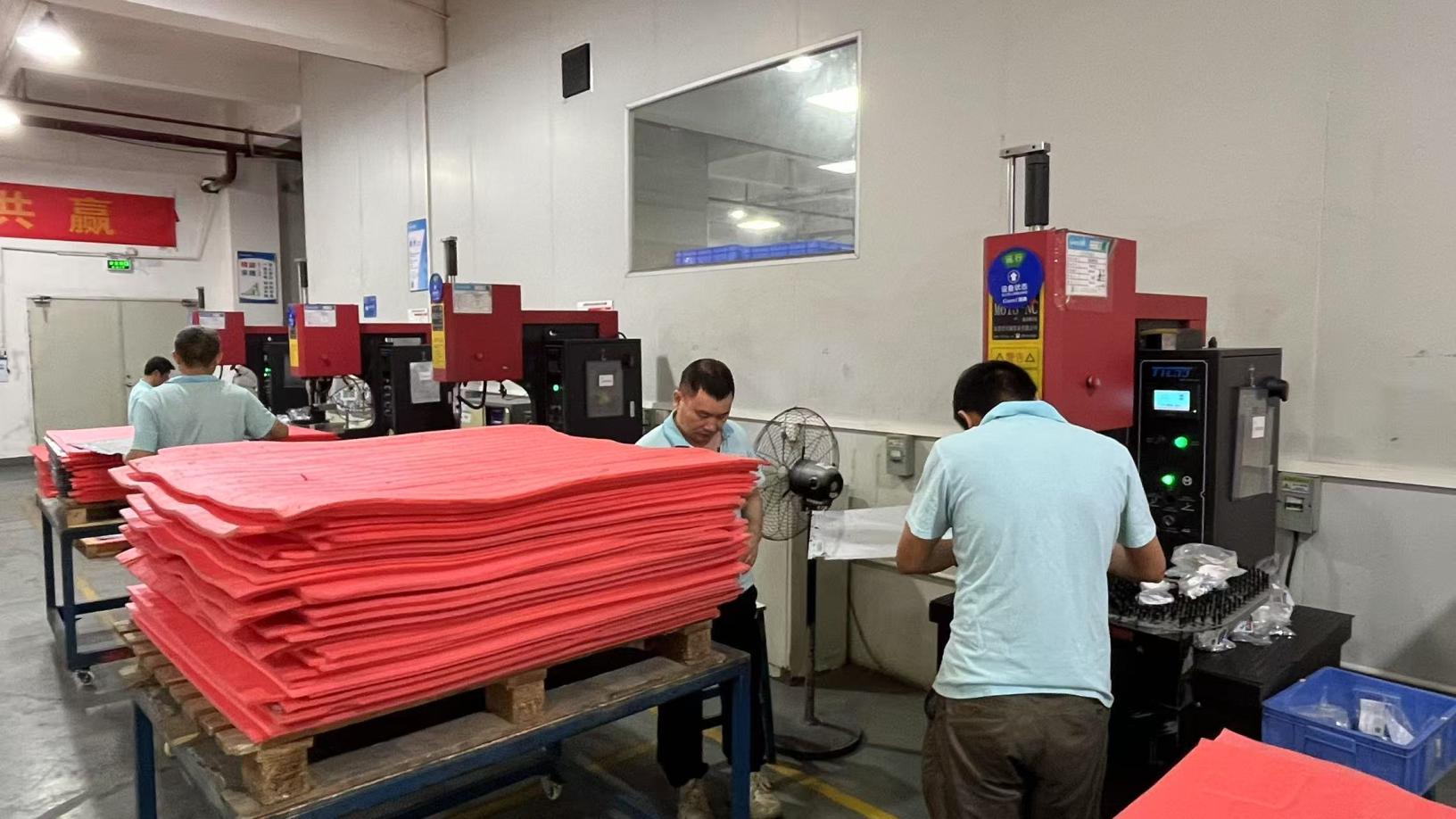
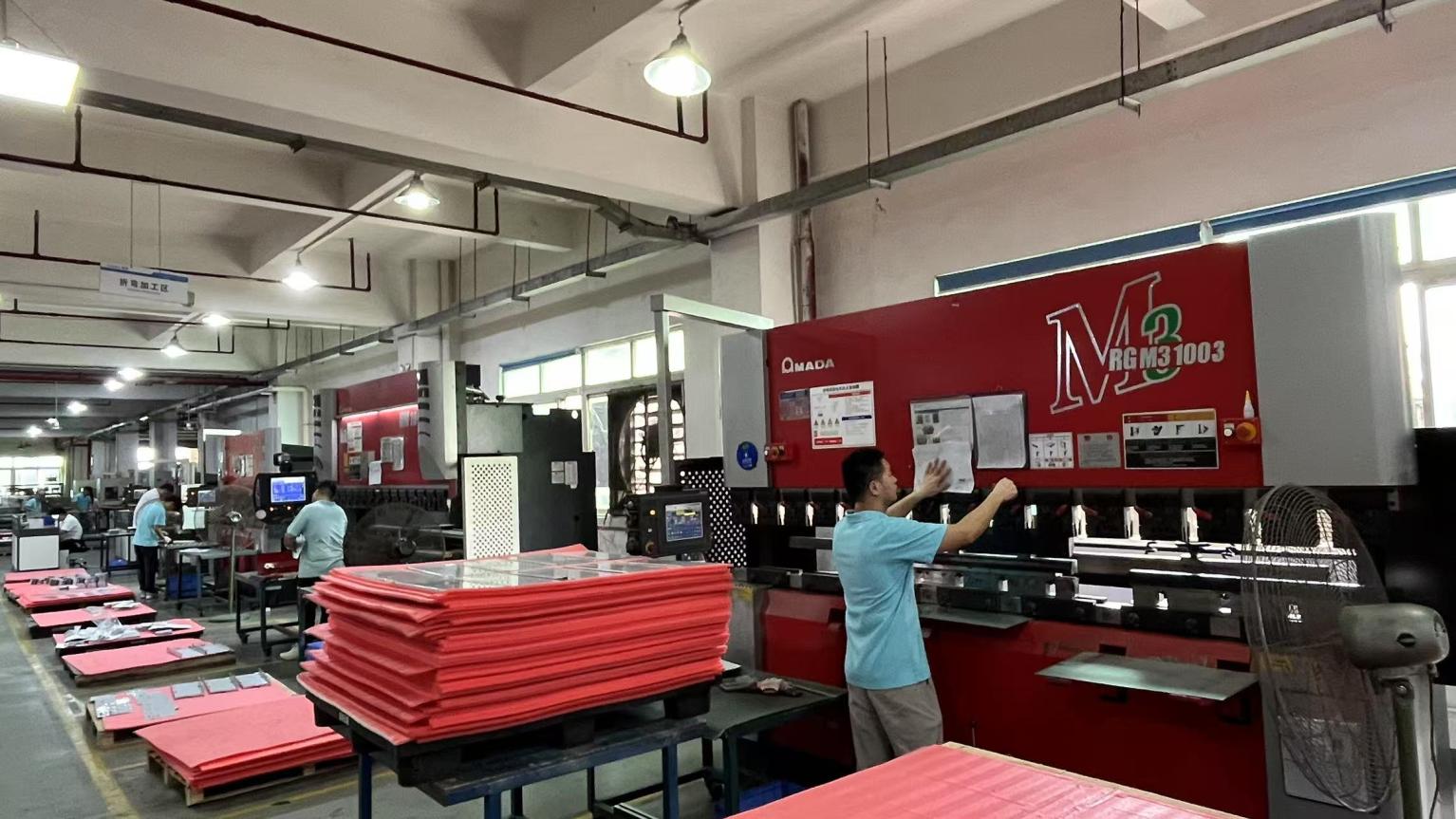
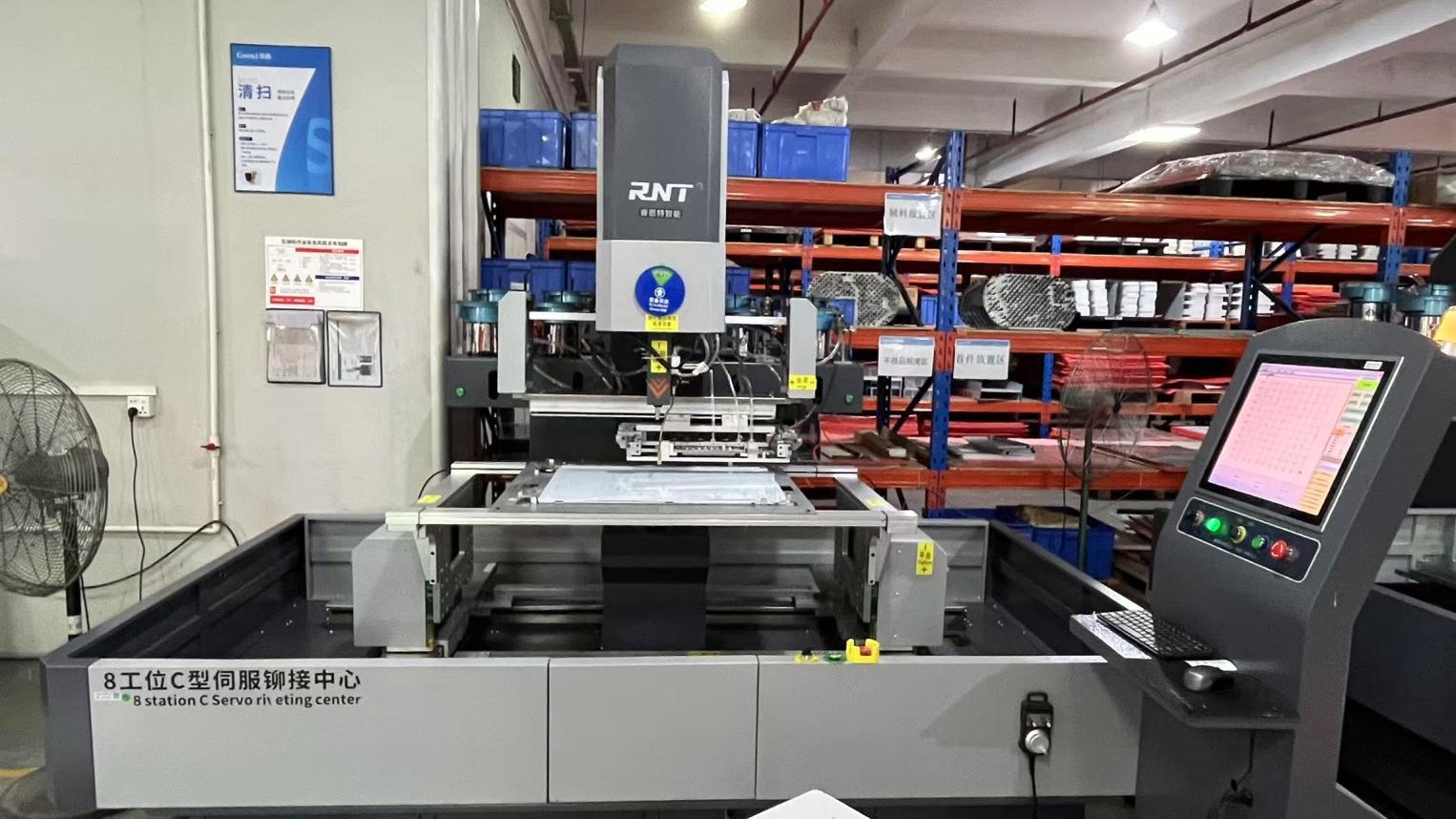
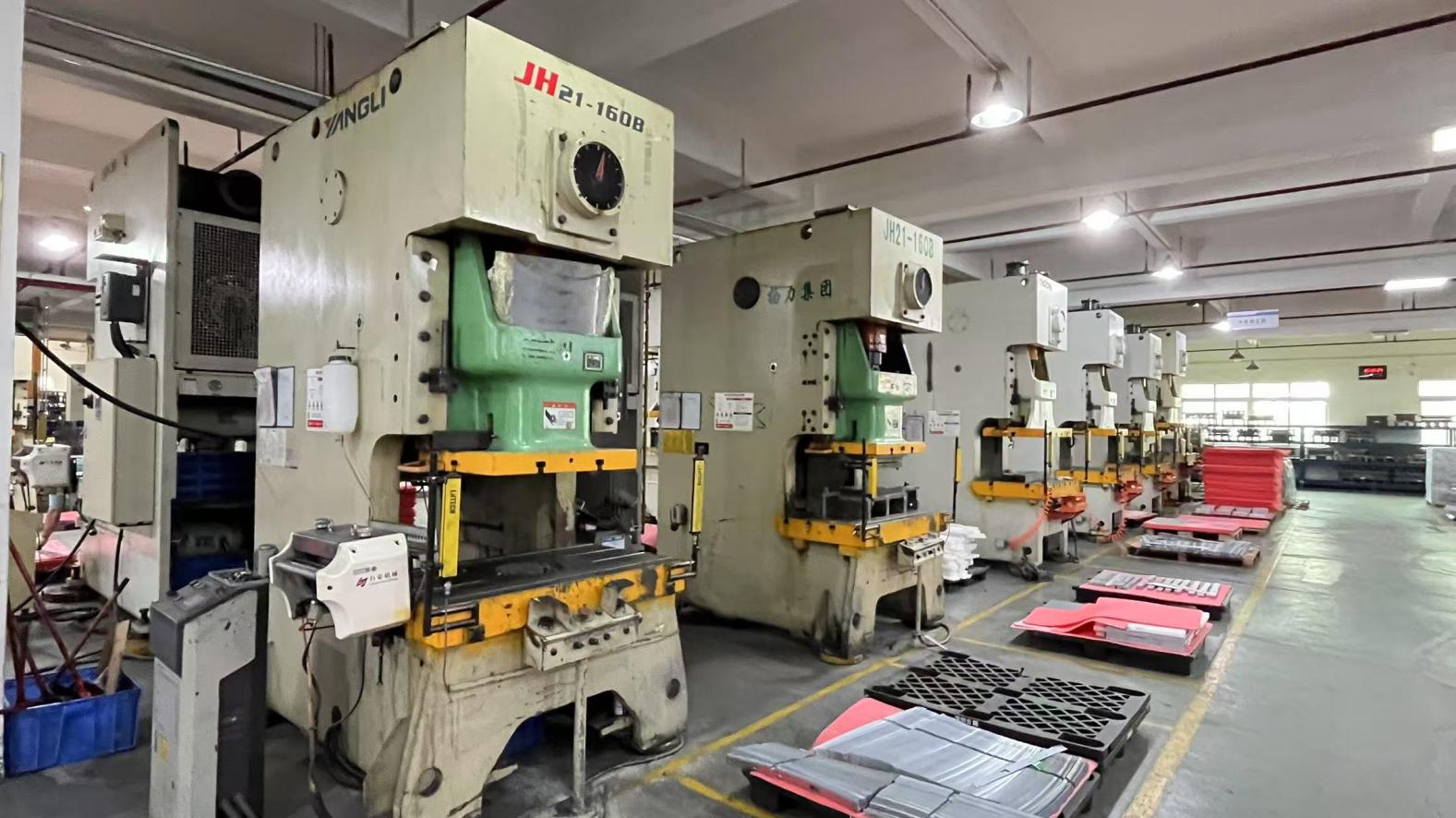
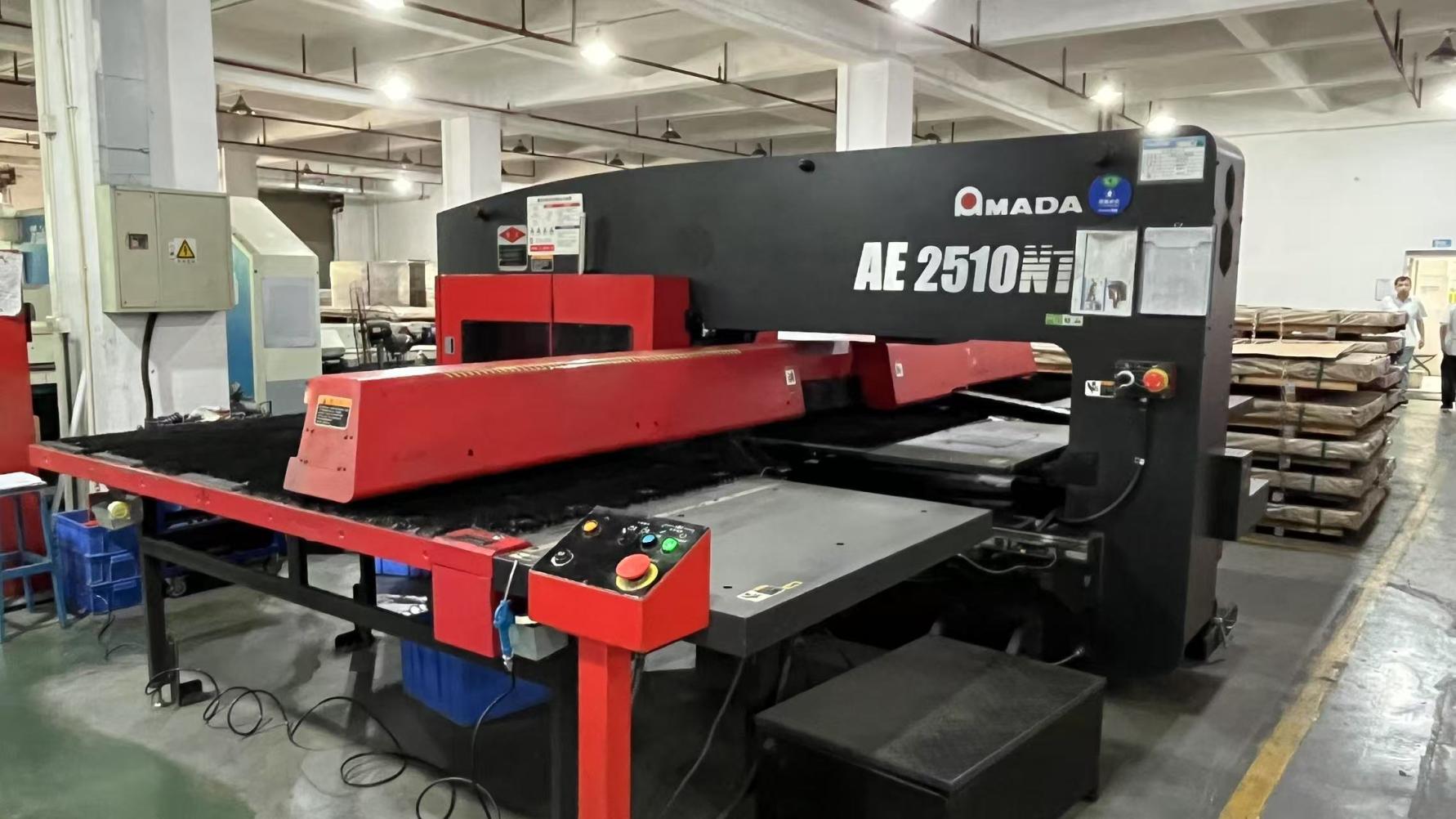
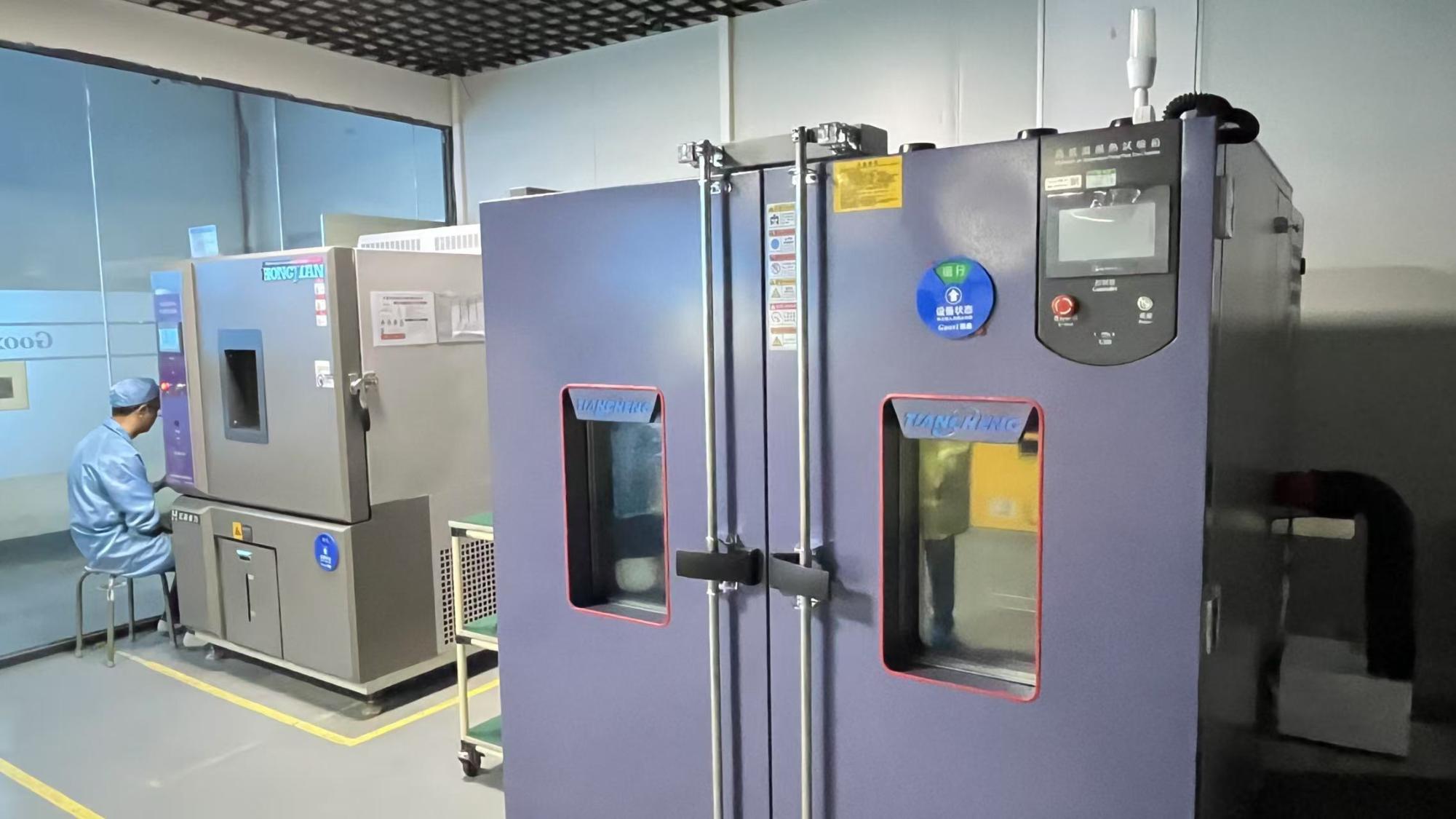
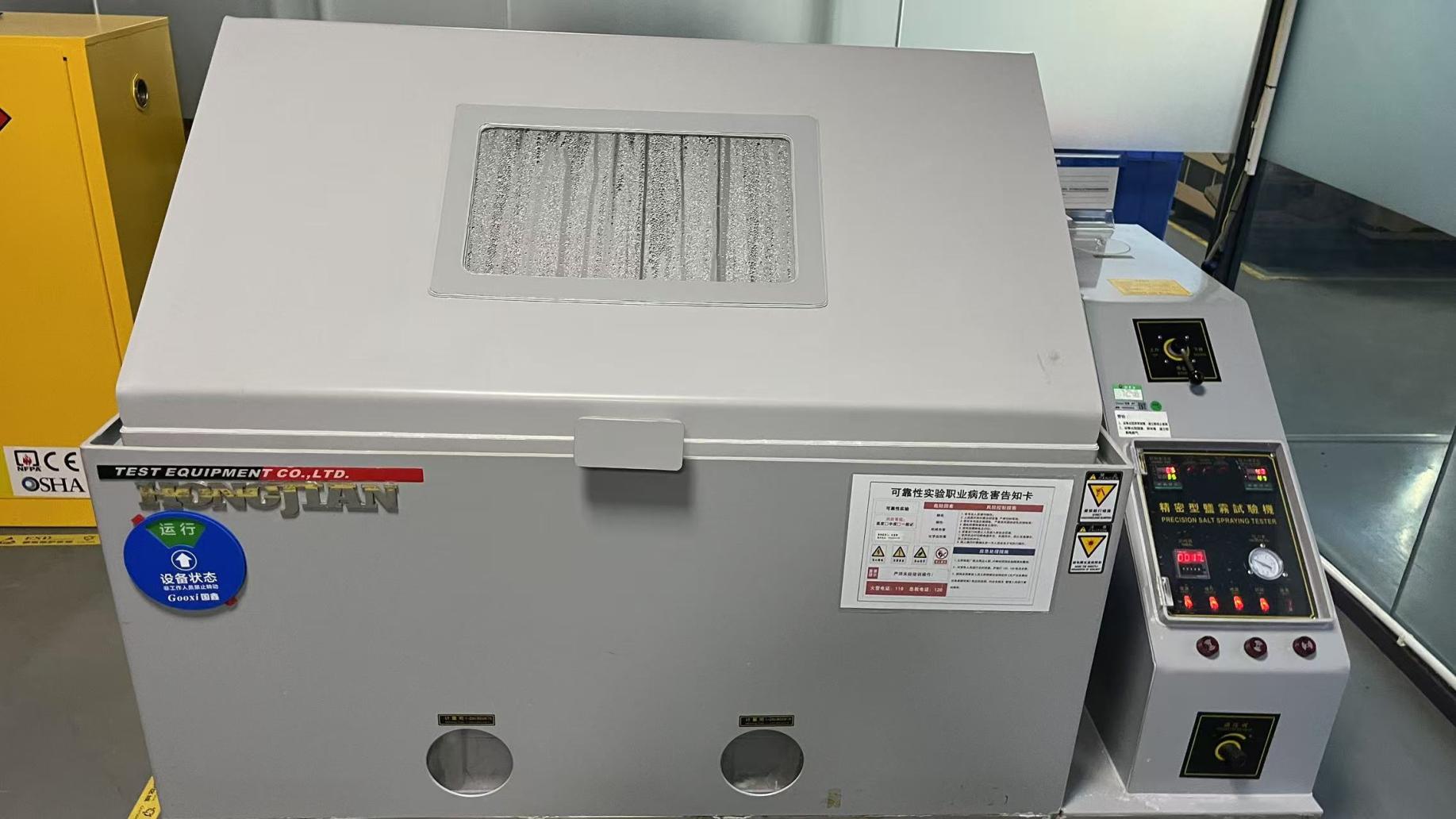
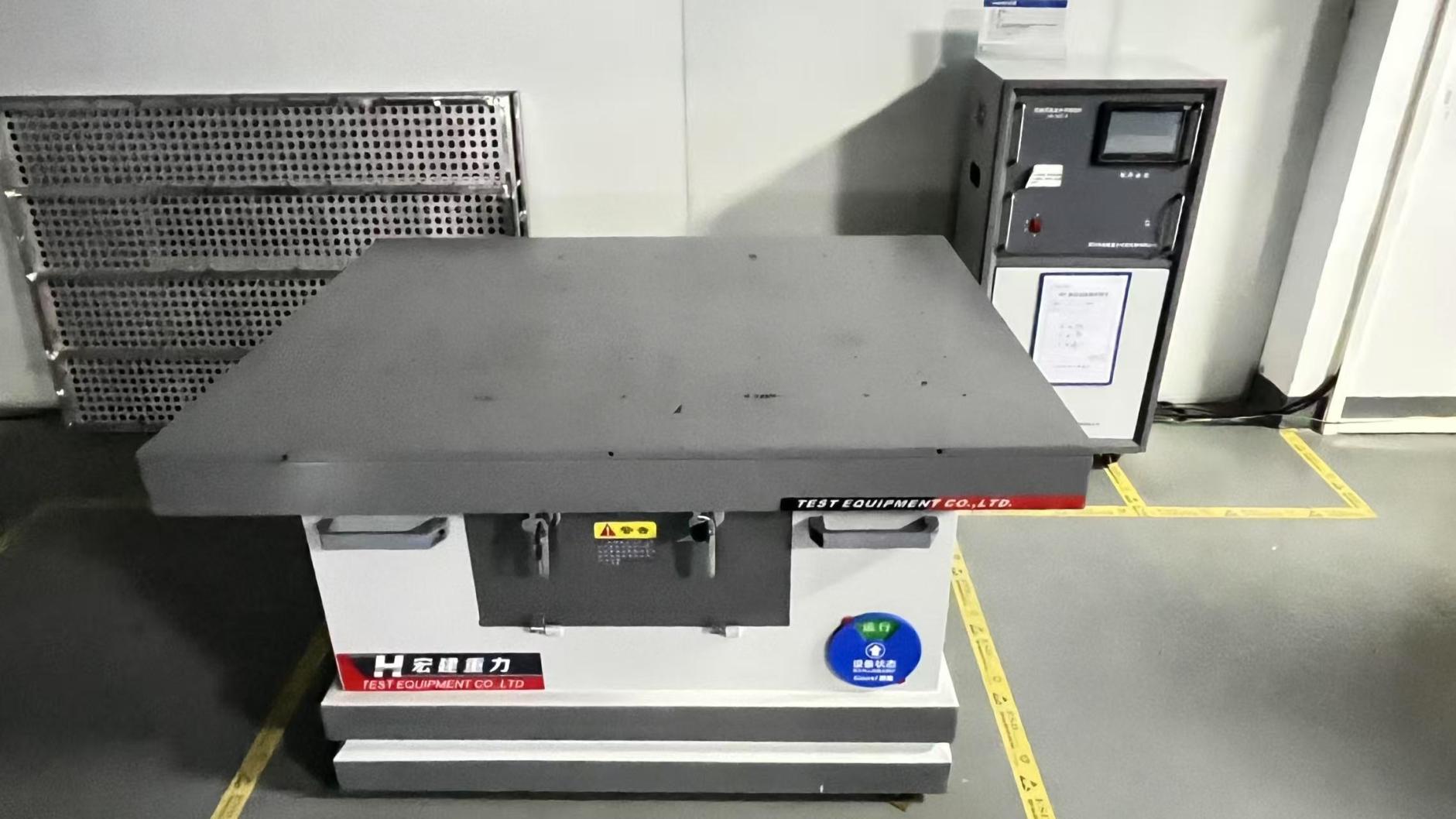
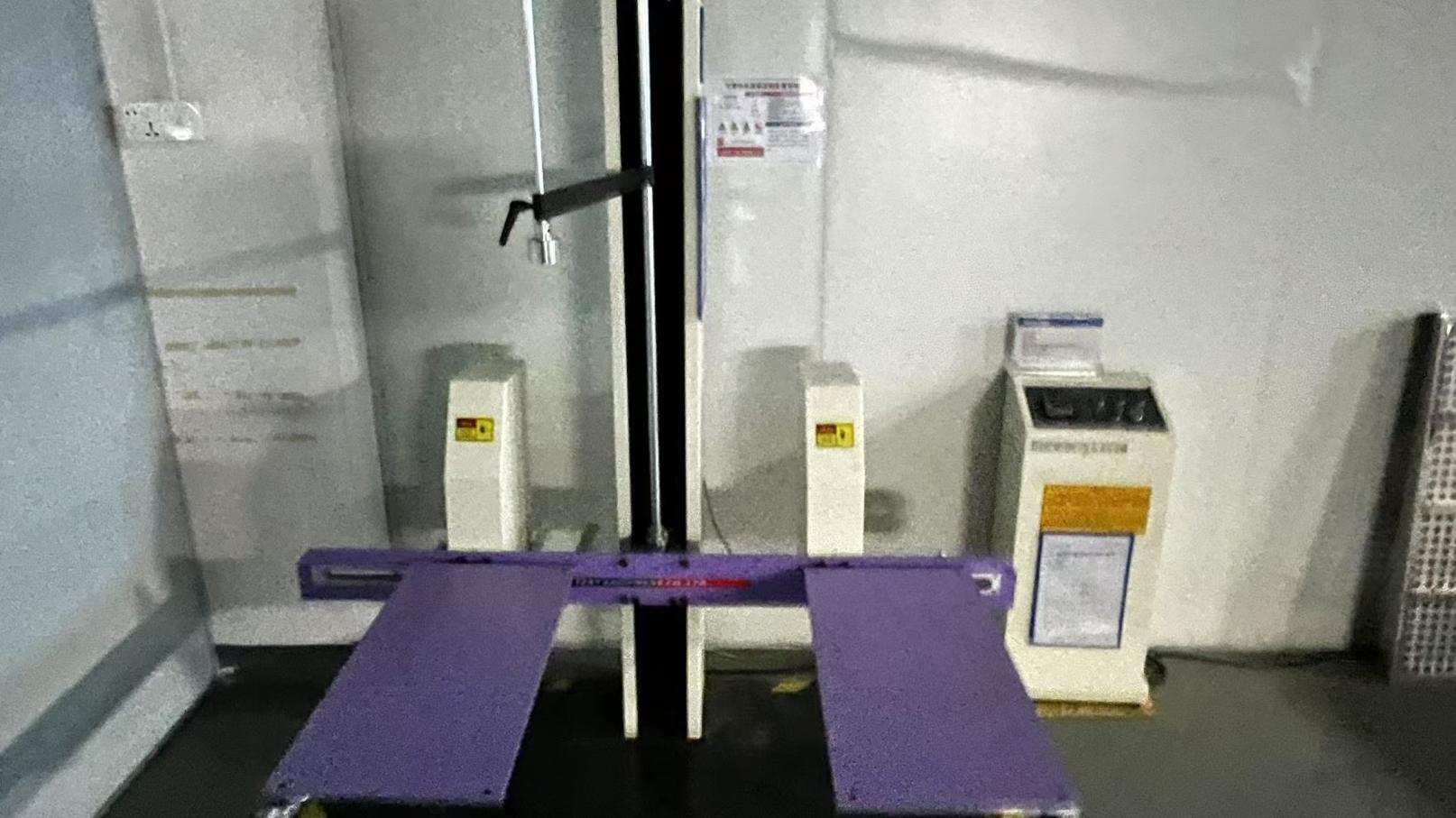
Testing storage media and enterprise servers against physical stress, signal noise, and environmental challenges to ensure high field reliability.
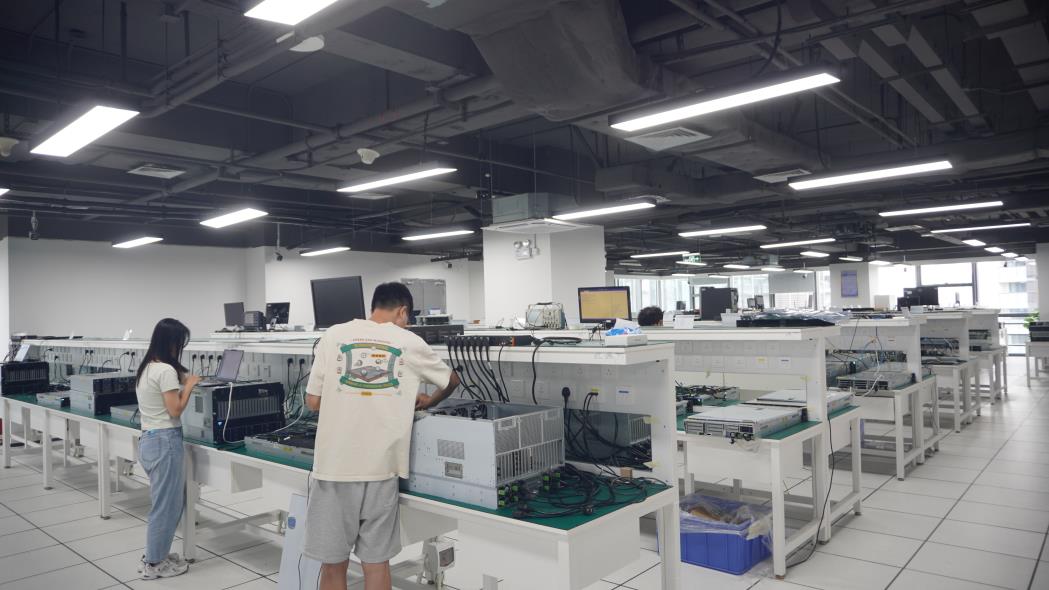
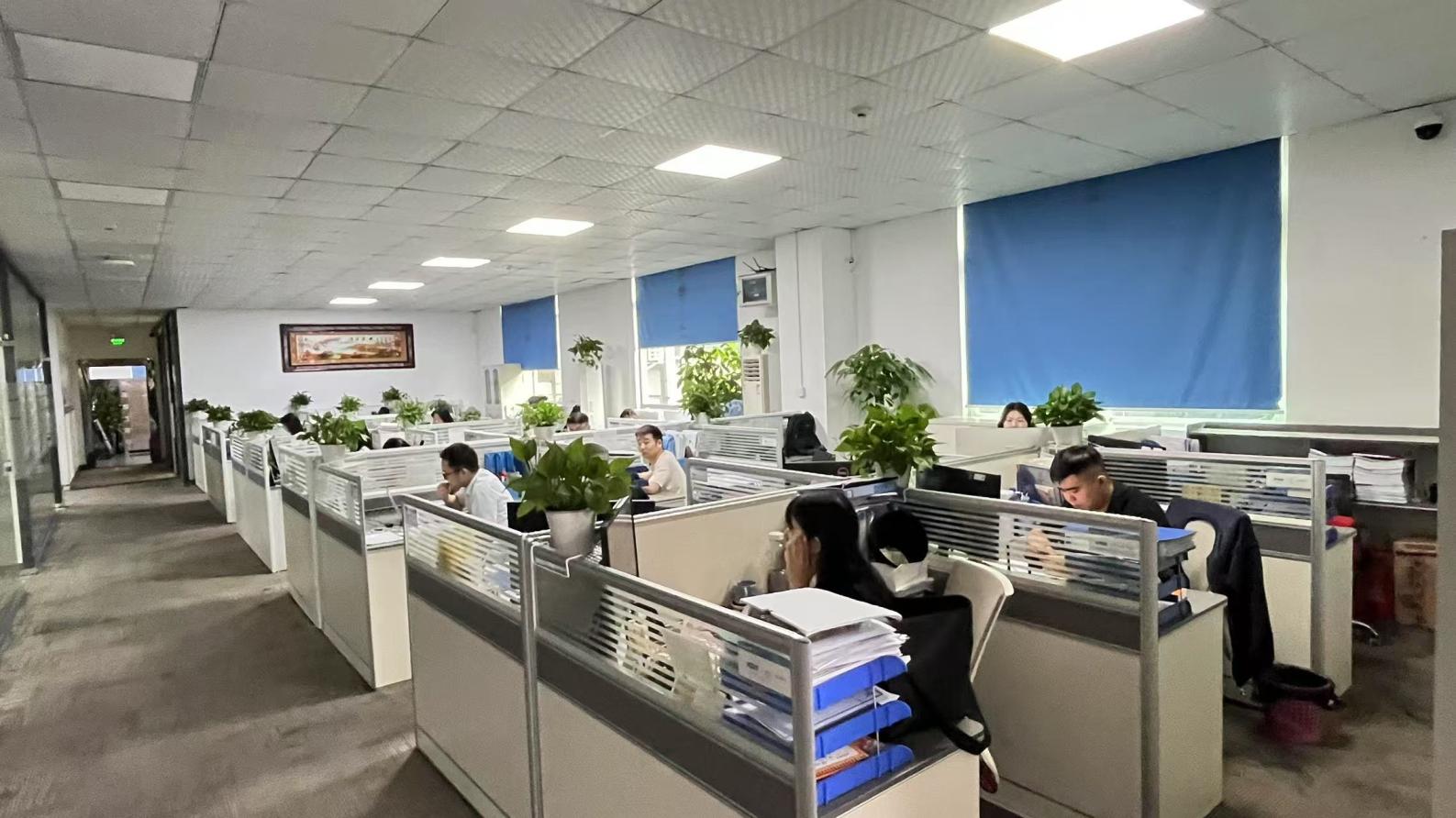
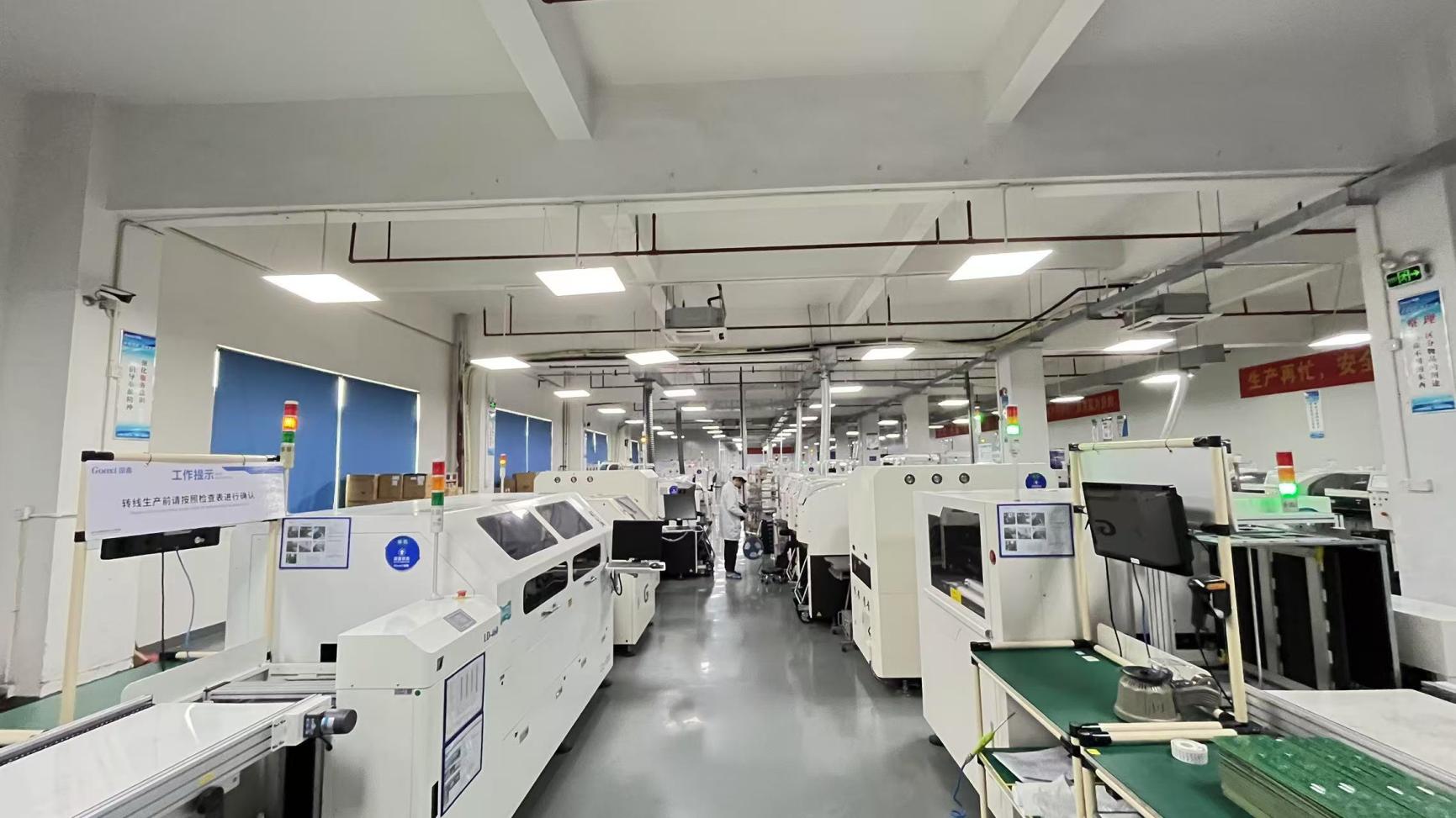
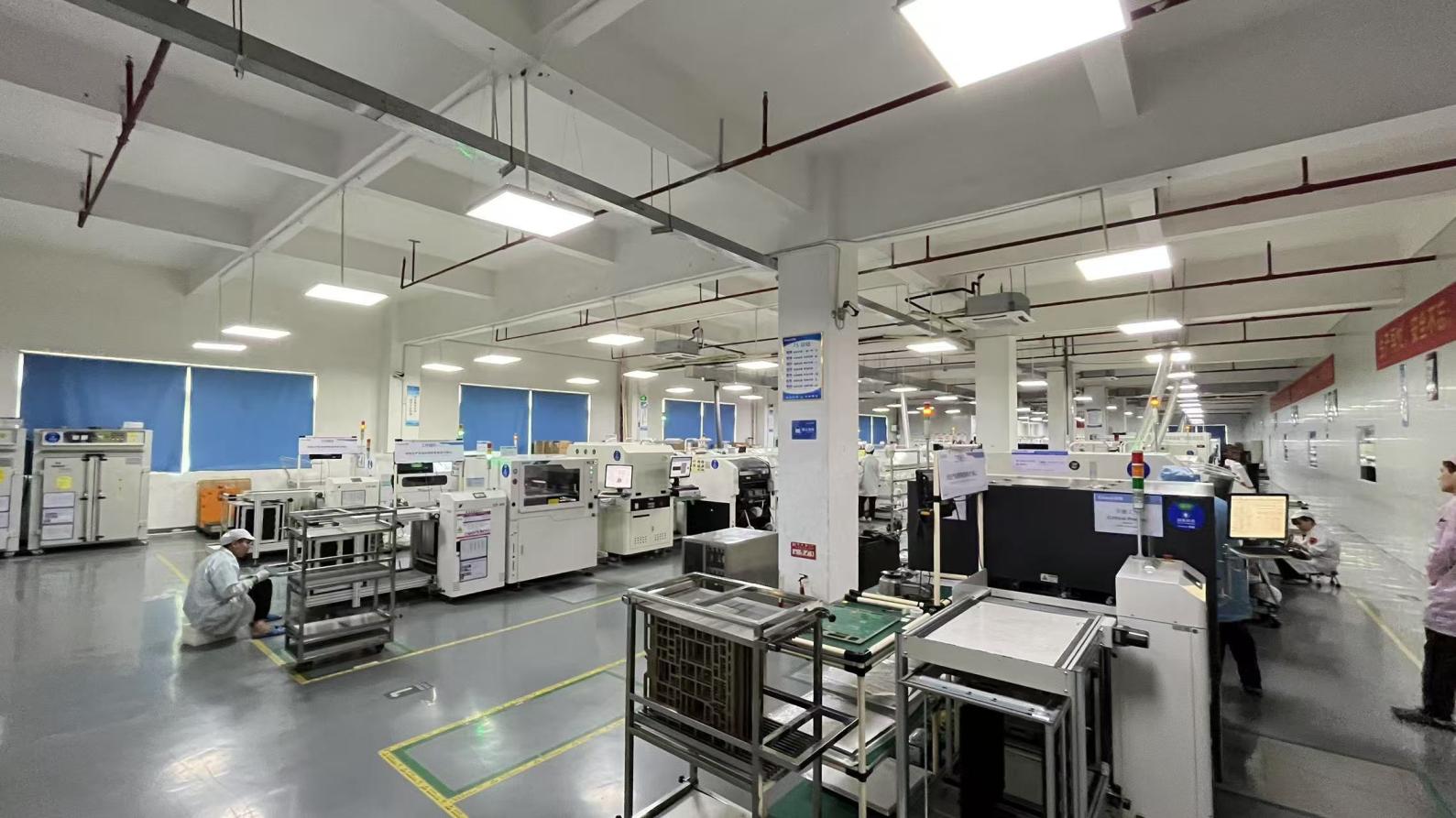
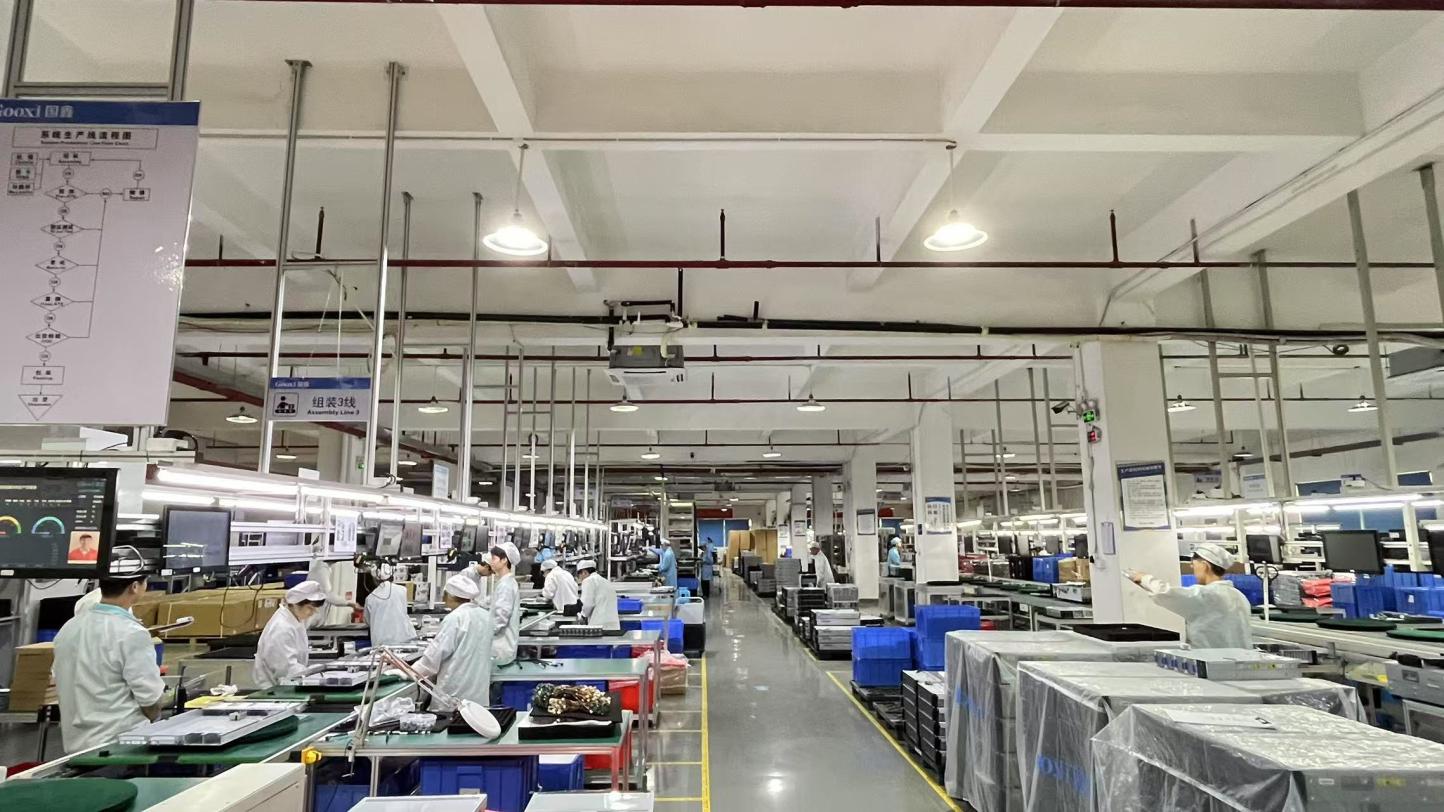
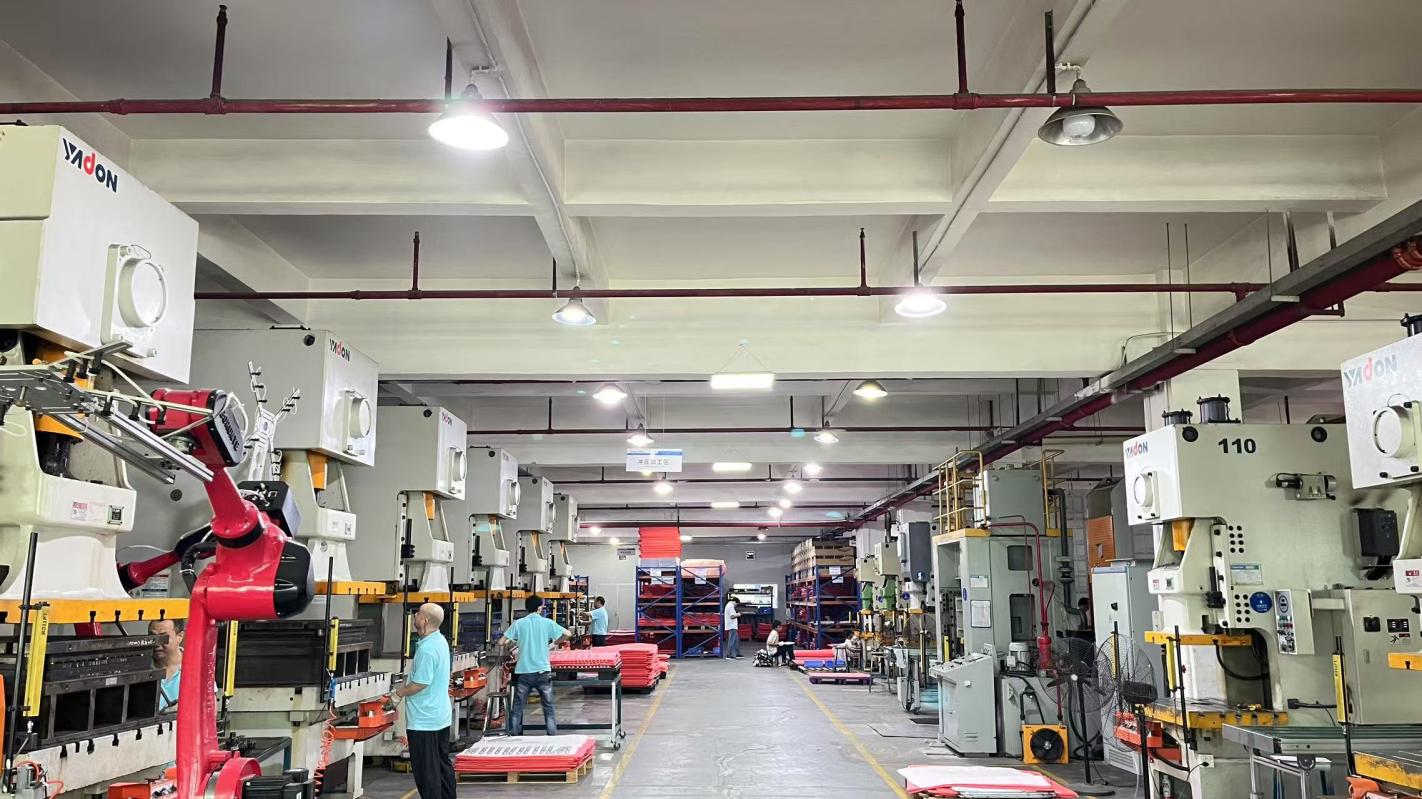
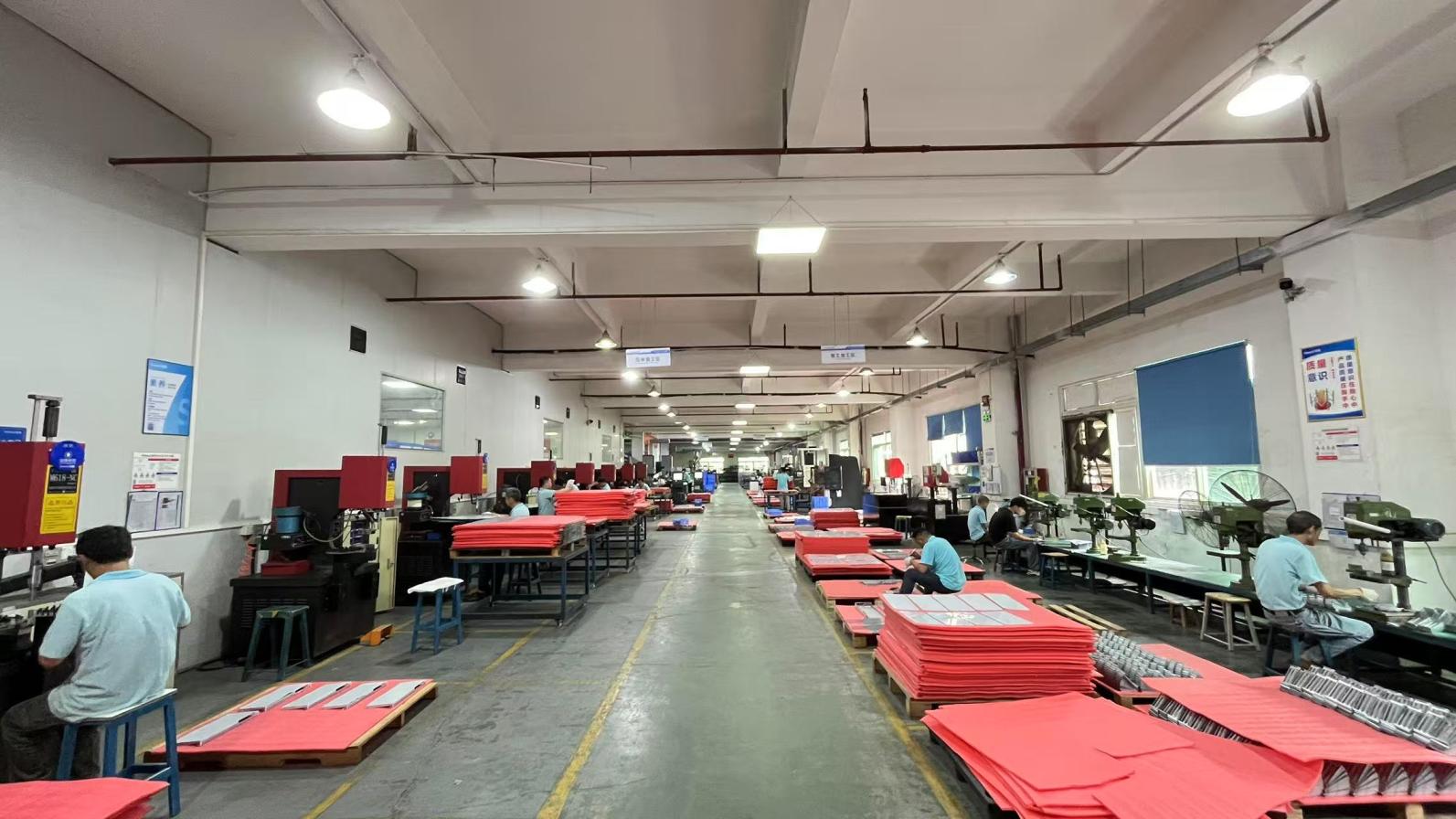
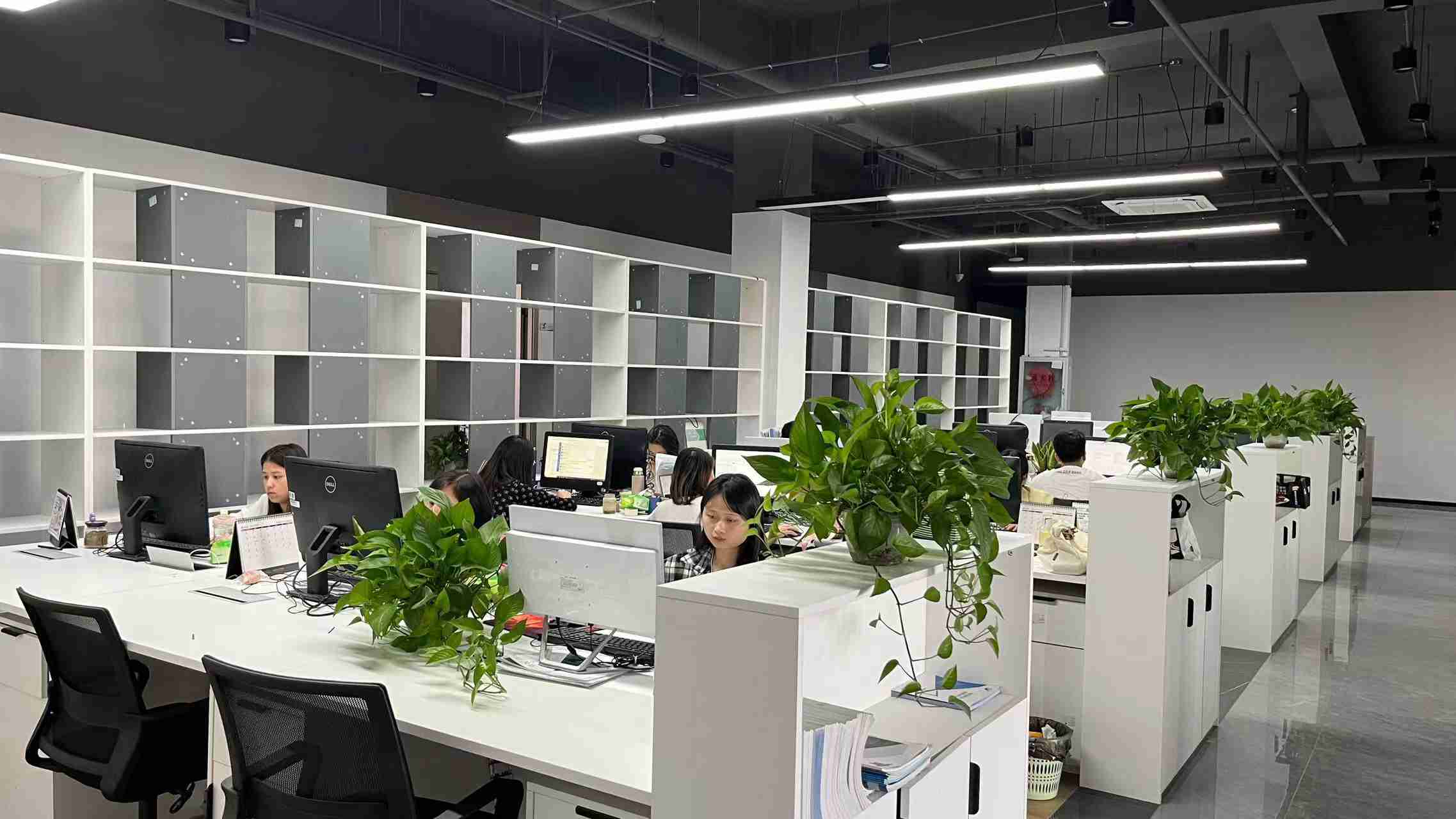
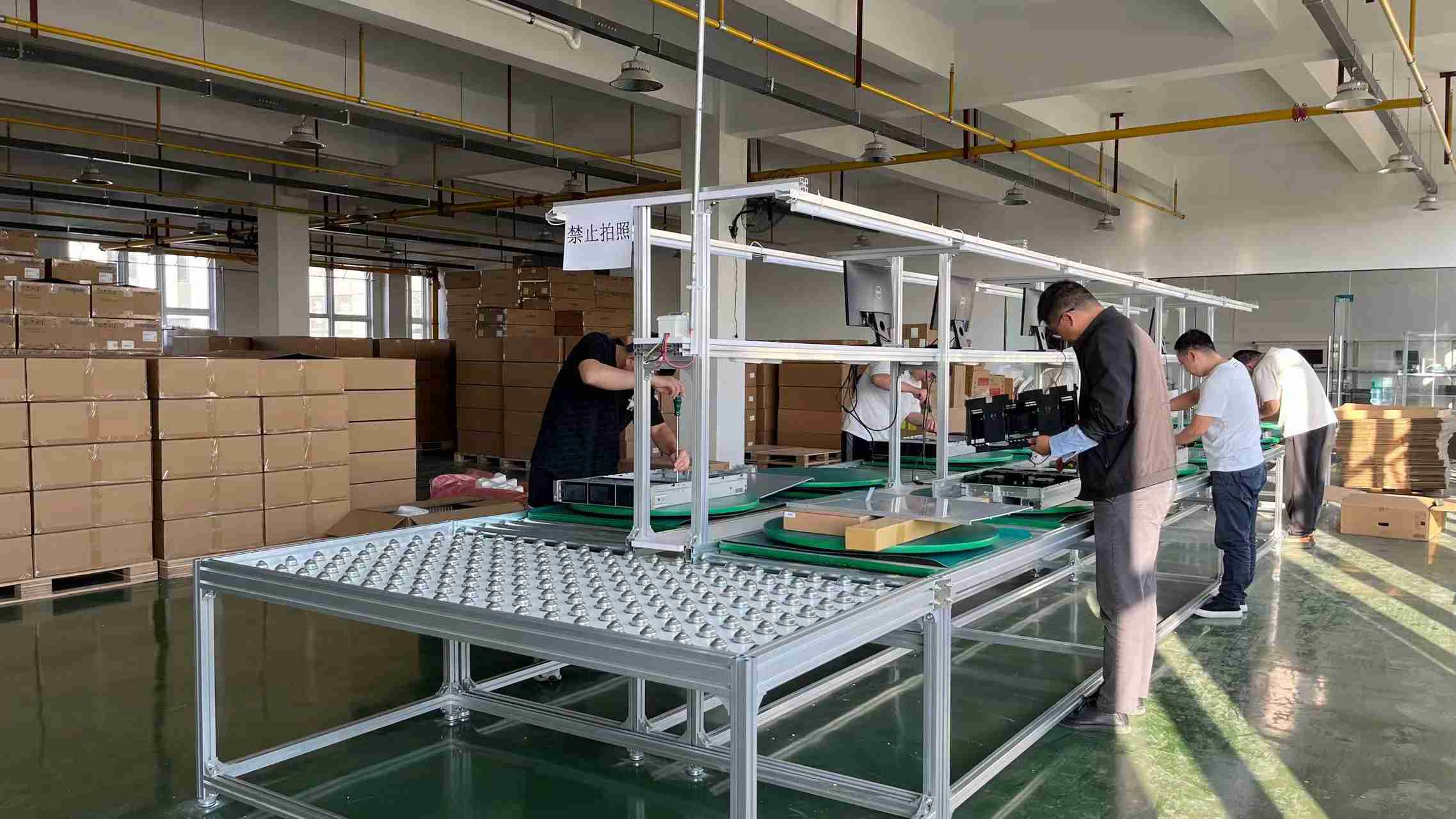
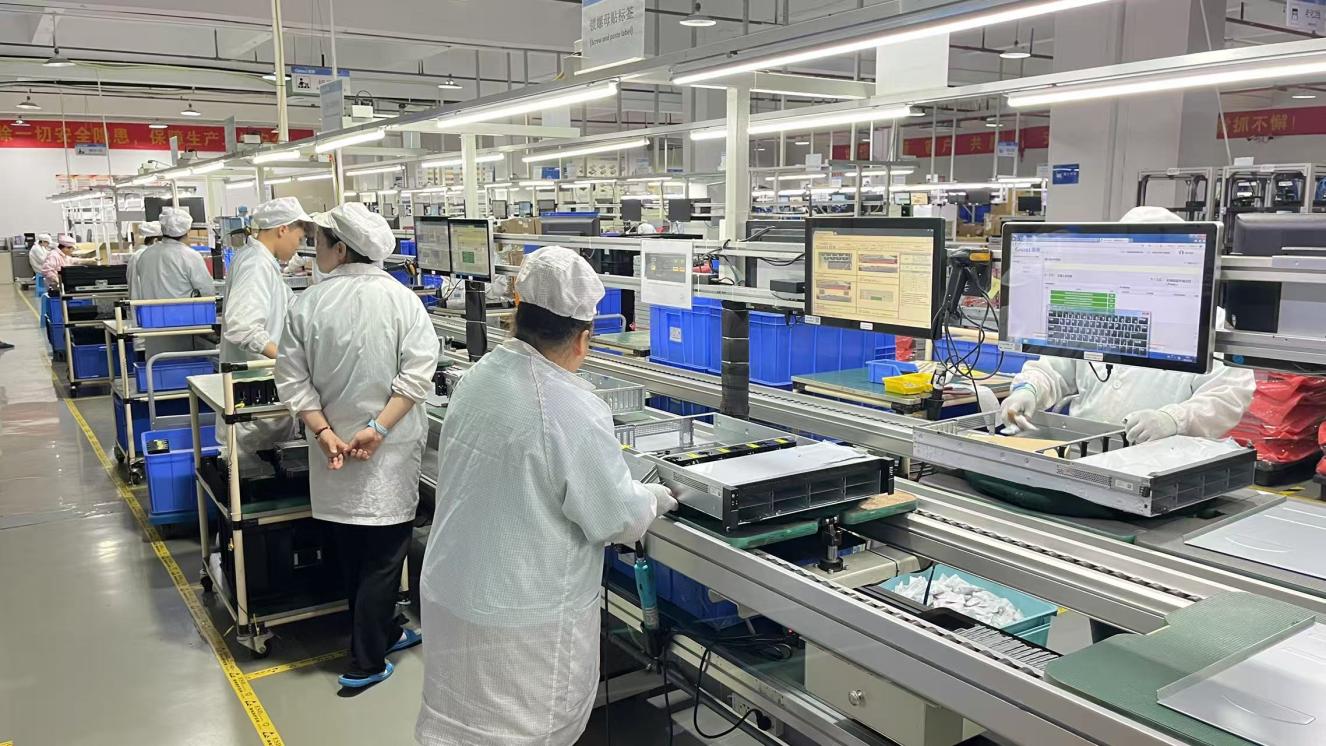
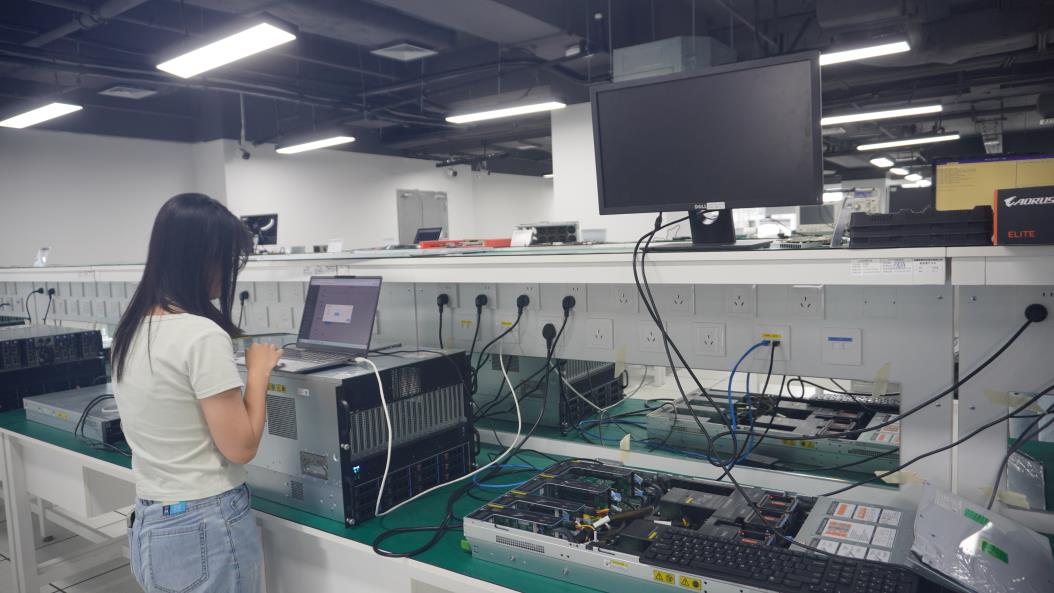
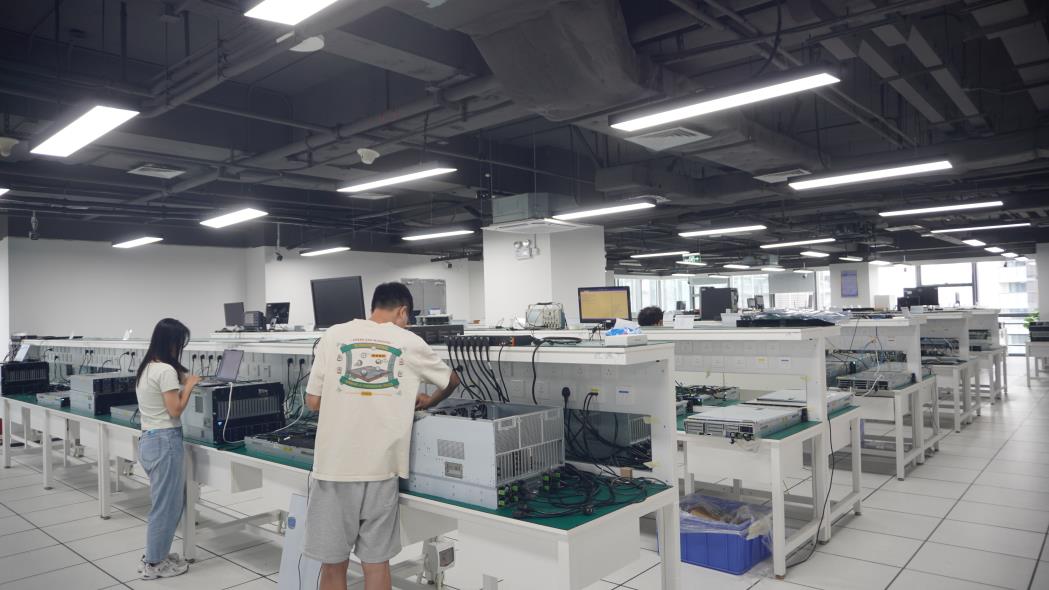
Inside our specialized testing center, where drives are subjected to environmental and mechanical stress to guarantee long-term stability.
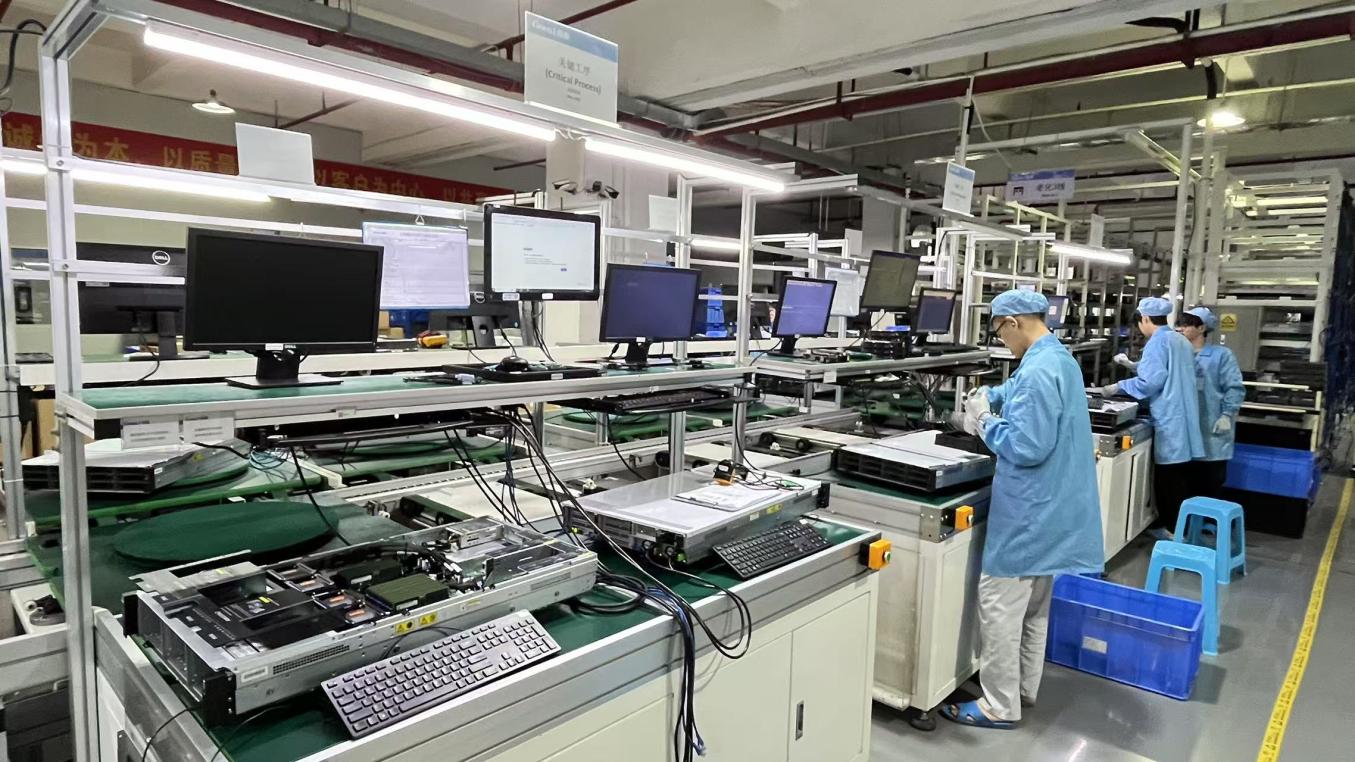
Reliable supply chains require strict alignment with international quality frameworks and regulatory guidelines.
Exporting IT hardware requires strict compliance with dynamic international trade rules. ZhiCloud AI structures its supply chain to align with major regulatory frameworks, including FCC, CE, RoHS, and WEEE standards. This ensures that all components, from lead-free solder pastes to plastic polymers, meet environmental safety criteria.
We work with global certification bodies to verify our product lines, ensuring smooth customs clearance and compliant installation in enterprise environments across North America, Europe, Southeast Asia, and the Middle East.
We provide comprehensive OEM customization services. Clients can adjust hardware layouts, select specific GPU configurations, design custom drive packaging, and request customized firmware configurations.
Our engineers can pre-configure over-provisioning ratios to optimize performance for specific read/write requirements, pre-load enterprise OS distributions, and set custom vendor IDs for seamless integration into existing IT environments.
Common technical questions answered by our system design engineers and product support team.
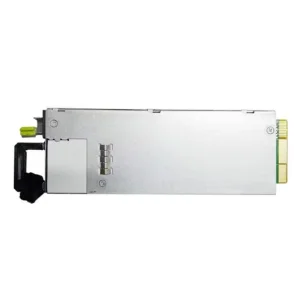
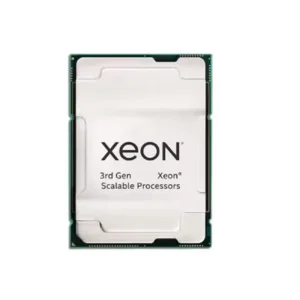
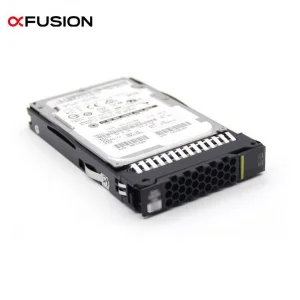
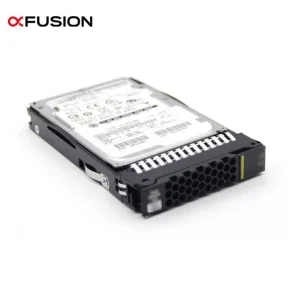
Explore our high-performance GPU compute solutions, stable power supply modules, high-frequency server processors, and high-capacity storage drives.