ZhiCloud AI
ZhiCloud AI
ZhiCloud AI
Executive Briefing: Scaling global email marketing operations requires more than just marketing software; it demands enterprise-grade mail server architecture capable of high-throughput MTA (Mail Transfer Agent) clustering, secure IP routing, and real-time database management. As a premier manufacturer of computational hardware, Shenzhen Intelligent Computing Cloud Technology Co., Ltd. (ZhiCloud AI) designs and integrates the server backbones that power the world's largest email delivery systems.
In the era of semantic search and AI-driven inbox algorithms, the deliverability of bulk marketing campaigns depends heavily on the physical reliability and geographical distribution of SMTP and MTA servers. Large-scale global buyers are shifting away from shared public cloud environments due to performance degradation, shared-IP blacklisting risks, and spiraling consumption costs. Enterprise email service providers (ESPs) and global brands are reclaiming control by setting up hybrid-cloud infrastructure or dedicated on-premise email clusters.
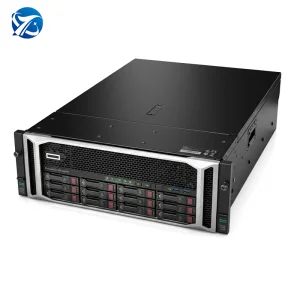
Dedicated physical servers enable marketers to establish isolated IP warm-up regimes, ensuring maximum control over sender reputations across global networks.
High-performance servers utilizing multi-socket architectures handle database transactions for millions of email addresses in milliseconds.
Local GPU servers empower platforms to process Large Language Models, dynamically generating personalized email copy and subject lines on-the-fly.
Procurement officers and CIOs face strict requirements when selecting server manufacturing partners. Global sourcing protocols require rigorous validation of quality assurance methodologies, component supply chains, and localized compliance compatibility. High-density rack systems, scalable memory, and enterprise-grade storage controllers are essential factors in lowering the Total Cost of Ownership (TCO) for large-scale mailing platforms.
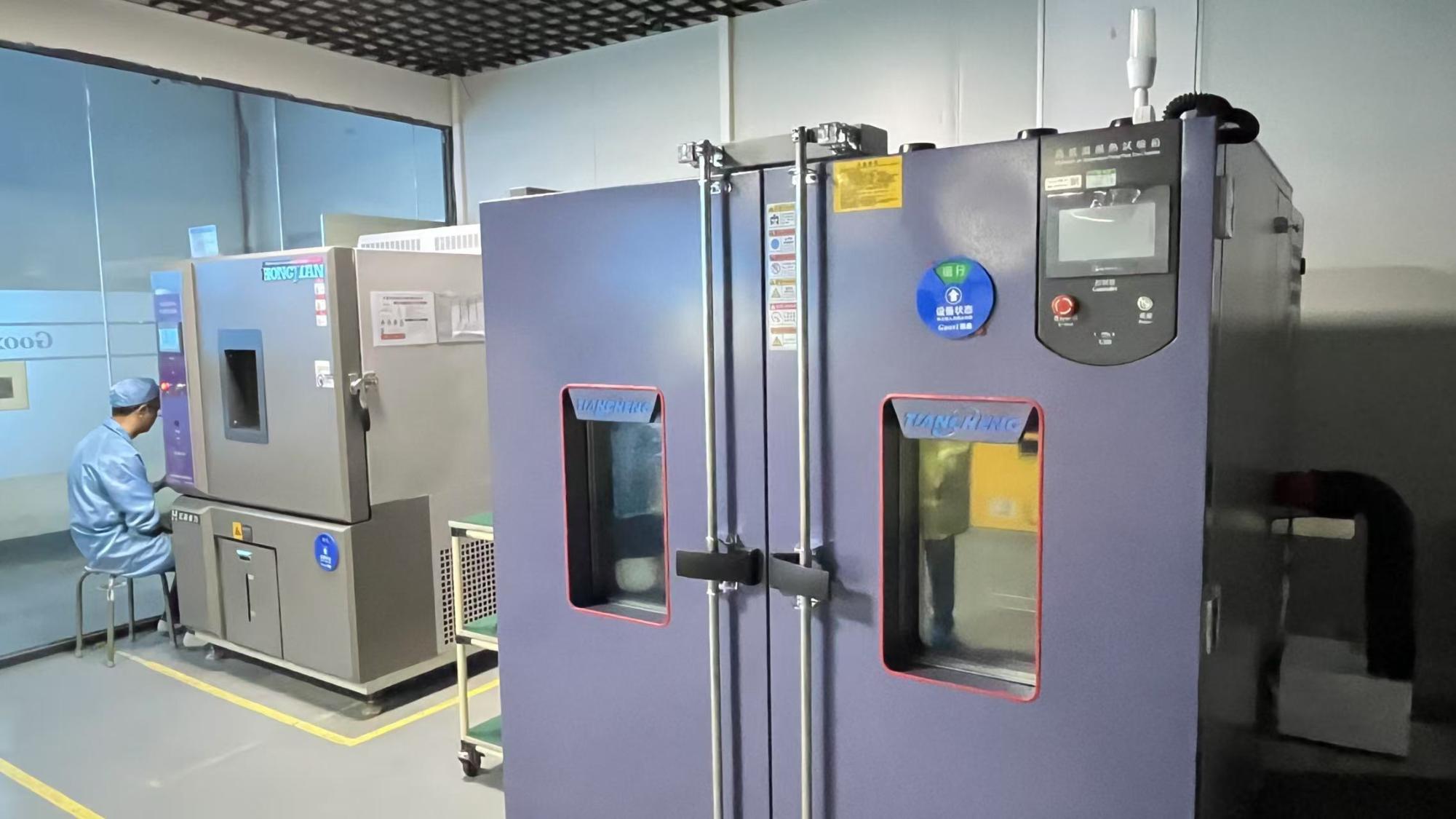
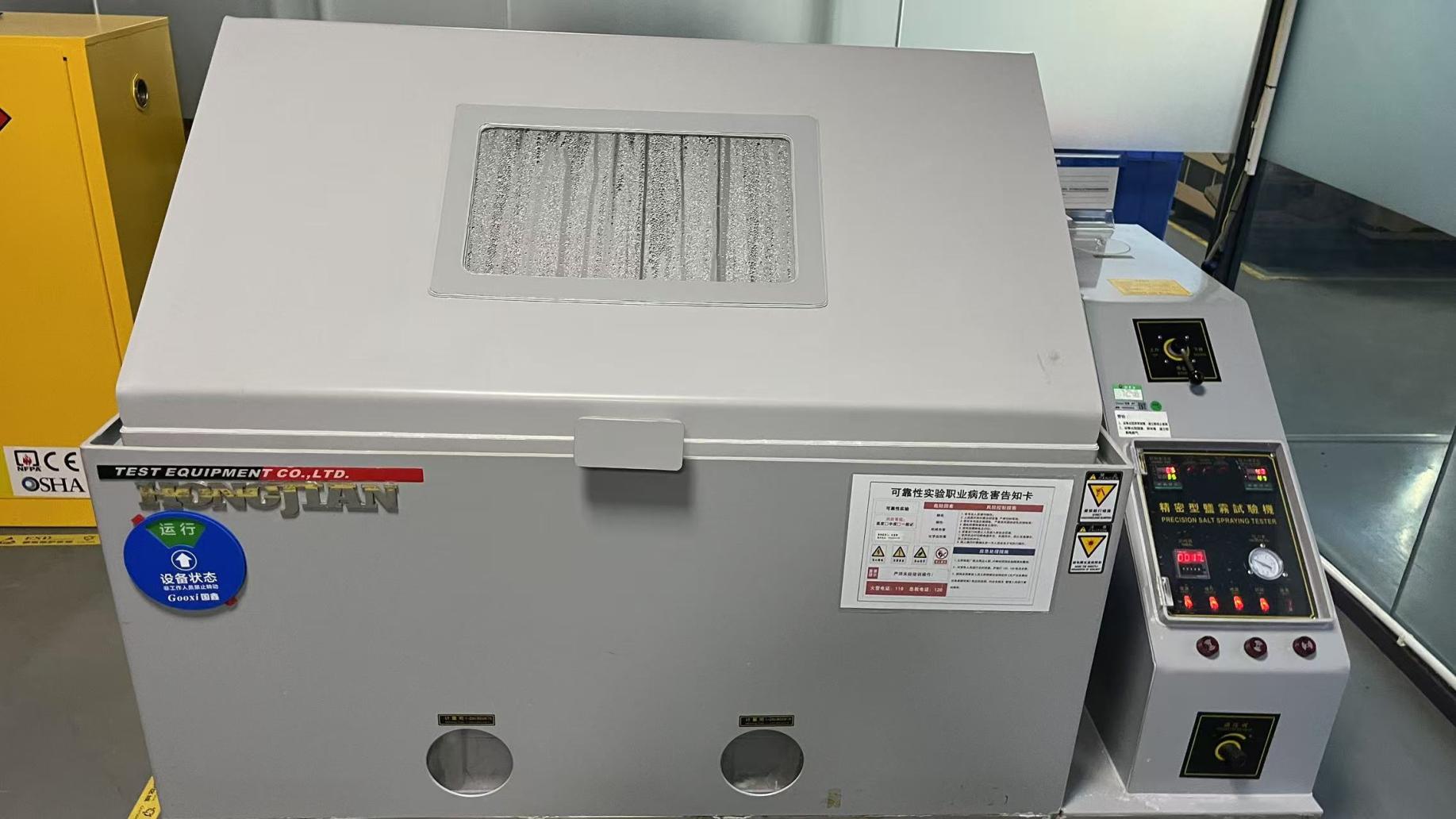
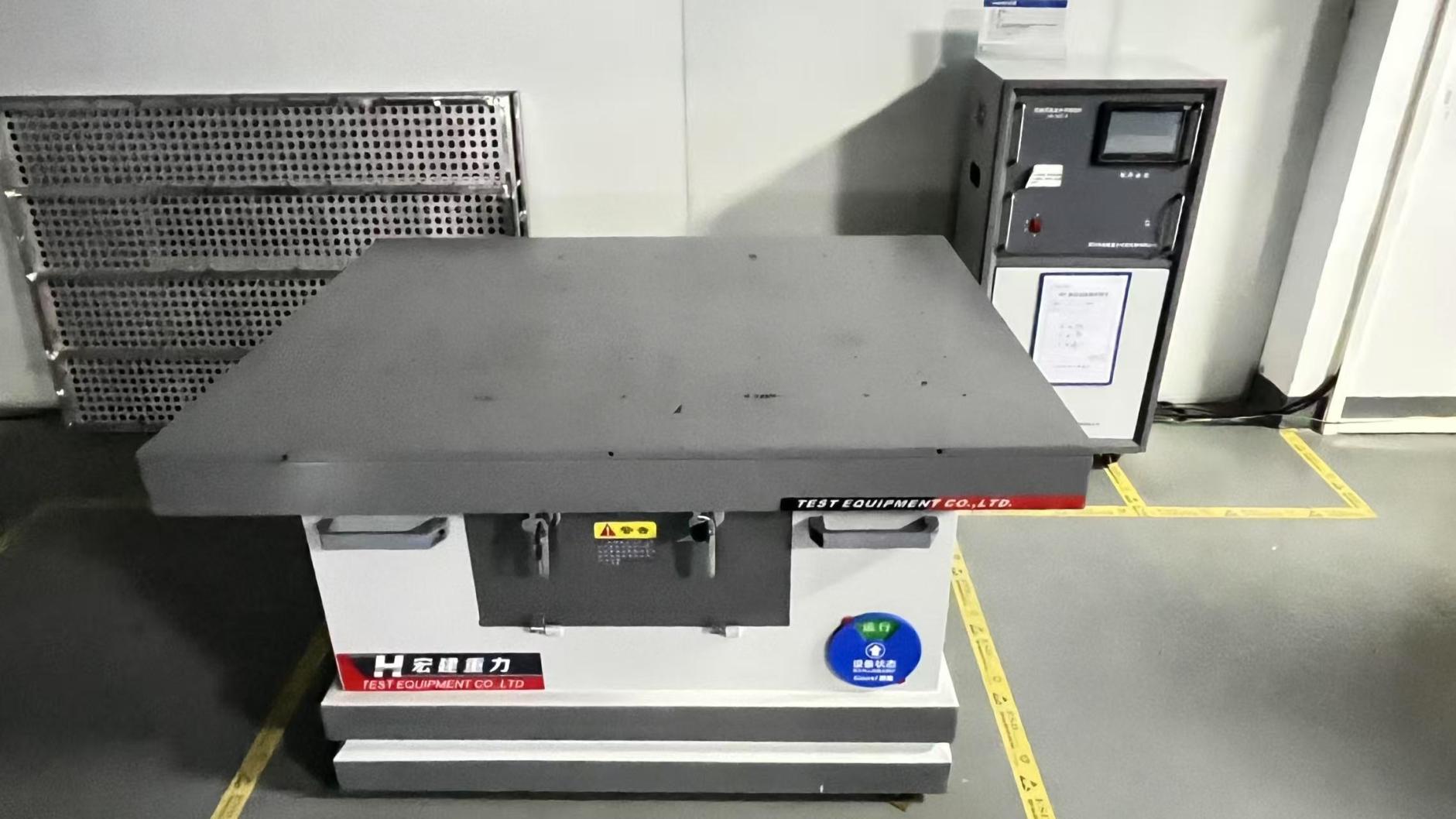
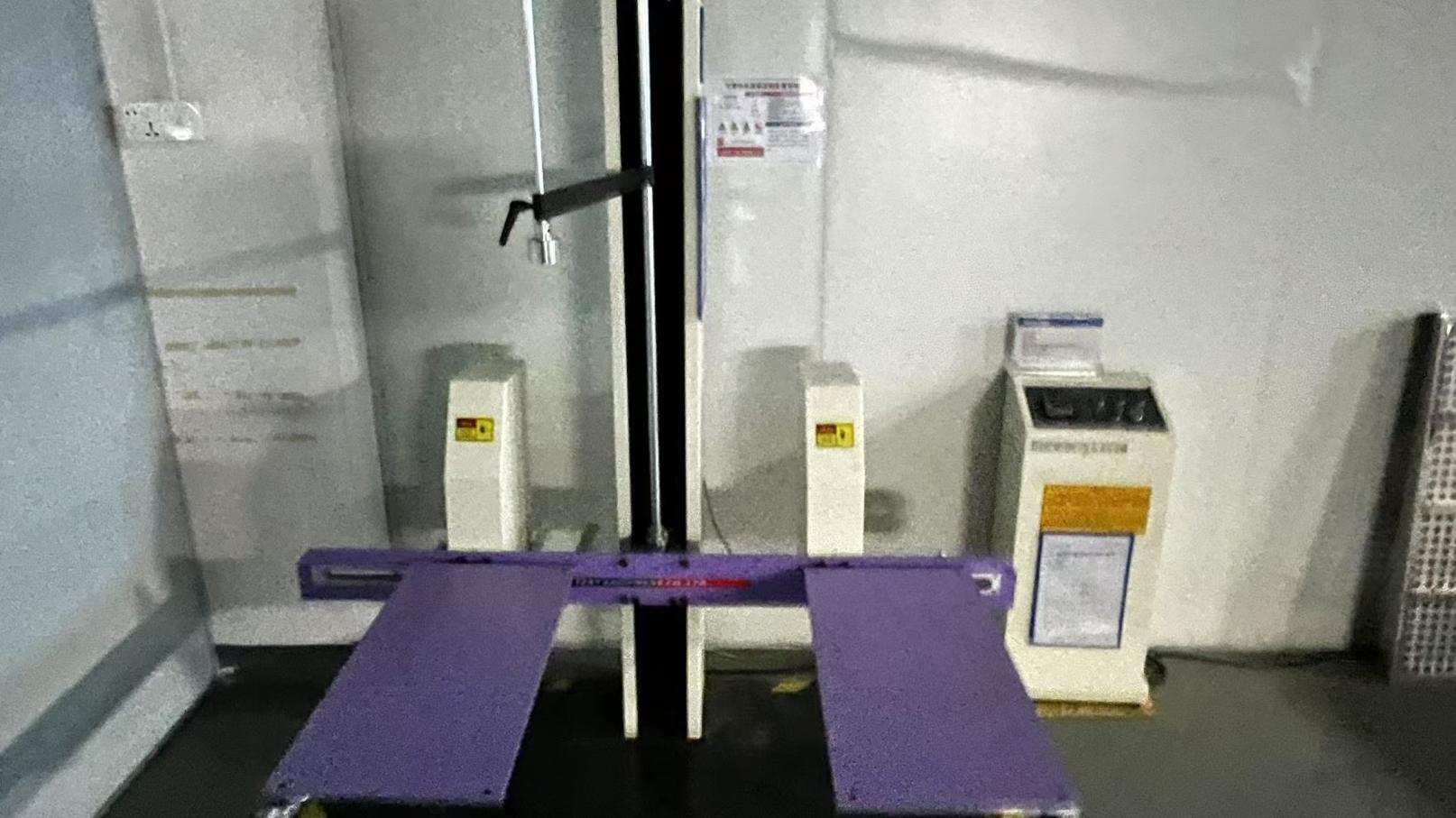
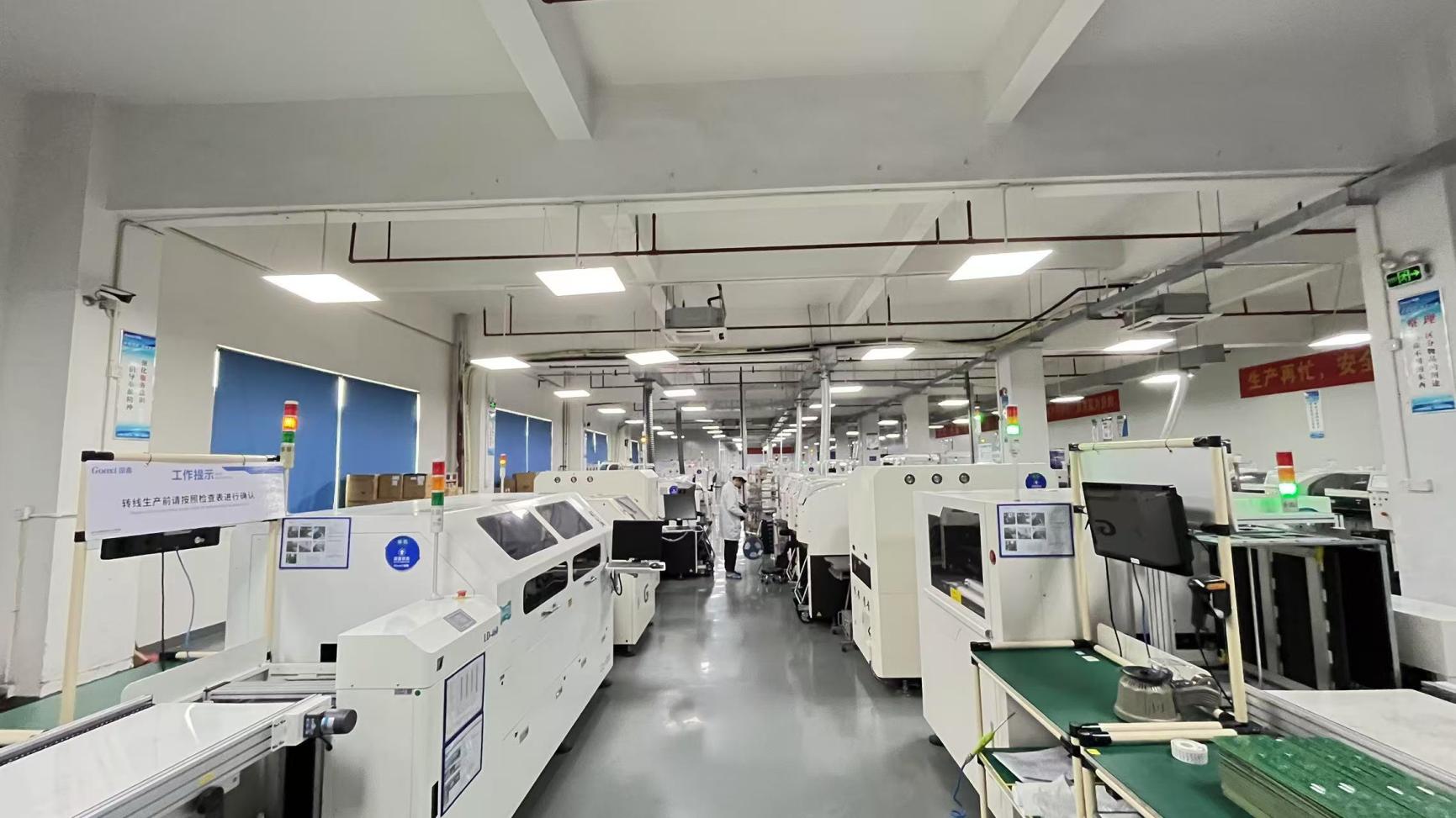
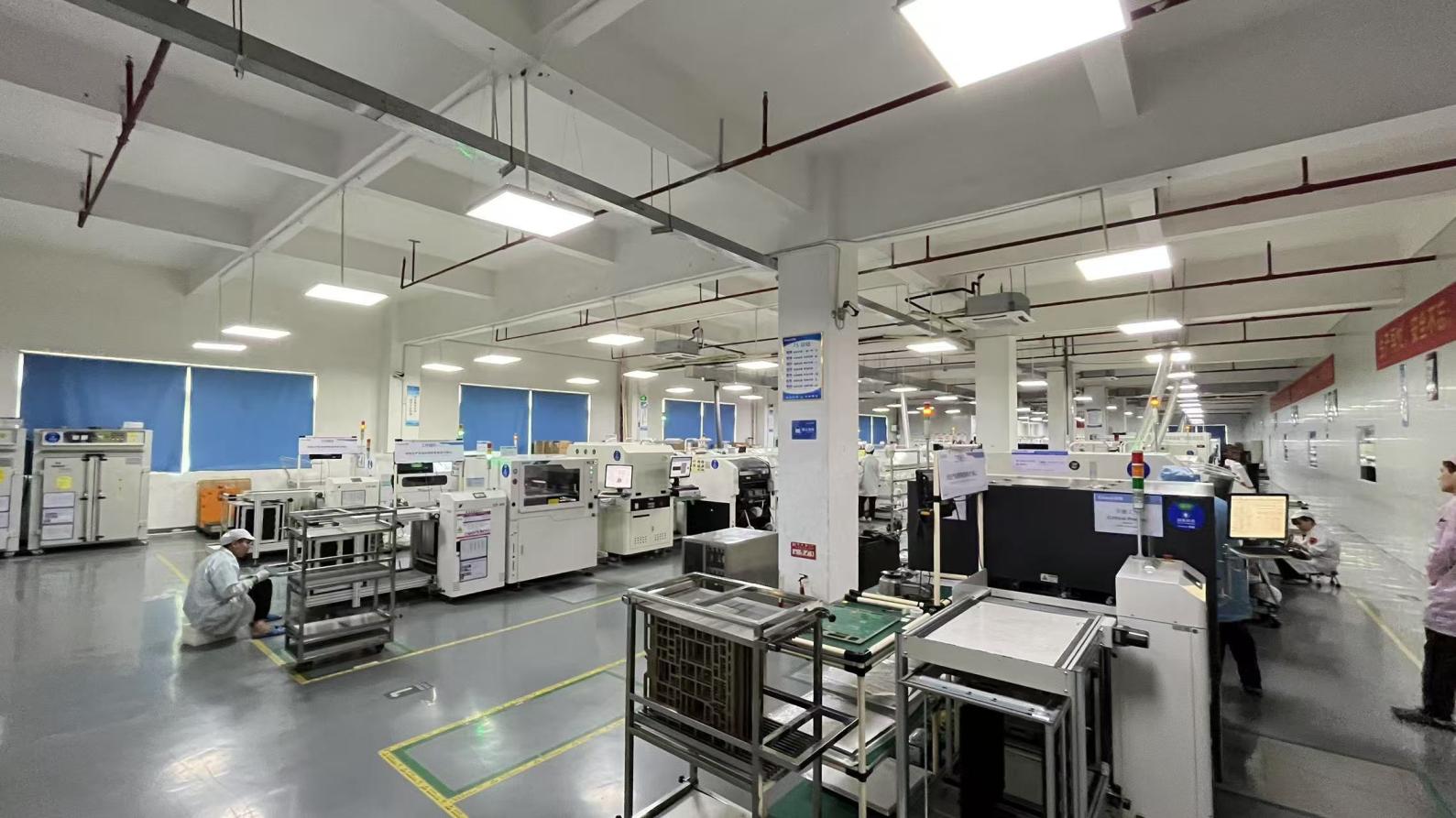
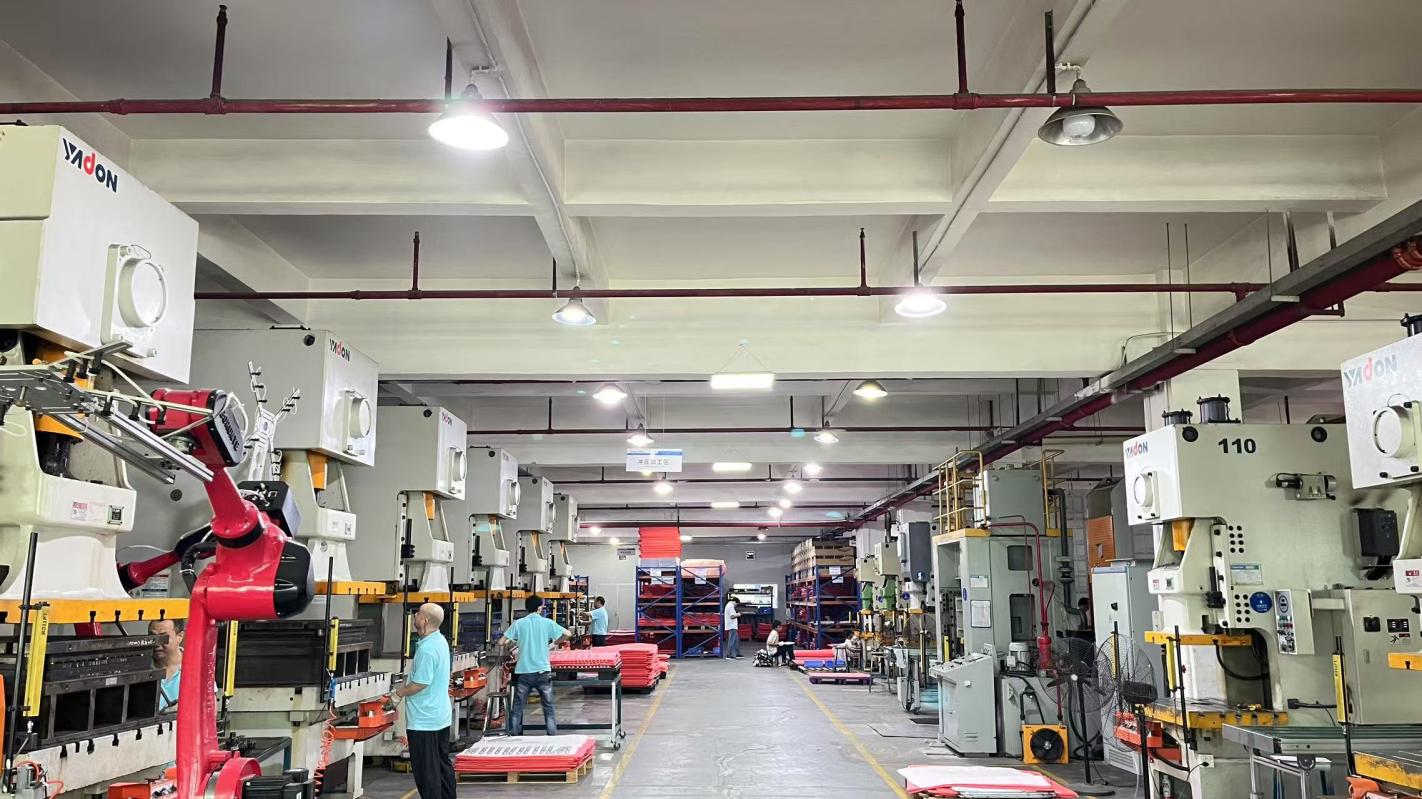
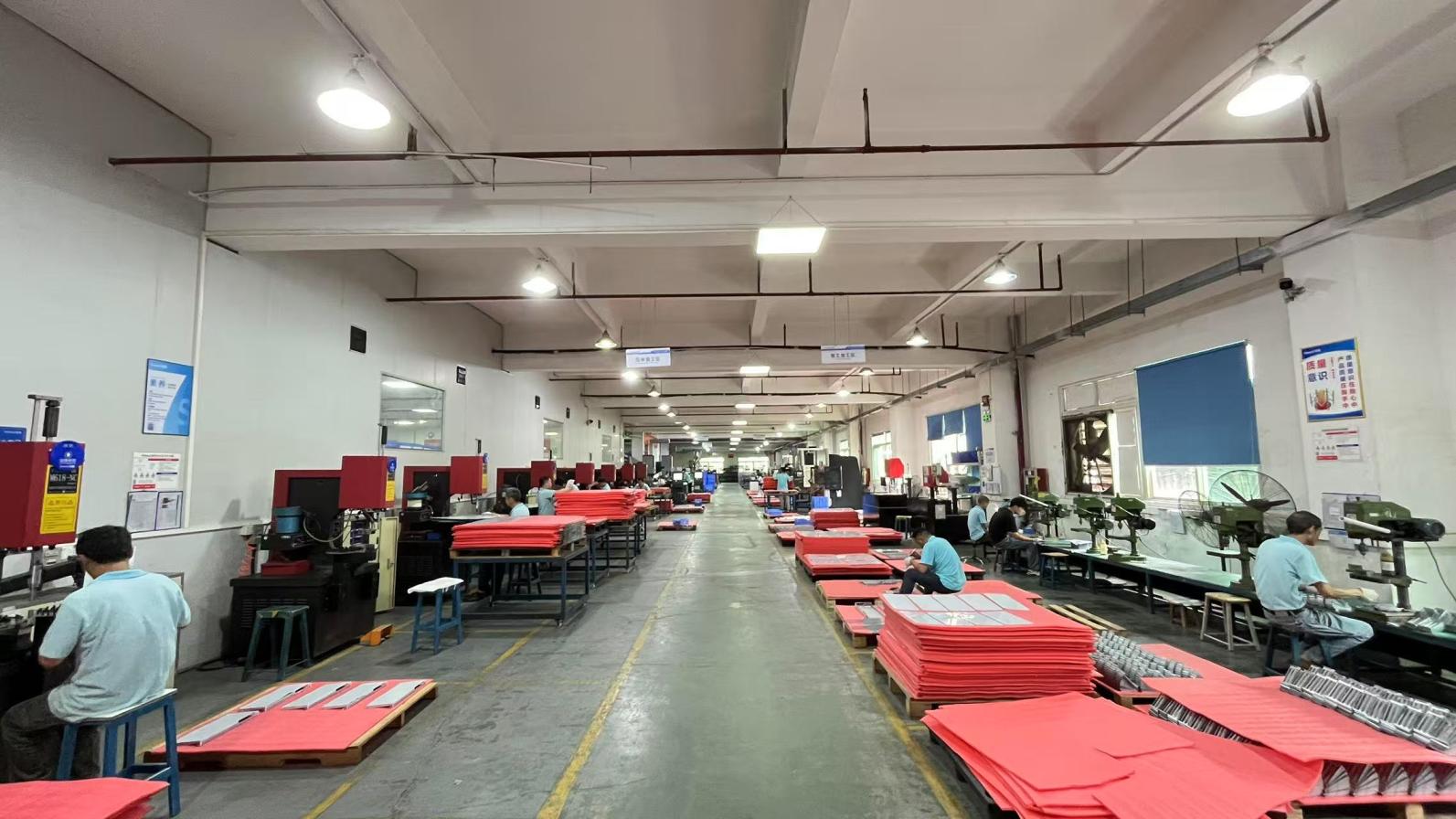
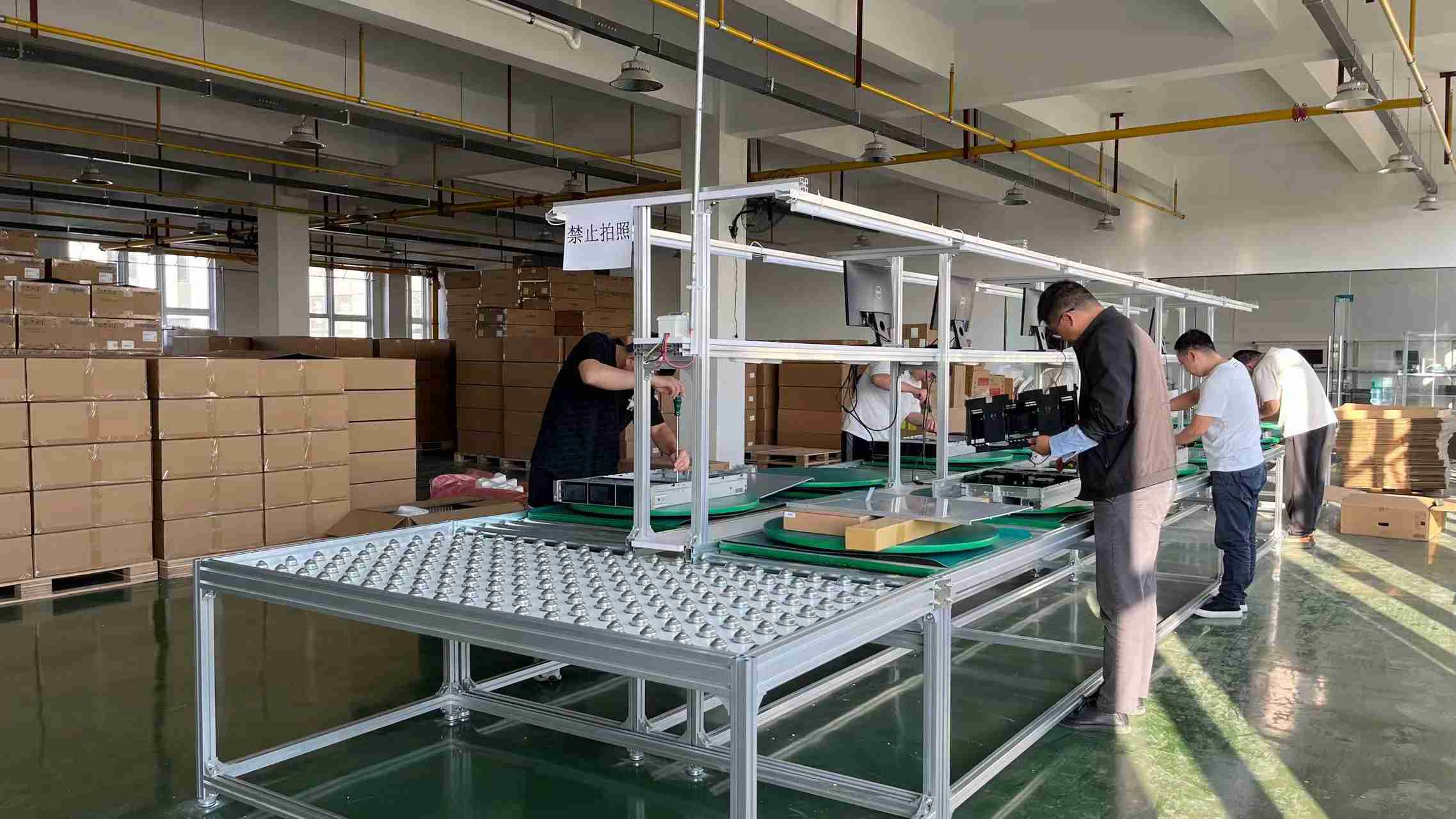
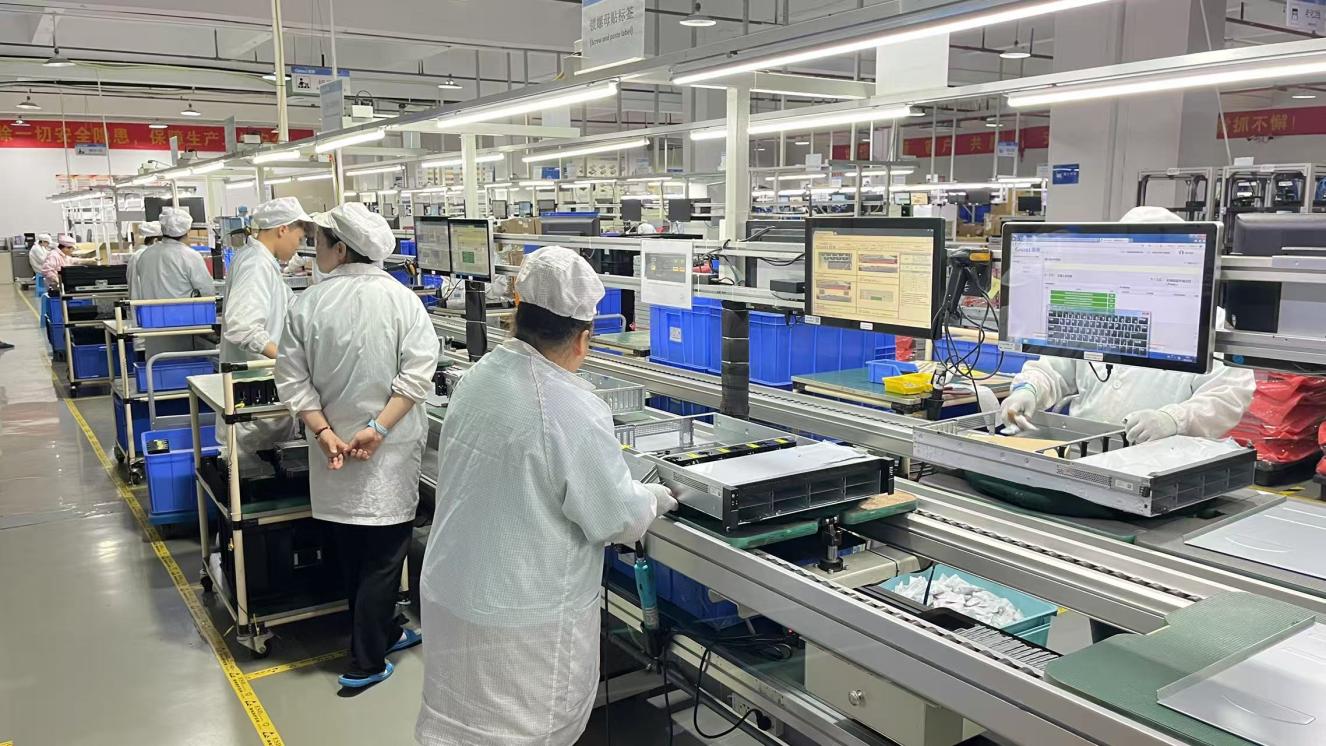
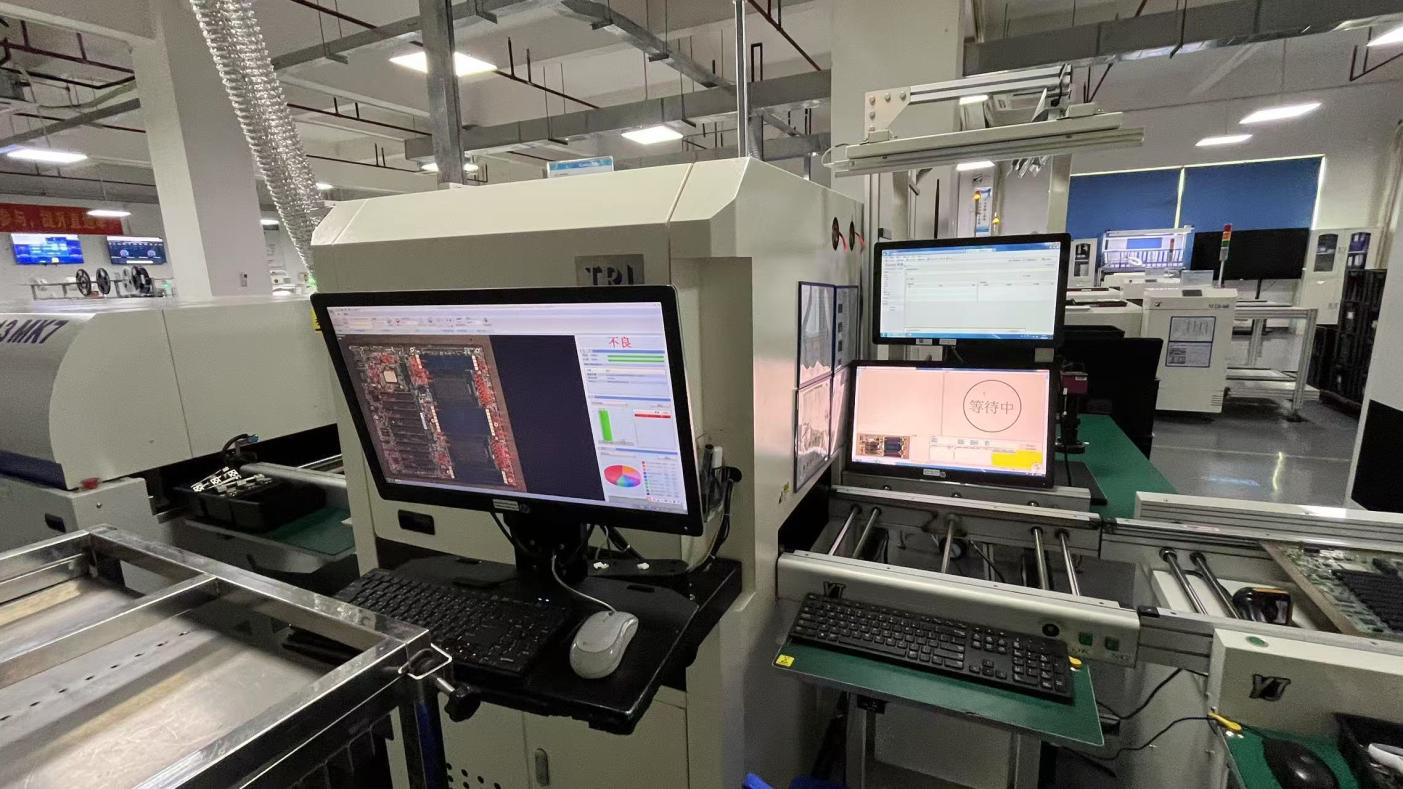
Located in Shenzhen, the silicon capital of high-performance computing hardware, Shenzhen Intelligent Computing Cloud Technology Co., Ltd. (ZhiCloud AI) operates state-of-the-art production lines. From laser cutting to high-precision SMT (Surface Mount Technology) processes, each server unit goes through rigorous component assembly and multi-point functional test sequences, including thermal burn-ins, drop testing, and salt spray exposure tests.
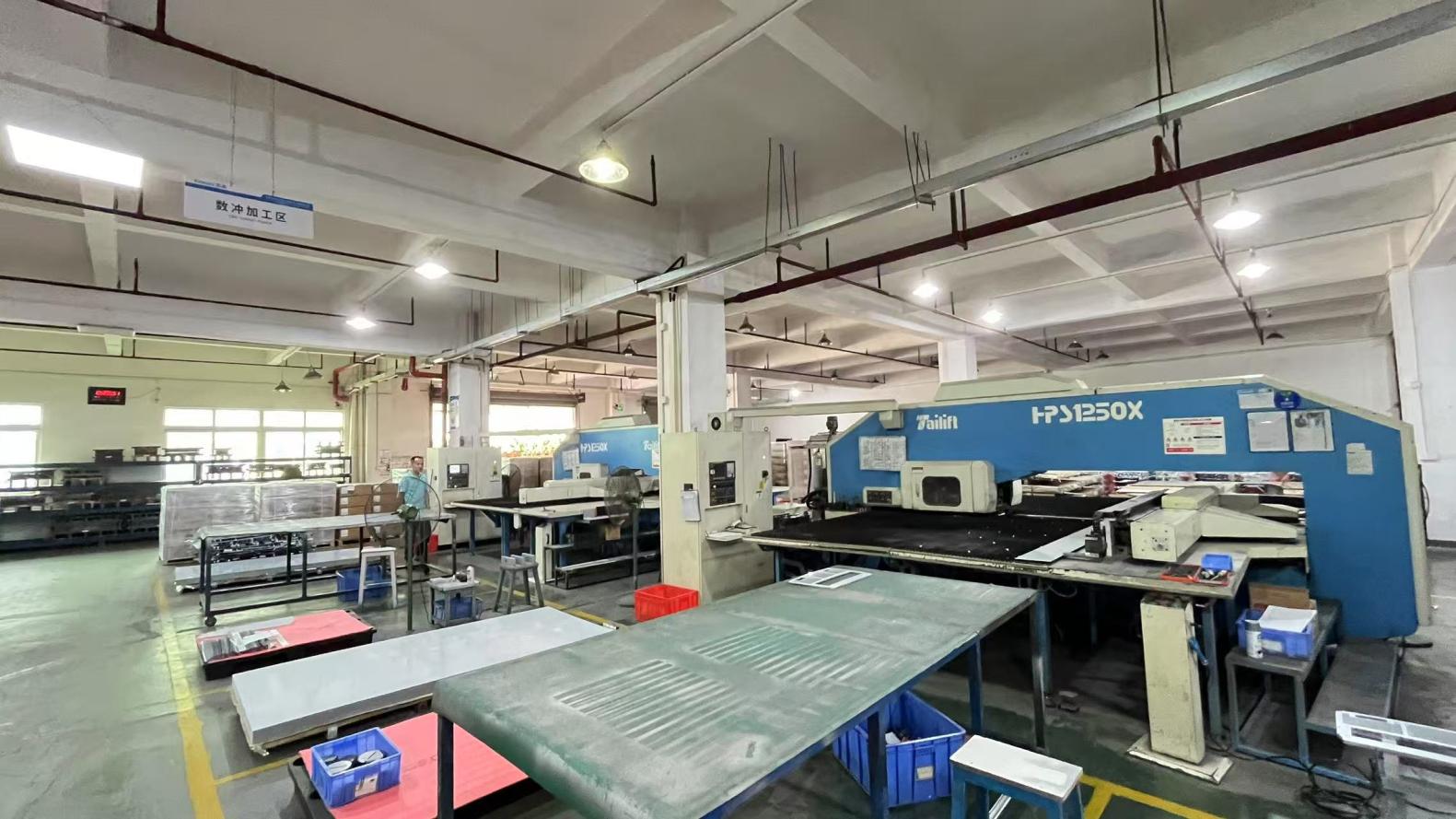
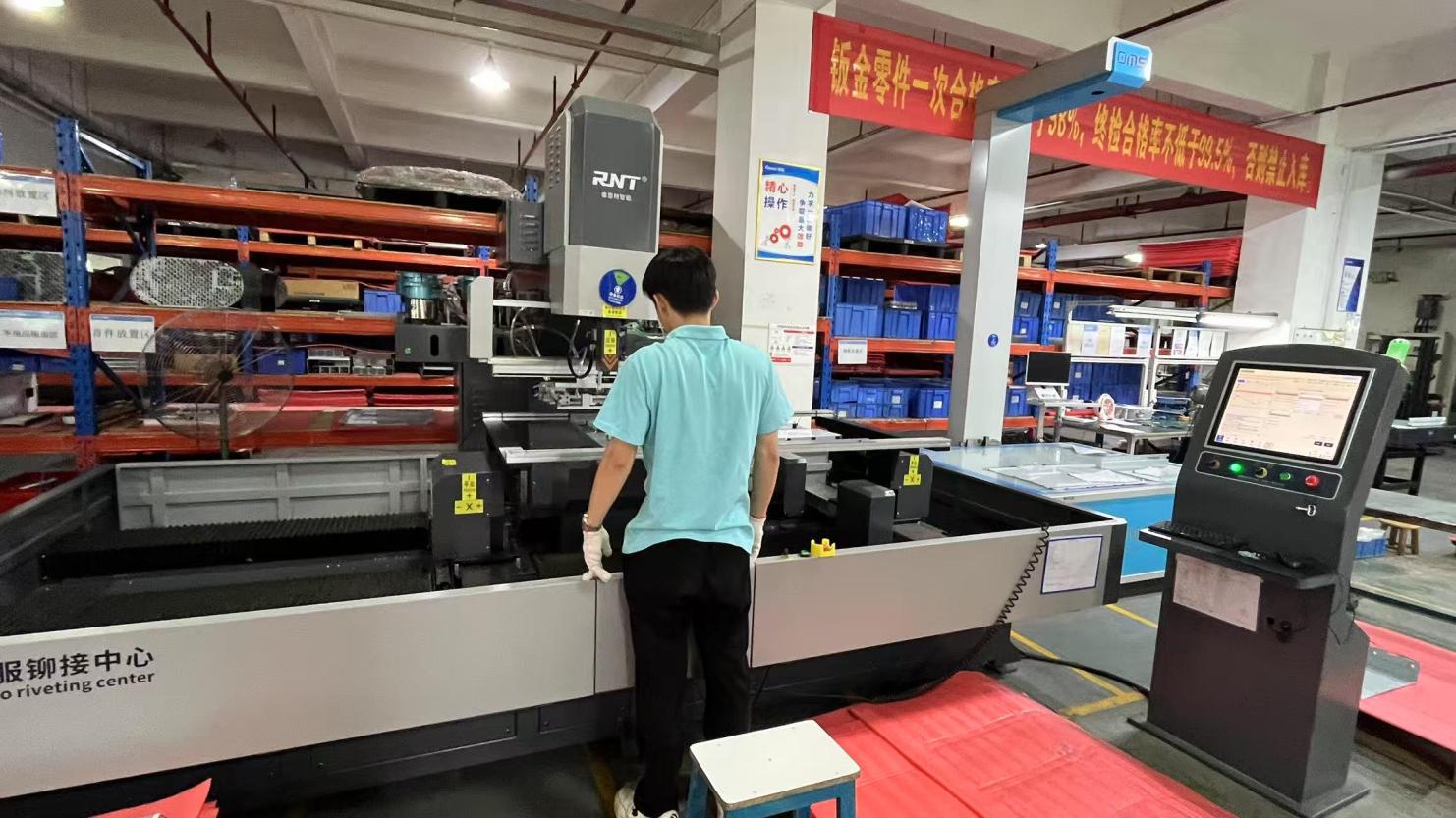

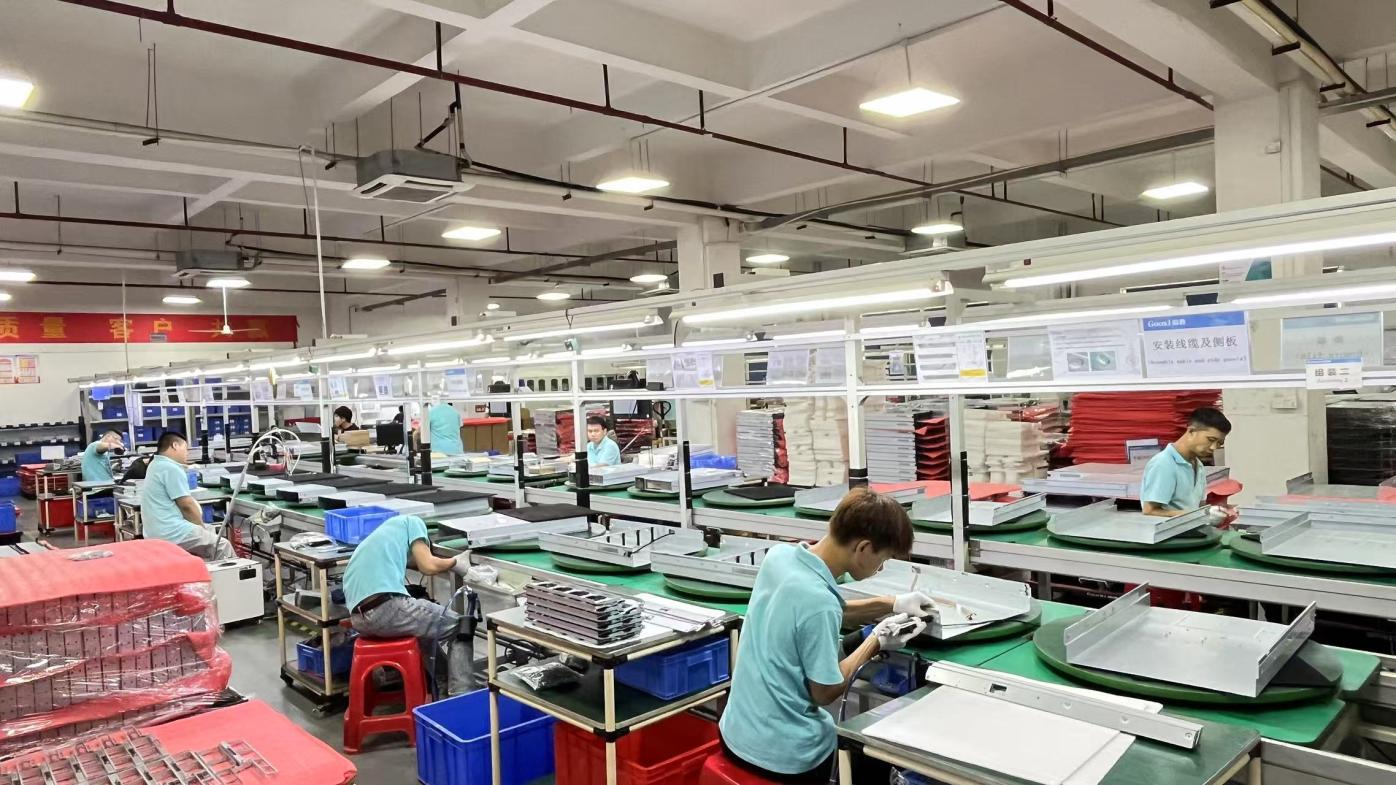

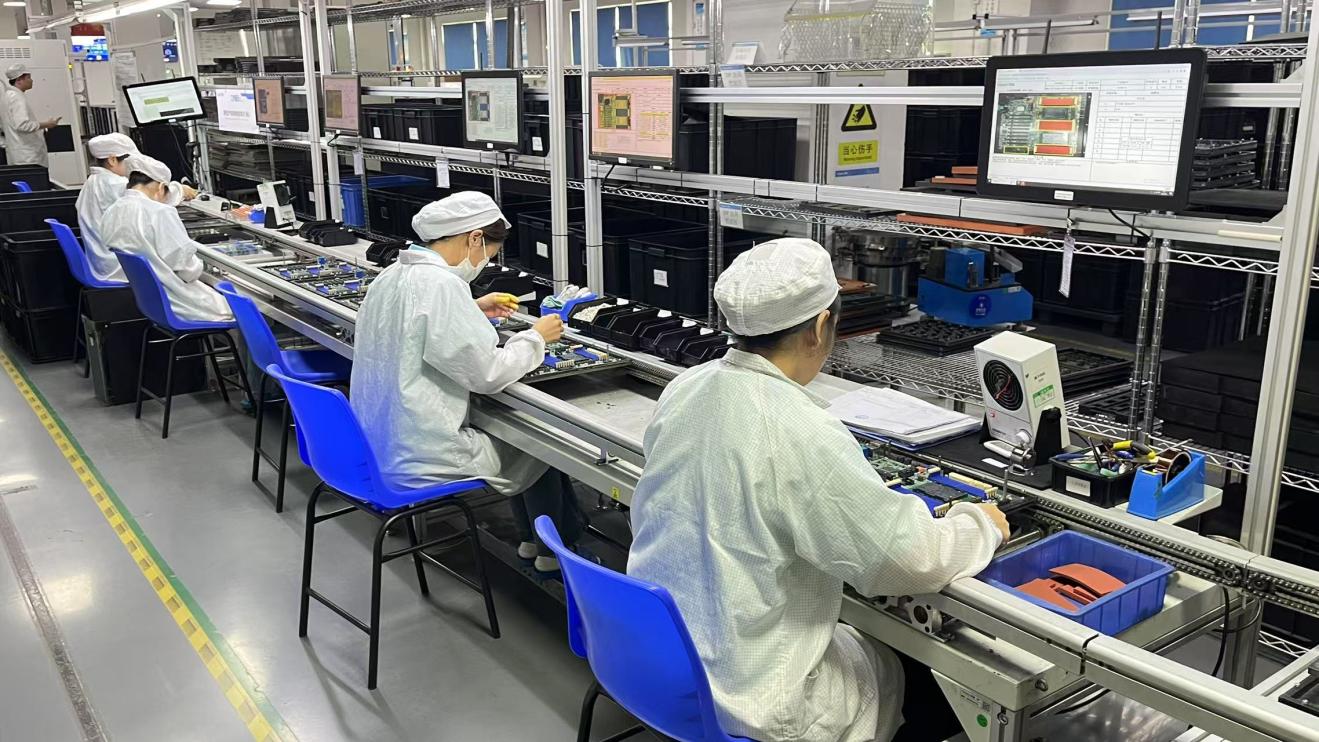
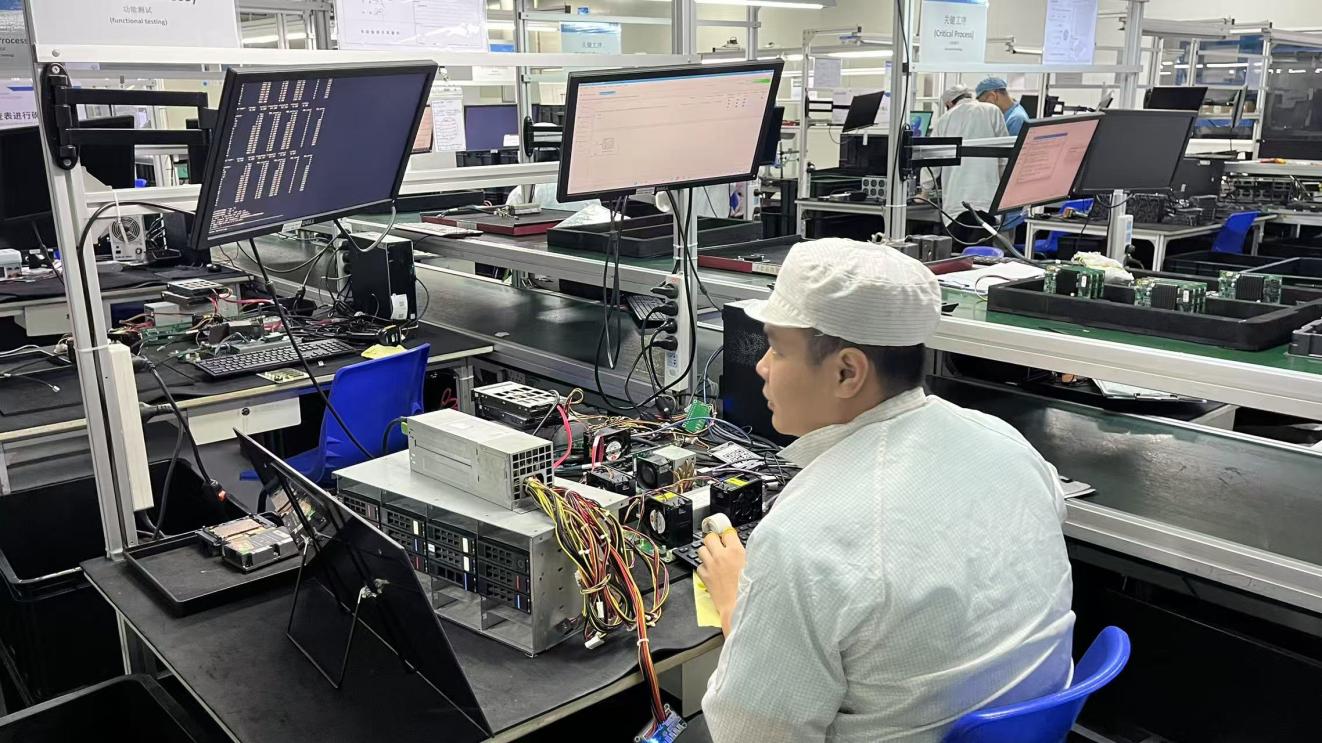
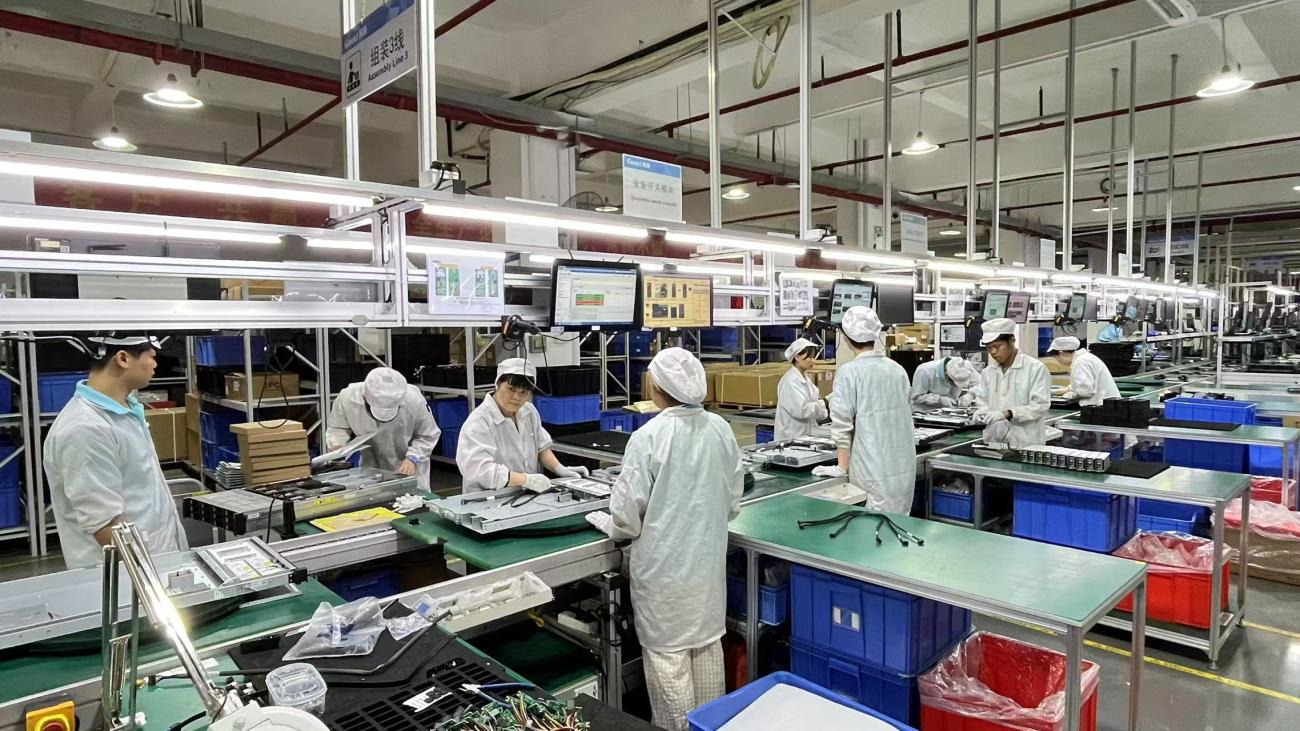
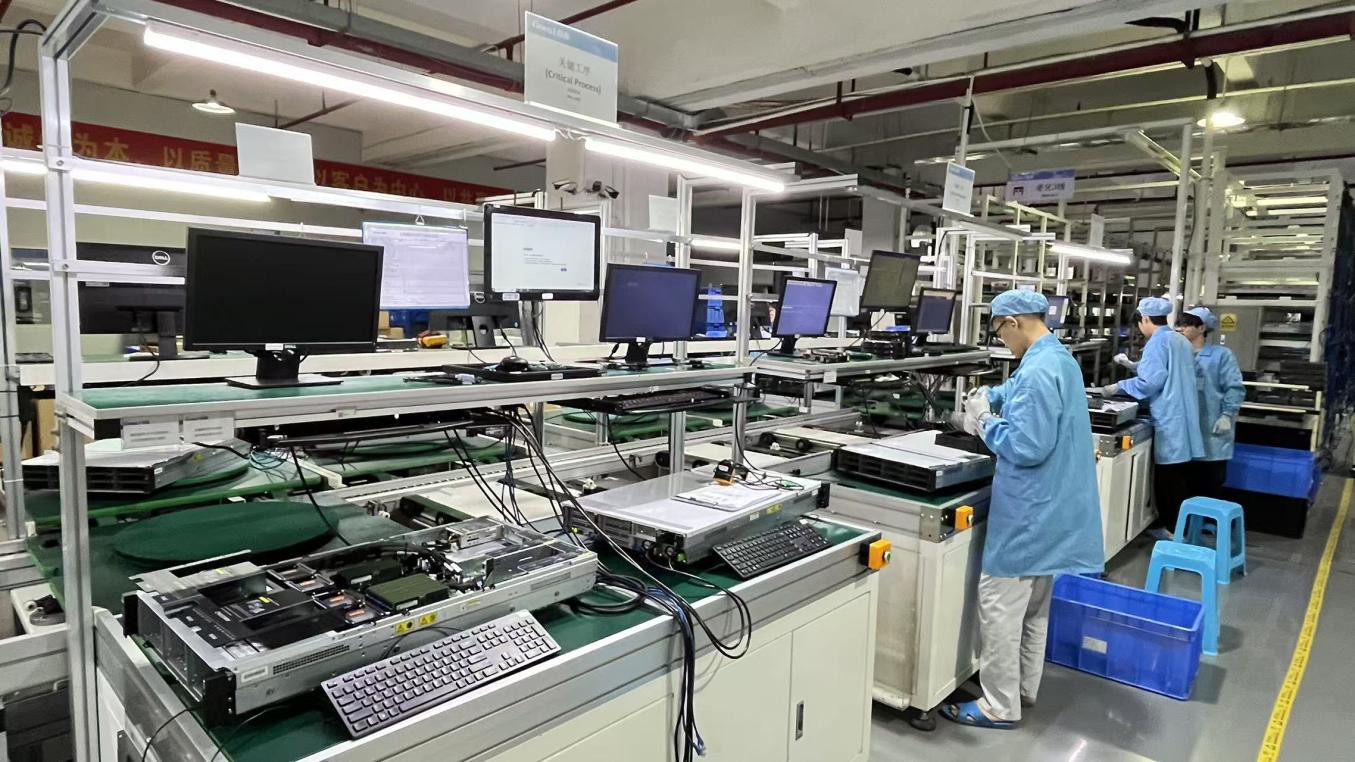
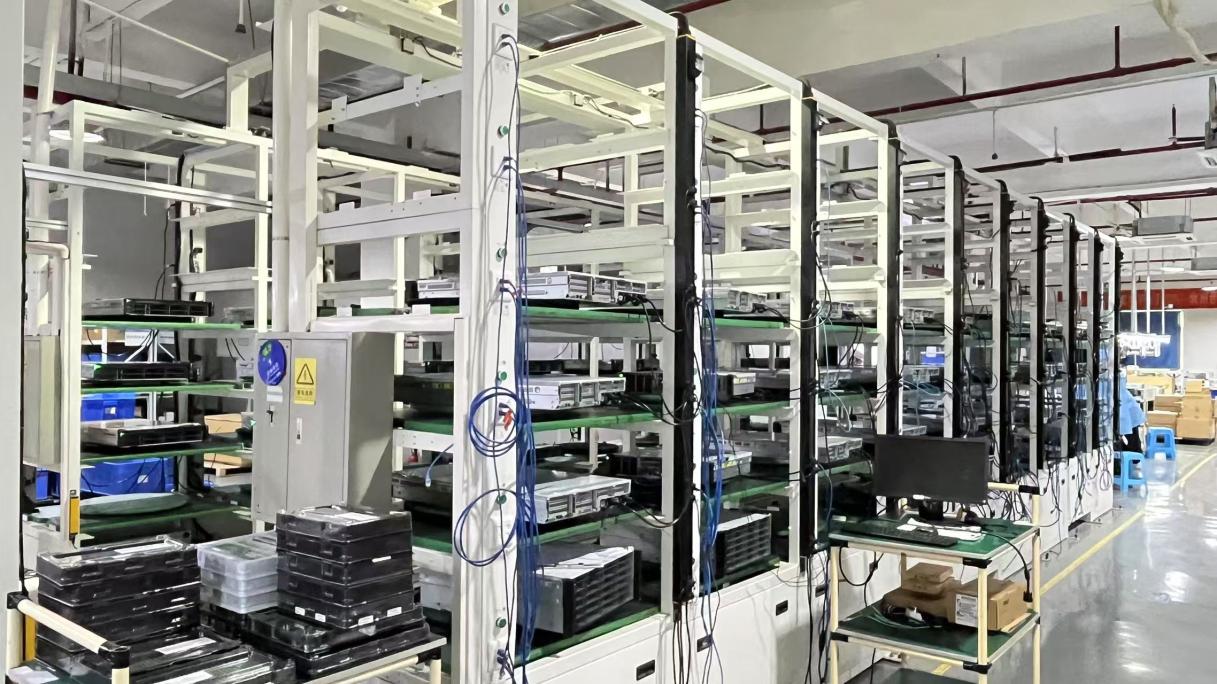
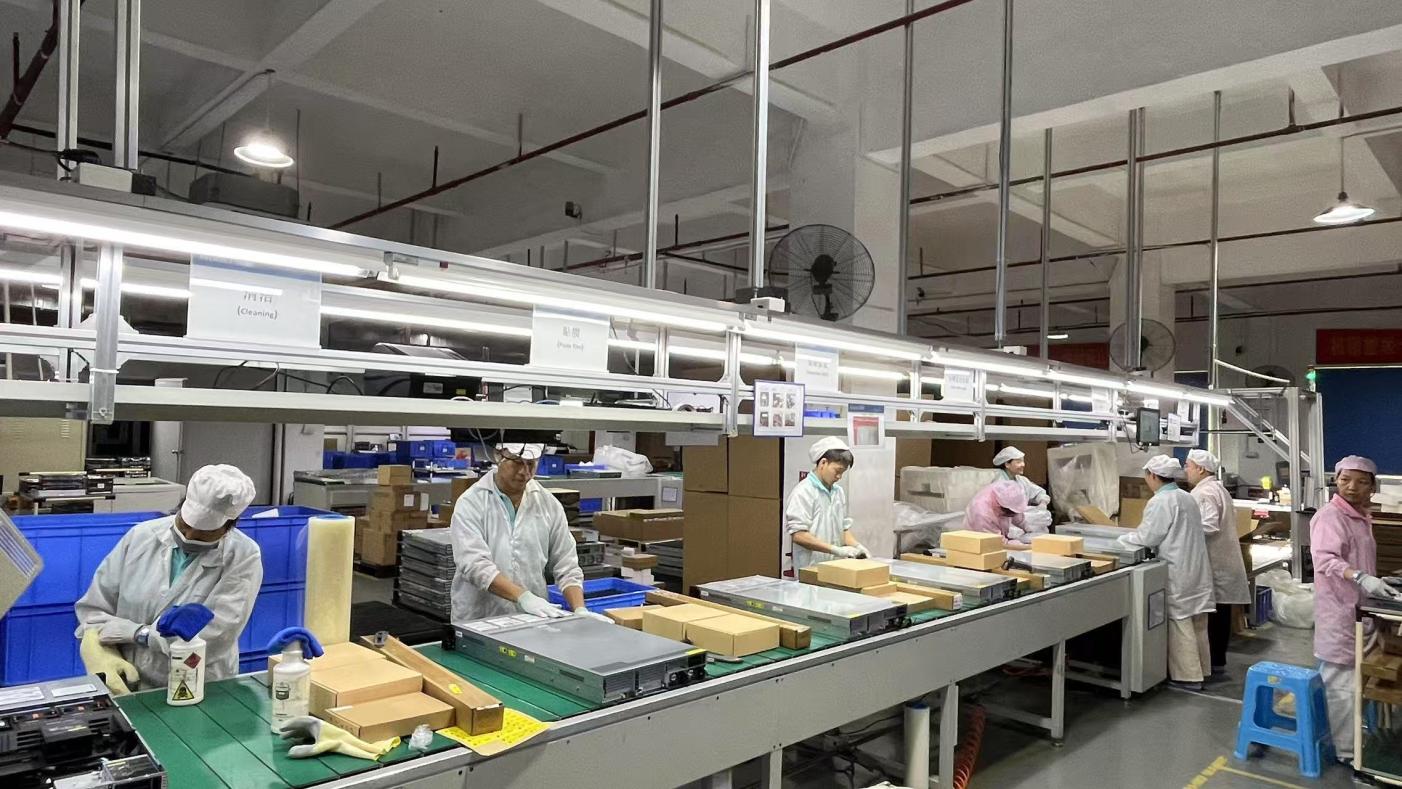
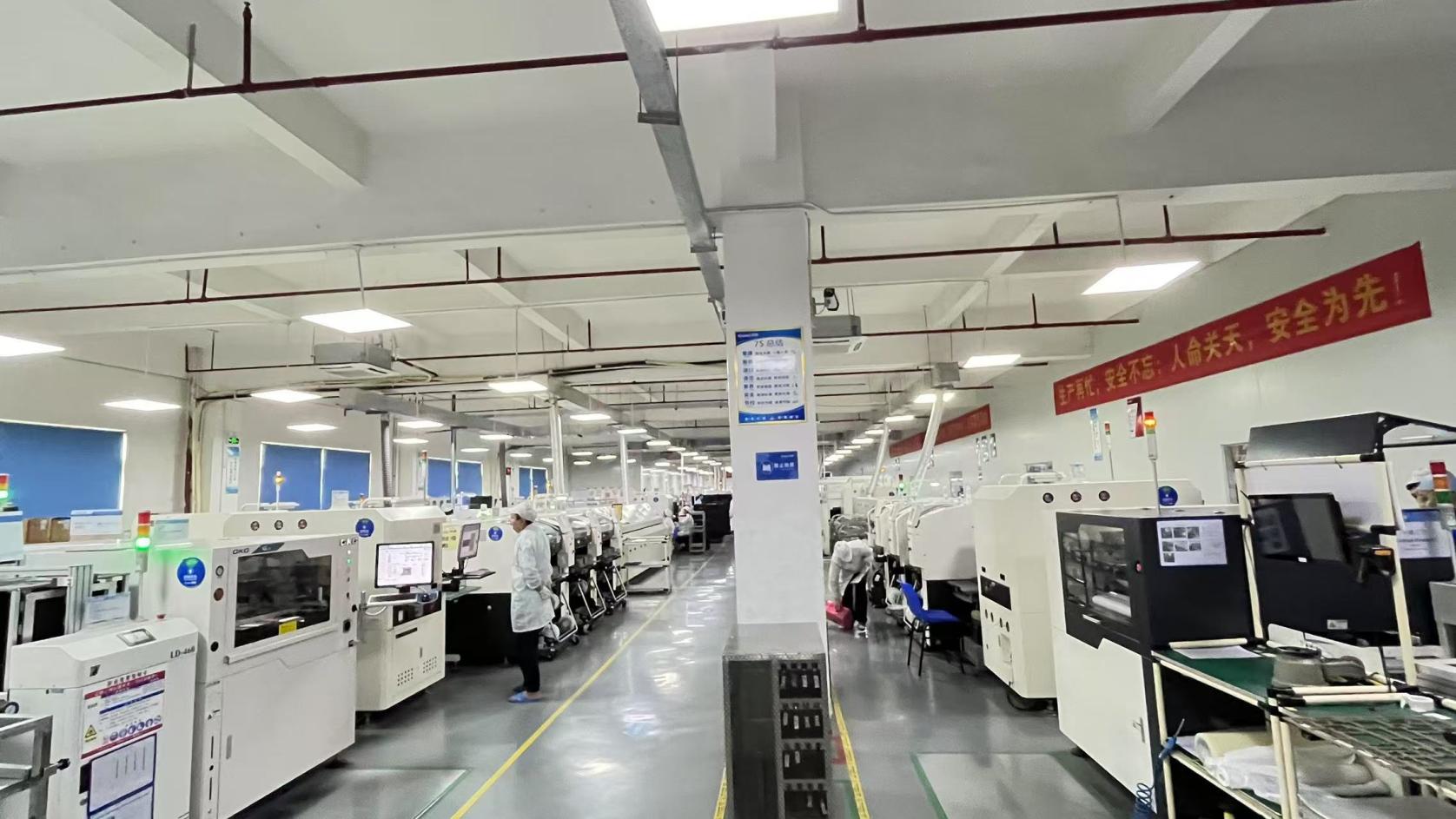
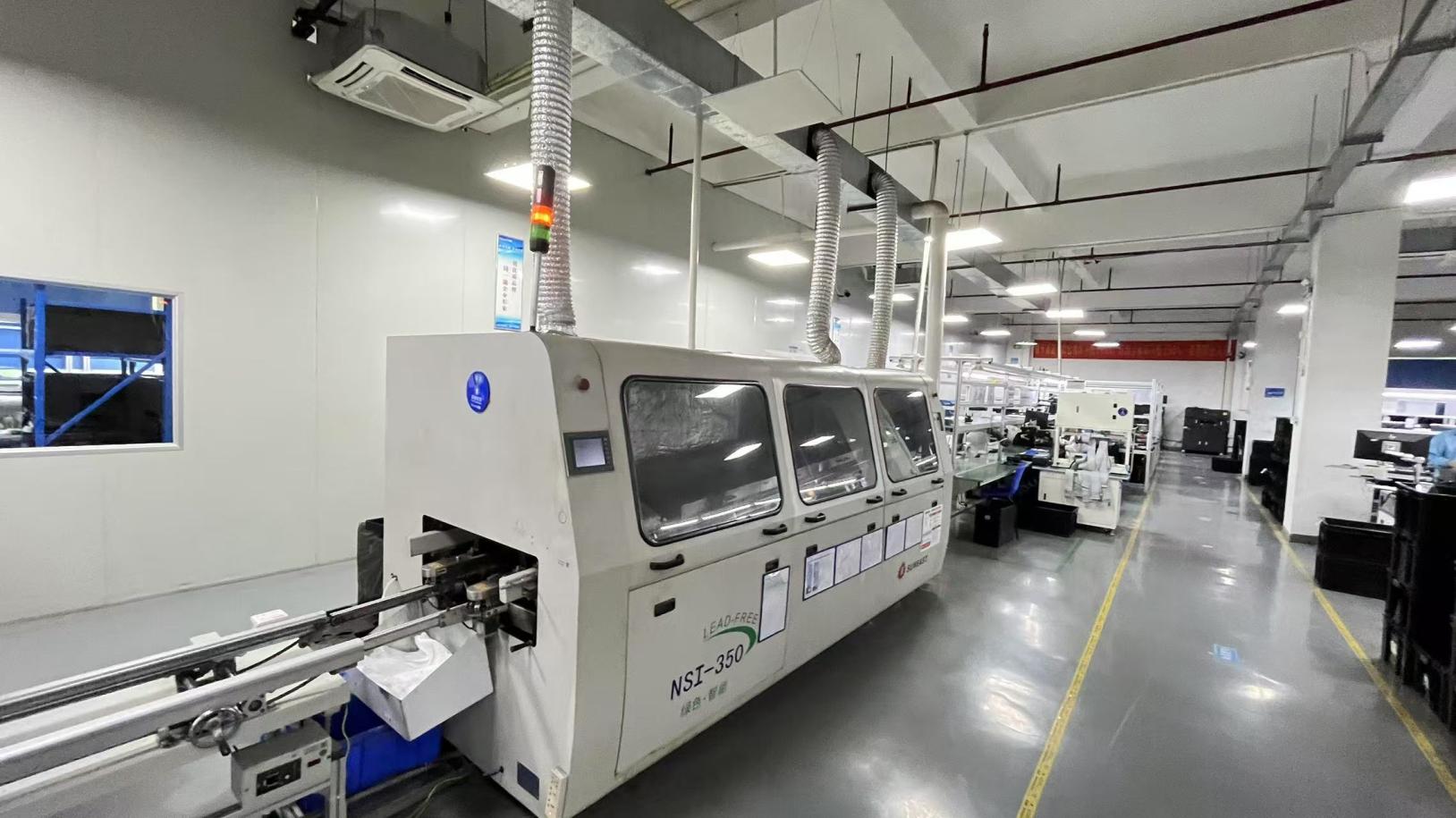
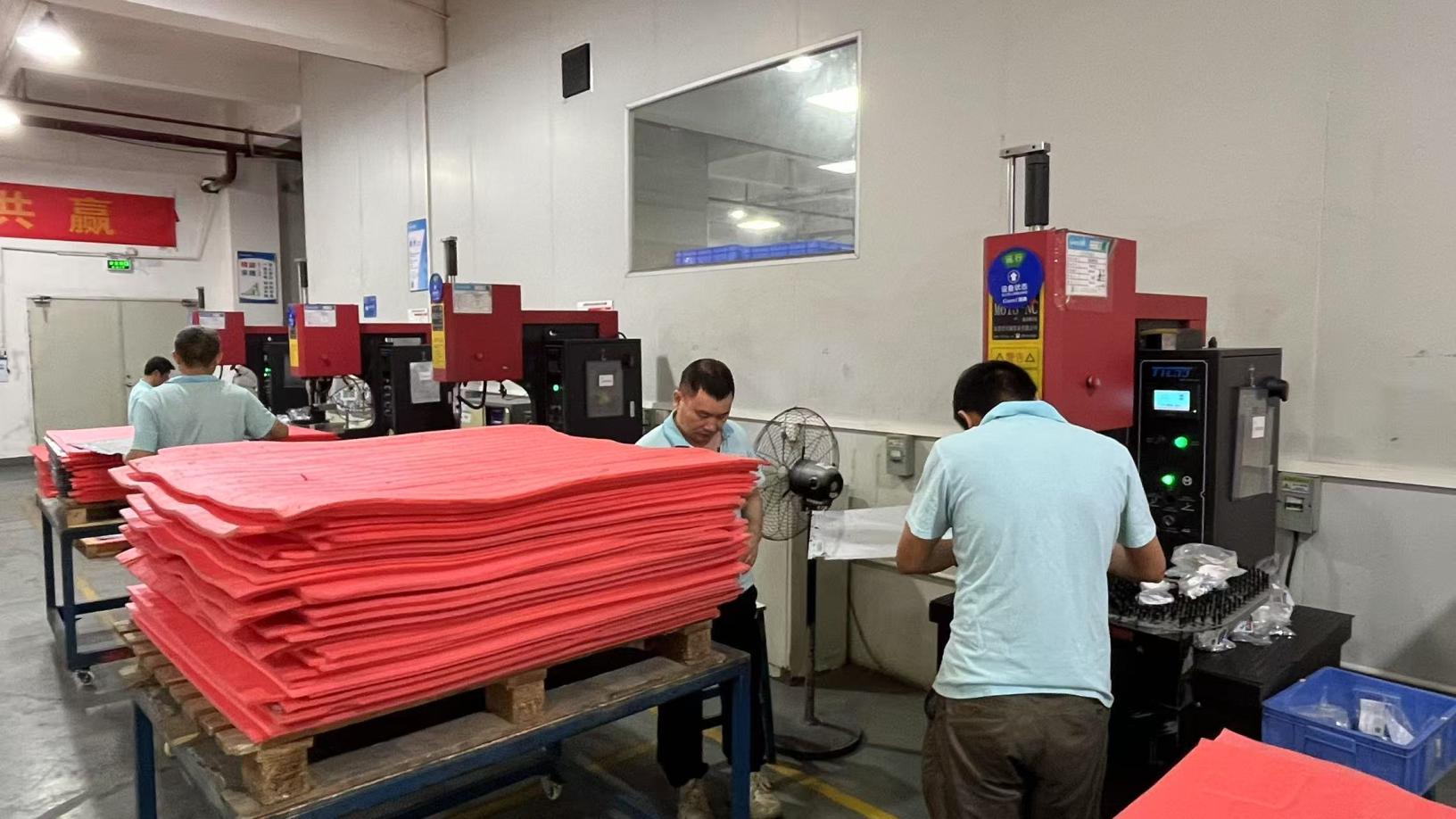
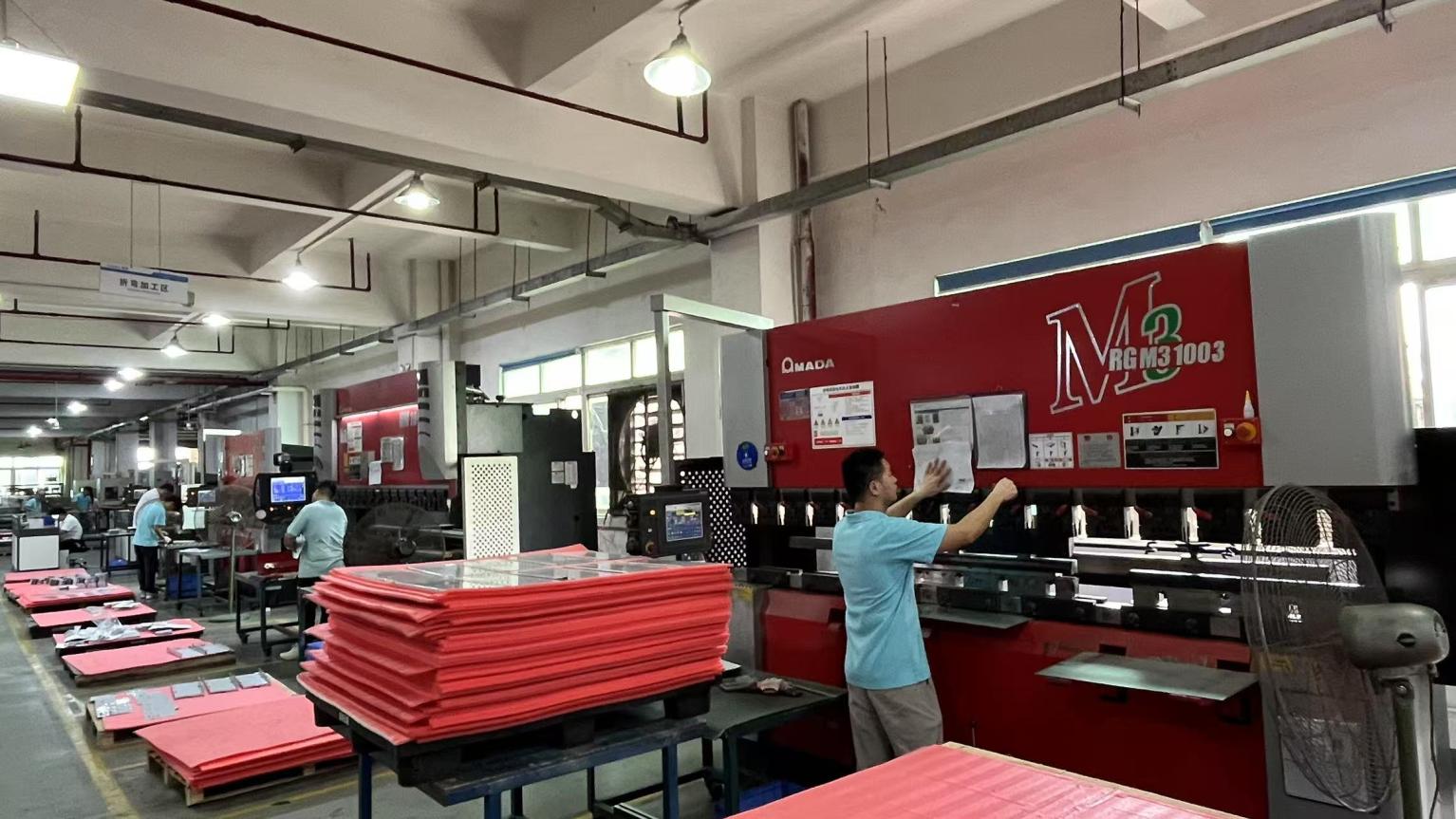

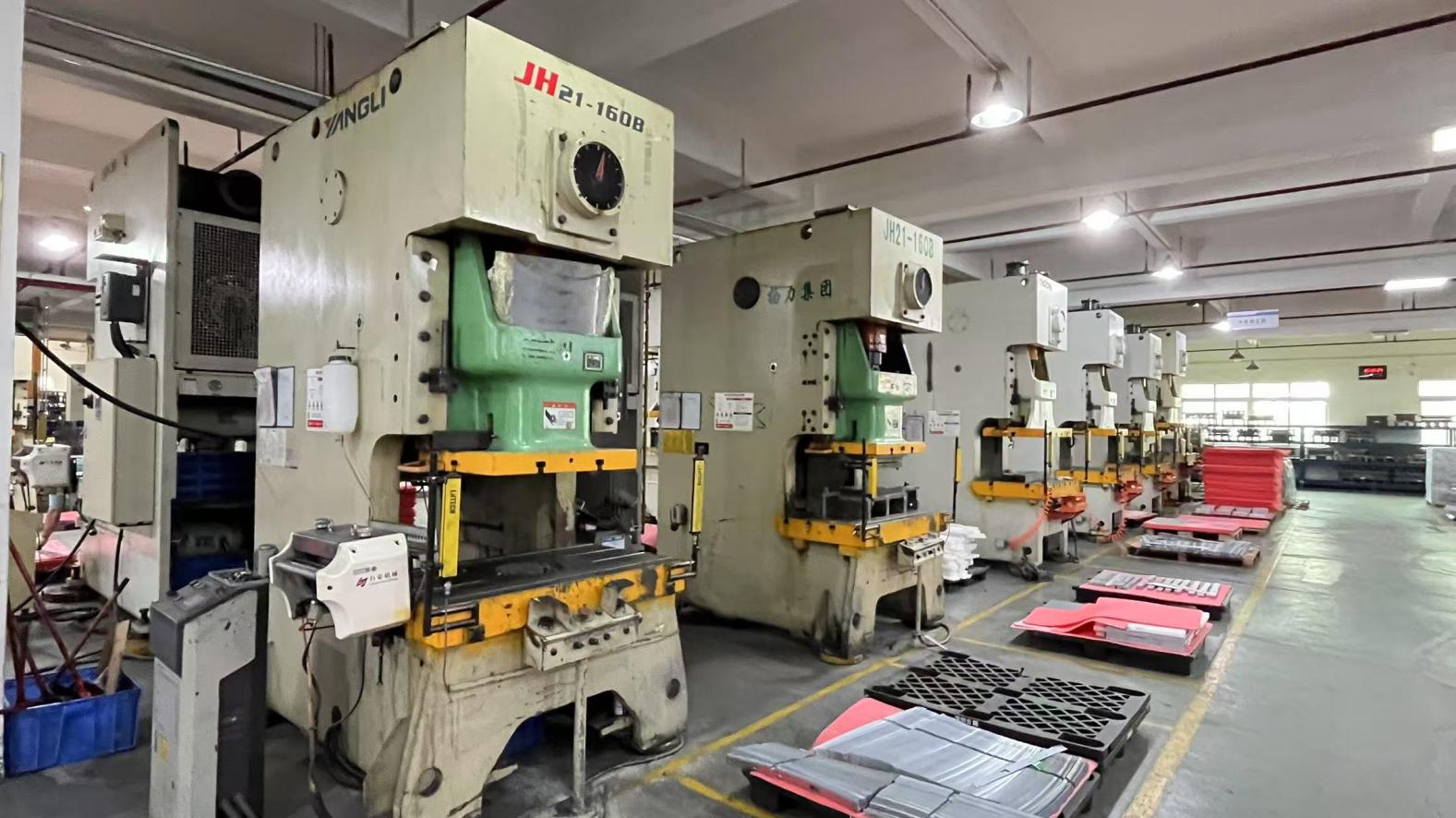

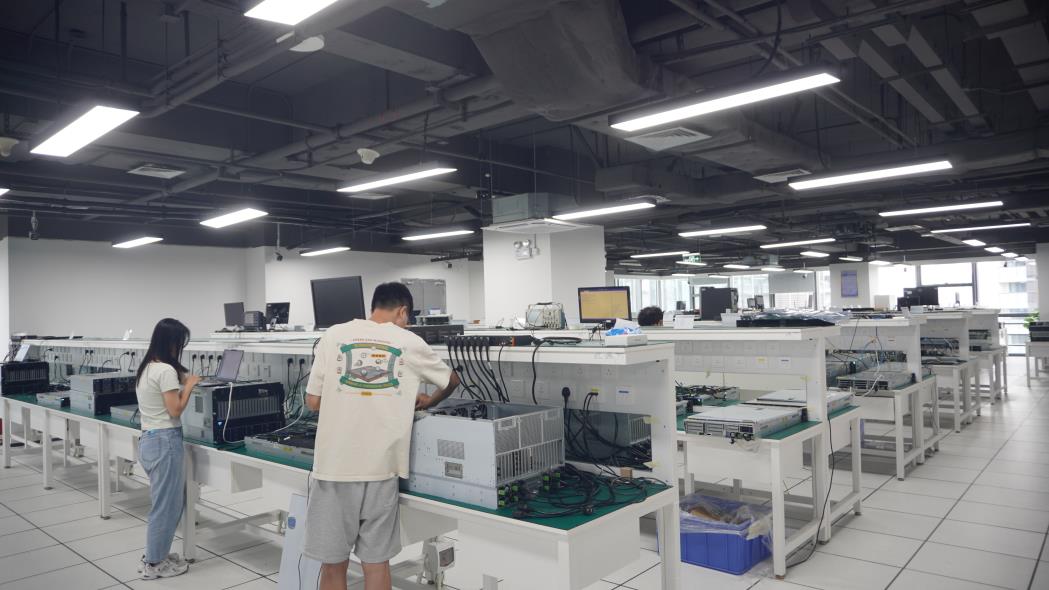
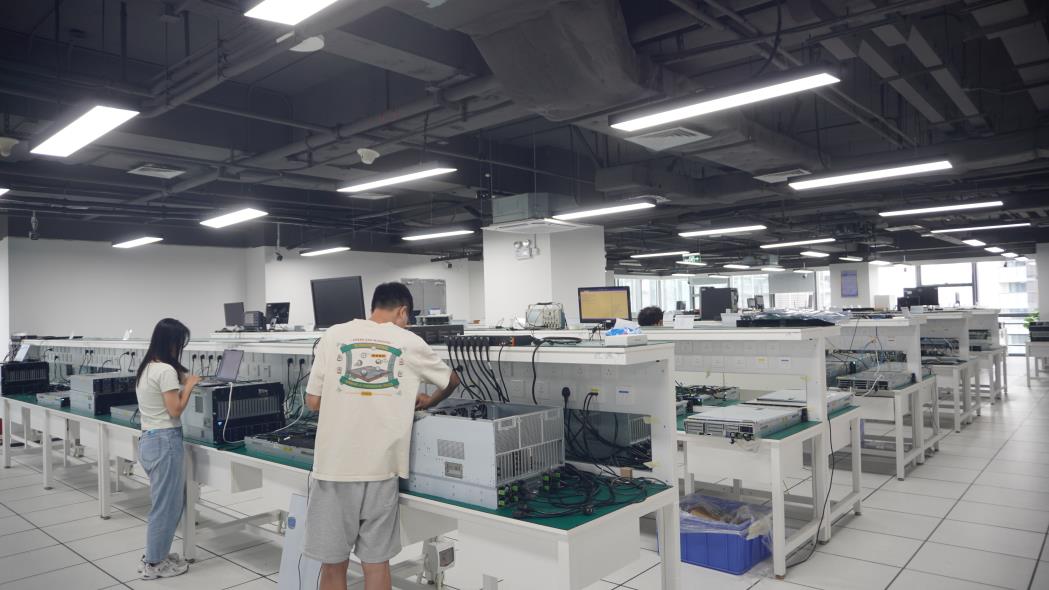
Our manufacturing floor spans over advanced facility configurations, supporting robust scaling options for physical hardware integration. With a dedicated team of 45 quality assurance technicians, we maintain stringent monitoring of each phase, from the SMT lines and manual insertion (MI) to the complex testing arrays shown below.
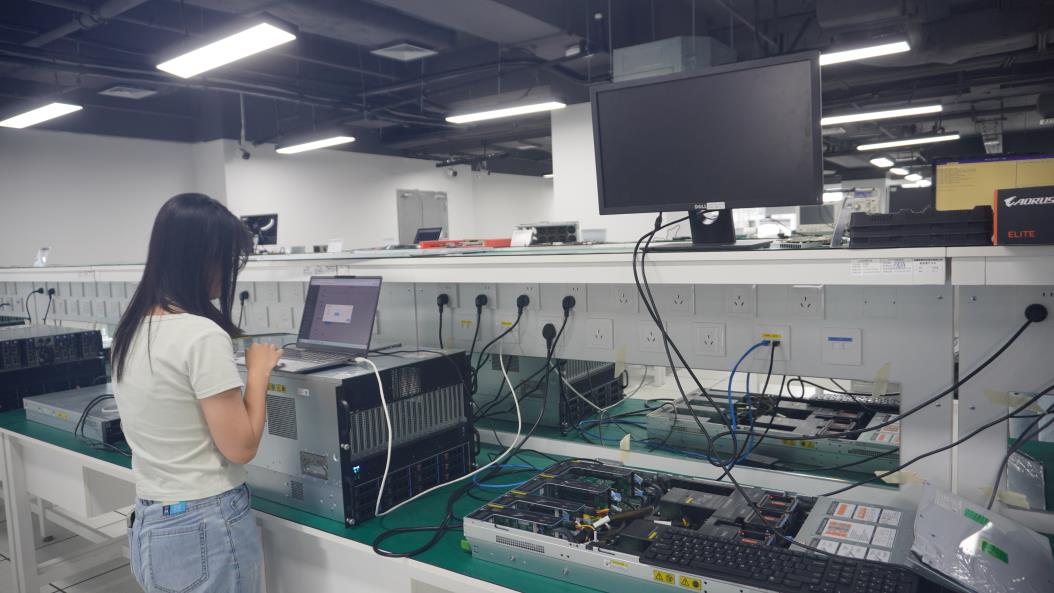
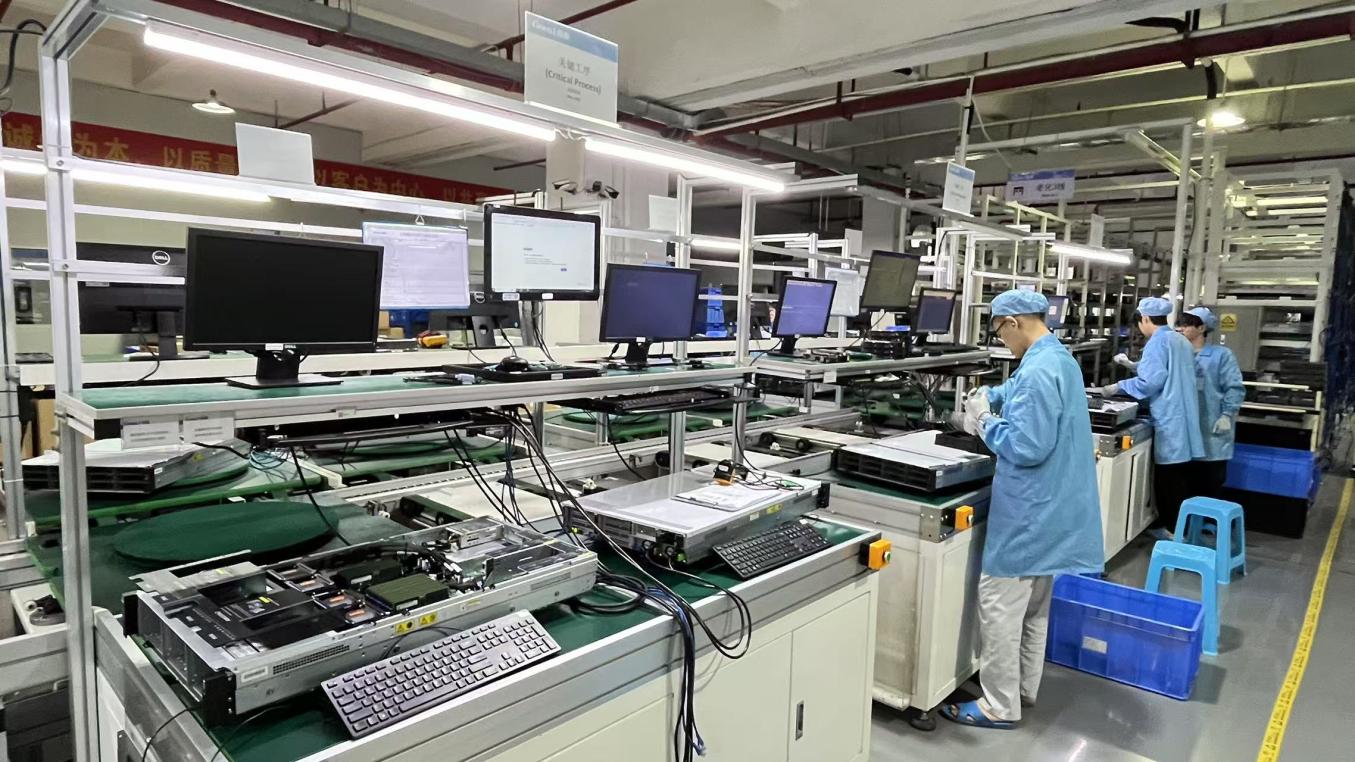
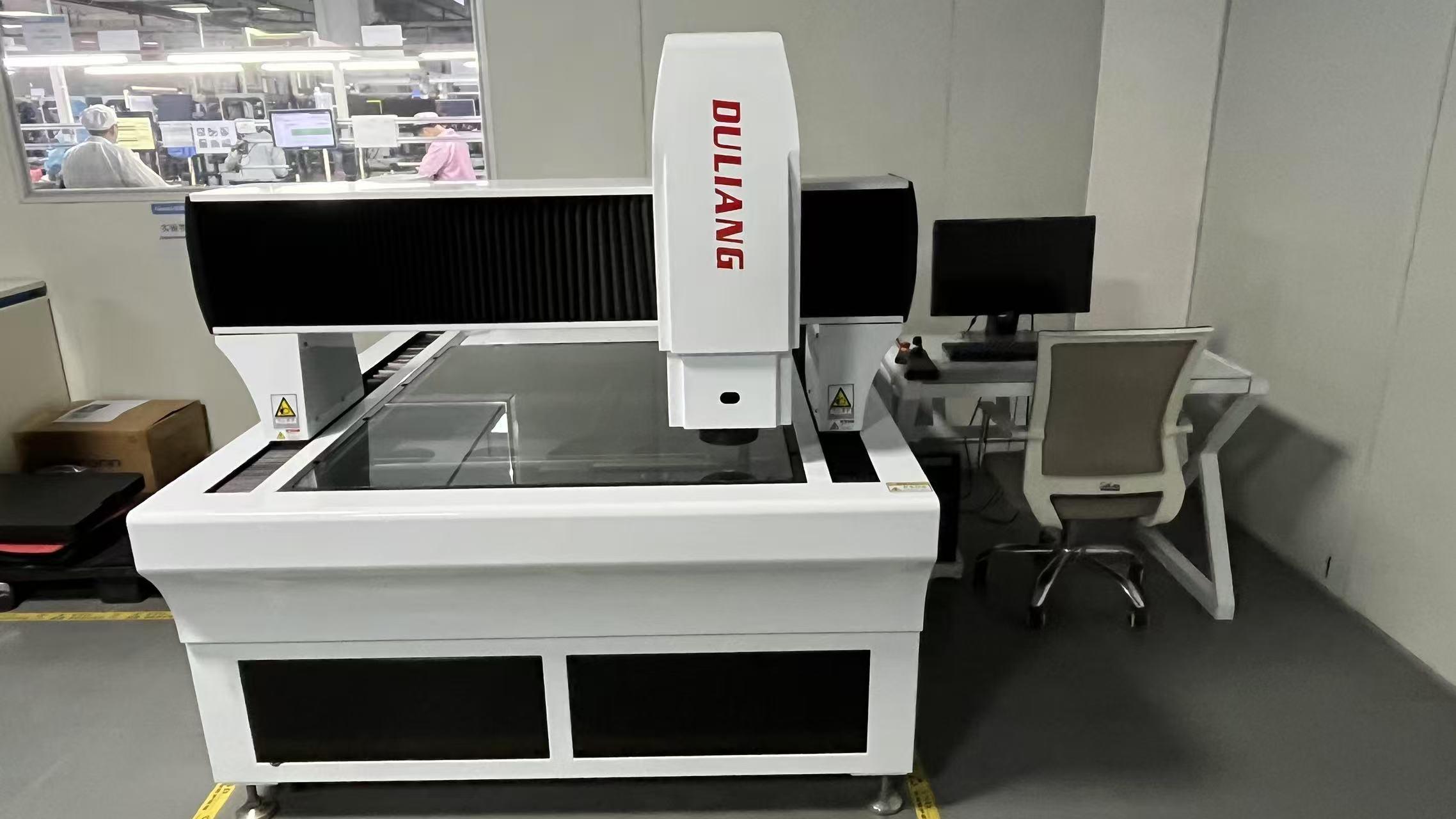
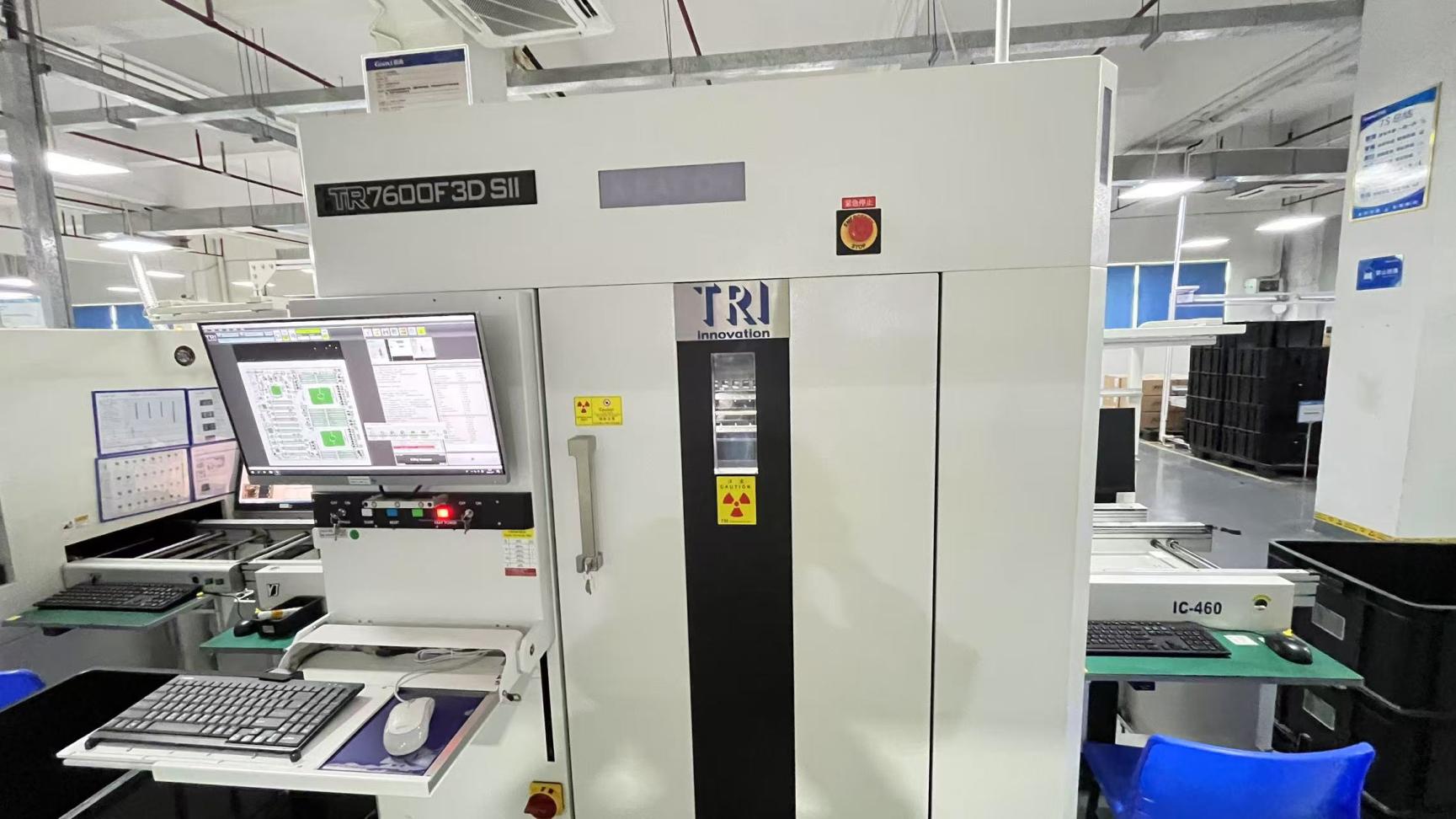
Modern email campaigns operate at scales that quickly overwhelm generic cloud computing nodes. High-volume SMTP relays must process concurrently hundreds of thousands of connection threads, managing bounce logs, unsubscribe redirects, and real-time interaction metrics. ZhiCloud AI delivers macro hardware architectures customized to mitigate these common computational pain points:
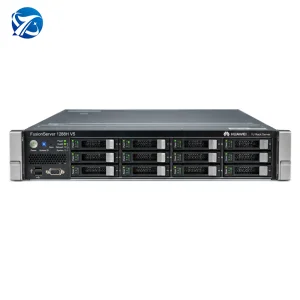
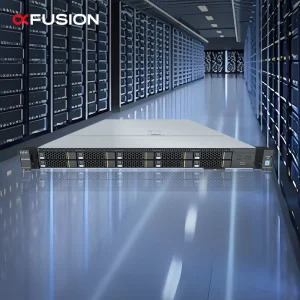
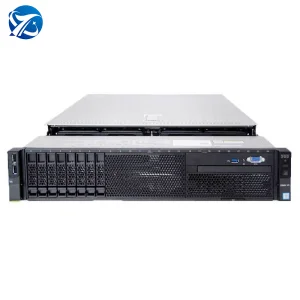
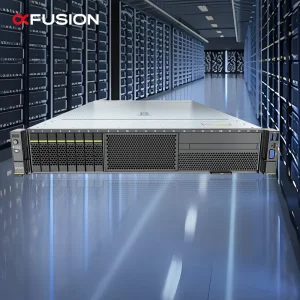
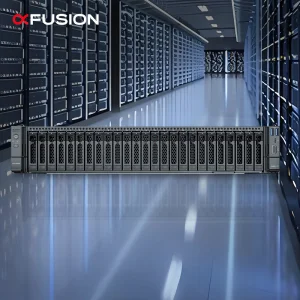
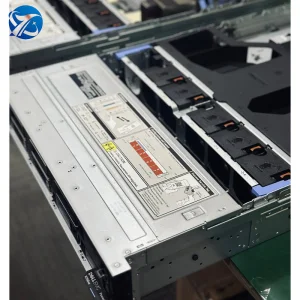
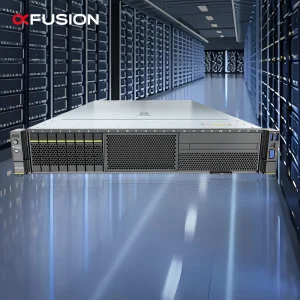
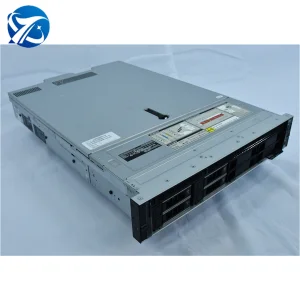
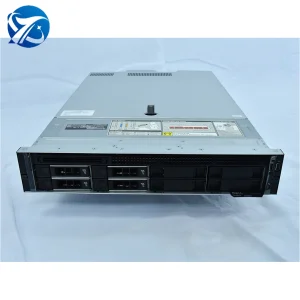
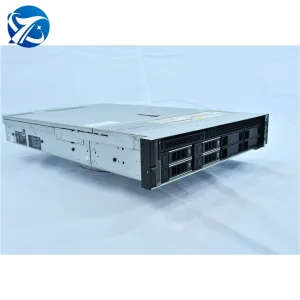
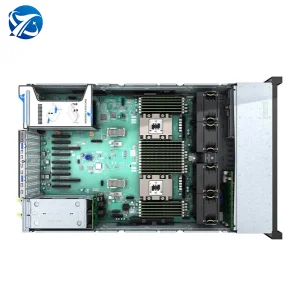
Utilizing dual-socket architectures such as the xFusion 1288H V5 and 2288H V6, we optimize server configuration parameters to prevent CPU bottlenecks when handling high network packet output.
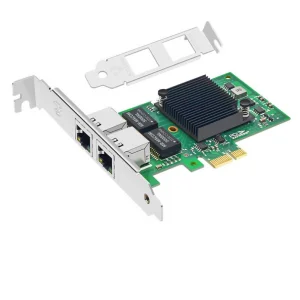
For CRM platforms managing databases of over 10 million users, we leverage ultra-fast SAS/SATA NVMe RAID controllers like the 9560-8i RAID Card to maintain low-latency, real-time segment querying.
Deploying next-gen architectures configured with AI GPUs (such as xFusion high-performance GPU systems) to enable on-site LLM execution. This bypasses expensive API calls while maintaining data privacy.
As global privacy compliance laws tighten—specifically GDPR (General Data Protection Regulation) in Europe, CAN-SPAM Act in the United States, and the CASL regulations in Canada—running sensitive email lists on third-party multi-tenant environments presents significant legal risks.
By implementing dedicated server clusters on-site or in custom data center colocations, companies can secure their storage networks using TPM (Trusted Platform Module) chips, secure boot protocols, and dedicated encrypted hardware nodes. This architecture ensures personal data never leaves sovereign borders without authorization, keeping compliance frameworks airtight.
Below is a showcase of our corporate facilities, illustrating our capability to fulfill large-scale OEM/ODM industrial server contracts.
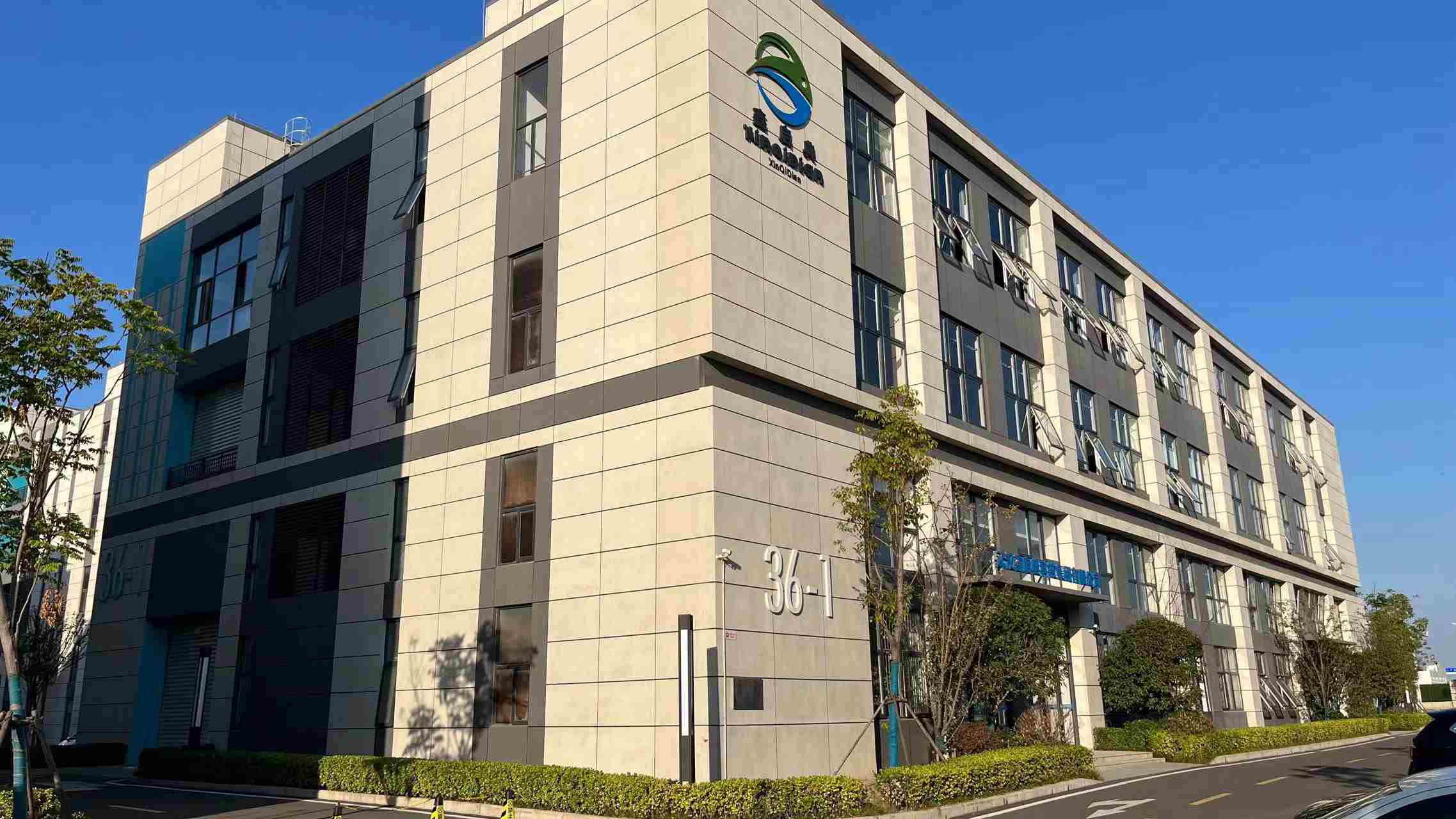



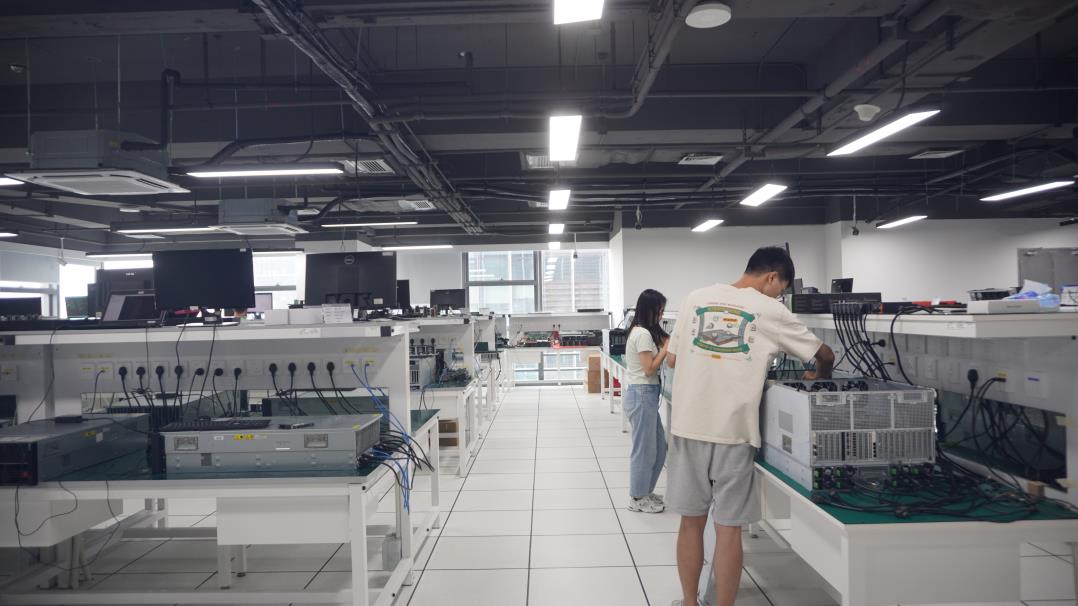



As the digital landscape evolves, email infrastructure faces dual demands: handling massive data volumes and maintaining power efficiency. Standard legacy setups are giving way to intelligent, eco-friendly systems designed for long-term sustainability.
Increasing power densities from intensive calculations demand sustainable thermal solutions. ZhiCloud AI's upcoming server architectures will feature custom liquid cooling options, lowering PUE coefficients below 1.15.
Next-generation 2U nodes will feature onboard GPU hardware optimized for processing DeepSeek and custom open-source models, enabling real-time content tailoring at the edge.
With data volumes scaling exponentially, our hardware systems utilize PCIe Gen 5.0 bus configurations to enable fast retrieval of transaction logs, database segments, and system state variables.
Dedicated physical servers allow complete isolation of your IP pools, preventing reputation contamination from third-party spammers. Additionally, physical bare-metal hardware guarantees consistent I/O performance and network bandwidth, avoiding the "noisy neighbor" syndrome common in public cloud environments.
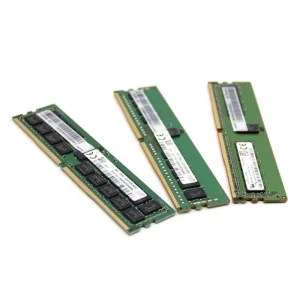
MTAs generate vast queues of message segments. High-capacity ECC RAM (e.g., DDR4/DDR5 server memory) combined with low-latency NVMe SSD arrays ensures that write/read commands for routing logs, queue states, and bounce classifications process without delays, eliminating delivery backlogs.
Private server deployments keep user data securely within your physical control. Operating on-premise hardware allows your system administrators to implement custom database encryption, access control protocols, and precise logging to meet strict regulatory audits.