ZhiCloud AI
ZhiCloud AI
ZhiCloud AI
Enterprise-grade computing hardware designed for deep learning, virtualization, cloud computing, and heavy development workloads.
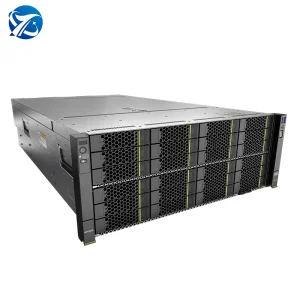
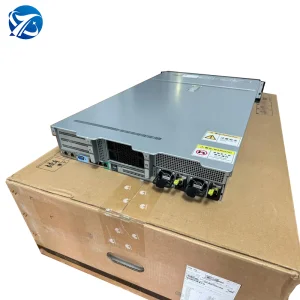
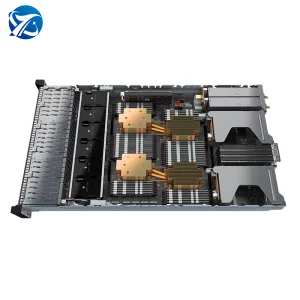
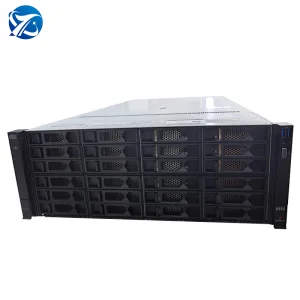
Tracing the convergence of hardware scaling, localized assembly hubs, and the rise of edge AI processing.
The global portable computing and high-performance laptop industry is undergoing a structural transformation. For decades, laptops and mobile workstations were regarded simply as portable interfaces. However, the rise of decentralized edge networks, spatial computing, and localized deep learning has pushed the laptop into a new domain: it is now an integrated edge compute node. China remains at the absolute core of this ecosystem, accounting for over 70% of global laptop manufacturing and supplying critical components across the entire global IT infrastructure value chain.
This geographic concentration is not merely about cost-efficient labor; it is about the unprecedented density of the supply chain. From advanced substrate fabrication, High Density Interconnect (HDI) PCB printing, and precision surface-mount technology (SMT) to cutting-edge CNC magnesium-aluminum alloy milling, the proximity of component suppliers in manufacturing centers like Shenzhen allows for rapid prototyping and seamless iteration cycles. As top-tier laptop manufacturers in China transition from standard ODM (Original Design Manufacturing) to advanced architectural integration, companies like ZhiCloud AI (Shenzhen Intelligent Computing Cloud Technology Co., Ltd.) are leading the charge by merging high-performance computing (HPC) expertise with portable enterprise form factors.
With the commercialization of large language models (LLMs) and local generative AI engines, the desktop and laptop architecture has shifted from CPU-centric compute to heterogeneous systems featuring high-Tops NPUs (Neural Processing Units) and integrated mobile GPUs. This architectural pivot is redefining user expectations for local execution. In commercial, scientific, and defense sectors, there is a mounting demand for ruggedized portables, high-performance creator workstations, and field-deployable AI laptops that can process massive sensor feeds and run local neural networks without relying on distant cloud environments.
How modern architectural roadmaps overcome thermal constraints, power limits, and scaling issues.
Embedding high-performance mobile GPUs and dedicated NPUs directly into portable architectures. This allows data scientists and developers to prototype deep learning models and run offline inference directly at the edge.
Borrowing advanced liquid cooling principles from high-density 1U/2U server chassis, modern mobile workstations utilize multi-phase vapor chambers and liquid-metal thermal interfaces to sustain up to 150W+ TDP without throttling.
Adopting Gallium Nitride (GaN) power systems and intelligent battery management algorithms to enable ultra-rapid charging, high peak-power delivery, and optimal thermal profiles in compact formats.
Integrating dedicated TPM 2.0 modules, secure enclave processors, and hardware-enforced write-protection policies to secure proprietary enterprise algorithms and protect intellectual property at rest.
Leveraging the latest PCIe Gen 5 routing lanes, Thunderbolt 5 controllers, and Wi-Fi 7 networking to facilitate lightning-fast data transfers and low-latency clustering between local hardware and edge nodes.
Integrating PCR (Post-Consumer Recycled) plastics, post-industrial recycled aluminum alloys, and highly modular internal layouts to simplify field service, repairs, and circular component recovery.
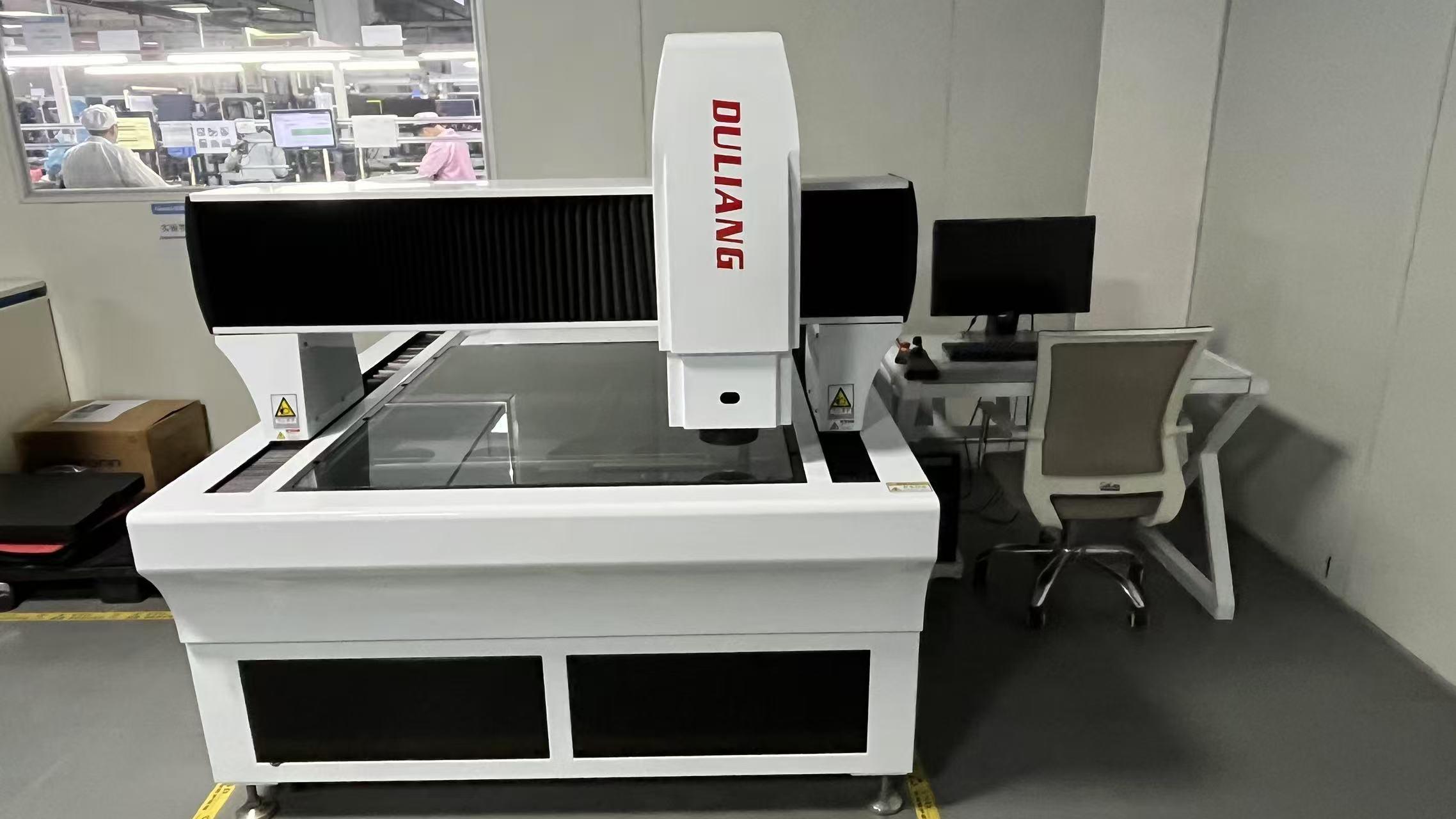
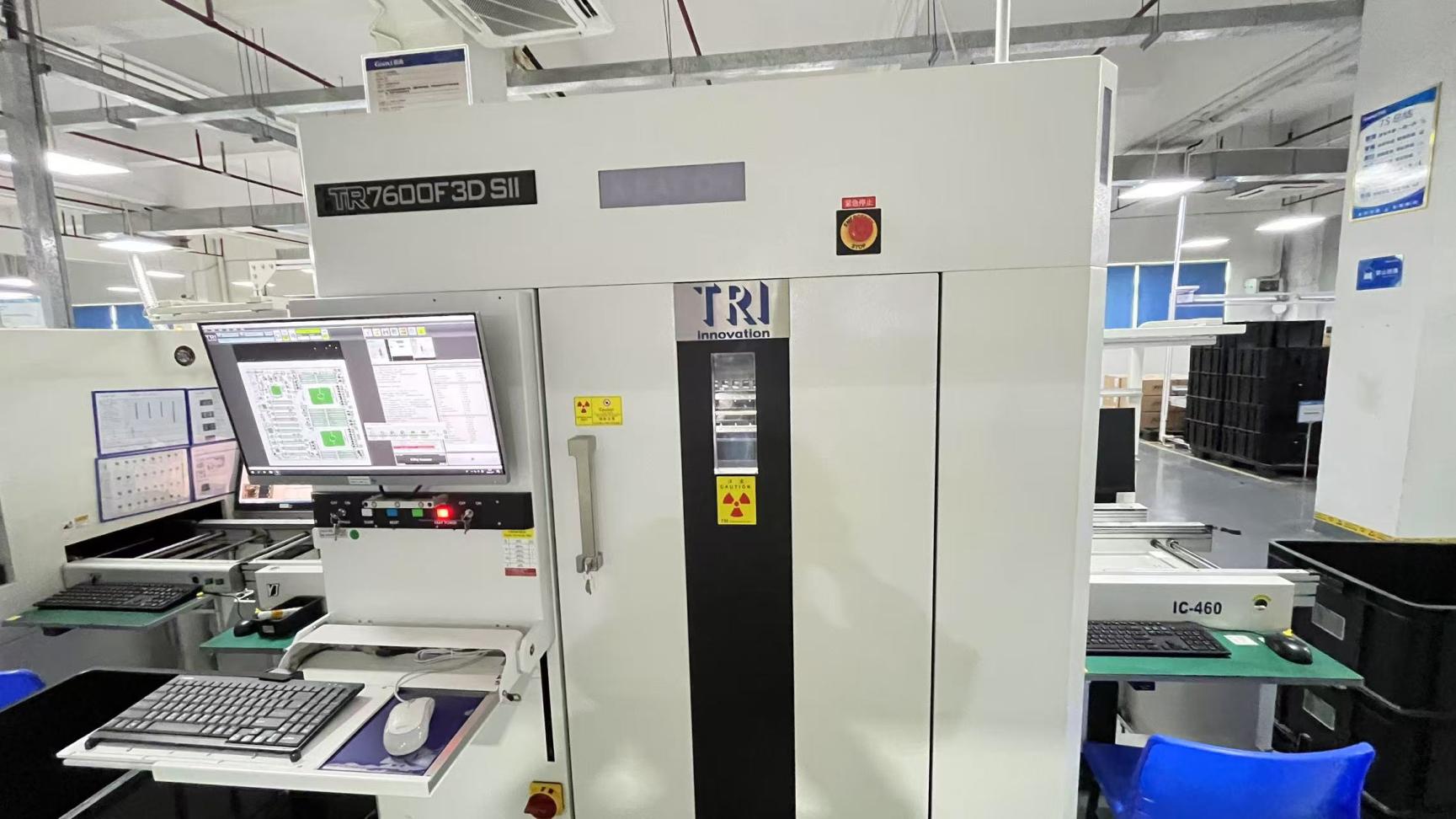
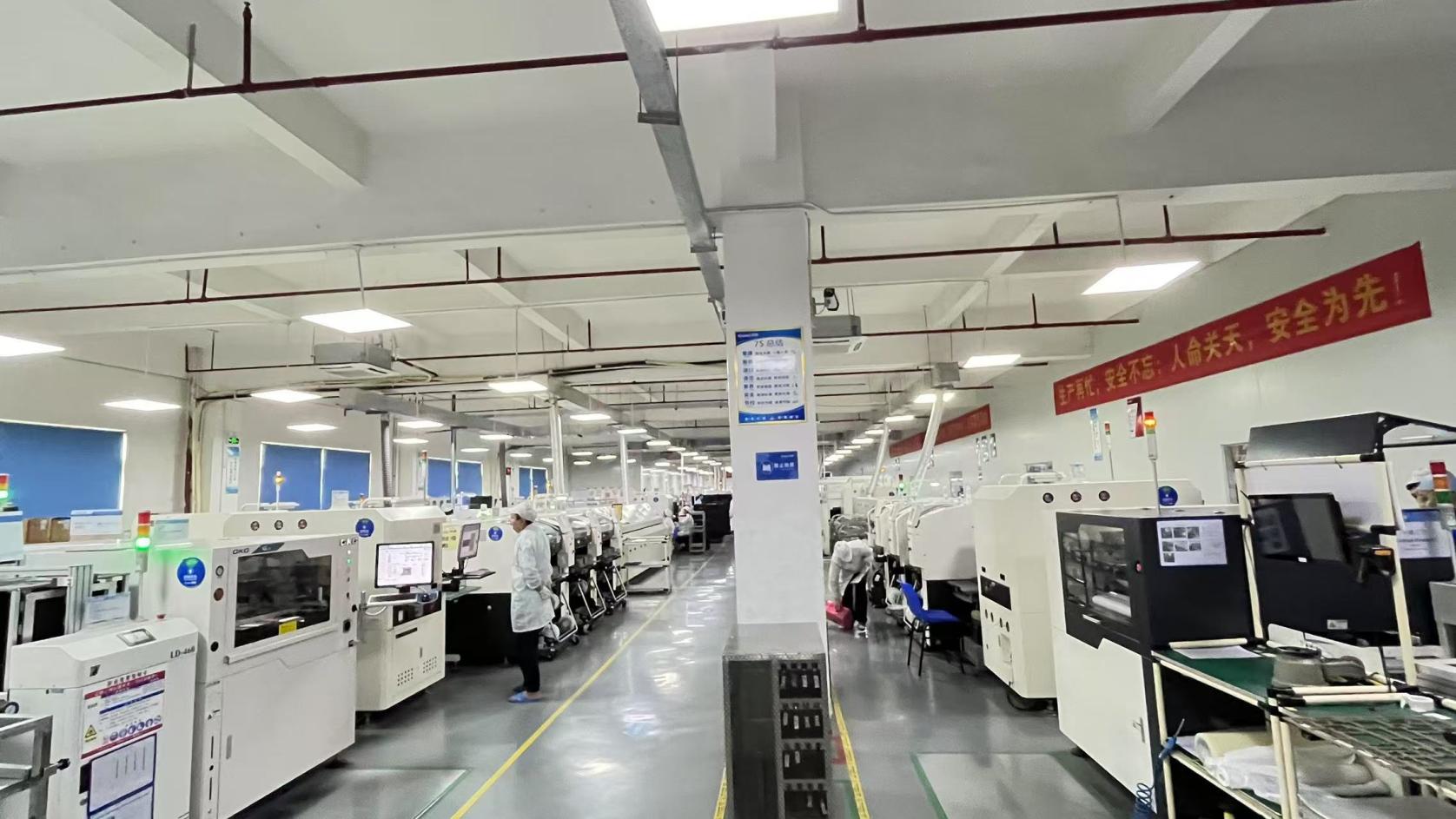
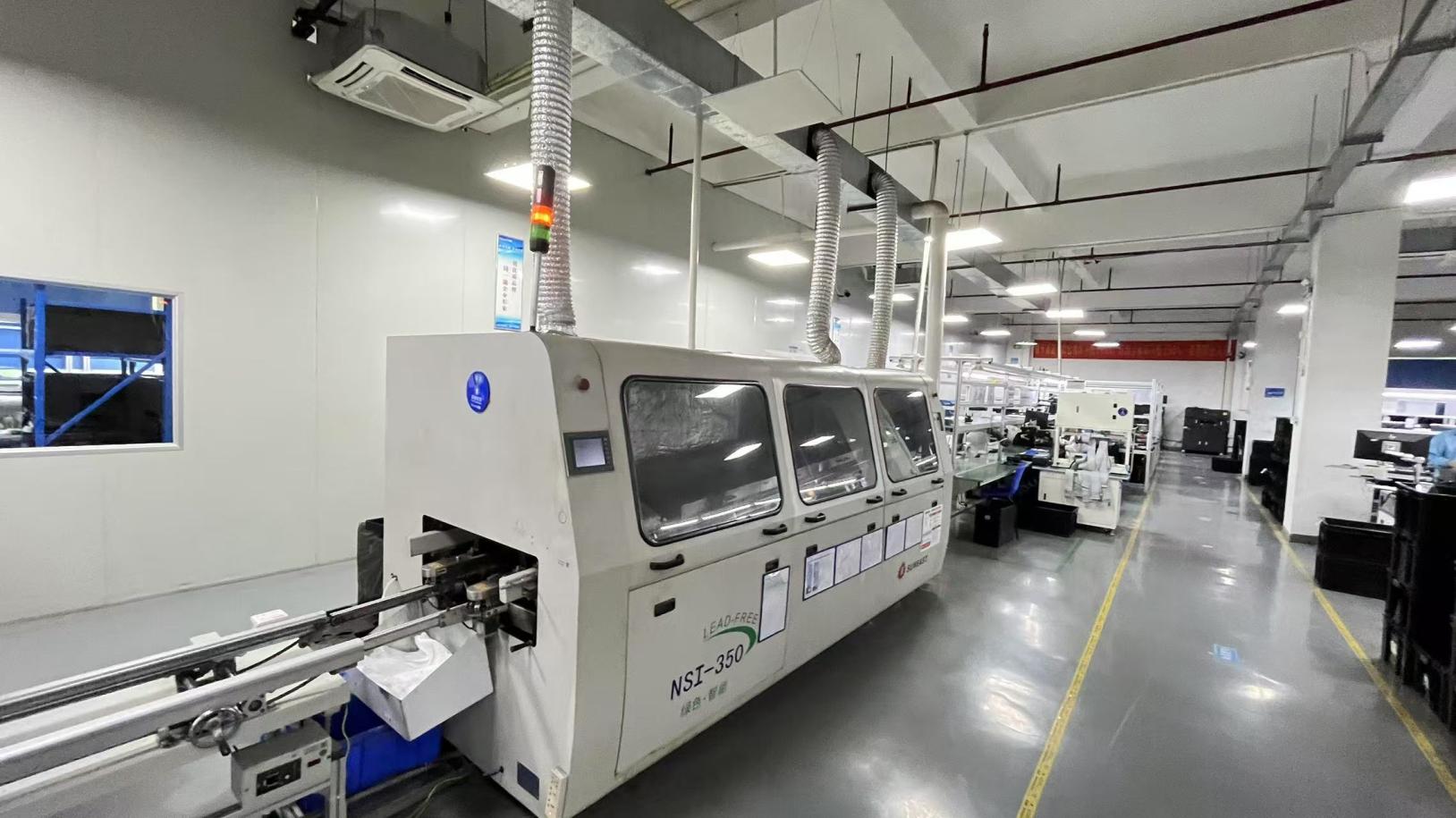
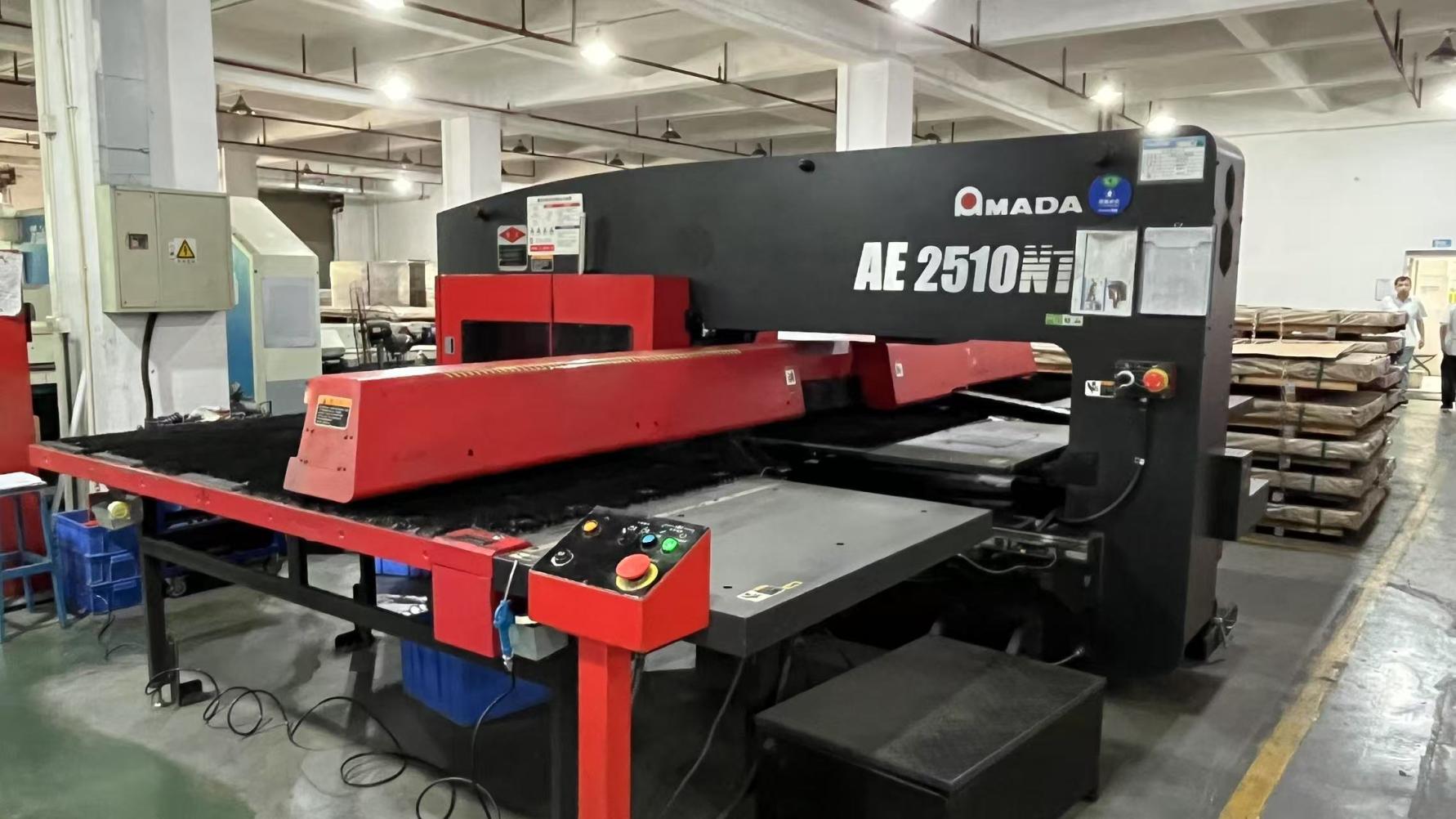
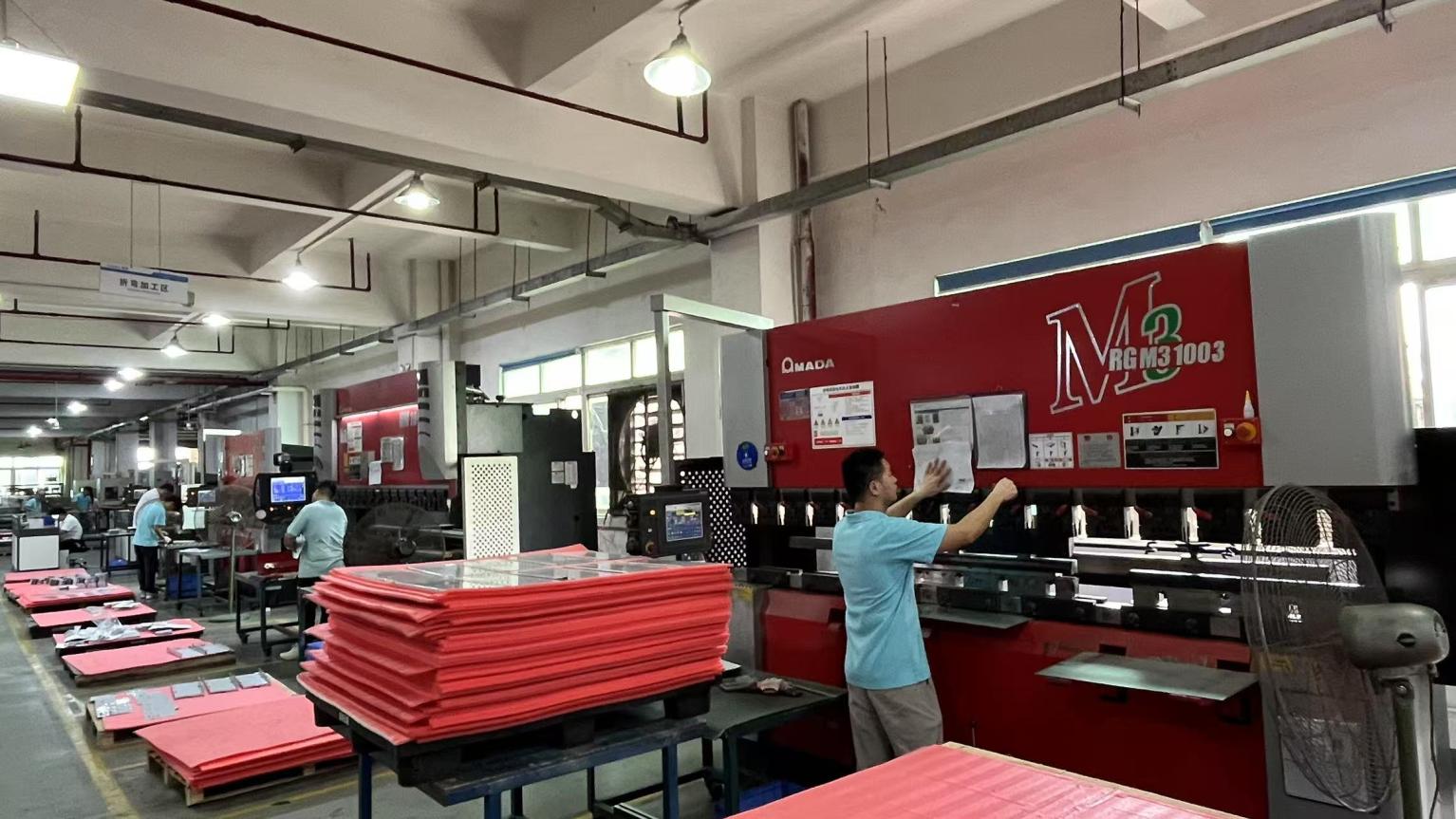
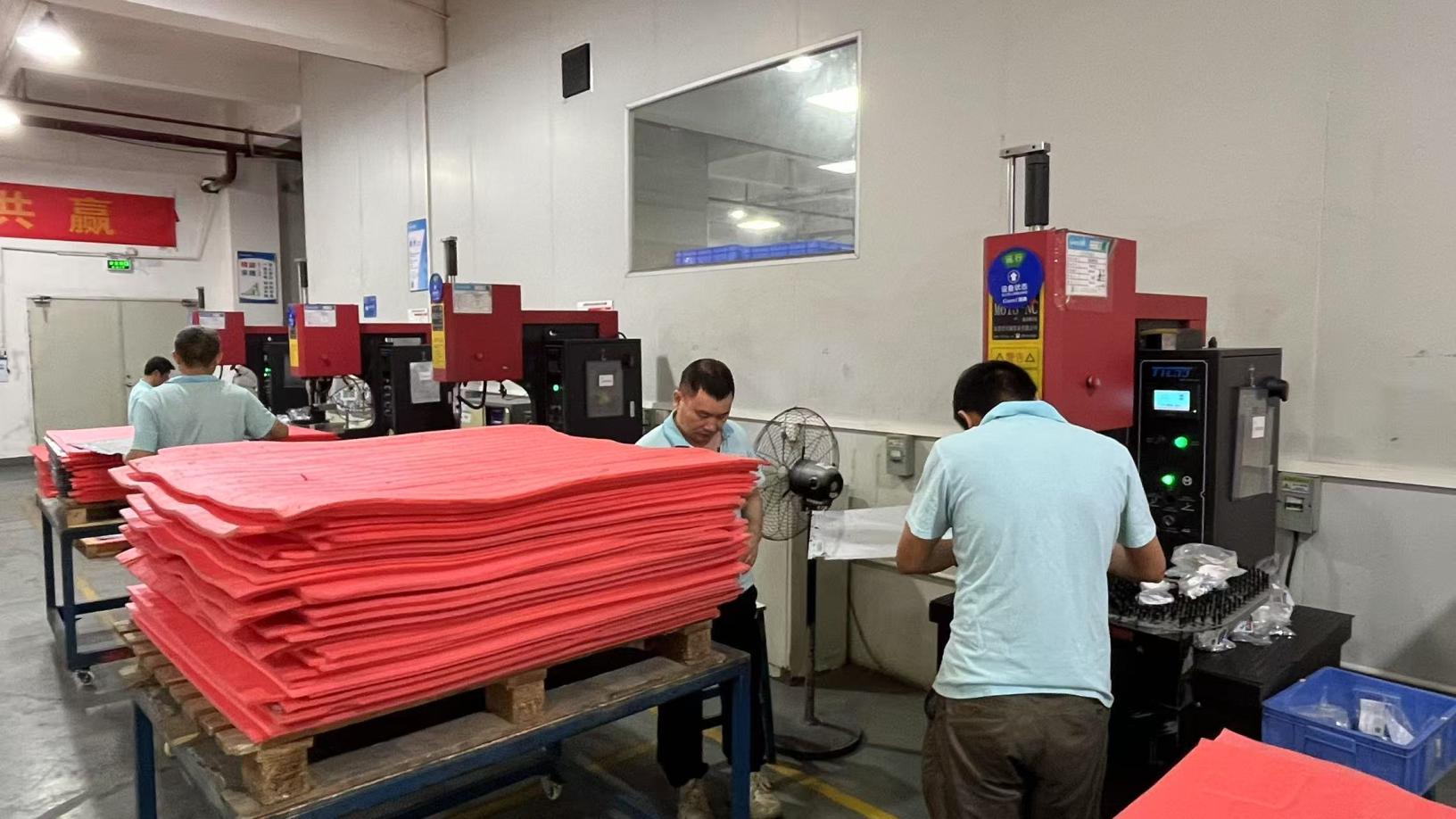
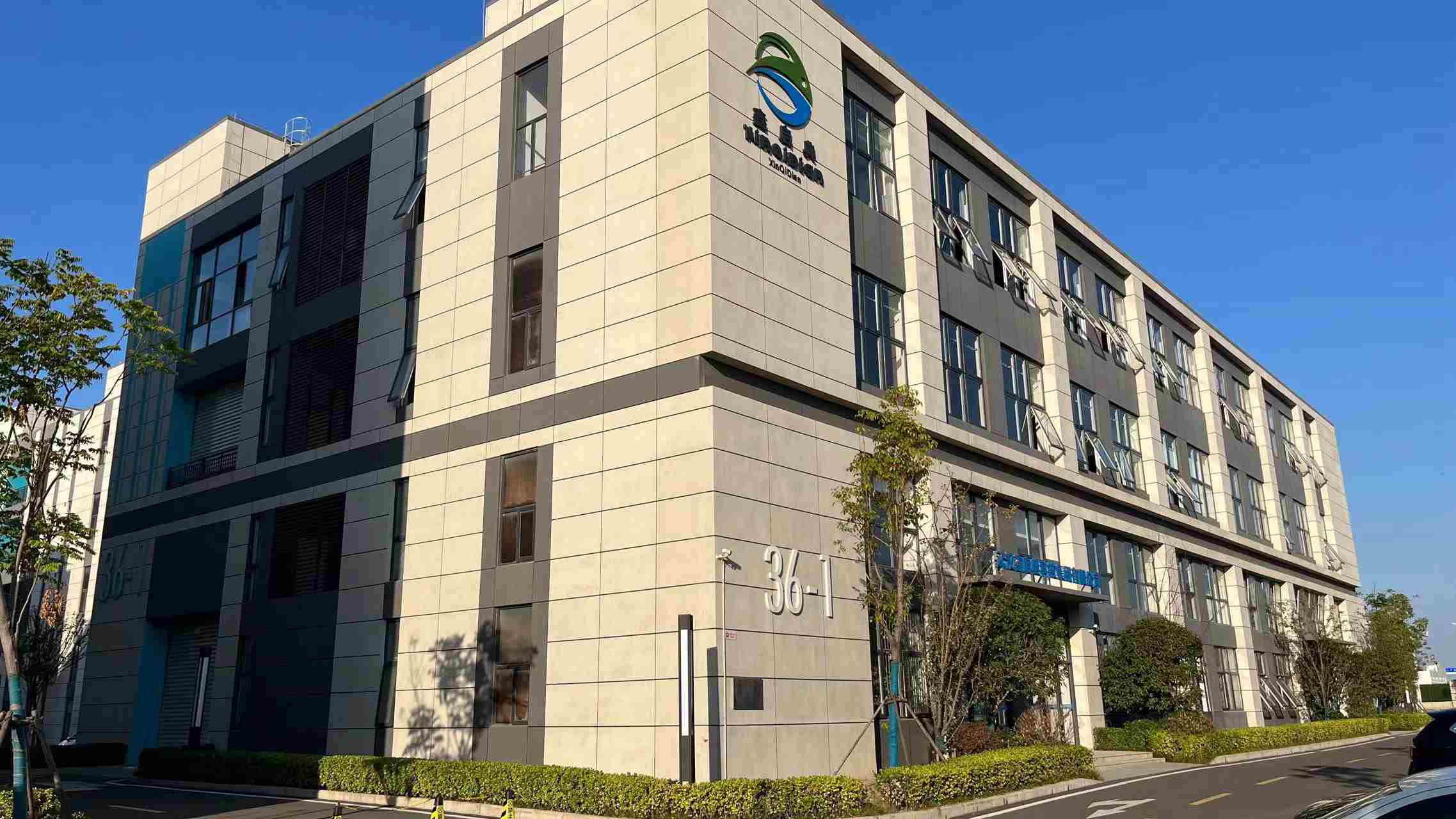
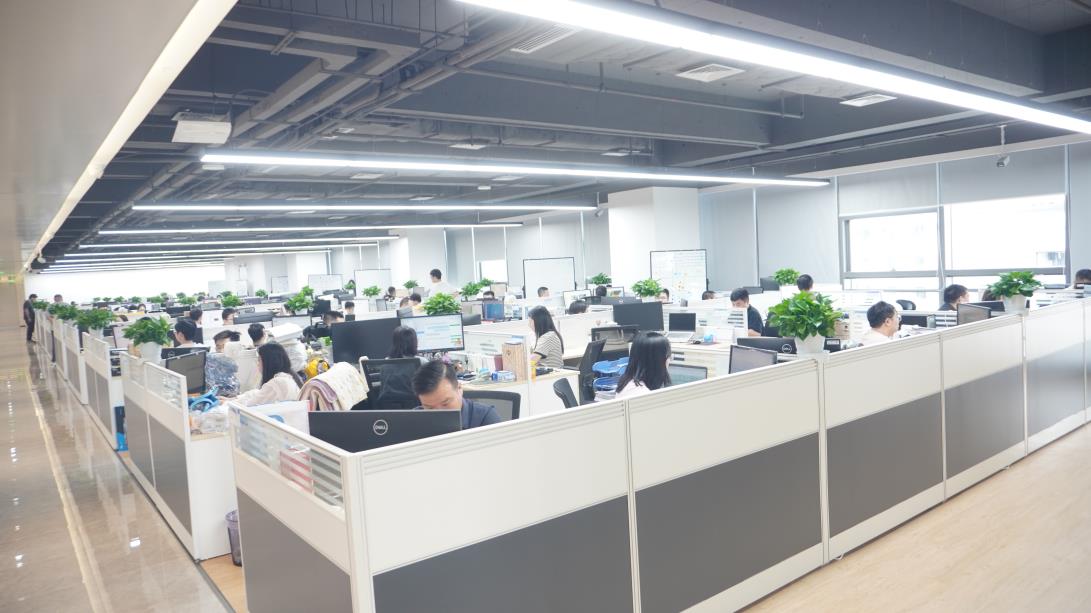
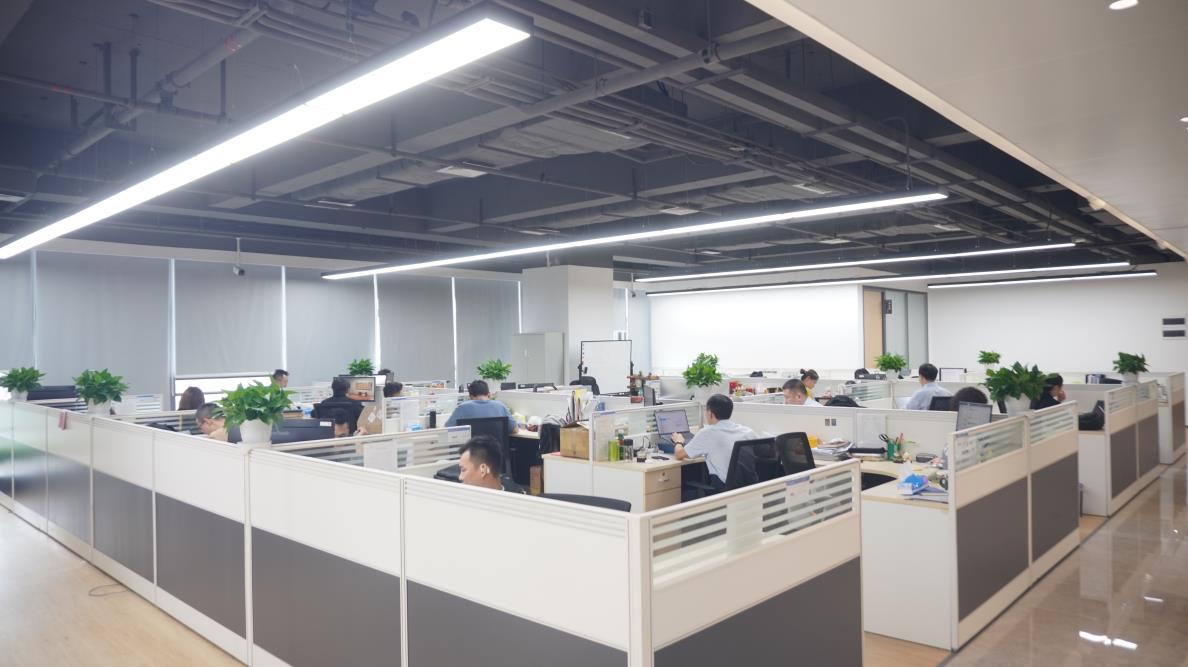
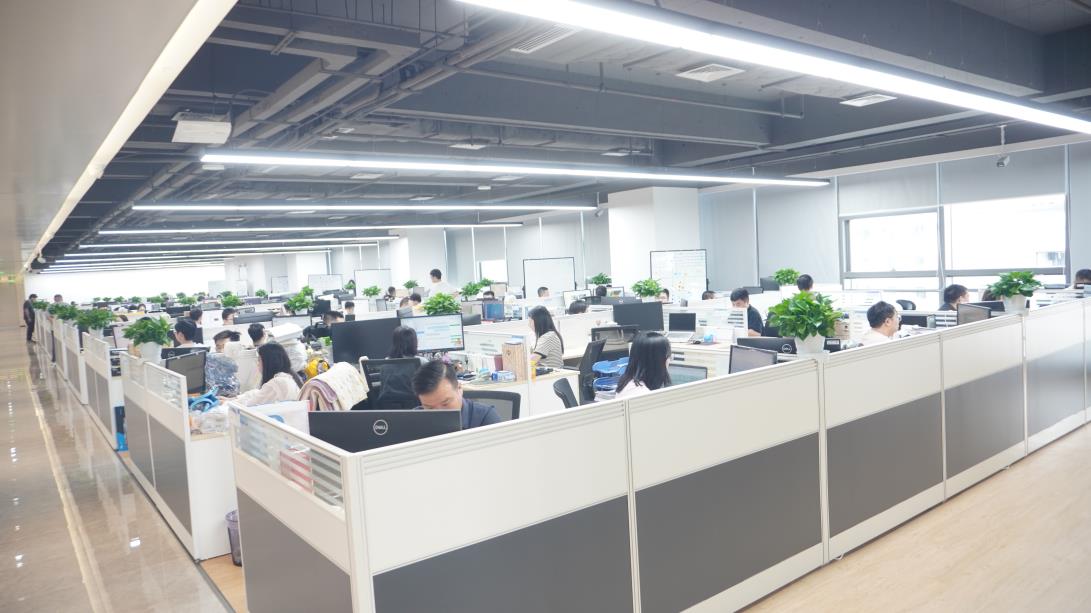
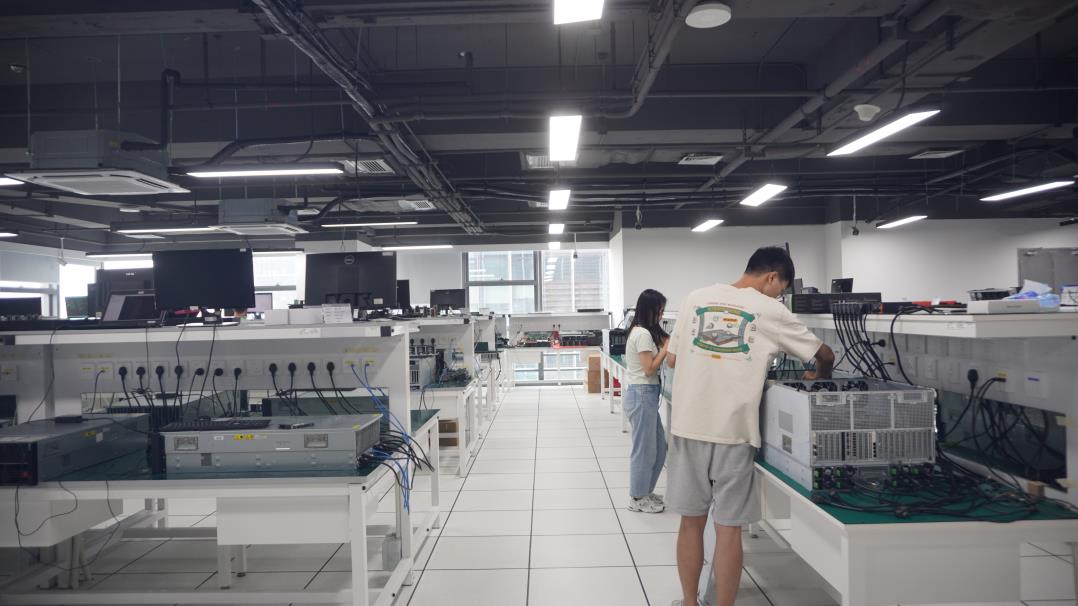
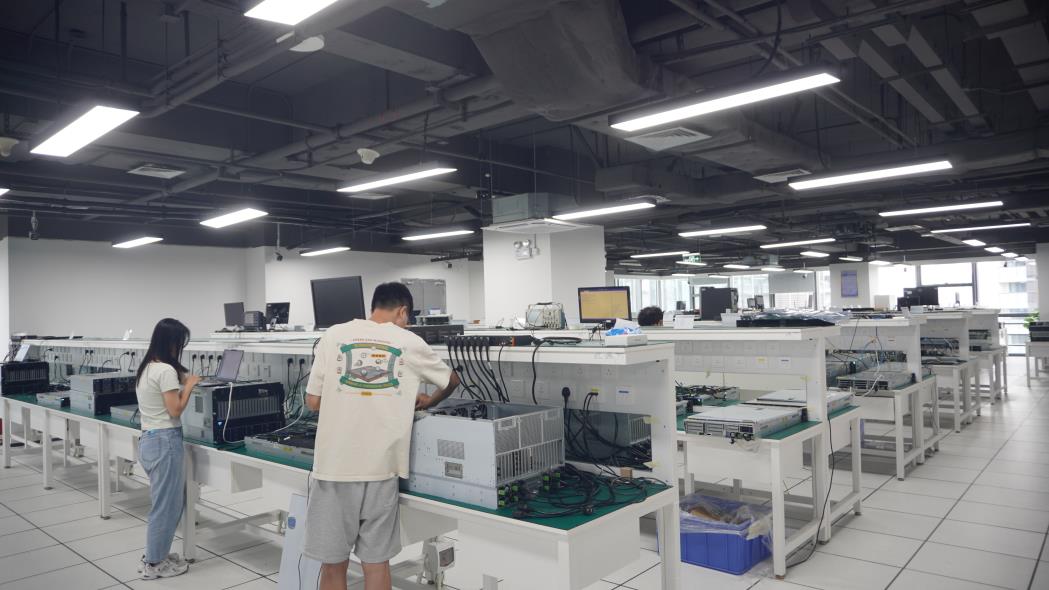
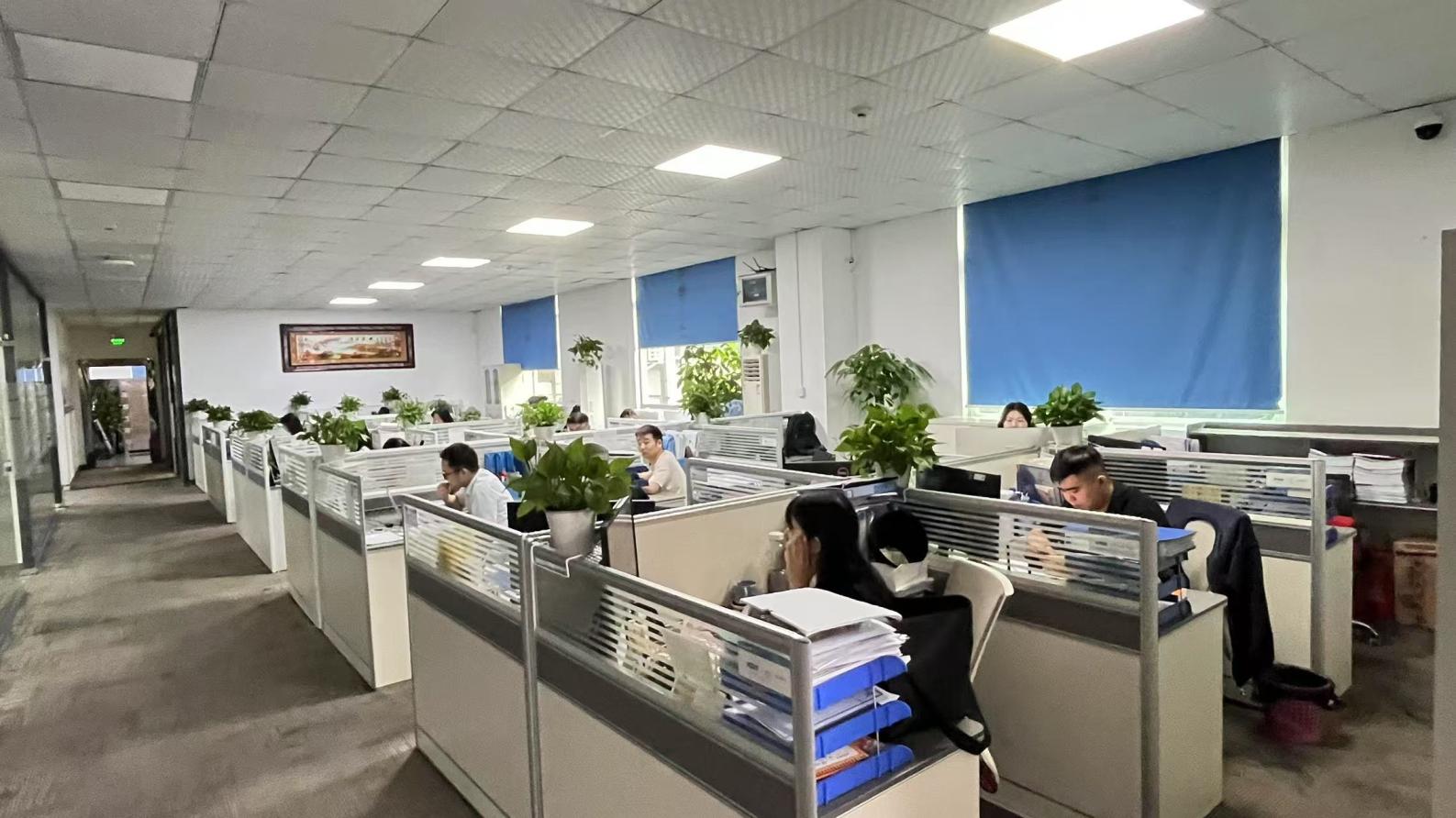
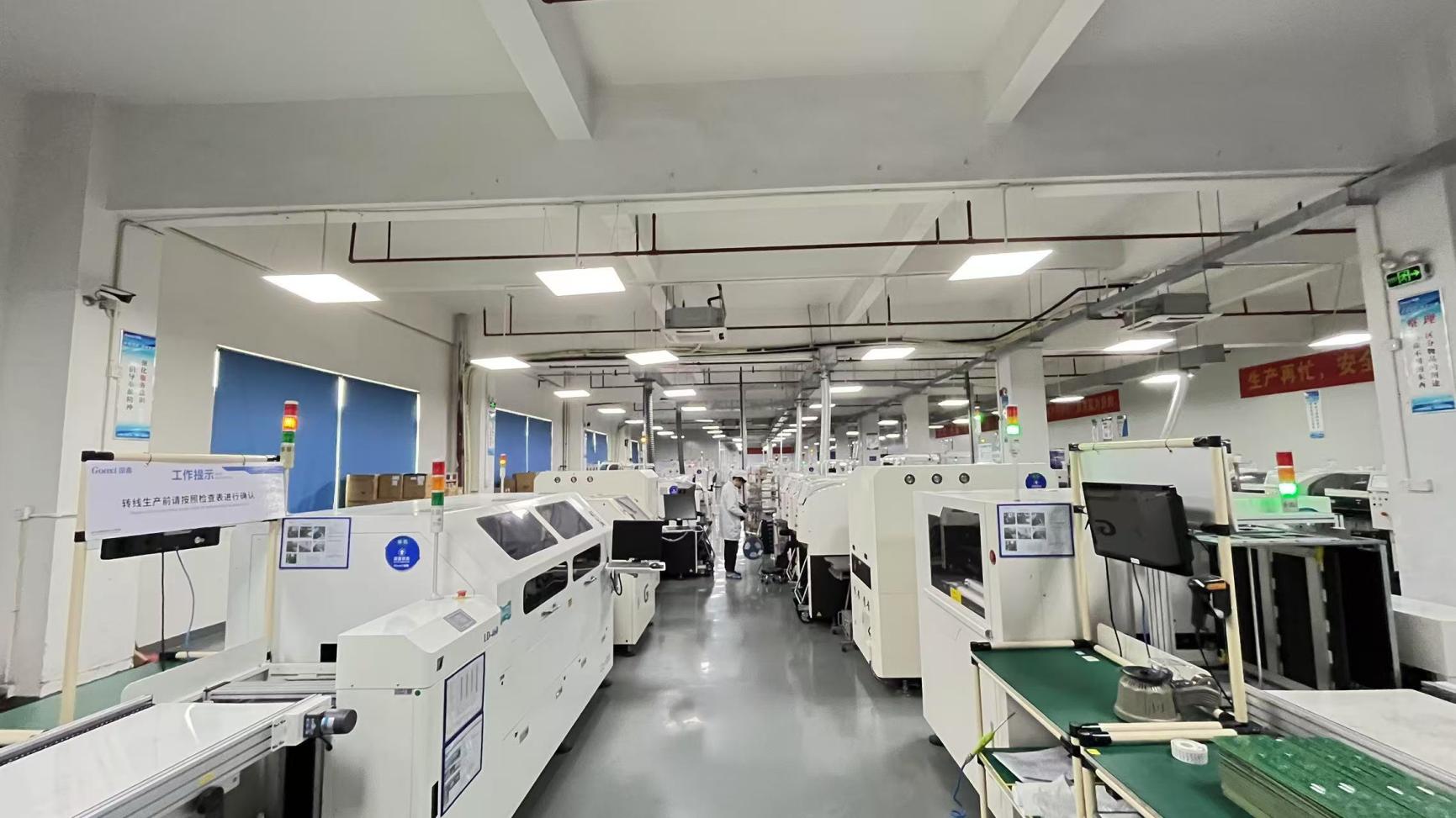
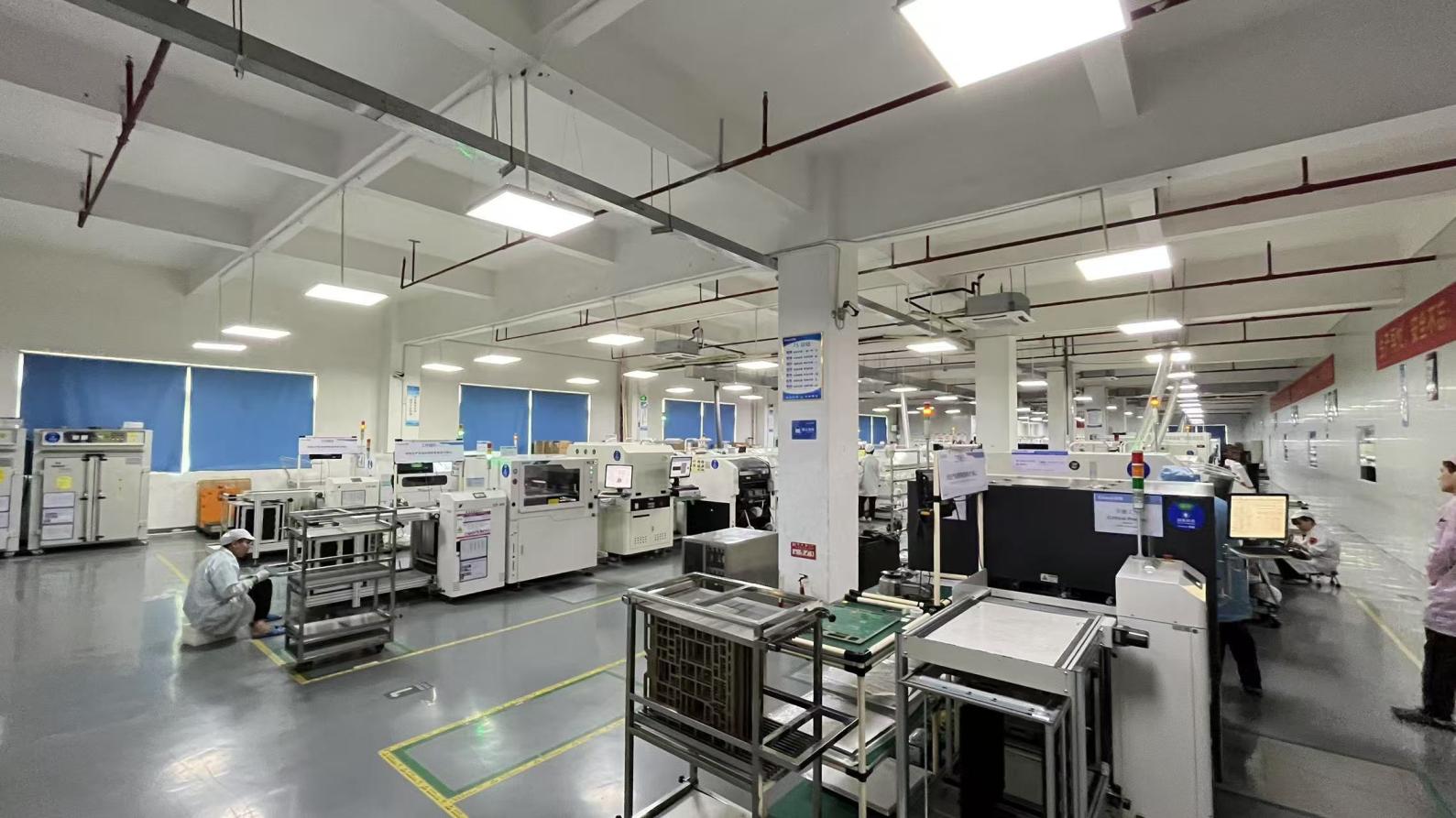
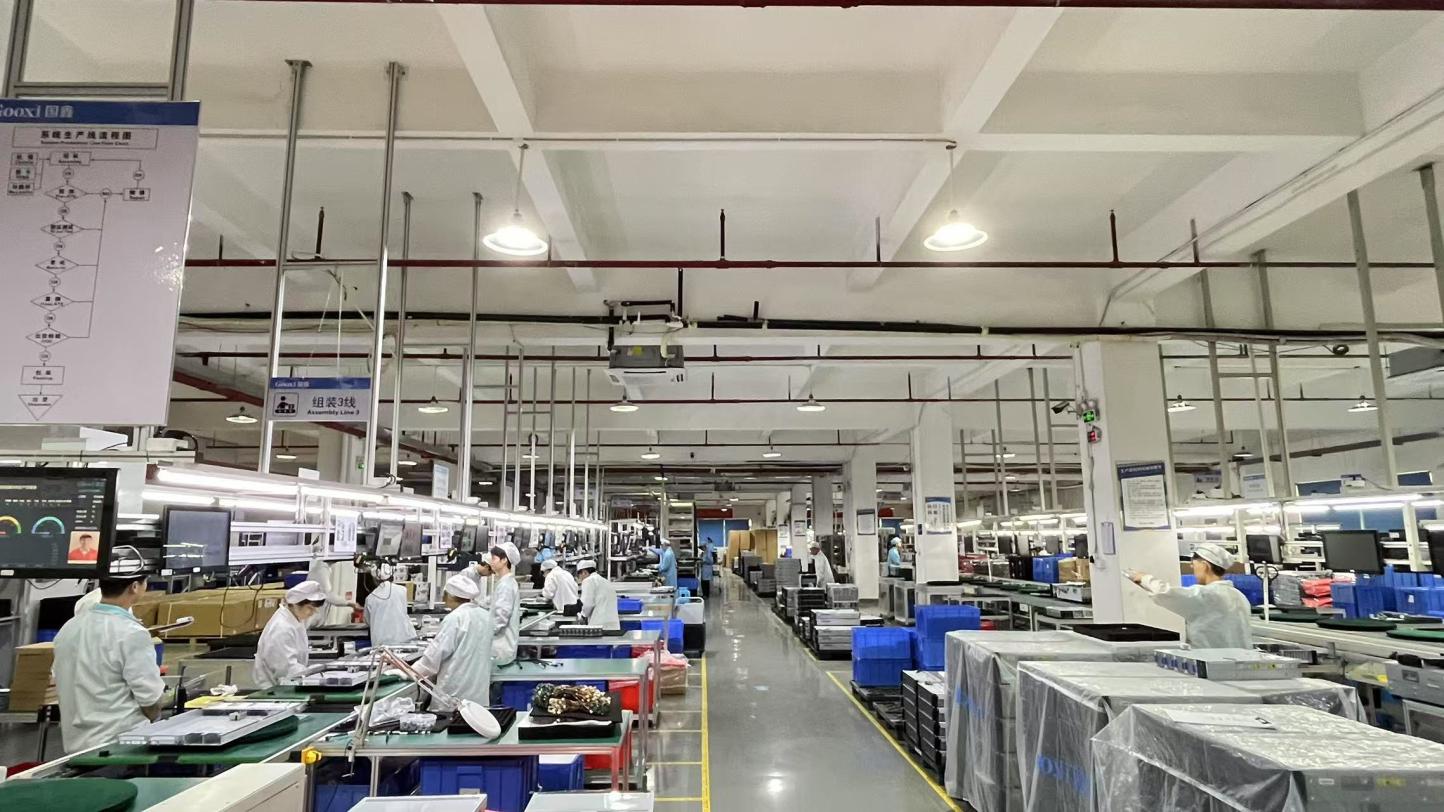
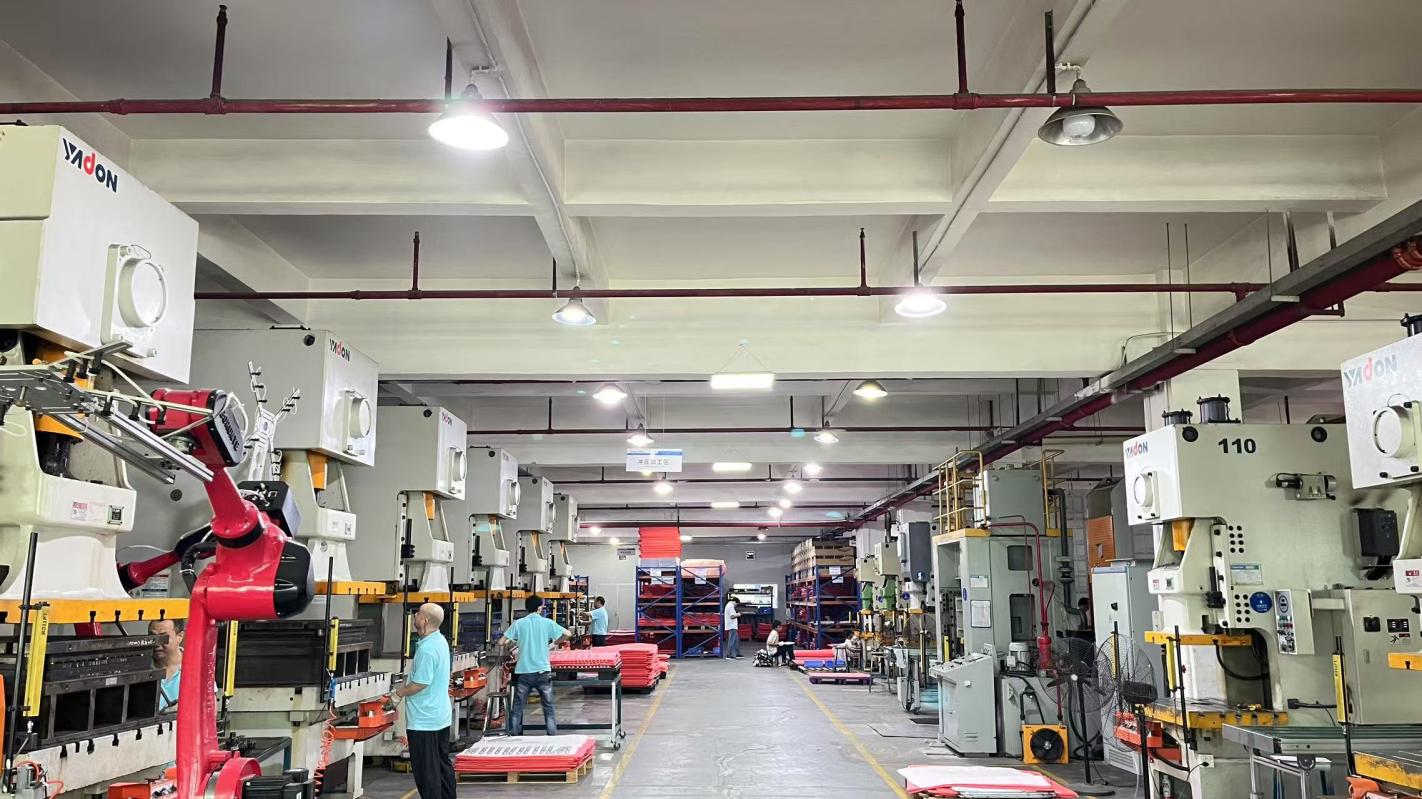
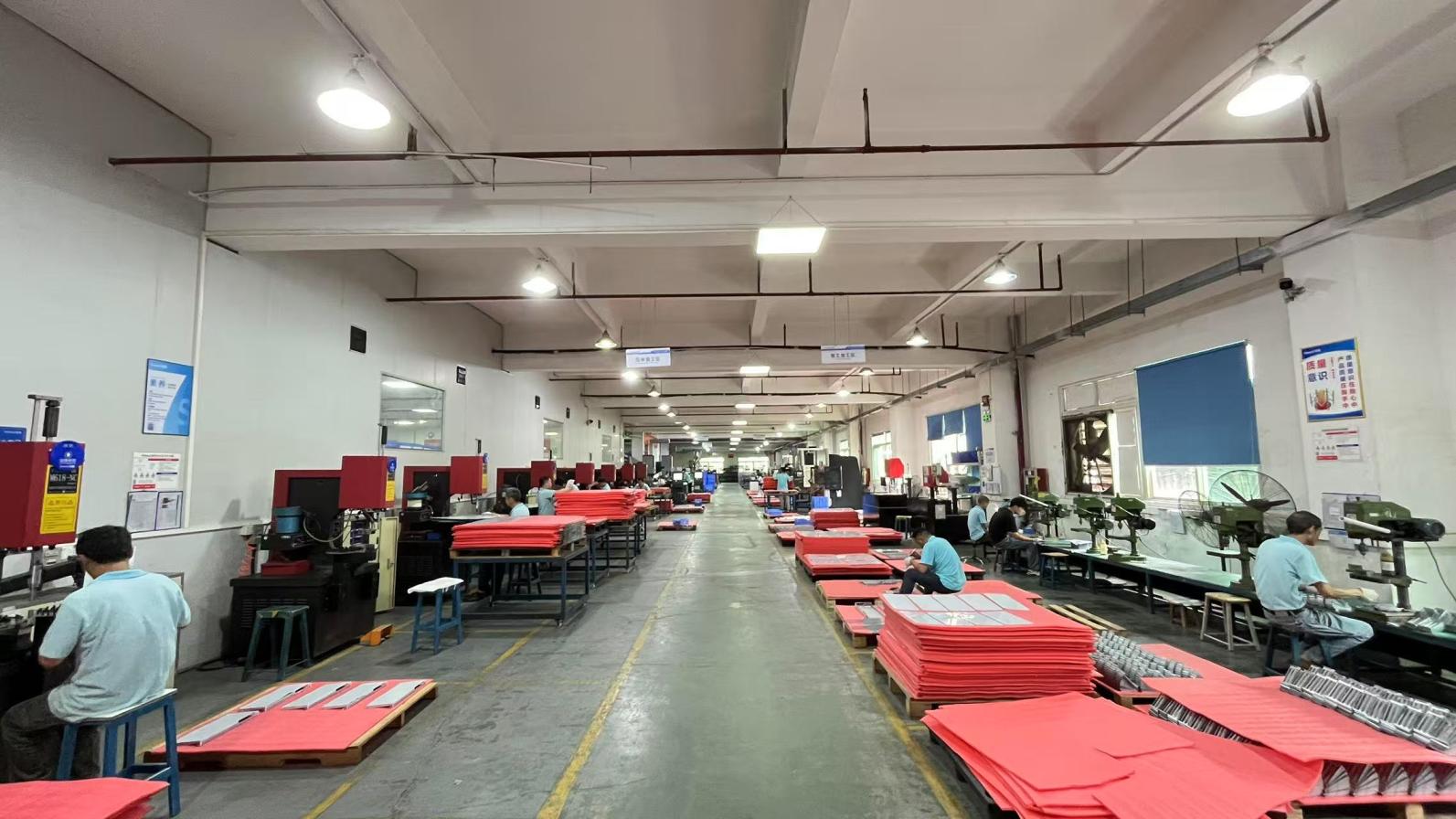
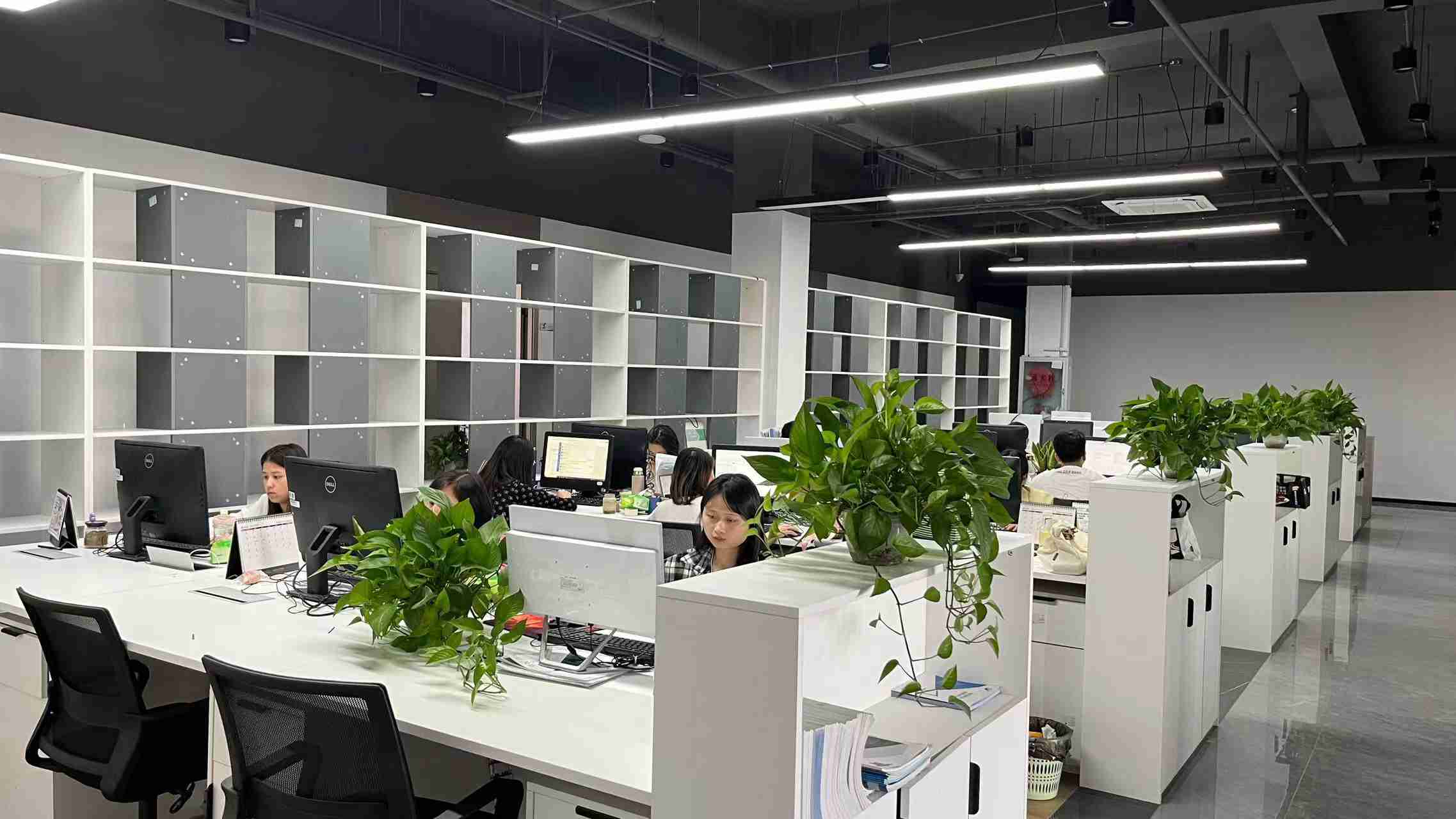
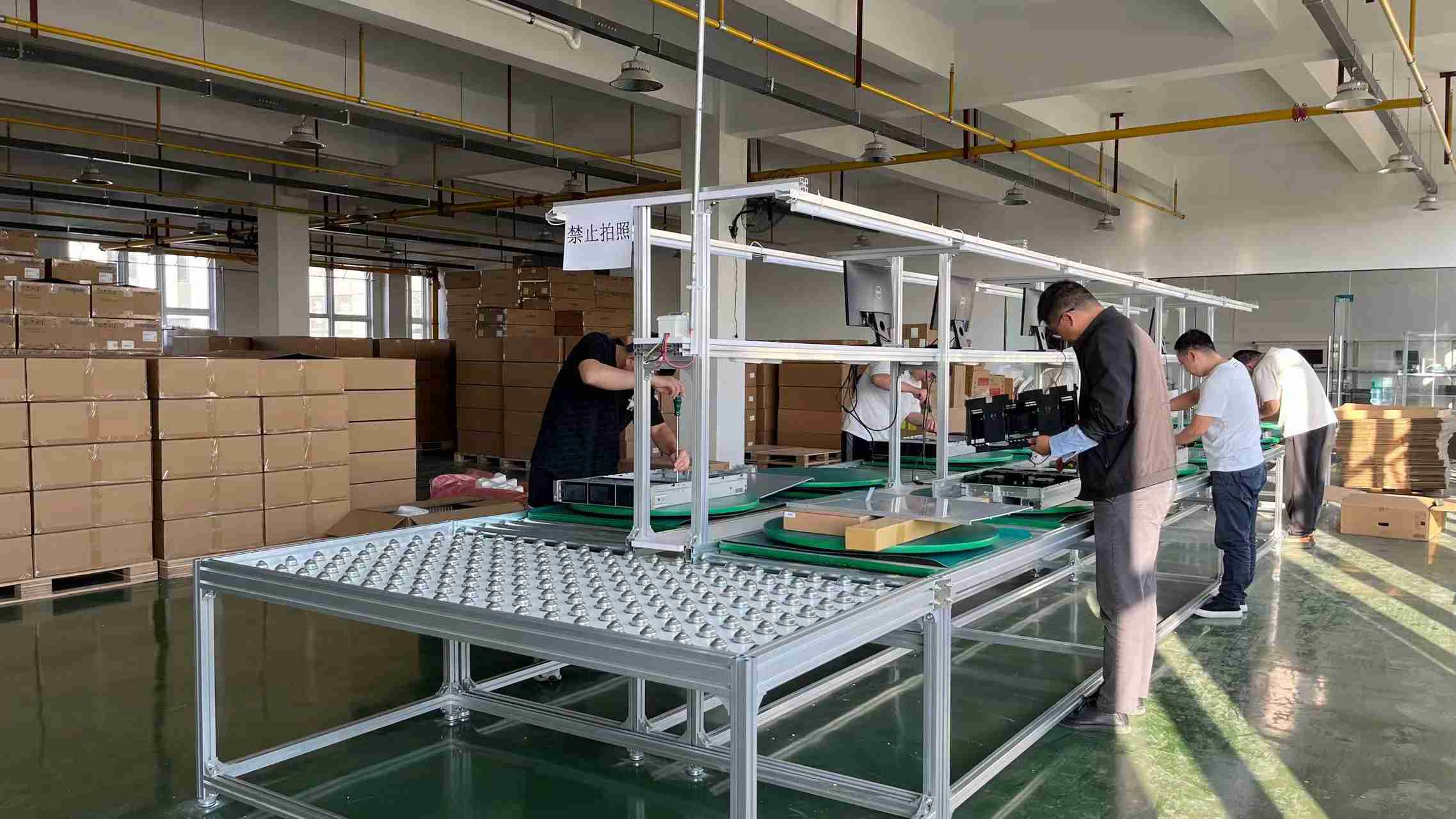
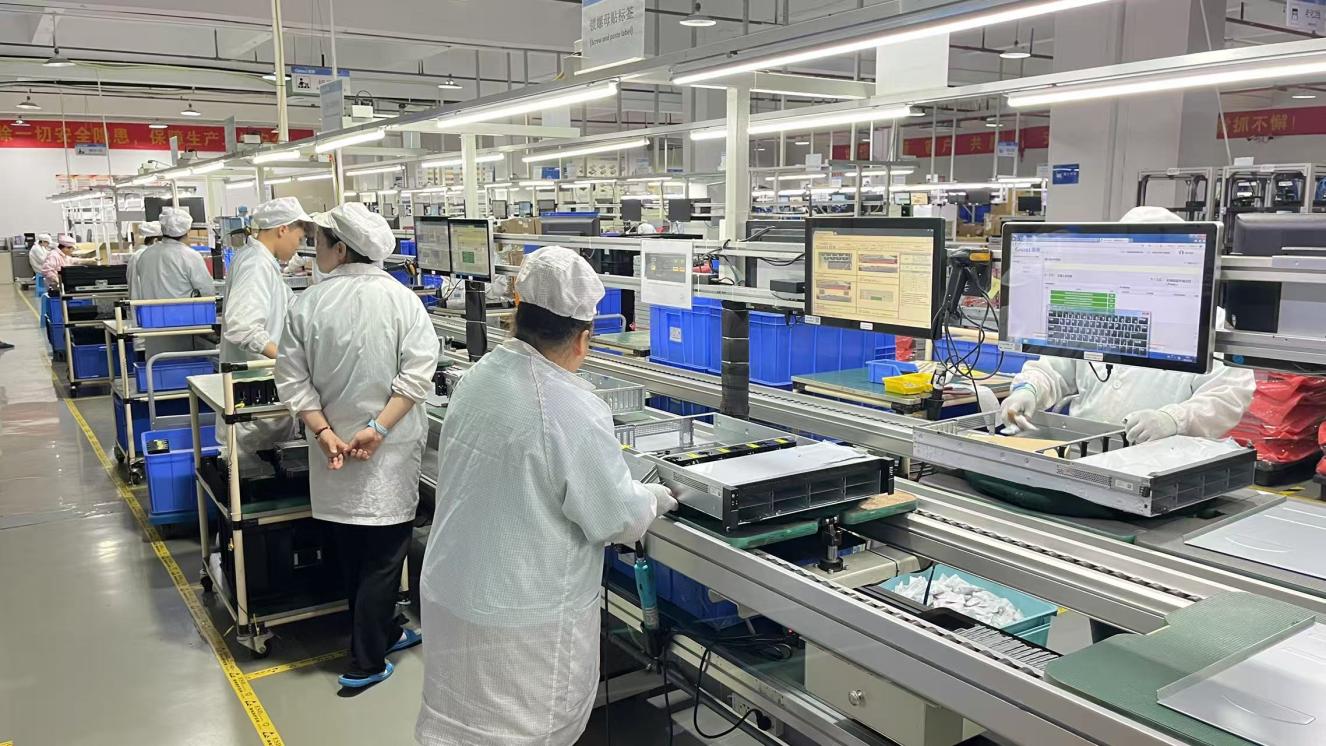
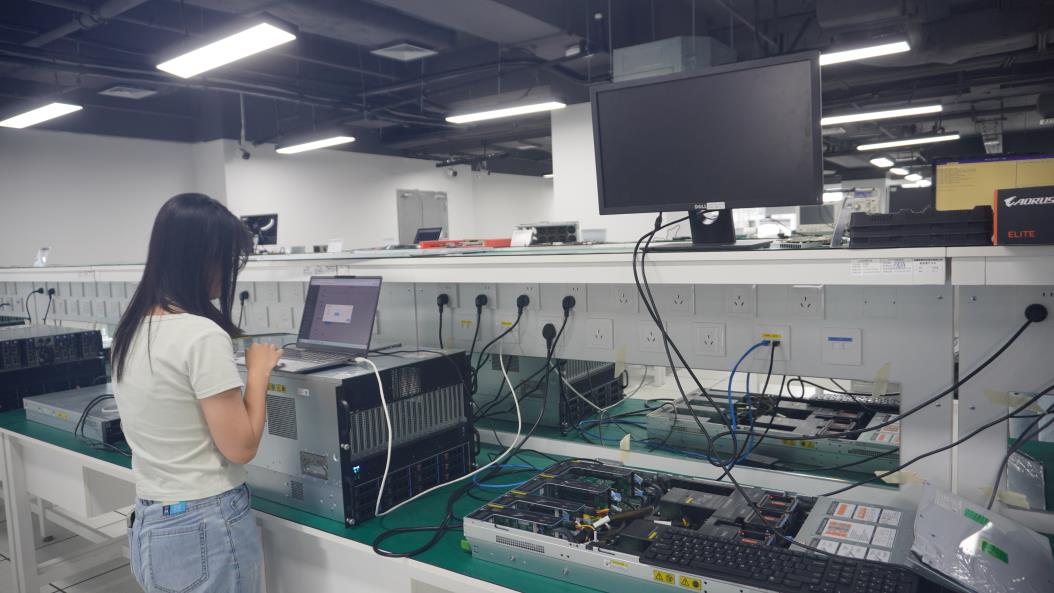
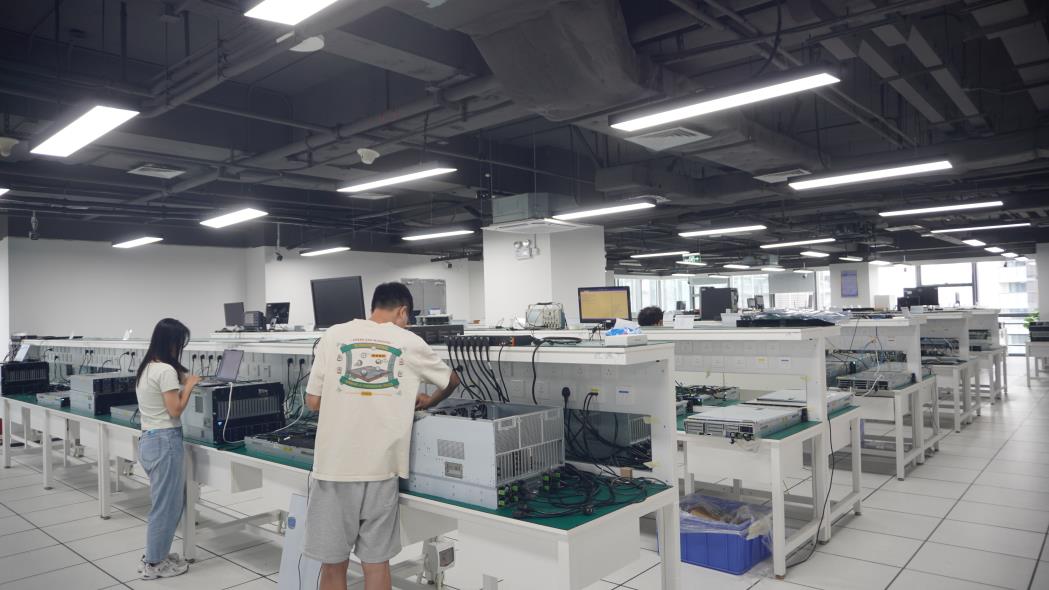
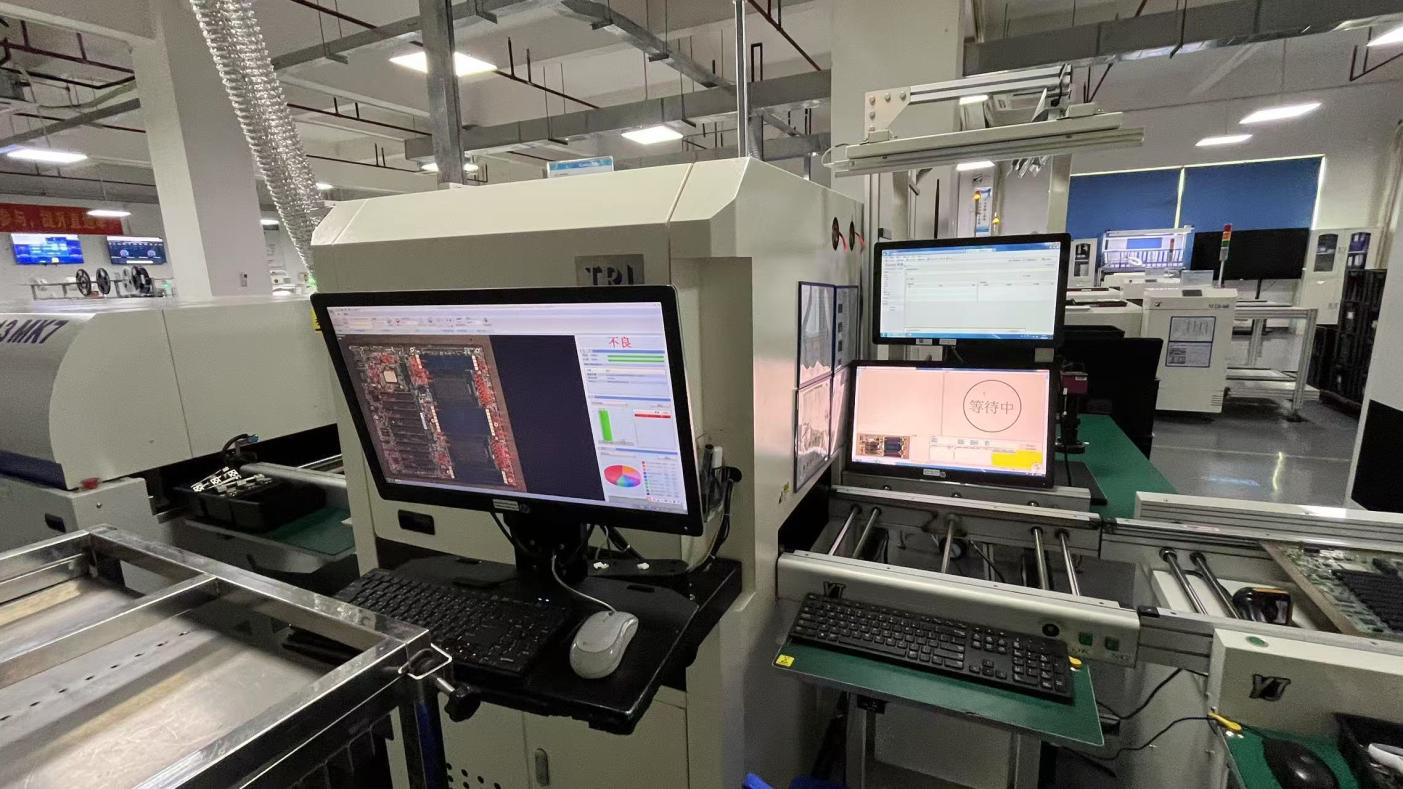
A comprehensive look at our 320㎡ modern production facility, advanced SMT assembly lines, and high-precision testing workflows.
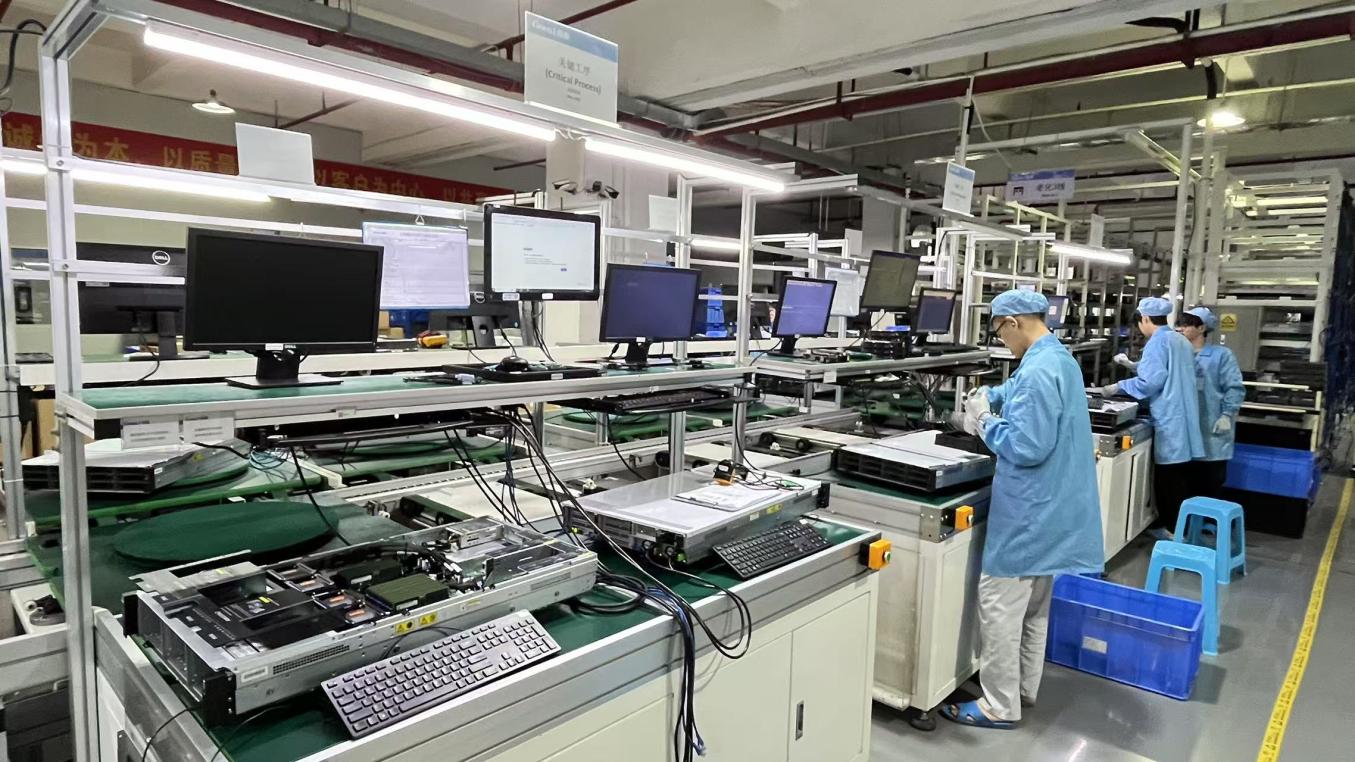
Operating a highly specialized production facility, Shenzhen Intelligent Computing Cloud Technology Co., Ltd. (ZhiCloud AI) coordinates precision system integrations, component assembly, and hardware testing. Since our founding in 2016, we have cultivated 11 years of industry expertise in advanced computing engineering. Our physical manufacturing footprint relies on a structured, multi-stage production system, running from raw material prep to final stress validation. Each machine configuration, whether a dense 1U rack-mount system or a customized computing node, passes through a strict checklist overseen by a dedicated team of 45 quality control (QC) specialists.
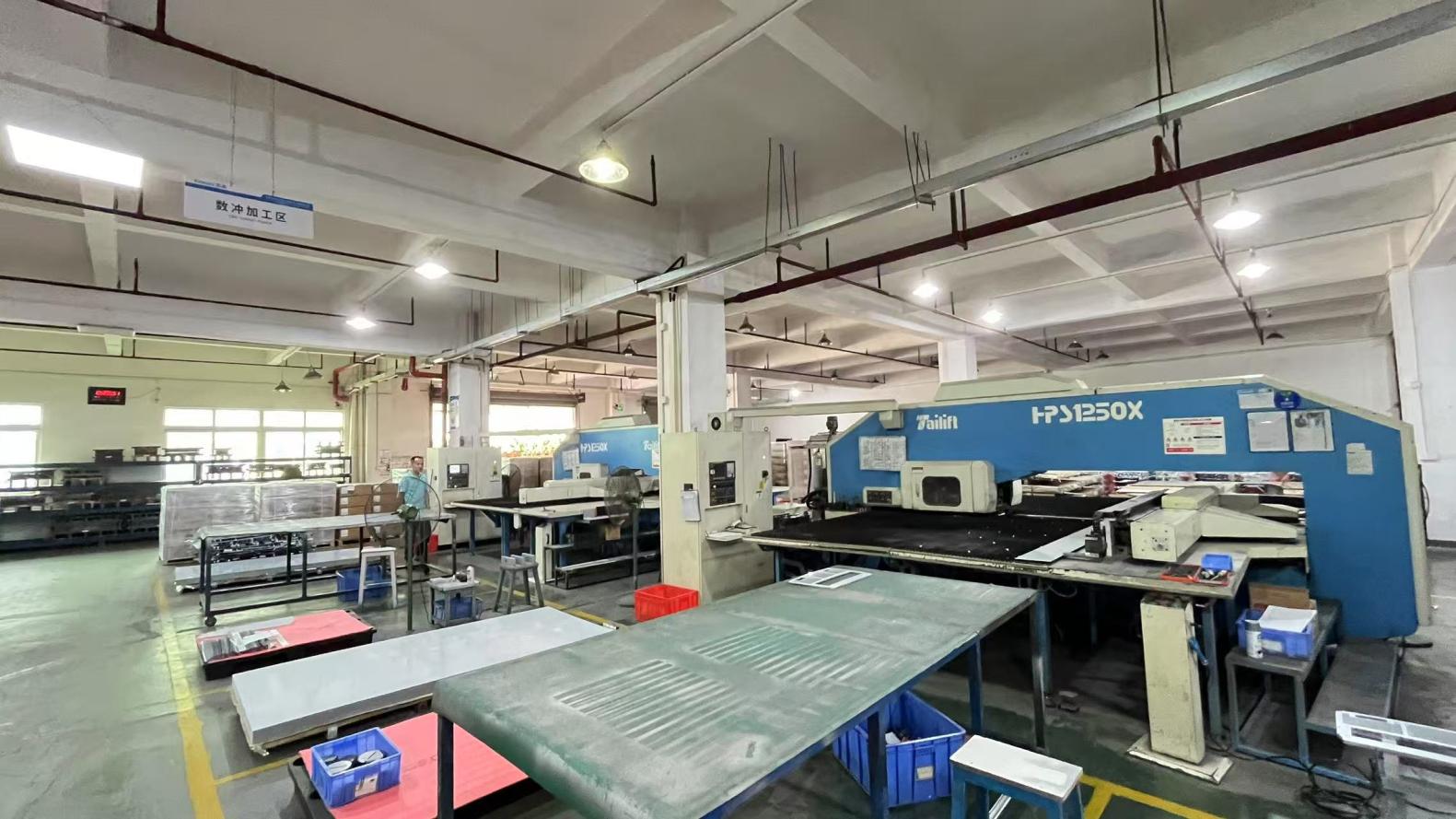
Material Cutting
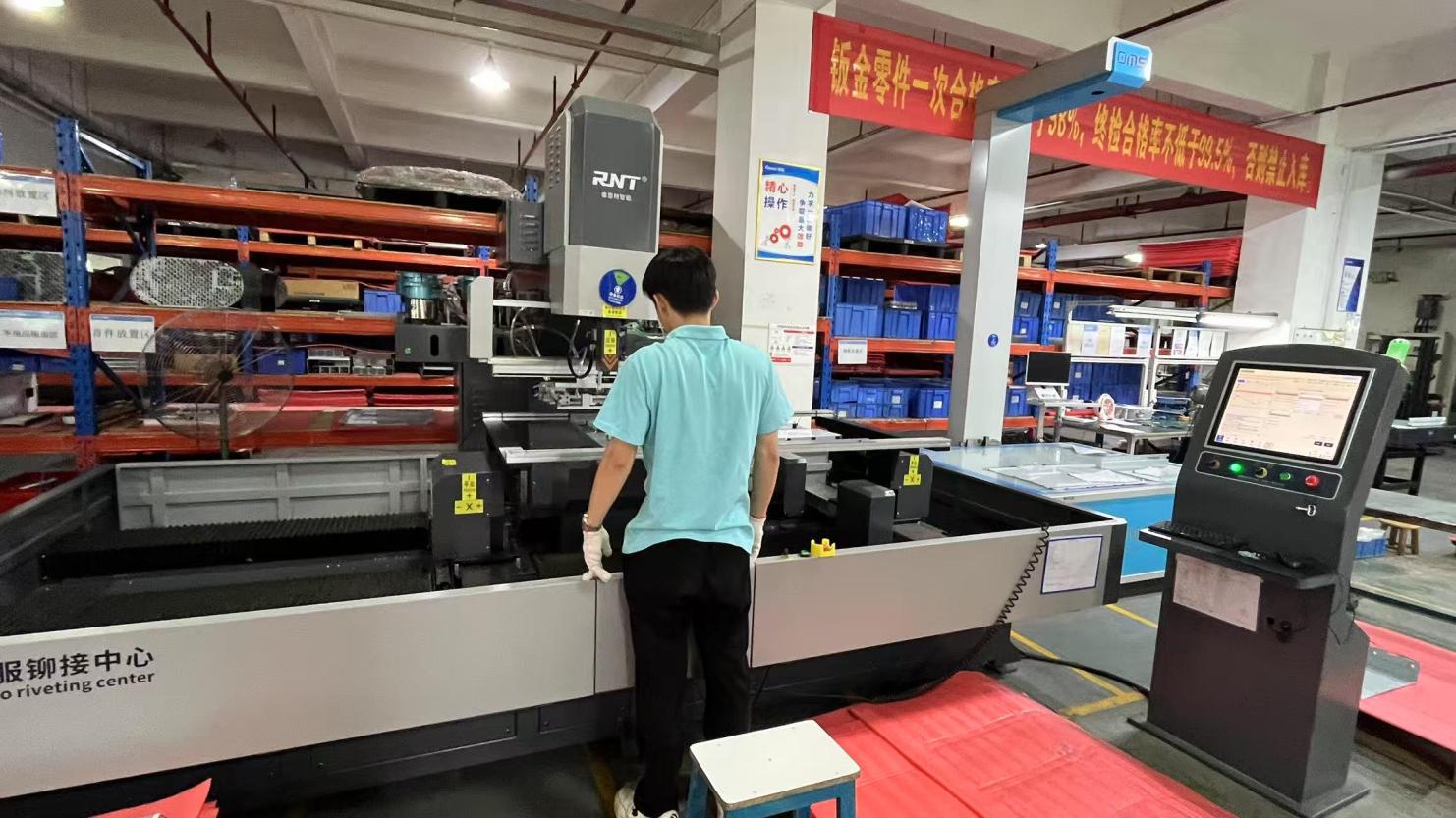
Riveting
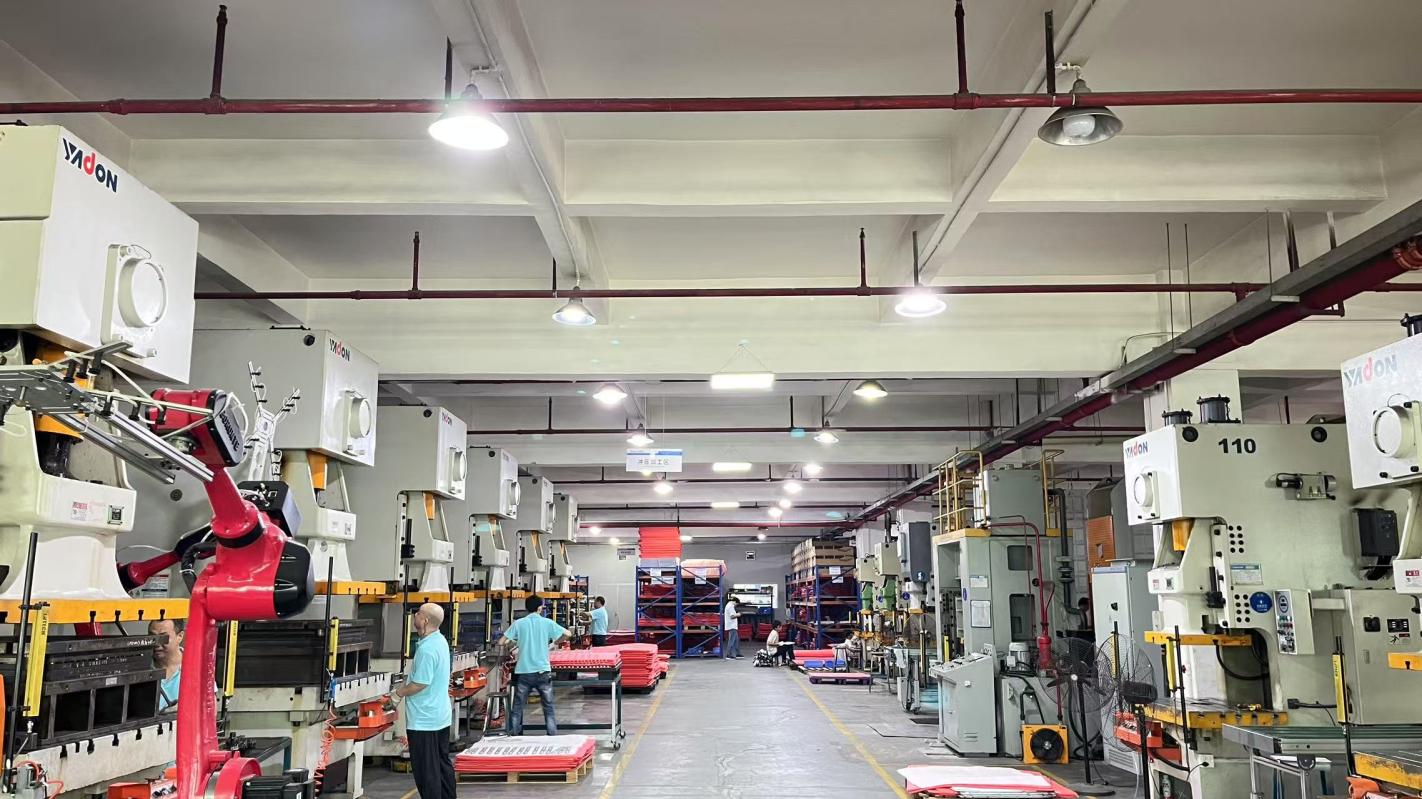
Stamping
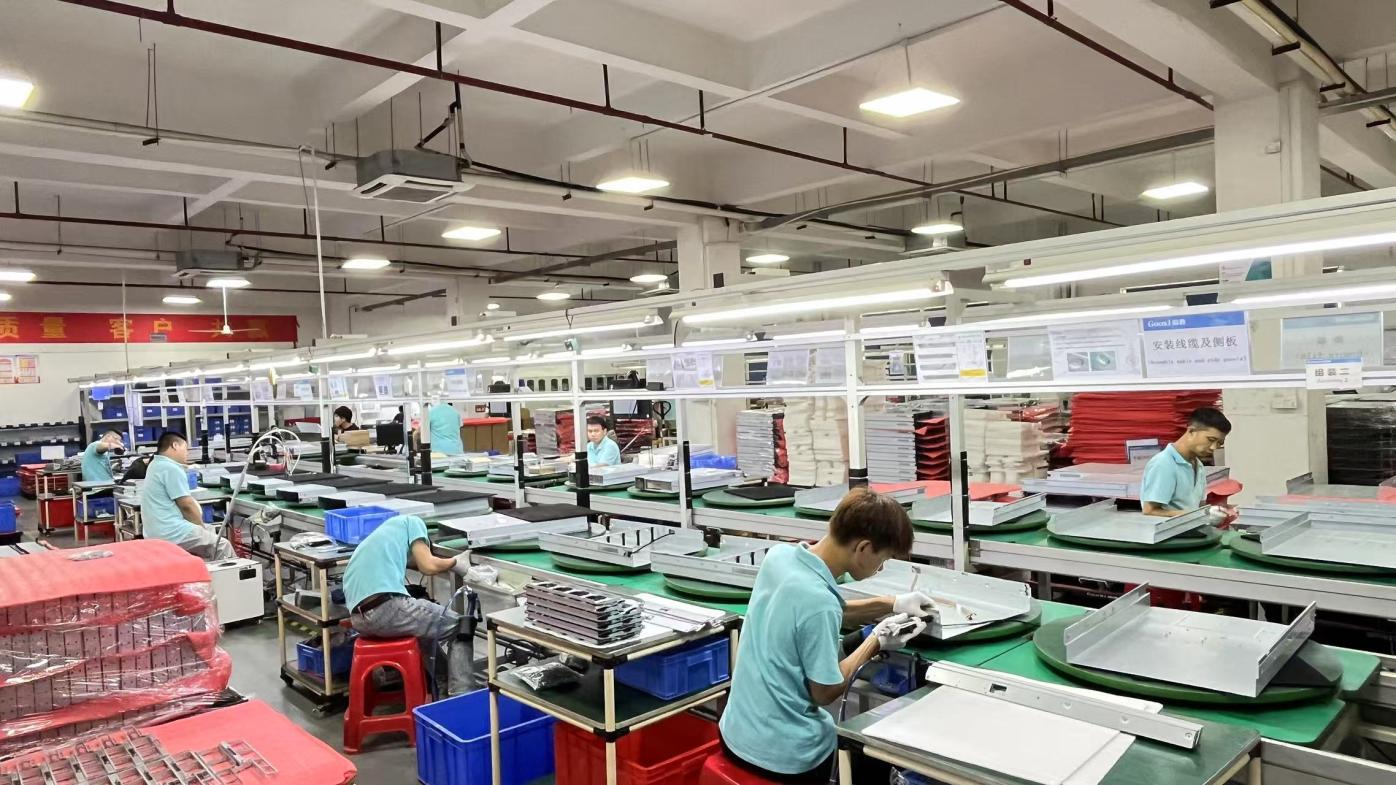
Housing Assembly
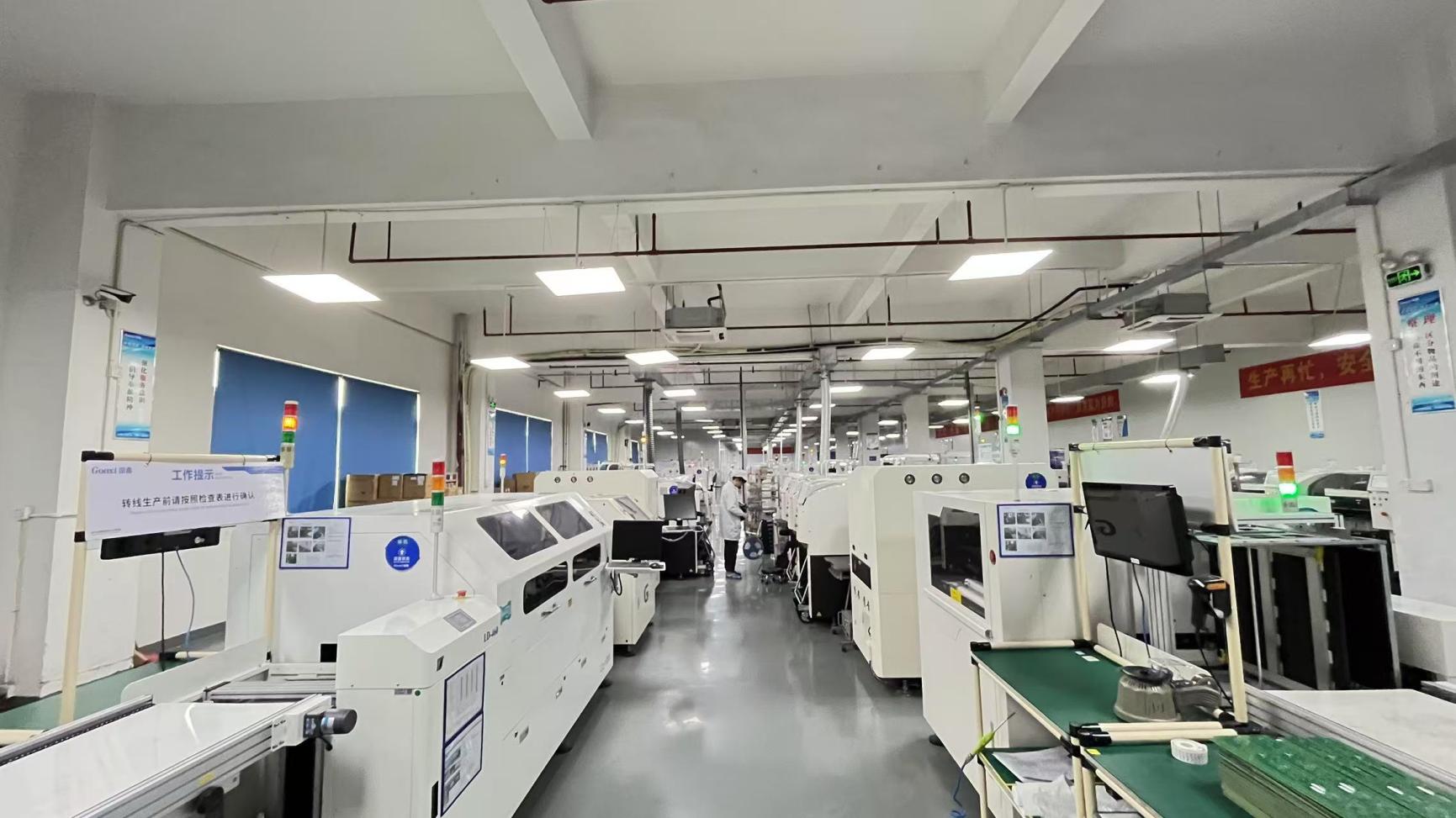
SMT Assembly
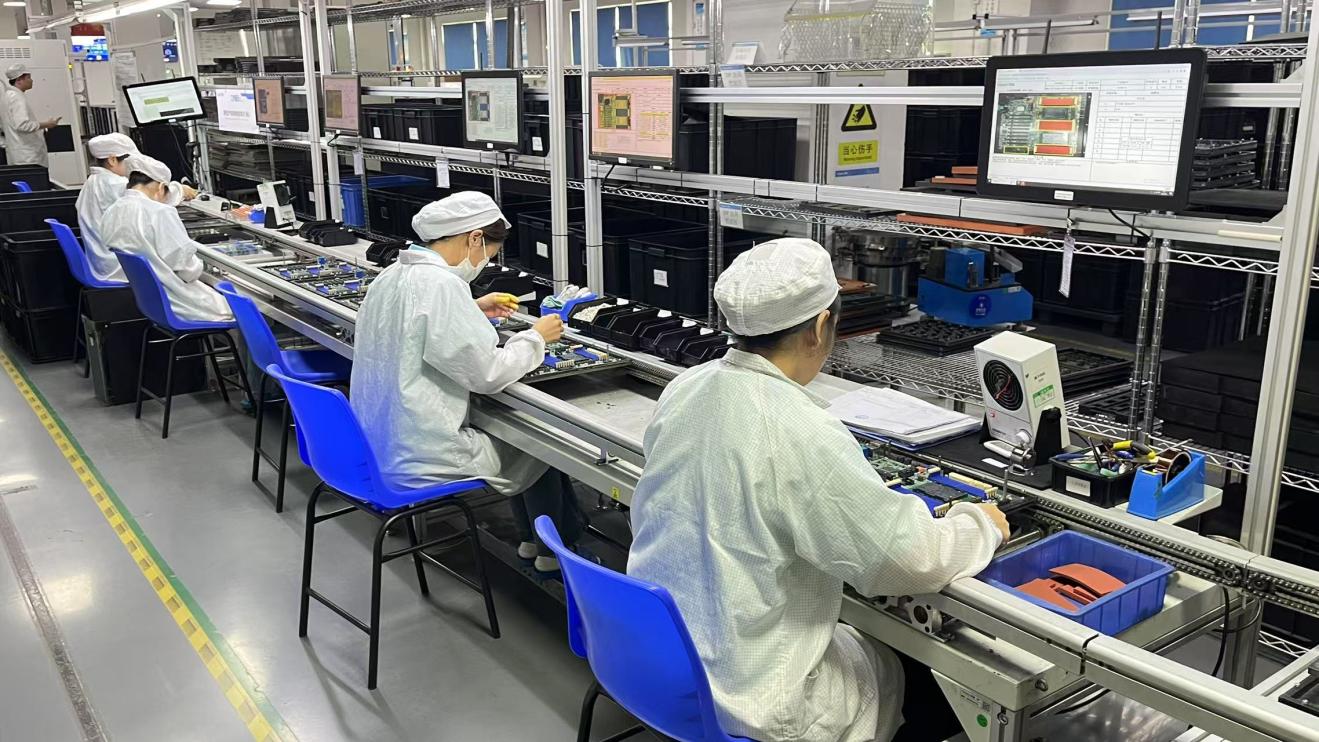
MI Line
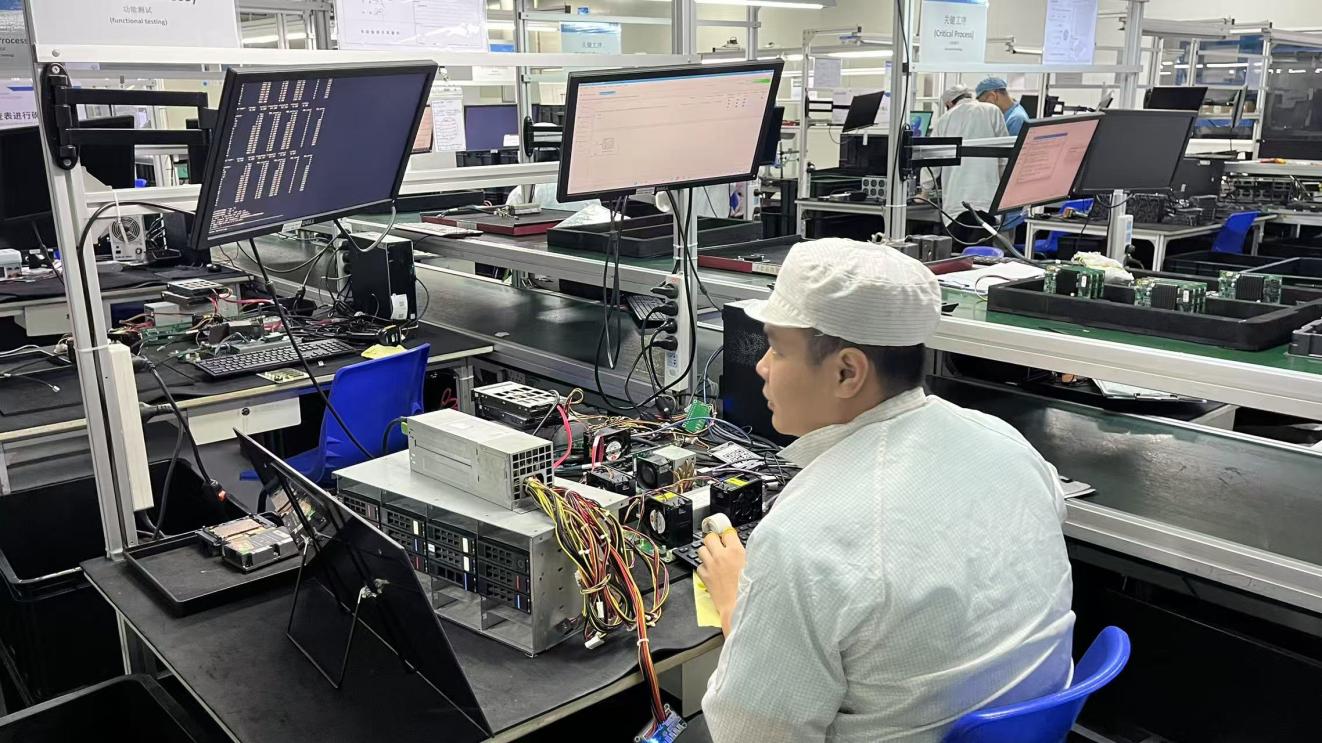
PCBA Test
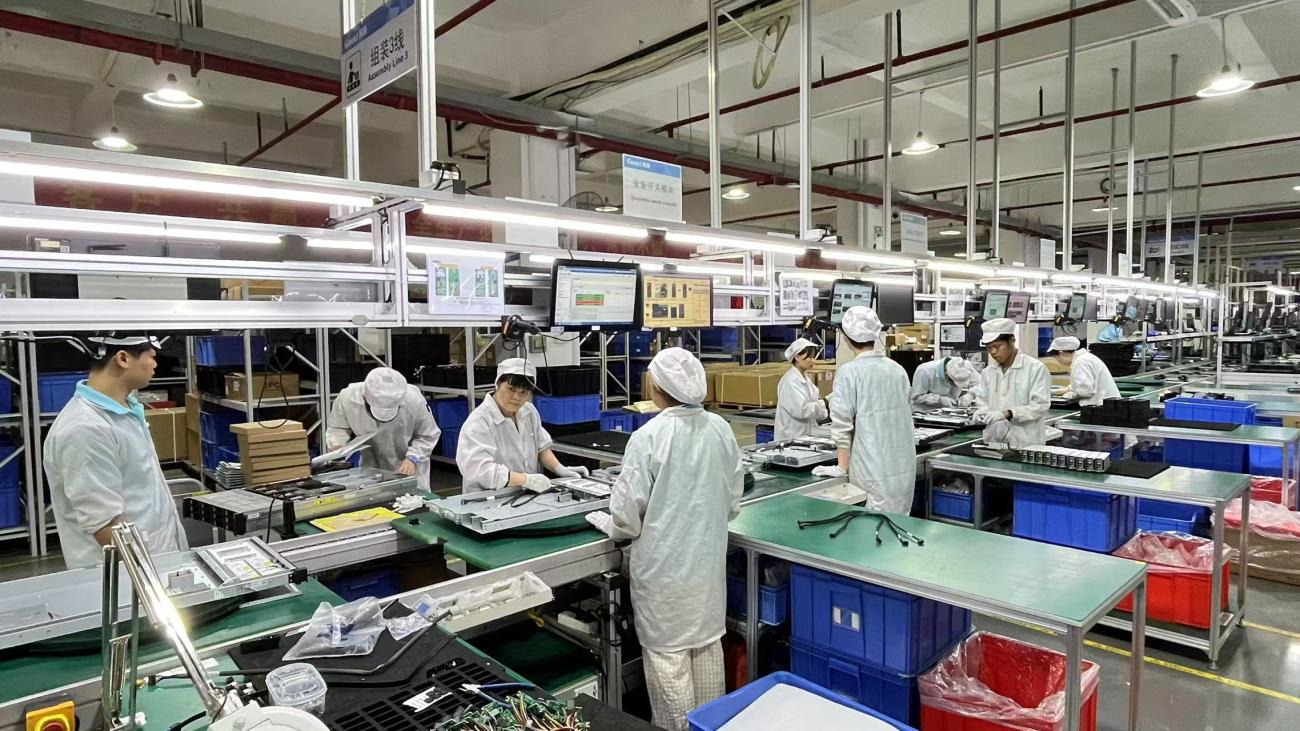
Final Assembly
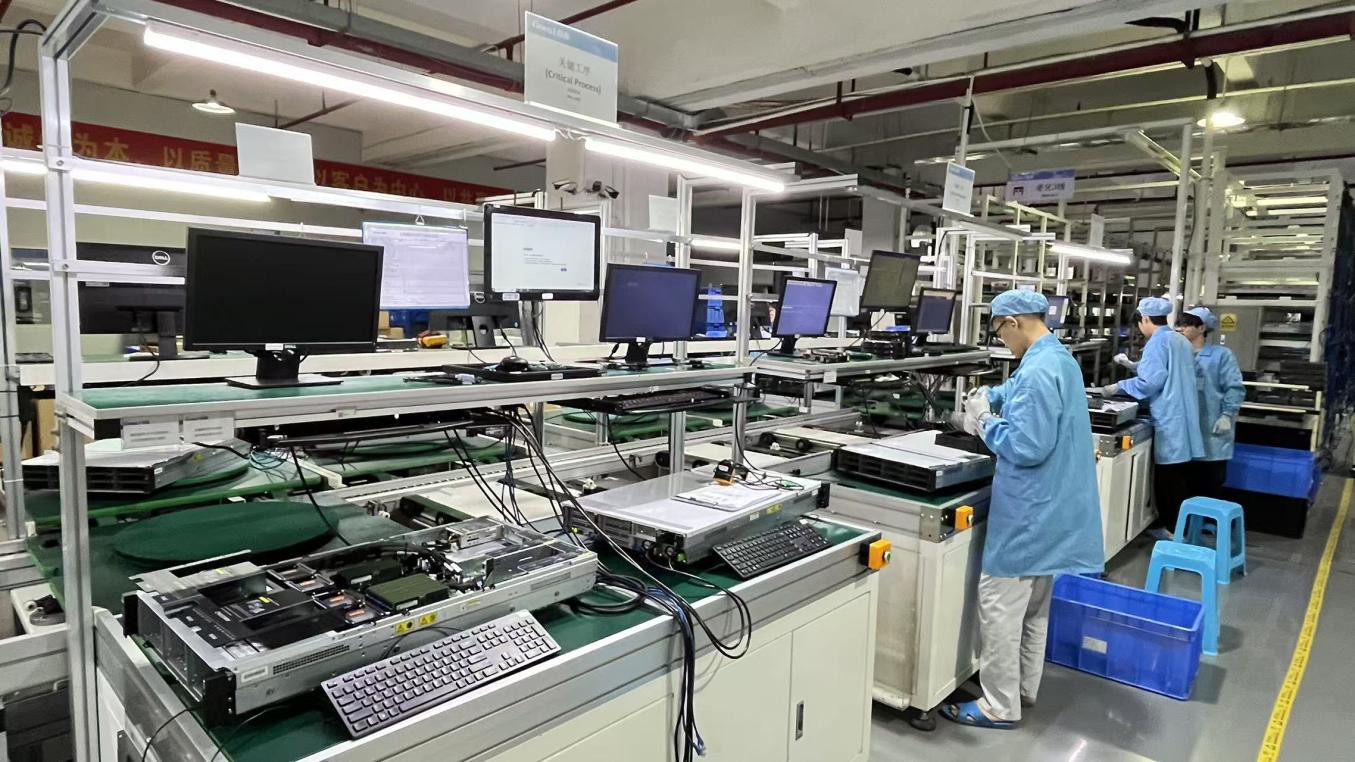
Testing
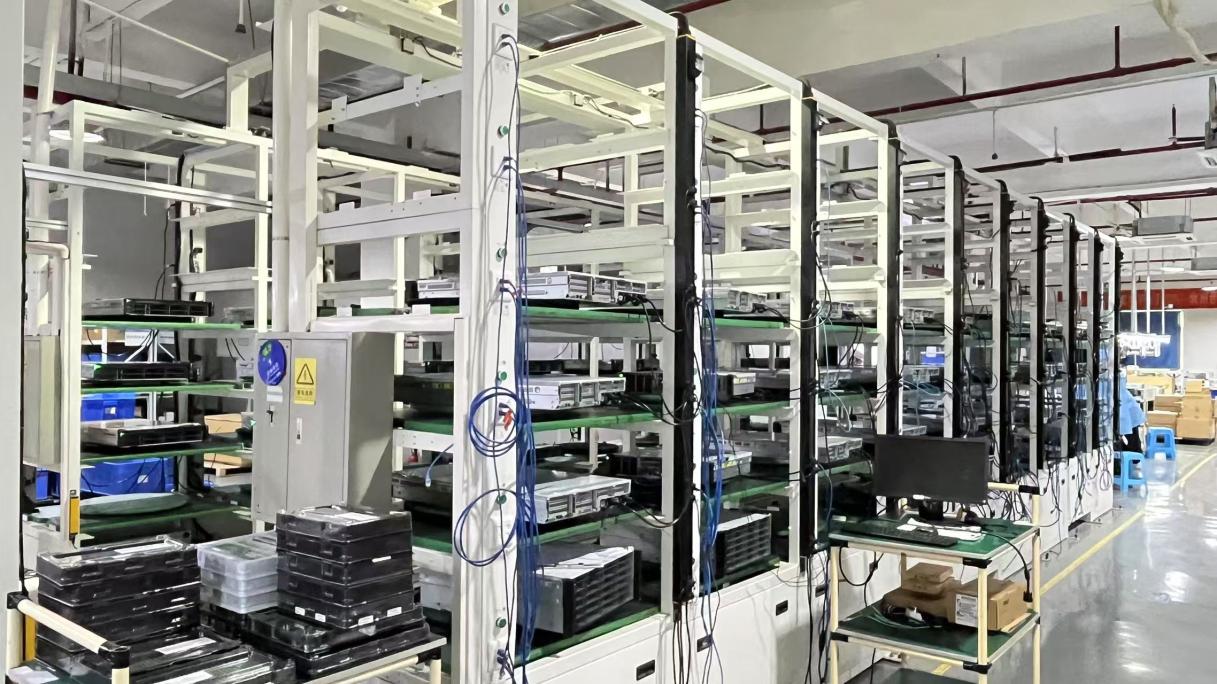
Aging Test
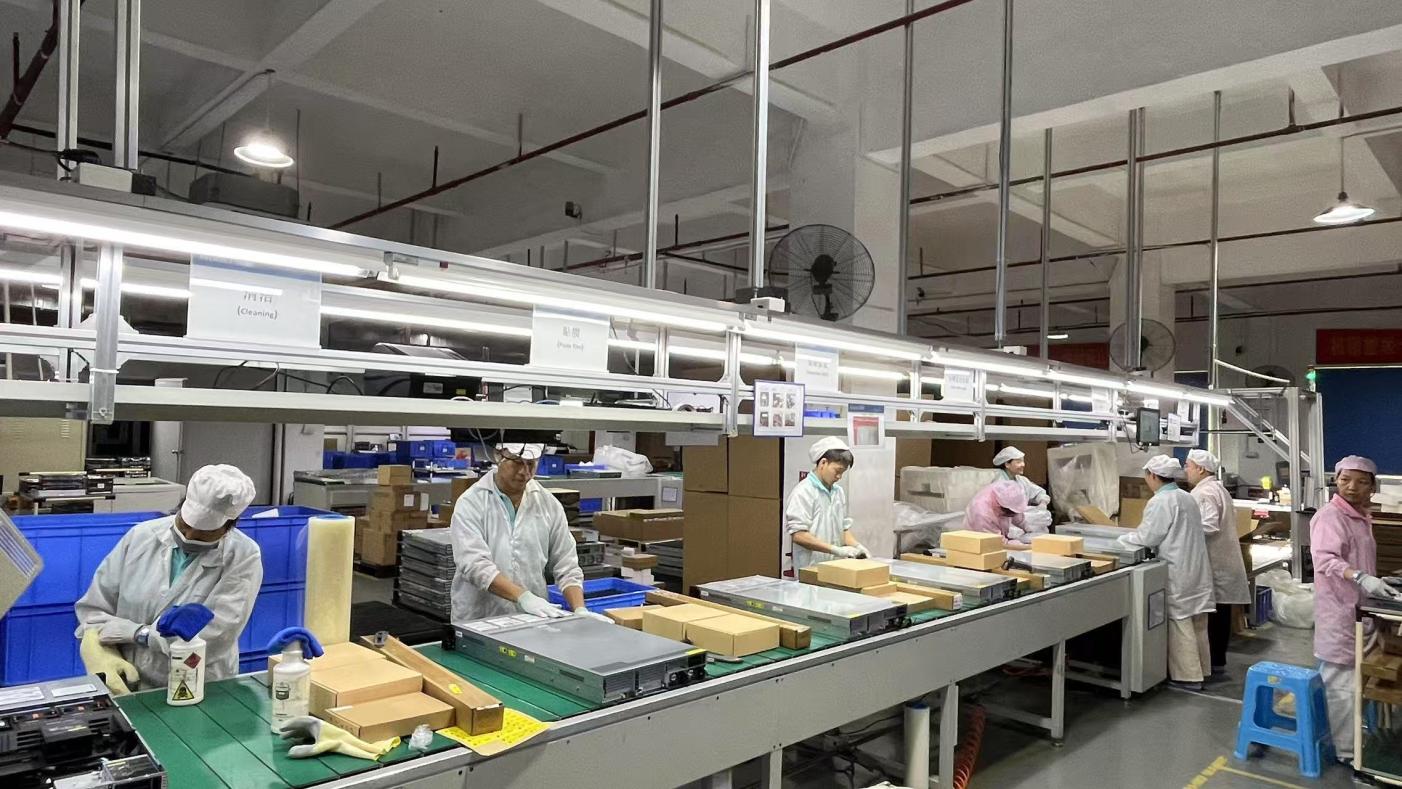
Packing
Bridging the gap between stationary server computing and localized field operations.
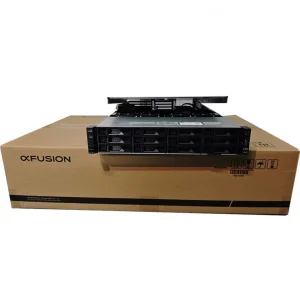
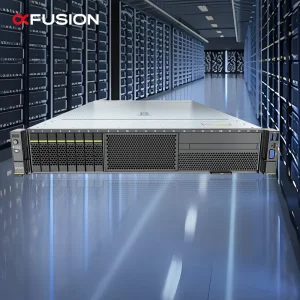
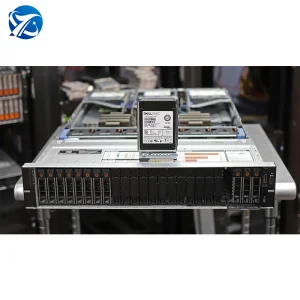
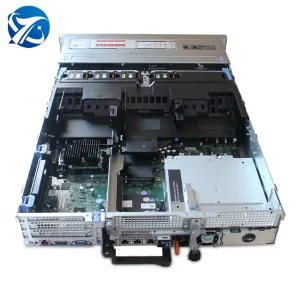
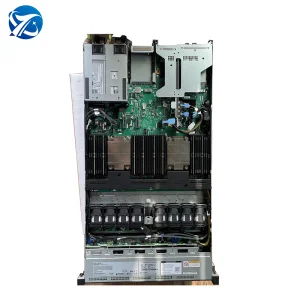
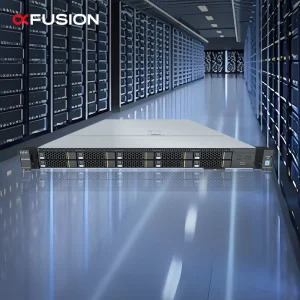
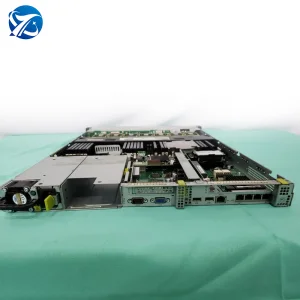
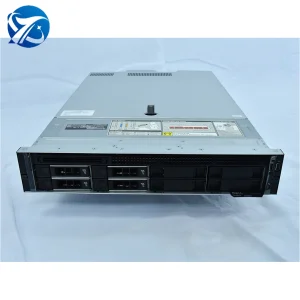
Modern enterprises no longer operate in siloed computing environments. Instead, they require a hybrid topology where compute tasks are dynamic. A field technician, research engineer, or software developer expects to run low-level simulations locally on a high-end laptop, containerize the workflow, and deploy it to a rack-mount GPU node (like the 1U/2U server platforms shown in our catalog) for massive model training or high-density rendering. ZhiCloud AI engineers hardware tailored for this unified computing lifecycle.
Before launching complex architectures on multi-GPU server clusters, data scientists rely on portable workstations to test networks, debug tensor paths, and validate data transformation scripts. Our hardware configurations are optimized to sustain consistent compute cycles, preventing the thermal throttling that often limits commercial-grade consumer laptops.
In assembly plants, oil platforms, and heavy infrastructure projects, ruggedized portables interface directly with programmable logic controllers (PLCs) and robotic control units (such as Dell PowerEdge-powered robot servers). These settings demand durable casings, gold-plated connectivity ports, and robust sub-systems capable of operating inside a wide range of temperatures.
Collecting geospatial information or logging point-cloud feeds from LiDAR arrays requires a mobile node capable of high-throughput writes. Our portable systems feature multi-drive configurations with PCIe Gen 4/5 interfaces and robust chassis dynamics designed to withstand the vibration of moving test vehicles without data loss.
Technical guidelines for B2B procurement managers, sourcing agents, and enterprise IT directors.
Sourcing commercial computing solutions from China requires looking beyond base unit pricing. Enterprise hardware buyers must evaluate the underlying components, the factory's quality management systems, and their technical support infrastructure. Partnering with a developer that offers custom designs provides several strategic advantages:
With 7 years of direct export operations and a strategic logistics network, ZhiCloud AI coordinates international shipments to North America, Europe, SE Asia, and the Middle East. Whether managing bulk ocean freight or priority air transport for customized evaluation units, our logistical pipeline is built to keep supply lines secure and lead times predictable.
Tailored options covering motherboard designs, customized port arrays, chassis materials, custom cooling assemblies, and branded screen bezels.
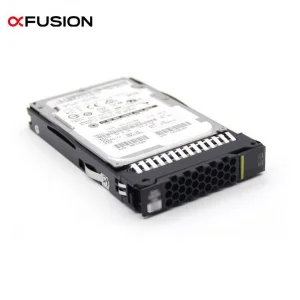
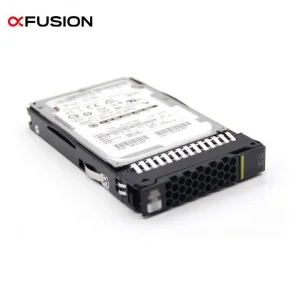
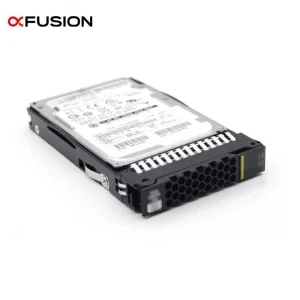
Direct supply paths for enterprise components, including SAS/SATA mechanical storage, NVMe solid-state arrays, and high-frequency ECC memory modules.
Clarifying technical points regarding custom laptop manufacturing, hardware integration, and QA standards.
Top manufacturers utilize custom-engineered vapor chambers, multi-directional heat pipe arrays, and high-conductivity thermal interfaces (like liquid metal or phase-change materials). Additionally, modern designs incorporate dual-inlet blowers and airflow channels to maximize heat dissipation while maintaining a slim chassis profile.
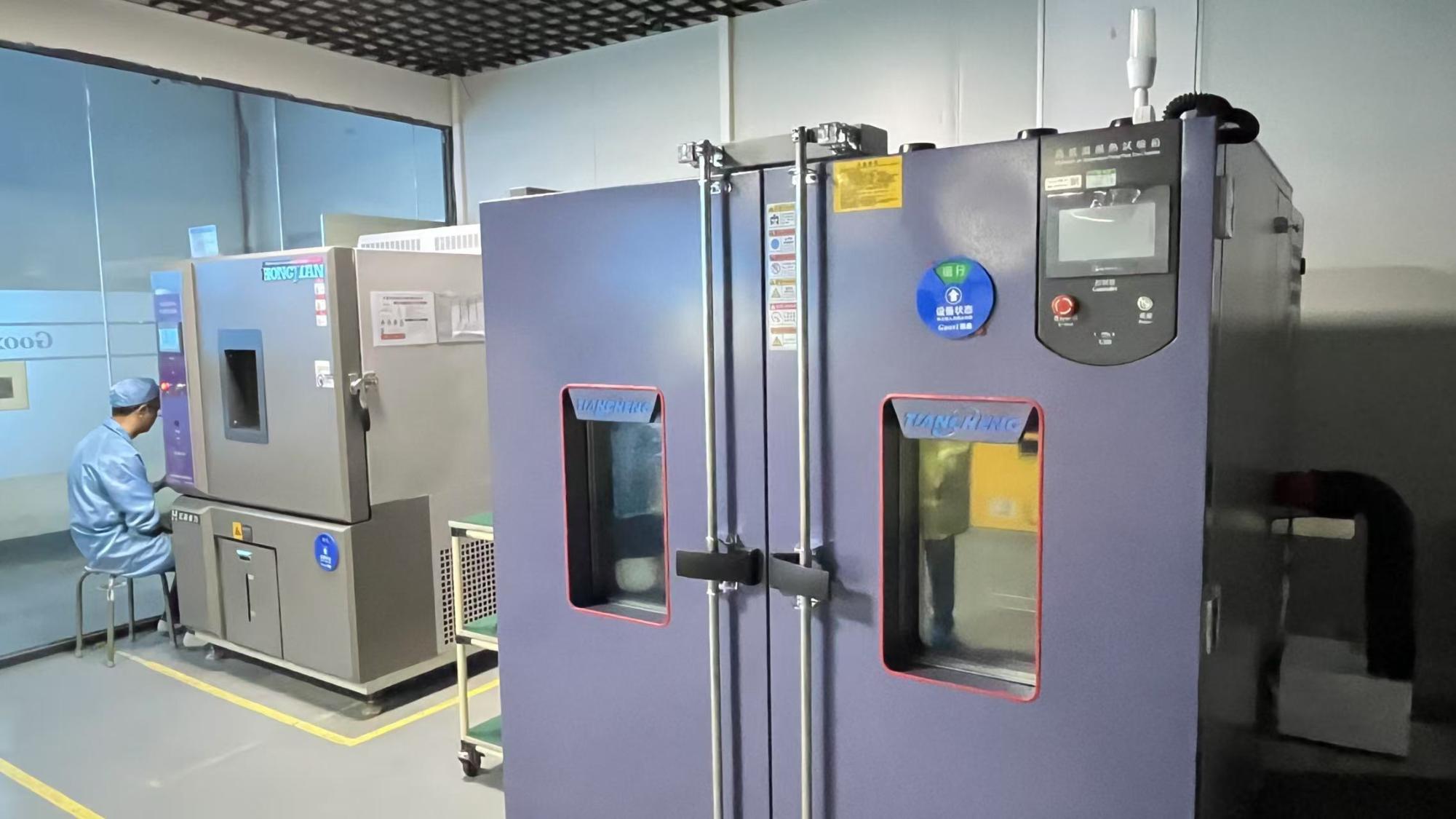
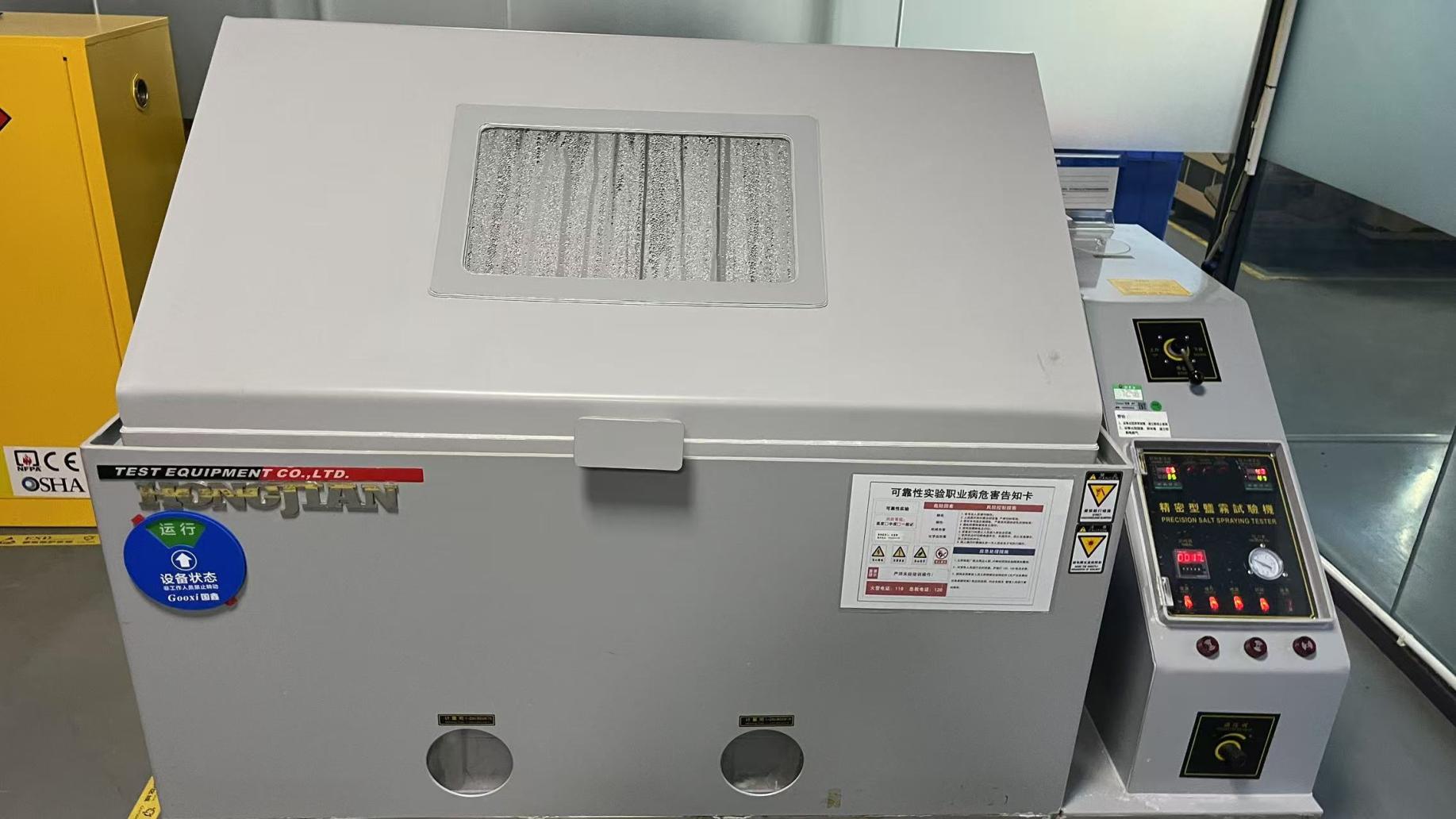
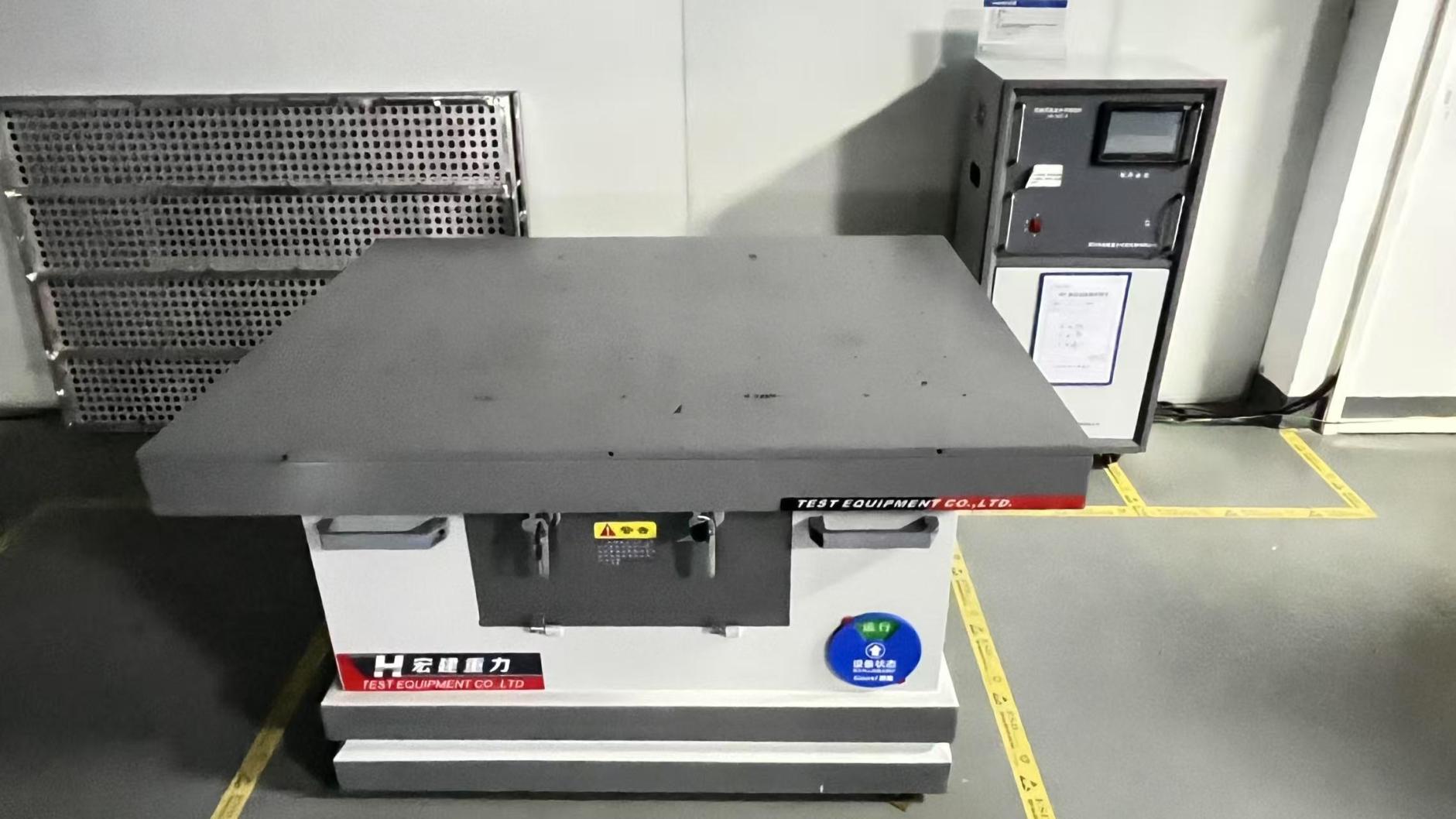
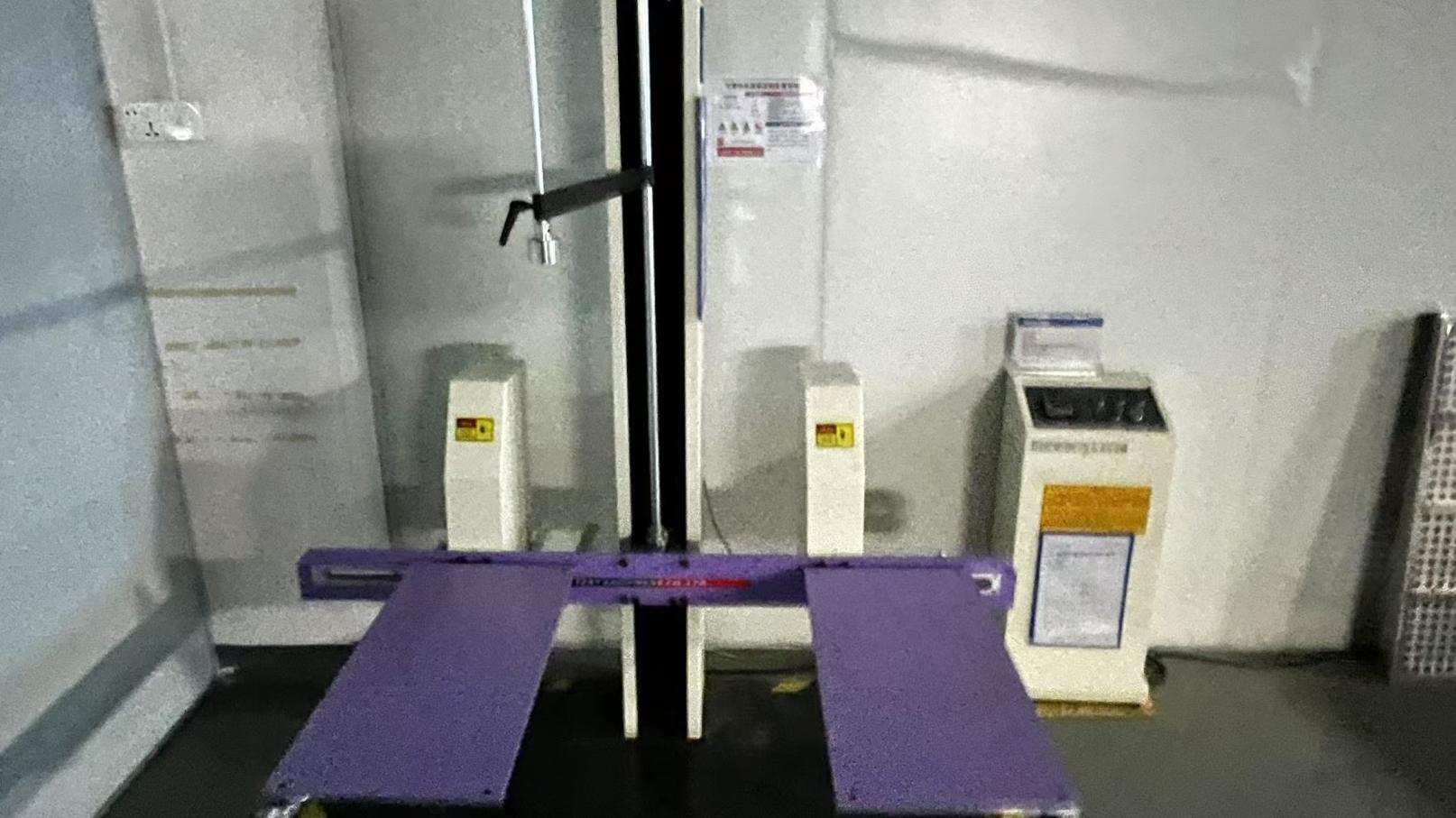
Quality assurance processes involve environmental and mechanical testing: Thermal Stress Testing (Thermotank validation from -40°C to 85°C), Salt Spray testing for anti-corrosion, Dynamic Vibration and Drop tests to verify structural integrity, and automated X-ray inspection (AXI) of high-density SMT solder joints to detect hidden defects.
Yes, OEM/ODM manufacturers offer extensive personalization. This includes customizing the chassis (plastic injection molding, magnesium alloy casting, CNC aluminum milling), modifying I/O selections (e.g., adding specialized serial interfaces, extra Thunderbolt channels, or dual Ethernet), and applying custom silkscreen logos or bios splashes.
Servers are rack-mounted nodes designed for centralized data processing, virtualization, and deep learning pipelines. Custom laptop nodes and mobile workstations offer local, portable interfaces that run identical virtualization software, container setups, and deep learning frameworks, allowing for seamless transfers between edge environments and centralized infrastructure.
Our facility relies on a network of over 1,200 verified raw material and semiconductor component vendors. By maintaining strategic inventories of long-lead items (such as specialized controller ICs and multi-layer PCBs) and utilizing local SMT lines, we reduce production lag and maintain stable assembly timelines.
Standard custom assembly orders are completed in 15 to 30 days, depending on components. If orders require custom tooling, complex PCB modifications, or custom metal enclosures, lead times range from 45 to 60 days to allow for prototyping, functional testing, and environmental stress validation.
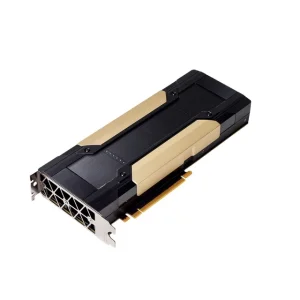
Enterprise components, solid-state arrays, mechanical drives, and dense computing architectures.