ZhiCloud AI
Introduction: The Architectural Role of Modern Load Balancing in AI & Enterprise Infrastructure
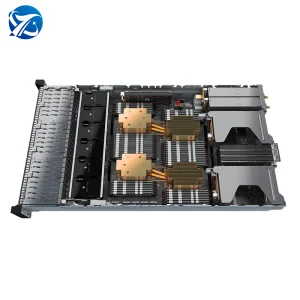
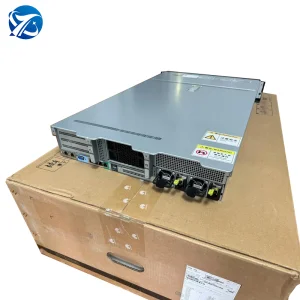
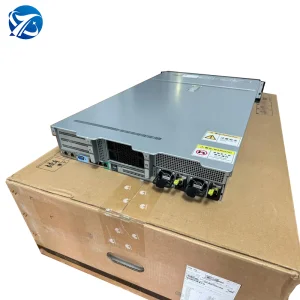
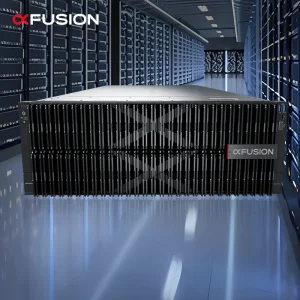
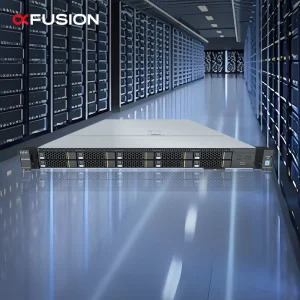
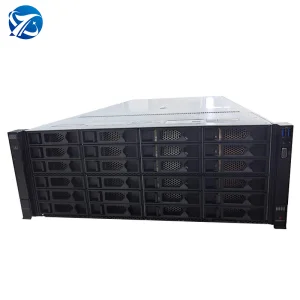
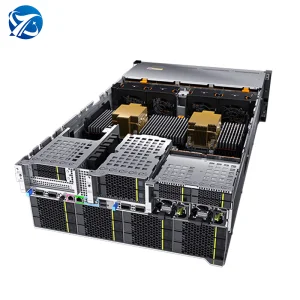
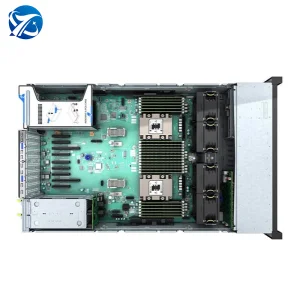
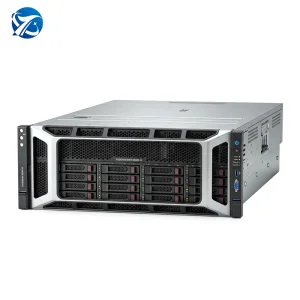
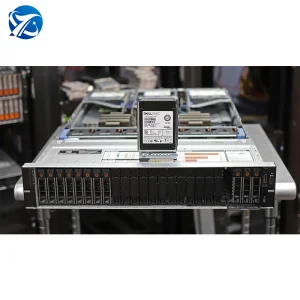
In the era of hyper-scale cloud environments, artificial intelligence (AI) inference engines, and globally distributed databases, application availability and network latency are critical factors defining business success. Modern IT infrastructures demand robust hardware structures that handle heavy data routing and high network capacity without compromise. As a premier China load balancer manufacturer and supplier, Shenzhen Intelligent Computing Cloud Technology Co., Ltd. (ZhiCloud AI) engineers high-density, bare-metal server infrastructure and custom enterprise-level hardware configurations built specifically for Layer 4 (L4) and Layer 7 (L7) application load balancing, network translation, and application delivery controller (ADC) deployments.
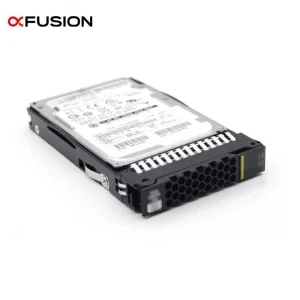
Traditional software-only load balancers running on generic computing platforms frequently run into severe throughput and latency issues under peak processing conditions, especially during SSL/TLS handshake offloading and packet encapsulation. A custom, hardware-accelerated approach is required to resolve these issues. Through state-of-the-art server engineering, high-throughput network cards (SmartNICs), and high-performance server boards from platforms like Xeon and GPU-driven clusters, we deliver the structural baseline required for stable, low-latency, and highly secure load balancing at massive scale.
Information Gain Highlight: Load balancing is no longer merely about routing web traffic. In modern AI clusters (e.g., DeepSeek R1 models running on large GPU farms), load balancers perform critical data-plane orchestration, ensuring distributed neural network weights and training matrices are dynamically routed to GPUs with minimal interconnect latency.
Company Competencies & Technical Capabilities
Founded in 2016, ZhiCloud AI has grown into a leading force in high-performance computing hardware, system integration, and advanced enterprise server architectures. Backed by 11 years of deep industry expertise and 7 years of successful export operations, we serve a global B2B client base, supplying premium load balancer chassis, rack servers, and high-performance components to markets including North America, Europe, Southeast Asia, and the Middle East.
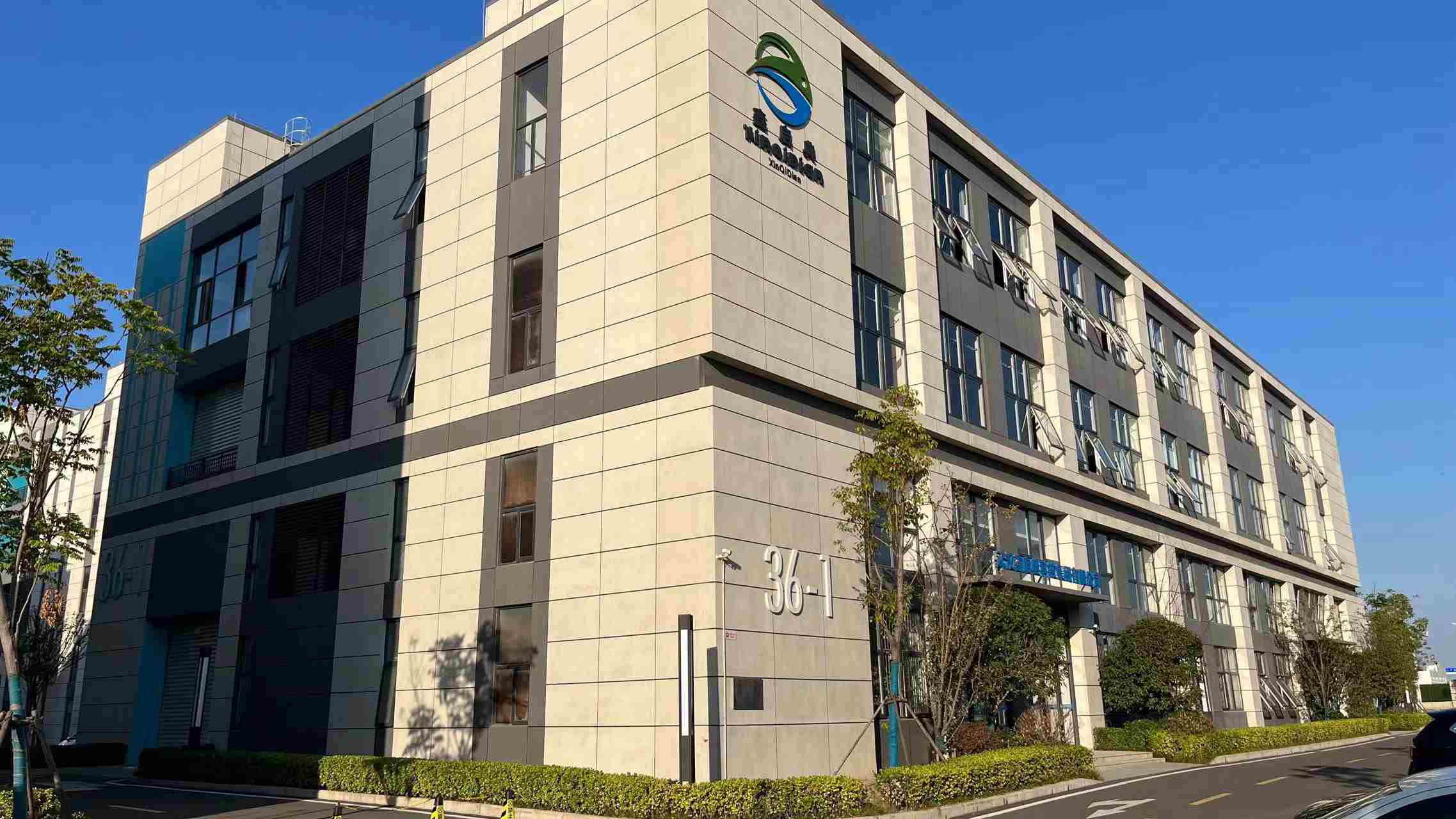
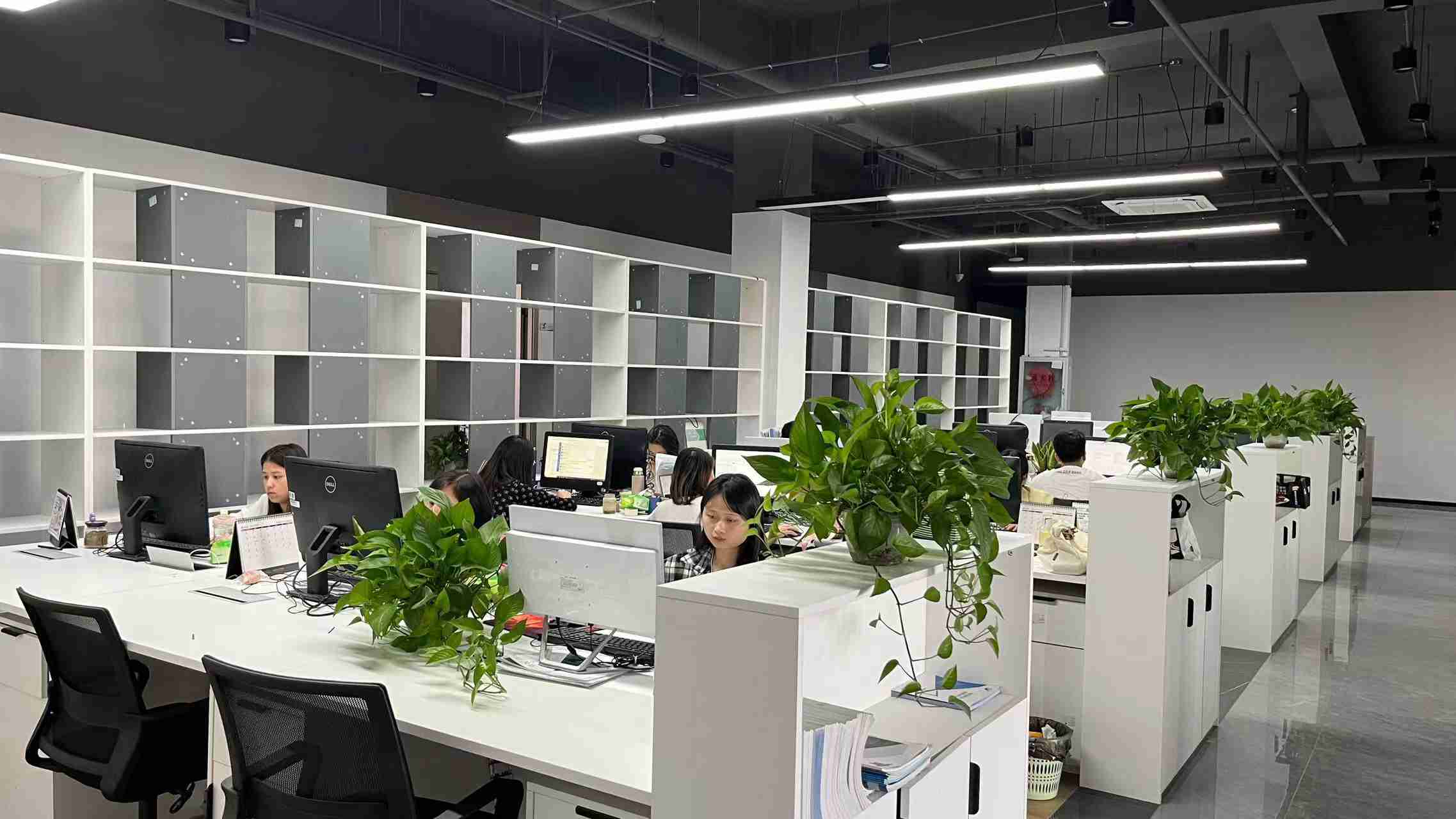
Operating out of a modern manufacturing and assembly facility in Shenzhen, we utilize state-of-the-art layout workflows to optimize production and ensure quick lead times. Last year alone, our R&D team—consisting of 120 specialized R&D engineers—introduced approximately 180 new products to meet the shifting demands of cloud service providers, IT infrastructure developers, and research institutes. Our annual export revenue has topped USD 12 million, proving the worldwide trust enterprise buyers place in our physical systems and consulting services.
The Global Landscape of Hardware Load Balancers and Application Delivery Controllers
The global market for networking and application delivery controllers is shifting away from proprietary, black-box hardware appliances. Enterprises instead prefer hybrid load balancing architectures. These use high-performance bare-metal rack servers running open-source or custom-developed ADC software (such as HAProxy, NGINX Plus, or F5 BIG-IP VE) supported by hardware accelerators. This shift allows operators to maintain complete control over their software stacks while capitalizing on the cost efficiencies, physical reliability, and component scalability of standard x86 and ARM server boards.
In North America and Europe, financial institutions, healthcare providers, and high-volume e-commerce portals rely on redundant hardware setups to handle millions of simultaneous TCP connections. These installations require multi-gigabit throughput (100G/200G line interfaces) and hardware-level encryption processing to handle modern SSL/TLS workloads. Meanwhile, rapid infrastructure deployment in Southeast Asia and the Middle East highlights the need for modular, easy-to-customize load balancing platforms that adapt to local climates and regional data residency mandates.
High Availability (HA)
Ensure seamless redundancy using active-passive or active-active configurations, complete with dual-hot-swap power supplies and zero-downtime failover systems.
Hardware Acceleration
Optimize network throughput using PCIe Gen 5 expansion slots, enabling advanced SmartNICs, FPGAs, and DPDK-supported network adapters.
Secure SSL Offloading
Process processor-intensive cryptographic operations at the hardware level, freeing up standard CPU cores for application logic and database requests.
China Factory Supply Chain Resilience & Manufacturing Efficiency
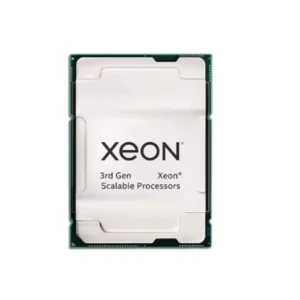
One of ZhiCloud AI’s core advantages is our location in Shenzhen, the silicon heart of China’s electronic manufacturing. Our physical supply chain is integrated with over 1,200 strategic partners, giving us direct access to components such as original Intel Xeon processors, AMD EPYC platforms, Samsung/Micron DDR5 memory chips, and NVMe SSD controllers. This ecosystem helps us maintain a stable cost structure and avoid component shortages, allowing us to keep production schedules on track even during global market volatility.
Our manufacturing facility operates under strict quality standards. We control every stage of production—from sheet metal work to surface mount assembly and final systems testing—guaranteeing structural integrity and longevity.
Comprehensive Production Flow & SMT Lines
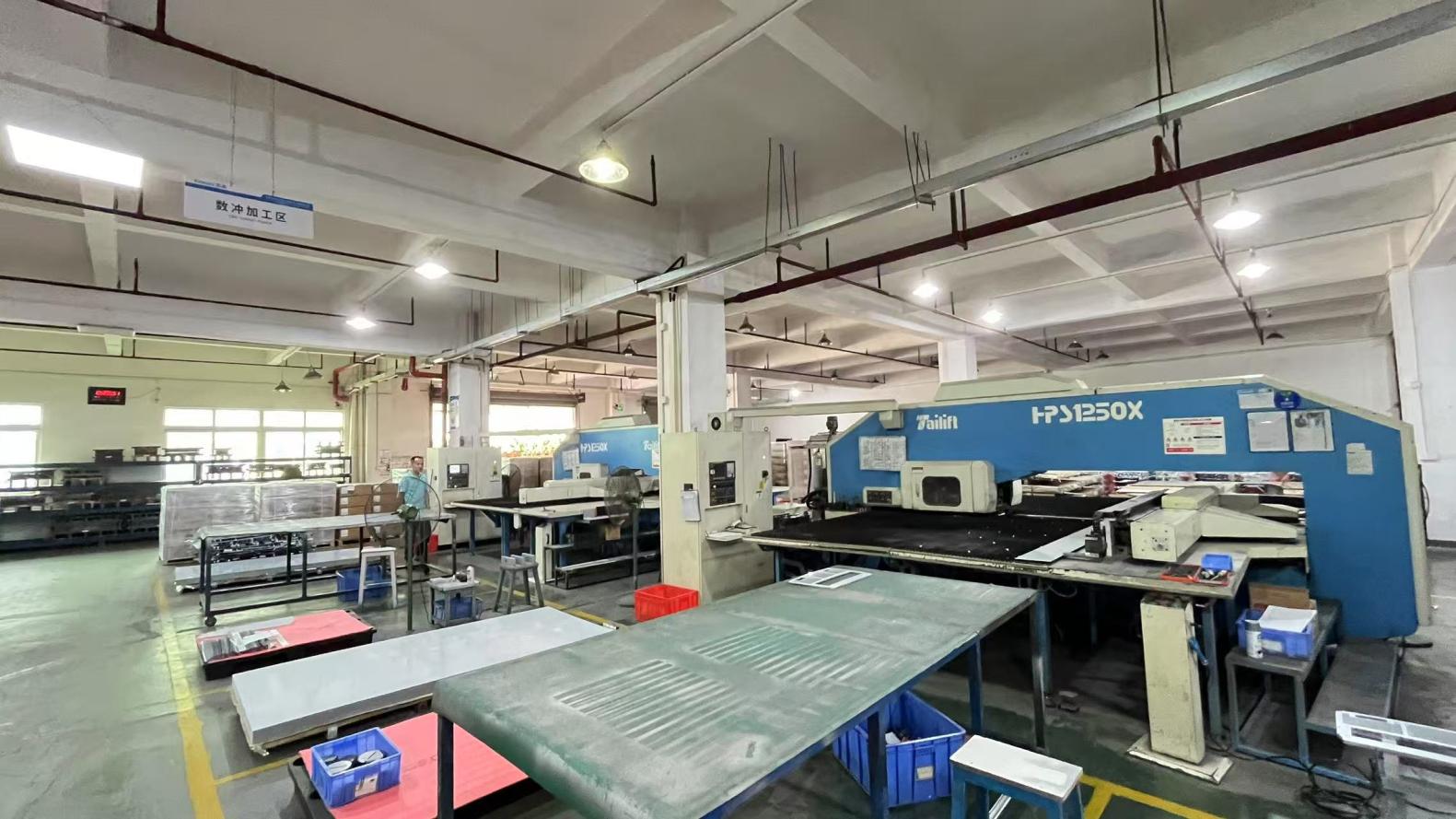 Material Cutting
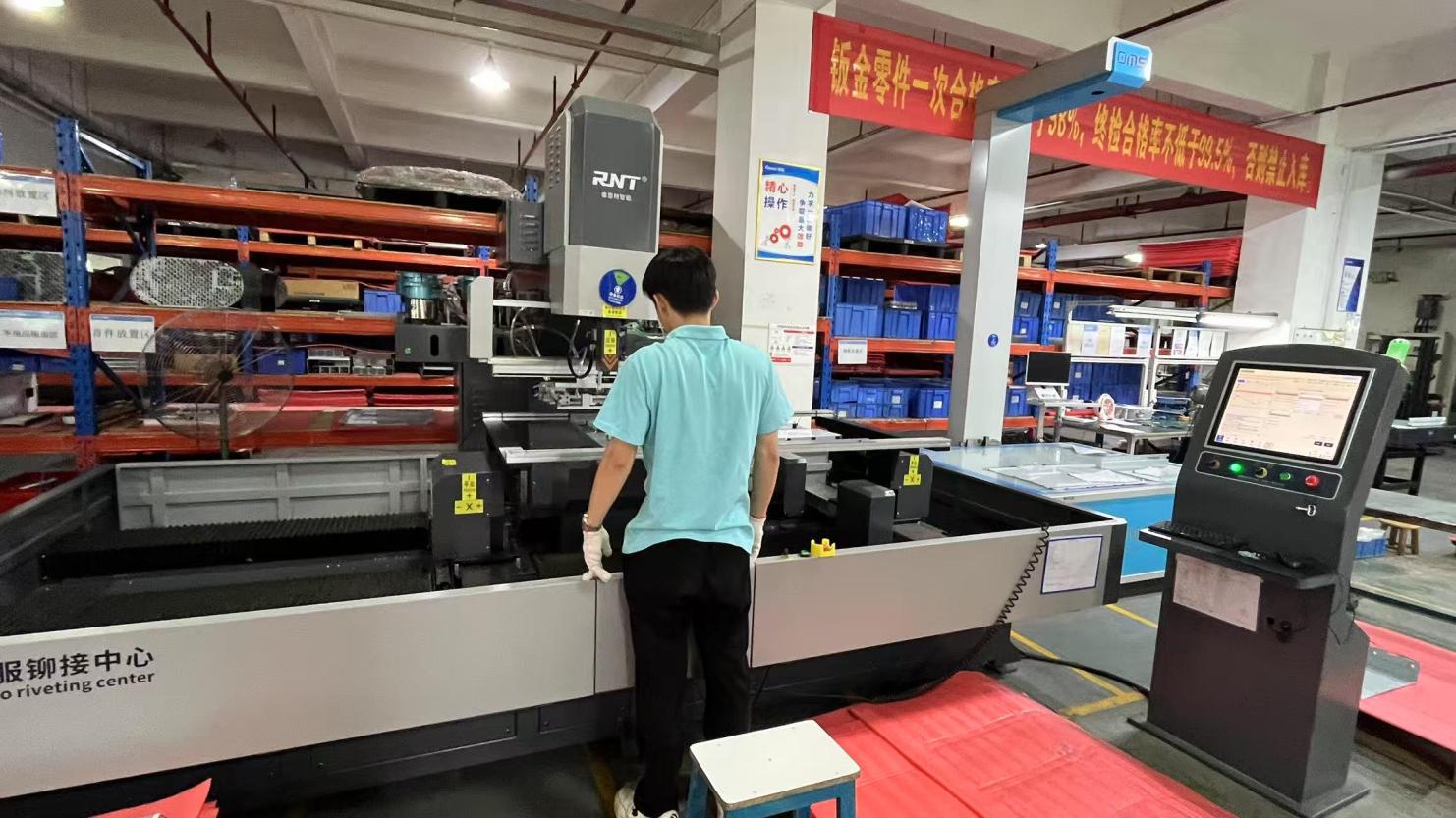 Riveting
 Stamping
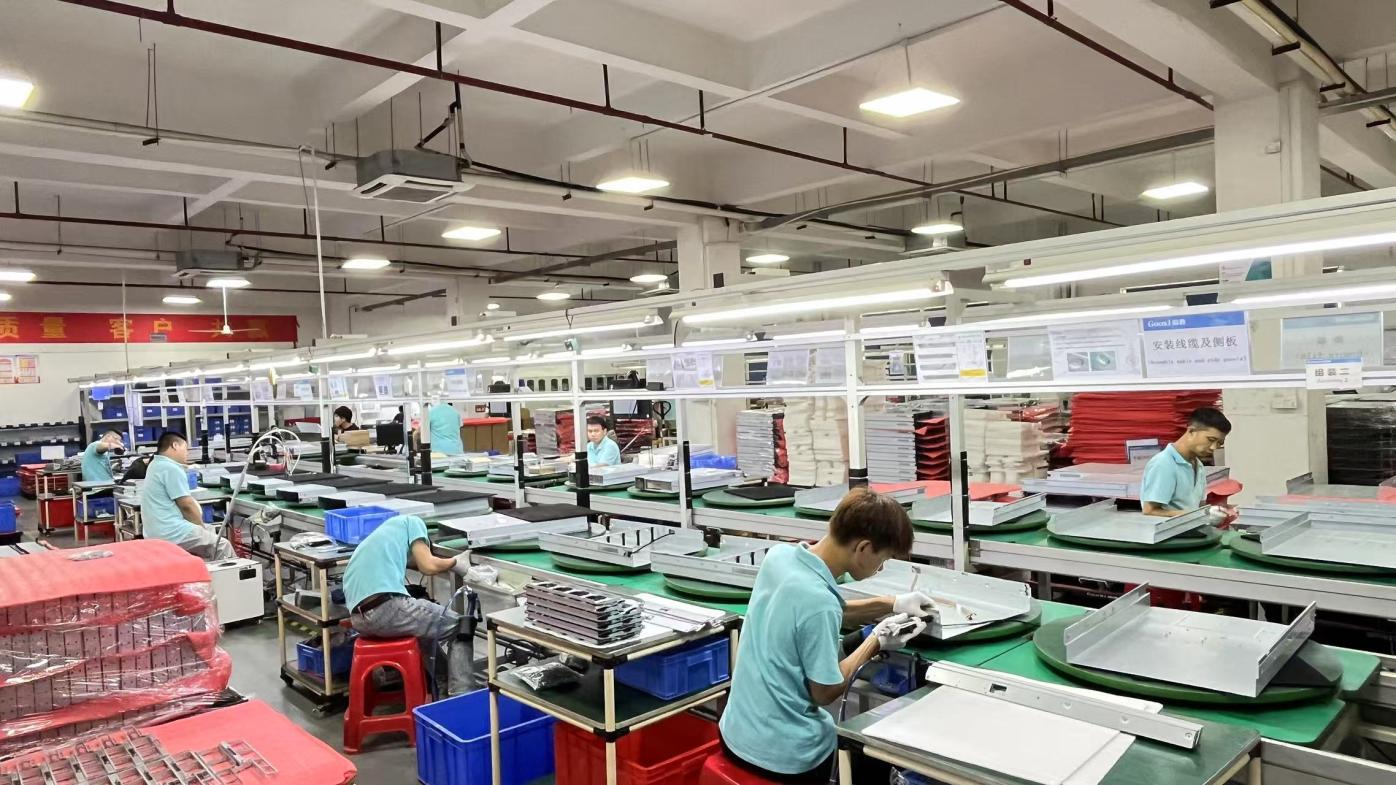 Housing Assembly
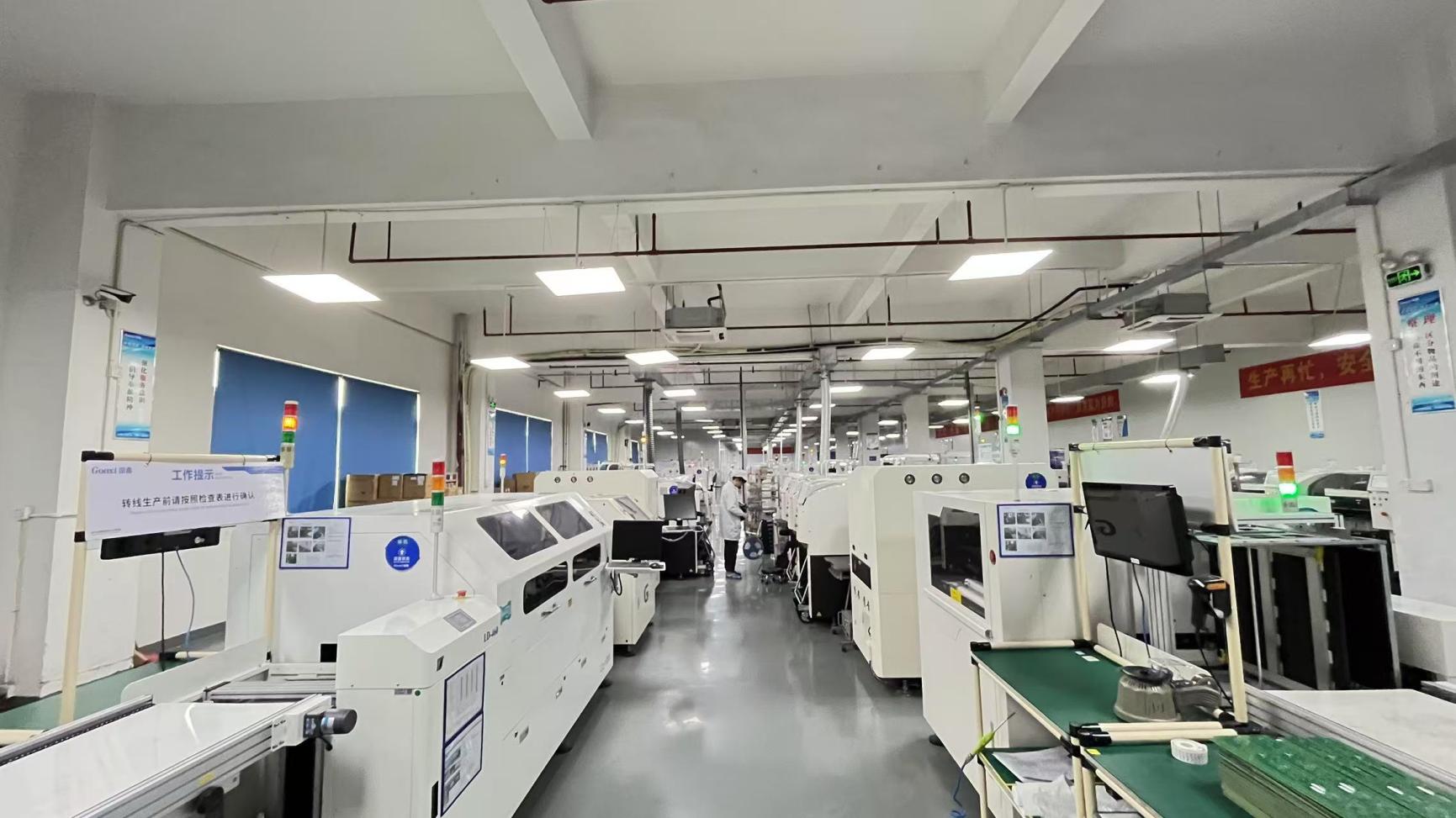 SMT
SMT
 MI
MI
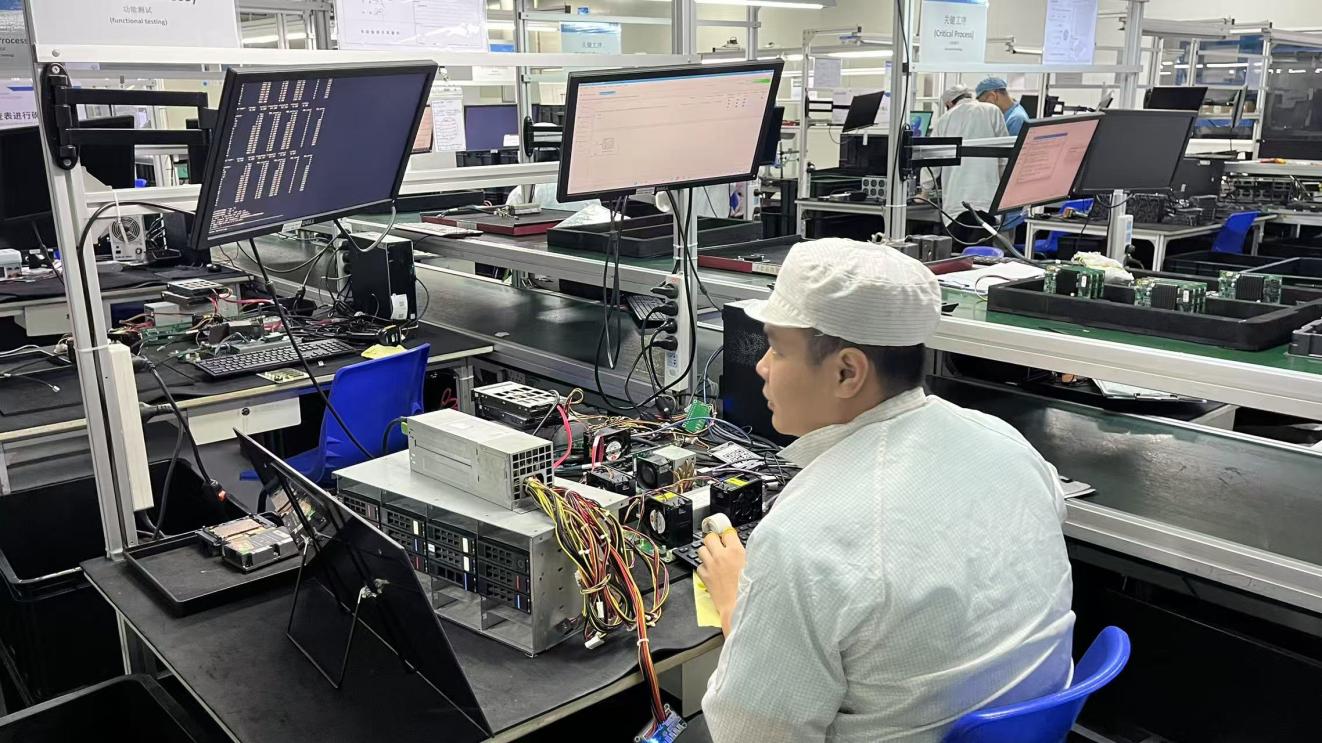 PCBA Test
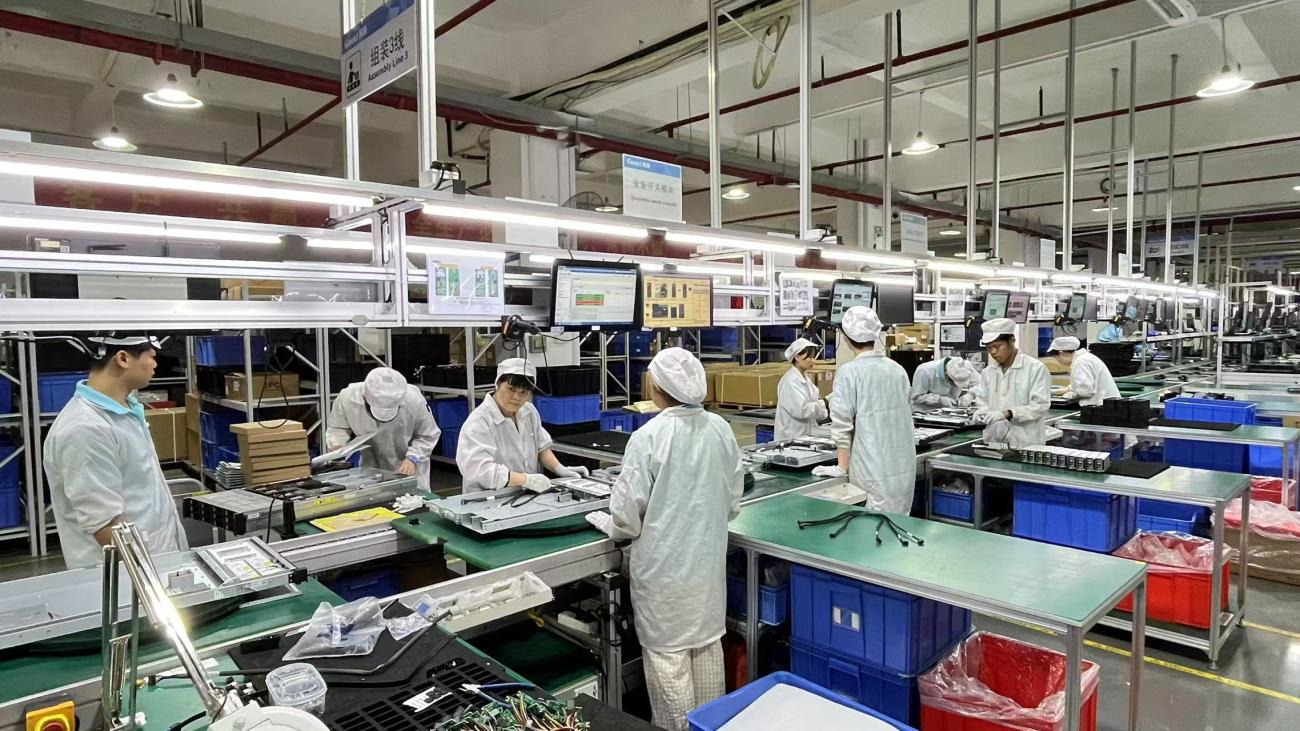 Final Assembly
 Testing
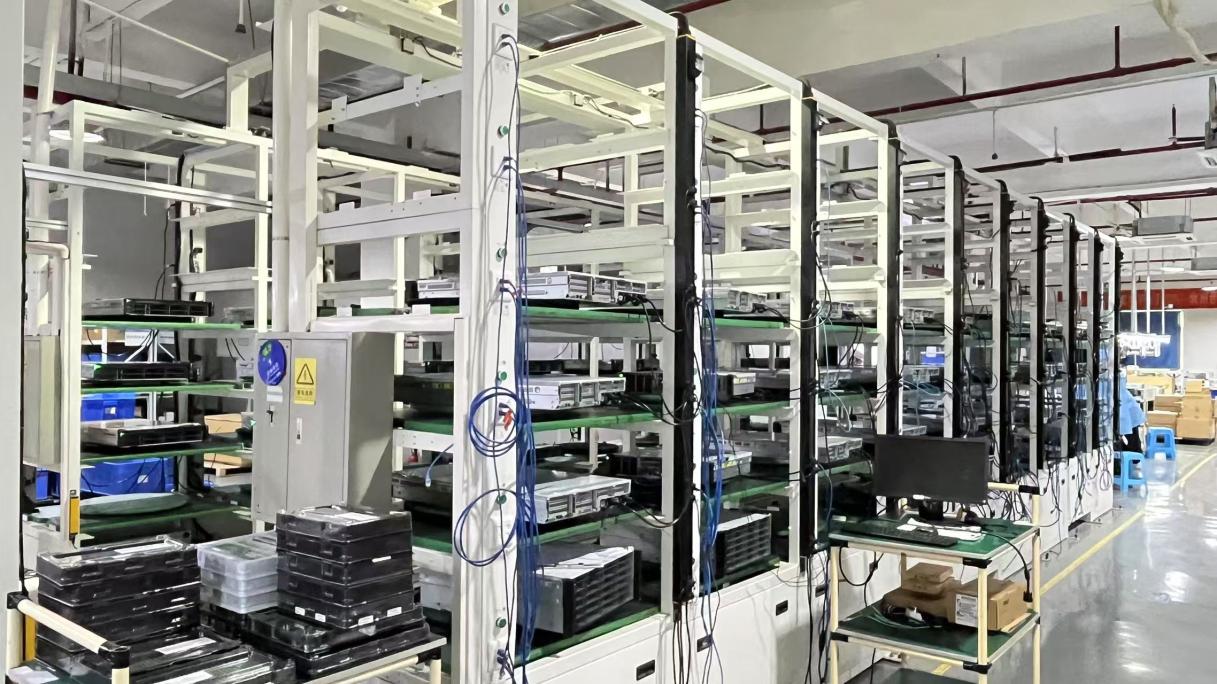 Aging Test
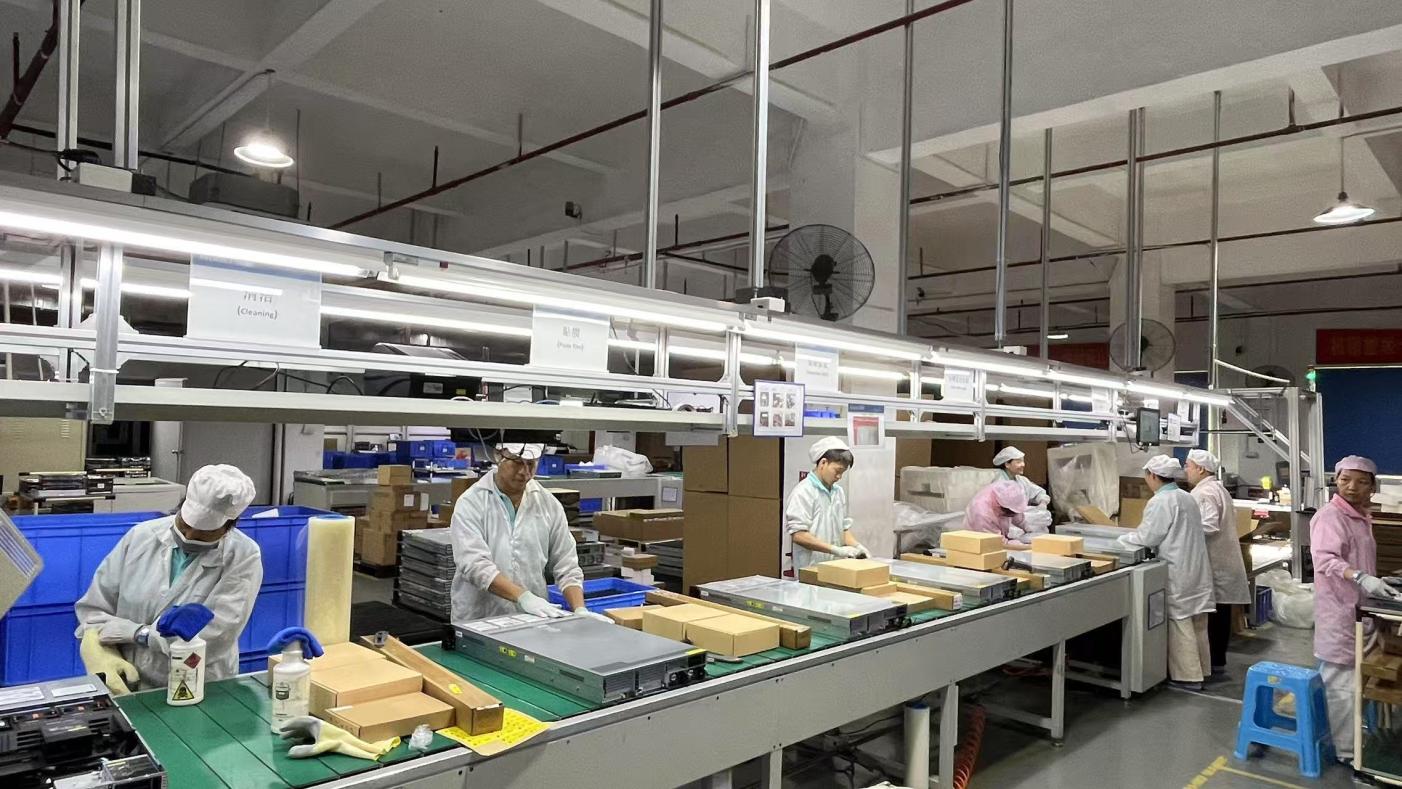 Packing
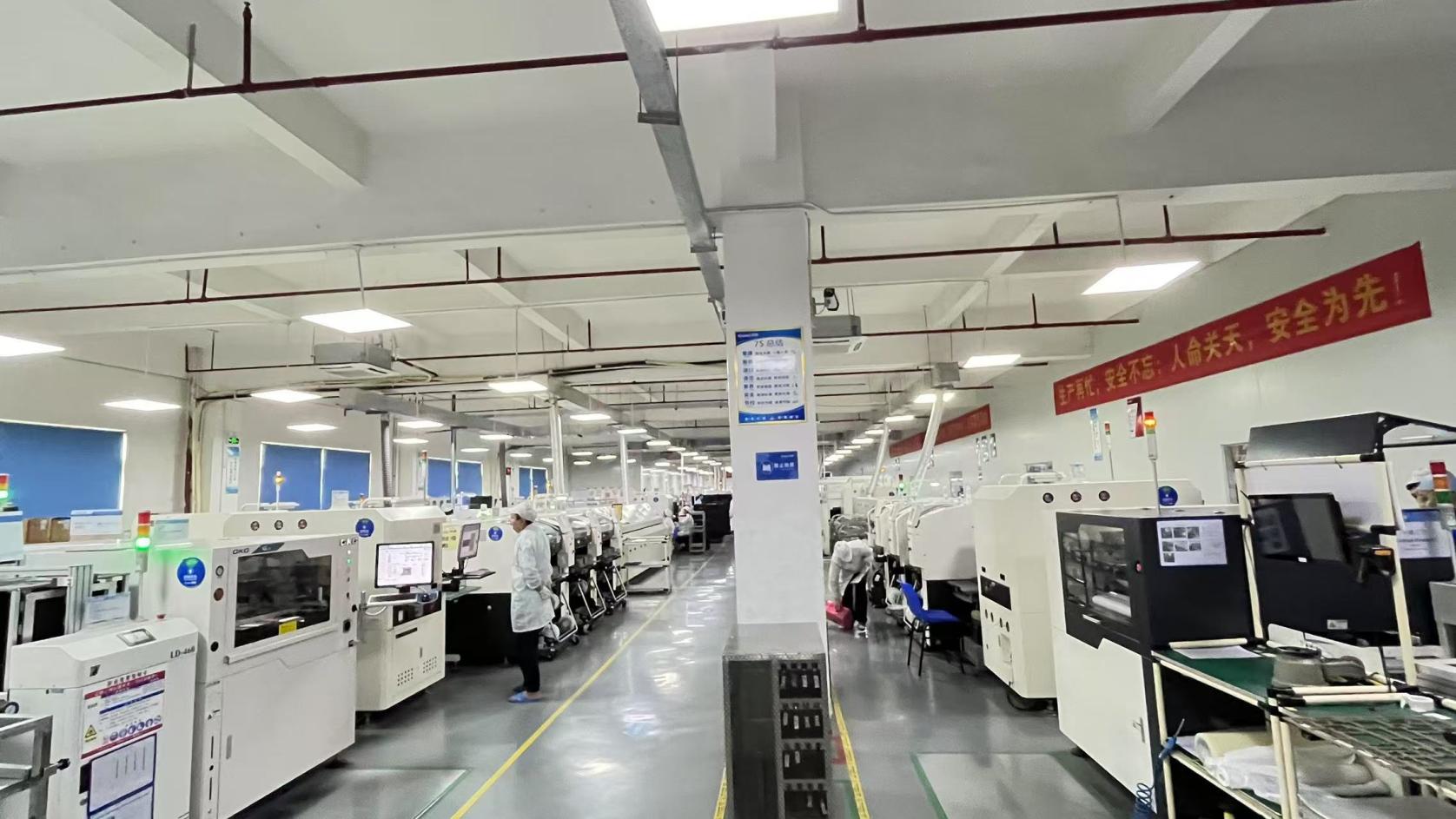 SMT Line
Heavy-Duty Machinery & SMT Enclosures
 Reflow Soldering Machine
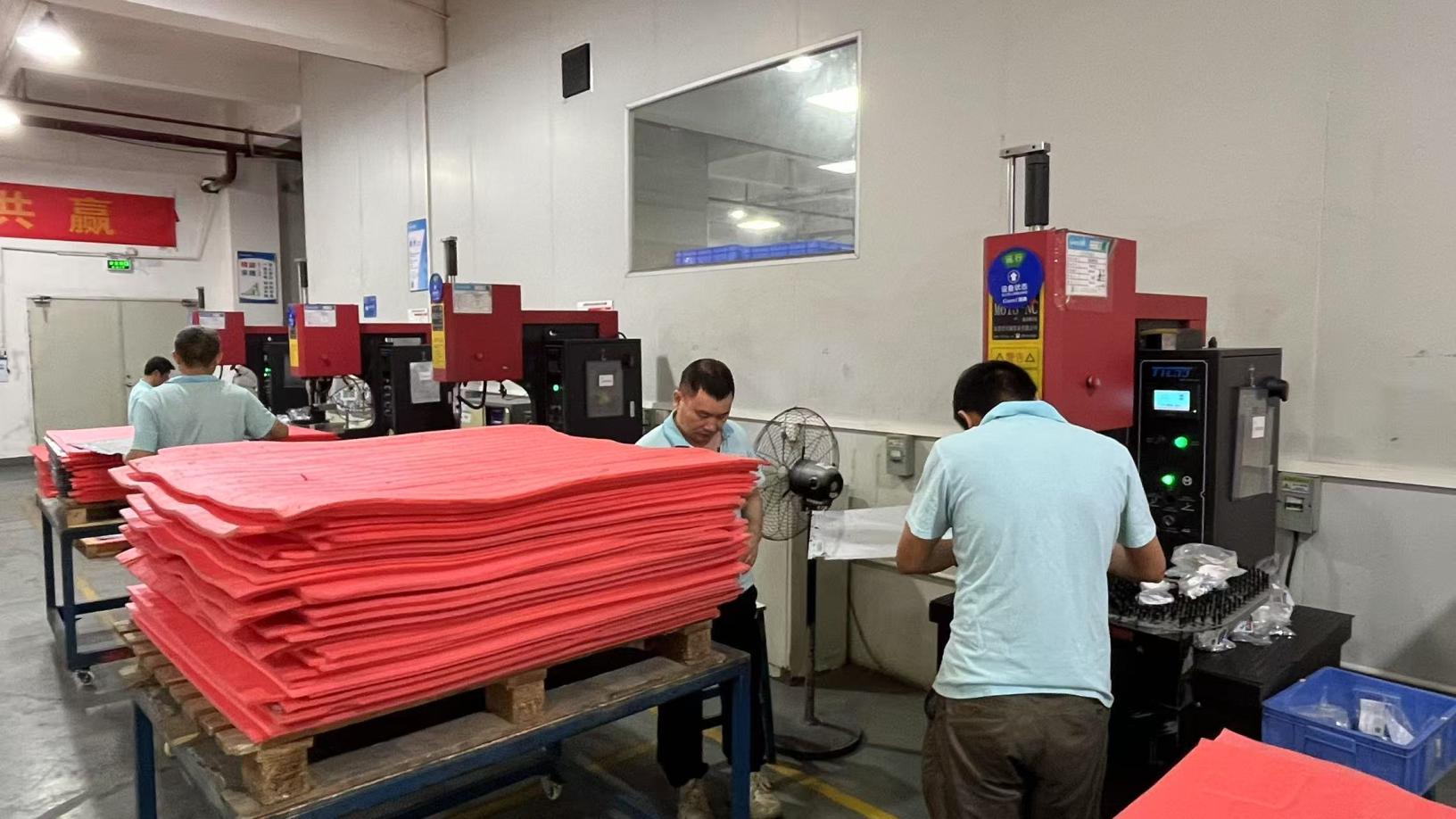 Rivet Machine
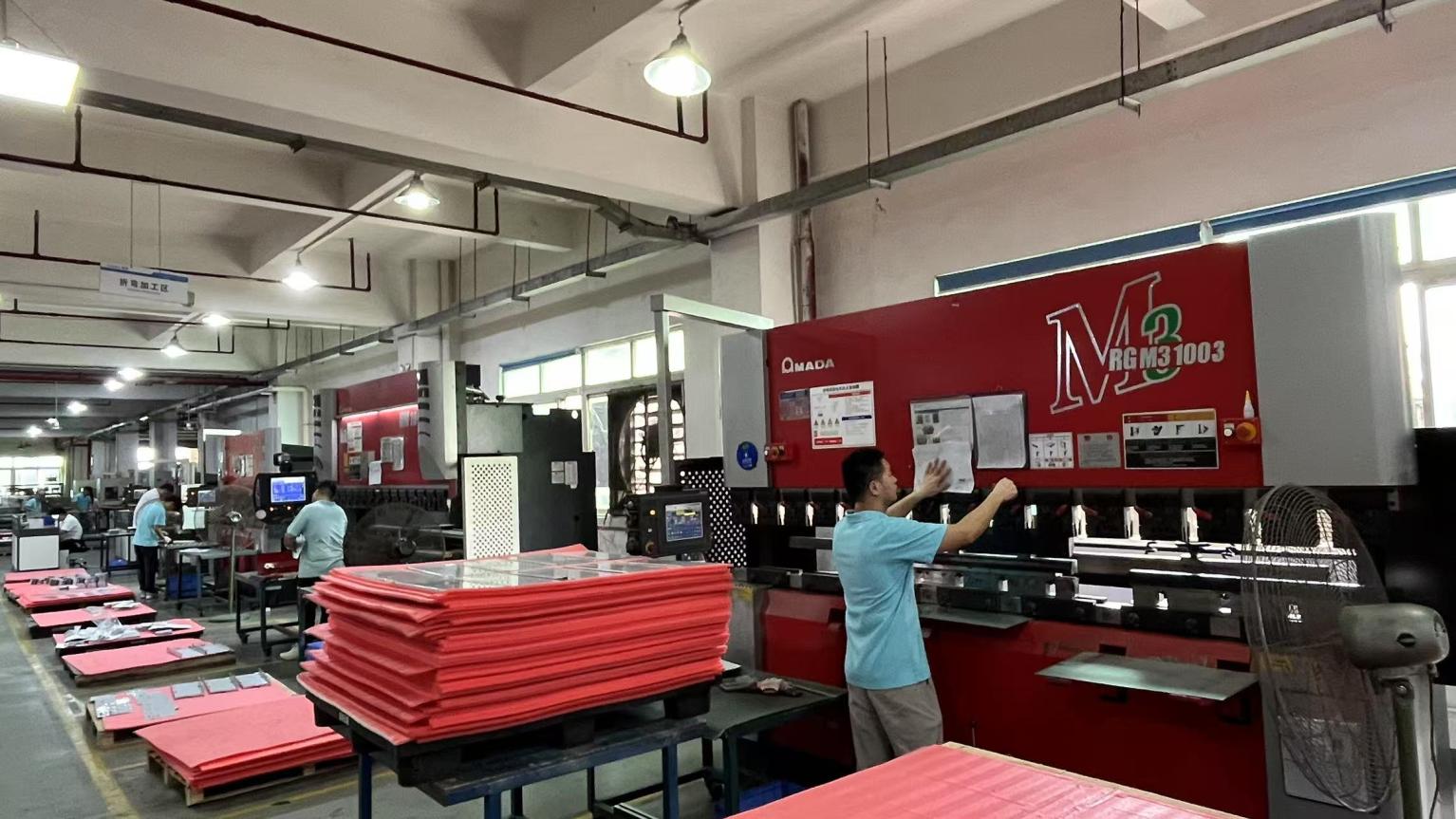 Bending Machine
 Riveting Center
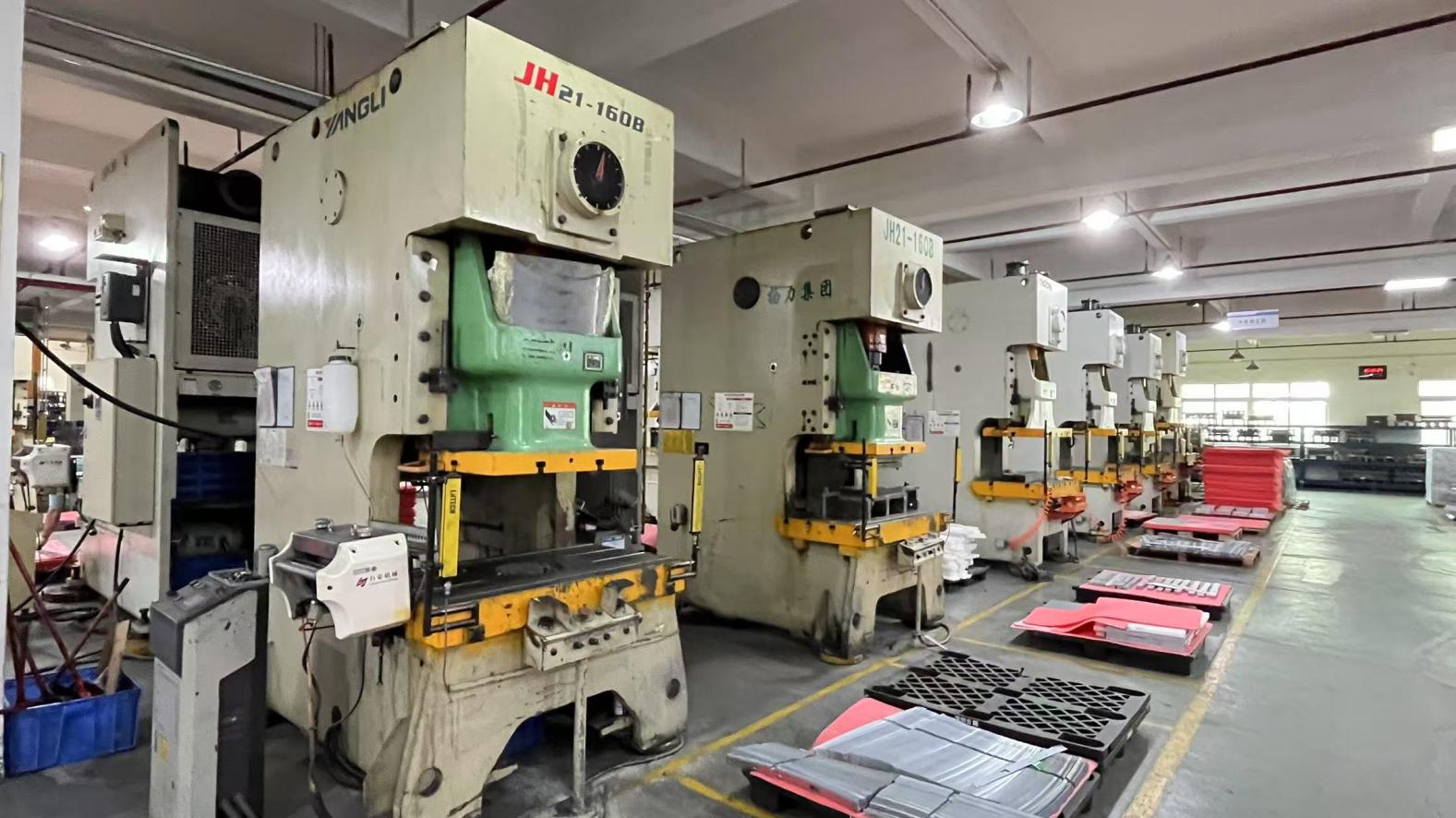 Stamping Machine
 Laser Cutting Machine
Rigorous Quality Assurance & Technical Compliance
Reliability is key for network load balancers, as they act as a single point of entry for all incoming traffic. A single hardware failure can lead to cascading site outages. Because of this risk, ZhiCloud AI maintains a team of 45 dedicated Quality Control (QC) specialists. They oversee a multi-stage testing process designed to detect hardware issues before systems ship.
Every server housing, PCBA layout, and custom load balancer module undergoes thermal stress testing, full-system performance benchmarking, high-speed vibration testing, and salt-spray corrosion analysis. This process ensures they remain durable, even under harsh datacenter conditions.
Strict Hardware Testing & Metrology Facilities
 Electrical Testing
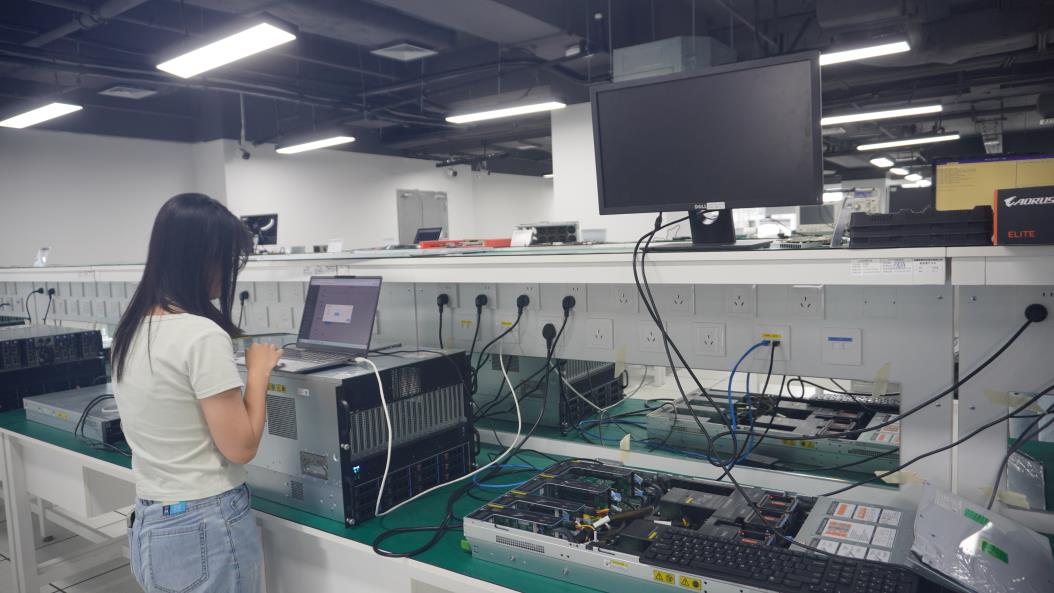 System Testing
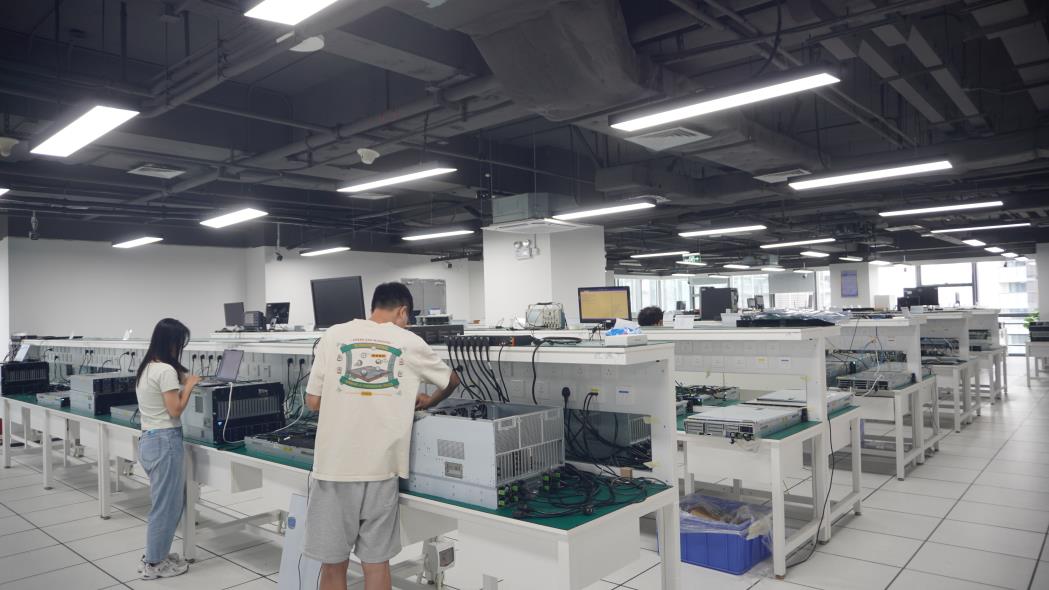 Stress Testing
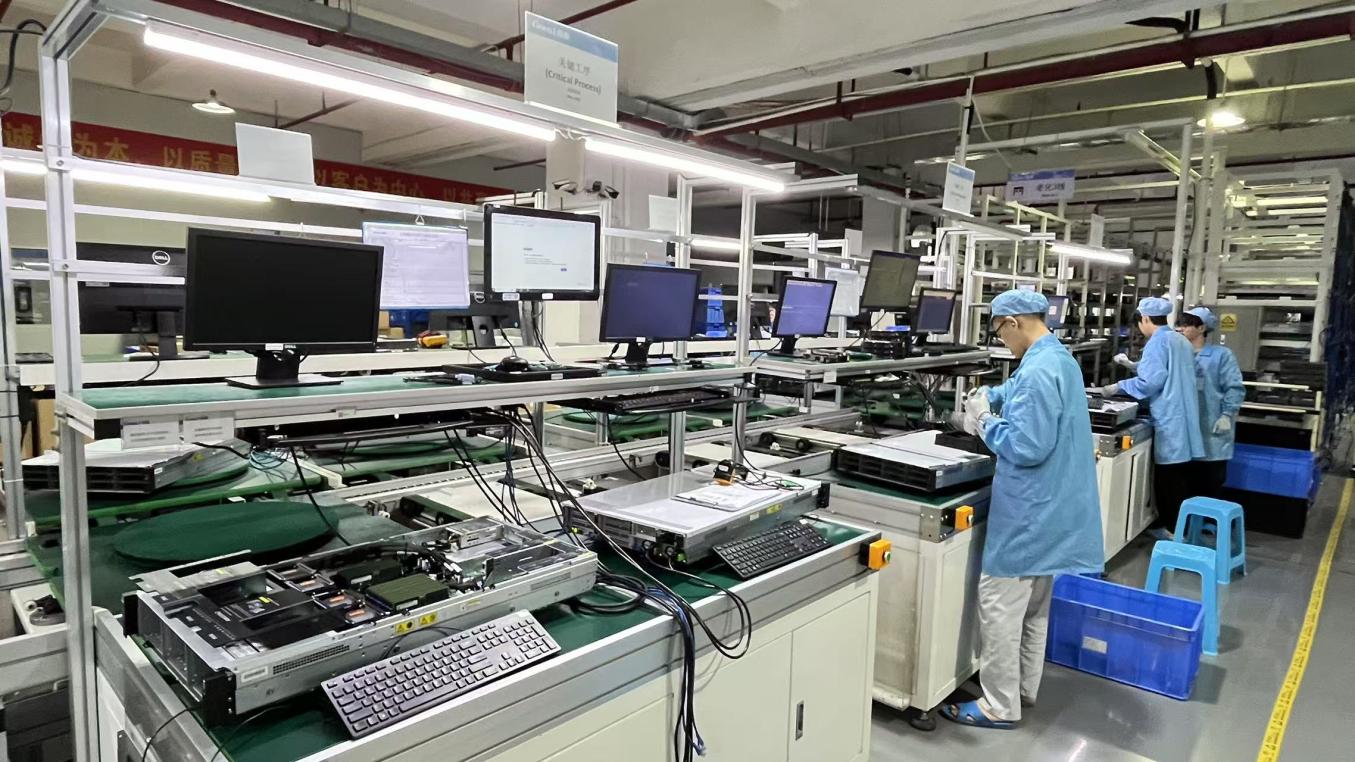 Functional Test
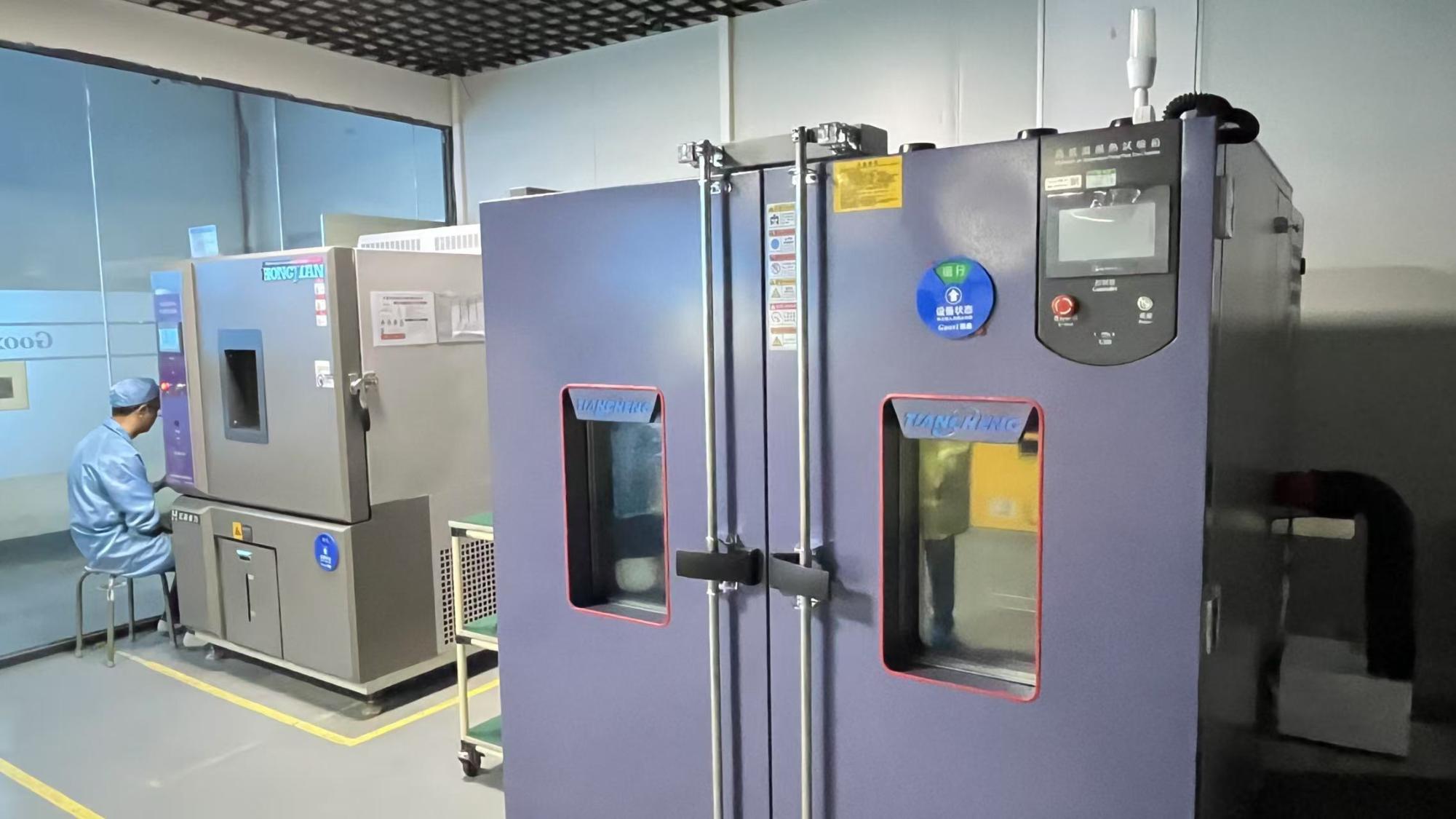 Thermotank
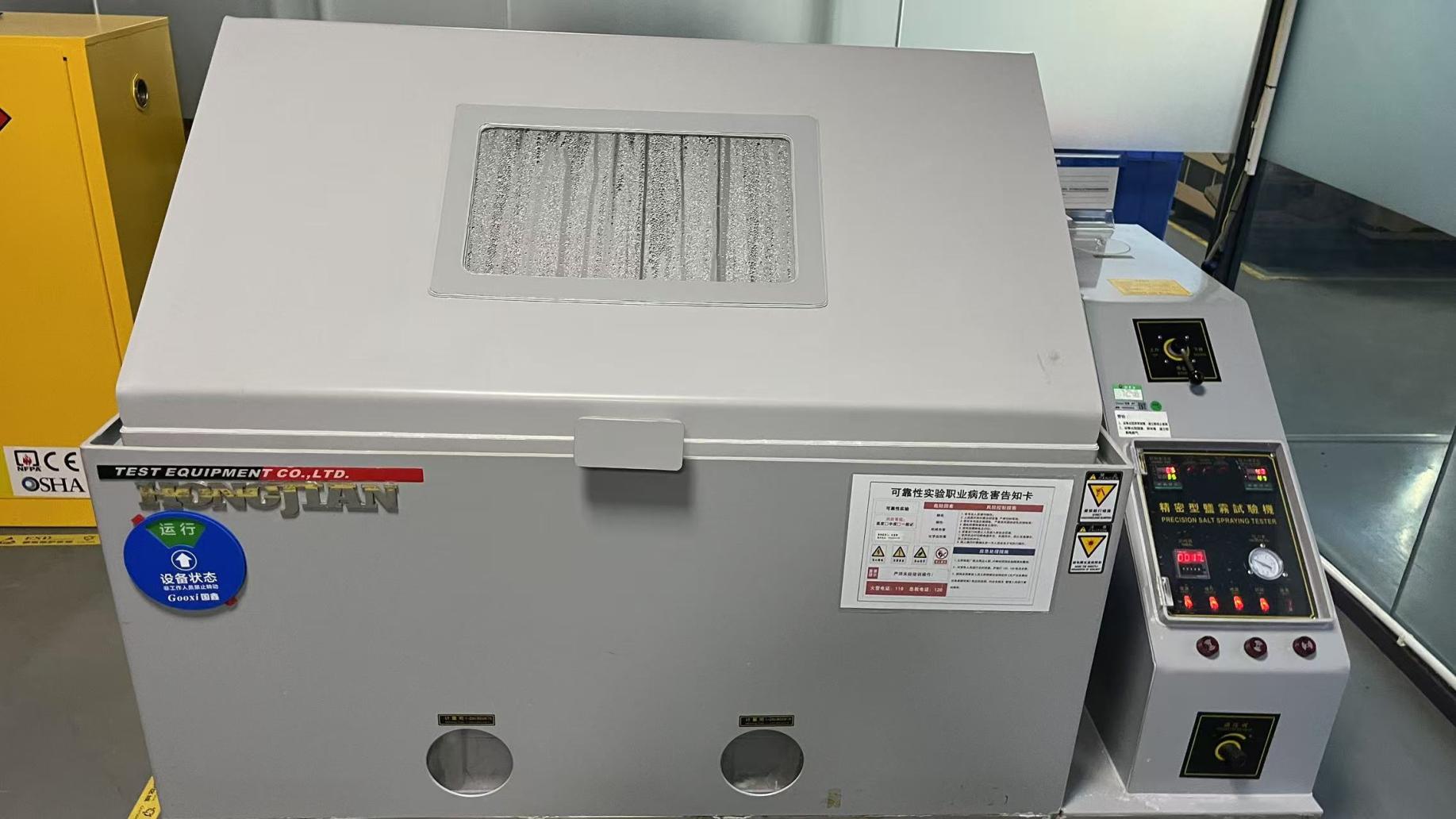 Salt Spray Tester
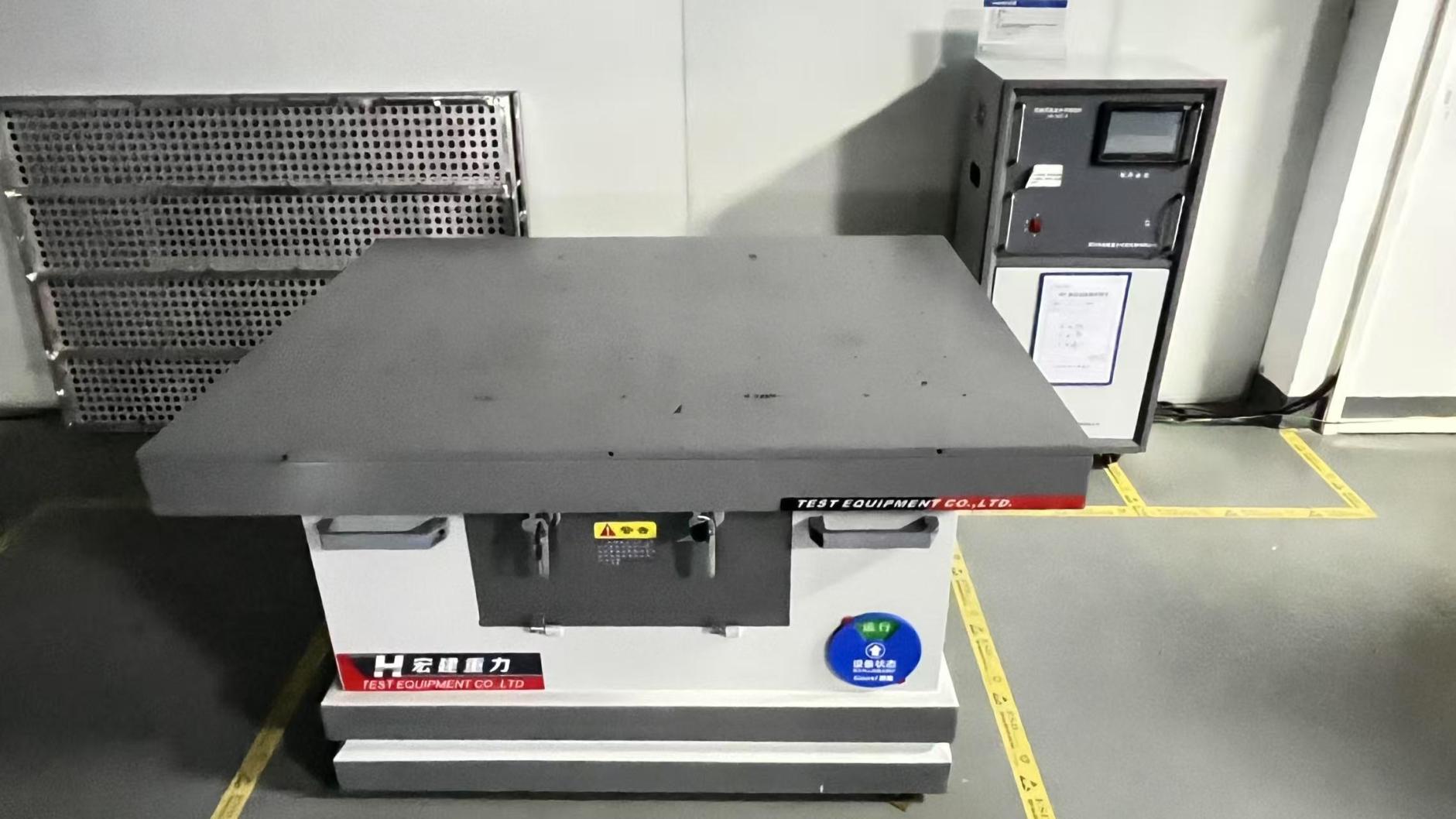 Vibration Tester
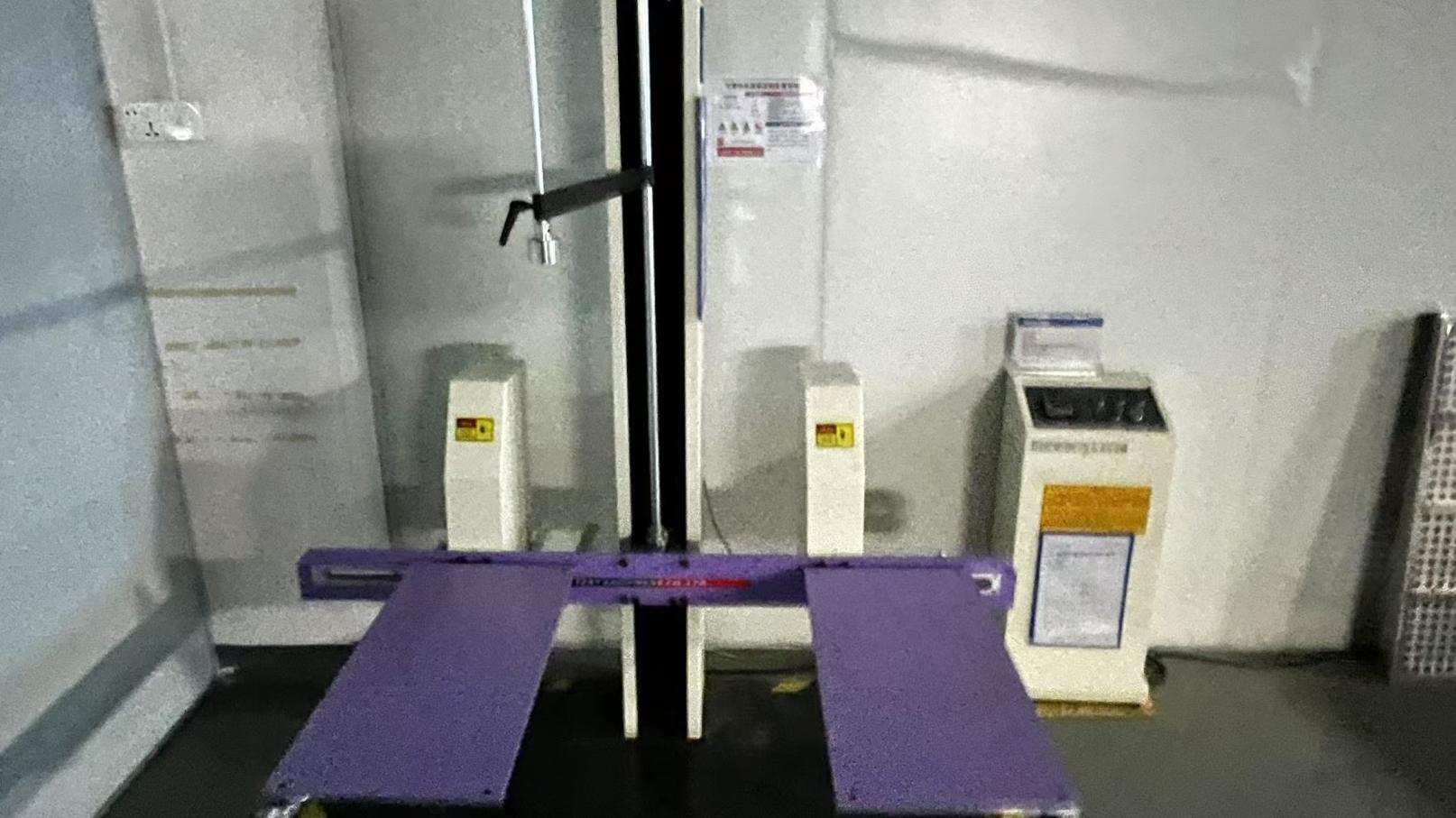 Drop Tester
 CMM
CMM
 X-ray
X-ray
Our network balancing products carry international certifications, including CE, FCC, RoHS, and UL guidelines. We perform comprehensive burn-in procedures under high thermal and computing loads, helping to prevent early component failure and ensuring reliable operation in mission-critical environments.
Localized Application Scenarios for ZhiCloud Load Balancers
Our specialized systems are optimized for several critical use cases:
- AI Compute Clusters (e.g., DeepSeek R1, LLM Inference): Large-scale language model inference generates millions of real-time requests. Our bare-metal platforms act as high-speed gateways, distributing token-processing demands across server farms to maintain low time-to-first-token (TTFT) metrics.
- Financial Web Platforms: Financial trading systems rely on predictable latency. ZhiCloud AI load balancer platforms utilize custom SFP28/QSFP28 high-speed network interfaces, using hardware acceleration to process incoming TCP sessions with minimal delay.
- Municipal Infrastructure & Smart Cities: Edge datacenters processing traffic data, surveillance video feeds, and IoT diagnostics require robust load-balancing hardware. Our systems route data reliably, even under changing thermal and environmental conditions.
Technology Roadmap & Future Outlook
The future of network balancing is closely tied to hardware acceleration. ZhiCloud AI is investing heavily in integrating eBPF (Extended Berkeley Packet Filter) and DPDK technology directly with enterprise hardware interfaces. This alignment allows us to bypass standard OS kernel overhead, routing packets at line-rate.
Additionally, the rise of liquid-cooled systems in datacenters has led our team to engineer chassis designs tailored for closed-loop cold plate and immersion cooling setups. This R&D effort keeps our hardware compatible with modern green energy and high-density datacenter initiatives.