ZhiCloud AI
ZhiCloud AI
ZhiCloud AI
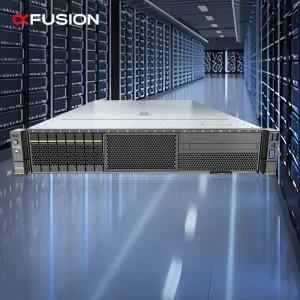
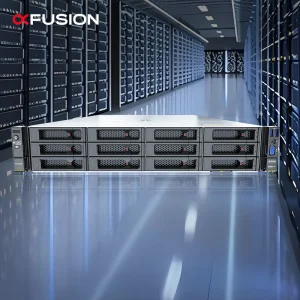
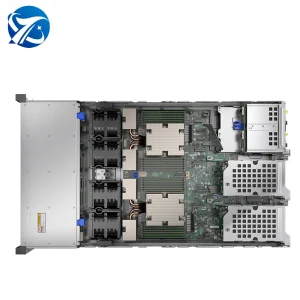
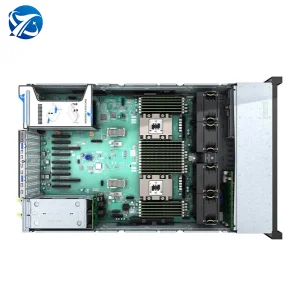
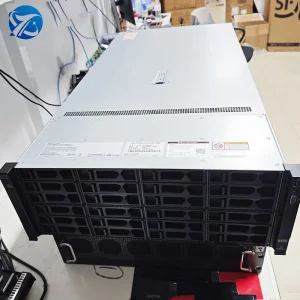
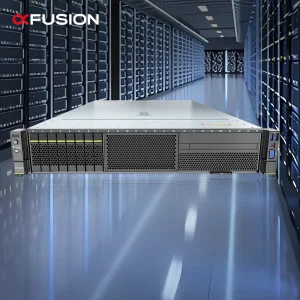
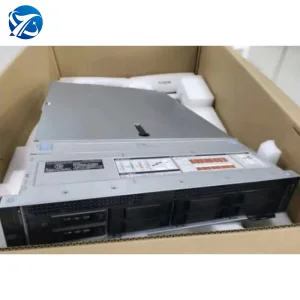
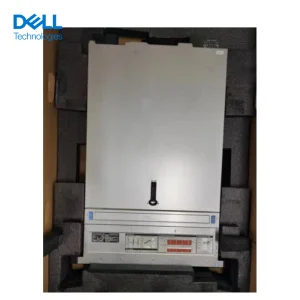
The global demand for computational power is rising at an exponential rate, driven by structural advancements in deep learning models (such as DeepSeek and massive transformer architectures), real-time high-performance computing, and containerized cloud platforms. Modern enterprise requirements are shifting from legacy rack mounts to optimized, purpose-built bare-metal clusters. Sourcing hardware directly from specialized China wholesale data center factories and suppliers provides massive optimization options for hardware configurations, thermal management solutions, and low-latency network interconnectivity.
As server and GPU architectures scale to meet high-performance workloads, the procurement process requires a strict focus on manufacturing capability and testing rigor. Partnering with a reliable enterprise systems supplier allows organizations to build compute fabrics that balance massive core counts with optimized thermal dissipation and structural longevity.
Shenzhen Intelligent Computing Cloud Technology Co., Ltd. (ZhiCloud AI) translates raw manufacturing scale into mission-critical computational assets for the global market.
Sourcing server chassis, motherboard layouts, and fully integrated nodes from Shenzhen allows enterprises to leverage the world's most cohesive electronics manufacturing supply chain. By positioning manufacturing within close proximity to major component fabricators, production lead times are significantly reduced, and custom OEM/ODM designs can go from design schematics to structural prototypes in weeks rather than months.
Unlike standard off-the-shelf system configurations, sourcing directly from a wholesale factory allows for deep personalization. Enterprise buyers can choose from customized riser card configurations to support complex PCIe layouts, select specialized power distribution boards to handle transient spikes from GPU clusters, and determine precise storage architectures using mixed NVMe, SAS, and SATA backplanes.
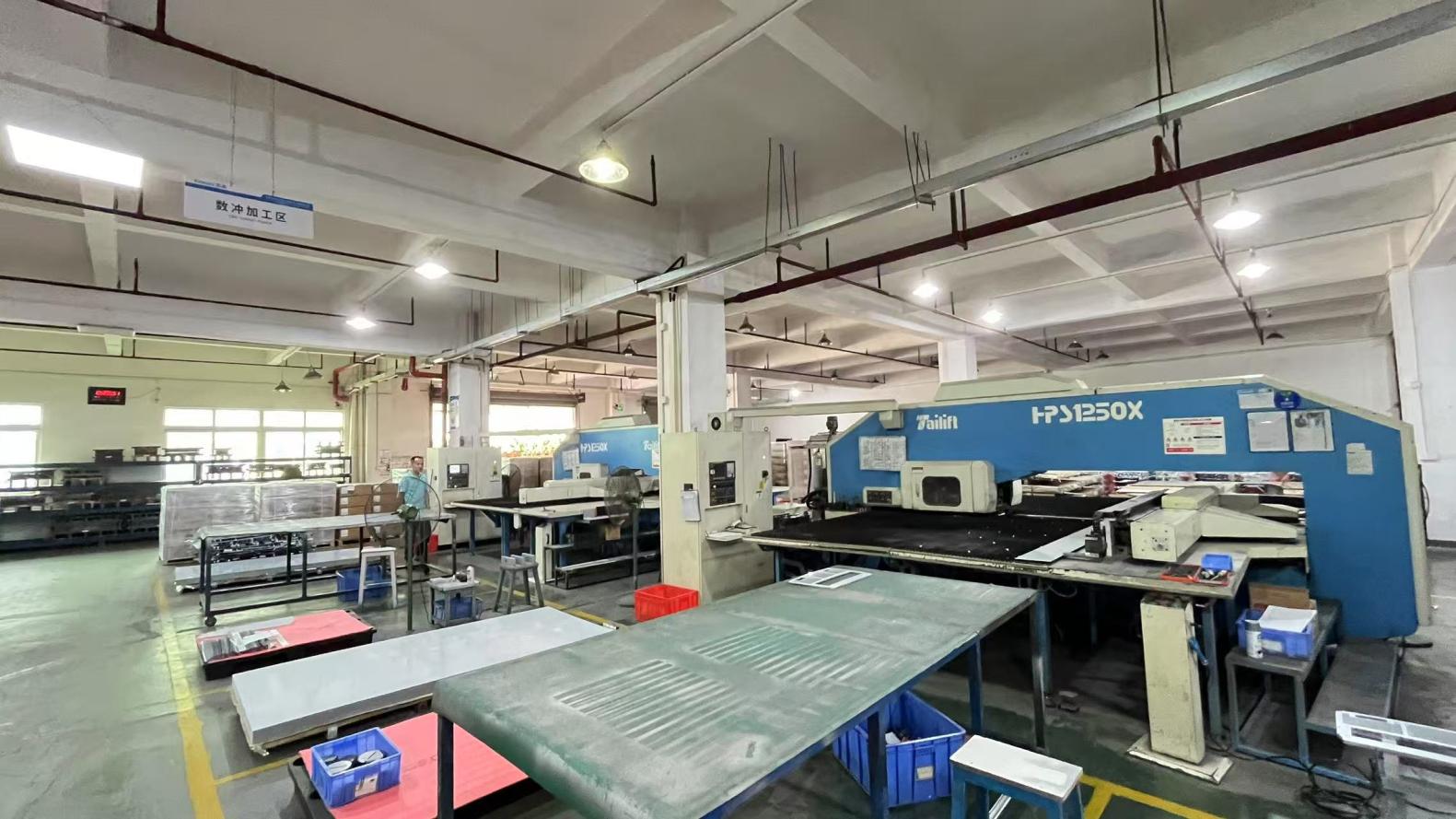
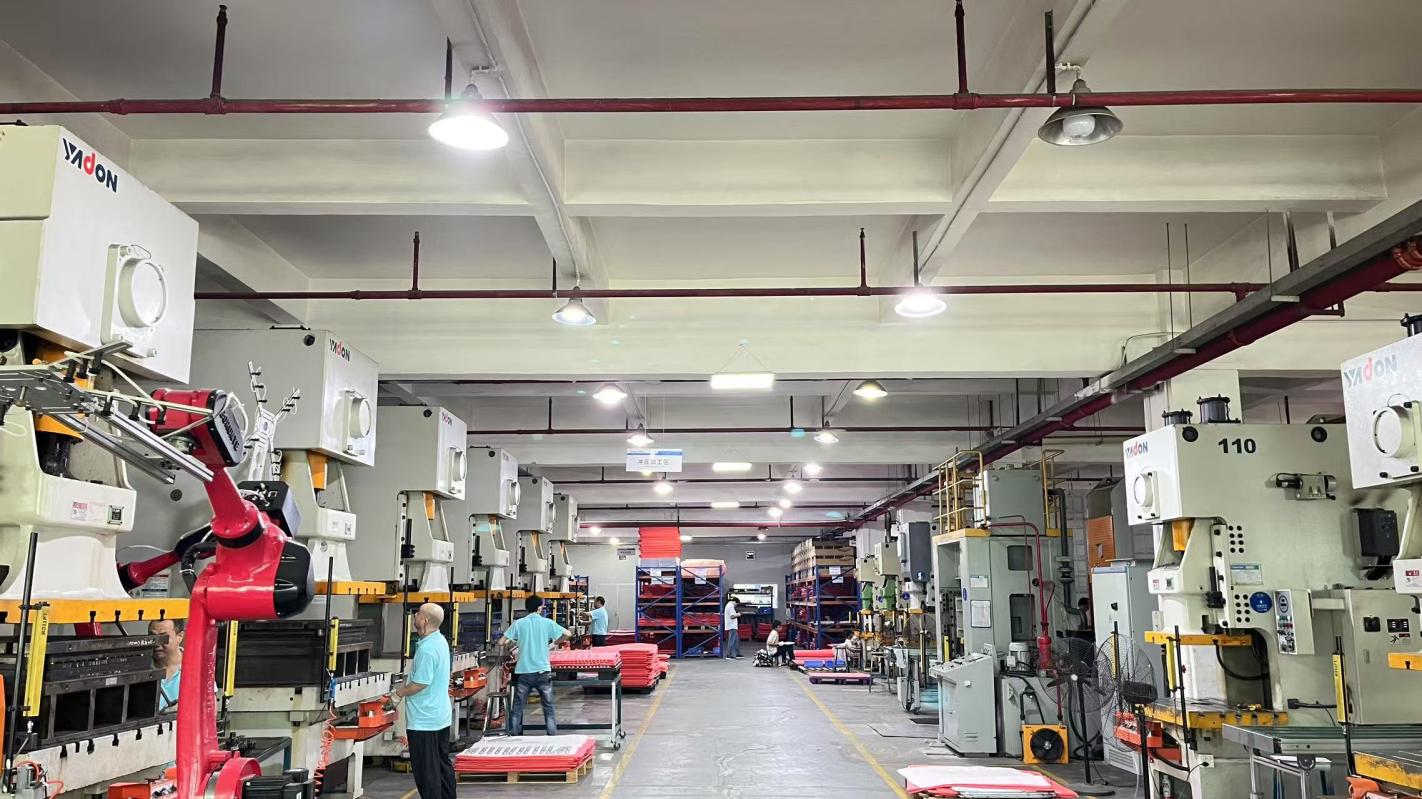
Reliable rack servers must withstand shipping mechanical stress and continuous thermal contraction and expansion without chassis warpage. By utilizing advanced CNC lasers, precision stamping, and automated riveting centers, factories ensure the mechanical dimensions of the server chassis comply with strict EIA-310 standard layouts.
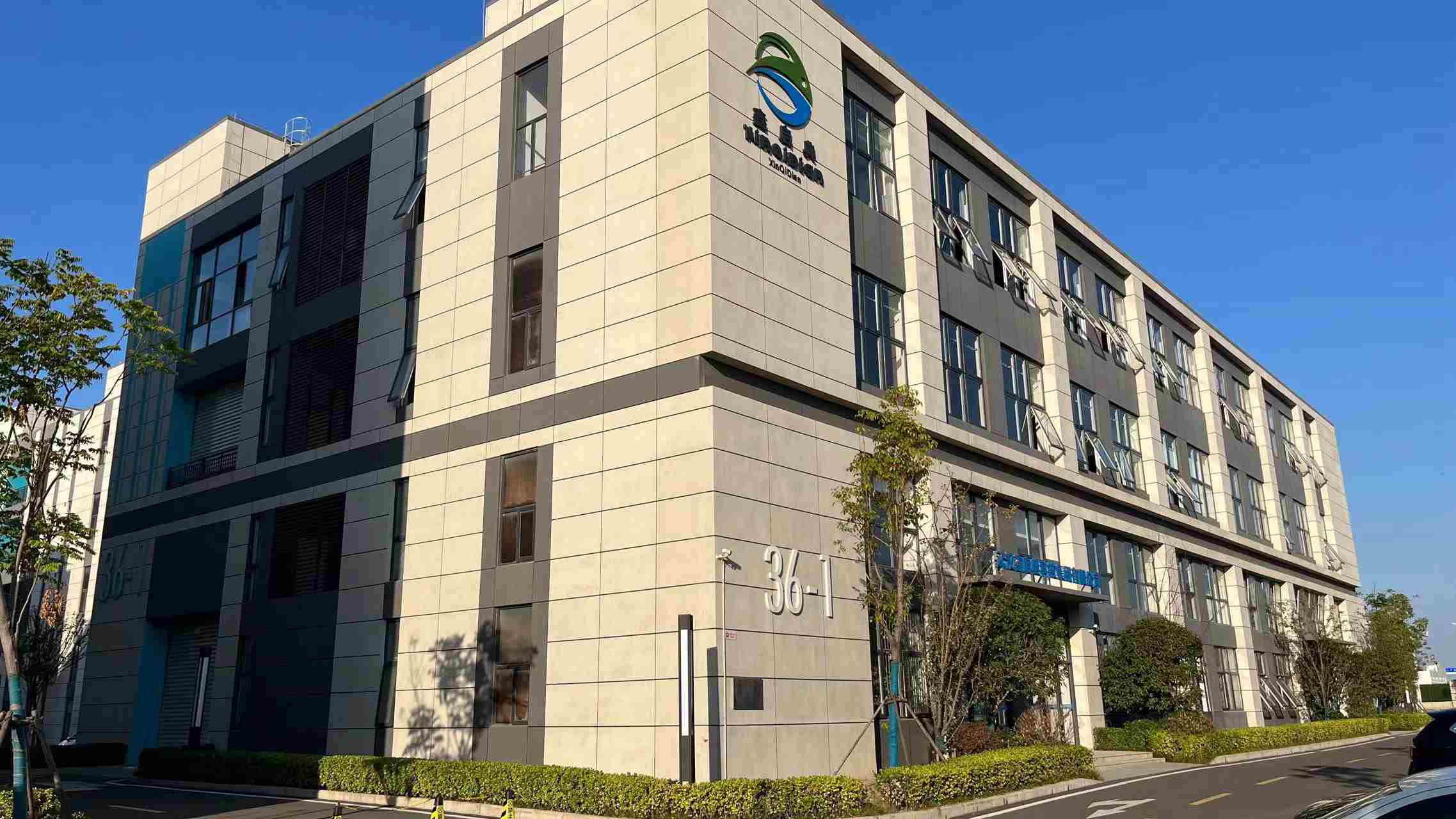
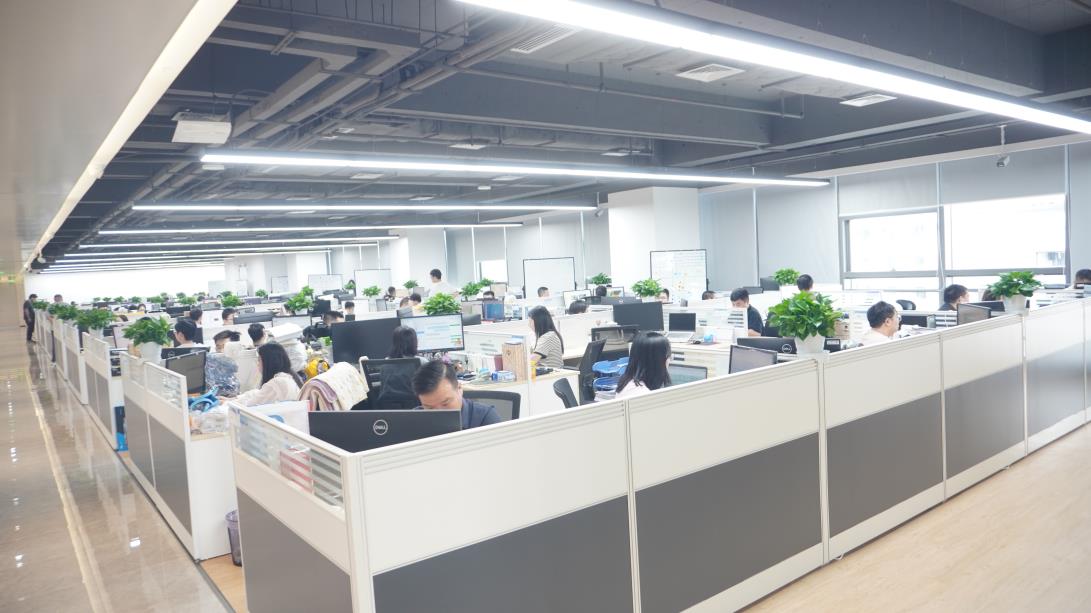
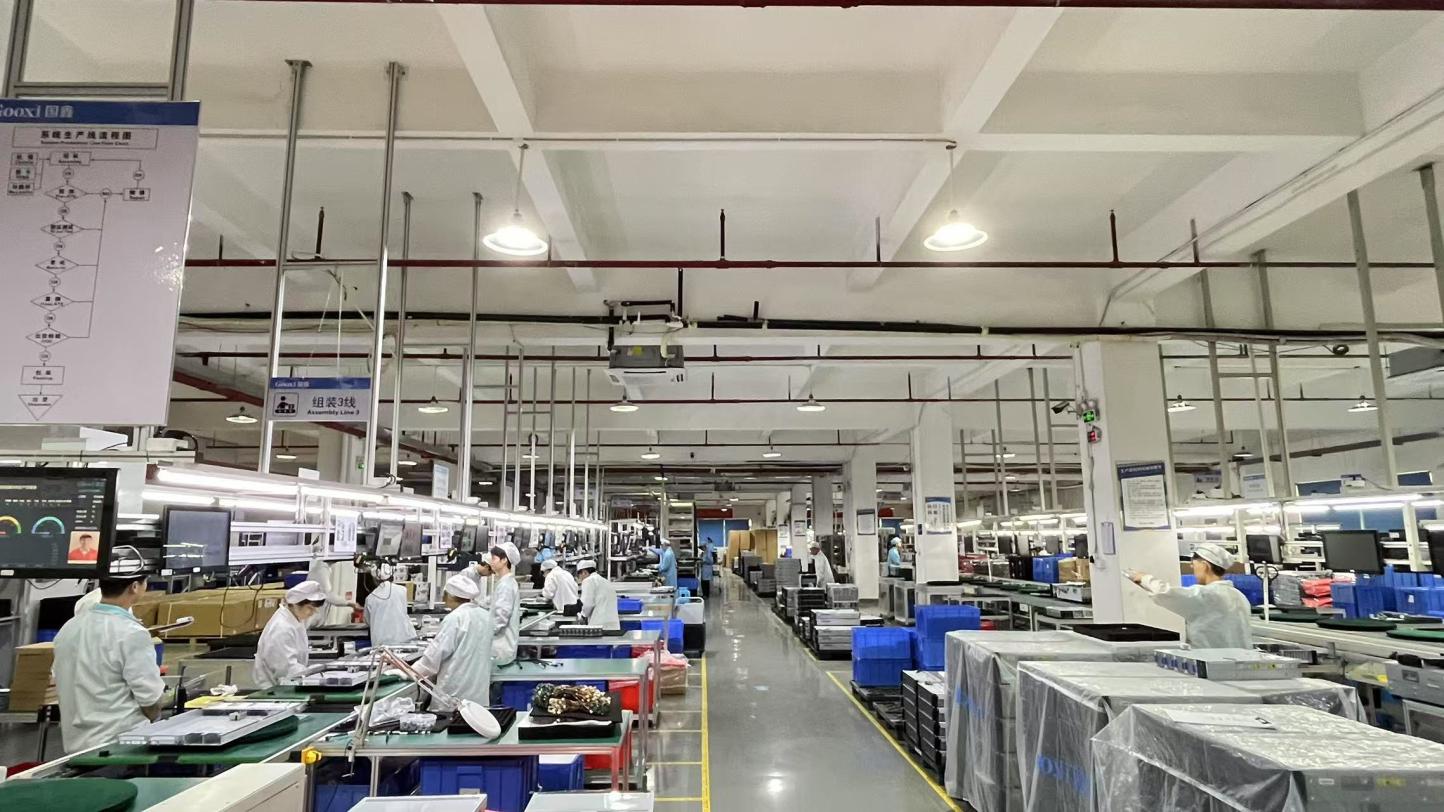
Understanding the engineering phases and rigorous control protocols involved in structural chassis assembly and electronic systems integration.
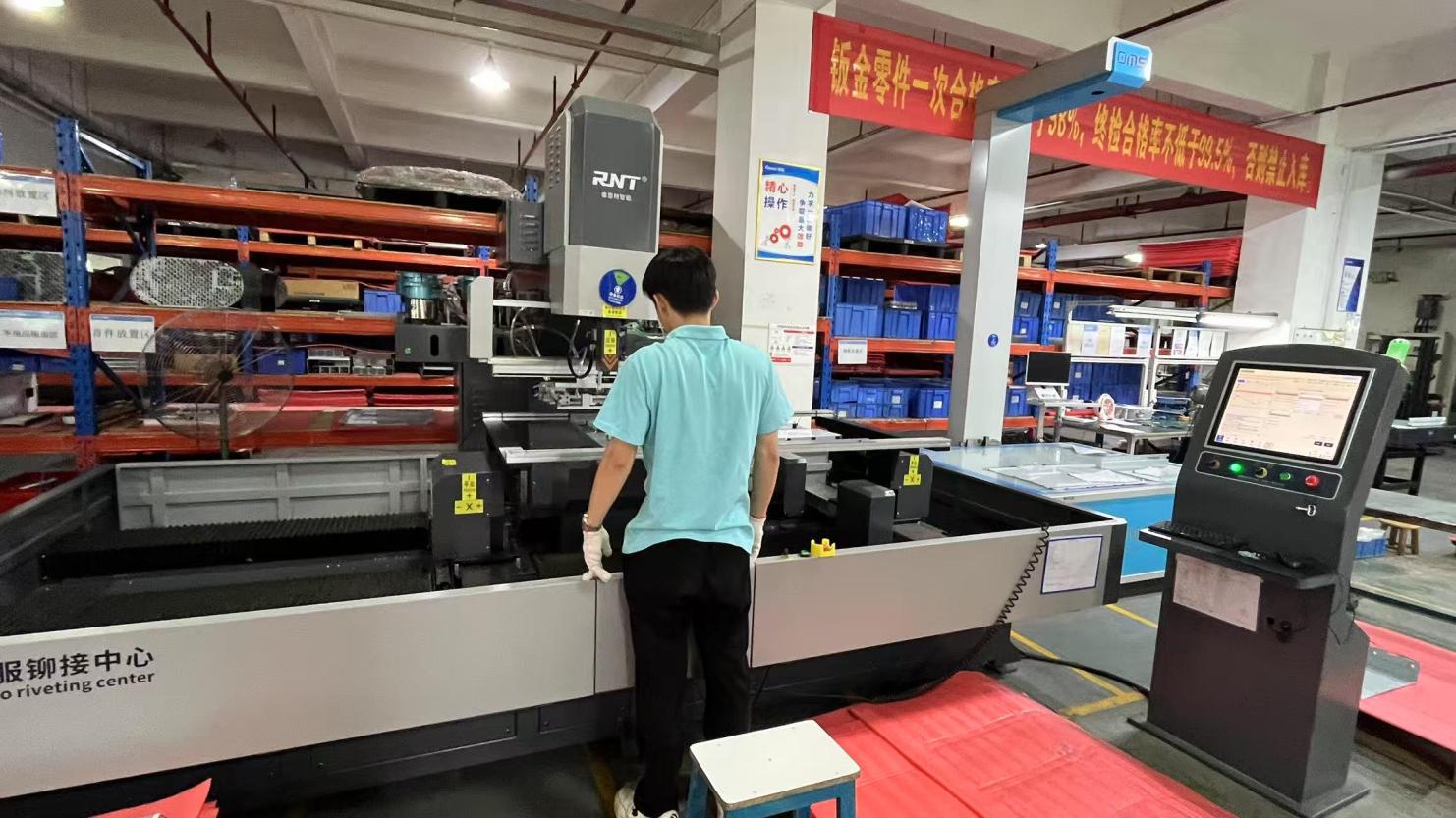

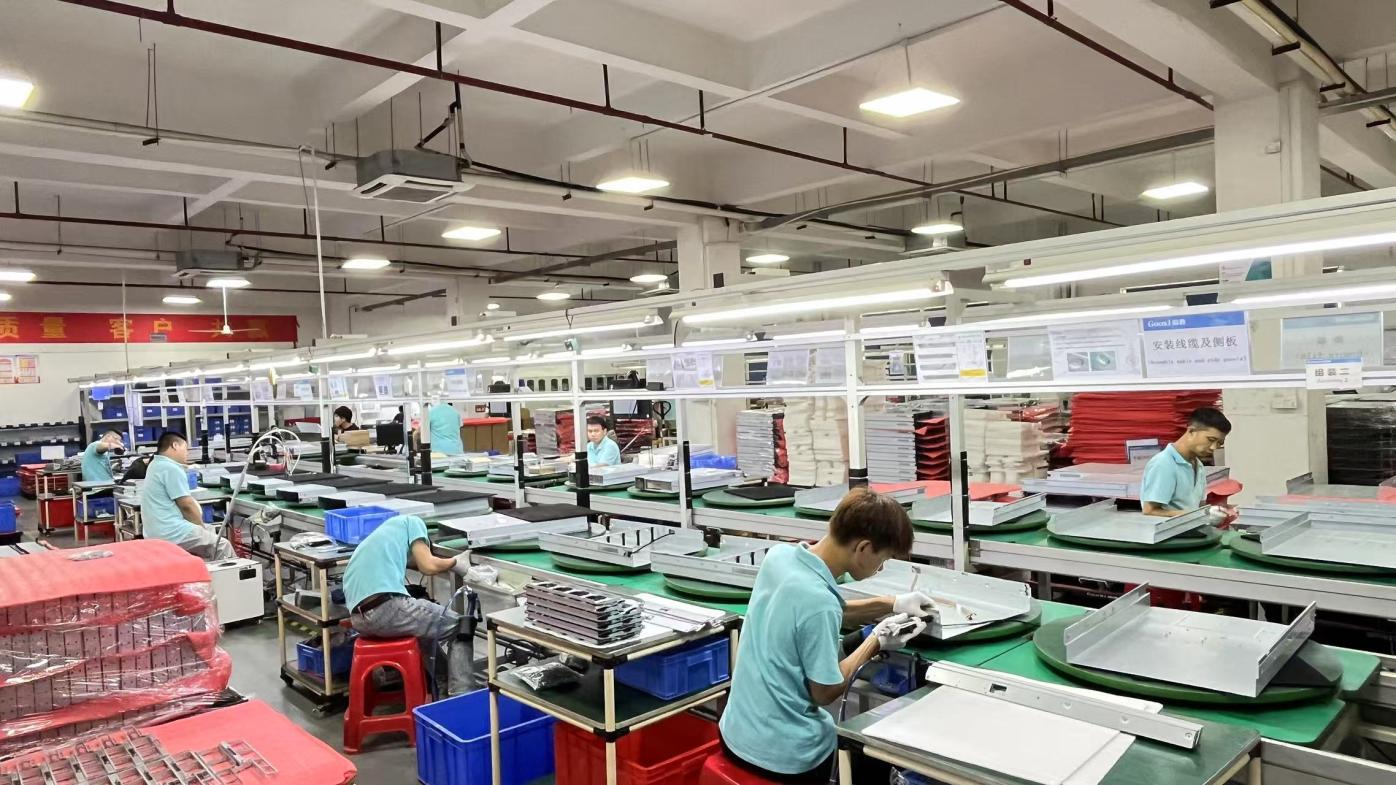
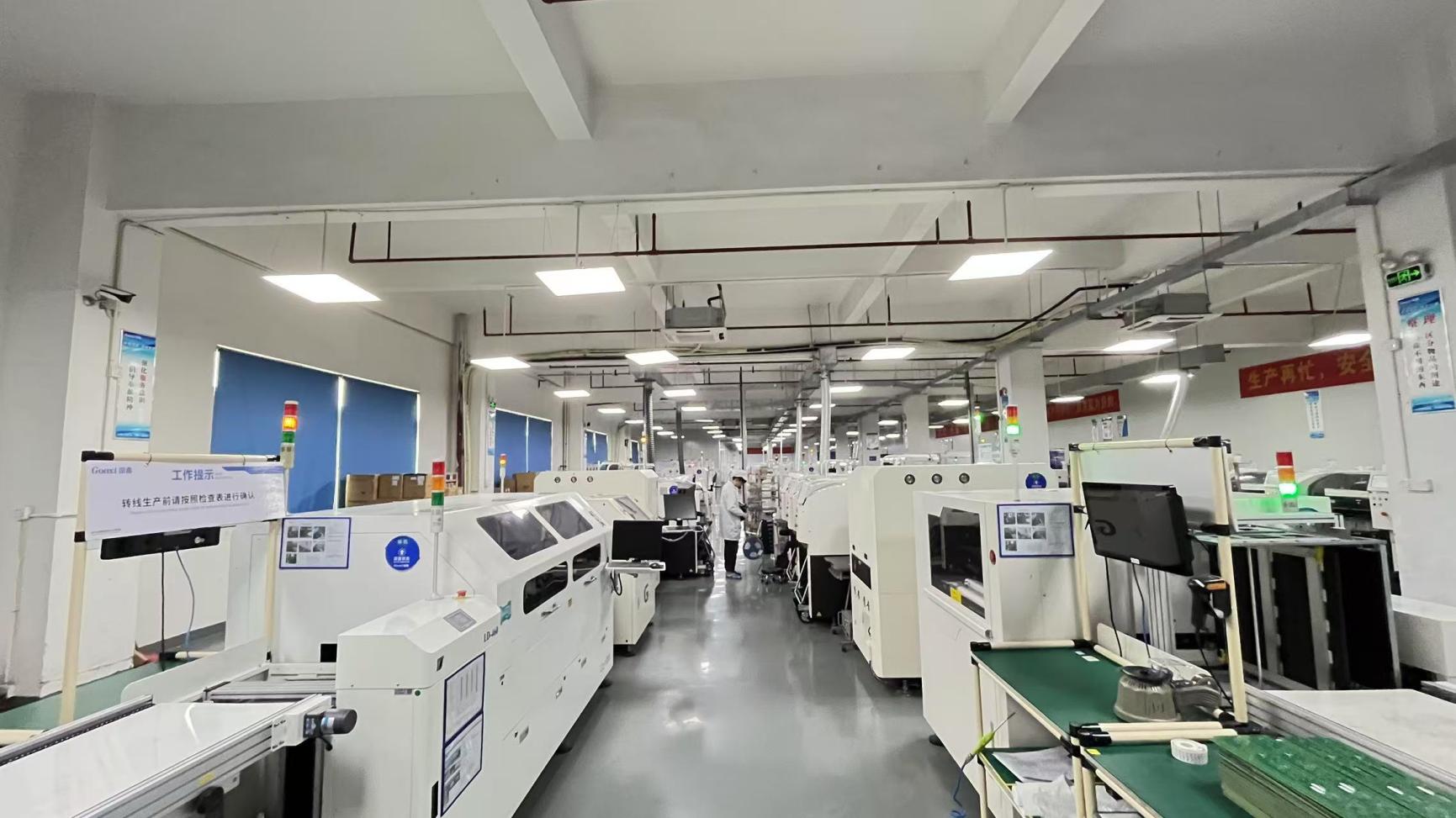
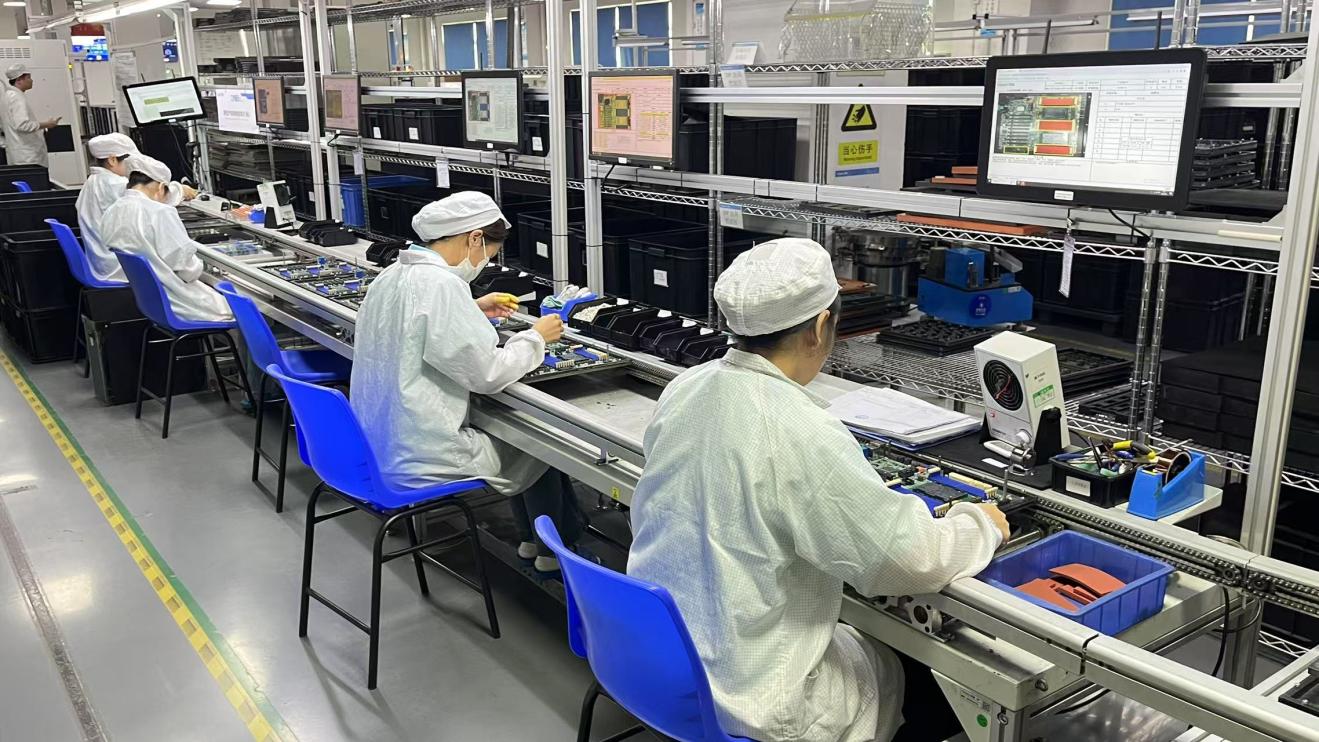
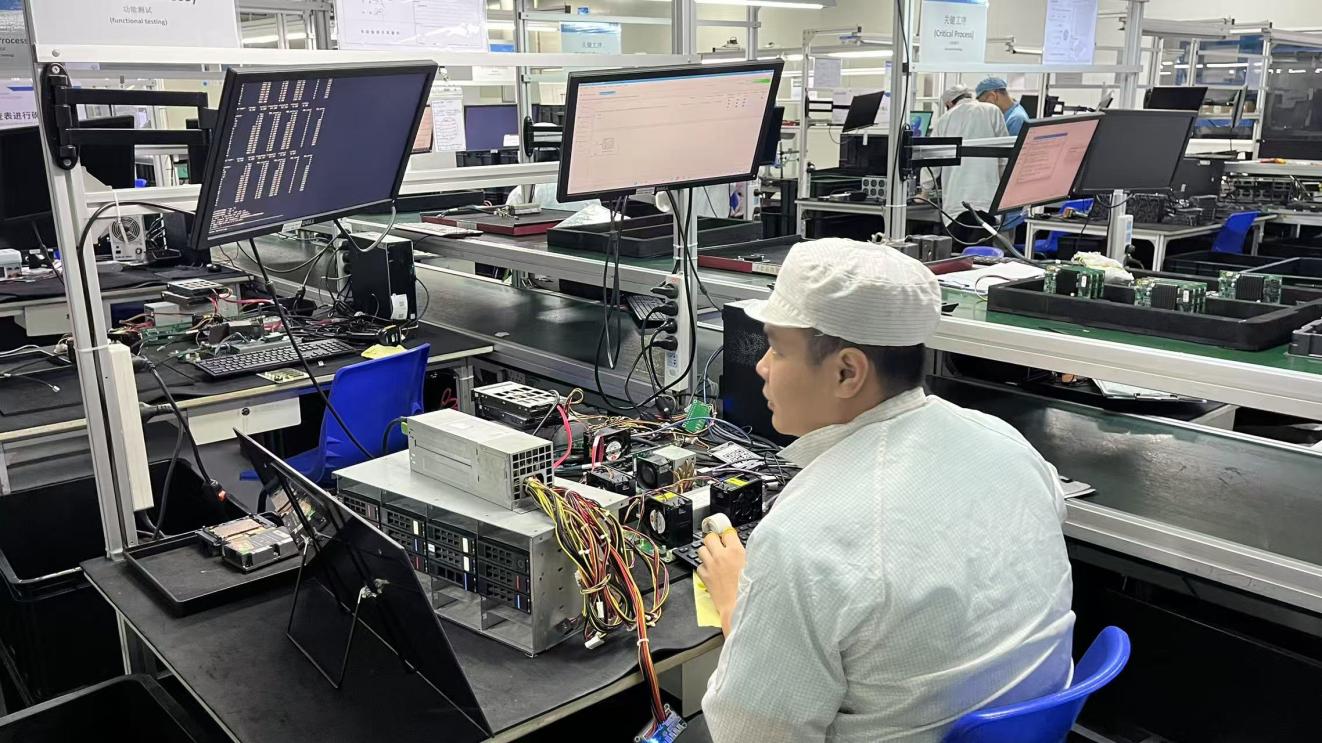
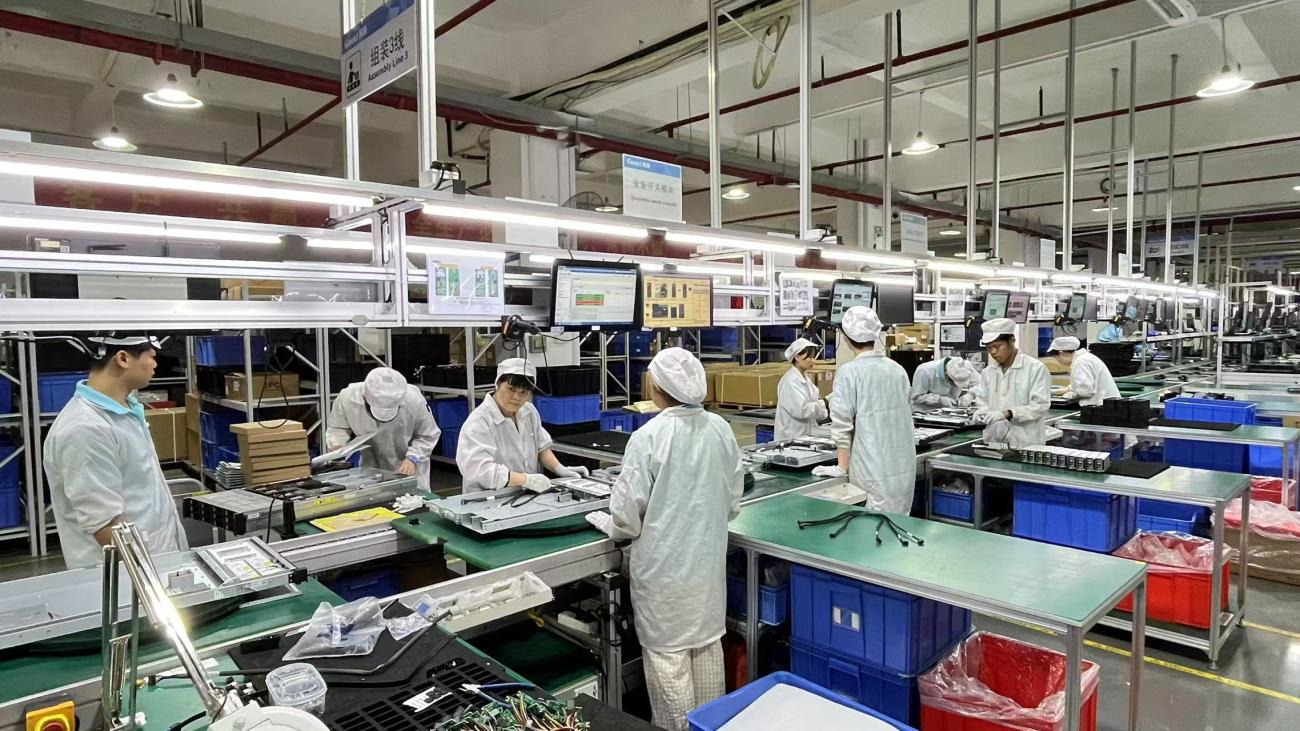
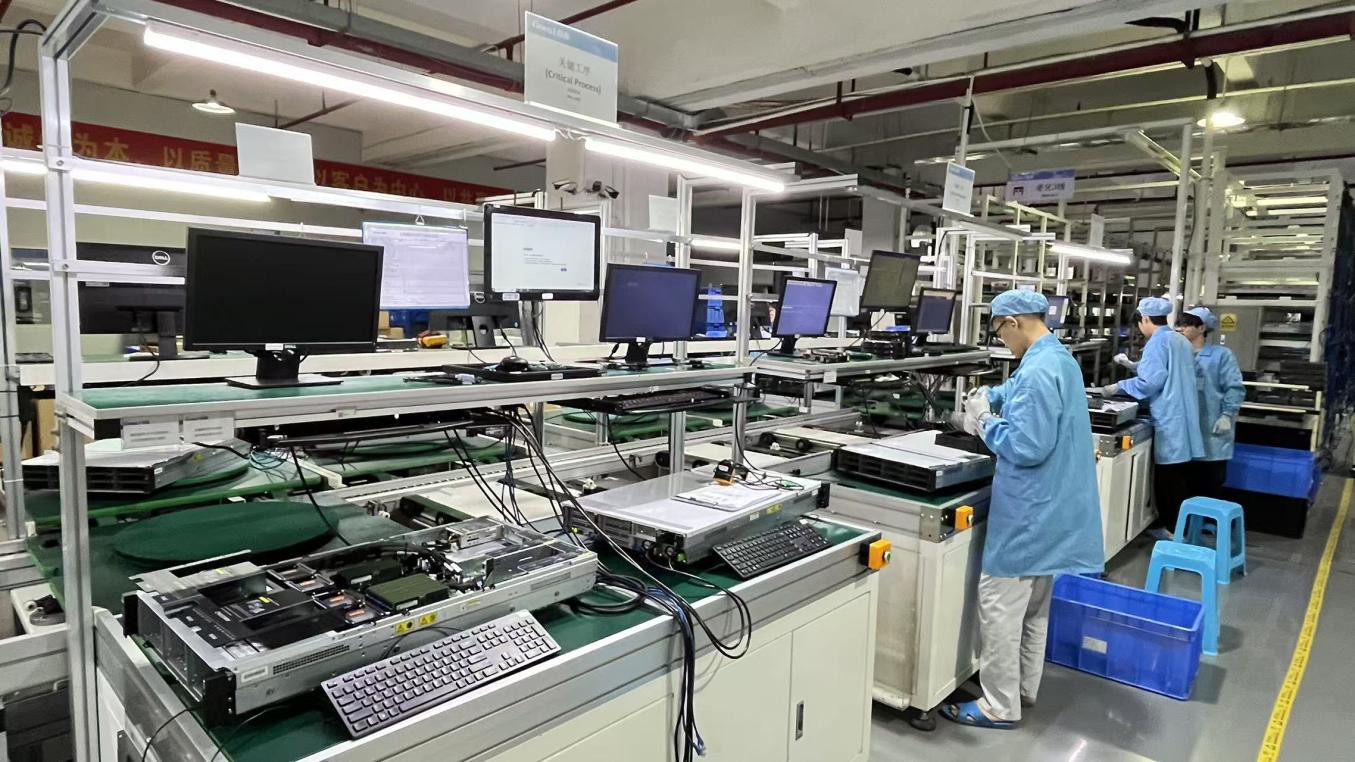
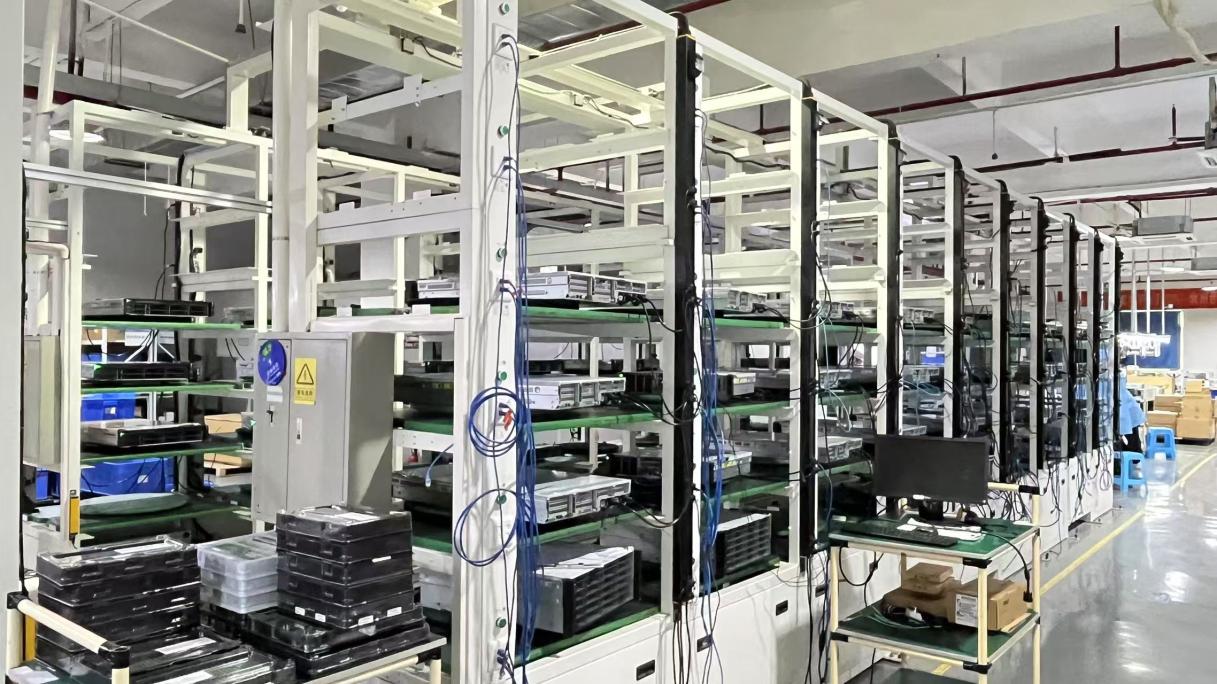
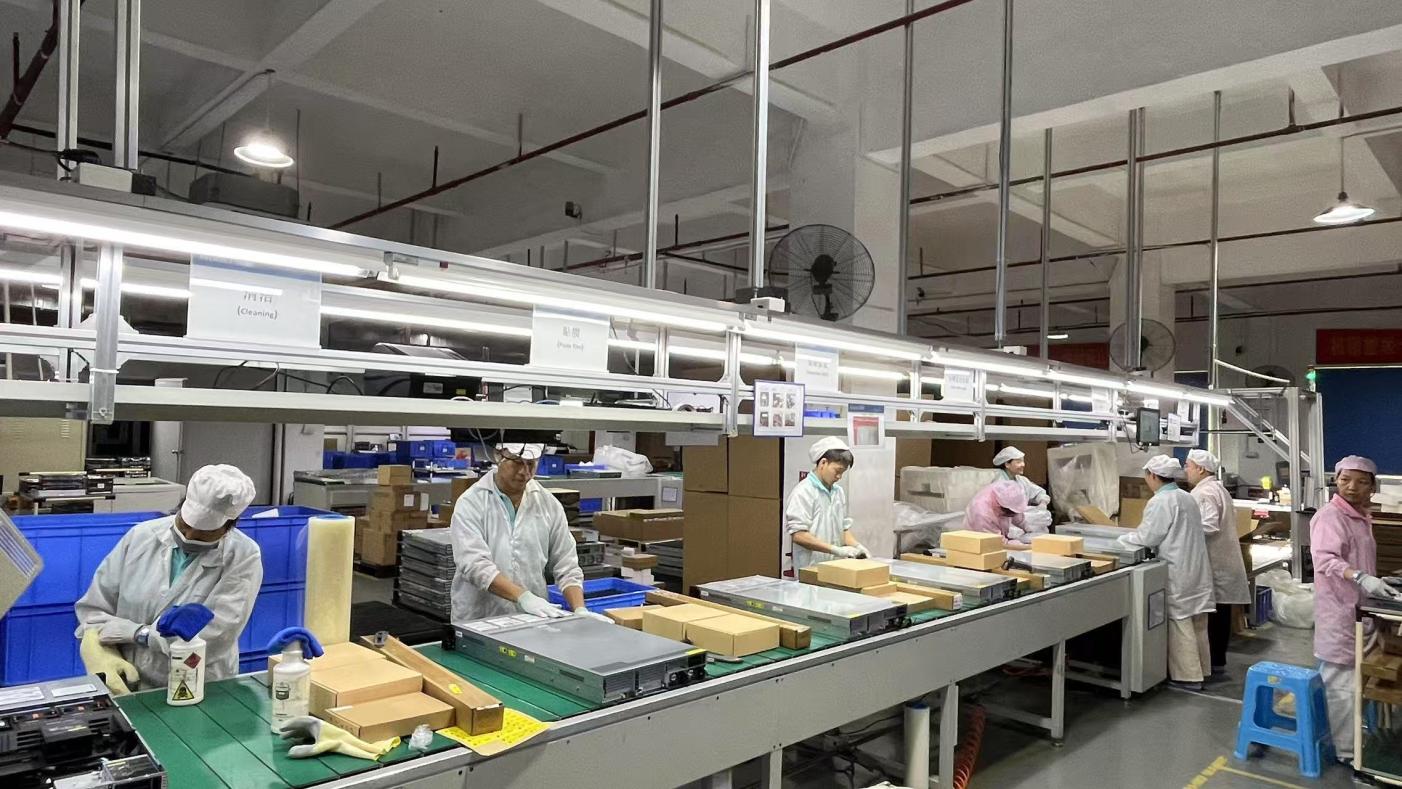
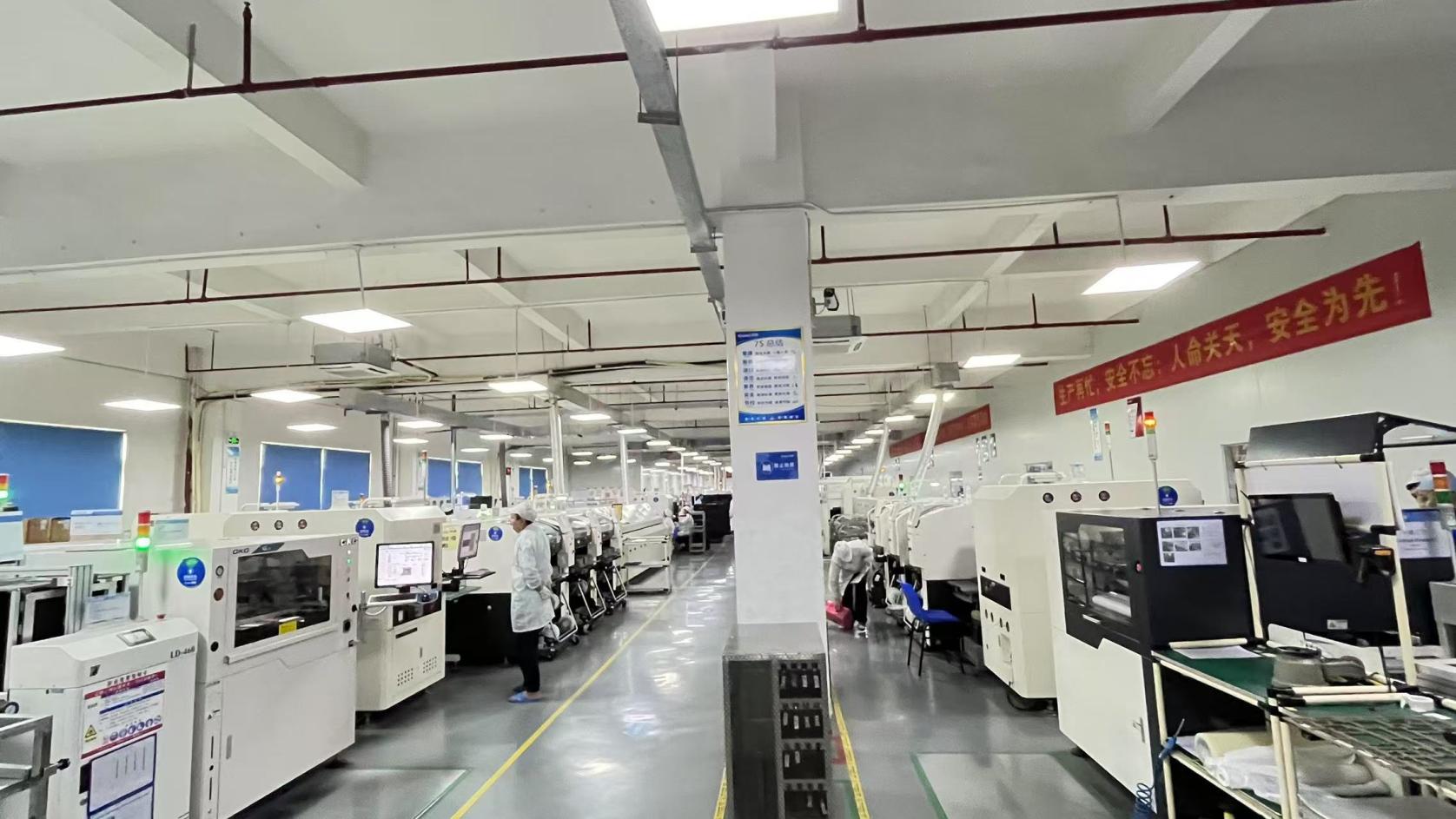
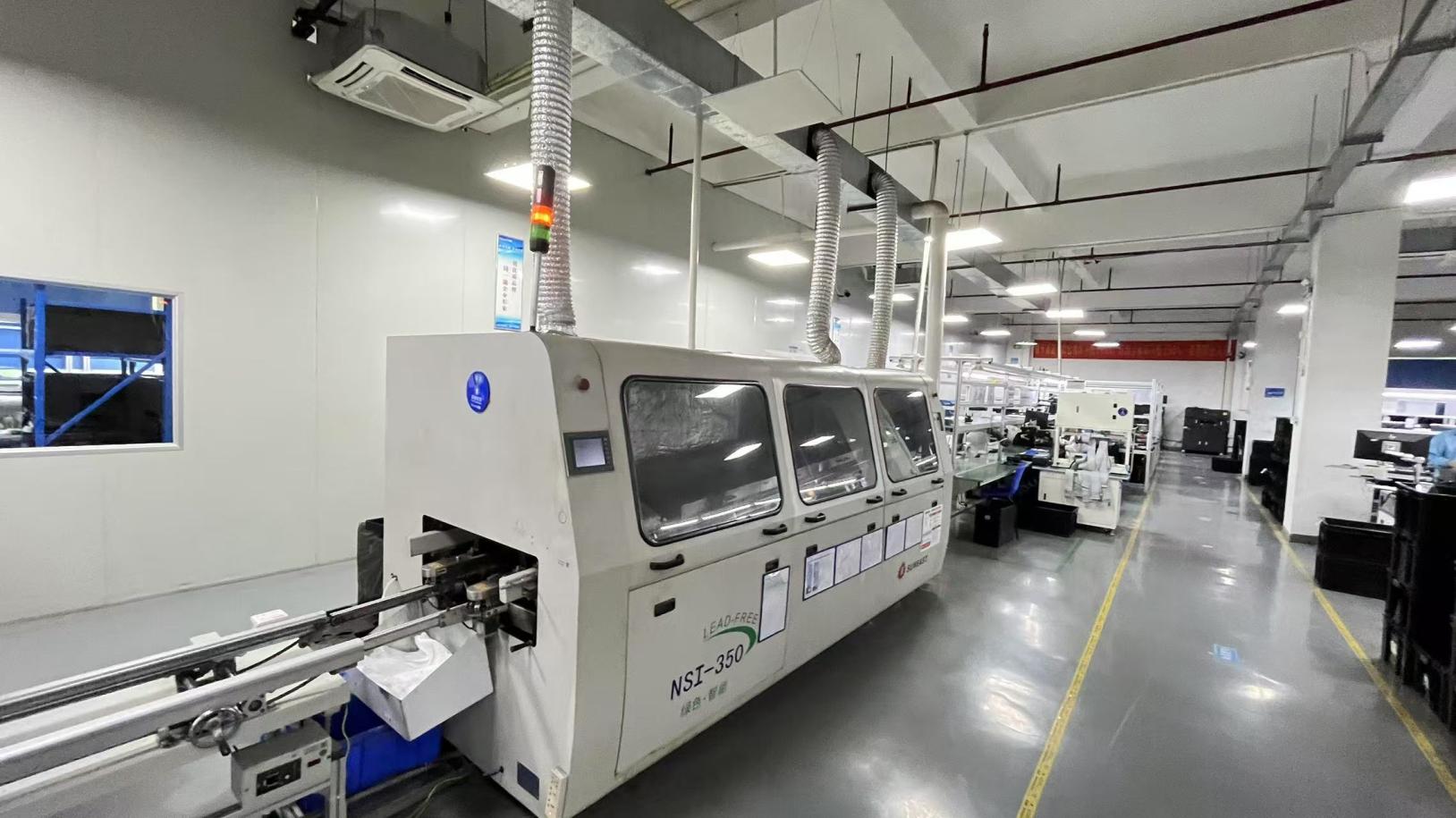
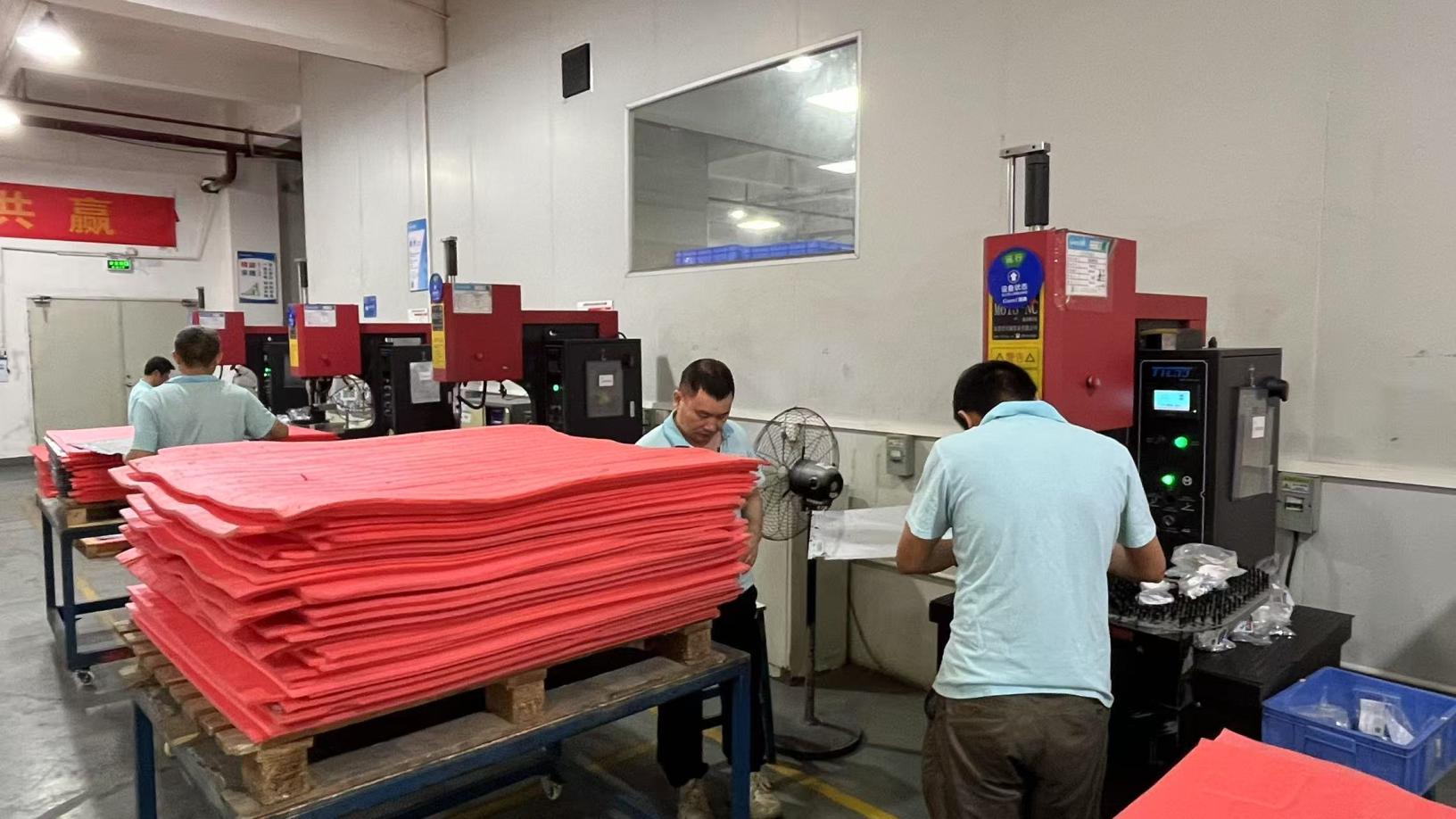
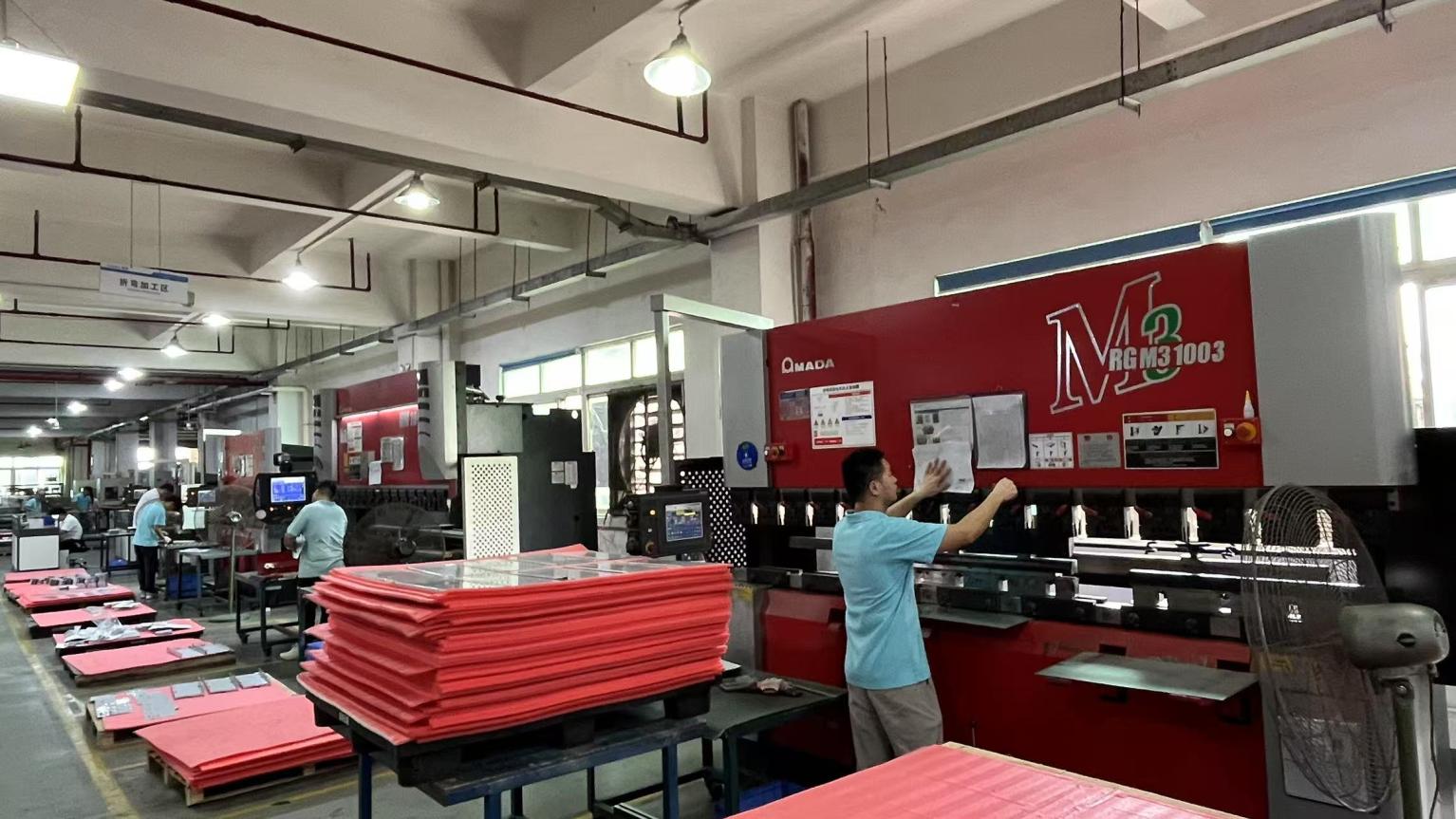

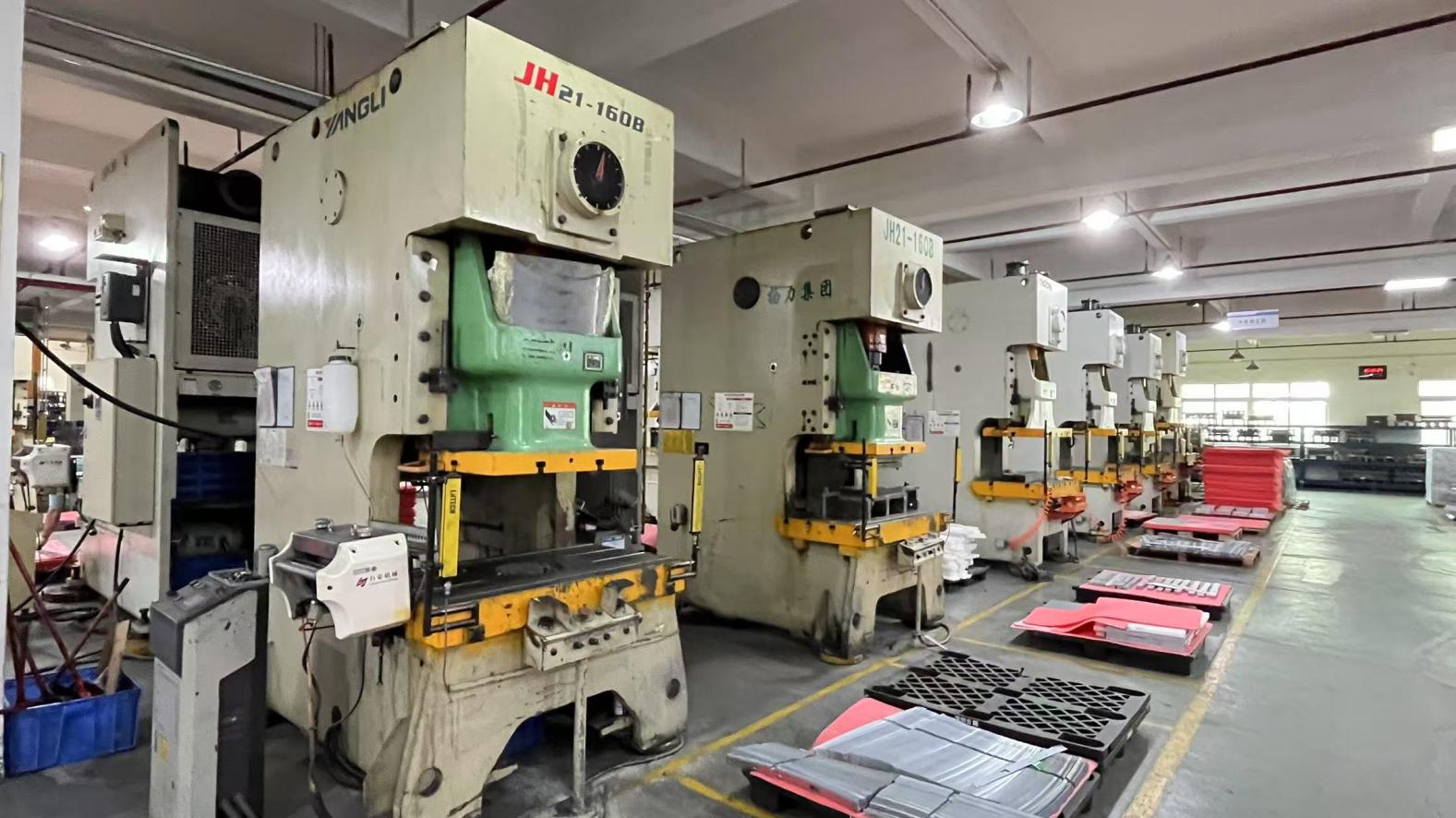
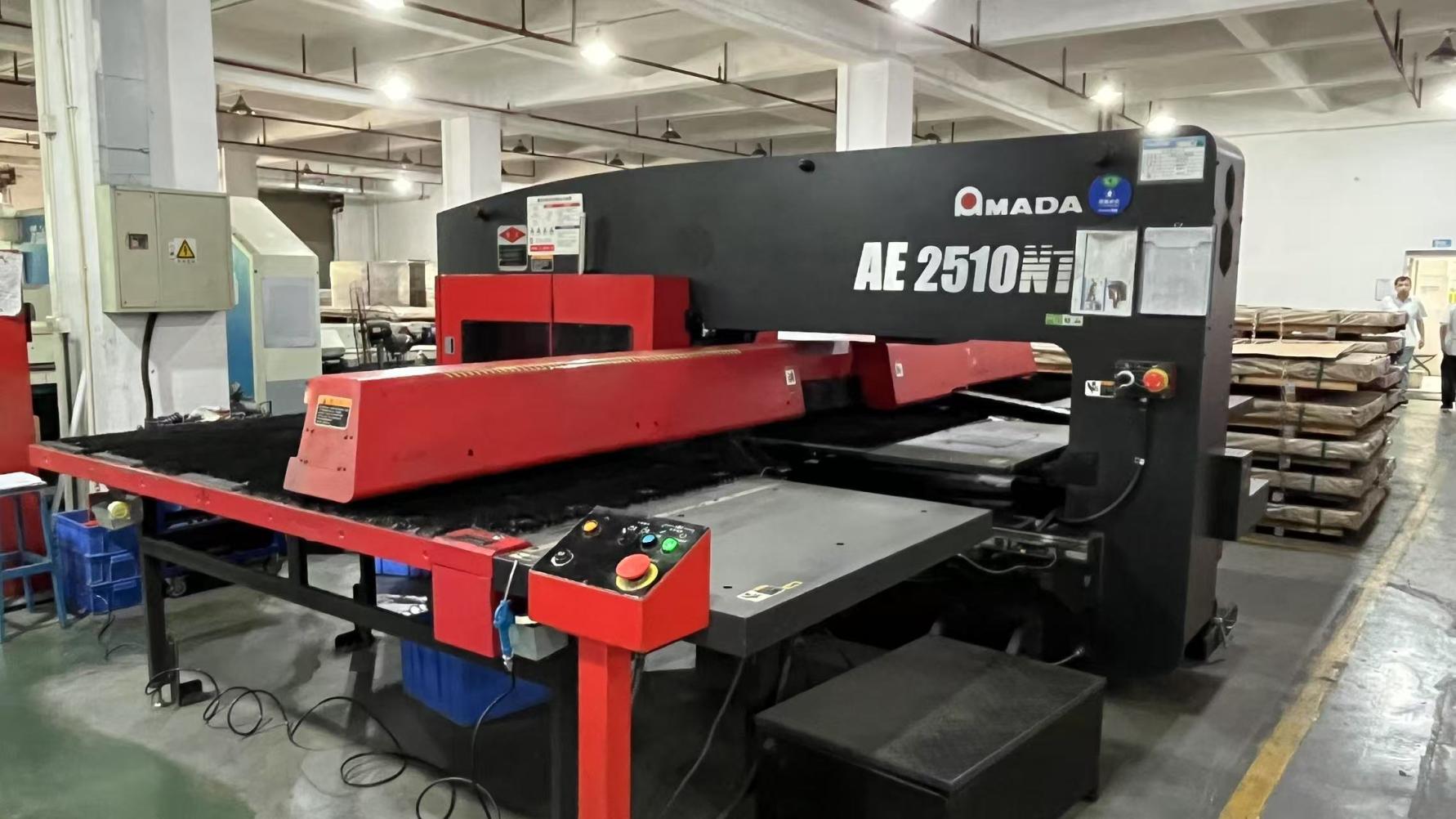
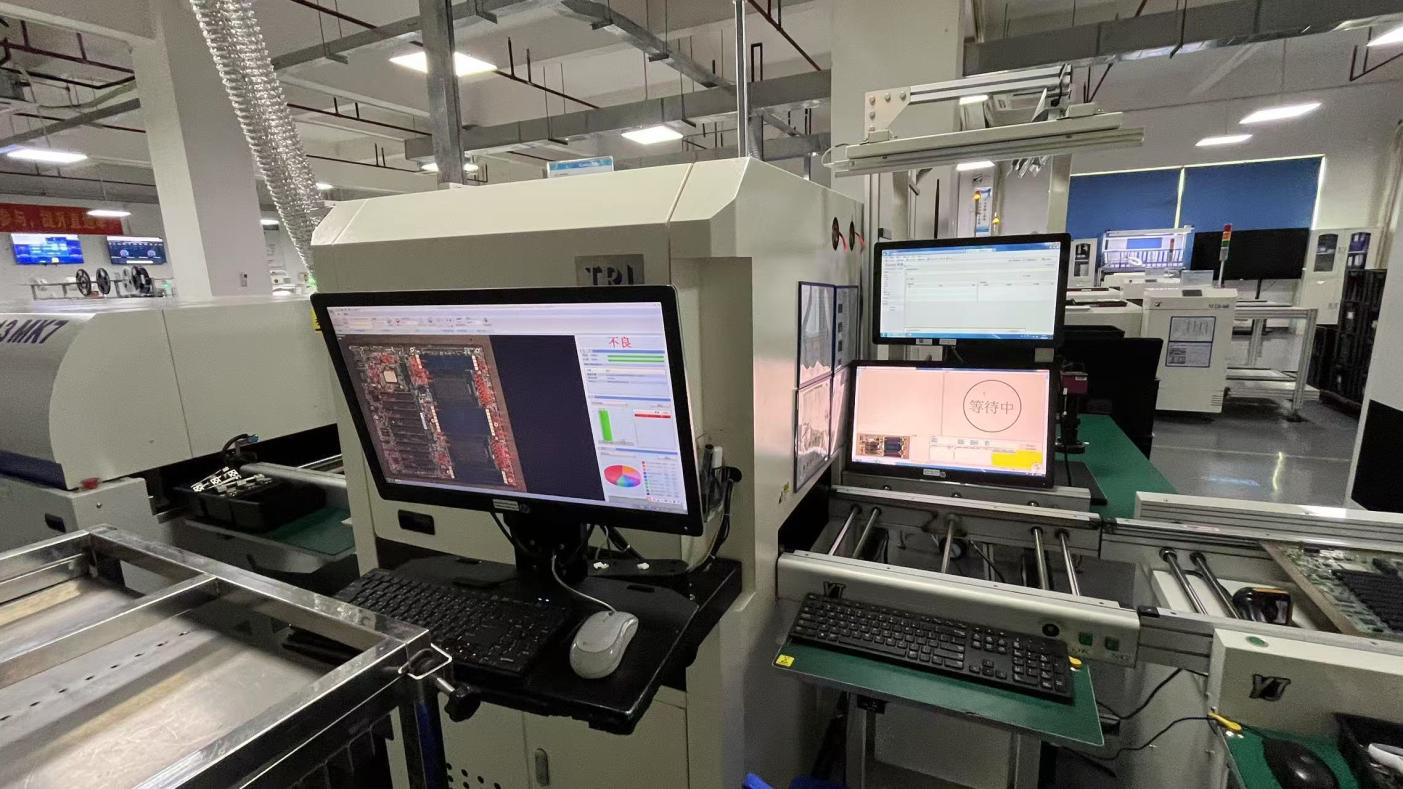
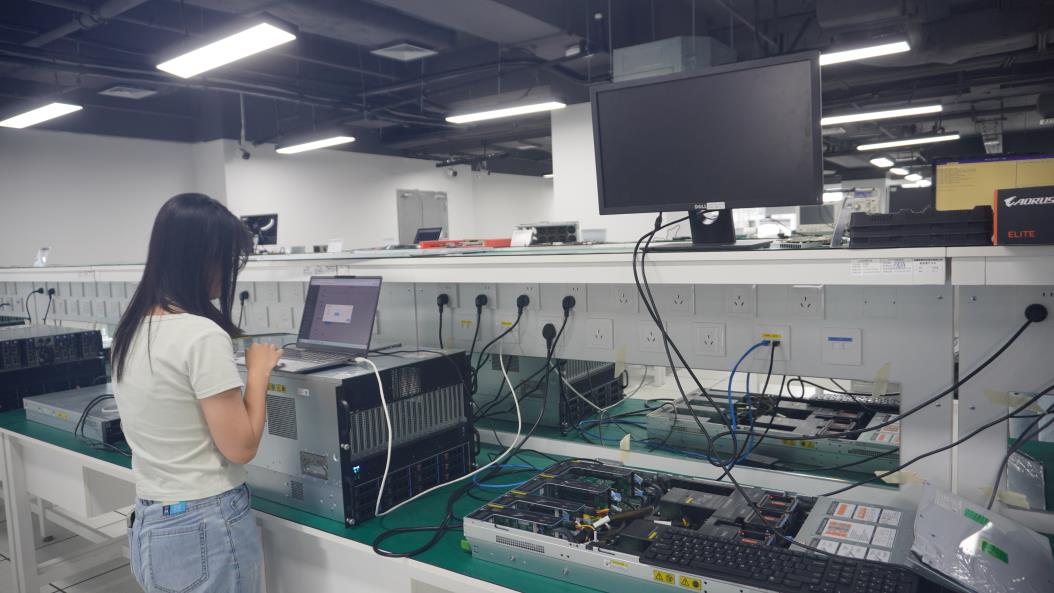
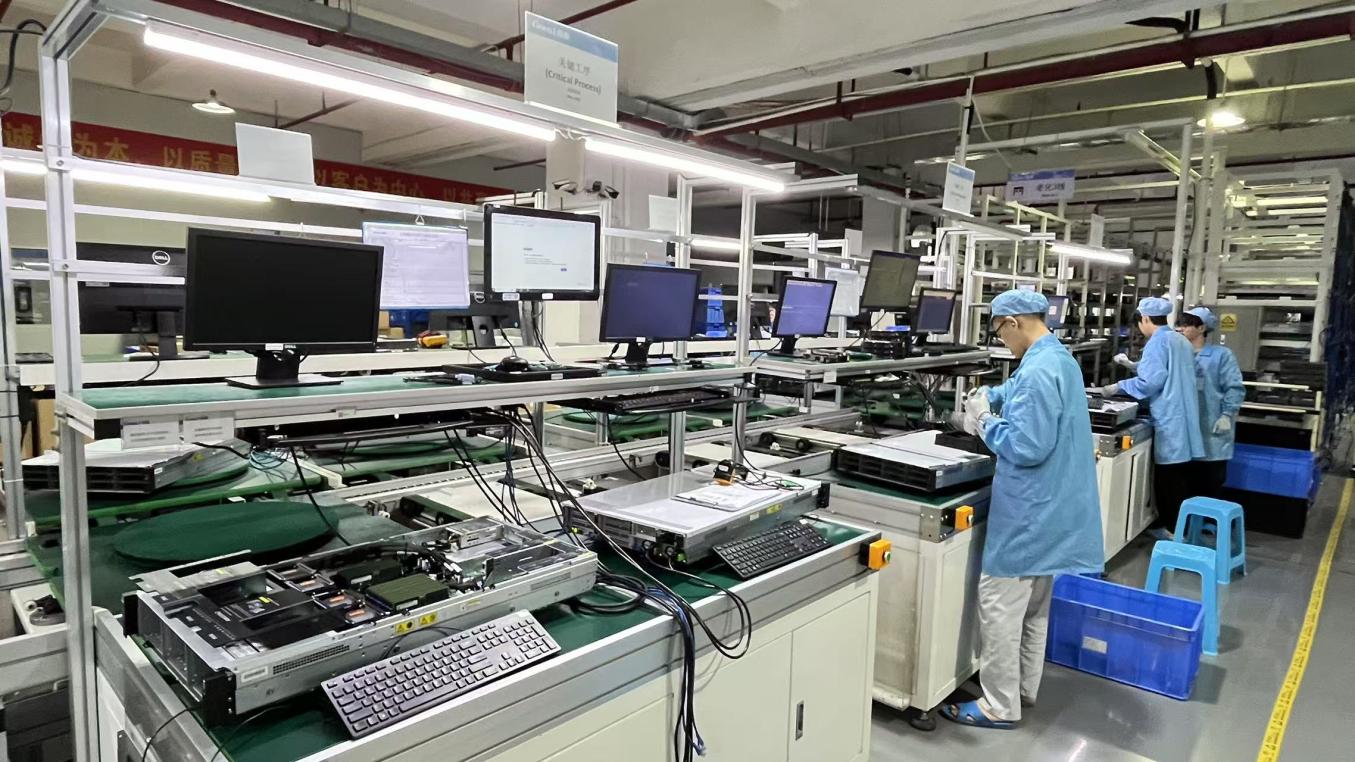
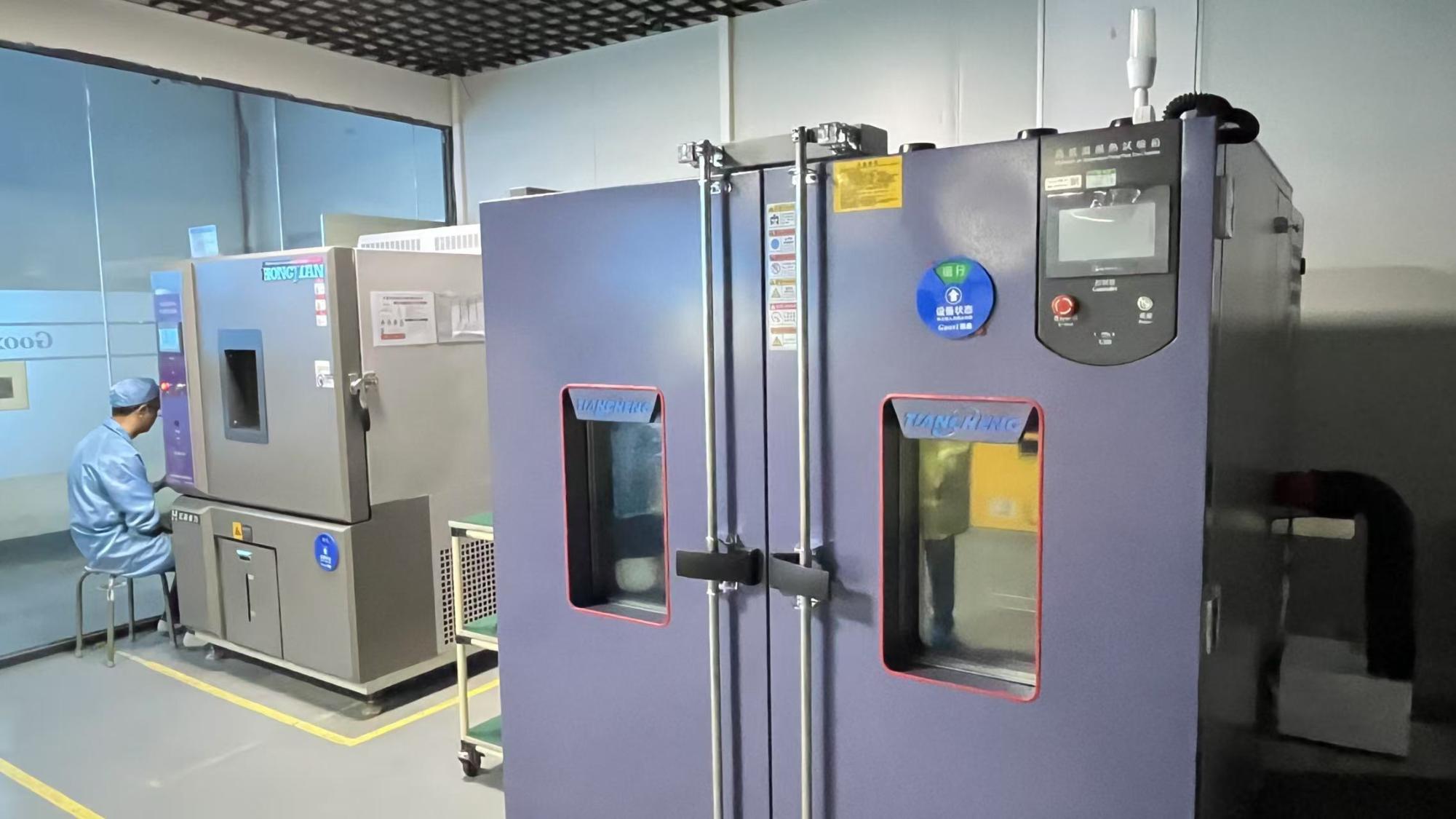
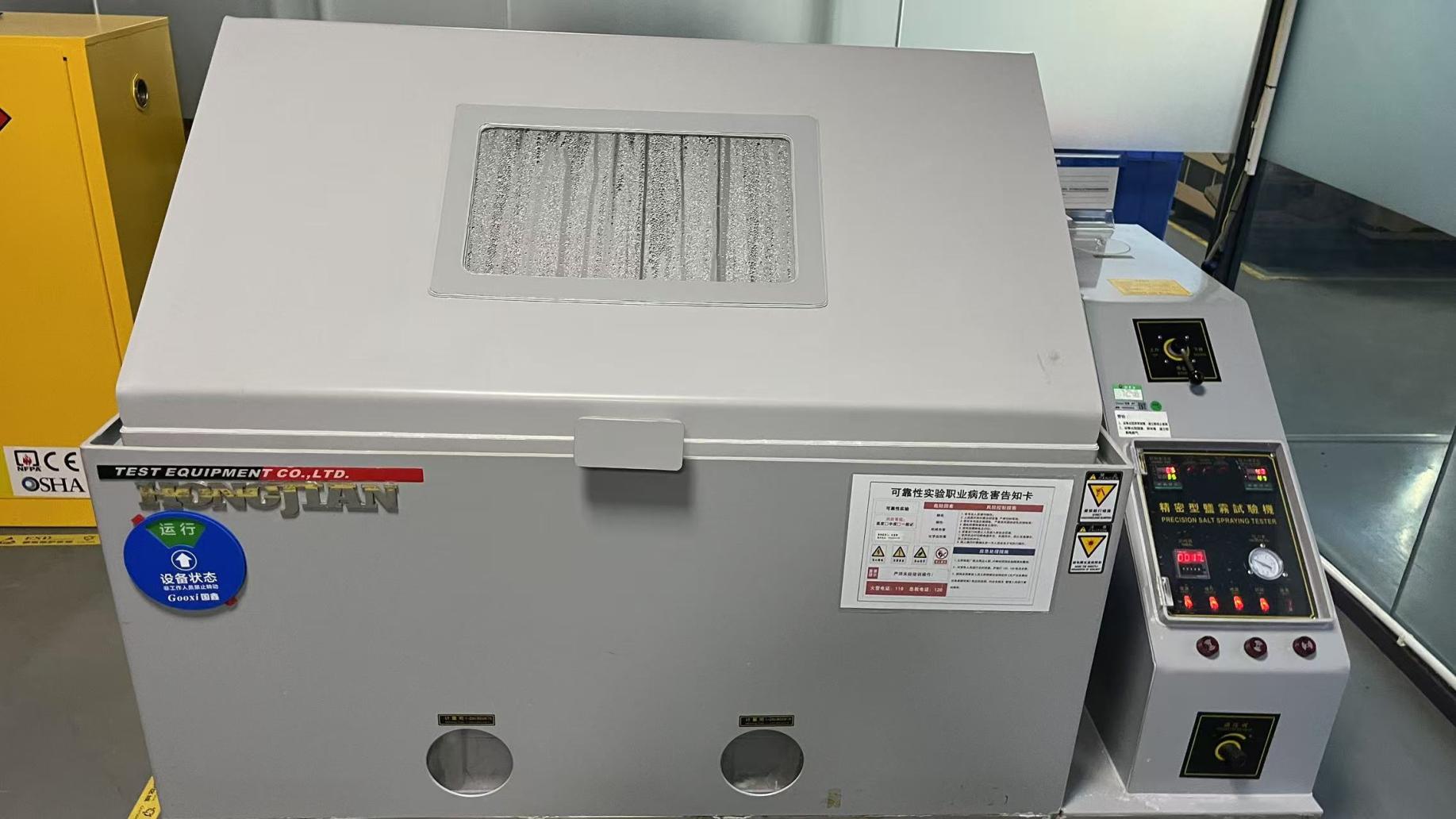
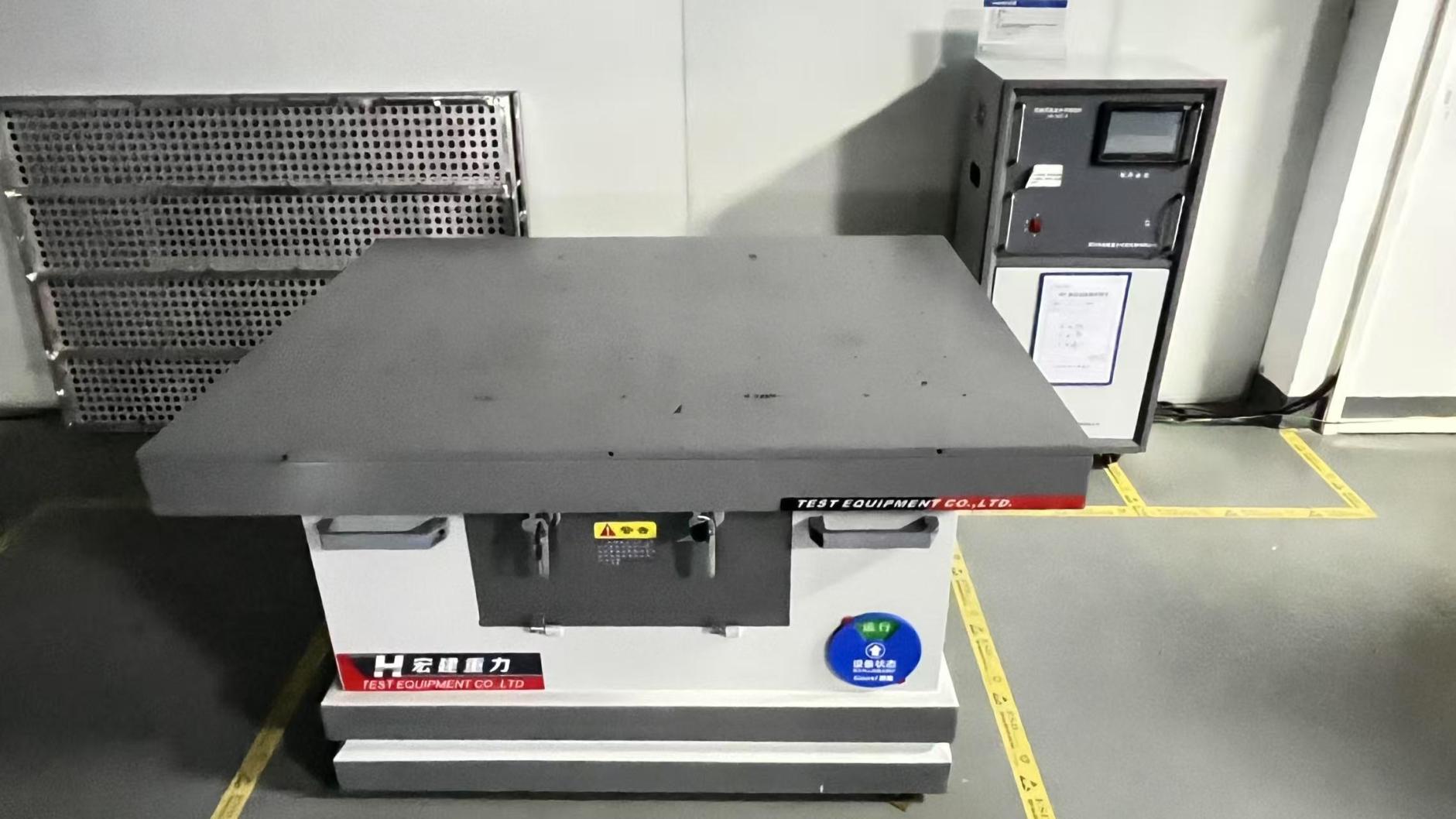
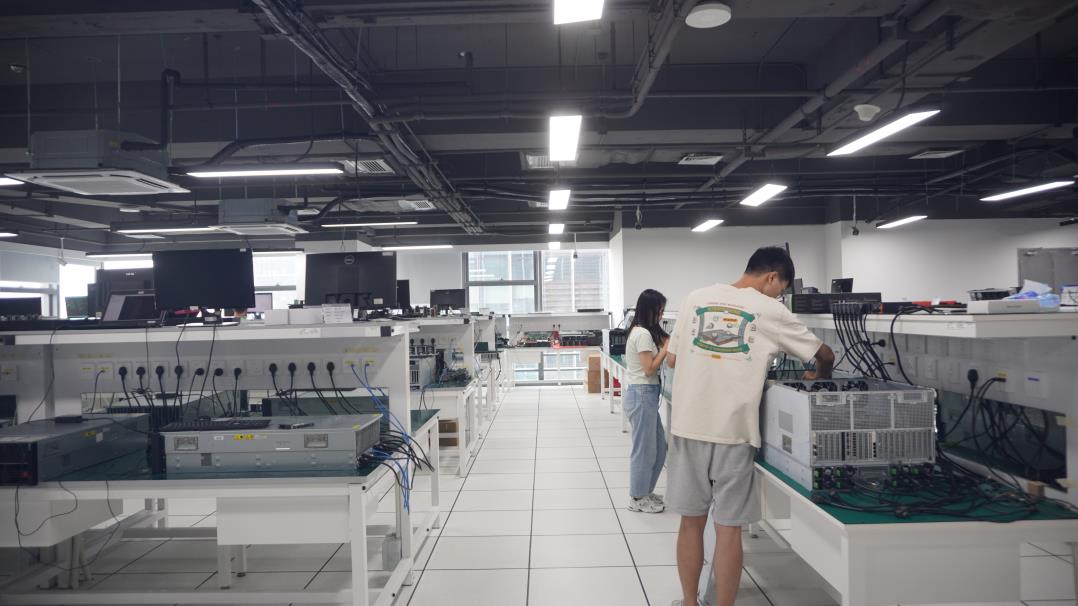
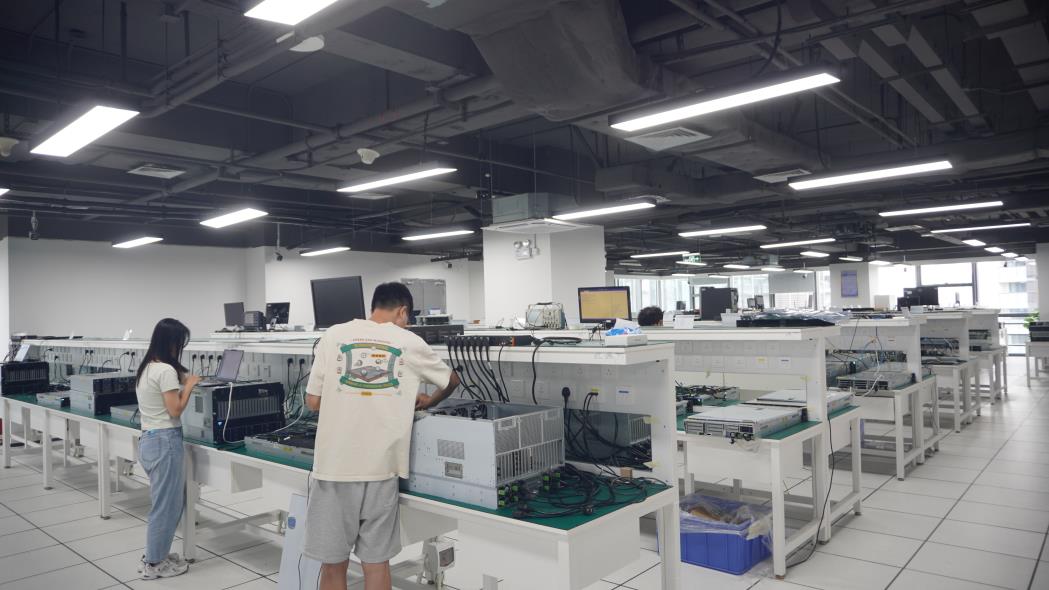
Modern servers operate in environments where downtime costs thousands of dollars per second. To meet strict international enterprise requirements, ZhiCloud AI implements a multi-tiered inspection protocol. A dedicated team of 45 QC specialists utilizes high-performance diagnostics to guarantee component functionality and systemic cohesion prior to dispatch.
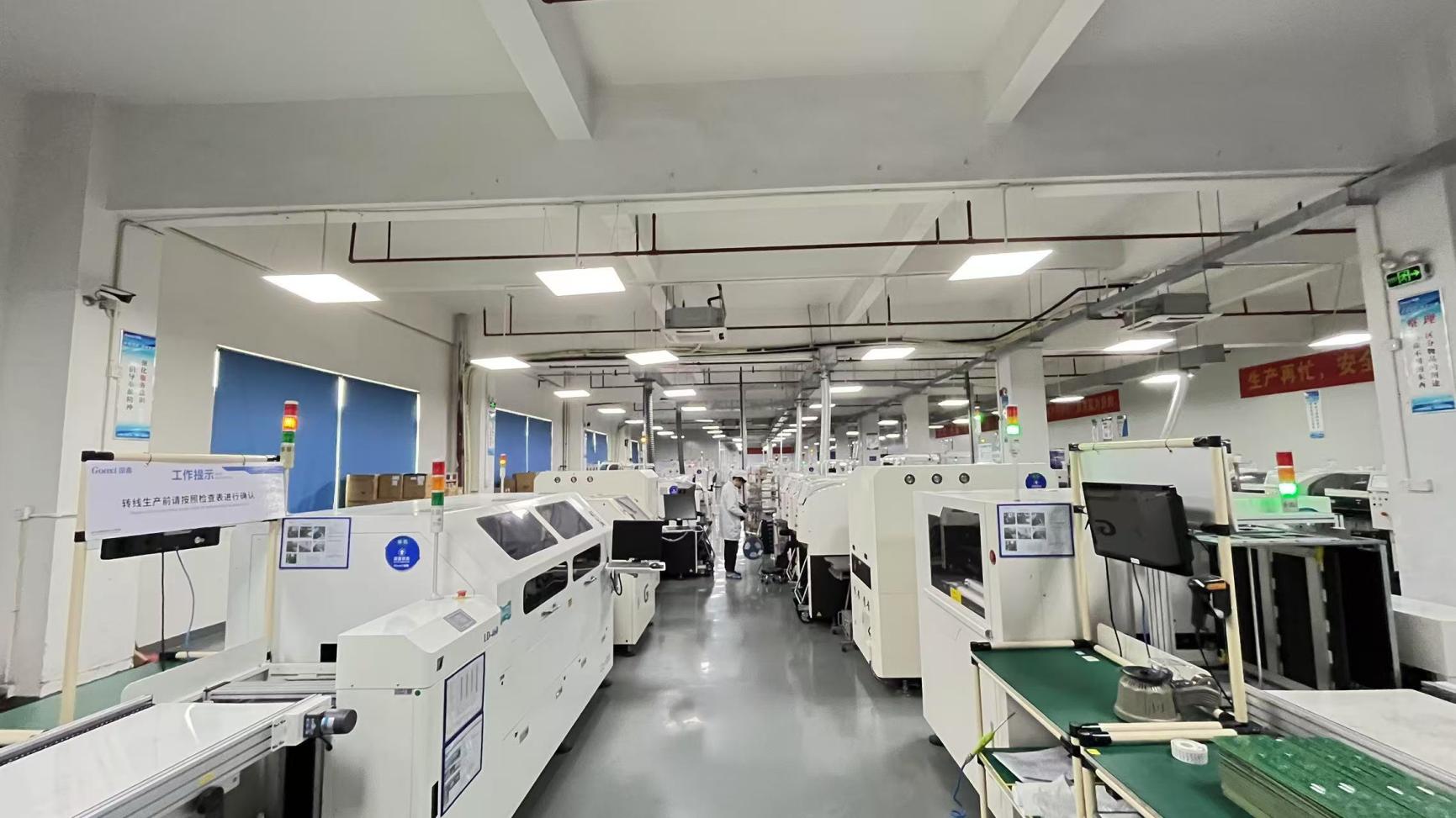
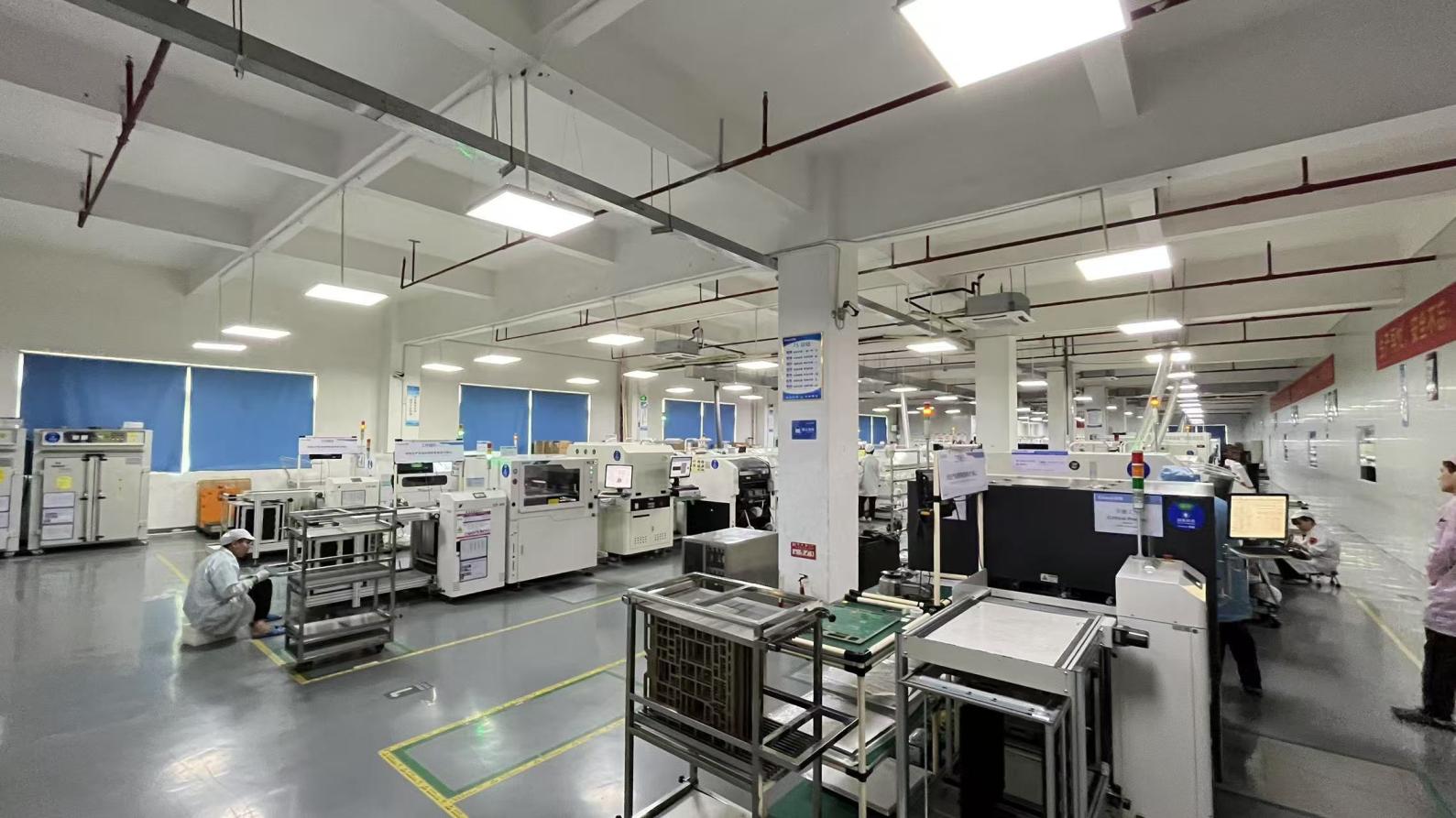
Every node undergoes full system burn-in and thermal-stress cycling, ensuring the motherboard power phases, high-bandwidth interconnects, and cooling arrays operate optimally under maximum workloads. Below is an overview of our specialized diagnostic machinery and lab infrastructure:
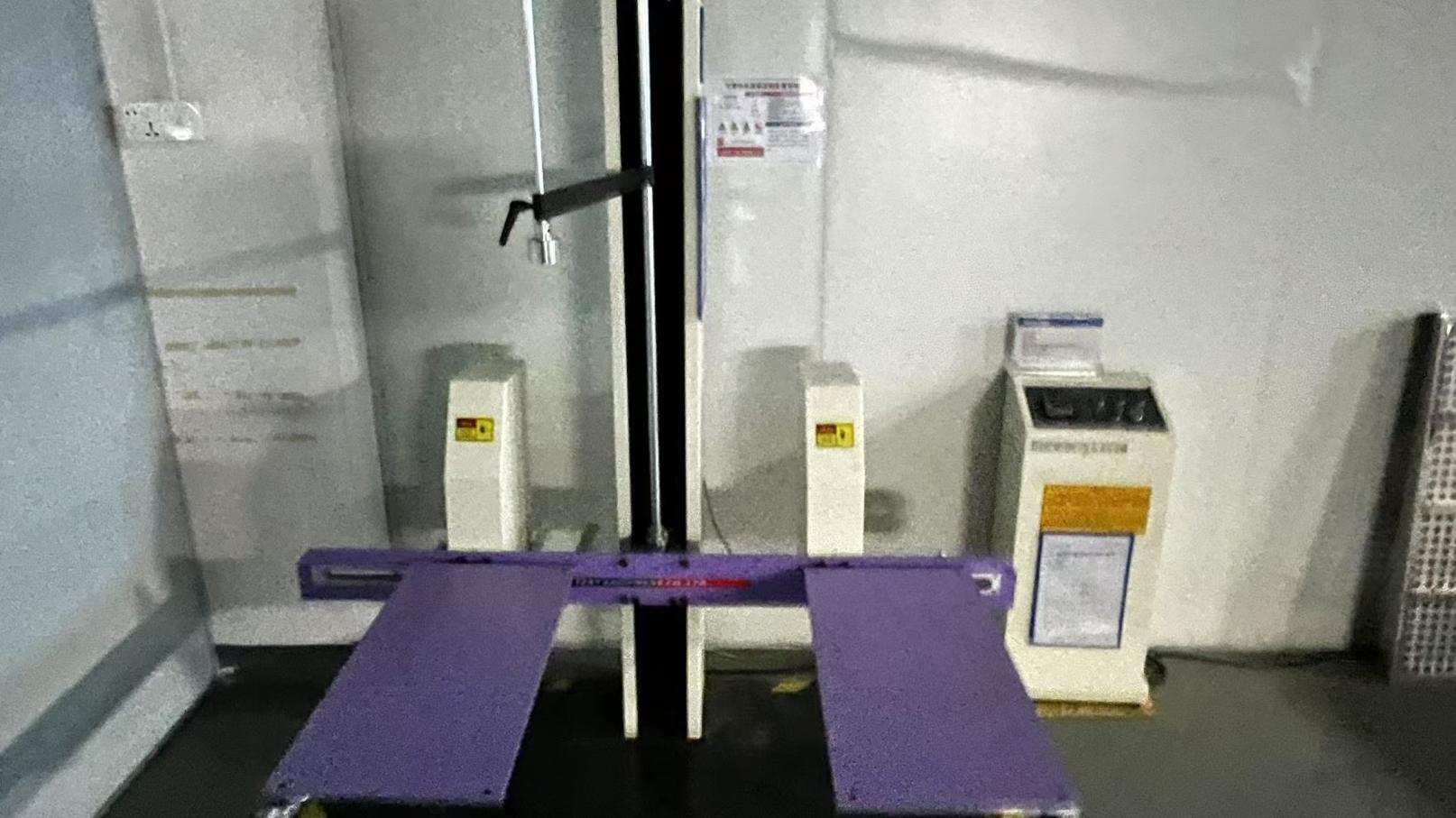
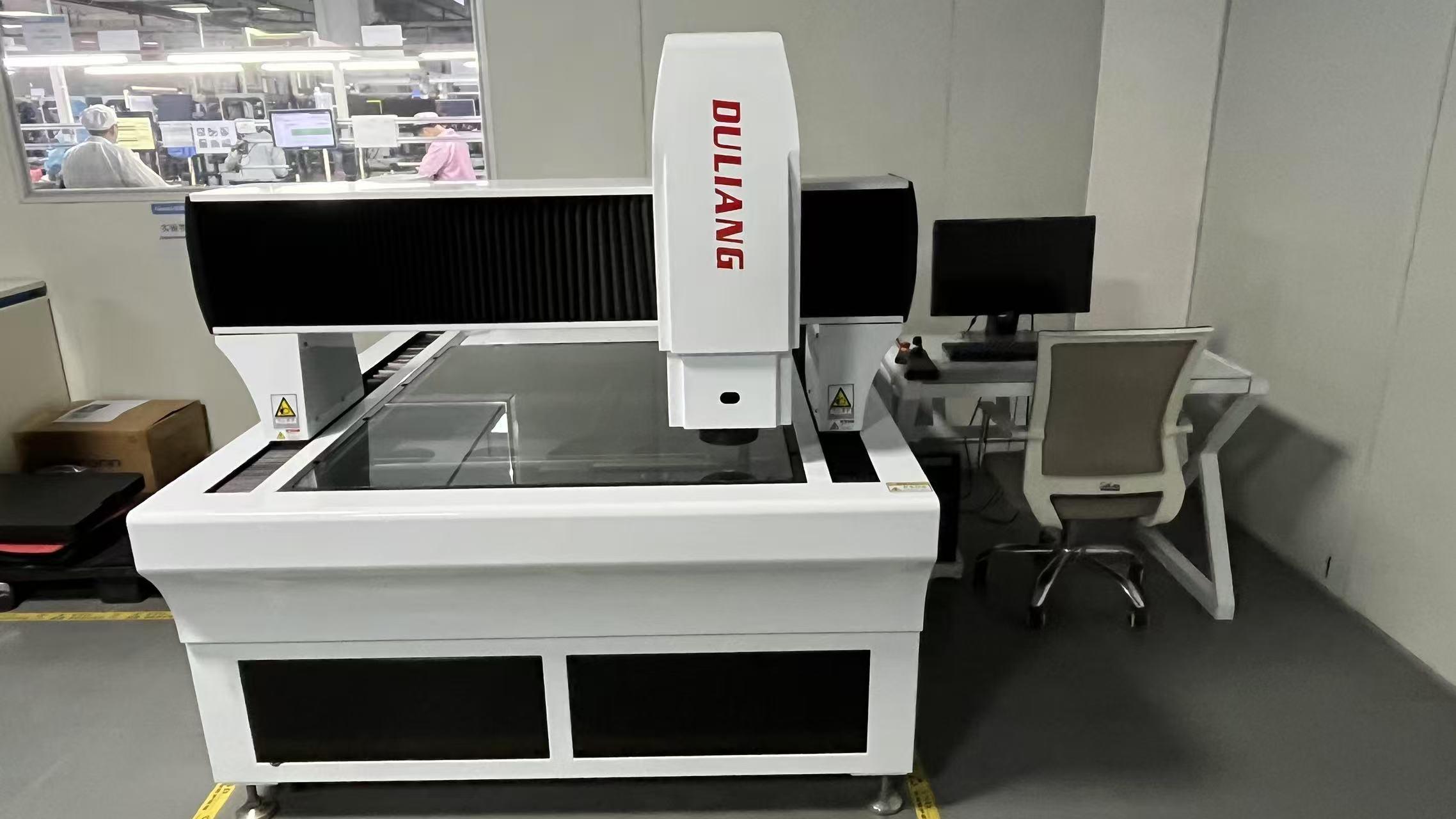
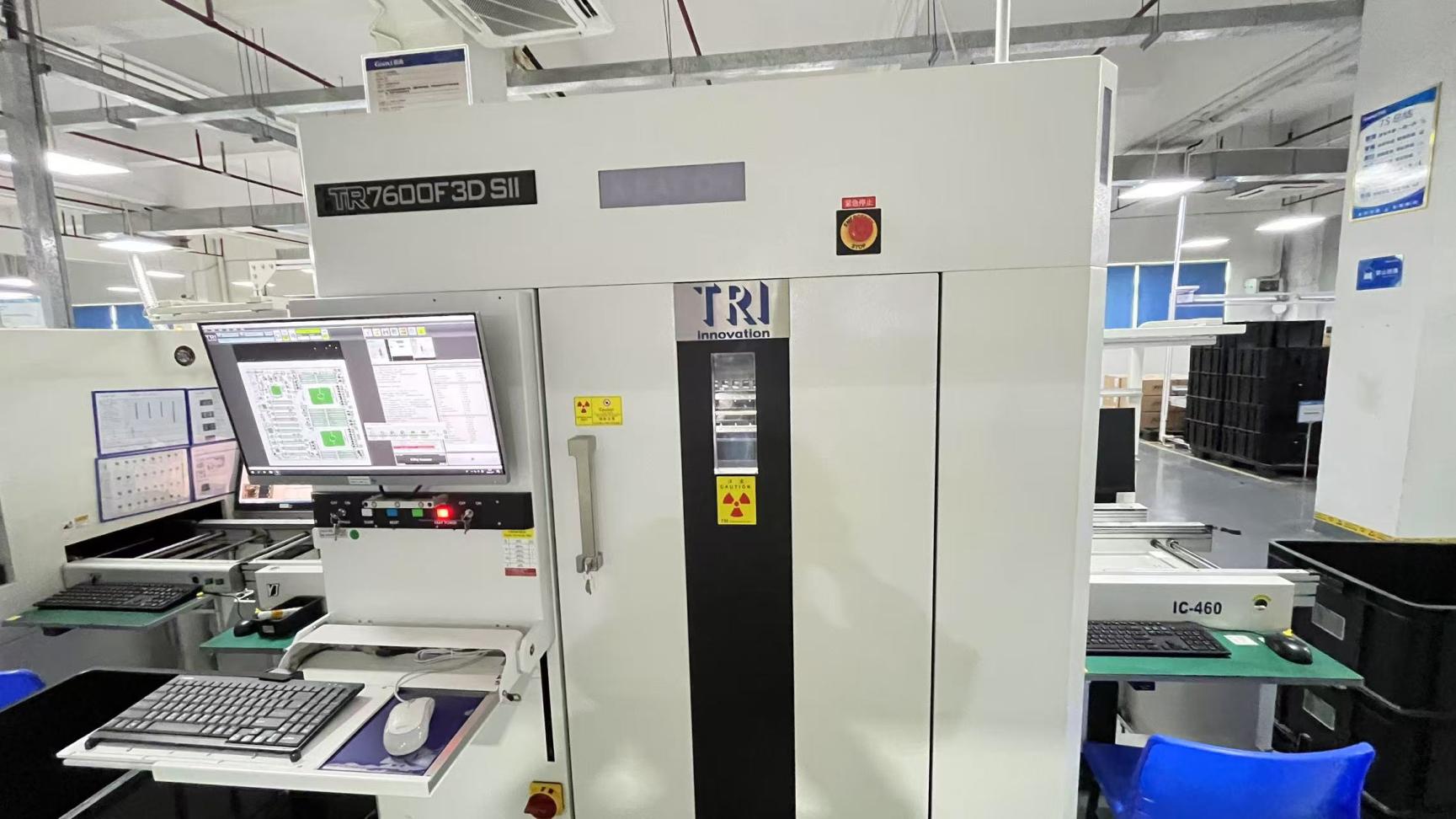
The rise of high-parameter AI architectures like DeepSeek, LLaMA, and stable diffusion models has altered the expectations of enterprise data centers. Single-socket computing nodes are no longer sufficient to run distributed inference or reinforcement learning loops. Systems must support optimized inter-GPU routing (e.g., NVLink or high-bandwidth PCIe Gen5 switches) to avoid throughput bottlenecks during scale-out operations.
Traditional air-cooling struggles to dissipate the thermal output of dense rack units containing multiple high-wattage GPUs. Sourcing servers designed with hybrid liquid-to-air cooling structures helps modern data centers meet strict regional environmental laws and maintain lower Power Usage Effectiveness (PUE) targets.
To keep high-performance GPUs utilized during model training, storage components must maintain maximum throughput. Integrating modern PCI Express NVMe solid-state arrays directly into the server motherboard architecture reduces system latency and optimizes performance during high-throughput workloads.
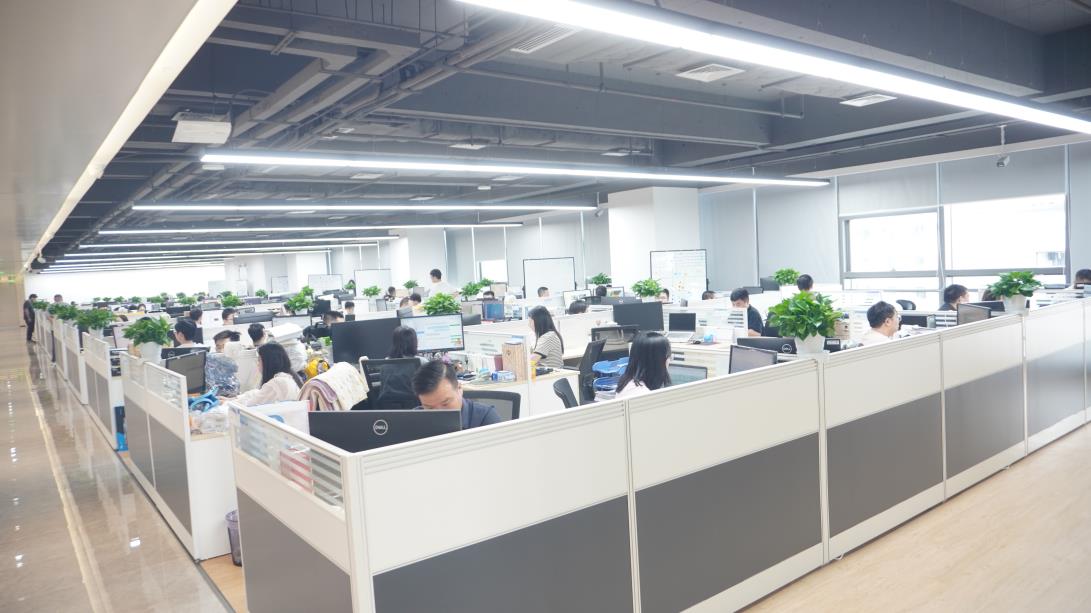
Global procurement requirements vary greatly depending on local operating parameters and regulatory standards:
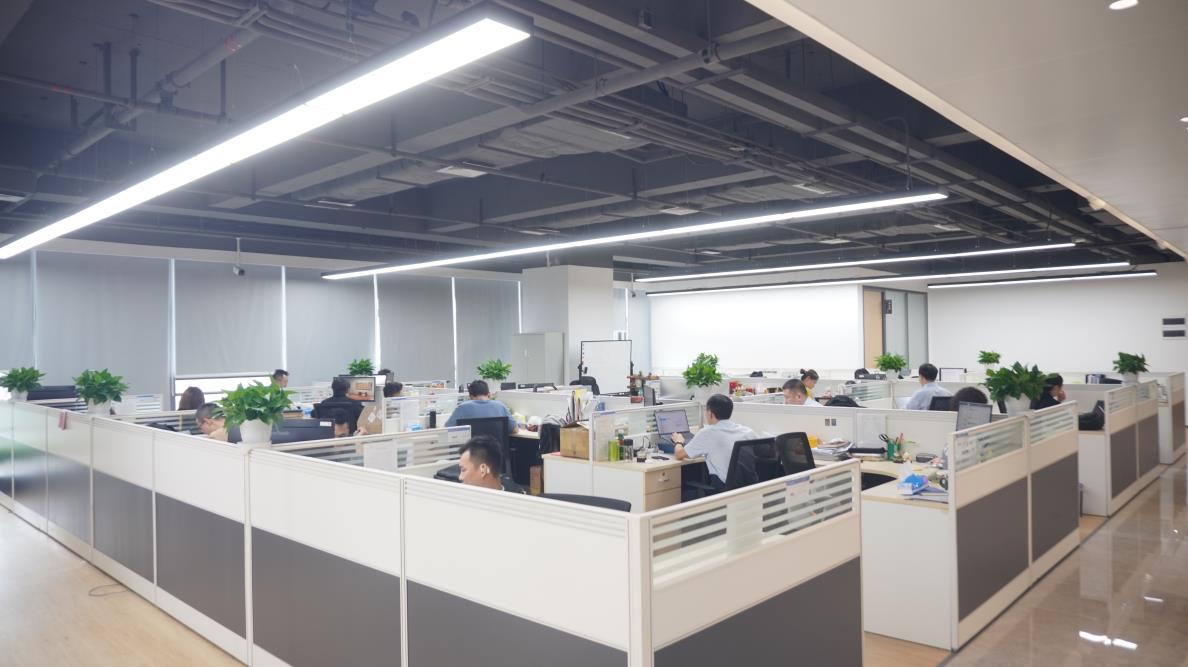
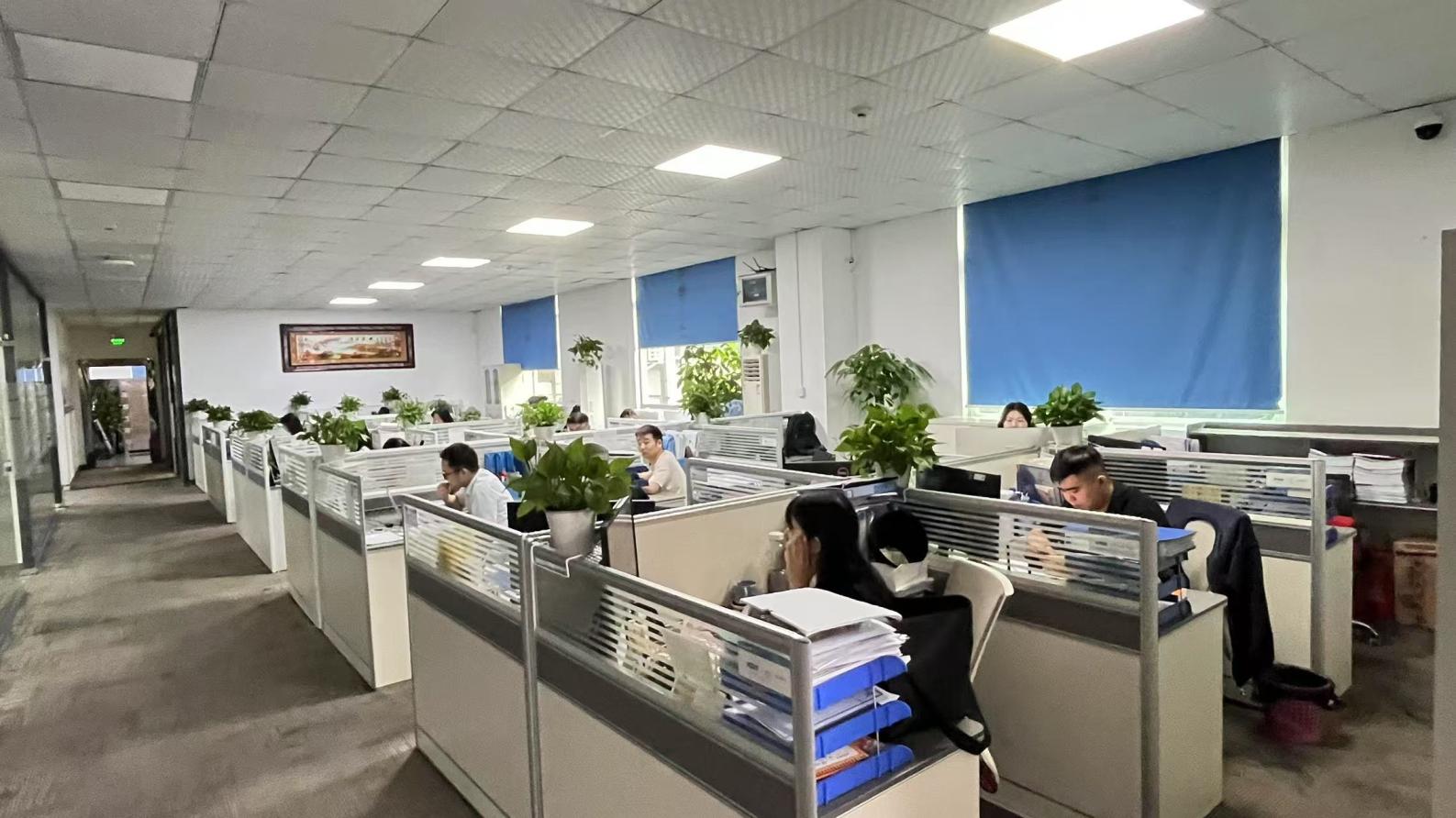
Visual breakdown of the factory assembly lines and testing facilities at Shenzhen Intelligent Computing Cloud Technology Co., Ltd.
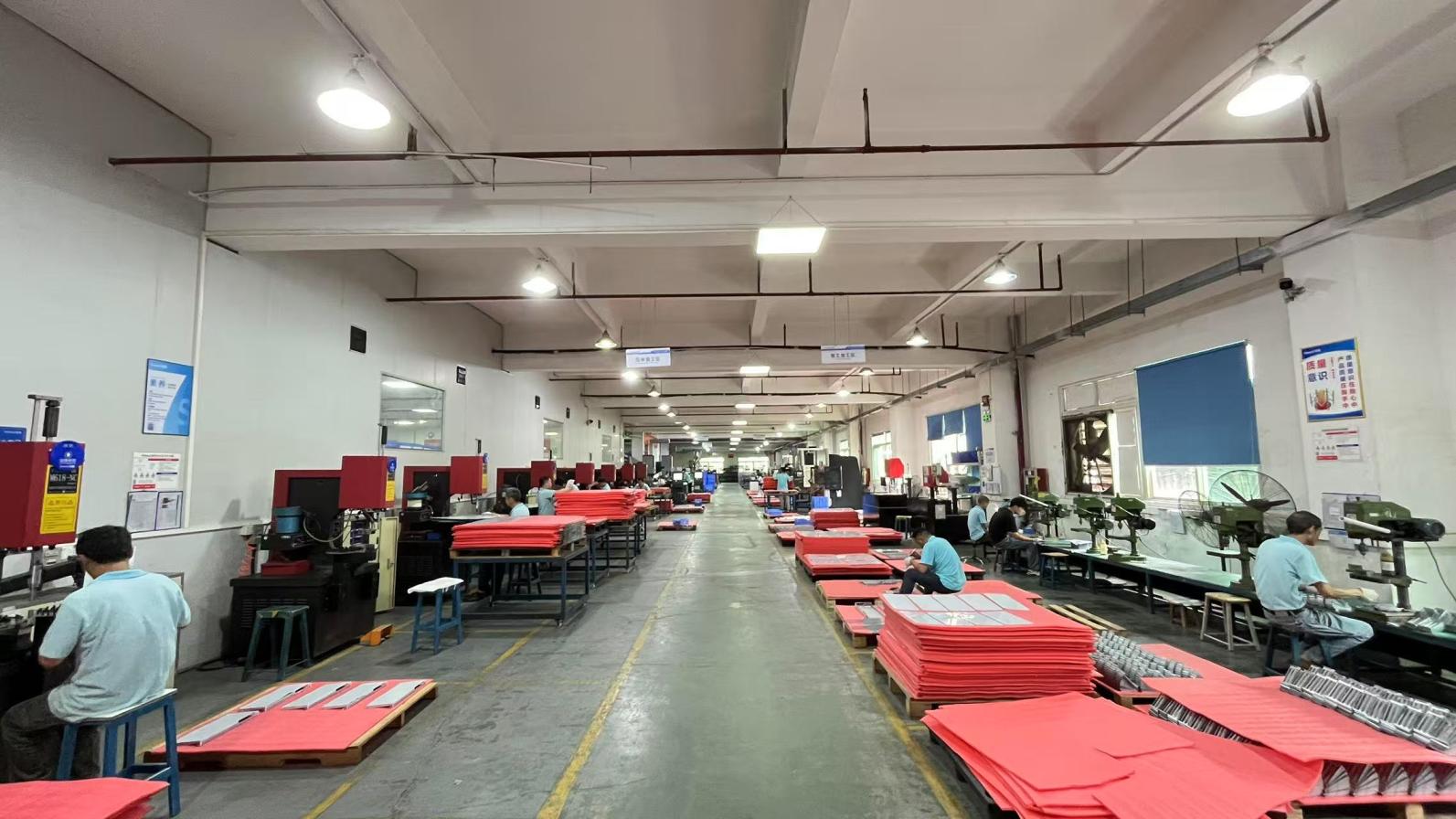
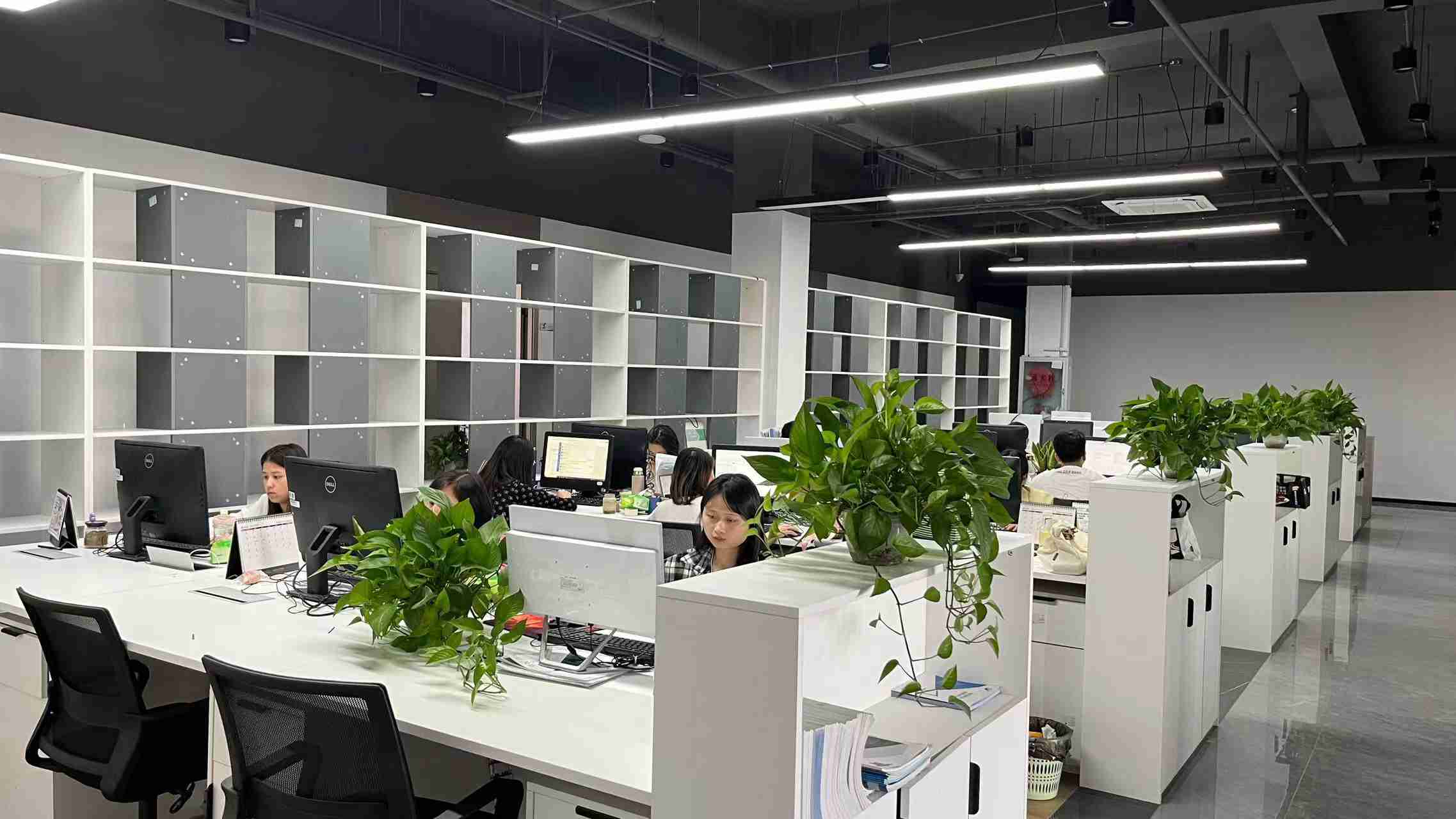
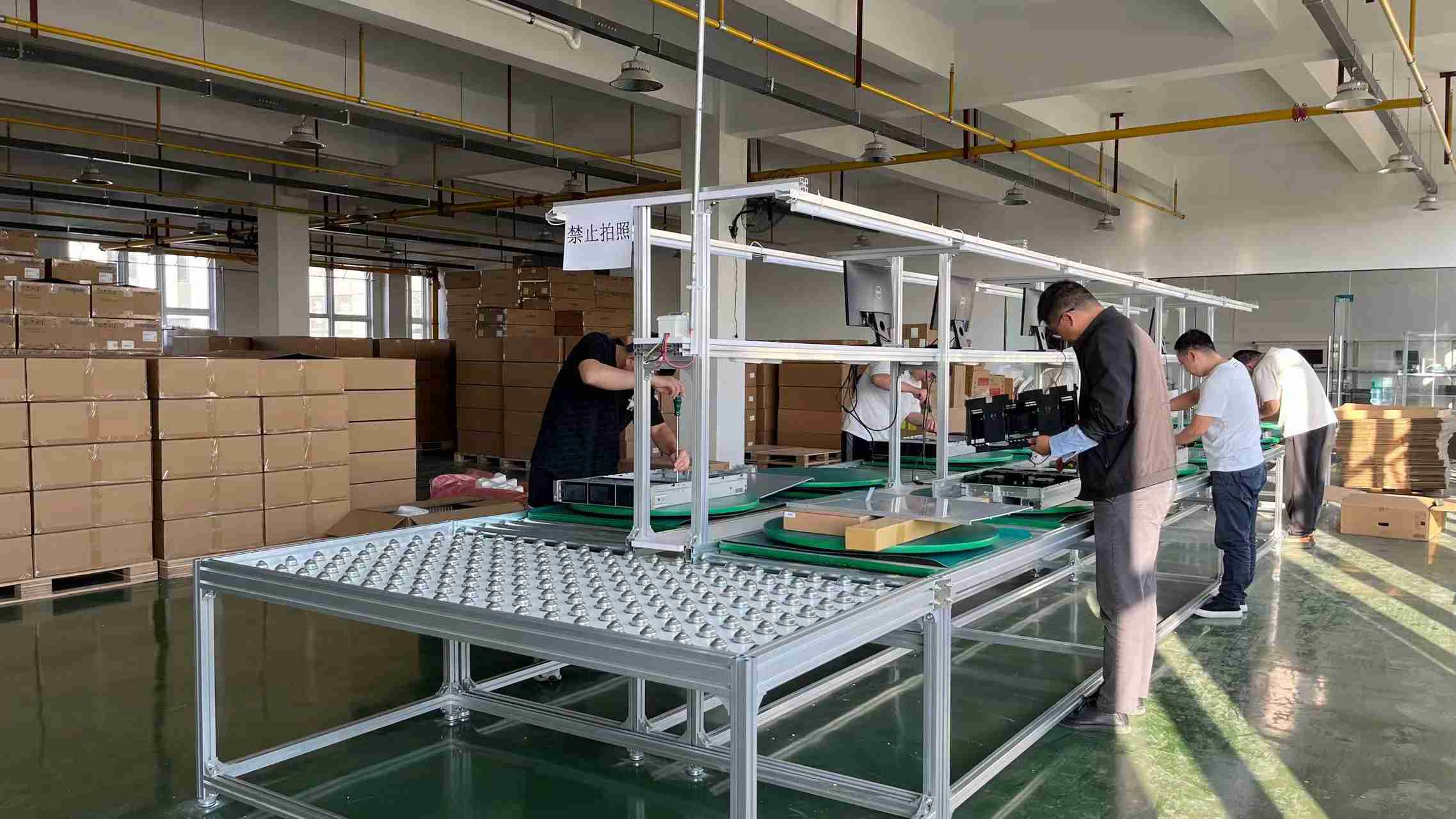
When sourcing data center computing nodes globally, procurement managers must evaluate several technical criteria to ensure performance stability, component longevity, and seamless system integration:
1. Thermal Interface Materials (TIM): Ensure the integration facility utilizes high-performance thermal paste or phase-change pads to minimize thermal resistance between processing units and heatsinks.
2. Redundant Power Supply Units (PSU): Select configuration options with N+1 or 2+2 redundancy, supporting PMBus 1.2+ for real-time monitoring of input/output voltage and thermal levels.
3. PCIe Riser Signal Quality: High-density servers require high-quality PCB materials to ensure signal integrity across PCIe Gen5 lanes, reducing bit error rates during heavy compute operations.
4. Out-of-Band Management (IPMI 2.0 / Redfish): Verify that the baseboard management controllers (BMC) support standardized AST2600 chips or similar architectures for secure, out-of-band server control.
Frequently asked questions concerning hardware procurement, customized testing protocols, and global export shipping logistics.
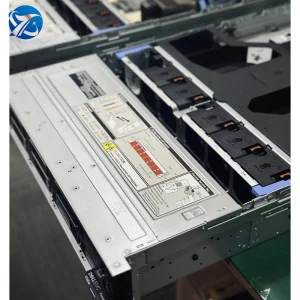
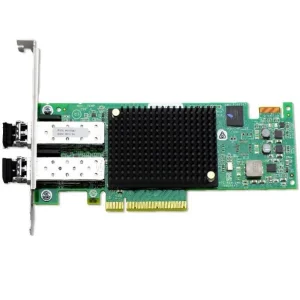
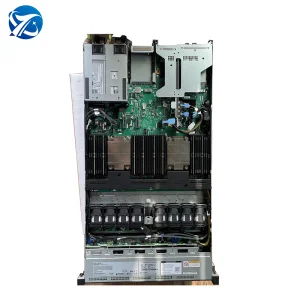
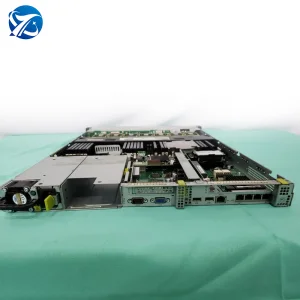
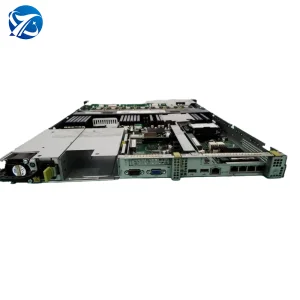
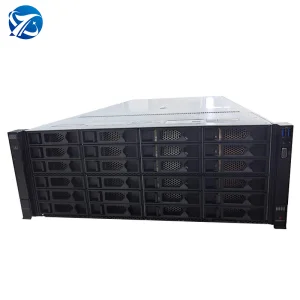
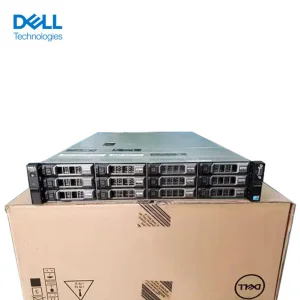
ZhiCloud AI is committed to supplying high-performance, energy-efficient, and scalable systems, helping global enterprises deploy next-generation AI and computing infrastructure. Contact our engineering team today to review structural schematics, system topologies, or request custom configurations for your data center deployment.