ZhiCloud AI
ZhiCloud AI
ZhiCloud AI
Explore our top-tier server hardware, optimized for virtualization, software-defined storage, and containerized microservices deployments.
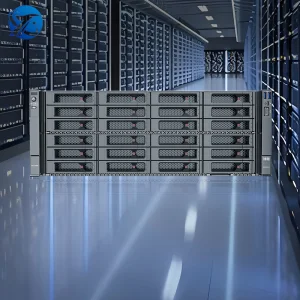
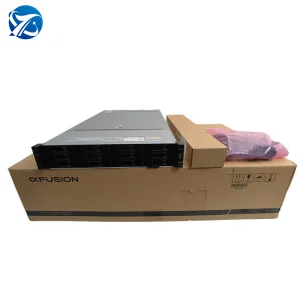
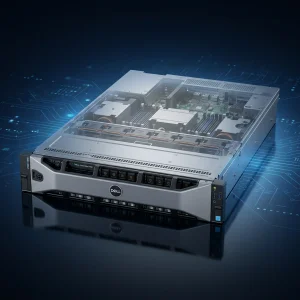
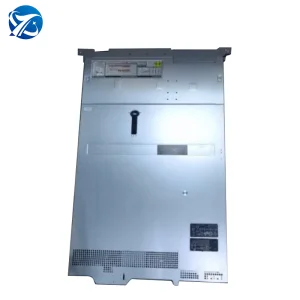
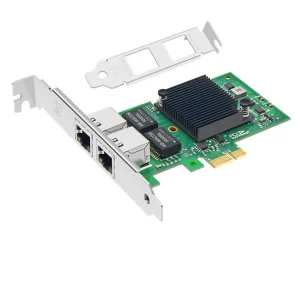
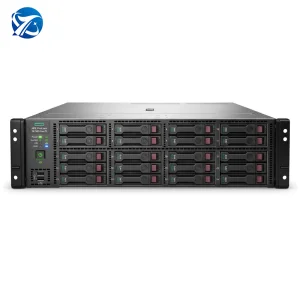
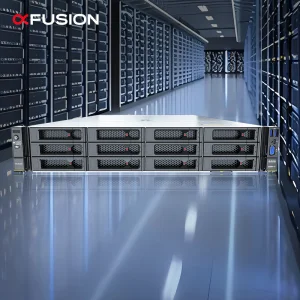
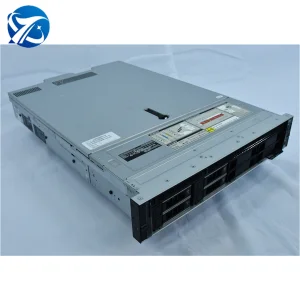
In the current technological paradigm, software virtualization forms the foundational substrate of global enterprise cloud ecosystems. By decoupling logical OS instances from physical bare-metal hardware, hypervisor-based virtualization optimizes resource utilization, enhances fault isolation, and mitigates compute operational expenses (OPEX). China's industrial hardware base, anchored by tech pioneers like Shenzhen Intelligent Computing Cloud Technology Co., Ltd. (ZhiCloud AI), has evolved from producing standard rack mounts to engineering highly integrated, AI-optimized, hypervisor-ready bare metal and virtualization-certified hardware platforms.
As virtualization software transitions toward native multi-tenancy, zero-trust microsegmentation, and GPU virtualization (vGPU/mGPU), hardware requirements have shifted dramatically. Enterprise workloads run by global B2B clients demand specialized system configurations, hardware-level virtualization features (such as Intel VT-x, AMD-V, and SR-IOV), and robust storage redundancy matrices (specifically RAID controllers like the 9540-8i RAID PCIE 4.0 X8). Designing hyperconverged infrastructures requires deep expertise that bridges local production assembly lines with advanced virtualization layers.
Shenzhen Intelligent Computing Cloud Technology Co., Ltd. (ZhiCloud AI) is a professional AI server and high-performance computing (HPC) solution provider specializing in GPU servers, AI infrastructure, and cloud computing systems for global enterprise clients. Founded in 2016, the company operates a modern production facility covering approximately 320㎡, supporting efficient manufacturing and system integration for advanced computing hardware. With a strong export-oriented strategy, ZhiCloud AI has achieved an annual export revenue of around USD 12 million, backed by 7 years of export experience and 11 years of industry expertise in AI computing and server engineering.
Operating out of Shenzhen, the global epicenter of IT hardware supply chains, ZhiCloud AI primarily serves data centers, AI startups, cloud service providers, research institutions, and enterprise IT departments. The company released approximately 180 new products last year, supported by a team of 120 R&D engineers focused on next-generation AI server design, liquid cooling systems, and high-density computing clusters. This robust engineering backing allows ZhiCloud AI to offer versatile virtualization hardware options, including custom GPU configurations, storage architectures, enterprise branding, and complex hypervisor pre-installation services.
The enterprise virtualization landscape is undergoing a massive shift. The broad migration from legacy, proprietary virtualization software (such as classic Type-1 ESXi hypervisors) to open-source KVM-based architectures, Proxmox VE, and Microsoft Windows Server Hyper-V has created a critical demand for flexible hardware. Enterprises no longer want closed ecosystems. They want software-agnostic hardware validation where virtual storage (vSAN) and virtual networking (SDN) can run seamlessly on open rack infrastructures.
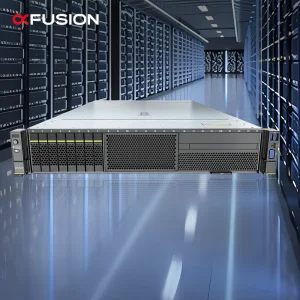
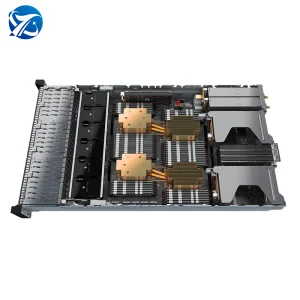
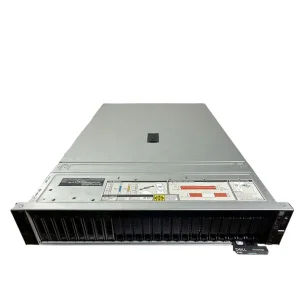
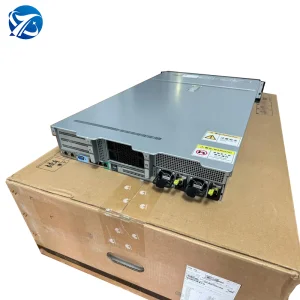
This dynamic has forced Chinese factories to transition from simple OEM assembly to complete integration validation. As a specialized manufacturer, ZhiCloud AI bridges the gap between hardware and software virtualization. Our server platforms—such as the *HPE ProLiant DL380 Gen11*, *Dell PowerEdge R760*, and high-performance *xFusion Fusionserver* architectures—are fully optimized to support high-density virtualization layers. By integrating features like SR-IOV (Single Root I/O Virtualization), enterprise hypervisors can bypass software overhead, allowing virtual machines to communicate directly with physical network interfaces and GPU accelerators.
| Virtualization Architecture | Hypervisor Layer Type | Hardware Integration Level | Optimized Workload Categories | Recommended Hardware Platform |
|---|---|---|---|---|
| Type-1 Bare-Metal Hypervisor | Kernel/OS level (ESXi, KVM, Proxmox) | Native / Direct Hardware Control | Enterprise Databases, Multi-tenant Clouds, legacy ERP systems | xFusion 2288H V6 / Dell PowerEdge R760XS |
| Hardware-Accelerated vGPU | GPU Partitioning (NVIDIA vGPU, MIG) | Direct PCIe Passthrough & Virtual Slices | Deep Learning training, DeepSeek model inferencing, 3D VDI | Ai Windows 2025 Deepseek GPU Dedicated Server |
| Containerized Virtualization | OS-level virtualization (Docker, Kubernetes) | Shared OS Kernel, Namespace isolation | Microservices, stateless apps, rapid DevOps pipelines | HPE ProLiant DL380 Gen11 / xFusion 2288H V7 |
| Software-Defined Storage (SDS) | Hyperconverged SAN (Ceph, vSAN) | High-bandwidth PCIe RAID controller interfaces | Large-scale structured/unstructured distributed storage | Server 2288H V7 with 9540-8i RAID PCIe 4.0 Card |
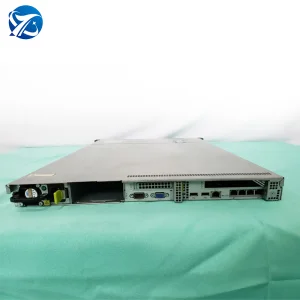
Moreover, the industrial application of virtualization software has expanded beyond corporate offices to high-precision smart manufacturing and edge computing nodes. On the factory floor, real-time operating systems (RTOS) are virtualized alongside supervisory control and data acquisition (SCADA) systems. By virtualizing these disparate industrial environments onto a single, ruggedized physical node—like our 1U/2U rack servers—industrial operators reduce hardware footprint, slash cooling costs, and achieve hot-swappable fault tolerance.
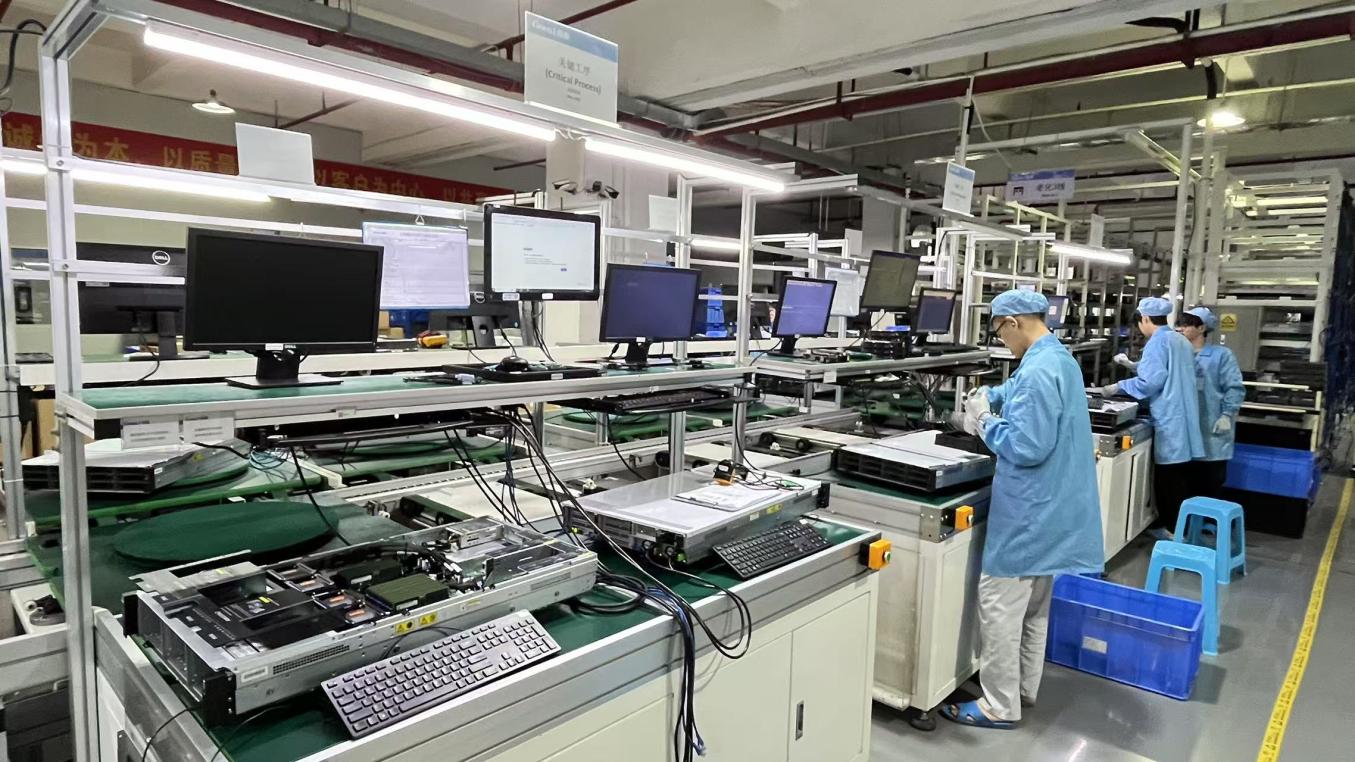
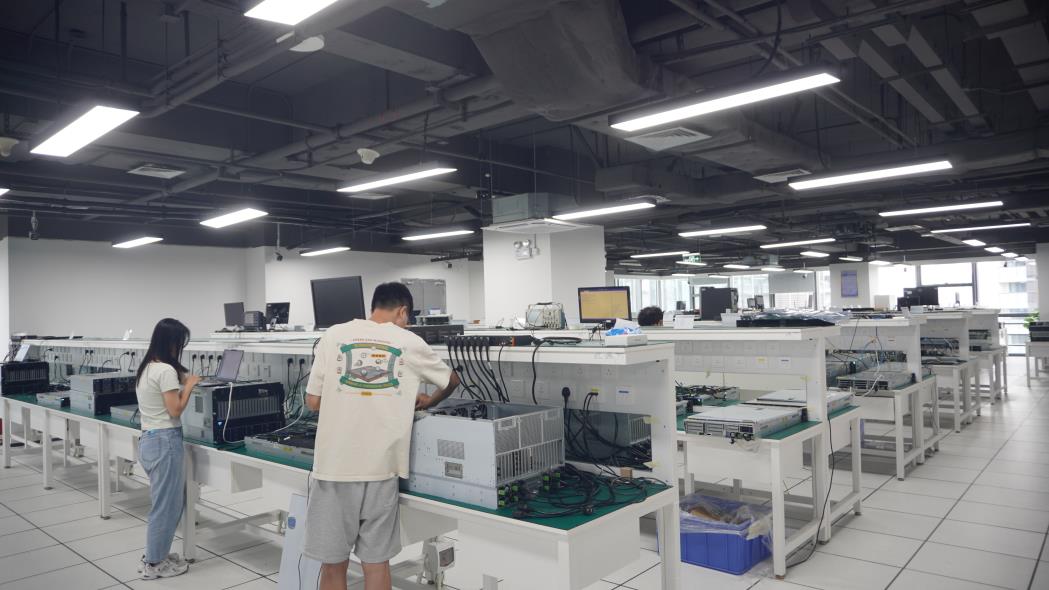
Behind our hardware-level virtualization compatibility lies a highly standardized, multi-stage production and quality control pipeline.
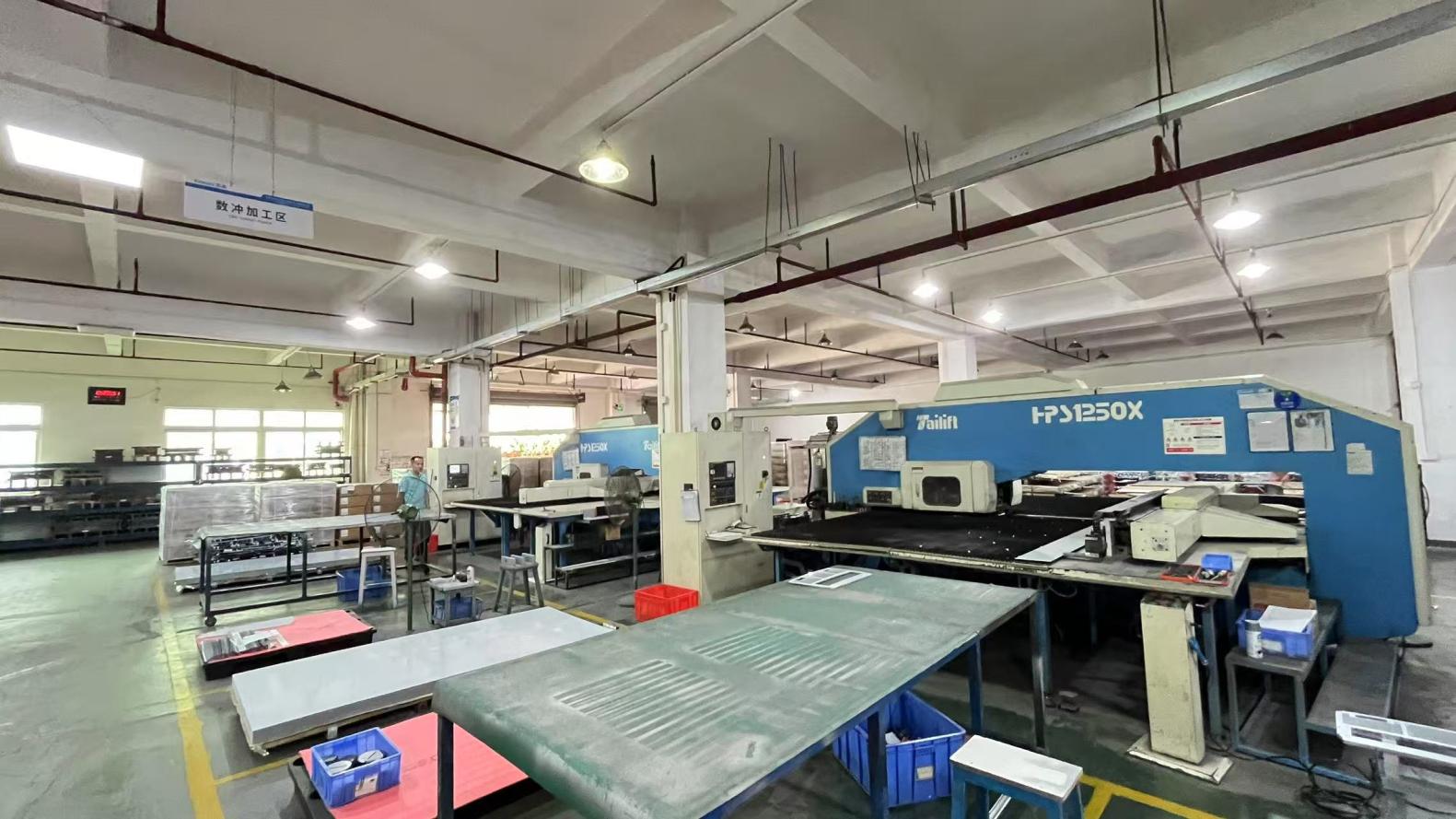
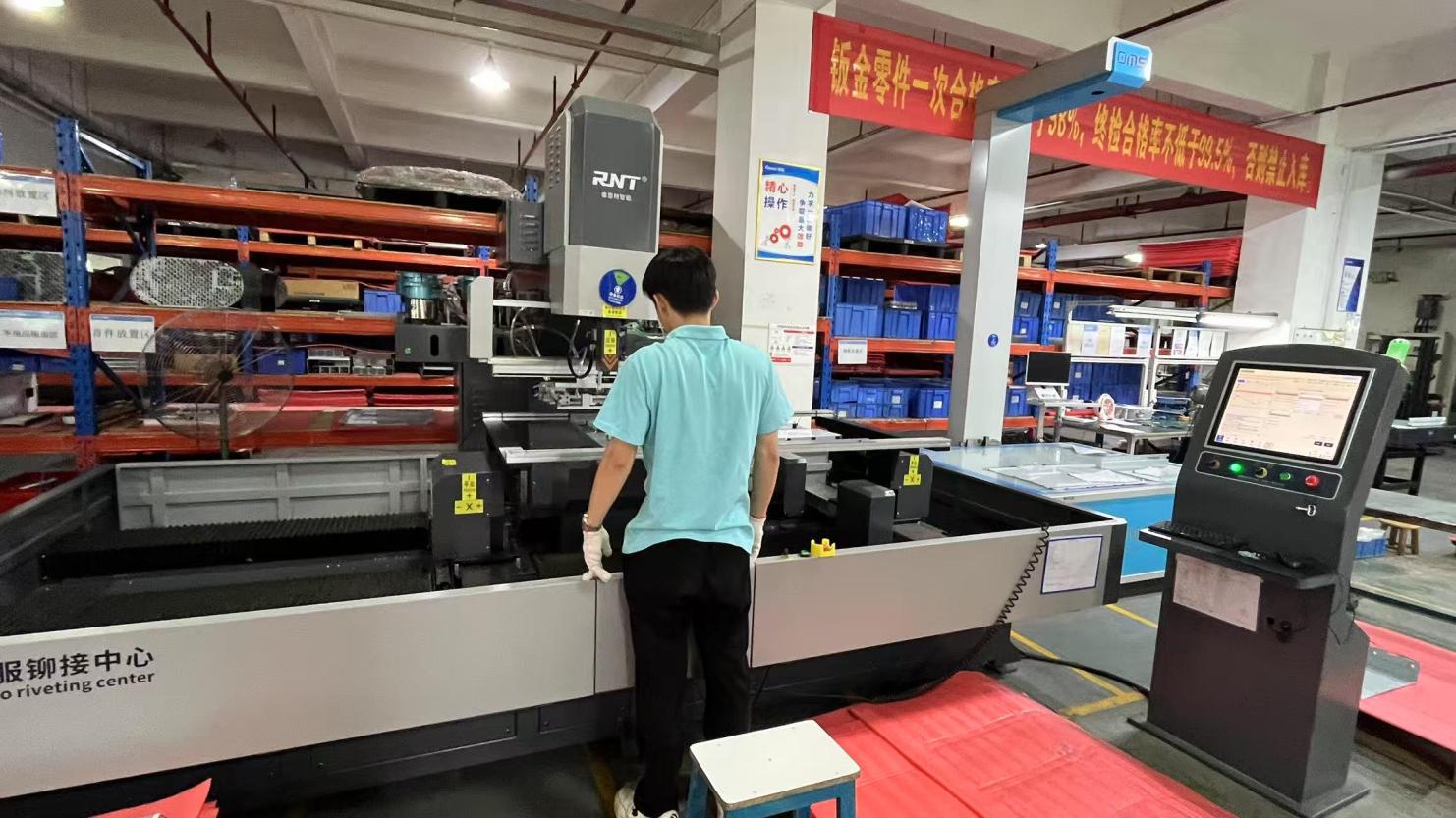
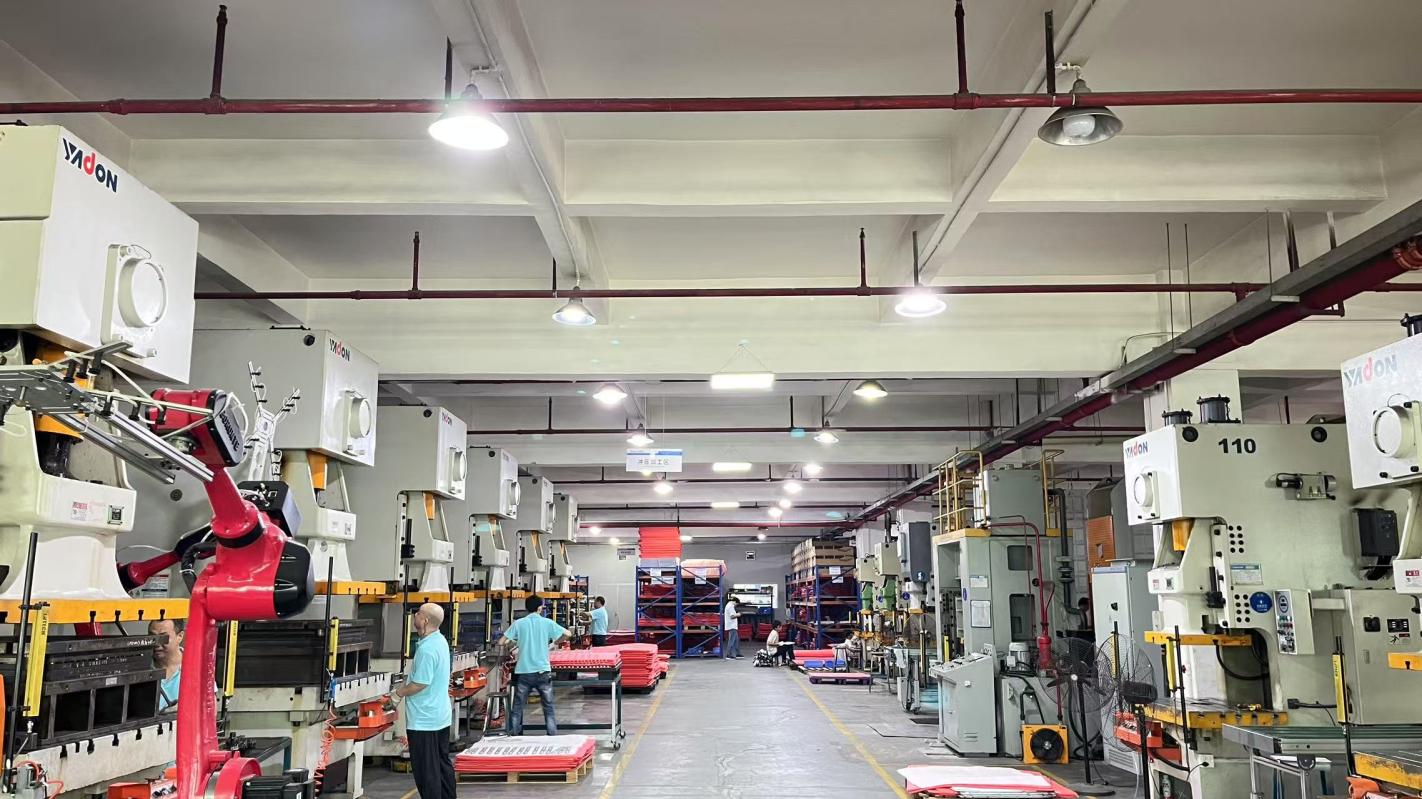
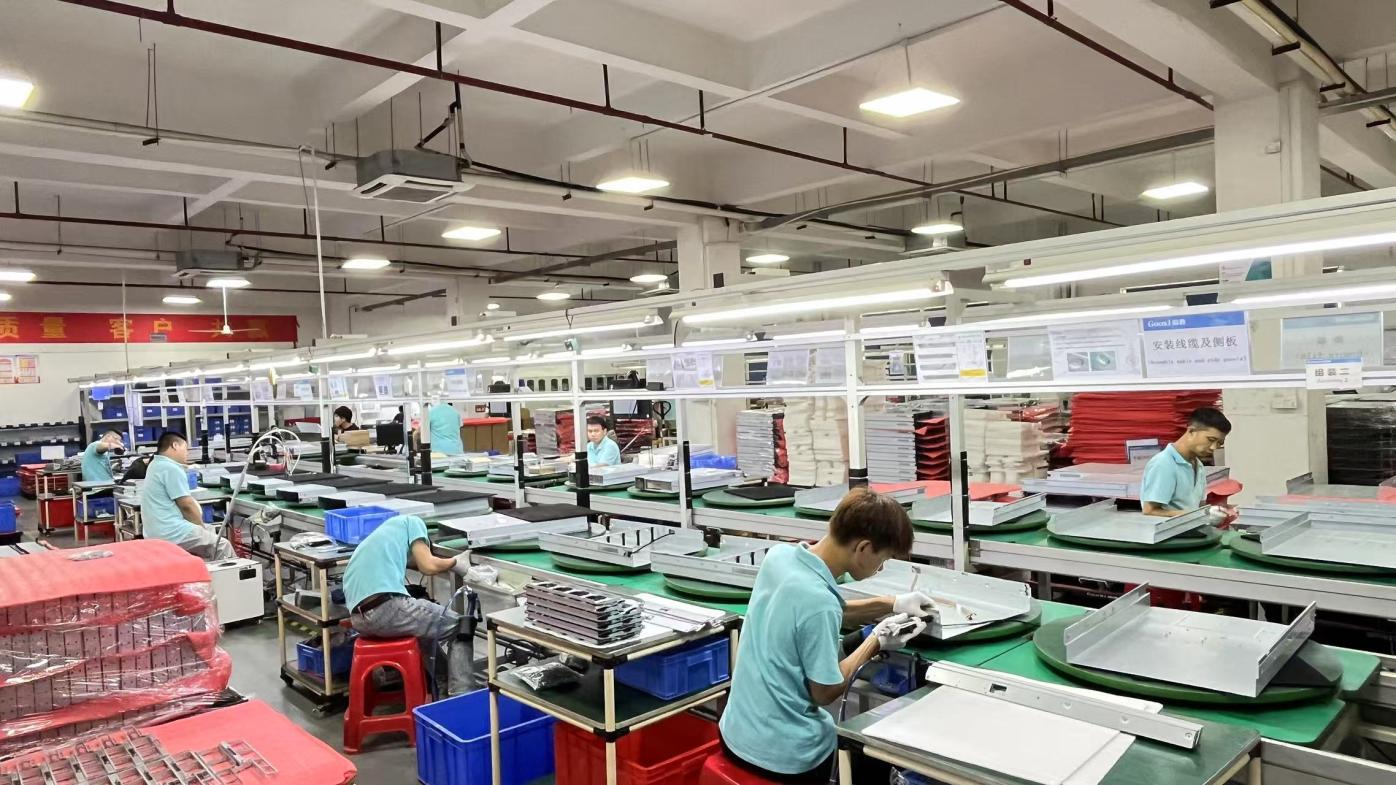

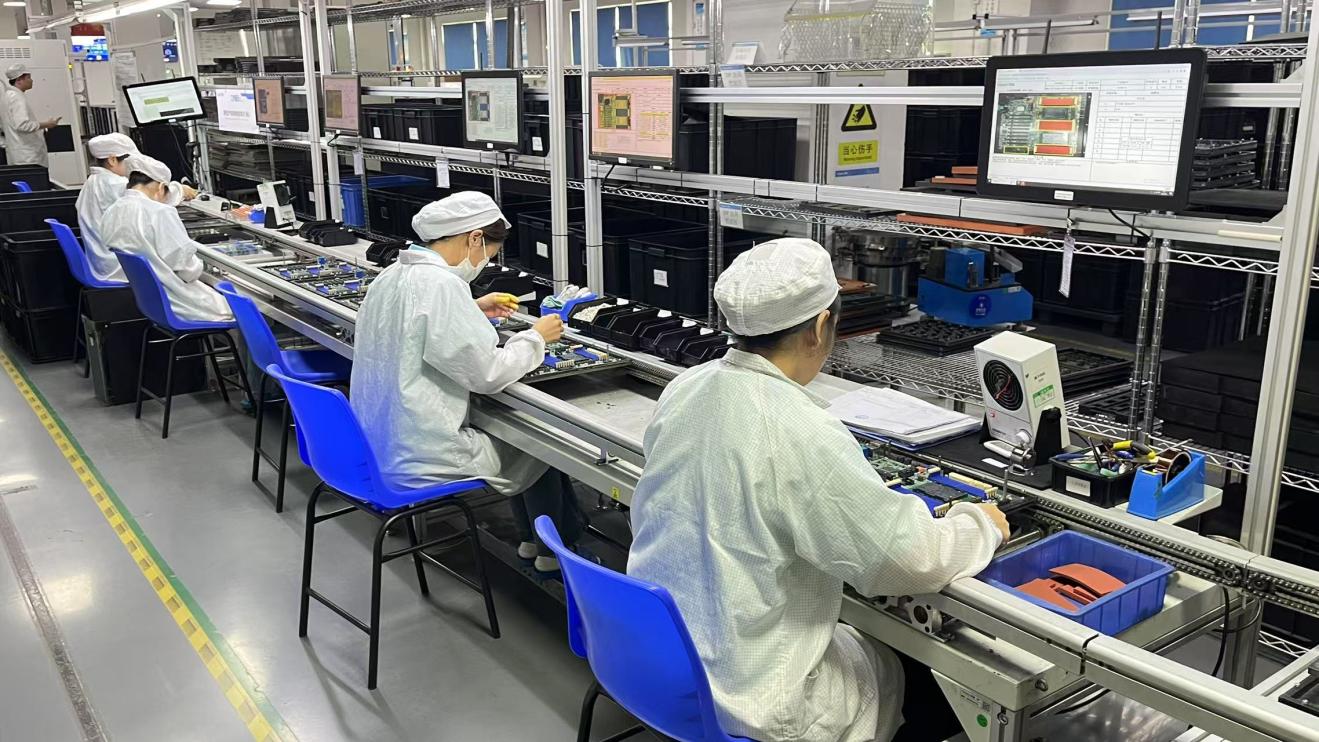
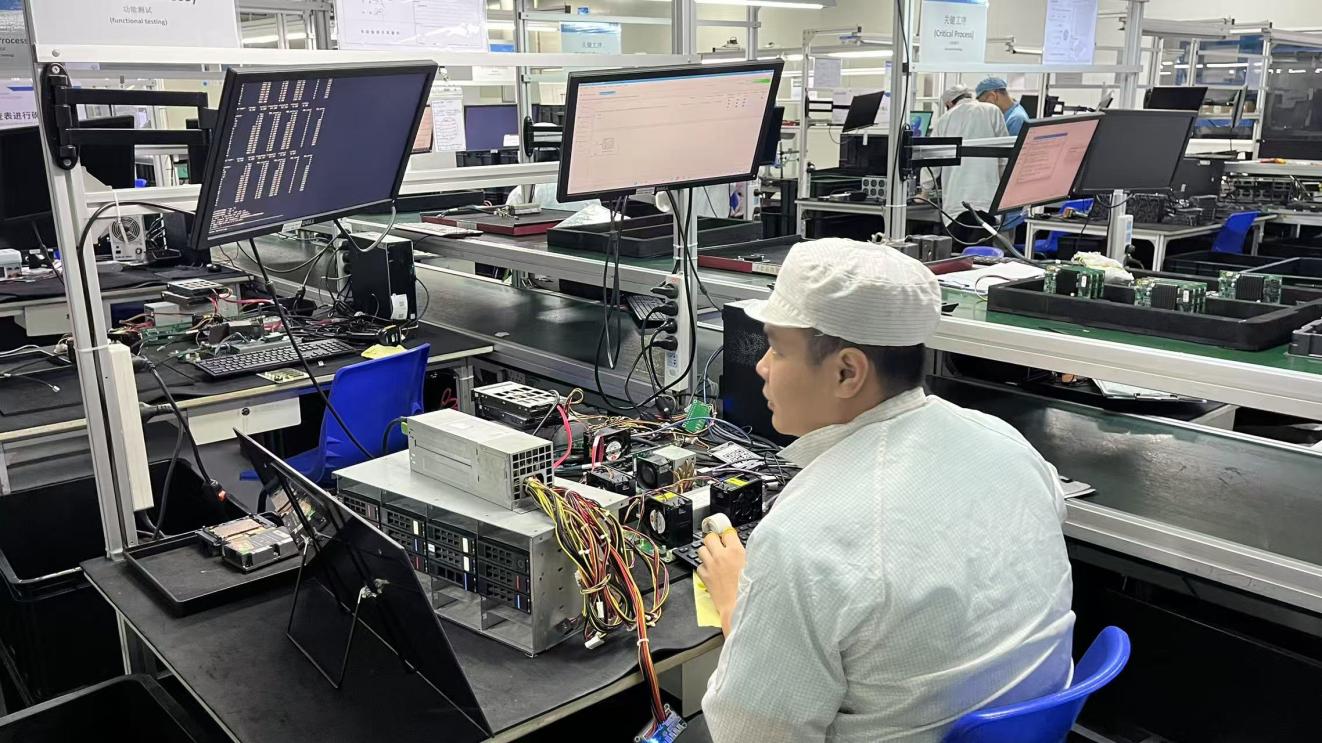
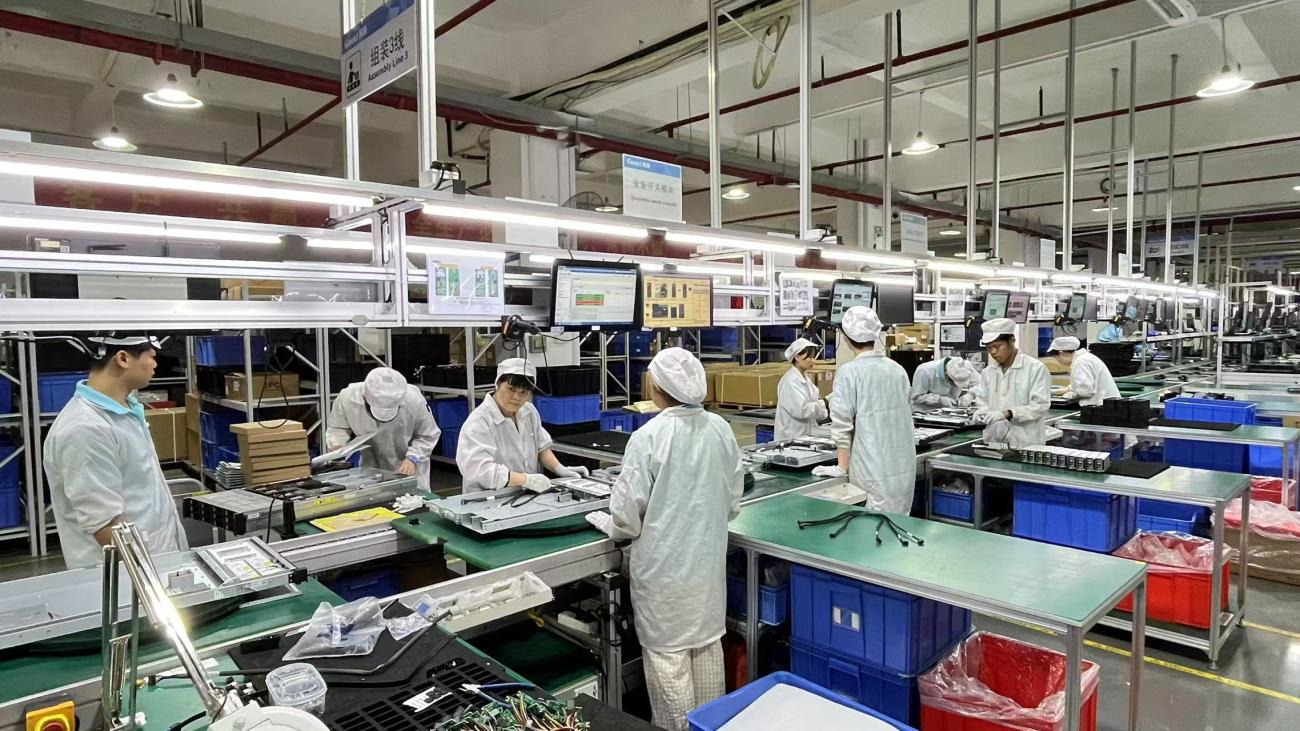
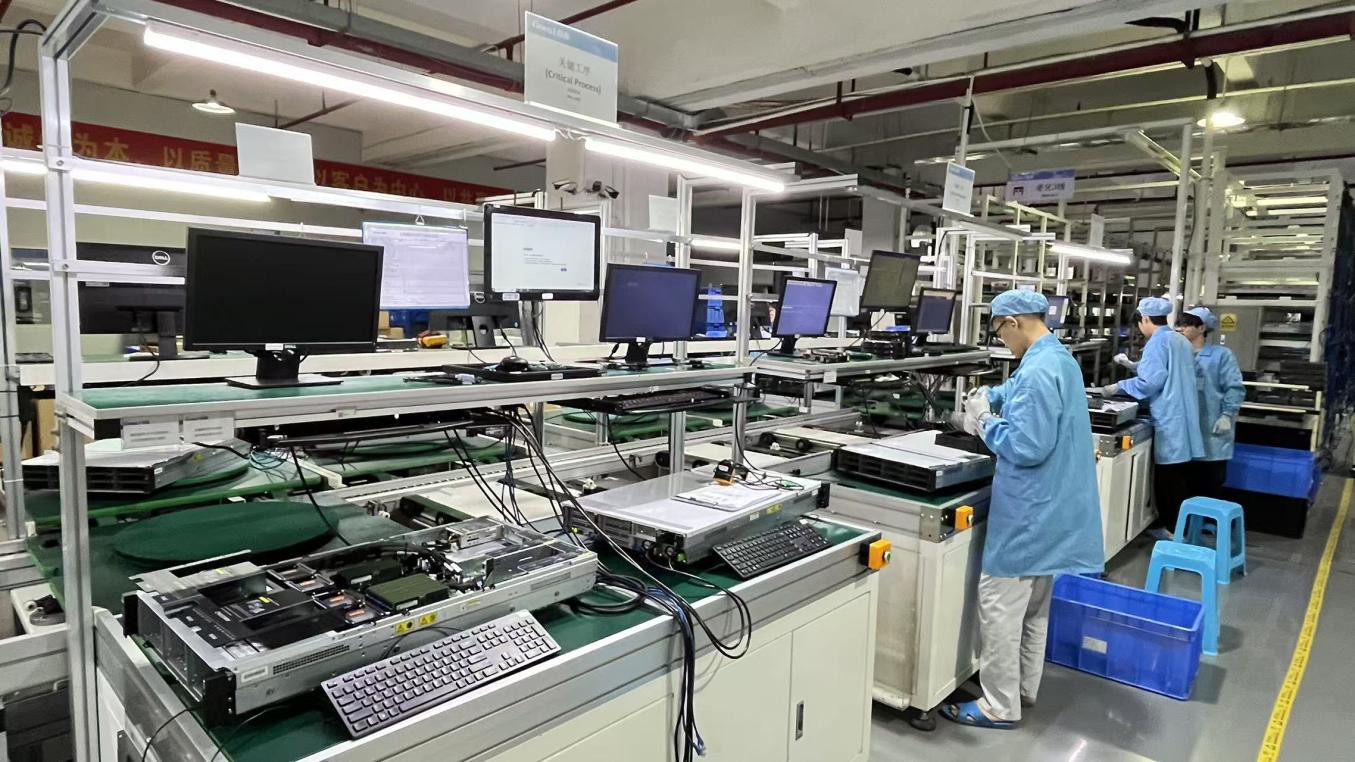
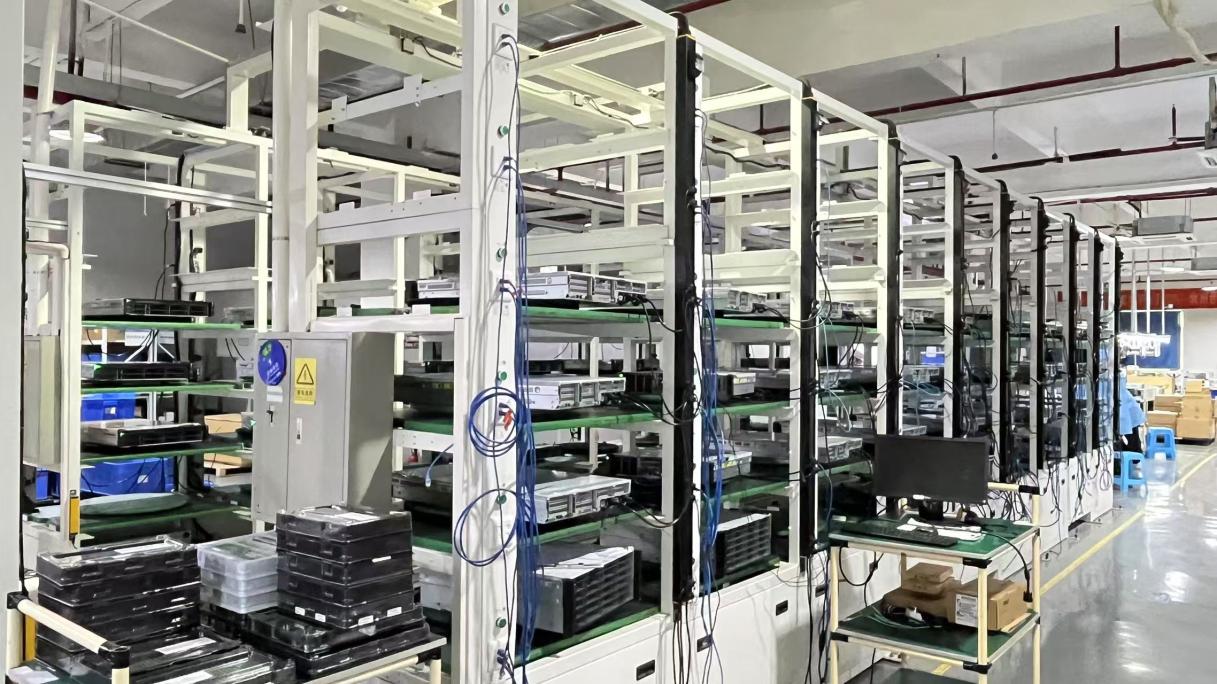
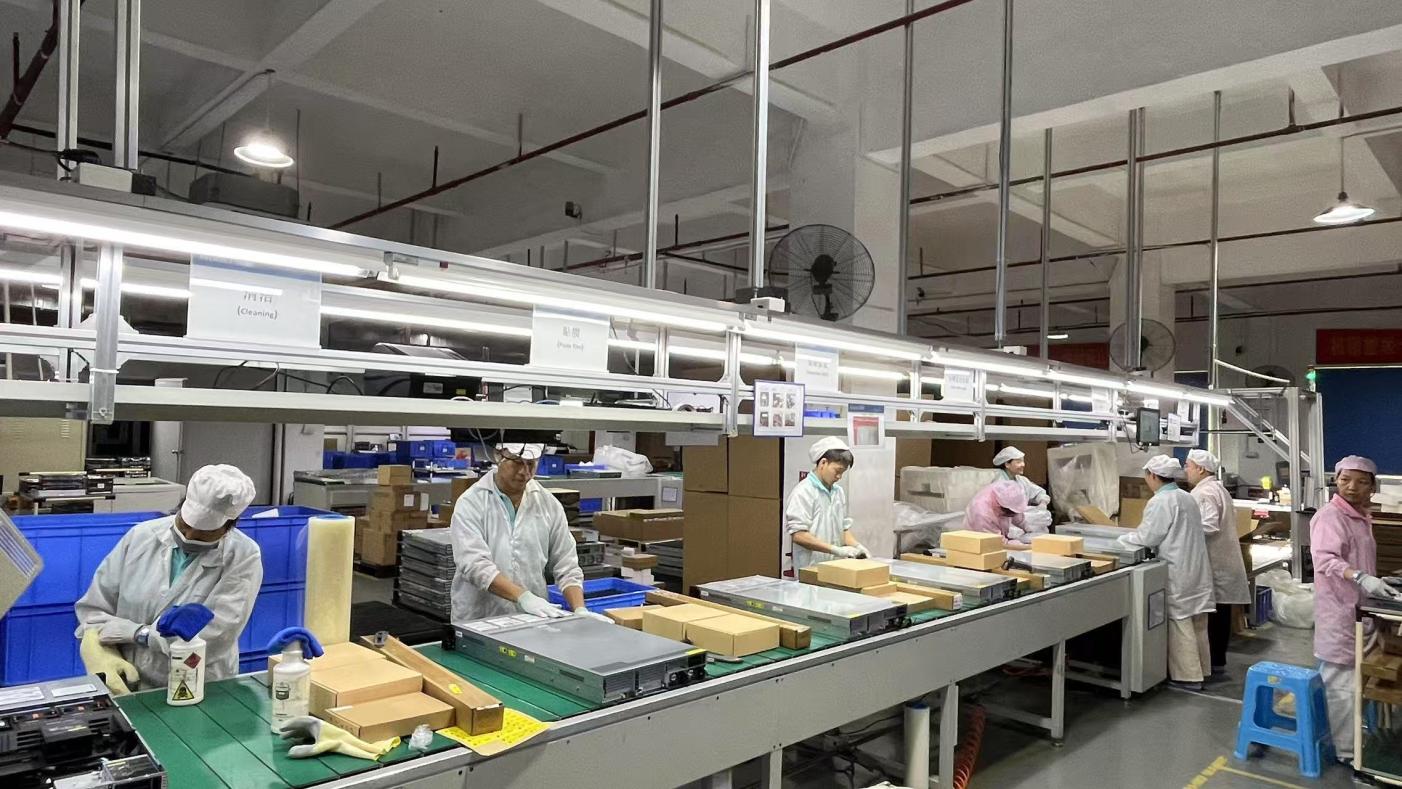
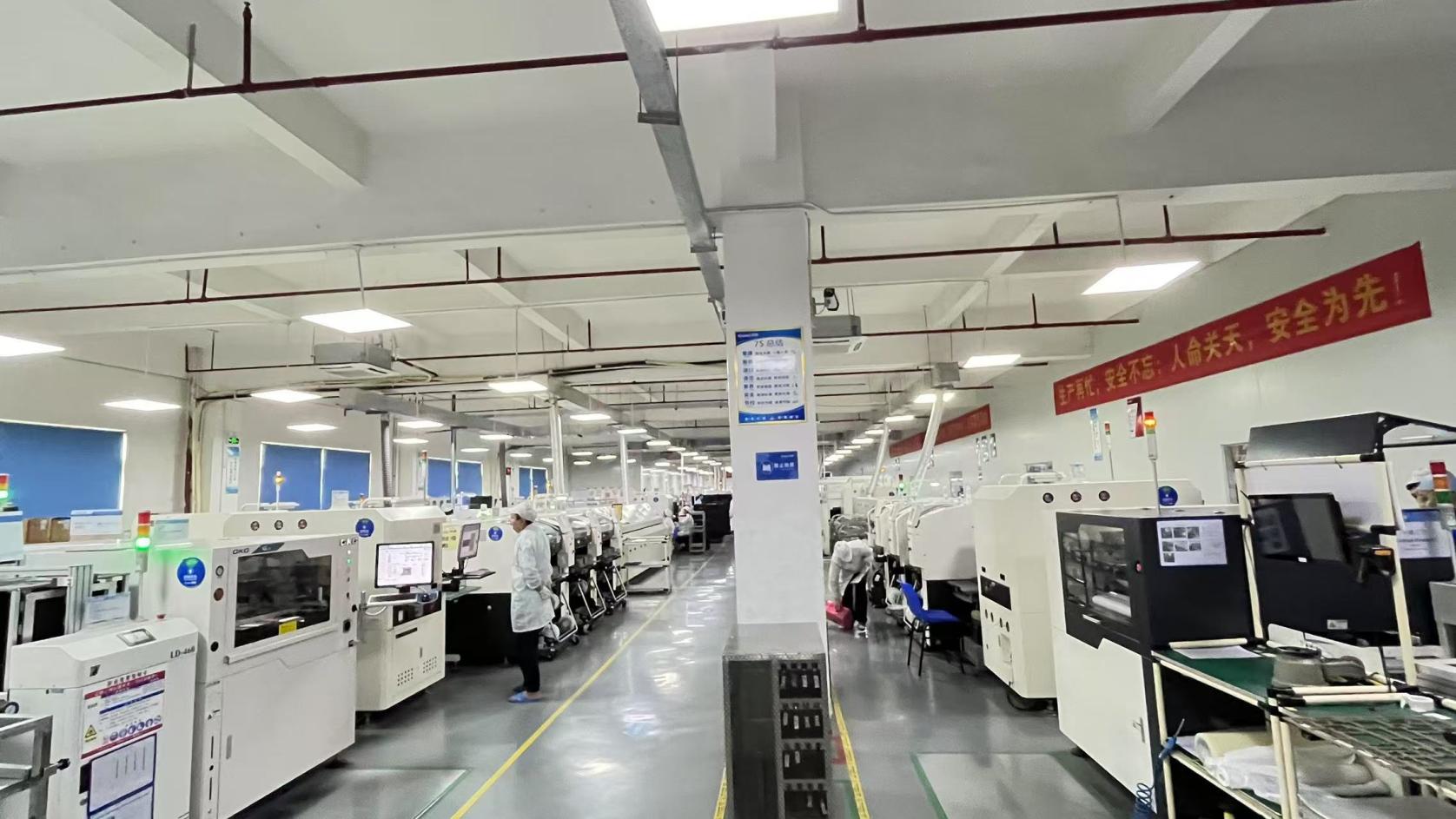
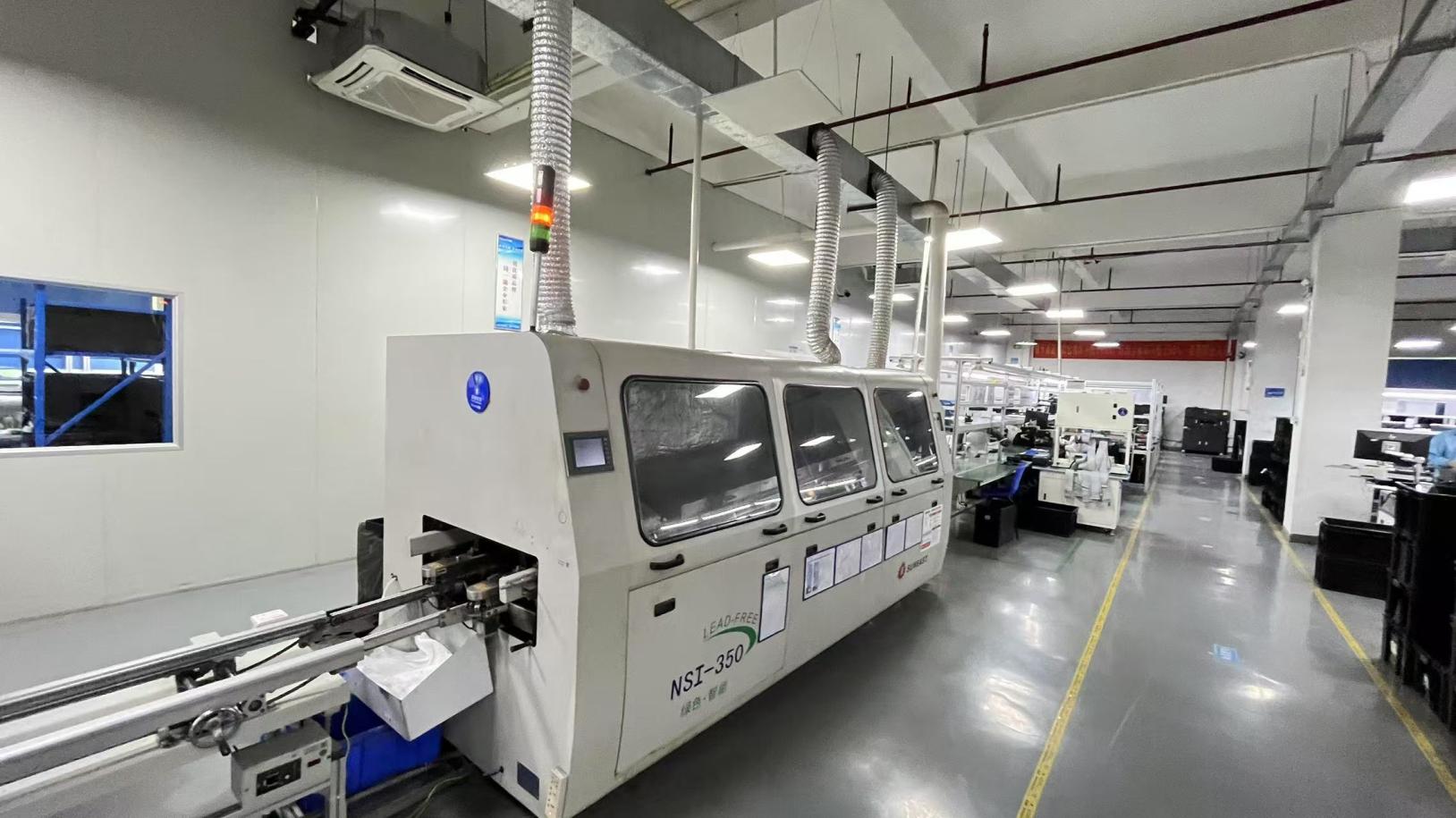
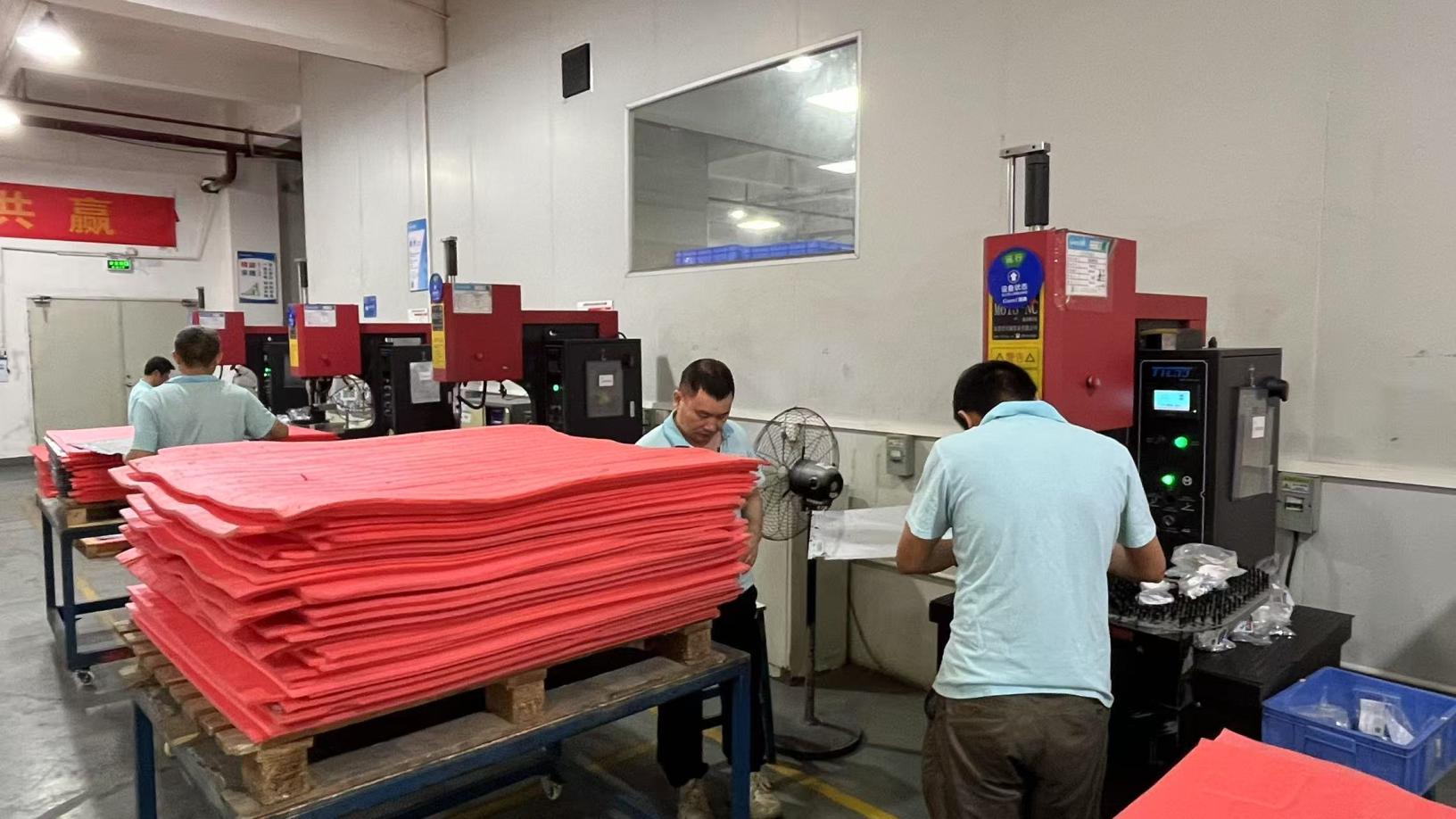
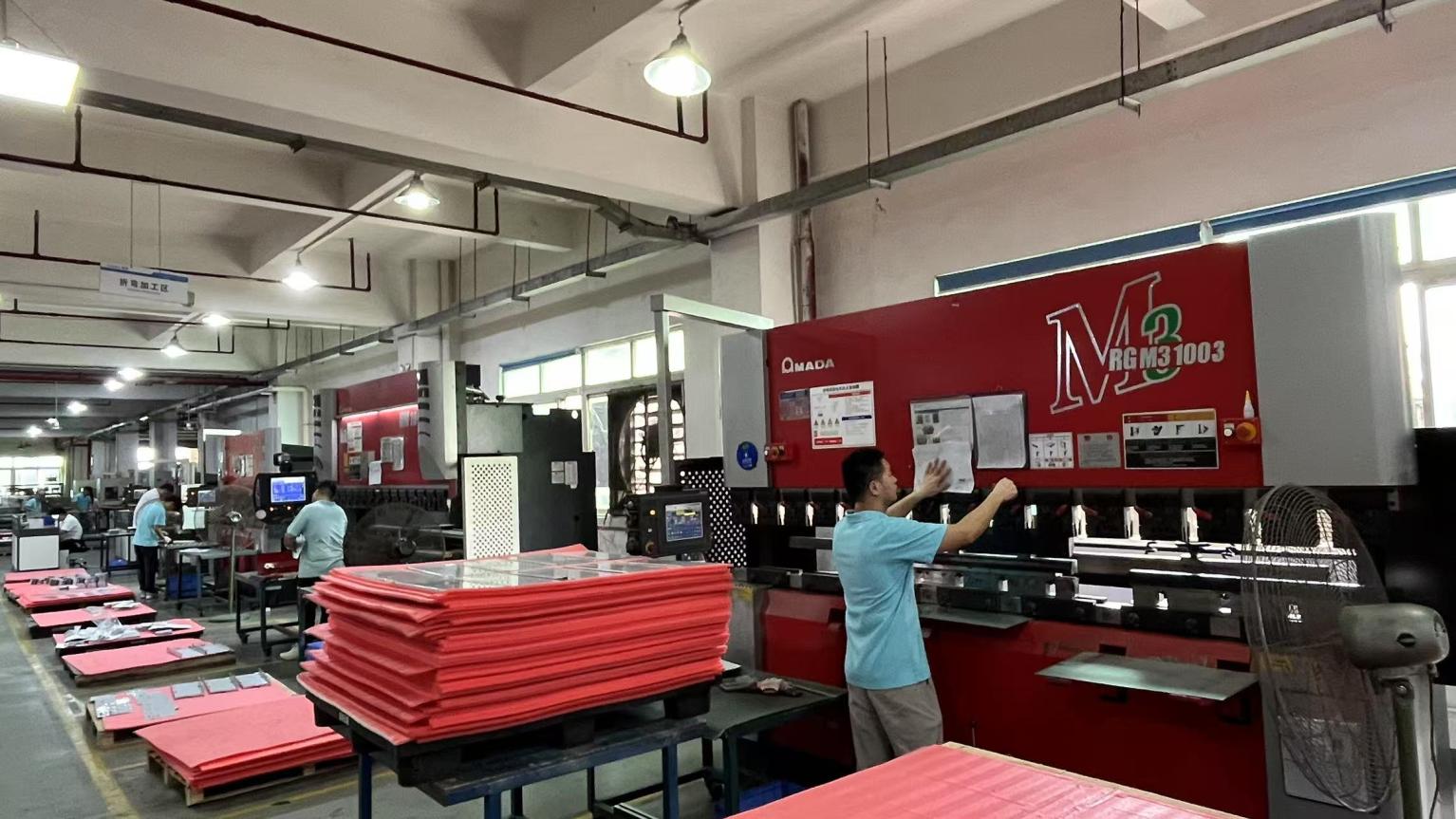

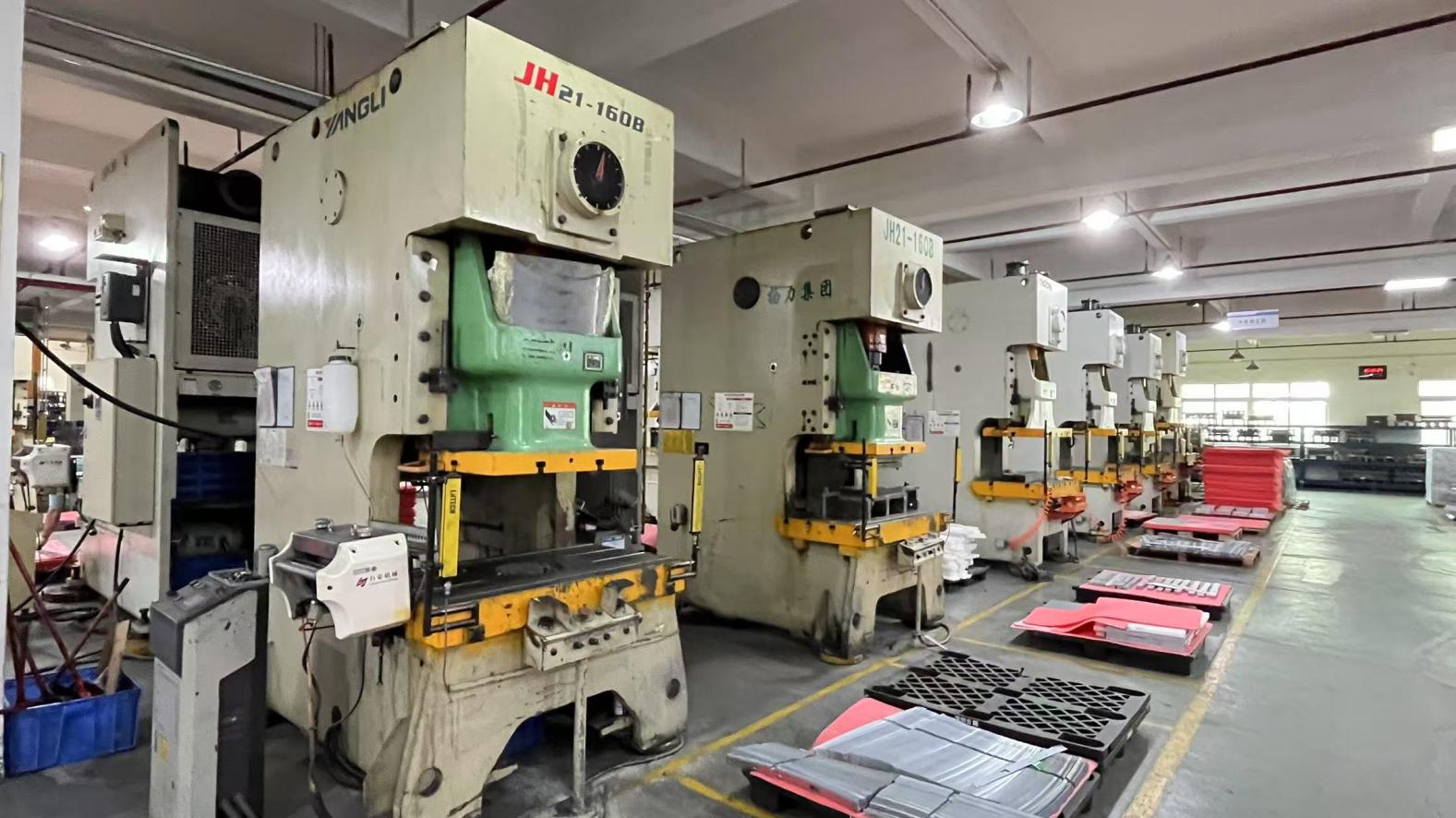

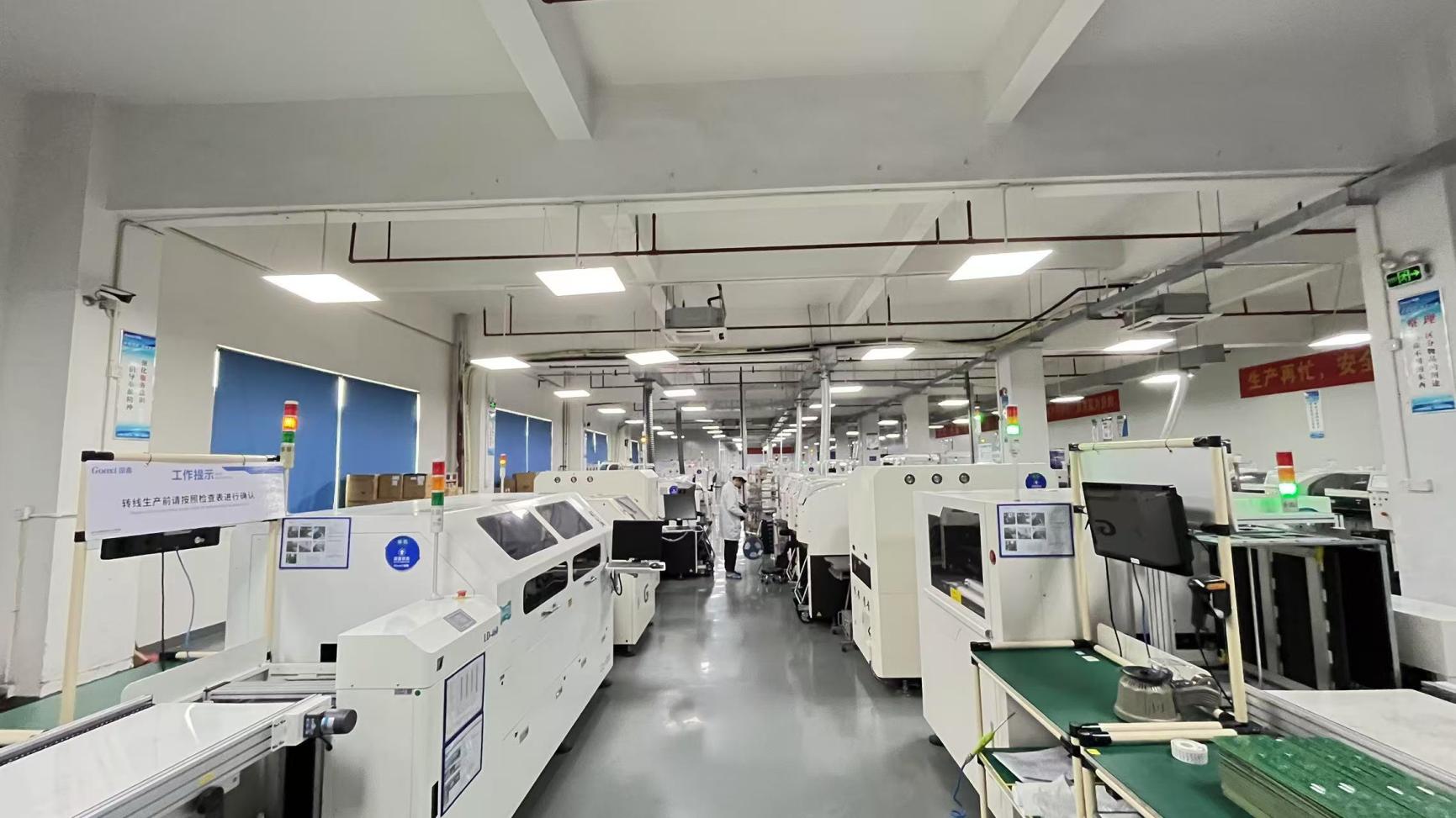
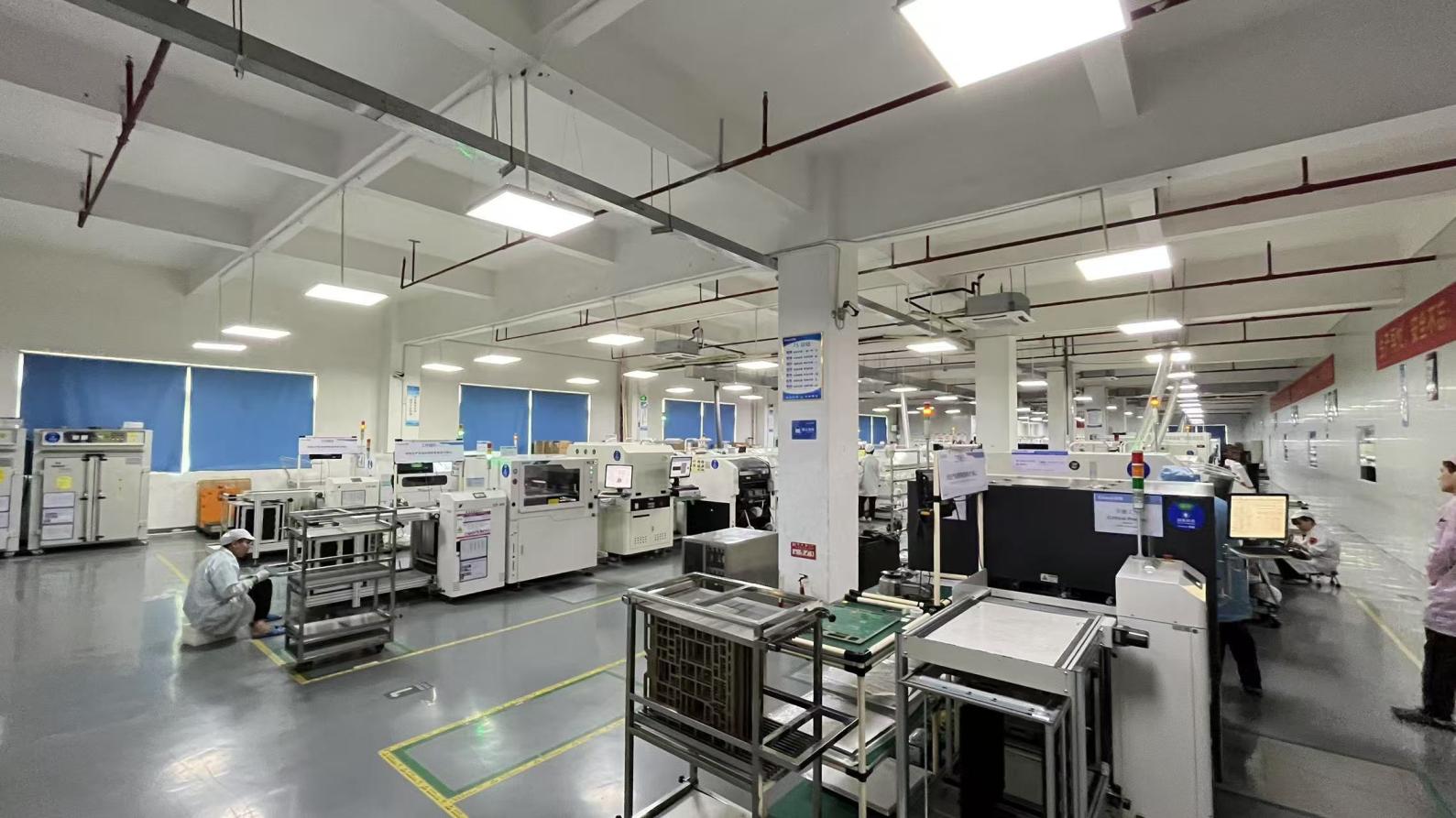
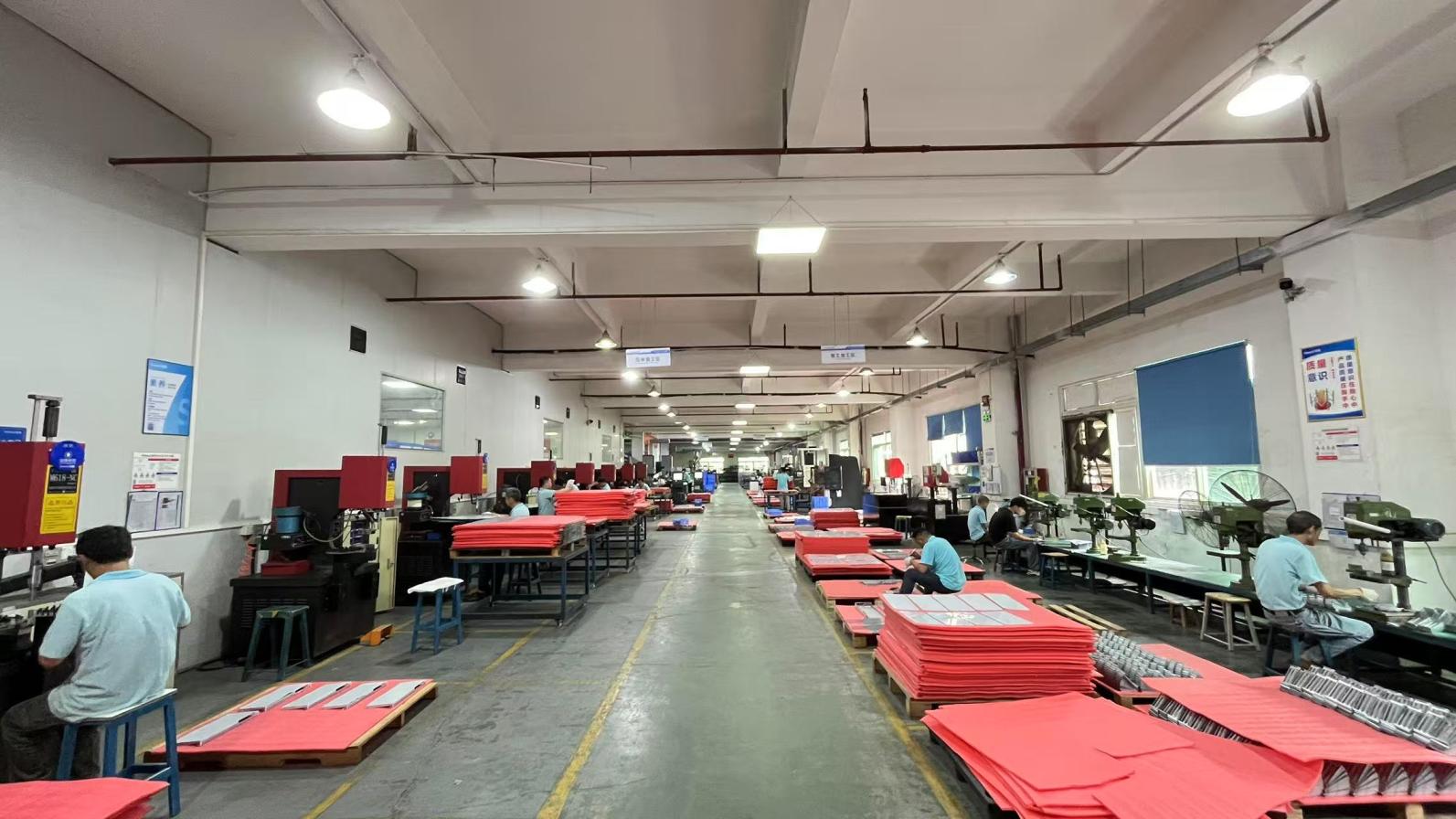
Our structural production process begins with high-precision sheet metal fabrication. Through automated Laser Cutting, Bending, and Stamping, the rigid chassis is formed. System boards (PCBAs) undergo high-speed processing at our state-of-the-art SMT (Surface Mount Technology) lines, followed by careful MI (Manual Insertion) and soldering. Every board undergoes strict PCBA Testing to ensure electrical integrity before moving to the final assembly stage.
Crucially for virtualization applications—where servers run at peak capacity for months on end—every assembled host undergoes a rigorous Thermal Burn-in Aging Test. This test simulates peak utilization under high ambient temperatures, catching thermal issues before shipping. Under the supervision of our 45-person QC department, we minimize field failures to ensure maximum uptime for your hyperconverged infrastructures.
Comprehensive hardware stress and environmental testing ensure reliable performance under demanding cloud and enterprise workloads.
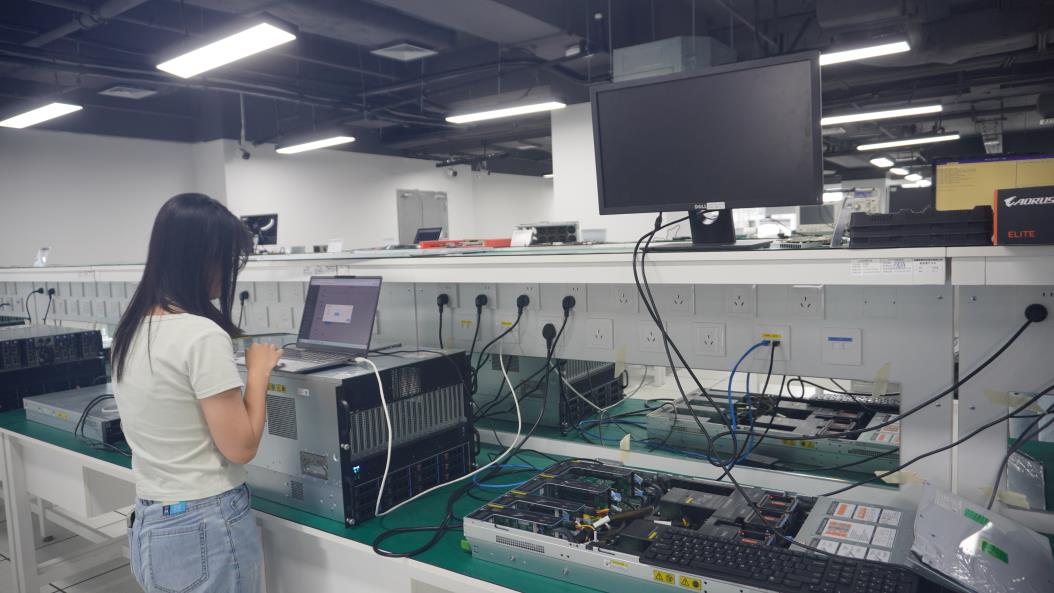
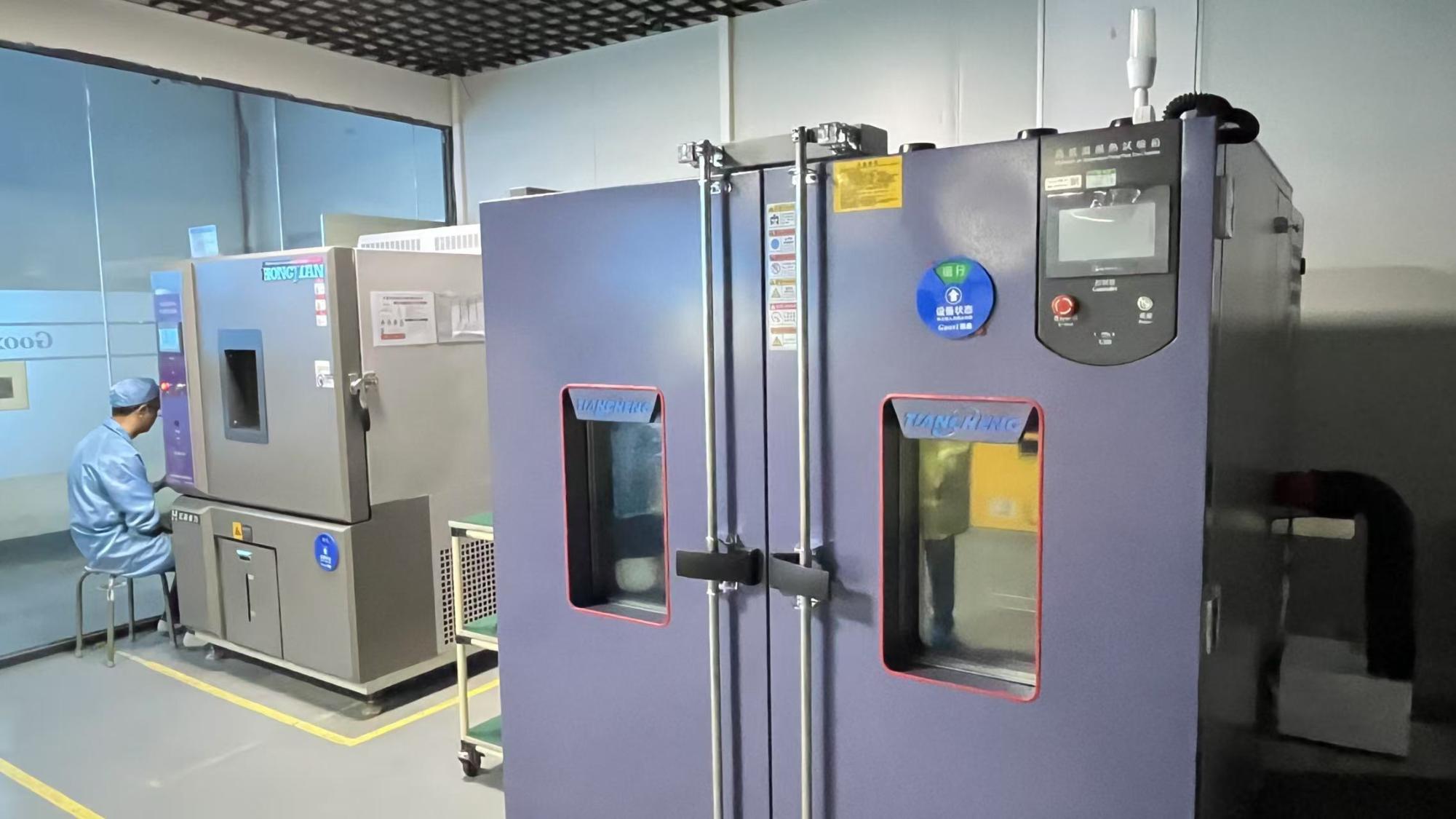
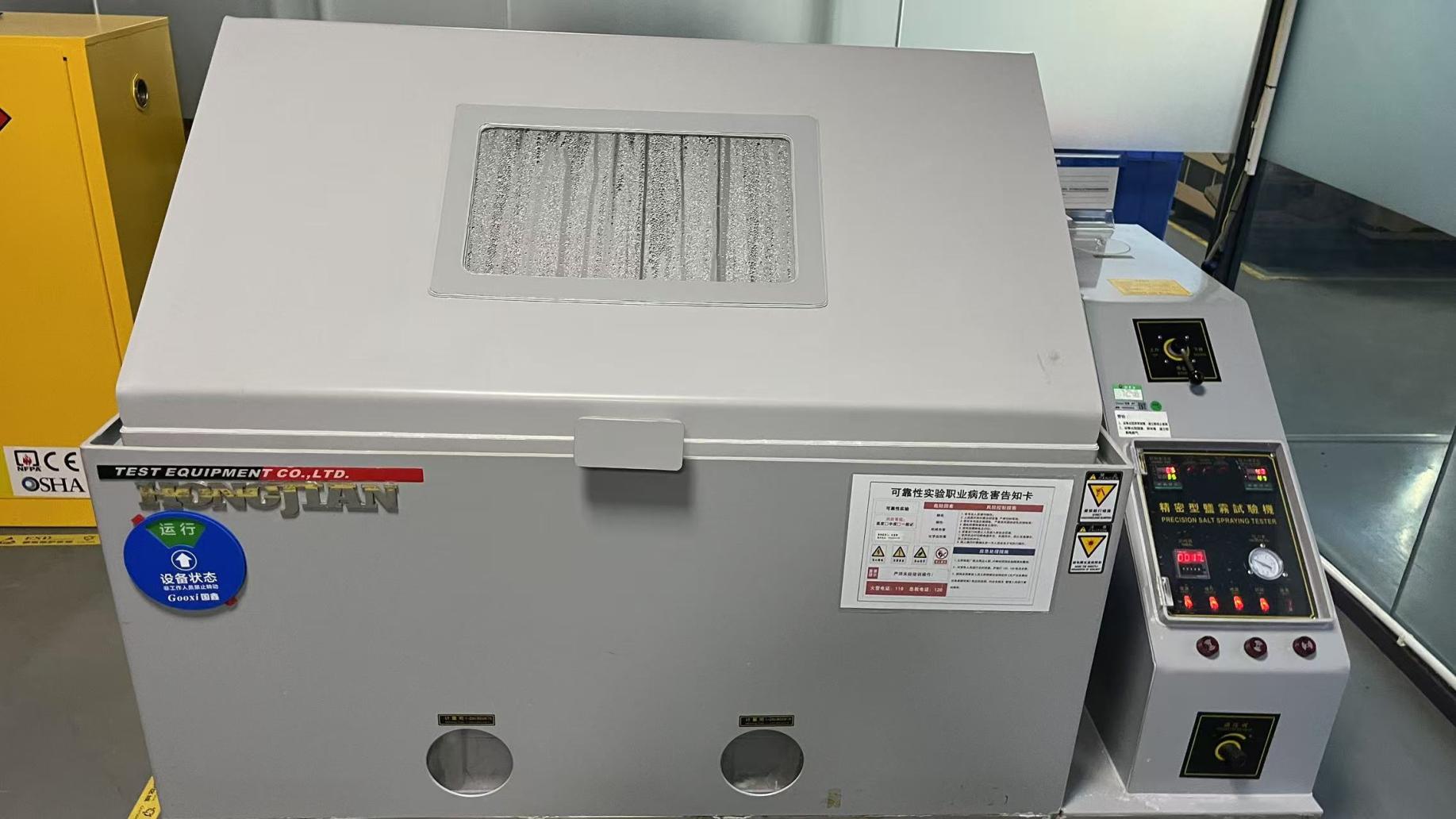
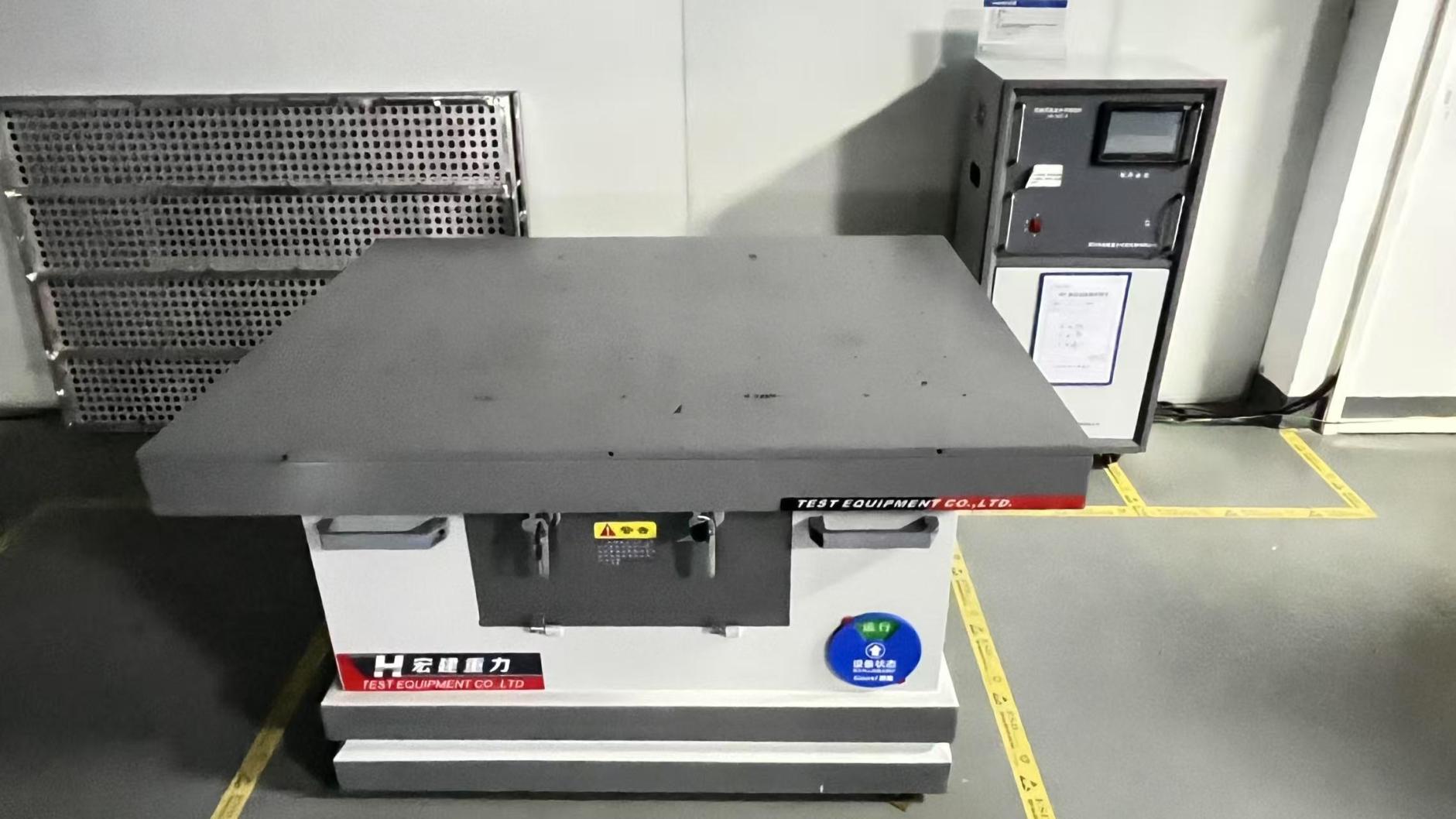
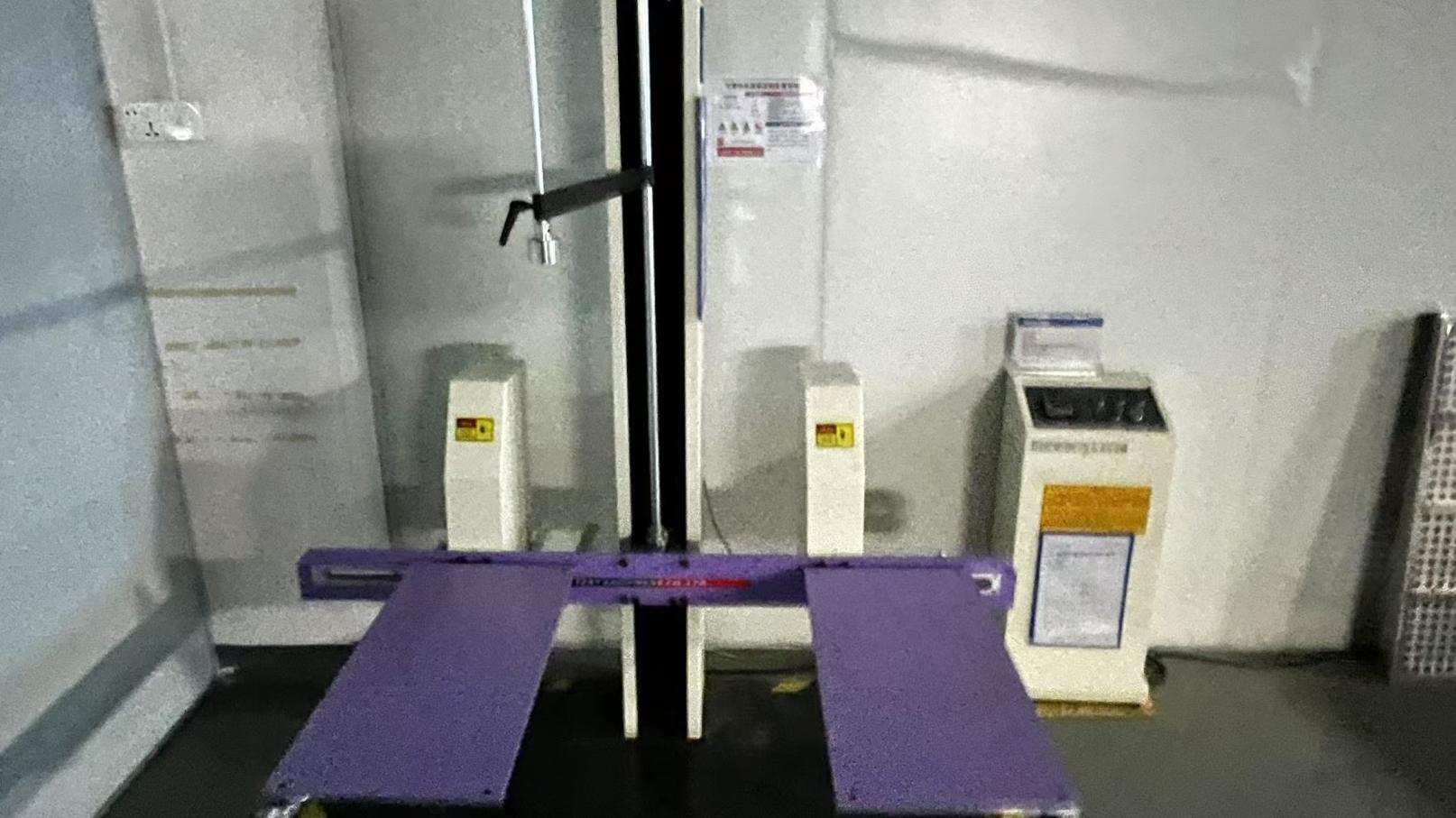
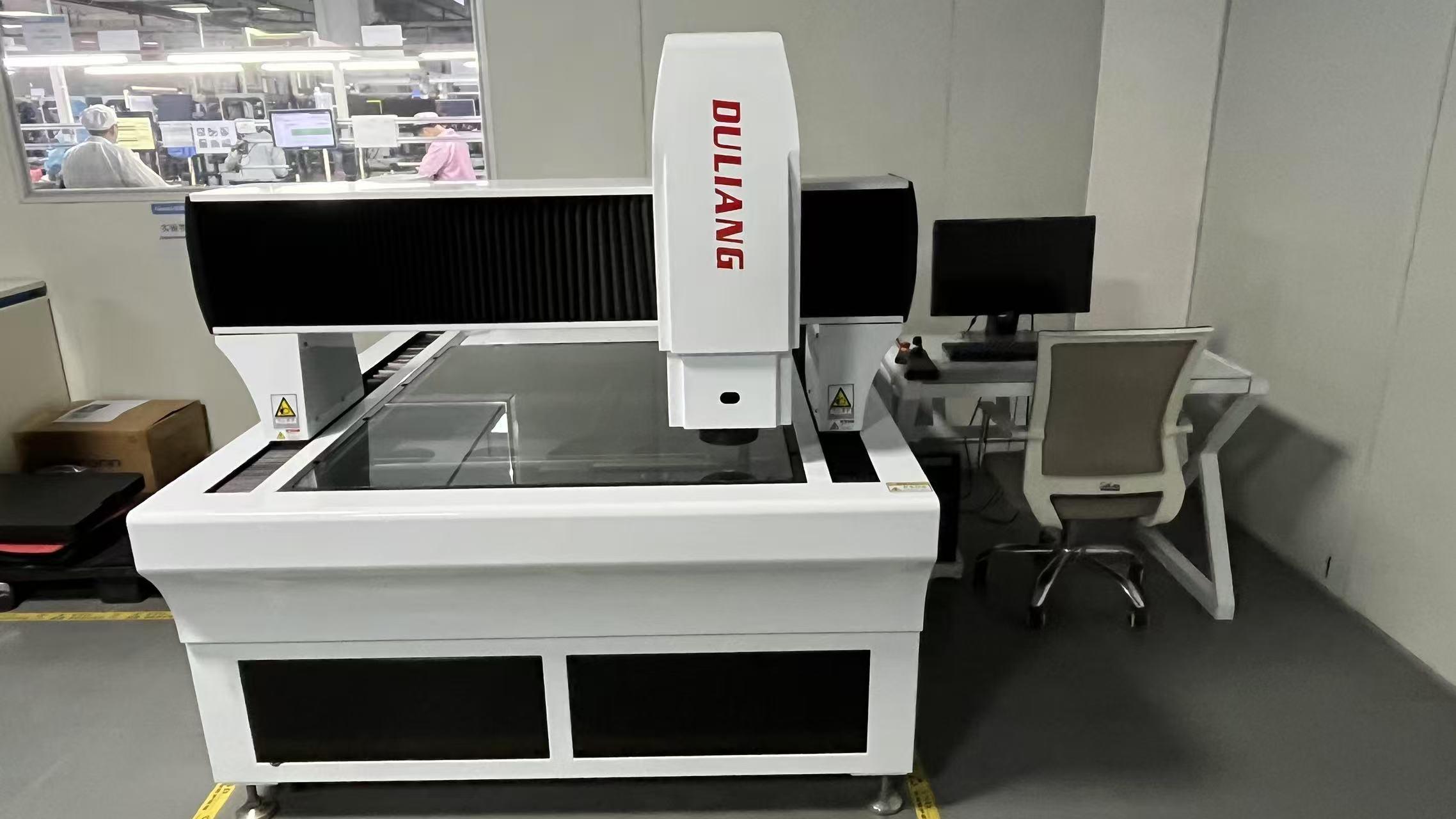
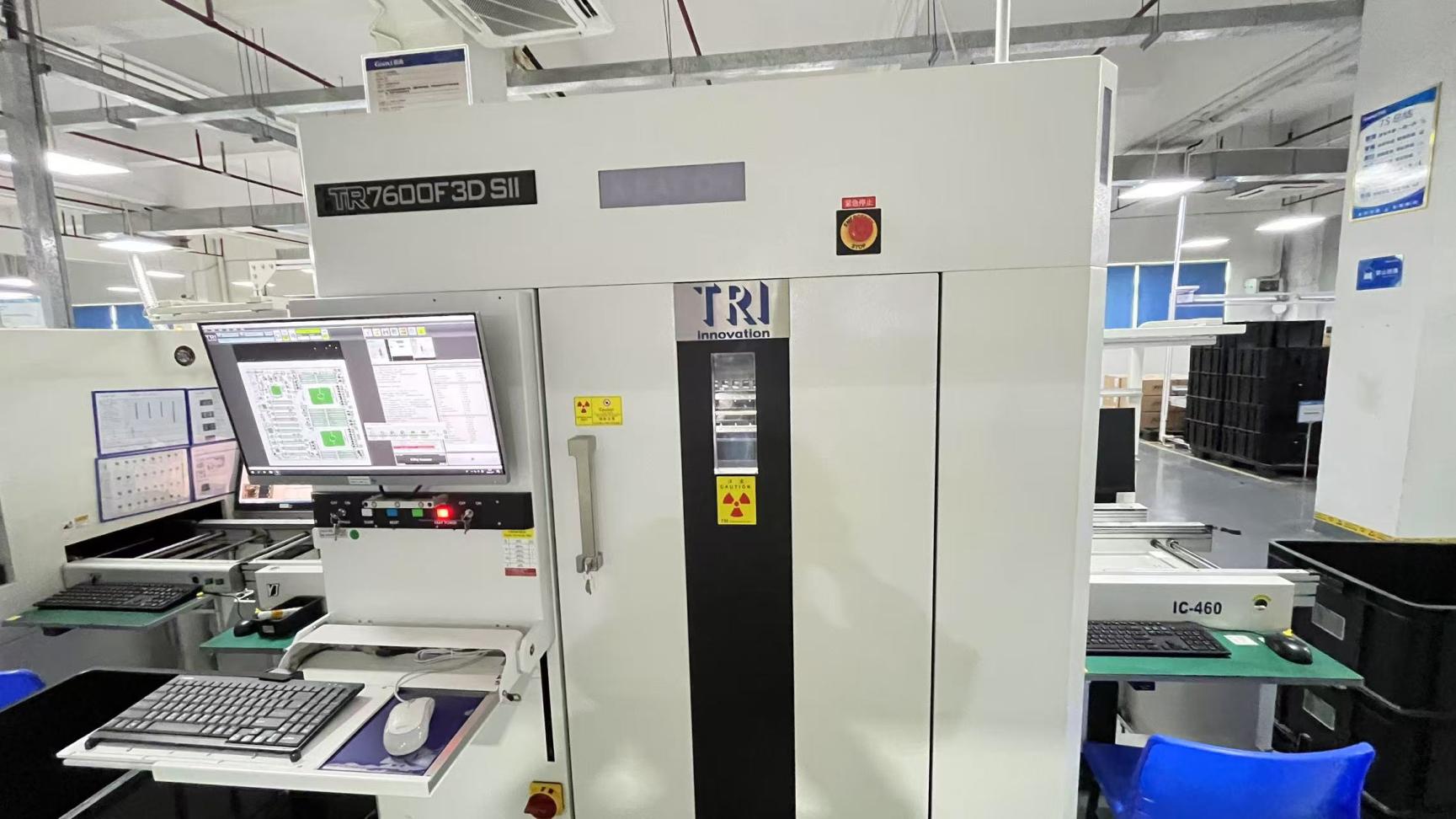
Enterprise data centers demand physical structural integrity. Virtualization hosts process massive volumes of concurrent read/write requests, generating significant thermal dissipation and physical vibration. To guarantee hardware longevity, our test engineering laboratory utilizes advanced diagnostics, including X-ray analysis to inspect SMT joints and Coordinate Measuring Machines (CMM) to verify chassis dimensions. Physical durability is certified through Drop Testing and Vibration Testing, simulating transport and operation in earthquakes or heavy industrial zones.
Environmental resistance is validated using our Salt Spray Testing chamber (checking anti-corrosion properties of finishes) and a high-precision Thermotank. In this chamber, servers undergo thermal cycling to identify potential component expansion issues. Combined with intensive functional testing, this ensures our hardware operates reliably under diverse enterprise and edge computing conditions.
How ZhiCloud AI aligns with emerging technological shifts in cloud hypervisors and GPU hardware abstraction.
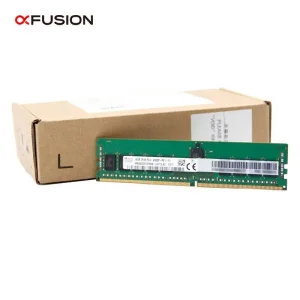
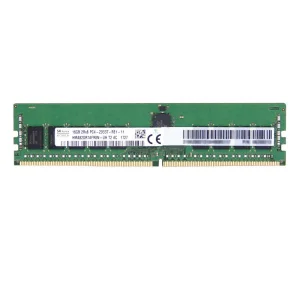
Optimizing multi-core CPU distribution with high-bandwidth DDR4/DDR5 ECC registered memory (such as XFusion DDR4 RDIMM 16GB/32GB/64GB modules). This design ensures that high-density hypervisors (Proxmox, KVM, ESXi) run without memory channel bottlenecks, utilizing NUMA-aware architectures to reduce inter-socket latency.
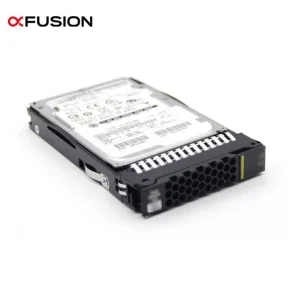
Virtualization places intense demand on storage arrays. By integrating low-latency controllers like the 9540-8i RAID PCIe 4.0 x8 card (supporting 12Gb/s SAS and PCIe NVMe), we enable rapid read/write cycles. This design supports features like storage auto-tiering, dynamic VM migration, and instantaneous snapshot generation.
As deep learning workloads dominate data centers, virtualizing GPU compute power is essential. Our *Windows 2025 AI GPU servers* support advanced GPU partitioning (vGPU) and Multi-Instance GPU (MIG) technologies. This allows AI model testing (e.g., DeepSeek R1/V3 inferencing) to run on shared, containerized virtual slices with hardware-level resource isolation.
A common failure point in virtualized environments is transient memory corruption. A single uncorrectable bit flip can trigger a hypervisor crash, dropping all hosted virtual machines. ZhiCloud AI addresses this risk by utilizing enterprise-grade, thoroughly tested memory modules like the xFusion Fusionserver Rank DDR4 ECC RAM (8GB/16GB/32GB). Operating at 1.2V with 3200MHz frequencies, these modules employ advanced Error-Correcting Code (ECC) algorithms to identify and correct single-bit errors dynamically, protecting your multi-tenant virtual cloud from unexpected downtime.
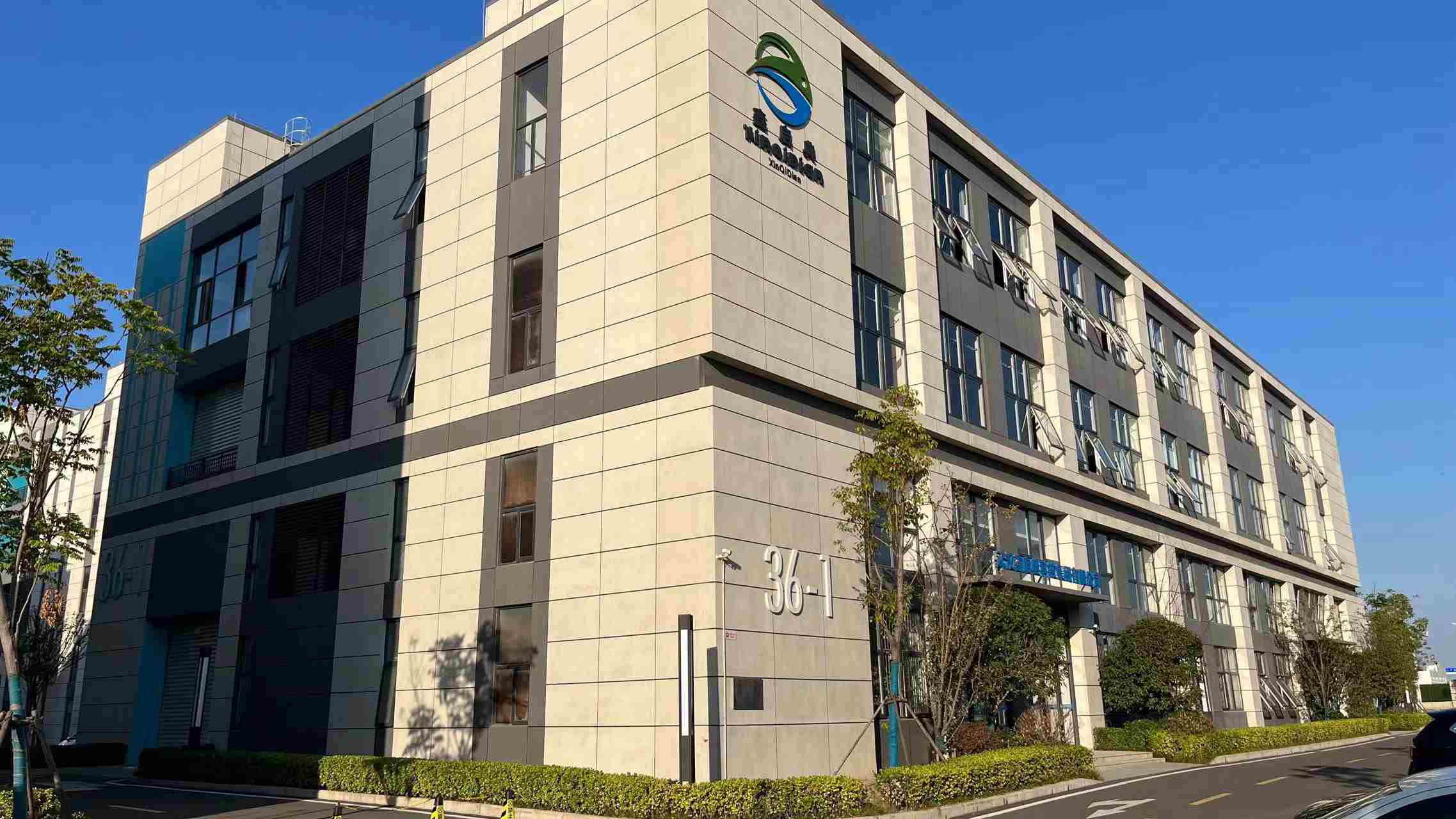
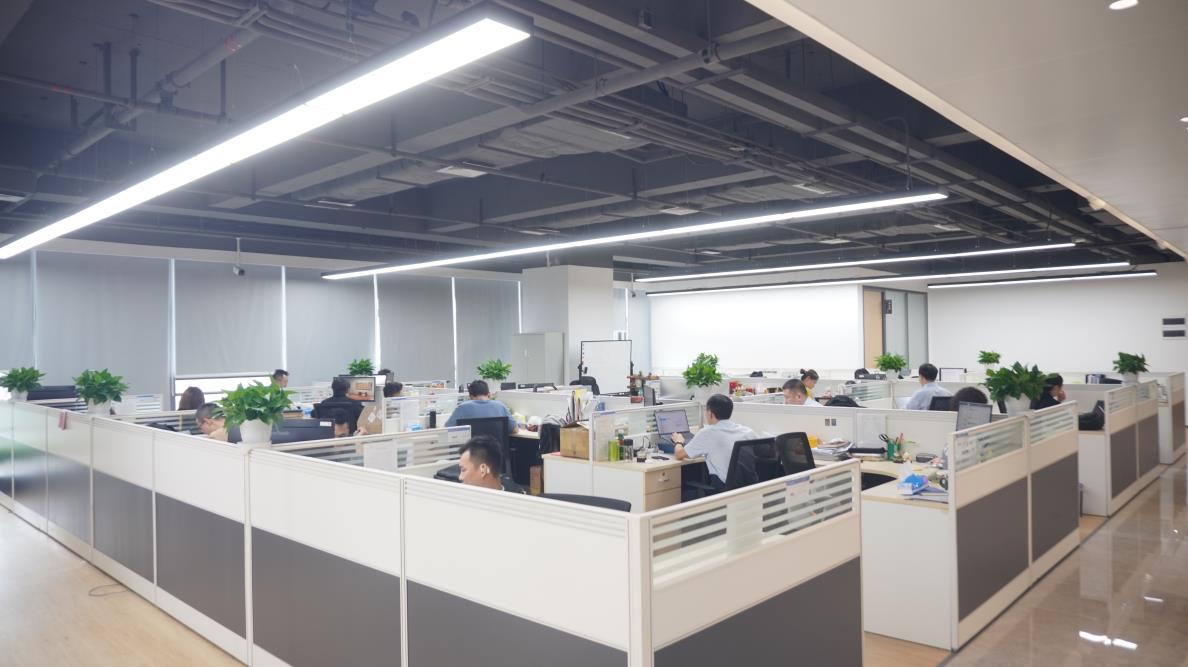
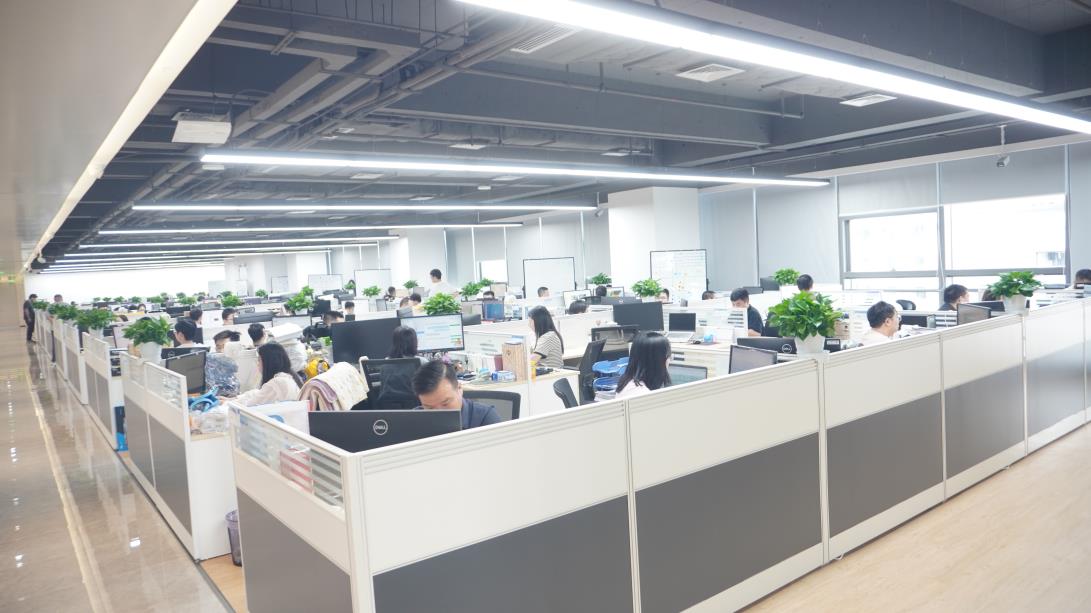
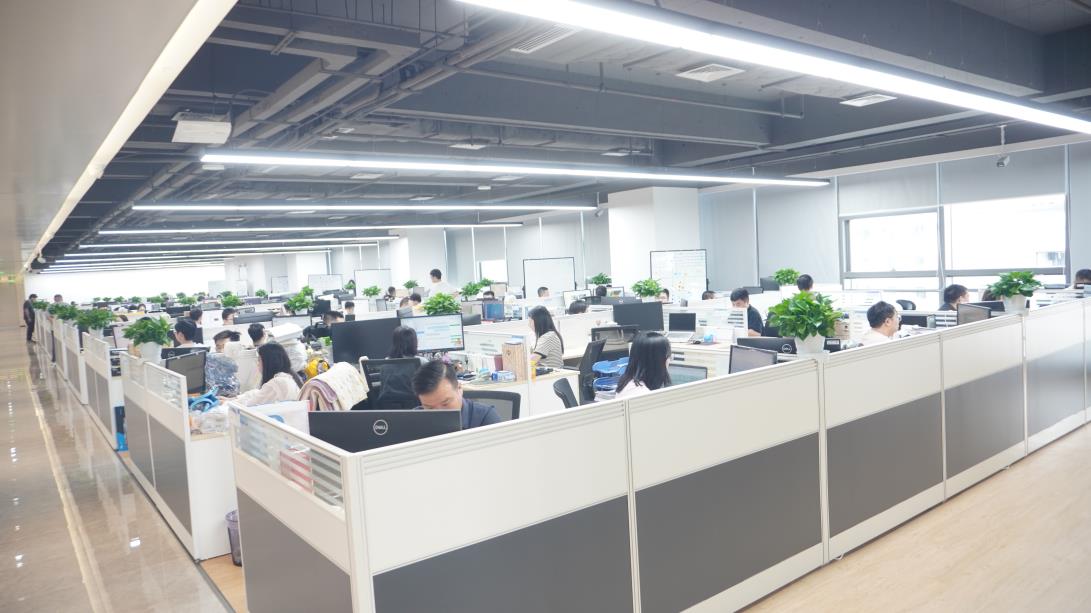
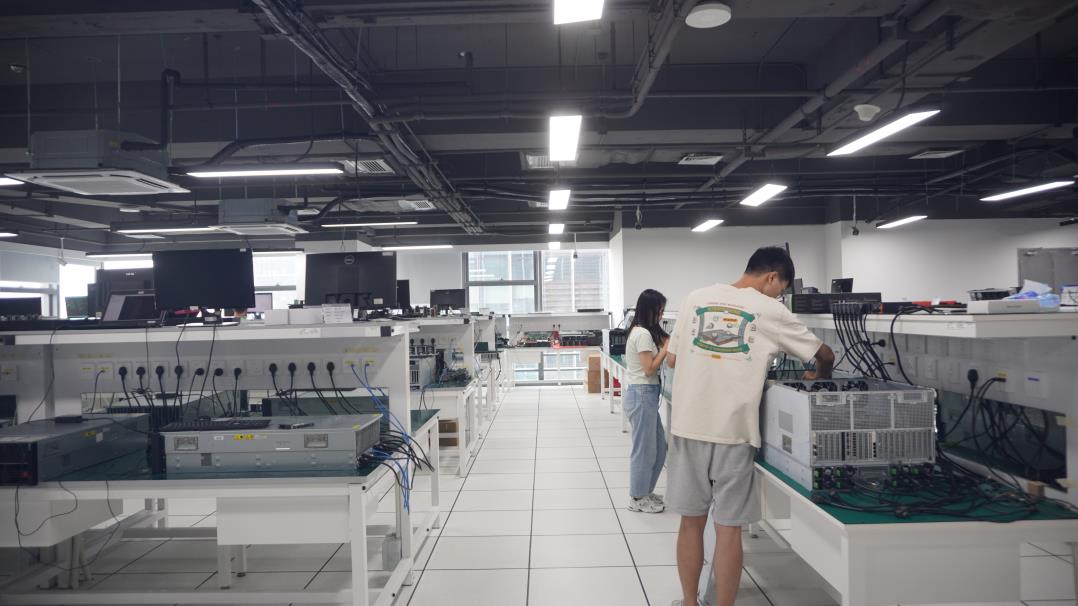
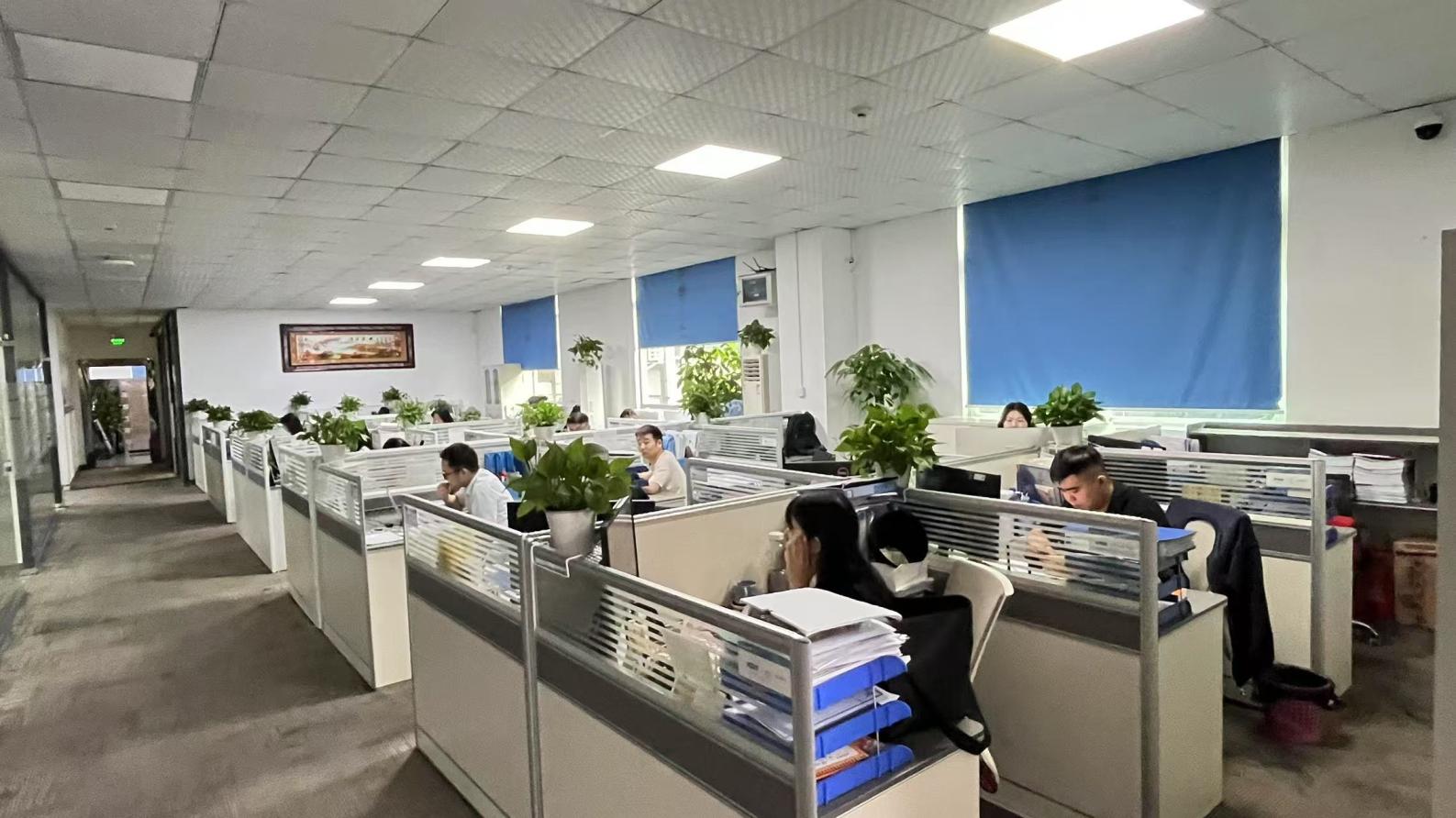
Our manufacturing facility combines precise assembly lines with dedicated quality assurance testing to produce virtualization-optimized server hardware.


Key technical considerations for international IT infrastructure procurers, engineers, and datacenter managers.
Essential high-density RAM, storage devices, and multi-socket servers to support scaling your virtualized workloads.