ZhiCloud AI
ZhiCloud AI
ZhiCloud AI
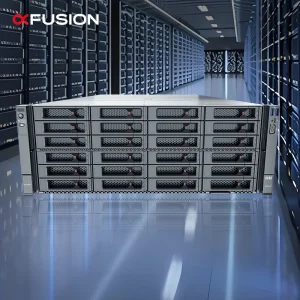
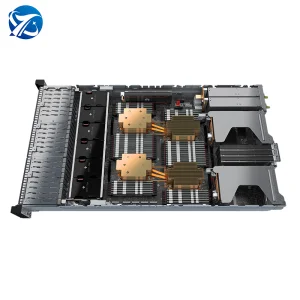
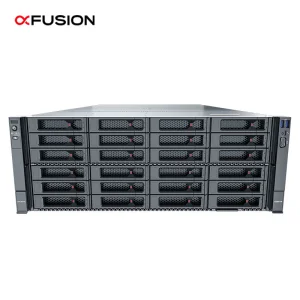
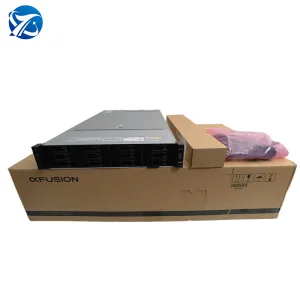
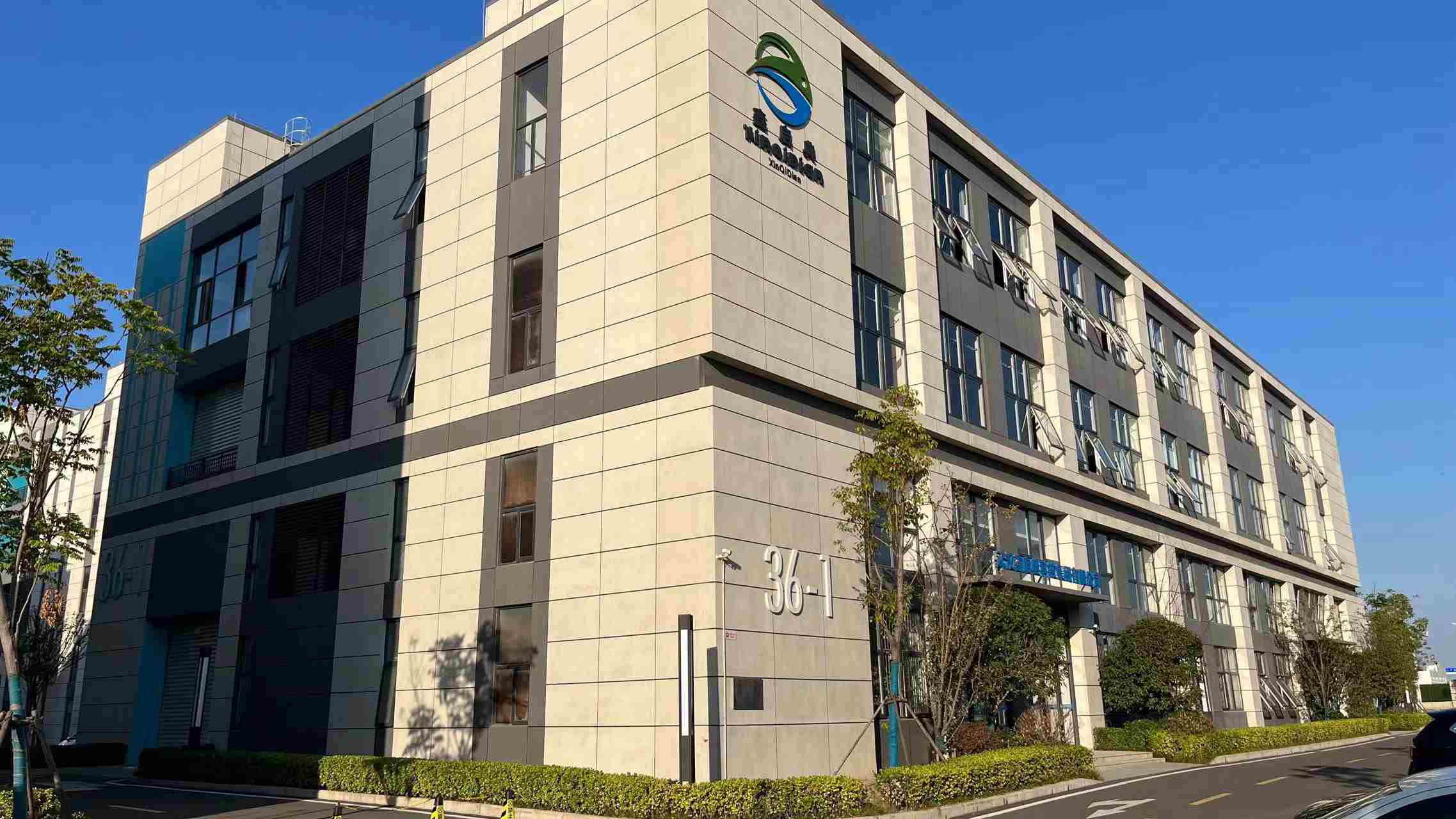
Established in 2016, Shenzhen Intelligent Computing Cloud Technology Co., Ltd. (ZhiCloud AI) stands at the absolute forefront of industrial high-performance computing (HPC) system integration, specializing in custom GPU servers, specialized AI workstations, and high-density deep learning architecture solutions.
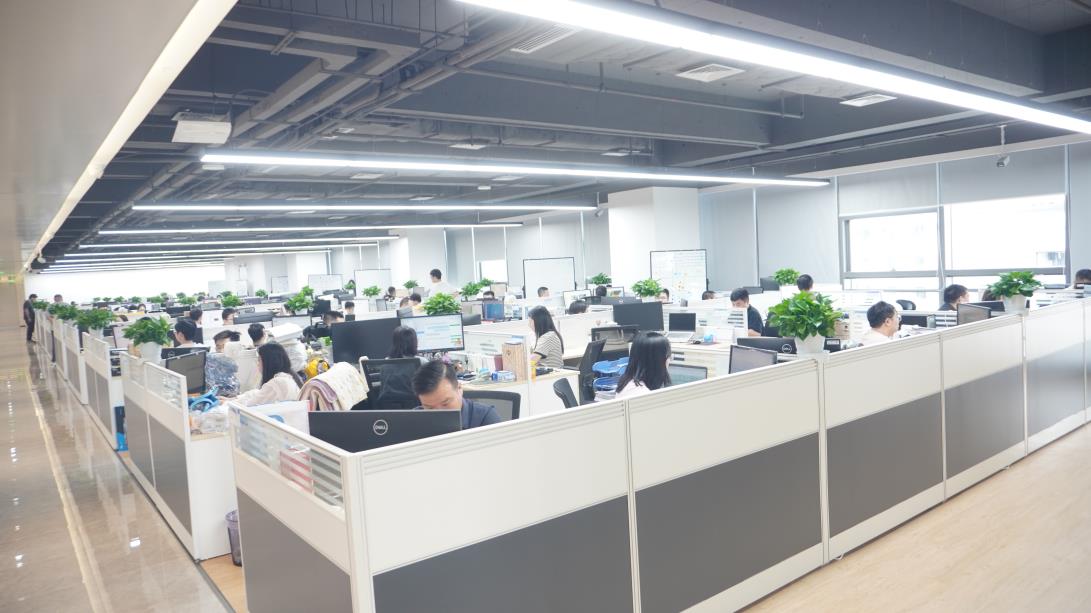
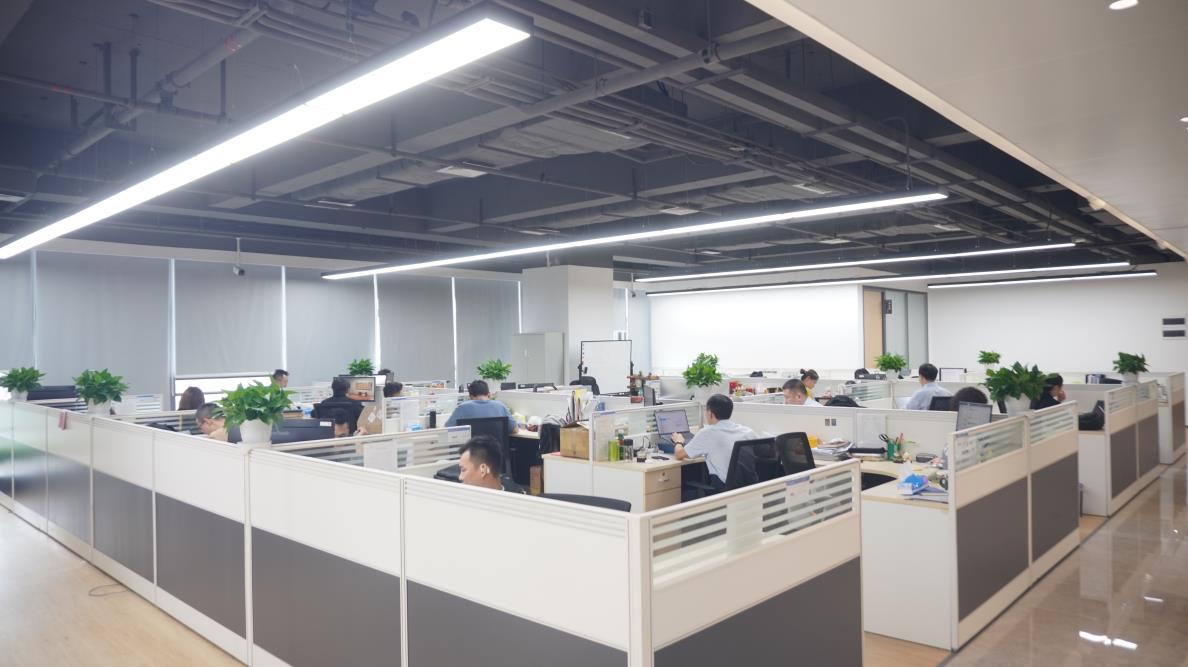
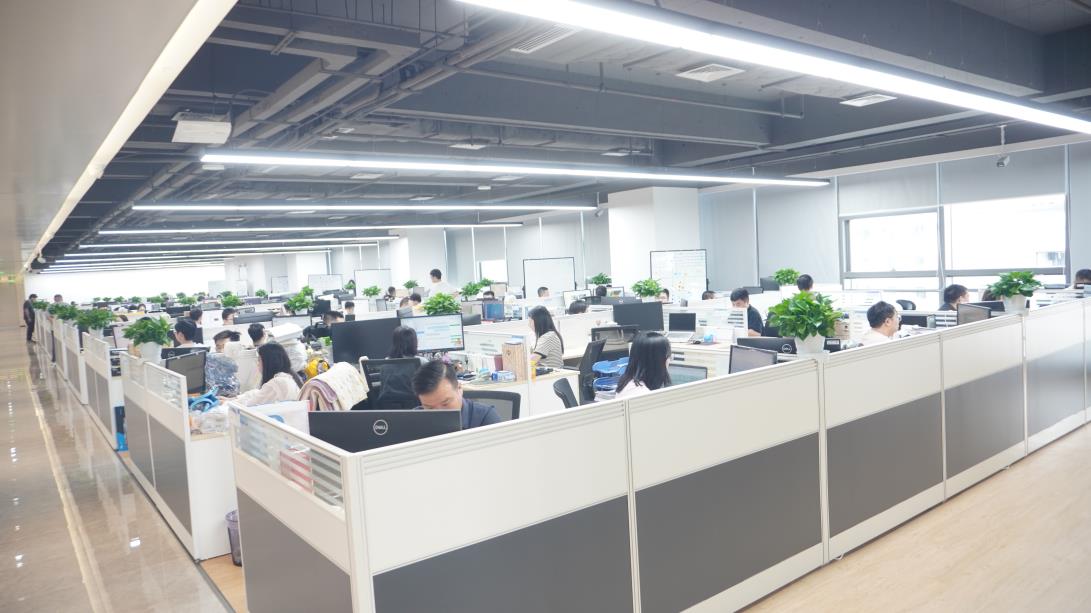
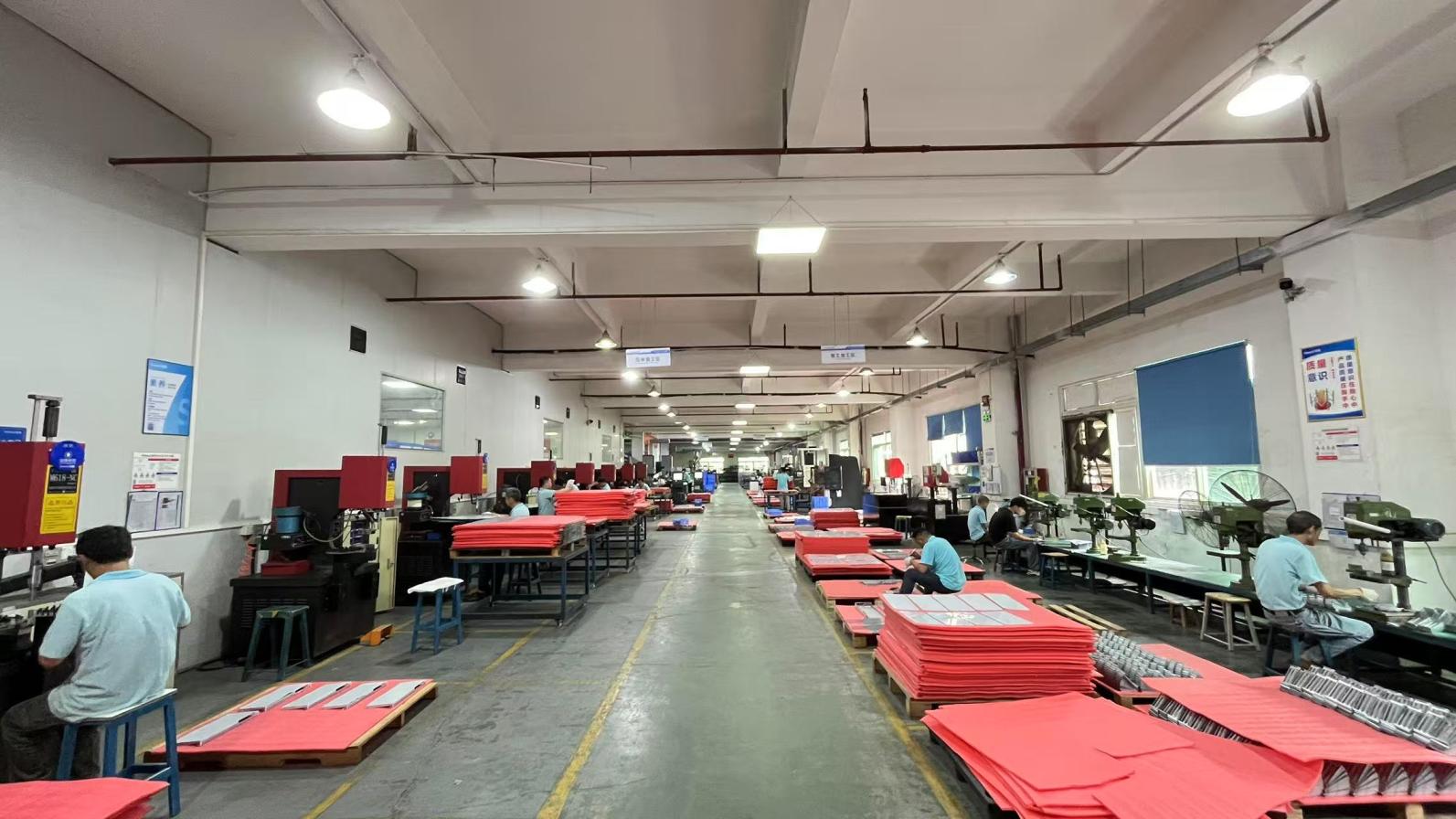
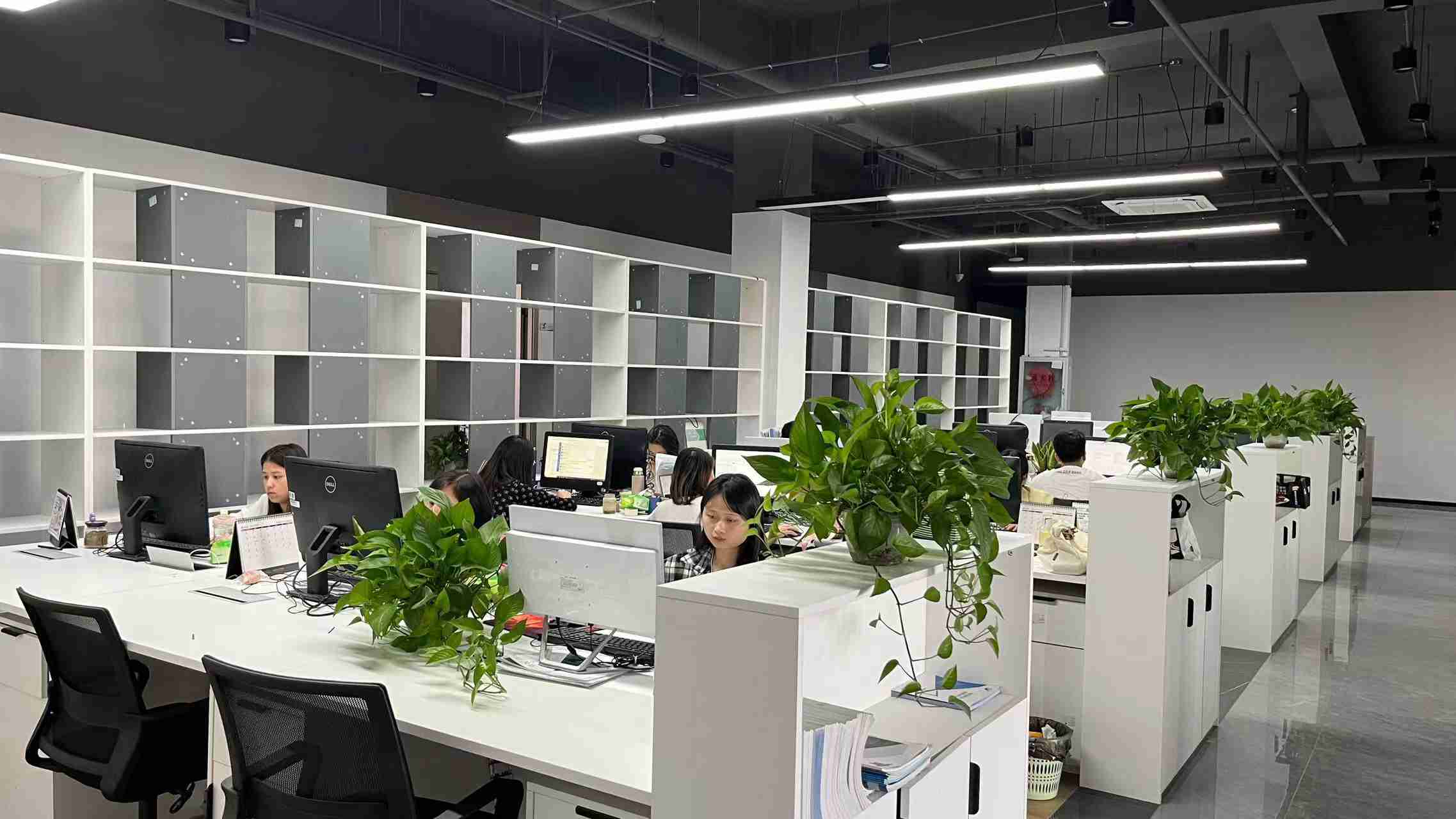
Leveraging 11 years of deep industry expertise and 7 years of robust export operations, ZhiCloud AI design-builds compute nodes optimized for highly complex artificial intelligence models, cloud rendering pipelines, enterprise virtualization, and big data clusters. Driven by innovation, our state-of-the-art engineering center is backed by over 120 R&D specialists who launched approximately 180 new product platforms last year alone. Operating within a high-density, systematically organized manufacturing infrastructure, our enterprise products are distributed globally across North America, the European Union, Southeast Asia, and the Middle East.
"The rapid transformation of neural networks and large-scale model architectures like DeepSeek requires a radical paradigm shift in hardware co-design. Standard computational architectures are no longer sufficient; global enterprises require customized OEM/ODM servers built for massive parallel data throughput, specialized localized thermal tolerances, and adaptive PCIe fabrics."
As machine learning clusters scale globally, enterprise and industrial workloads are transitioning away from centralized public clouds due to bandwidth constraints, latency requirements, IP security concerns, and cost structures. Localized computing environments powered by enterprise workstation units are now central to engineering workflows, data processing, and localized inference. Modern enterprise architectures demand heterogeneous compute nodes—combining high-frequency CPUs (e.g., Intel Xeon Scalable or AMD EPYC platforms) with ultra-high-density GPU accelerators connected via high-bandwidth interconnects (NVLink or PCIe Gen5 fabrics).
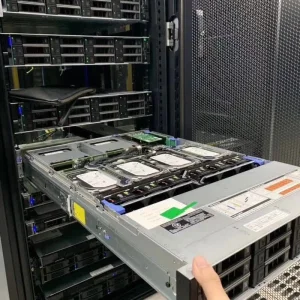
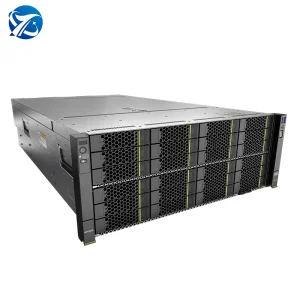
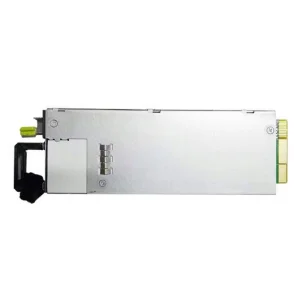
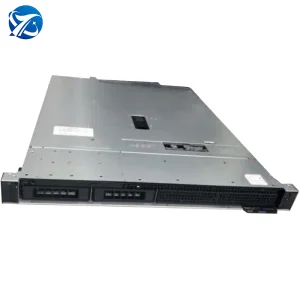
ZhiCloud AI fills the critical industry gap by acting as a high-precision OEM/ODM partner. We translate complex software workloads into tailored hardware systems. By optimization at the bare-metal layer—customizing GPU spacing, designing custom high-airflow fan assemblies, selecting high-efficiency server-grade PSUs (such as our custom HVDC1500WB power modules), and designing robust storage configurations (NVMe SSD arrays coupled with SATA backup pools)—we ensure optimal computing efficiency for global enterprise architectures.
Tailored layout configurations supporting multi-GPU nodes with advanced heat dissipation to keep computing performance at maximum capacity.
On-premise hardware allows security-sensitive research teams to train models locally, eliminating external cloud vulnerabilities.
Sophisticated liquid and air-assisted cooling setups maximize Component MTBF (Mean Time Between Failures) and minimize throttling.
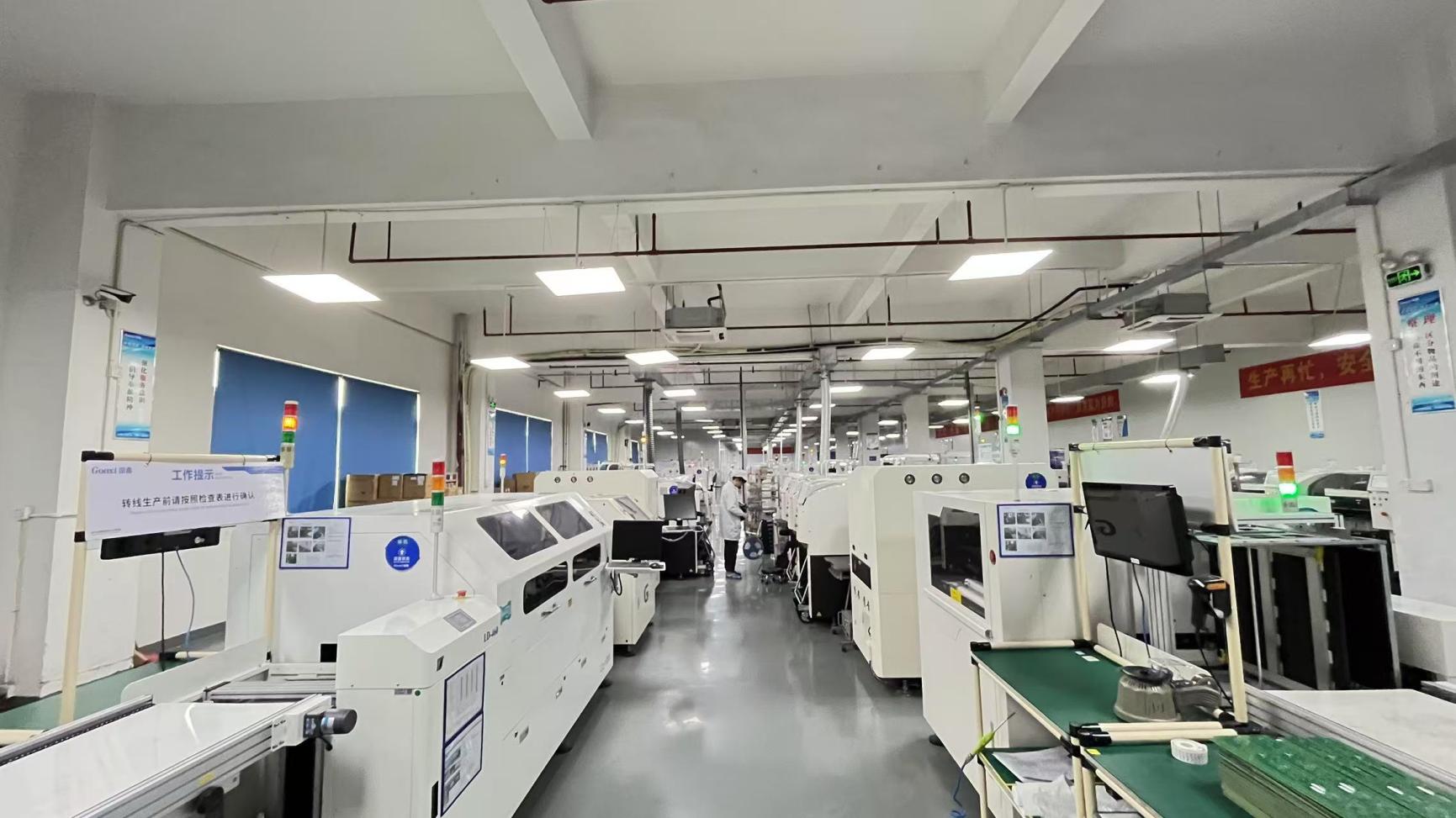
Shenzhen is widely recognized as the global epicenter of electronic engineering and hardware logistics. By situating our manufacturing plants and R&D centers in the heart of this technology ecosystem, ZhiCloud AI gains immediate access to a comprehensive supply network of raw materials, electrical component fabs, advanced SMT lines, and specialized chassis stamping facilities.
Our network of over 1,200 strategic supply partners ensures that we maintain an uninterrupted supply of high-grade capacitors, multilayer PCBs, server chassis, and specialized cooling blocks. This vast integration allows us to circumvent global component shortages and reduce typical OEM/ODM hardware prototyping lead times from quarters to weeks.
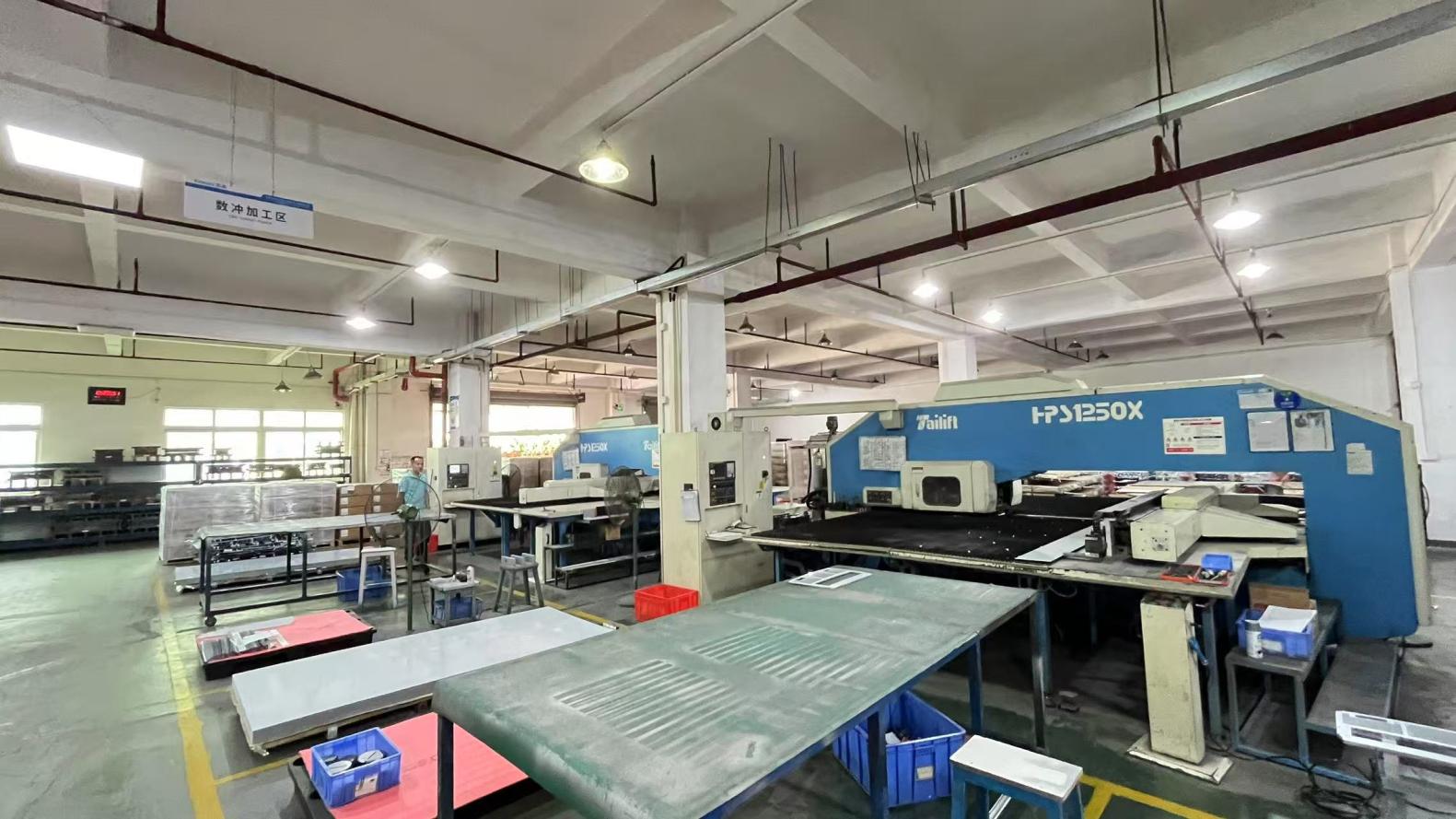
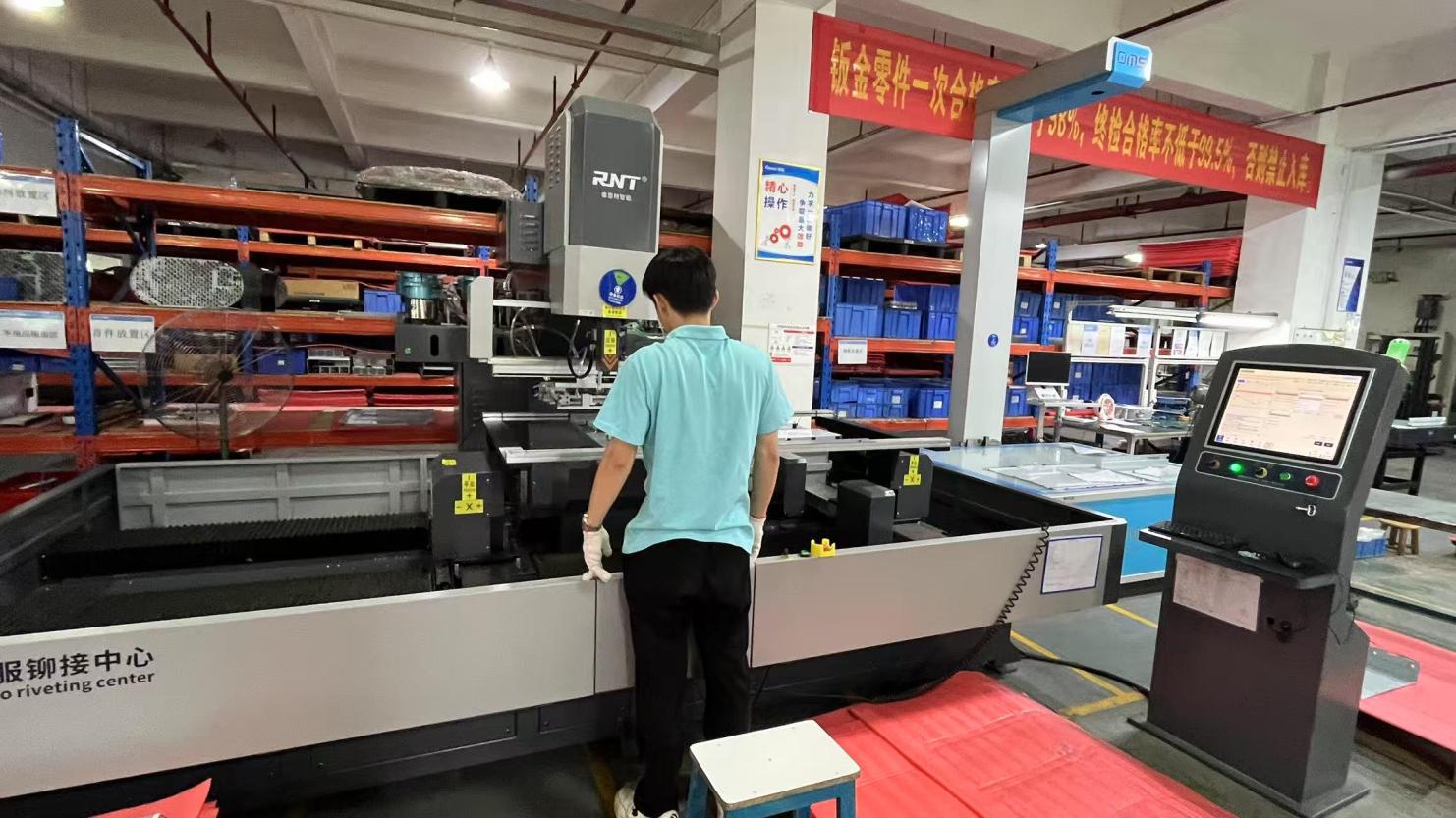
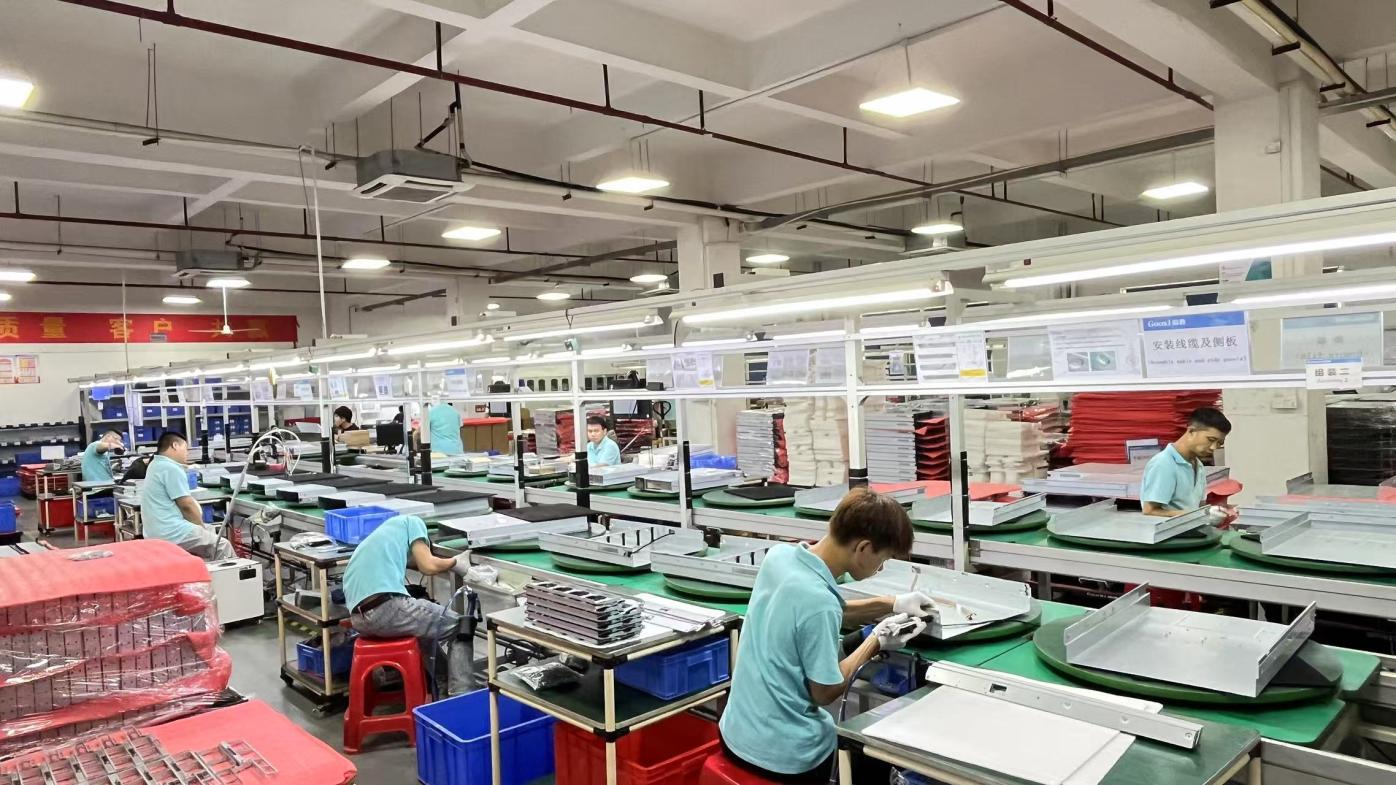
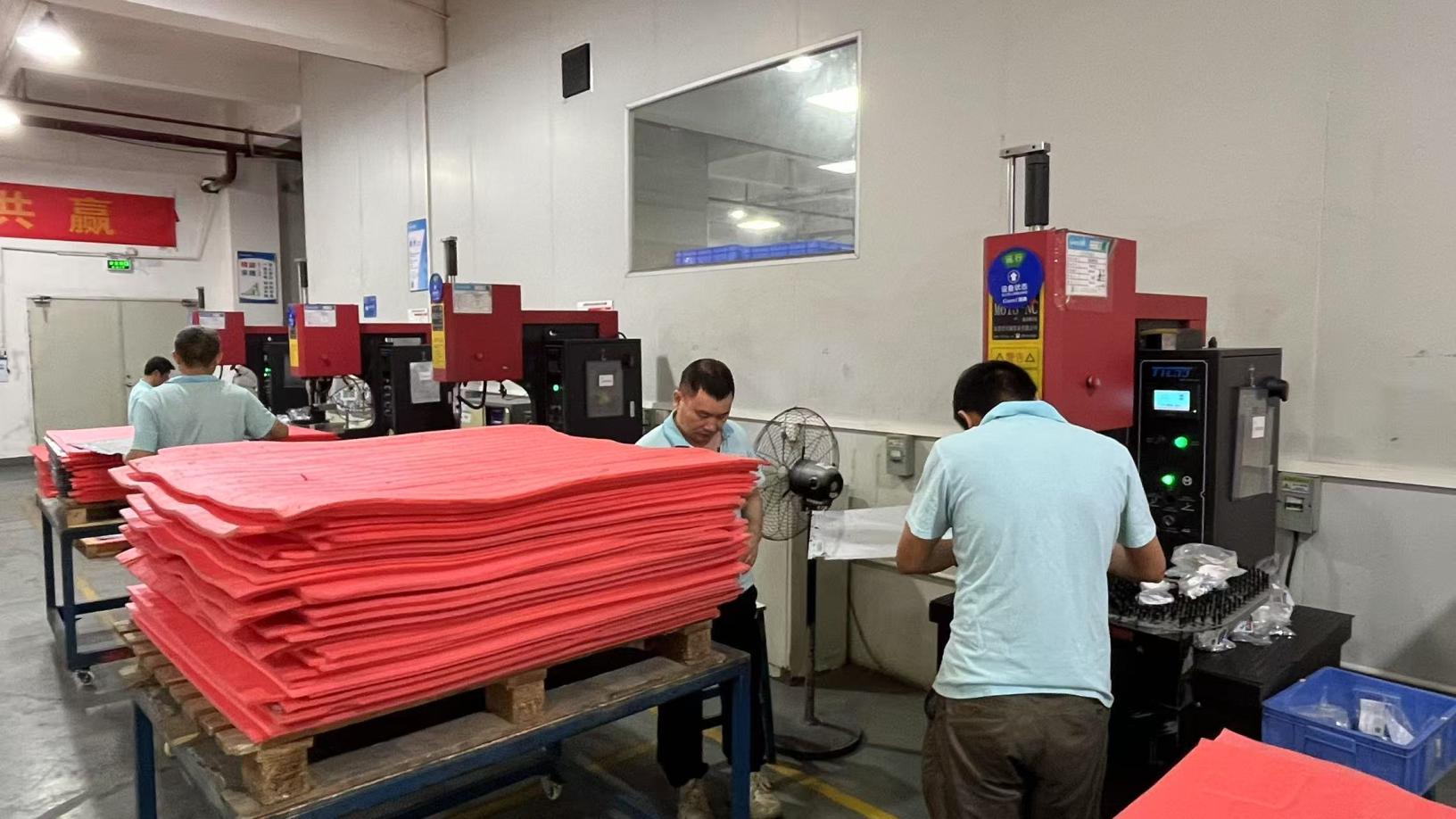
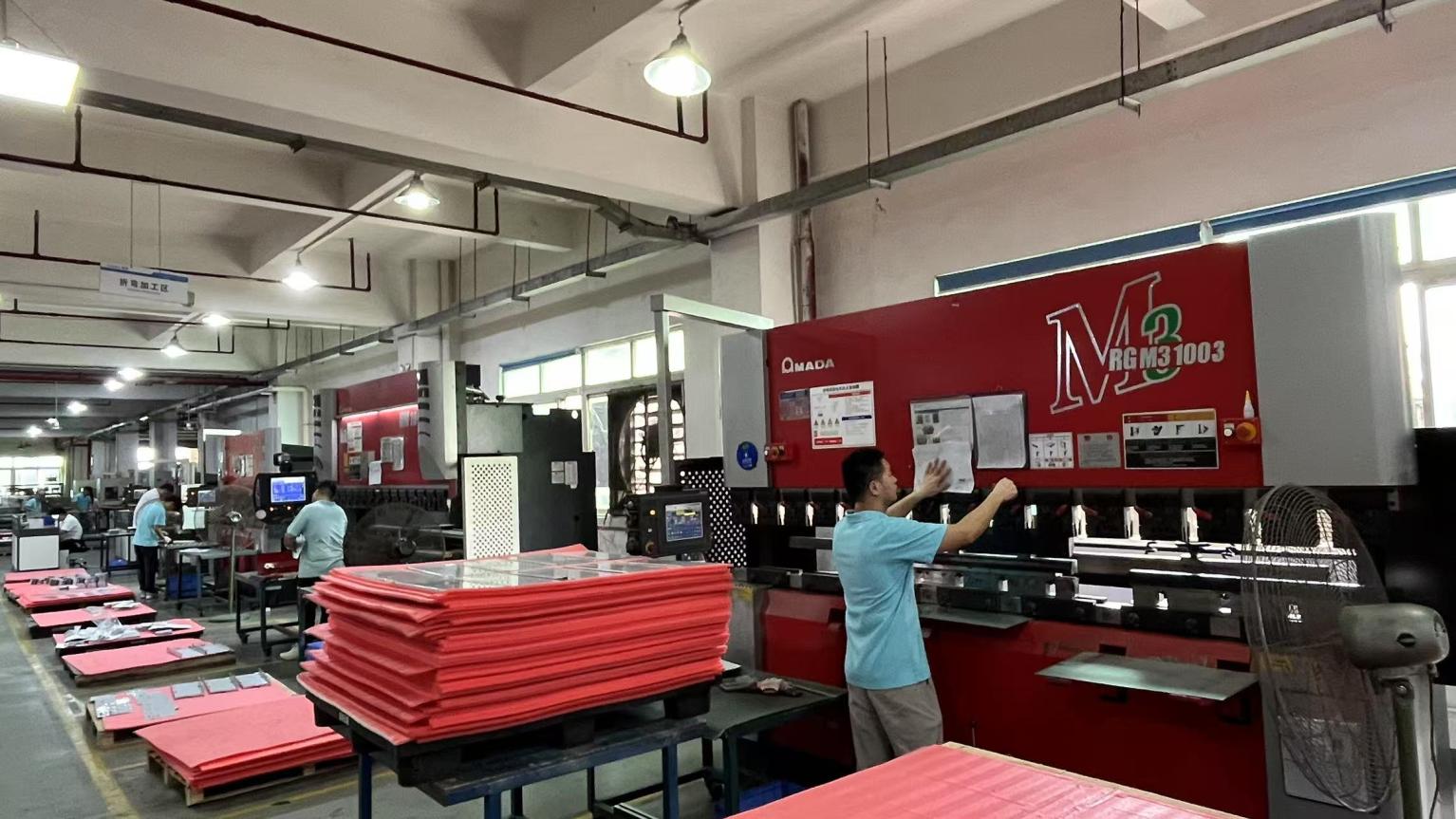
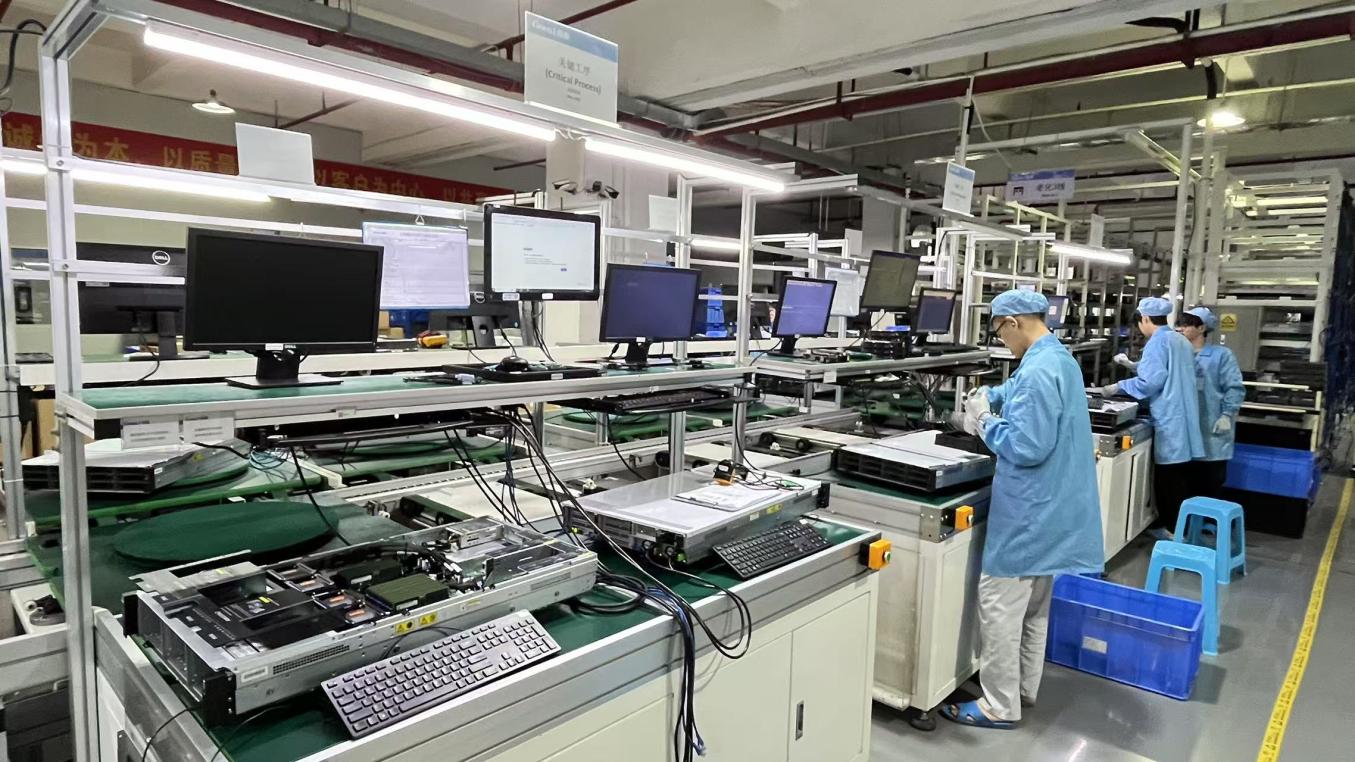
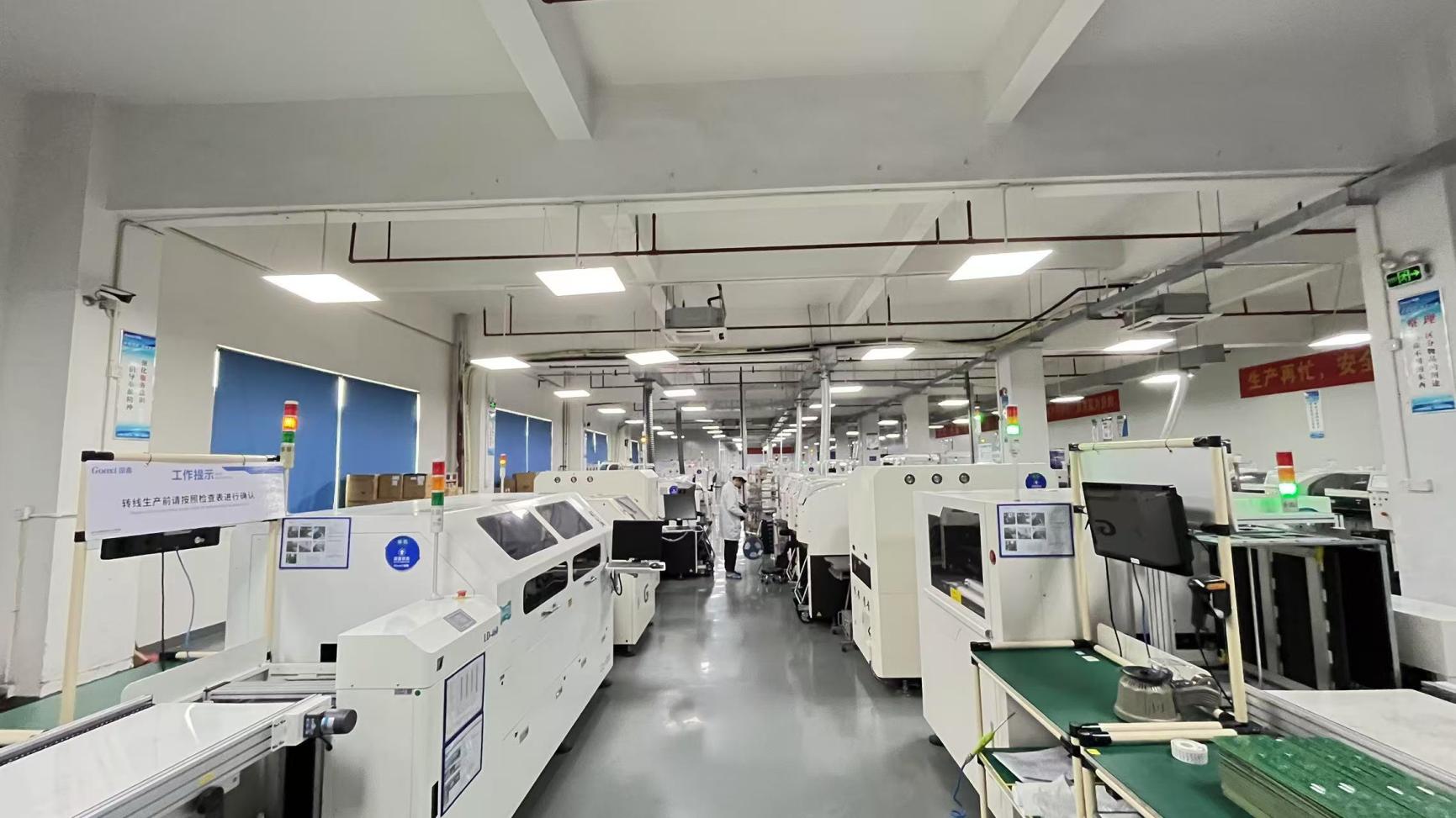
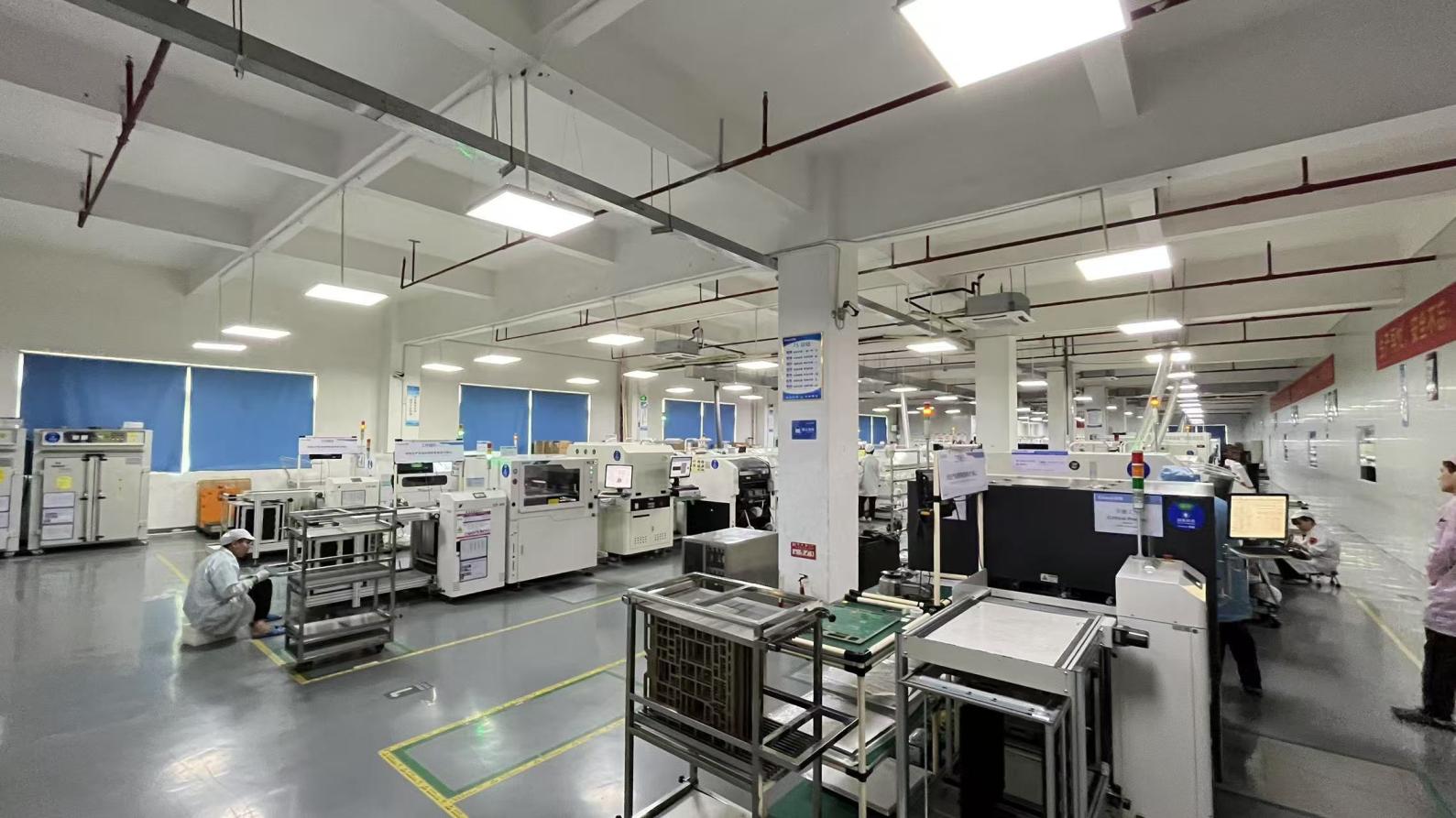
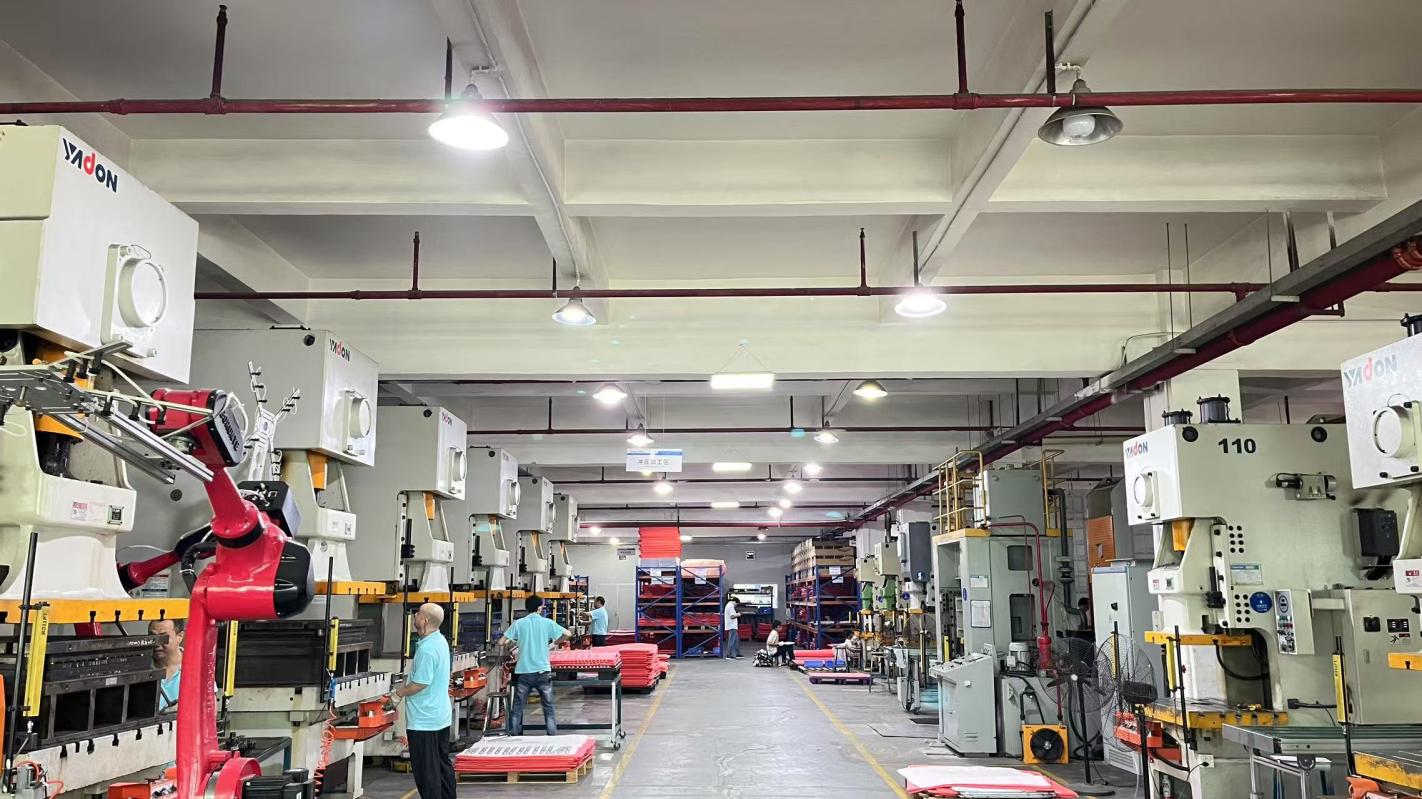
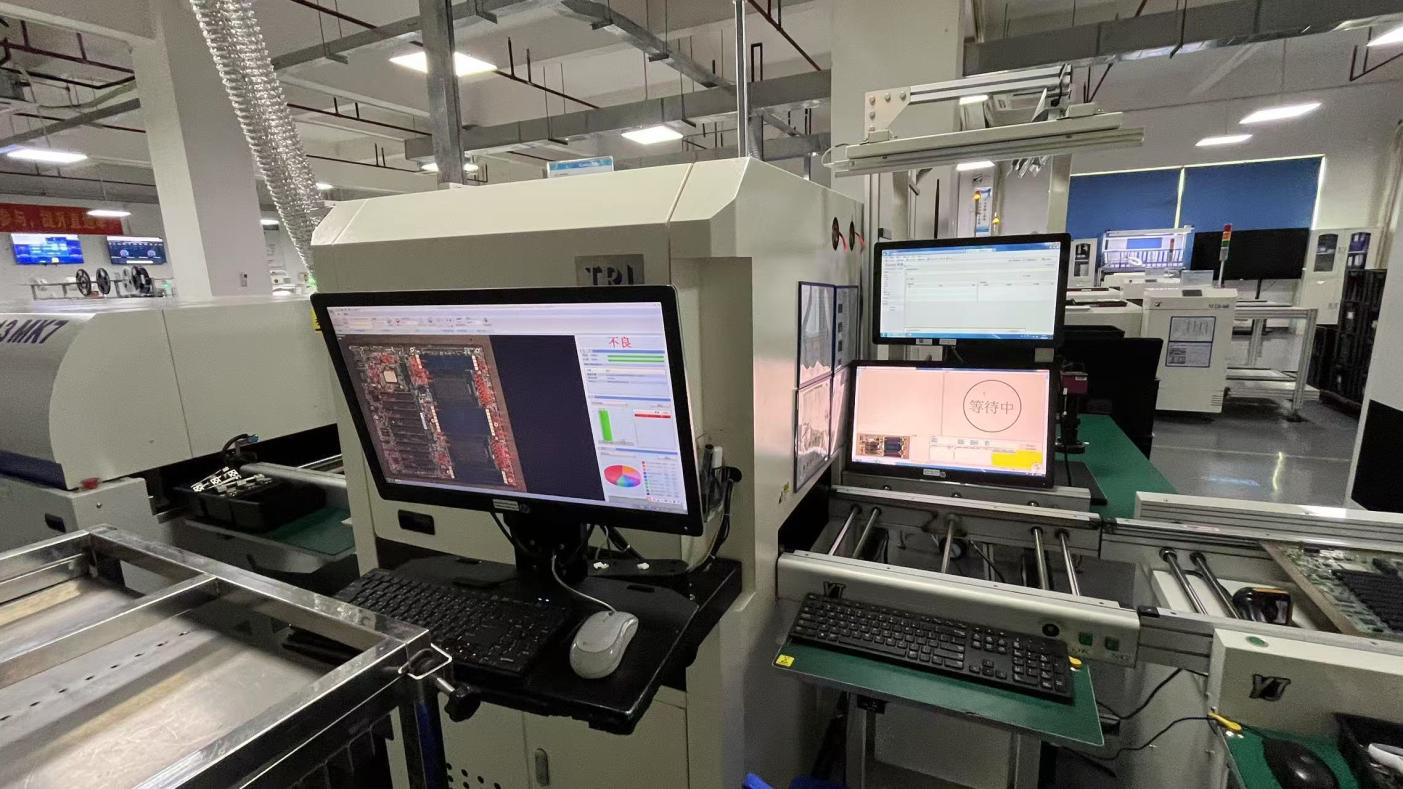
Furthermore, our manufacturing plant incorporates state-of-the-art automation equipment, ranging from high-precision laser cutters and hydraulic bending platforms to automated surface mount technology (SMT) assembly pipelines. These operations allow us to maintain high-yield production and pass competitive pricing advantages directly to our customers.


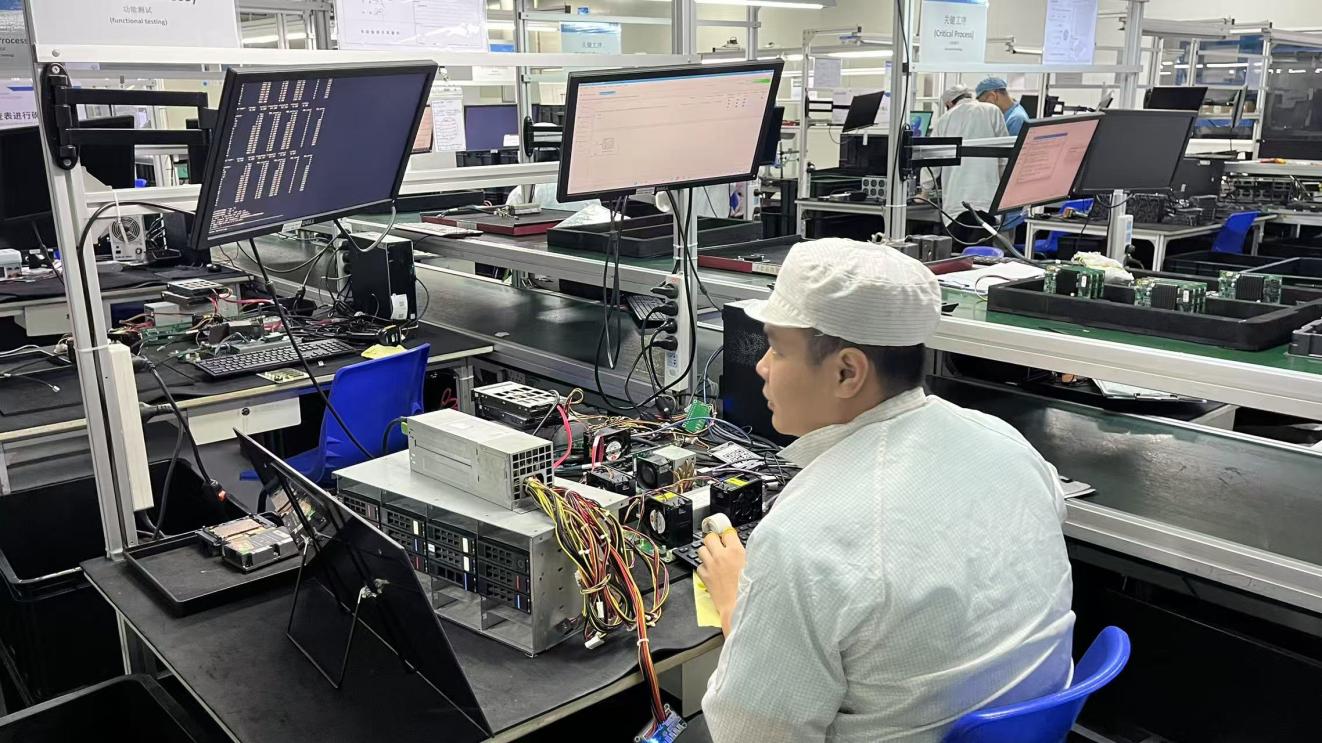
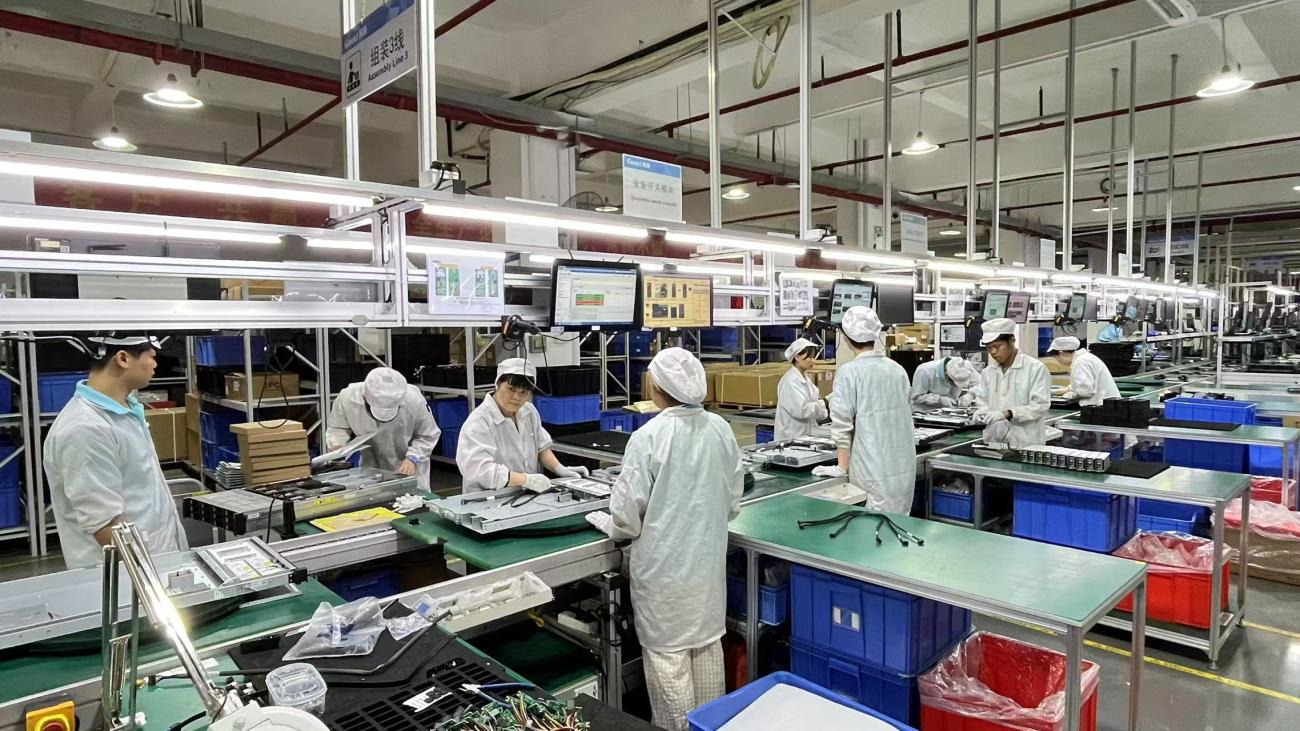

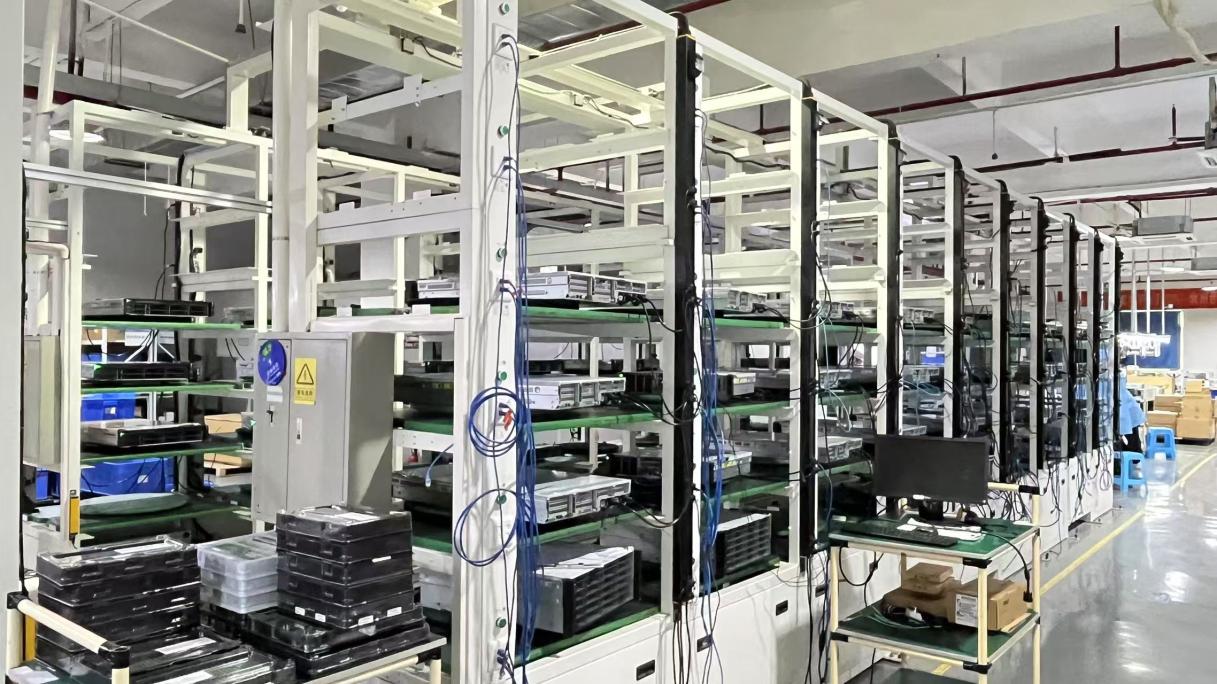
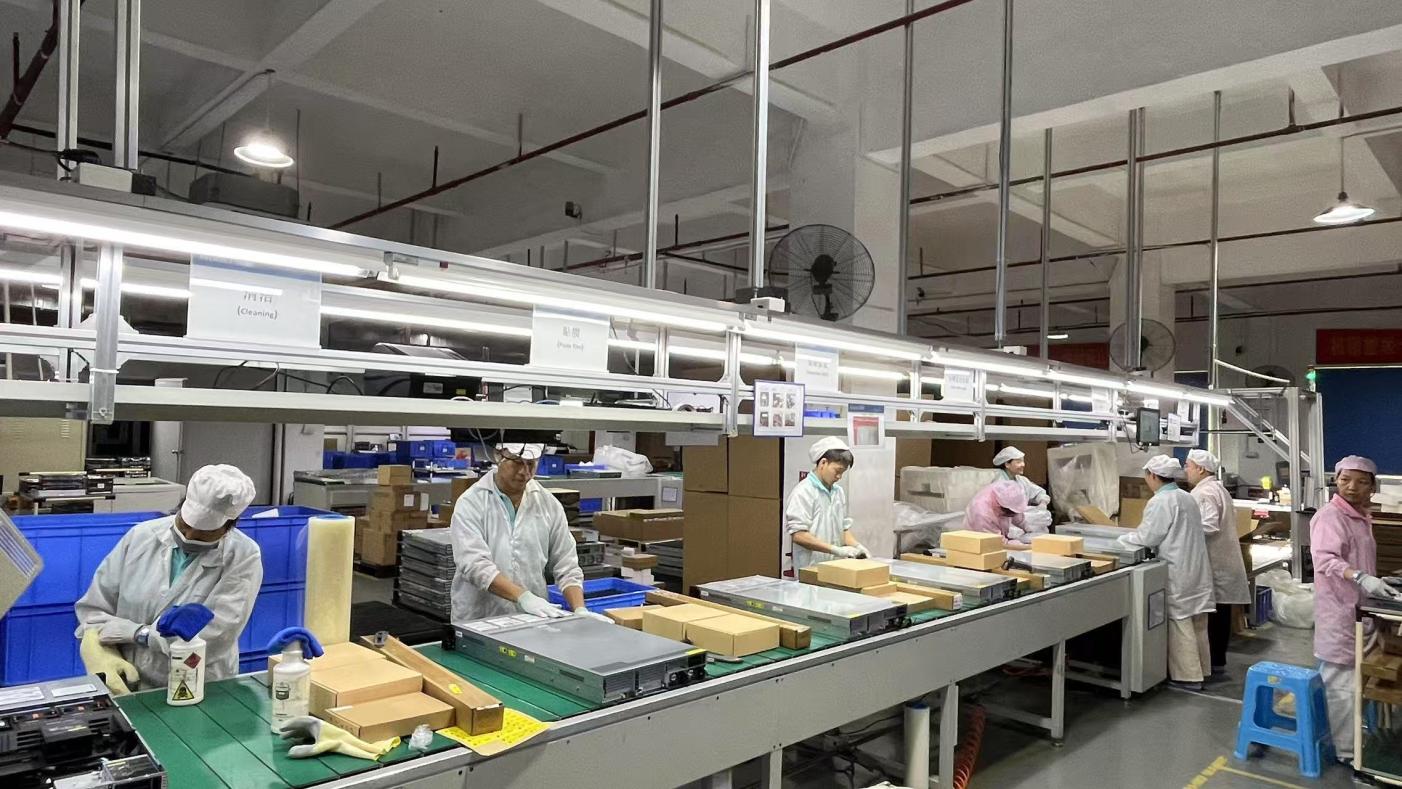



Generalist computing setups often bottleneck when subjected to highly specialized local tasks. ZhiCloud AI engineers application-specific hardware designed for high productivity across distinct sectors:
Running large models local (such as the recent DeepSeek-R1 series) requires vast VRAM capacity and reliable interconnects. Our custom workstations support multi-GPU topologies with direct PCIe routing, circumventing standard bus bottlenecks. This allows developers to fine-tune models on proprietary training datasets safely within localized infrastructure.
Heavy structural analysis and computational fluid dynamics (CFD) require high single-core processor frequencies combined with high memory bandwidth. Our workstations support ECC registered RAM configurations up to 2TB, ensuring that long-duration physical simulations run without encountering single-bit memory faults.
For digital film studios and broadcast environments, real-time ray-tracing demands ultra-fast NVMe storage arrays alongside high-bandwidth network linkages. We build specialized low-noise, desktop-deployable tower workstations that pack datacenter-grade power directly next to the production set.
Processing high-resolution MRI scans and DNA sequencing data demands dense local storage arrays paired with robust GPU pipelines. ZhiCloud AI systems guarantee high-throughput IOPS (Input/Output Operations Per Second) to feed GPU pipelines without buffer delays.
As the tech industry transitions toward multi-modal AI systems and real-time edge processing, workstation hardware must evolve in parallel. ZhiCloud AI's engineering roadmap prioritizes three fundamental architectural transitions:
With modern accelerators scaling beyond 500W TDP, we are developing modular closed-loop liquid systems for server and tower enclosures, minimizing thermal drift and maintaining lower noise footprints.
We are integrating Compute Express Link (CXL) technologies in our next-generation ODM platforms, enabling dynamic memory sharing between host processors and accelerators for massive database execution.
By utilizing advanced High-Voltage Direct Current (HVDC) power structures alongside Titanium-grade power efficiency, we aim to reduce global power conversion losses within enterprise environments by 8-12%.
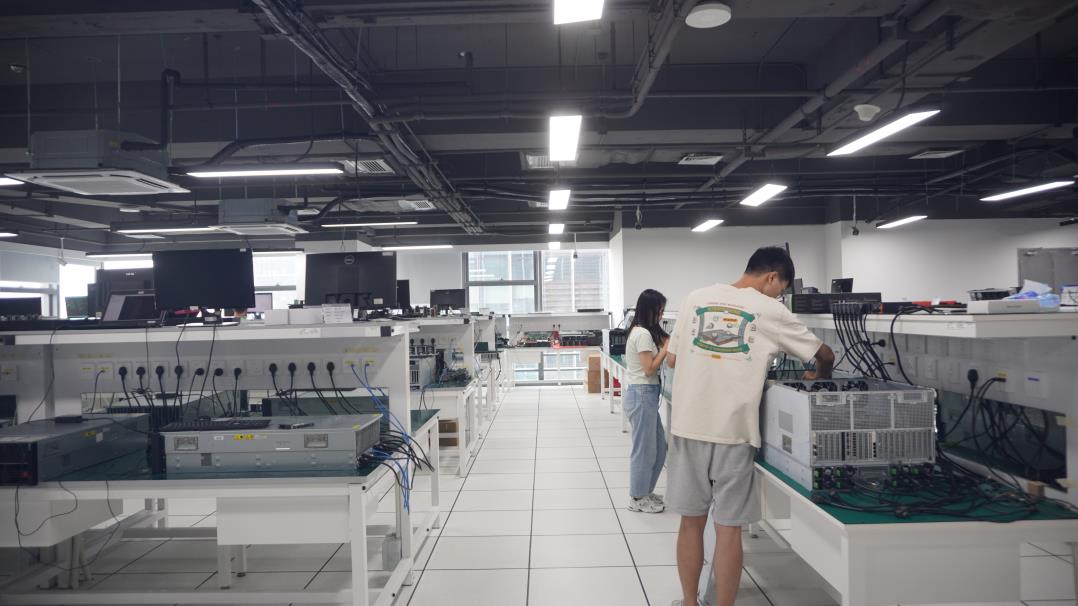
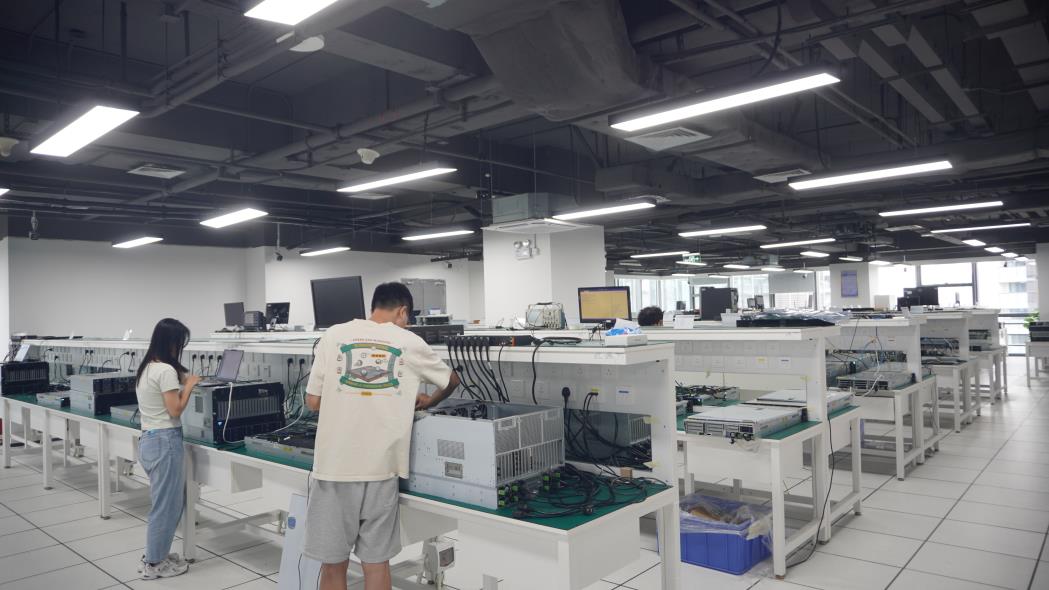
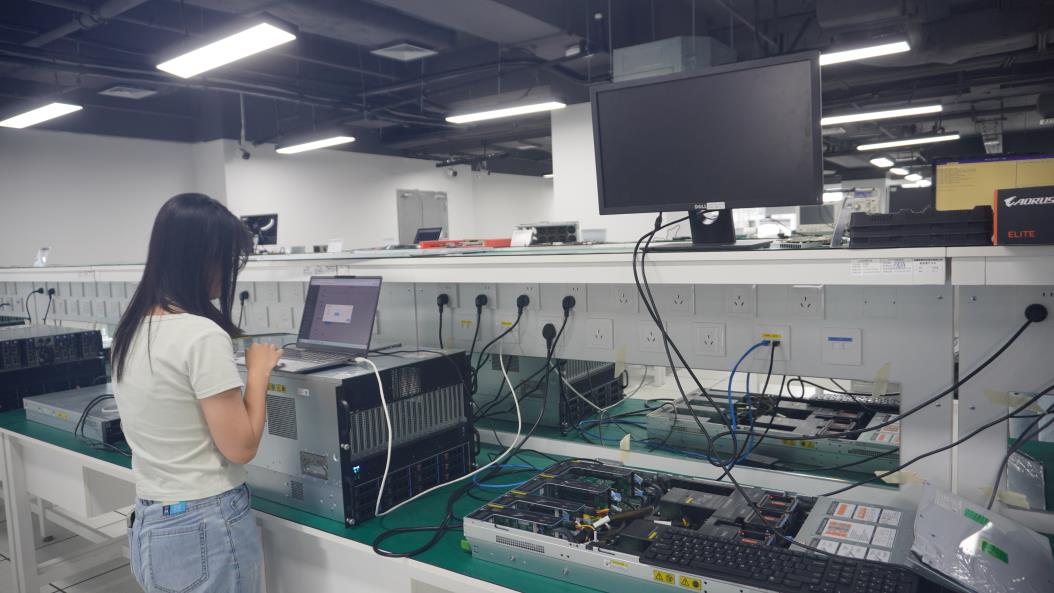
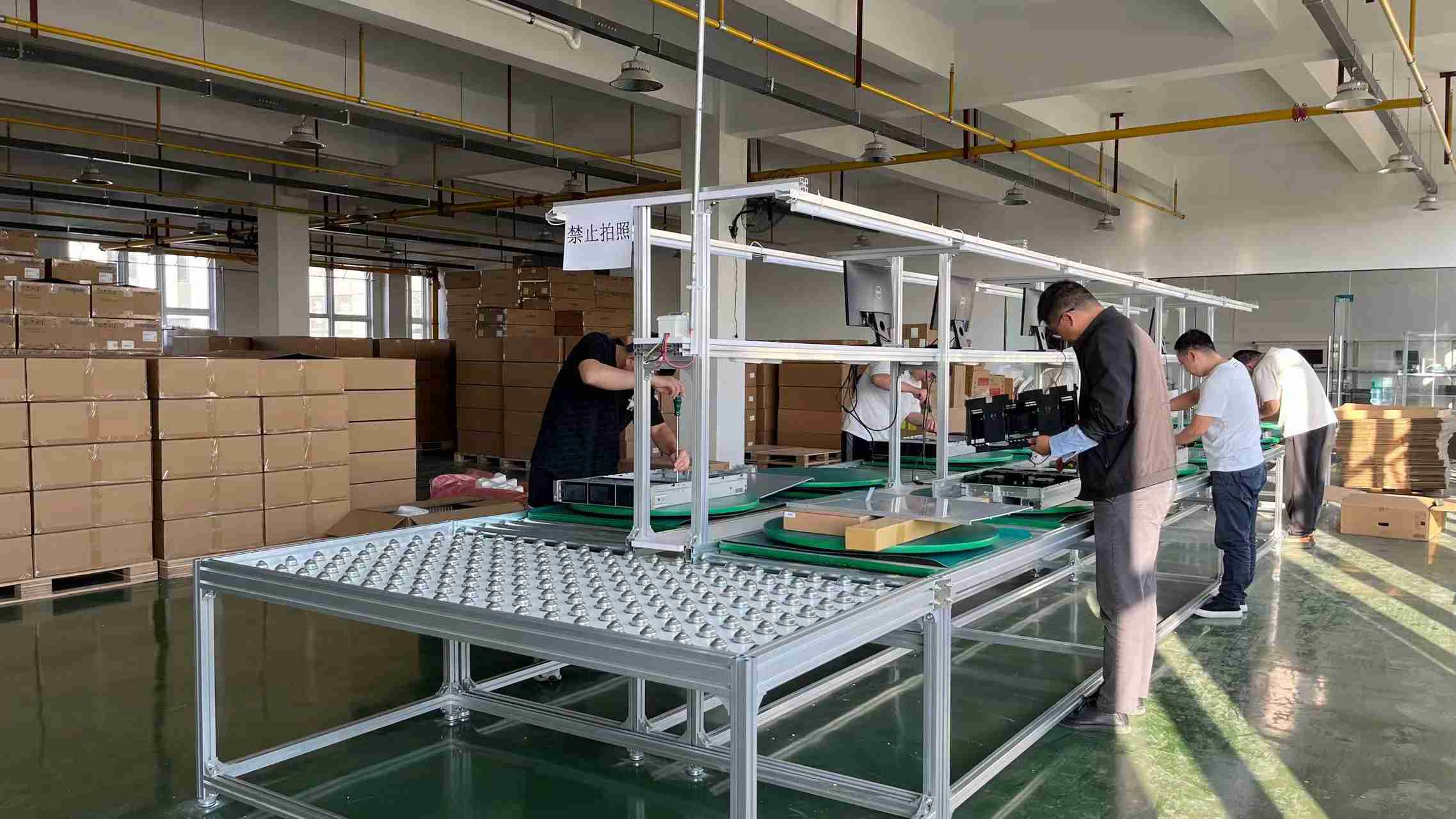
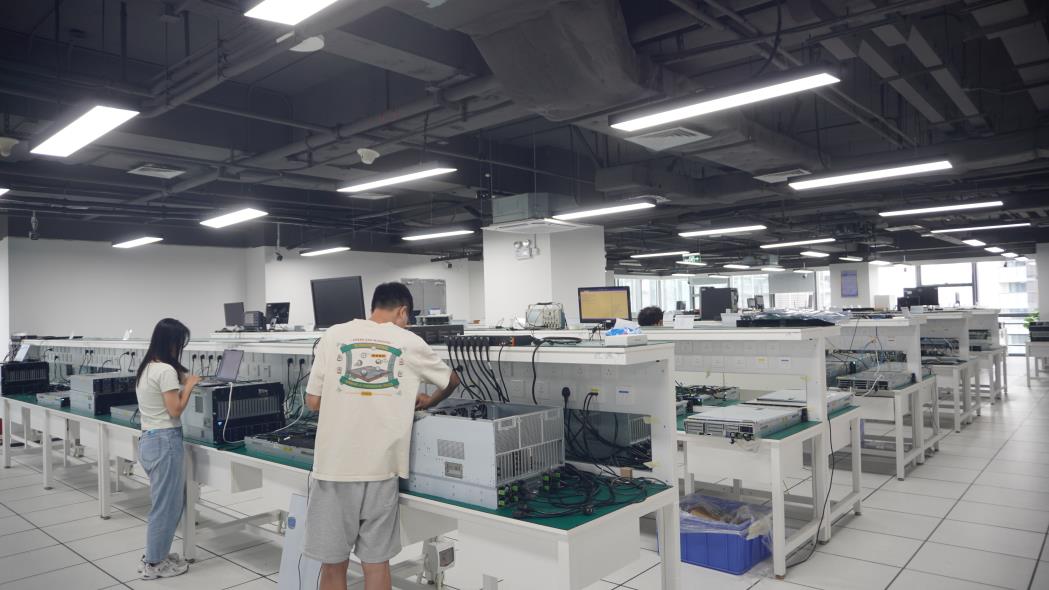
Every workstation and rackmount node produced within our facility undergoes a rigorous quality control program managed by our team of 45 specialized quality control (QC) engineers. We use a variety of validation techniques to guarantee that each computer system can survive prolonged computational stress in demanding environments.
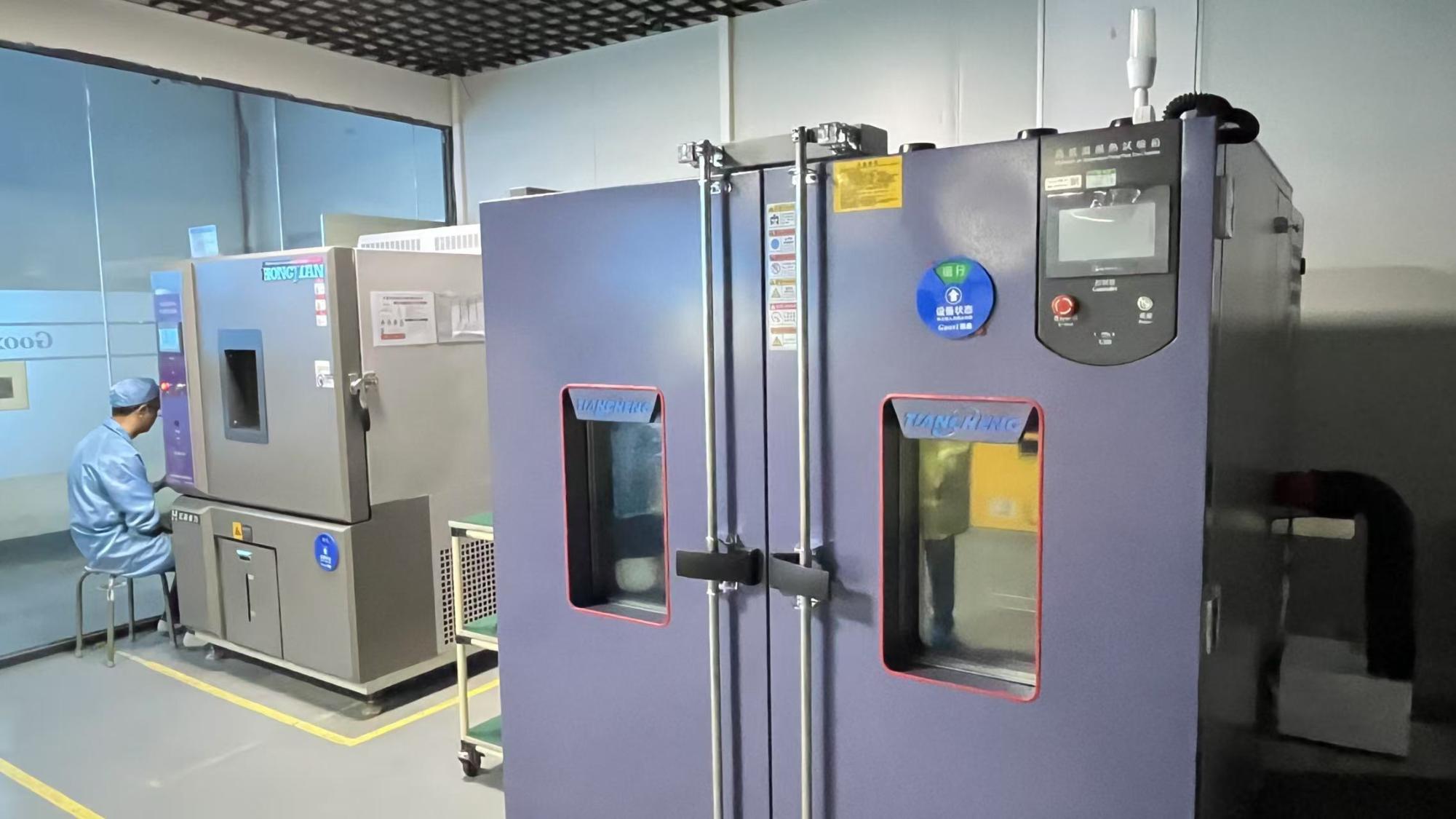
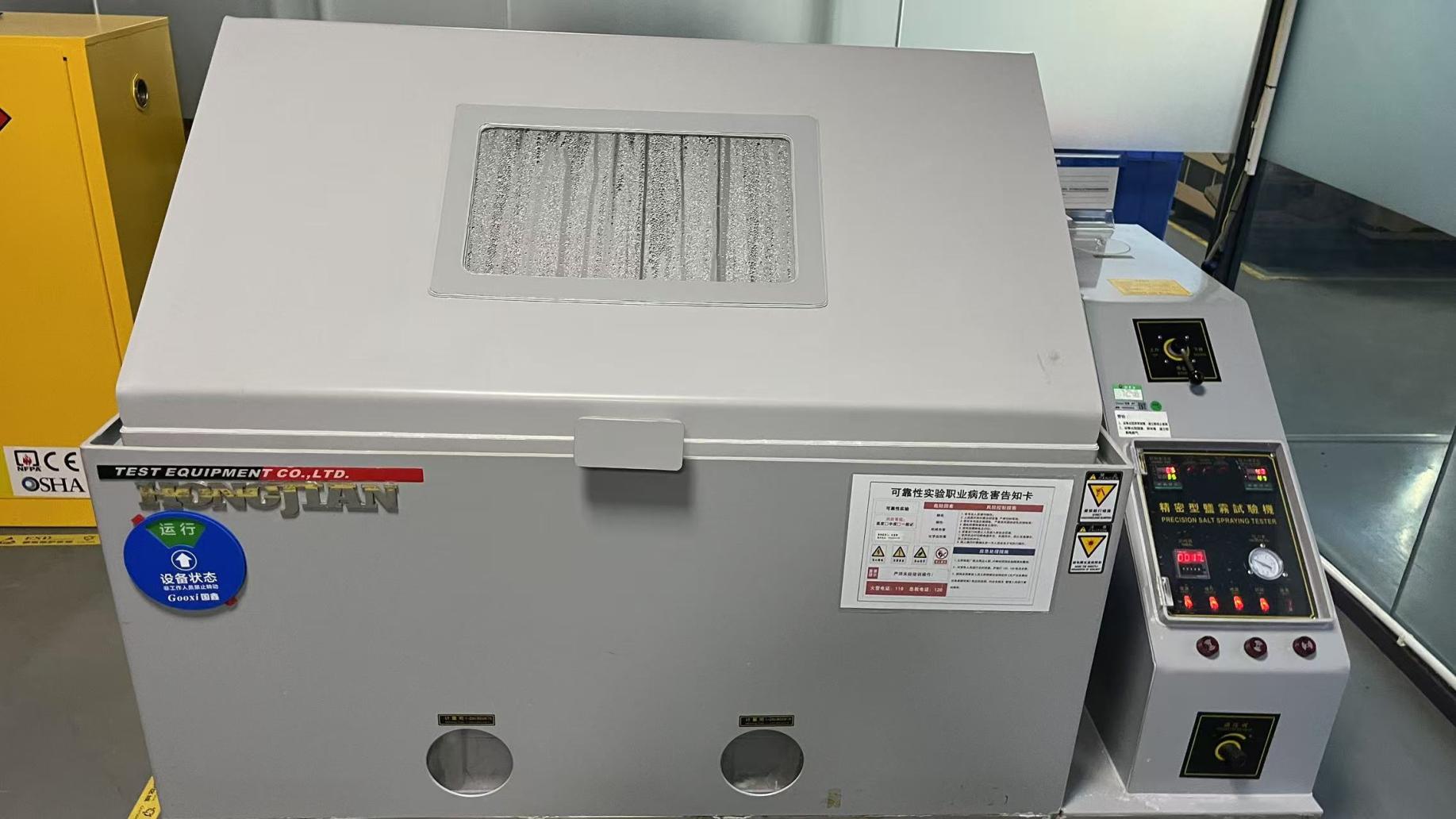
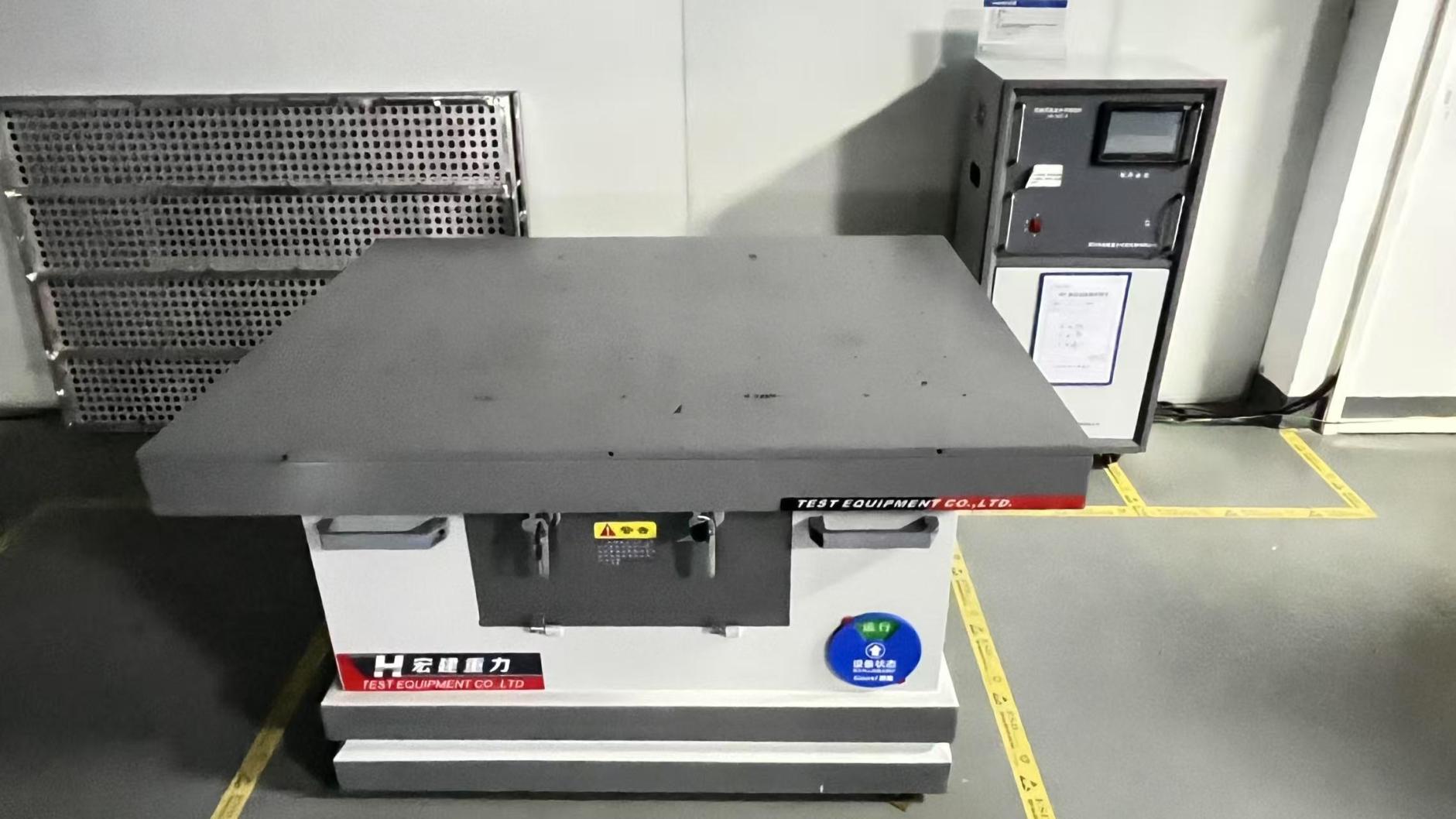
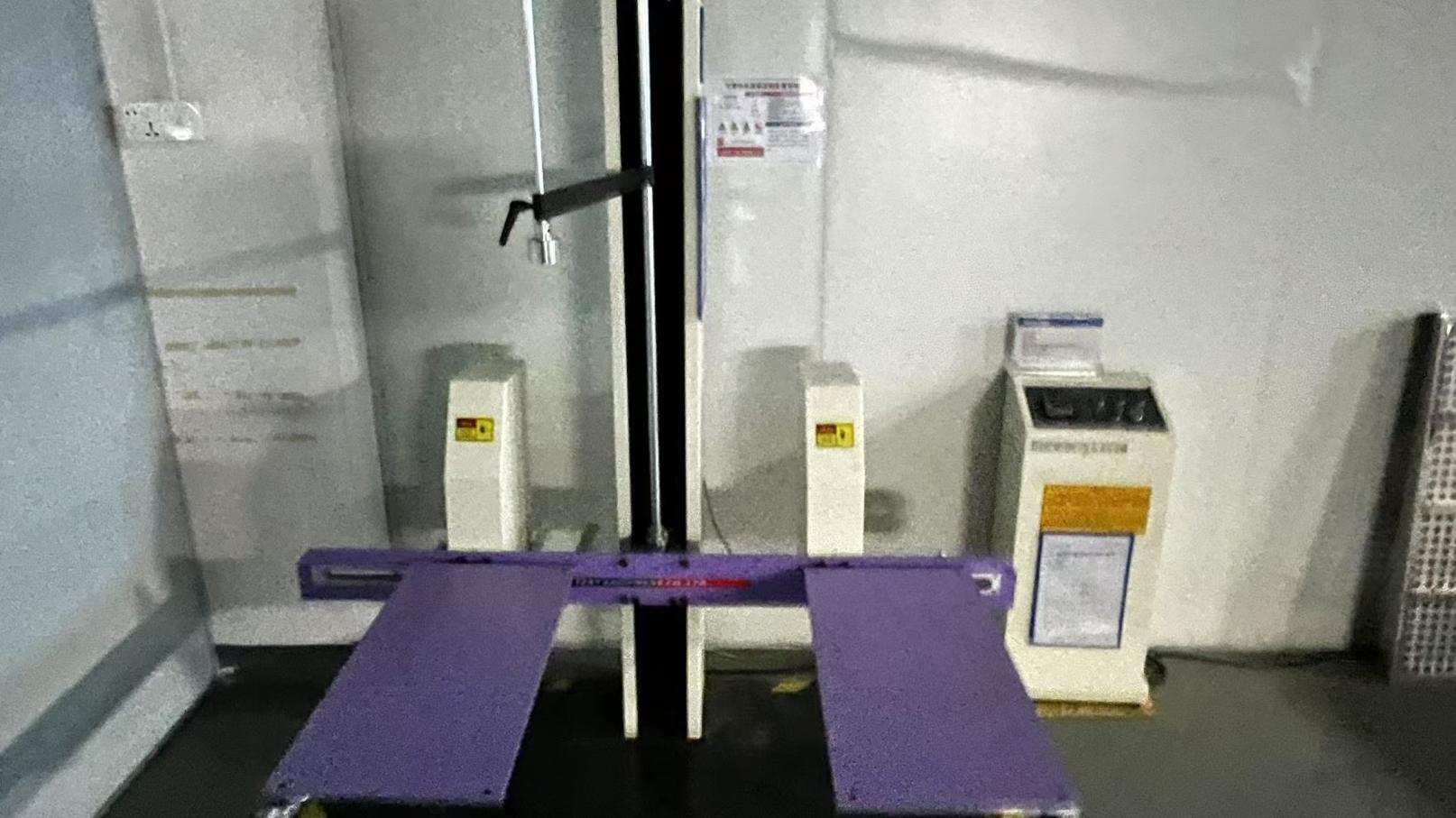
Prior to chassis assembly, motherboards and controller cards go through automated inspection sequences. Following complete hardware assembly, each node is subjected to a minimum of 48 hours of continuous full-system burn-in testing, cycling processors and accelerators at 100% capacity in environmental control chambers. Our specialized equipment includes thermal stress testing rooms, vibration isolation validation rigs, salt-spray resistance platforms, drop testers, high-accuracy Coordinate Measuring Machines (CMM), and X-ray scanners to identify microscopic soldering anomalies.




Find answers to frequently asked technical questions regarding the development, certification, and customization of enterprise-grade computational workstations.