ZhiCloud AI
ZhiCloud AI
ZhiCloud AI
Immediate stock availability on premium computing hardware optimized for deep learning models, hyper-scale cloud databases, and virtualization platforms.
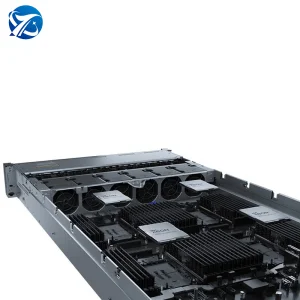
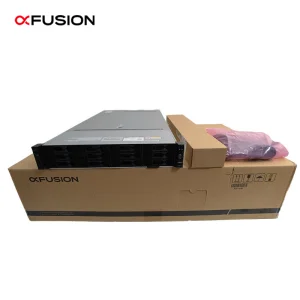
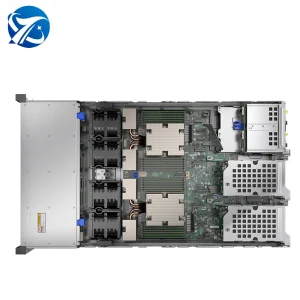
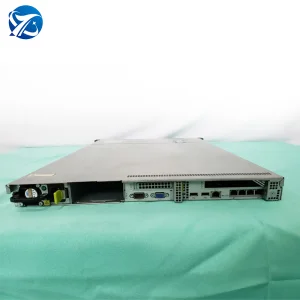
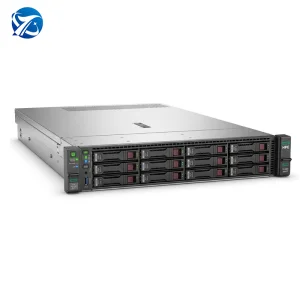
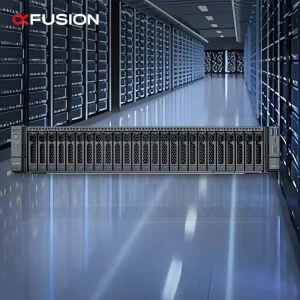
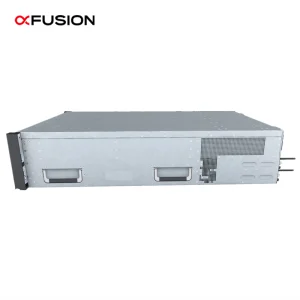
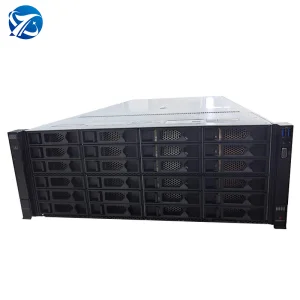
How HPE ProLiant platforms dominate high-performance computing, enterprise database services, and mission-critical cloud hosting infrastructures.
Hewlett Packard Enterprise (HPE) remains a cornerstone of the modern computing world. From standard enterprise datacenters to advanced generative AI clusters, HPE ProLiant servers serve as the bedrock of operations. Enterprises leverage systems like the HPE ProLiant DL360 and DL380 Gen11 to build high-availability architectures capable of handling hybrid virtualization workloads, intense analytical processing, and distributed database services.
The transition to HPE Gen11 platforms has marked a new era in compute capability. Integrating AMD EPYC 4th/5th Gen and Intel Xeon Scalable processors alongside PCIe Gen5 system busses and DDR5 memory modules, these systems double the data throughput rates compared to their predecessors. This makes them exceptionally suited for multi-tenant virtualization, massive ERP operations, and secure enterprise virtualization.
Furthermore, the global market demands highly customized configurations. Enterprise infrastructure is no longer uniform. Buyers actively search for partners that can tailor server provisioning—matching CPU Core ratios to RAM channel architecture, integrating specific Tri-Mode RAID controllers (like Broadcom 9560-8i array cards), and validating thermal dissipation parameters under heavy computational stress.
HPE’s exclusive technology anchors essential firmware updates directly to physical silicon, creating an immutable fingerprint that shields the boot pathway from firmware rootkits and advanced persistent threats (APTs).
Seamless support for SAS, SATA, and NVMe drives over a single interface slot, enabling hybrid high-capacity HDD cold storage and high-speed NVMe flash arrays in a single chassis.
Deciphering the critical parameters that guide modern IT infrastructure buyers and procurement managers in today's volatile supply chains.
Modern procurement managers face the twin challenges of global chip shortages and shipping bottlenecks. Selecting the ideal HPE server supplier involves assessing key factors:
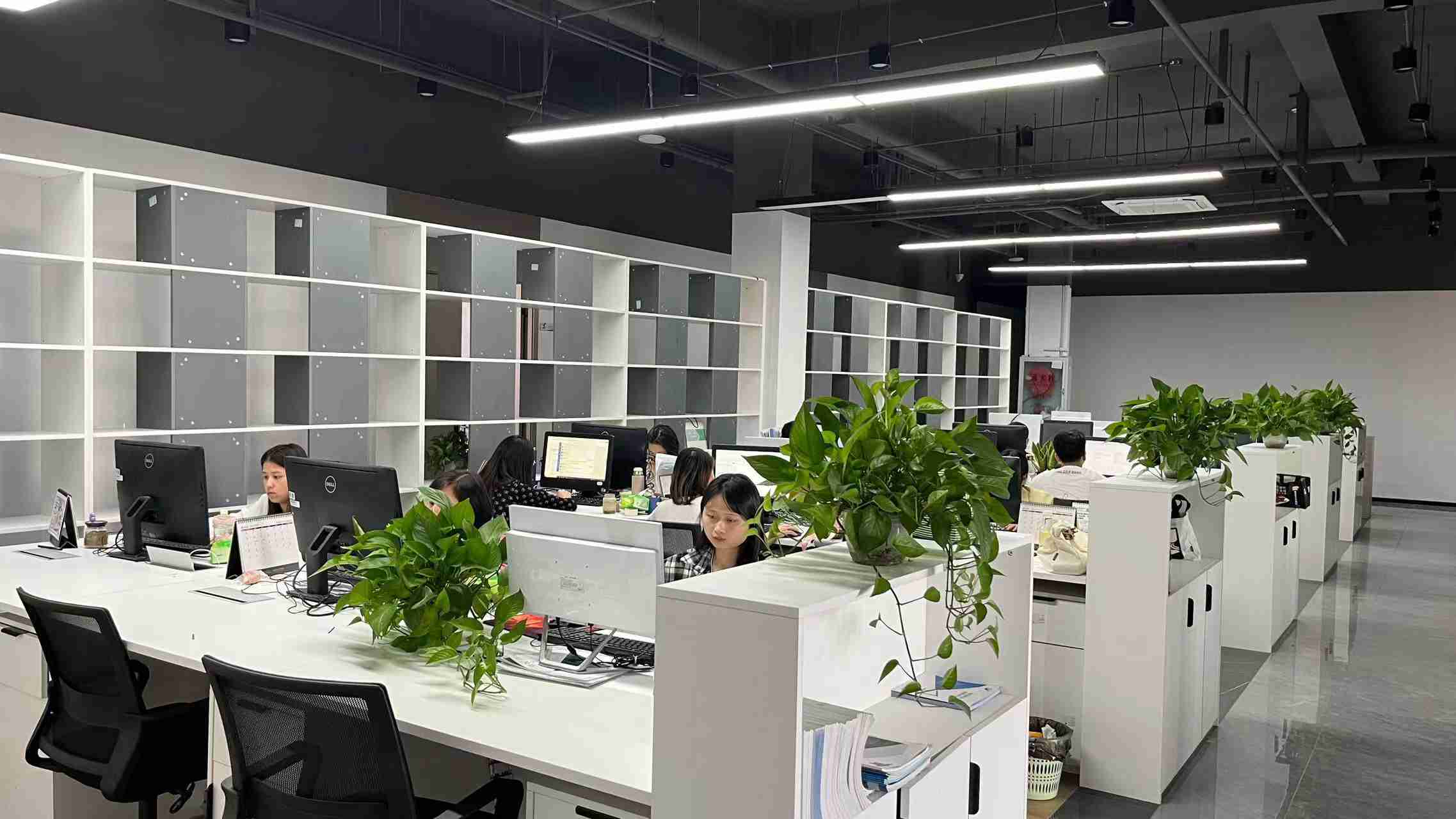
Shenzhen Intelligent Computing Cloud Technology Co., Ltd. (ZhiCloud AI) sits at the heart of this operational landscape. Since 2016, ZhiCloud AI has developed an export network supported by 11 years of enterprise experience. In the past year, the company introduced roughly 180 new products, backed by an engineering team of 120 R&D engineers focused on optimizing cooling infrastructure, high-density cluster setups, and custom server layouts.
By combining components sourced through over 1,200 strategic partners, ZhiCloud AI helps companies acquire customizable server gear. This setup blends the engineering of global leaders with the flexibility of local assembly, allowing operations in North America, Europe, Southeast Asia, and the Middle East to scale up their systems efficiently.
Inside the advanced assembly workflows and strict testing protocols that make China a leading exporter of compute infrastructure.
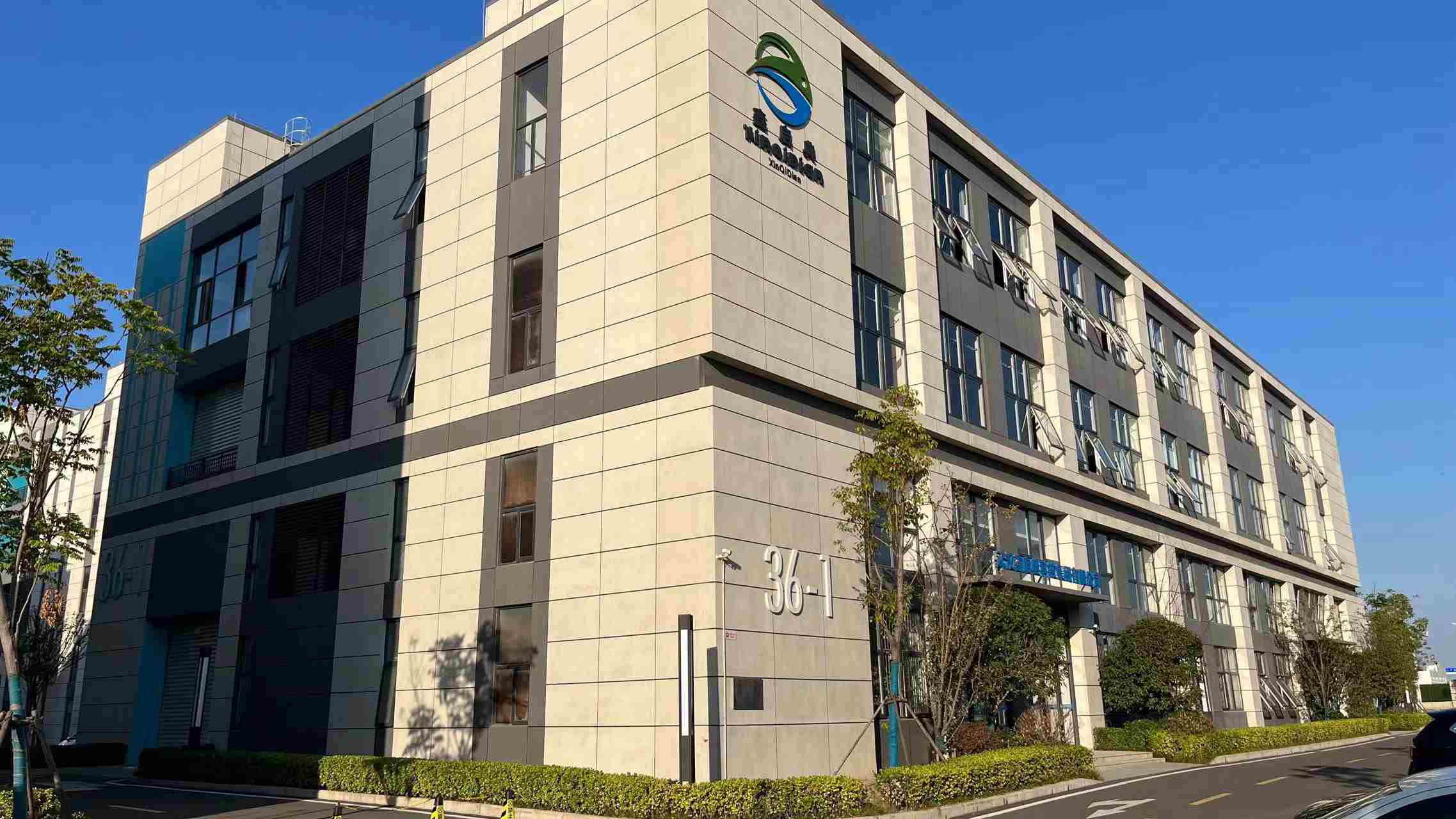
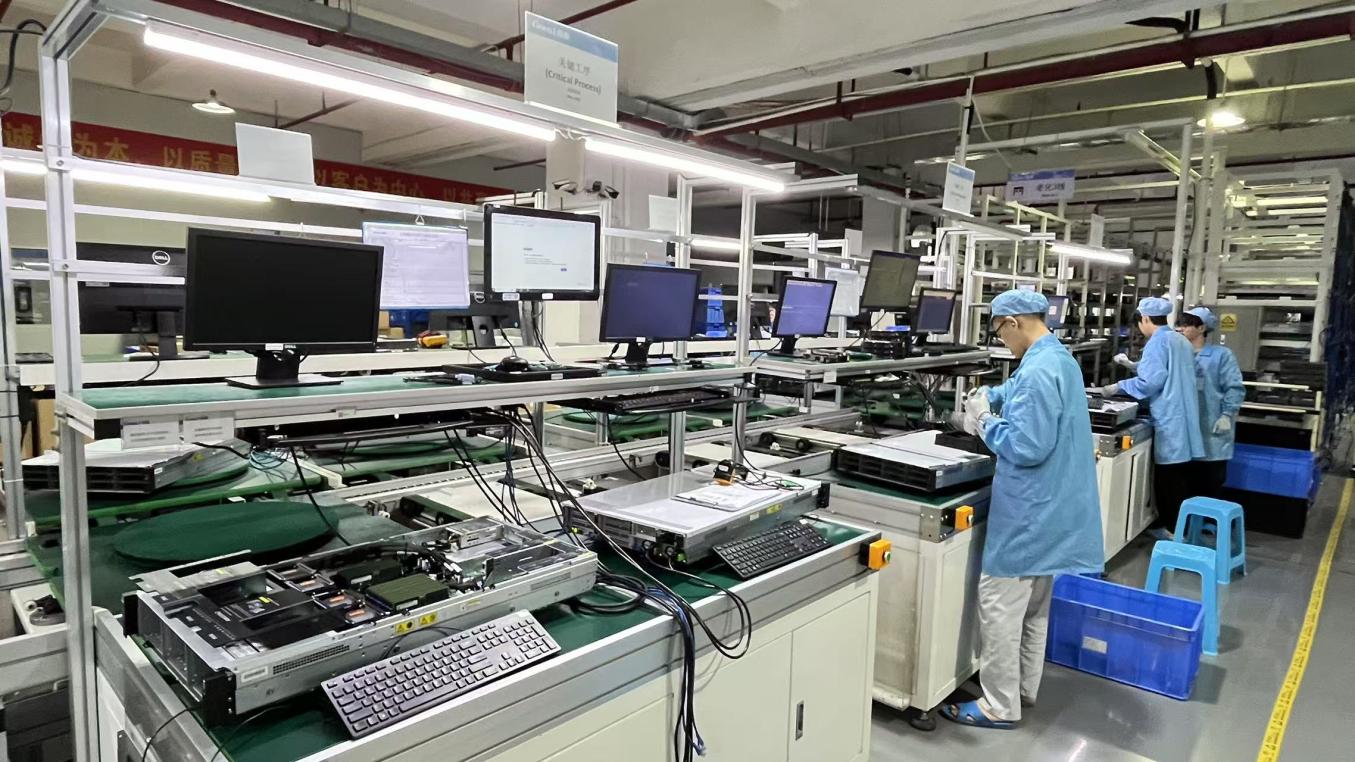
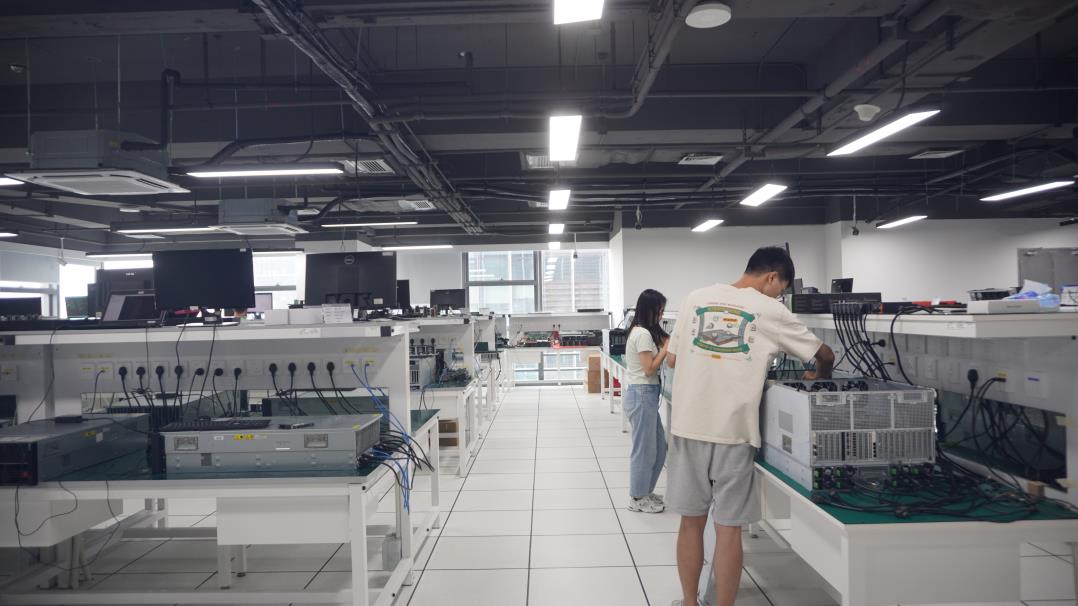
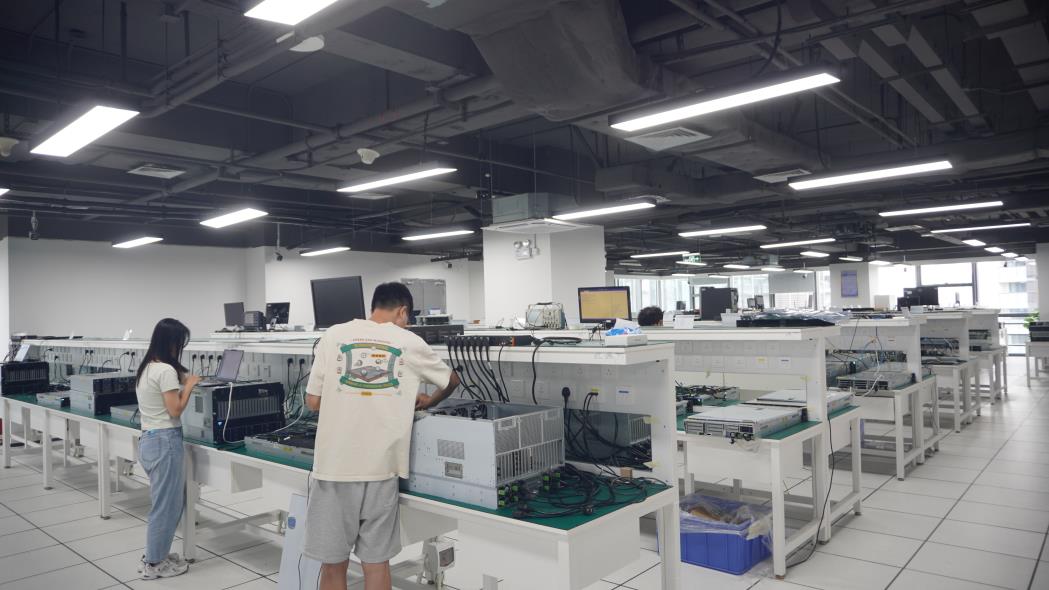
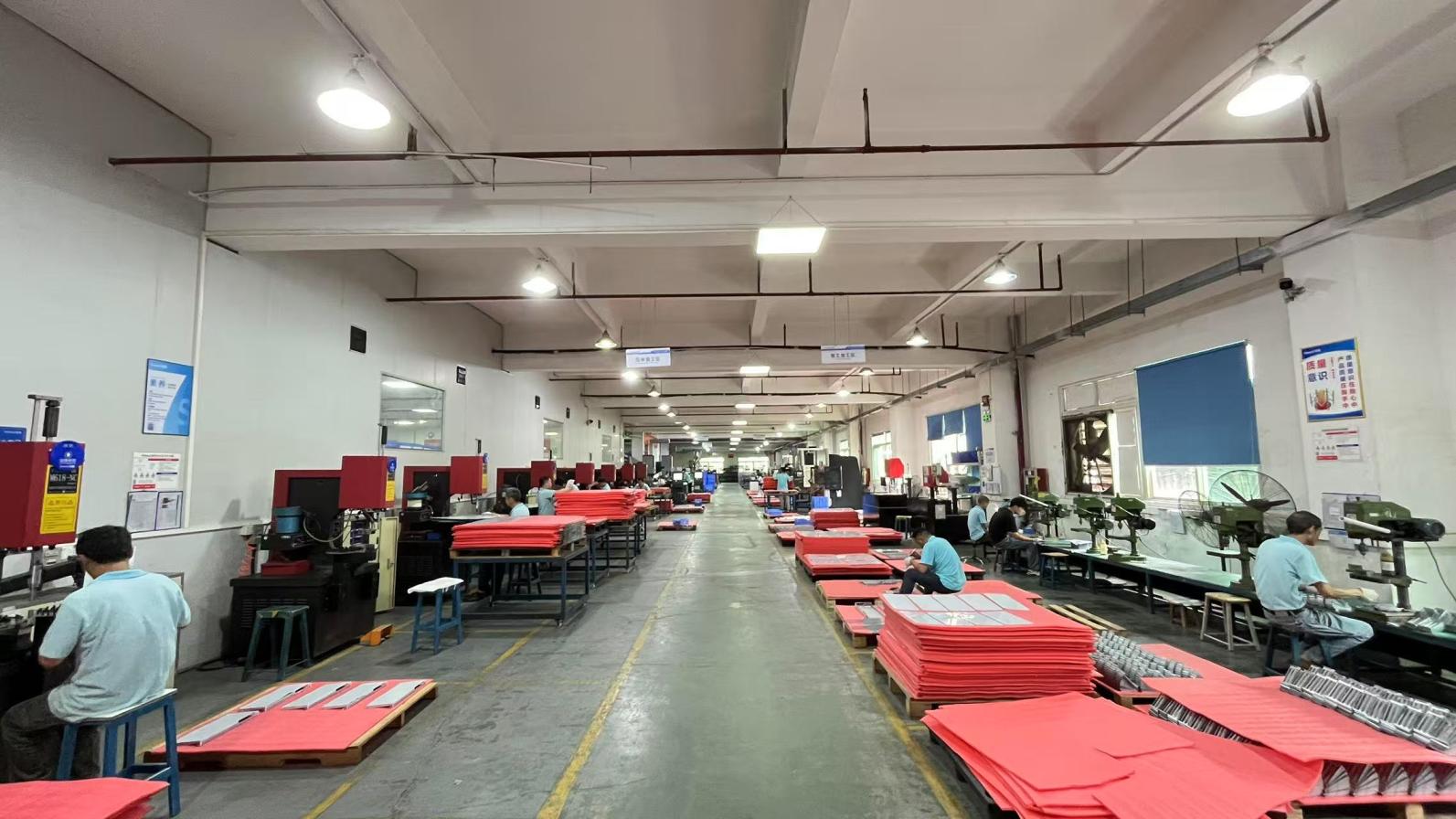
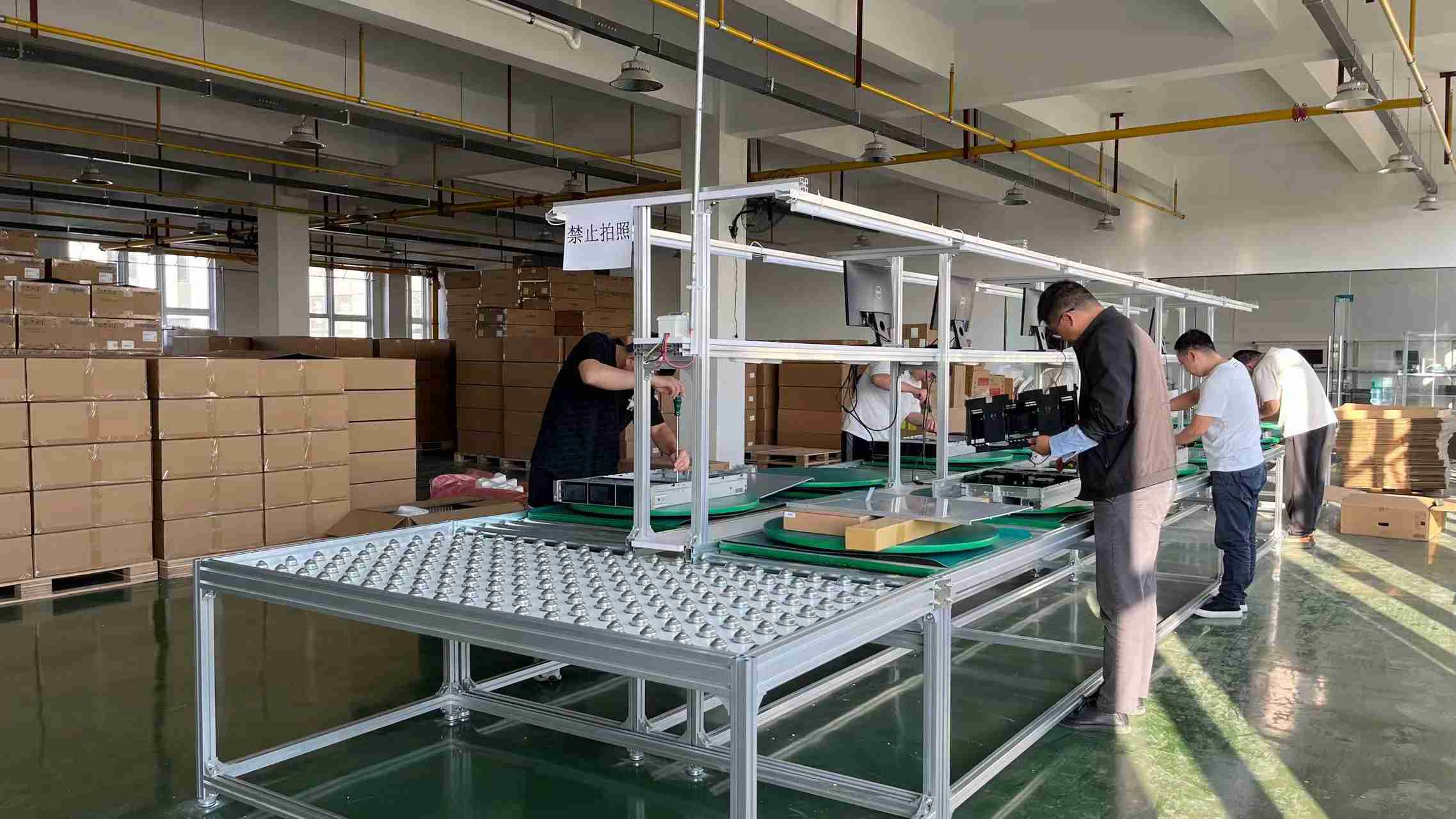
Modern server manufacturing combines precise hardware layout with thorough software validation. Organizations like ZhiCloud AI run dedicated integration facilities designed for system assembly, component customization, and quality testing. Through a modern 320㎡ production plant and a quality control division of 45 specialized inspectors, computing nodes are assembled to perform reliably under continuous heavy usage.
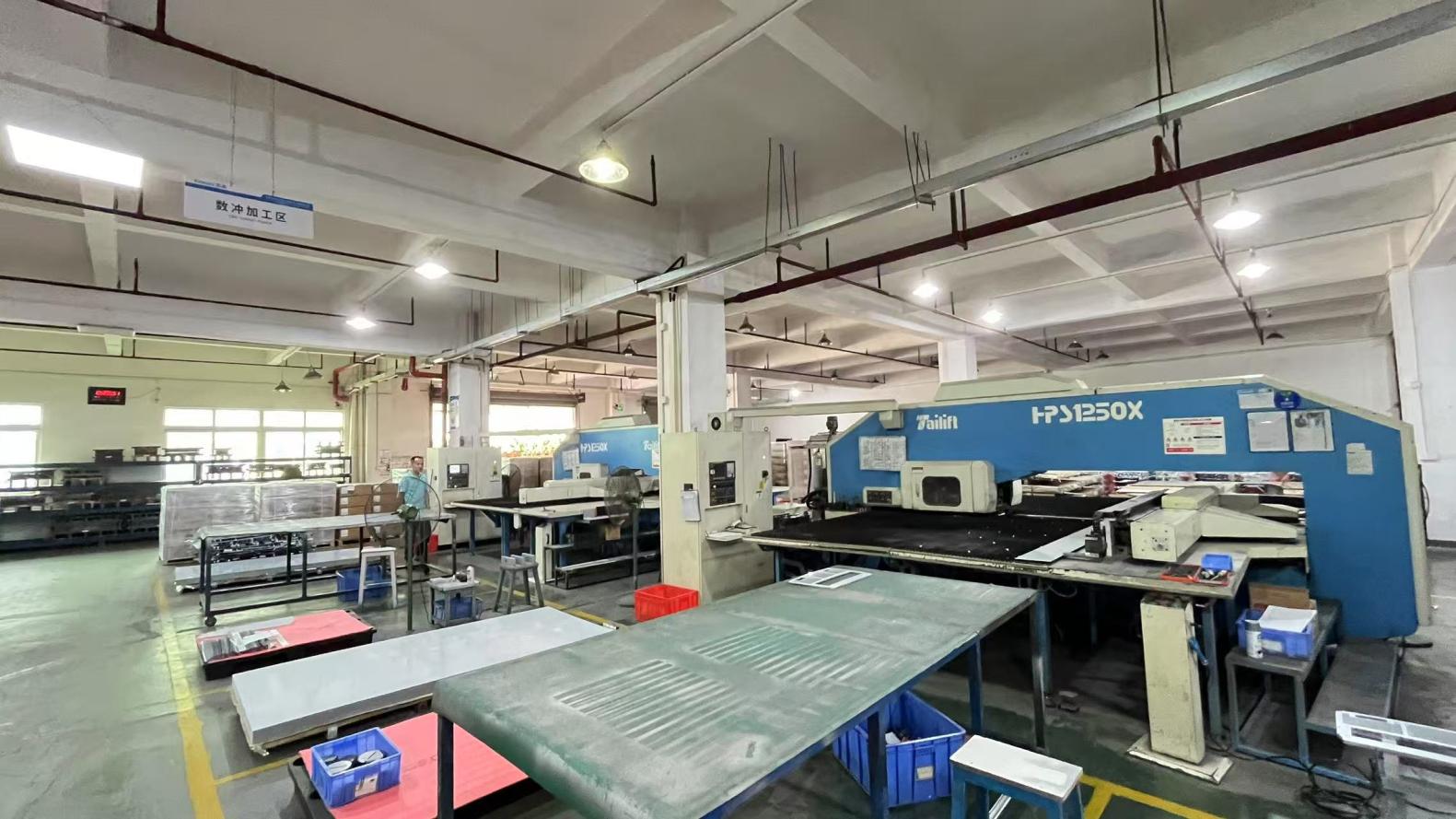
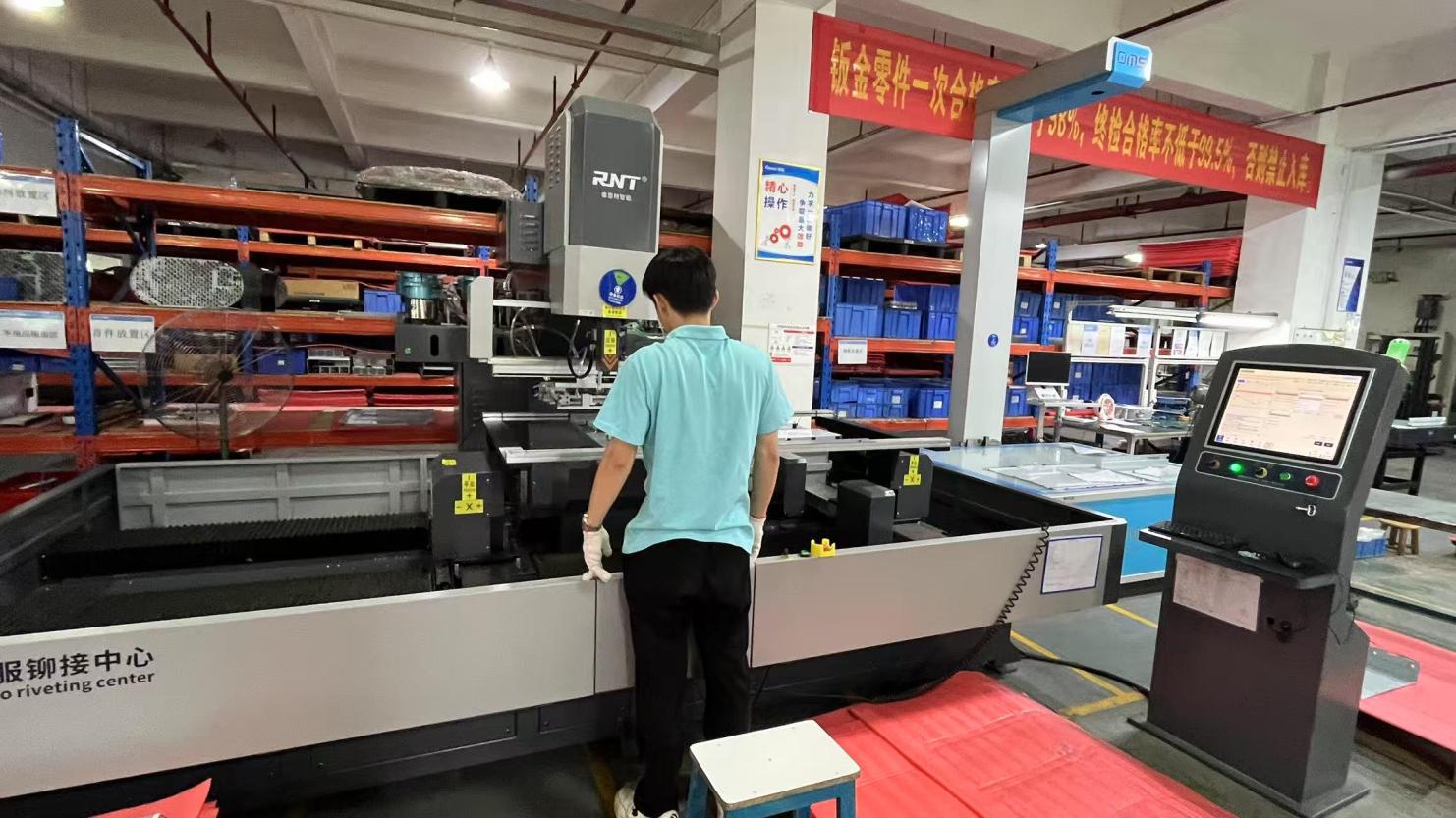

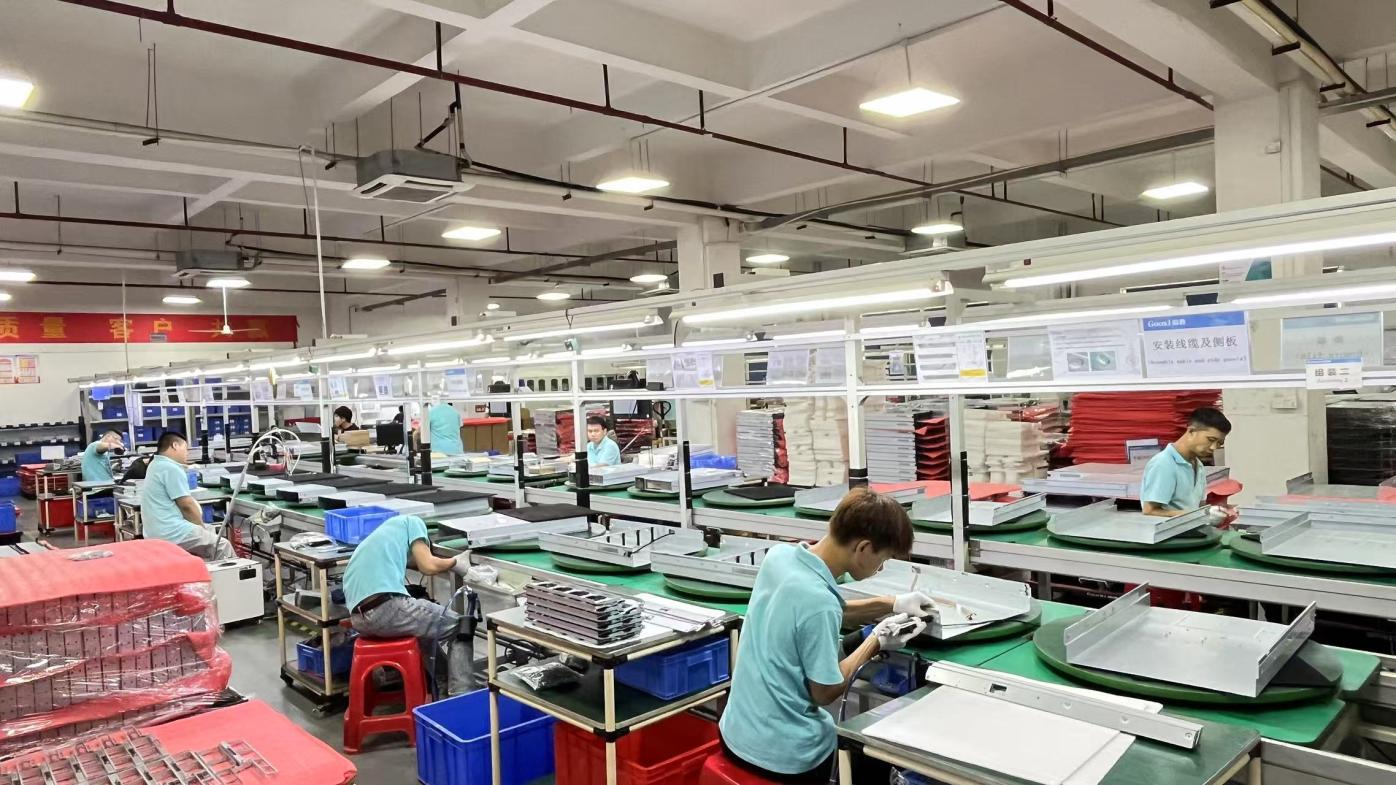

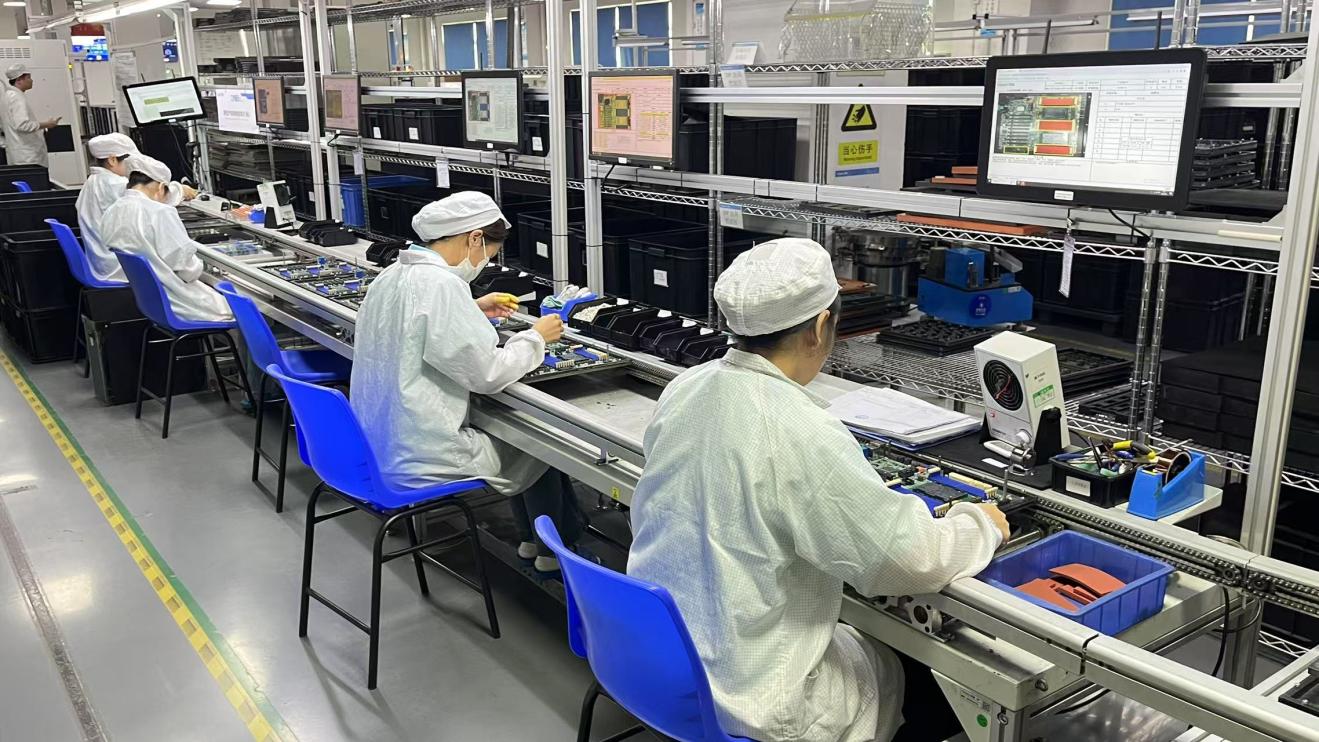
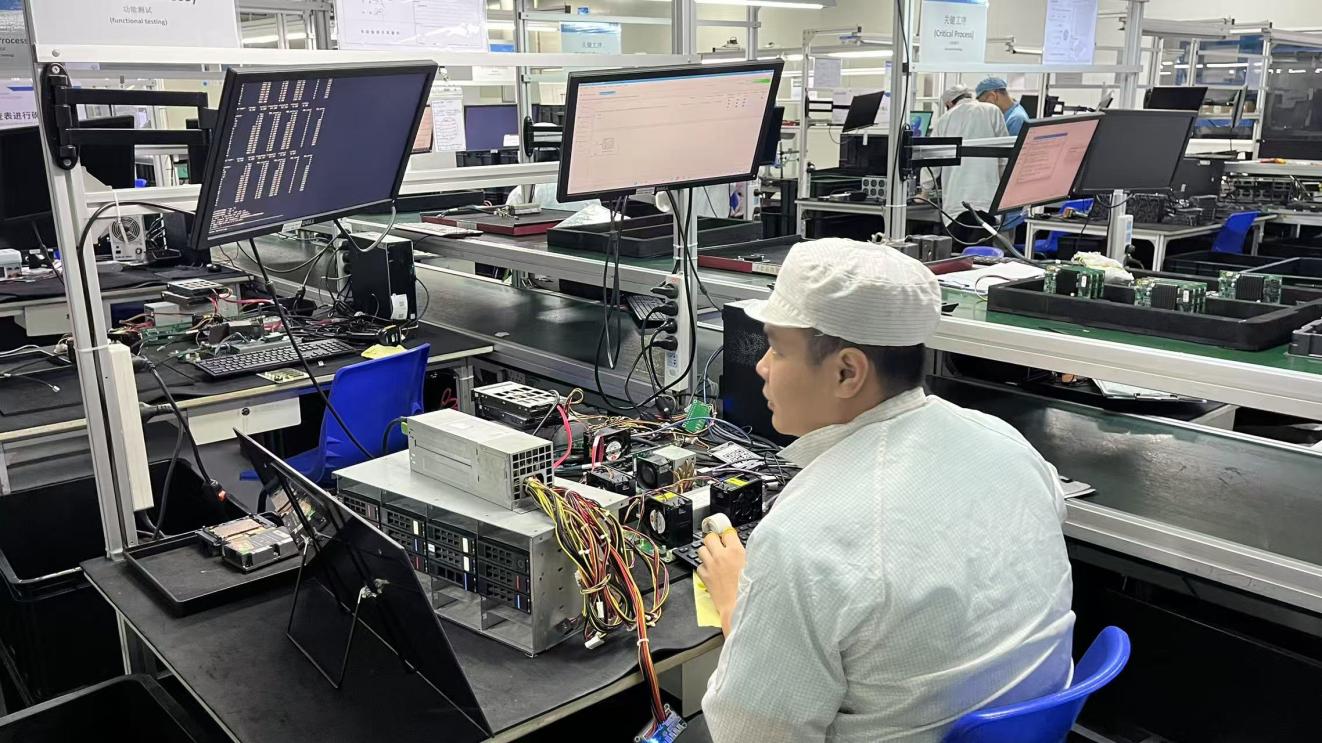
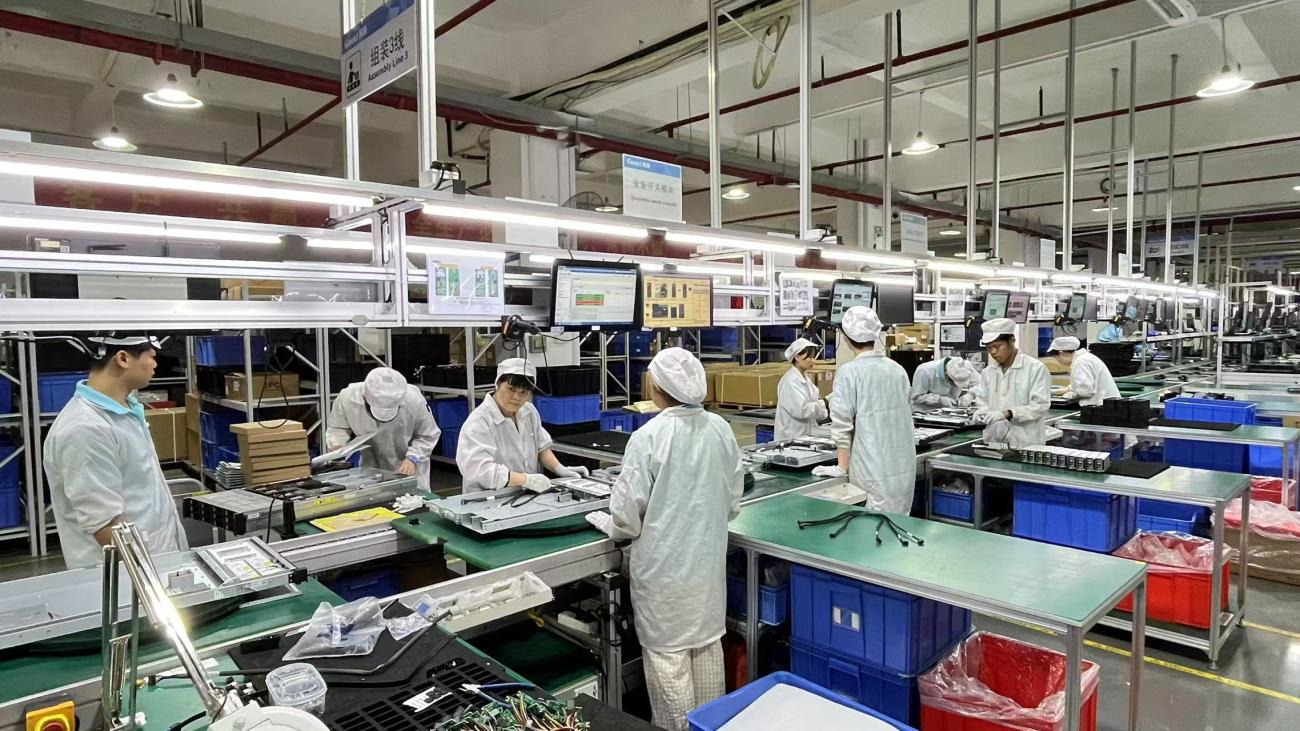
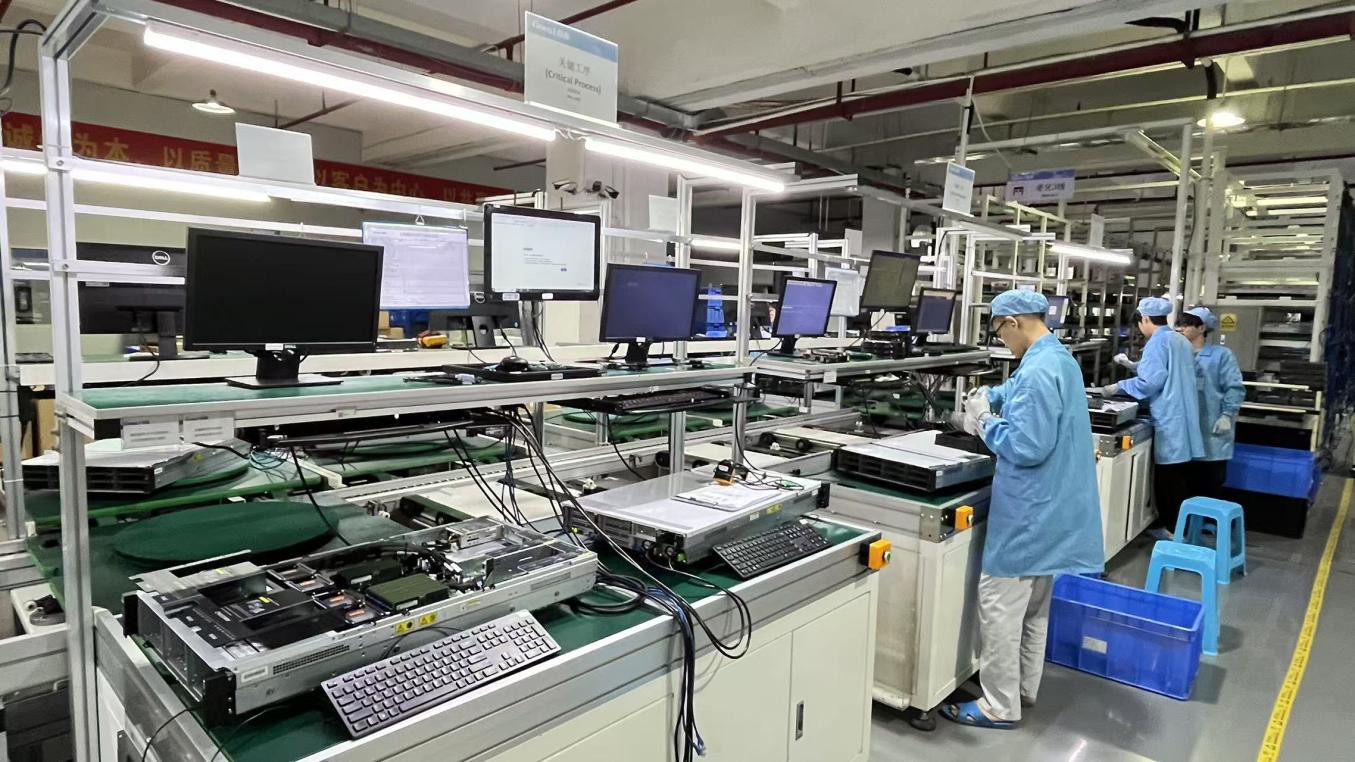
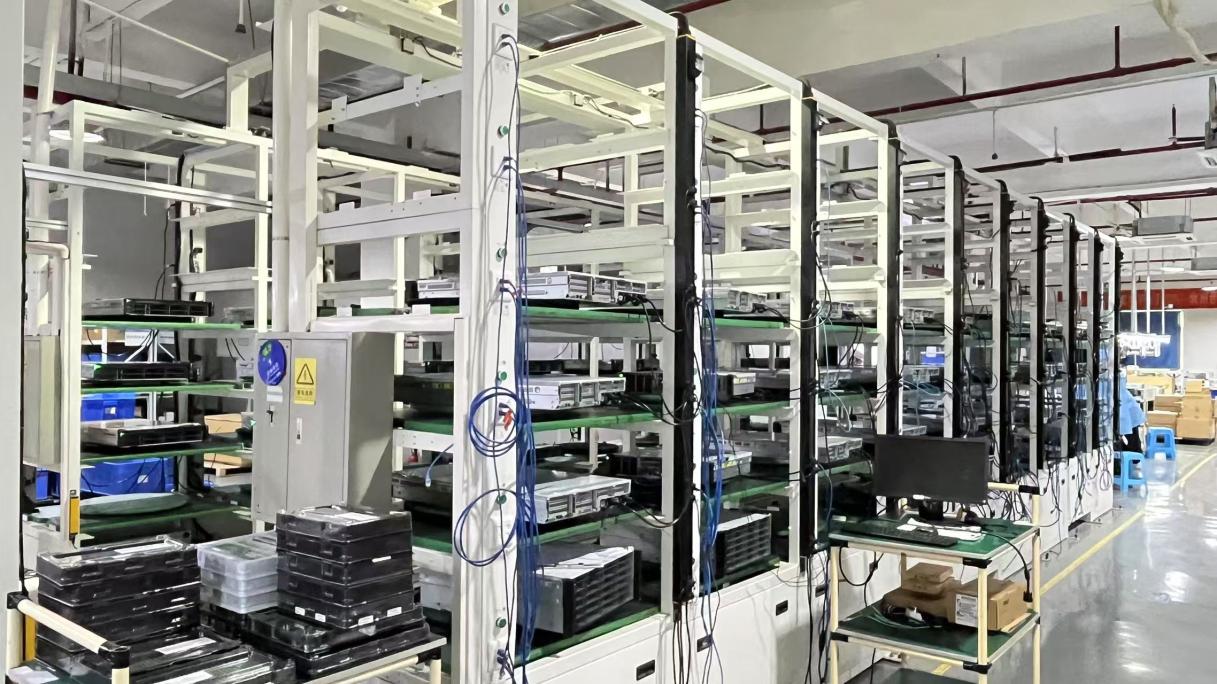
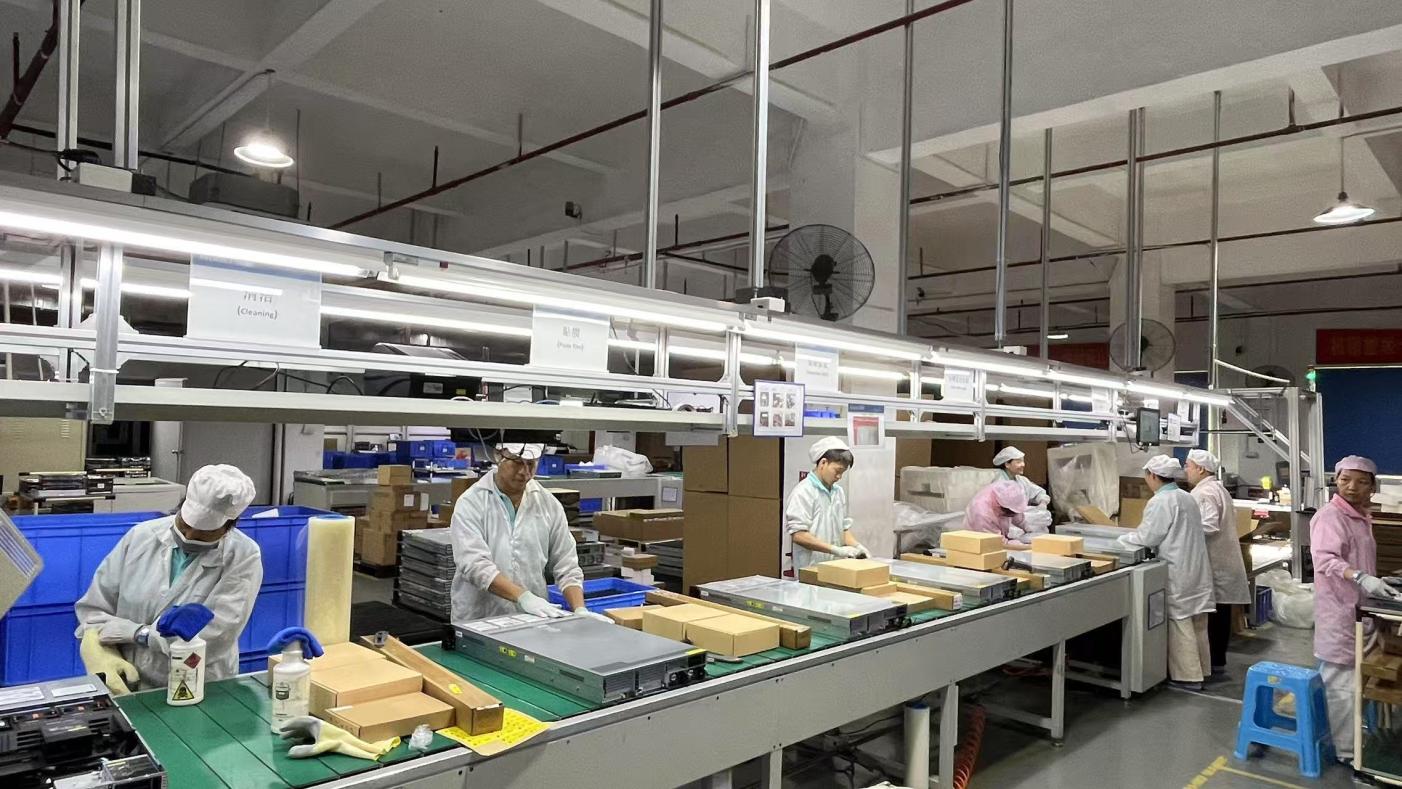
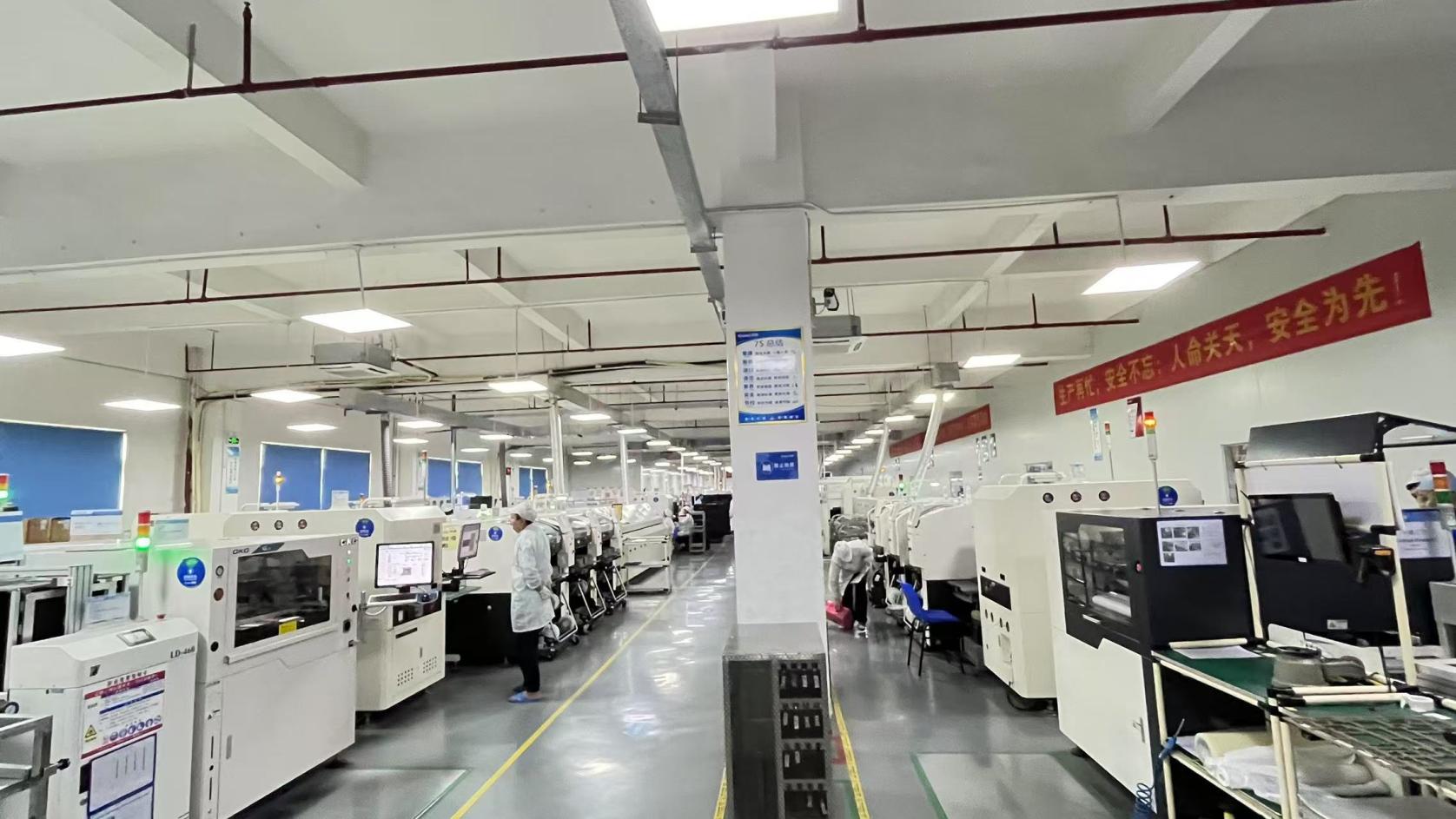
To maintain consistency, manufacturing processes are broken down into organized steps. In housing fabrication, automated bending machines and laser cutting platforms prepare sheet metal parts. These parts are then joined in riveting centers and stamping modules to build server chassis that withstand high physical stress. The motherboard assembly relies on advanced Surface Mount Technology (SMT) lines and reflow soldering equipment to place and connect high-speed semiconductor parts securely.
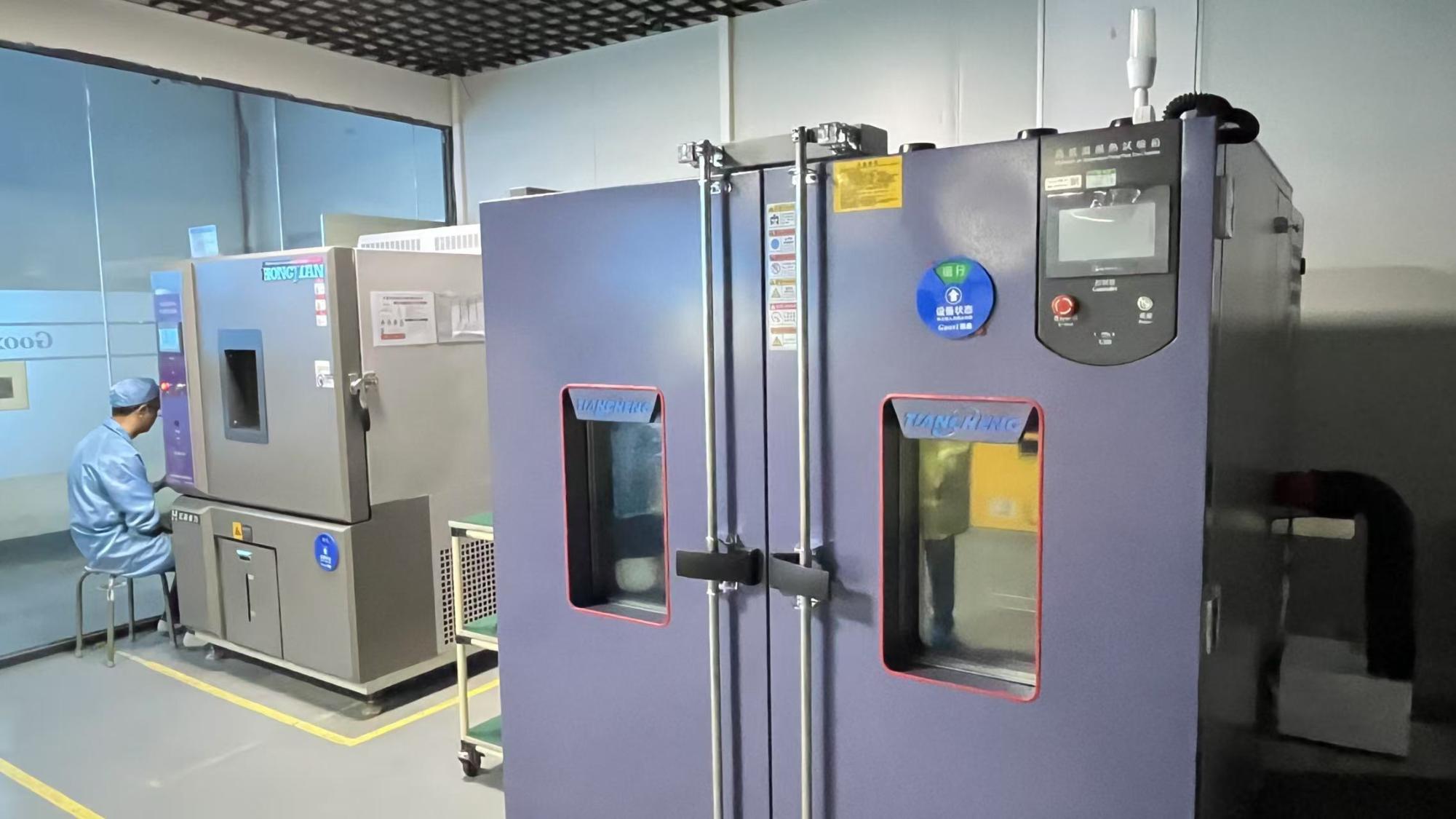
After final assembly, systems undergo a thermal burn-in (aging test) inside environmental chambers. Running computational stress tests under elevated temperatures reveals potential component issues early. This process ensures that servers operate reliably once deployed in production datacenters.
Understanding the engineering tools used to test physical integrity, material quality, and logical operation.
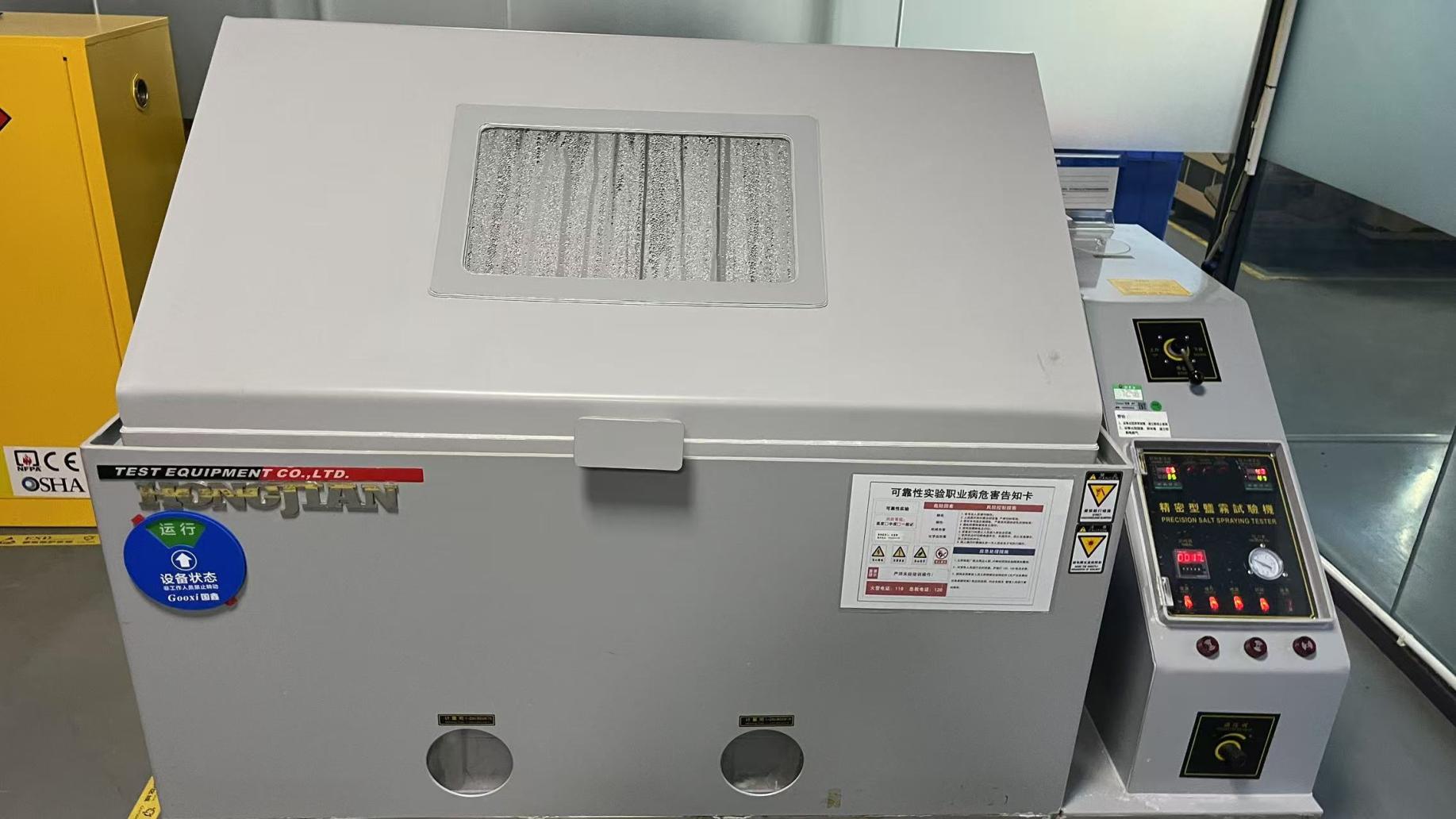
To build systems that achieve a high Mean Time Between Failures (MTBF), engineers use specialized testing equipment. Beyond baseline software benchmarks, hardware is tested against mechanical stresses, chemical degradation, and electrical anomalies.
Functional Tests: Verification of diagnostic sub-systems, IPMI/iLO board management controllers, cooling fan speed profiles, and drive backplane signal integrity.
Thermal Chambers & Environmental Cycling: Servers operate in specialized environments to check memory performance and CPU clock speeds under temperature variations.
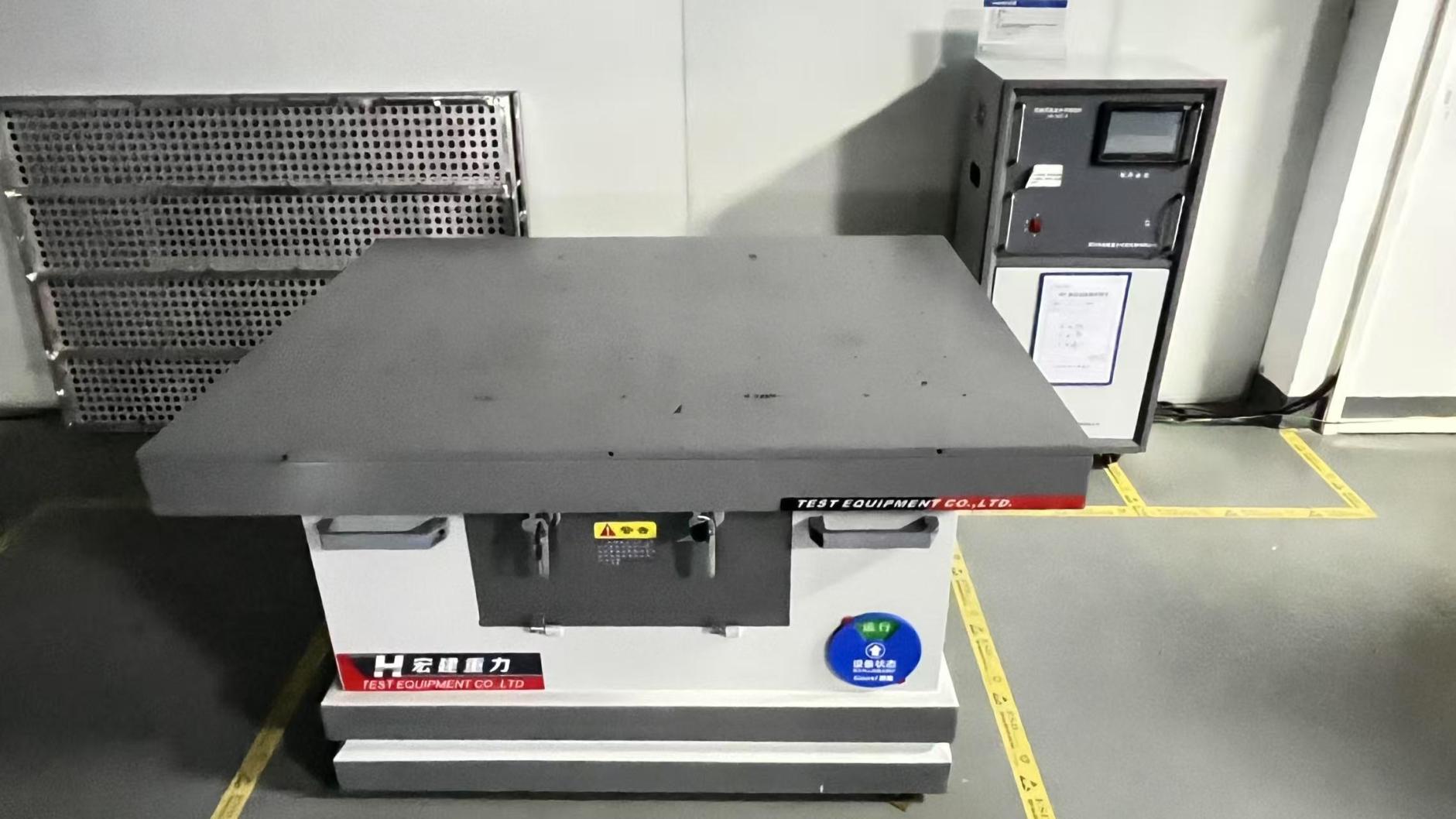
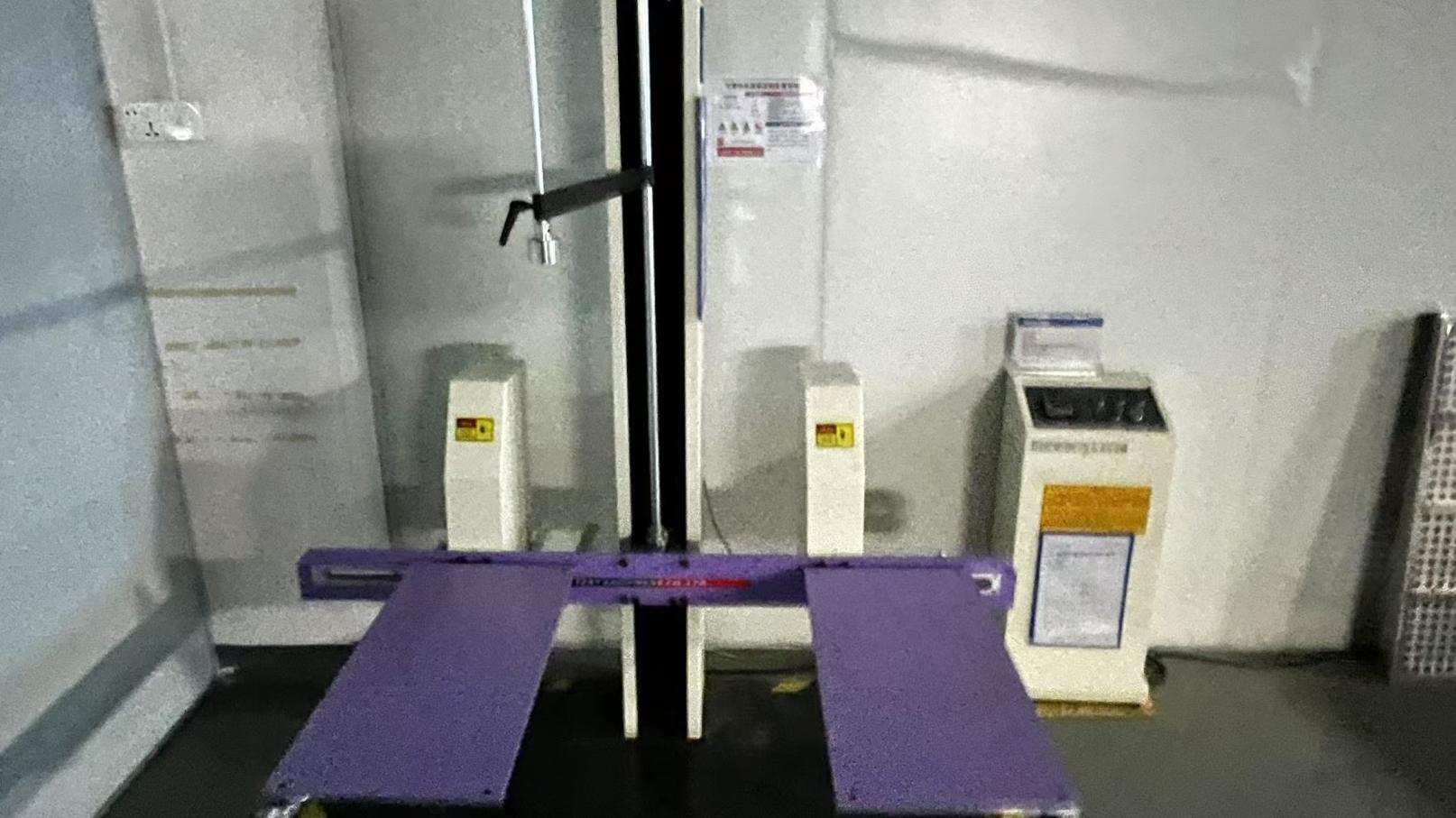
Mechanical & Structural Safety: Vibration tables and drop testing machines evaluate transport-induced stresses, helping to safeguard transit lines over sea and air.
Detailed Material Scanning: Automated optical inspection (AOI), X-ray imaging, and coordinate measuring machines (CMM) check solder joints and trace paths to confirm everything is constructed correctly.
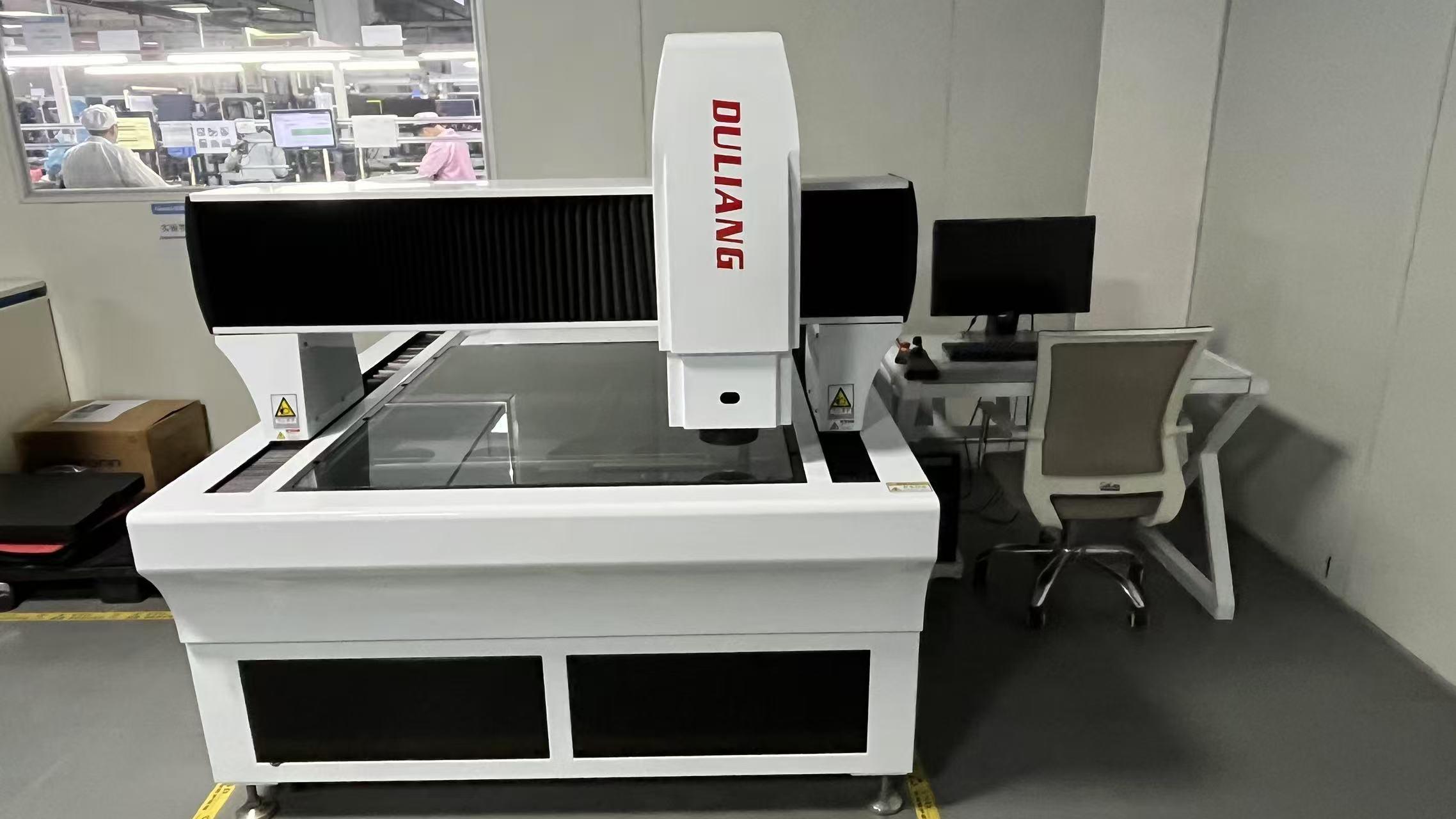
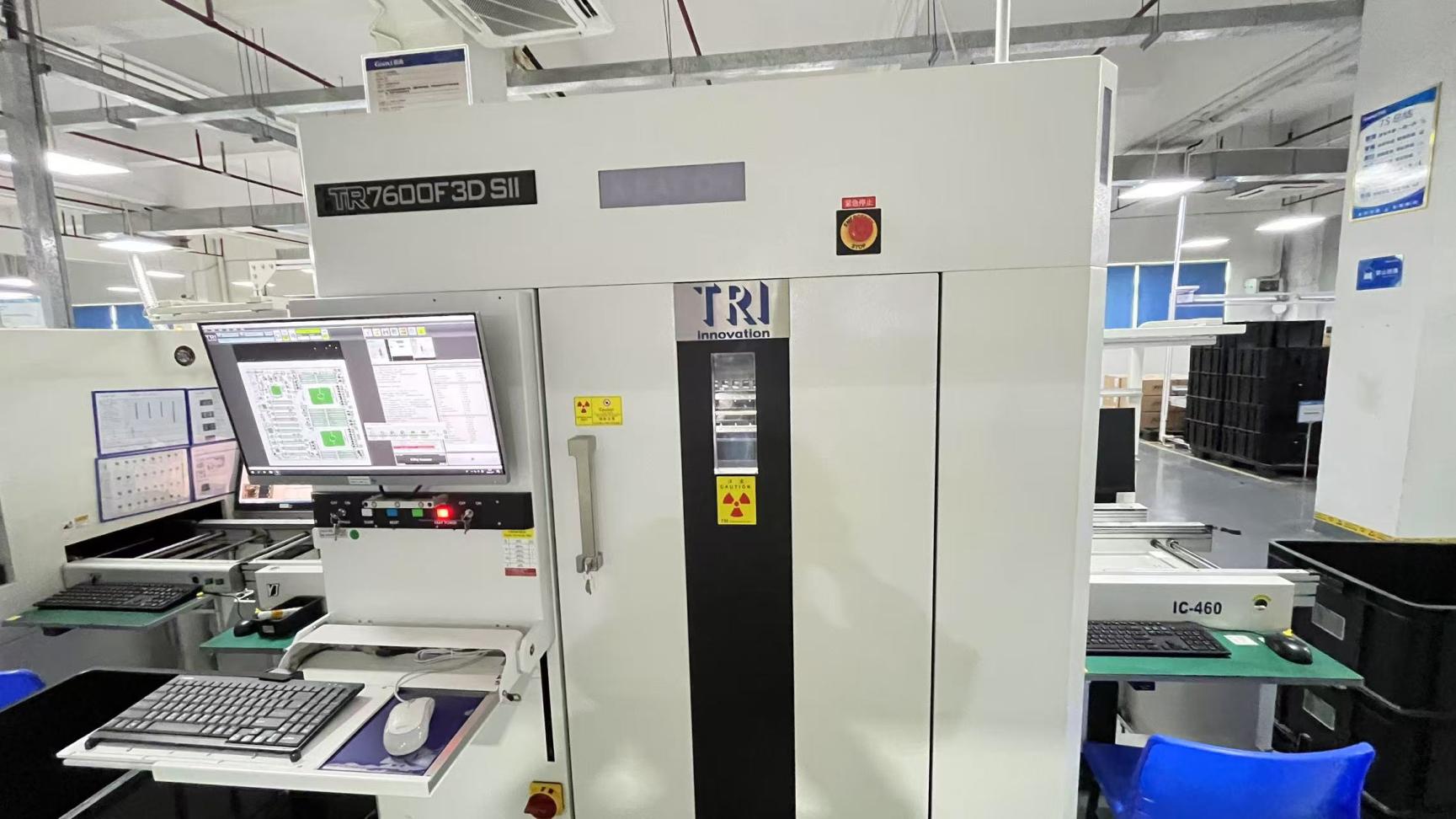
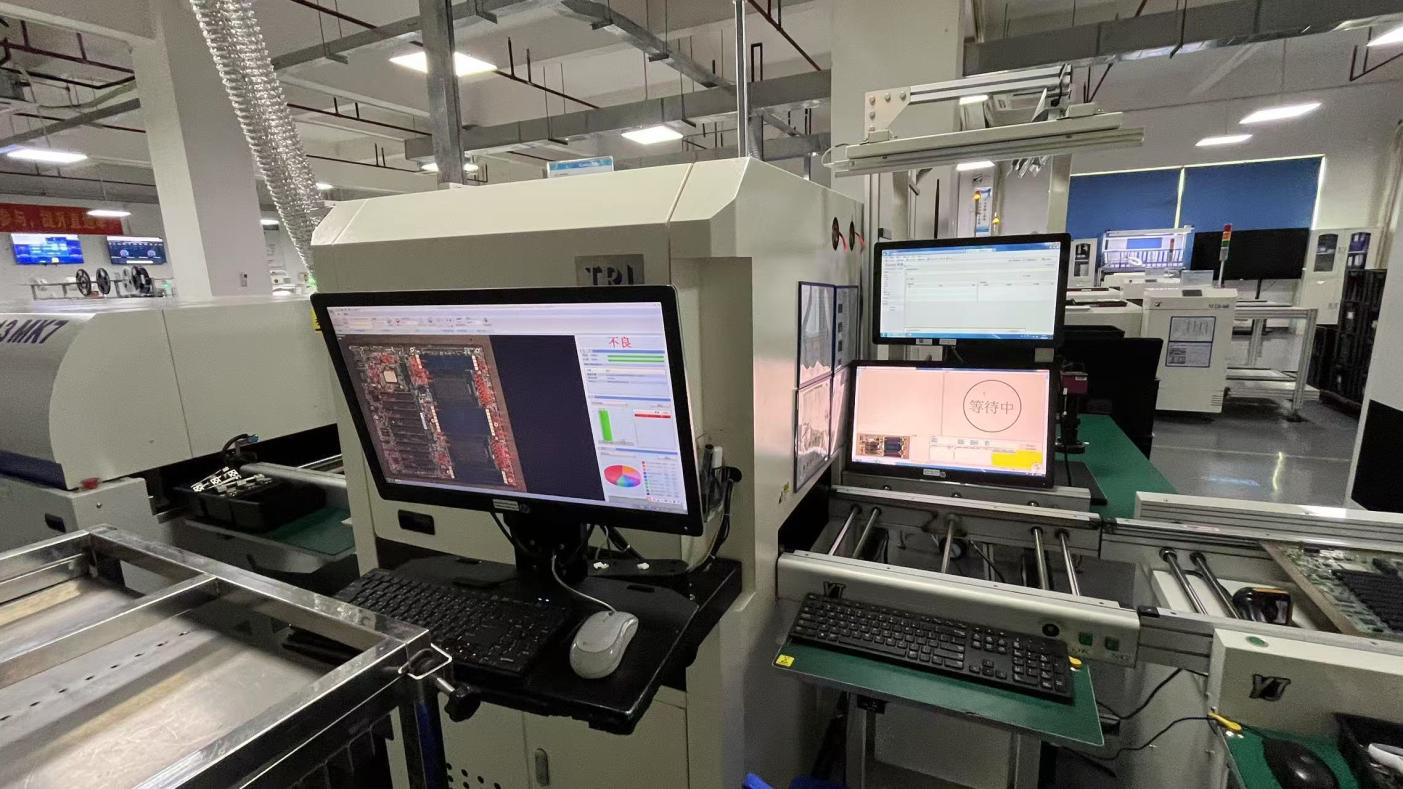
From edge computing to hyper-scale AI training, exploring how configured servers perform in specialized enterprise environments.
Generative AI training requires massive, low-latency parallel processing. Servers like the xFusion 2488H V7 or the FusionServer G5200 V7 support multi-GPU setups linked via high-speed PCIe switches, providing the system bandwidth needed to process large language models (LLMs).
Modern enterprise applications rely heavily on high VM density. The HPE ProLiant DL360 Gen11 uses high-core-count Intel Xeon Scalable processors and low-latency DDR5 memory to run multiple isolated virtual machines efficiently, helping to reduce operational costs.
For transactional databases requiring fast I/O processing, servers are configured with high-performance RAID cards (such as the 9560-8i or XC470C-M-8i) alongside fast-access NVMe storage, allowing rapid operations for large-scale financial and enterprise systems.
Analyzing future architecture developments: high-density designs, liquid cooling, and open-source infrastructure management.
As processor thermal design power (TDP) reaches 350W and high-density GPU accelerators consume up to 700W each, standard air cooling approaches their limits. The industry is moving toward direct-to-chip liquid cooling loops and rear-door heat exchangers (RDHx) to manage heat efficiently and support better Power Usage Effectiveness (PUE) in datacenters.
Data throughput requirements continue to rise. Transitioning from PCIe Gen5 to Gen6 doubles the available bandwidth, helping to resolve communication bottlenecks between host CPUs, high-speed NVMe arrays, and networking equipment like 400G InfiniBand adapters.
Many hyperscale cloud operators are choosing systems running open-source board management firmware, such as OpenBMC. This move helps avoid vendor lock-in, simplifies datacenter orchestration, and allows customization of monitoring scripts at the hardware level.
Organizations look to reduce both operational power draw and embodied carbon in their supply chains. Next-generation servers emphasize modular construction, recyclable steel components, and highly efficient 80-Plus Titanium power supplies to help meet corporate sustainability goals.
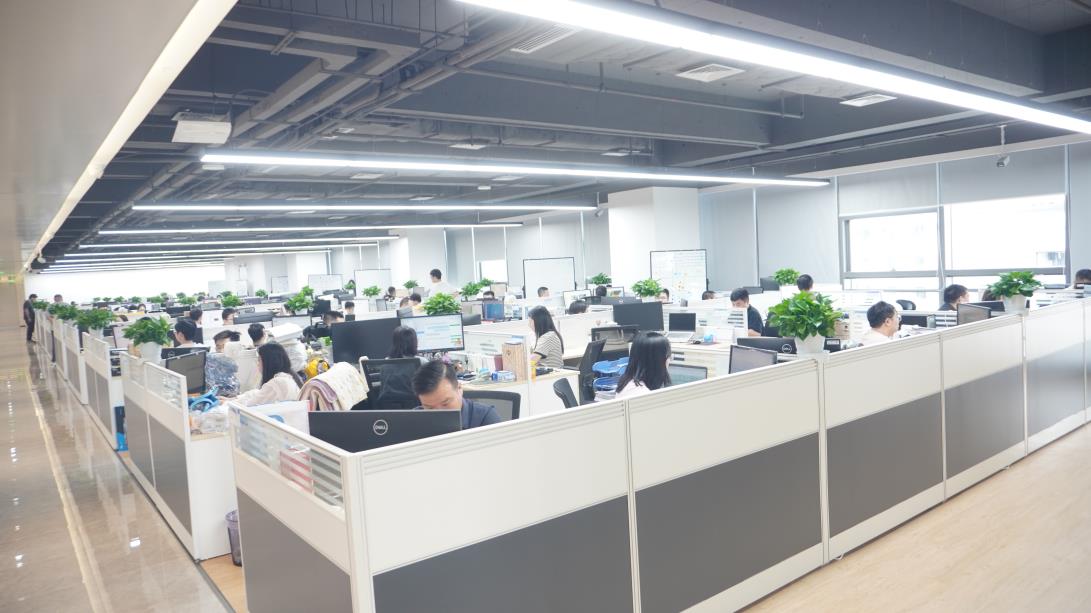
Technical answers regarding enterprise system configurations, quality standards, and global logistics.
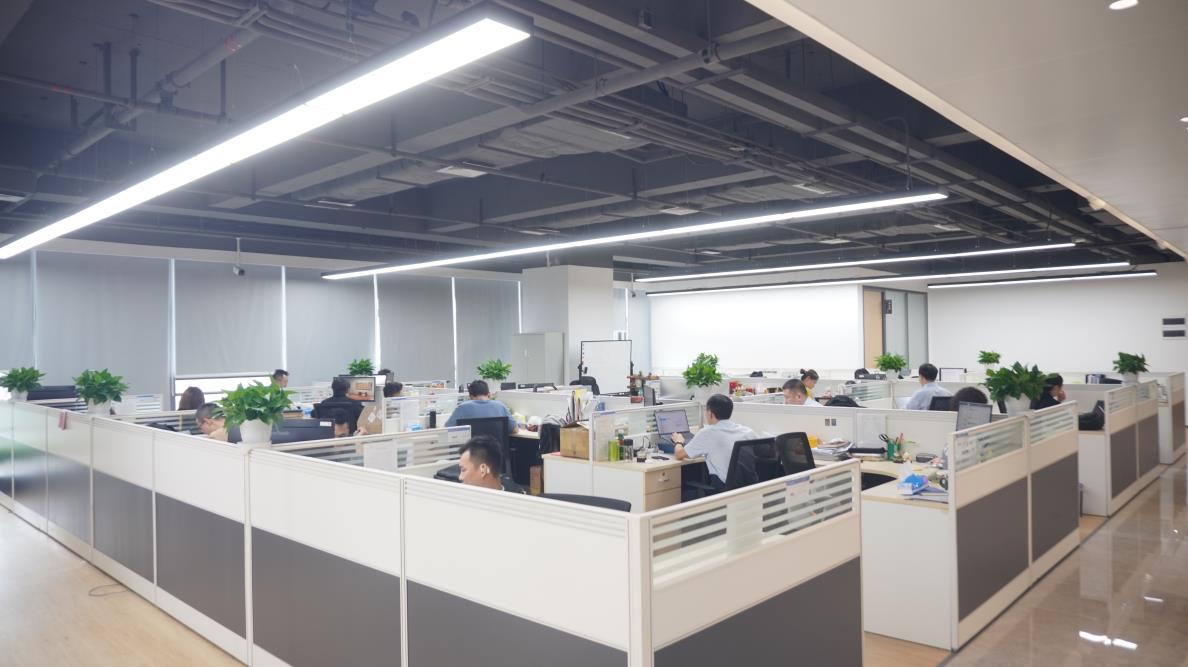
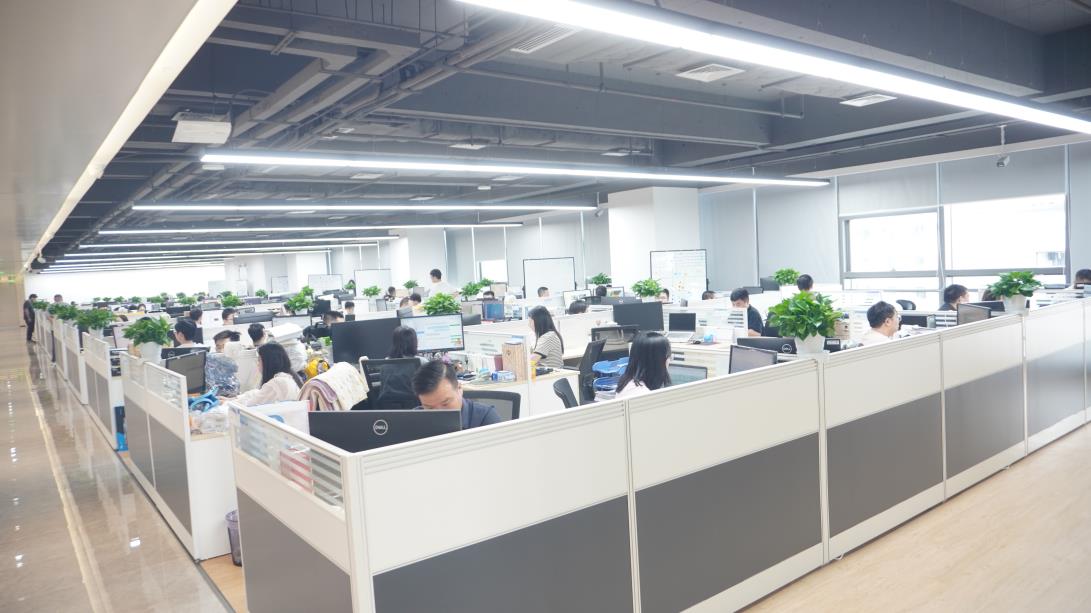
A look inside our development labs, assembly lines, and testing spaces.
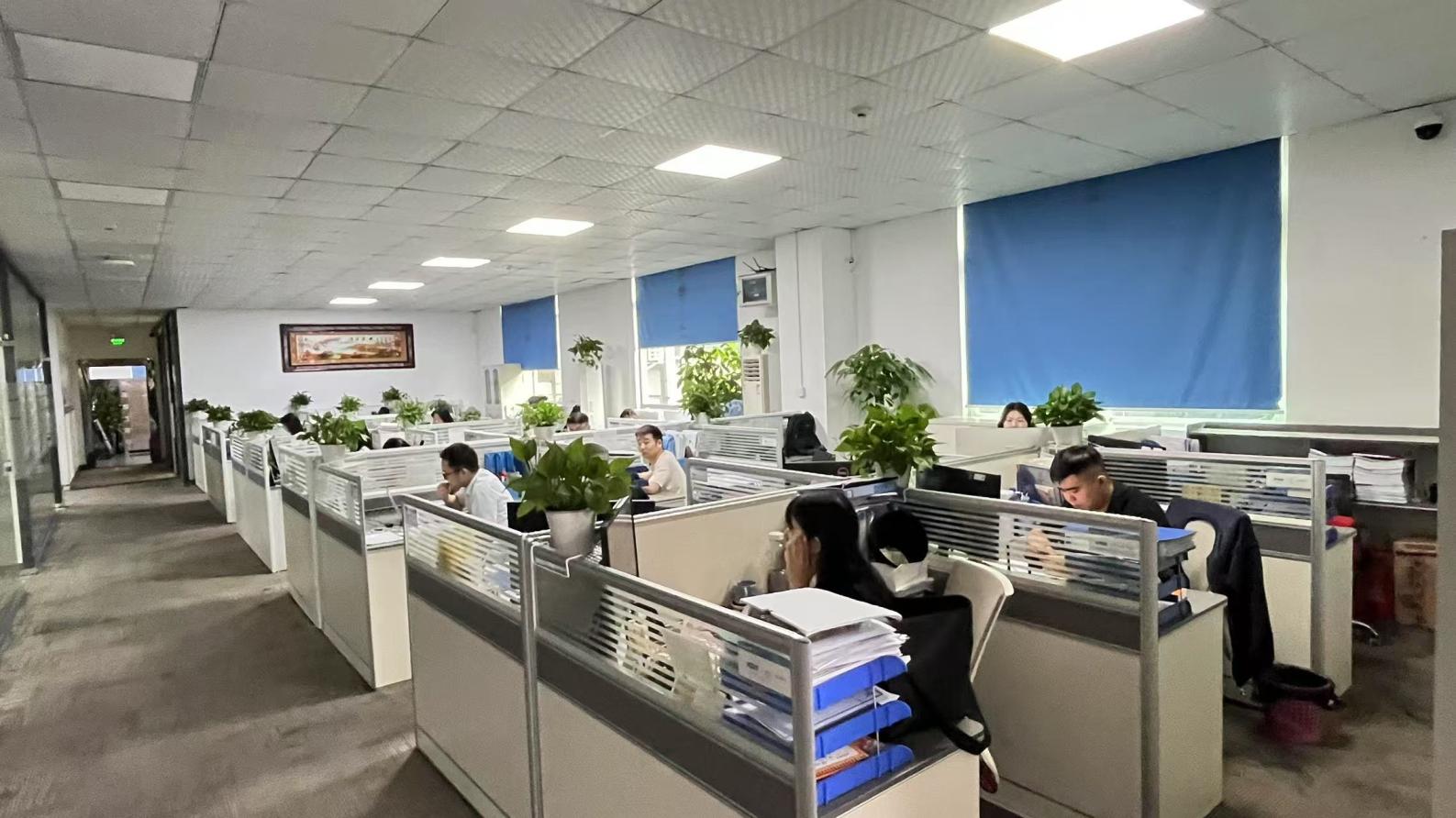
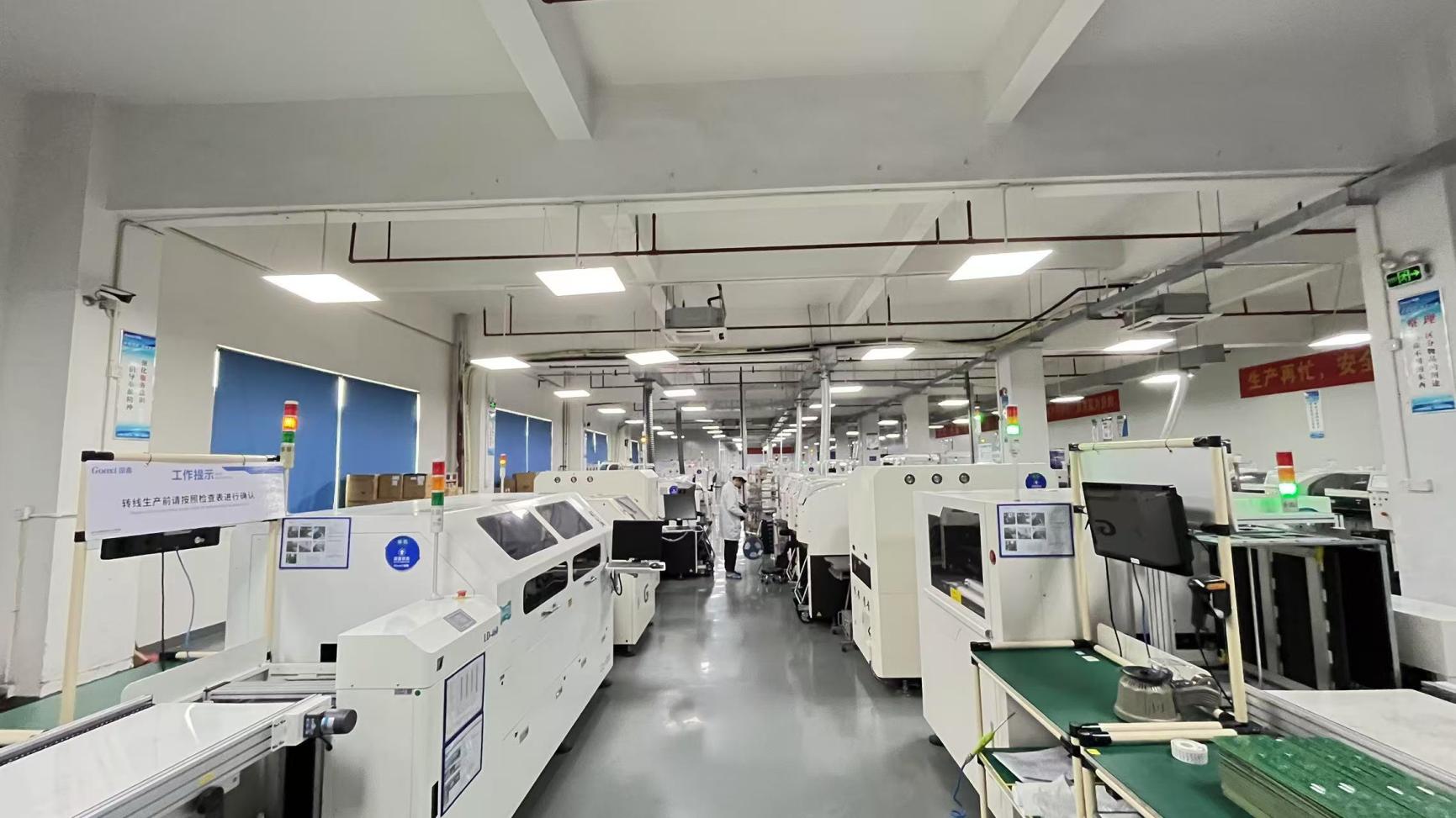
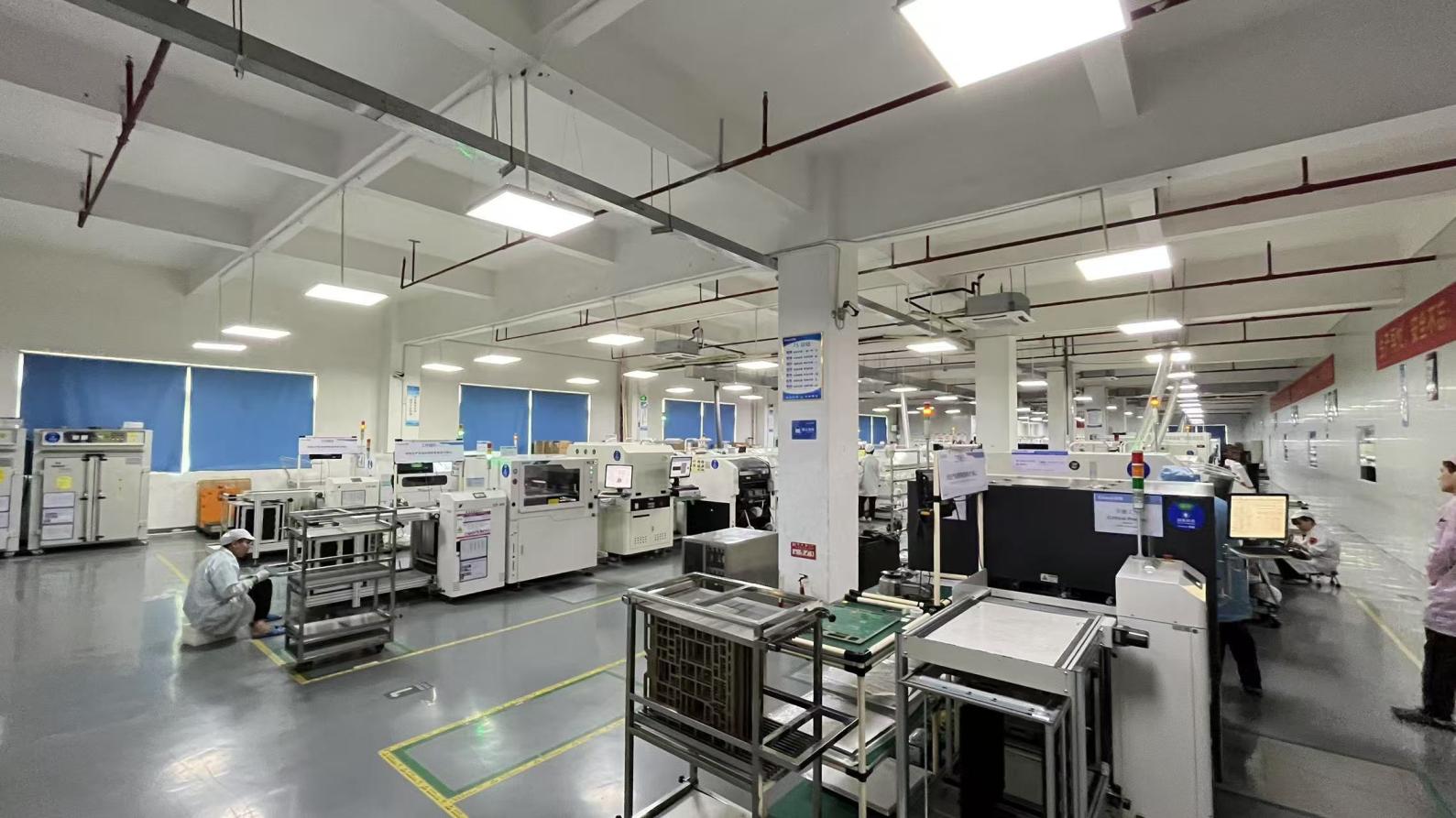

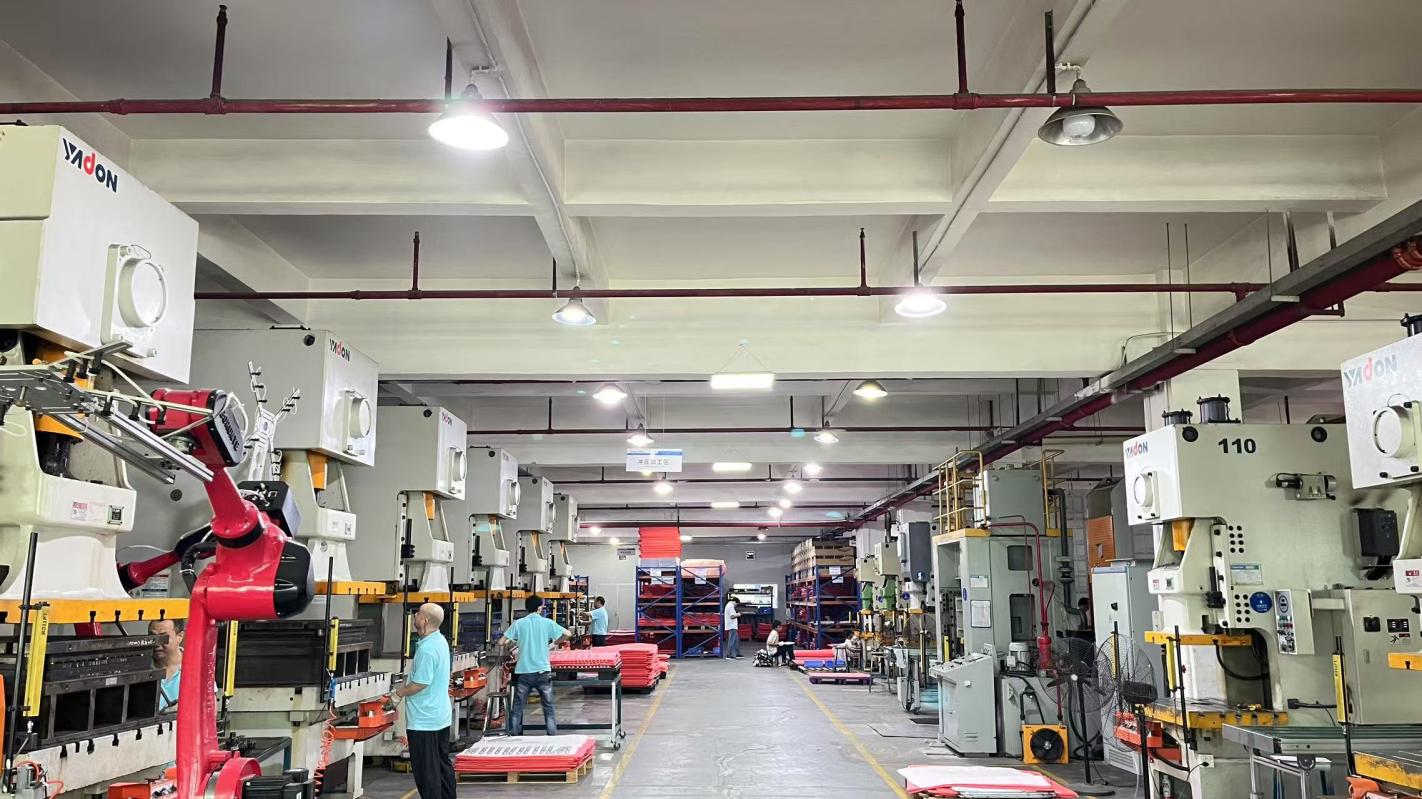
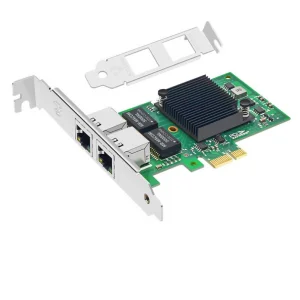
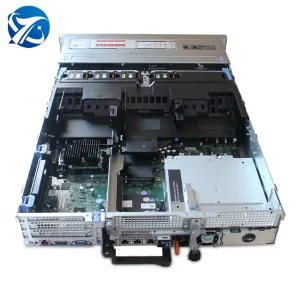
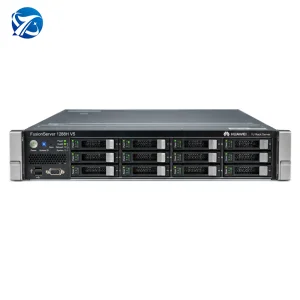
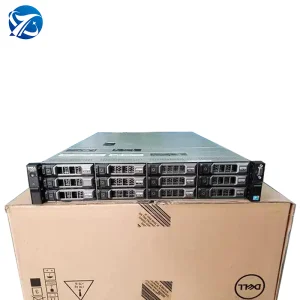
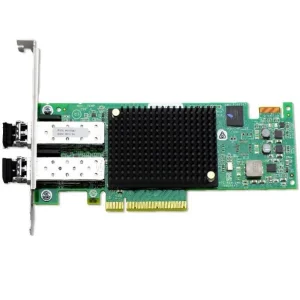
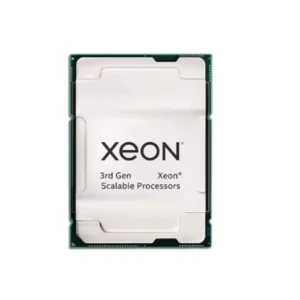
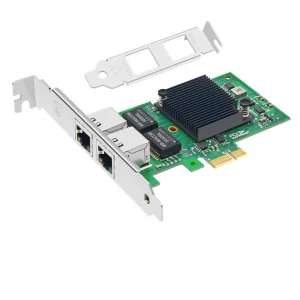
High-durability RAID controller cards, high-speed host adapters, multi-socket Intel Xeon processors, and scalable computing nodes.