ZhiCloud AI
ZhiCloud AI
ZhiCloud AI
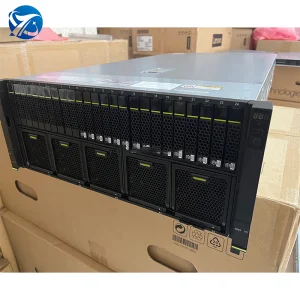
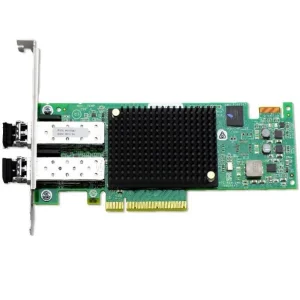
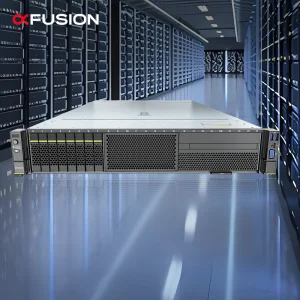
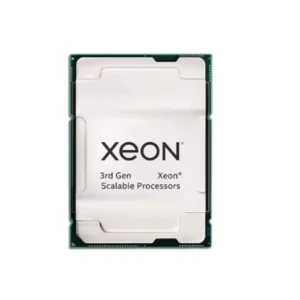
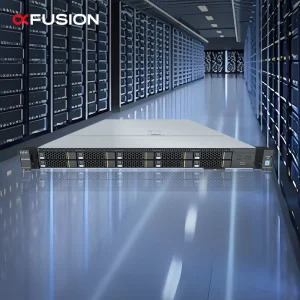
As global cloud environments shift toward Zero-Trust Architectures and confidential computing paradigms, the reliability of cloud infrastructure relies heavily on the silicon and system integration phase. Shenzhen, as the epicenter of hardware engineering, hosts specialized ecosystems capable of bridging the gap between raw board design and secure, hardened physical deployments. At Shenzhen Intelligent Computing Cloud Technology Co., Ltd. (ZhiCloud AI), we leverage these advantages to deliver secure, high-density hardware designs customized for enterprise tasks.
Our strategic infrastructure incorporates hardware-enforced protection, including integrated Trusted Platform Modules (TPM 2.0 / TCM), cryptographically verified firmware signatures, and strict physical security controls during the assembly of motherboard and daughter-card complexes. By establishing close proximity to upstream chip manufacturers and high-precision fabrication plants in the Pearl River Delta, we accelerate hardware validation cycles from months to days, giving global enterprises an edge in deploying optimized cloud nodes.
Modern AI workloads, including large-scale LLM training like DeepSeek models, process high concentrations of sensitive proprietary data. The market is transitioning toward hardware-level isolation (e.g., AMD SEV-SNP, Intel SGX/TDX) which protects data-in-use inside secure enclaves, preventing host-level hypervisor intrusion.
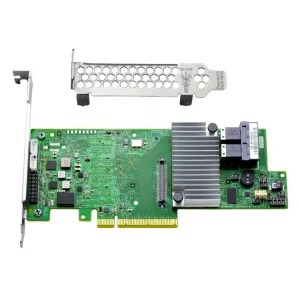
Data transmission between compute nodes relies on high-bandwidth optical fabric networks. The integration of 32GFC Fibre Channel HBA units and encrypted network interface cards (SmartNICs) ensures that packet-level MACsec or IPSec encryption is handled directly in hardware, preserving precious CPU/GPU cycles.
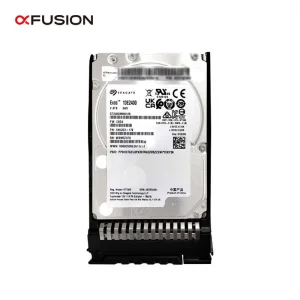
Solid State Drives (SSDs) must support SED (Self-Encrypting Drive) mechanics with Opal SSC standards. Enterprise nodes utilize low-latency, read-dense PCIe Gen 4/5 PM9A3 arrays, combining physical capacity with hardware-managed crypto-erasure policies to meet local regulatory guidelines.
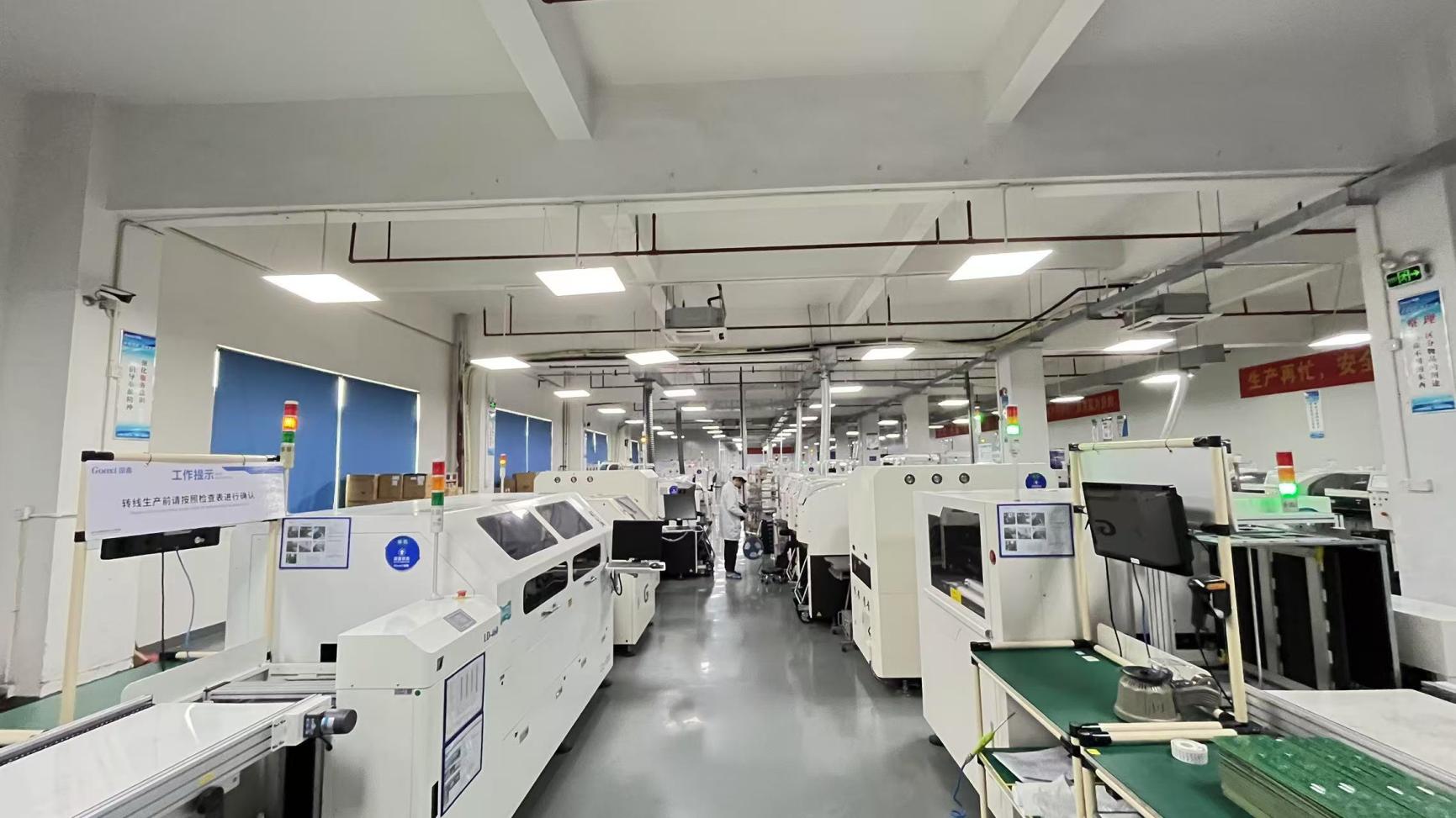
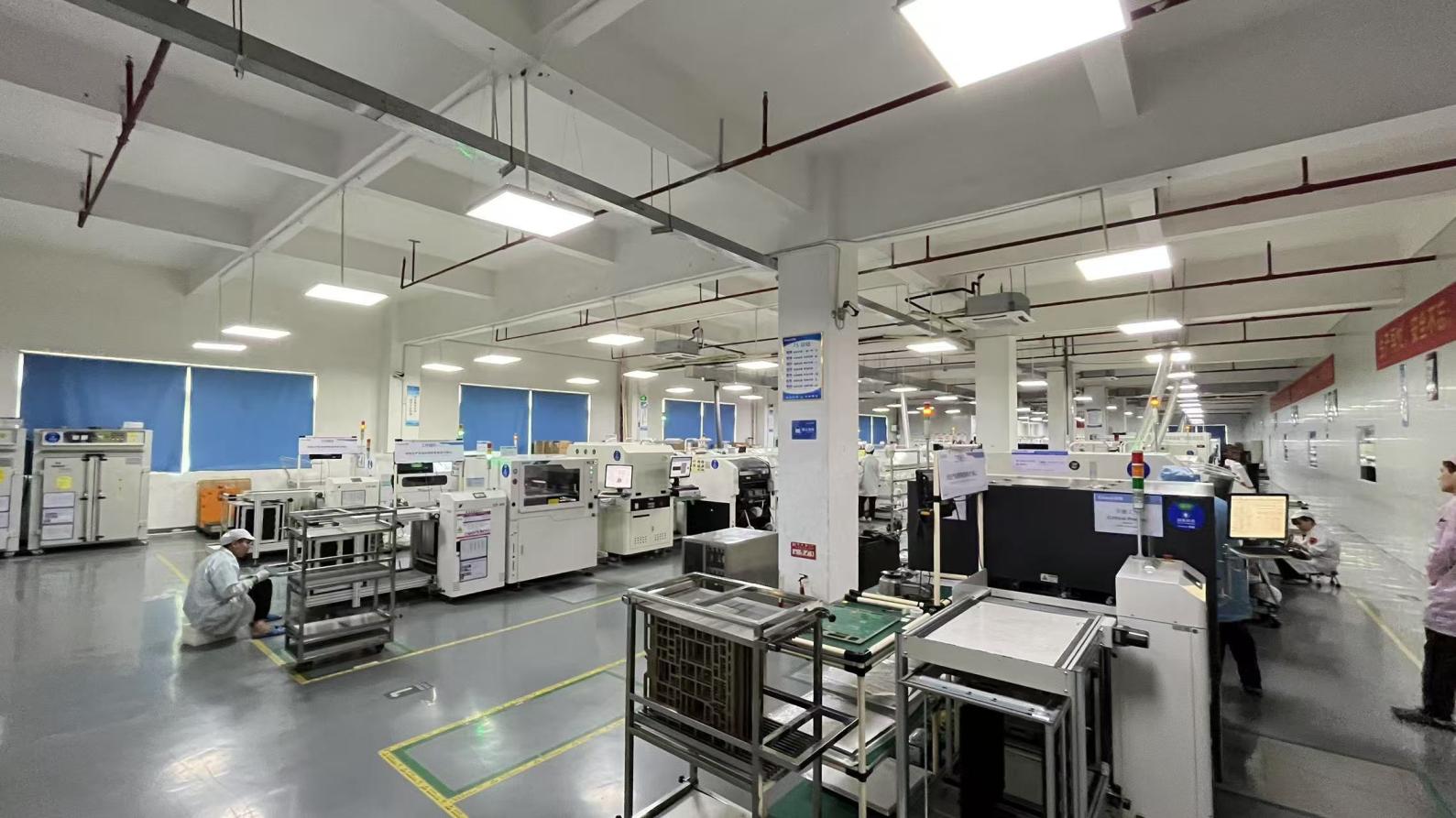
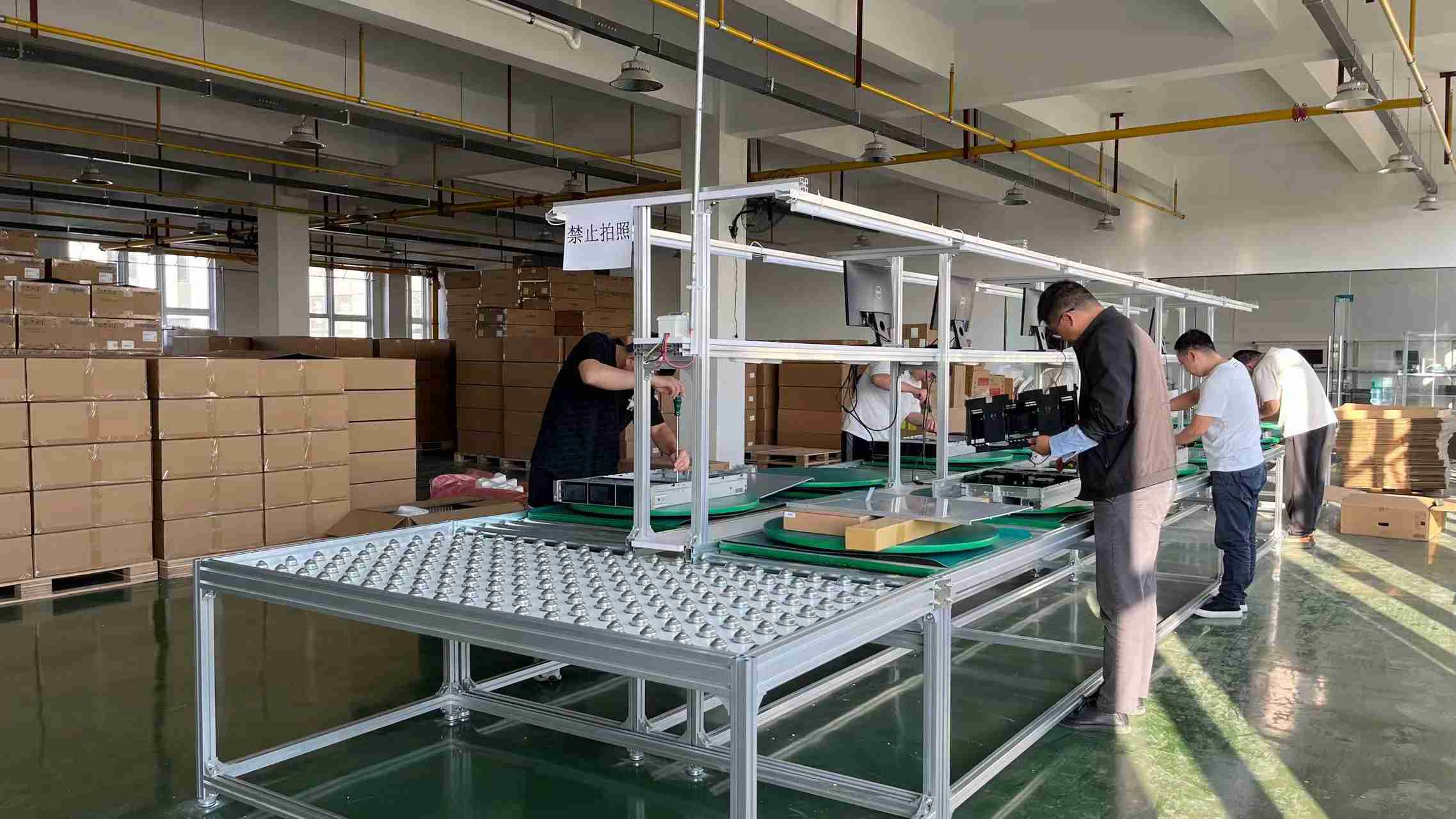
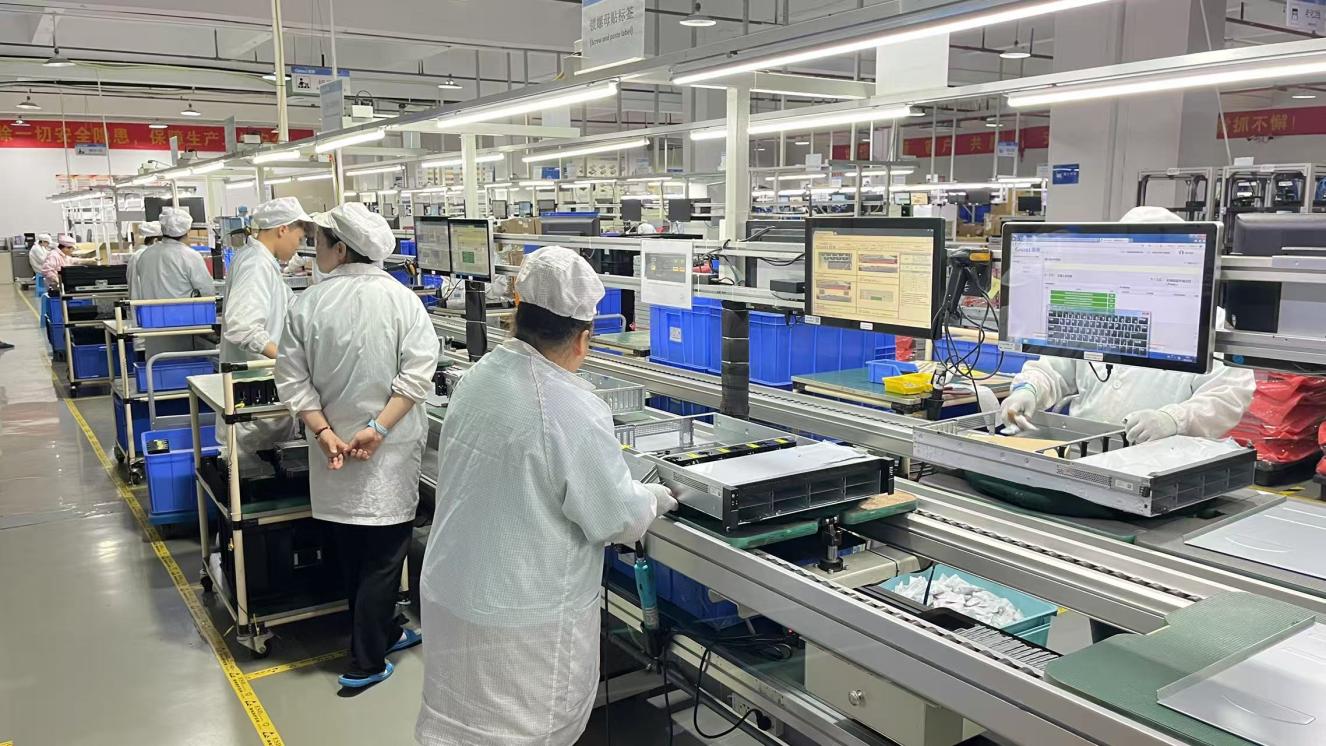
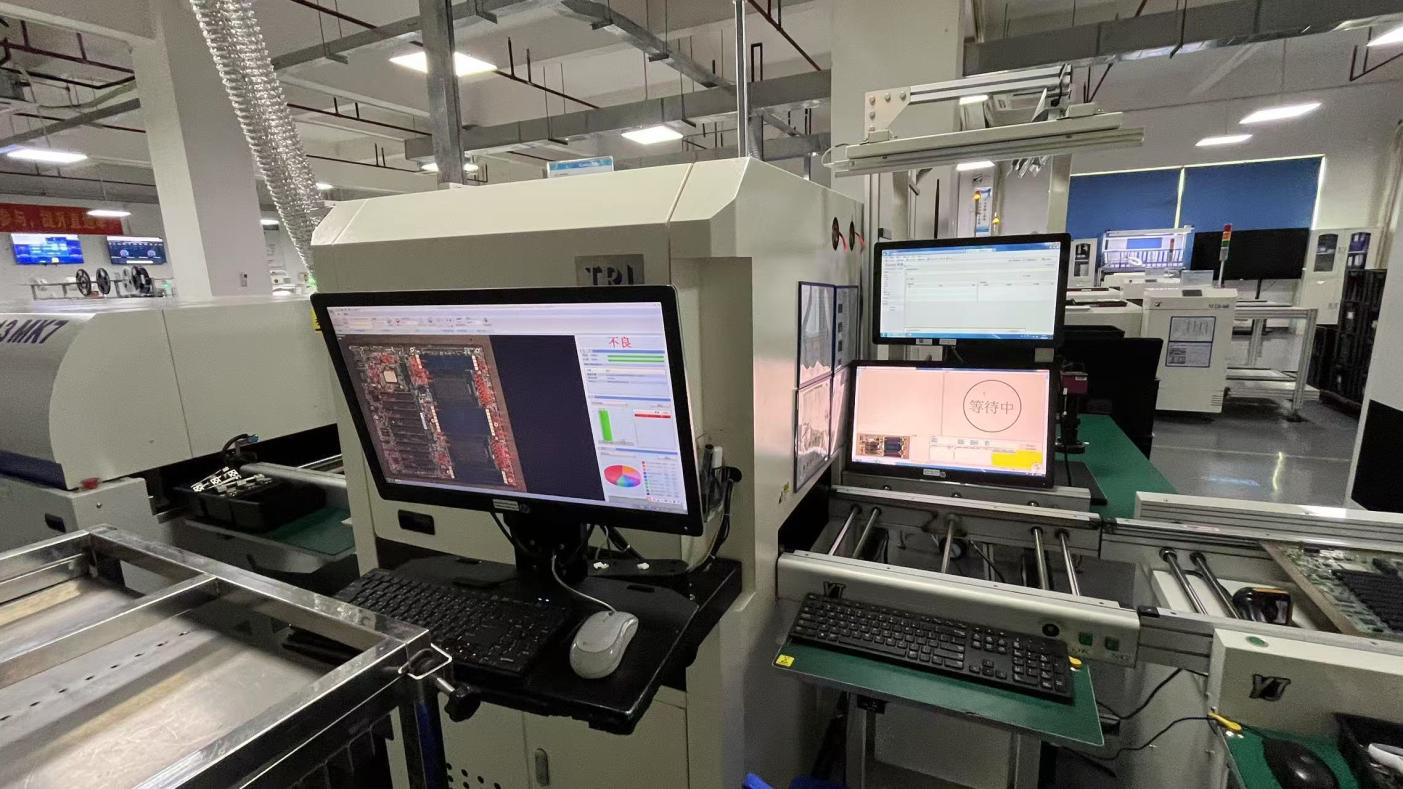
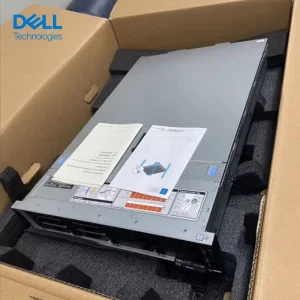
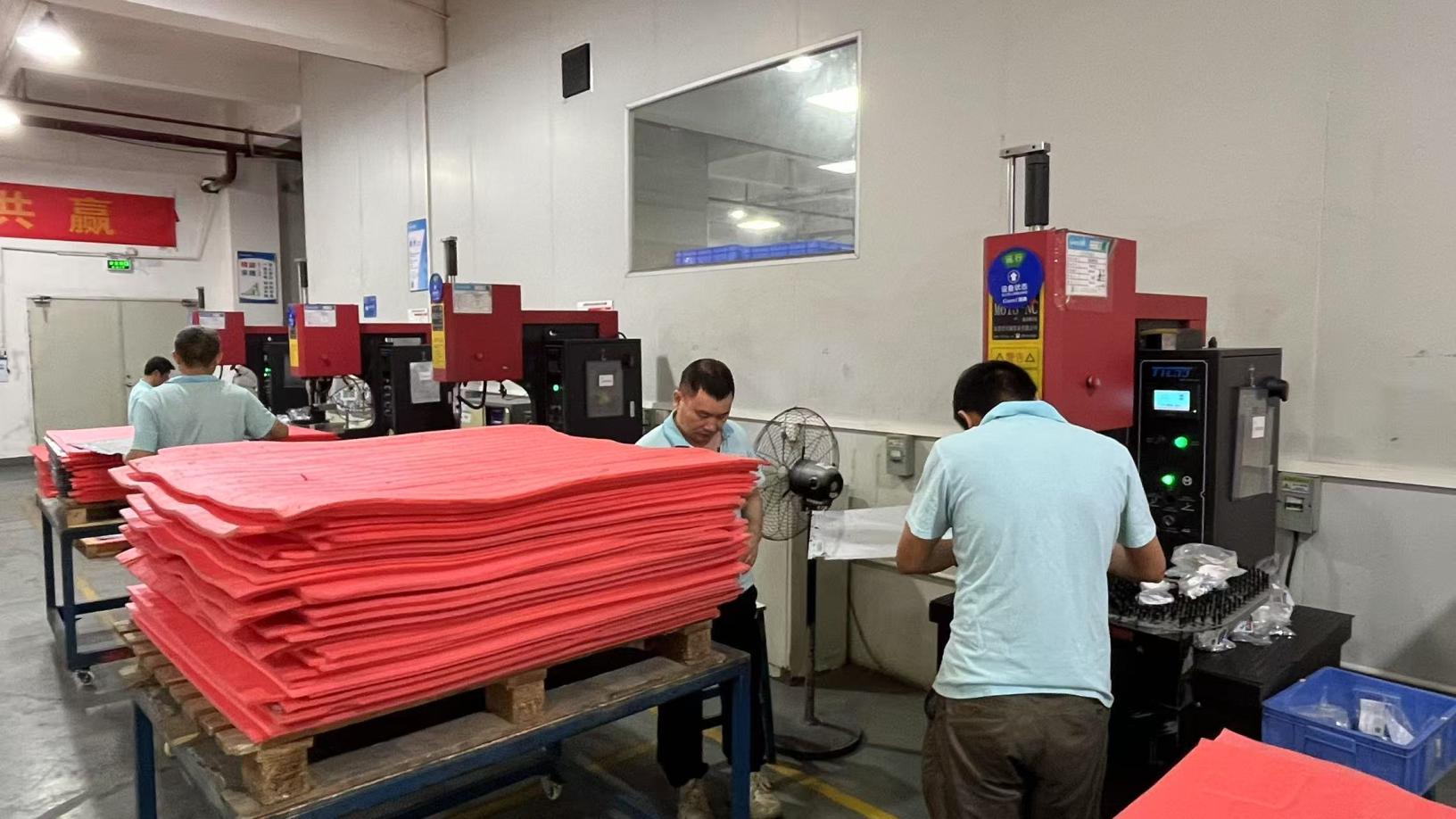
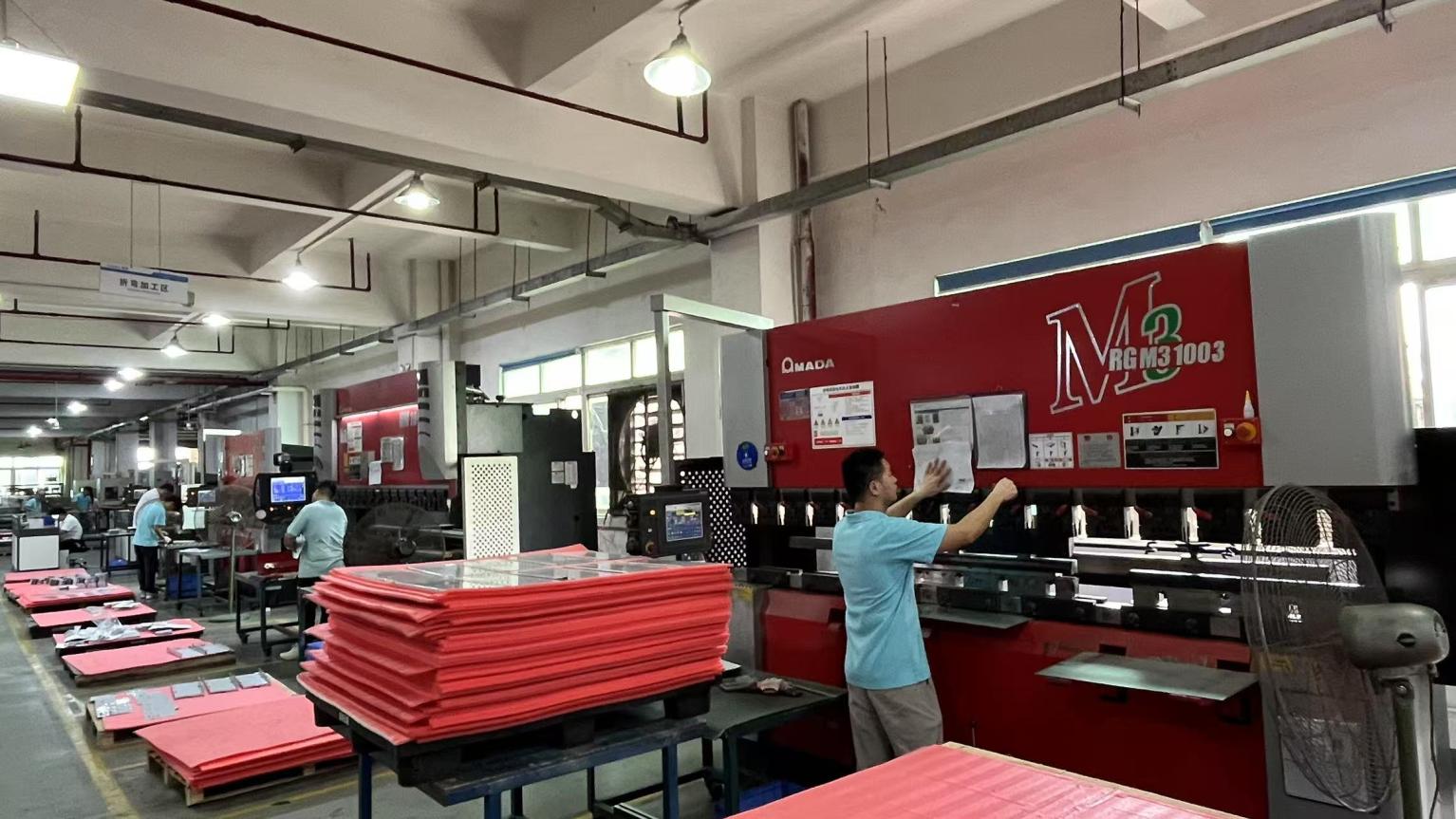
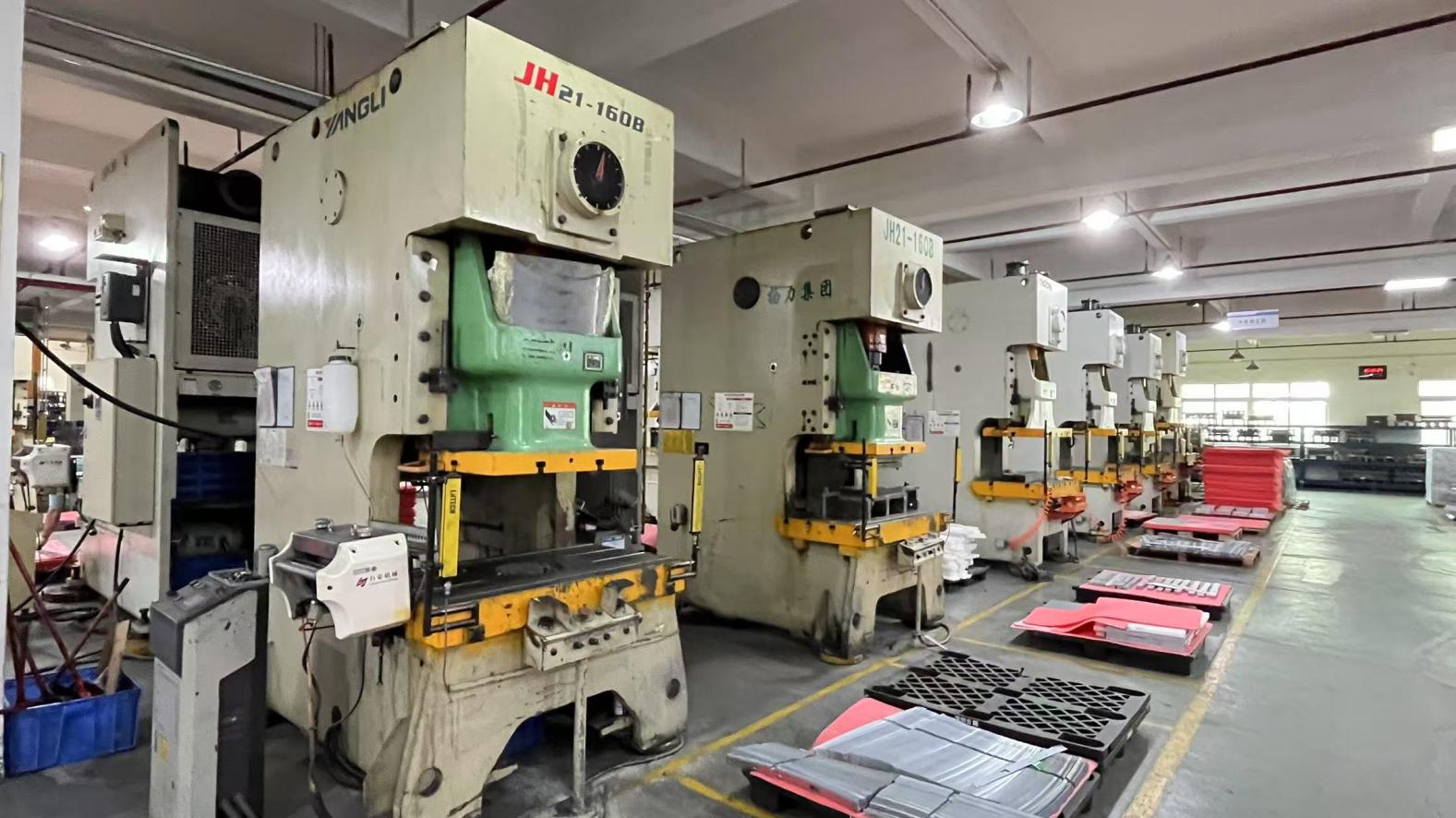
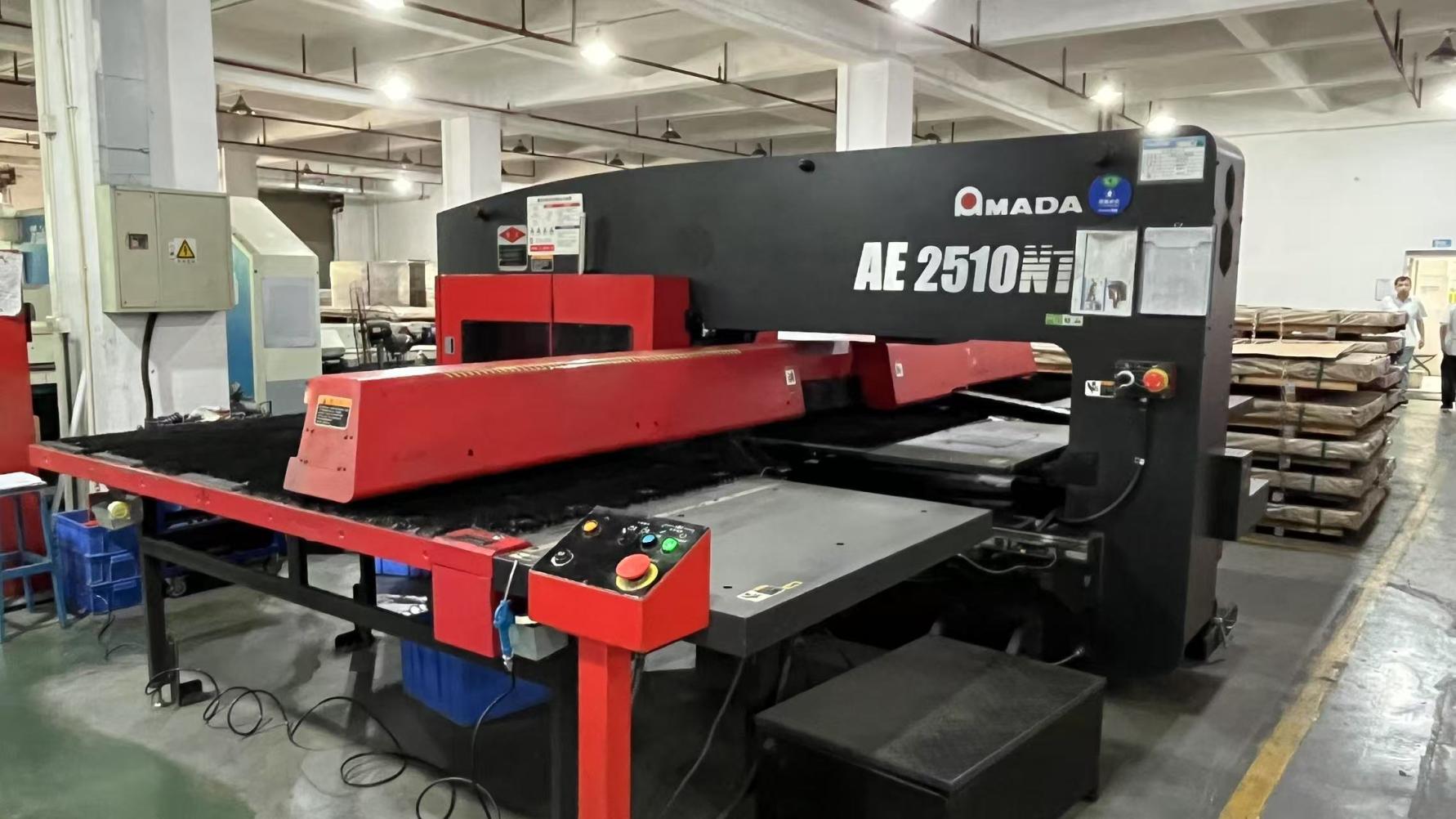
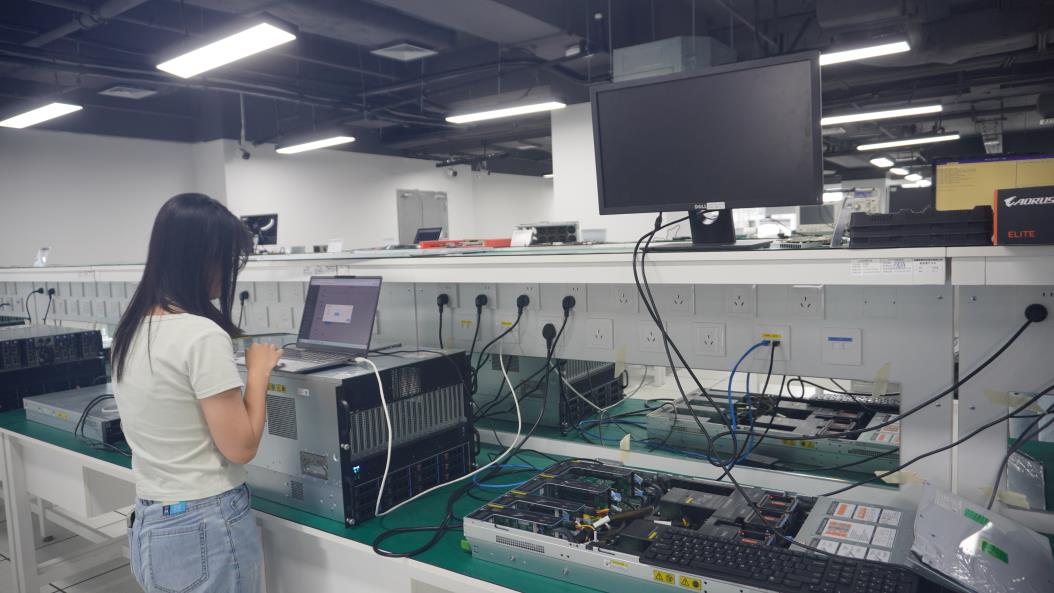
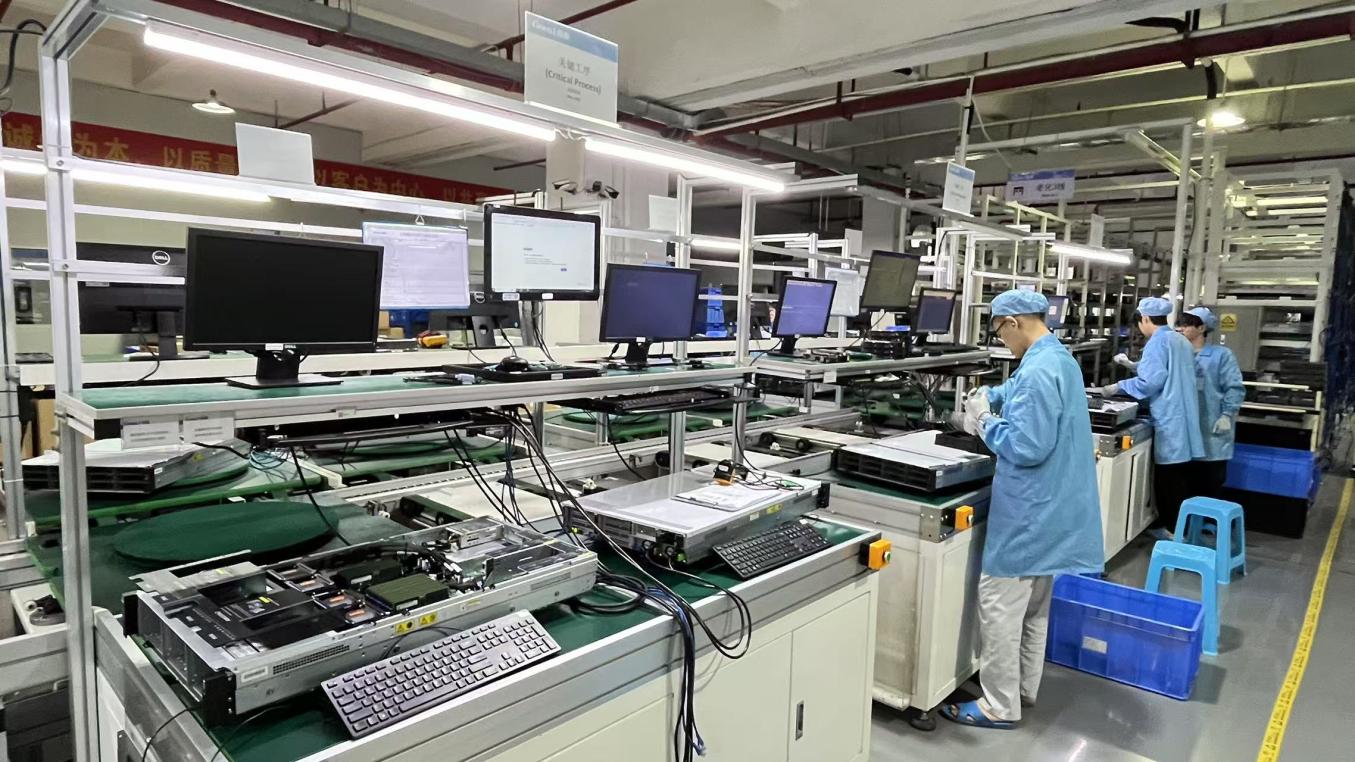
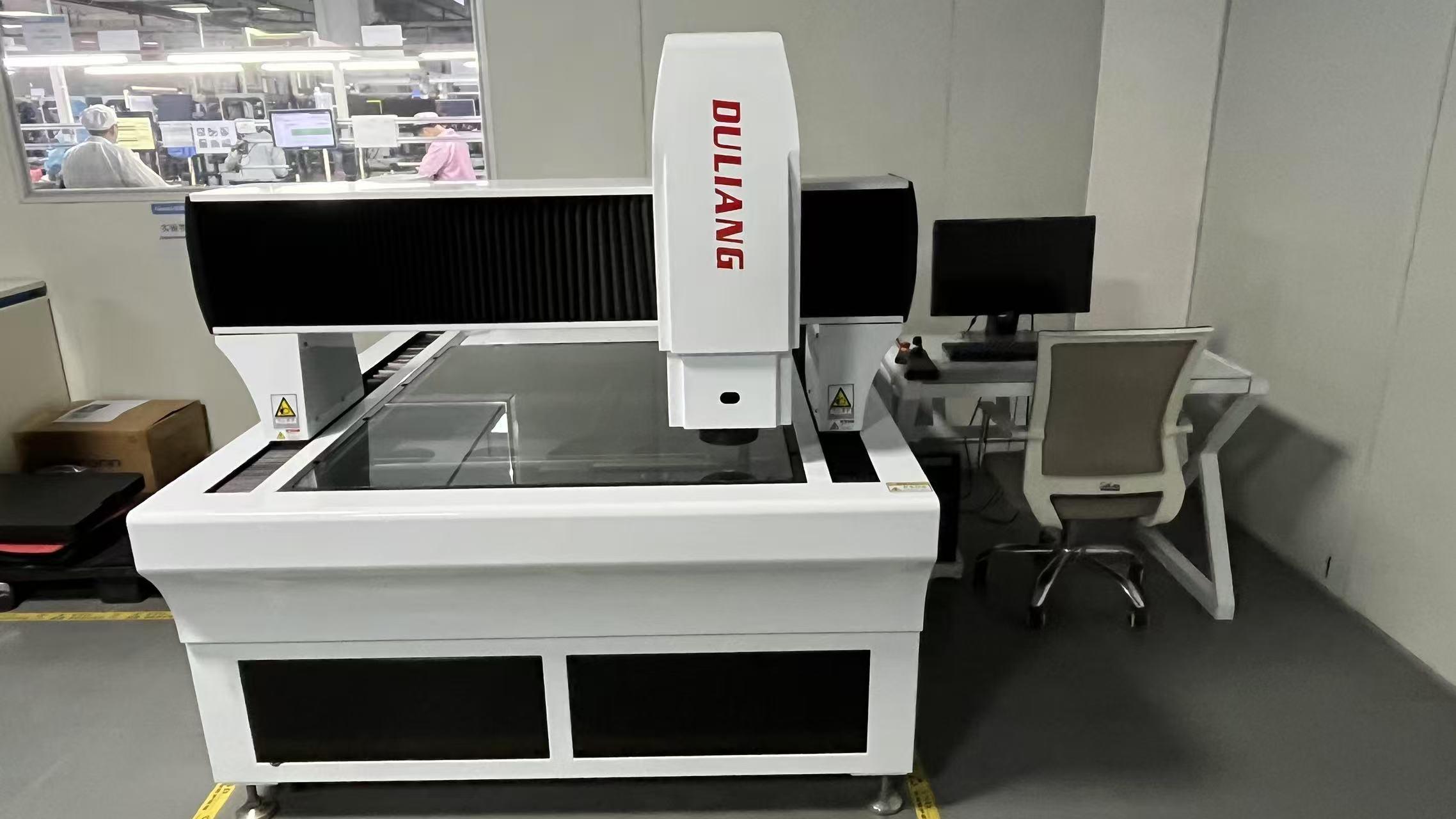
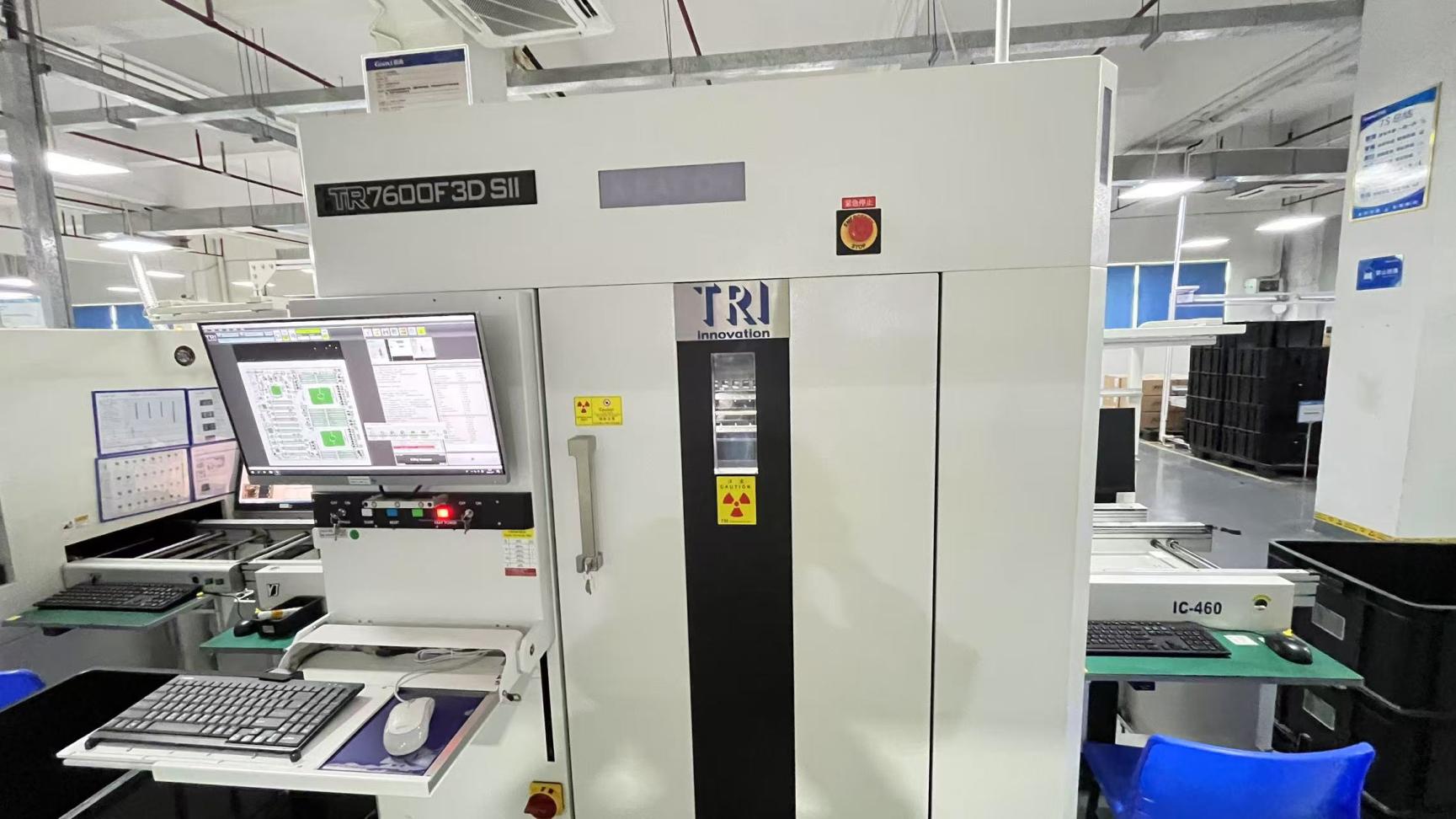
ZhiCloud AI executes an end-to-end hardware optimization cycle. Every chassis, motherboard, SMT process, and final system build is validated through a verified QA chain.
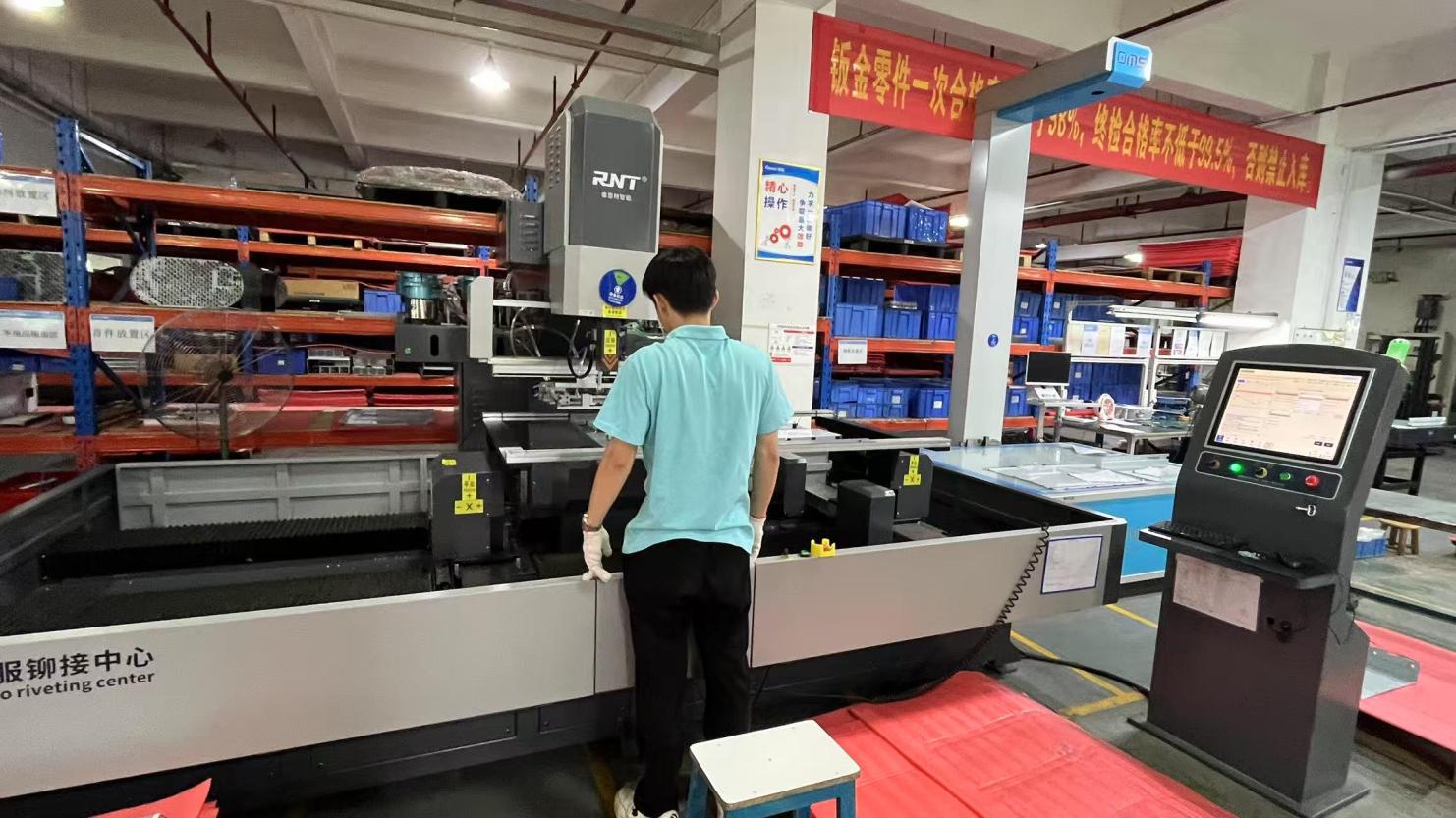
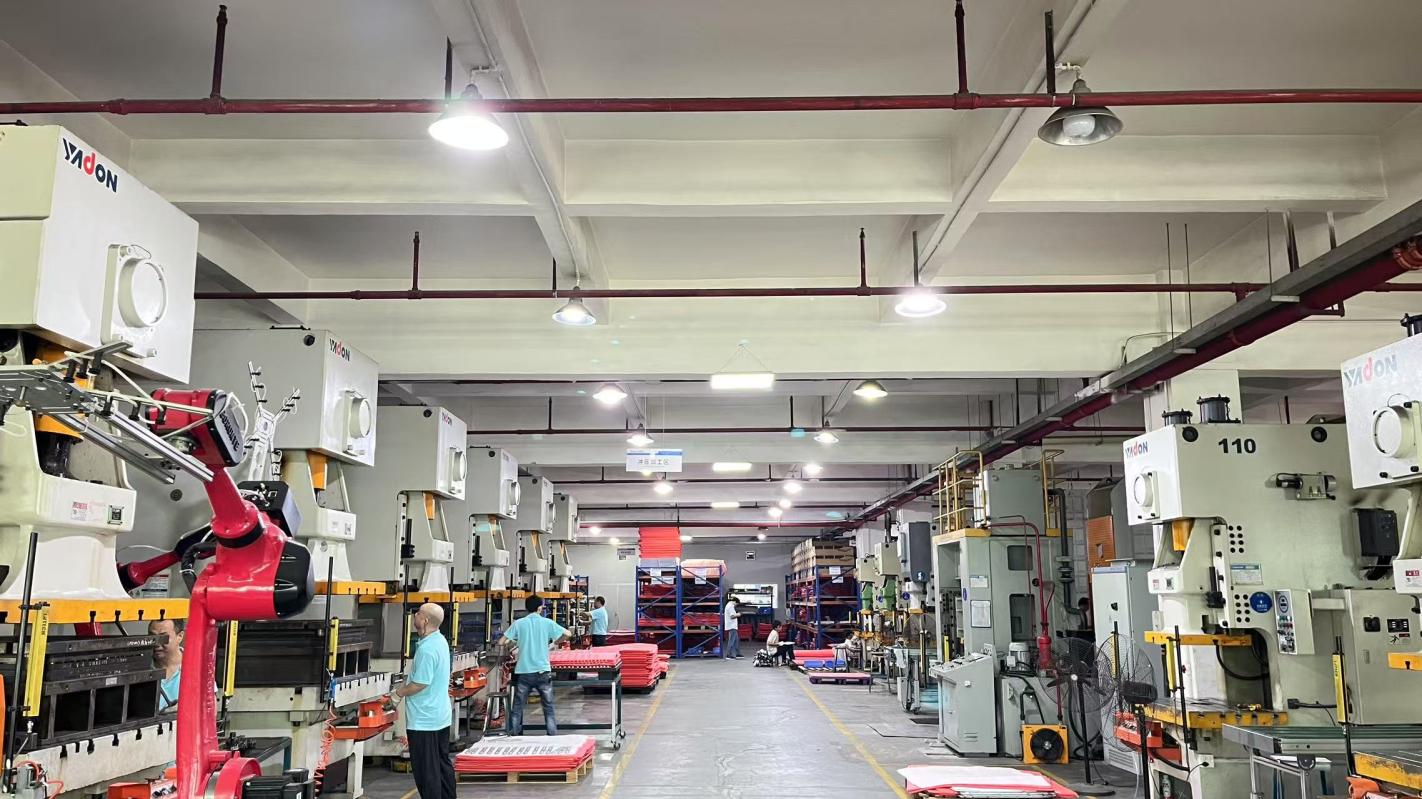
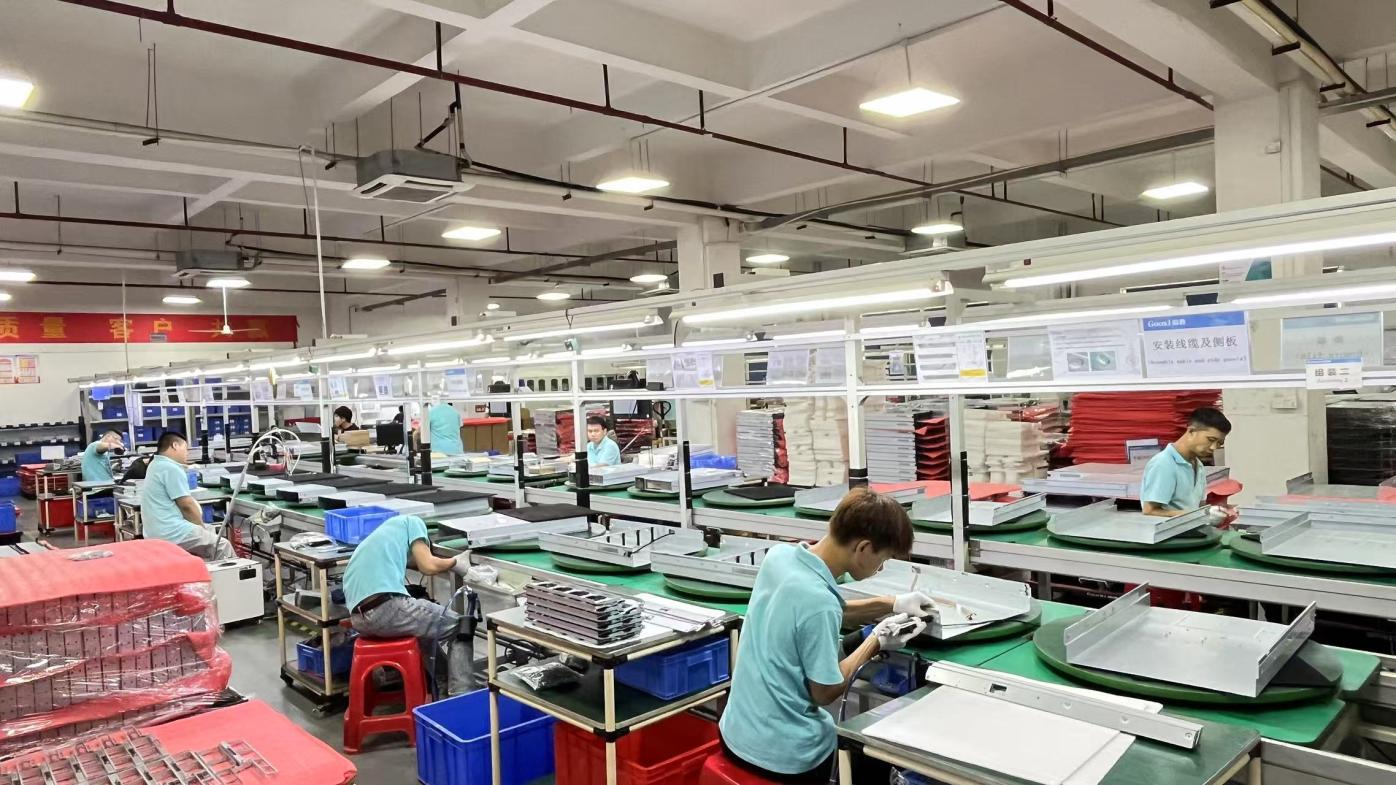
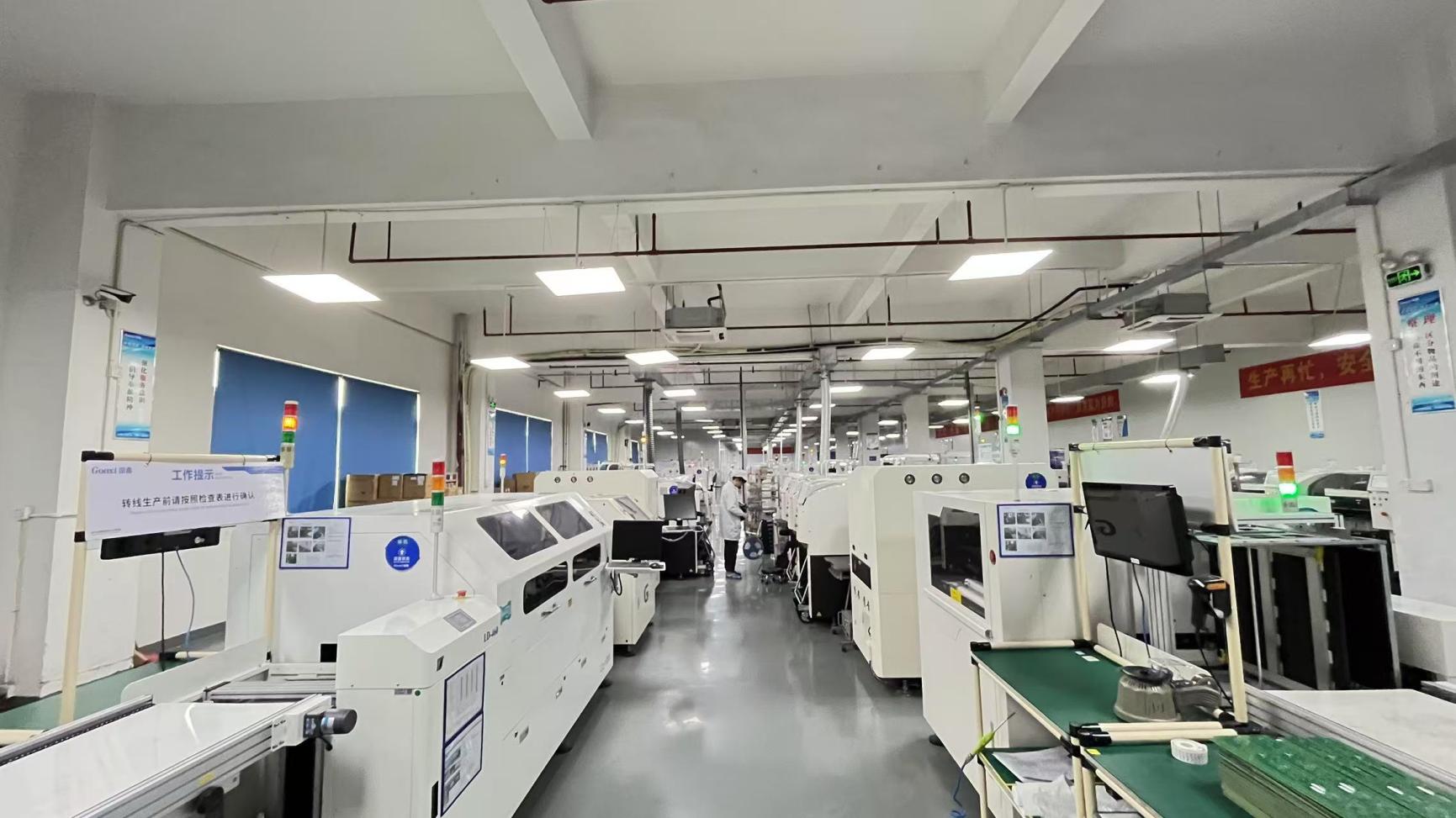
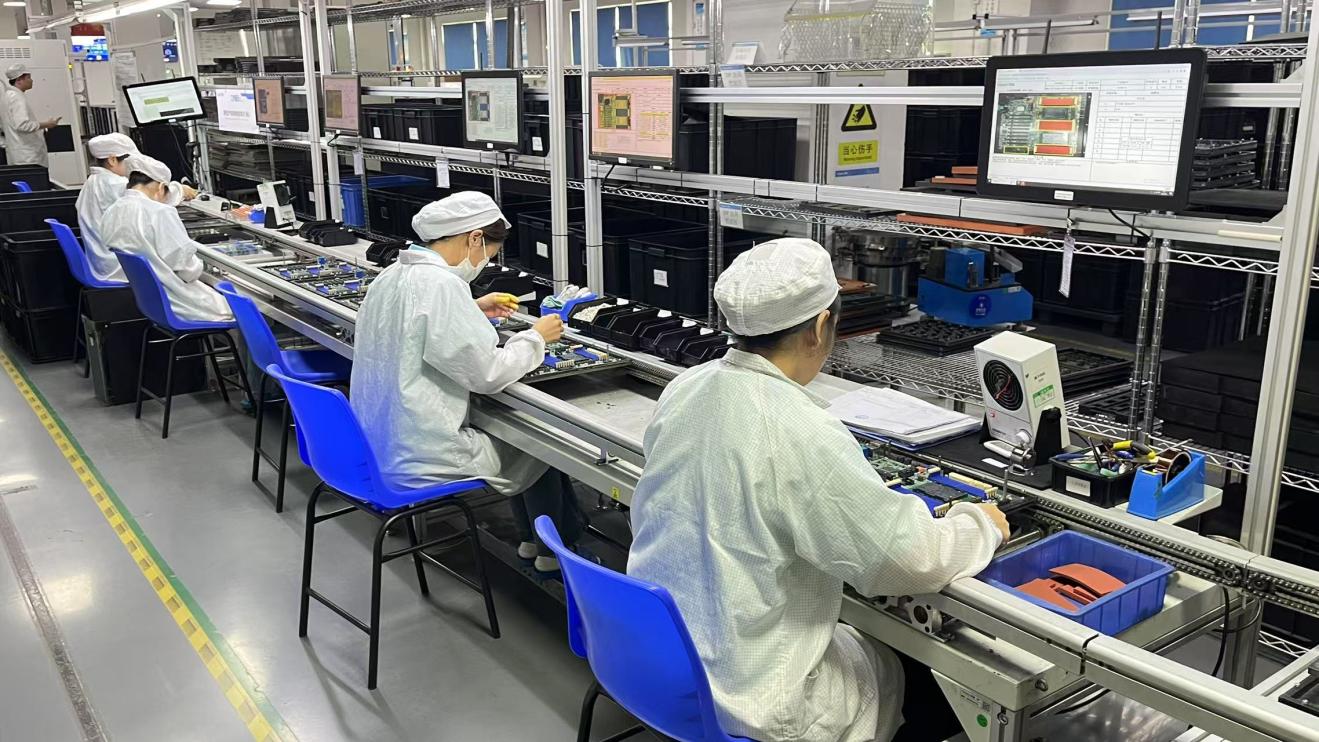
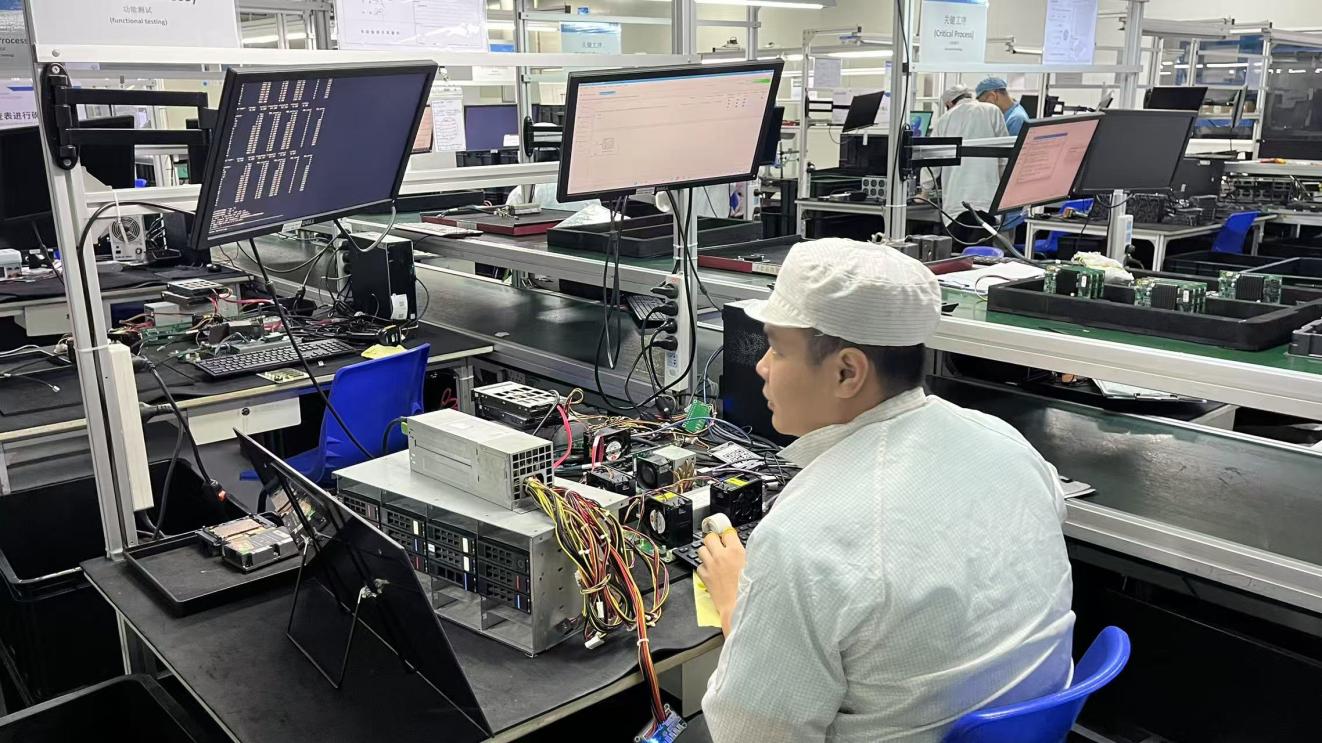
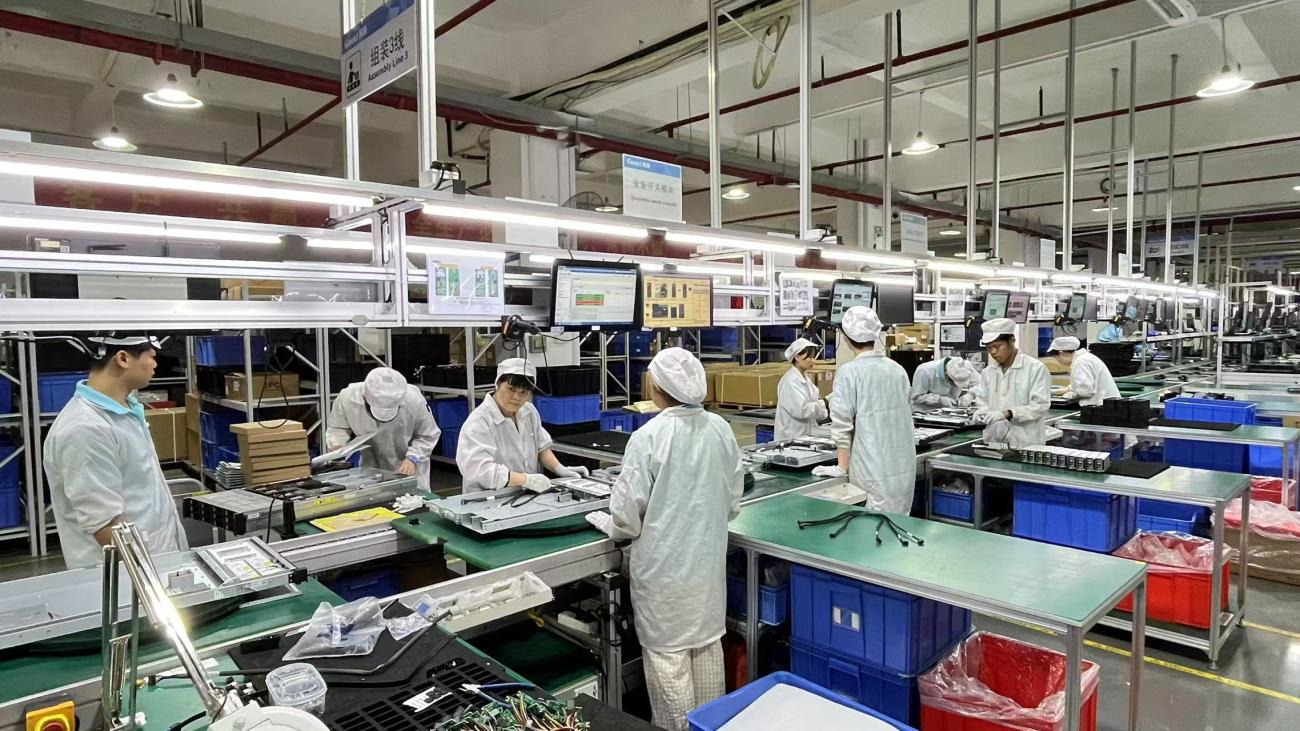
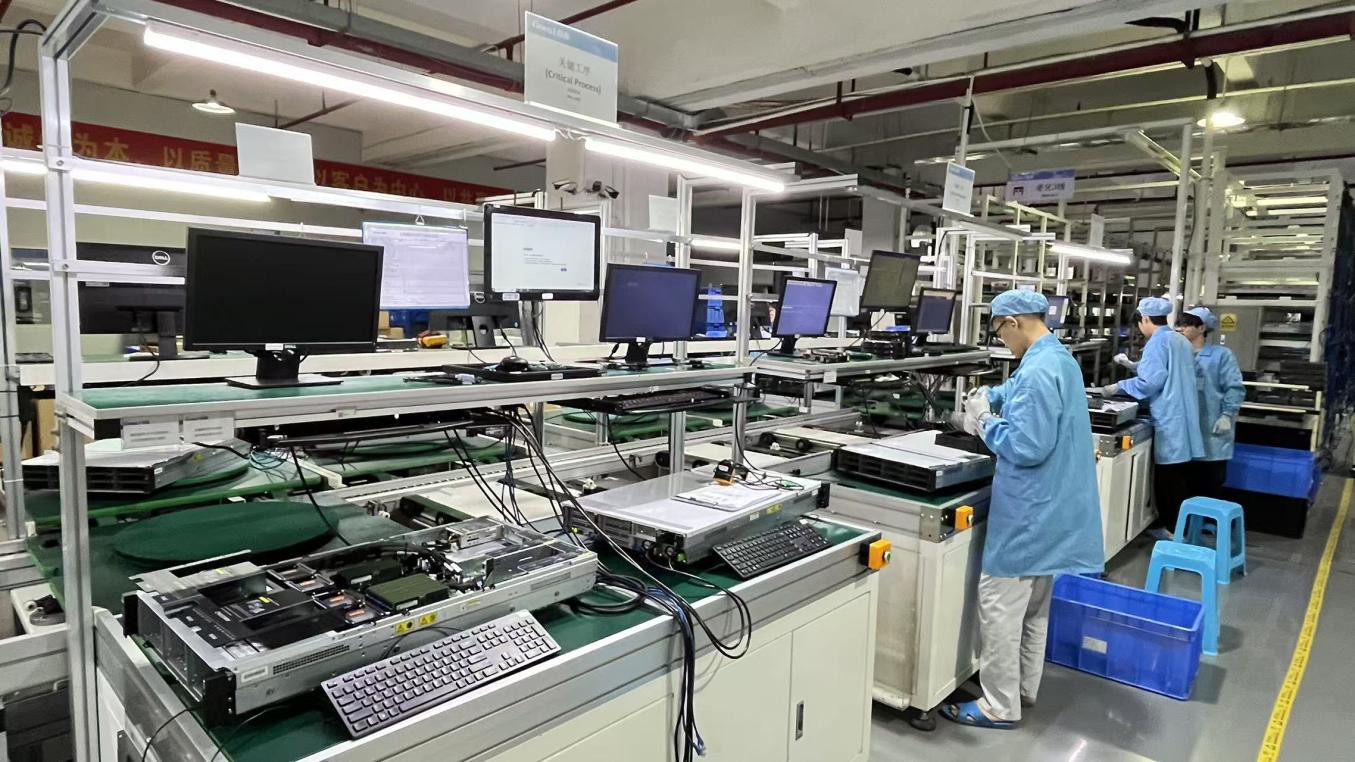
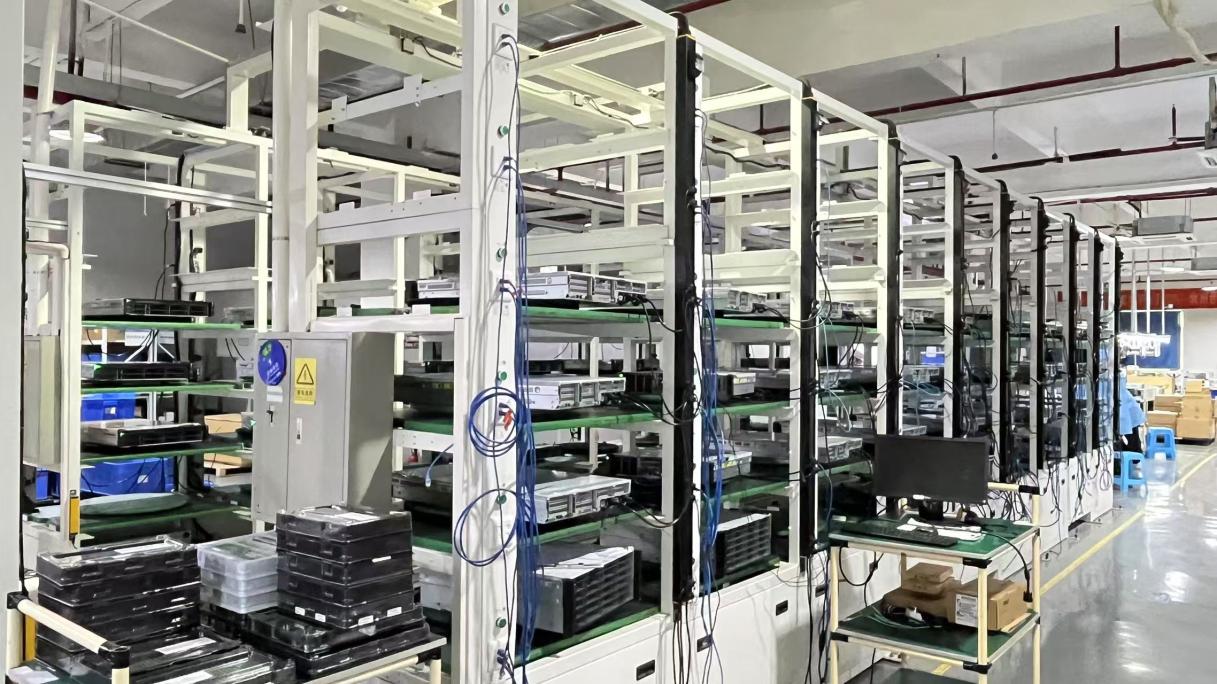
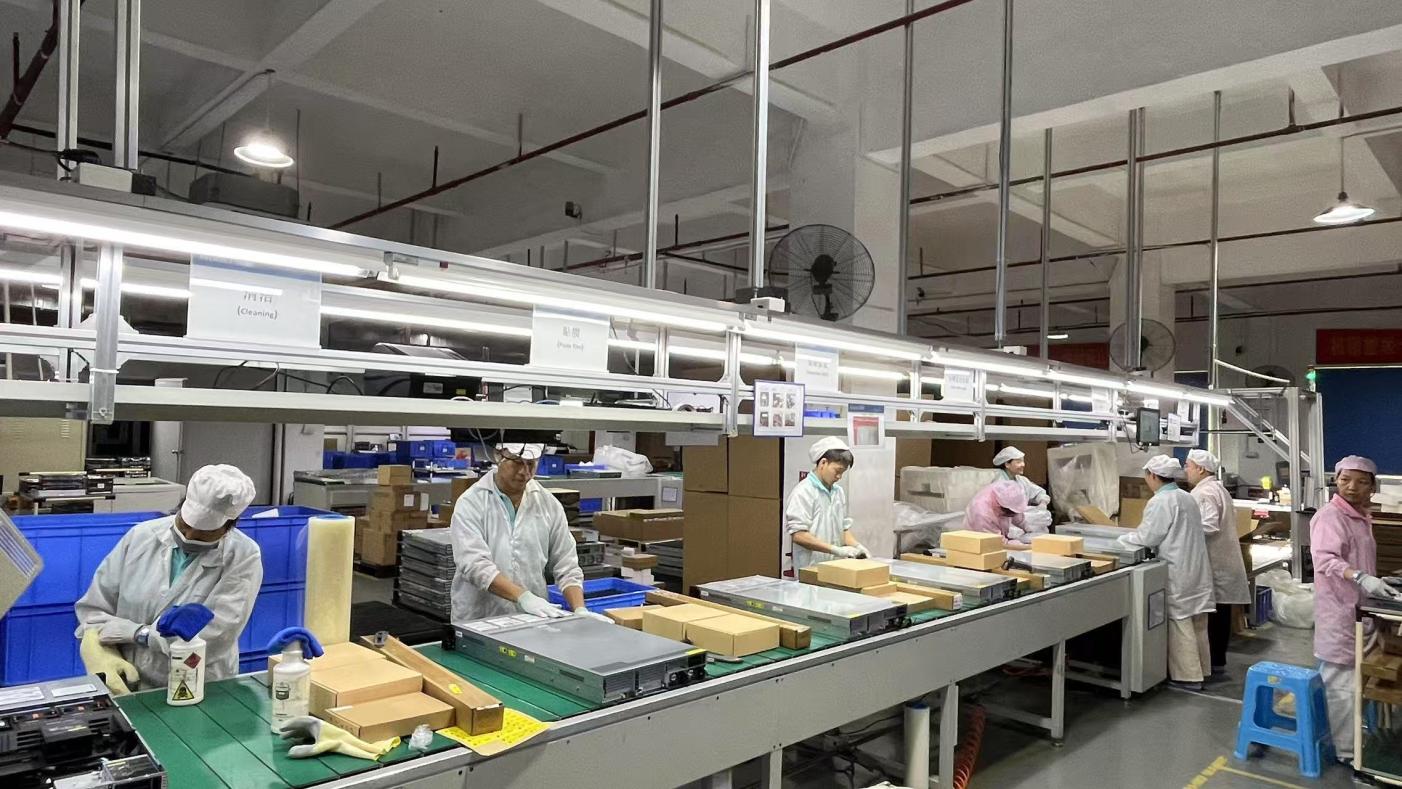
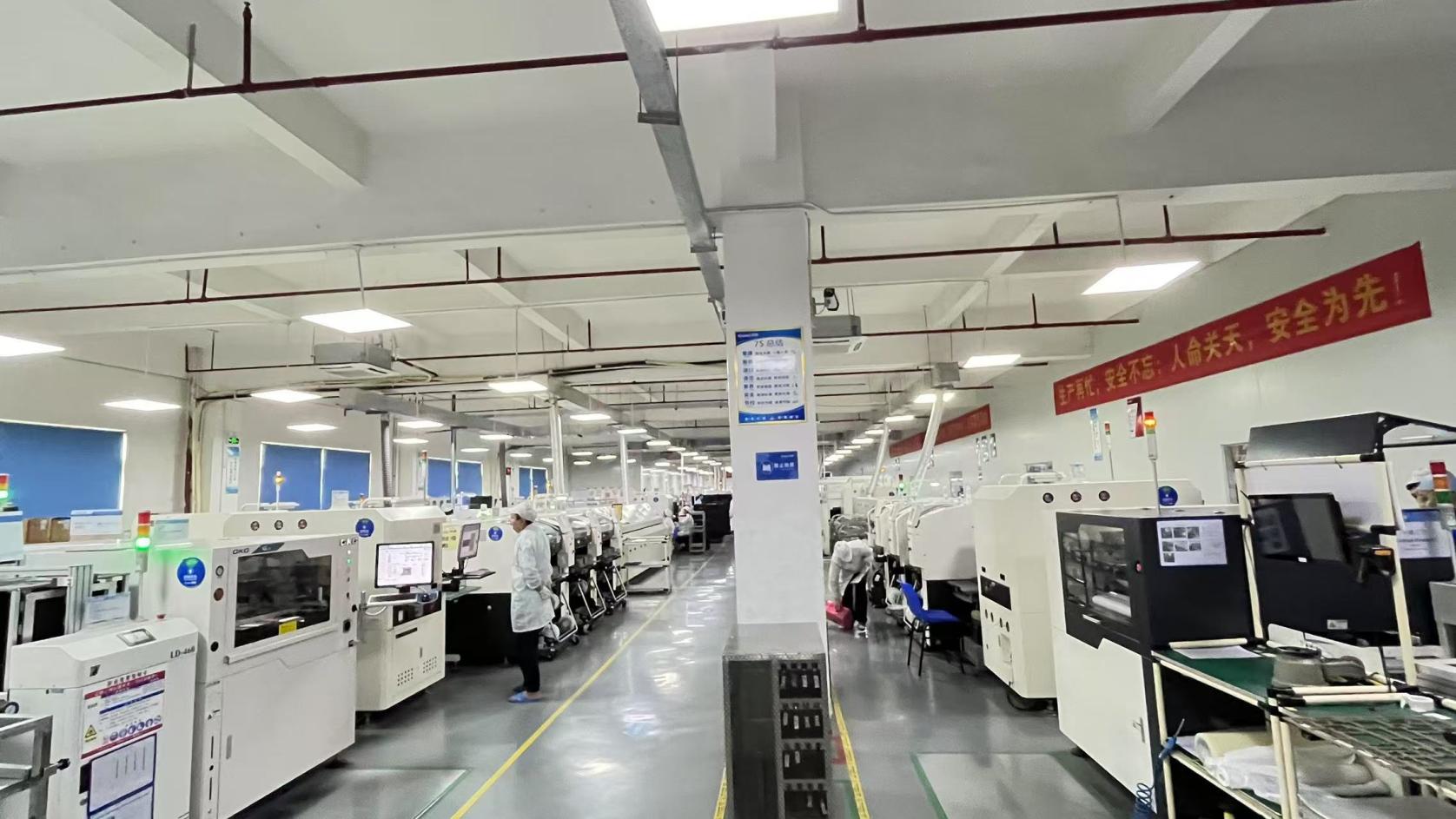
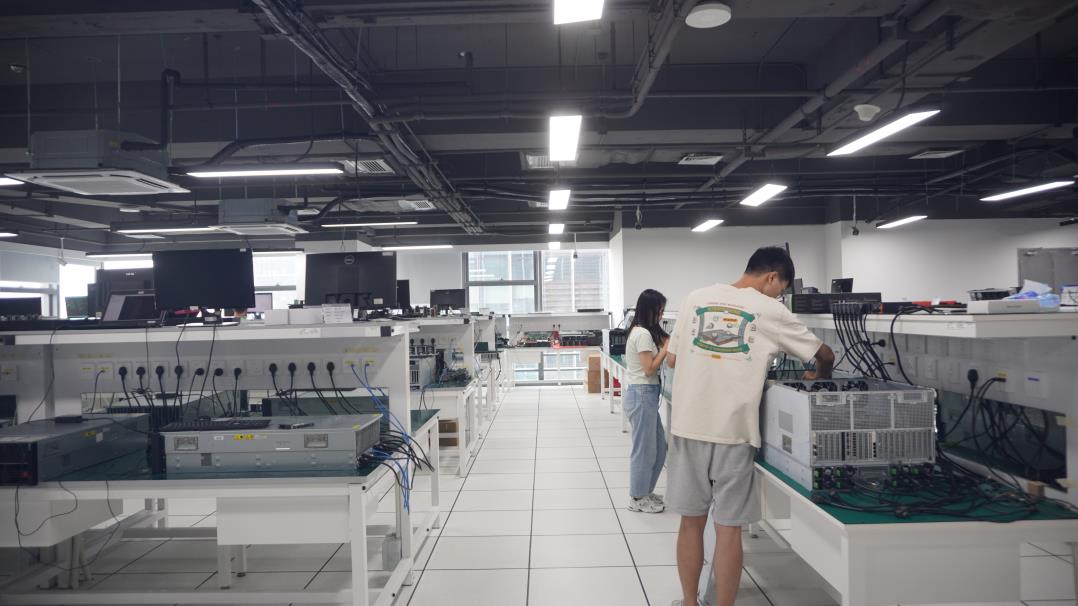
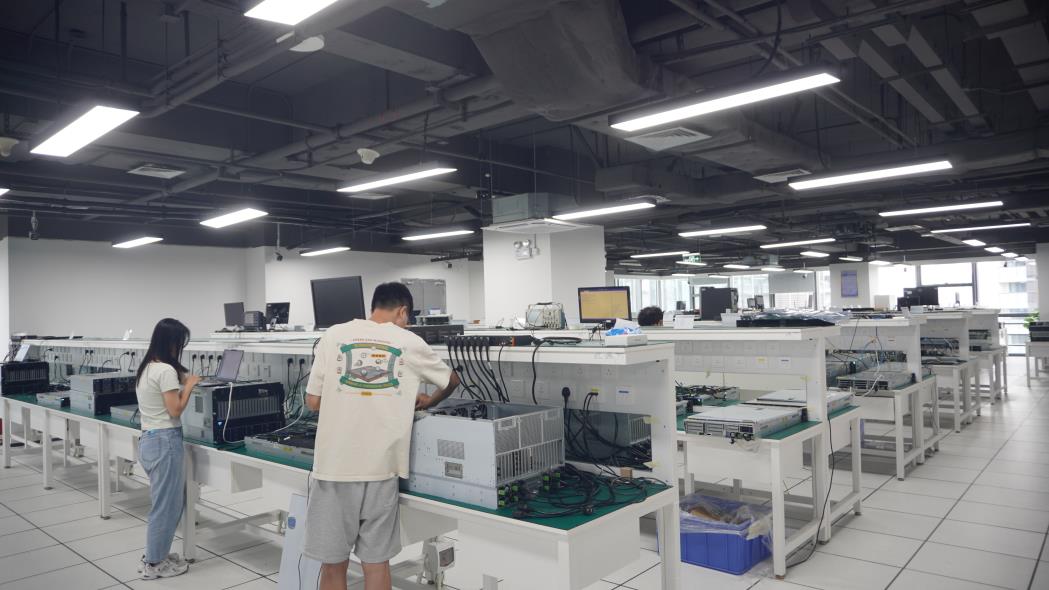
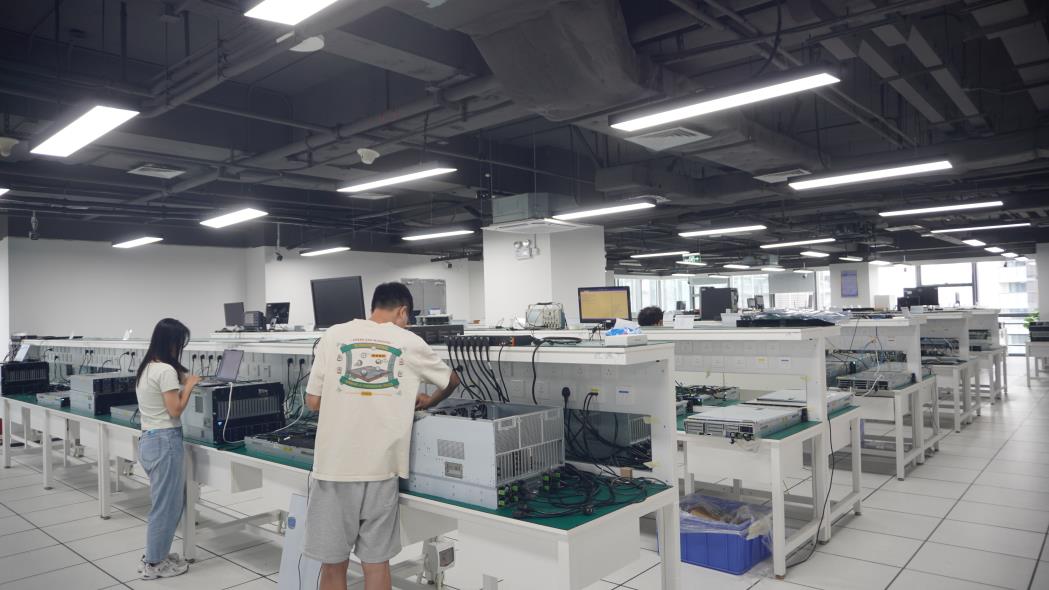
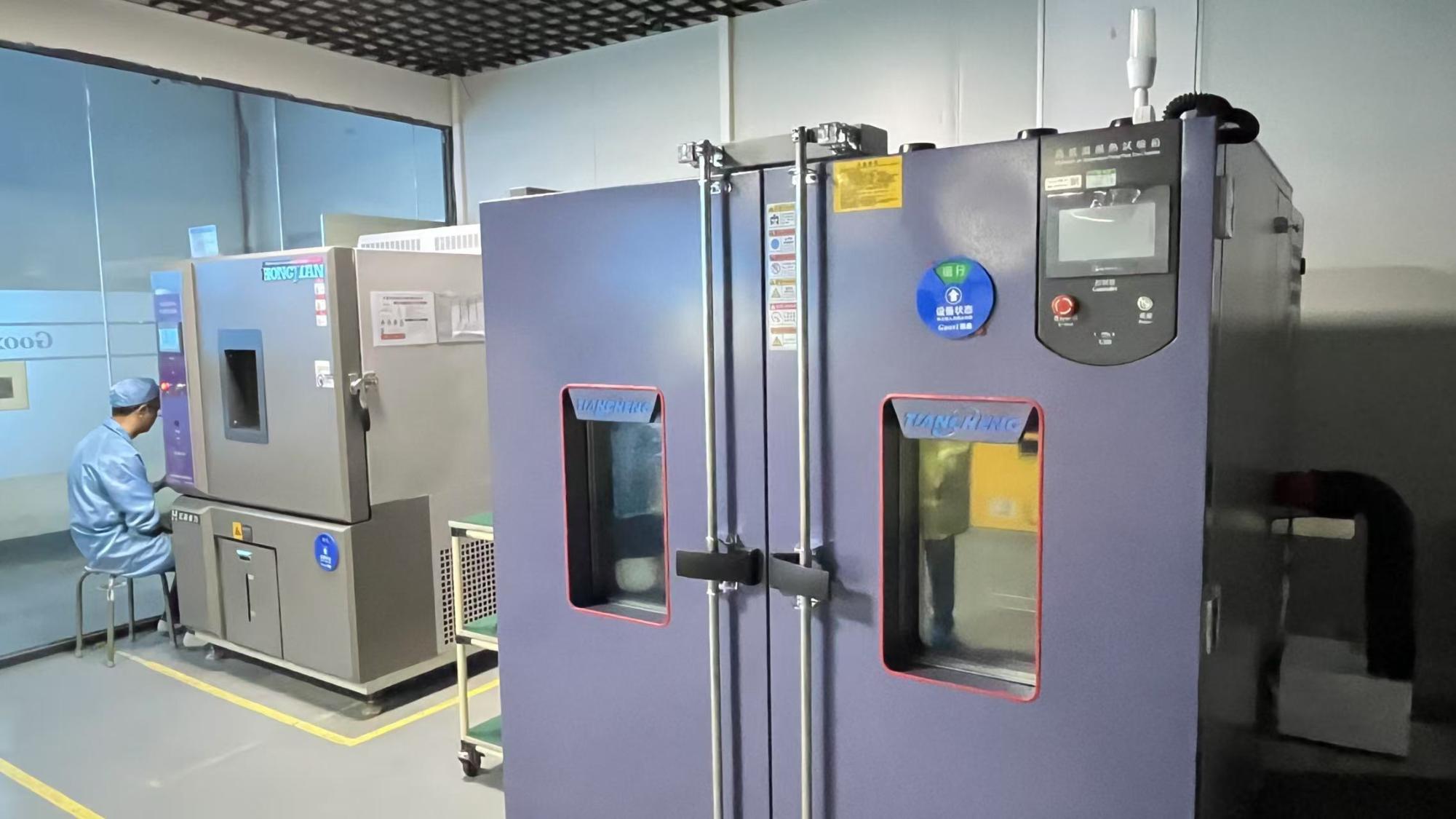
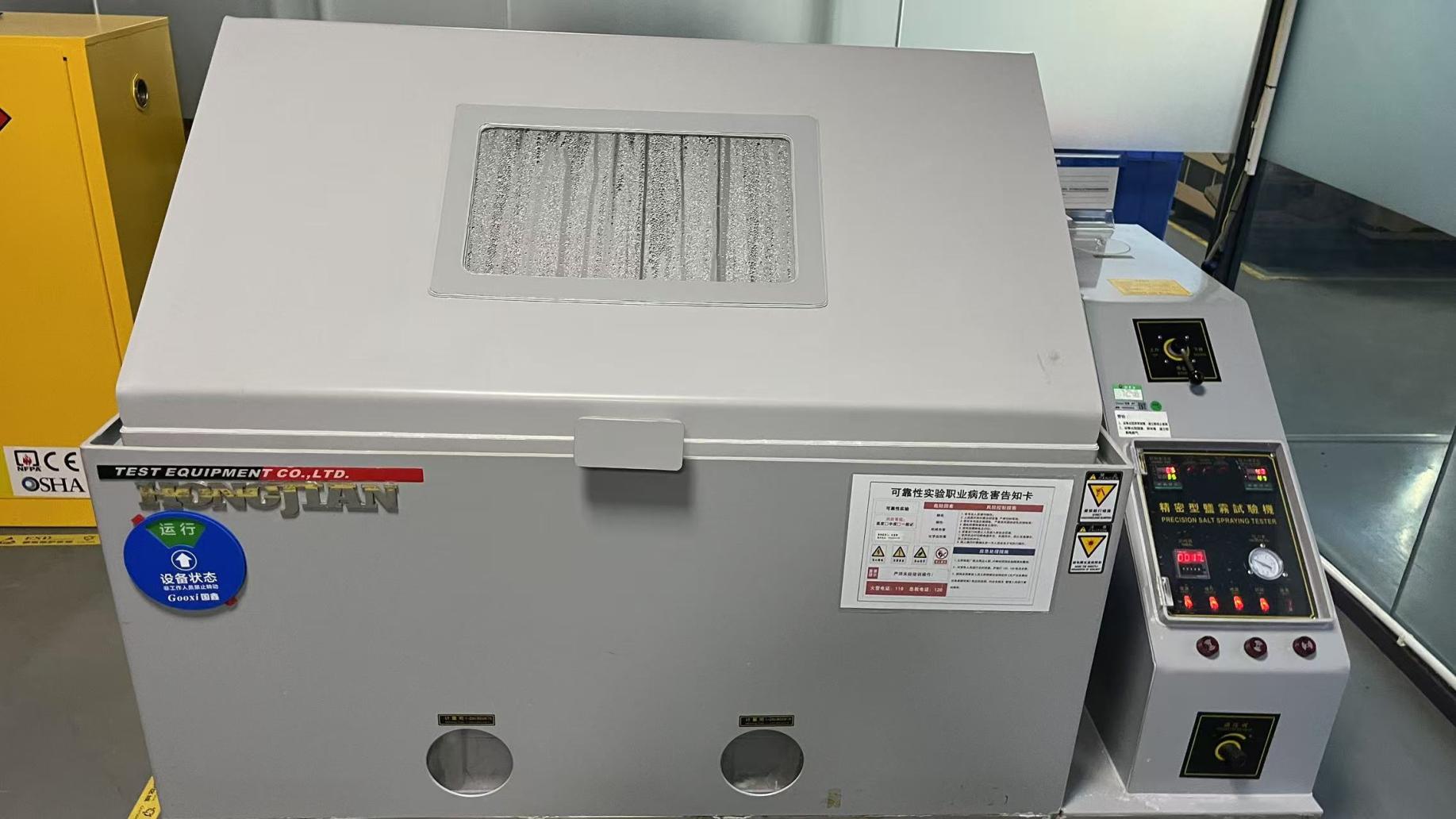
ZhiCloud AI operates custom testing laboratories configured to execute multi-stage environmental, mechanical, and silicon stress-testing pipelines. This ensures server durability under extreme operations.
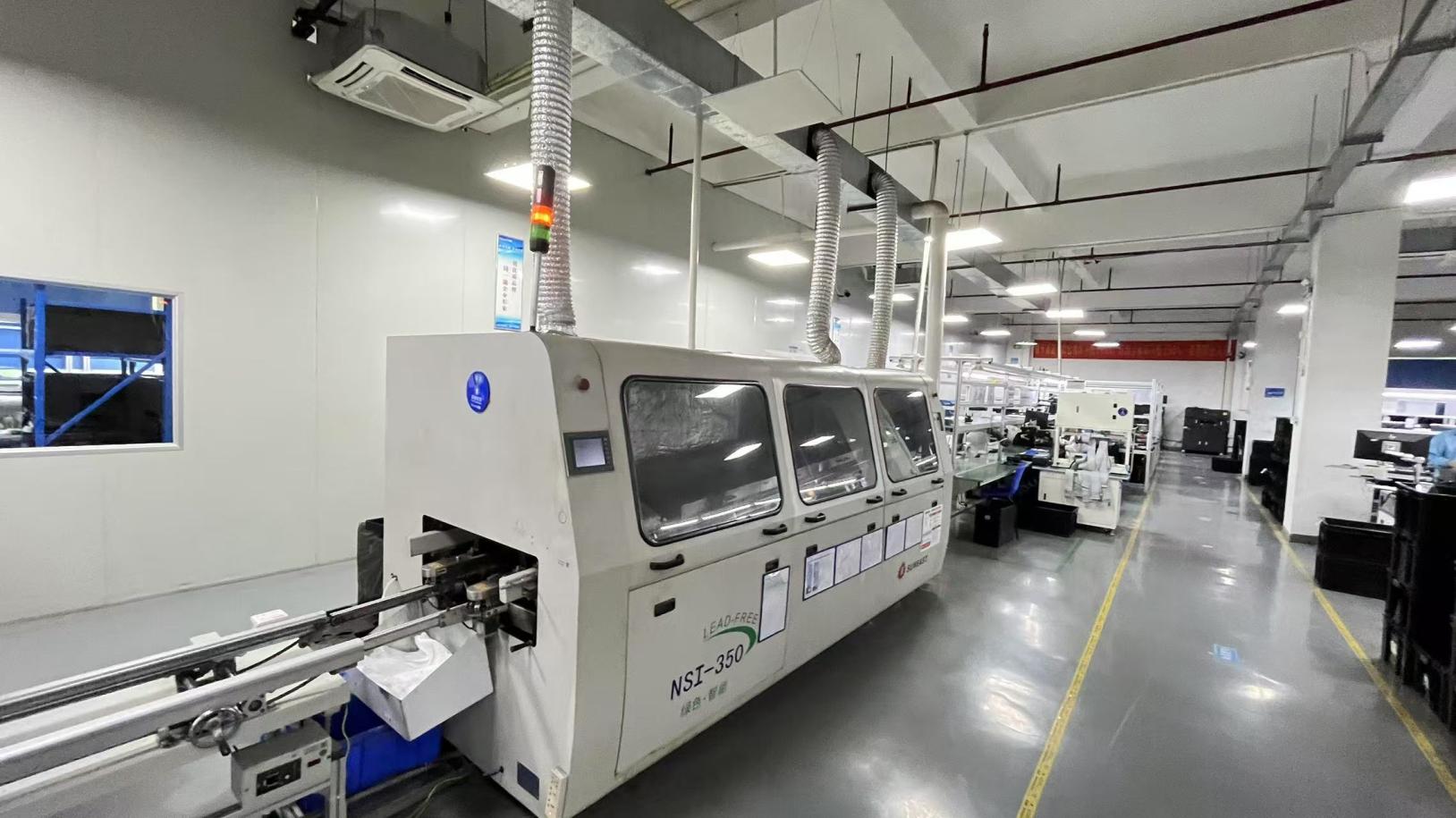

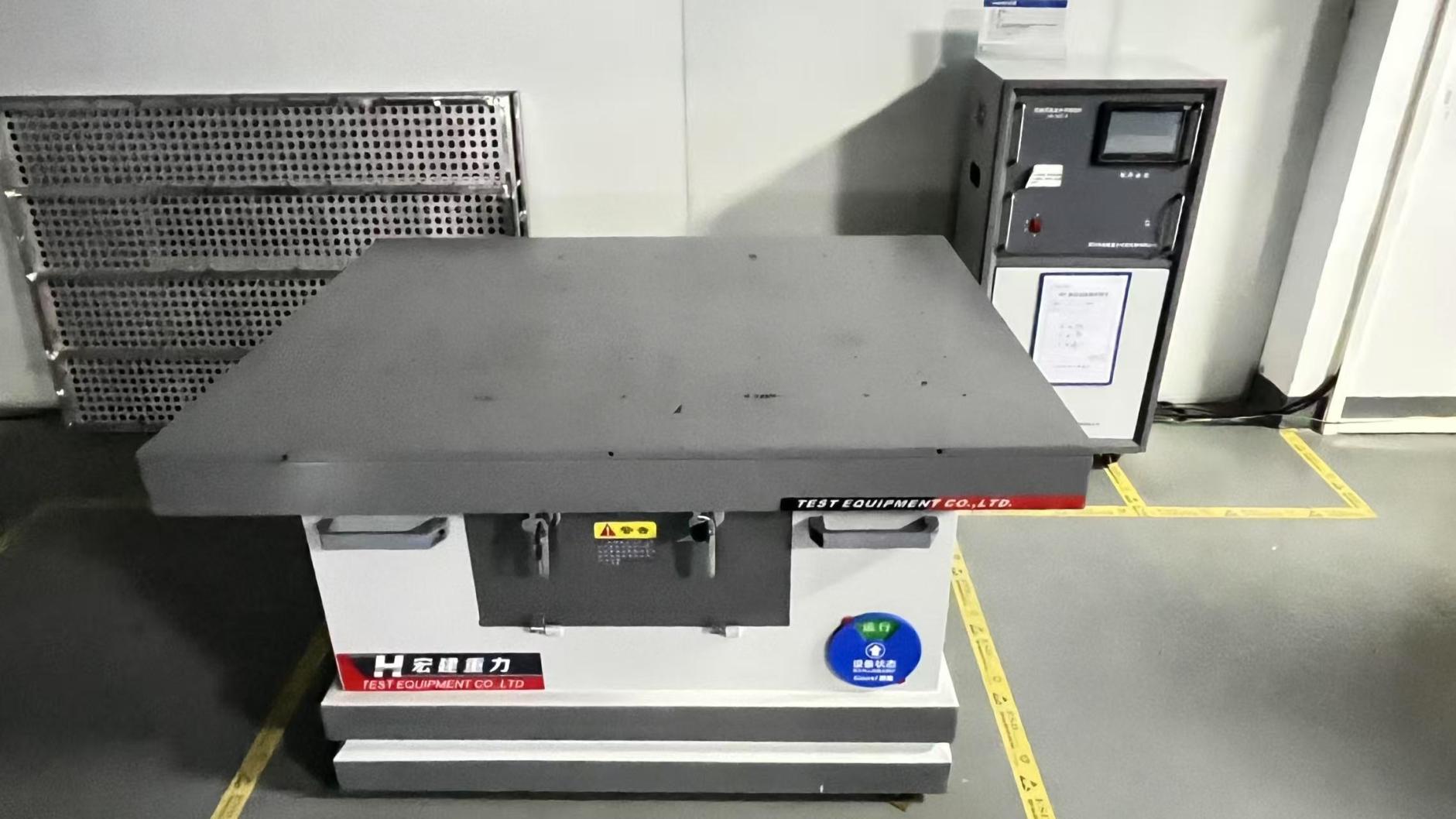
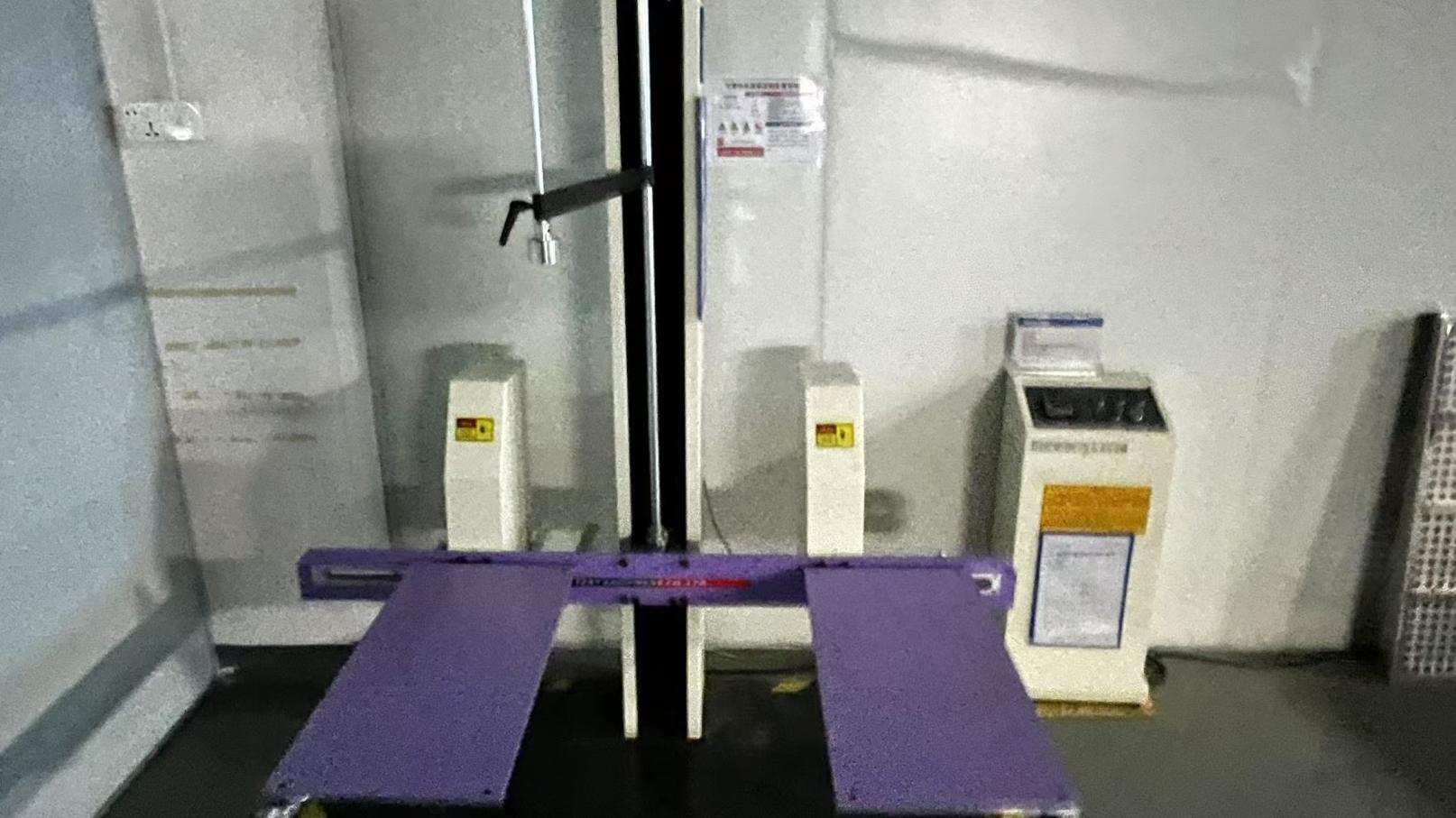
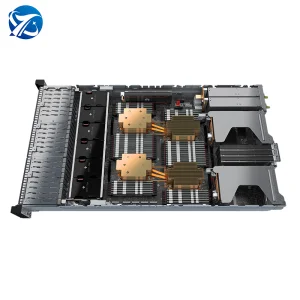
In shared cloud environments, maintaining compute isolation is critical. ZhiCloud AI's customized multi-socket servers support partition technologies, segregating memory busses and PCIe lanes between multi-GPU arrays. This prevents side-channel exploits and secures raw hardware throughput.
Edge nodes must withstand physical tampering while executing encryption routines at low latencies. By deploying Intel 6th Generation platforms and Emulex Fibre Channel HBA cards, operators can secure remote nodes against local intrusion.
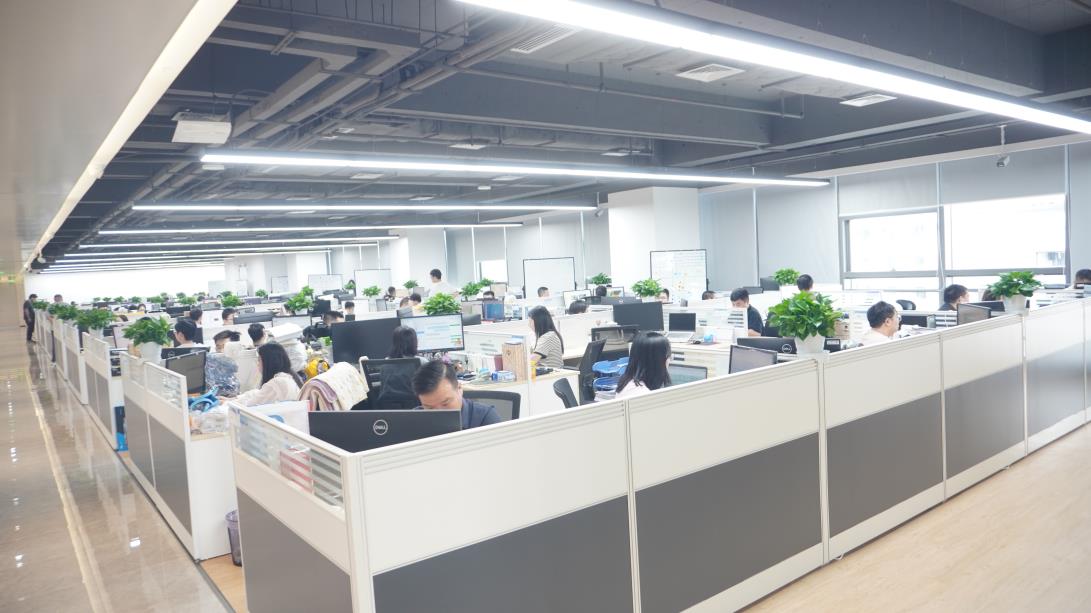
For global enterprises, sourcing server components and chassis systems from China demands transparency and strict adherence to strict compliance guidelines. ZhiCloud AI manages export operations with 7 years of direct B2B export experience and relationships spanning 1,200 strategic partners.
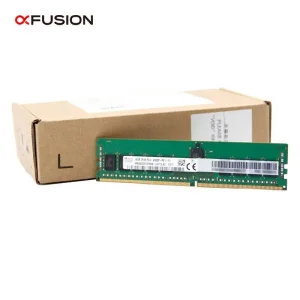
We configure hardware configurations, coordinate memory speeds (up to 6400MT/s), verify PCIe layouts, and pre-install baseboard management controller (BMC) firmwares. We provide complete trace reports, from the initial PCBA test to final X-ray inspection, assuring global buyers that their computing clusters are secure and reliable from the silicon up.
Understand our architectural approach, quality control guidelines, and hardware configurations for next-generation cloud security.
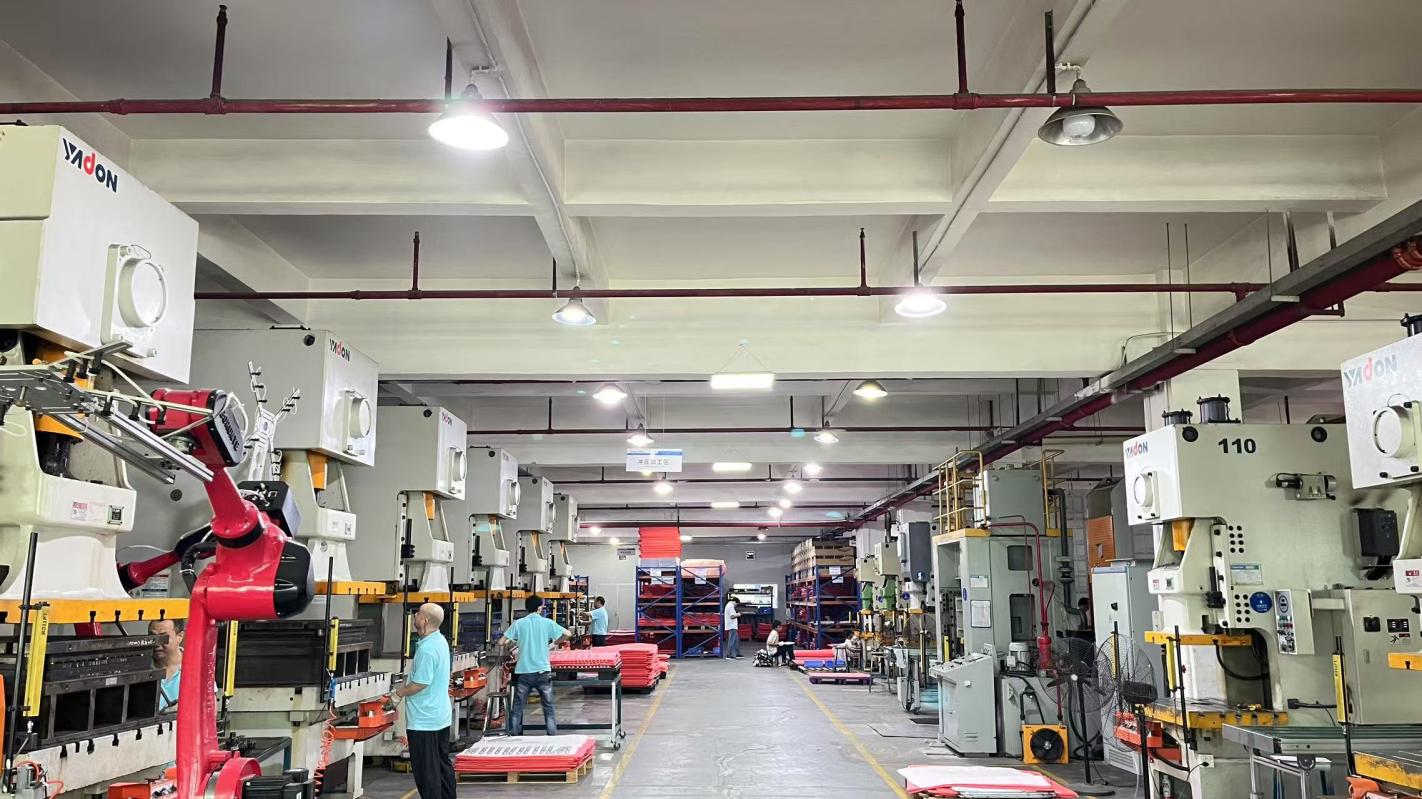
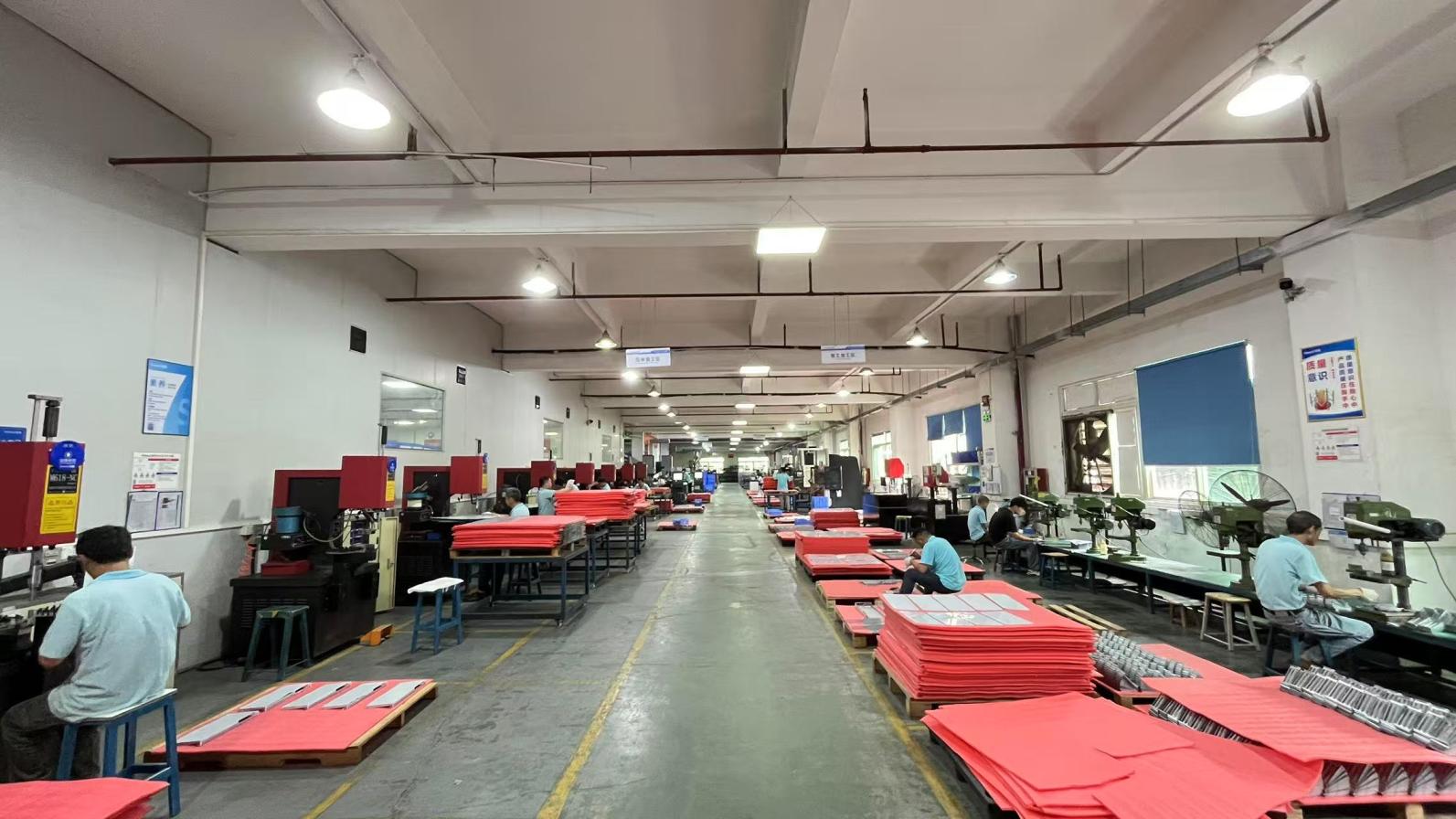
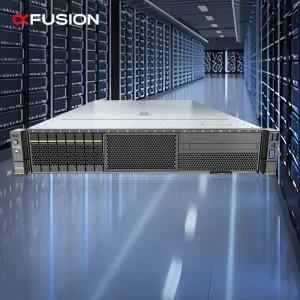
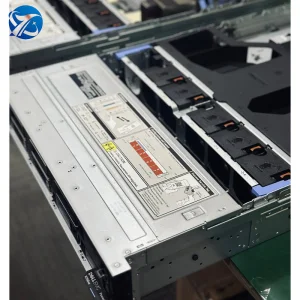
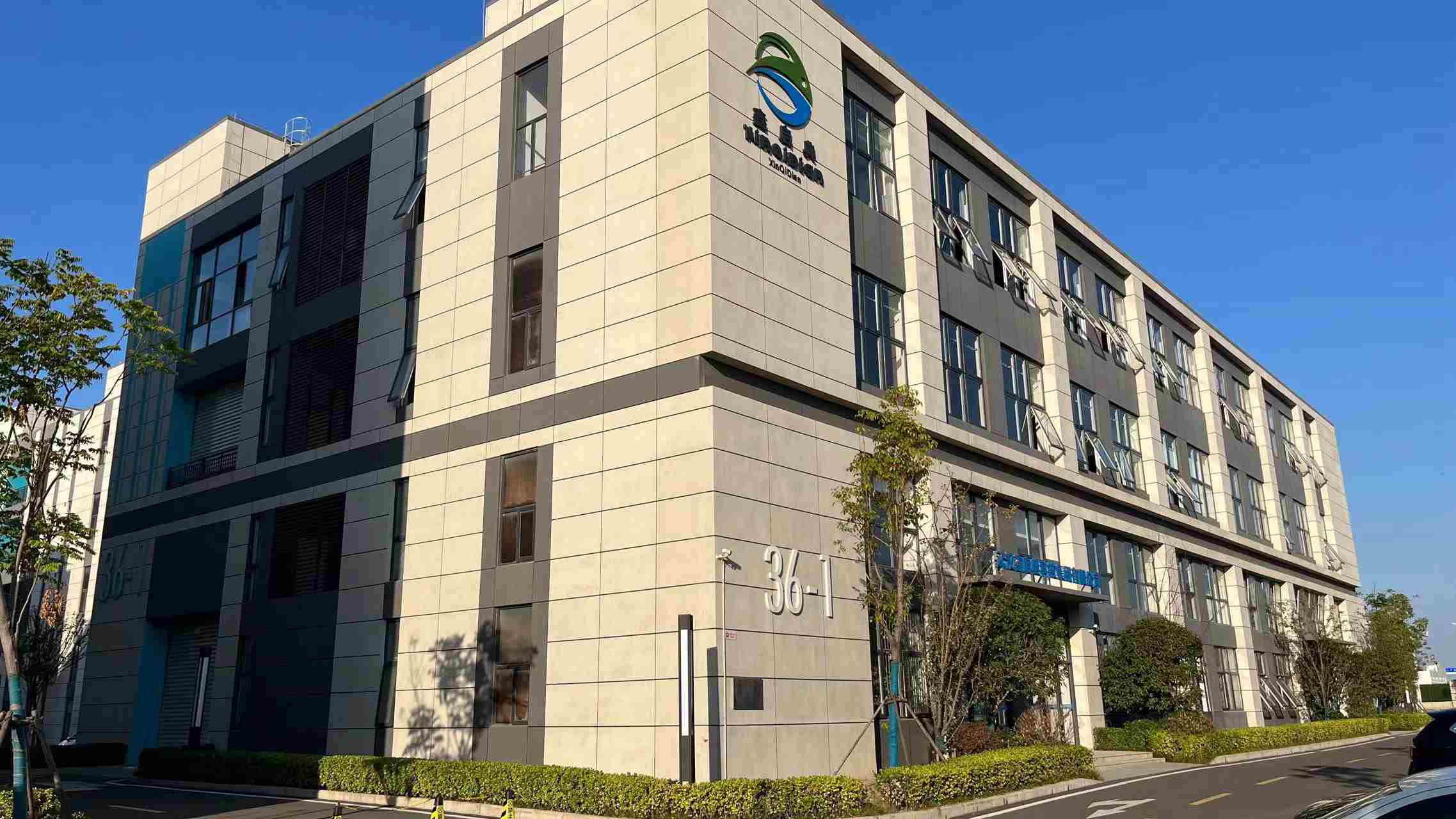
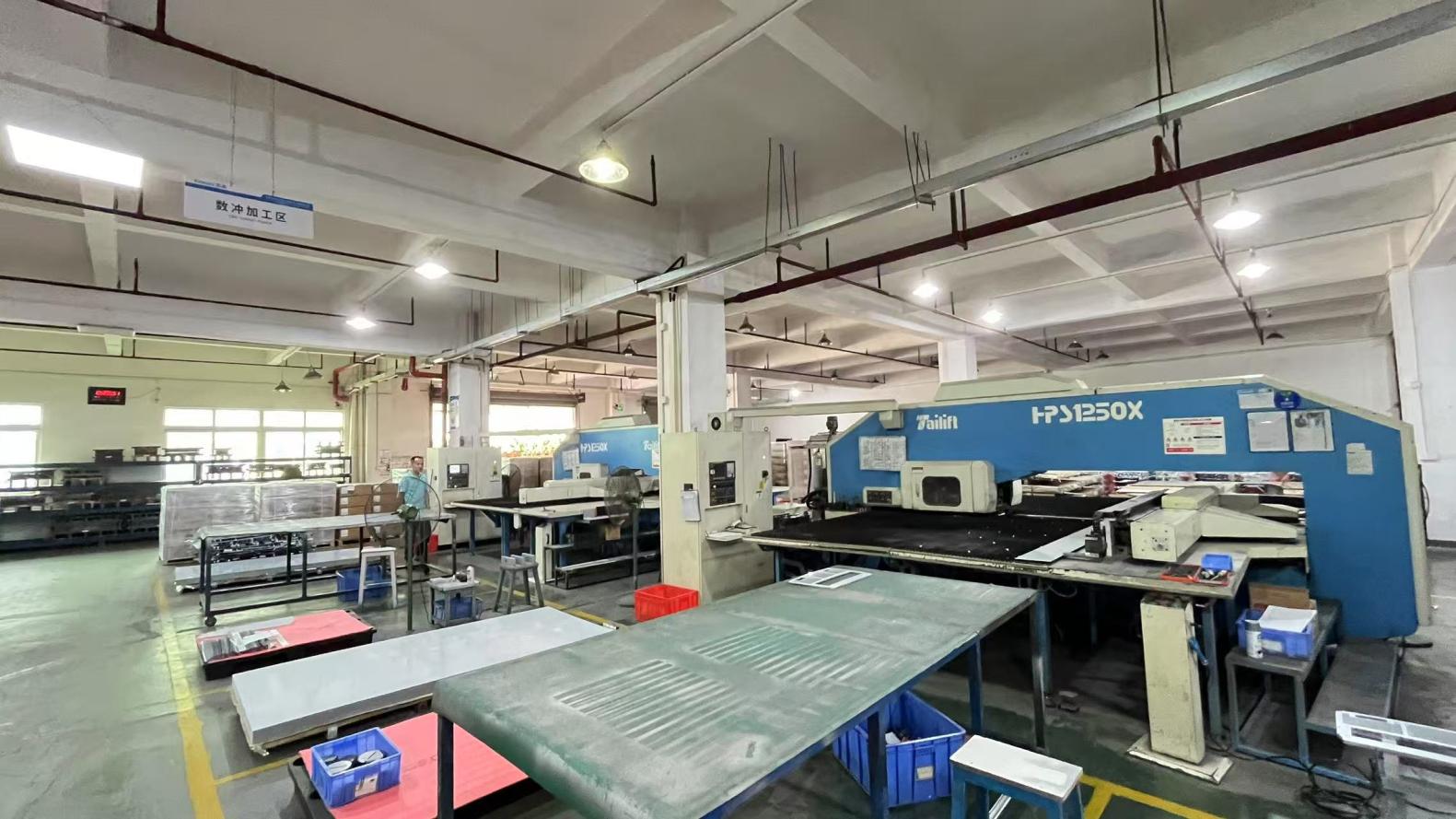
ZhiCloud AI manages structural chassis manufacturing directly in our partner facilities, ensuring high structural precision and EM shielding performance.