ZhiCloud AI
ZhiCloud AI
ZhiCloud AI
High-performance computational clusters optimized for retail artificial intelligence models, real-time analytics databases, and edge distribution systems.
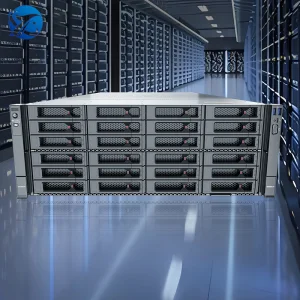
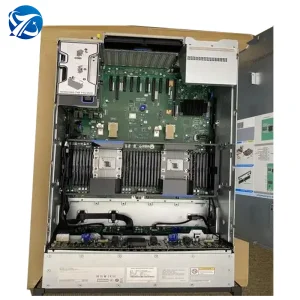
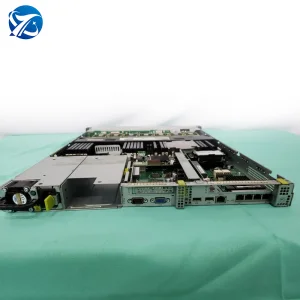
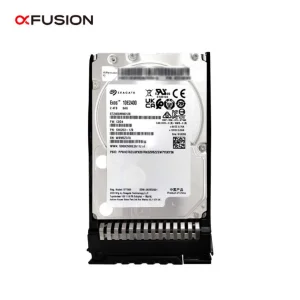
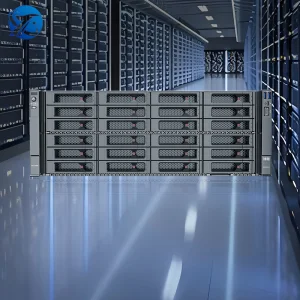
Modern global commerce is undergoing a radical transition. Traditional Point-of-Sale (POS) devices and passive databases have evolved into intelligent retail ecosystems. Today's hyper-competitive retail landscapes demand millisecond-latency computations at the edge for computer vision-based anti-shrinkage mechanisms, real-time localized demand forecasting, and conversational AI interfaces running DeepSeek or other Large Language Models (LLMs) to customize the user path.
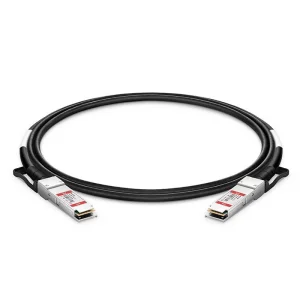
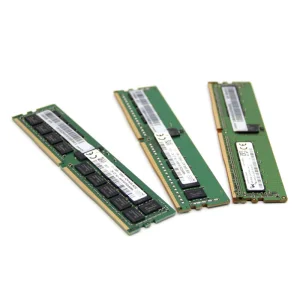
To support this high-performance application tier, top enterprise groups are bypassing intermediaries to procure specialized computing machinery directly from China's leading R&D manufacturers. High-density rack mount GPU servers, high-speed RAM, hybrid PCIe SSD configurations, and low-latency QSFP+ networking configurations form the baseline hardware requirement for running automated sorting systems, dynamic warehouse management platforms, and omnichannel inventory reconciliation software.
Shenzhen Intelligent Computing Cloud Technology Co., Ltd. (ZhiCloud AI) delivers heavy-duty compute clusters designed to manage high-throughput enterprise applications.
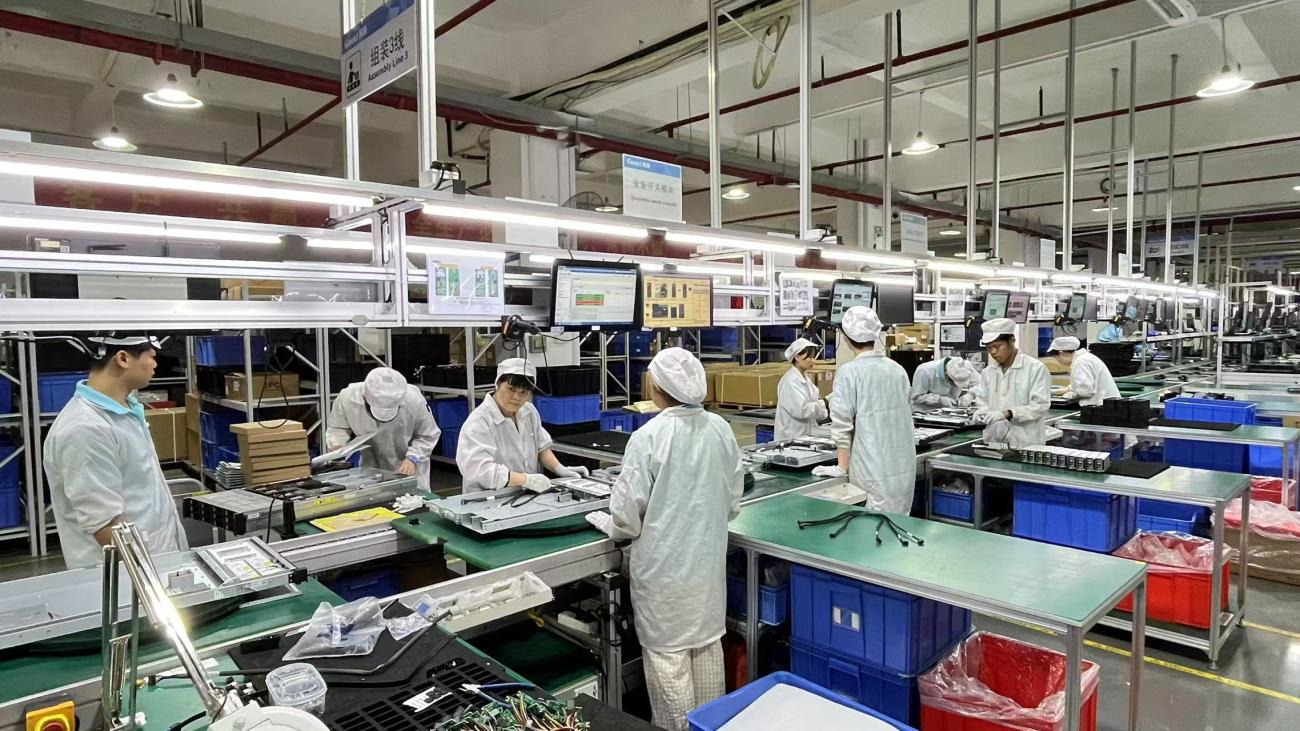
We provide tailored configurations spanning multi-GPU server architectures, target-specific CPU configurations, NVMe SSD storage densities, and customizable operating system pre-installation. This ensures complete out-of-the-box integration into existing retail enterprise clouds.
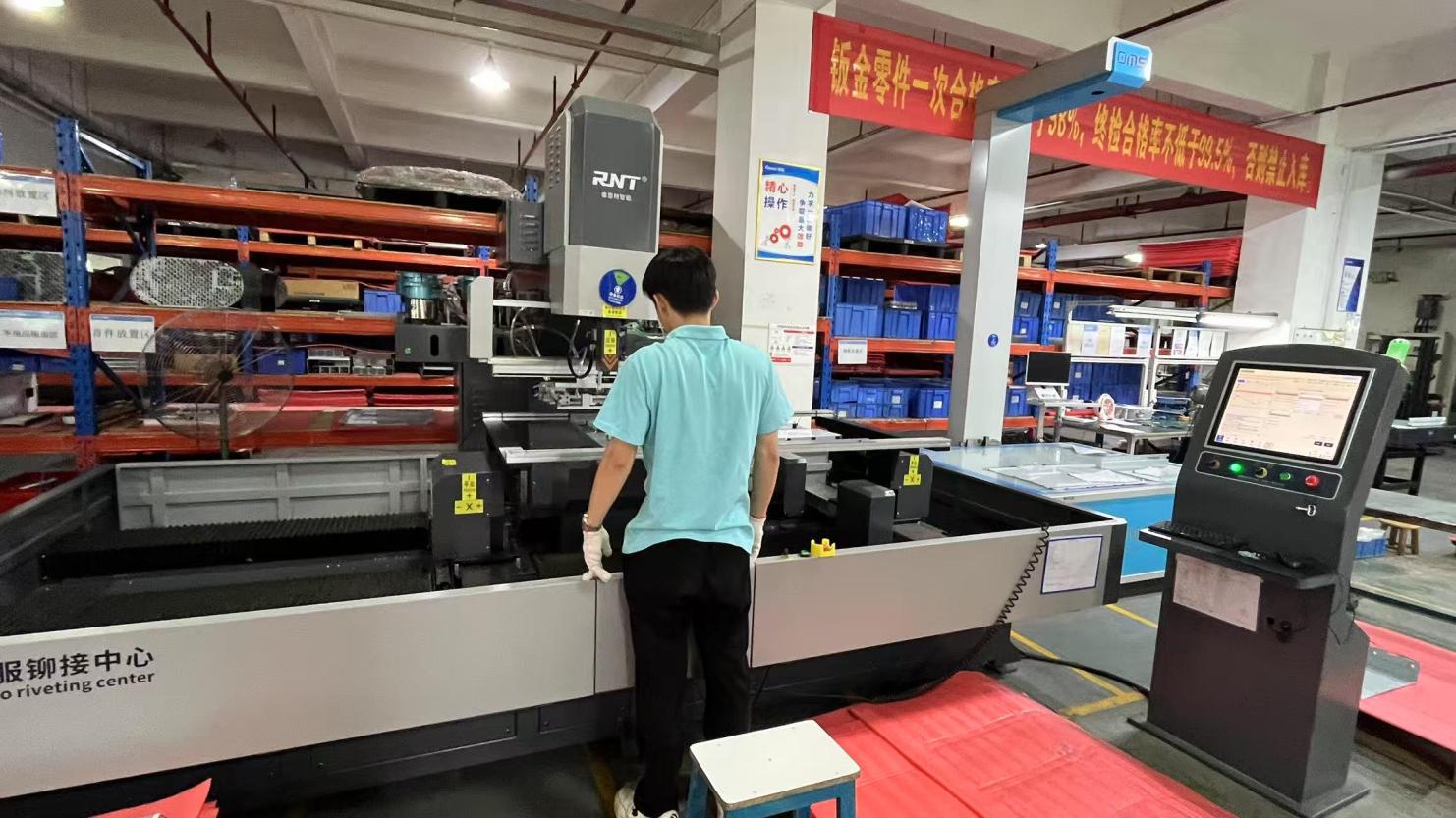
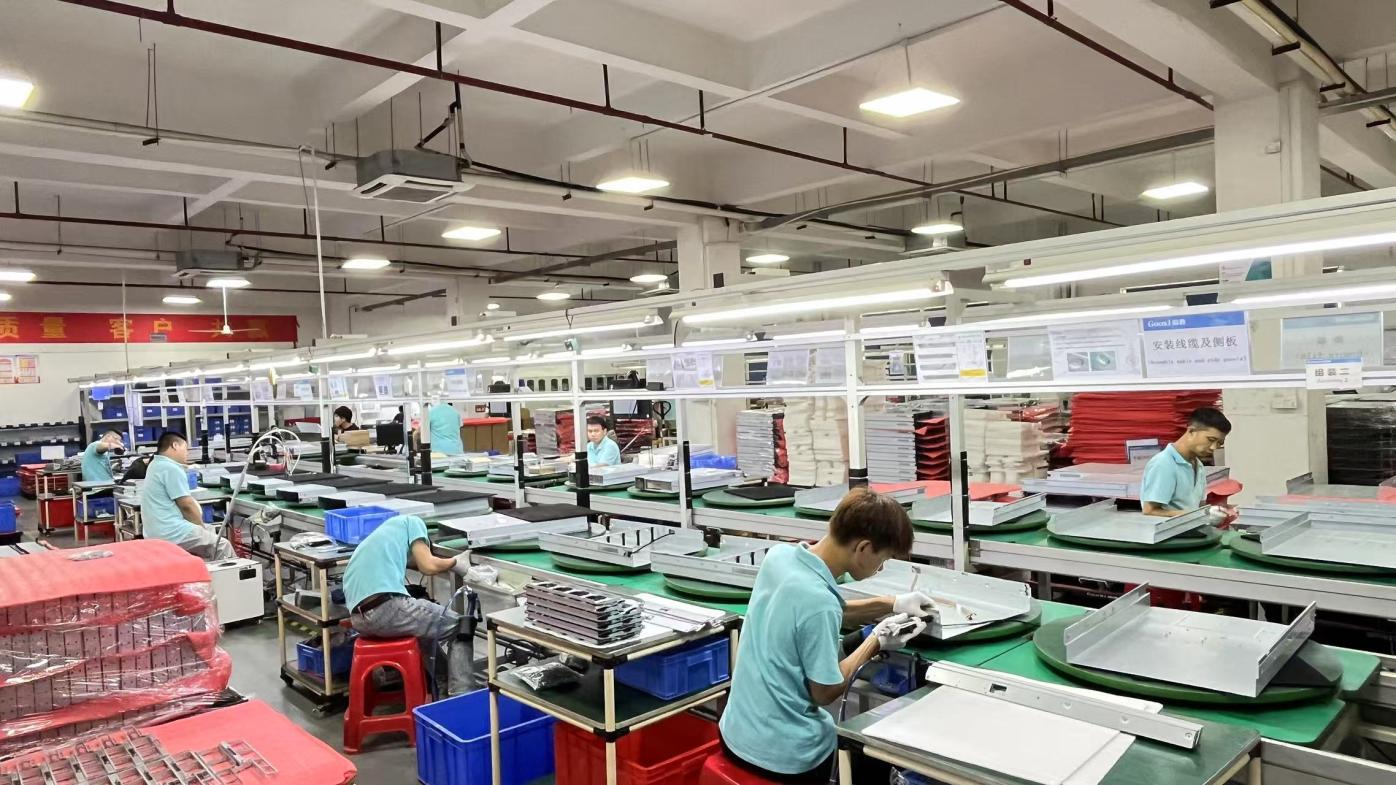
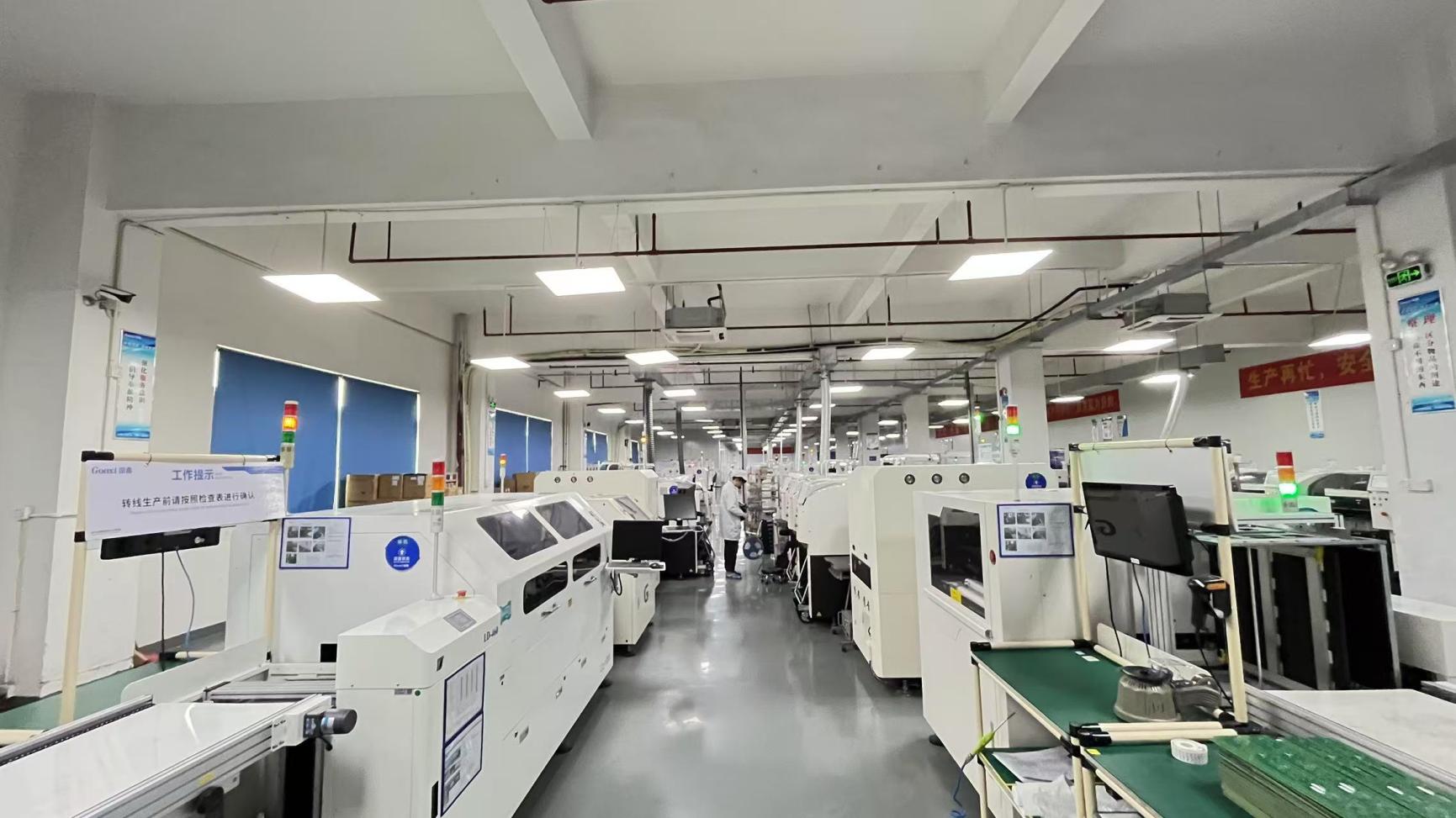
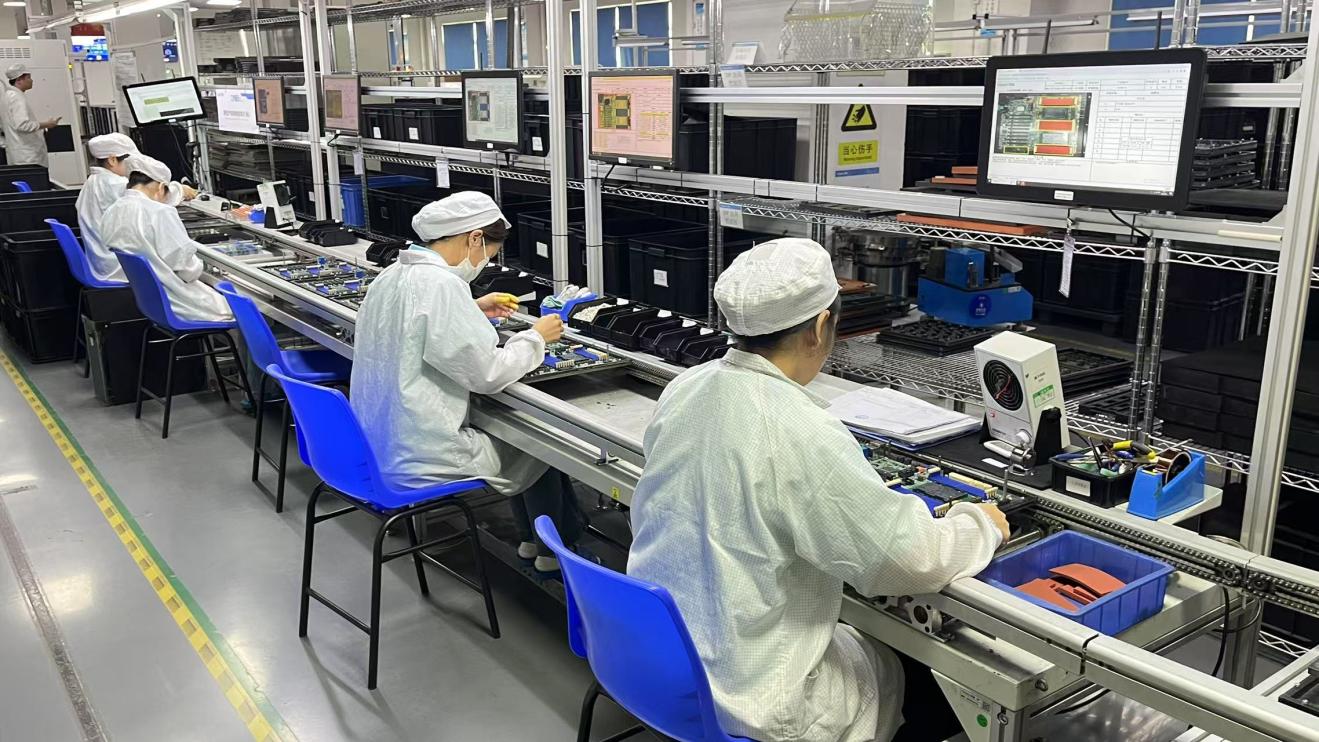
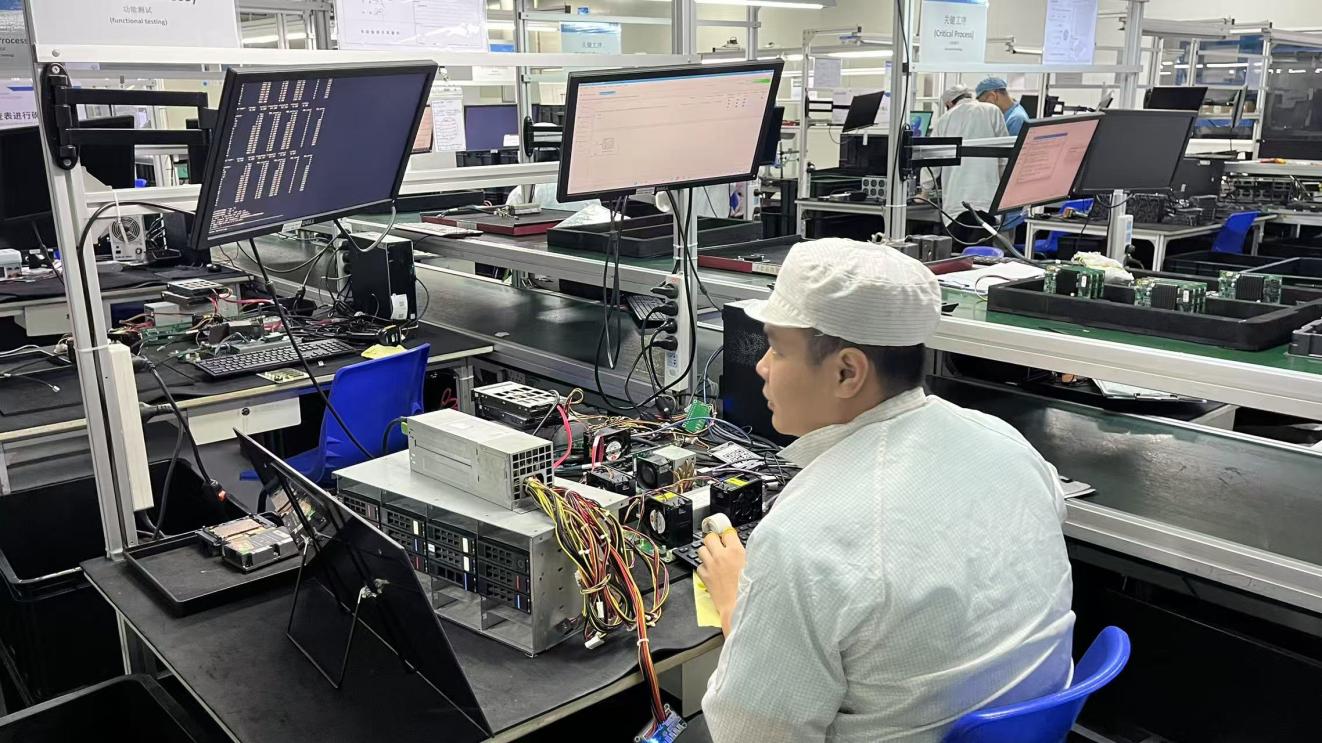
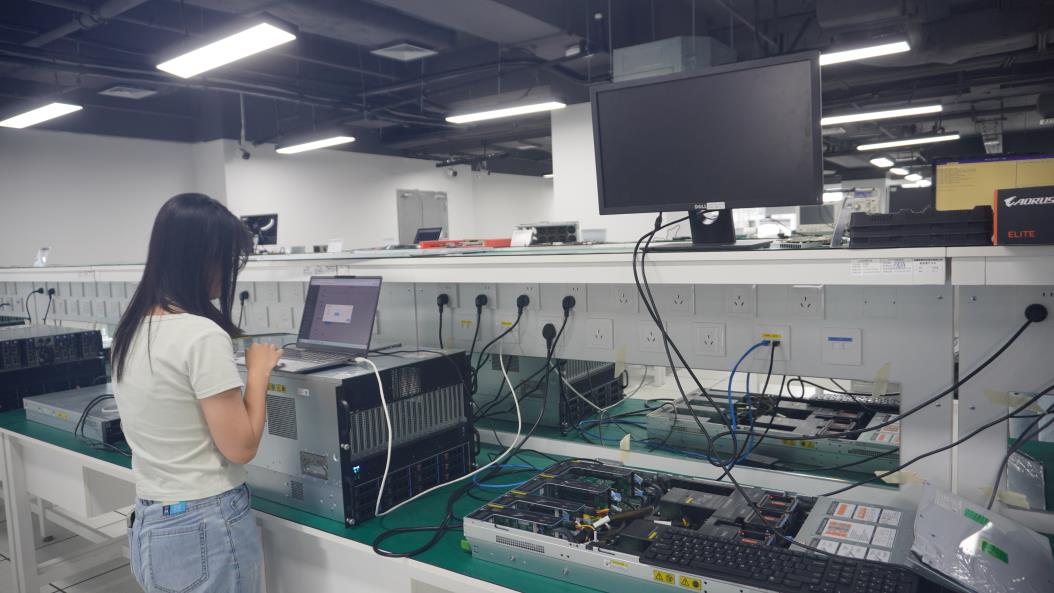
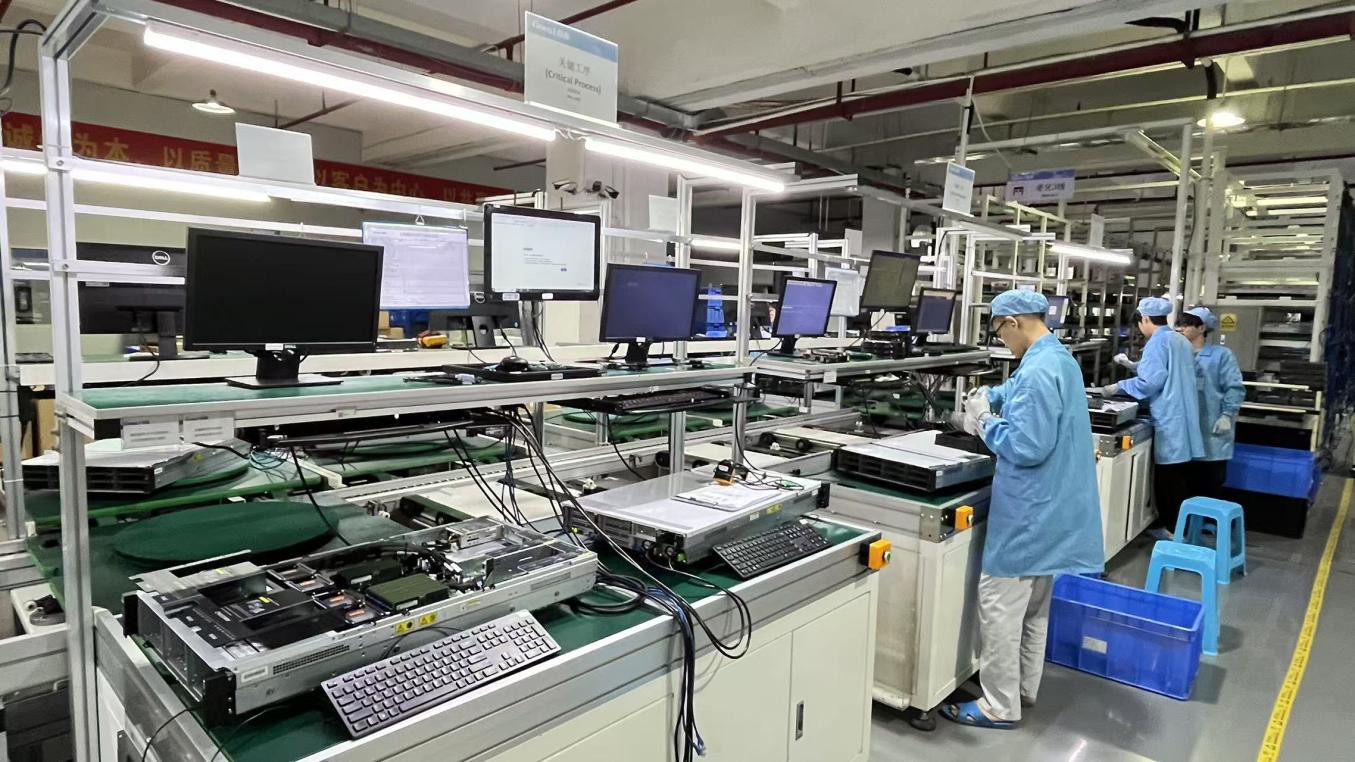
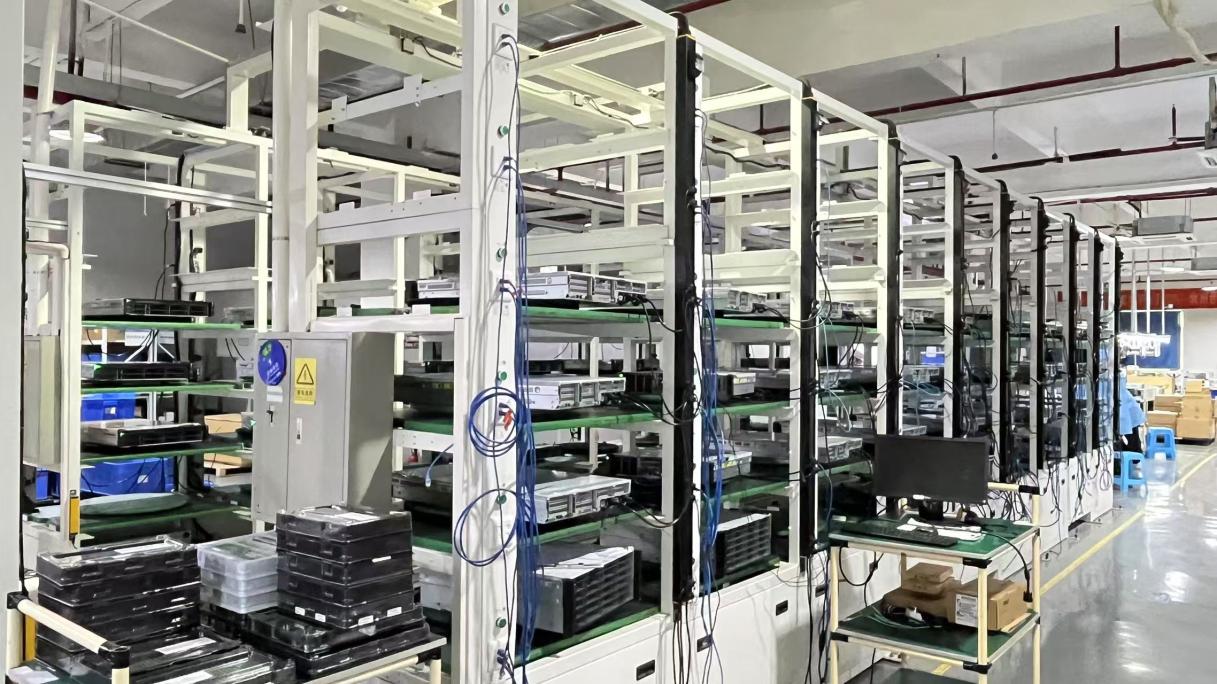
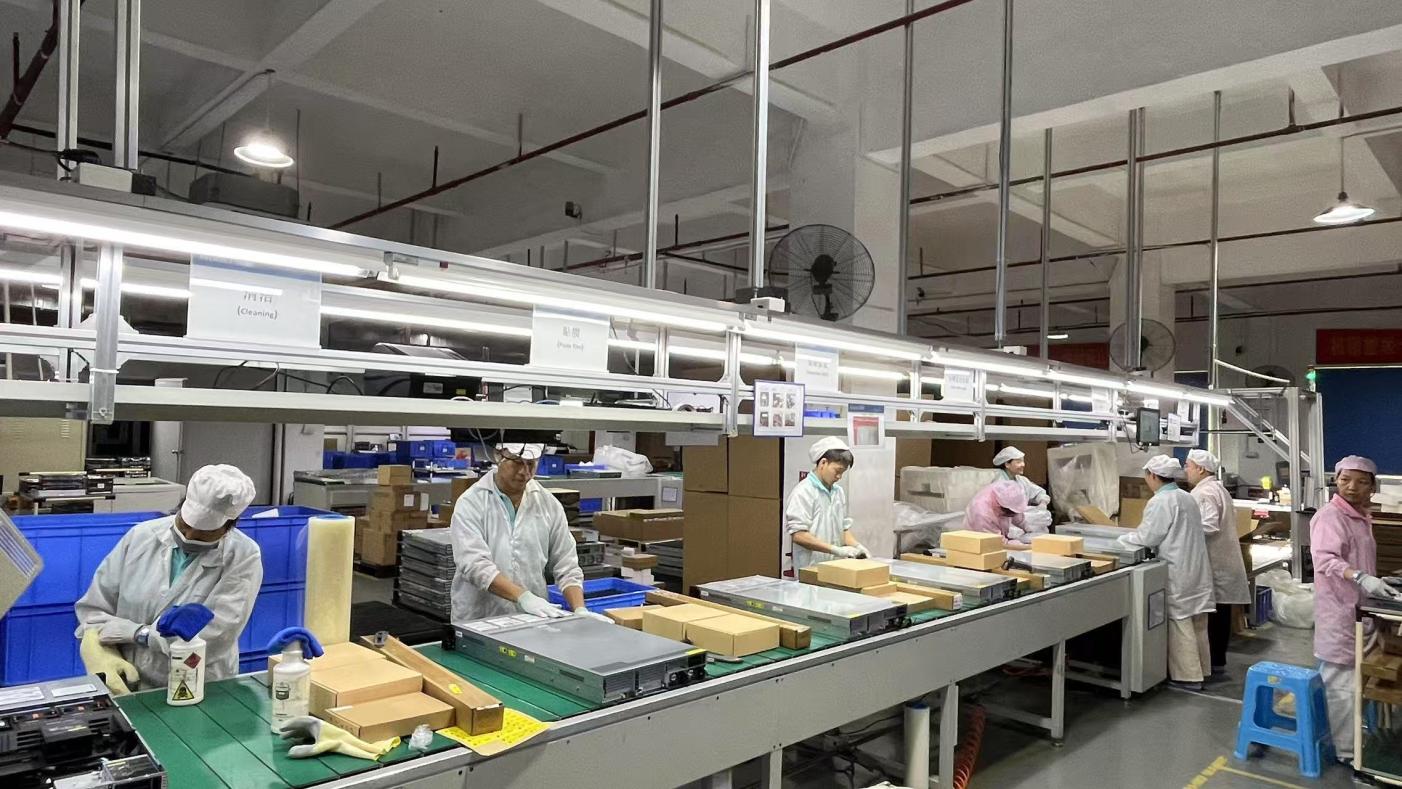
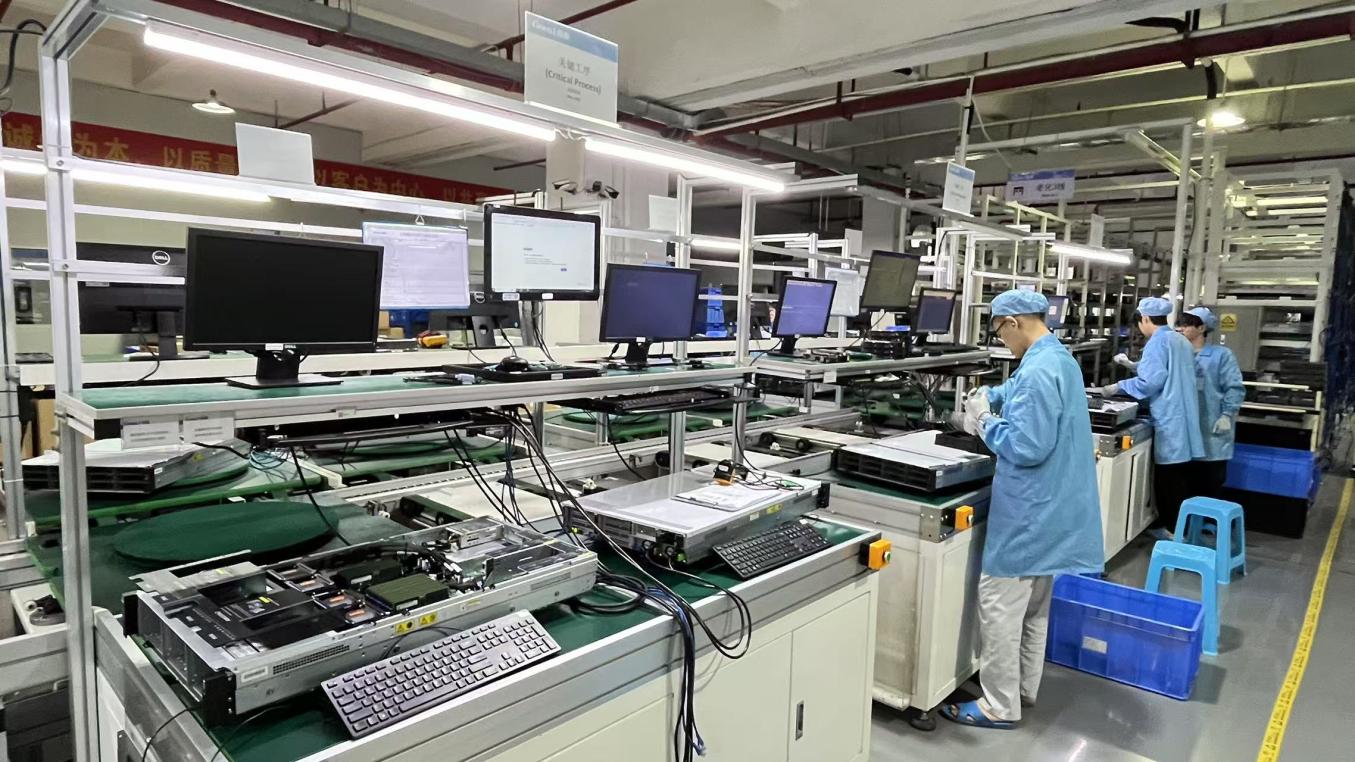
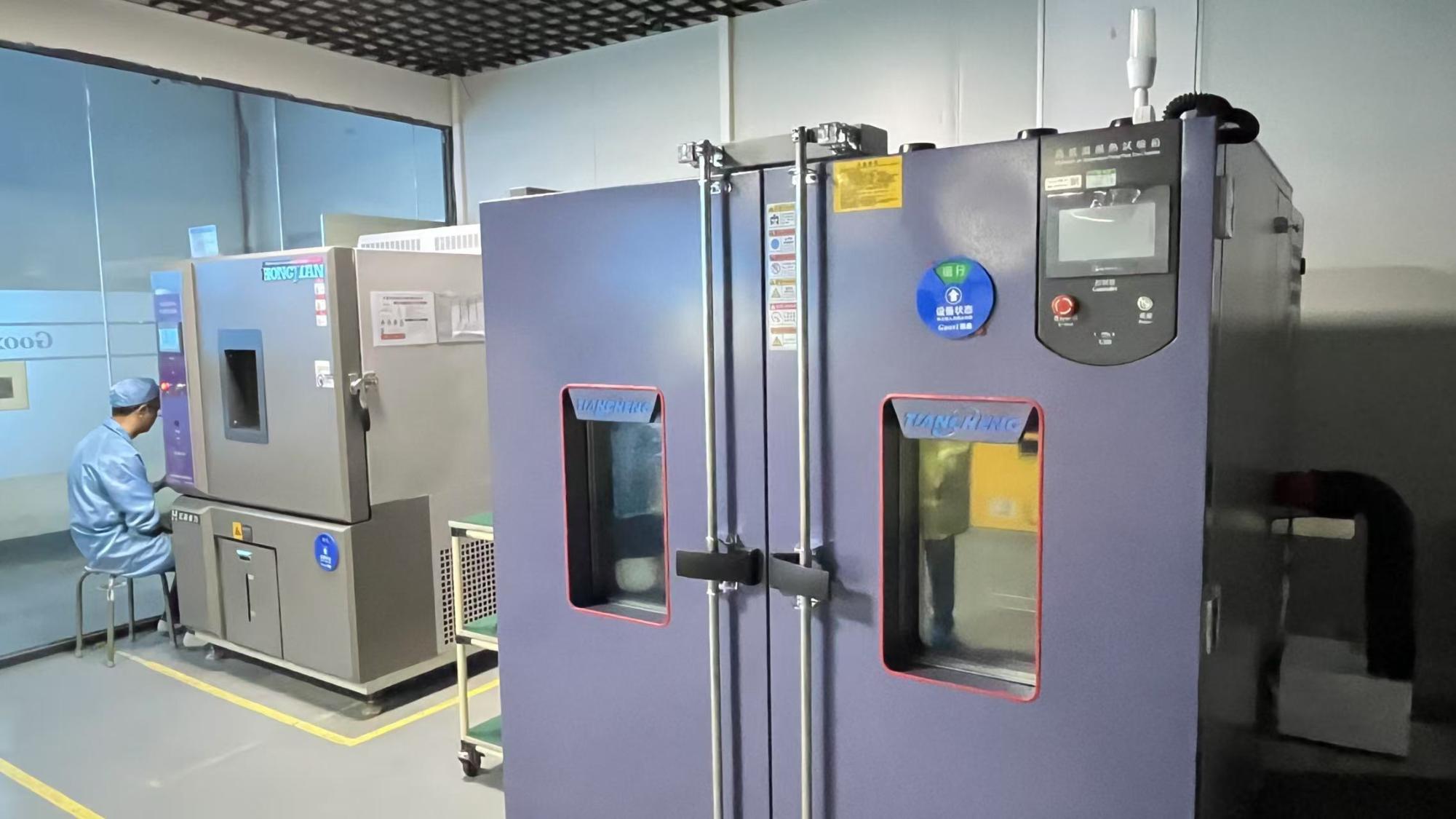
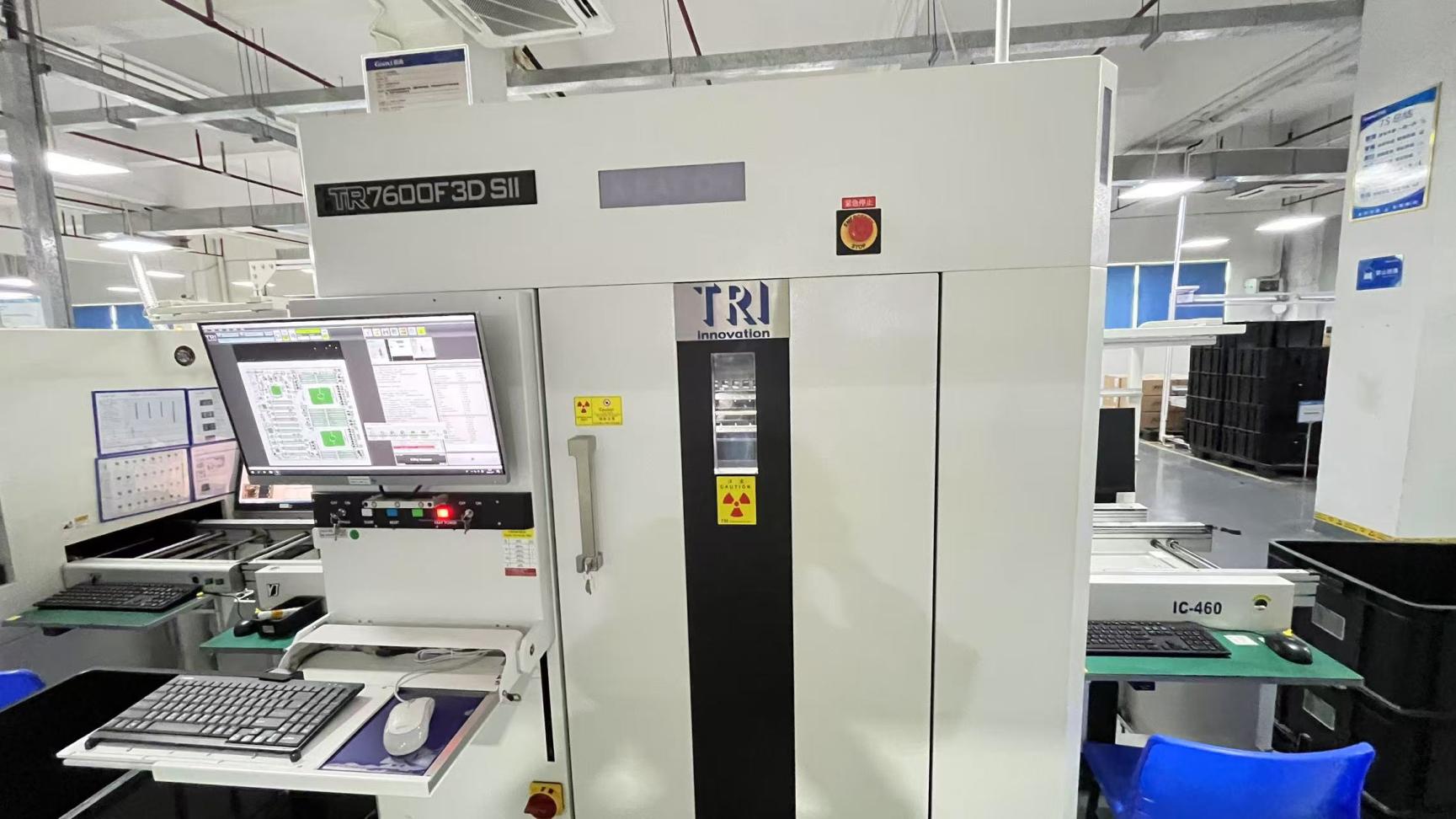
Backed by 45 dedicated QC specialists, our facilities deploy a multi-stage reliability workflow. Products endure detailed thermal stress simulation, intensive full-system burn-in routines, and comprehensive hardware vibration metrics to certify reliable operations.
We maintain deep operational alliances with over 1,200 raw silicon, chipset, component, and chassis suppliers. This supply chain redundancy enables us to guarantee hardware price stability and complete production requests on time, regardless of macro-market shifts.
Mapping B2B computing capabilities to physical execution systems within smart stores, distribution hubs, and analytics datacenters.
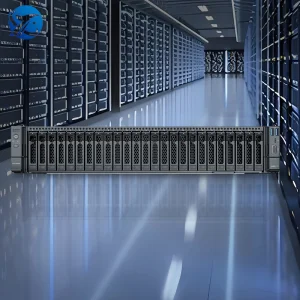
By deploying high-density rack-mounted GPU platforms (like the G5500 V6 or V7 series) directly at store locations, retailers can process video data from hundreds of overhead cameras simultaneously. This architecture allows immediate identification of checkout errors or un-scanned products, providing sub-second notifications to store associates and preventing system leakage.
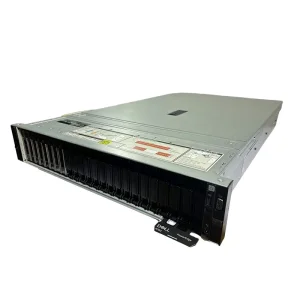
Integrating fast storage modules like the EP600 NVMe SSD Series alongside multi-socket servers ensures real-time stock synchronization across physical storefronts, remote distribution points, and mobile apps. Fast read-write cycles eliminate product inconsistencies, preventing double-allocations and keeping inventory accurate.
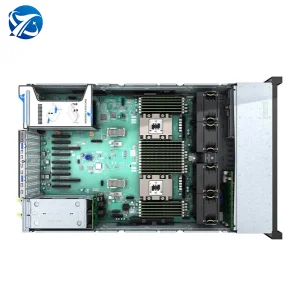
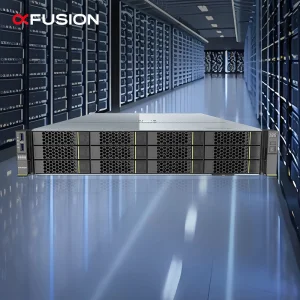
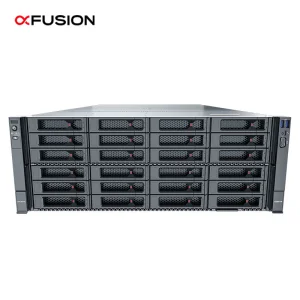
With the optimization of models like DeepSeek R1, computing architectures such as the xFusion 2U Rack server act as local intelligence points. This enables natural voice-guided self-checkout systems and automated customer support terminals to run locally, reducing reliance on external web connections and lowering processing fees.
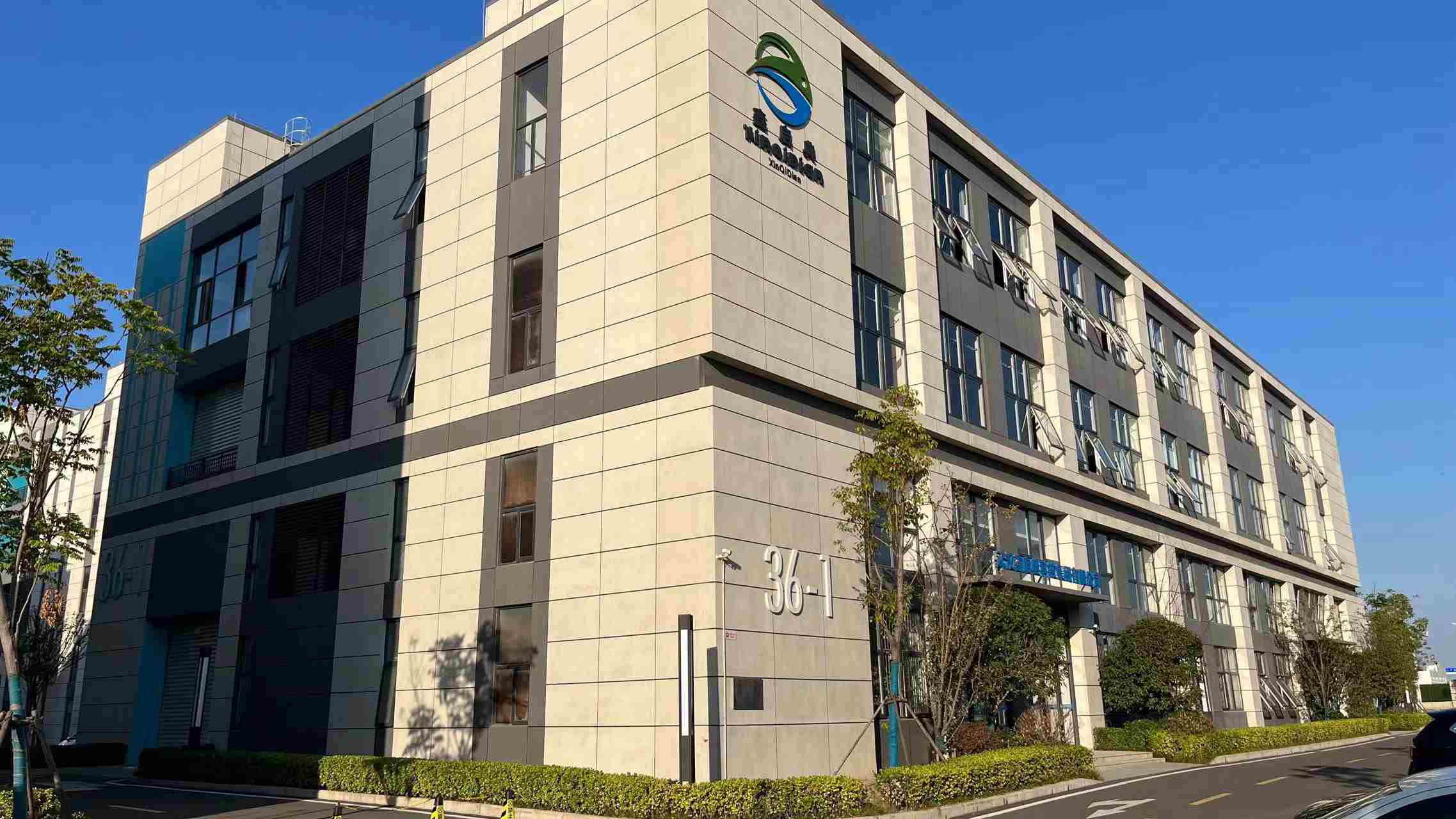
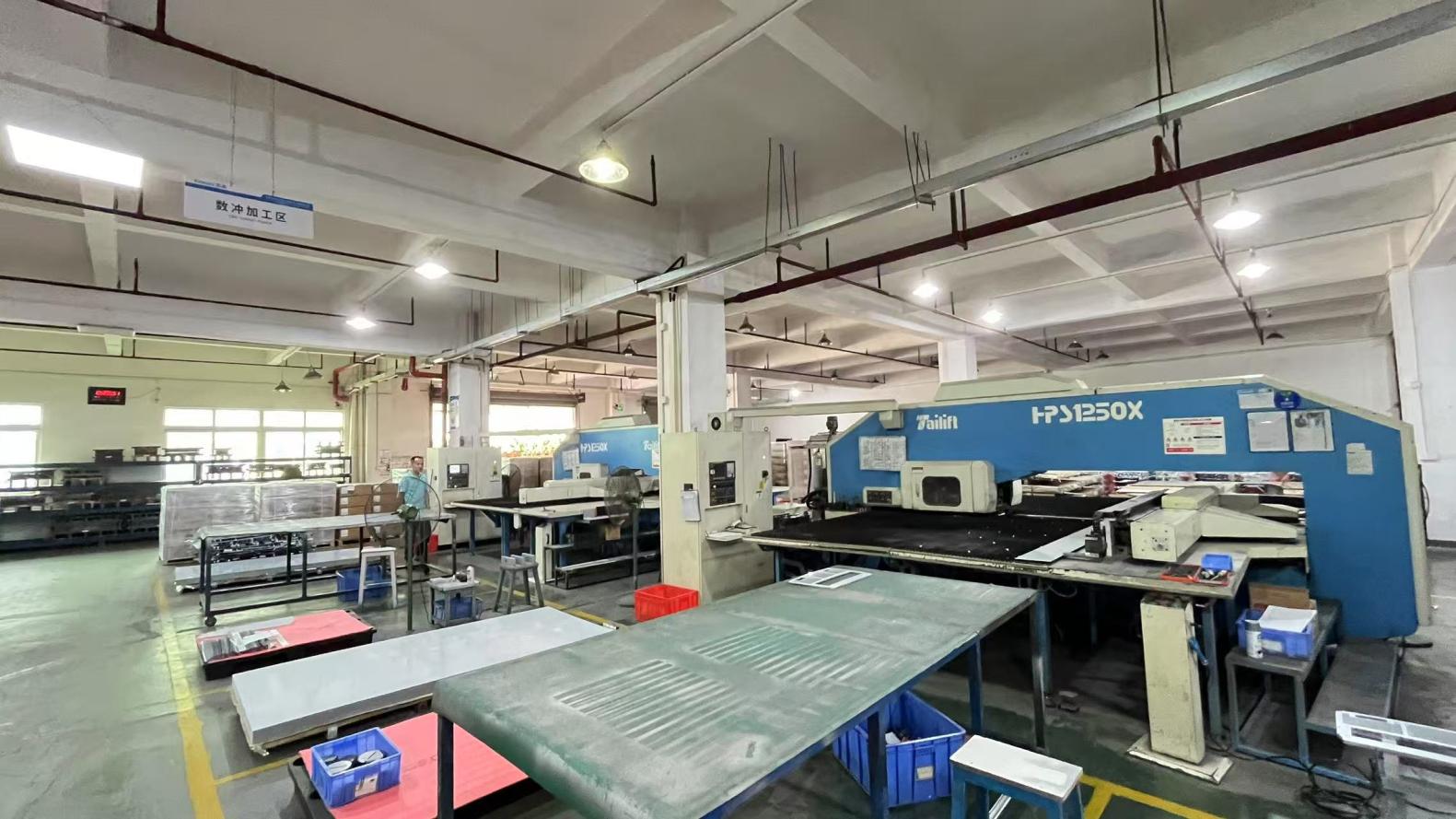
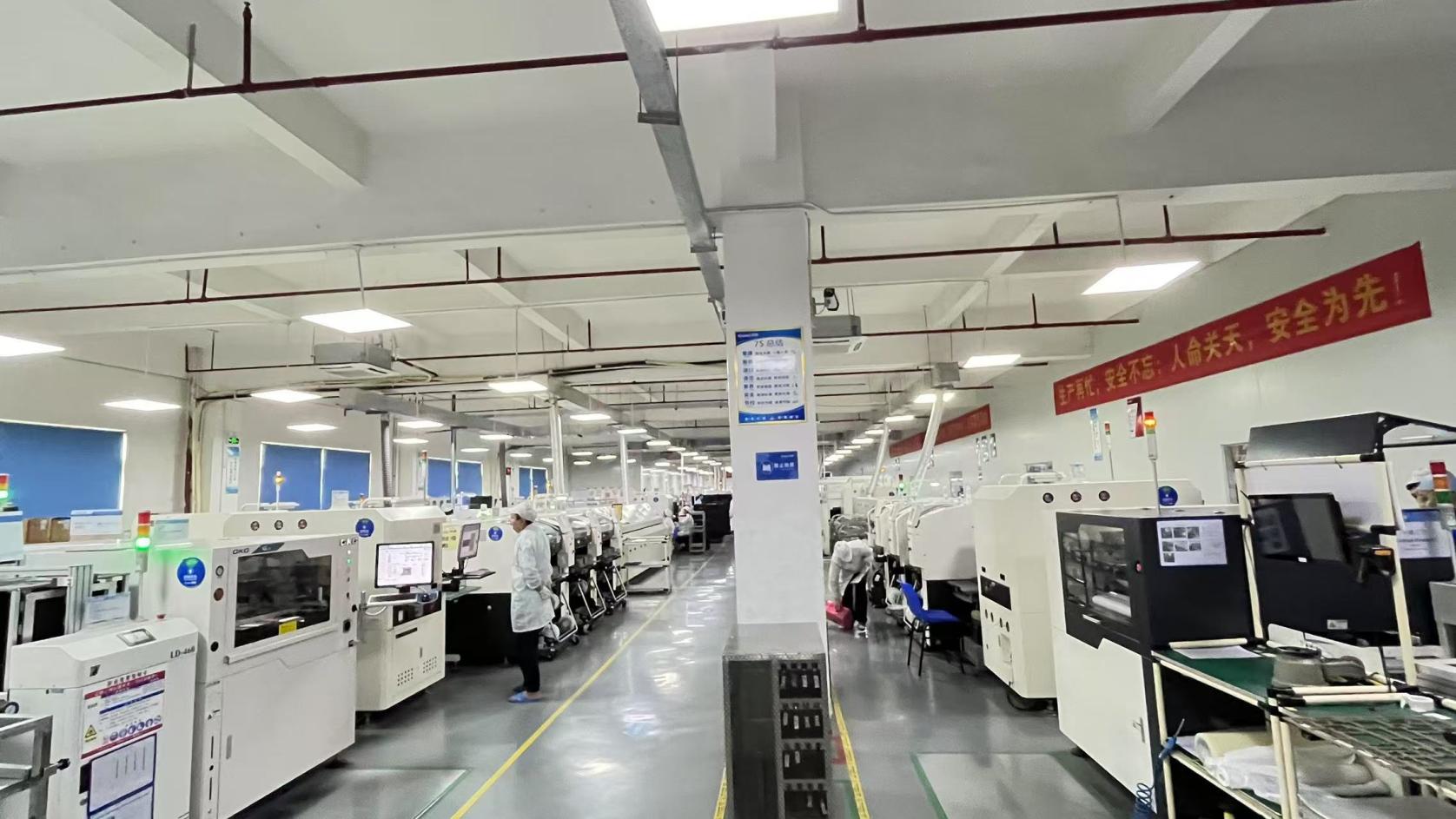
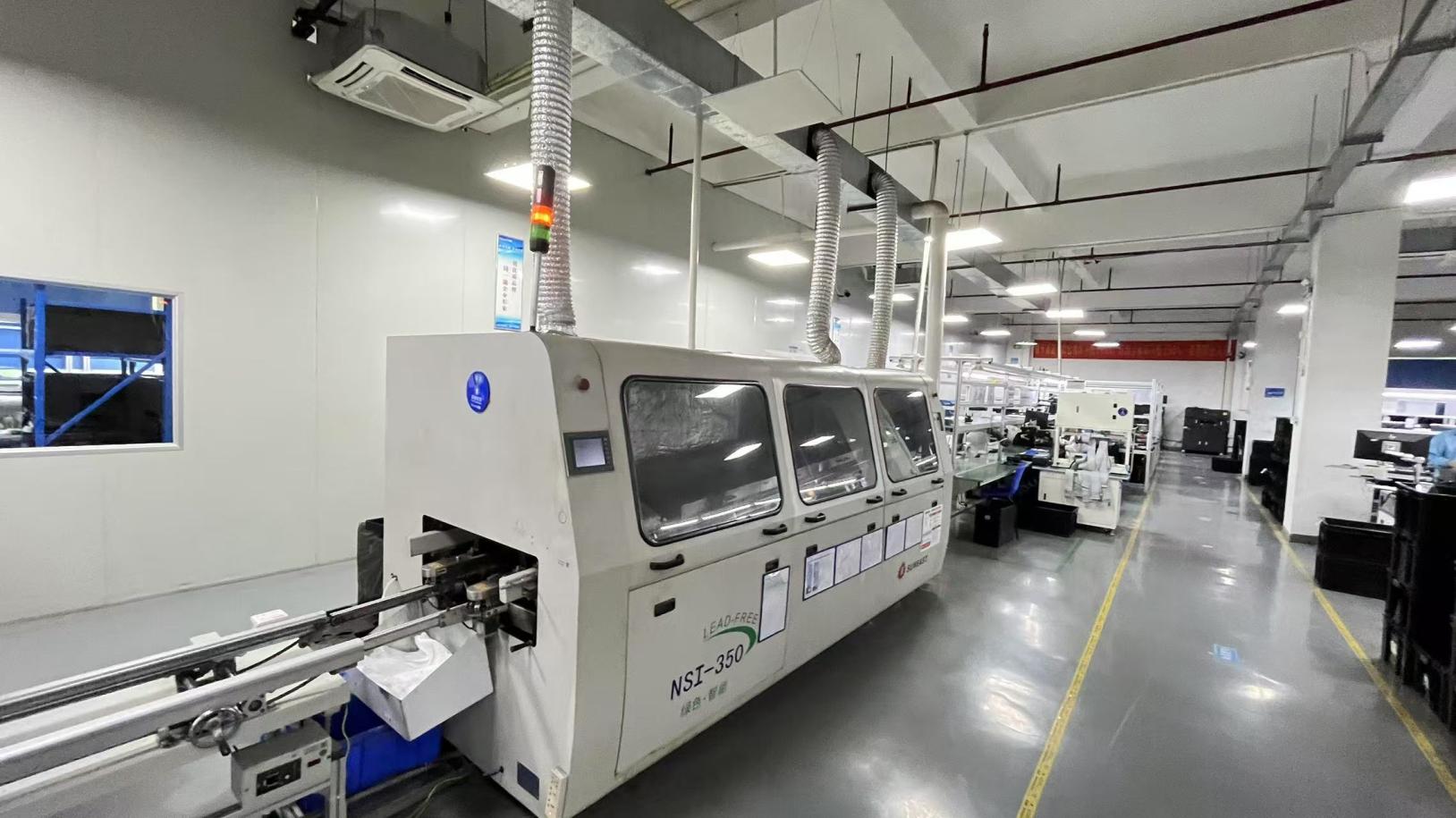
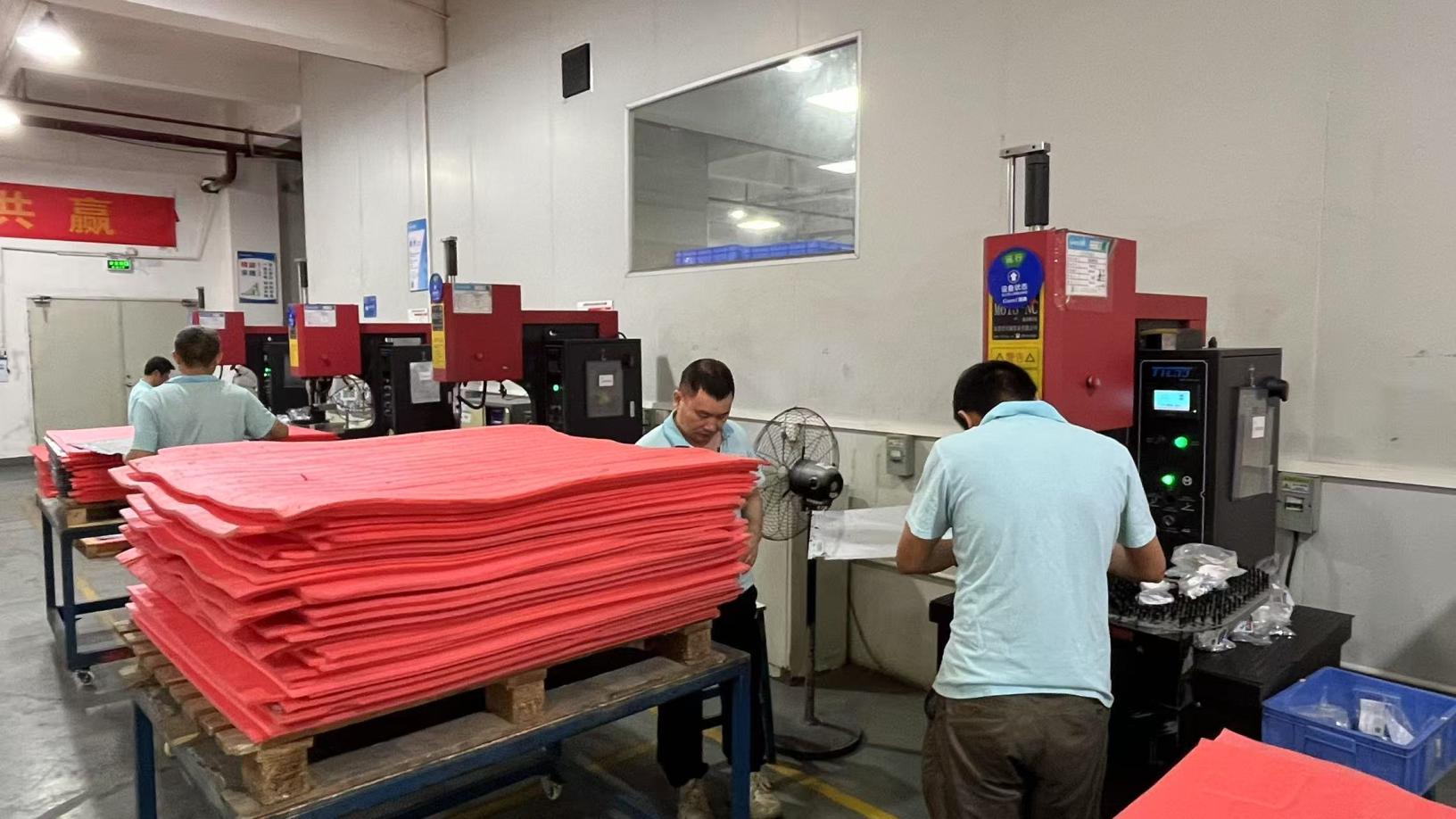
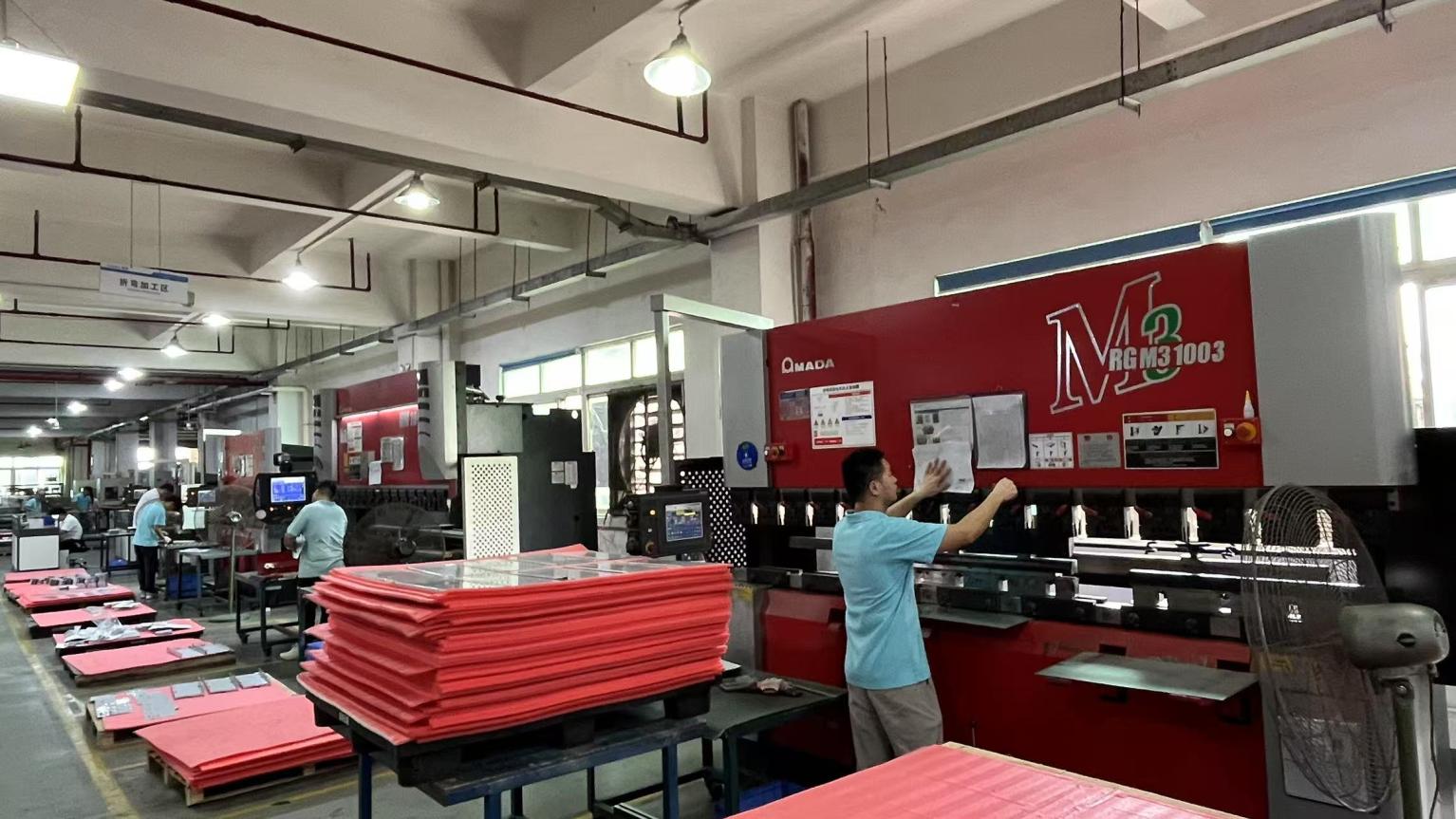
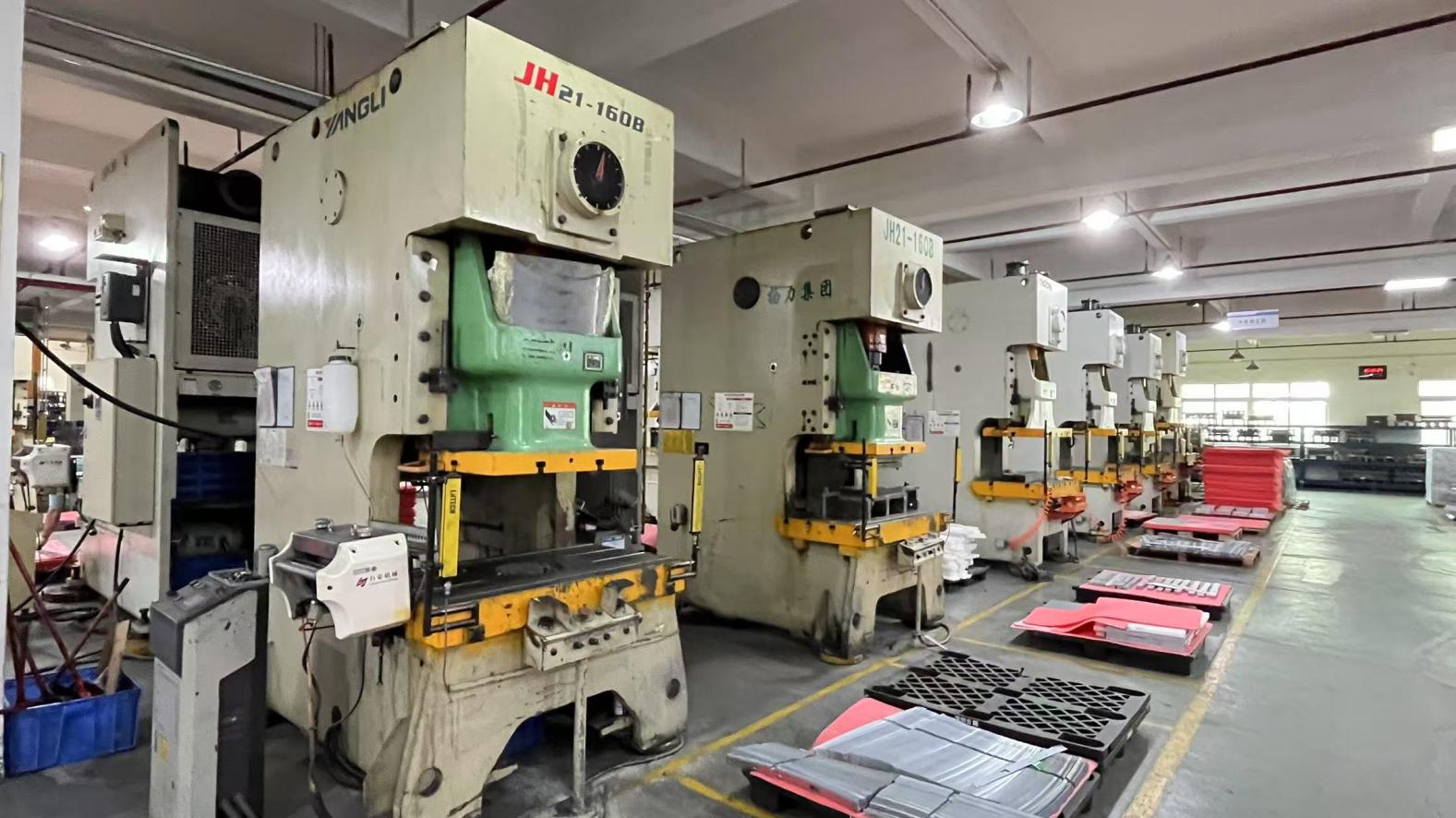
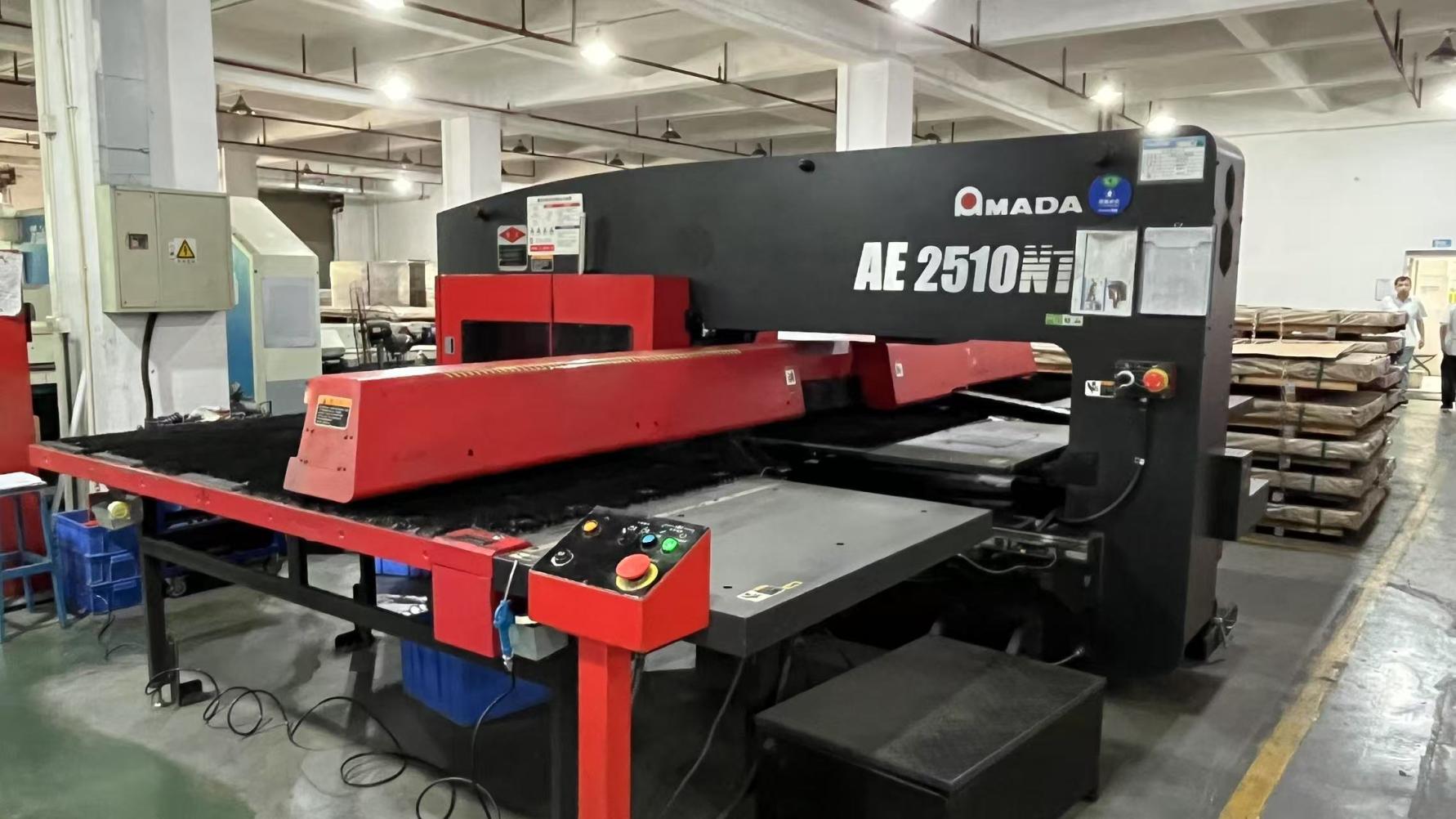
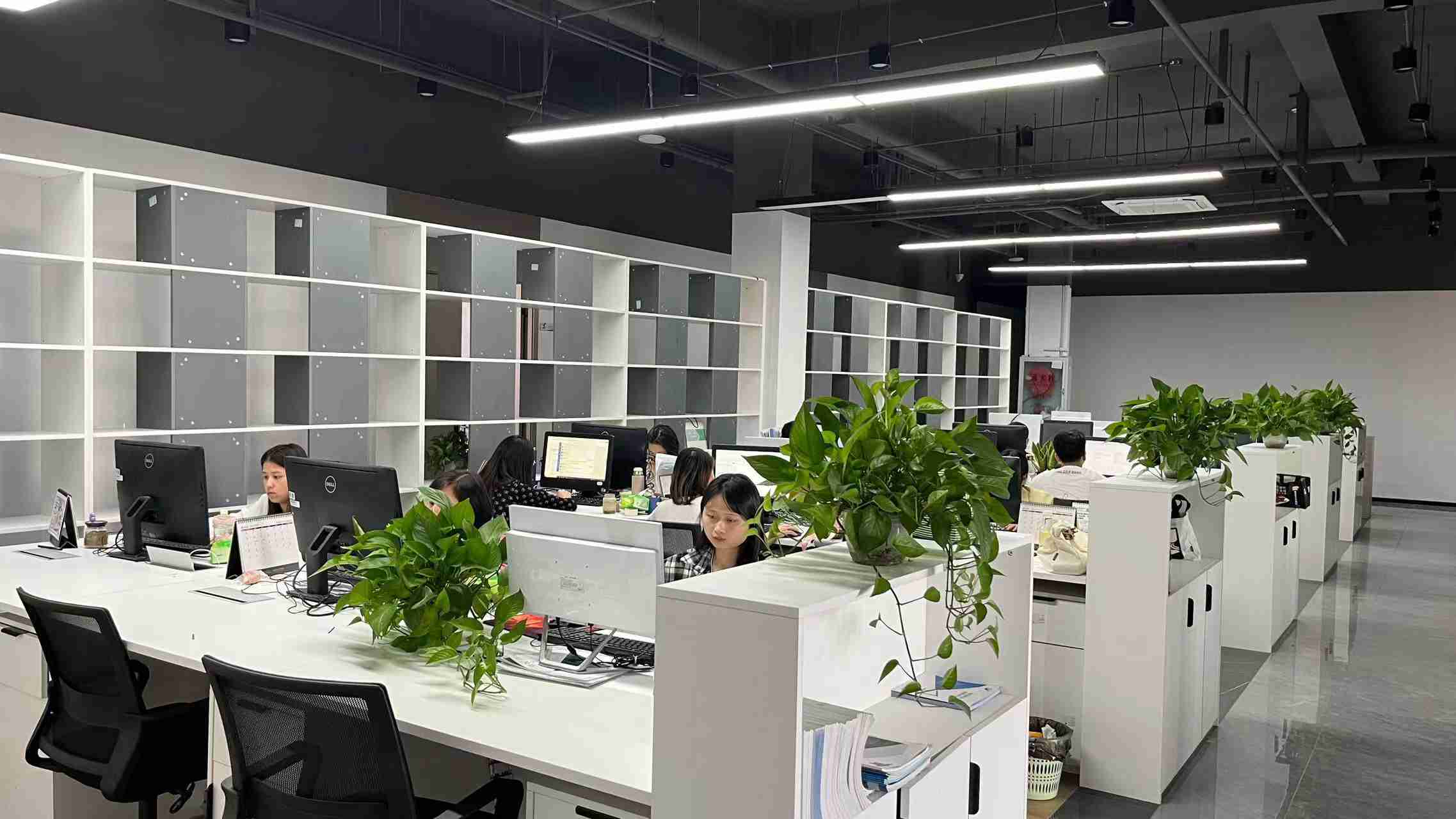
Operating from our modern 320㎡ specialized assembly and verification facility in Shenzhen, we match top-tier manufacturing processes with international reliability requirements.


CE, FCC & RoHS
Fully Certified Infrastructure Units
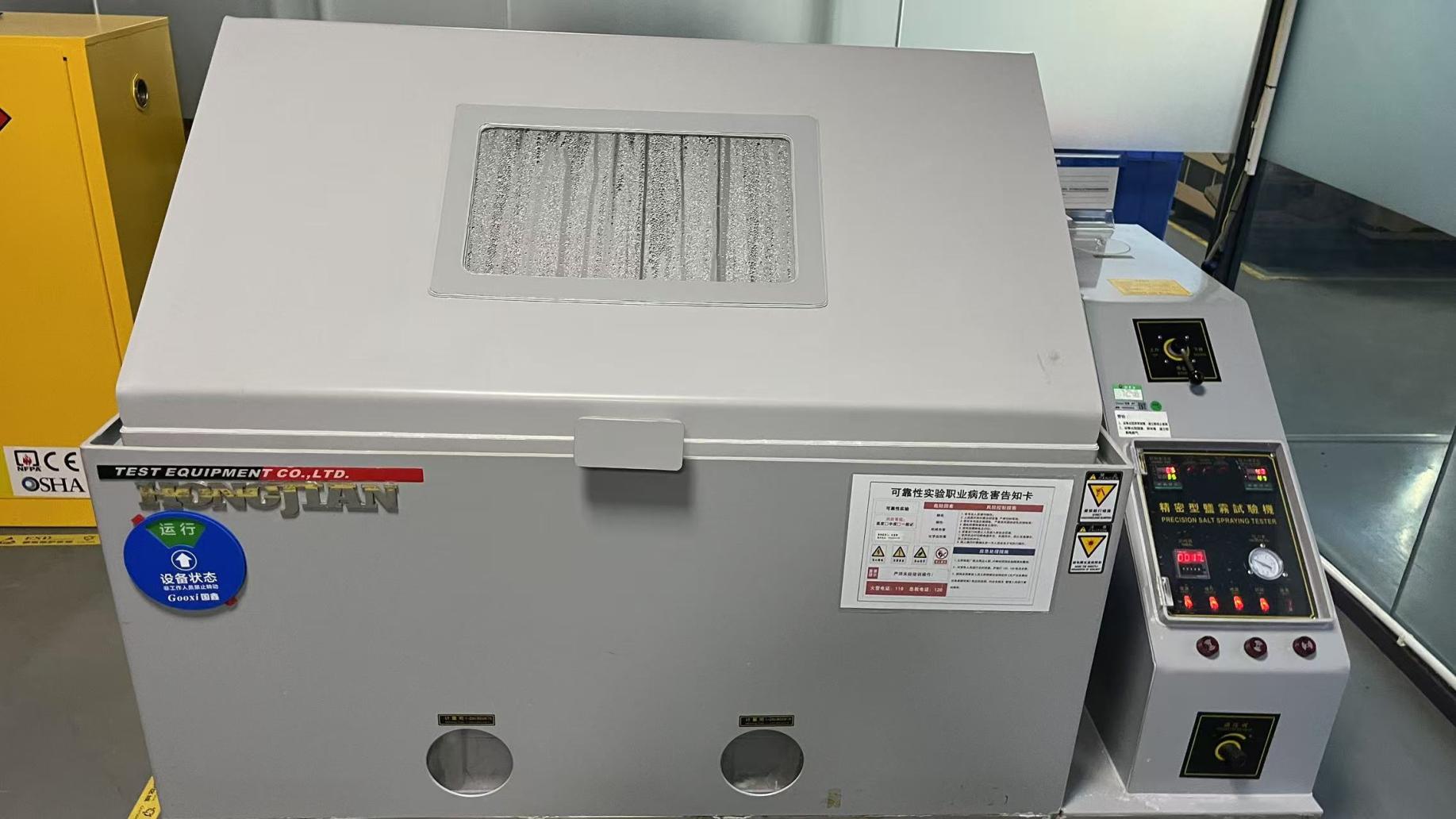
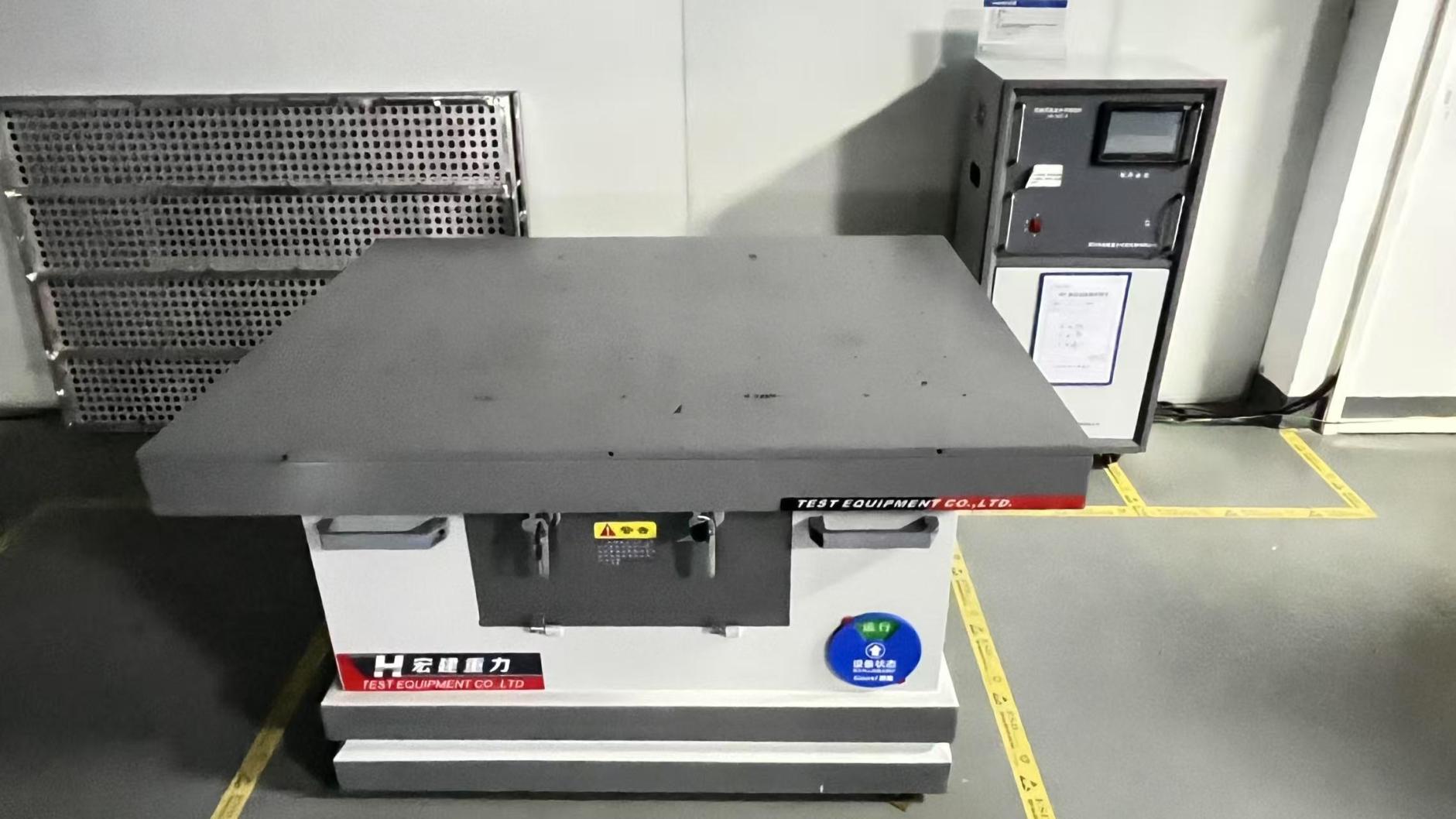
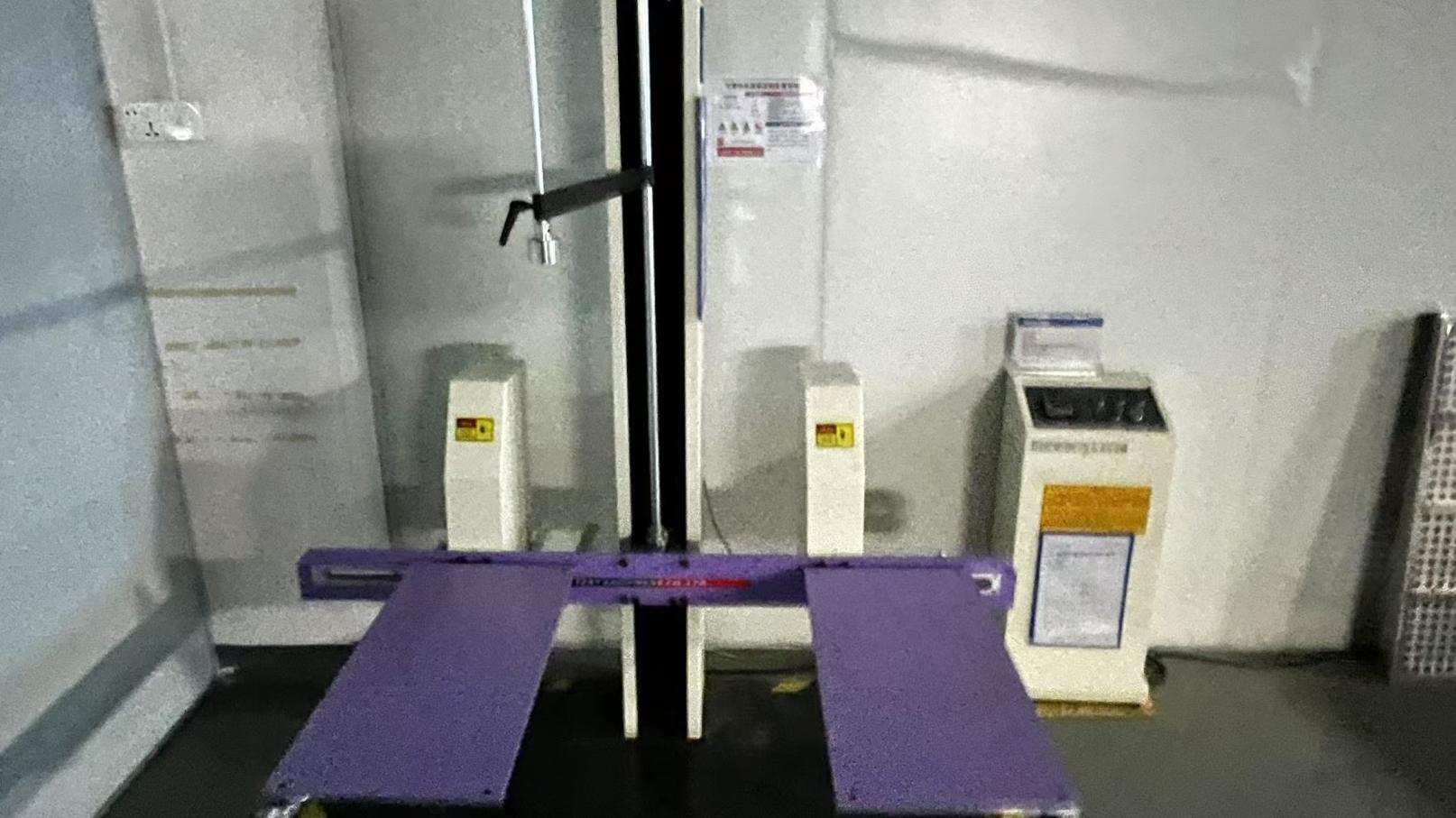
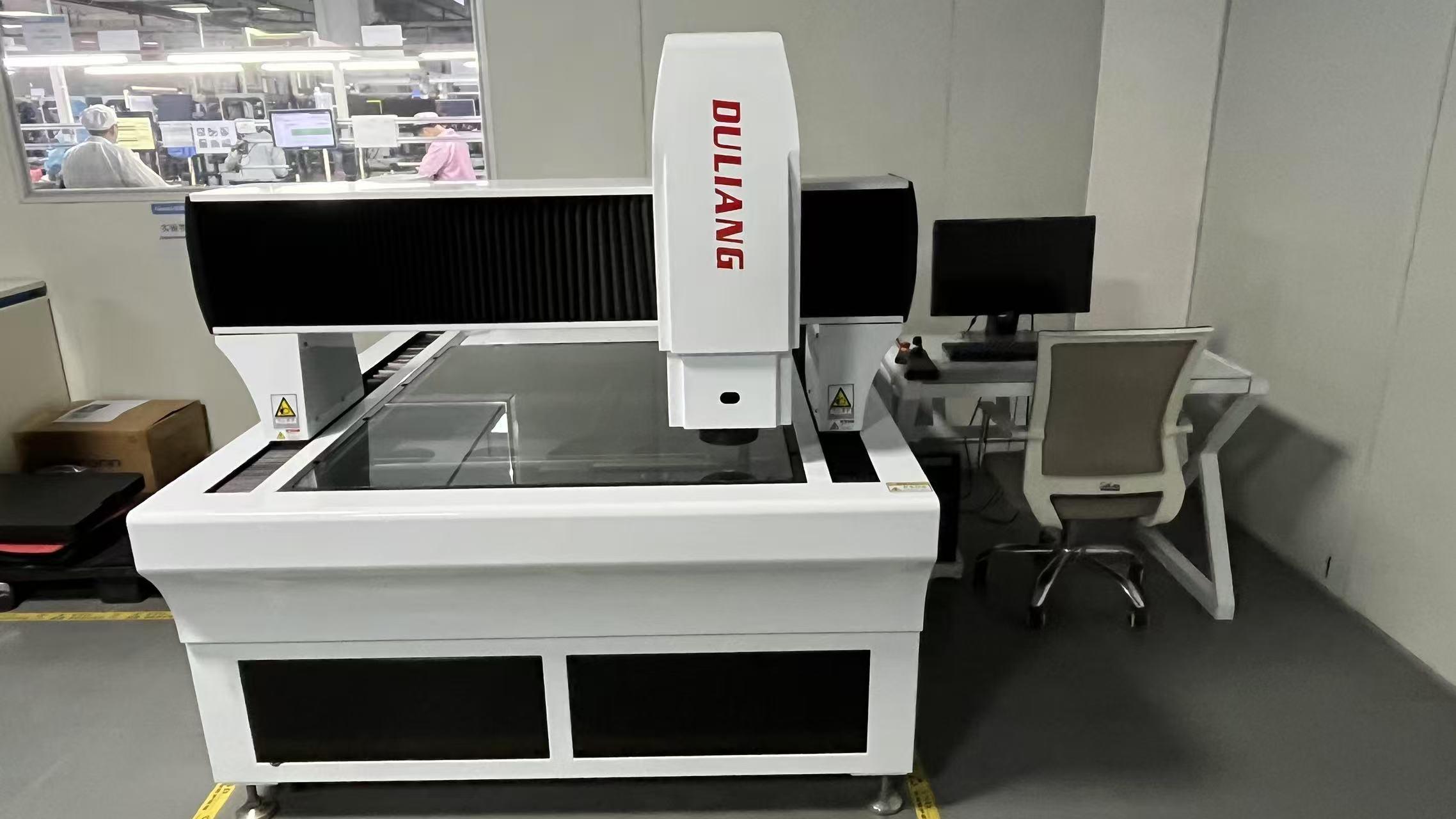
Technical considerations when sourcing custom hardware systems for enterprise commerce applications.
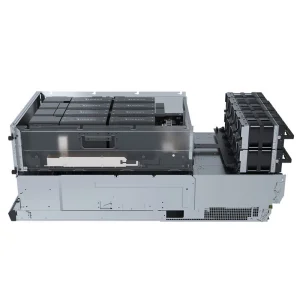
For inventory modeling, transaction tracking, and processing structured sales figures, standard multi-core CPU setups are ideal. However, video intelligence feeds at checkout terminals require specialized hardware acceleration. System designs like the G5500 V6 or G8600 V7 can house several dual-slot GPUs, allowing them to simultaneously analyze parallel video streams without overloading the main processor.
In high-frequency logistics nodes, processing speed is critical. Traditional SATA storage drives often create latency bottlenecks during peak sales events. Upgrading to PCIe-based NVMe storage, such as the EP600 Series SSD, offers significantly higher read/write performance. This fast data access keeps transaction logs updated and ensures inventory details remain synchronized across all distribution centers without lag.
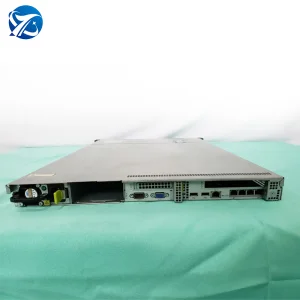
Traditional data centers are built with deep cabinets. However, physical retail stores often have limited backroom space, using smaller wall-mounted racks. Selecting short-depth chassis models allows retailers to deploy enterprise-grade compute platforms locally in-store. This physical compatibility is crucial for edge computing installations where space is at a premium.
Answers to common technical, logistics, and quality assurance questions from international enterprise buyers.
High-speed interconnect systems, expandable system memory configurations, and high-performance server hardware designed for next-generation network infrastructures.