ZhiCloud AI
ZhiCloud AI
ZhiCloud AI
Discover high-density computational engines engineered specifically to fuel demanding database analytics, deep learning processing, and mission-critical enterprise workloads.
How advanced server infrastructure serves as the foundational architecture driving modern predictive modeling, LLM-based business execution, and high-performance industrial intelligence.
Historically, Business Intelligence (BI) relied on static database systems running overnight batch processes to generate standard SQL tables and historical reports. This legacy operational mode was primary, but suffered from latency. Today, modern global enterprises operate under dynamic conditions requiring real-time, event-driven, and generative semantic analytics. High-level user intent mining, automated supply-chain re-routing, and large-scale semantic data retrieval (e.g., Retrieval-Augmented Generation or RAG models, powered by neural agents like DeepSeek R1) require a complete restructuring of the underlying database computing layer.
This massive volume of raw unstructured data (images, voice, real-time telemetry, and natural language documents) cannot be efficiently processed by legacy CPU architectures alone. The modern enterprise decision system requires high-density GPU computing configurations, low-latency DDR5 memory channels, and high-throughput PCIe Gen5 storage fabrics. As a specialized hardware systems developer, Shenzhen Intelligent Computing Cloud Technology Co., Ltd. (ZhiCloud AI) bridges the gap between hardware architecture and cognitive algorithms. We build the physical backbone that makes true real-time Business Intelligence a reality.
Whether deploying high-performance server clusters for financial risk assessment, configuring multi-node environments for retail recommendation engines, or orchestrating low-latency inference systems in modern smart warehouses, the core parameter of business success remains compute performance. Modern BI is no longer just software; it is physical computational capability working in absolute synchronicity with advanced enterprise models.
Established in 2016, ZhiCloud AI stands as an industry leader in customized AI hardware integration, high-performance computing, and global enterprise distribution.
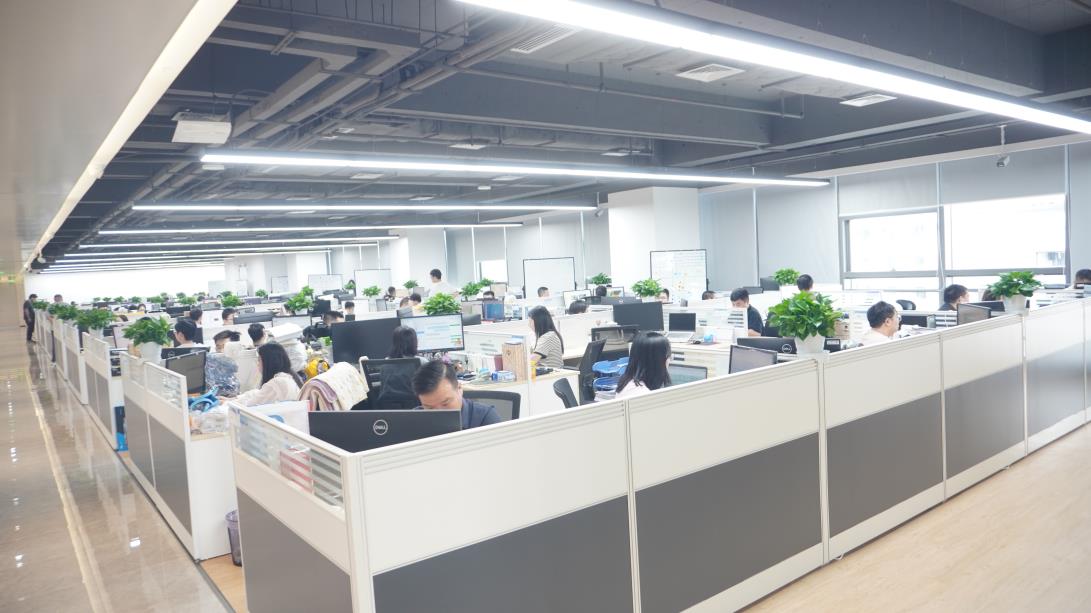
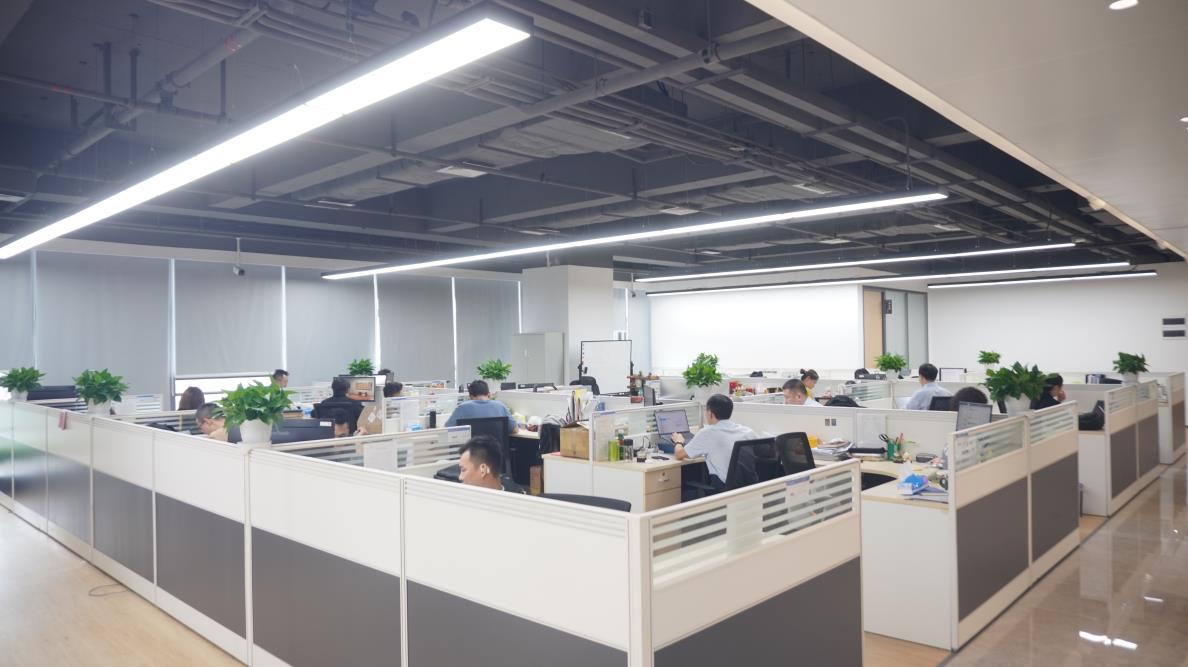
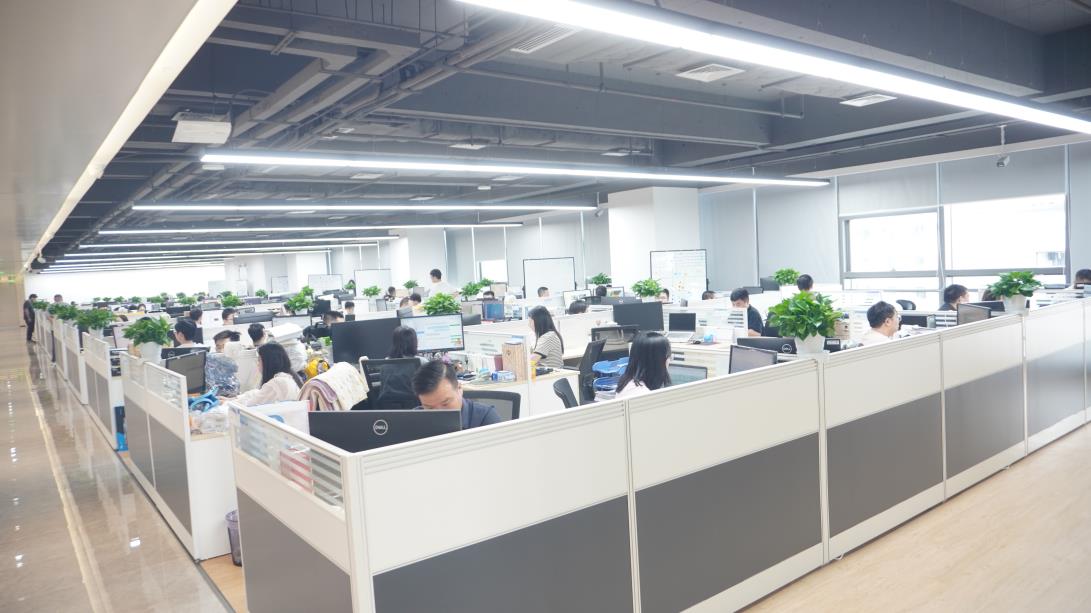
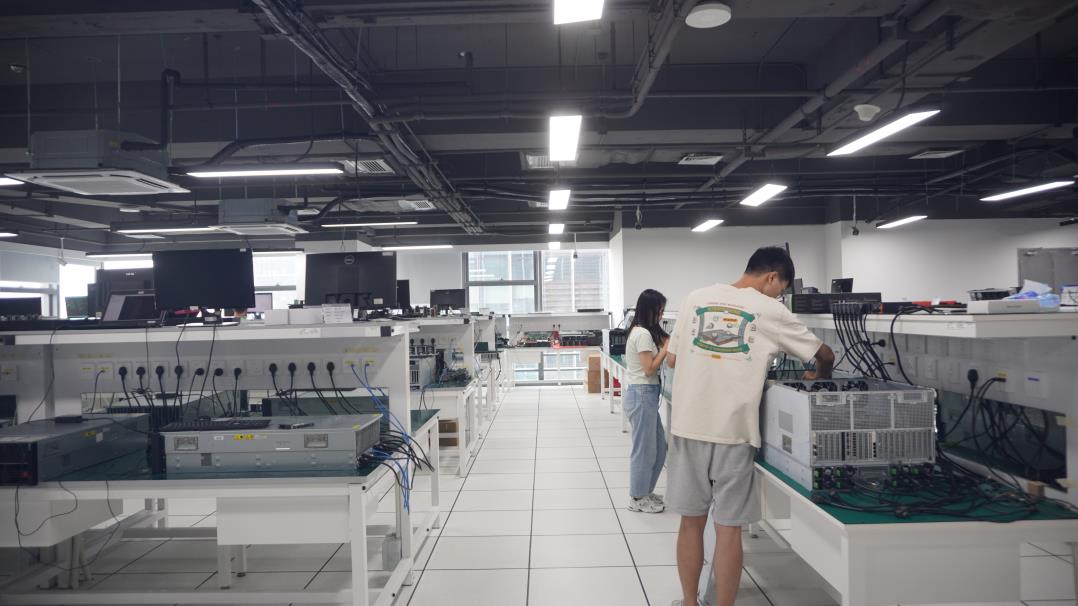
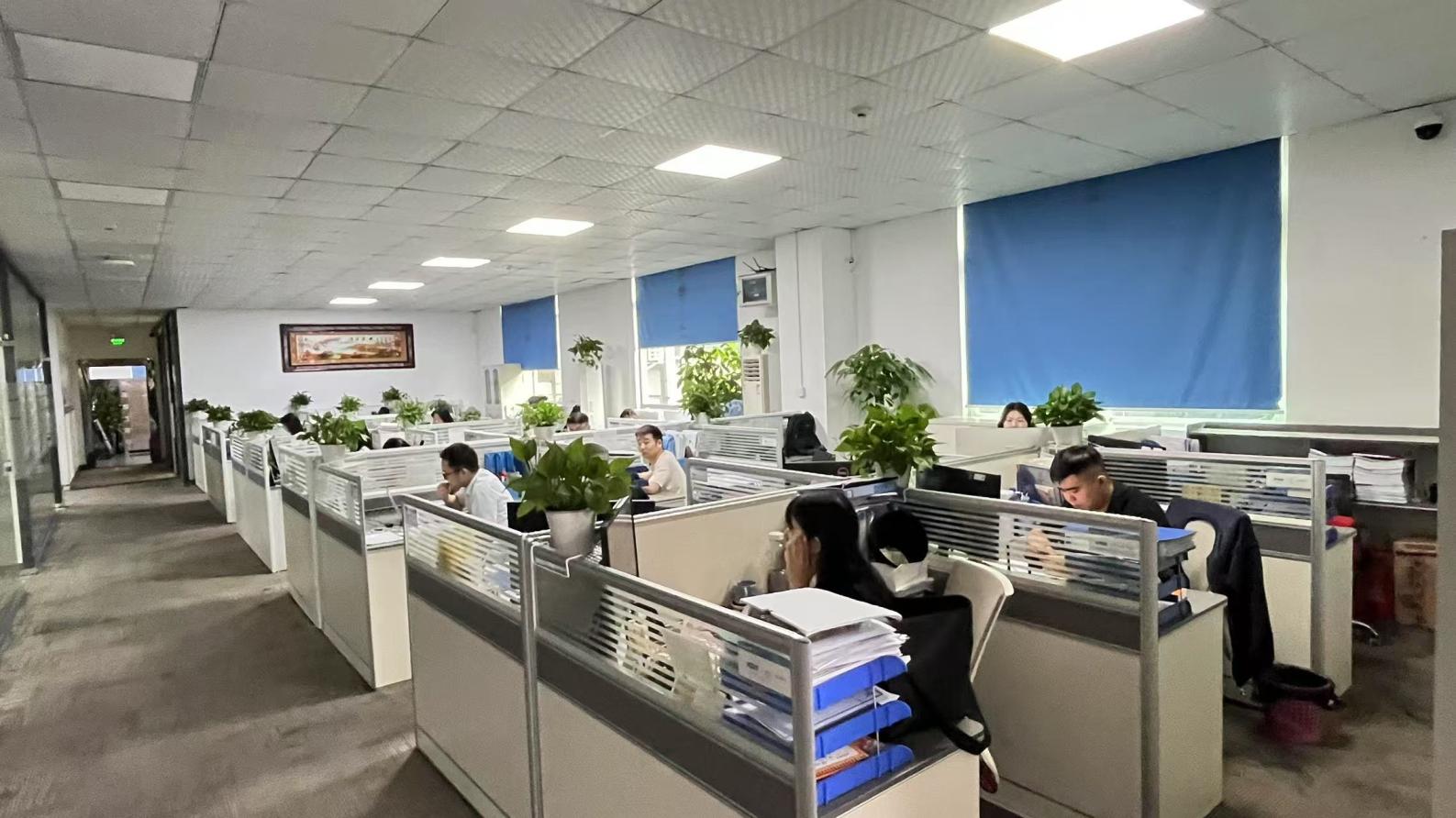
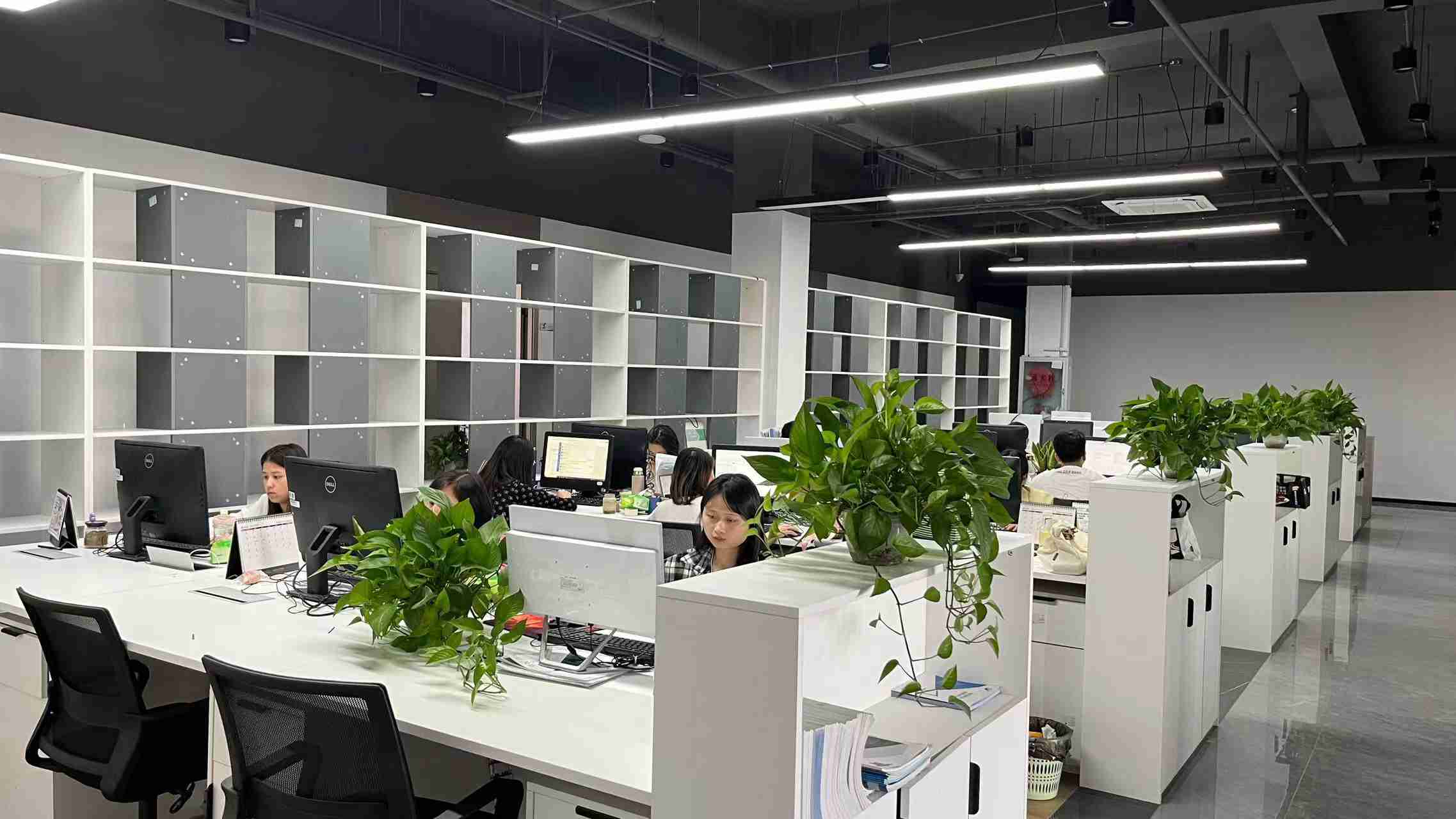
Our operation is based on specialized design, system adaptation, and rigorous thermal engineering validation. Operating out of our specialized system integration and engineering testing hub in Shenzhen, we ensure that every cluster and customized GPU system undergoes rigorous functional testing. Our strategic integration network of over 1,200 manufacturing and component partners allows us to manage global supply chains efficiently. This secures crucial processing units, high-capacity enterprise-grade solid-state storage, and advanced cooling components even in highly volatile market environments.
A detailed examination of how engineering standards, customization paths, and deployment configurations affect Total Cost of Ownership (TCO).
Standard off-the-shelf rack servers often fail to meet the thermal and latency profiles required for real-time model computation. ZhiCloud AI offers hardware customization including GPU configuration tuning, high-speed networking adapters, and customized storage layout optimized for deep semantic query loads.
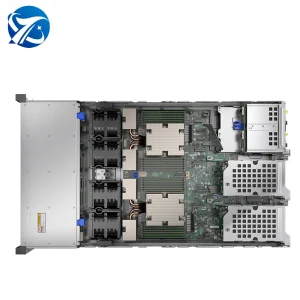
As computing densities scale up, managing heat generation is crucial for hardware longevity. High-density server models are integrated with specialized smart cooling systems, advanced copper heat sinks, and structural chassis designs that maximize airflow, minimizing thermal throttling under heavy computing cycles.
Data integrity is paramount in enterprise decision infrastructure. We ensure our storage configurations leverage advanced RAID protection protocols, hardware encryption layers, and redundant power configurations, preventing service disruption and securing valuable digital assets.
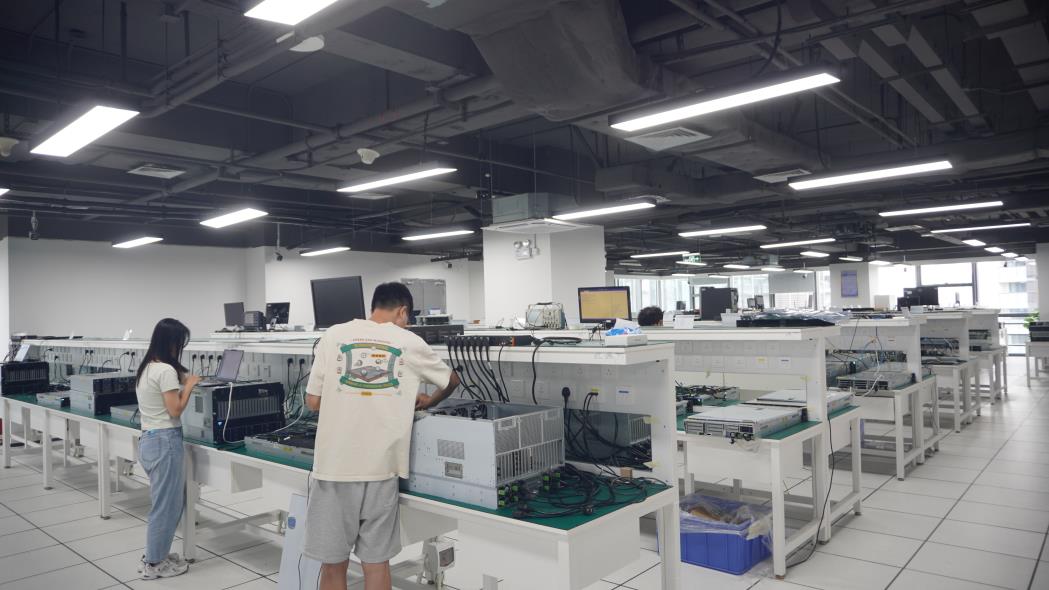
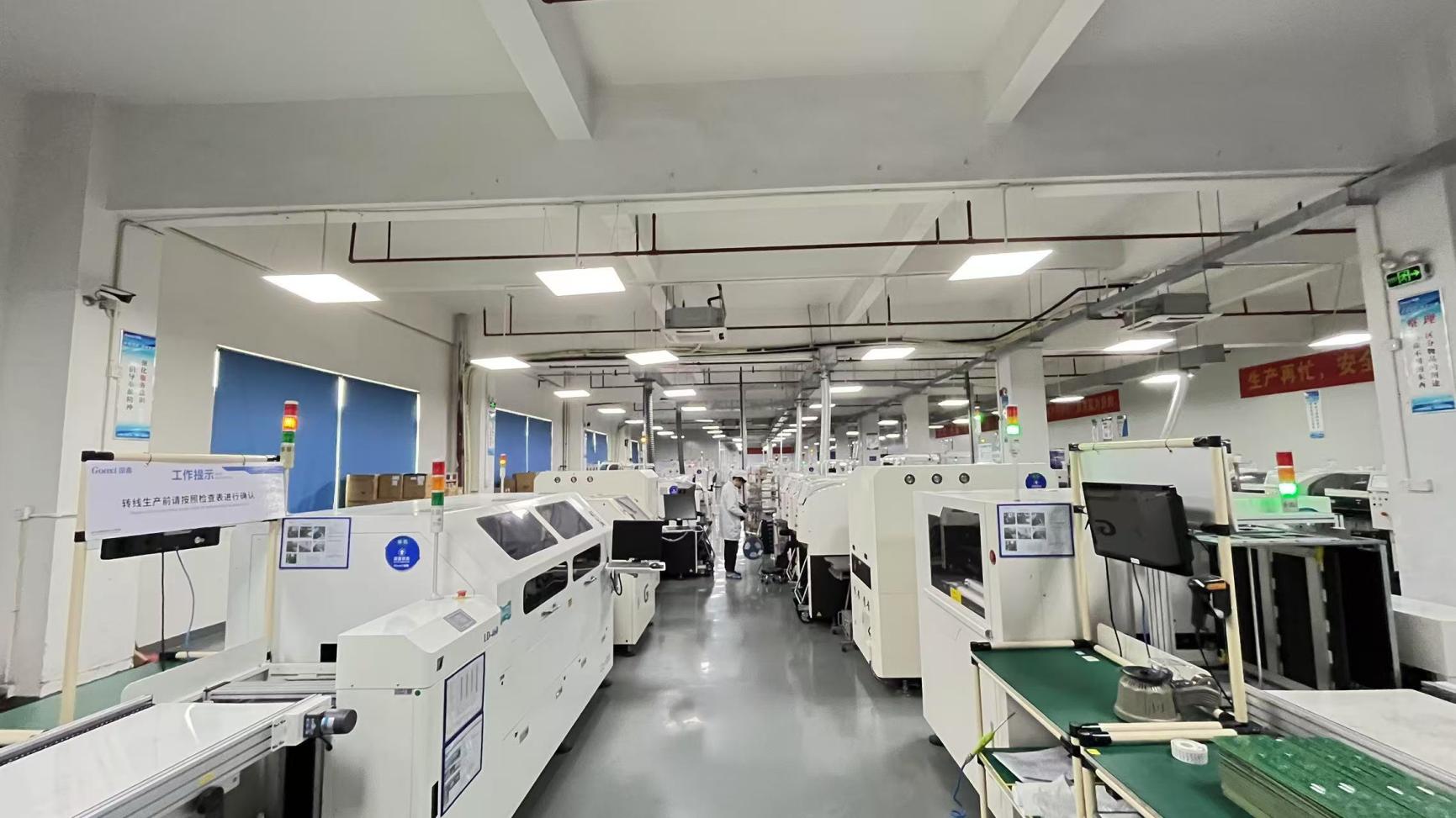
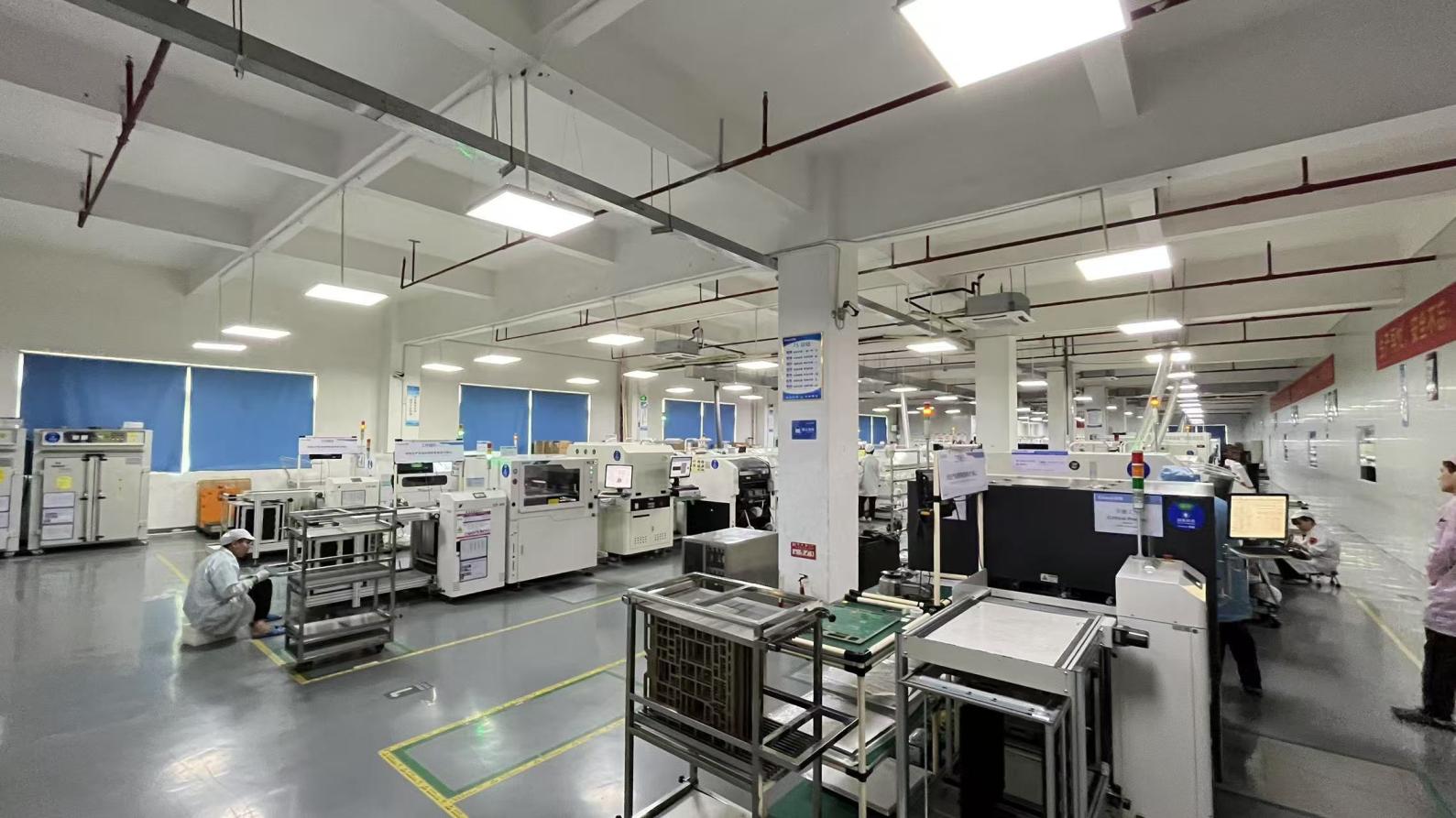
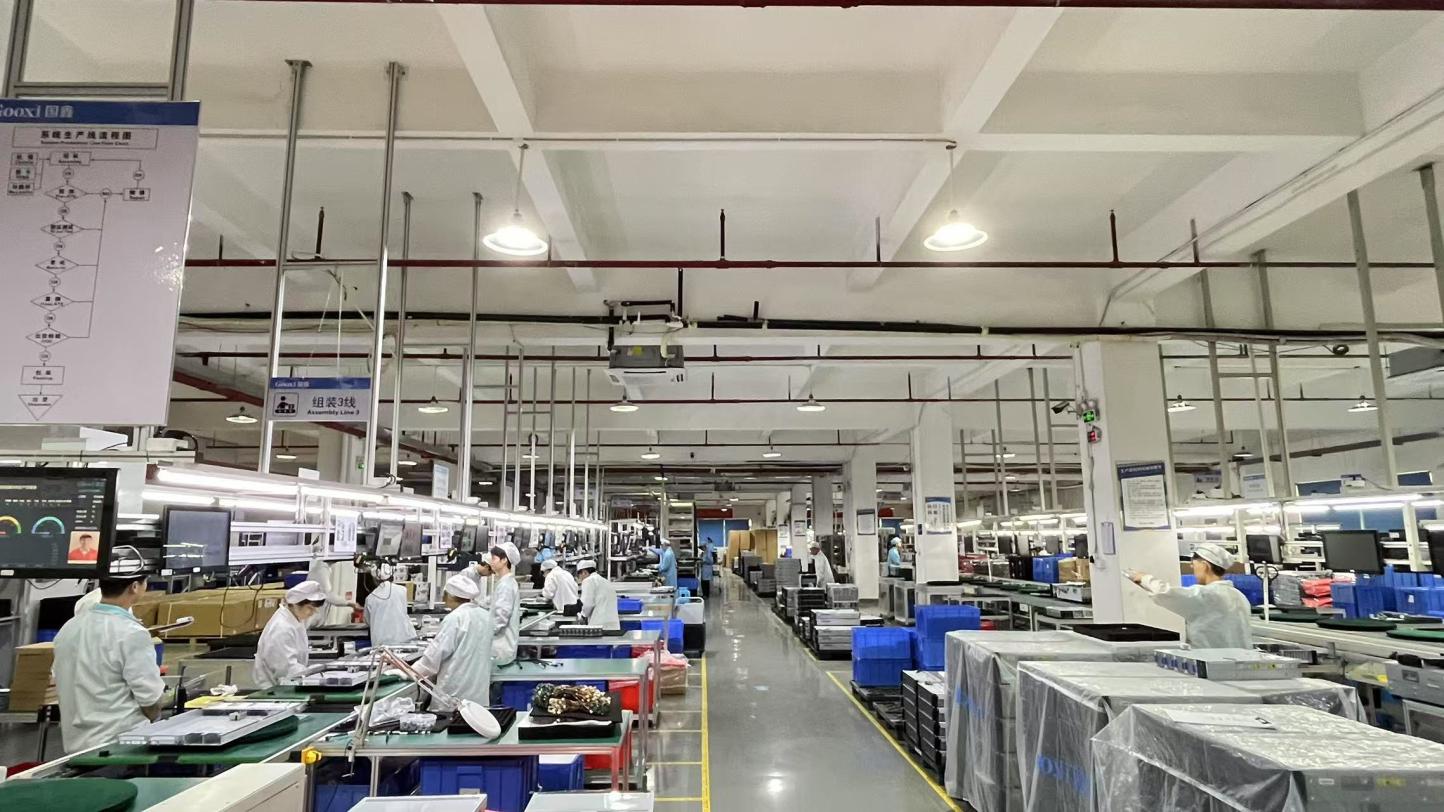
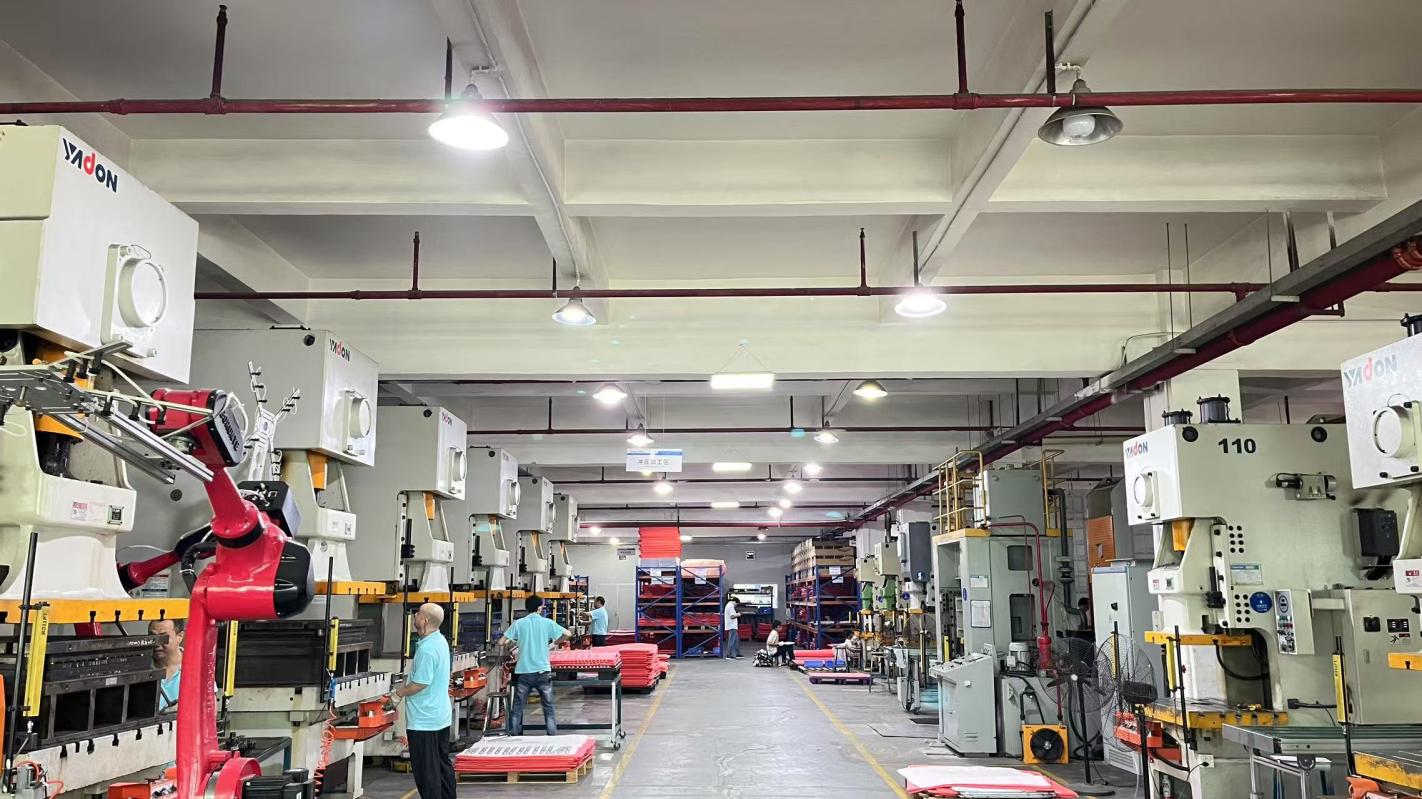
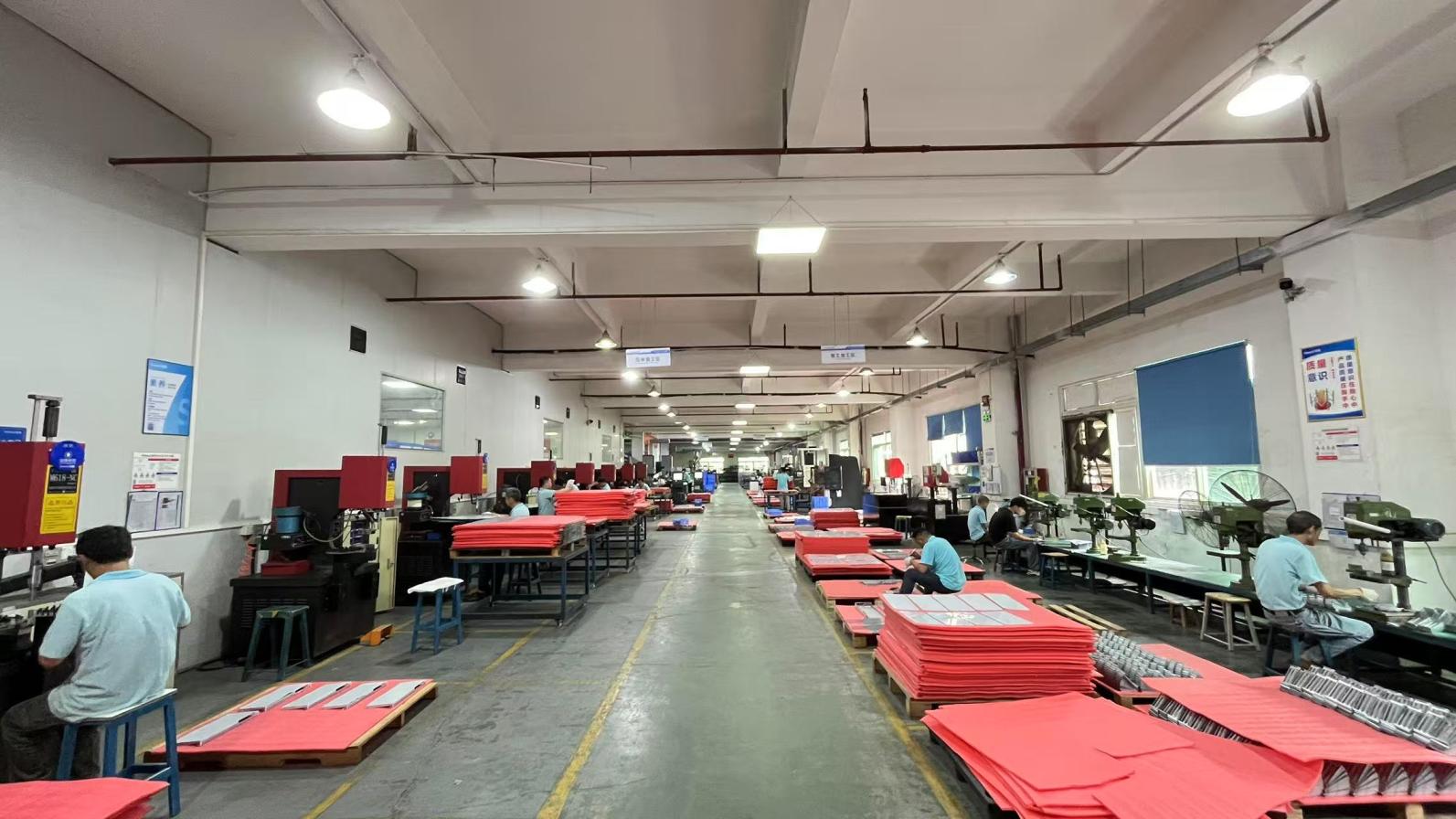
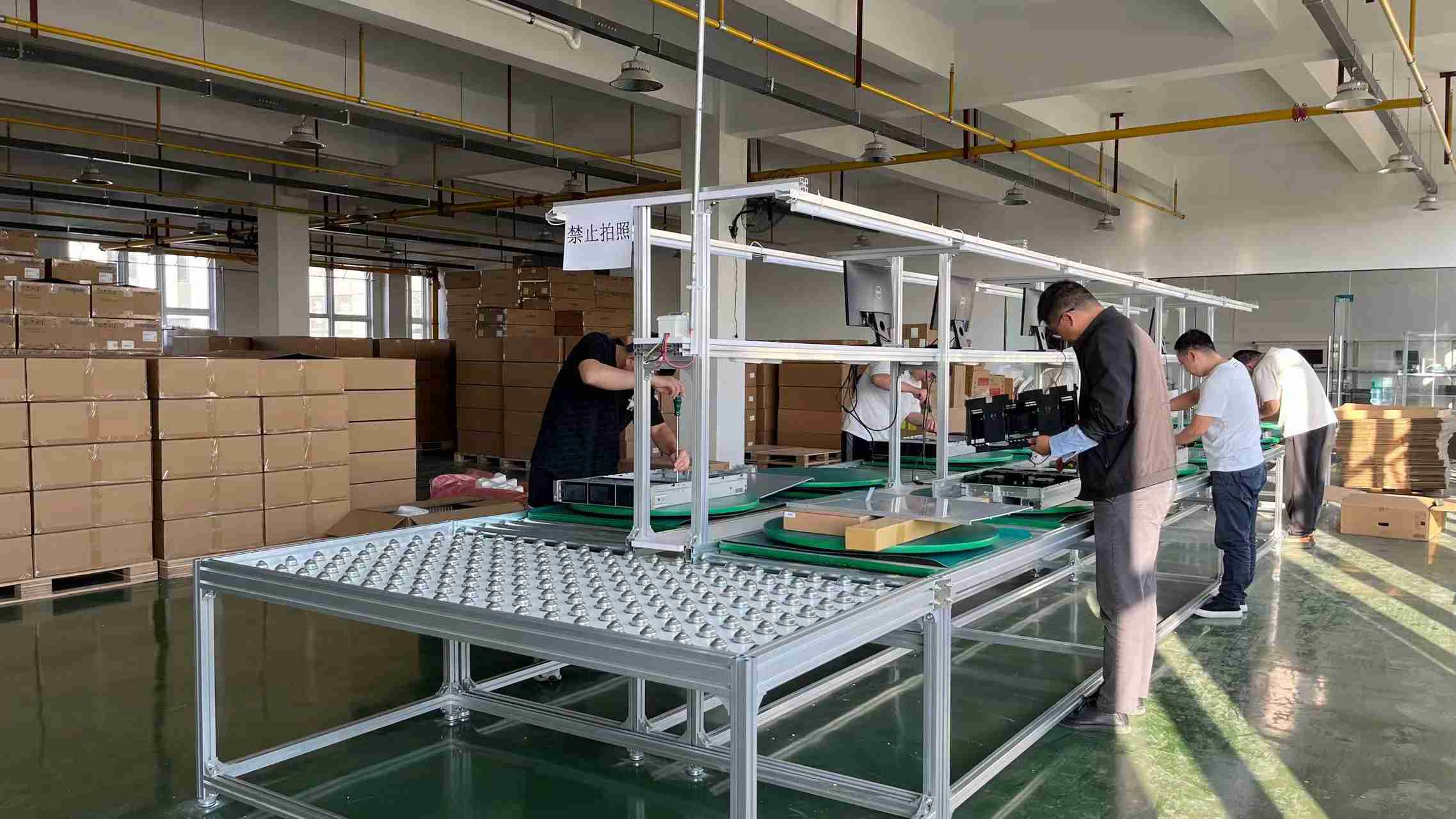
Our modern engineering facility leverages Industry 4.0 automation systems, strict precision monitoring, and structured quality gates to build highly reliable, high-performance computing hardware.
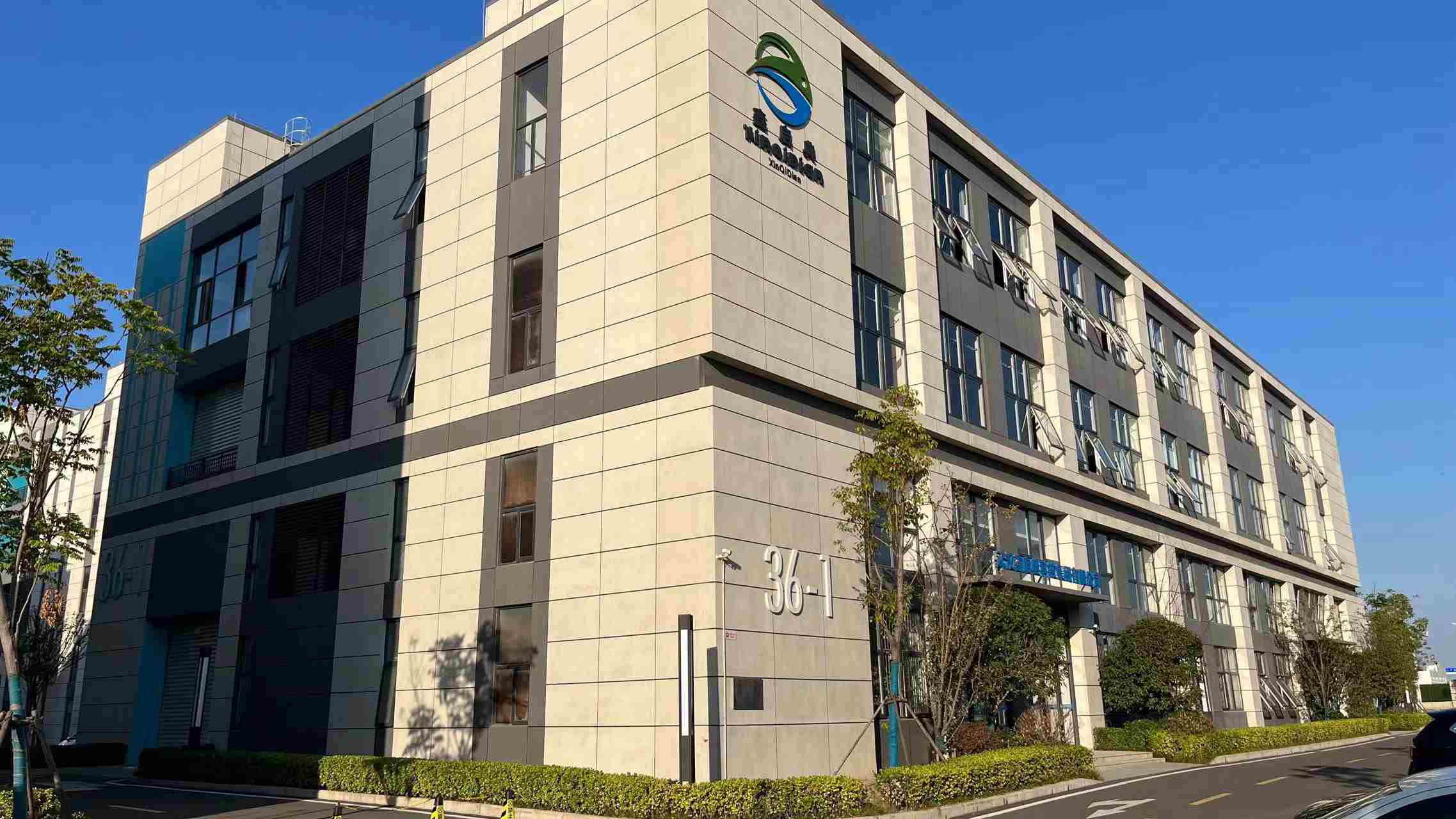
Operating inside the world's most dynamic hardware ecosystem in Shenzhen, ZhiCloud AI combines localized agility with international execution standards. Our advanced system assembly line coordinates precision metal fabricating processes with electronic surface-mount technologies. Below is the step-by-step overview of our rigorous hardware production process flow, ensuring that every subsystem is assembled to strict aerospace-grade tolerances.
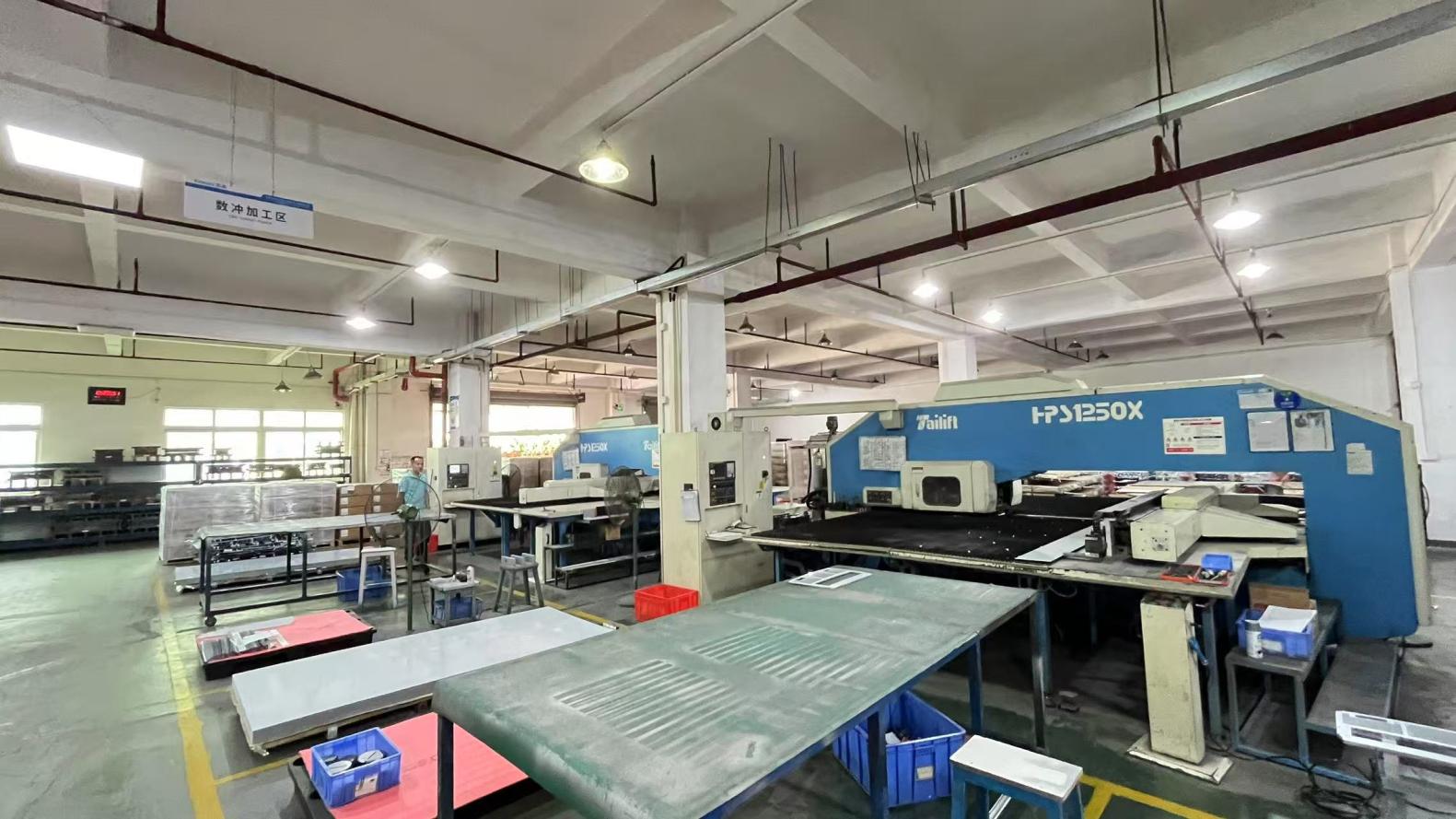
Material Cutting
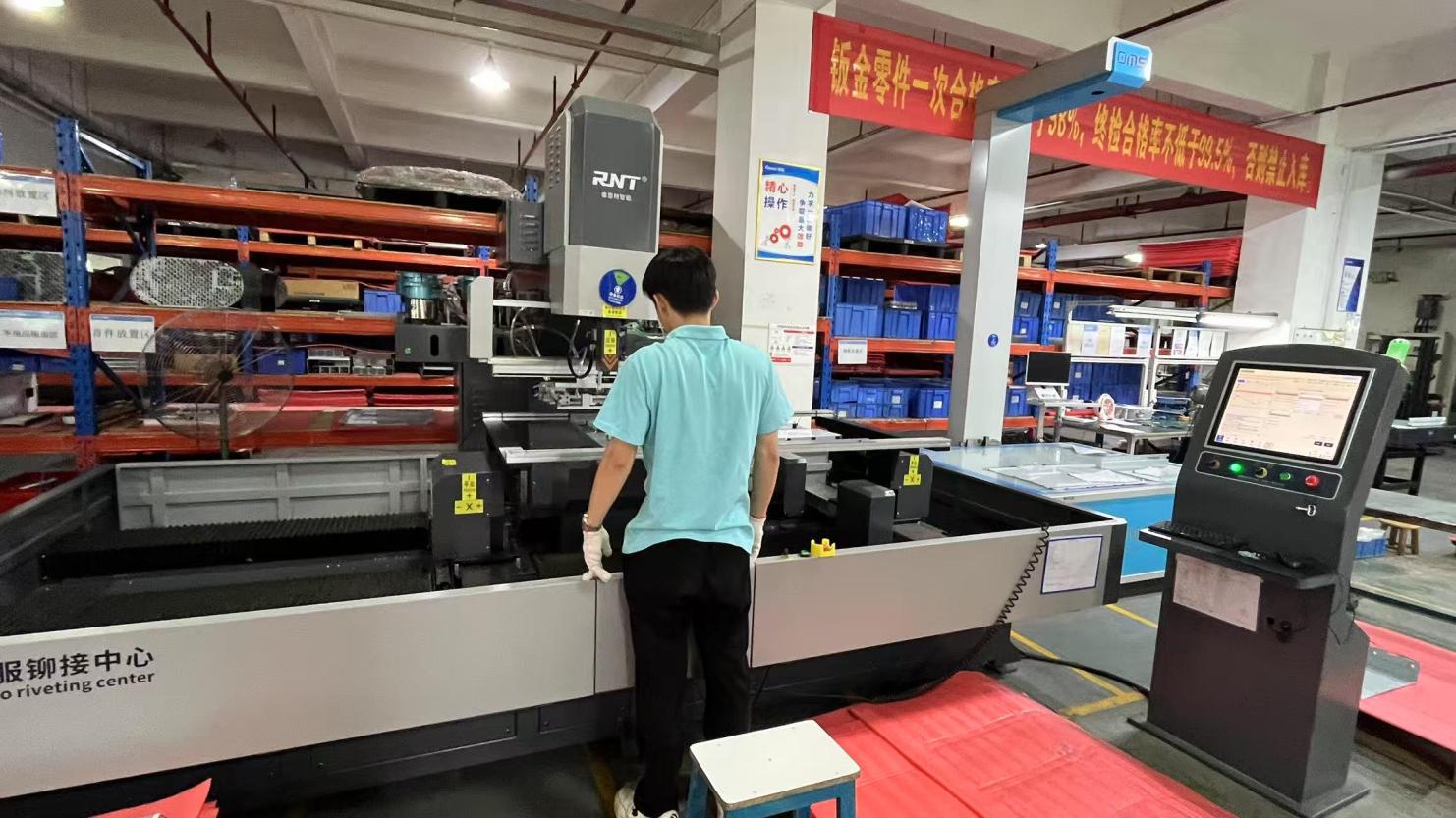
Riveting
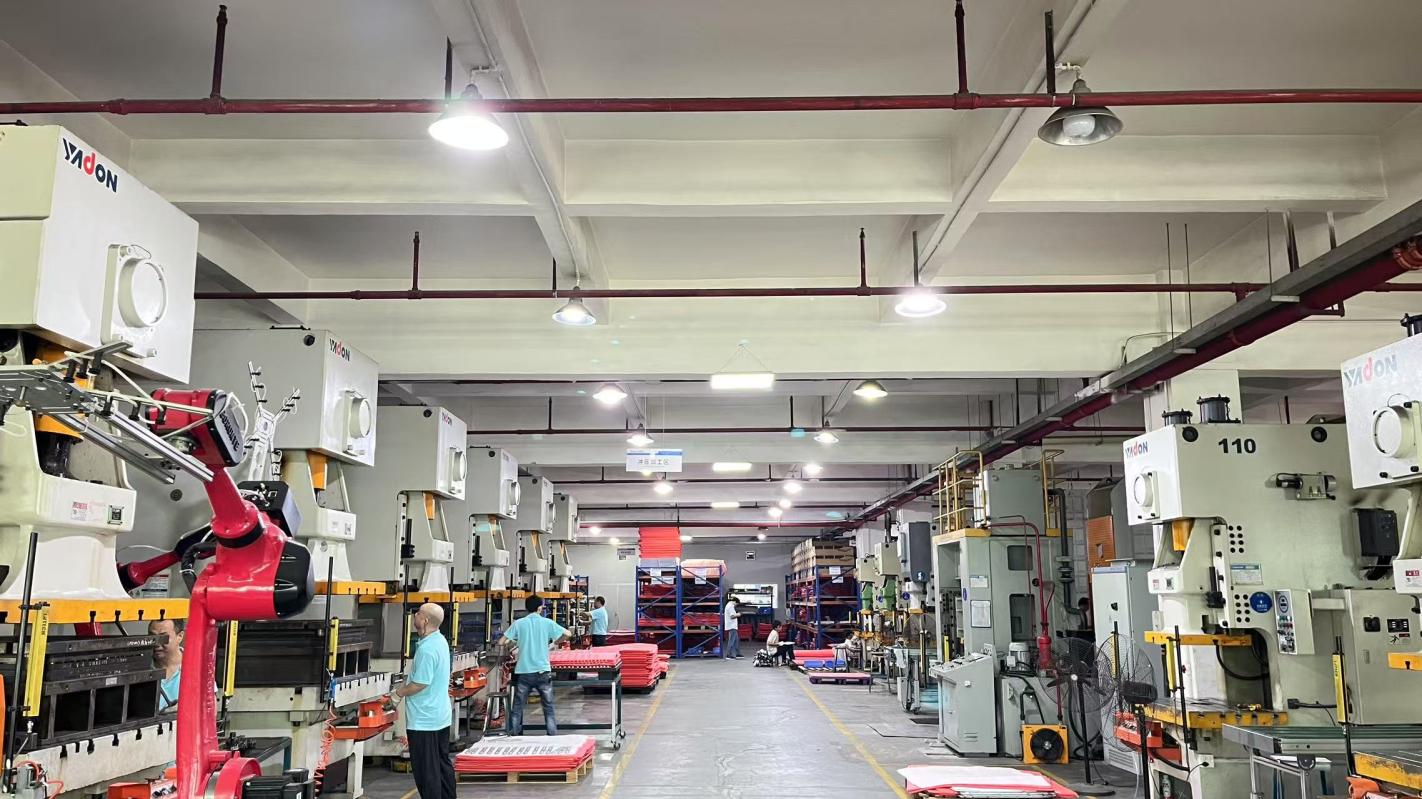
Stamping
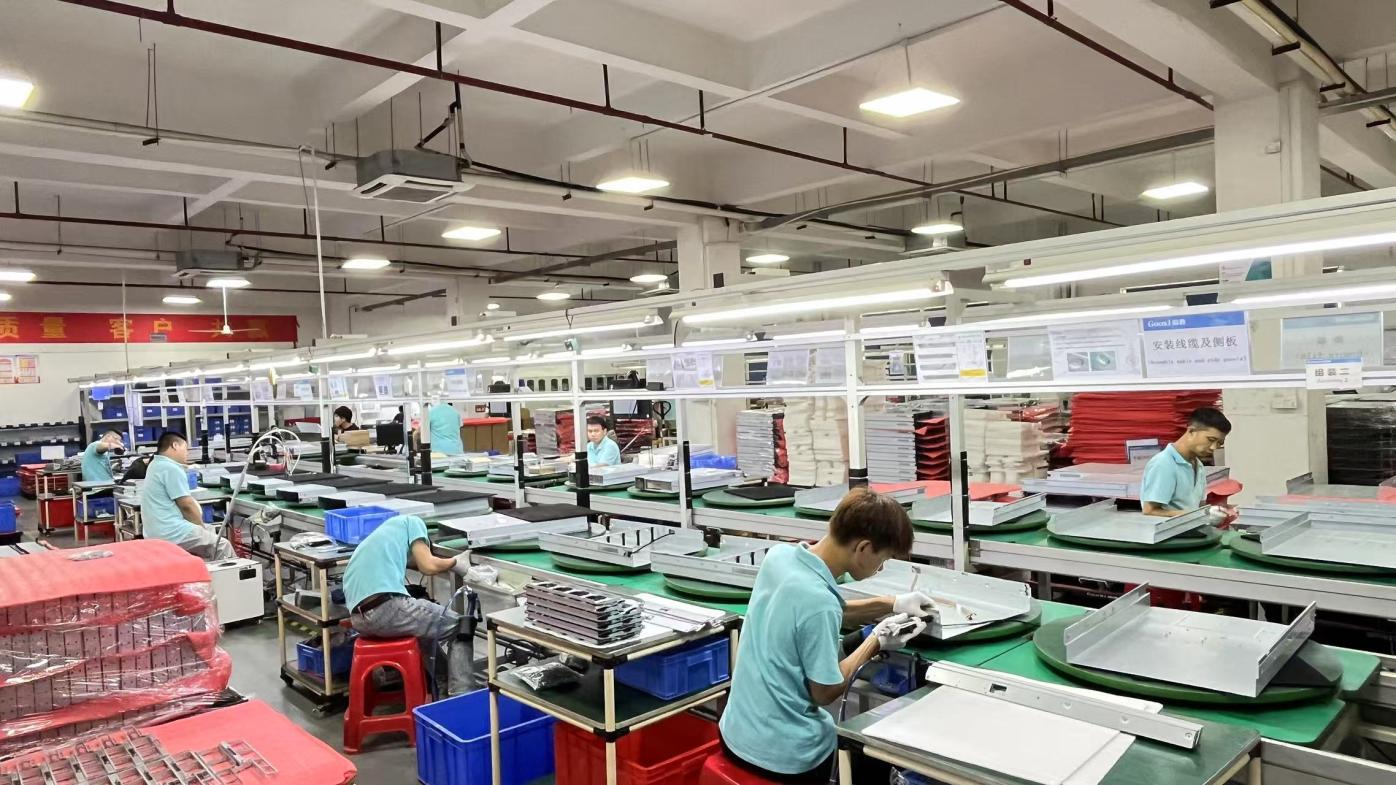
Housing Assembly
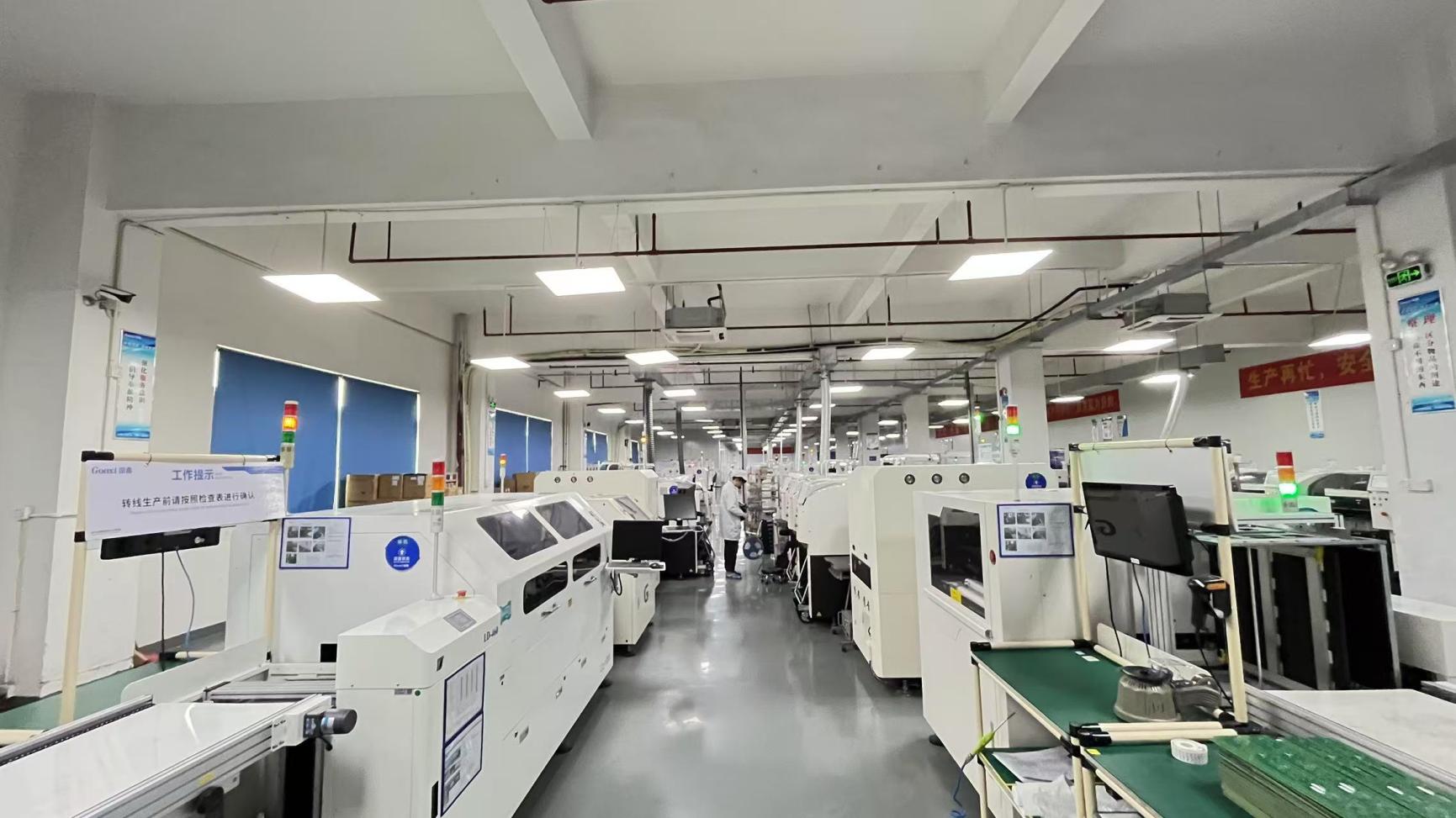
SMT Line
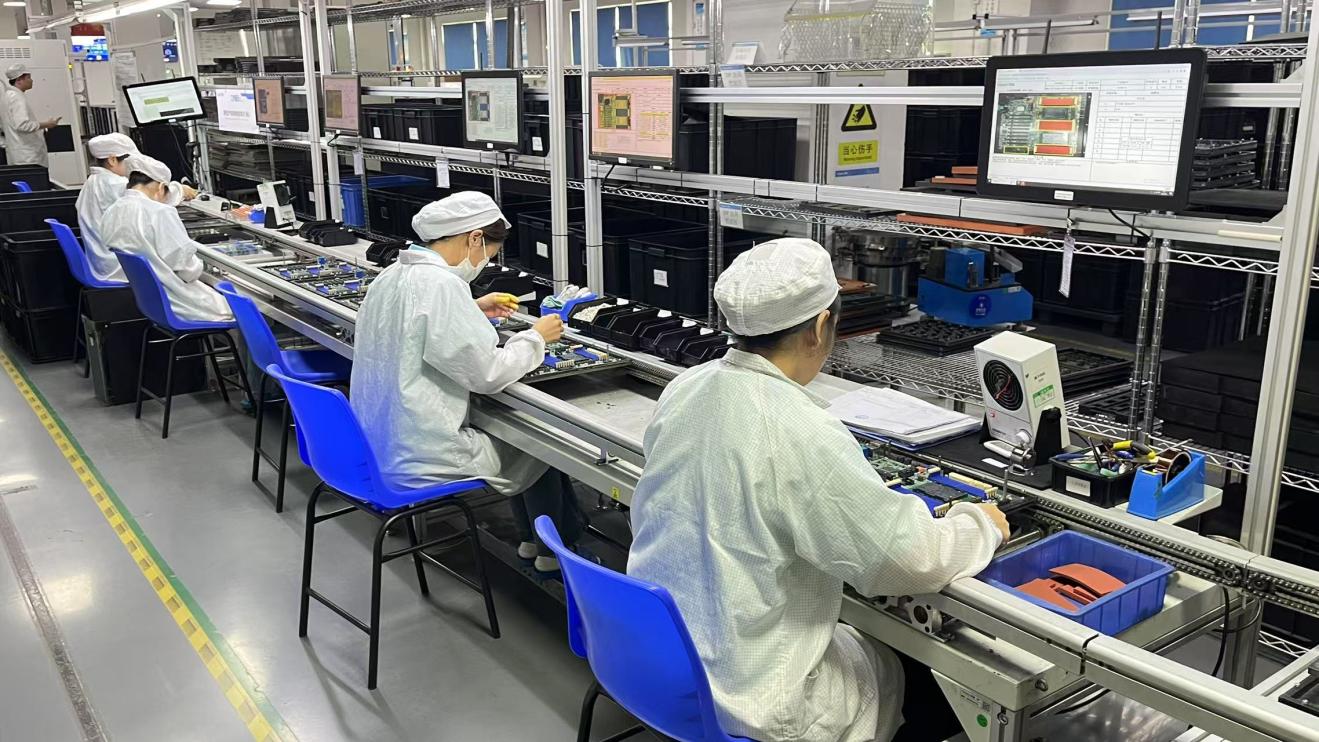
MI Processing
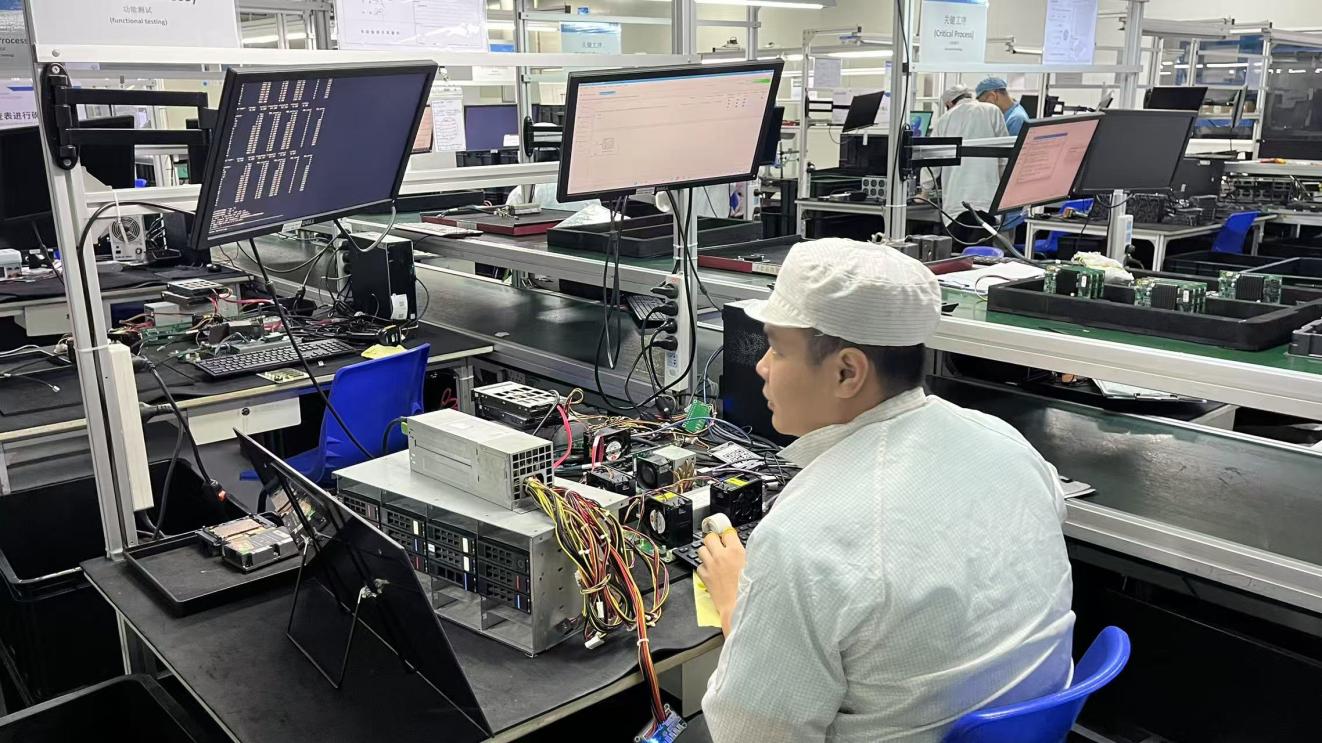
PCBA Test
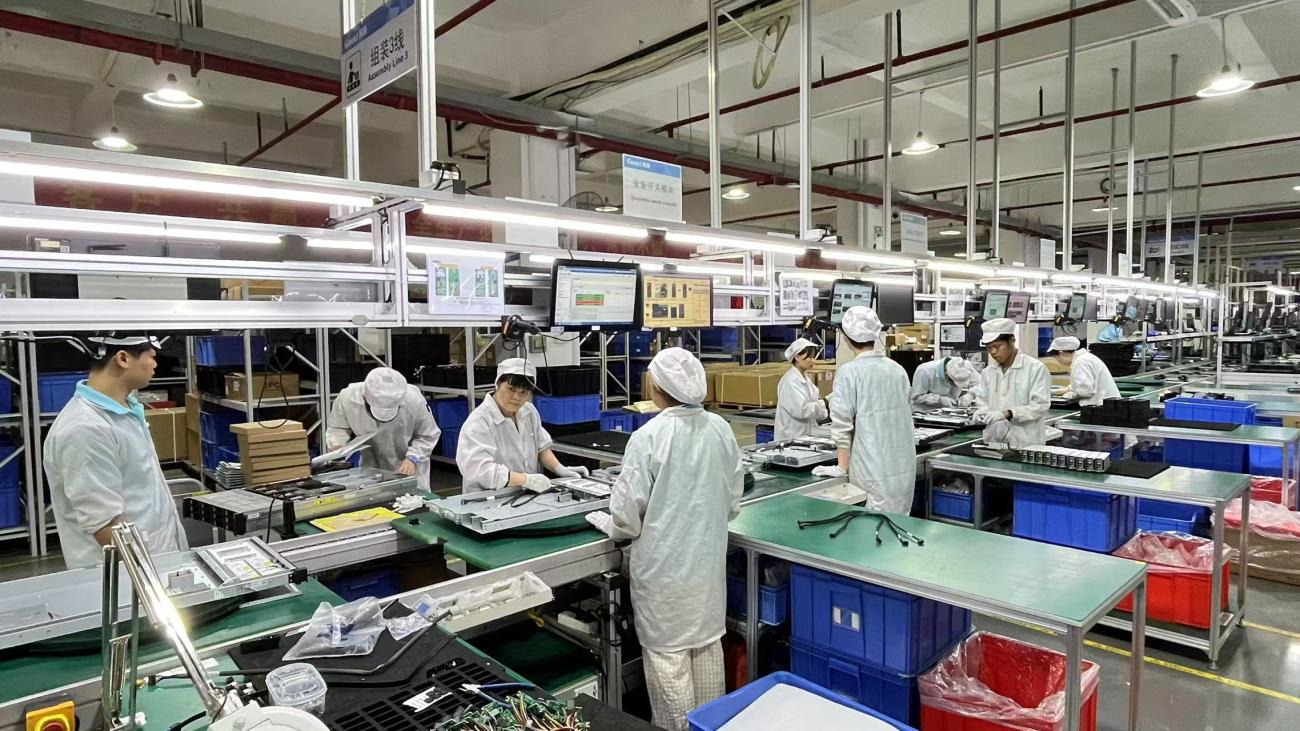
Final Assembly
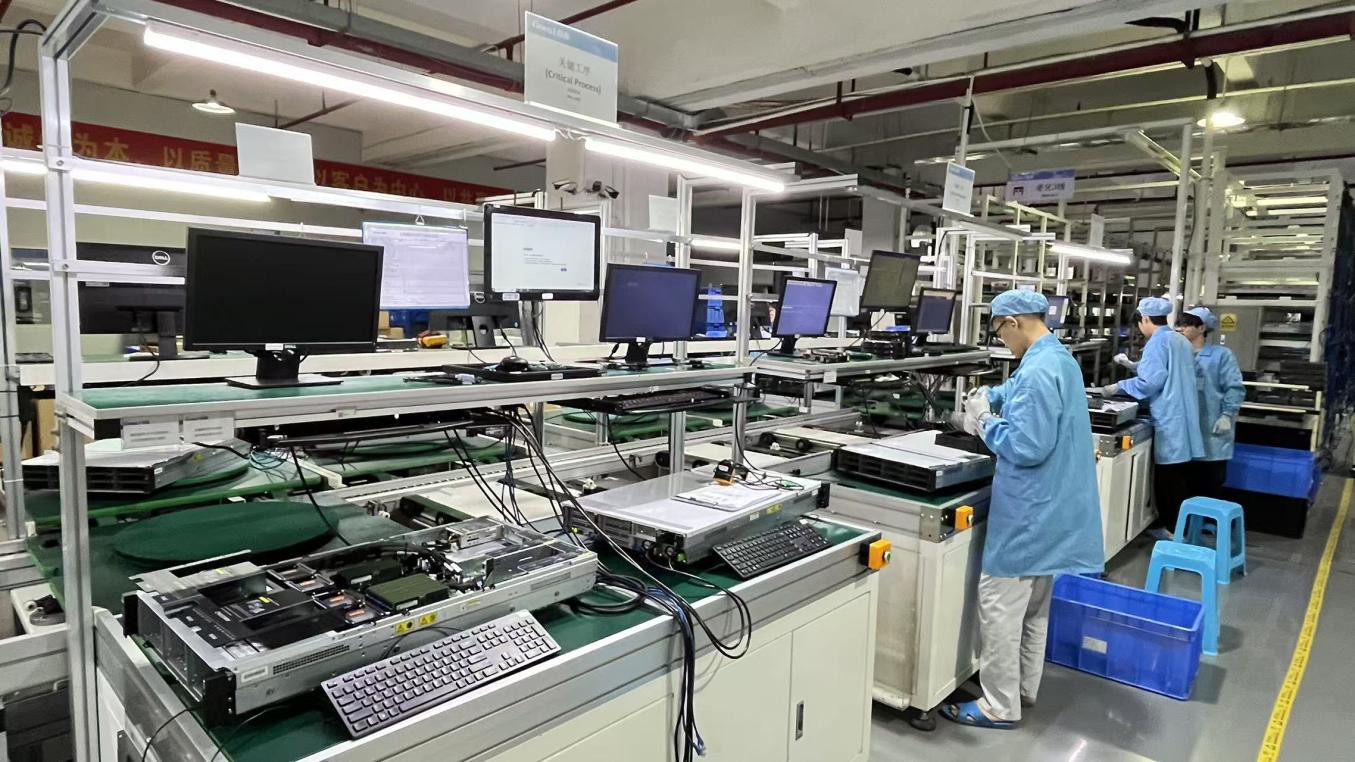
Testing Phase
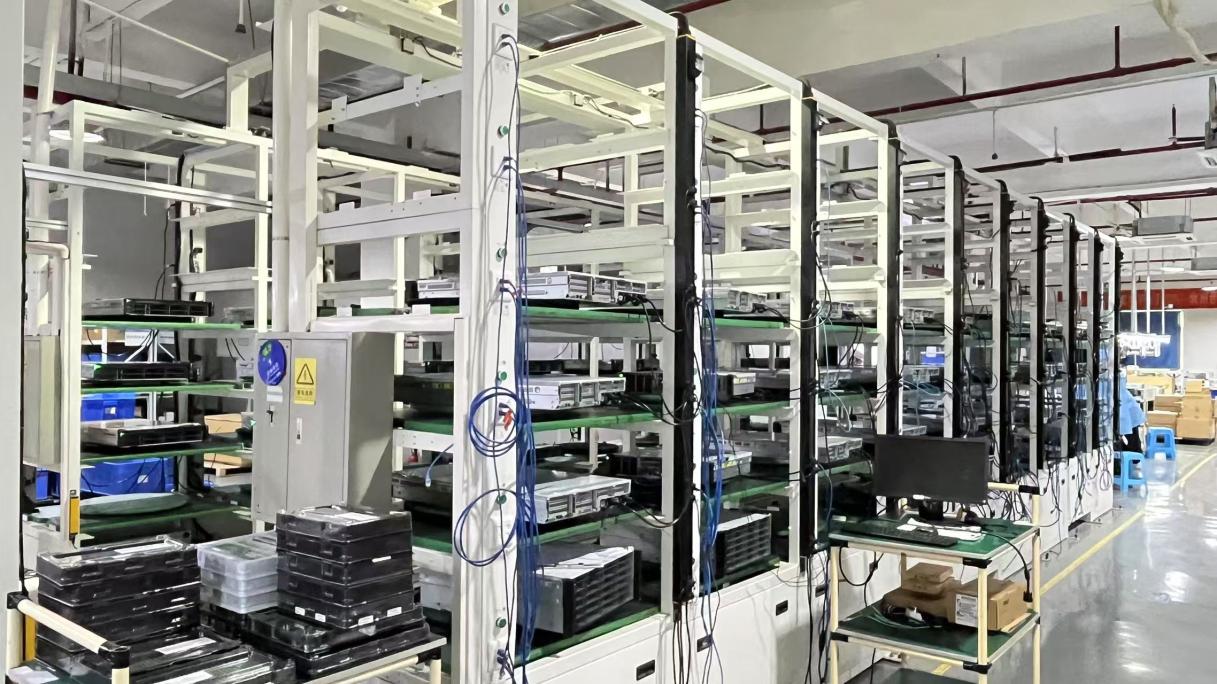
Aging Validation
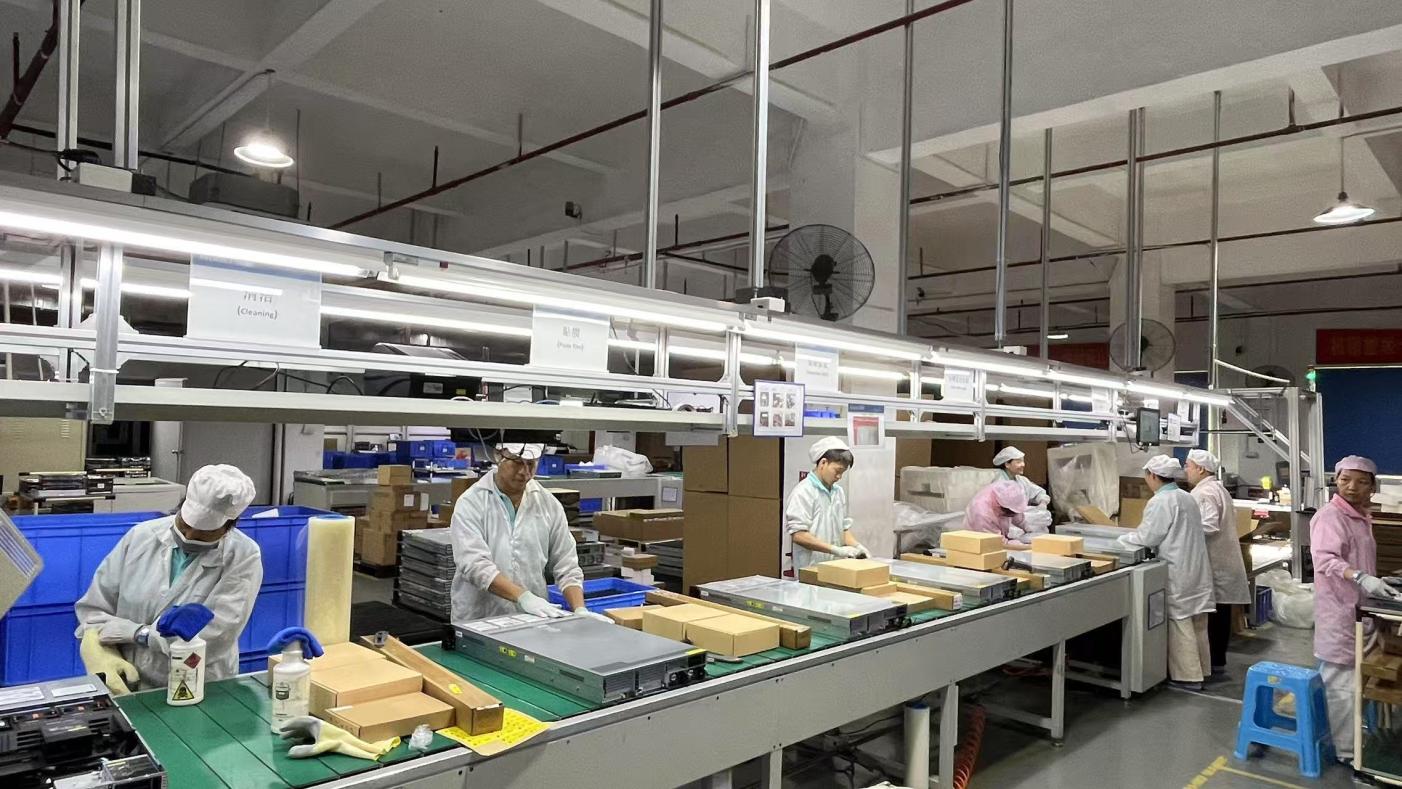
Packing
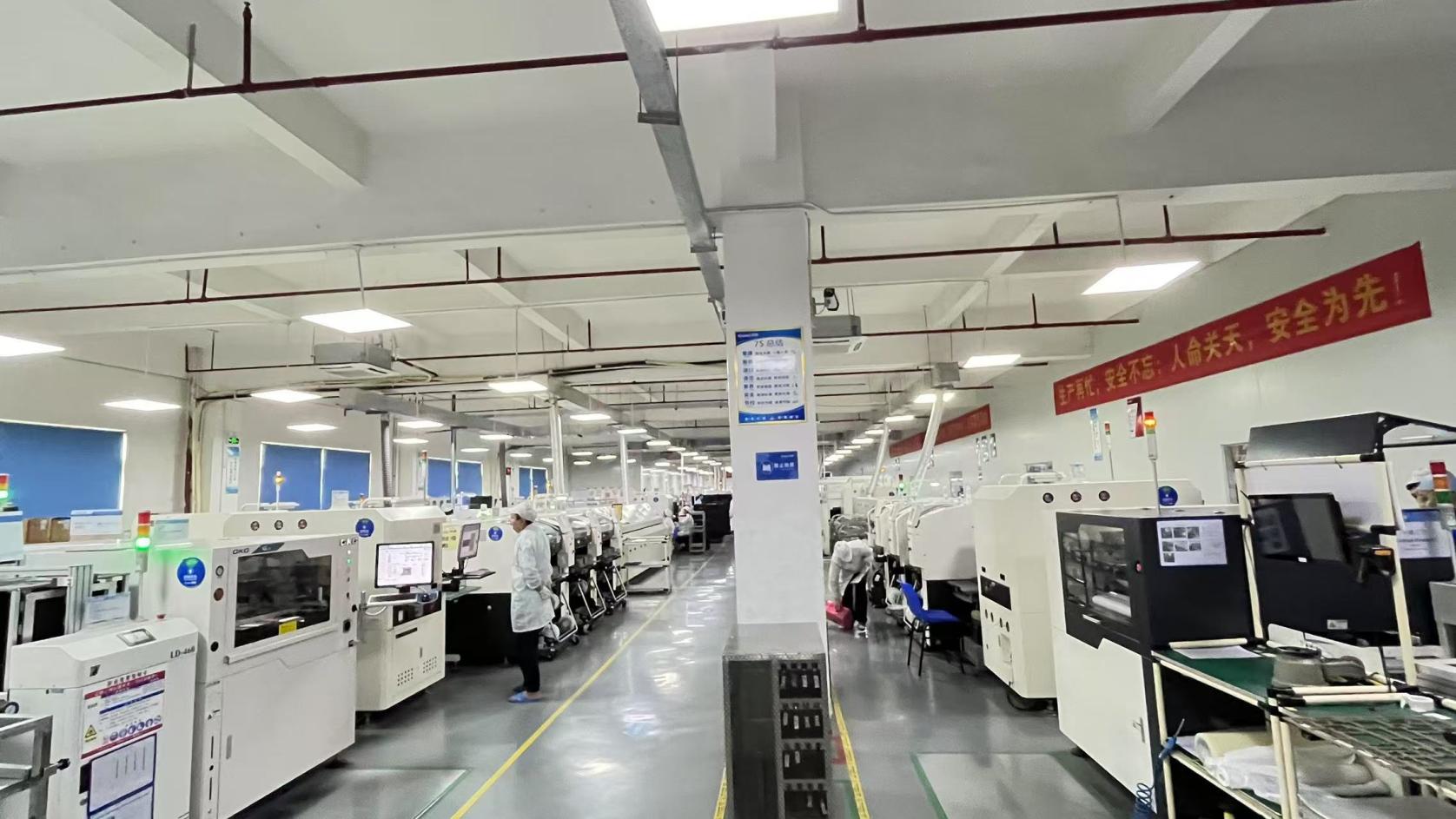
SMT Technology
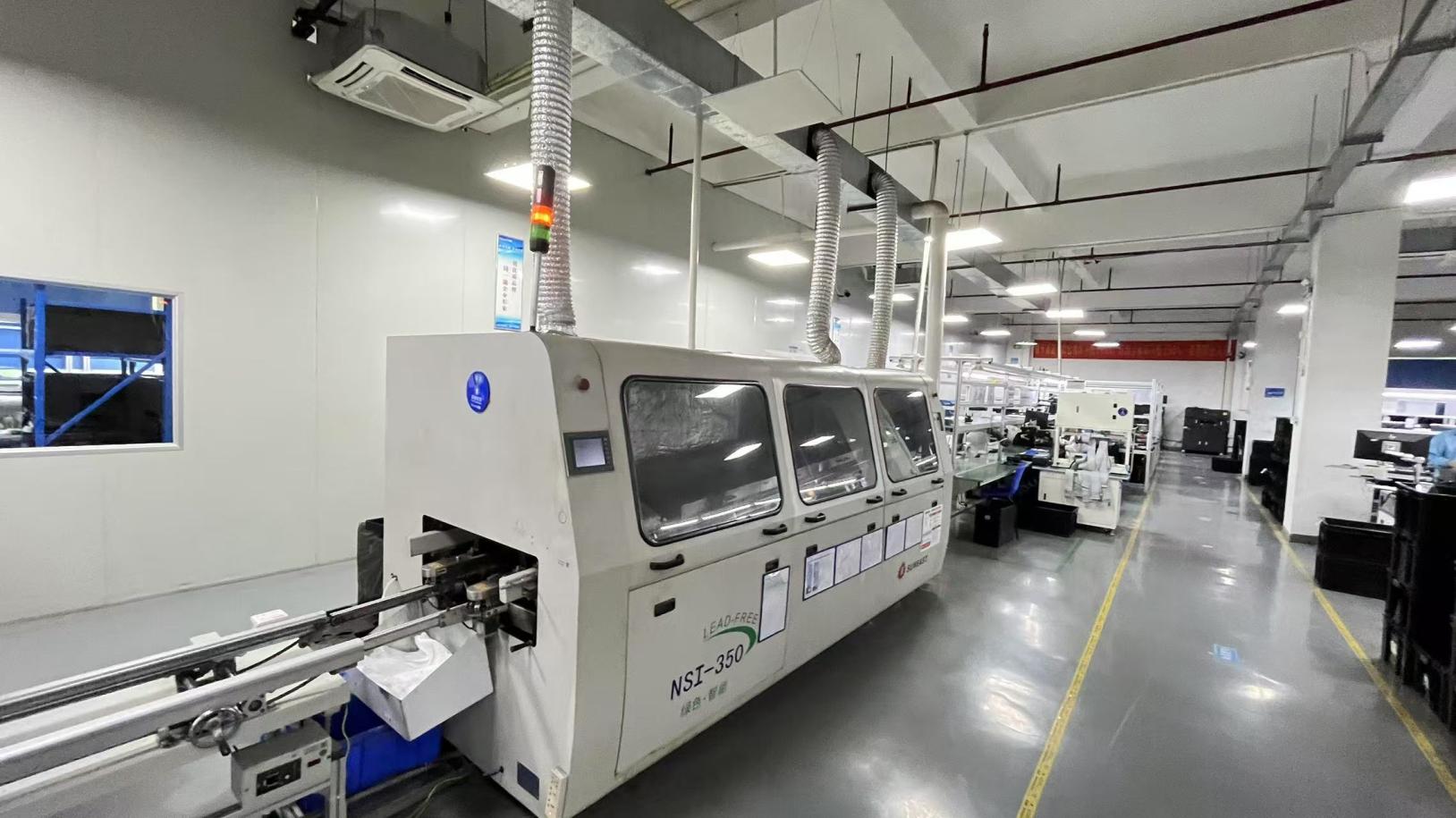
Reflow Soldering
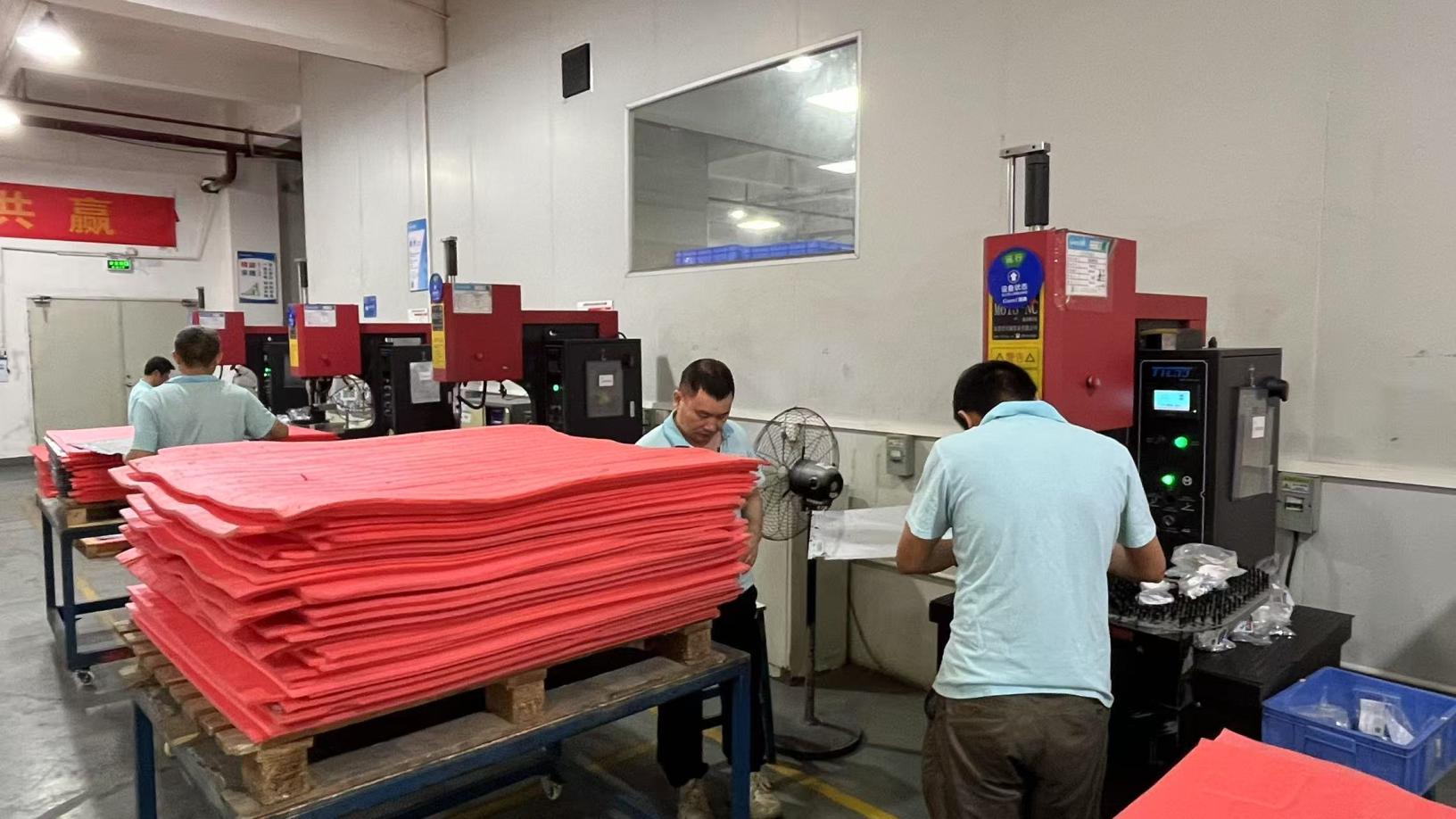
Rivet Machine
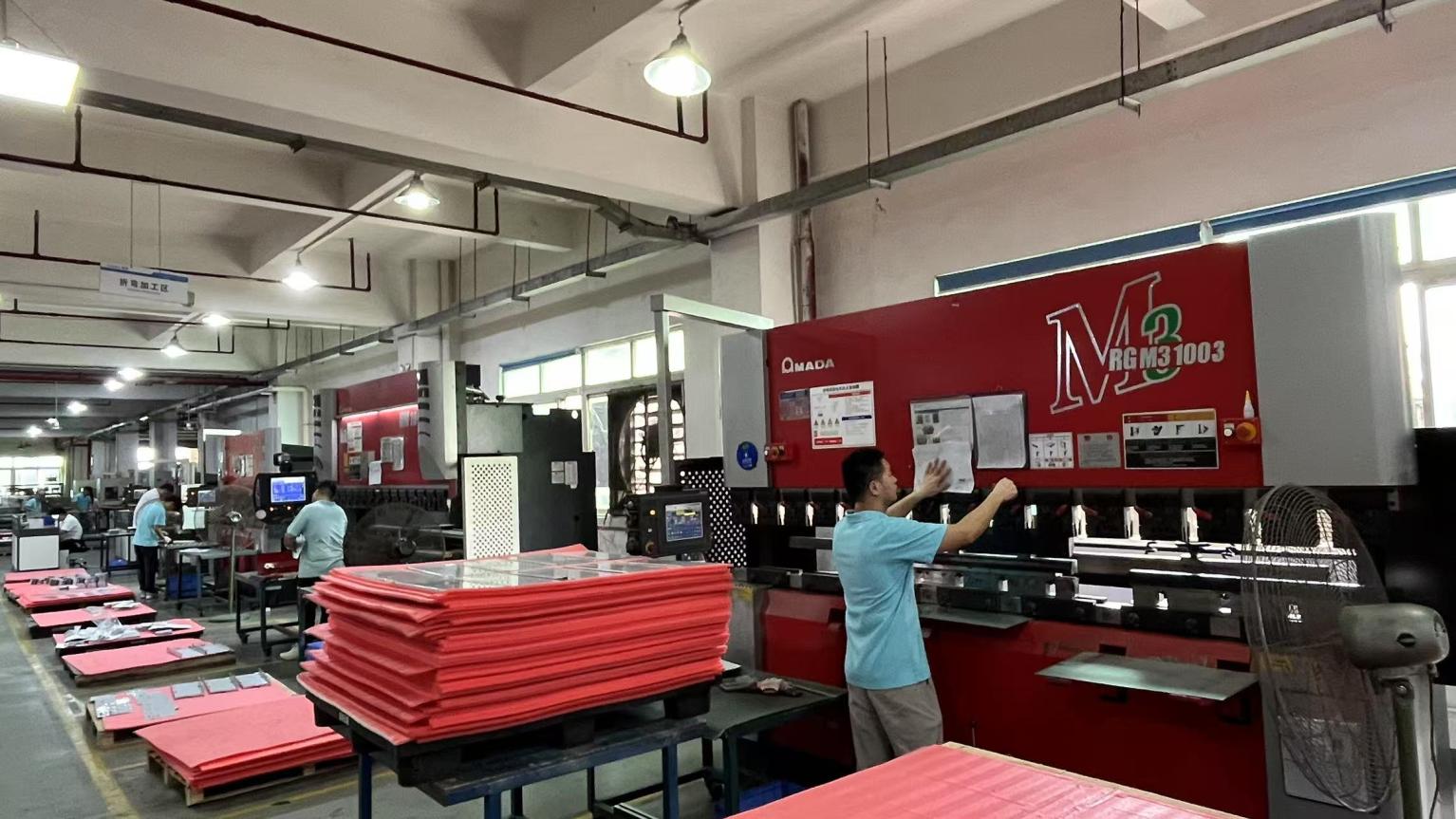
Bending Machine

Riveting Center
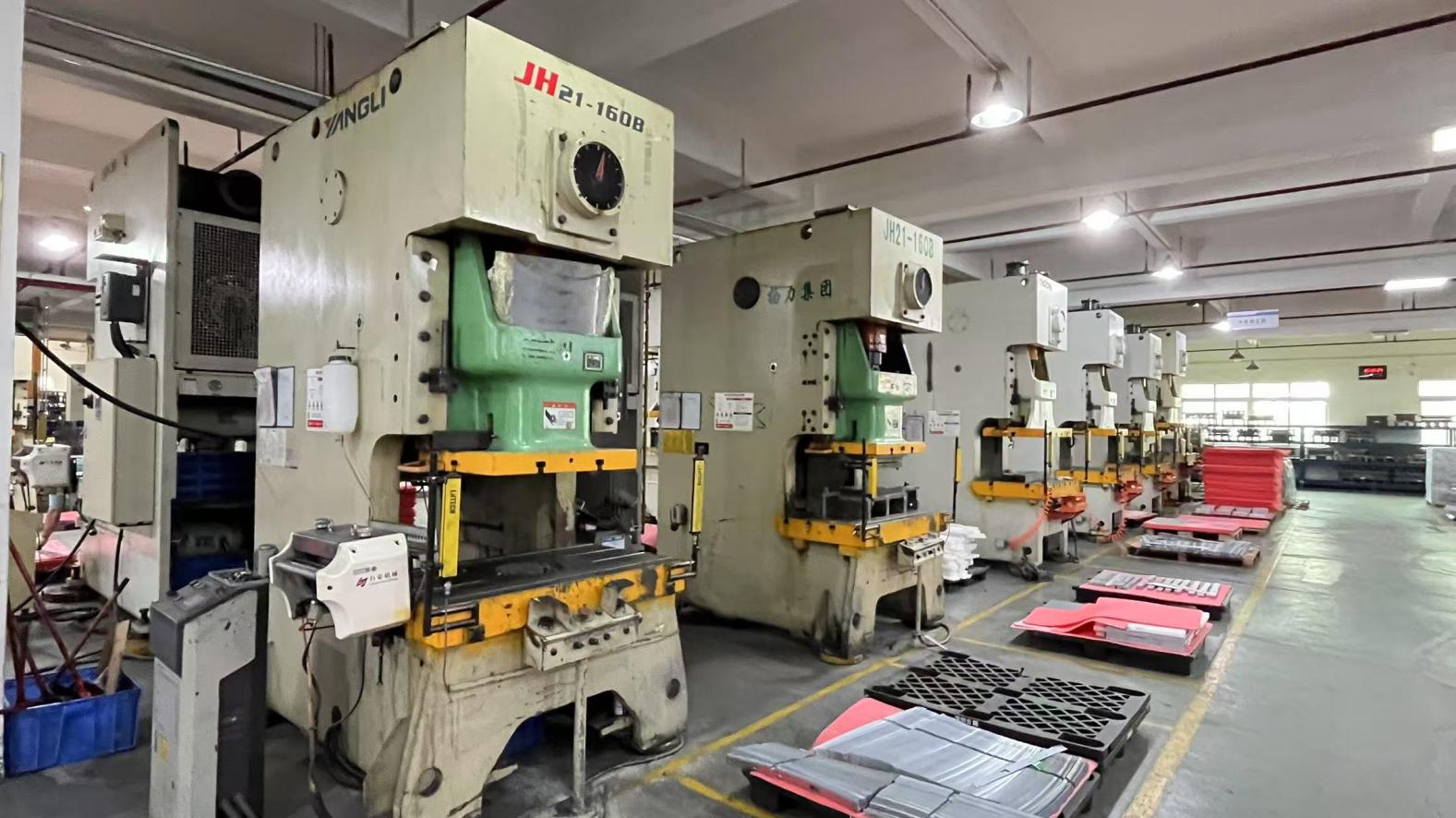
Stamping Machine
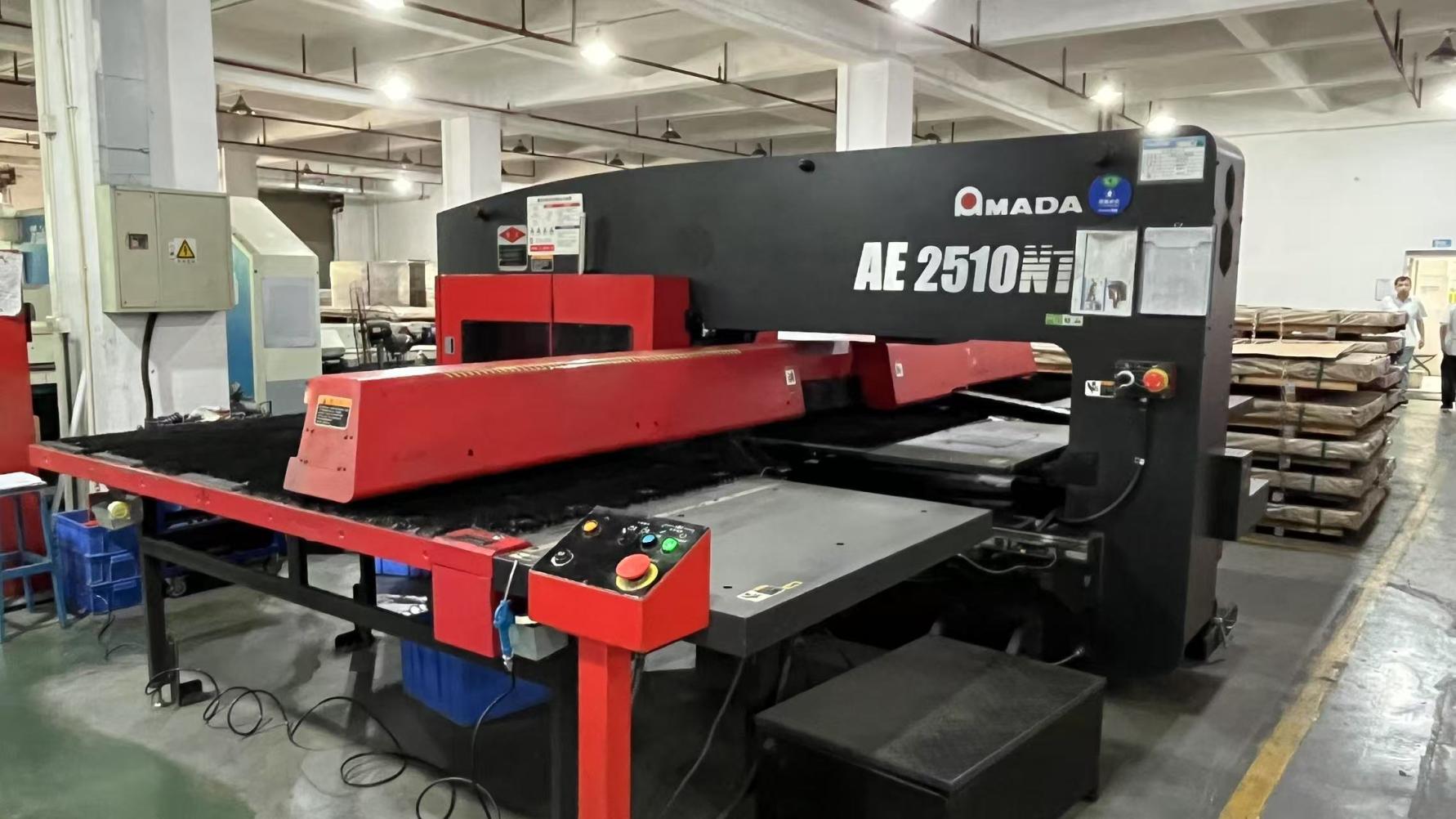
Laser Cutting
Different regional markets require tailored server configurations to meet specific data governance laws, climate challenges, and technology standards.
Focus: High-Density Inference & Automation. Enterprises demand massive processing structures optimized for low-latency deep learning pipelines, RAG interfaces, and automated trading networks. Deployments favor multi-socket rack designs running high-capacity DDR5 systems to maximize computational efficiency in established hyperscale centers.
Focus: Data Sovereignty & Energy Efficiency. European operations prioritize GDPR compliance alongside carbon footprint reductions. Localized implementations favor liquid-cooling system architectures, specialized small-depth server footprints, and hardware configurations designed to reduce energy overheads in modern regional data centers.
Focus: Industrial Smart Infrastructure & Scalability. Rapid urbanization and smart industrial complexes demand modular edge setups. High dust and thermal resilience designs are critical for oil, gas, and smart manufacturing locations, relying on specialized server systems capable of sustained operation in varying conditions.
Every computing chassis and server component undergoes extensive validation inside our testing labs, guaranteeing stable performance in continuous enterprise environments.
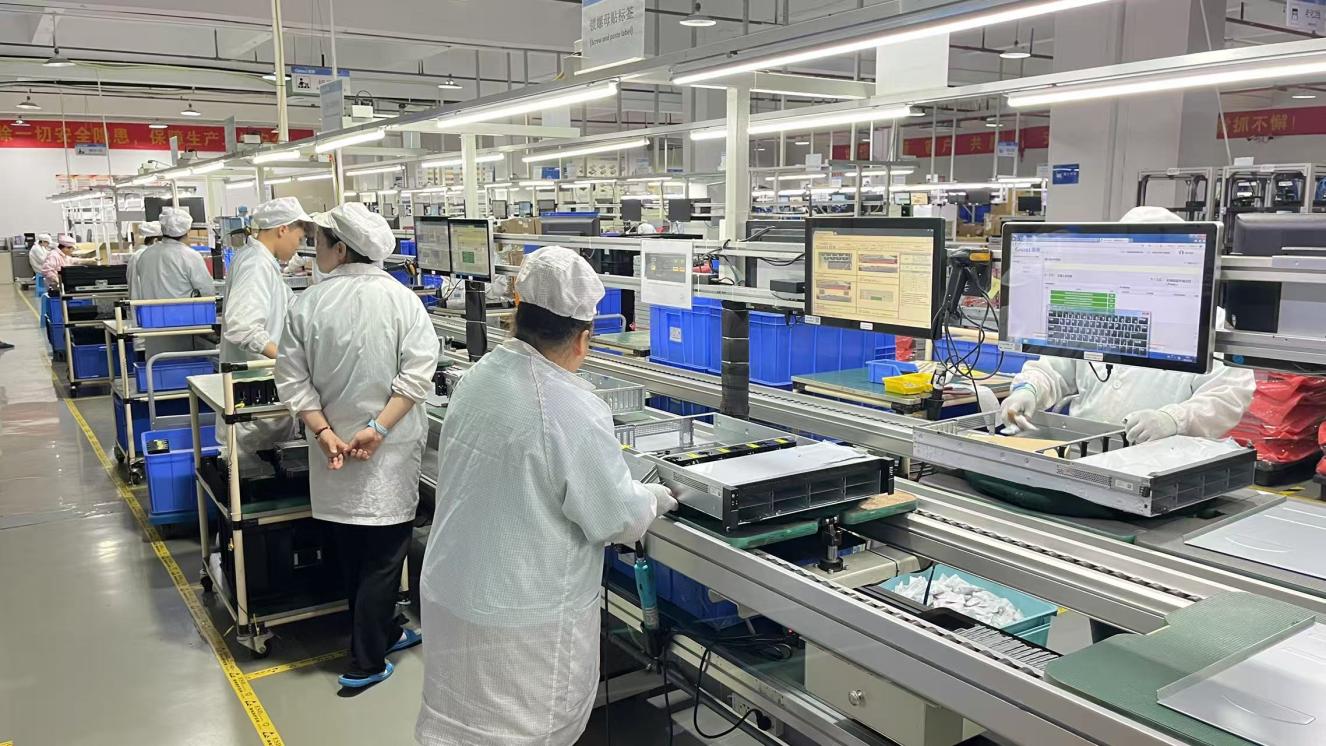
Components are mapped against technical baselines to check component latency and signal path stability before system integration.
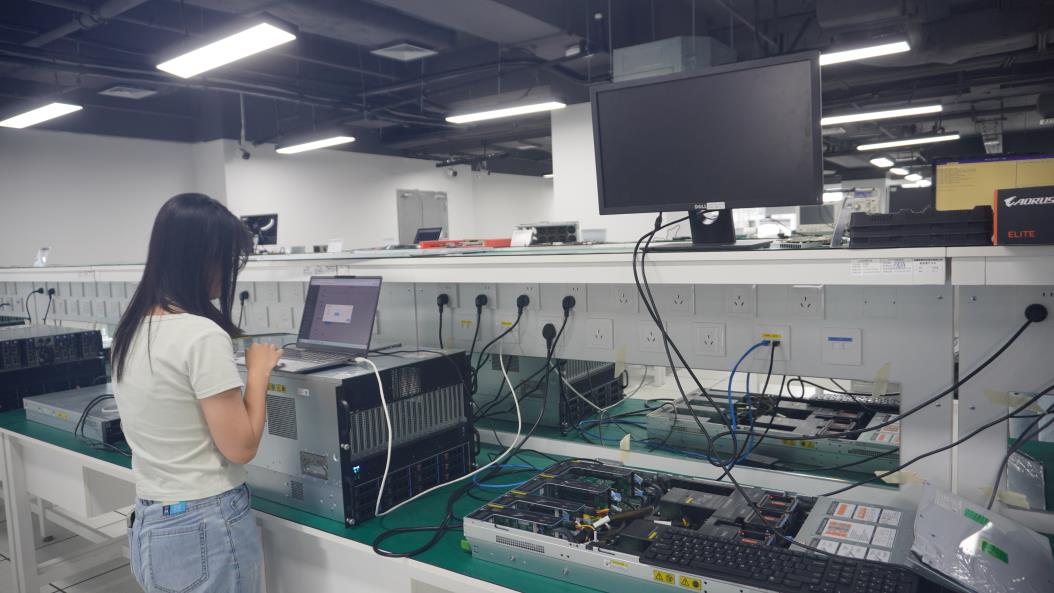
Physical stress testing ensures high dimensional stability under varying industrial environment configurations.
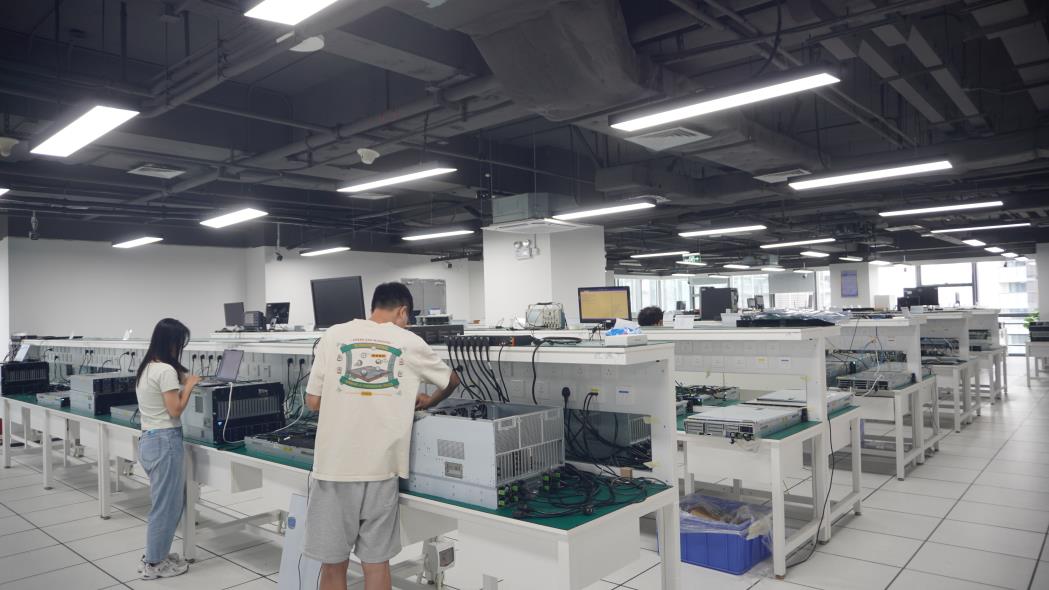
Simulating maximum database querying loads to verify power delivery integrity and processing architecture stability.
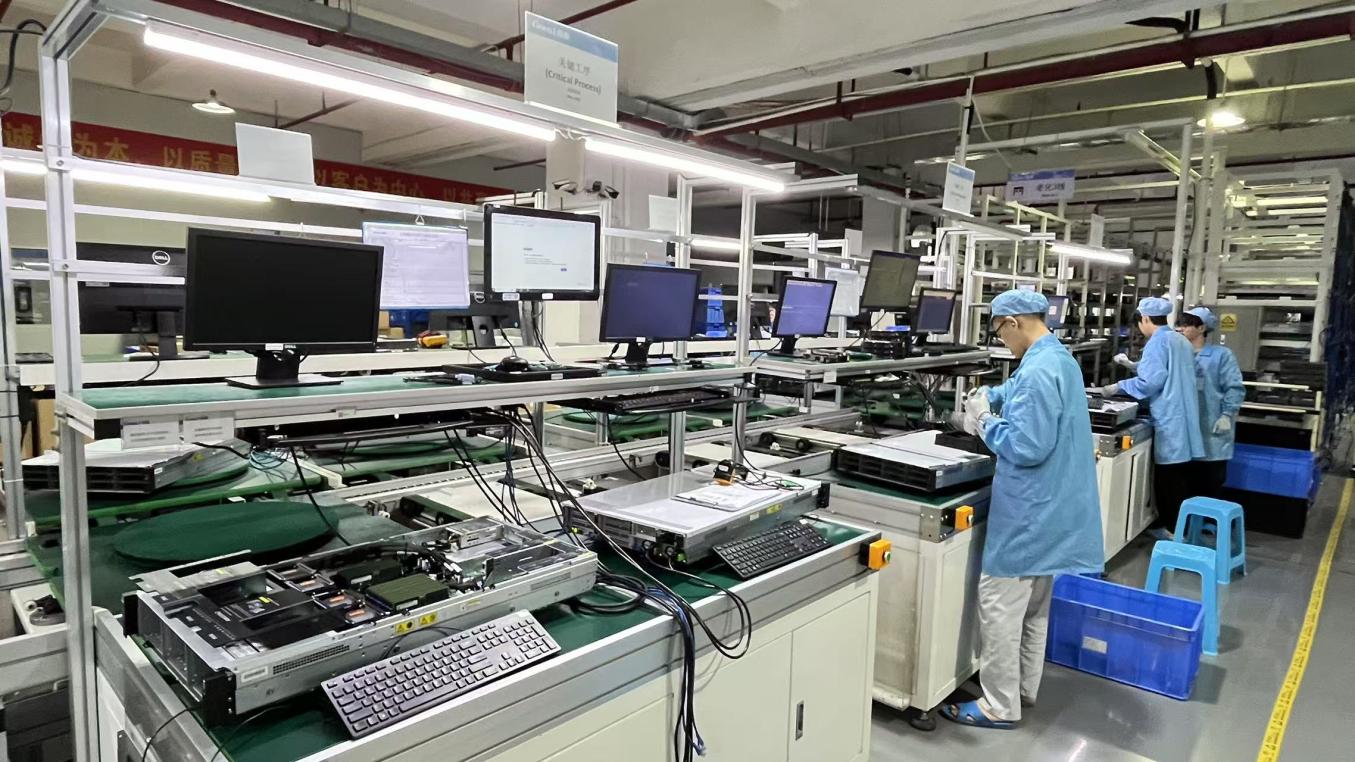
Functional Test
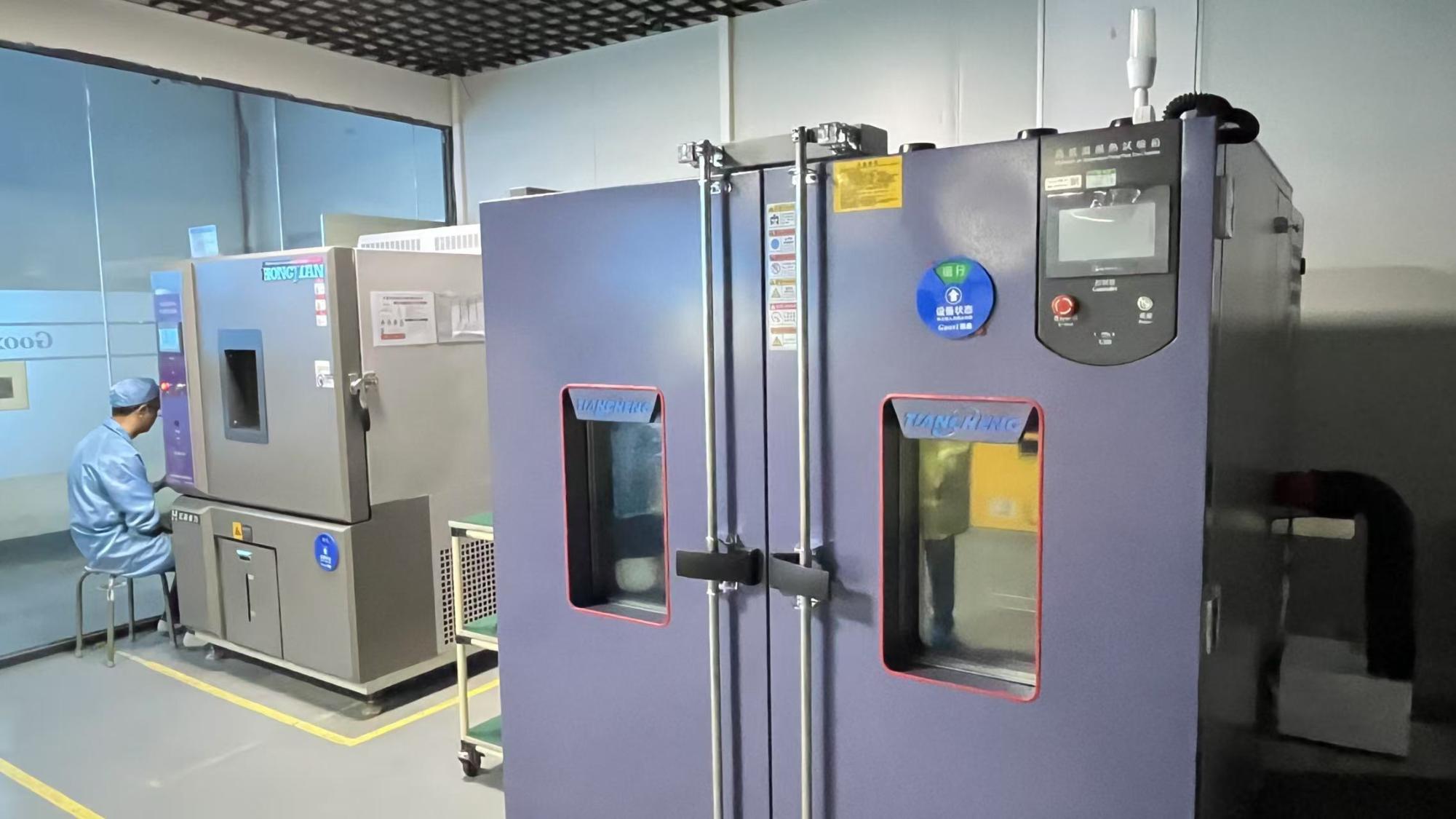
Thermotank Testing
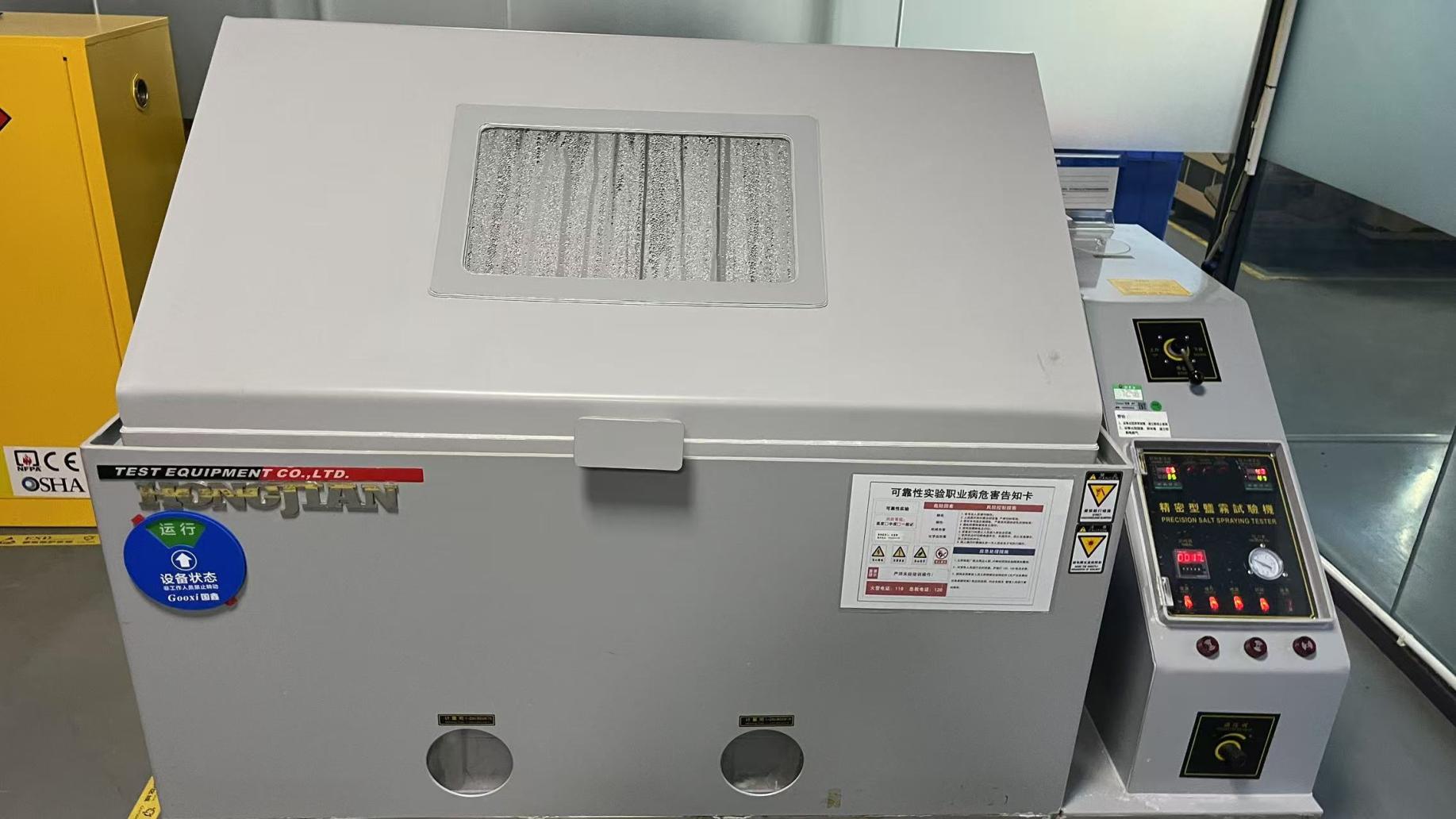
Salt Spray Tester
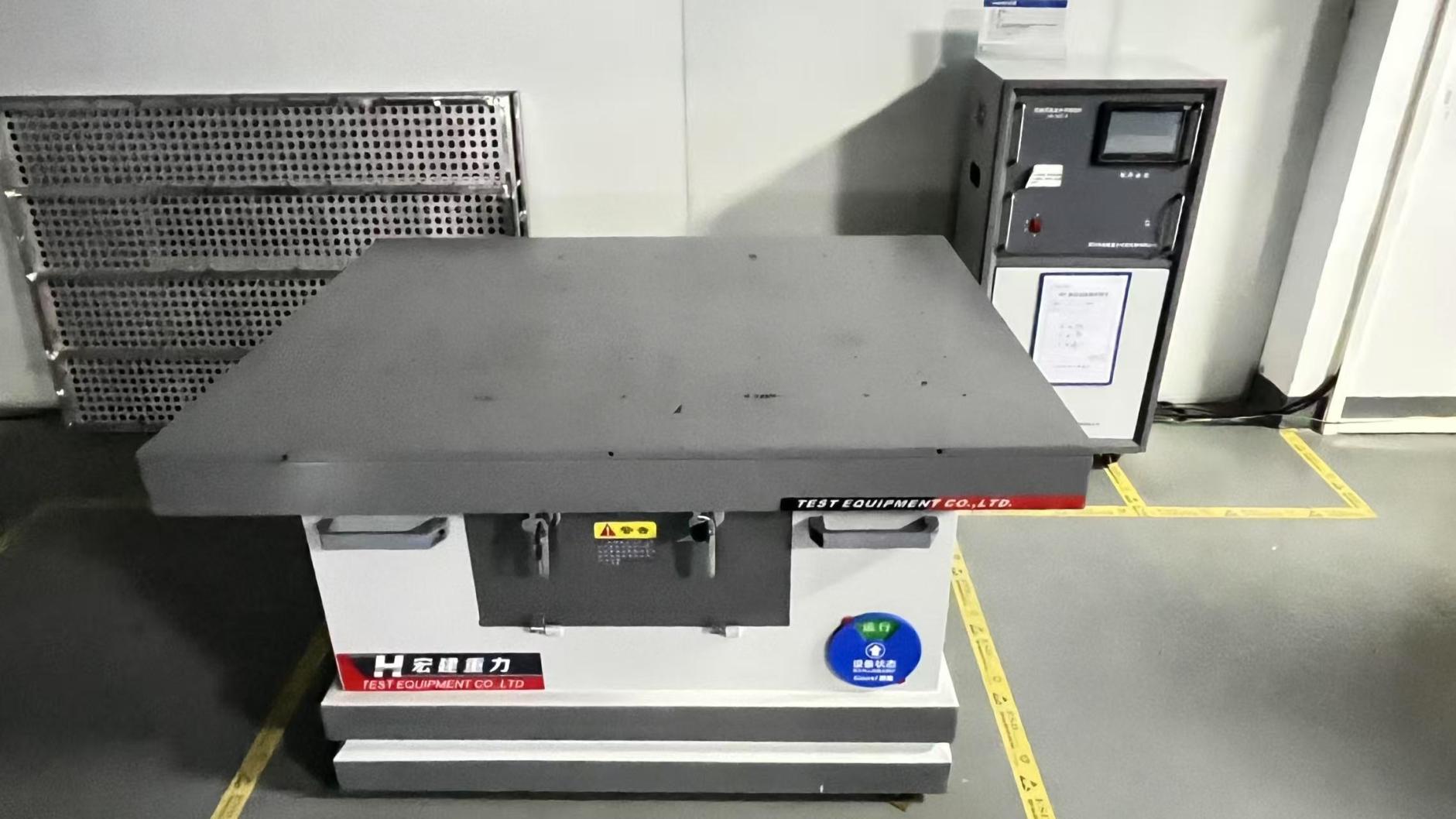
Vibration Tester
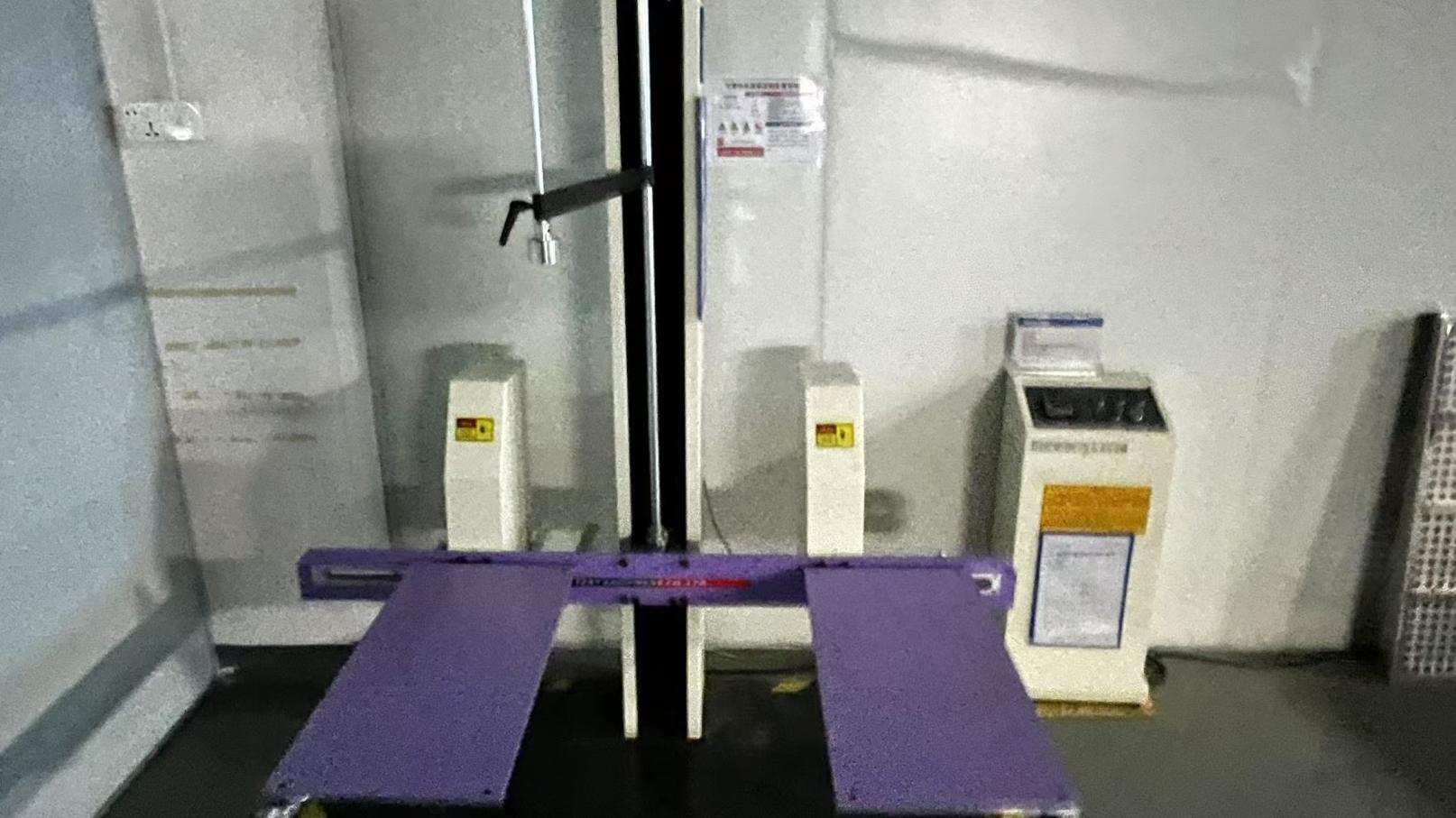
Drop Tester
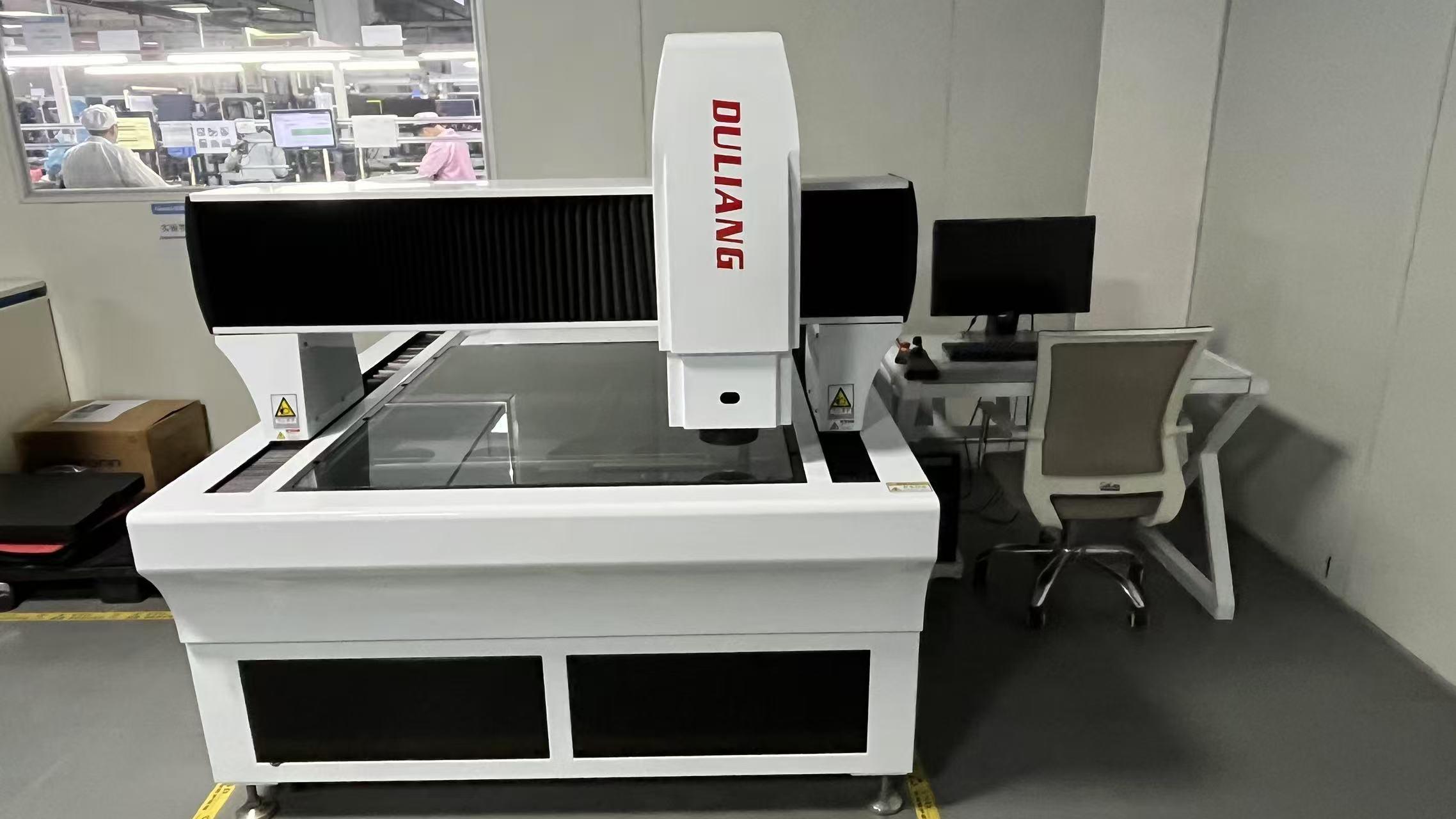
Coordinate Measuring
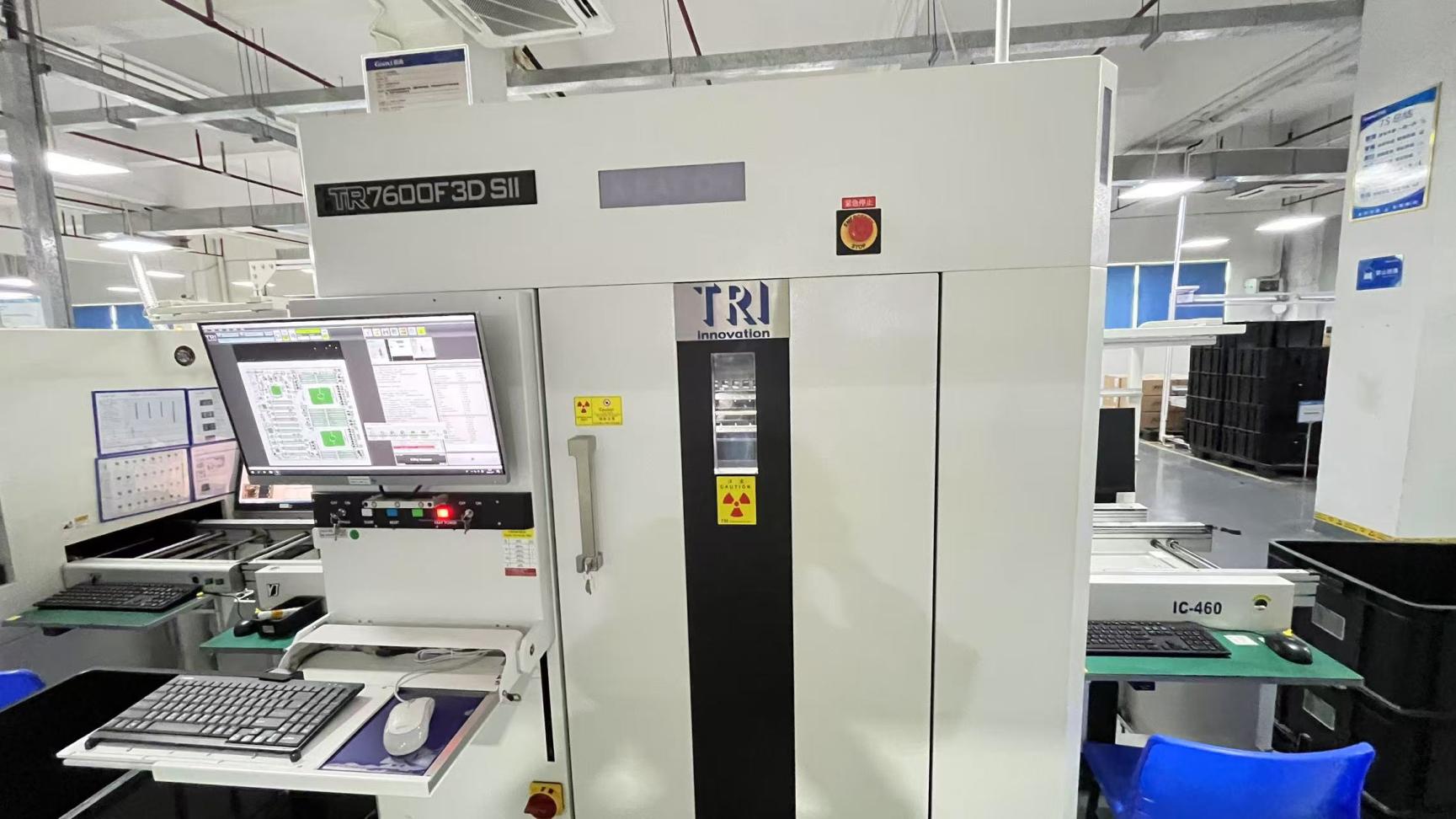
X-ray Structural Scan
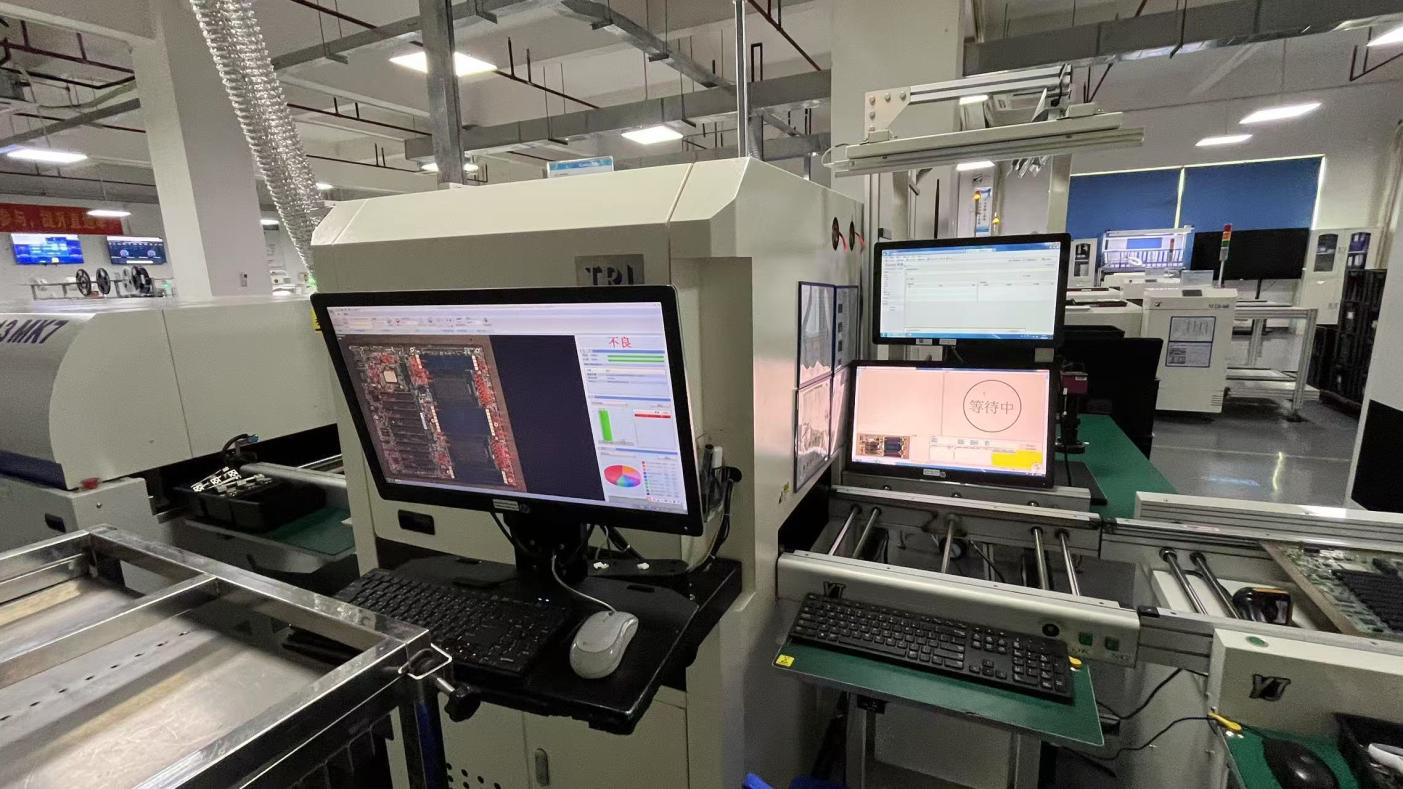
QC Control Center
The convergence of enterprise data modeling and physical hardware optimization is driving several key server development trends:
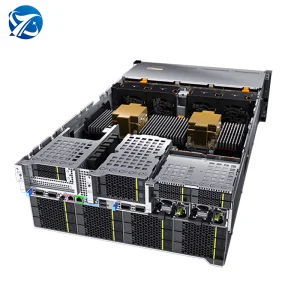
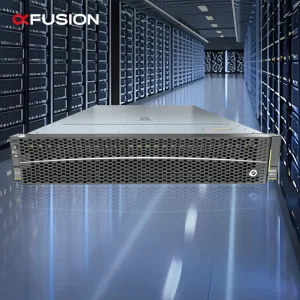
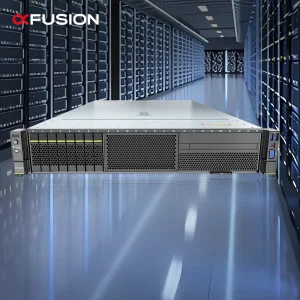
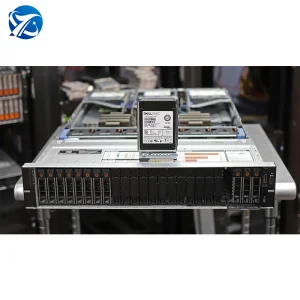
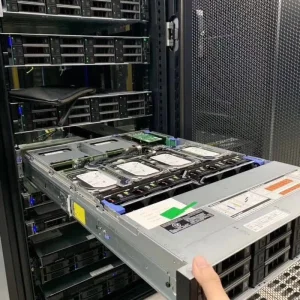
Traditional CPU-based index scanning is increasingly bottlenecked by memory bandwidth limits. Emerging enterprise databases leverage massive parallel processing capabilities of modern GPU platforms, allowing complex vector embeddings to be scanned, indexed, and retrieved in milliseconds. The structural architecture of modern platforms, such as our integrated 2U and 4U GPU nodes, is built specifically to address these challenges, matching fast PCIe Gen5 interfaces with dense RAM arrays.
As server components run hotter, traditional air-based cooling approaches are reaching their thermal limits. Modern server developments focus heavily on liquid-to-air heat exchangers and direct-to-chip liquid cooling systems. By optimizing cooling paths, modern facilities can operate higher core densities in smaller footprints, significantly lowering overall power consumption (PUE).
Rather than routing all operational telemetry to central databases, modern industrial setups utilize edge configurations. This minimizes latency, allows real-time local model processing, and improves system reliability. Modular server systems with shallow-depth chassis and rugged enclosures are increasingly deployed in retail, warehouse, and factory settings, processing data at the source before syncing with global database hubs.
Detailed technical answers addressing hardware configurations, procurement options, and deployment strategies for enterprise operations.
Modern Business Intelligence has evolved beyond simple structured database scans. Advanced BI applications use large language models, neural network vectors, and real-time processing to extract insights from unstructured data. Specialized GPU platforms, such as our multi-GPU servers, provide the massive parallel processing power necessary to run these complex vector queries, neural network evaluations, and agentic workflows without creating performance bottlenecks.
We offer customization paths tailored to specific workloads, including specialized GPU scaling, memory capacity tuning (DDR4 vs. DDR5), storage drive configurations, and custom cooling setups. Our engineering department works closely with clients to build platforms optimized for their specific application parameters, ensuring high performance and hardware efficiency.
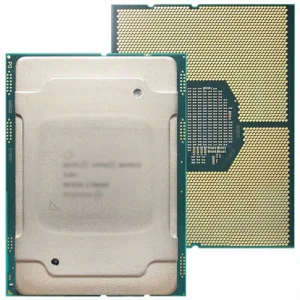
Global hardware supply chains are subject to fluctuations and component shortages. Our established network of over 1,200 suppliers ensures reliable access to high-grade components like processor architectures, enterprise-grade storage, memory modules, and specialized cooling parts. This network helps maintain stable production capacity and consistent lead times for large-scale enterprise rollouts.
Every server chassis undergoes a series of physical and digital tests. These include thermal stress testing inside dedicated thermotanks, salt spray corrosion tests, structural vibration tests, and drop tests. We also utilize high-precision coordinate measuring machines (CMM) and non-destructive X-ray inspections to verify solder connection integrity, followed by full-system burn-in testing to ensure hardware reliability under load.
Modern model structures require high levels of inter-GPU communication bandwidth and substantial VRAM capacity. Our server configurations are designed with optimized PCIe routing and high-speed interconnect layouts, supporting dense multi-GPU configurations to process large-scale inference workloads efficiently.
Lead times vary depending on the scope of customization and component availability. Standard configurations can often be integrated, tested, and shipped quickly. Highly customized configurations requiring specialized layouts or components typically require detailed scheduling, which our sales engineering department coordinates directly with clients.
Yes, we provide pre-installation services for various software environments, including virtualization hypervisors, container tools, and specialized deep learning libraries. This allows systems to be deployed and integrated into client infrastructure rapidly upon arrival.
Our designs for the European market focus on low-PUE optimization, incorporating high-efficiency power supplies and optimized chassis designs that minimize fan energy usage. These design elements help clients align with local environmental regulations and reduce overall operating costs.
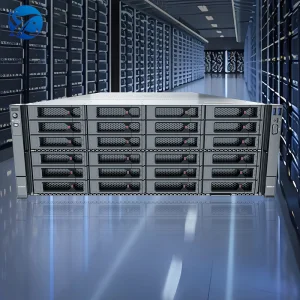
Explore our range of rack servers and enterprise components designed to support scale-out business architectures.
Partner with a trusted provider of high-performance computing systems. Our engineering capabilities, quality validation processes, and global logistics experience help you deploy optimized hardware solutions tailored to your operational requirements.