ZhiCloud AI
ZhiCloud AI
ZhiCloud AI
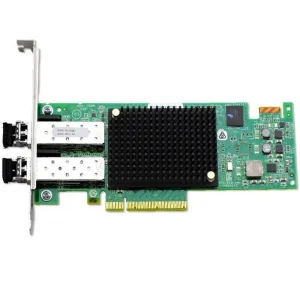
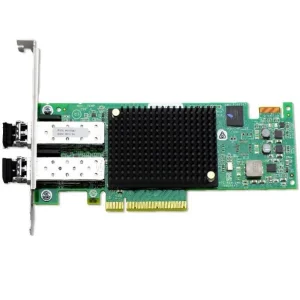
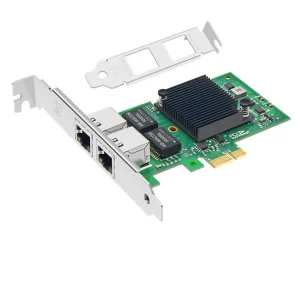
Australia is experiencing an unprecedented surge in digital infrastructure investments. Major cloud nodes in Sydney and Melbourne, combined with expanding secondary hubs in Brisbane, Perth, and Adelaide, have positioned the Commonwealth as a pivotal computational center in the Asia-Pacific region. According to recent infrastructure analyses, the Australian data center market is scaling beyond traditional tier architectures, rapidly integrating multi-tenant colocation spaces, high-density AI clusters, and decentralized edge environments. The integration of high-performance GPUs and hyperscale storage arrays demands a highly reliable class of server accessories—from high-density SFP28 HBA network cards to robust RAID controller arrays and high-efficiency titanium-grade power supply units.
However, importing and deploying server hardware in Australia presents unique geographical, economic, and technical challenges. Unlike contiguous markets, Australian enterprises operate under stringent climate conditions that dictate cooling efficiencies (PUE metrics), specific electrical grid criteria governed by the RCM regulatory frameworks, and isolated network logistics that demand low-latency high-speed interconnect cables (such as active optical direct-attach cabling). System integrators and IT procurement teams across the region require factory-direct supply lines that guarantee consistent component reliability, compliance, and custom hardware engineering.
Whether deploying high-frequency trading rigs in Sydney's CBD or establishing ruggedized edge compute structures in Western Australia's mining sites, hardware must adapt to varied environments. Thermal dissipation and vibration resistance are critical operational criteria.
With Australian grid costs and commitment to Net Zero emissions, data centers enforce rigorous power-utilization-effectiveness (PUE) limits. High-efficiency power supplies, compatible with modern architectures, are non-negotiable for system refreshes.
Equipment deployed in local telcos and cloud architectures must strictly comply with Australian Safety and EMC regulations. Uncertified components risk severe regulatory fines and operational shutdowns in corporate settings.
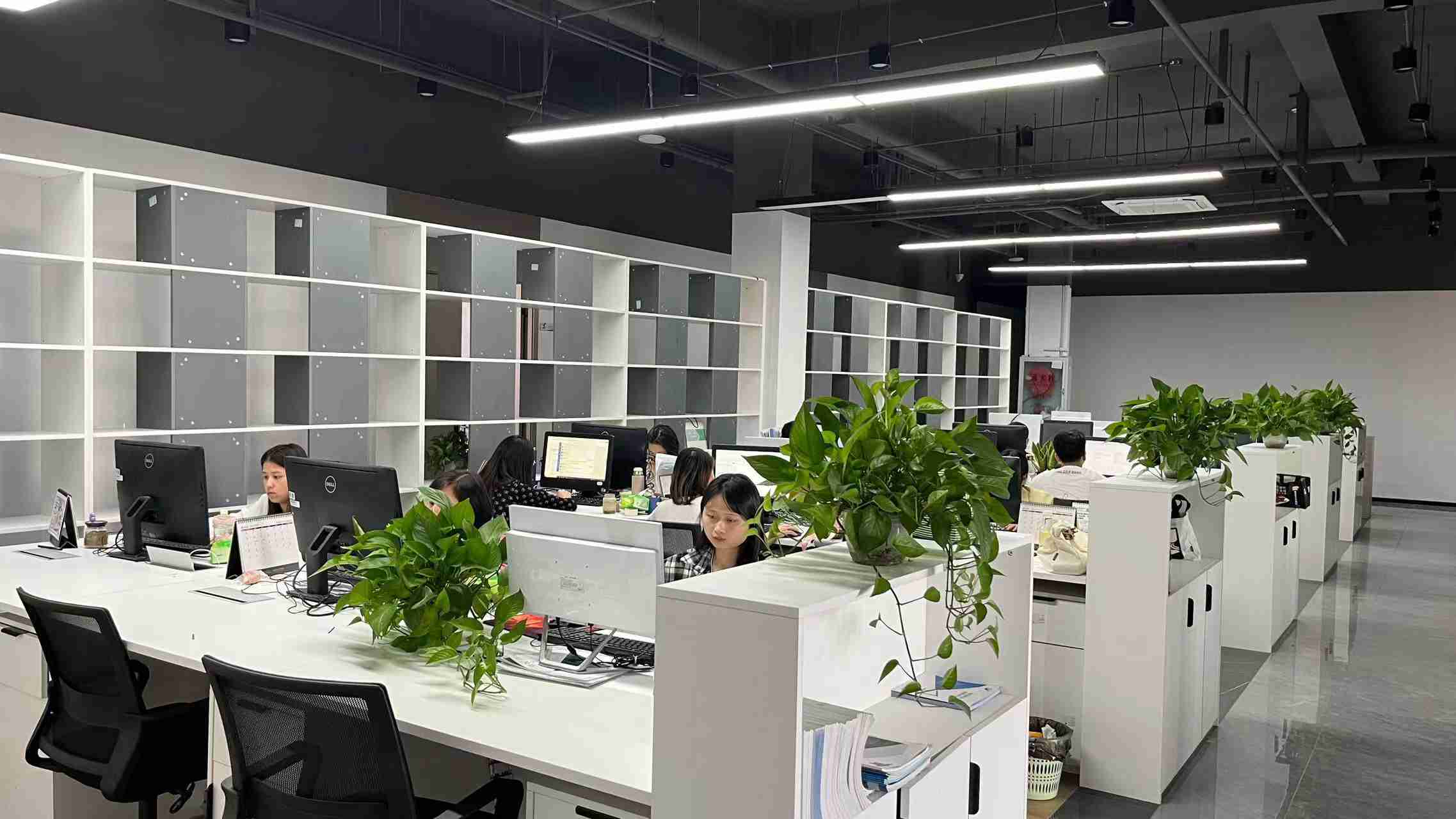
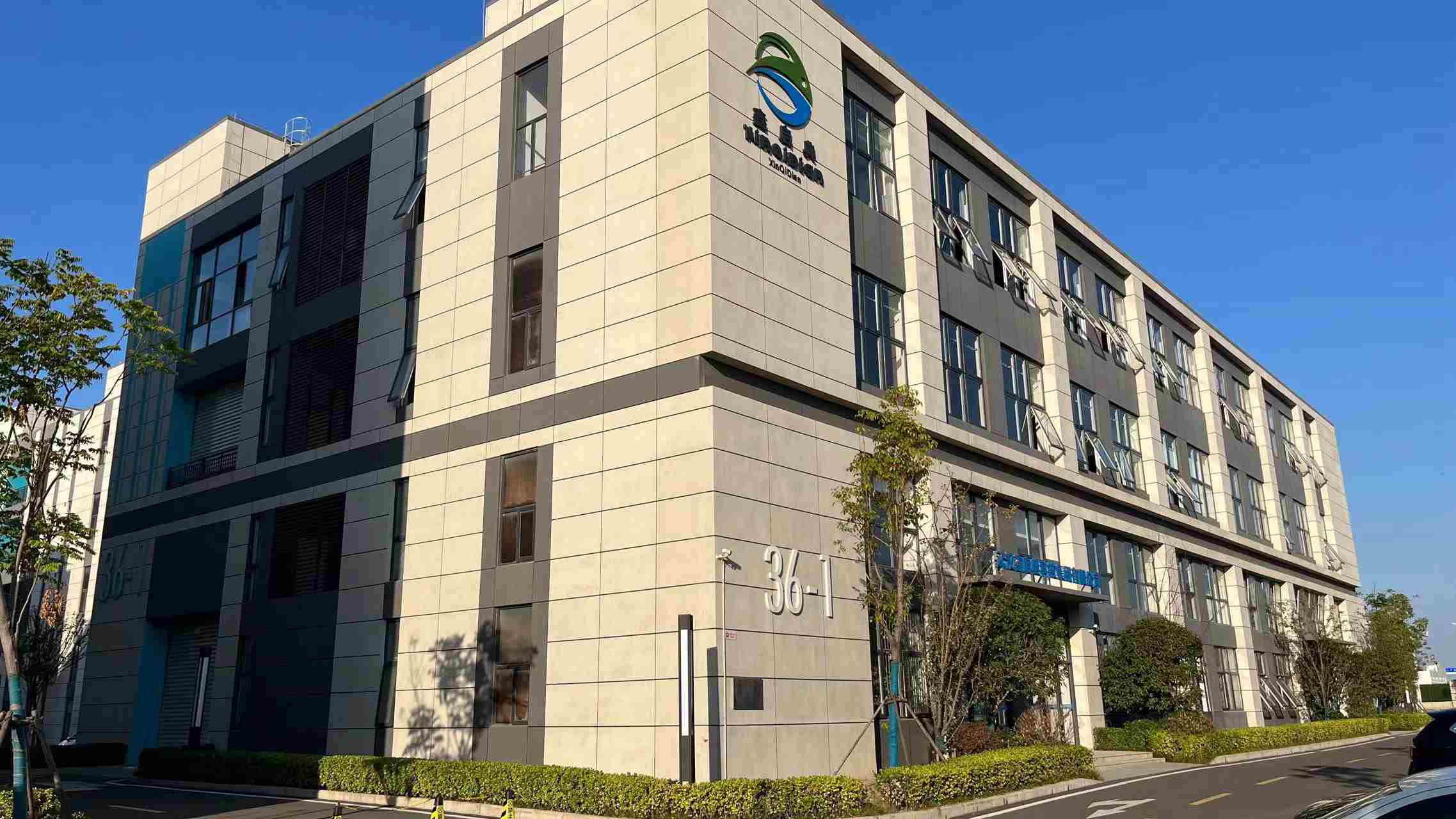
Shenzhen Intelligent Computing Cloud Technology Co., Ltd. (ZhiCloud AI) stands as a premier AI server and high-performance computing (HPC) system and component manufacturer. Founded in 2016, we have cultivated a sophisticated manufacturing and integration ecosystem that bridges China’s rapid hardware iteration capabilities with the exacting demands of global B2B clients, particularly across Australia, North America, and Europe. Our export operations are backed by 7 years of direct international trade experience and 11 years of deep-rooted industry expertise in advanced computing architectures.
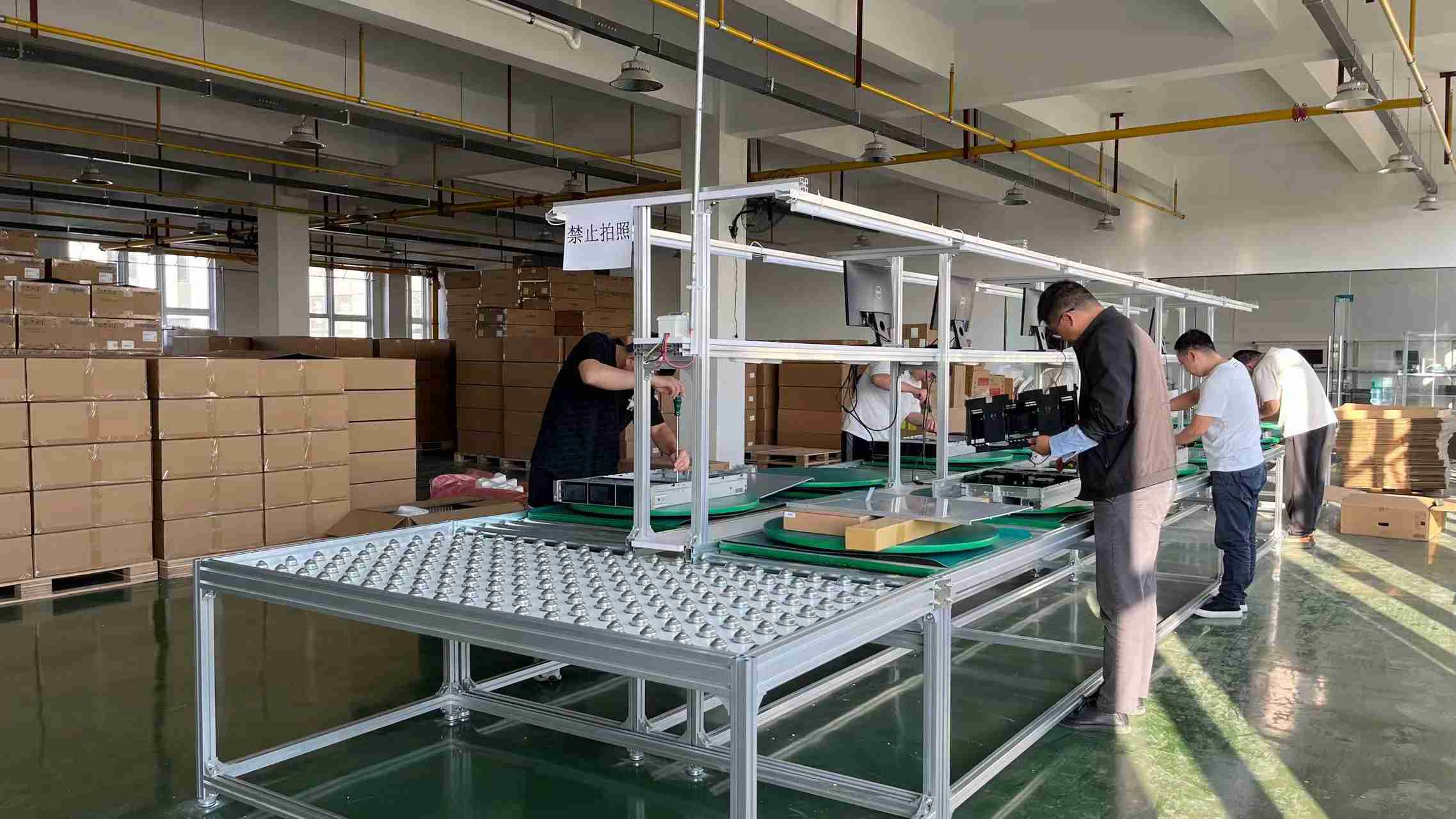
Operating from our optimized technology integration facilities spanning 320㎡, we specialize in high-efficiency component assembly, custom firmware profiling, and multi-stage testing. Unlike generic component brokers, ZhiCloud AI combines localized hardware distribution with comprehensive engineering services, ensuring that components such as RAID controllers, server PSUs, high-speed SAS hard drives, and NVMe SSDs are specifically optimized for major server environments, including Dell, HPE, Inspur, and xFusion architectures. Our annual export capacity exceeding USD 12 million proves our capability to handle bulk procurements, project-based tenders, and fast-tracked replacement shipments.
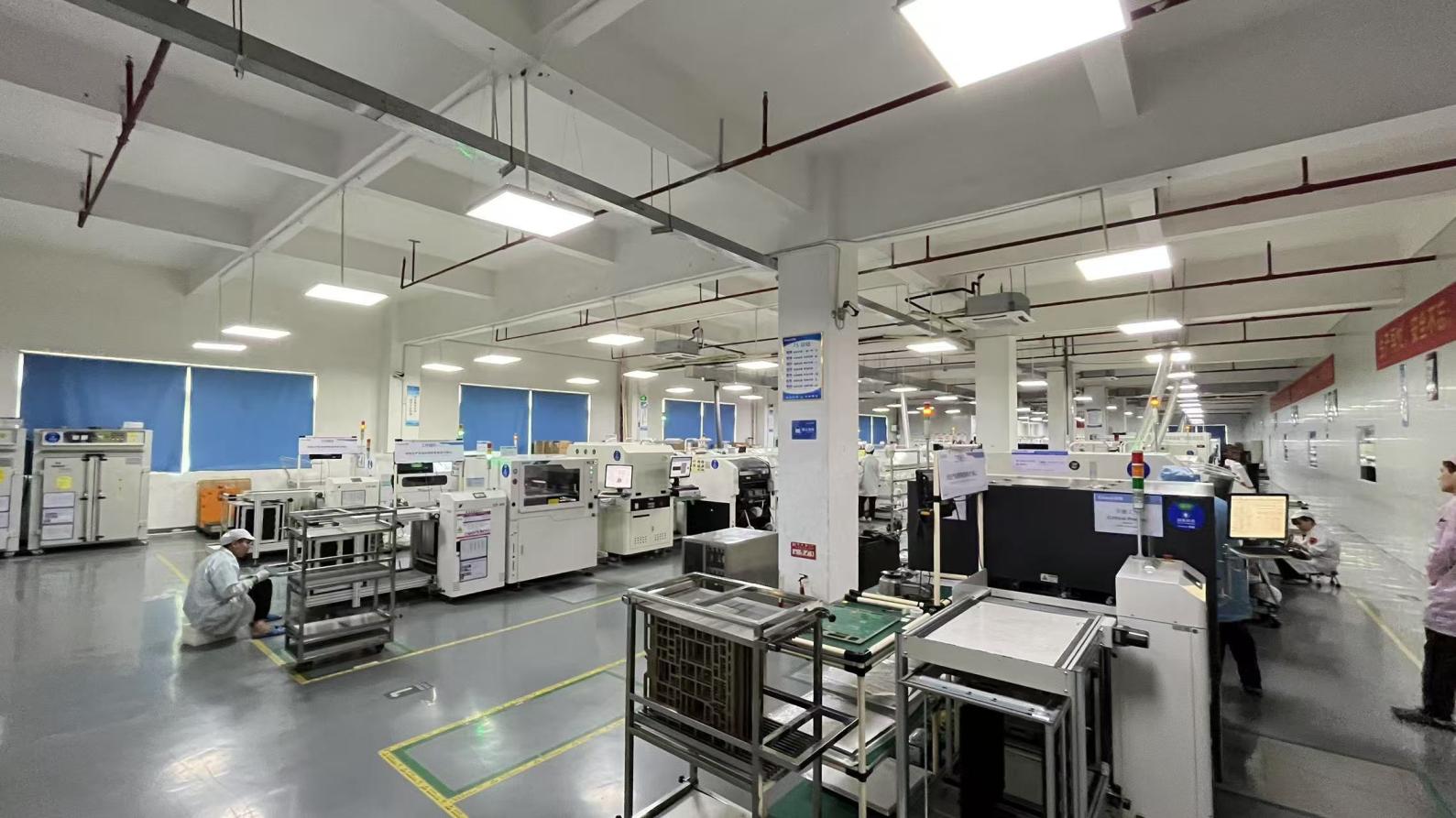
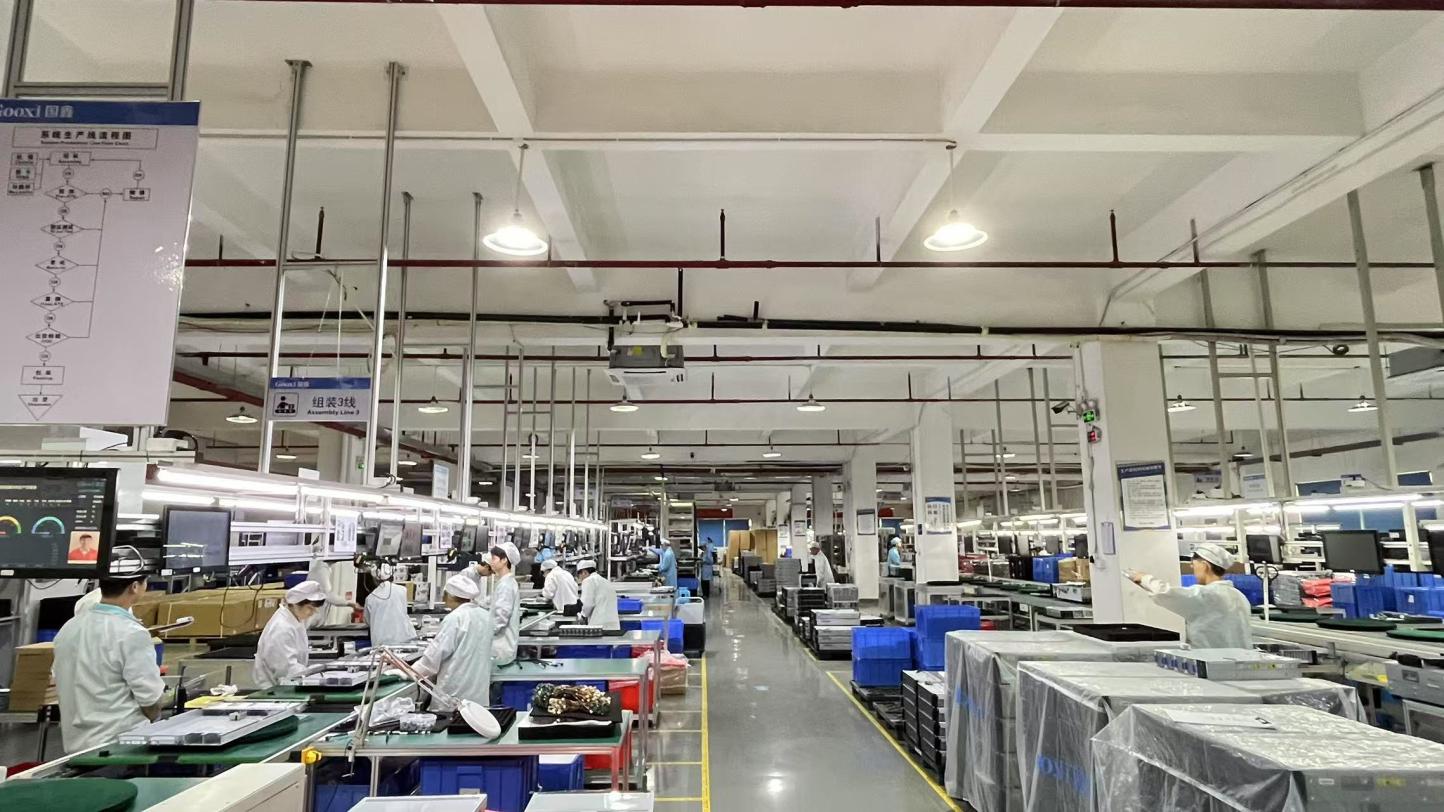
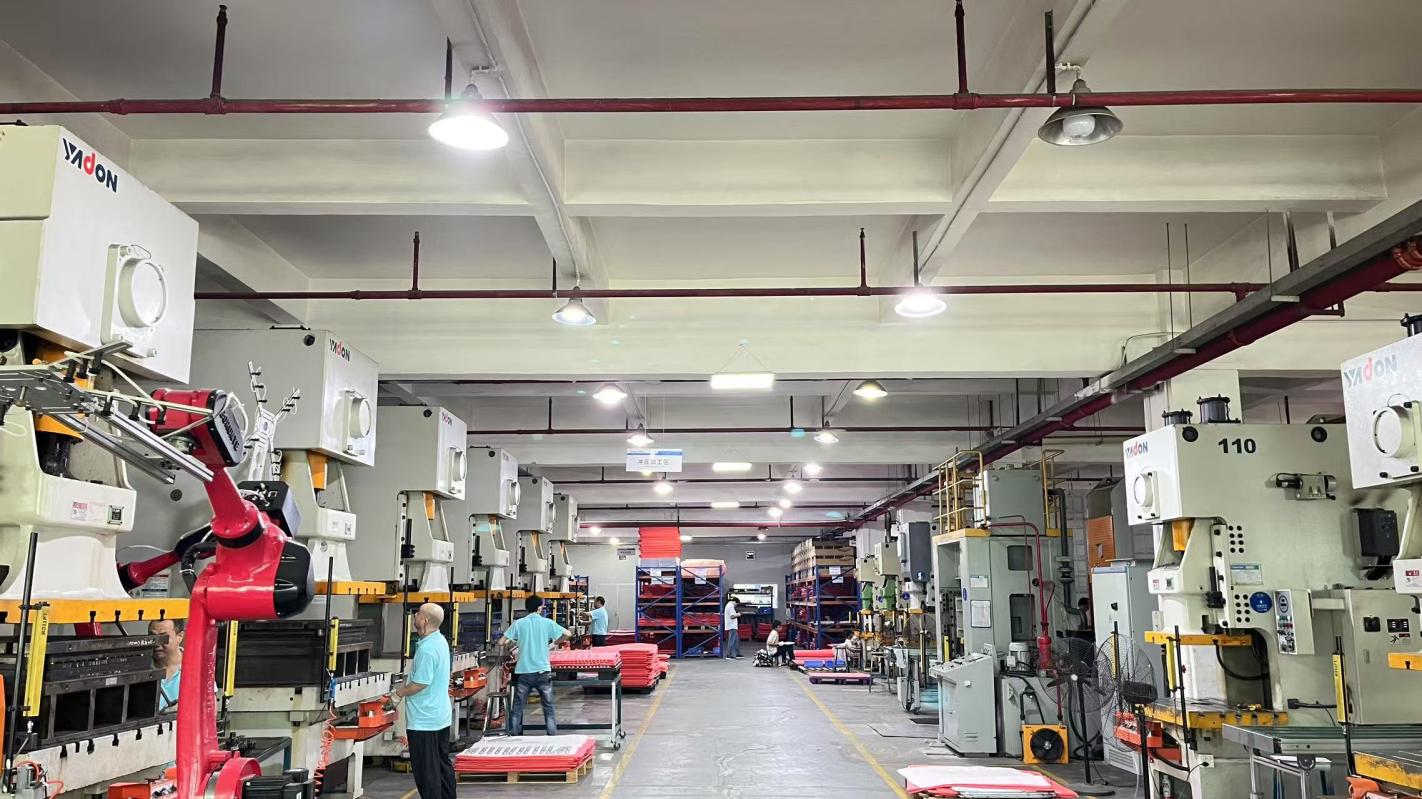
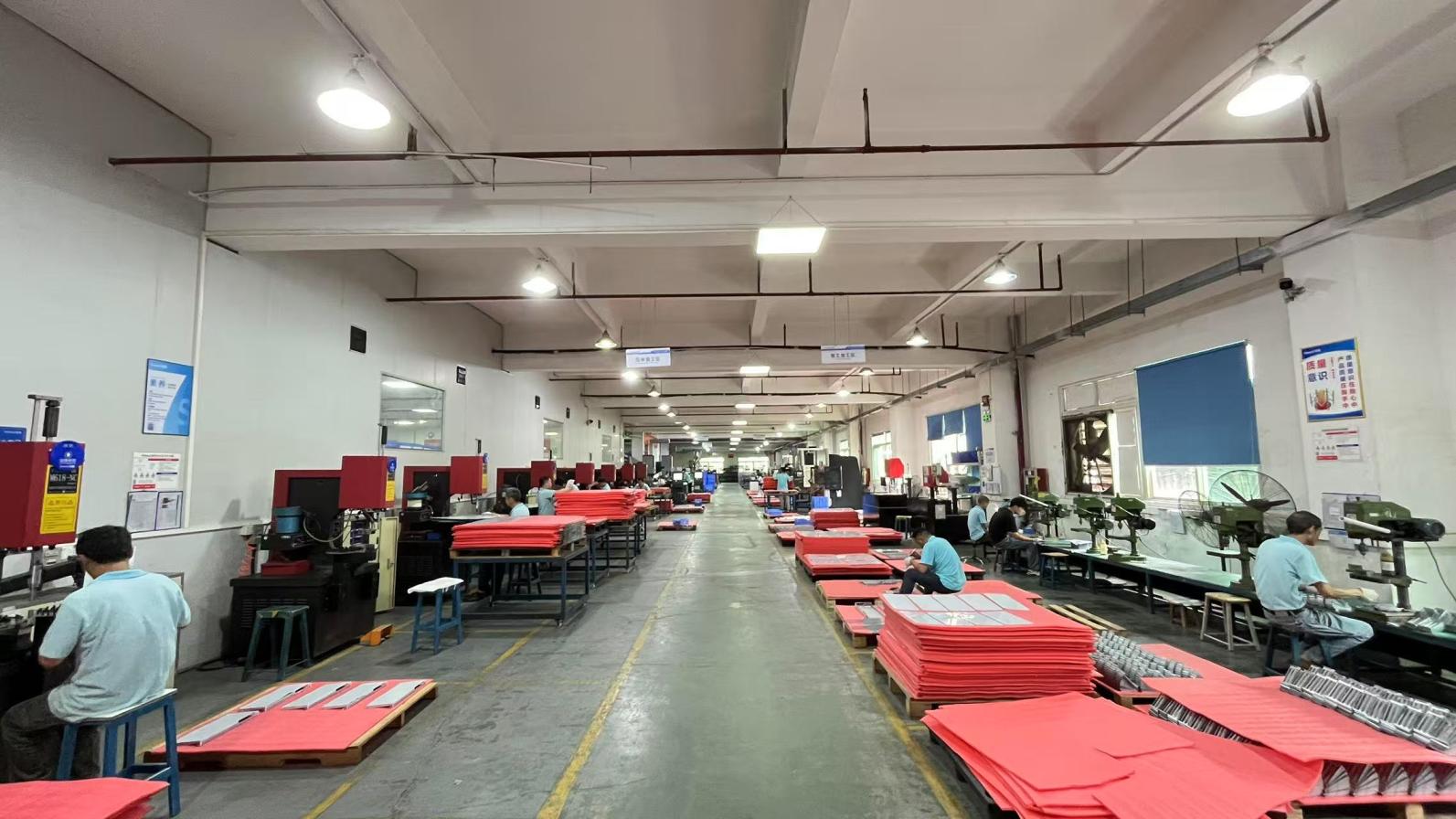
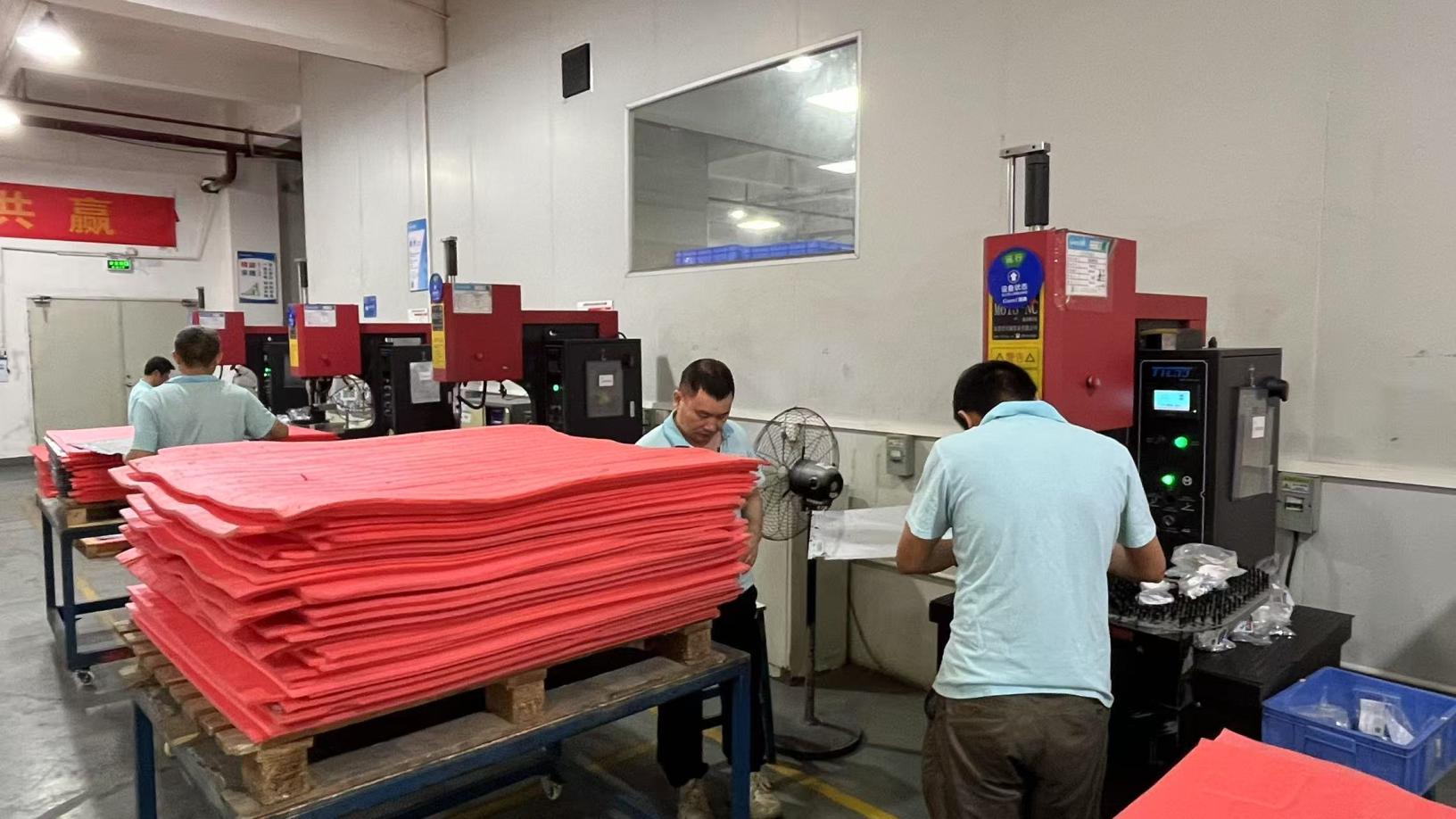
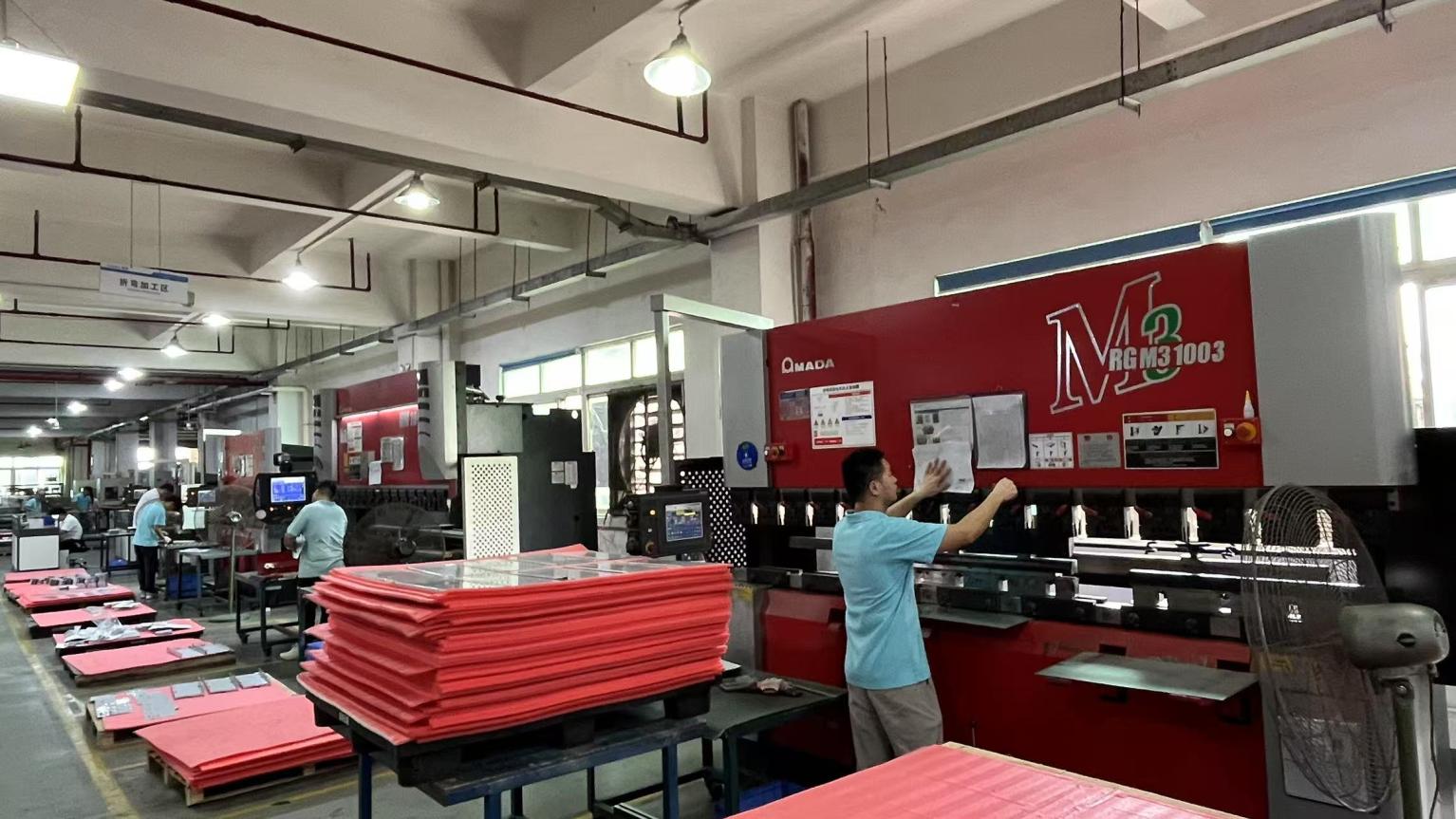
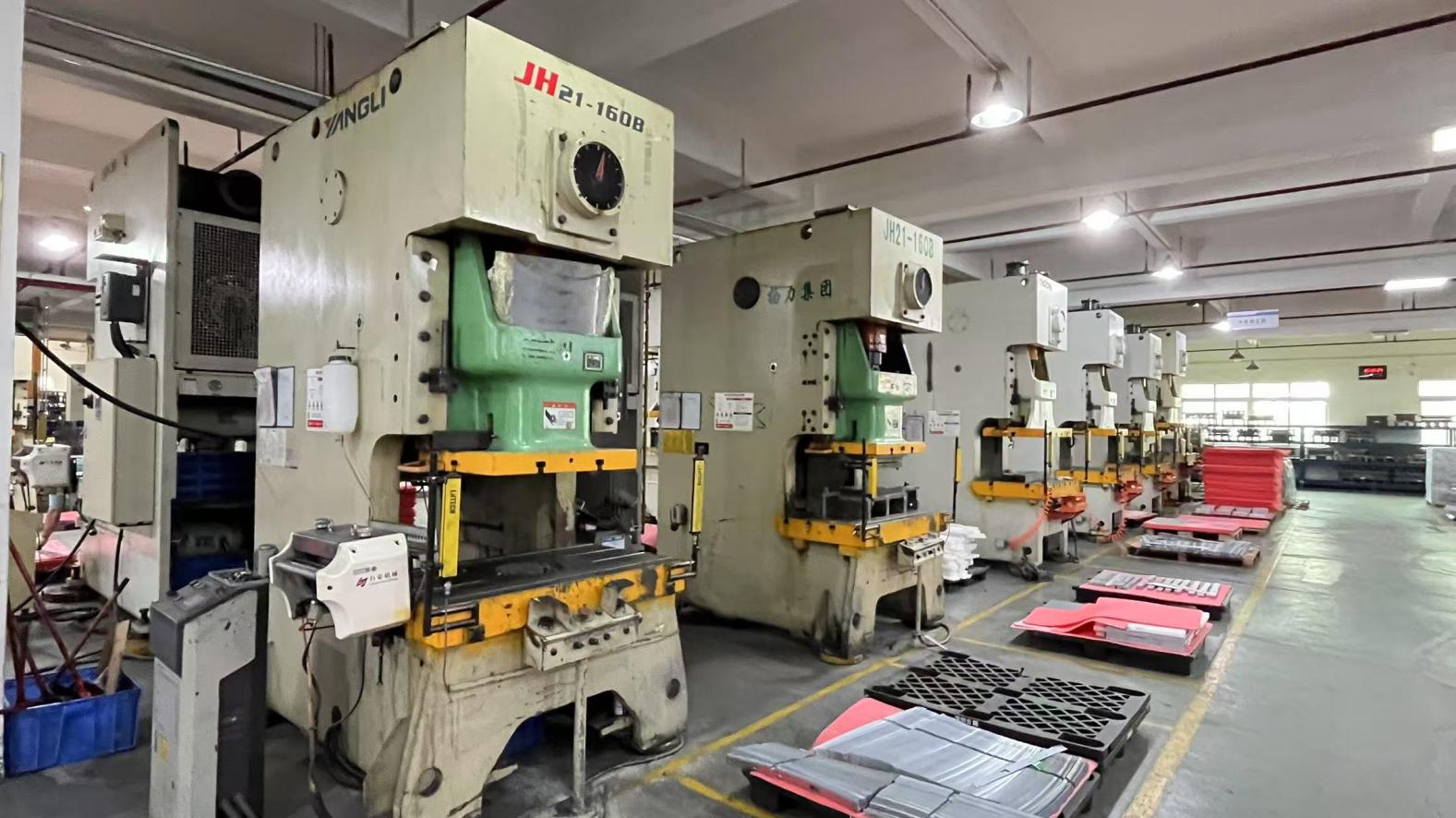
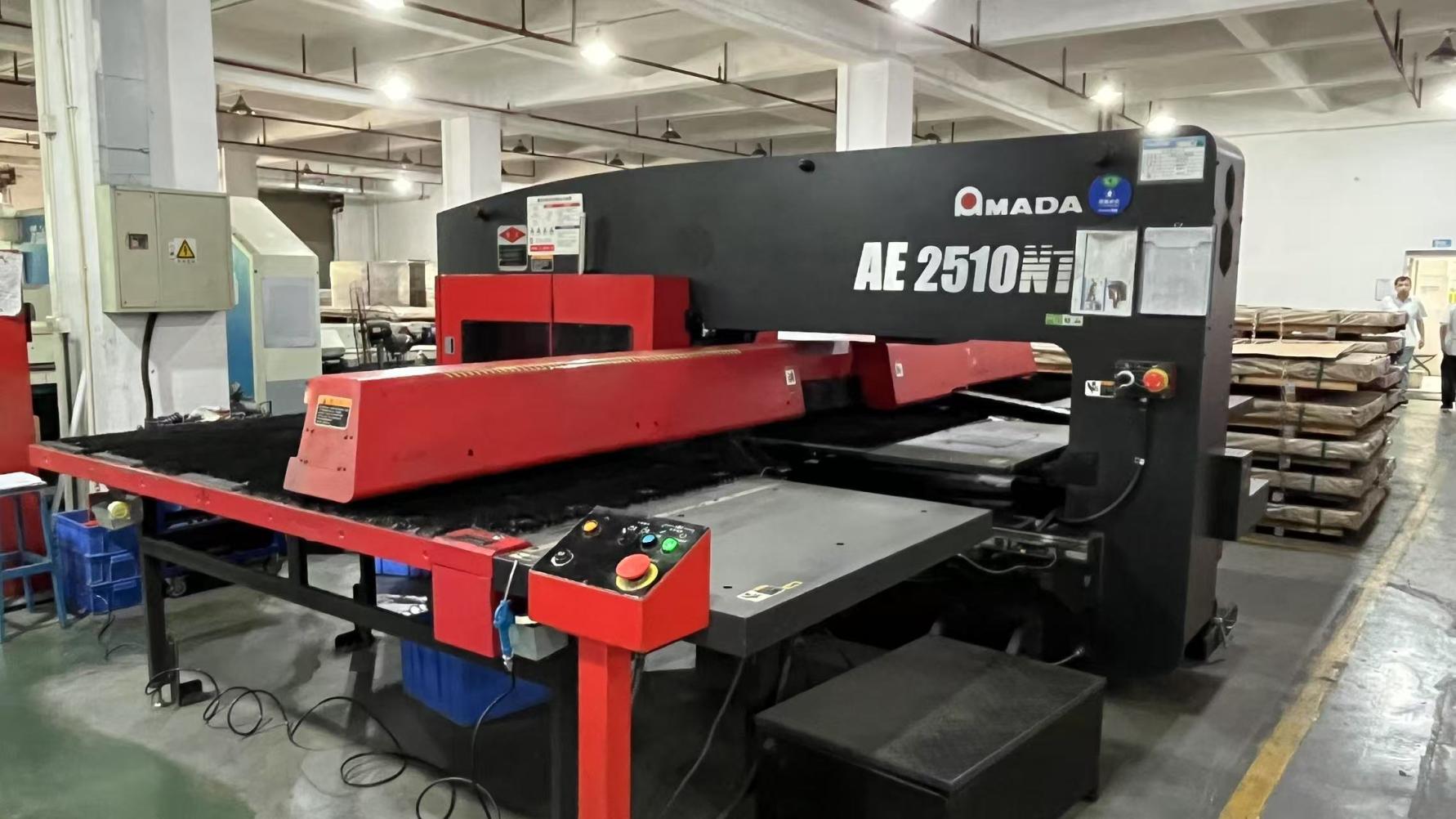
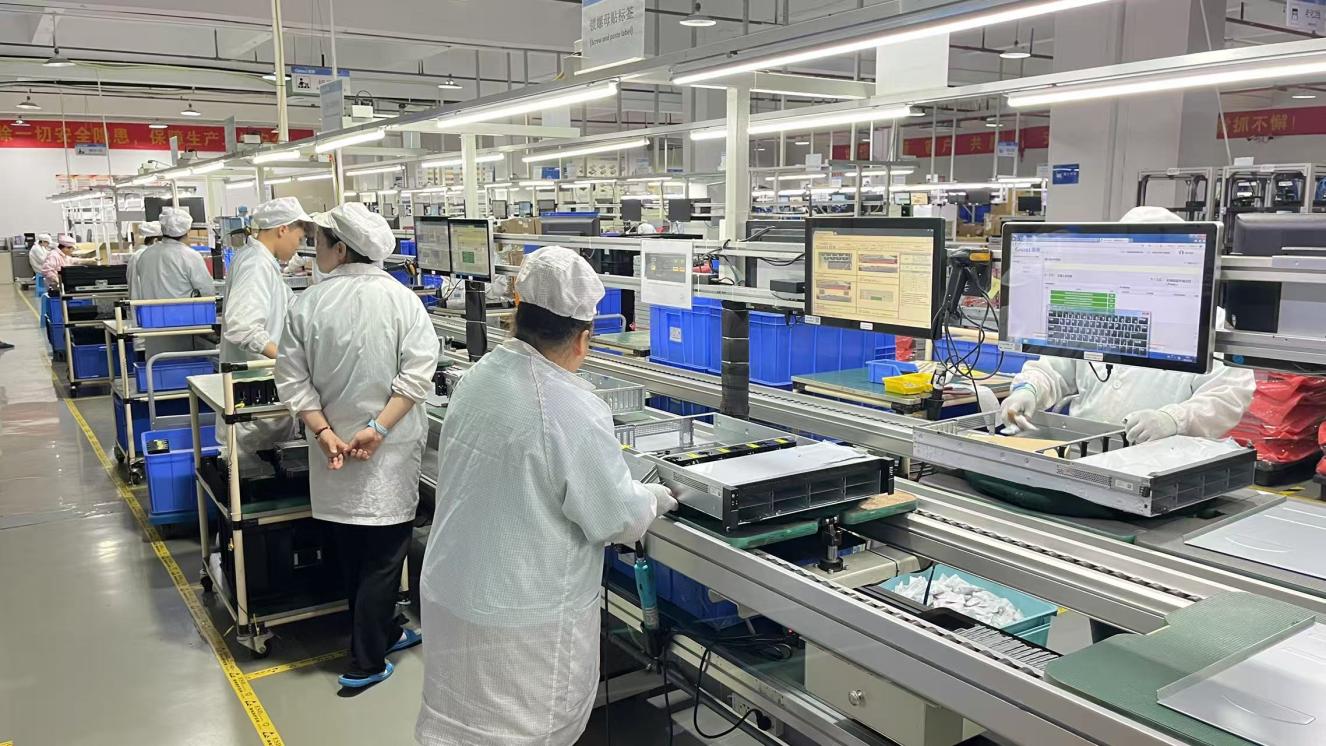
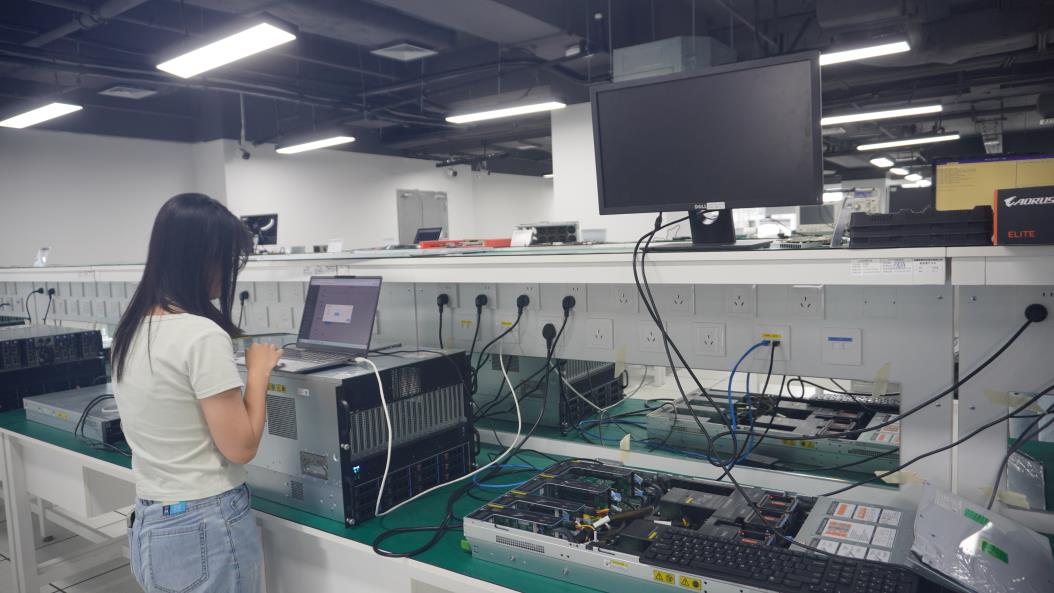
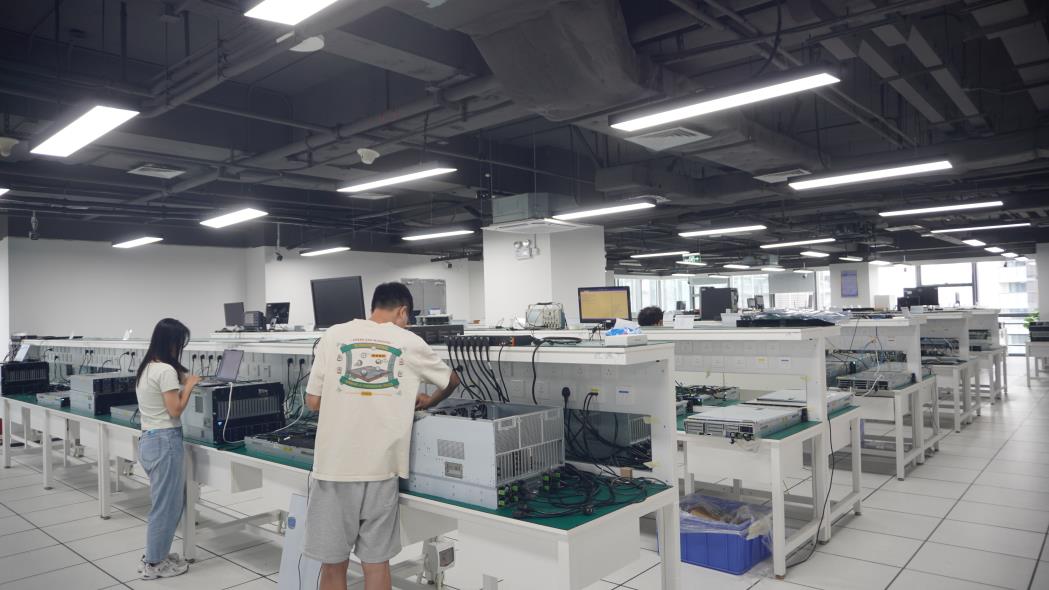
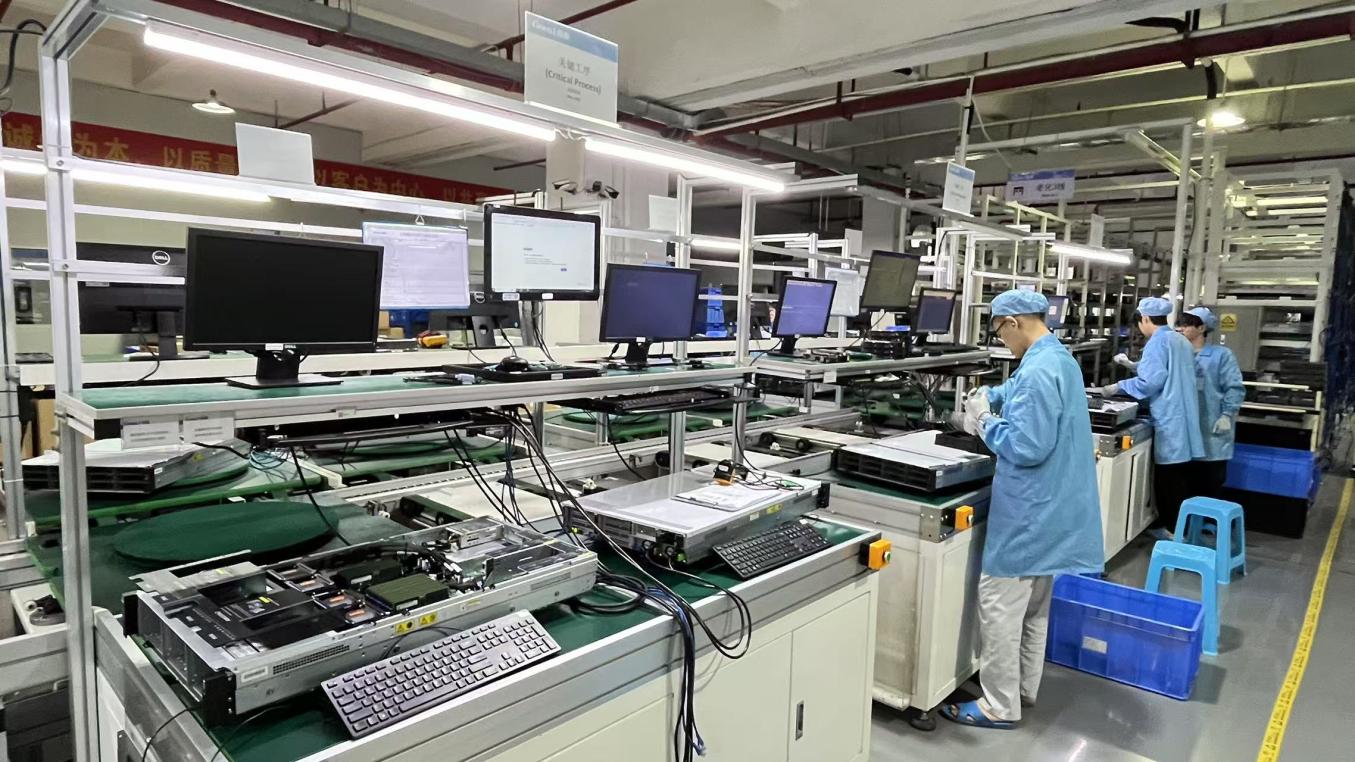
Take a virtual walk through our advanced production halls, testing bays, and component warehousing setups that keep global supply chains active.
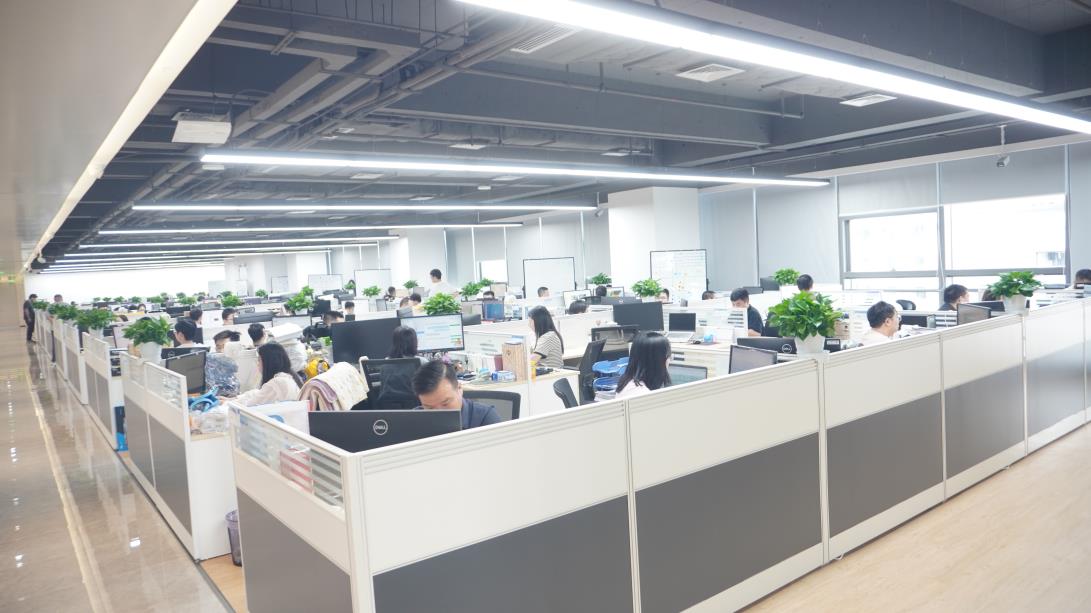
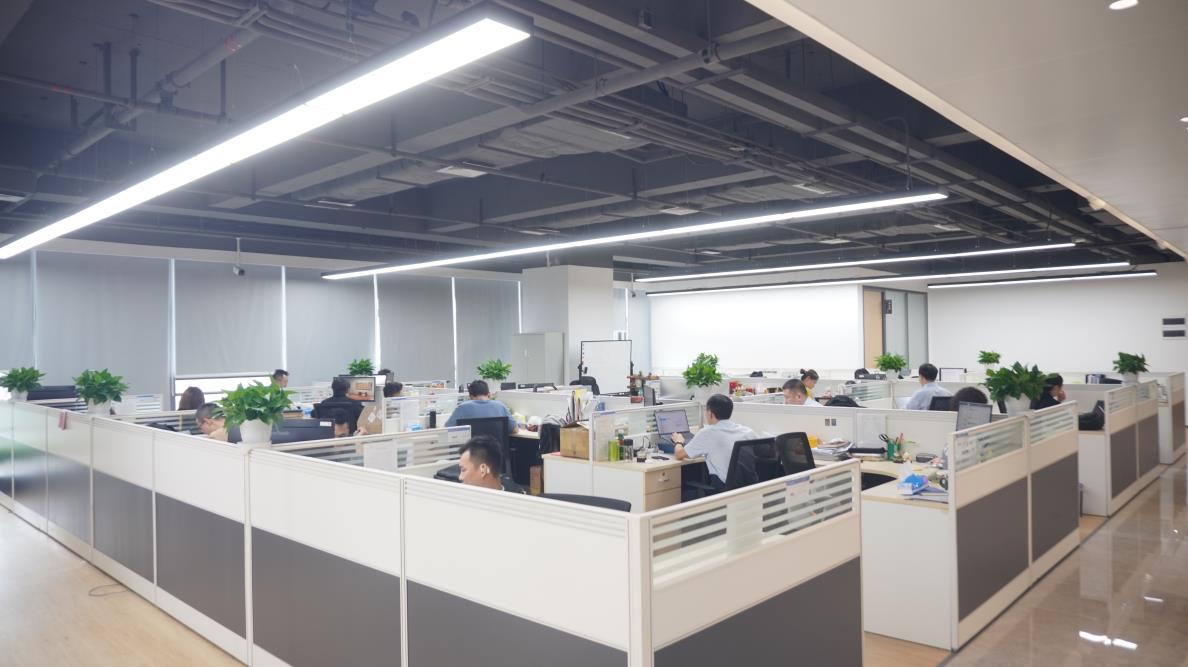
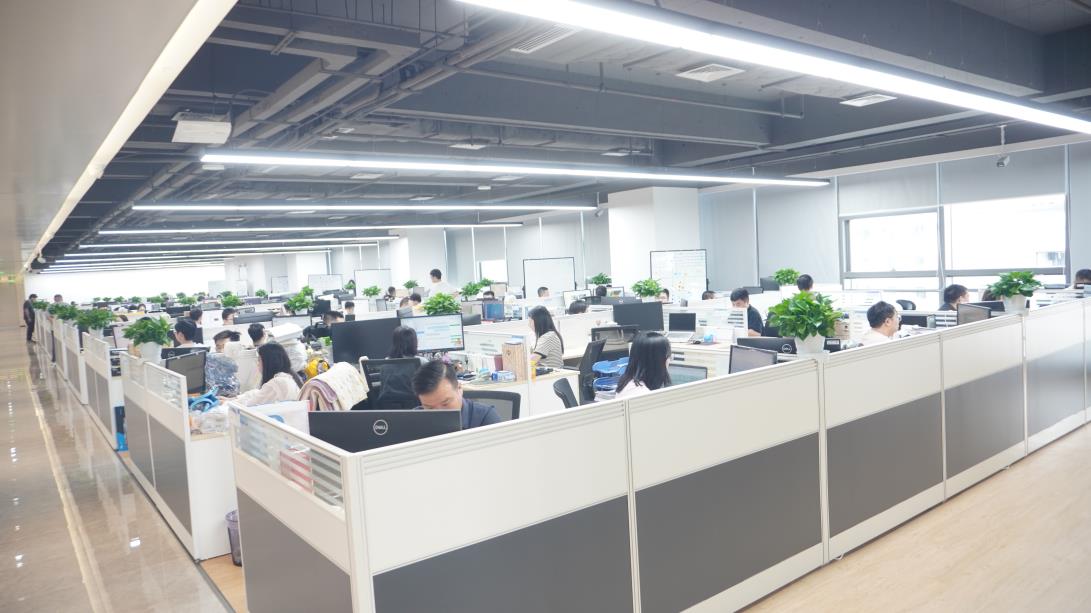
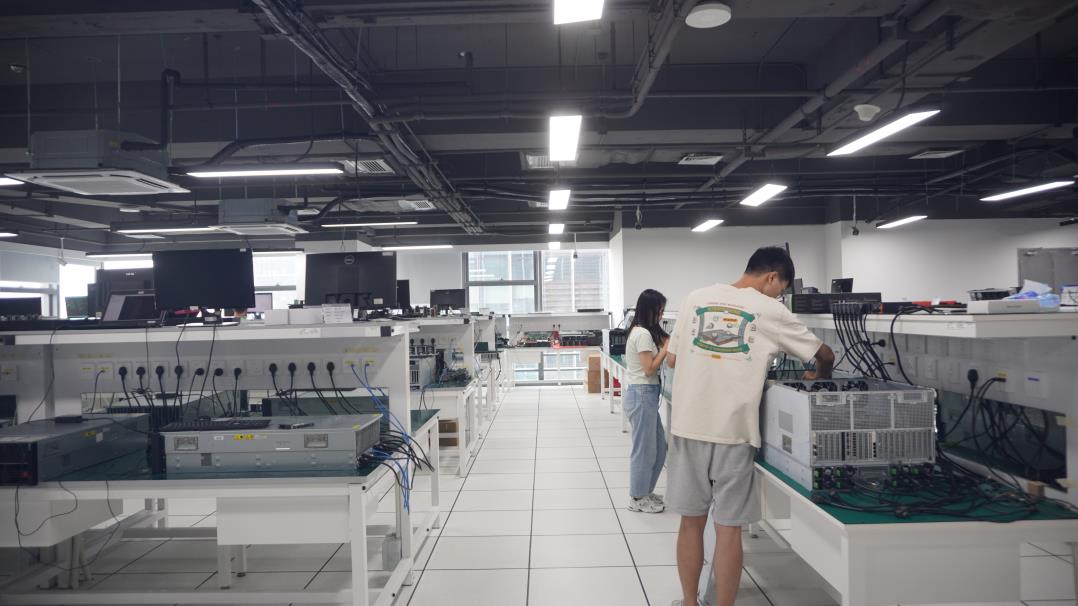
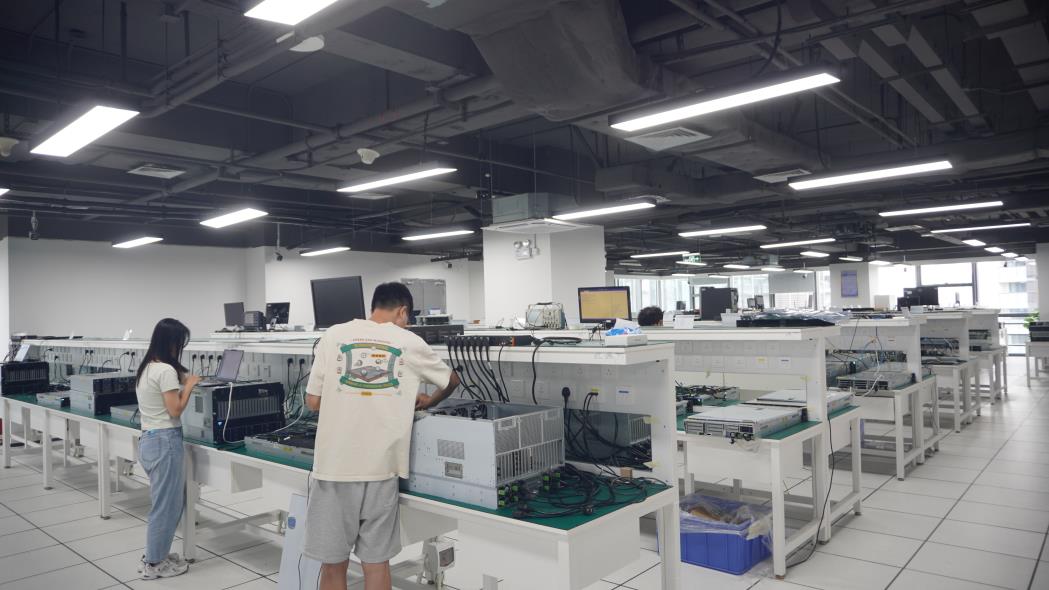
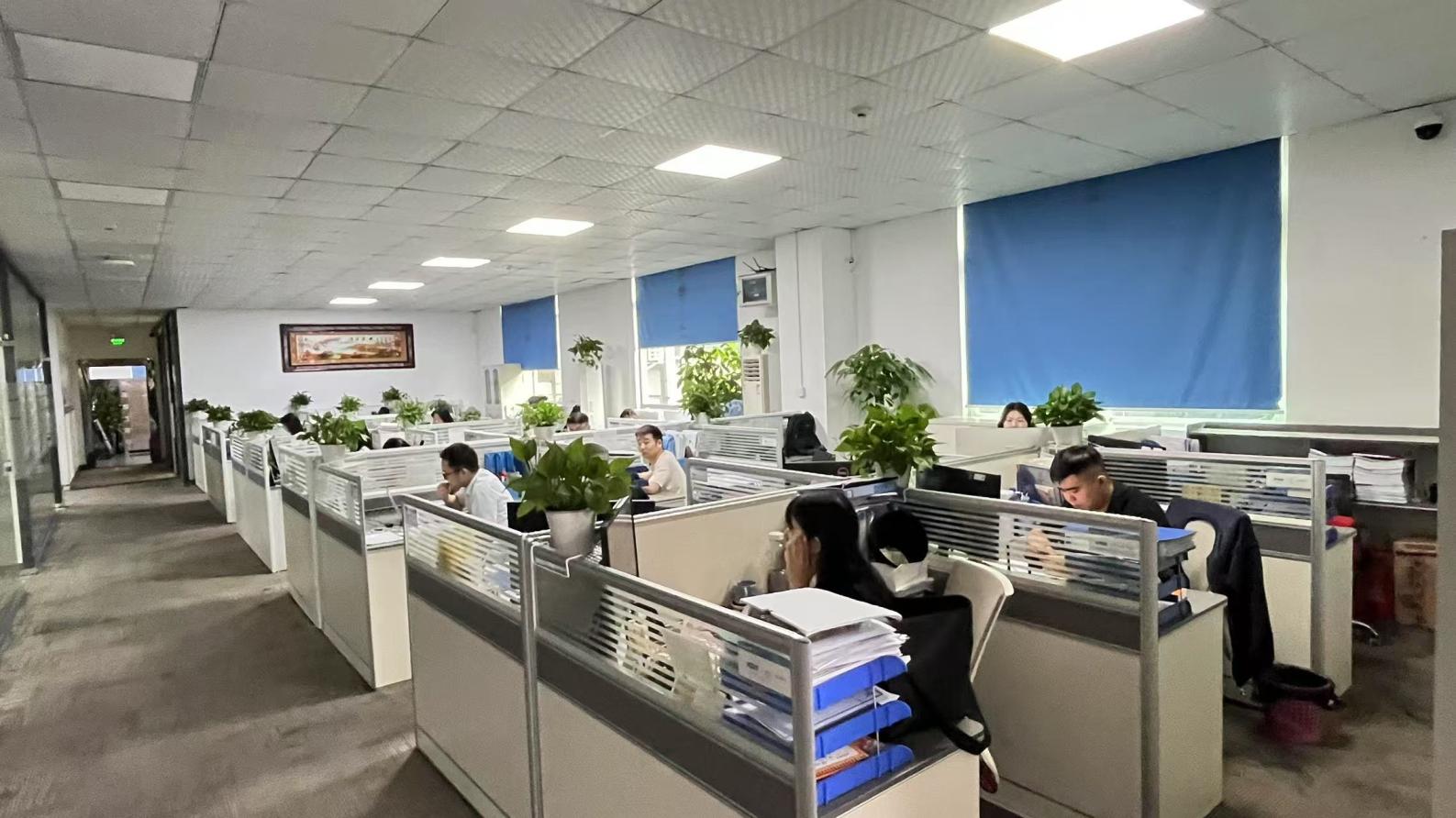
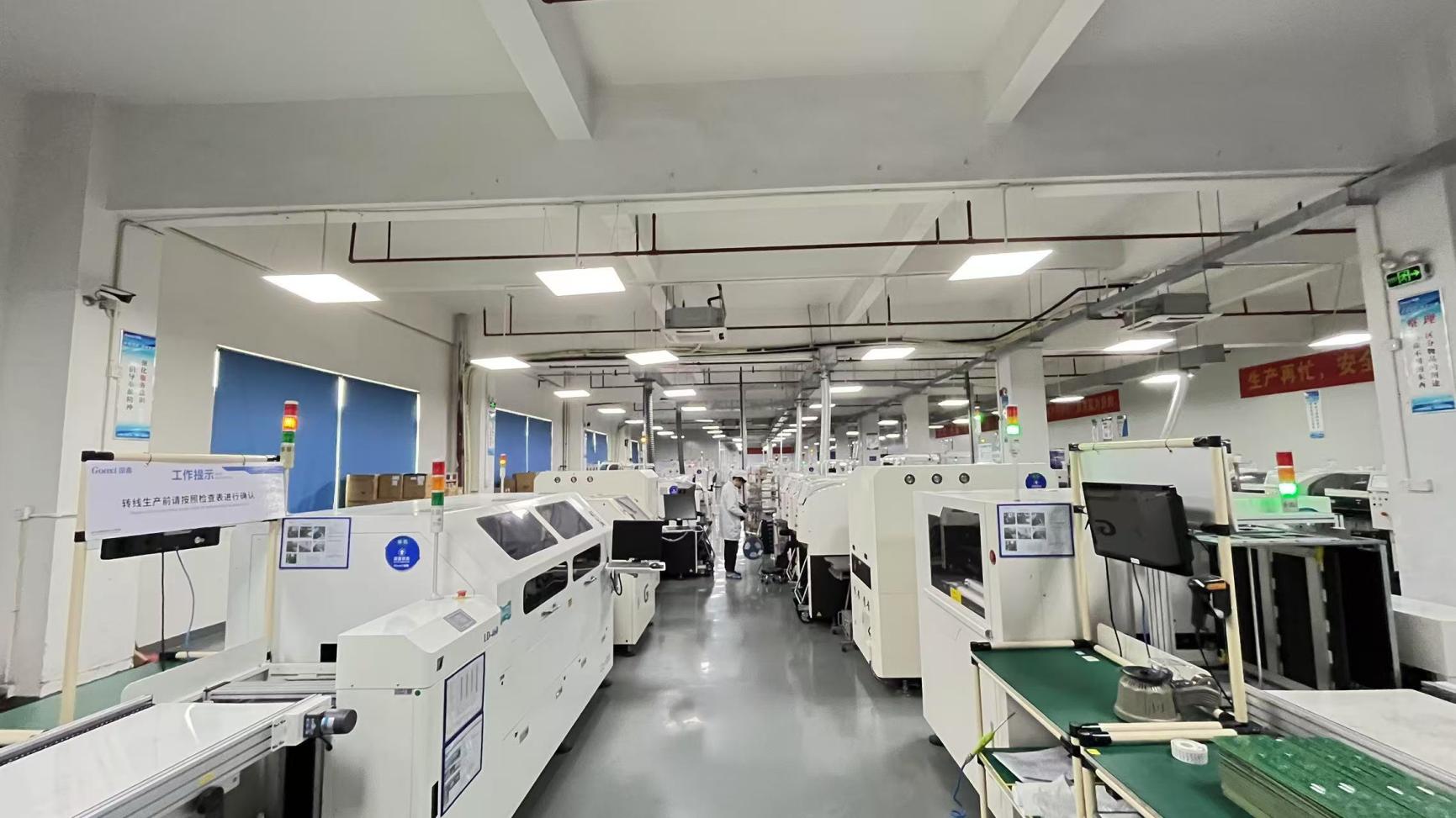
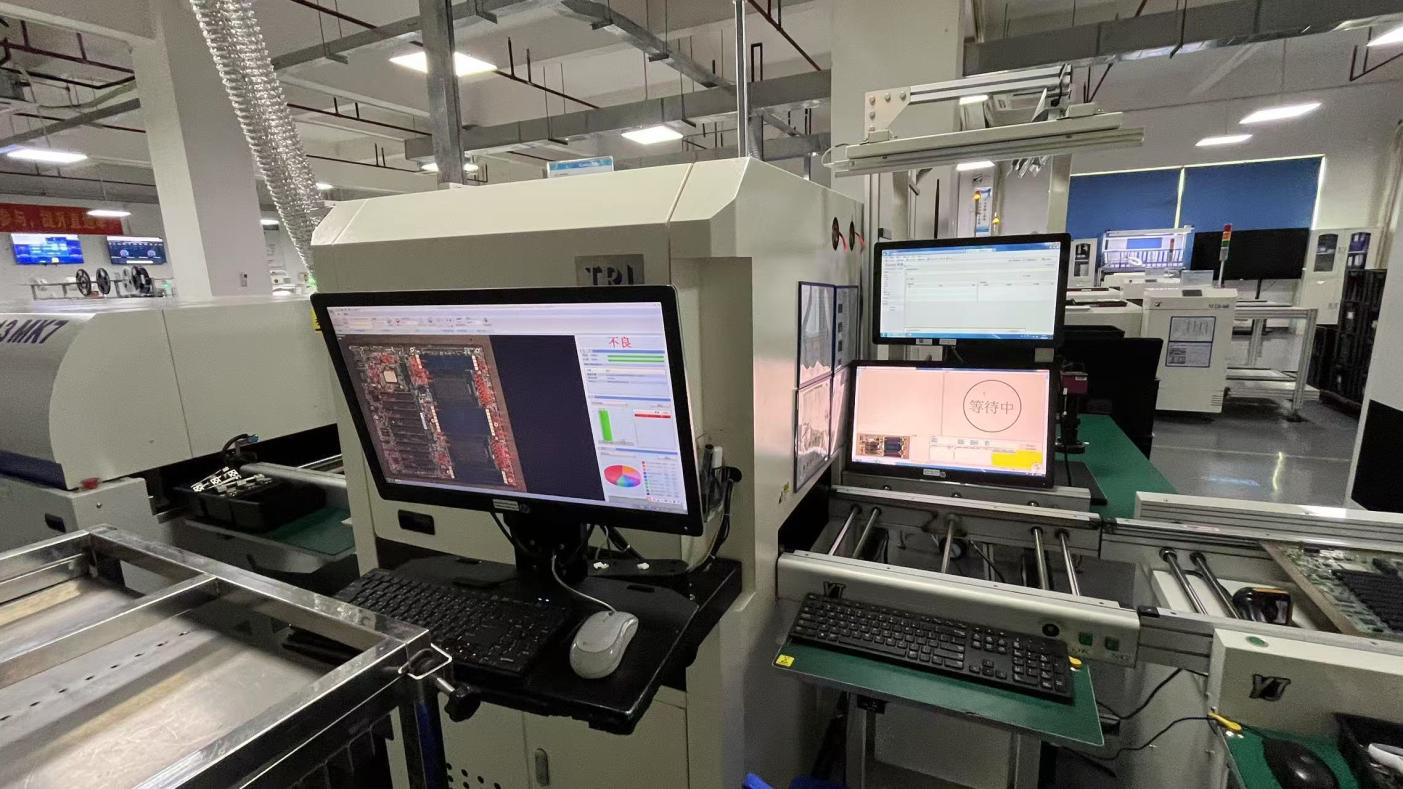
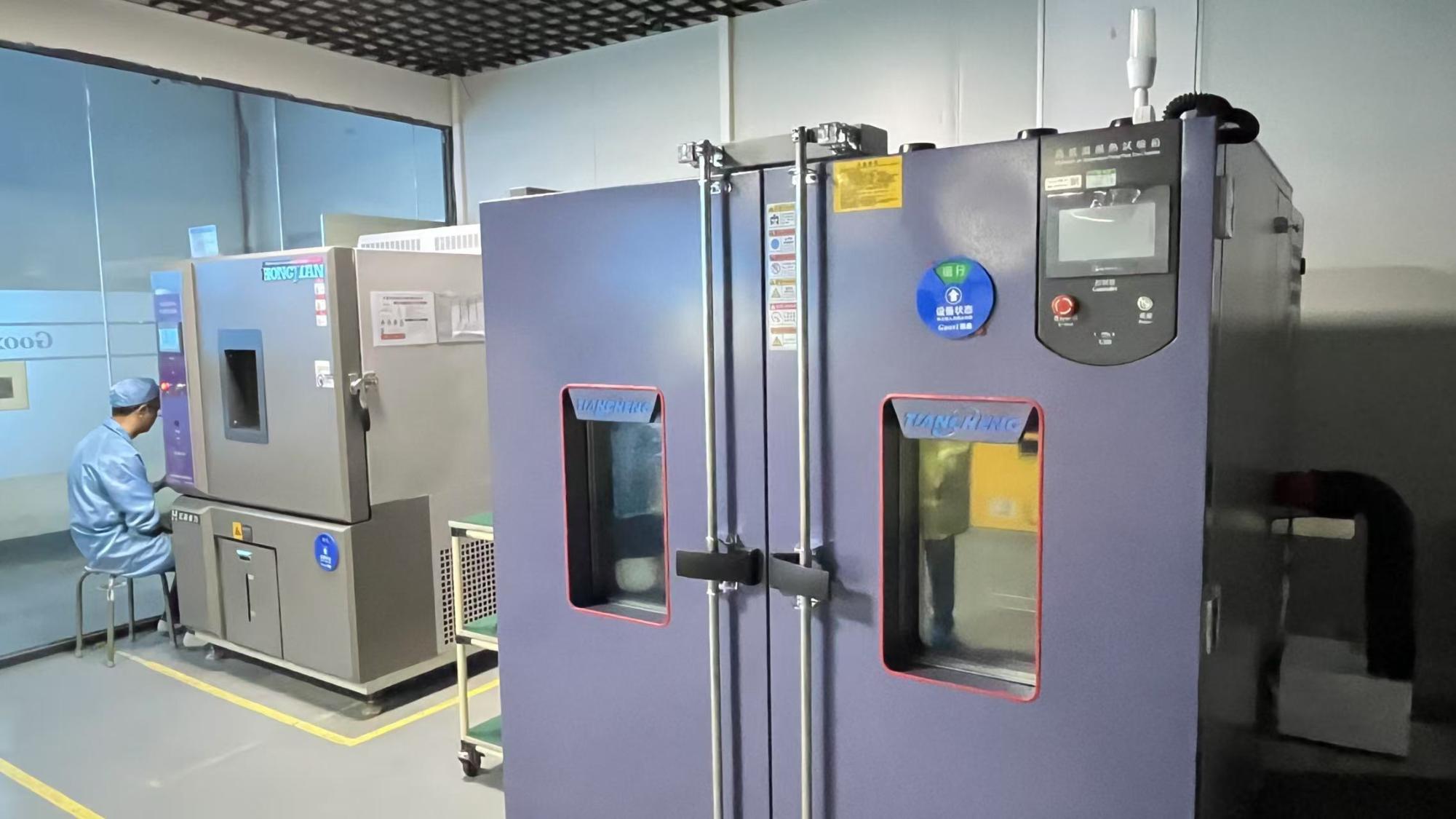
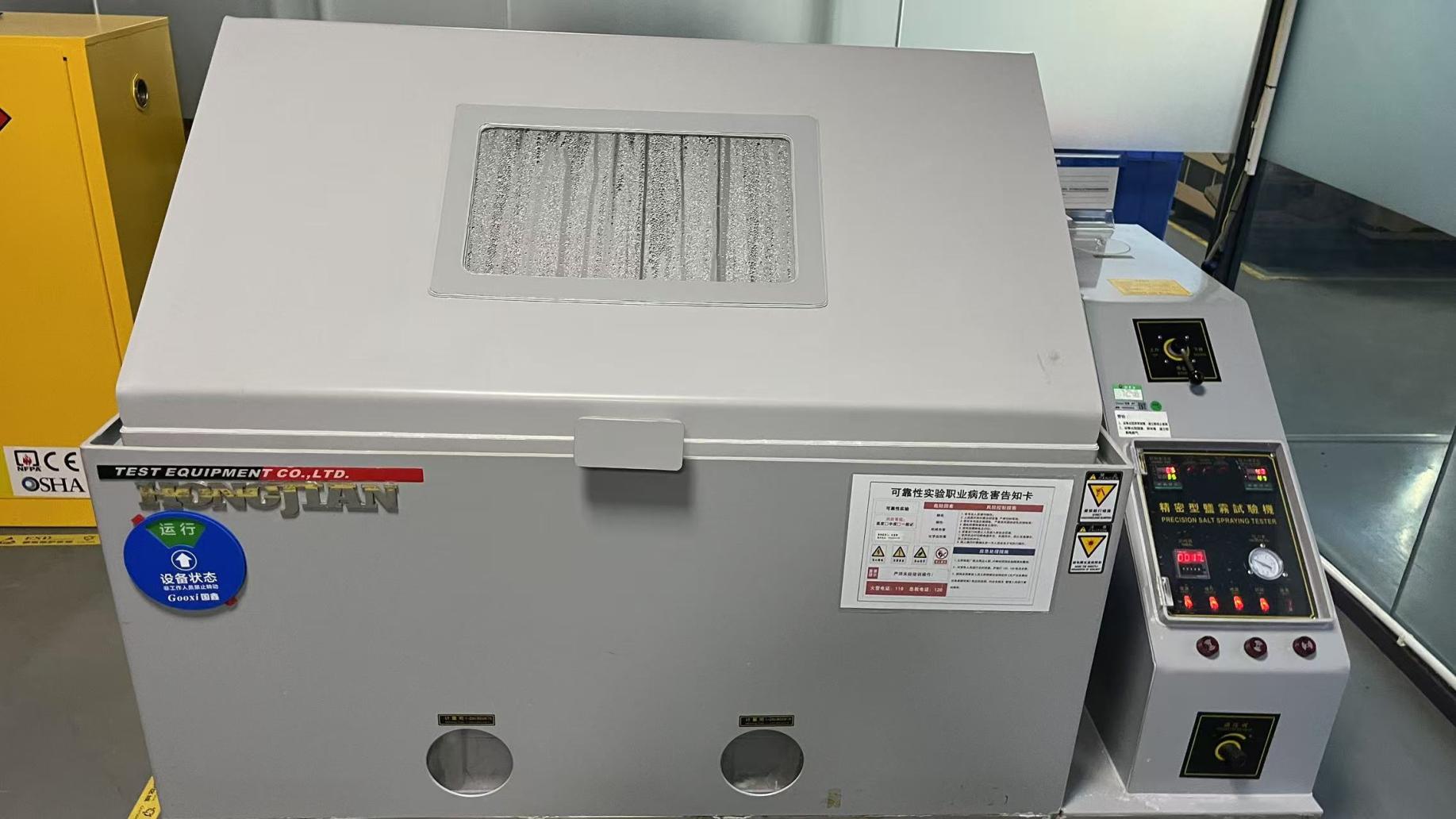
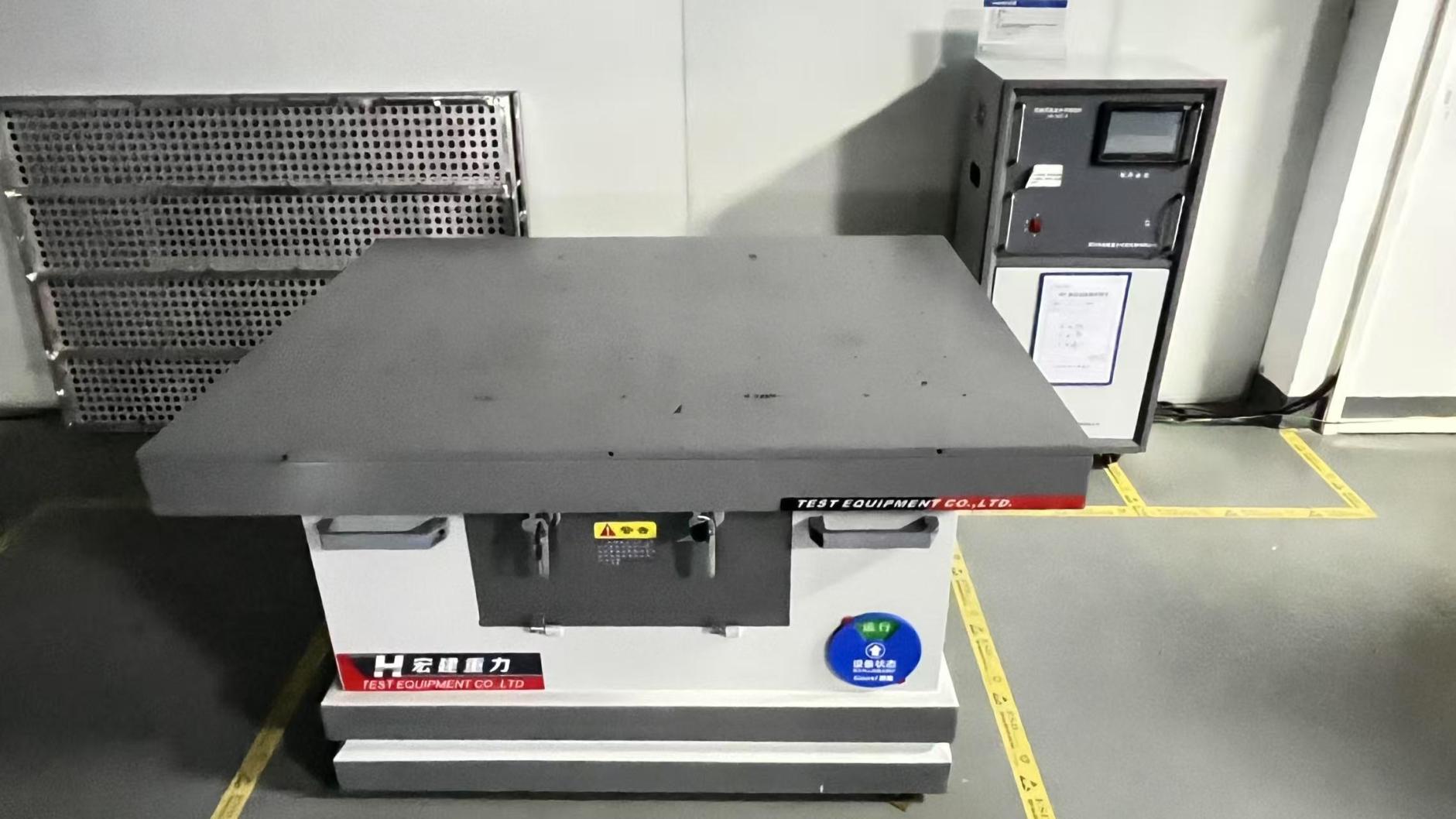
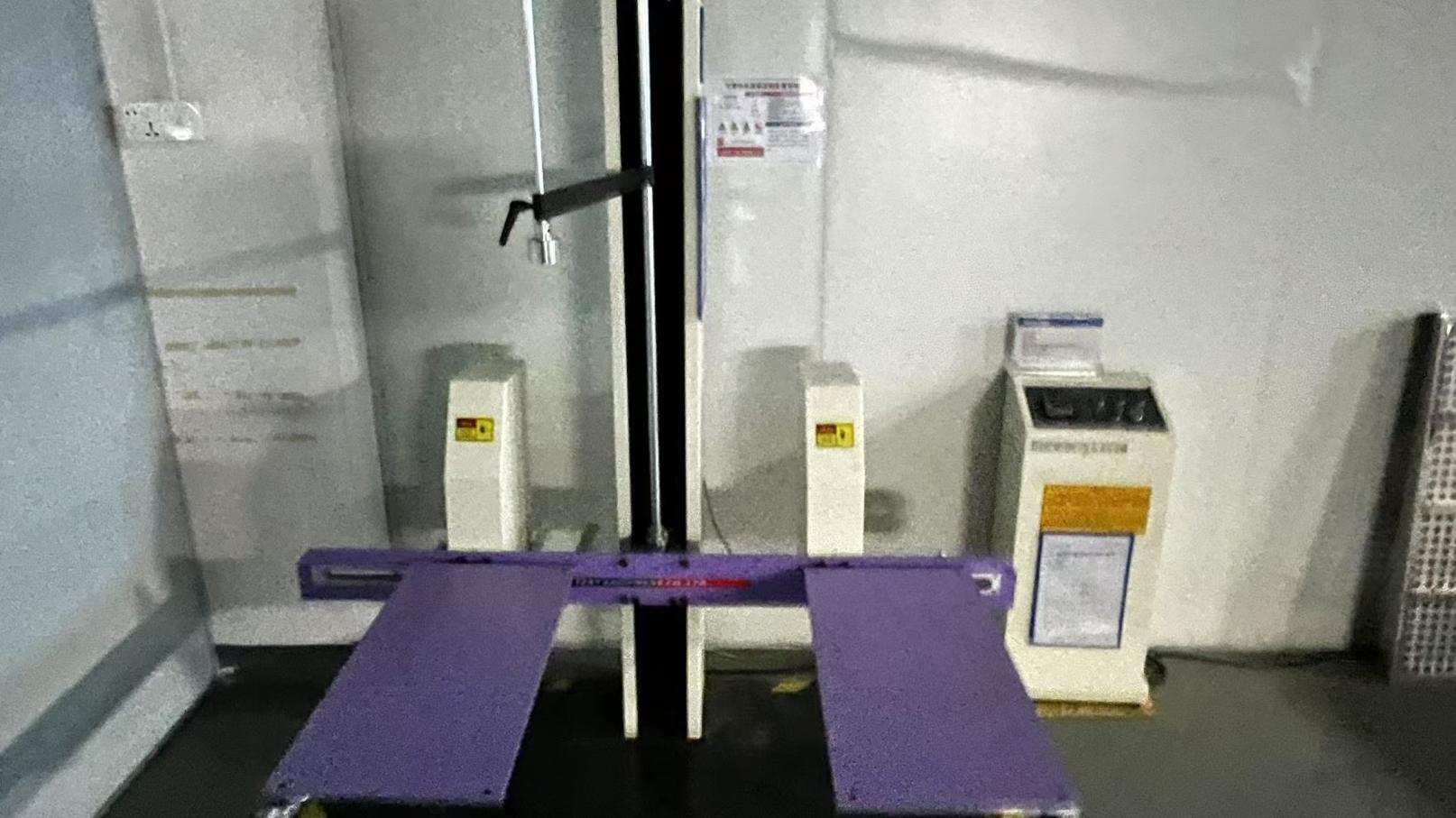
A server component is only as good as its reliability under peak workloads. At ZhiCloud AI, we deploy a team of over 45 specialized Quality Control experts and state-of-the-art testing hardware. Every batch of RAID controllers, host bus adapters (HBAs), enterprise storage drives, and platinum power supplies undergoes multi-stage inspections. We subject units to thermal shock testing, high-frequency signal integrity testing, salt spray corrosion test environments (essential for ocean shipping and high-humidity environments), and full mechanical vibration testing that simulates the physical stress of transport and operational chassis environments.
This exhaustive protocol reduces post-installation failures to less than 0.05%, providing Australian integrators with components that can be installed directly into mission-critical systems without intermediate testing delays.
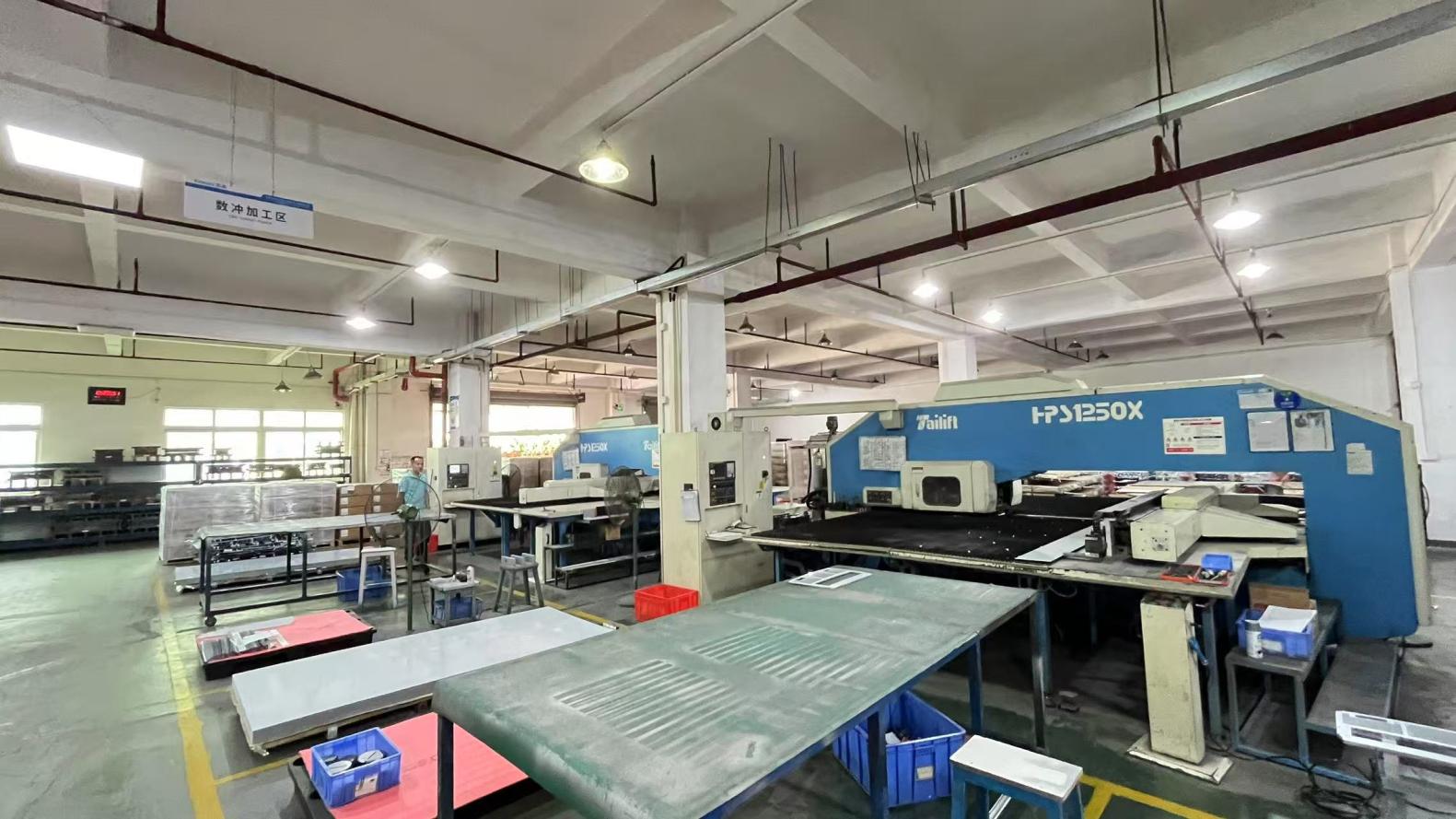
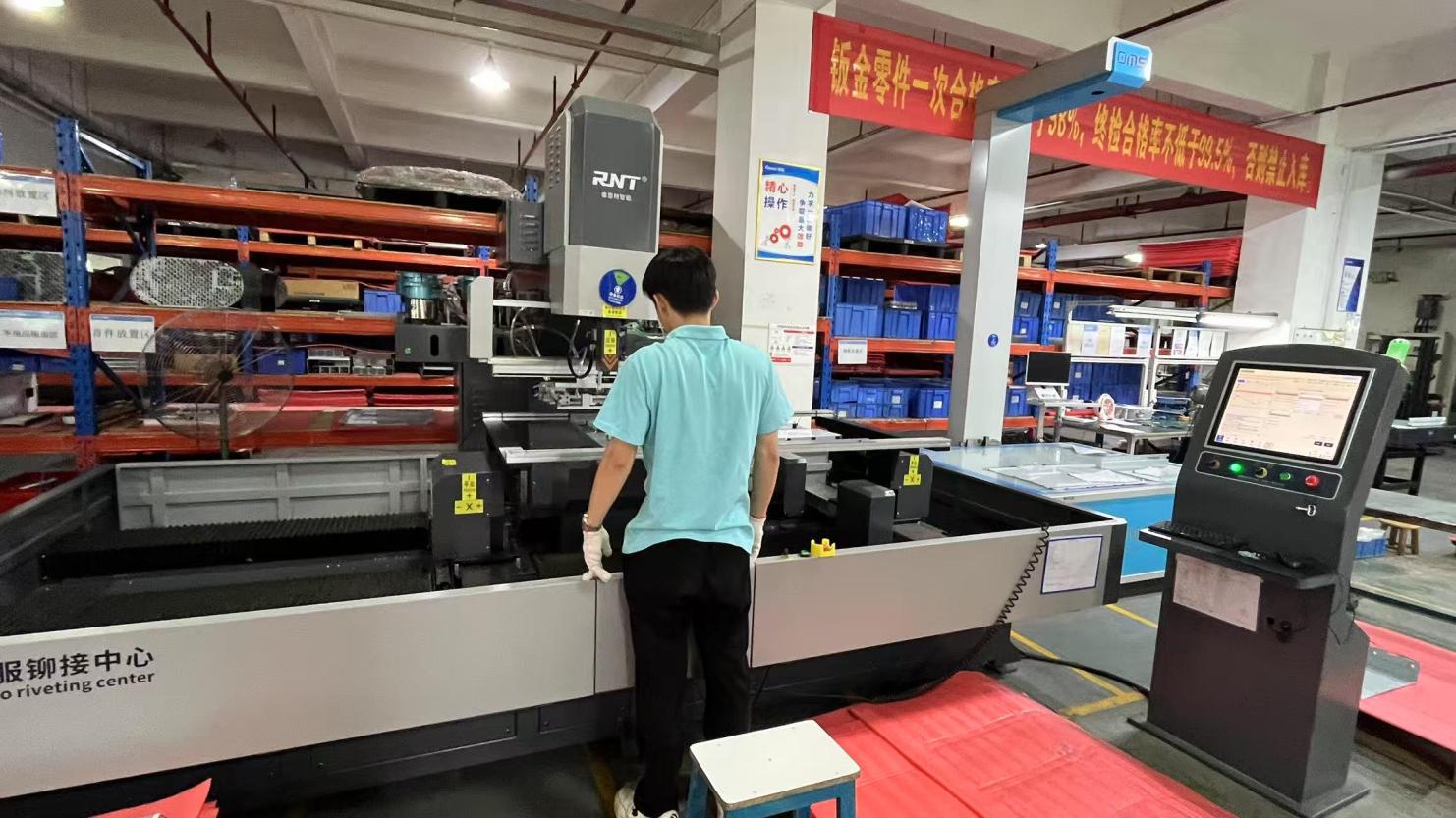
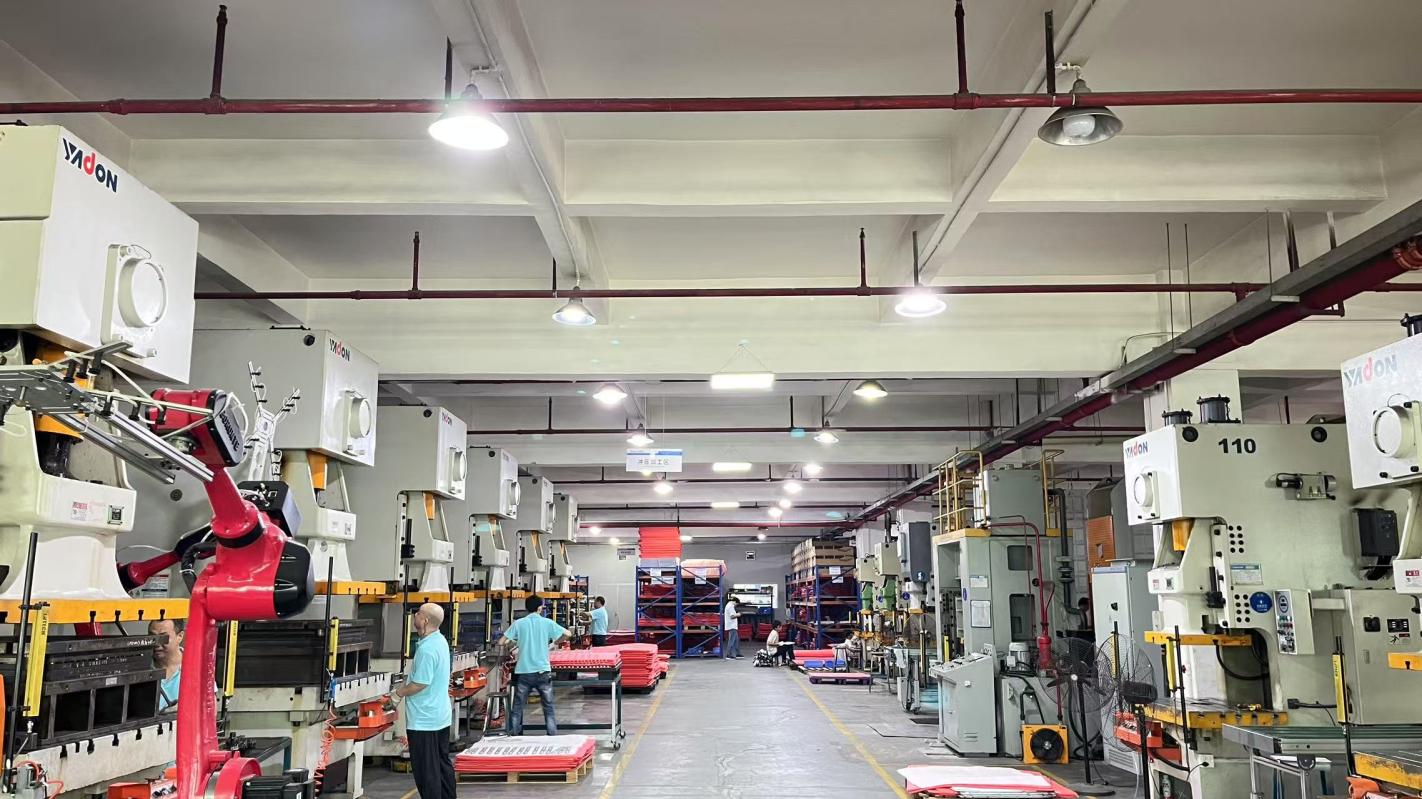
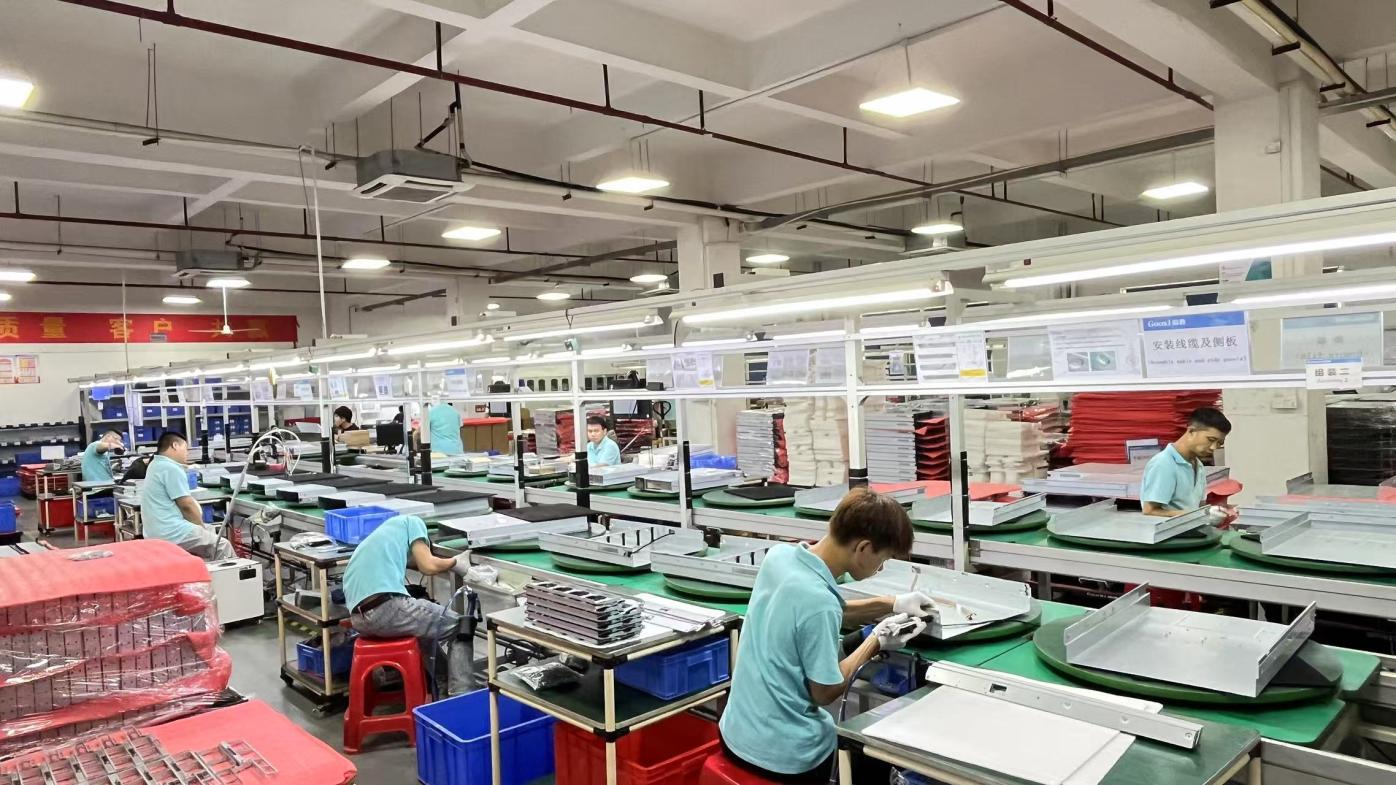
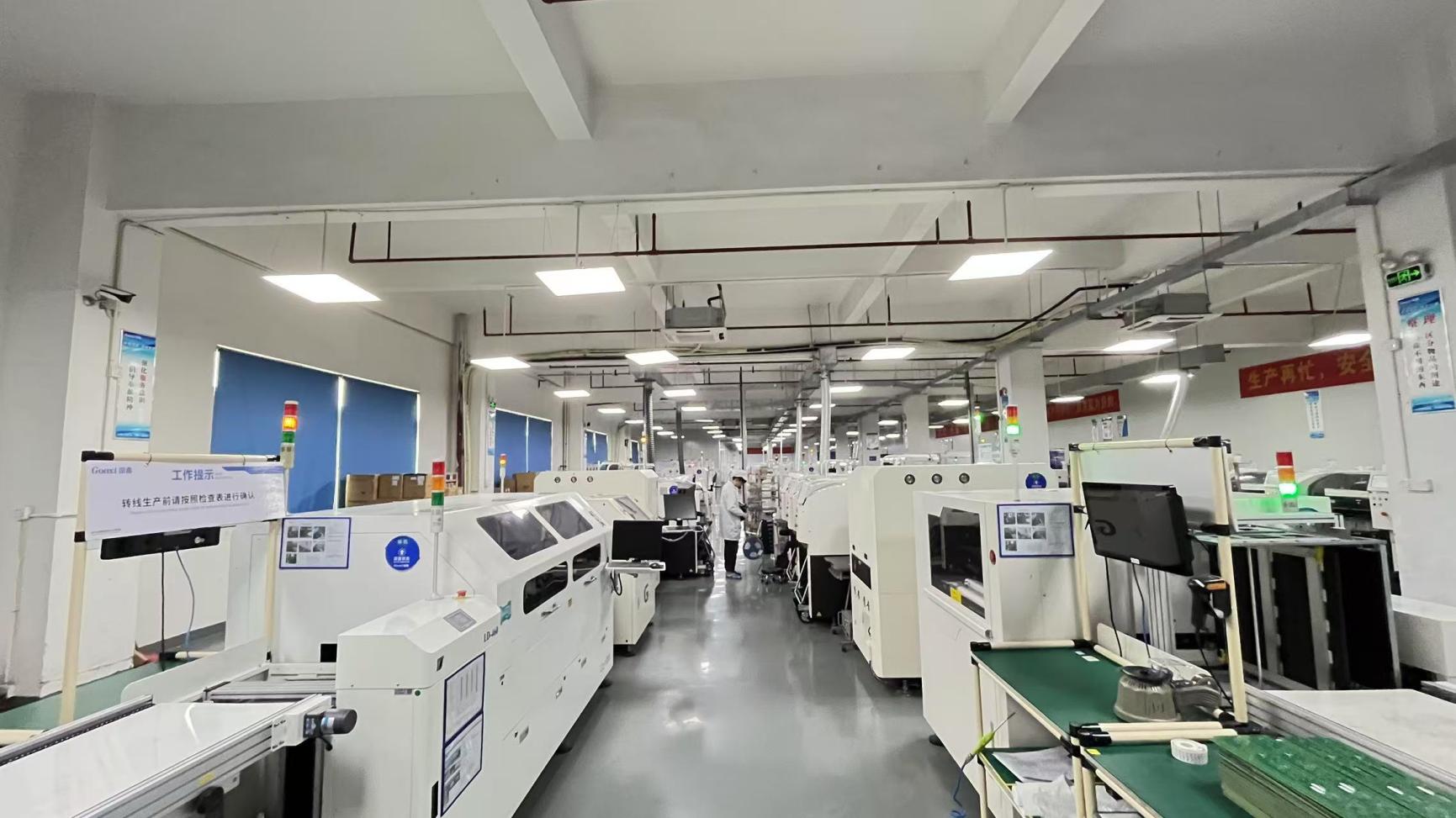
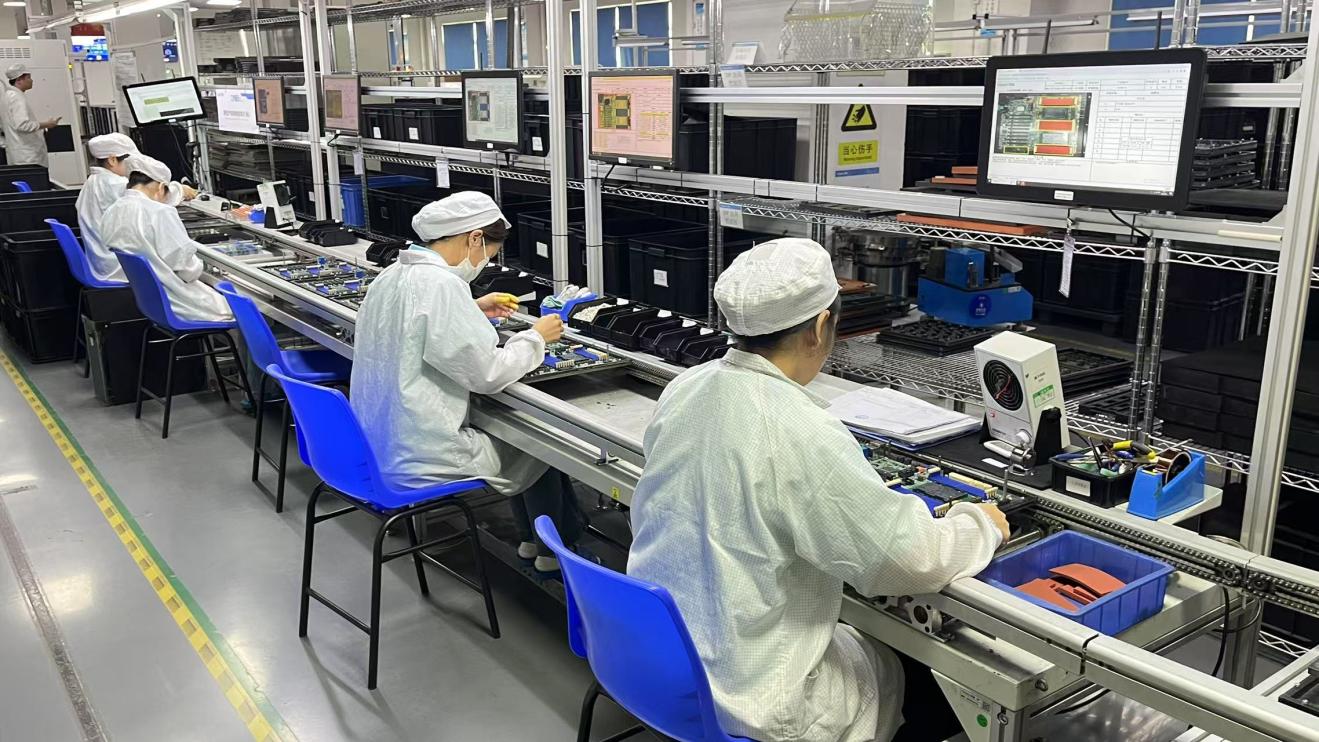
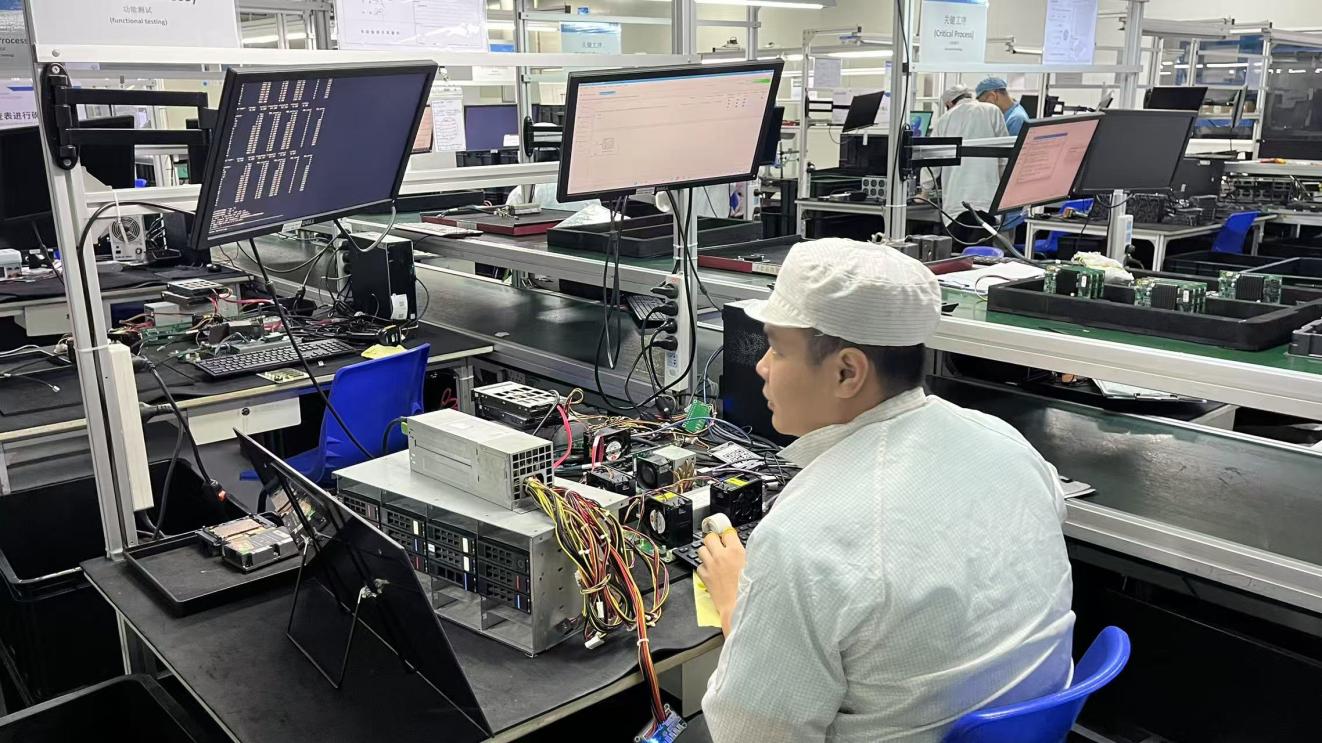
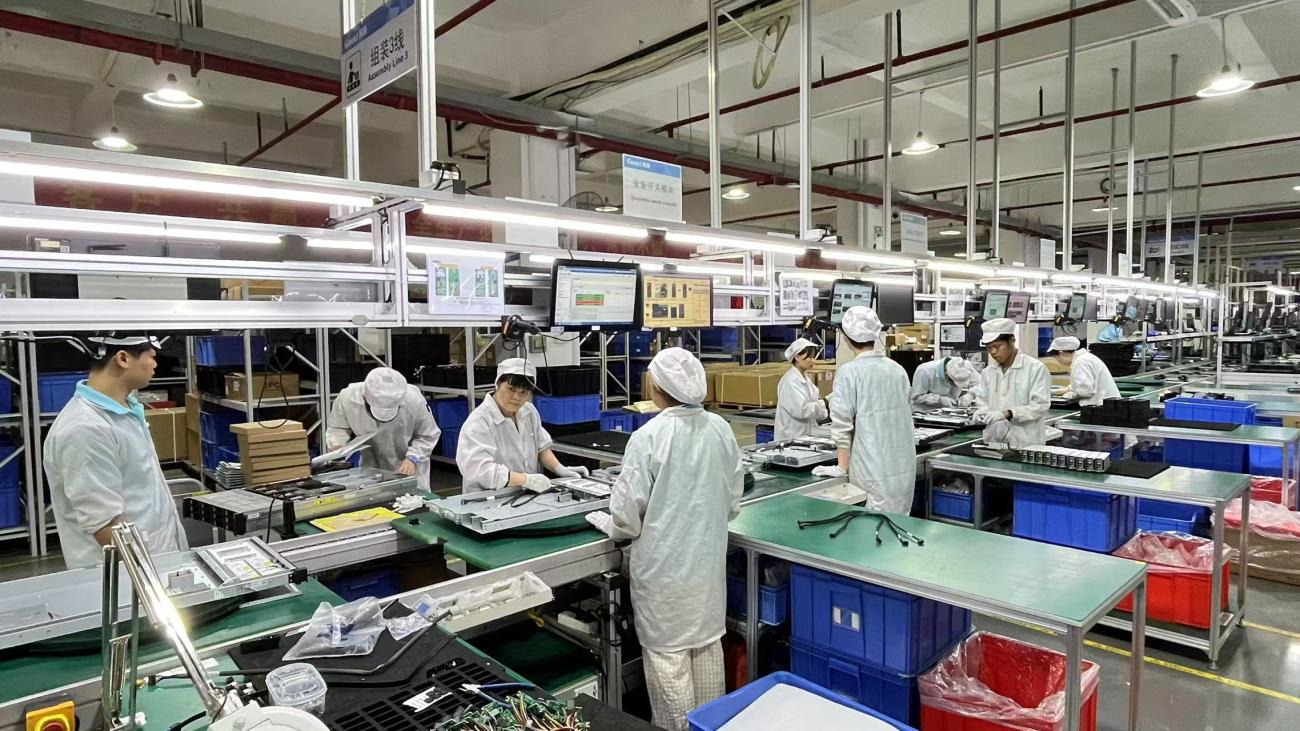
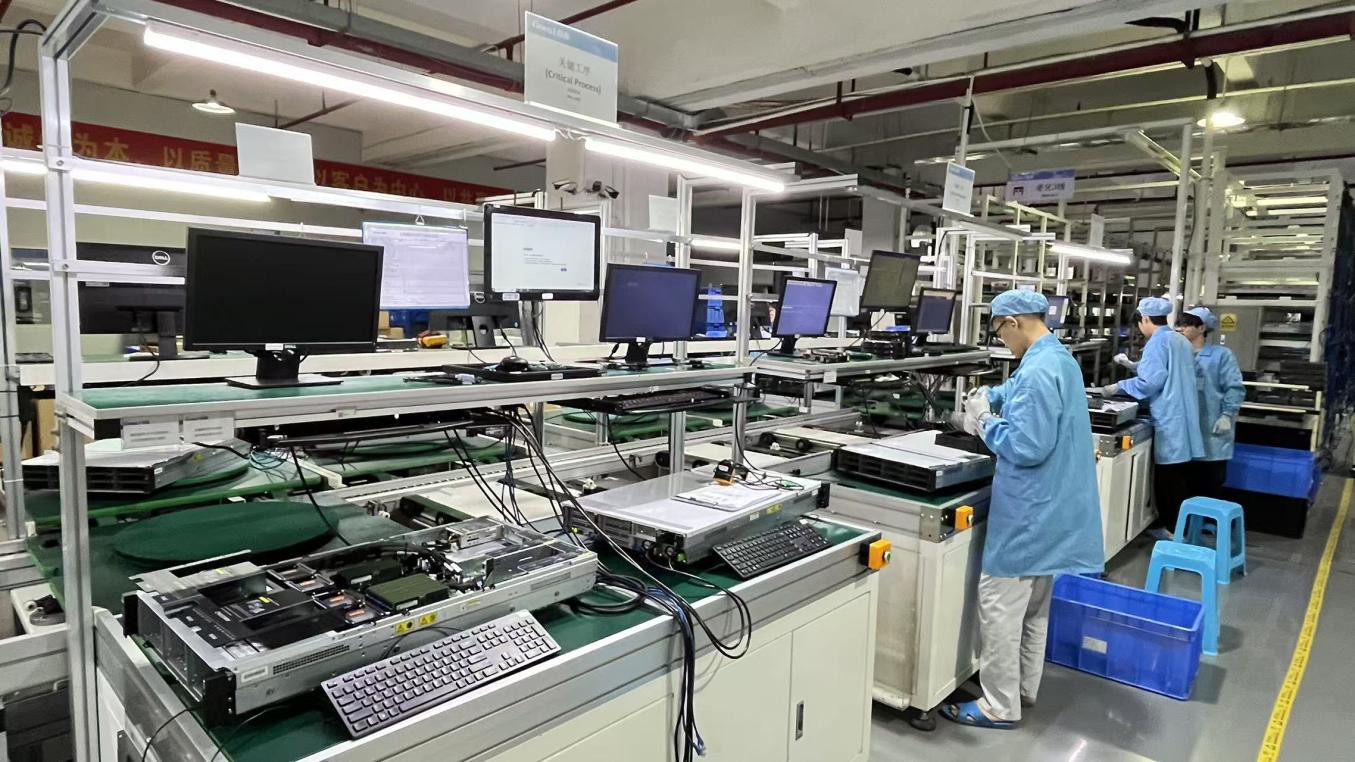
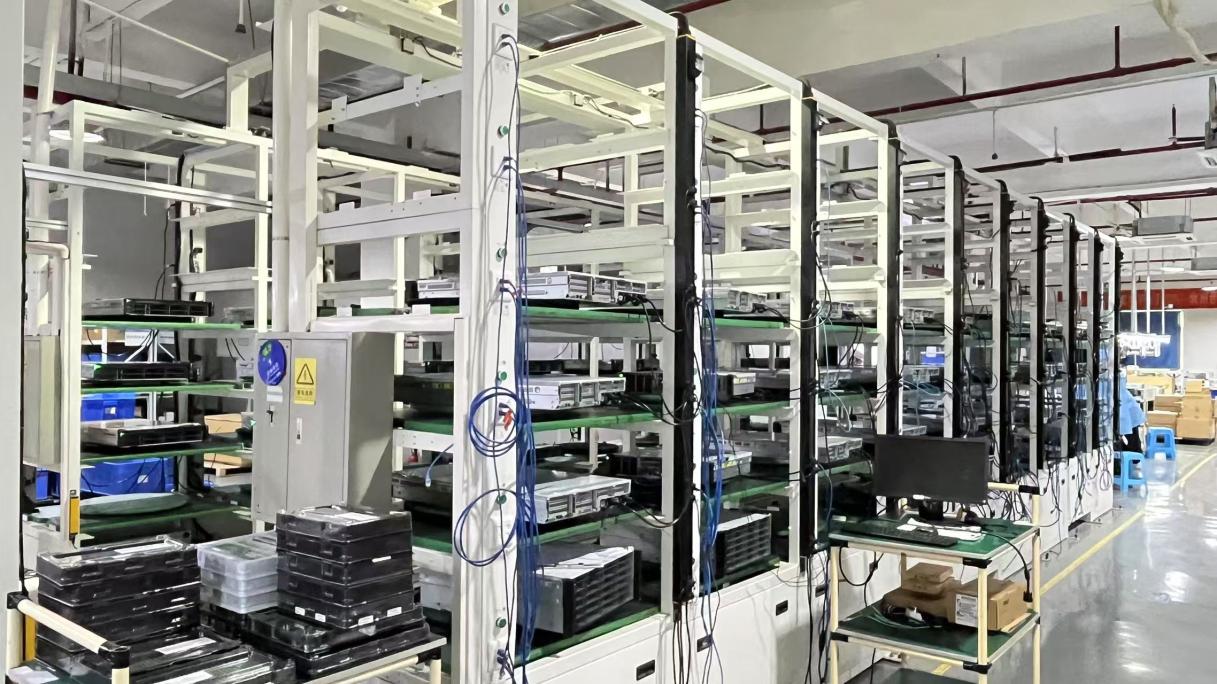
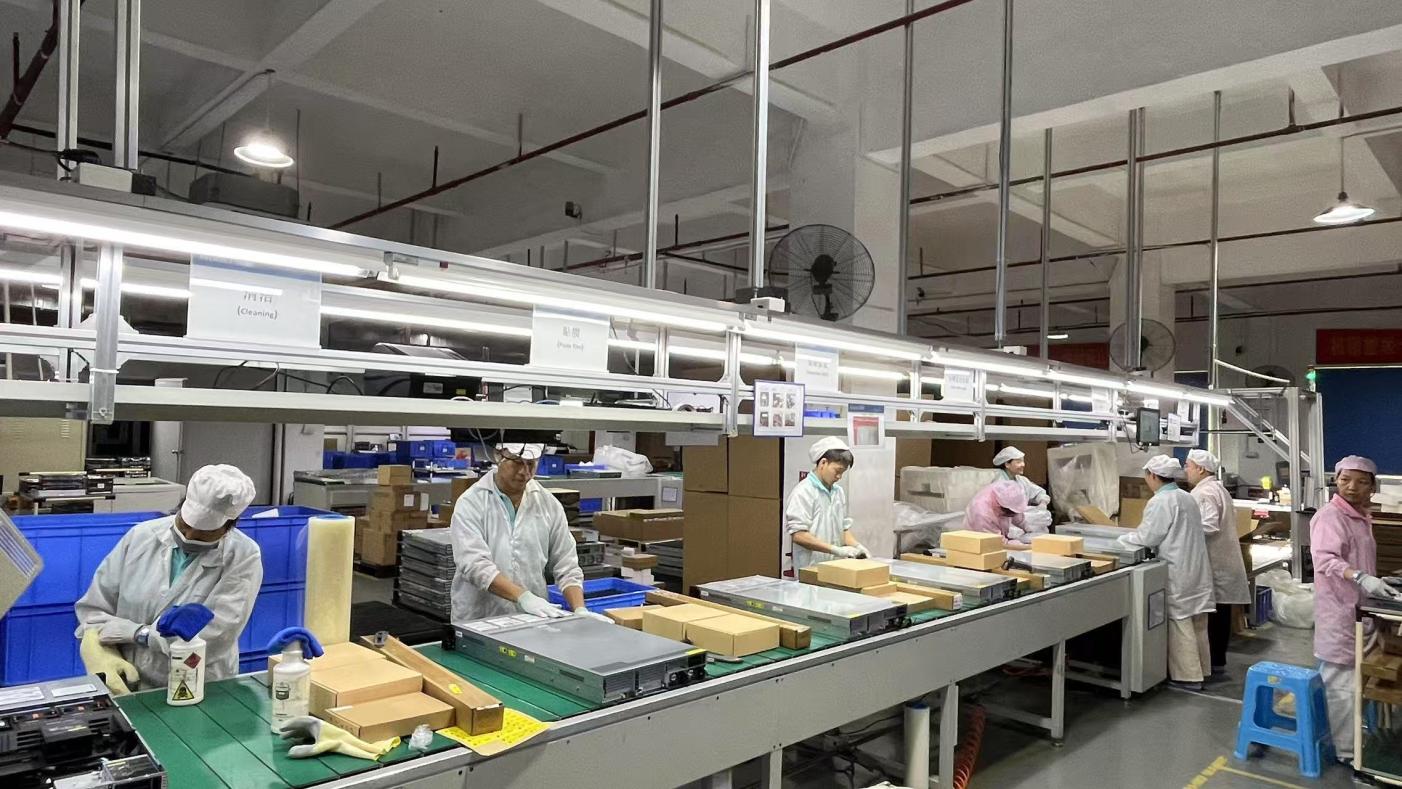
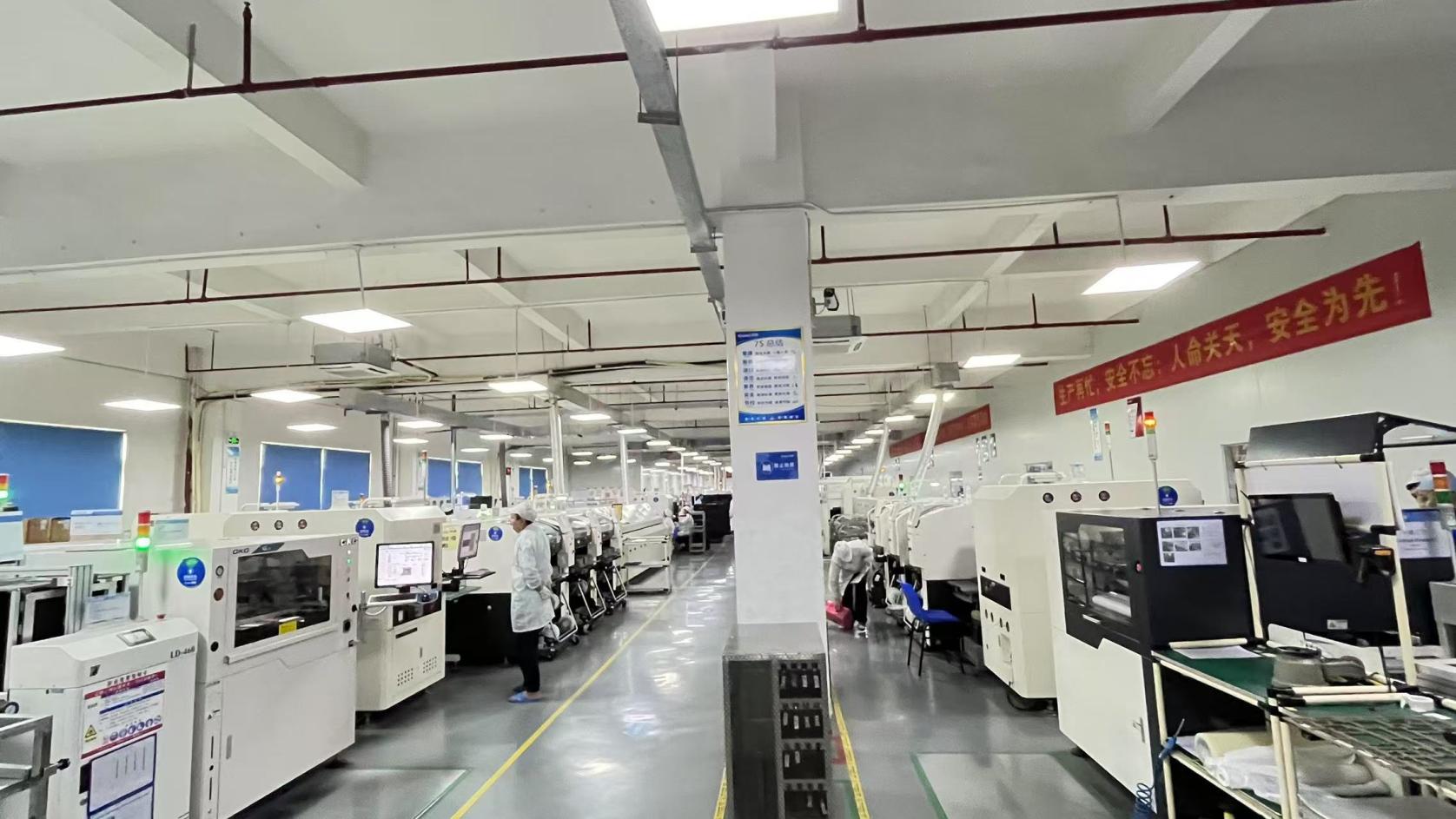
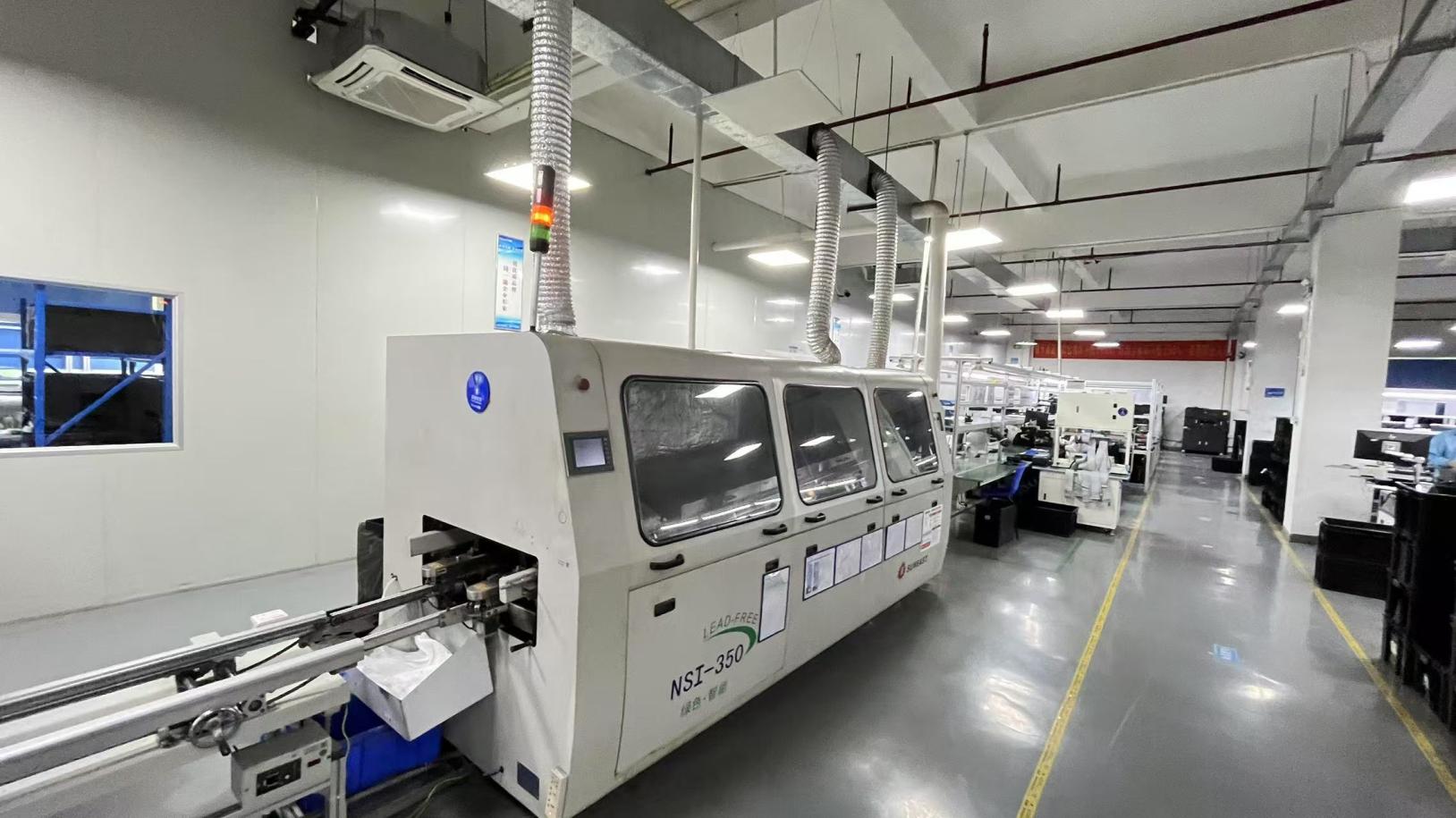
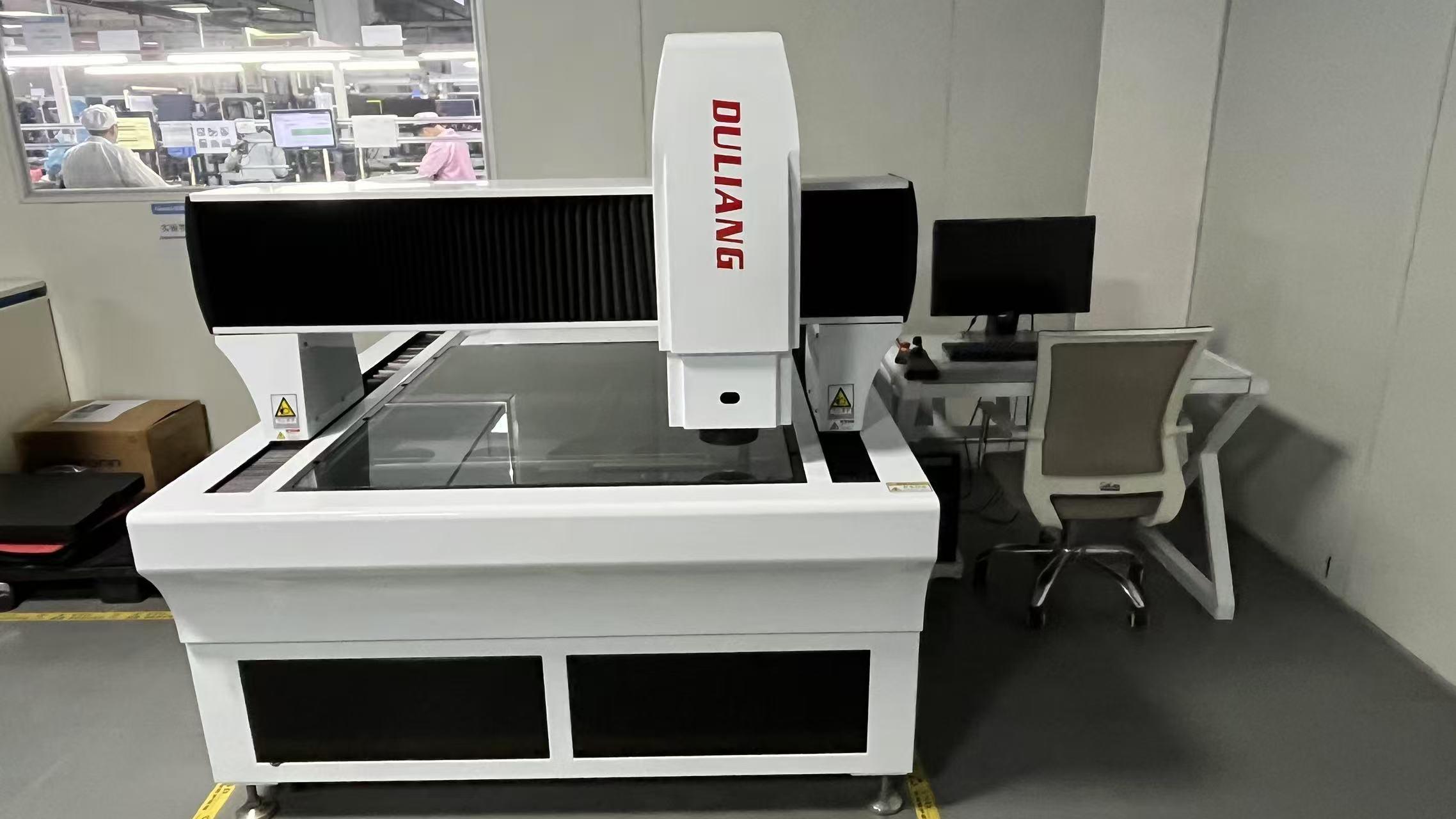
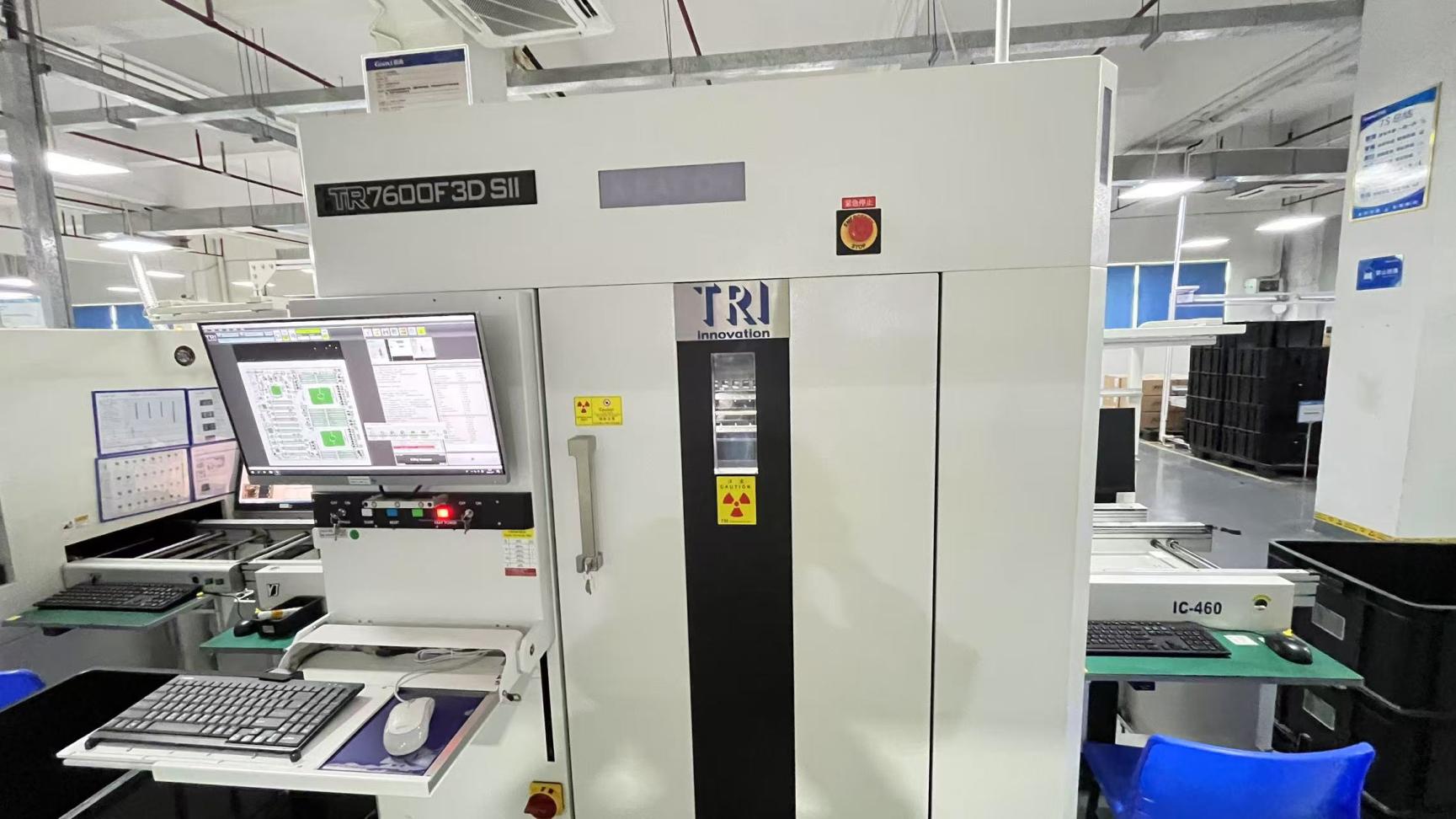
We invest heavily in automated manufacturing and lab testing systems to maintain micro-millimeter tolerance, high mechanical durability, and strict electrical safety parameters.

Deploying digital storage, high-throughput network cards, and power configurations into Australian corporate environments requires compliance with strict safety guidelines. The primary framework is the Regulatory Compliance Mark (RCM), which indicates compliance with both Electrical Safety requirements (governed by ERAC) and Electromagnetic Compatibility (EMC) standards set by the Australian Communications and Media Authority (ACMA). Components sold or integrated by local contractors must align with these standards to pass corporate audits and maintain insurance validation.
Additionally, servers operating in federal or state data infrastructure are subject to the Greenhouse and Energy Minimum Standards (GEMS) Act. Our high-efficiency power supplies—supporting titanium/platinum certifications—are engineered to reduce grid load and idle energy dissipation, complying with GEMS requirements. With RoHS compliance as a baseline across all our product lines, Australian clients receive components that meet environmental, electrical safety, and signal emissions standards.
This standard governs audio/video, information, and communication technology equipment. Our server power systems and high-density active components are designed to meet this standard, protecting personnel and hardware from electrical failures.
With high-frequency hardware like 32Gb/s Fibre Channel HBA cards and 12Gb/s SAS controllers, shielding design is critical. Our products are engineered to control radiative emissions, complying with CISPR 32 limits to prevent interference in high-density environments.
Operating computational infrastructure in Australia involves diverse environments that require targeted hardware approaches. Below, we examine three localized deployment scenarios where specific accessories determine system reliability and performance.
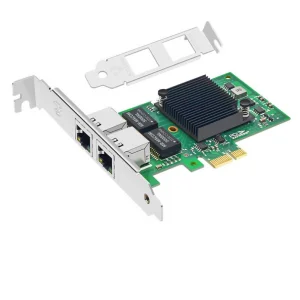
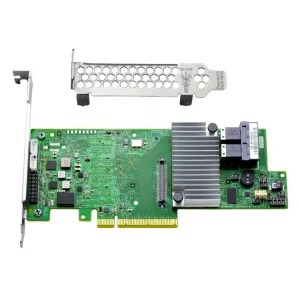
For high-frequency trading (HFT) and transactional databases in major financial institutions, data throughput and latency are critical. Implementing Emulex LPe35002-M2 Dual Port 32GB FC32 Fibre Channel HBAs and 9540-8i RAID PCIE 4.0 controllers ensures low-latency transaction processing and disk writing, minimizing queue delays in core systems.
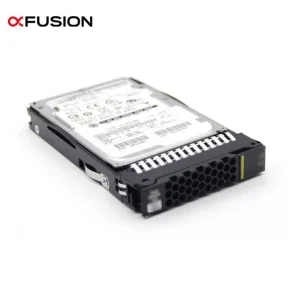
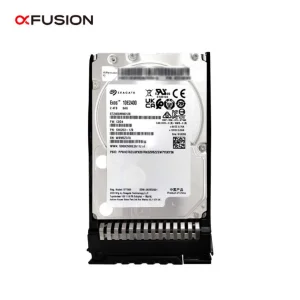
Western Australian mining operations utilize edge servers to process telemetry, seismic arrays, and autonomous vehicle paths locally. These installations face extreme ambient temperatures and vibrations. Utilizing ruggedized SAS HDD hard drives and 10K RPM high-durability SAS storage arrays ensures structural integrity and continuous operation where remote cloud connections may be unstable.
Scientific computing hubs in Canberra and Brisbane run large-scale climate and medical datasets. These systems require fast data ingest and high-density caching. Integrating EP600 Series NVMe PCIe hybrid SSDs allows research workloads to achieve optimal IOPS, avoiding processing bottlenecks during heavy database queries.
Yes. All electrical and electronic hardware manufactured and integrated by ZhiCloud AI is designed to meet EMC and electrical safety requirements, including standards aligned with the Australian Regulatory Compliance Mark (RCM) and AS/NZS 62368.1. We supply necessary testing logs, compliance declarations, and certifications to assist your compliance team with import clearance and system auditing.
Our engineering laboratory utilizes testing bays running systems from Dell PowerEdge, HPE ProLiant, Lenovo ThinkSystem, and xFusion architectures. Every HBA card, RAID controller (like the 9560-16i or LSI 9540-8i), and high-speed storage drive is tested at the firmware level. We configure card BIOS/UEFI settings and verify cross-compatibility under diverse server operating systems (including Red Hat Enterprise Linux, VMware ESXi, and Windows Server) before packaging.
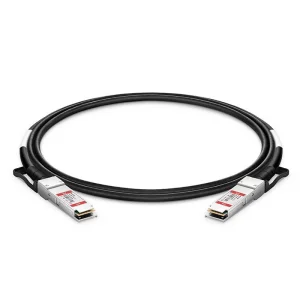
For standard in-stock inventory components (such as SAS/SATA drives, HBA adapters, and DAC cabling), order dispatch occurs within 3-5 business days. Transit time via priority air freight (DHL/FedEx/UPS) to major Australian logistics hubs (Sydney SYD, Melbourne MEL, Brisbane BNE) typically ranges from 4 to 7 business days. For container-load orders (chassis and bulk rack power supplies), ocean transport takes approximately 18-25 days. We provide commercial invoices, HS classification codes, and packing lists to facilitate customs clearance.
ZhiCloud AI provides a standard 3-year enterprise hardware warranty on all server accessories, with options to extend depending on project parameters. In the event of a component failure, our engineering team conducts remote diagnostics. If a hardware fault is identified, we ship replacement components directly from our manufacturing center to minimize system downtime. All technical support inquiries are handled by senior systems engineers familiar with complex hardware configurations.
Yes. Our R&D team of over 120 engineers provides hardware customization, customized bracket design, dedicated firmware flashing, custom PCIe ID styling, and OEM branding. Whether you require specific RAID controller profiles or specialized brackets for non-standard rack depths, we can adjust production lines to meet your specifications.
Our quality management workflow includes Material Quality Inspection (IQC), In-Process Quality Control (IPQC), and Final Quality Assurance (FQA). Using coordinate measuring machines (CMM), X-ray solder testing, salt spray environmental chambers, and high-frequency network analysis equipment, our 45-person QC team verifies that each component meets physical and operational standards before packaging.