ZhiCloud AI
1. The Rise of India's Data Economy & Enterprise Storage Needs
The Indian enterprise market is undergoing an unprecedented digital shift. Rapid adoption of 5G networks, cloud-native deployments, and strict local compliance requirements—such as the Digital Personal Data Protection (DPDP) Act 2023—have mandated that global and domestic enterprises migrate workloads onto sovereign servers within Indian geographical boundaries. Tier-1 hyperscale locations in Mumbai, Bengaluru, Chennai, Hyderabad, and Pune are expanding footprint at a CAGR exceeding 22%.
For storage factories and IT hardware suppliers, this growth drives a technical shift. Traditional mechanical and low-density storage configurations no longer support modern workloads. Enterprise buyers now seek modular, NVMe-driven, high-density server configurations capable of managing petabytes of structured and unstructured telemetry data. Supplier evaluation frameworks must prioritize thermal management, physical space optimization, and component resilience to match India’s diverse geographical and operating conditions.
2. Technical Architecture Trends in Server & Storage Infrastructure
To support high-concurrency applications, modern data centers are moving towards software-defined storage (SDS) architectures. In this context, server performance is determined by memory throughput and high-speed storage interfaces:
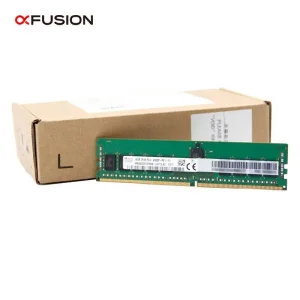
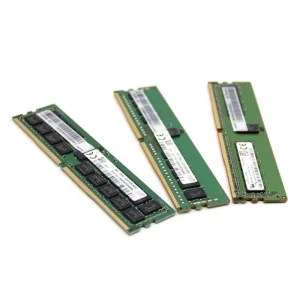
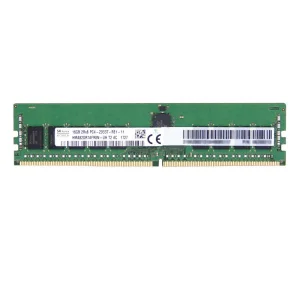
- DDR4 RDIMM & DDR5 Advancements: Modern database systems rely on ECC (Error-Correcting Code) RDIMM modules to eliminate runtime soft errors. Operating at frequencies like 3200MHz with 1.2V low-power profiles, these units ensure that virtualization environments remain stable under high-demand multi-tenant conditions.
- PCIe Gen 4.0 & Gen 5.0 Storage: SSDs leveraging the SATA 6Gb/s PM893 series or NVMe PCIe interfaces provide high IOPS density. Read-intensive configurations are essential for content delivery networks (CDNs) and database caches operating out of regional data hubs.
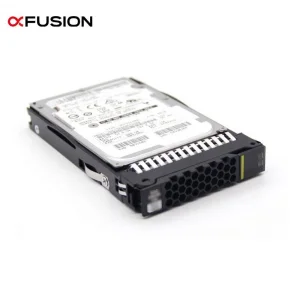
- Hardware RAID Offloading: The inclusion of dedicated PCIe 4.0 RAID controllers (such as the LSI 9560-16i with 8GB cache or the 9540-8i SAS controller) ensures hardware-level disk redundancy, protecting local storage nodes against unexpected drive failures.
3. China's Factory 4.0: Supply Chain Resilience & Manufacturing Excellence
As a professional server manufacturer, Shenzhen Intelligent Computing Cloud Technology Co., Ltd. (ZhiCloud AI) operates a precision assembly and integration facility designed for reliable IT hardware manufacturing. With over 11 years of industry experience, ZhiCloud AI integrates supply chain dynamics with Quality Control (QC) protocols to serve international B2B buyers.
Our manufacturing model leverages automated SMT lines, precise reflow soldering systems, and advanced testing setups to ensure each server memory module and chassis unit meets international regulatory standards:
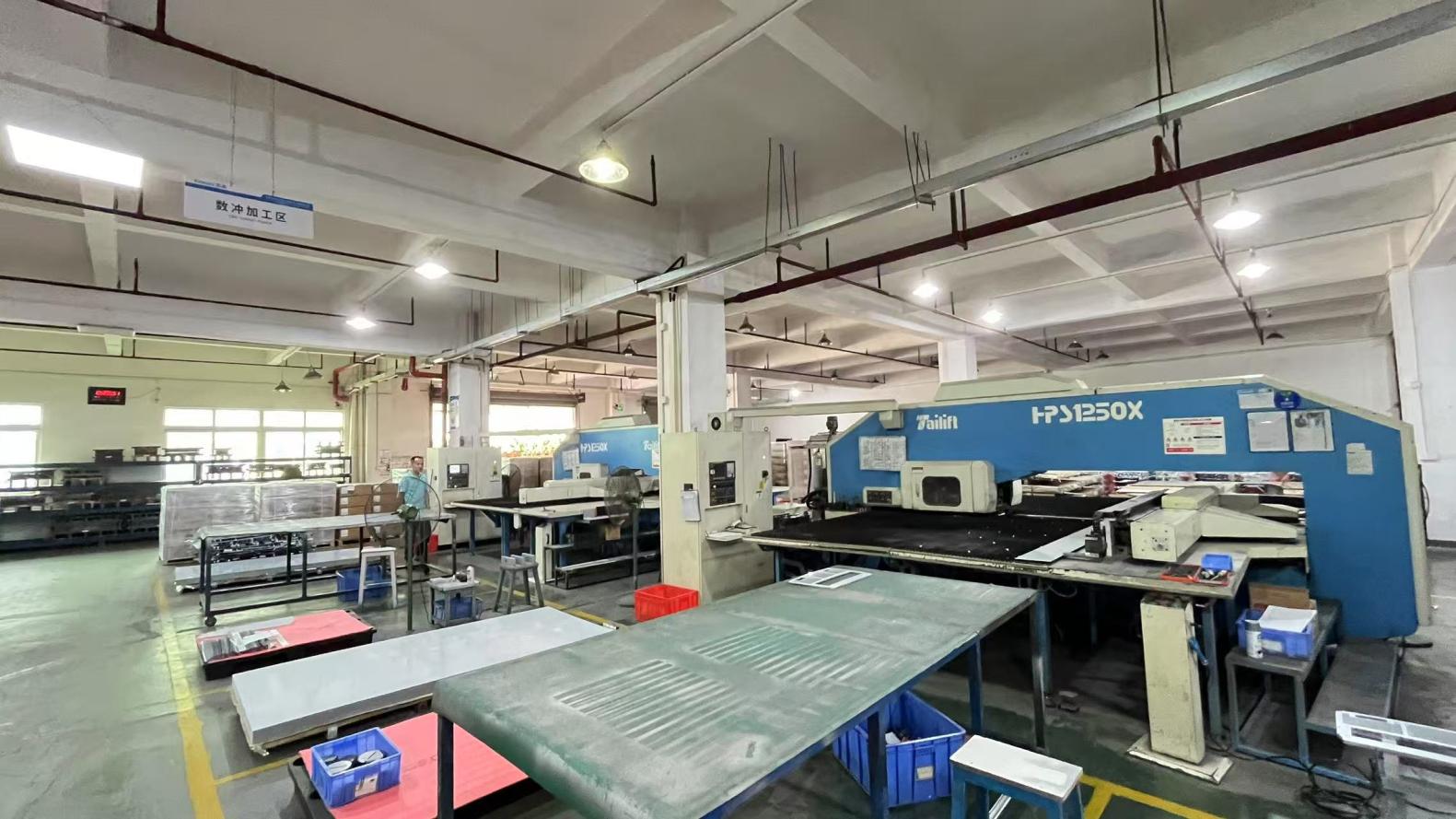 Material Cutting
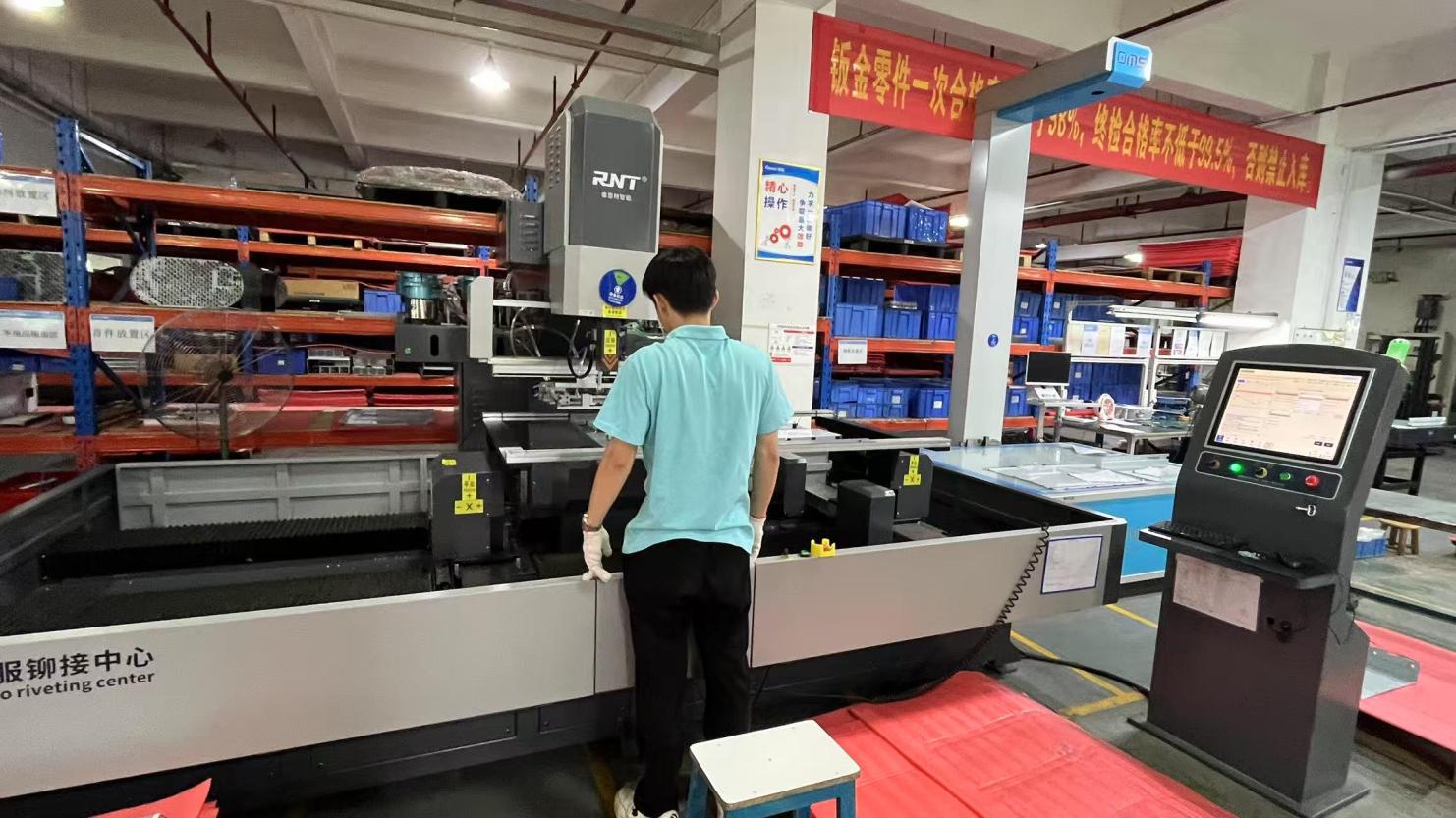 Riveting
 Stamping
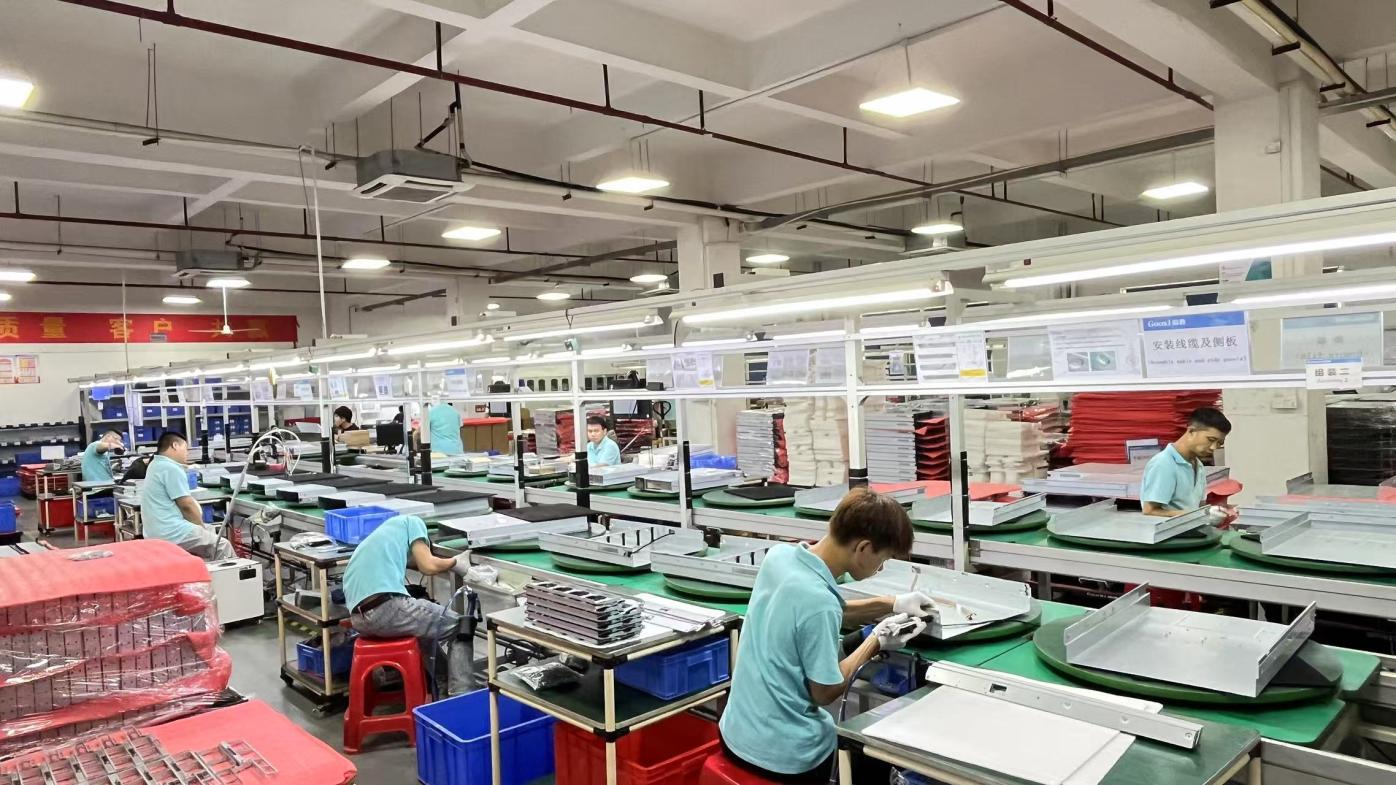 Housing Assembly
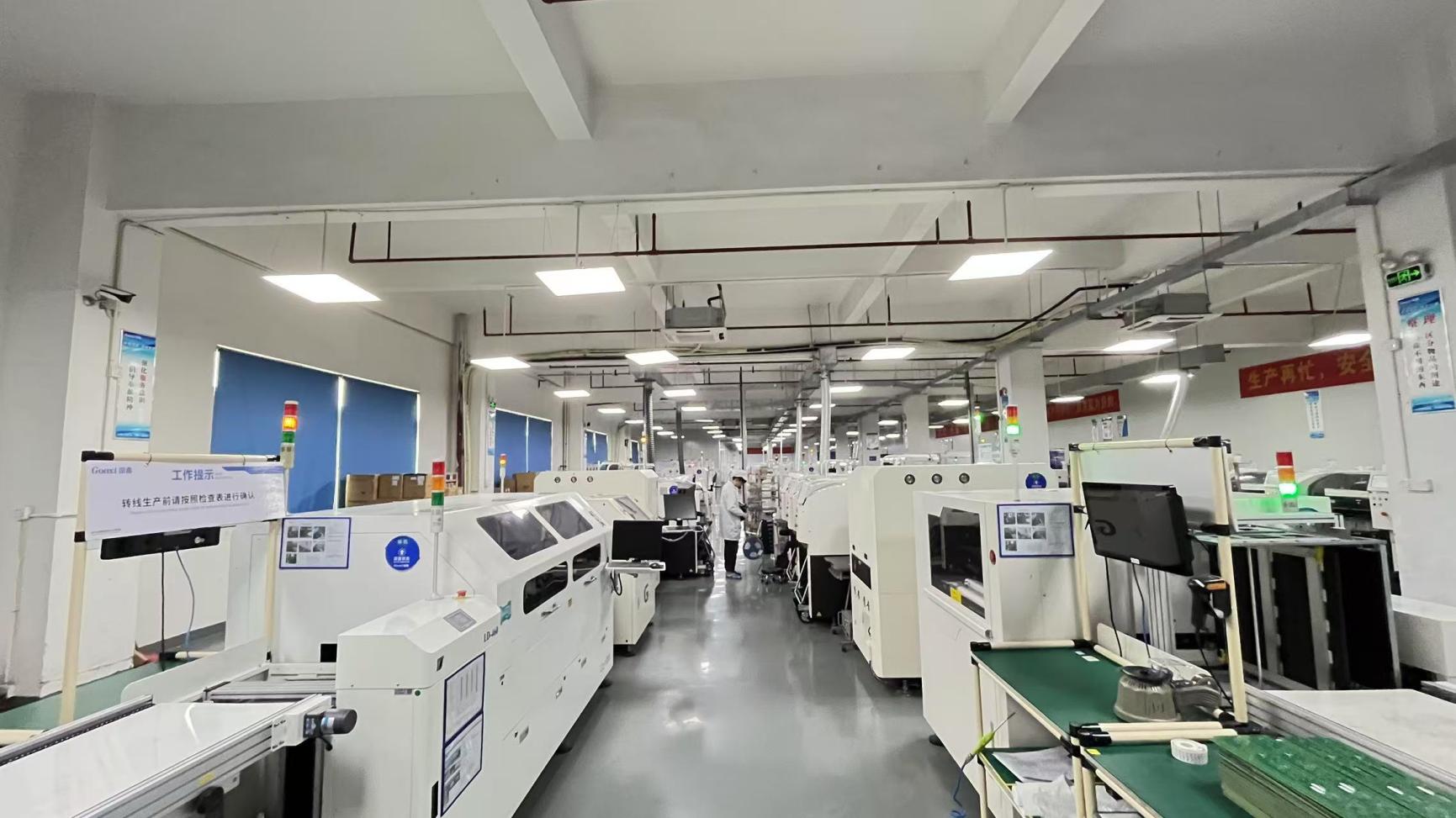 SMT Production
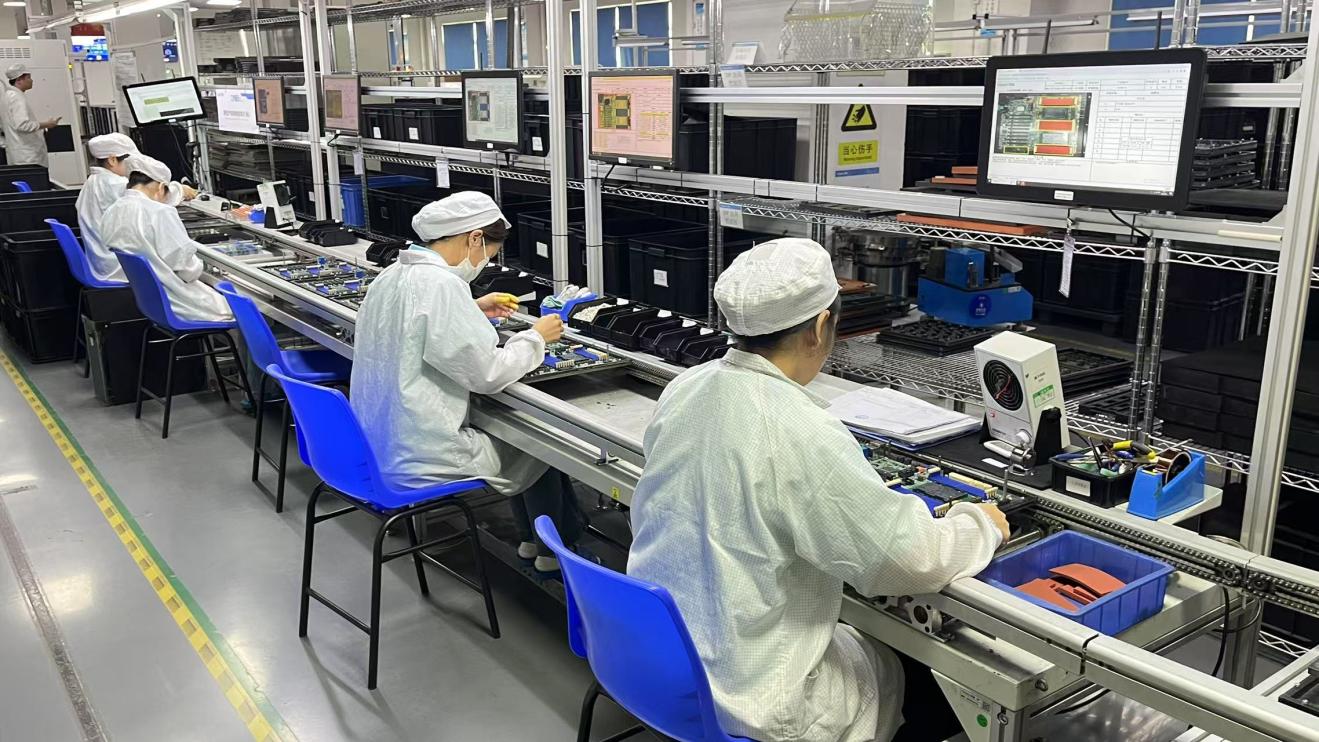 Manual Insertion (MI)
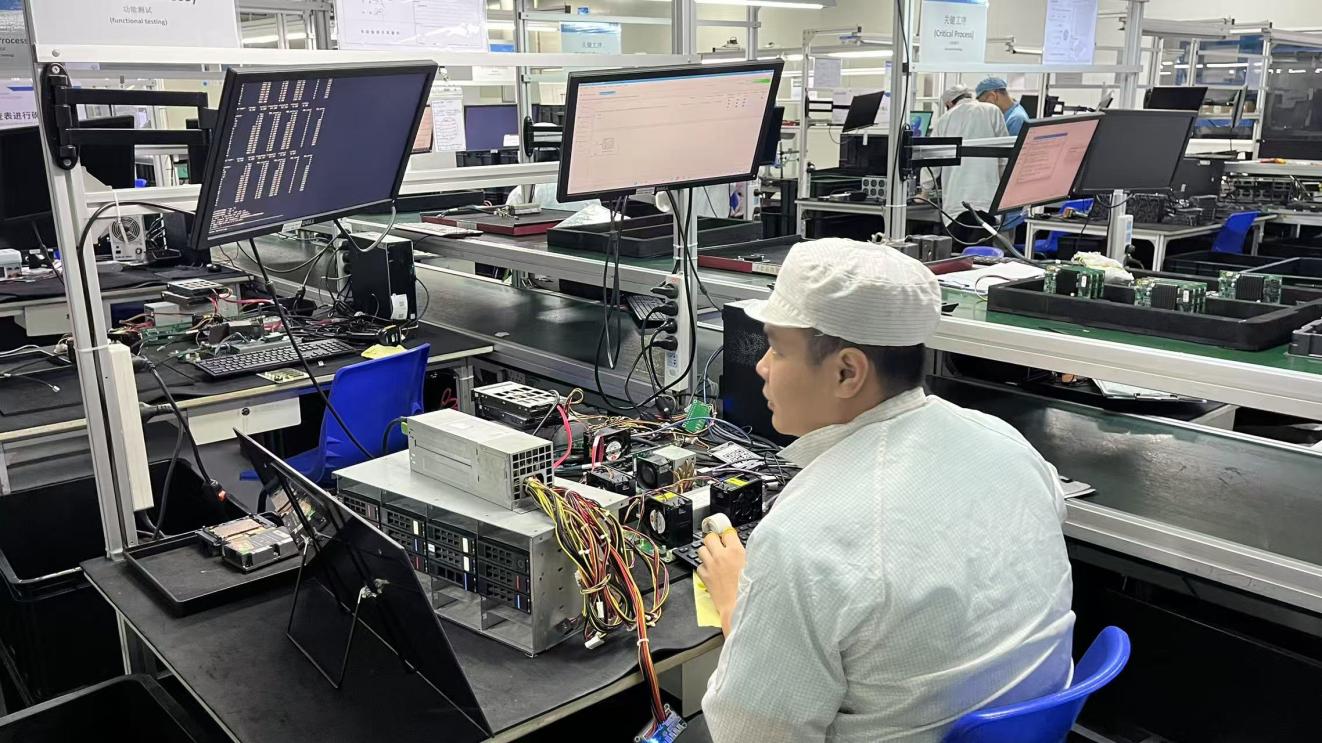 PCBA Verification
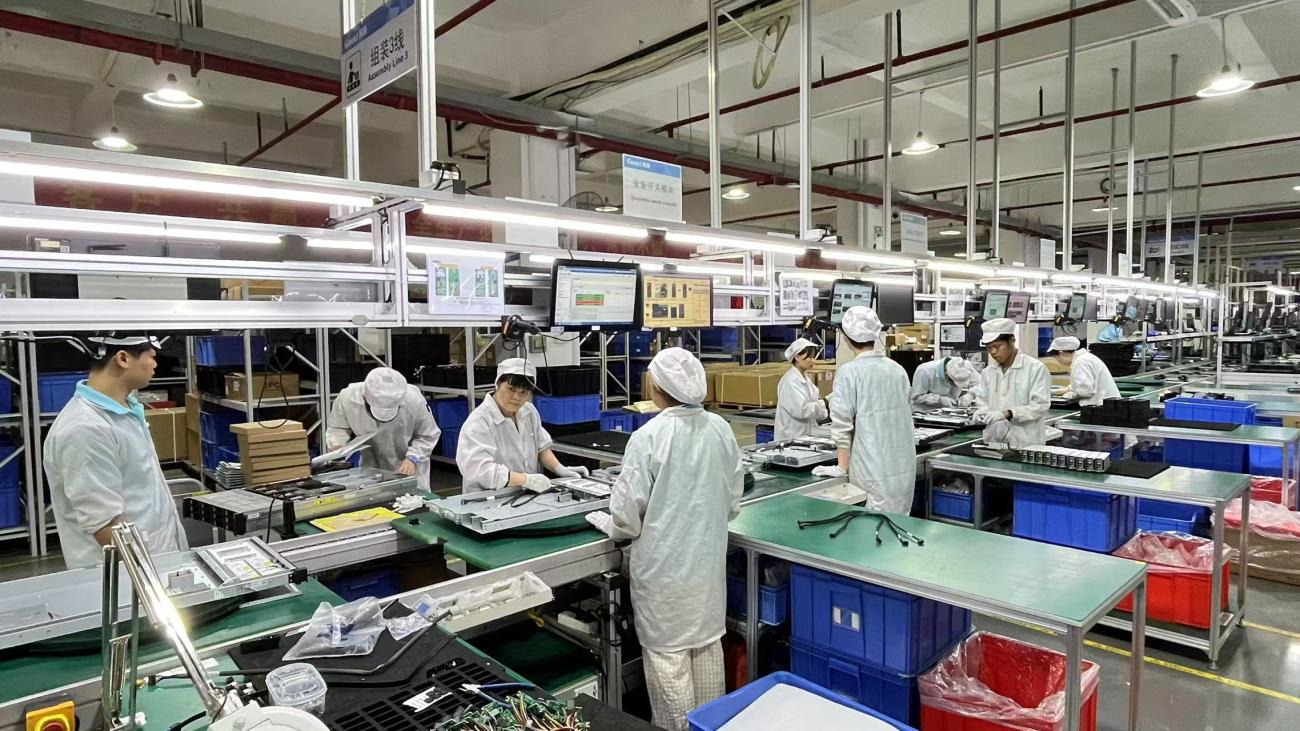 Final Assembly
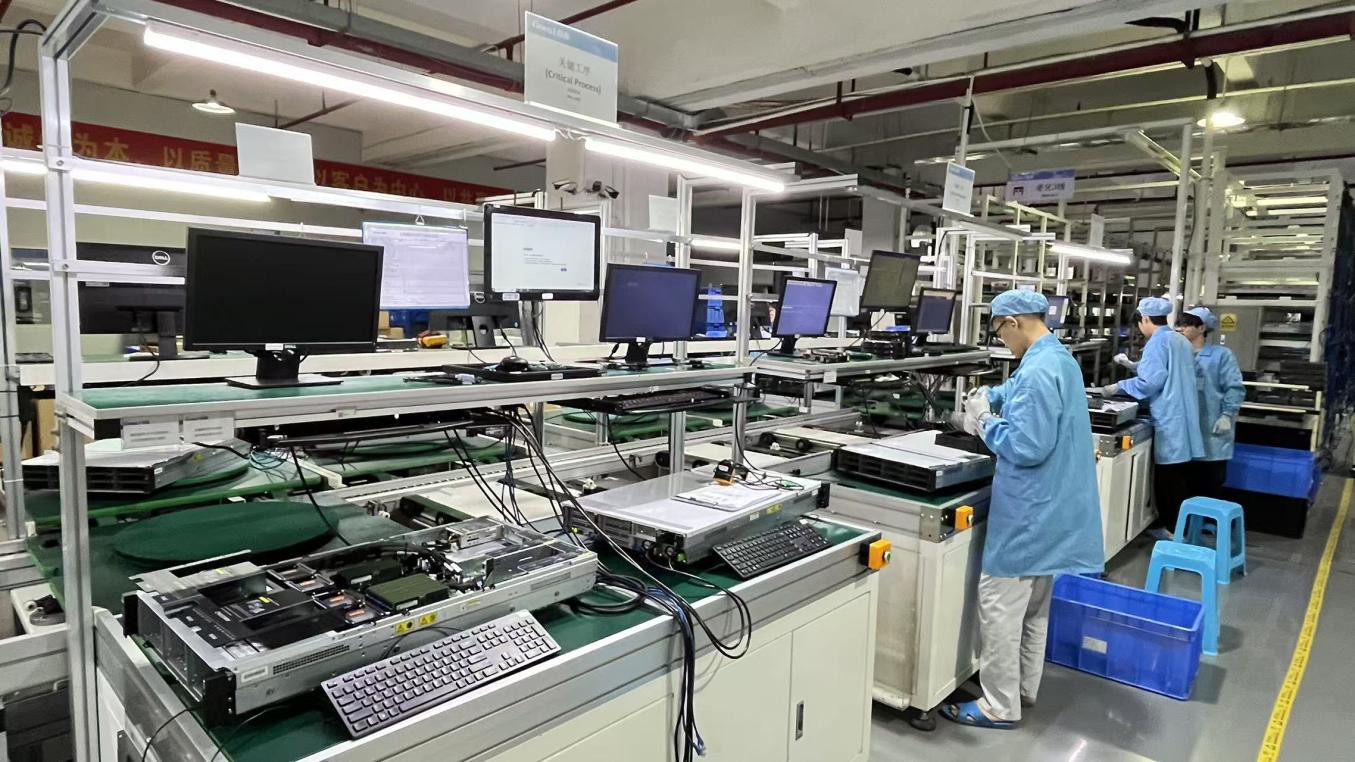 Functional Testing
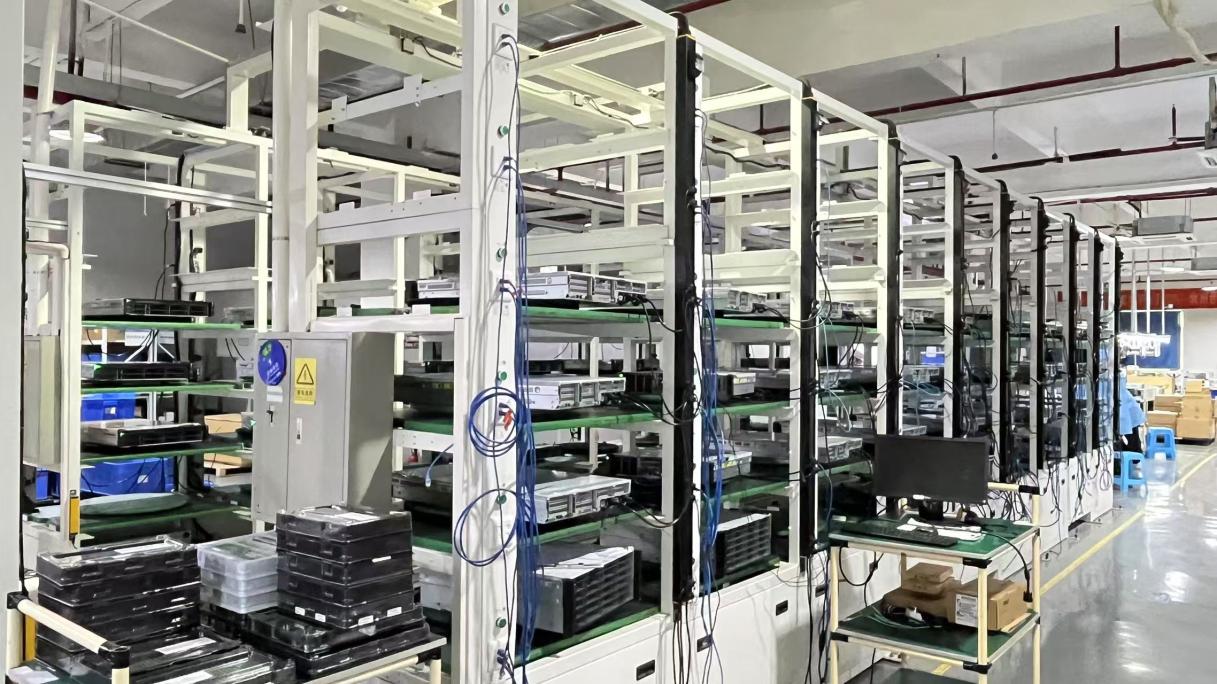 High-Temp Burn-In
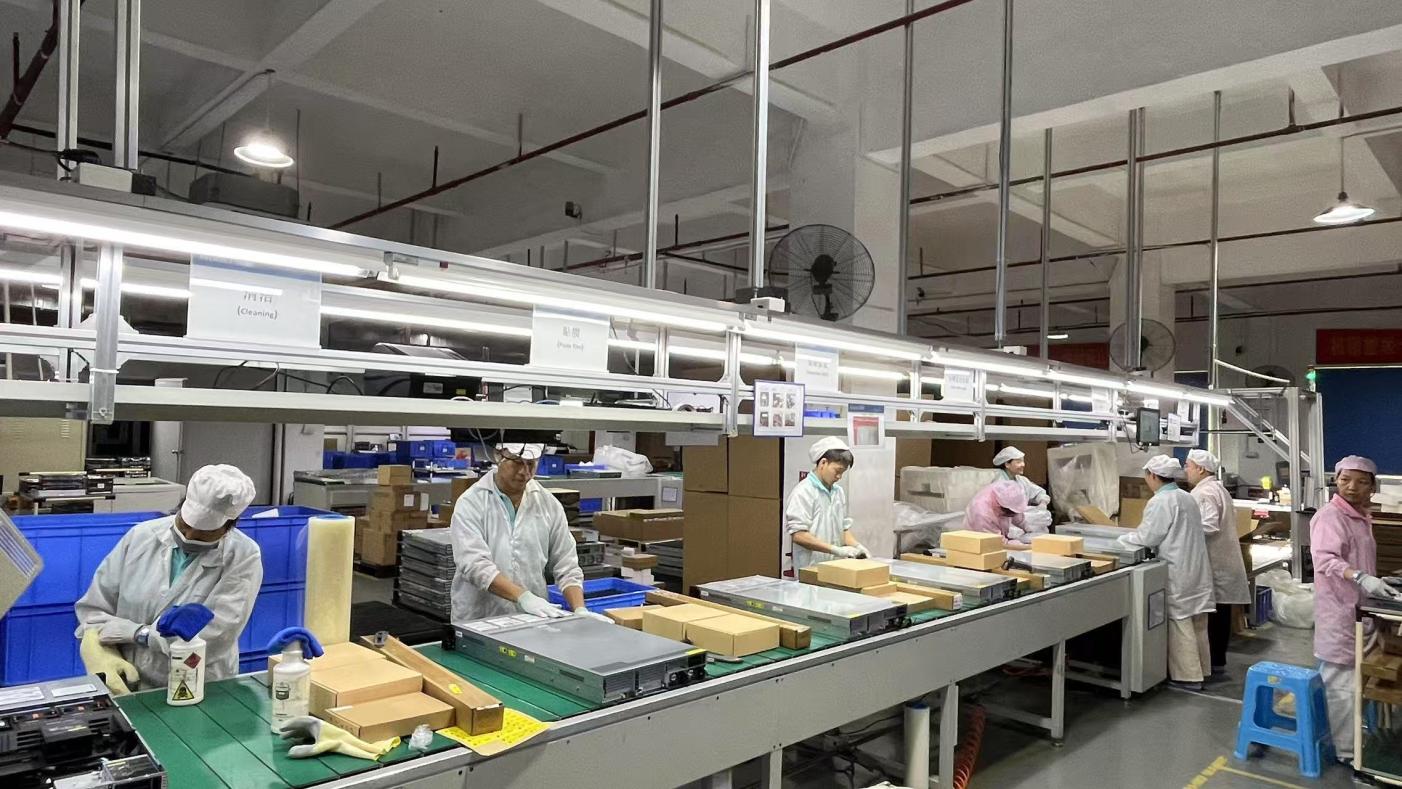 ESD Protection Packing
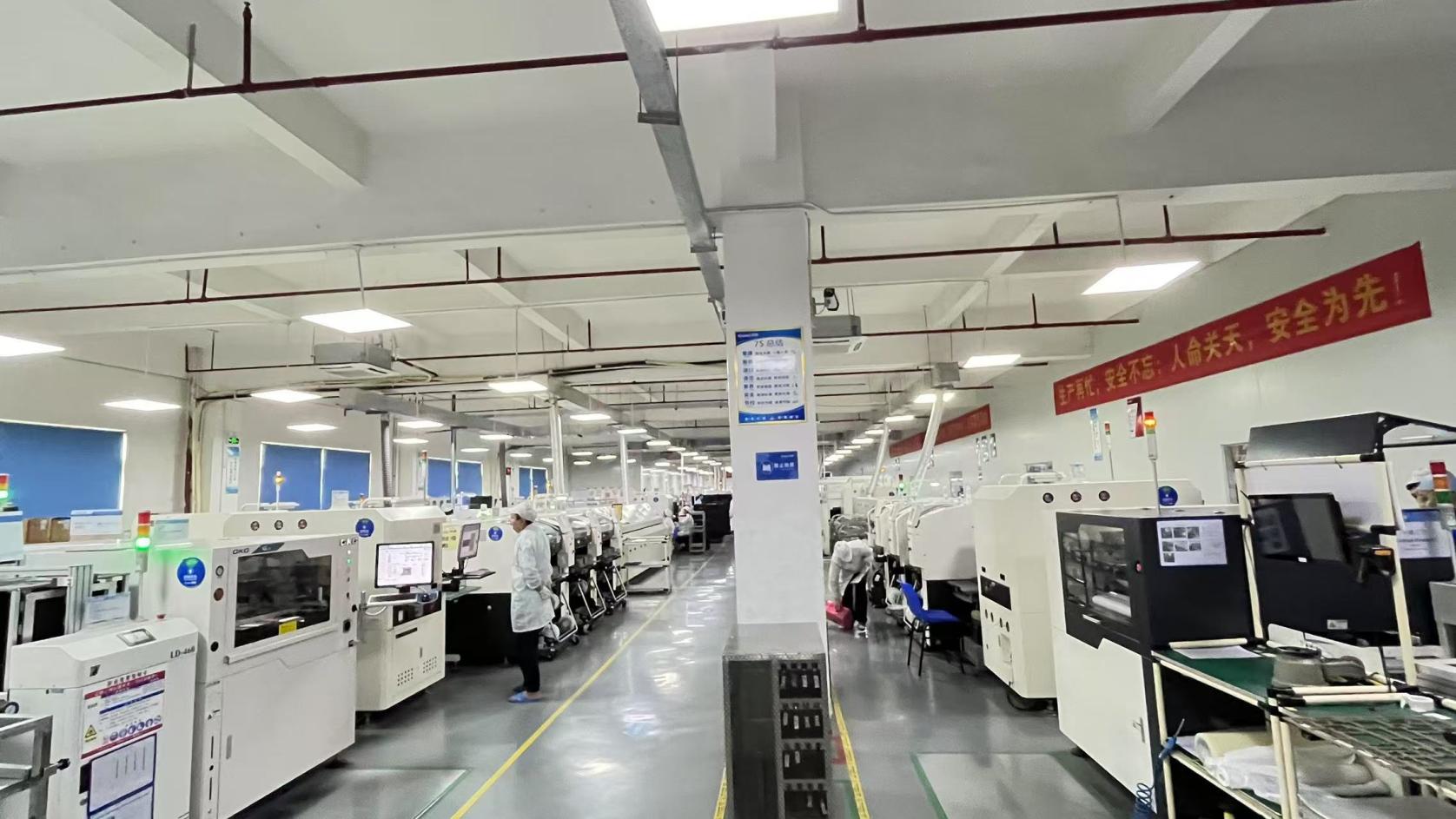 SMT Automation Line
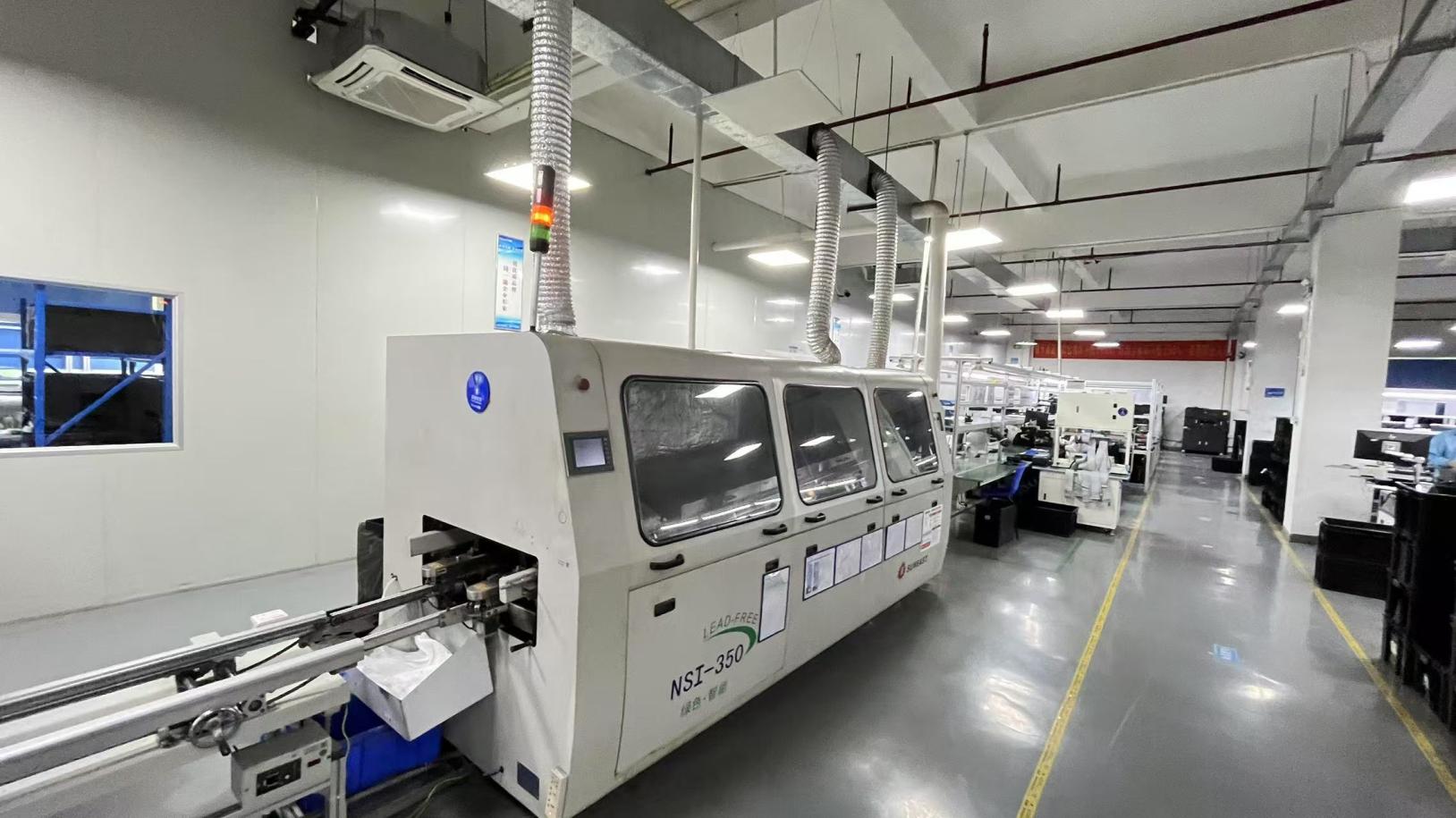 Reflow Soldering
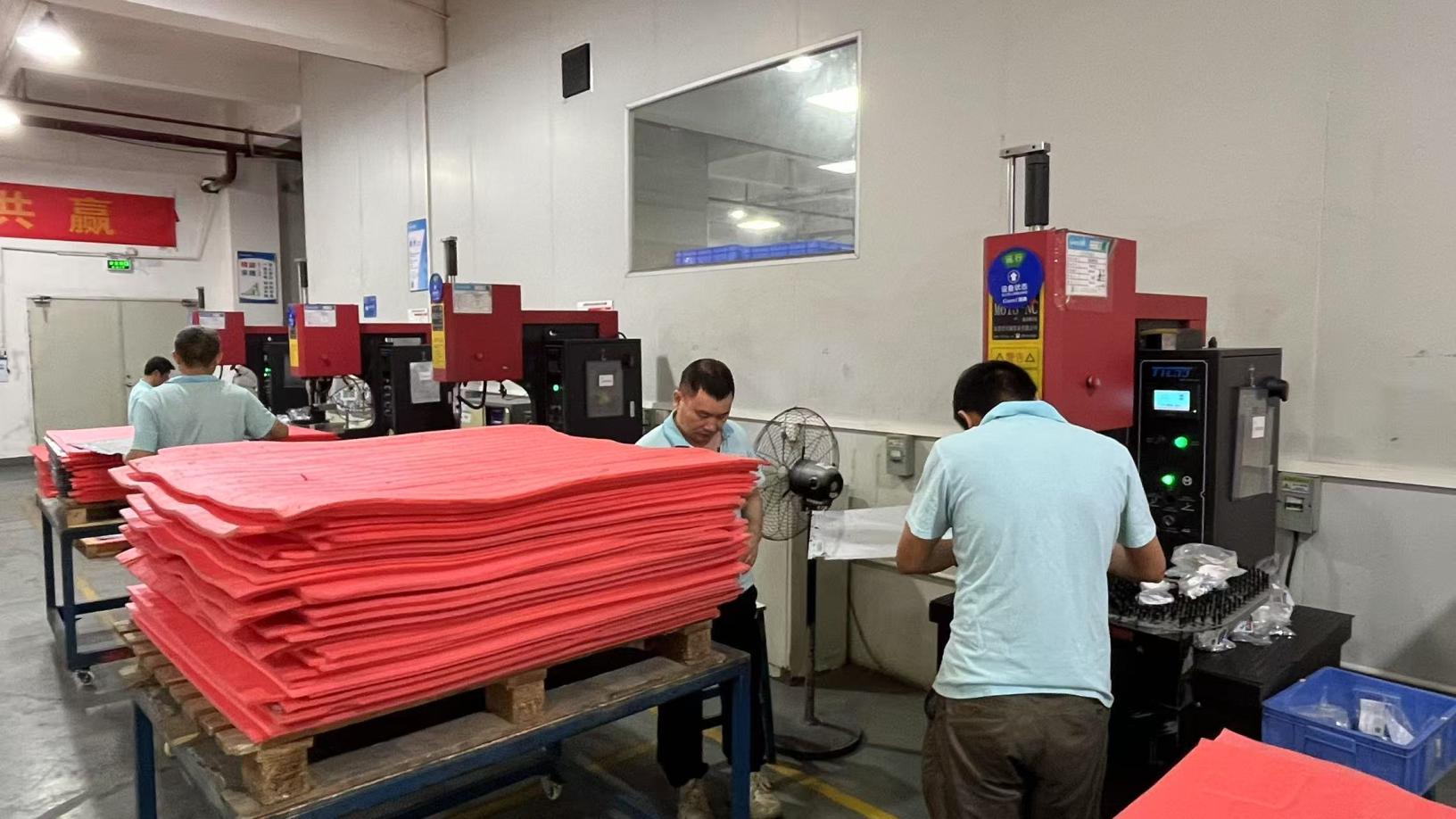 Precision Riveting
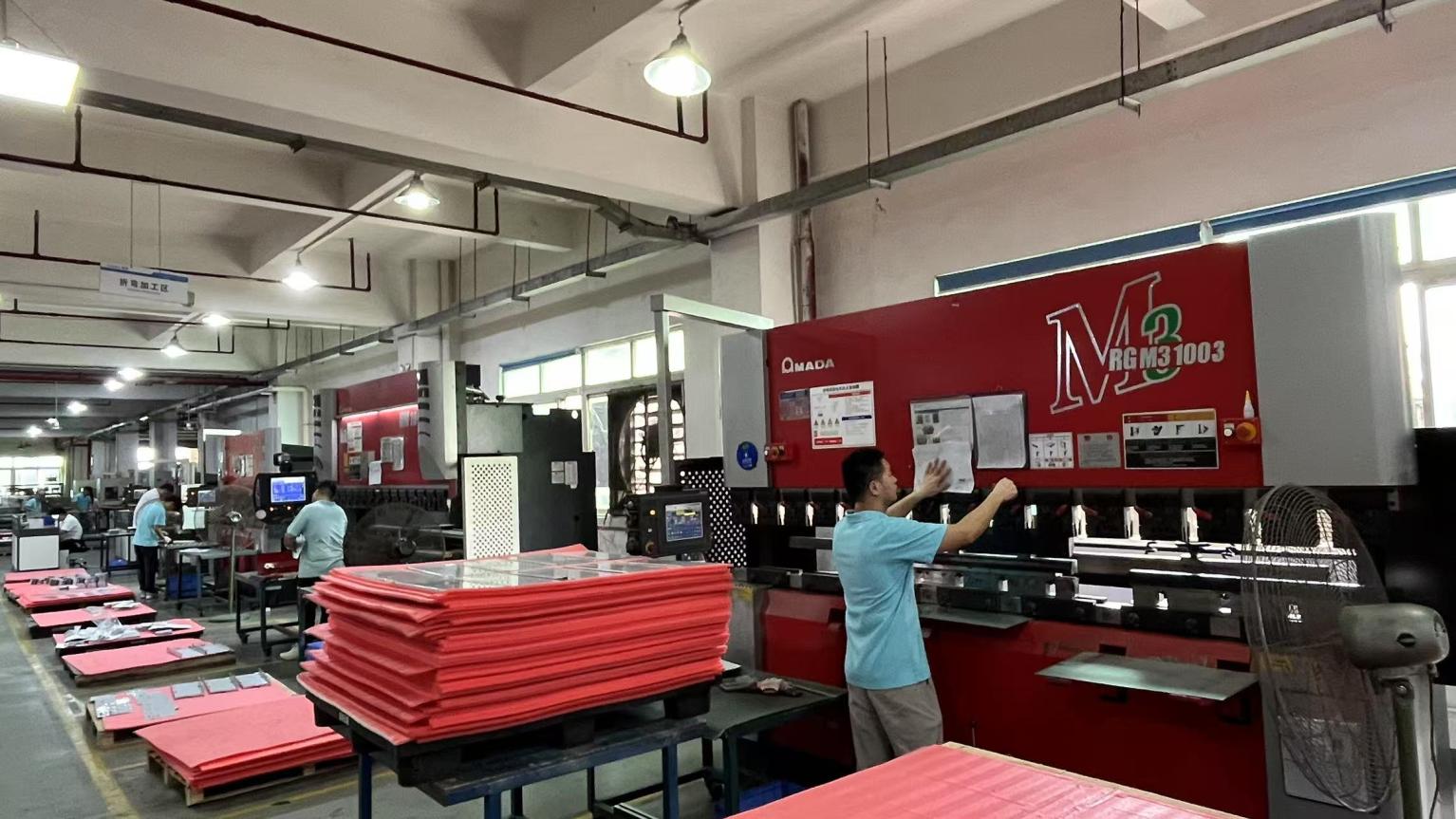 Chassis Bending
 Riveting Center
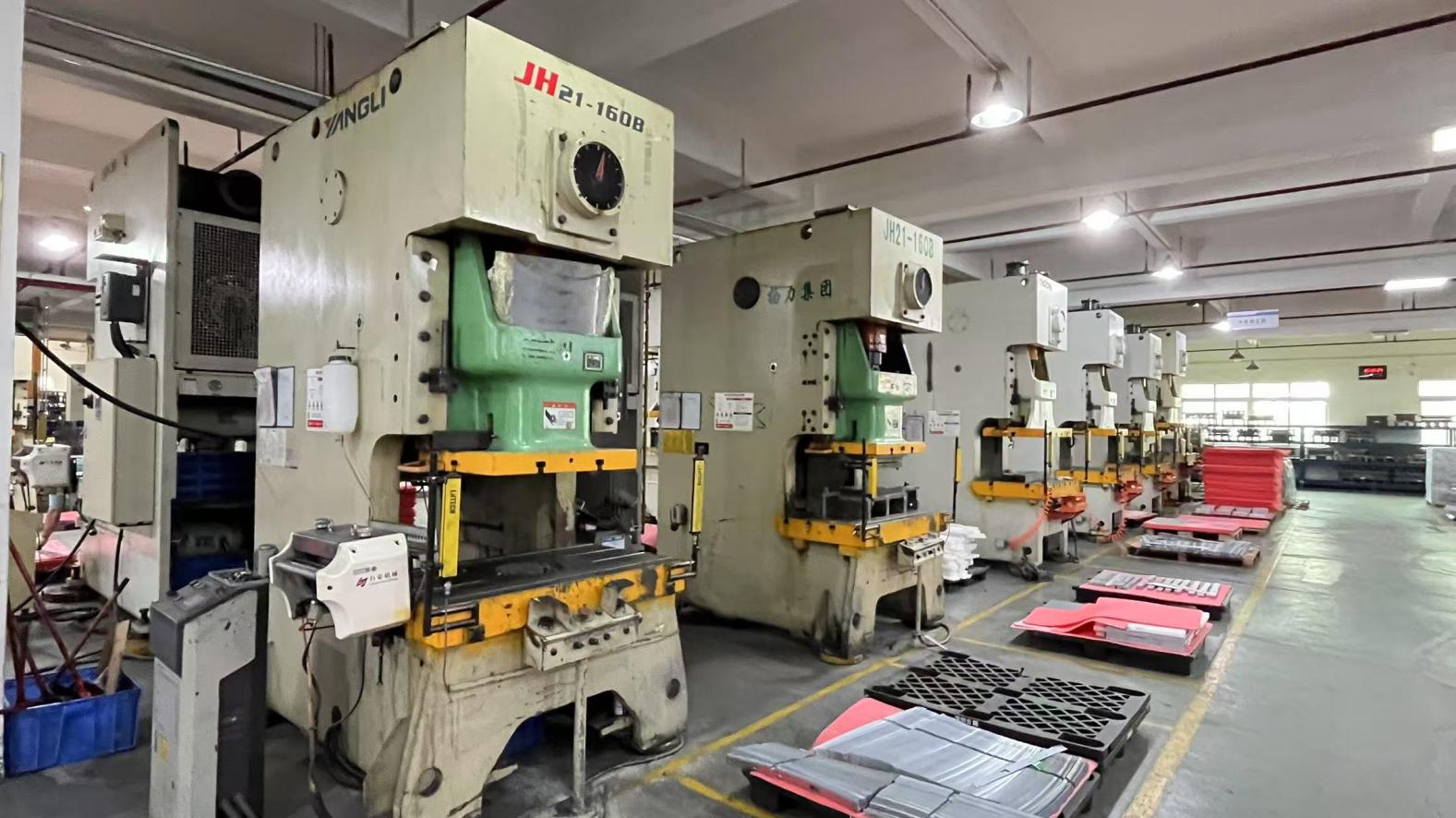 Chassis Stamping
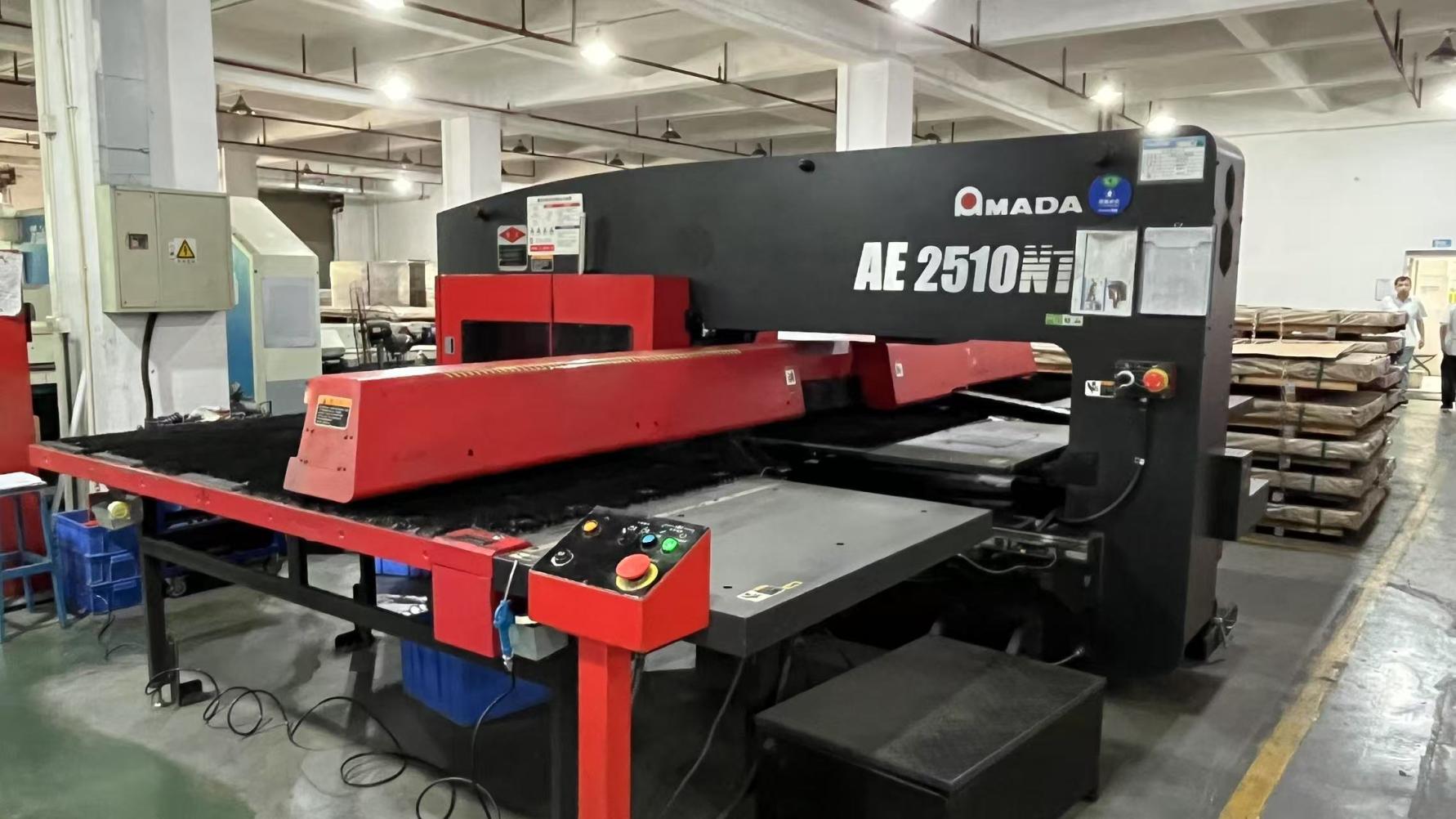 Laser Cutting
Our quality control process is managed by 45 dedicated QC specialists. We execute strict validation testing across environmental and stress metrics, ensuring compatibility and durability in real-world deployments:
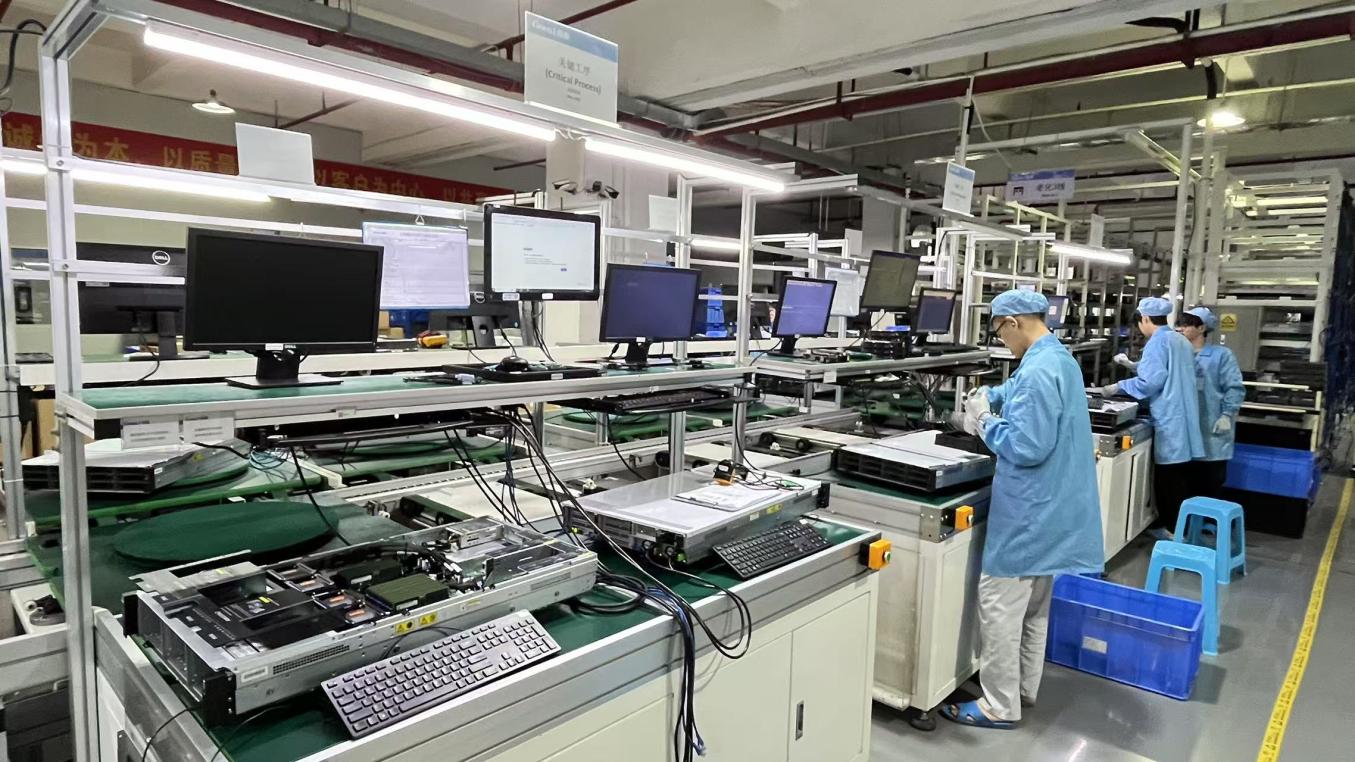 Functional Verification
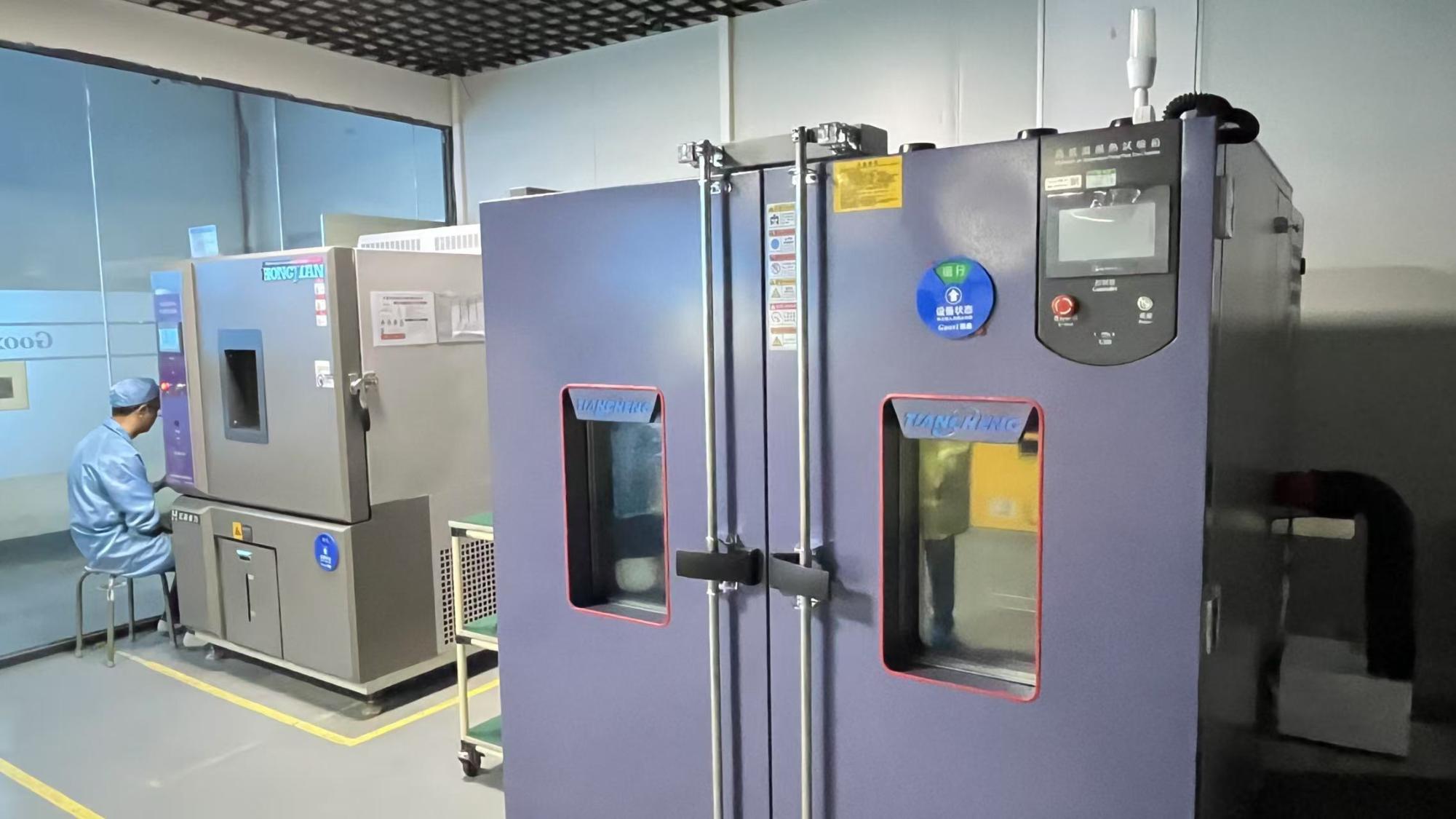 Thermal Cycle Testing
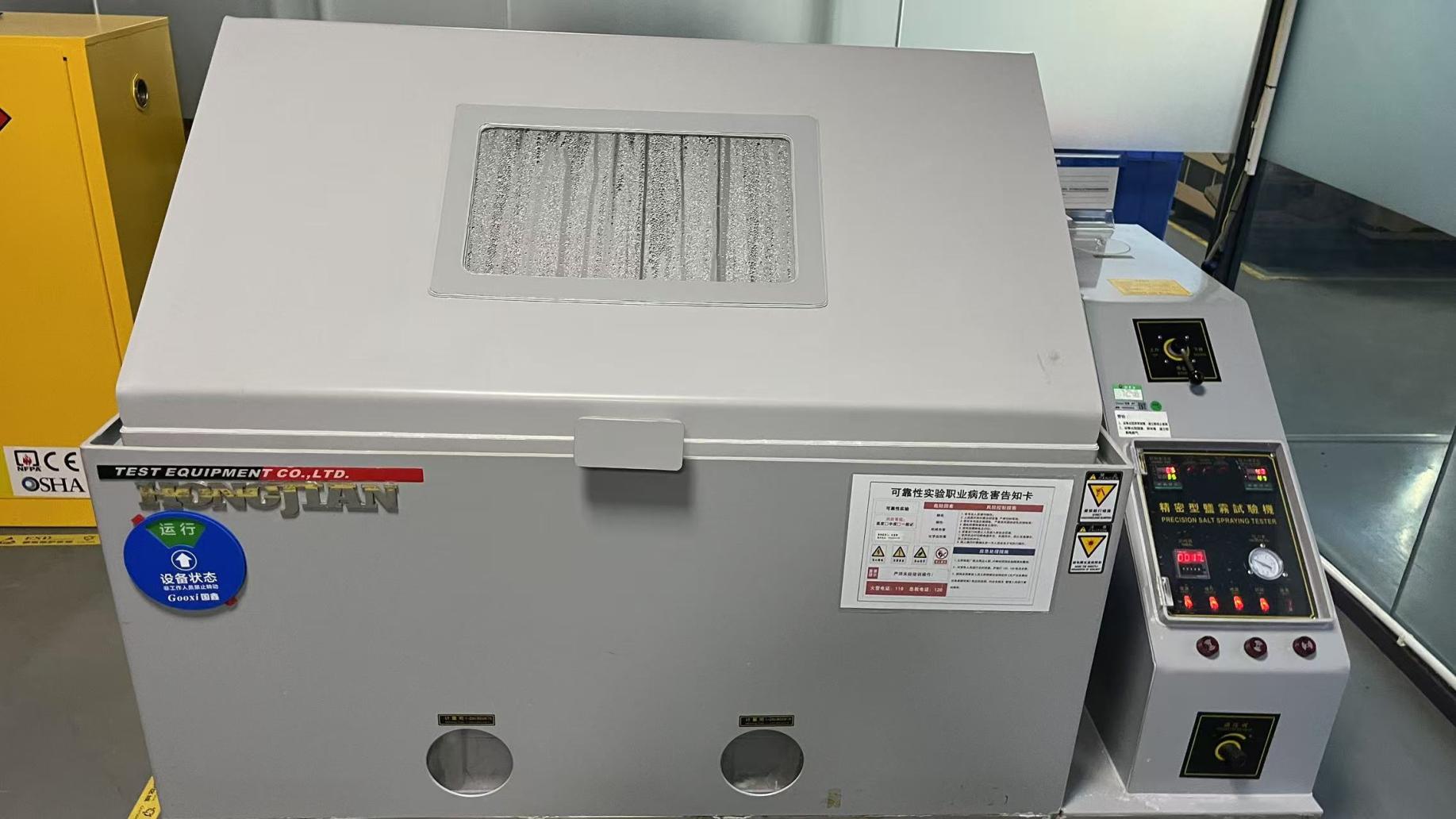 Corrosion Resistance Test
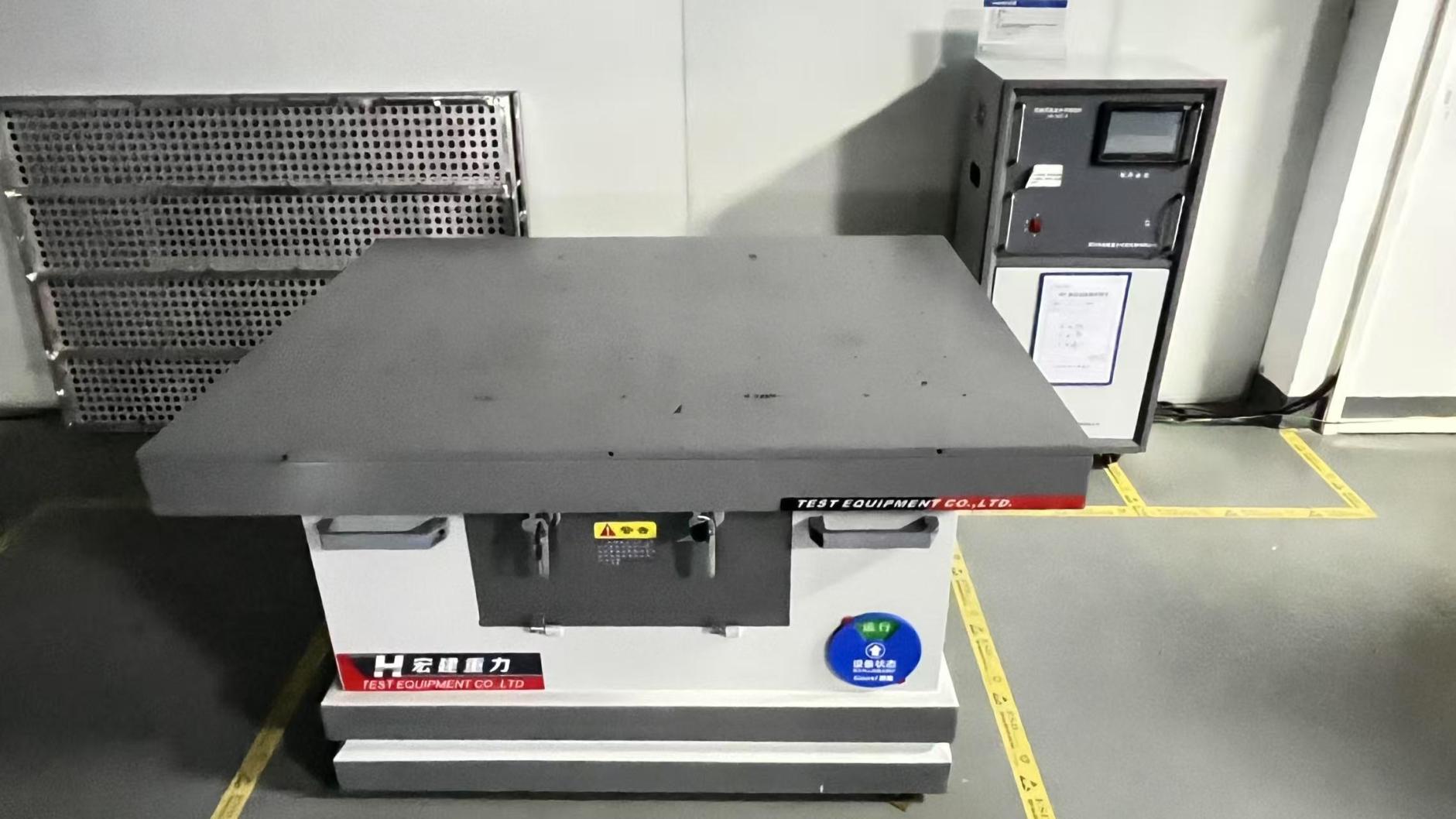 Transit Shock & Vibration
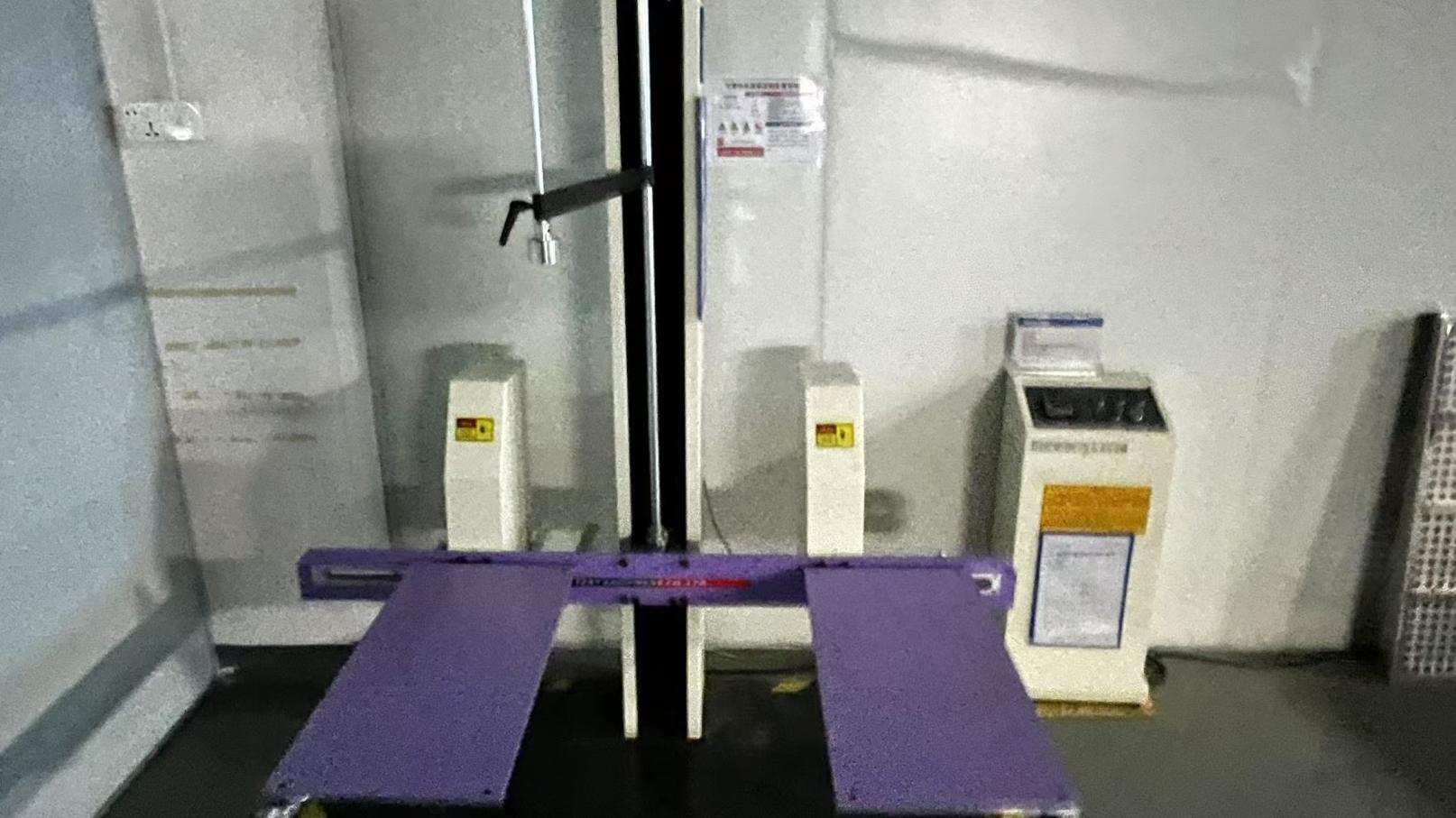 Structural Drop Test
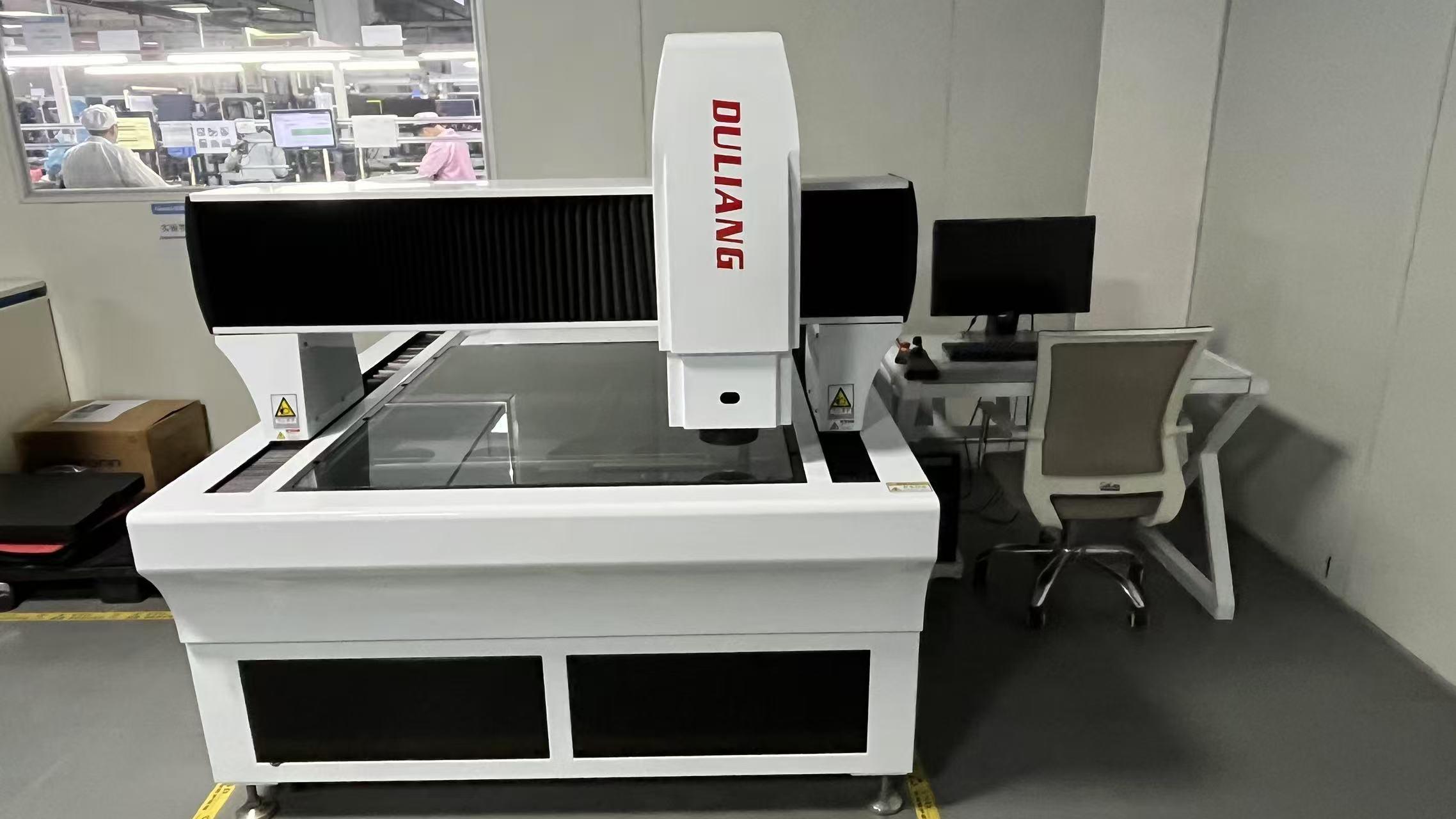 CMM Precision Measurement
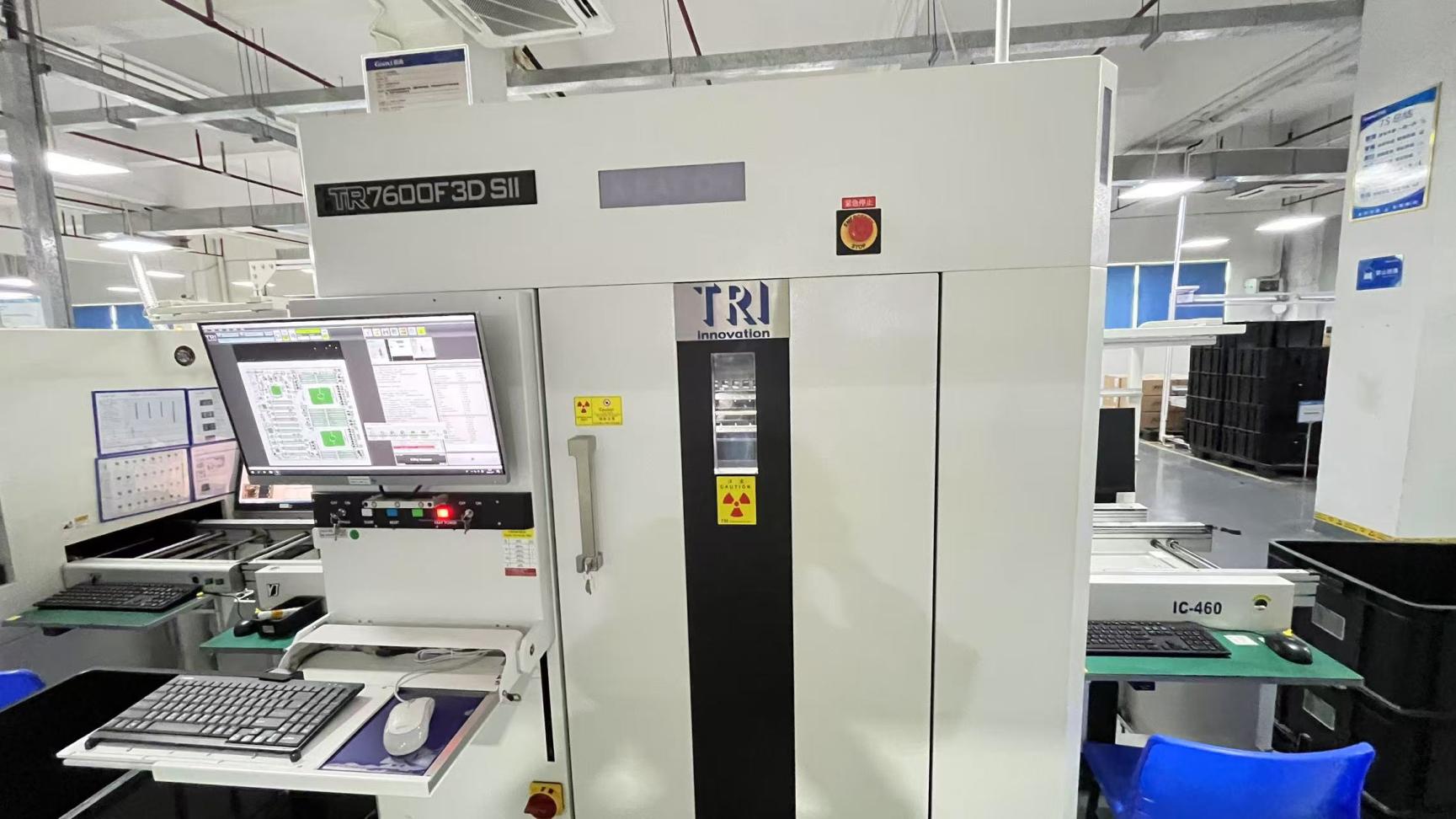 X-Ray Solder Integrity
4. Sourcing Requirements for Global and Indian Enterprises
Enterprise hardware procurement involves thorough evaluation protocols. System architects and procurement officers focus on key technical specifications to ensure integration with existing infrastructures:
- Thermal and Environmental Tolerance: Servers operating in tropical areas, such as Chennai or Mumbai, require optimized airflow configurations and thermal dissipation designs to keep cooling costs low.
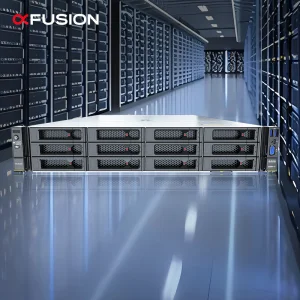
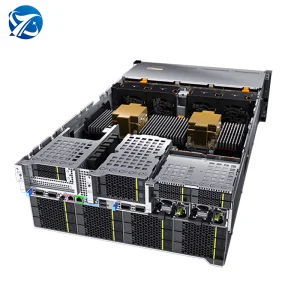
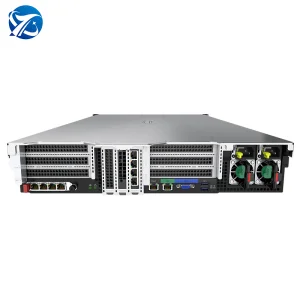
- Customization Options (OEM/ODM): Buyers require custom BIOS configuration, IPMI management options, and specific chassis designs to fit standard 19-inch racks.
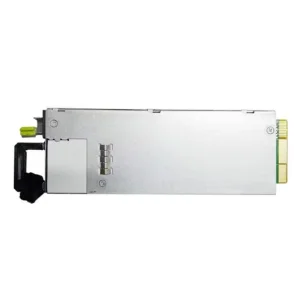
- Component Traceability: Reliability starts with trace component engineering. High-quality RAM components, platinum-certified power supplies, and specialized RAID controller chips must come from trusted global supplies.
5. Localized Application Scenarios Across India’s Key Industrial Verticals
To maximize efficiency, computing architectures must align with regional application demands:
FinTech & High-Frequency Trading (Mumbai Area)
Financial clusters require ultra-low latency memory channels and RAID controllers with high write endurance cache. This setup supports low-latency transaction processing and real-time fraud detection without bottlenecks.
IoT & Smart City Grid Control (New Delhi & Pune)
Industrial IoT nodes process multi-channel video streams and edge telemetry. Industrial-grade rack servers with dual redundant PSU designs ensure continuous operation in harsh electrical grids.
Deep Learning and AI Computing Clusters (Bengaluru Hub)
AI startups and technology companies require high-density GPU server setups. These nodes must support high-speed NVMe arrays and large-capacity DDR4/DDR5 ECC RAM modules to sustain large model training and inference workloads.
Frequently Asked Questions (FAQ)
Connect with our Enterprise Infrastructure Experts
Need custom server designs, wholesale storage configurations, or technical pricing? Contact our engineering team for a detailed hardware quotation.
Send Inquiry Now