ZhiCloud AI
ZhiCloud AI
ZhiCloud AI
Premium server components and density-optimized solutions engineered to meet the scale of Pacific Northwest hyperscalers.
An in-depth analysis of processing, high-density storage, and local data demands across the Puget Sound region.
The Seattle metropolitan area—spanning Seattle, Bellevue, Redmond, and Tacoma—stands as the global epicenter of cloud computing and AI development. With hyperscaler pioneers like Amazon Web Services (AWS) and Microsoft Azure headquartered here, alongside a rapidly growing ecosystem of AI startups, biotech organizations (such as Fred Hutchinson Cancer Center), and aerospace giants like Boeing, the demand for enterprise-grade data infrastructure is unprecedented.
Deploying high-performance computing (HPC) nodes requires more than standard hardware. Modern architectures require ultra-low latency, high-density DRAM configurations, and enterprise SSD storage systems to support large language model (LLM) training, data modeling, and high-frequency real-time processing. This demanding environment creates a critical need for verified global supply chains that can deliver compliant hardware directly to Seattle data clusters.
Different industries in Washington state require specialized storage and compute profiles. Our supply pipelines address these exact requirements:
Adapting your hardware strategy to match the rapidly evolving demands of the AI era.
The global enterprise data market is transitioning from traditional cold storage architectures to highly-responsive, solid-state arrays. The adoption of PCIe Gen 4 and Gen 5 interfaces, alongside Compute Express Link (CXL), has revolutionized the capabilities of storage fabrics. Memory and storage are no longer isolated nodes; they are dynamic pools of high-speed memory accessed across ultra-low-latency fabrics.
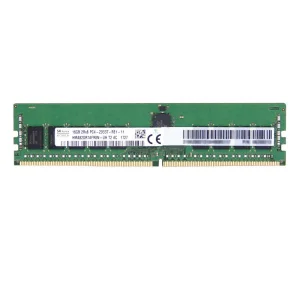
Furthermore, sustainability has become a key metric for global enterprises. Hardware deployed in Seattle's regional data centers must meet strict Power Usage Effectiveness (PUE) goals. Sourcing memory modules running at optimal voltages (such as 1.2V/1.1V RDIMMs) and choosing servers designed for advanced liquid cooling systems are critical strategies for reducing long-term energy consumption.
Combining dynamic component sourcing with rigorous quality engineering to deliver reliable B2B computing hardware.
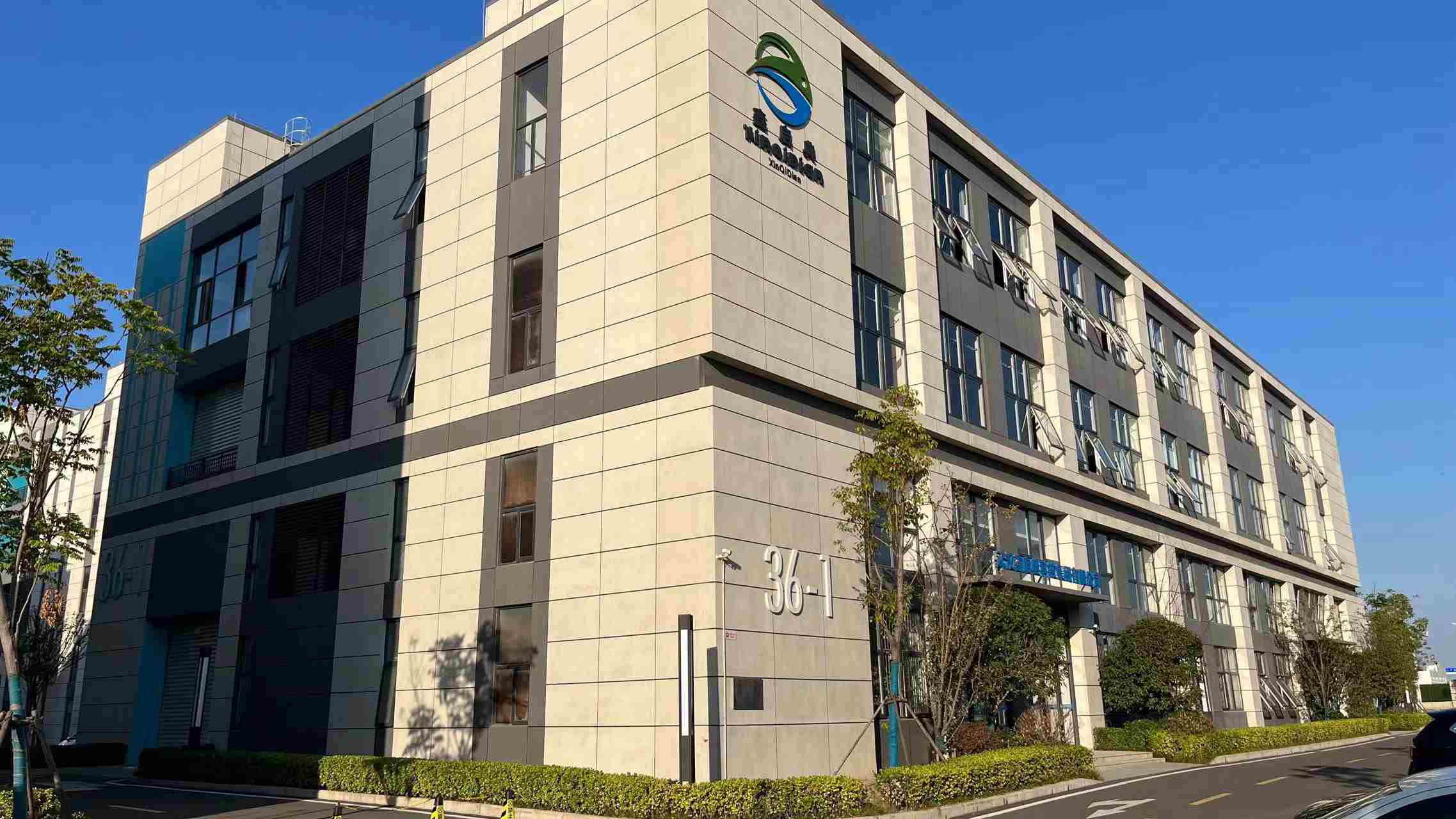
Located in Shenzhen—the global capital of electronic components and systems engineering—Shenzhen Intelligent Computing Cloud Technology Co., Ltd. (ZhiCloud AI) bridges the gap between high-volume hardware fabrication and advanced system customization. Sourcing directly from the origin of the supply chain enables us to bypass intermediaries, resulting in shortened lead times and customized component configurations.
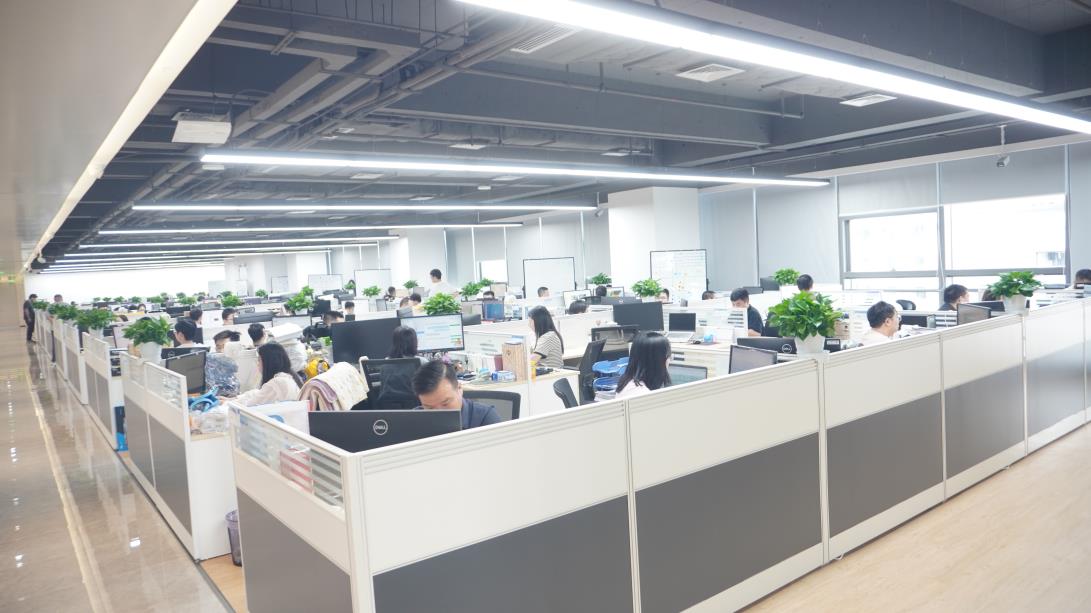
Since our founding in 2016, we have built a stable procurement network of over 1,200 strategic partners. Our R&D team, consisting of 120 experienced engineers, released 180 new products last year. This agile development cycle ensures our clients receive hardware that integrates the latest advancements in memory speed, power efficiency, and processing density.
Facility Operations
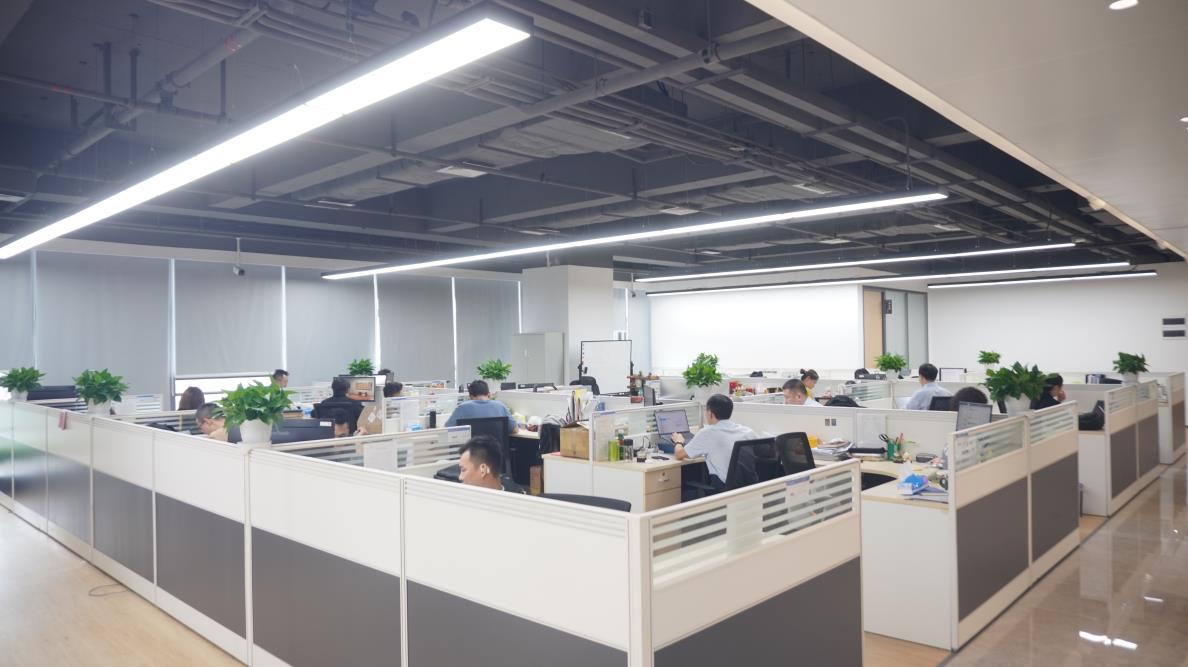
Quality Control
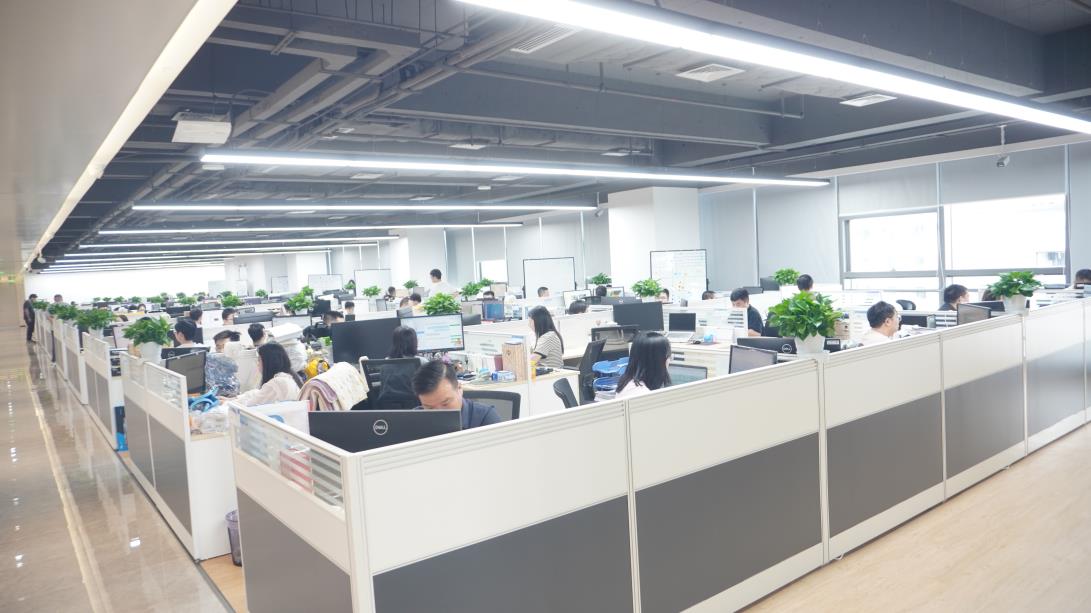
Production Floor
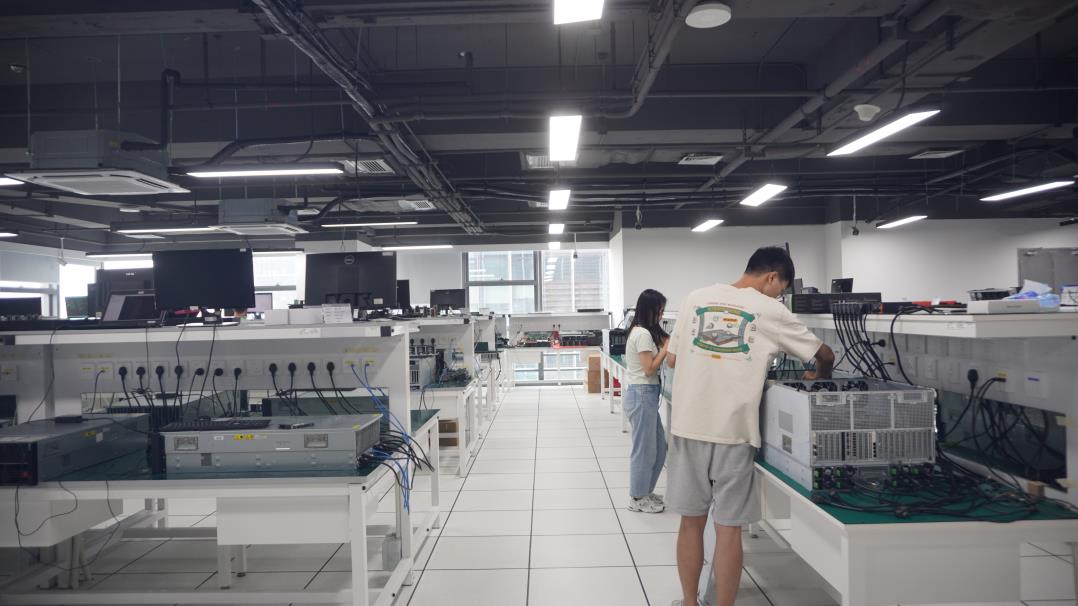
System Diagnostics
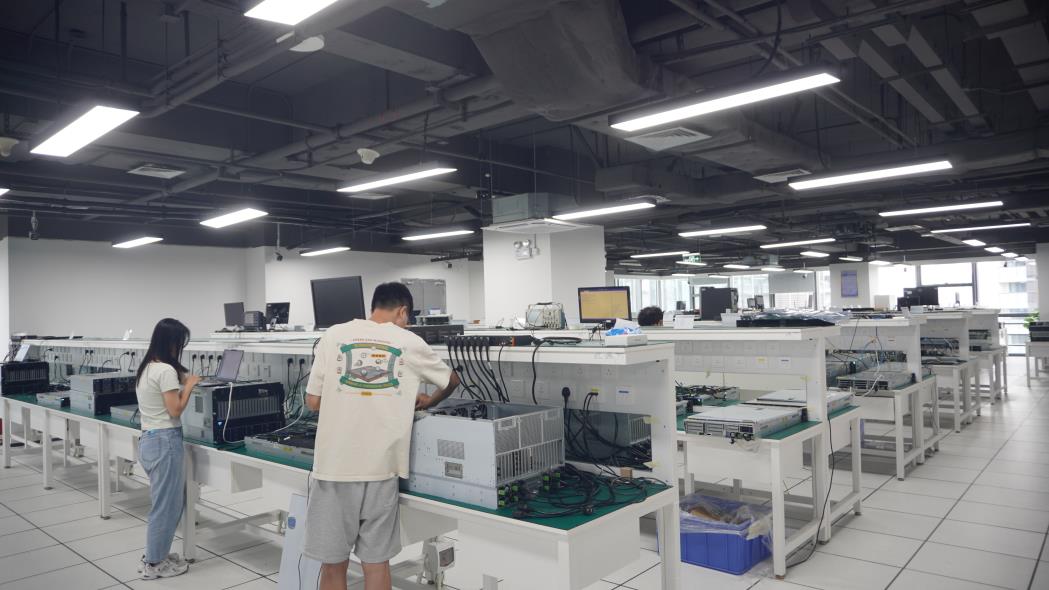
Component Assembly
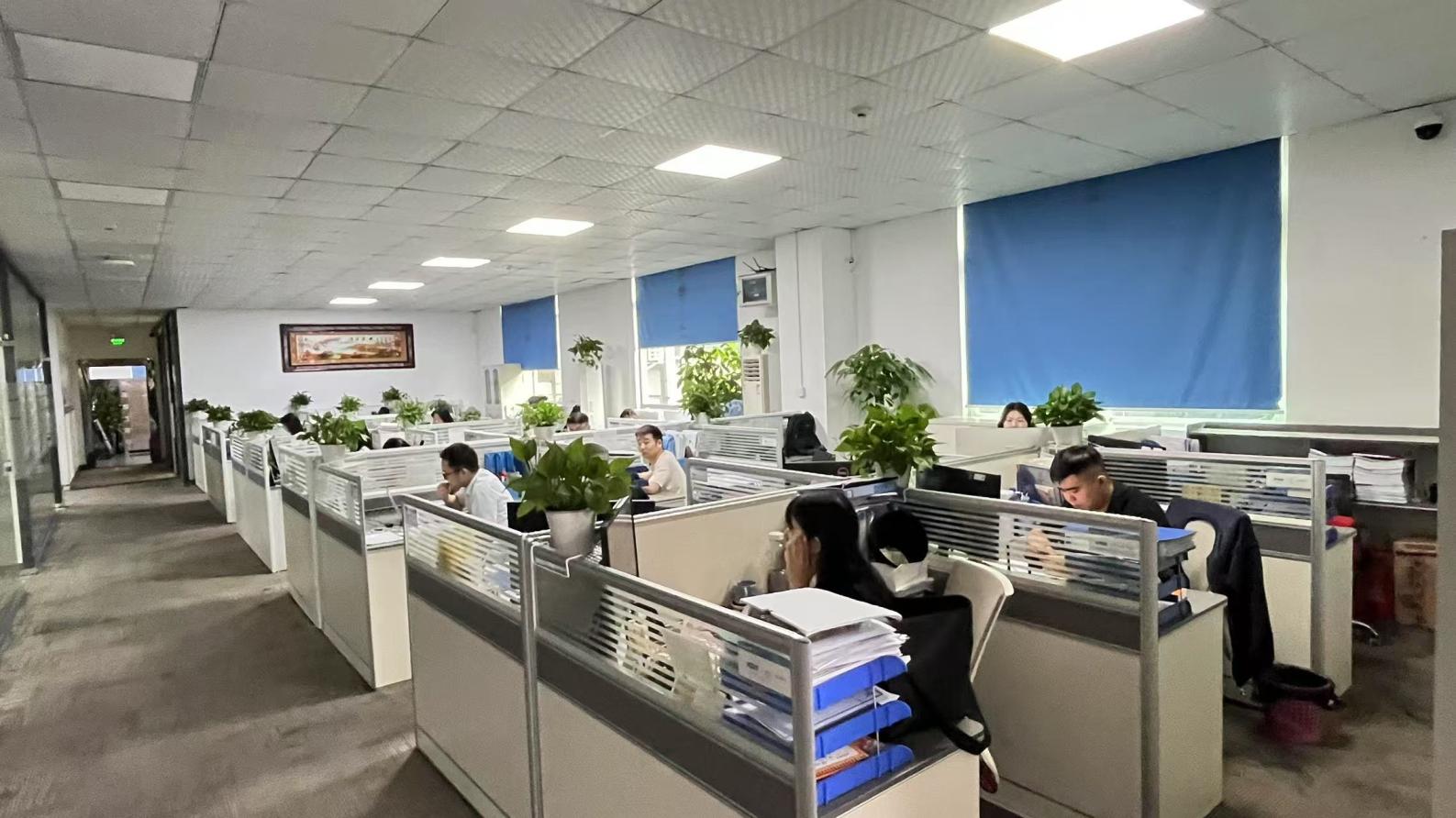
Automated Testing
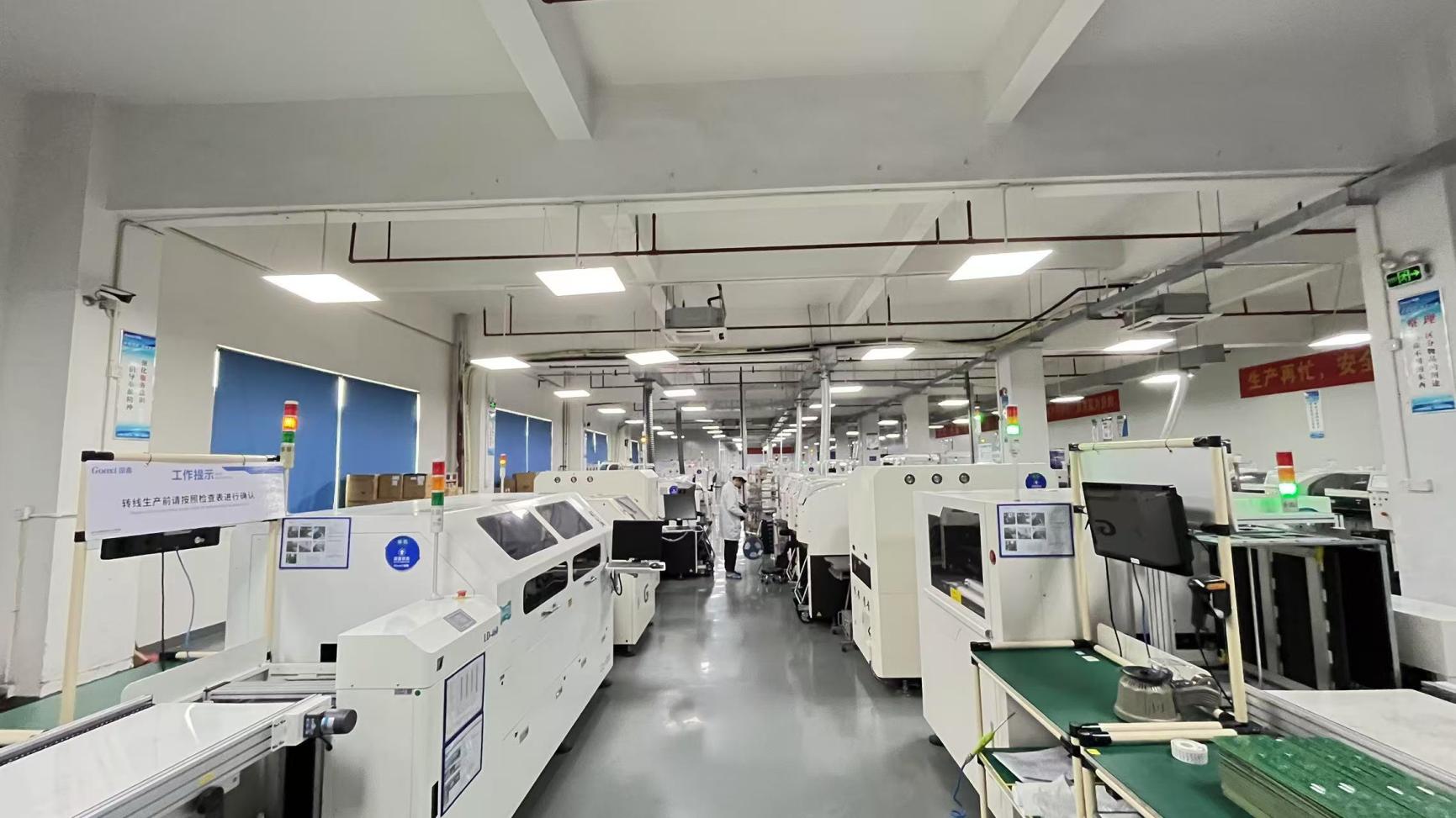
Thermal Aging
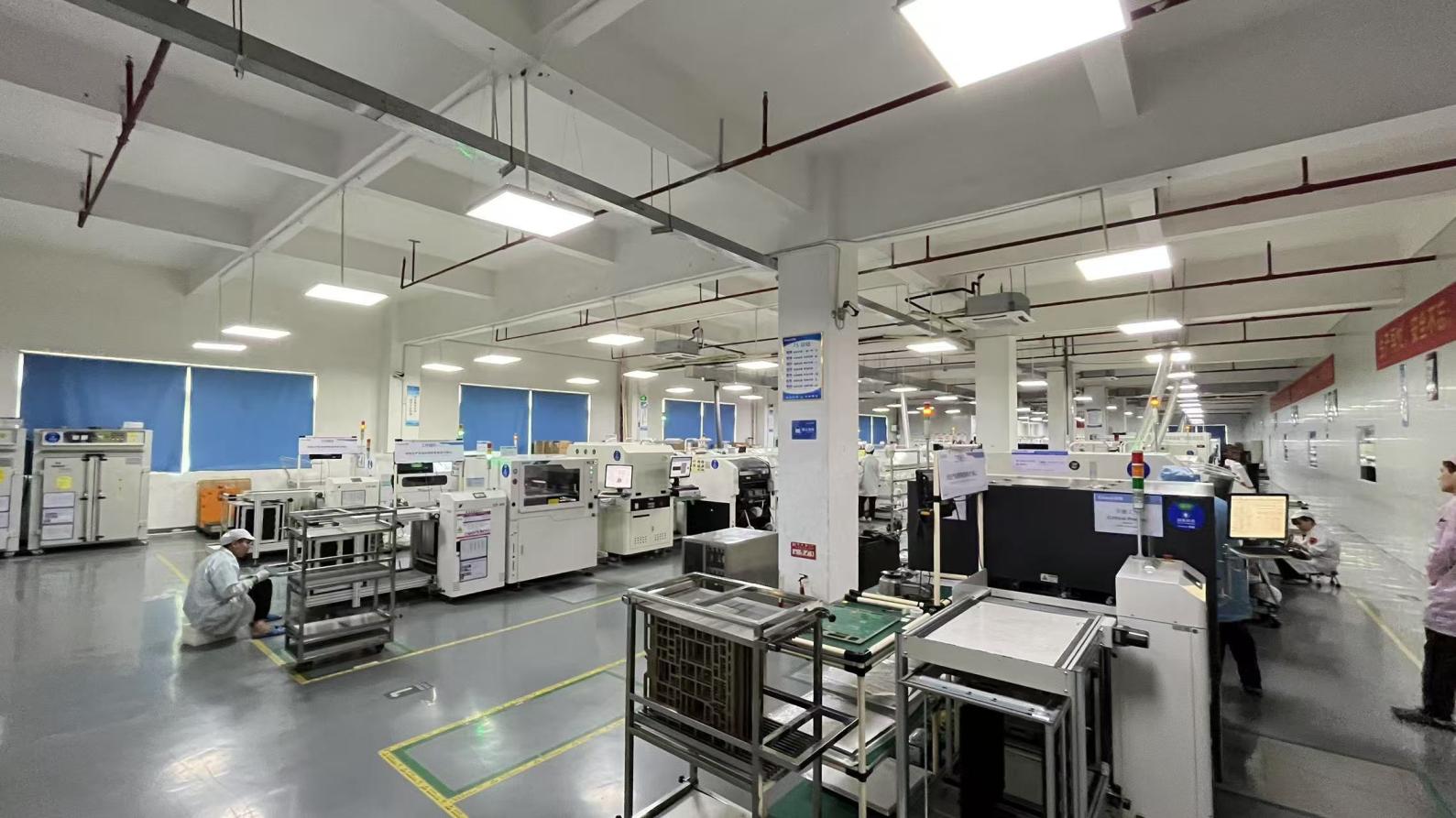
Final Inspection
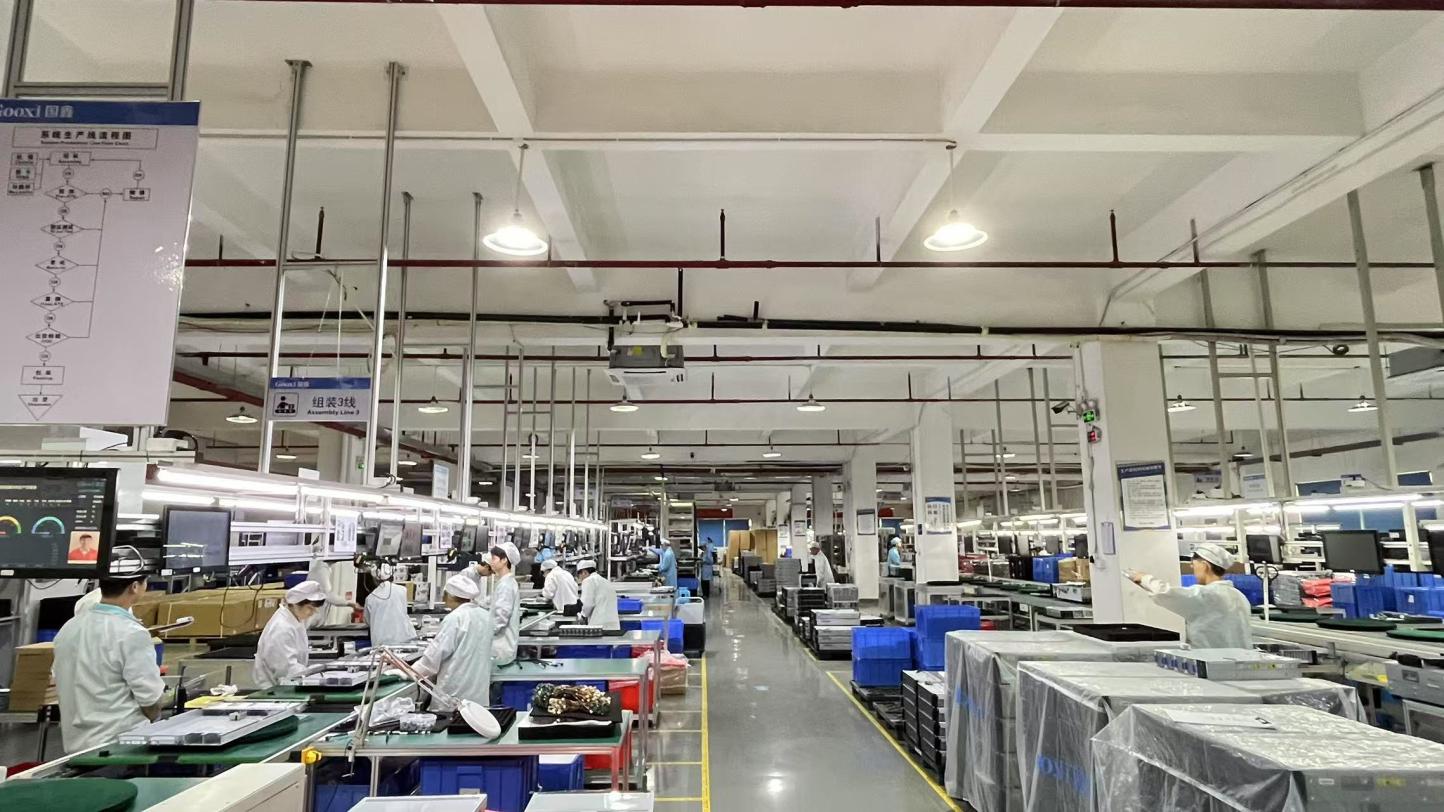
Reflow Soldering
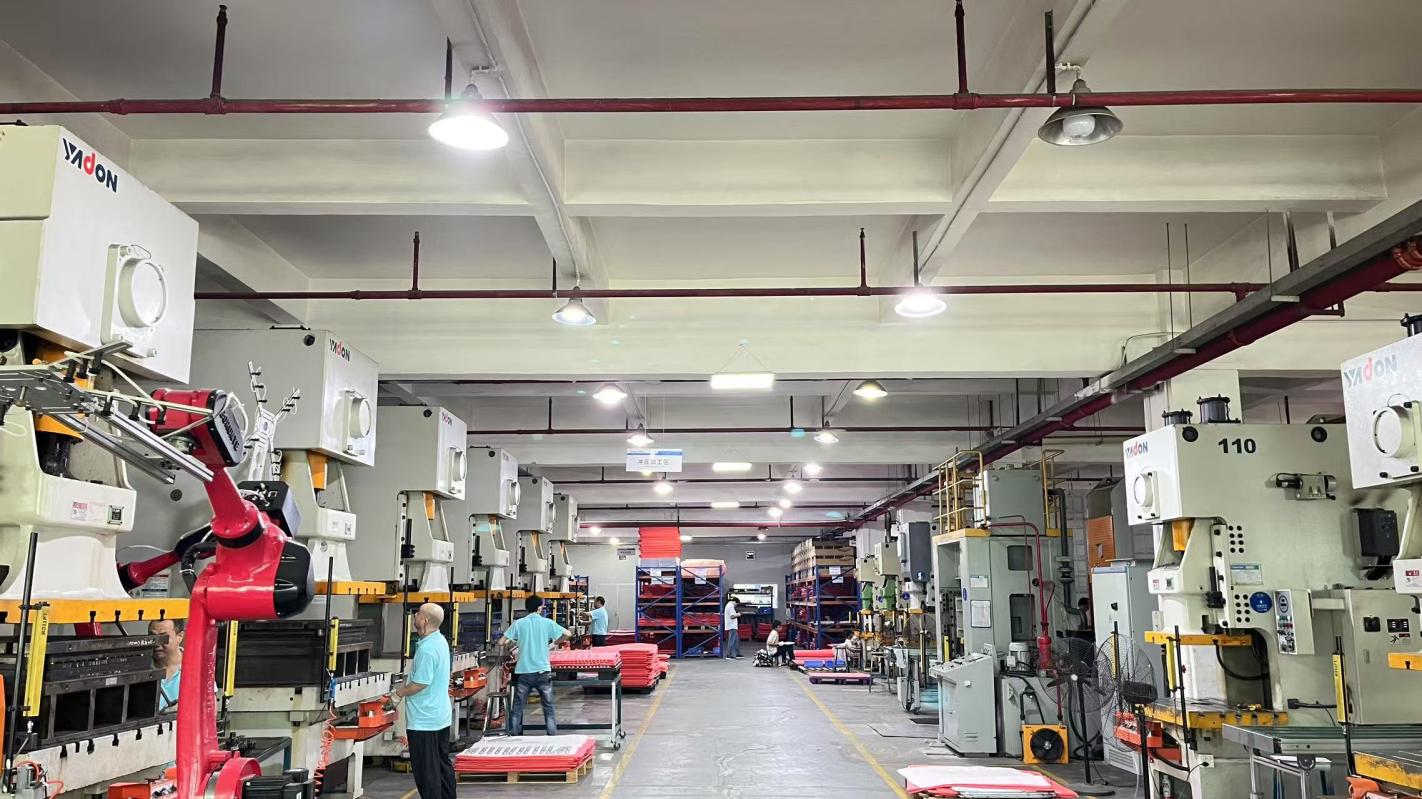
Laser Processing
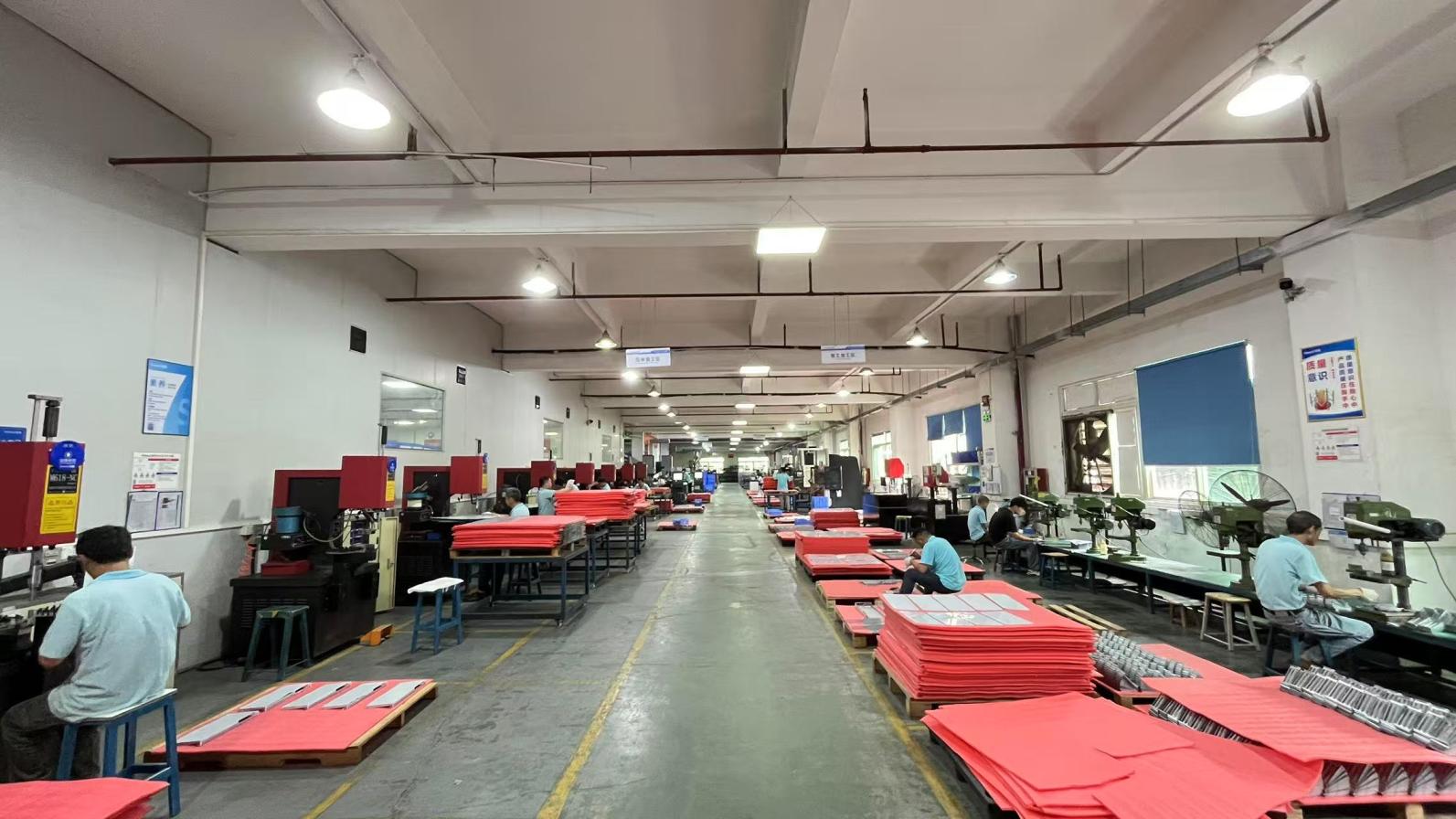
Quality Management
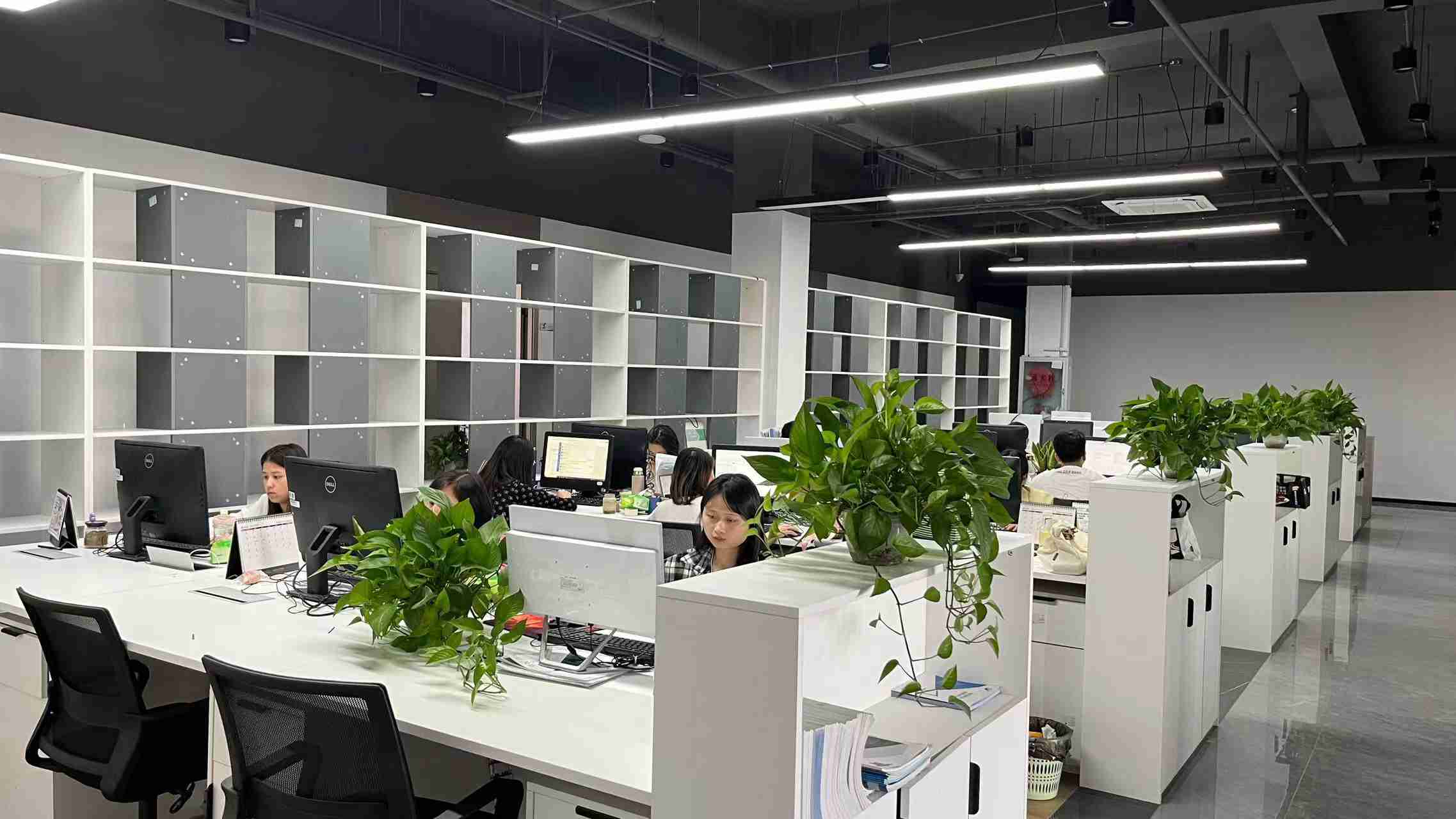
Final Packaging
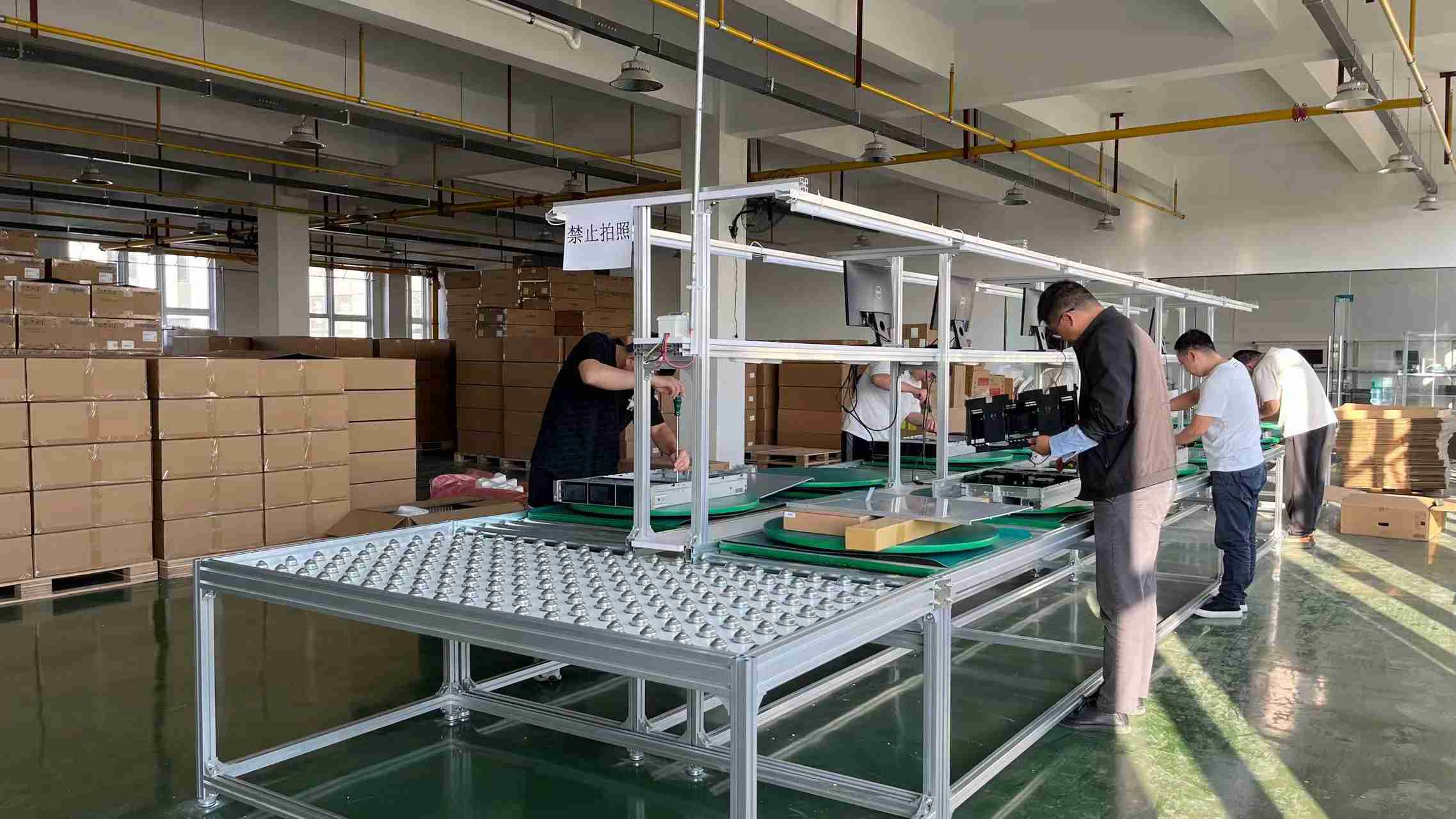
Incoming Inspection
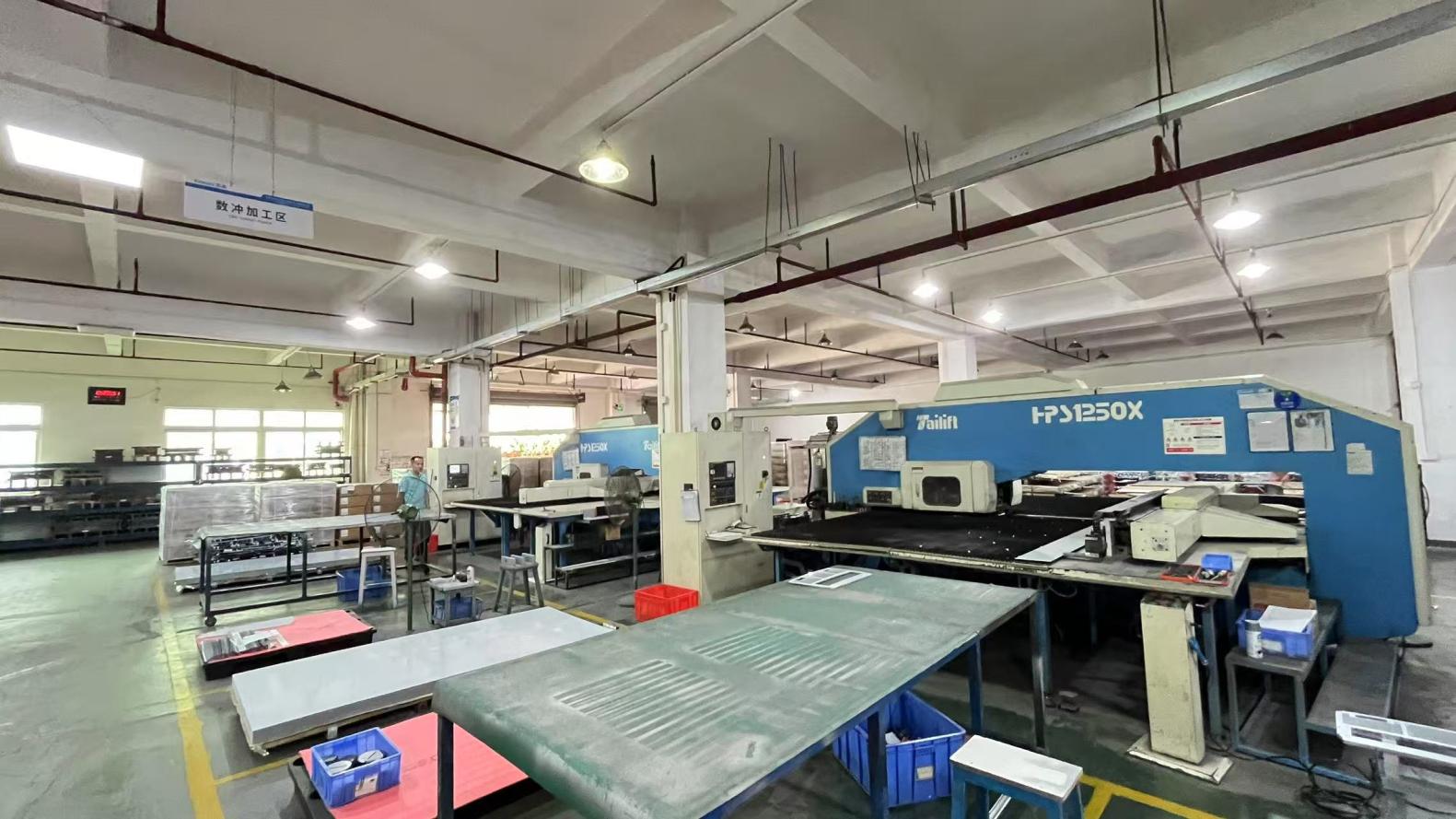
Material Cutting
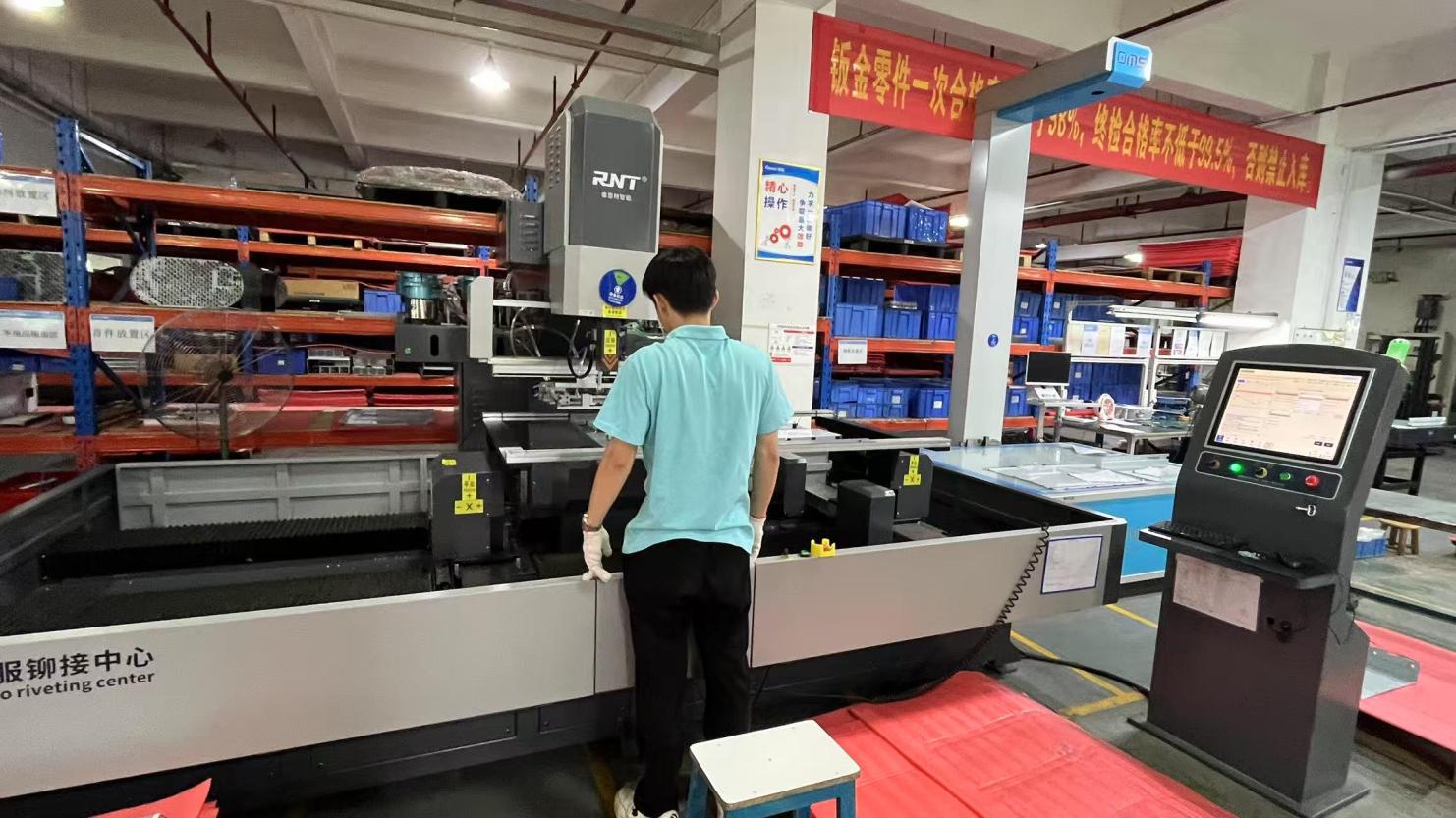
Riveting
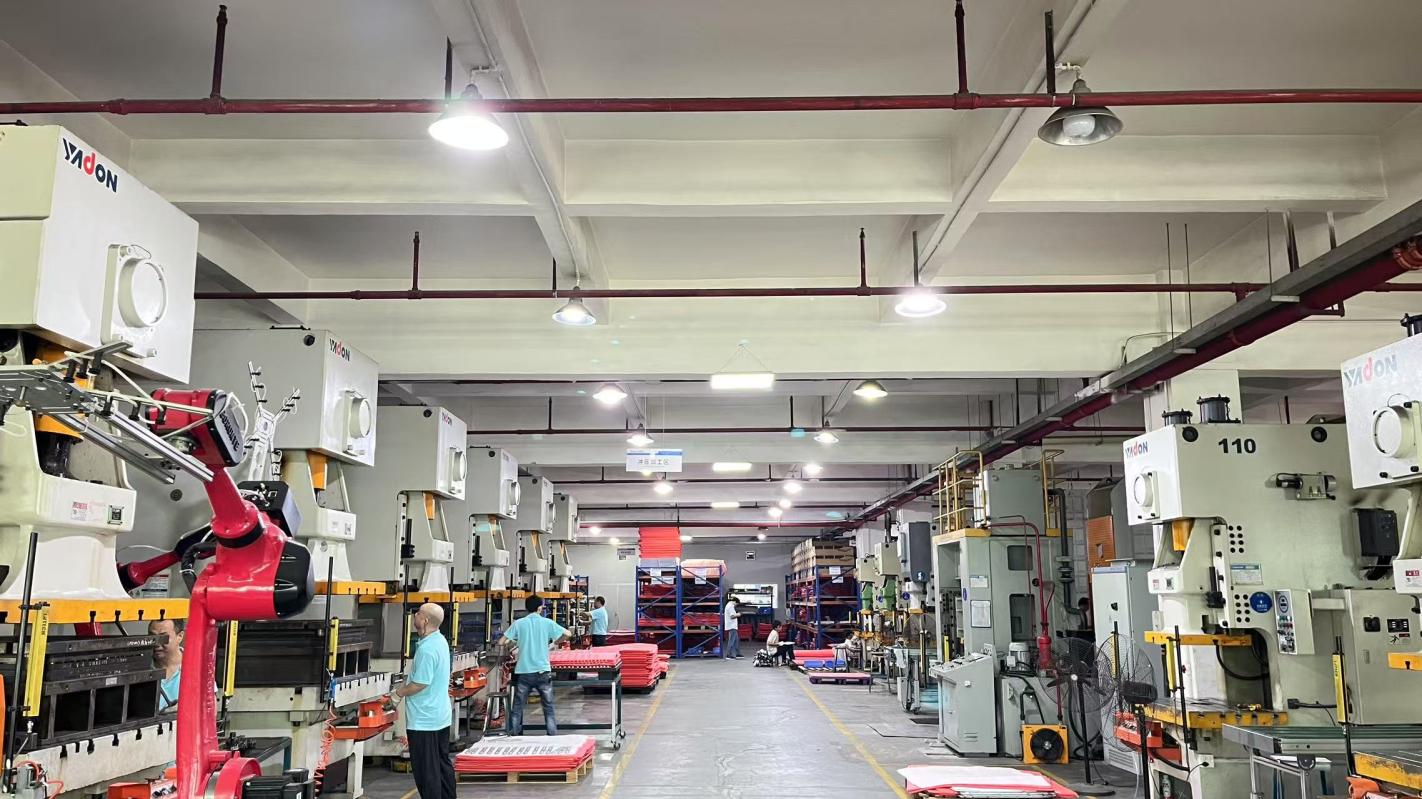
Stamping
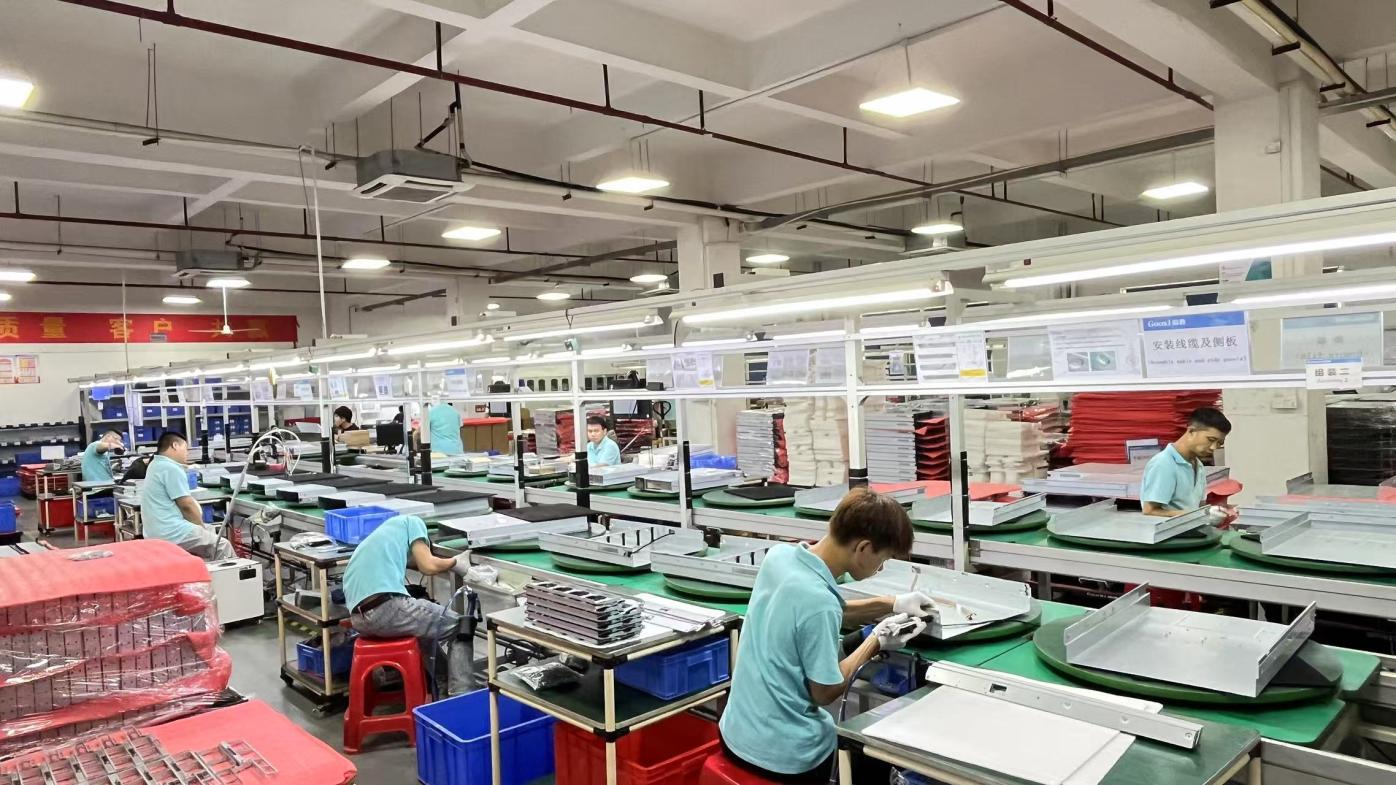
Housing Assembly
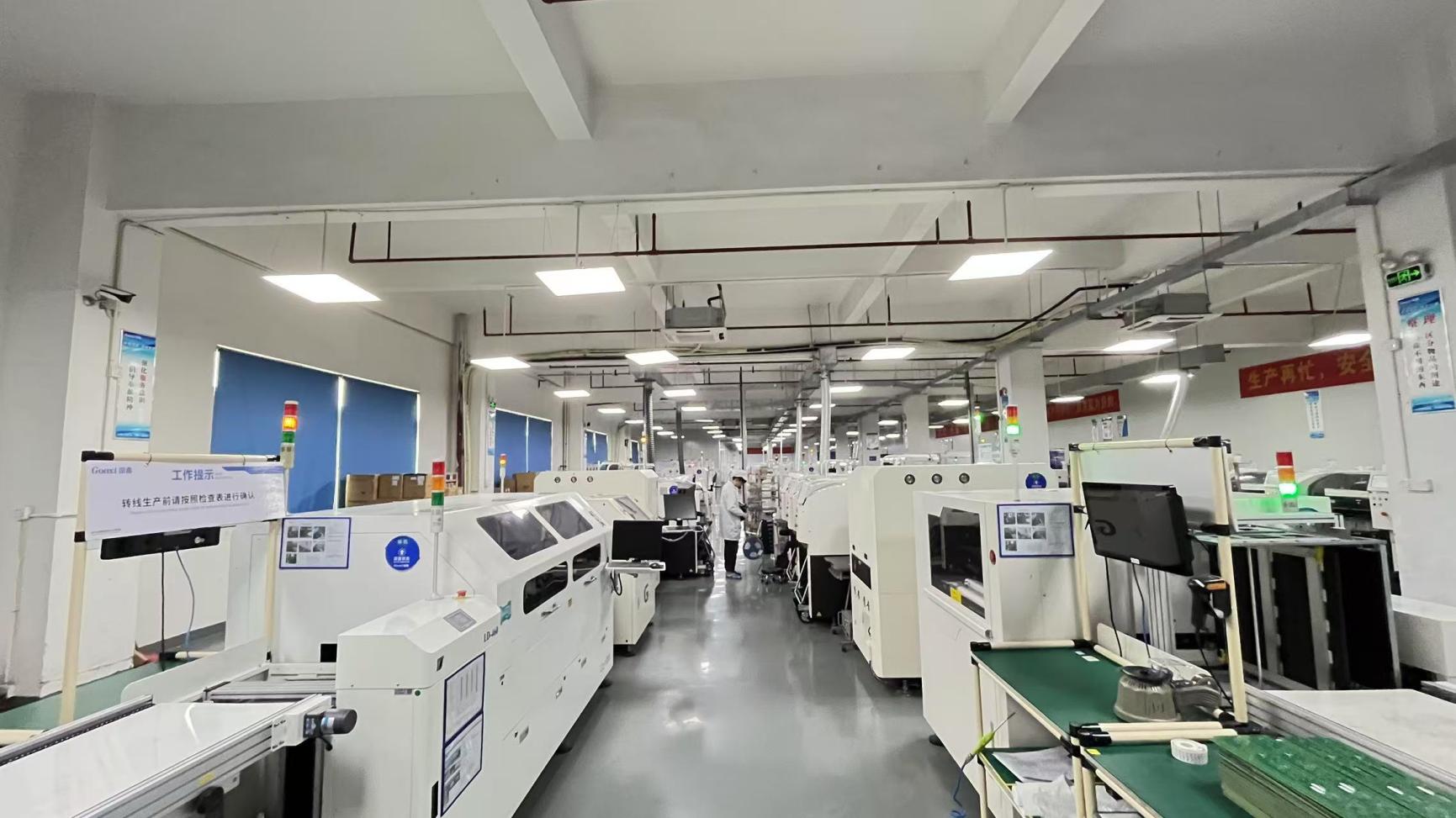
SMT
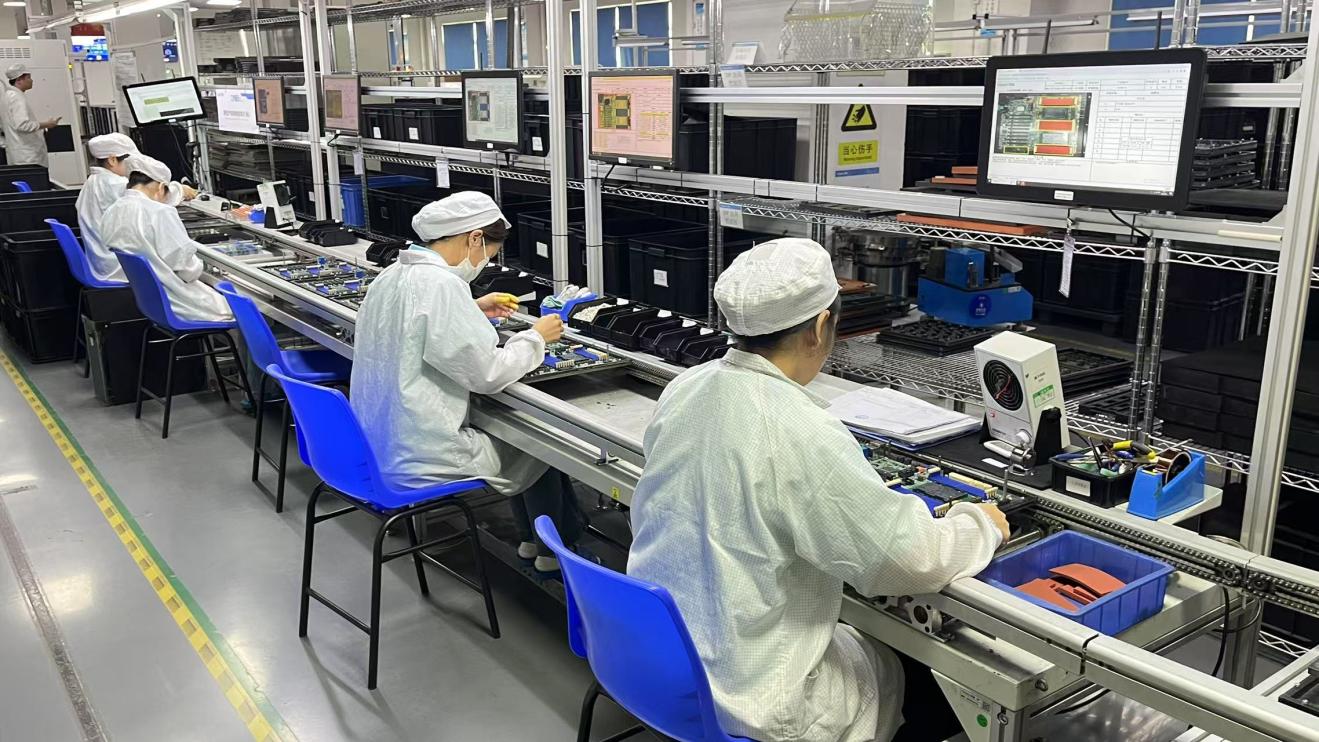
Manual Insertion
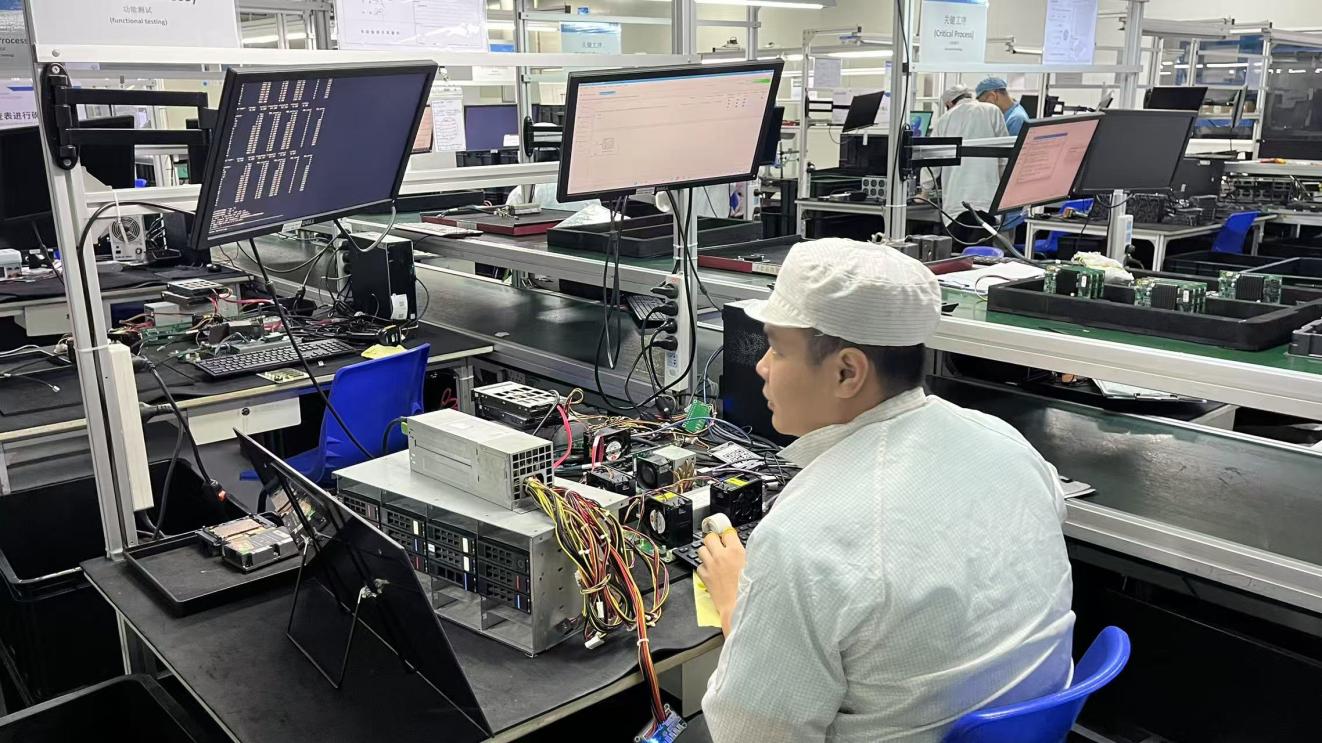
PCBA Test
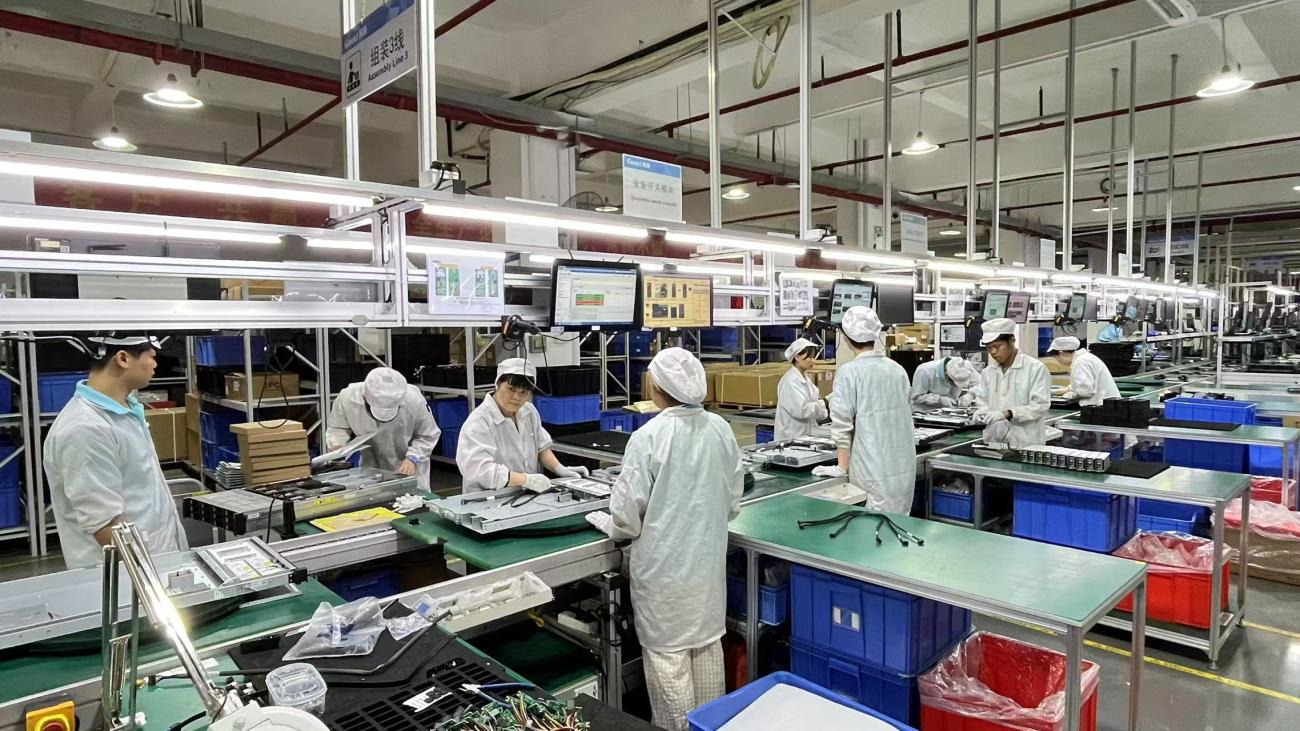
Final Assembly
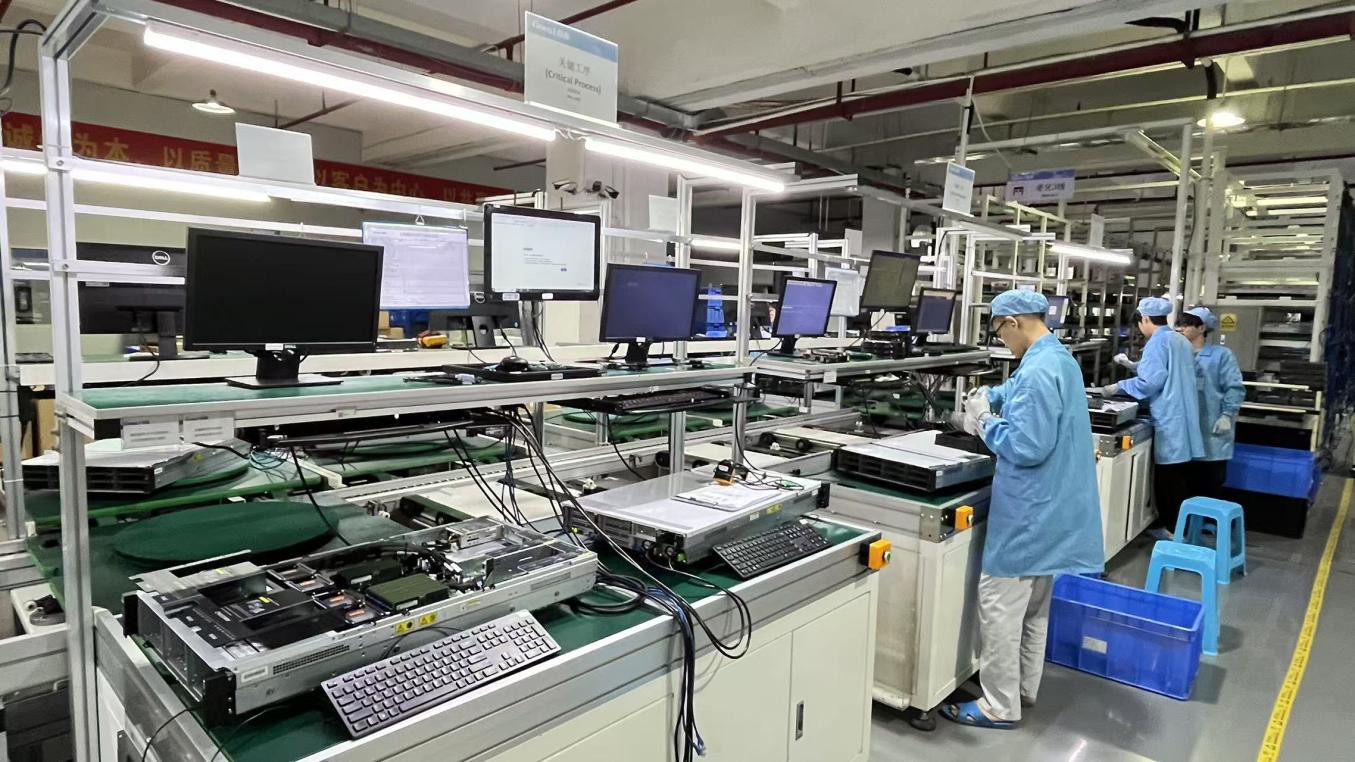
System Integration Test
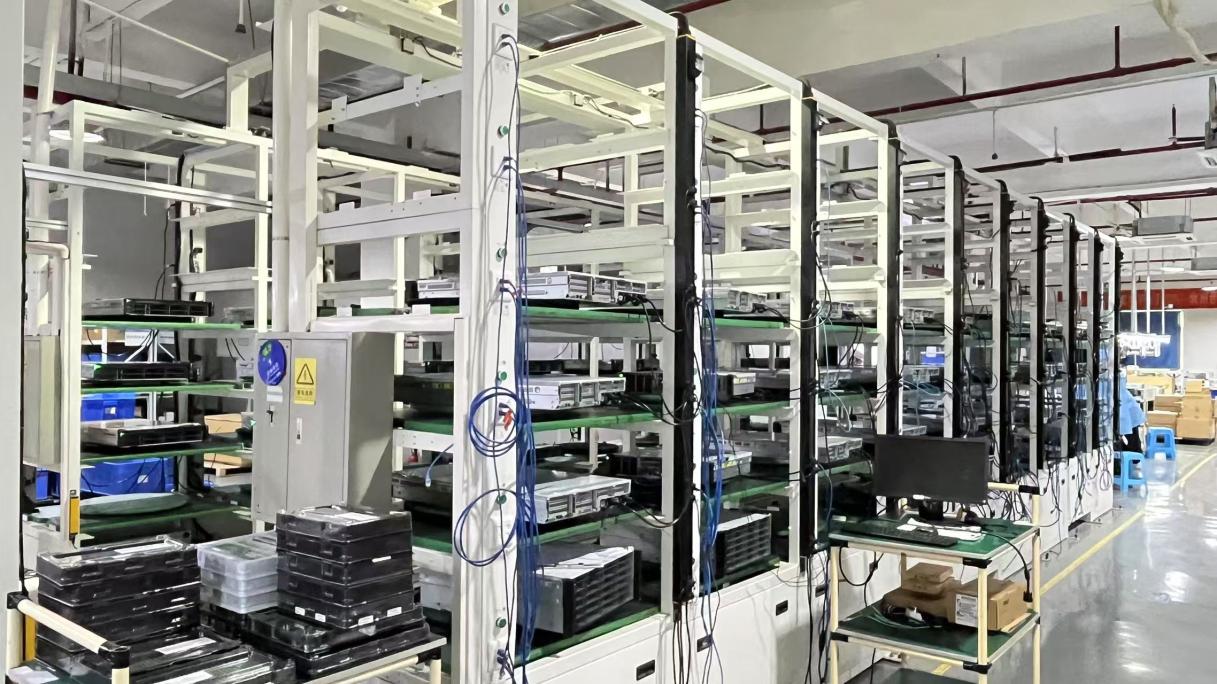
Full-System Burn-in
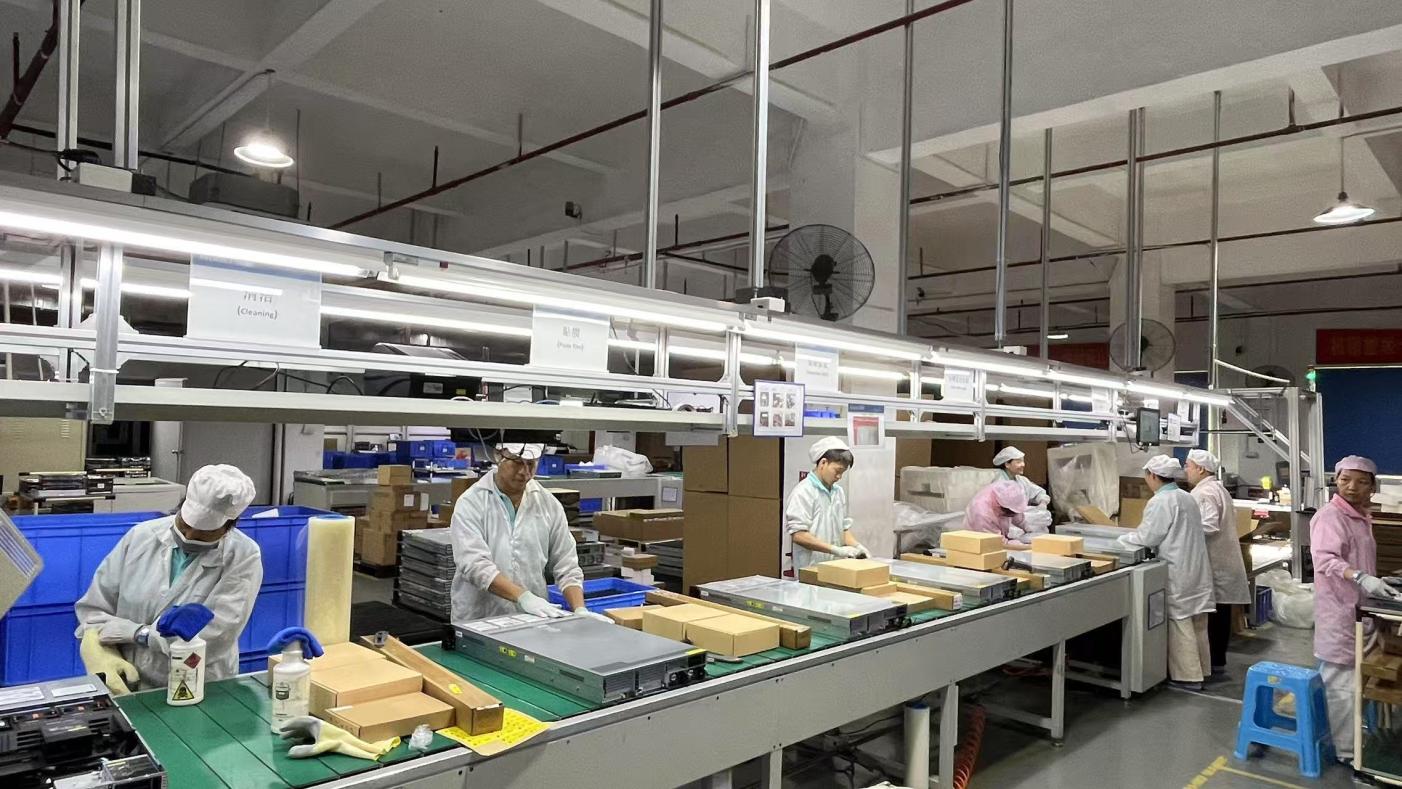
Export Packing
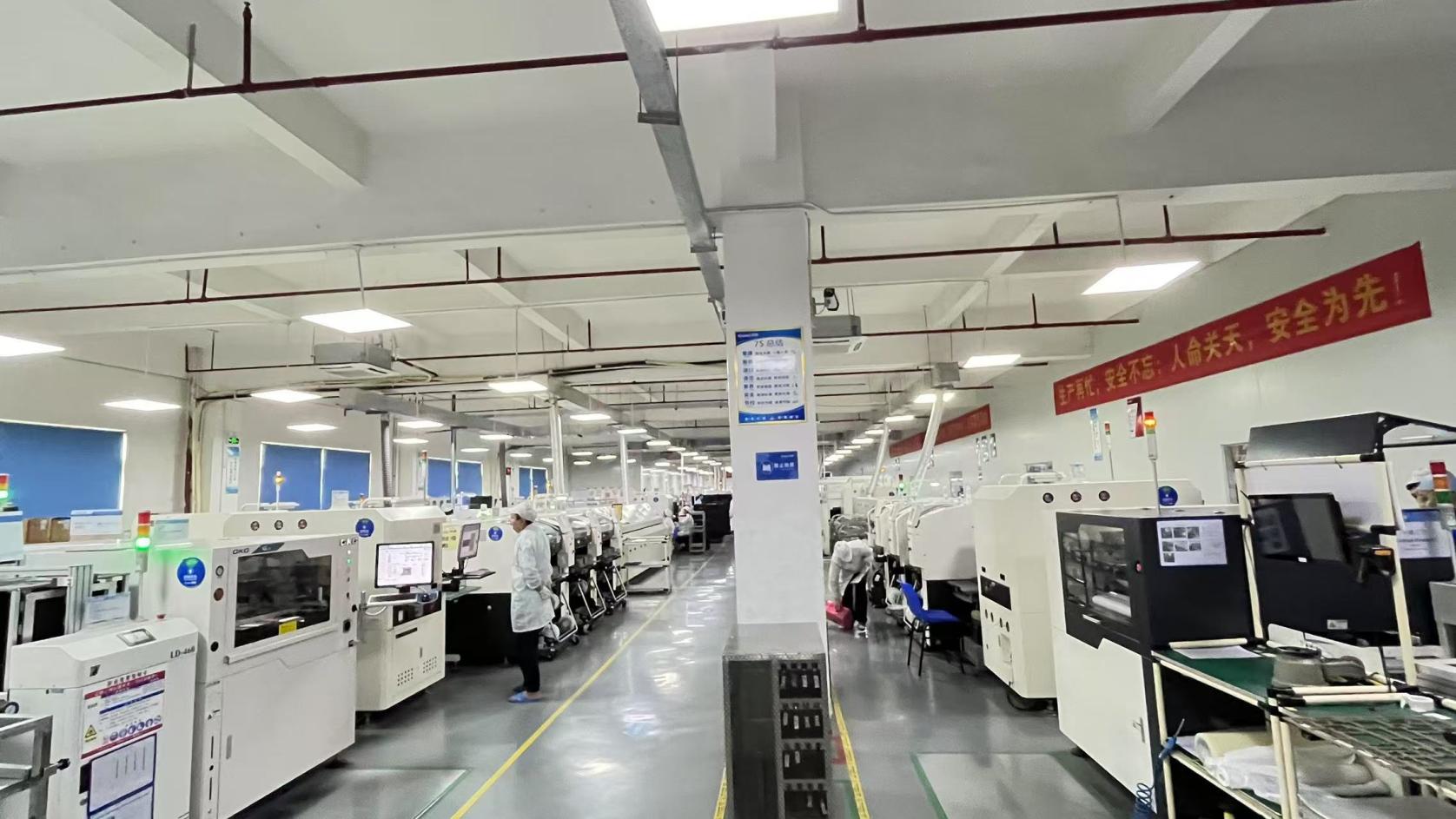
SMT Line
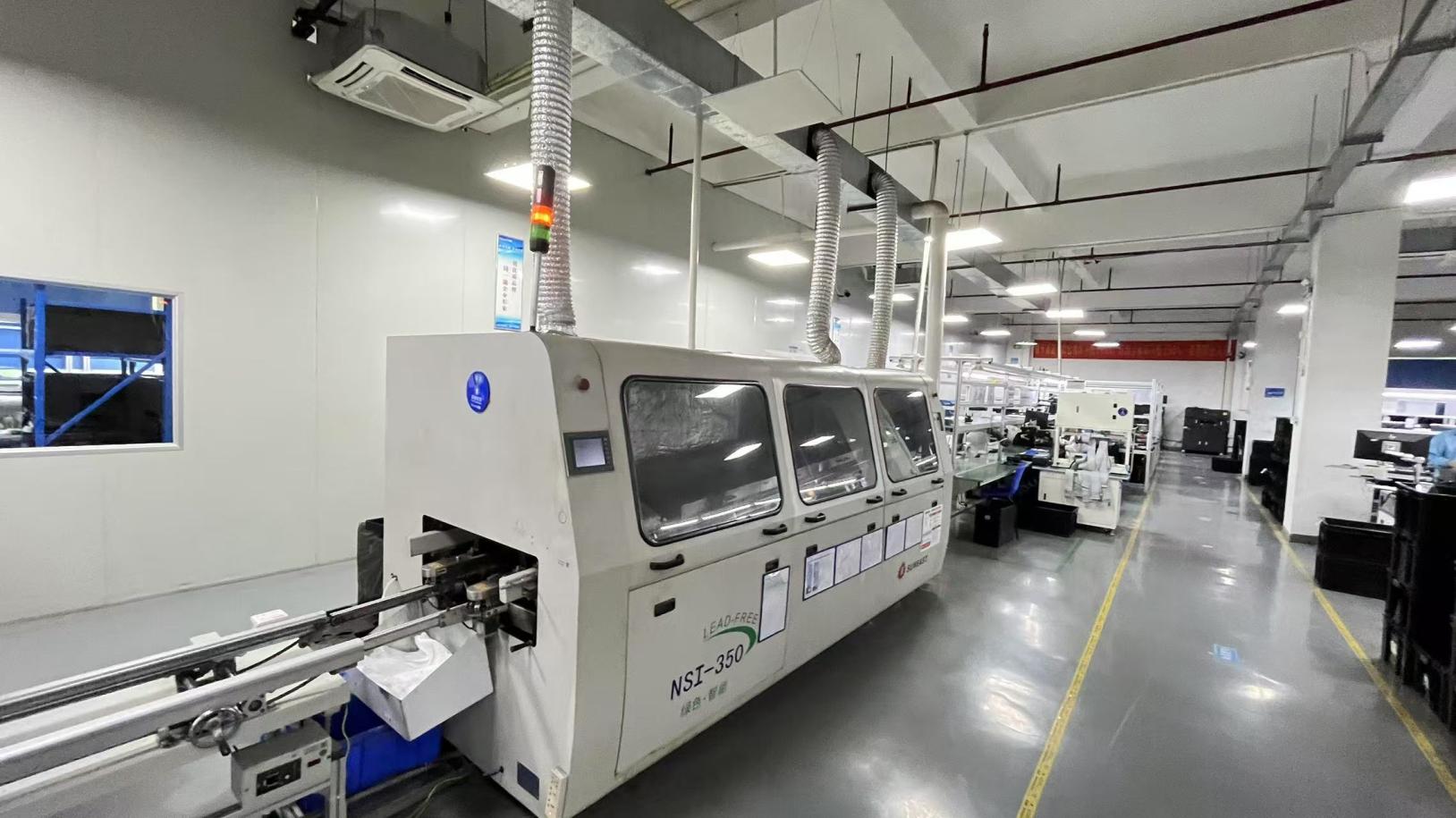
Reflow Soldering Machine
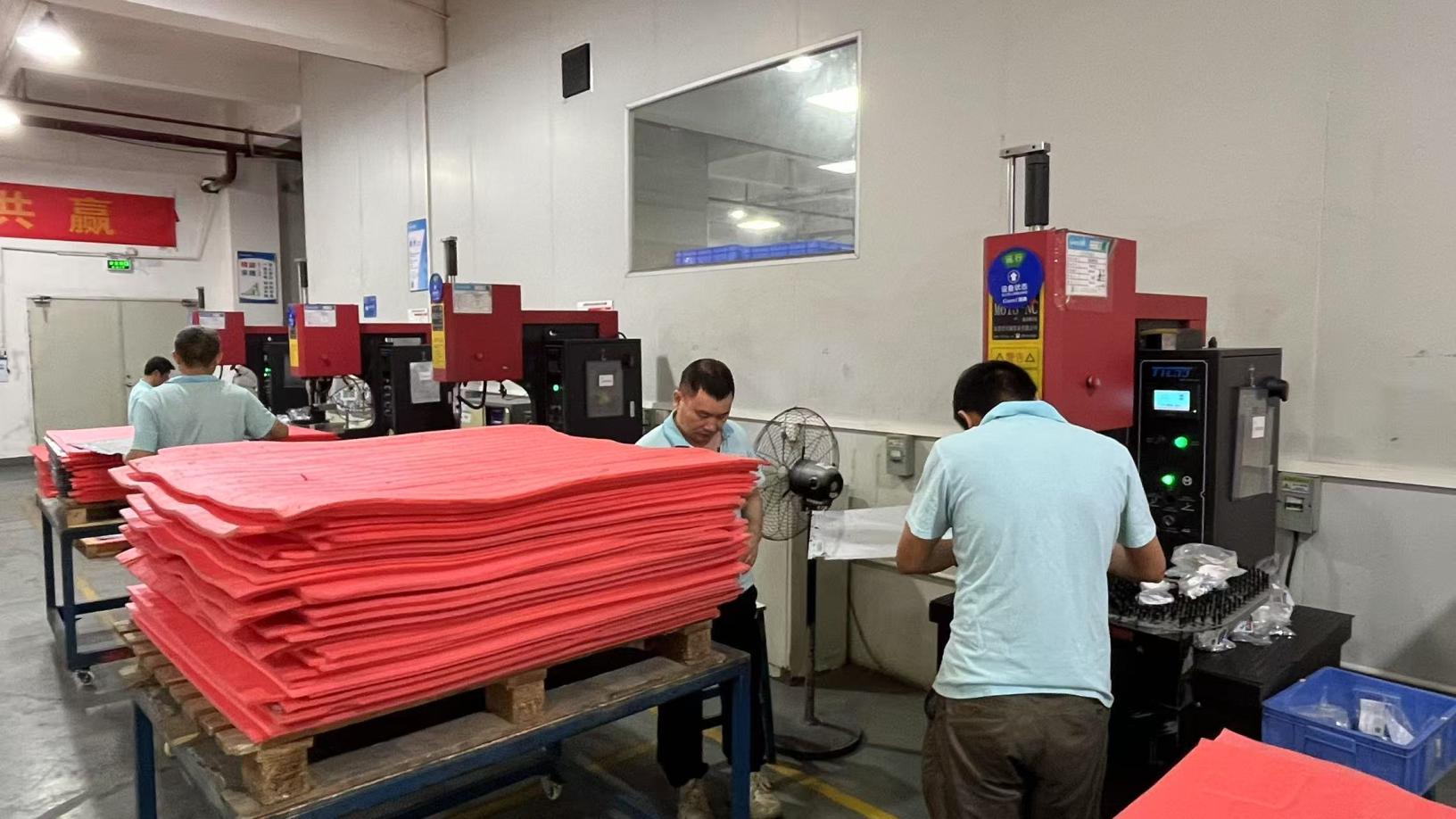
Rivet Machine
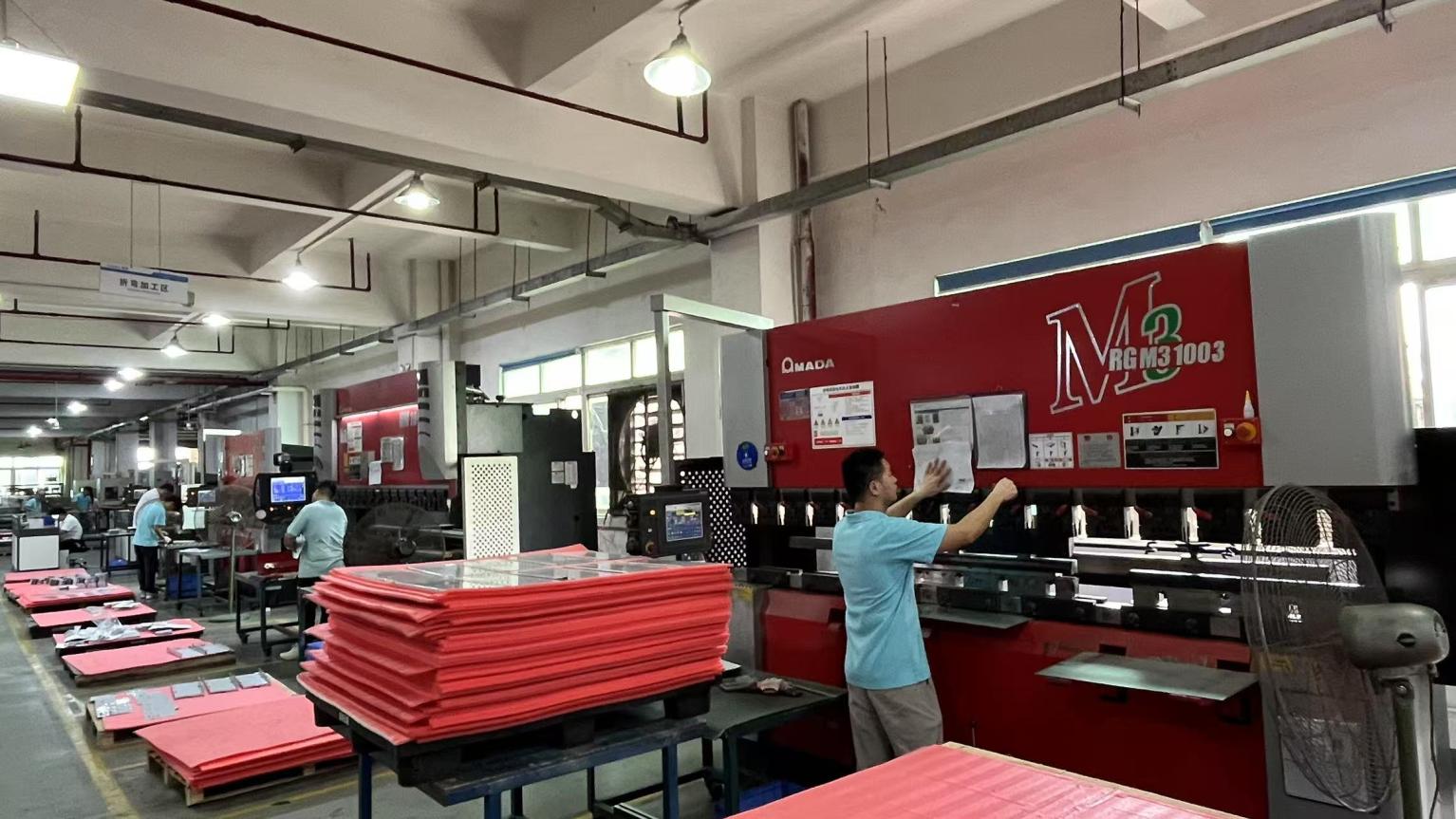
Bending Machine
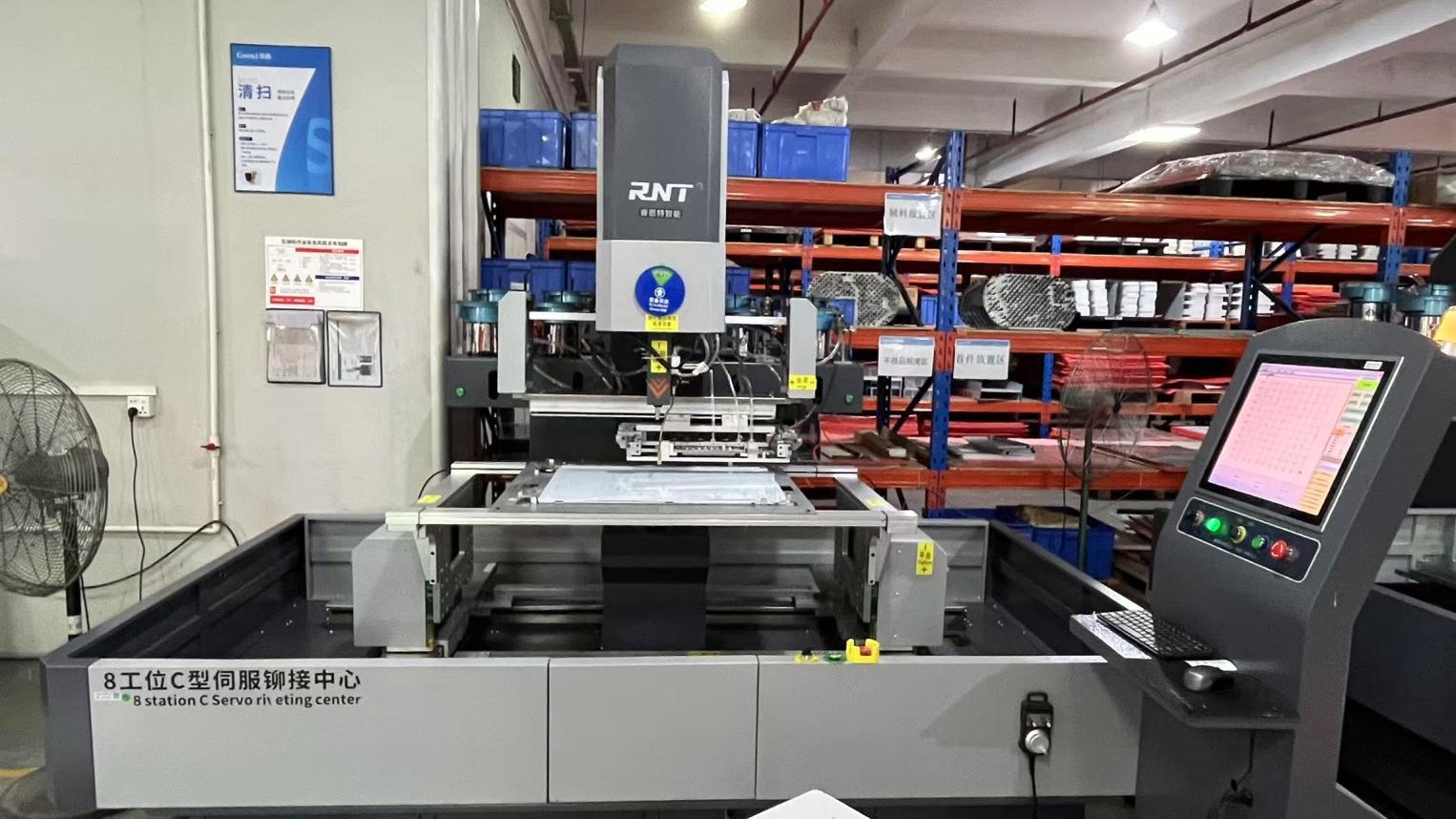
Riveting Center
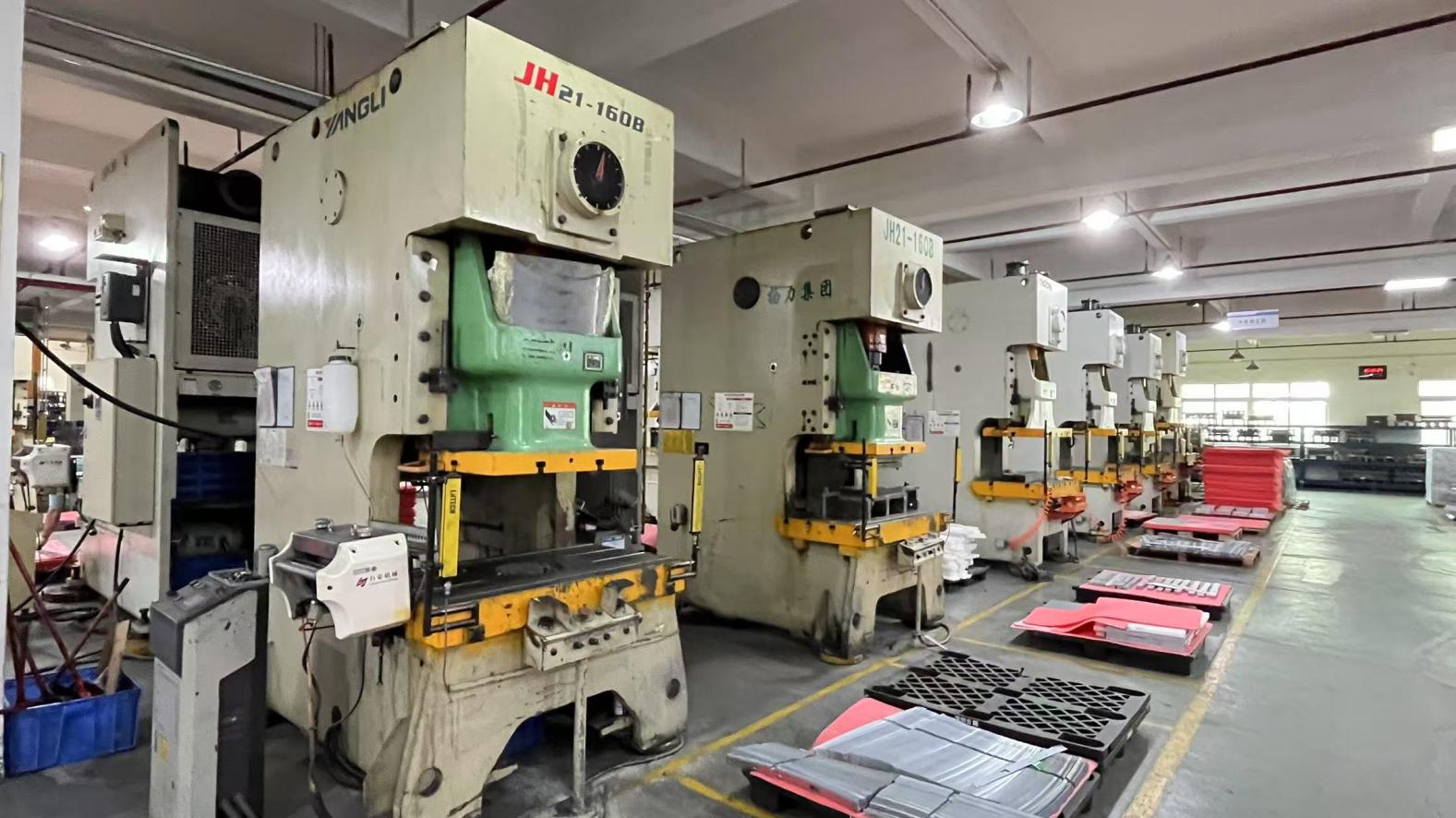
Stamping Machine
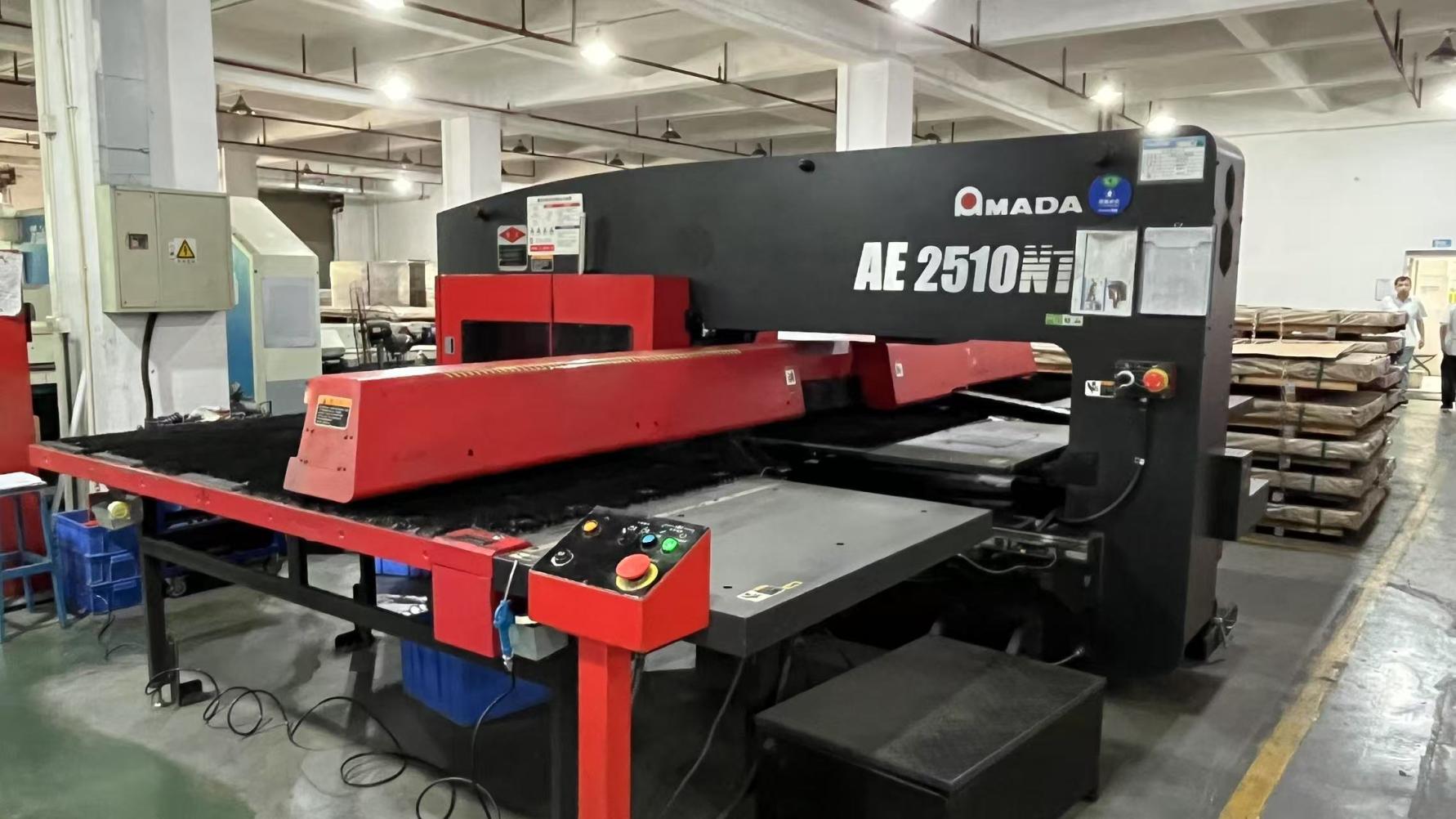
Laser Cutting Machine
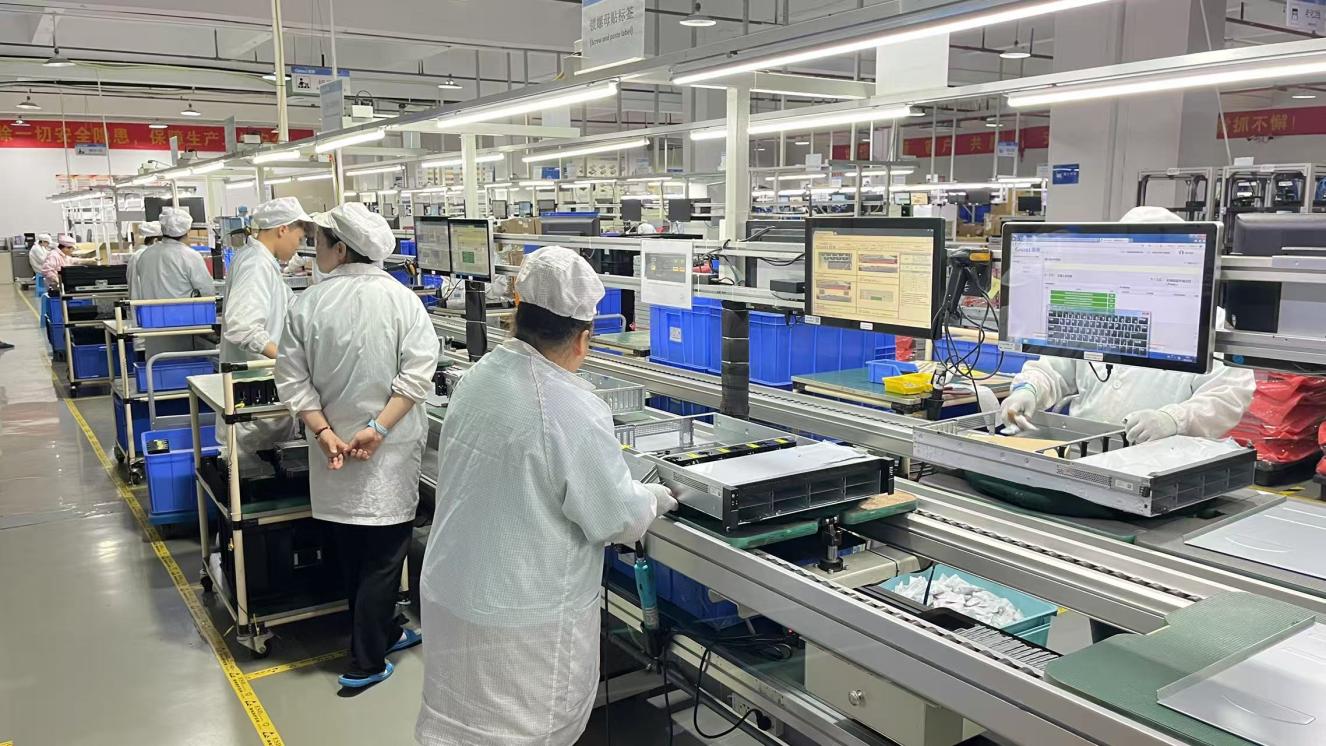
R&D Validation
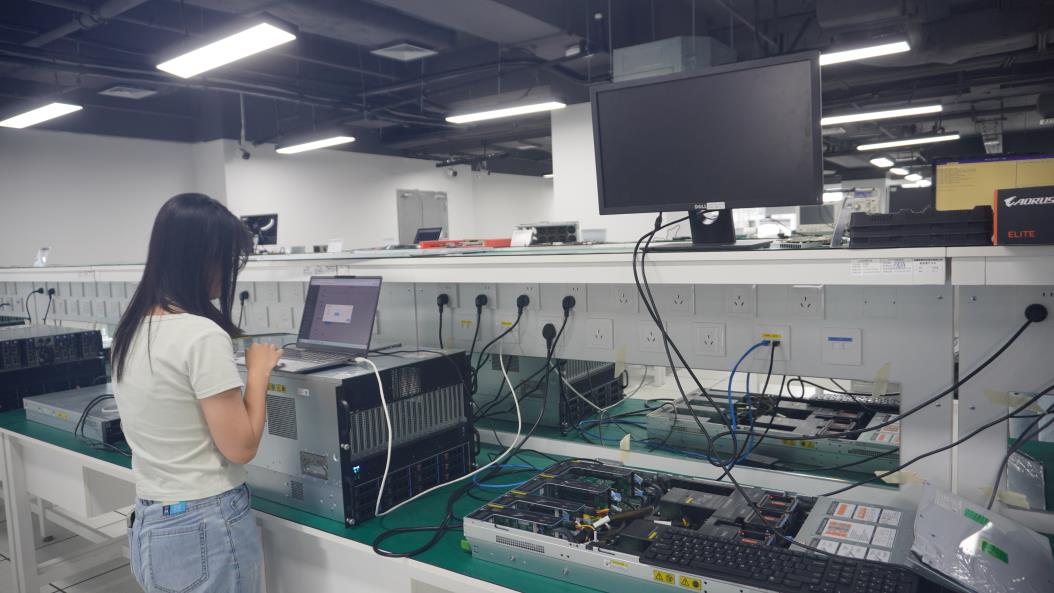
General Diagnostic Area
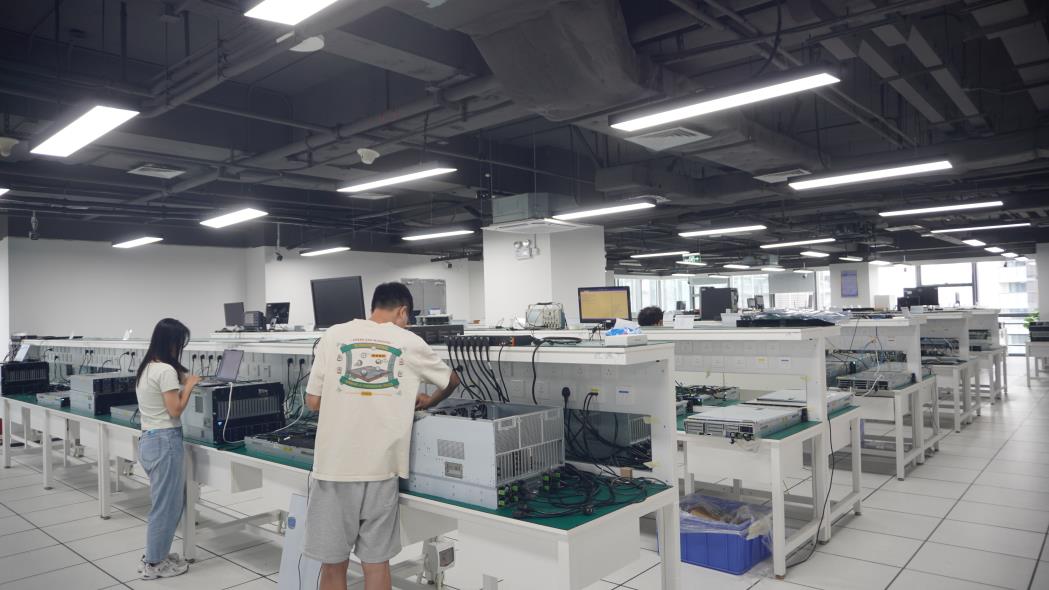
Diagnostic Racks
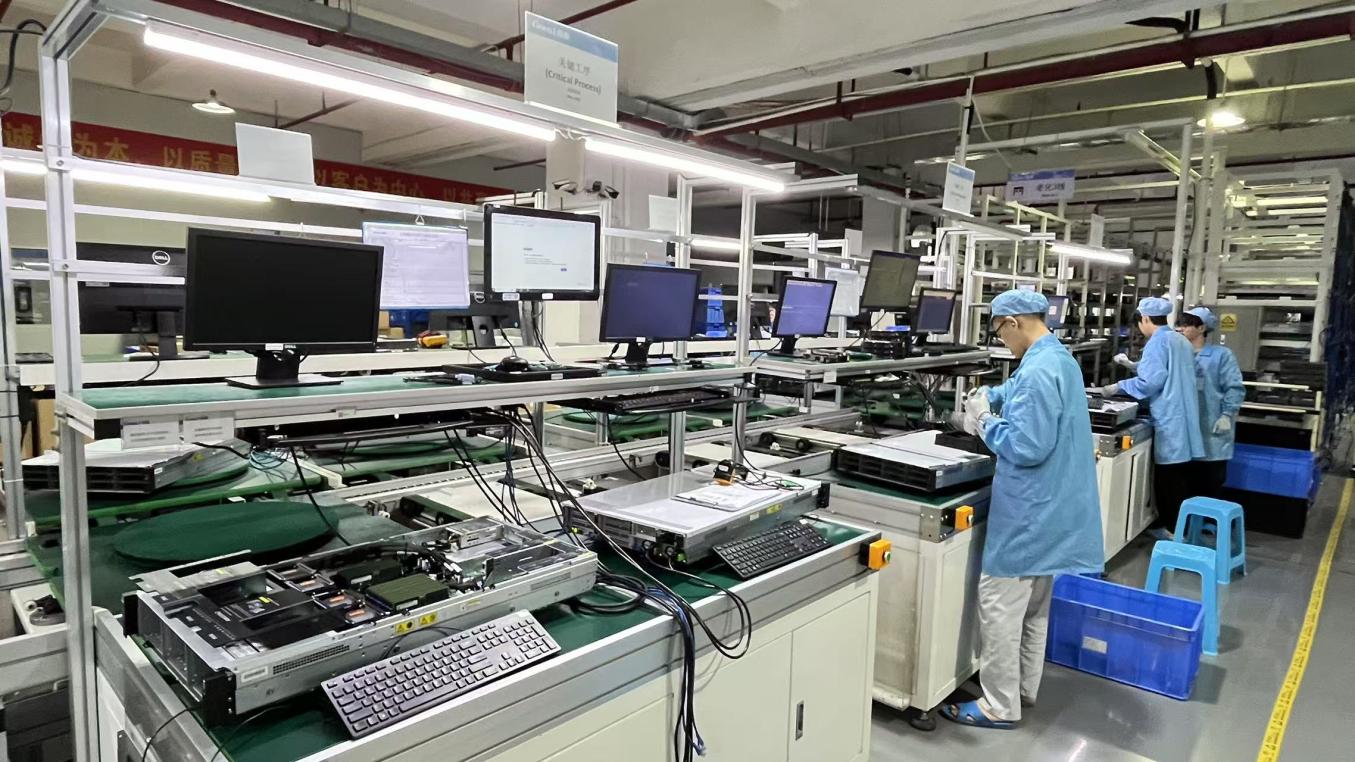
Functional Testing
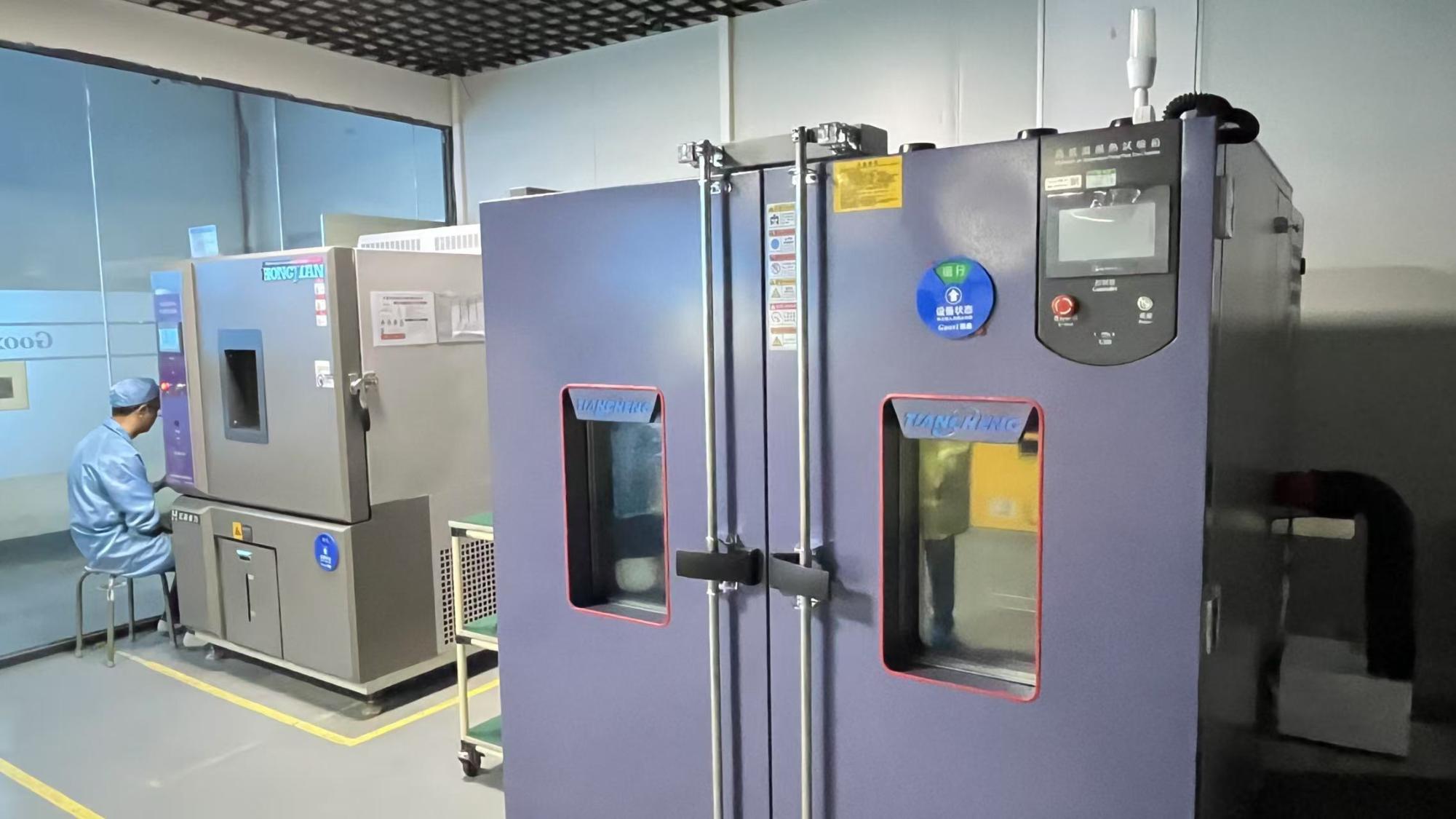
Thermotank Chamber
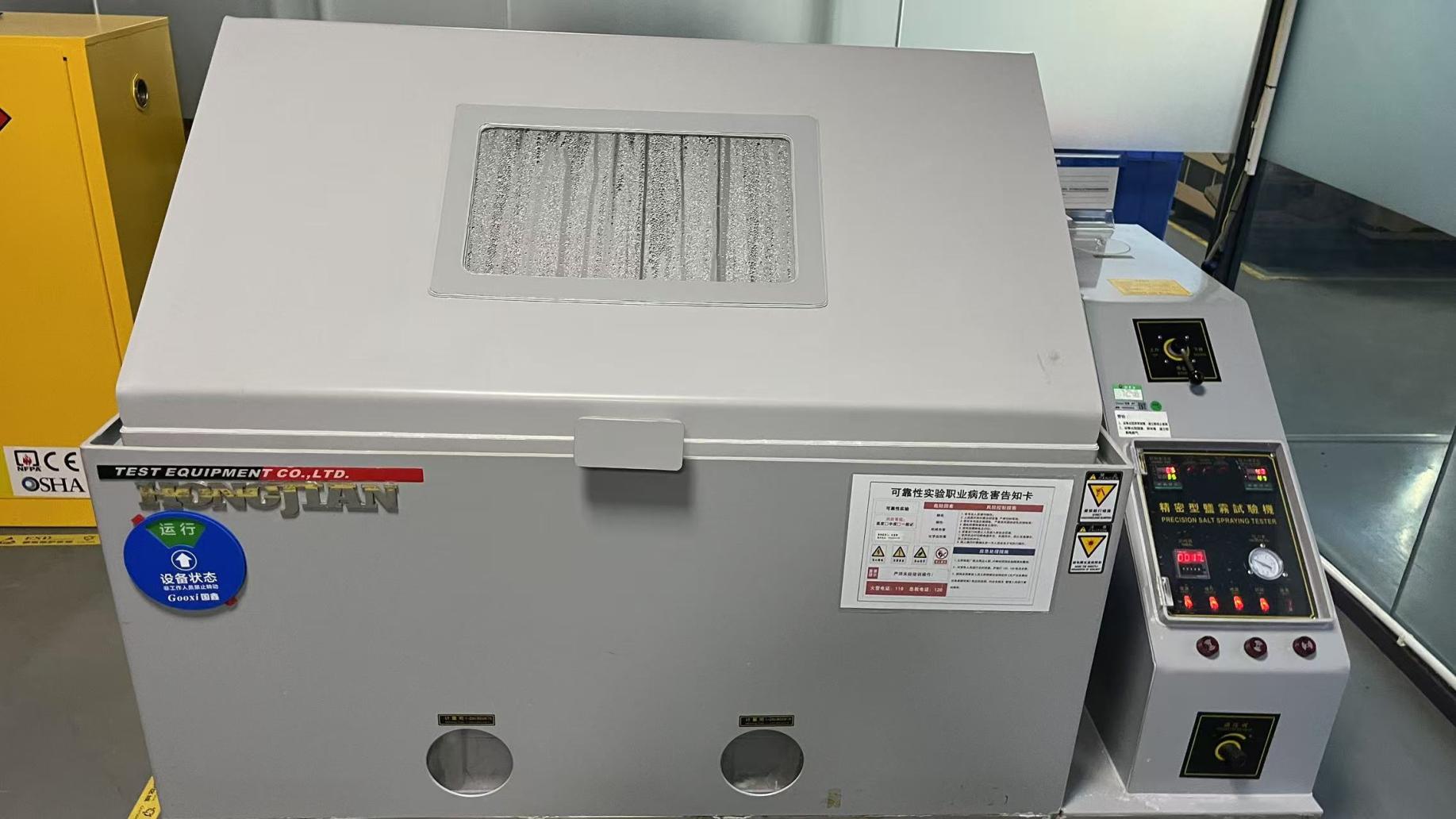
Salt Spray Corrosion Tester
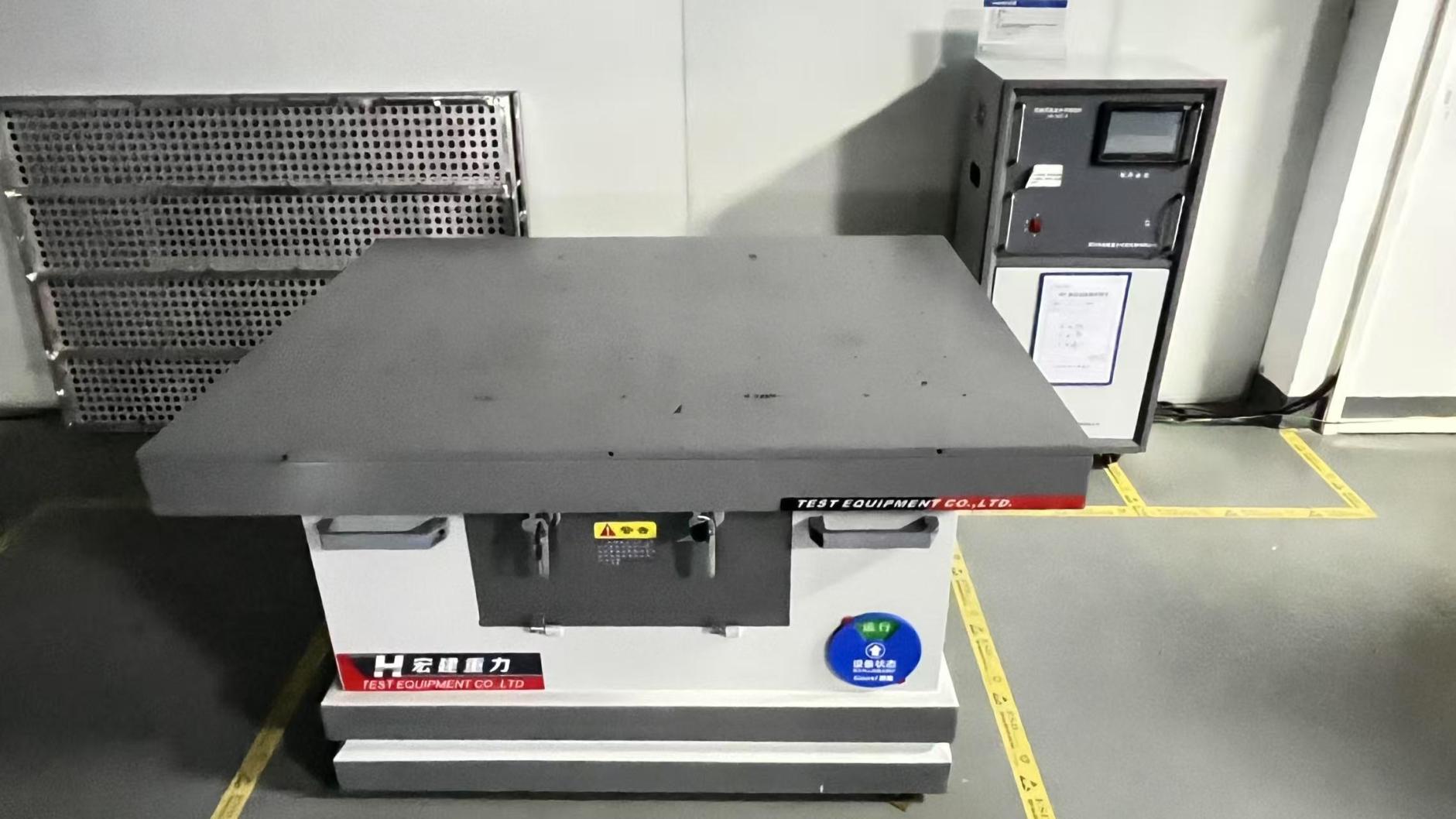
Vibration Bench
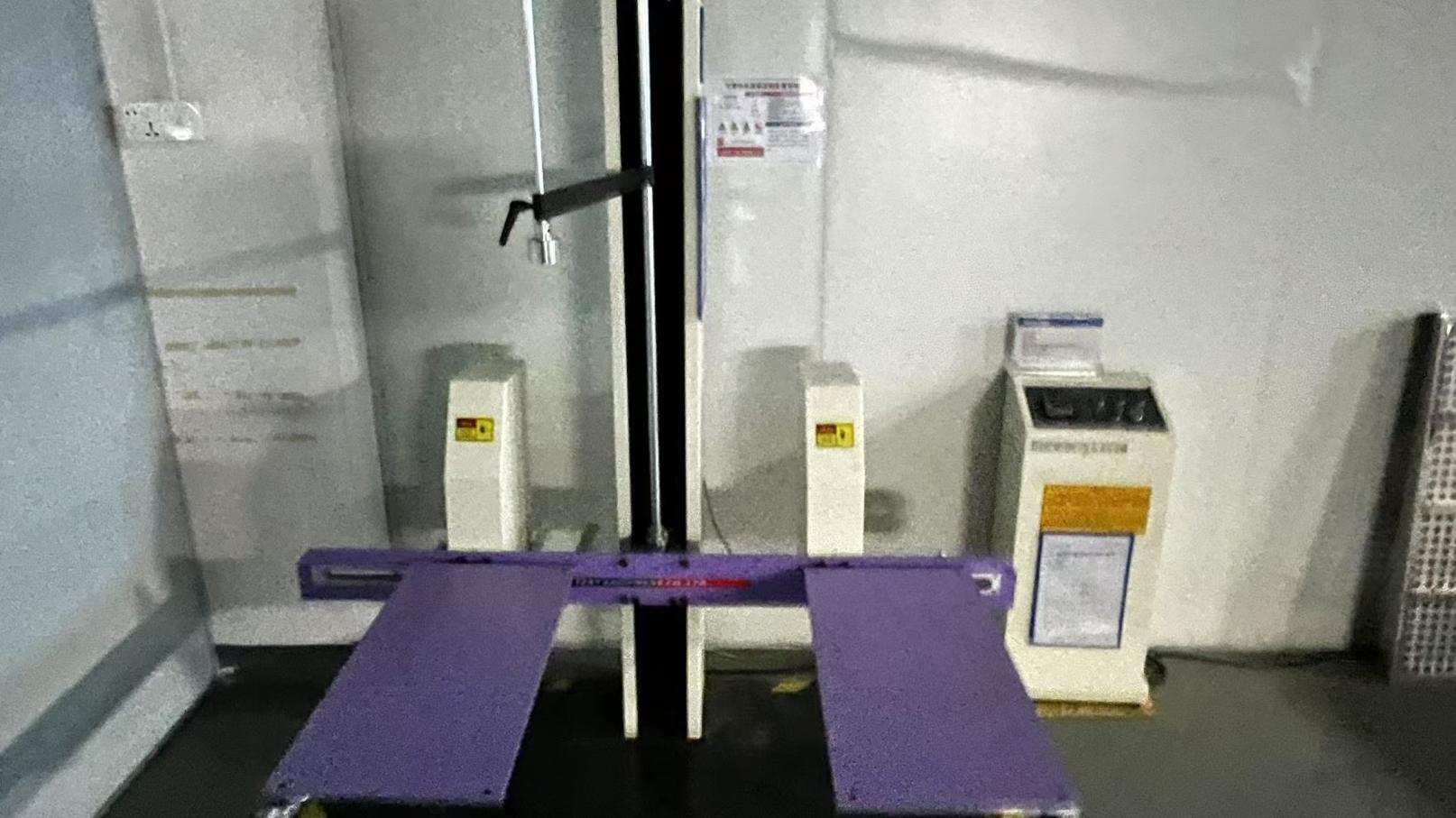
Packaging Drop Tester
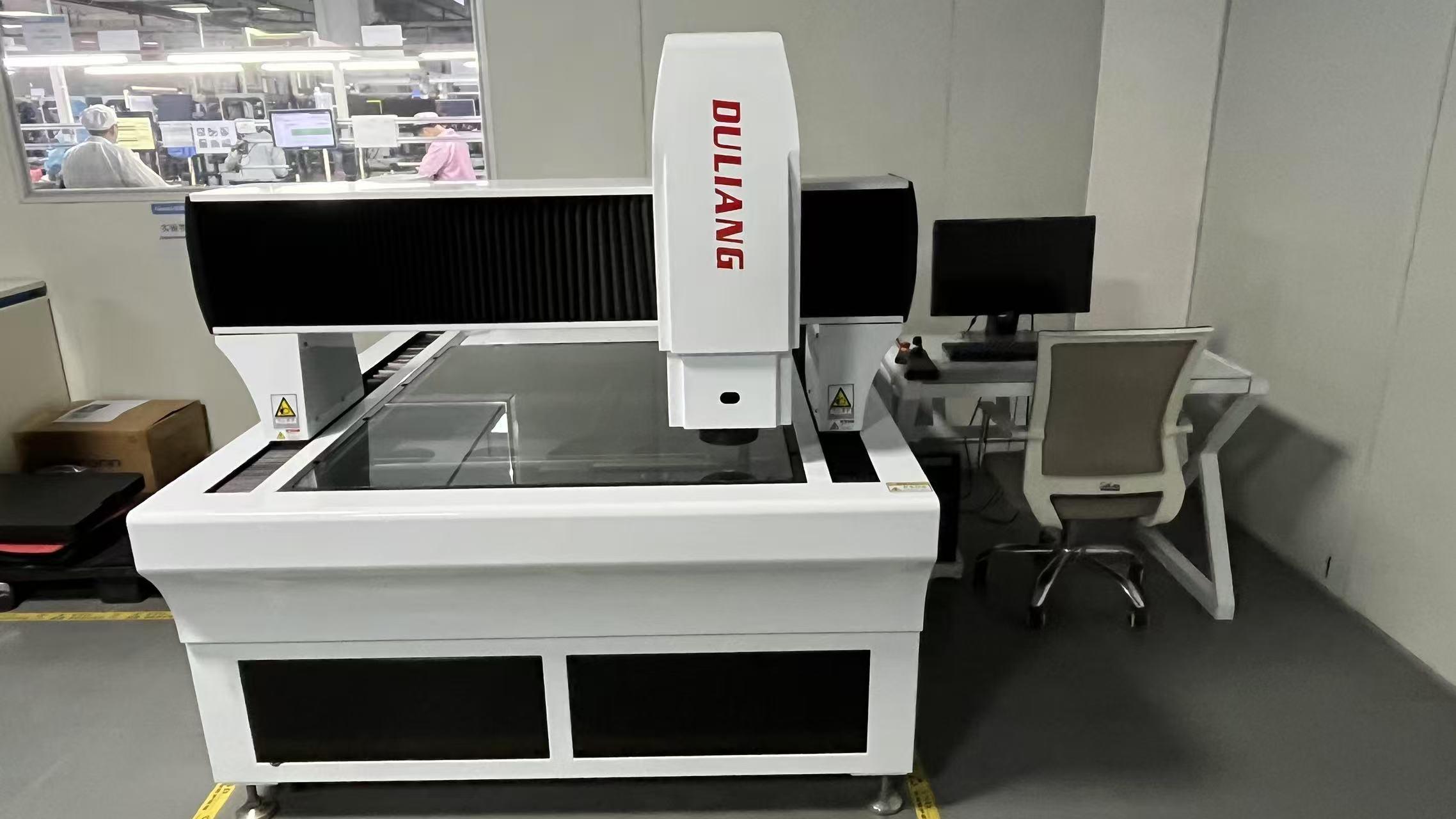
Coordinate Measuring Machine

PCBA X-Ray Inspection
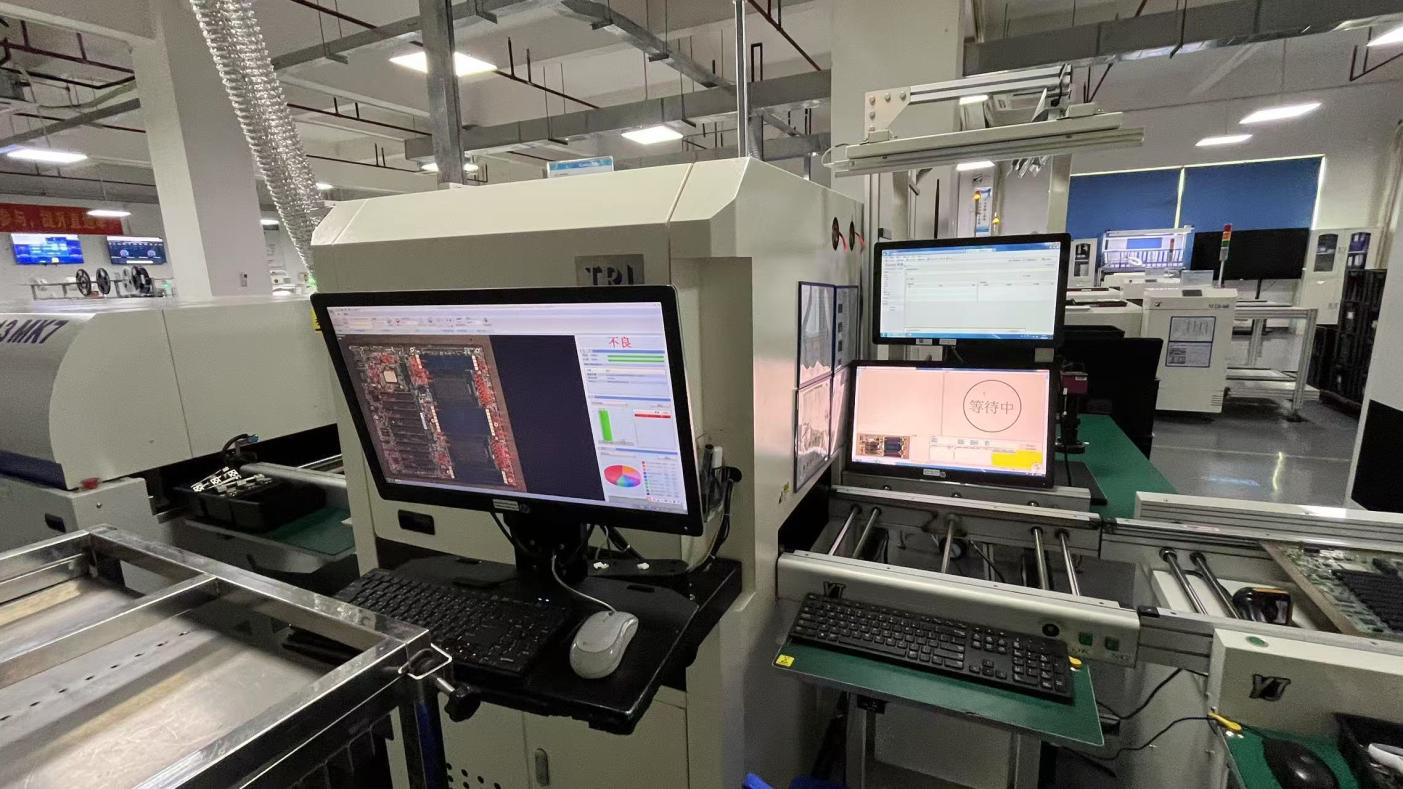
Final Quality Certification
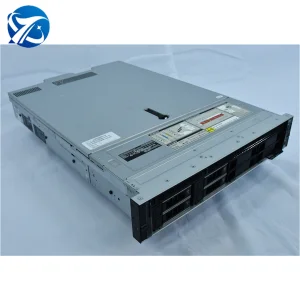
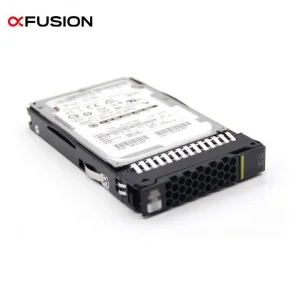
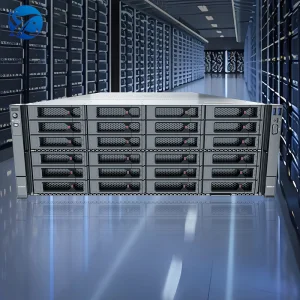
Reliable computing hardware configurations engineered for high-density datacenters and hybrid deployments.
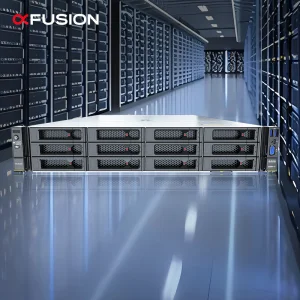
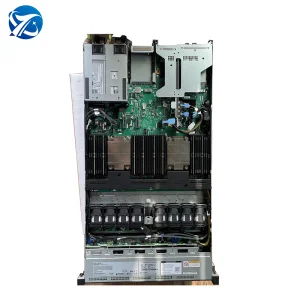
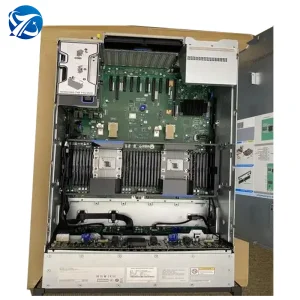
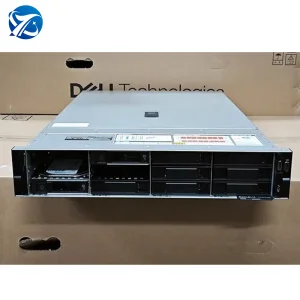
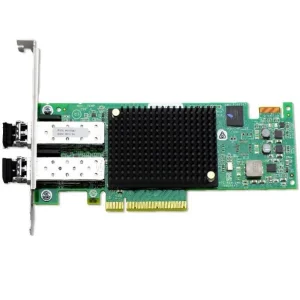
Completing your data pipeline with high-throughput interconnects and specialized processing nodes.
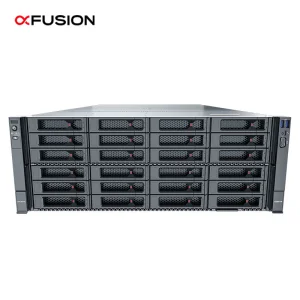
Addressing critical procurement, delivery, compatibility, and quality concerns.
A: All components, including our RDIMM memory modules and SATA/NVMe enterprise SSDs, are designed and manufactured strictly in compliance with JEDEC and NVMe specifications. We perform rigorous compatibility testing on widely used enterprise platforms, including Dell PowerEdge, HPE ProLiant, Lenovo ThinkSystem, and xFusion servers, ensuring seamless drop-in deployment.
A: Leveraging our 7 years of B2B export experience, we manage all required export documentation, including FCC and RoHS compliance certifications. Shipments from our facility to the Port of Seattle or Seattle-Tacoma International Airport (SEA) typically arrive within 3 to 7 business days via express air freight (DHL/UPS/FedEx), or 18 to 22 business days via maritime freight, with full customs clearance management.
A: Our QA system is managed by 45 dedicated QC personnel. We utilize a multi-stage testing protocol that includes Automated Optical Inspection (AOI), X-ray diagnostic analysis for BGA soldering integrity, high-temperature thermotank stress testing, vibration analysis, and full-system electrical burn-in. This process minimizes Infant Mortality Rates (IMR) before shipment.
A: Yes. Supported by our 120 R&D engineers, we offer extensive customization options, including custom GPU configurations, memory configurations, enterprise SSD storage tiering, branding, and operating system or driver pre-installations.
A: We provide a comprehensive enterprise warranty covering all memory modules, SSDs, and server systems. In the event of a component failure, our R&D team assists with diagnostics. Certified replacement parts are dispatched via priority air express to minimize downtime.
Connect with our engineering team to request custom configuration options, bulk pricing, and reliable delivery services to the Pacific Northwest.
Send Inquiry Now