ZhiCloud AI
ZhiCloud AI
ZhiCloud AI
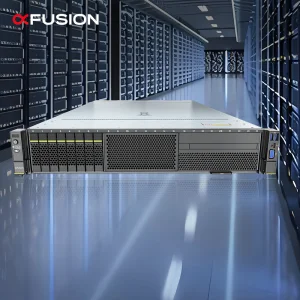
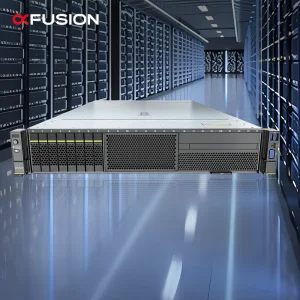
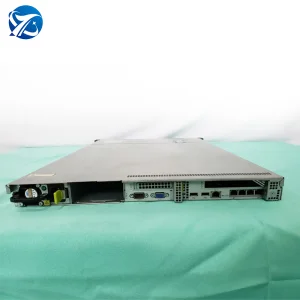
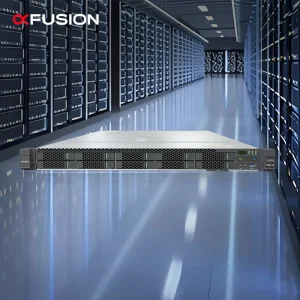
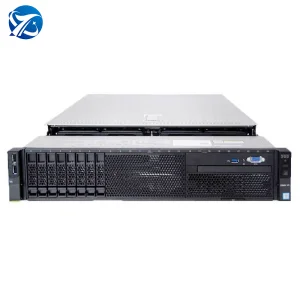
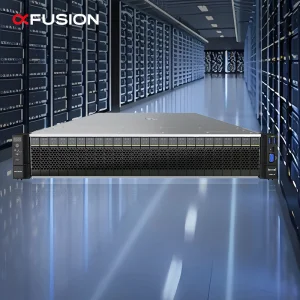
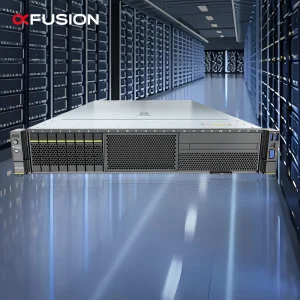
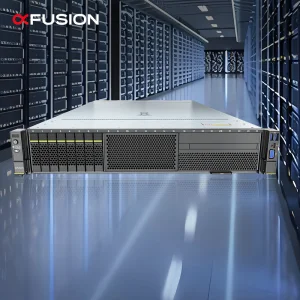
High-performance 1U/2U rack server designs optimized for deployment within Tokyo's premier colocation centers (such as Equinix, Digital Realty, and Telehouse).
Tokyo serves as a critical technological and financial nerve center for the Asia-Pacific region. As enterprises transition from legacy mainframes to scalable cloud structures, demand has surged for high-density, energy-efficient servers. The deployment of V6 Rack Servers within Tokyo's sub-districts, including Otemachi, Toyosu, and the outlying data center hubs in Inzai (Chiba prefecture), highlights a broader transformation: the convergence of hyperscale computing, private enterprise clouds, and high-performance computing (HPC) pipelines.
This market environment imposes specific constraints on local infrastructure managers. High real estate costs and power density limits in urban Tokyo data centers dictate that computing units must optimize performance-per-watt metrics. V6 Rack Servers, equipped with 3rd Generation Intel Xeon Scalable Processors, address these demands. Featuring built-in accelerators like Intel DL Boost (Deep Learning Boost) and advanced vector extension architectures (AVX-512), these servers deliver processing capabilities within small footprints. This efficiency is critical for Tokyo-based financial institutions, research universities, and AI development labs running low-latency workloads.
Furthermore, Tokyo's stringent electrical grid requirements demand power supplies that maintain peak efficiency under varying loads. The integration of 80 Plus Platinum and Titanium power supply units (PSUs) within V6 server architectures reduces thermal waste, allowing Tokyo data centers to lower their overall Power Usage Effectiveness (PUE) ratios while supporting complex enterprise workloads.
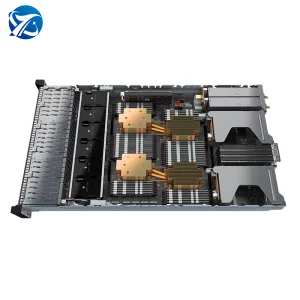
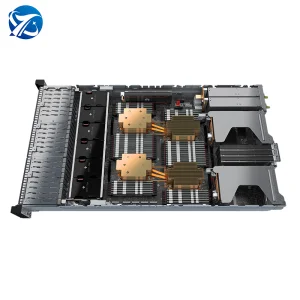
The technical architecture of the V6 Server series represents a major evolution in x86 computing. Built on the Intel Ice Lake microarchitecture (and Cooper Lake for 4-socket variants), these platforms offer hardware-level security, high memory bandwidth, and expansion options tailored to modern workloads. Key technical details include:
V6 Rack Servers feature 8 memory channels per CPU, supporting up to 3200 MT/s DDR4 ECC memory modules. When fully populated, a dual-socket 2U V6 chassis (such as the 2288H V6) provides up to 32 DDR4 DIMM slots, accommodating memory configurations that support in-memory databases and large virtualized environments. The integration of PCIe Gen 4.0 technology doubles the data throughput compared to legacy Gen 3.0 interfaces, supporting up to 16 GT/s per lane. This ensures that high-speed network interfaces (e.g., 100G/200G InfiniBand or Ethernet cards) and NVMe storage controllers operate without bandwidth bottlenecks.
In highly regulated markets like Tokyo, data confidentiality is critical. V6 servers incorporate Intel Software Guard Extensions (SGX), enabling hardware-based enclave execution environments. These enclaves isolate sensitive application code and data in memory, shielding them from unauthorized access or hypervisor compromise. Additionally, integrated cryptographic accelerators speed up data encryption and decryption, reducing performance overhead during secure network transmissions.
Energy conservation is key to sustainable operations in modern datacenters. ZhiCloud AI's V6 server platforms leverage Dynamic Energy Management Technology (DEMT) to monitor real-time component utilization. By adjusting voltage and frequency scaling dynamically across CPUs, memory components, and cooling fans, DEMT minimizes idle power consumption while maintaining processing capacity. Coupled with intelligent PID fan control algorithms, the server's multi-zone cooling architecture adapts to variable workloads, protecting hardware longevity and reducing utility expenses.
DDR4 Memory Speed
High-Speed Bus Architecture
Throughput per Lane
PSU Conversion Efficiency
As enterprise computing demands shift toward generative AI, machine learning, and high-density virtualization, hardware must evolve to match these workloads. The V6 Rack Server series supports multiple deployment roles across modern business environments:
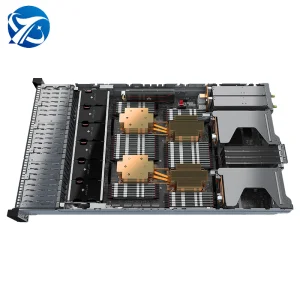
Large language models (LLMs) like DeepSeek and modern transformer networks require significant computing capacity and low-latency storage architectures. High-density GPU servers (such as the FusionServer 2488H V6 or GPU-configured 2288H V6) provide the compute density needed for local inference pipelines. By pairing multi-socket server nodes with enterprise-grade PCIe GPUs, Tokyo-based AI startups and research institutes can run model inference, vector database indexing, and fine-tuning workloads on-premises. This helps keep proprietary corporate data within local security boundaries.
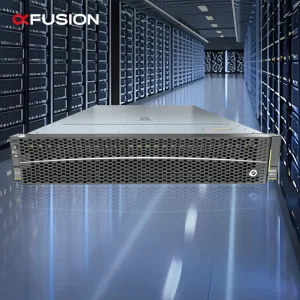
Legacy IT architectures often result in siloed compute and storage pools. By deploying systems like the xFusion Hyperconverged Infrastructure 2U Server Rack, organizations can bundle virtualization compute, storage, and networking into a single node. V6-based HCI deployments allow Tokyo enterprises to quickly scale out computing capacity. If compute demand grows, administrators can add another node to the cluster, ensuring predictable scaling for virtual desktop infrastructures (VDI), database environments, and dev-test pipelines.
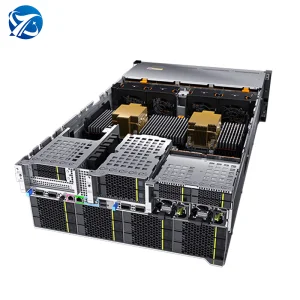
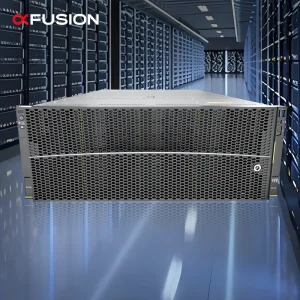
For organizations managing large amounts of unstructured data—such as high-resolution video assets, financial trade logs, or scientific telemetry—the V6 storage series (like the 5288 V6) offers high capacity in a standard rack format. Supporting up to 36 3.5-inch SAS/SATA drives in a 4U enclosure, these platforms act as high-density storage servers. This capability allows Tokyo cloud providers to build scale-out object storage pools and high-availability backup systems, maintaining fast access times and data redundancy.
ZhiCloud AI (Shenzhen Intelligent Computing Cloud Technology Co., Ltd.) leverages Shenzhen's manufacturing ecosystem to build and deliver servers globally. Since our founding in 2016, we have optimized our facilities to ensure fast, reliable production of advanced computing systems.
Operating a specialized production facility spanning 320㎡, ZhiCloud AI focuses on system assembly, custom hardware integration, and thorough testing. With over 1,200 strategic supply chain partners, we maintain reliable access to key components like high-grade PCBs, server chassis, power supplies, and custom cooling modules. This deep network helps protect our production lines from component shortages and ensures stable pricing for our customers.
Our operation is supported by 120 R&D engineers who focus on system architecture, thermal optimization, and firmware customization. Last year alone, this team introduced approximately 180 new product variants. Supported by 45 dedicated quality control (QC) specialists and 11 years of industry experience, every server undergoes multi-stage inspections before shipment. This robust setup allows ZhiCloud AI to generate an annual export volume of USD 12 million, delivering high-performance computing hardware to clients in North America, Europe, Southeast Asia, and Japan.
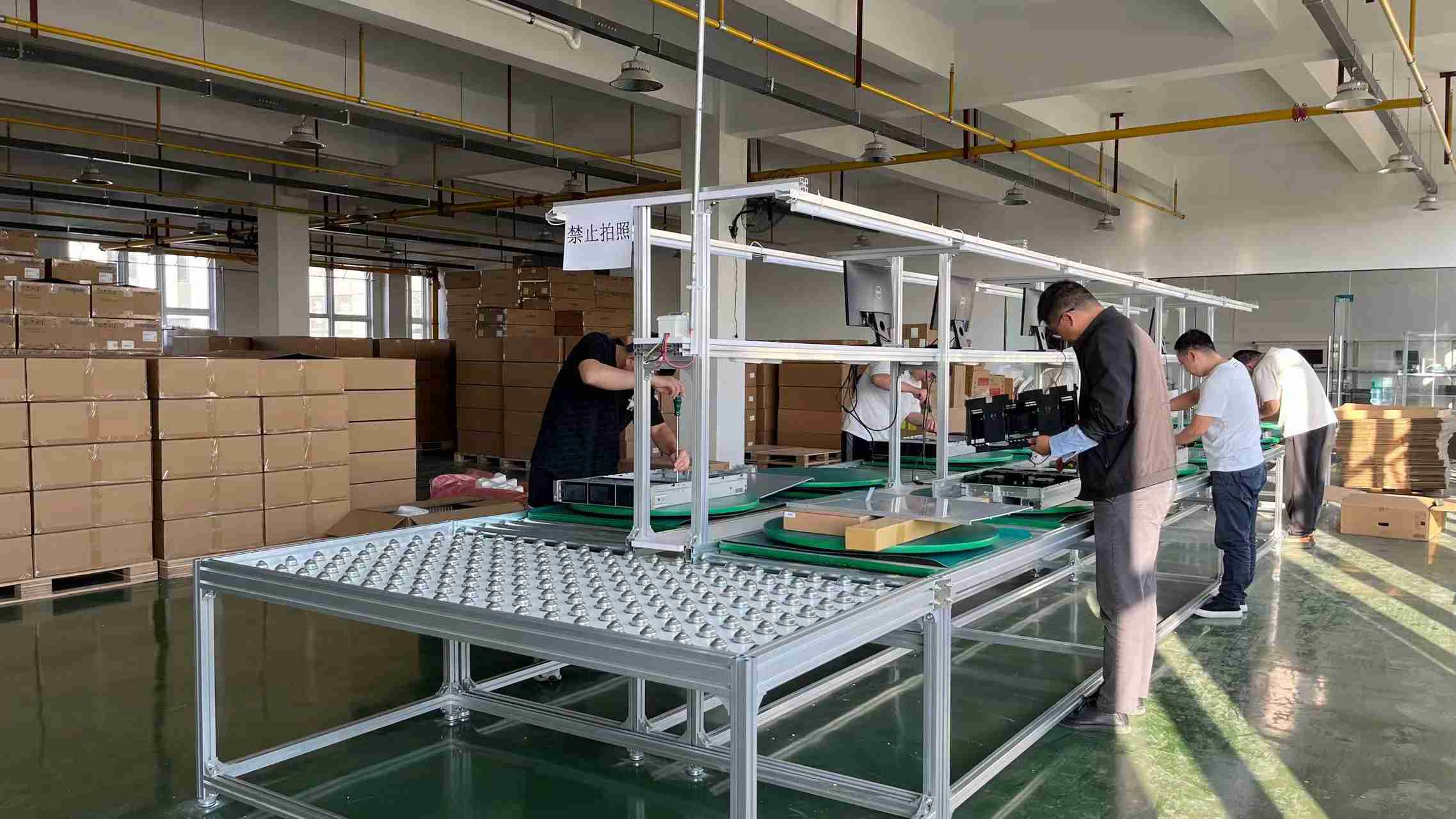 Production Hub
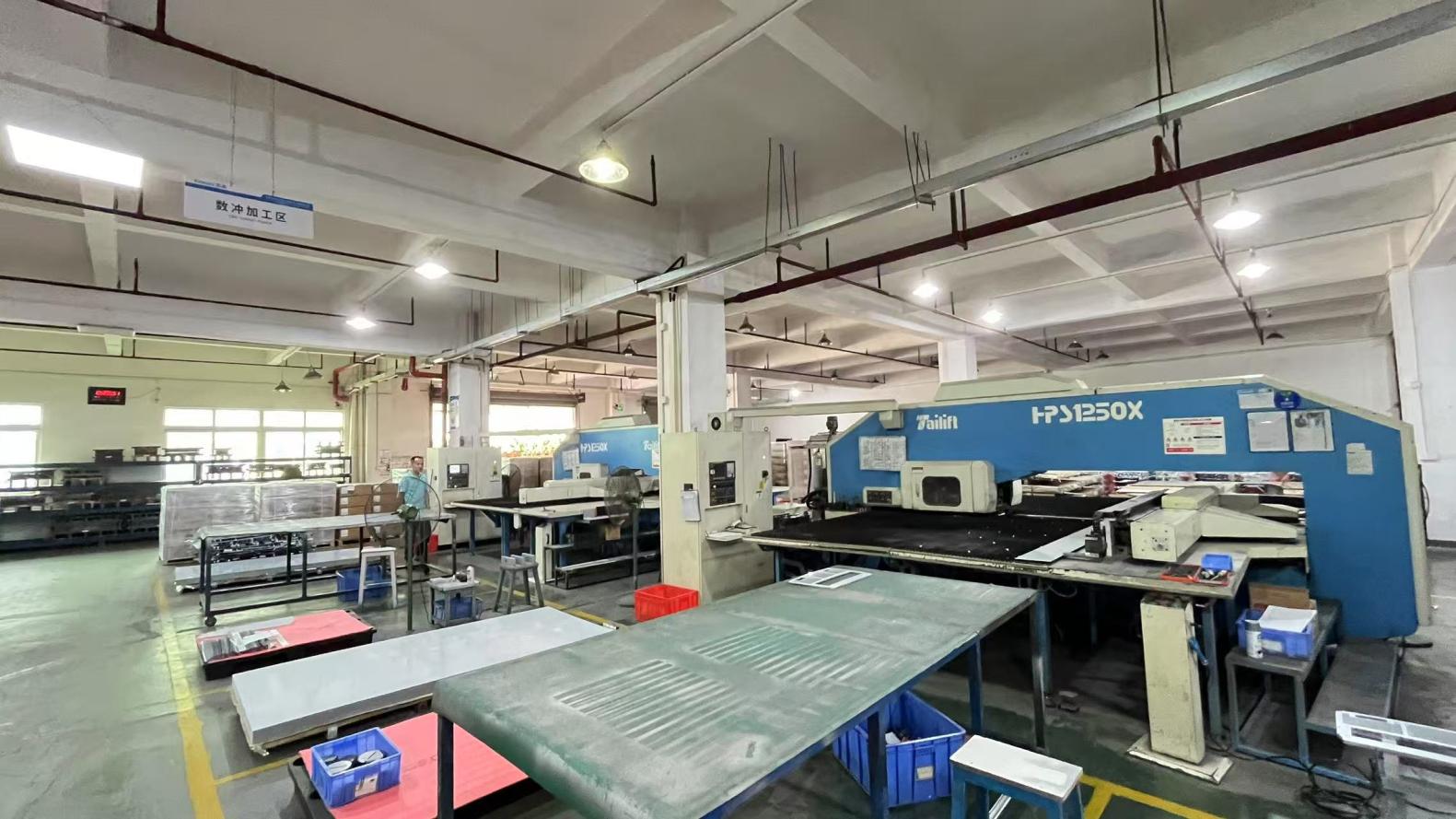 Material Cutting
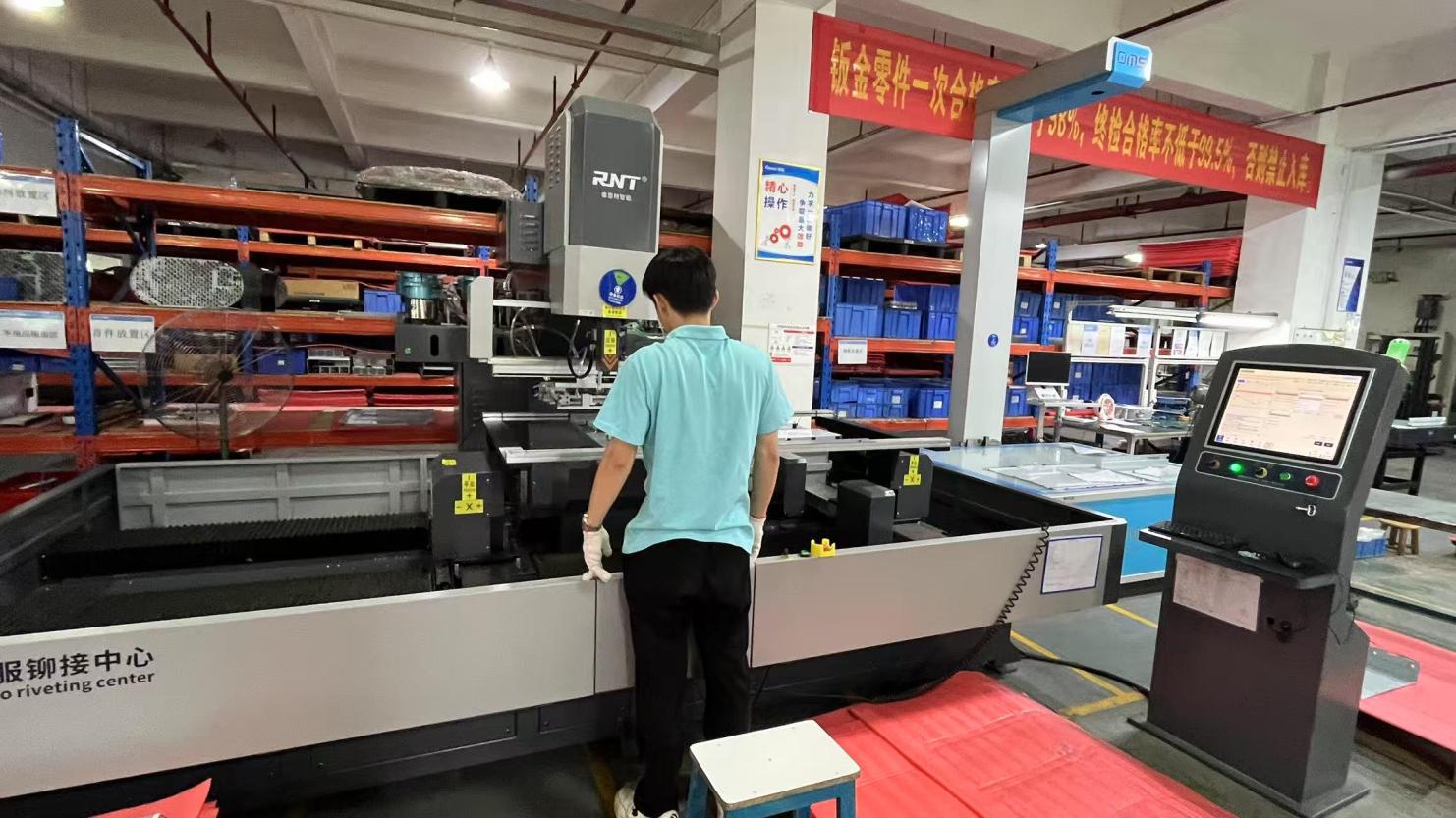 Riveting
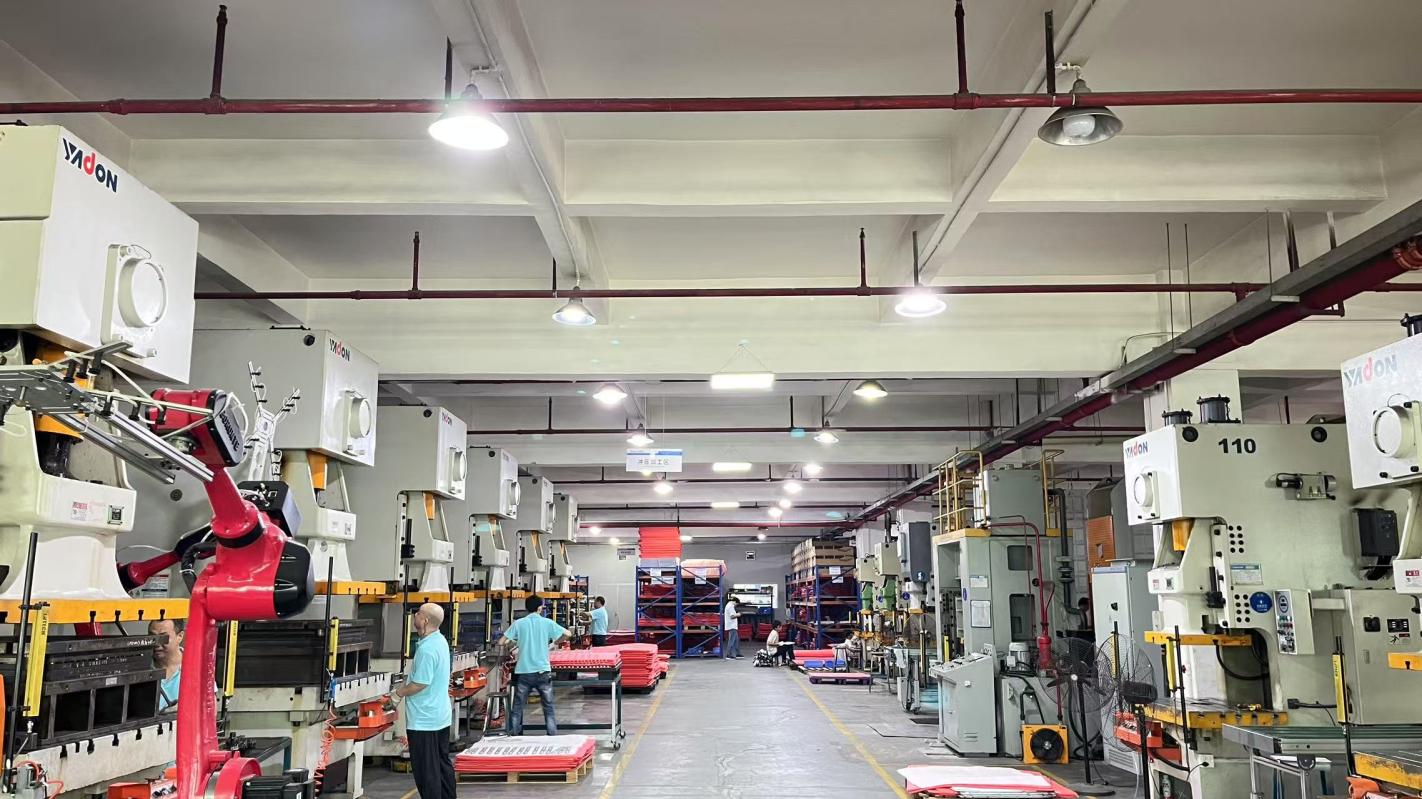 Stamping
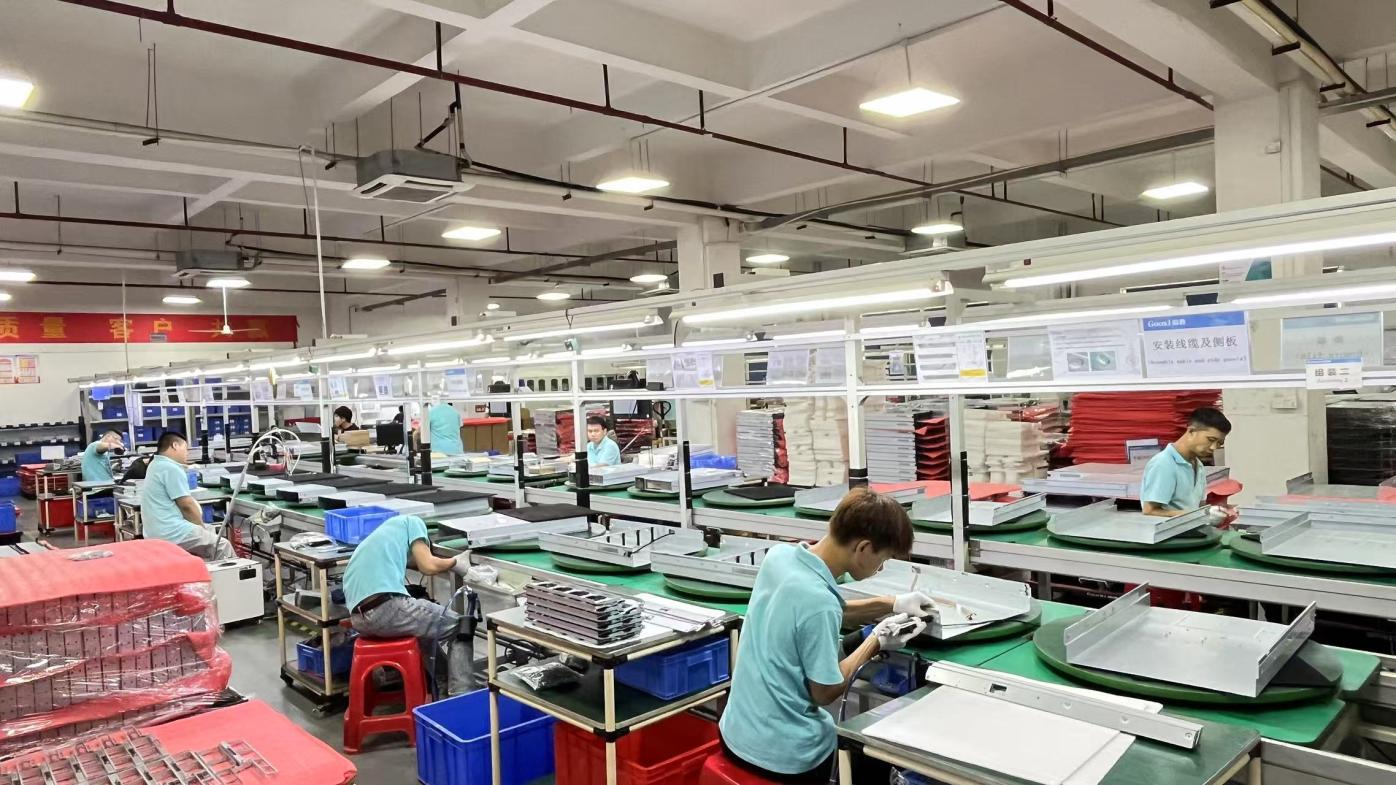 Housing Assembly
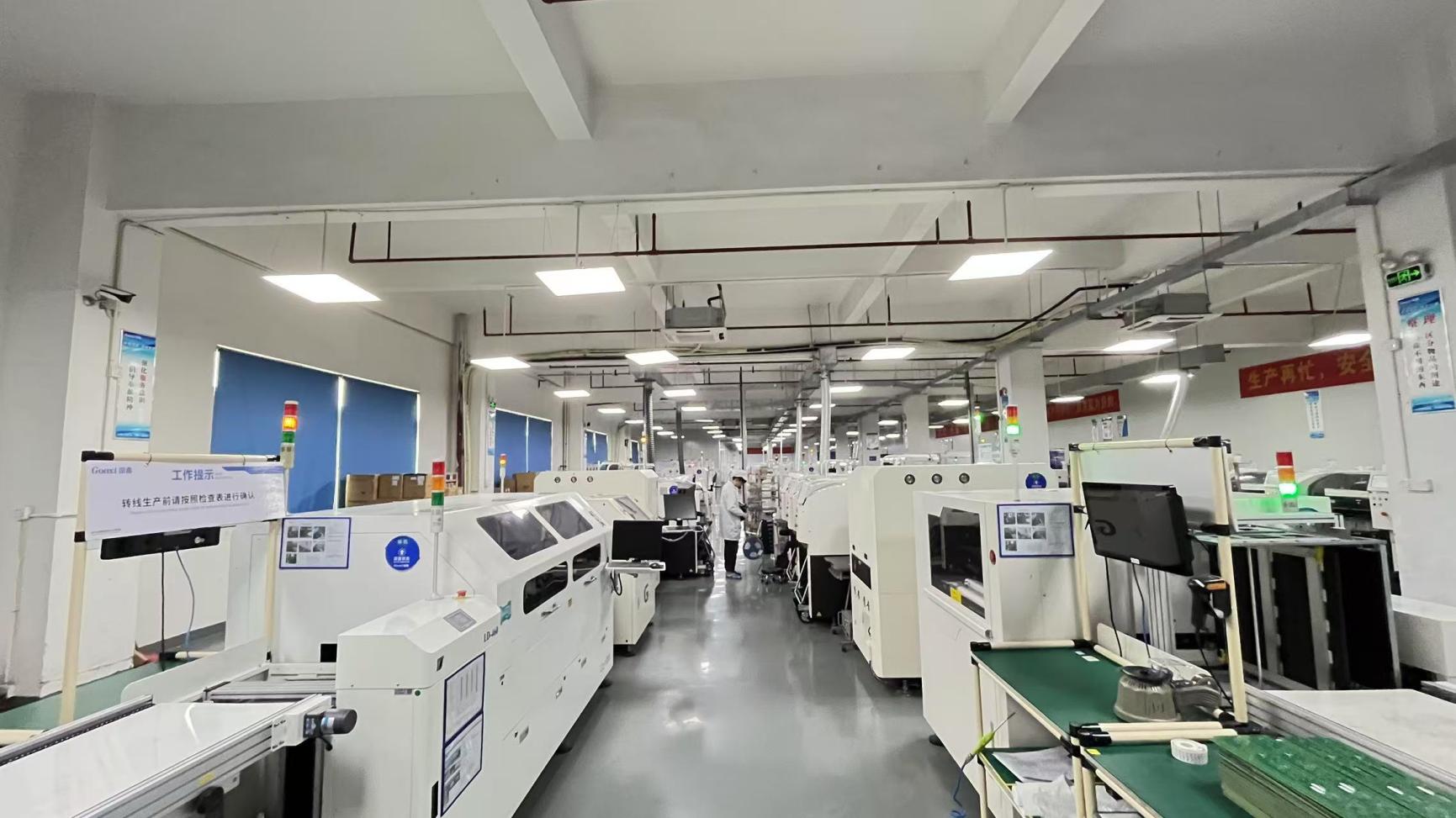 SMT Line
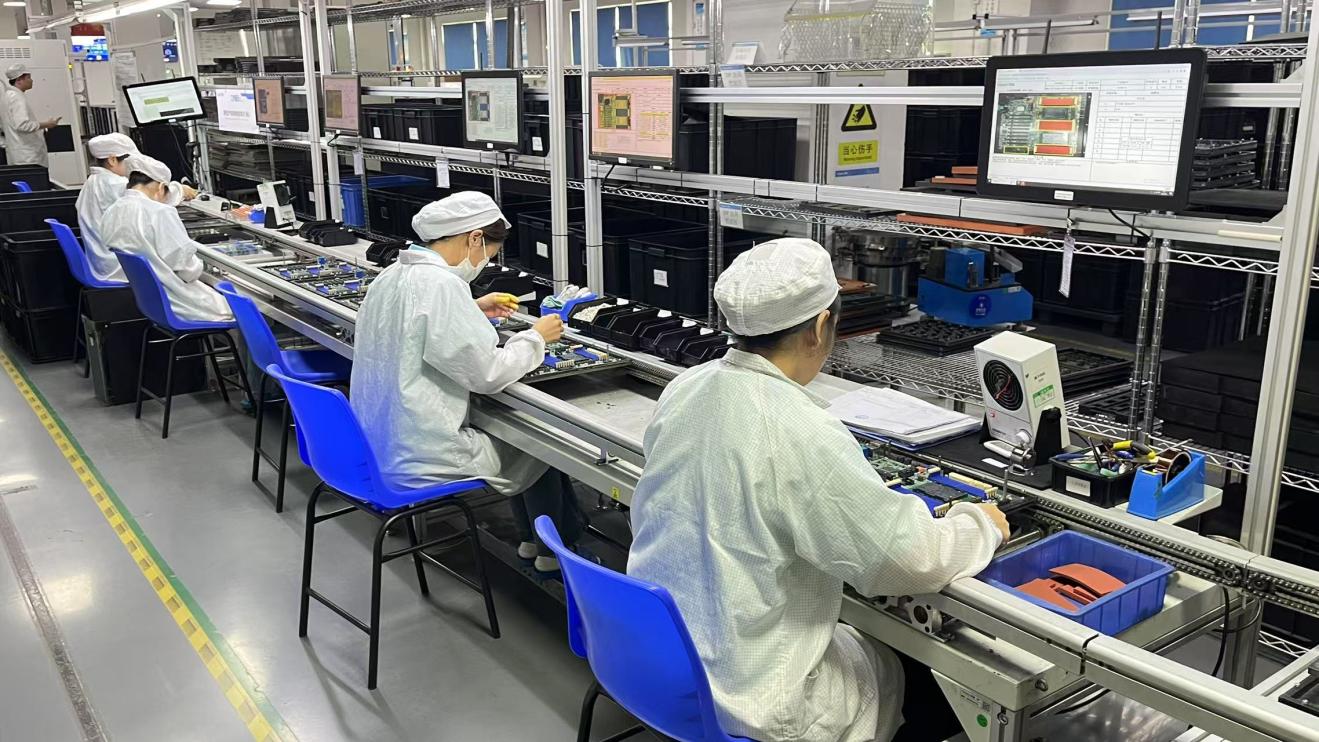 MI Stage
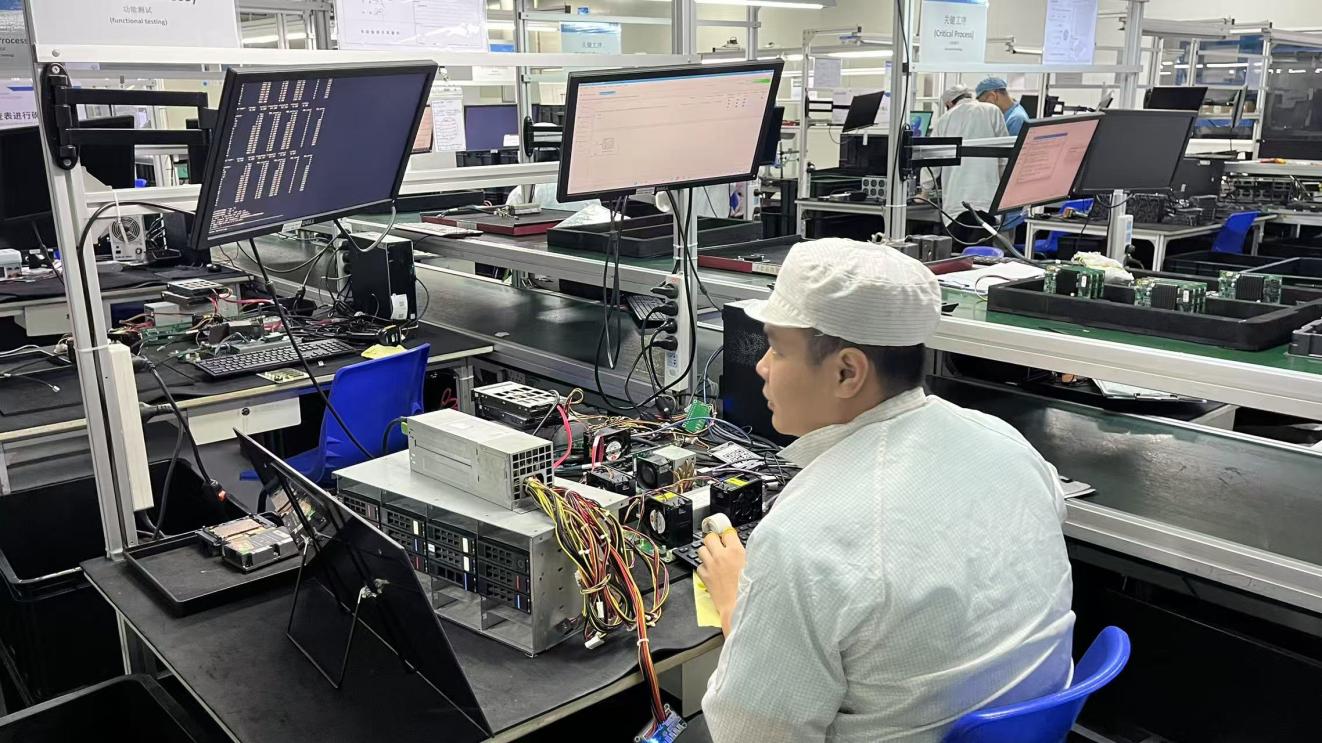 PCBA Testing
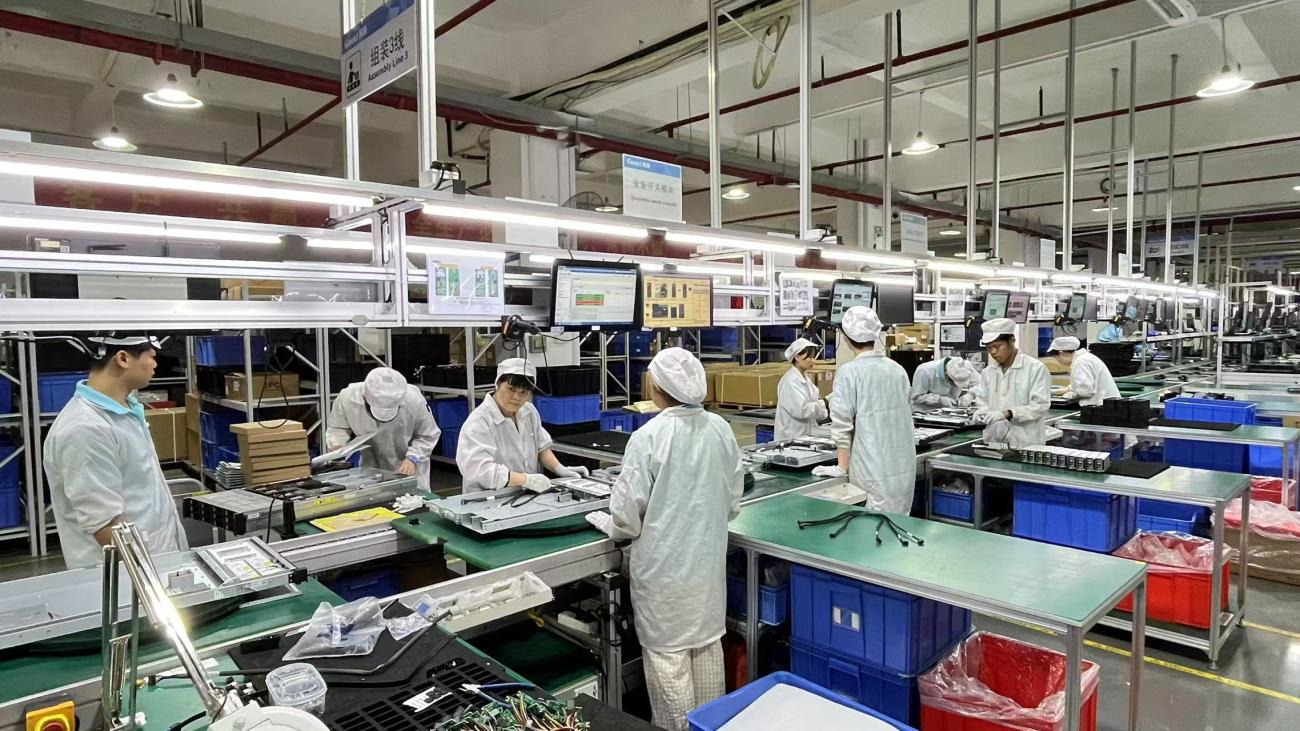 Final Assembly
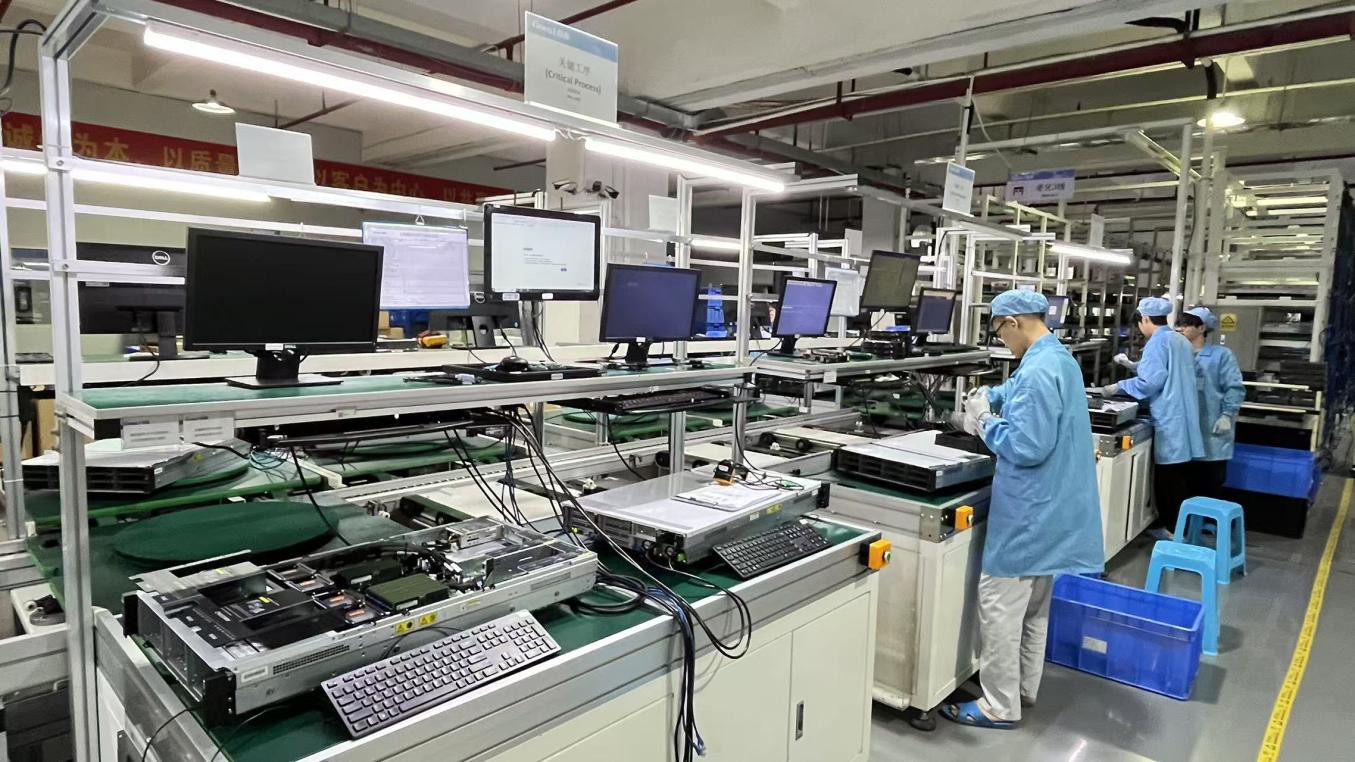 System testing
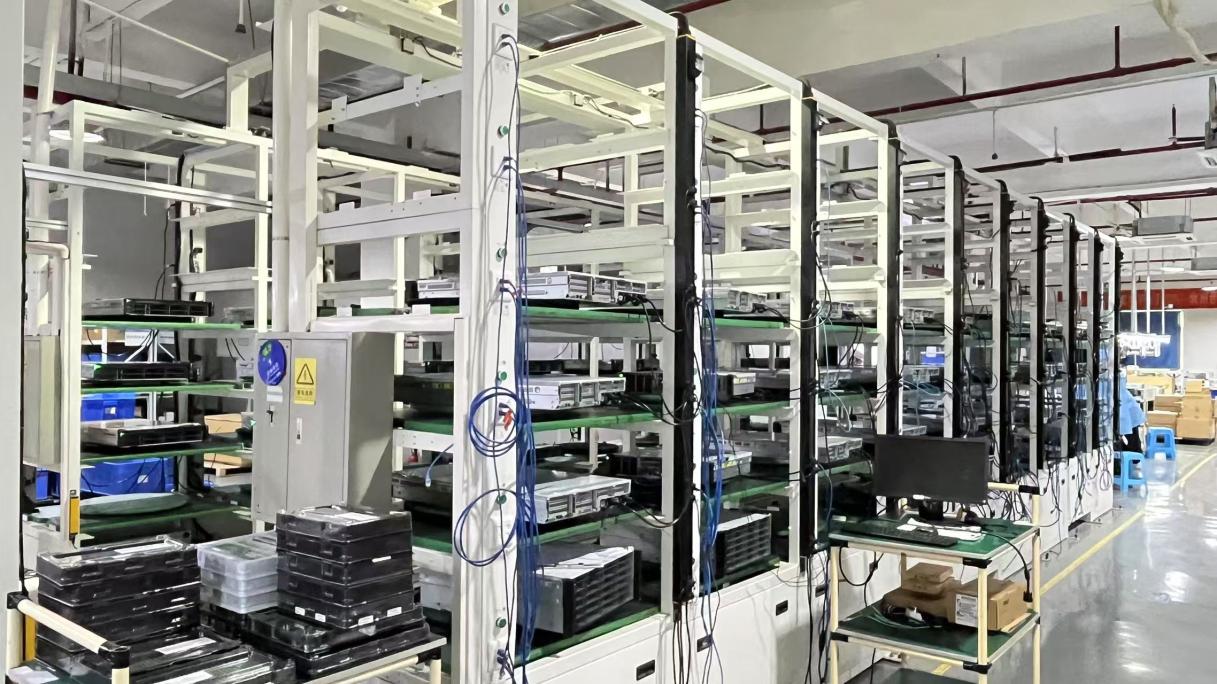 Burn-In / Aging Test
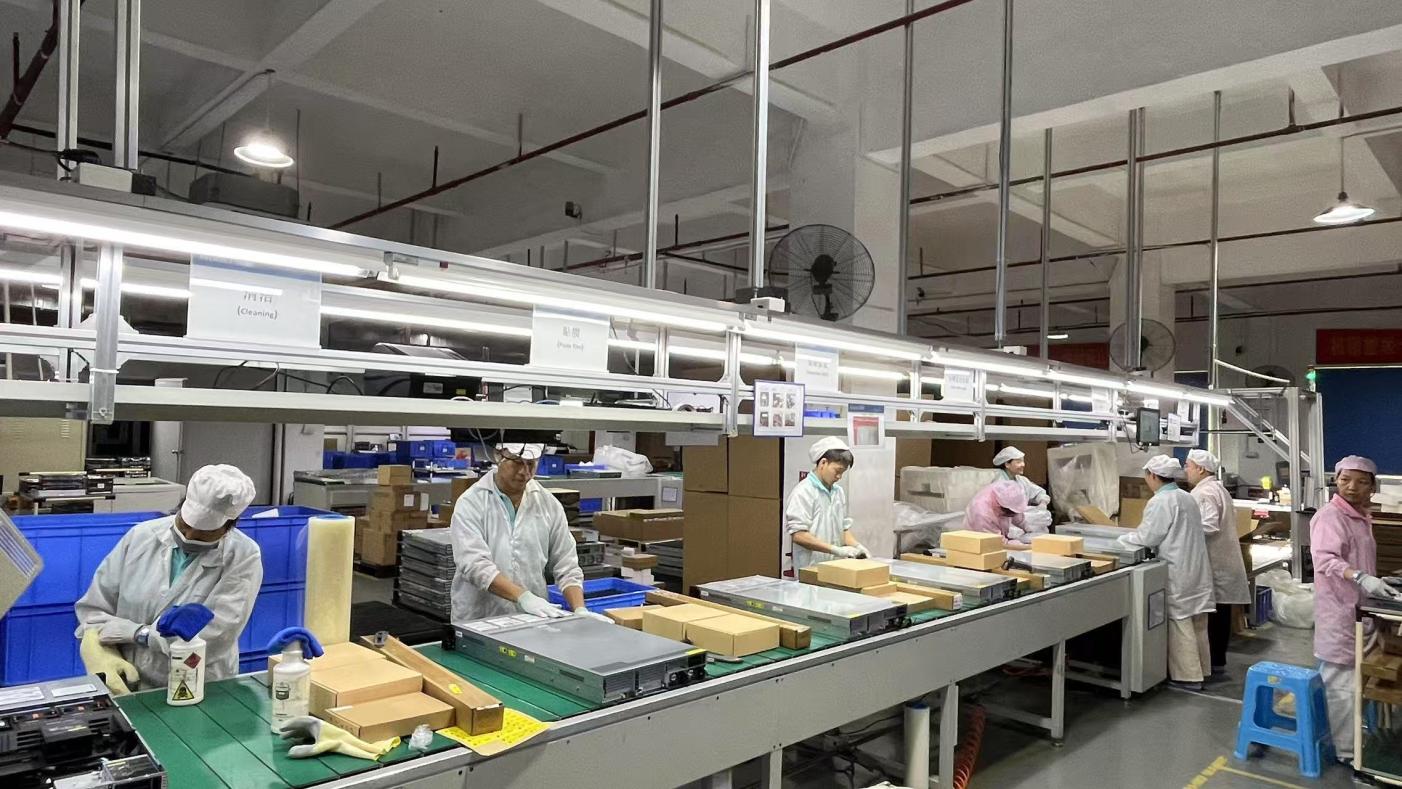 Secured Packaging
To ensure high performance and reliability, ZhiCloud AI subjects all server units to a comprehensive series of testing procedures. Our quality control system uses specialized equipment to test products across several categories:
Before assembly, component parts are processed using precision machinery, including Bending Machines, Laser Cutters, and Riveting Centers. The assembled server chassis are then tested on Vibration Testers and Drop Testers to verify structural integrity, ensuring they can safely withstand the transit conditions of international transport.
Assembled servers run at full compute capacity inside specialized Thermotanks. These chambers cycle through high-temperature and high-humidity environments to detect marginal components or thermal bottlenecks. Additionally, hardware components are tested in Salt Spray Testers to evaluate corrosion resistance and verify materials will perform reliably in different climate conditions.
Coordinate Measuring Machines (CMM) analyze physical components to ensure they meet correct dimensional tolerances. Internal solder joints, micro-vias, and layered PCBs are inspected using high-resolution X-ray systems to find hidden air pockets, bridging, or structural imperfections. This thorough testing helps ensure high reliability and consistent performance once the systems are deployed.
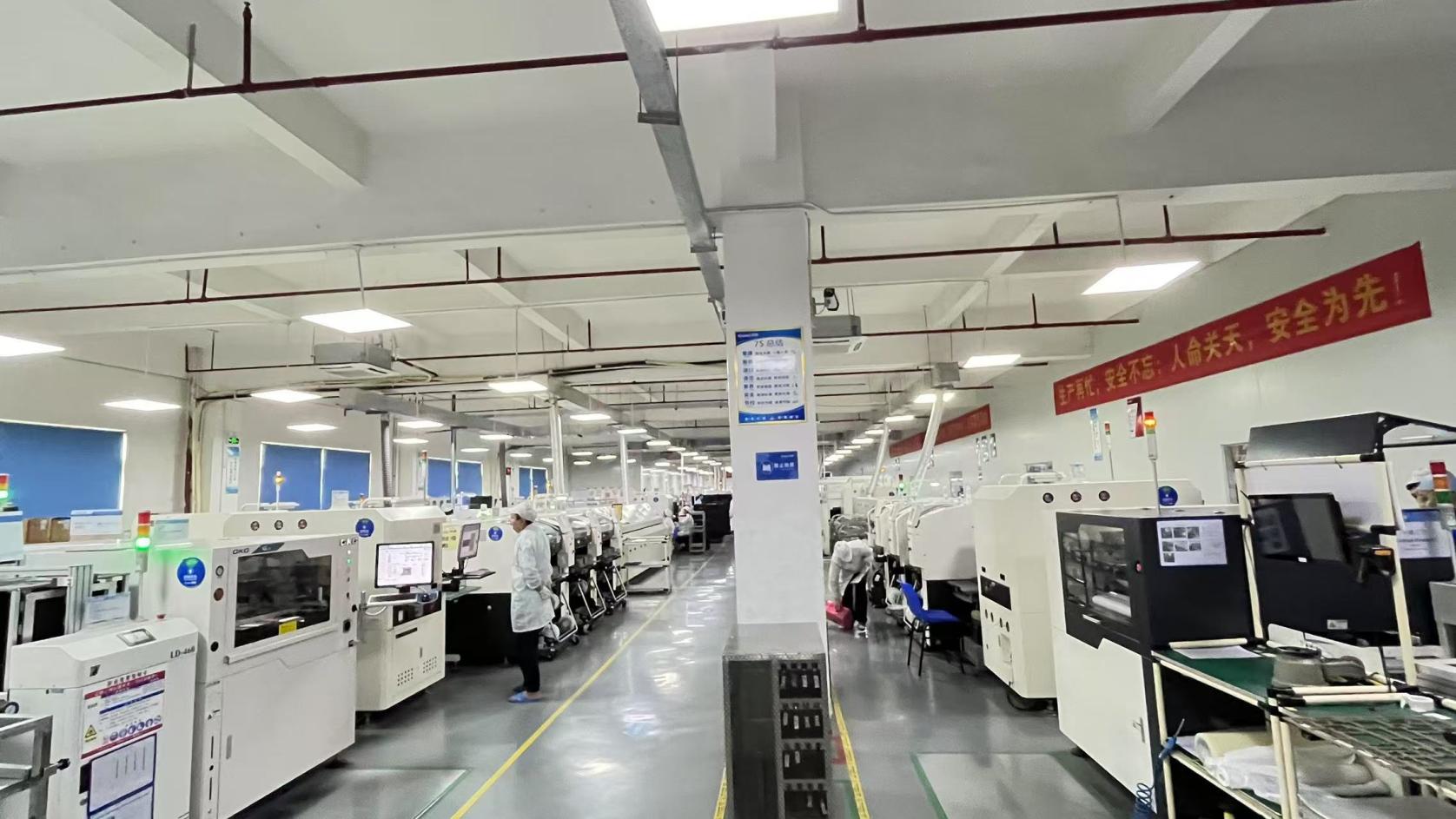 Precision SMT Line
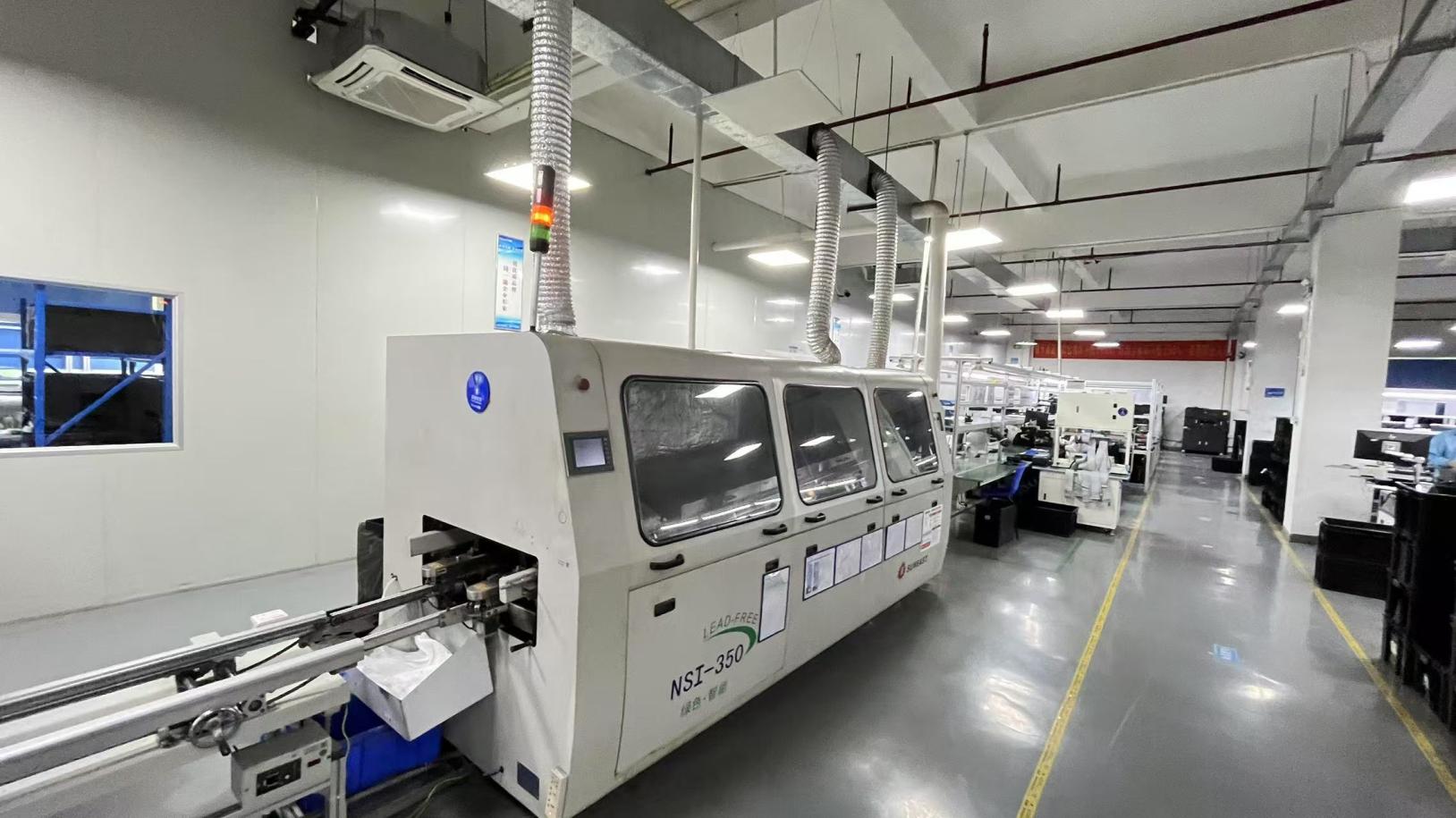 Reflow Soldering
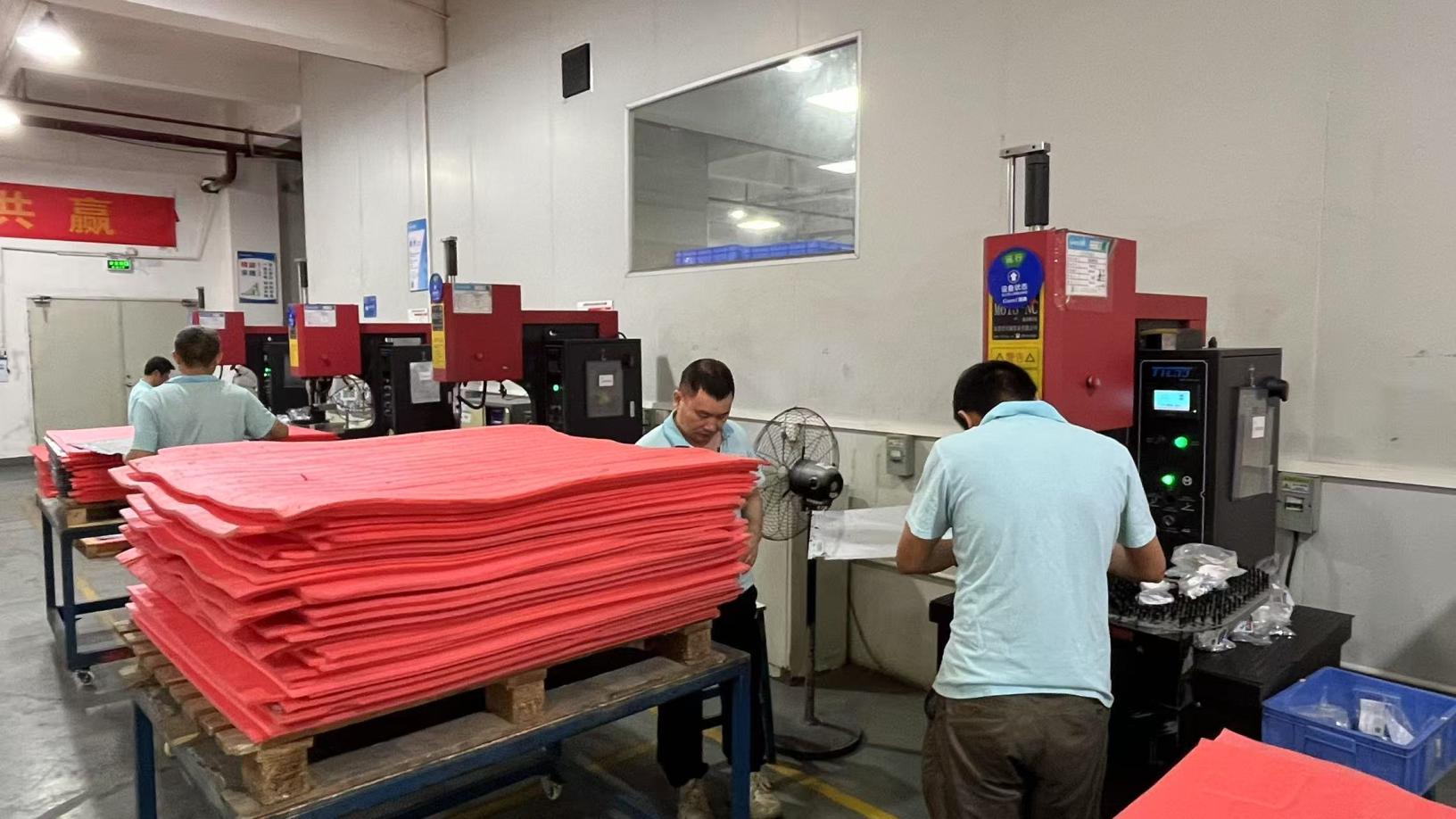 Rivet Machine
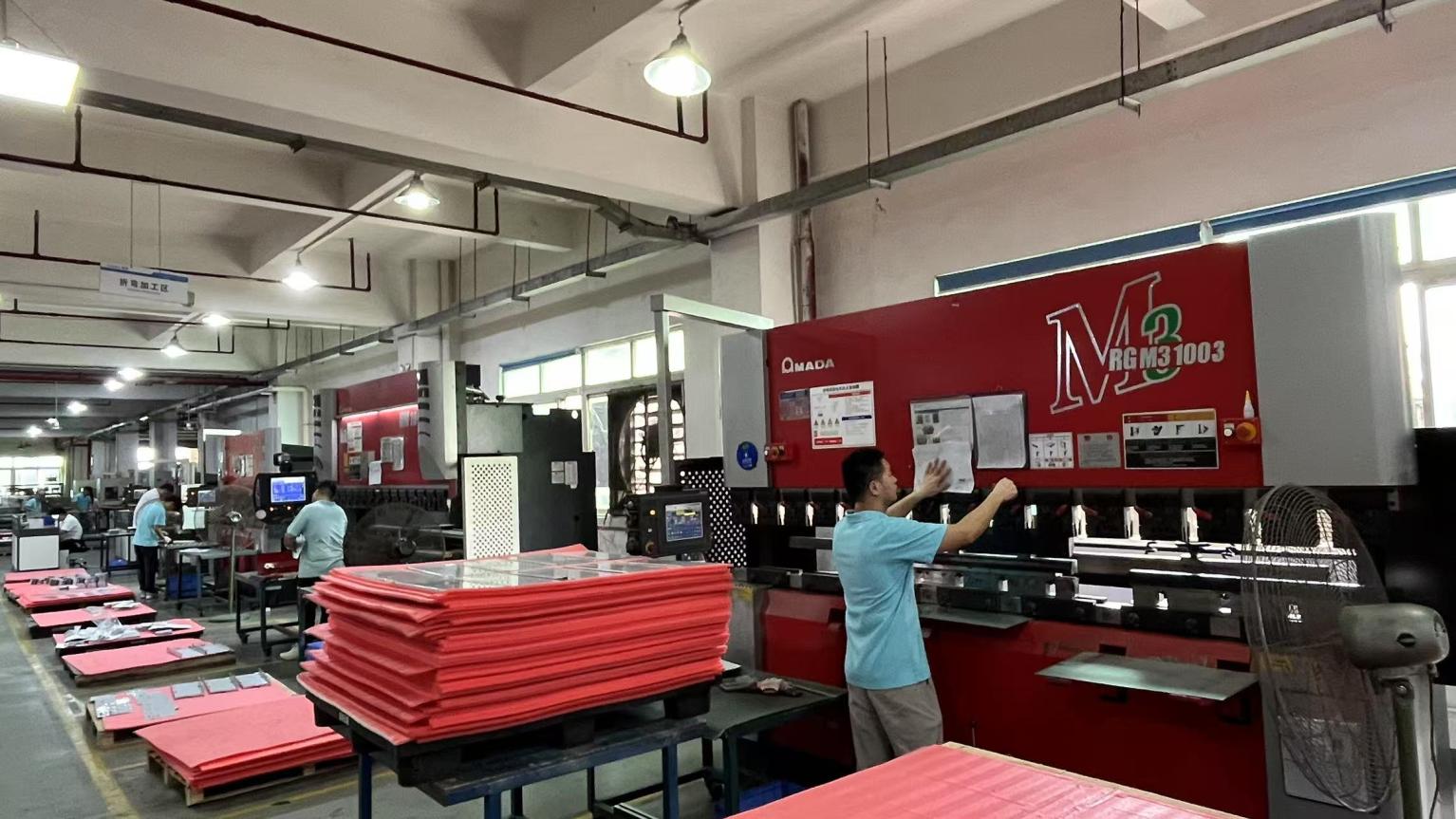 Bending Machine
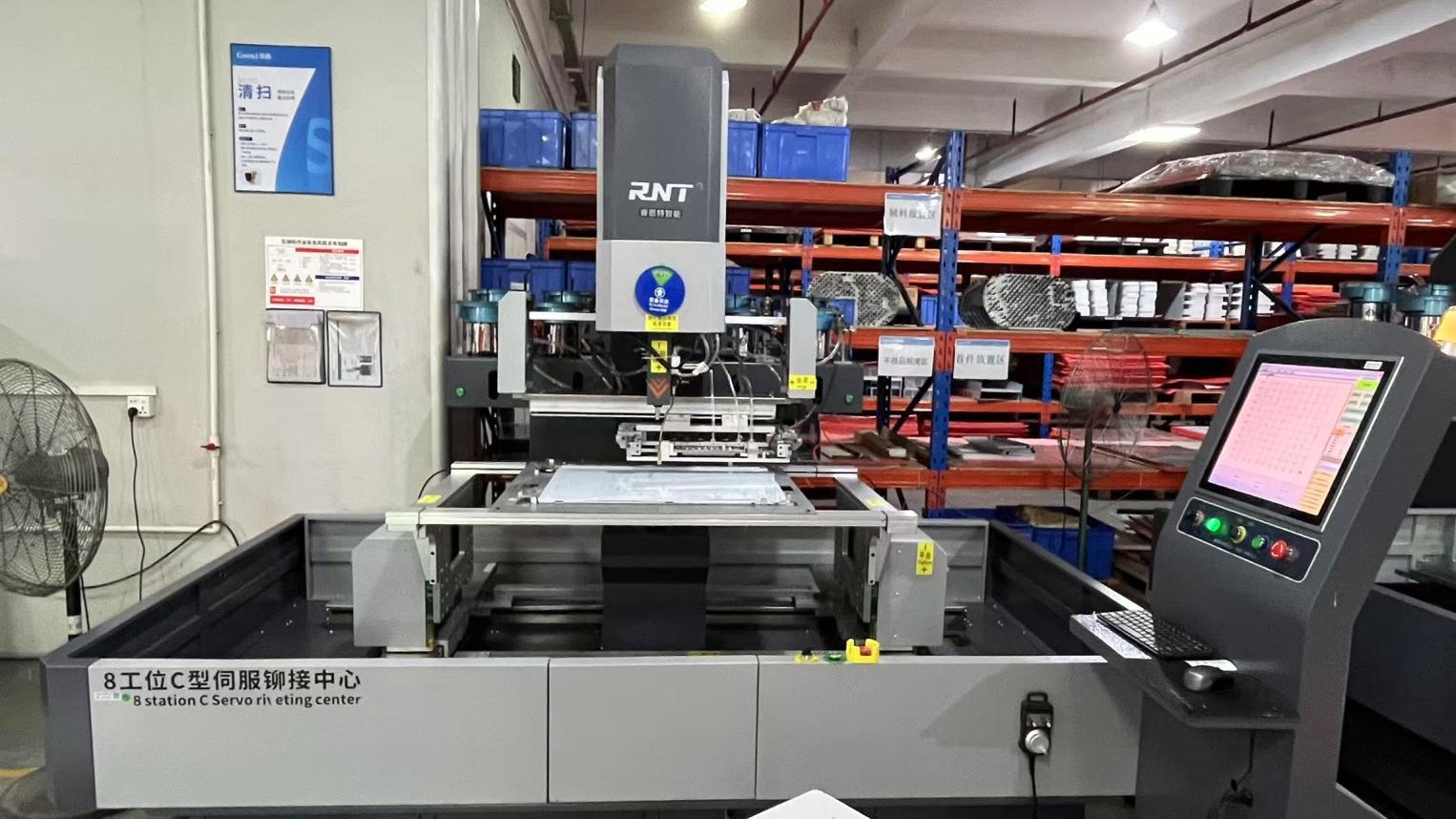 Riveting Center
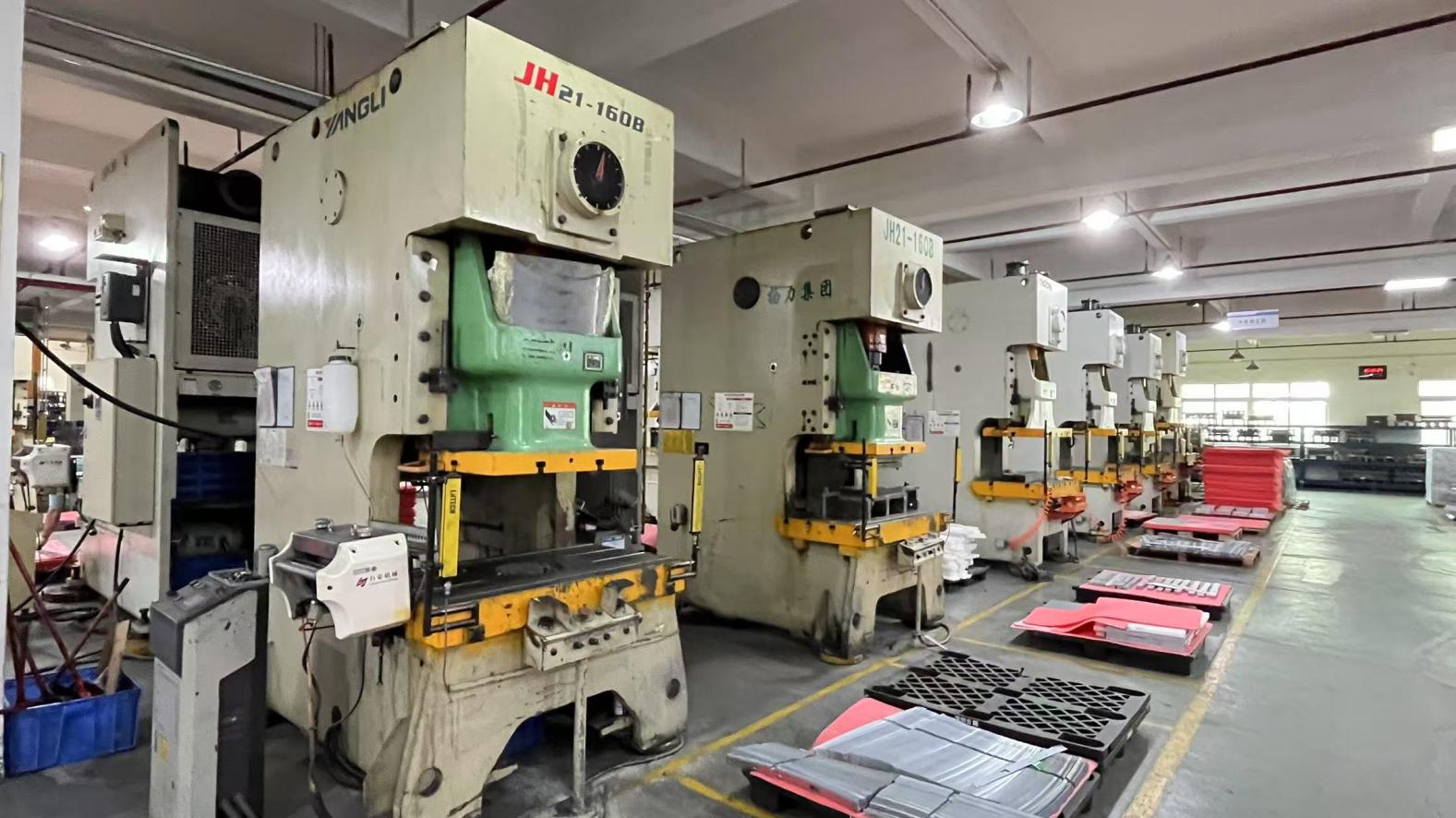 Stamping Machine
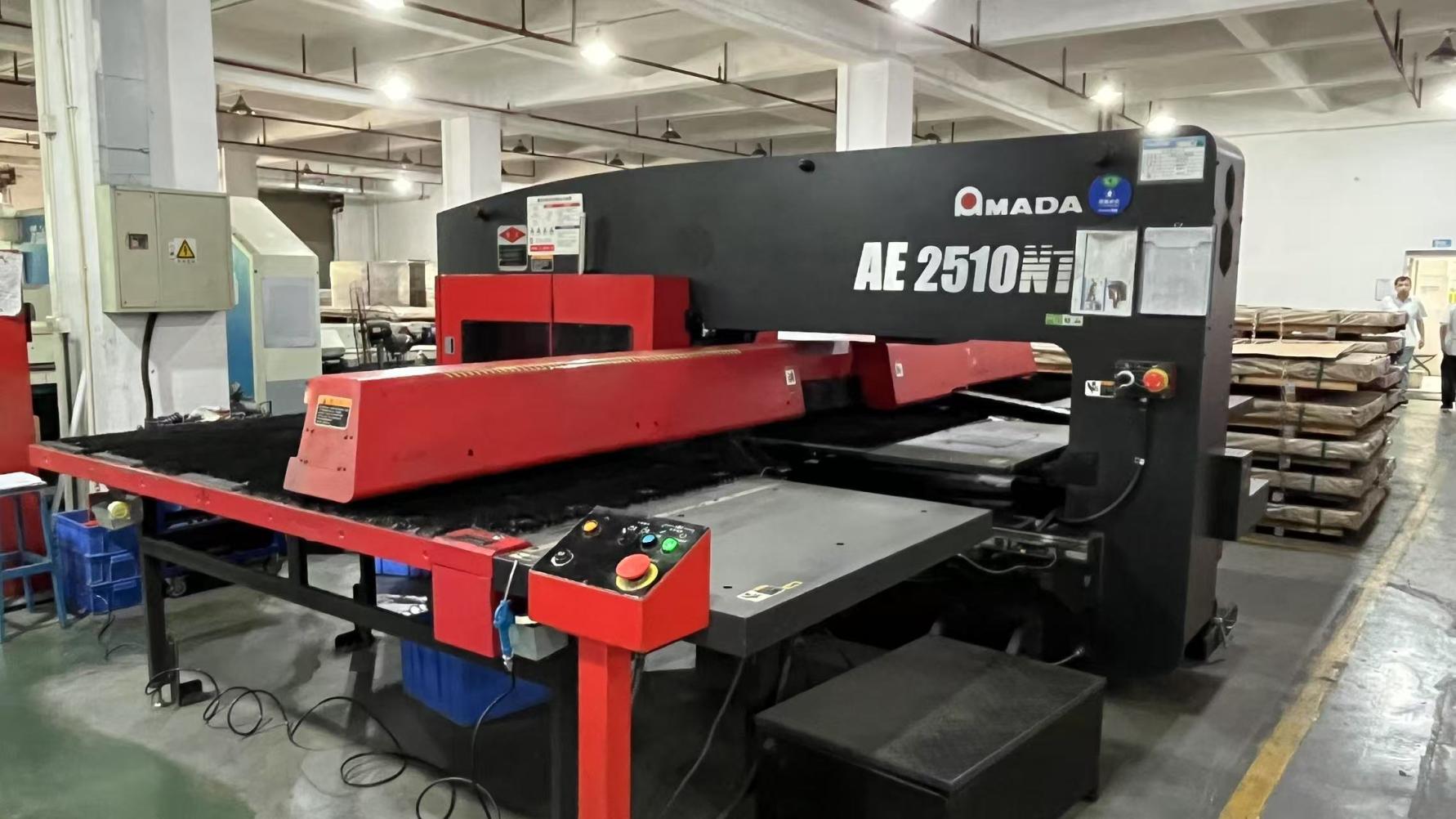 Laser Cutting
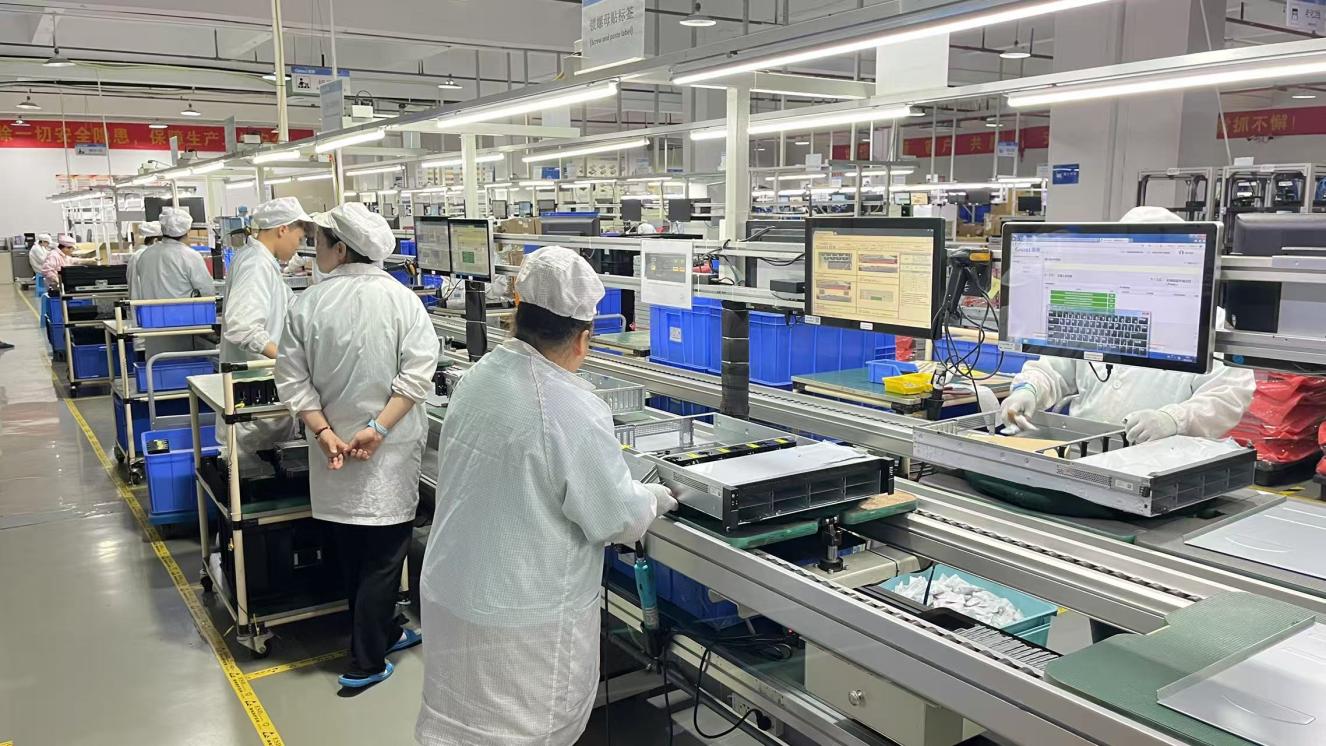 System Validation
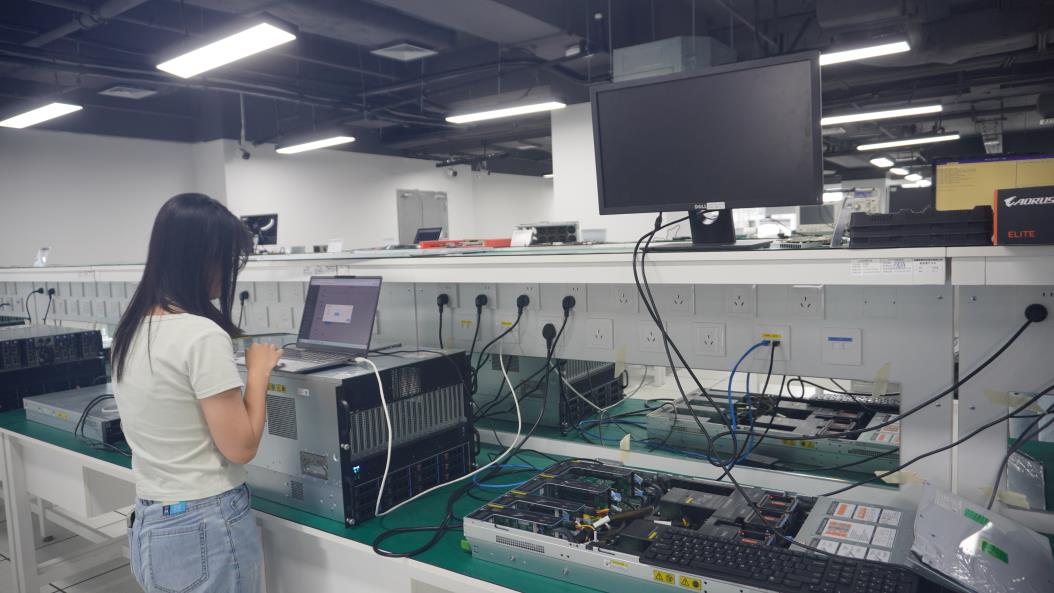 Diagnostics
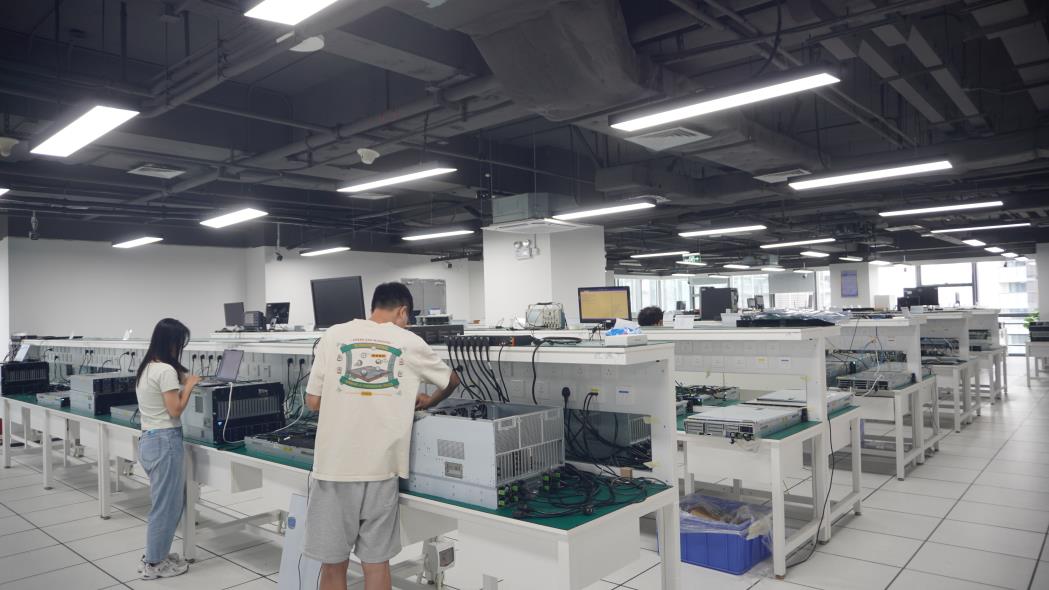 QC Testing Bay
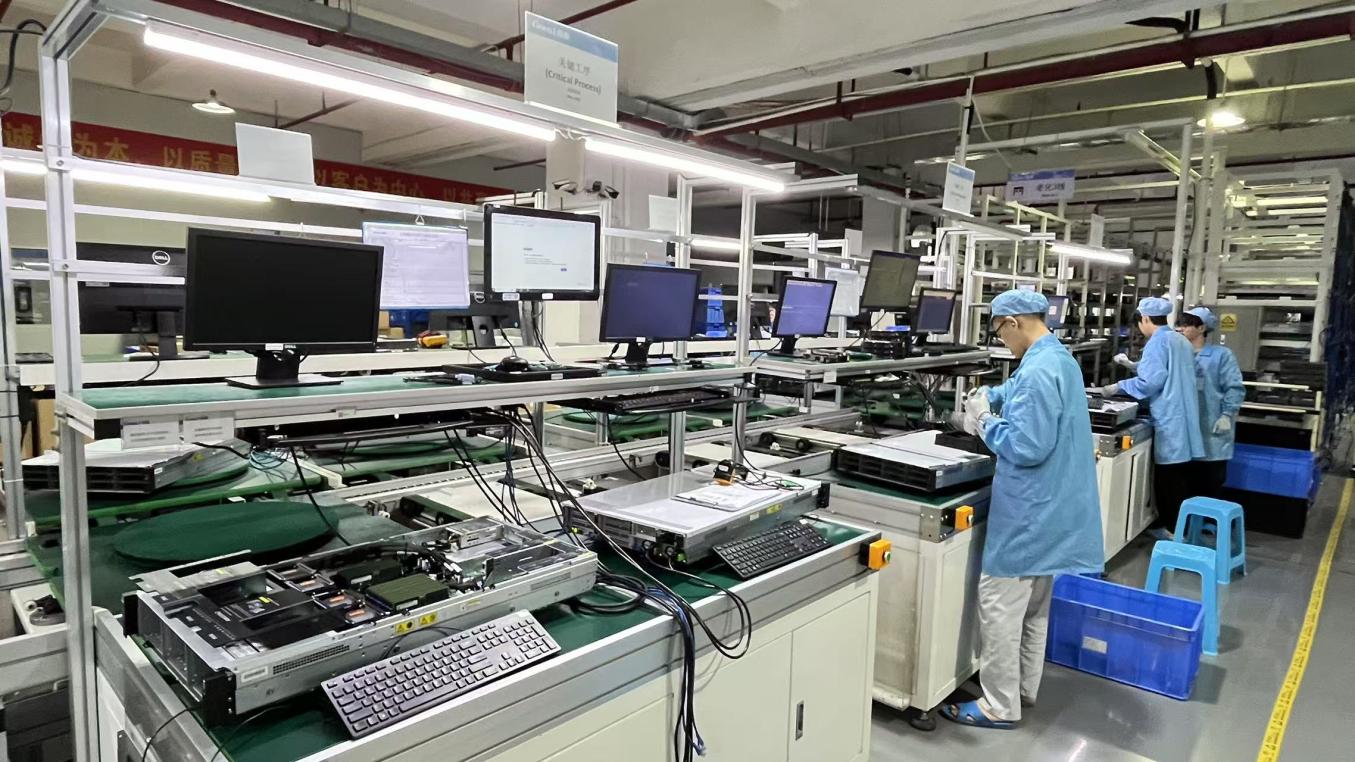 Functional Test
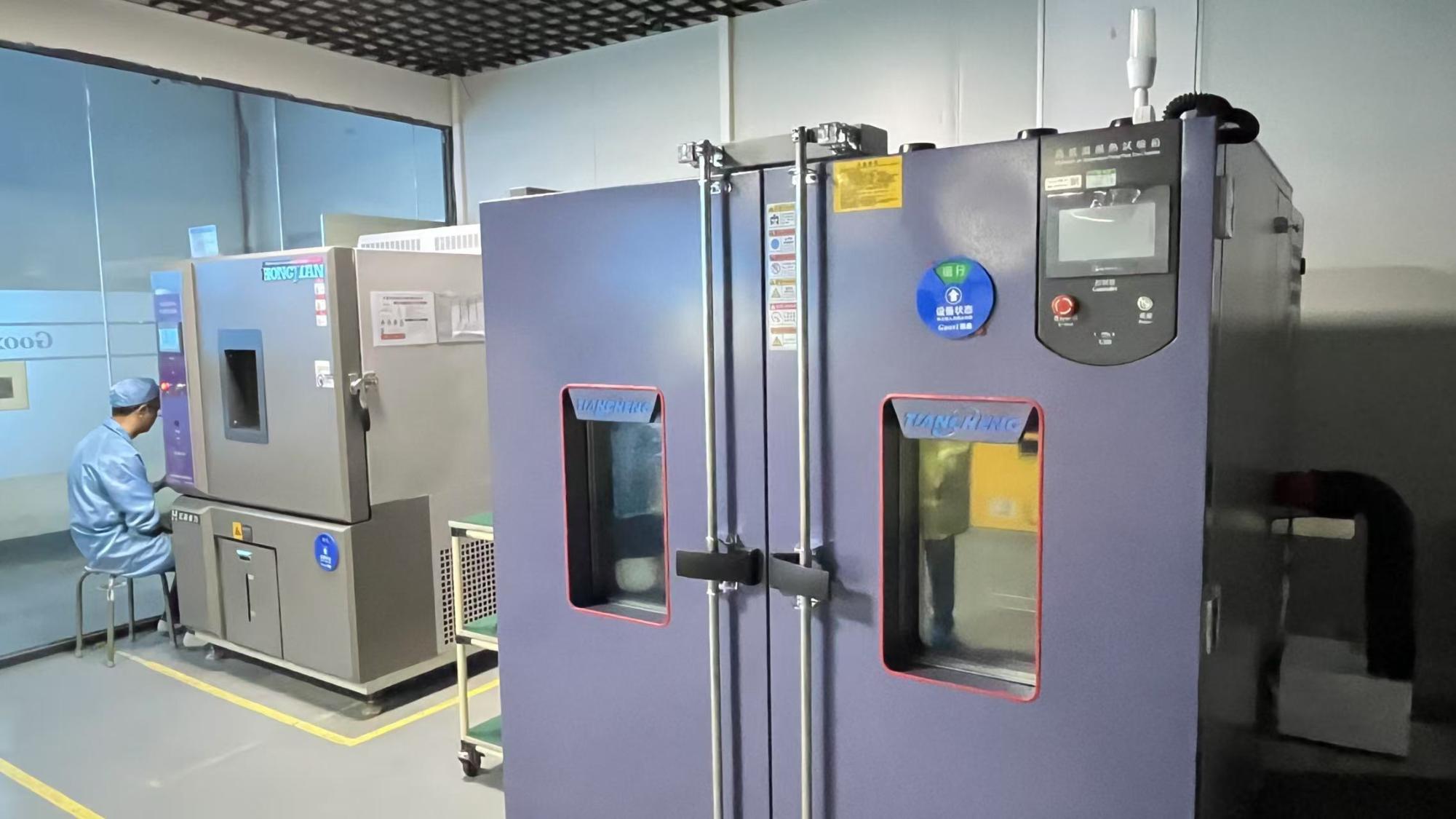 Thermotank Chamber
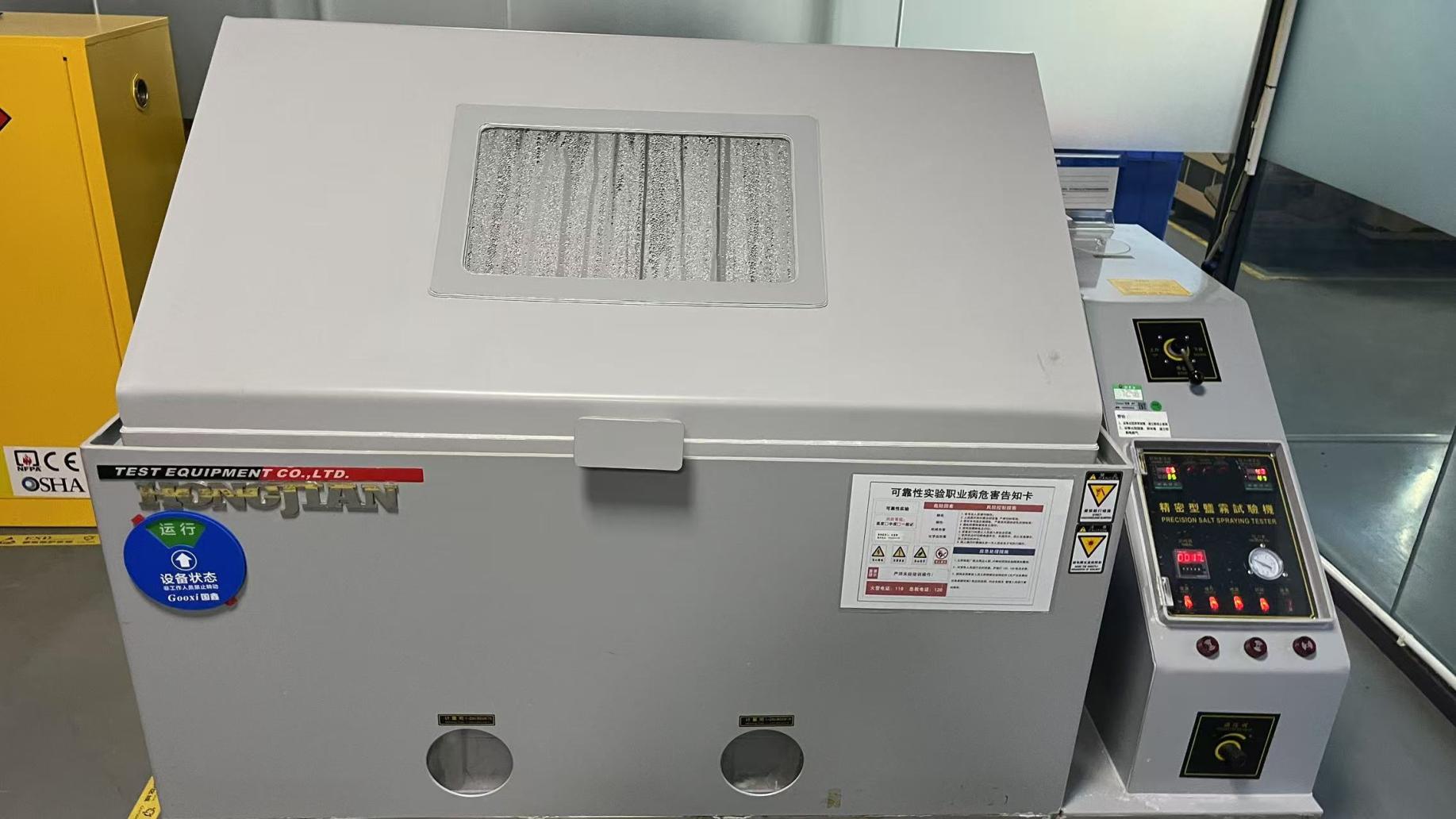 Salt Spray Tester
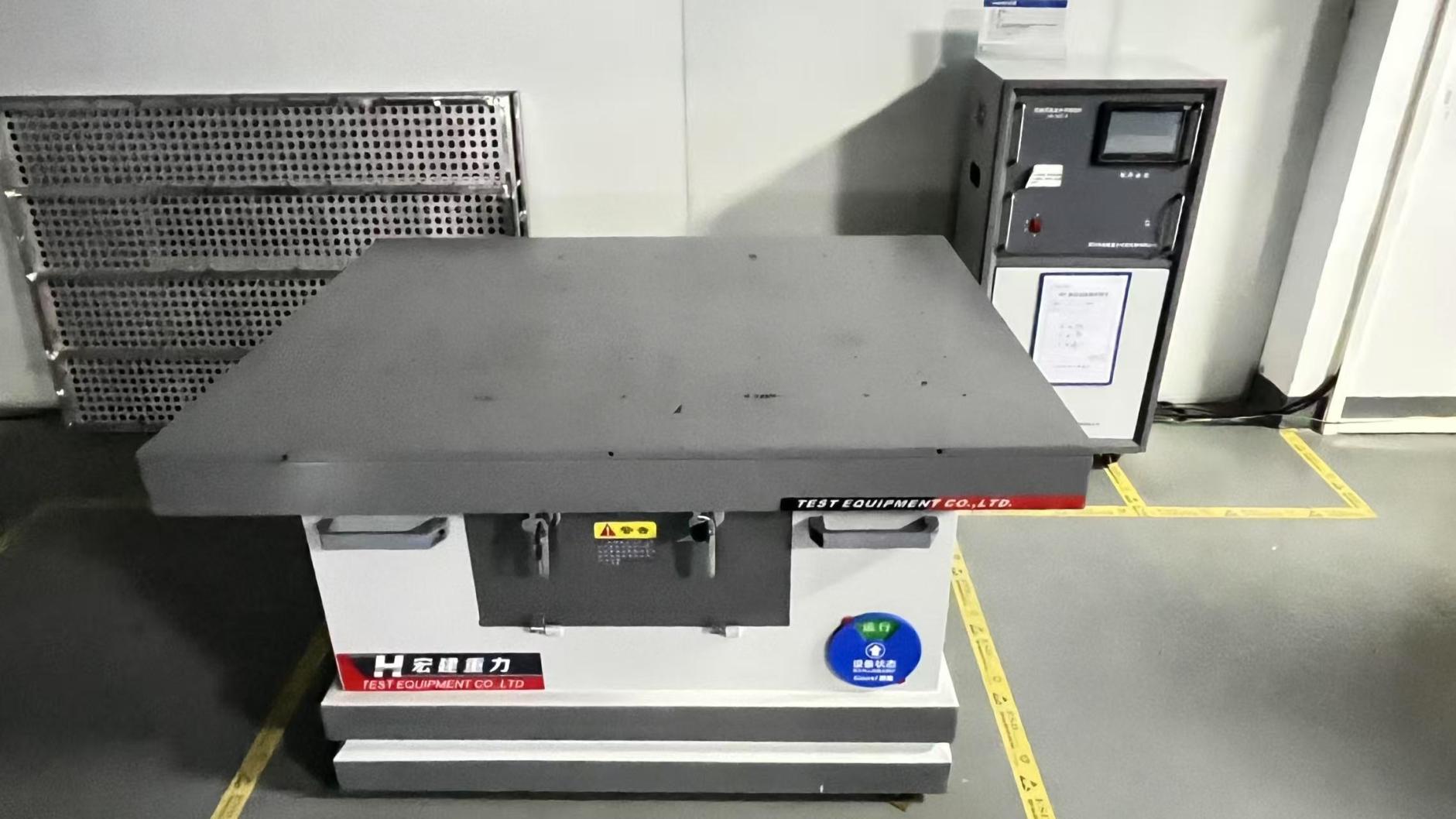 Vibration Tester
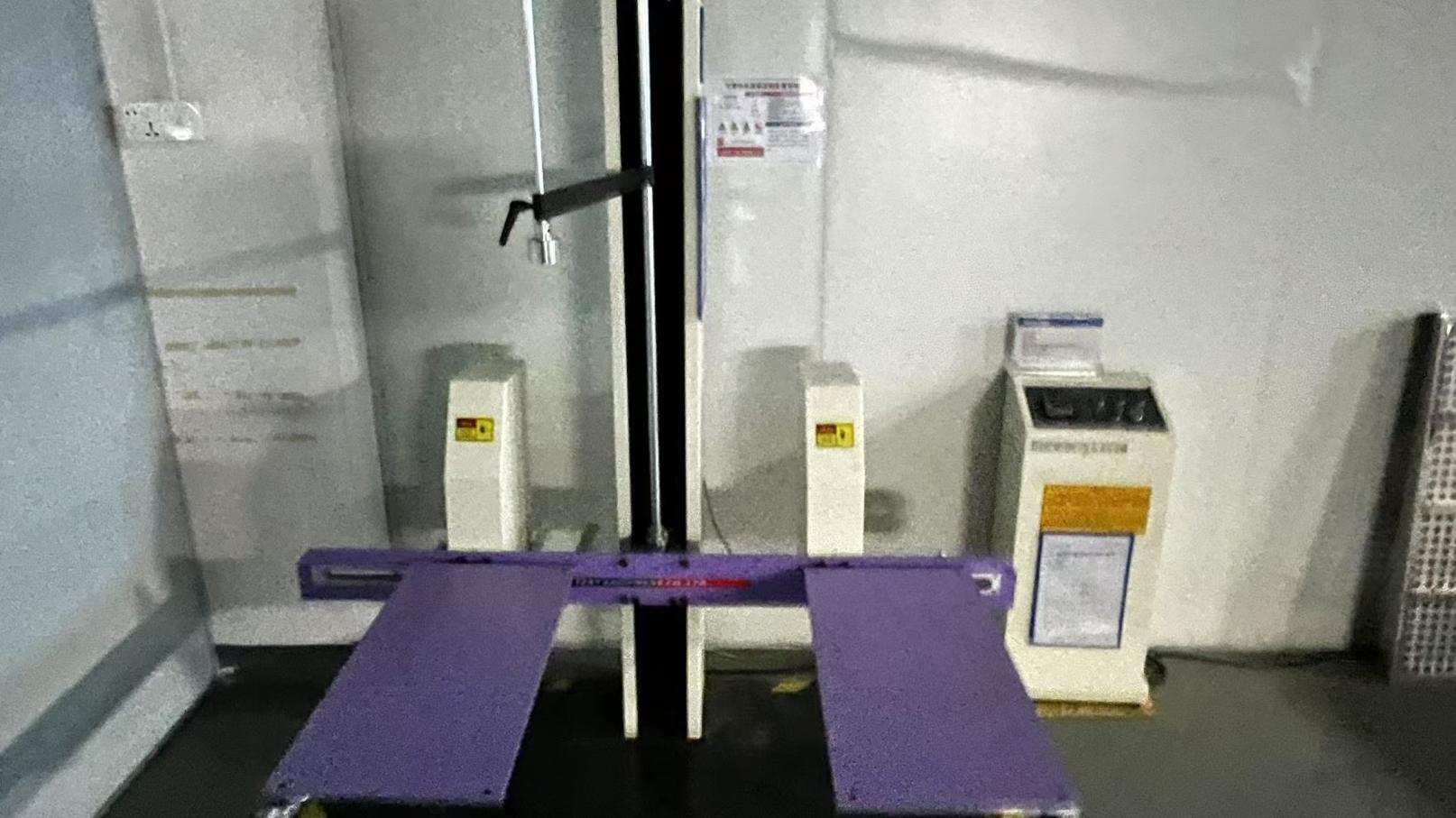 Drop Tester
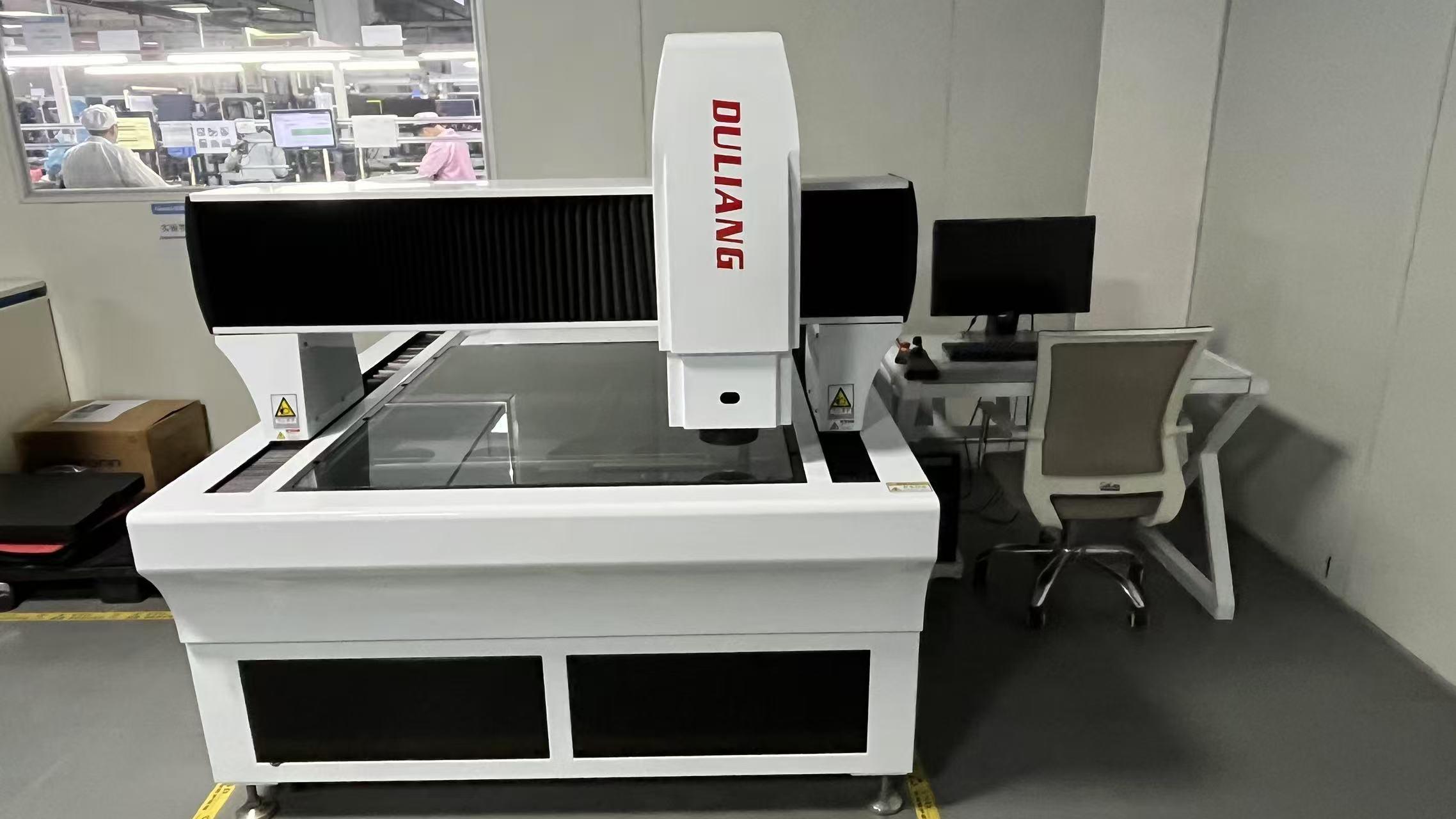 CMM Dimensioning
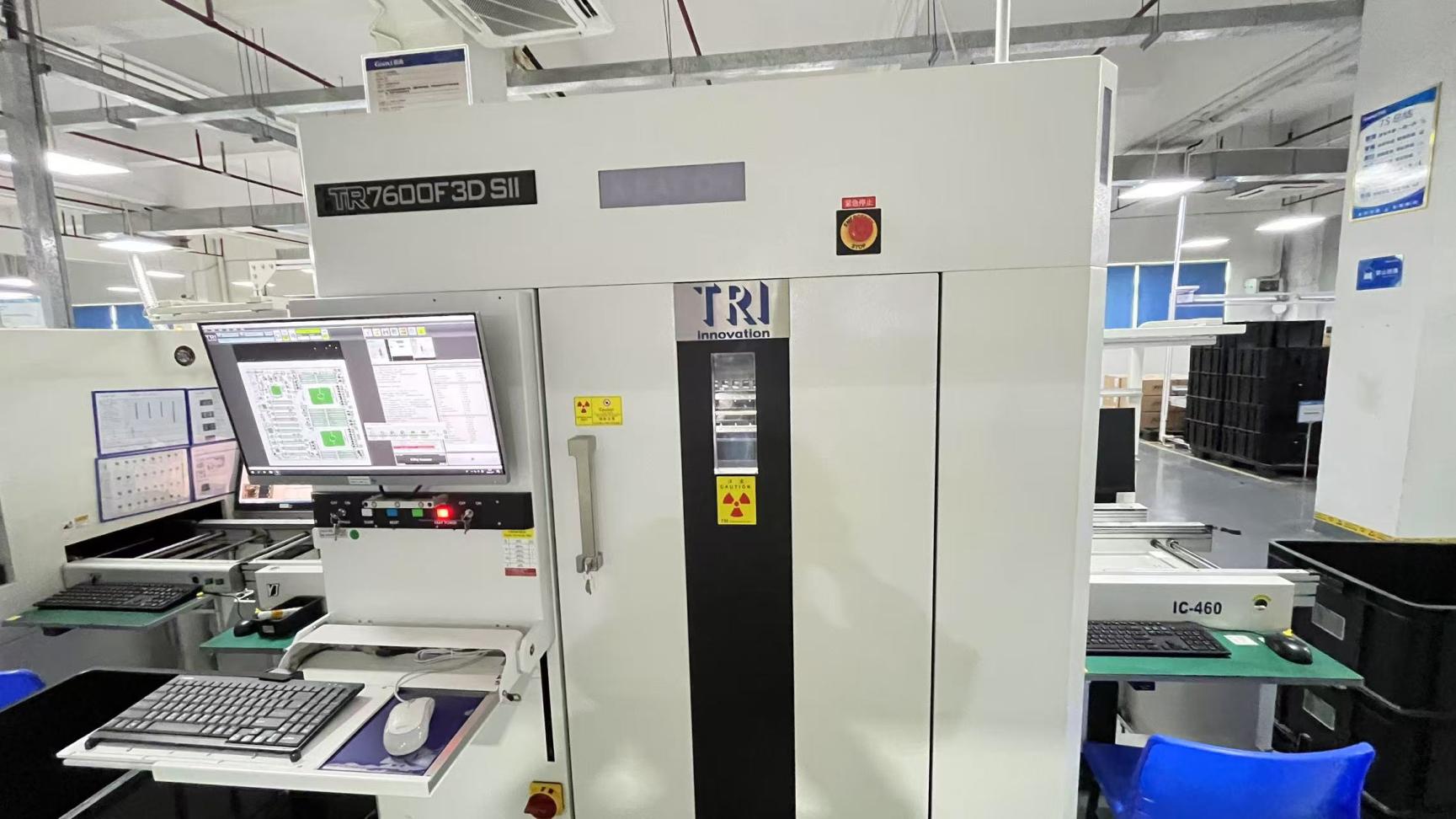 X-ray Inspection
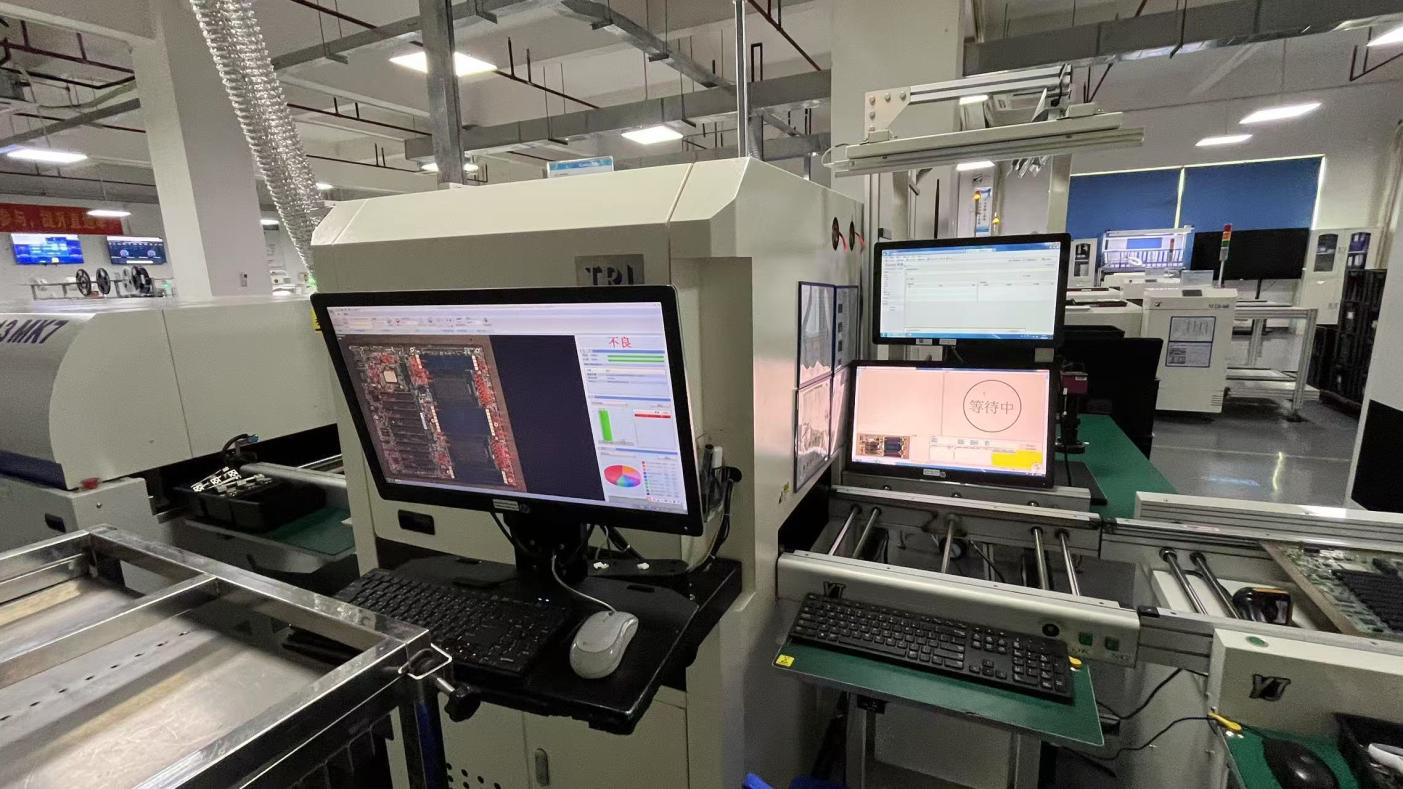 Final QA Clearance
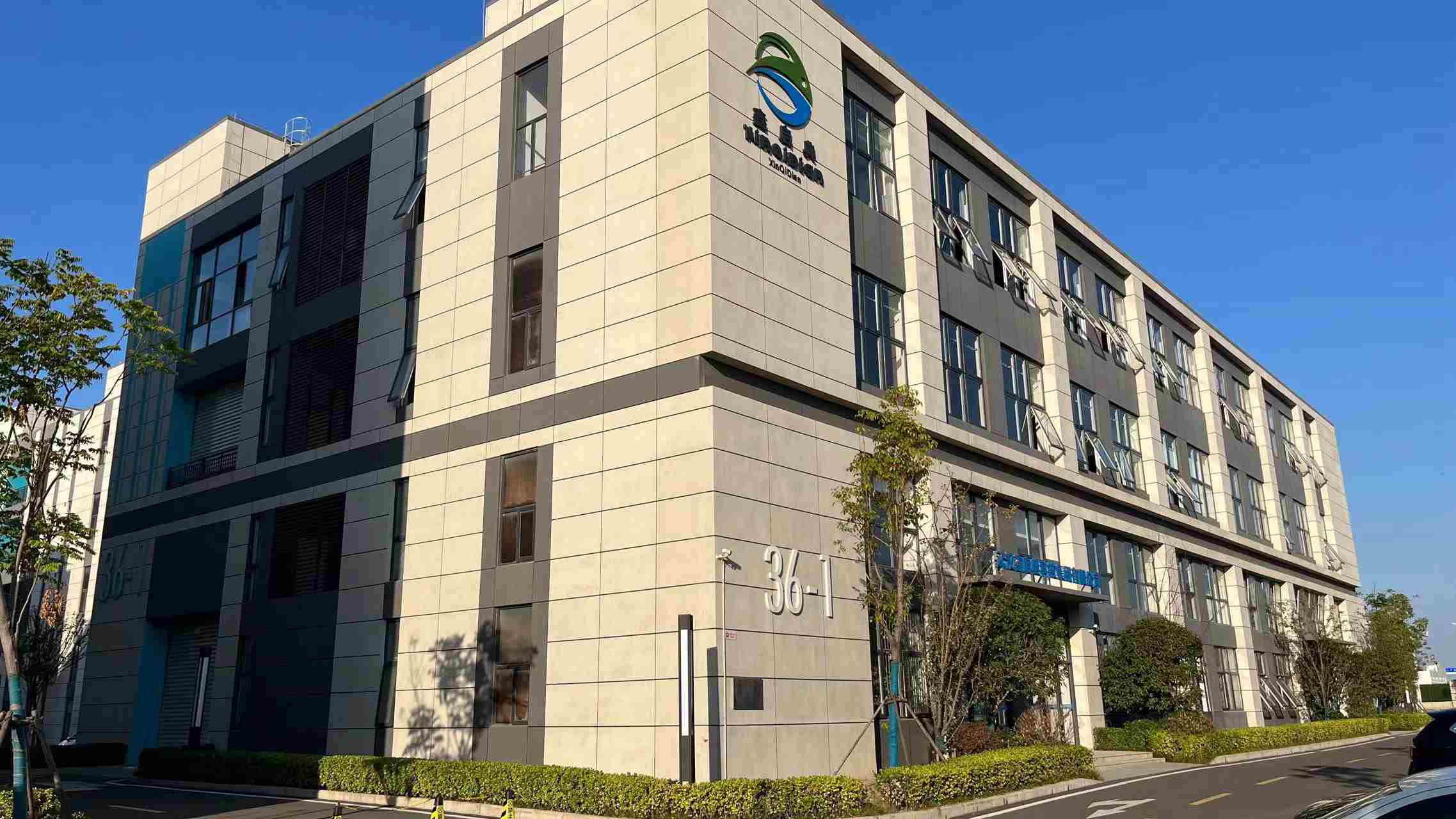 Integrated Operations
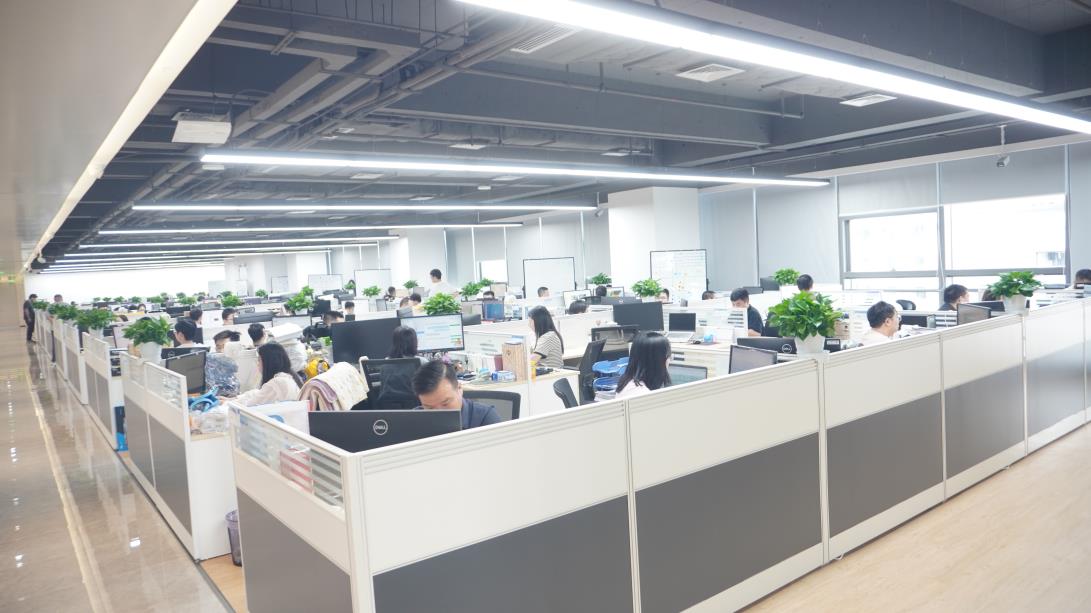 Factory QC Lab
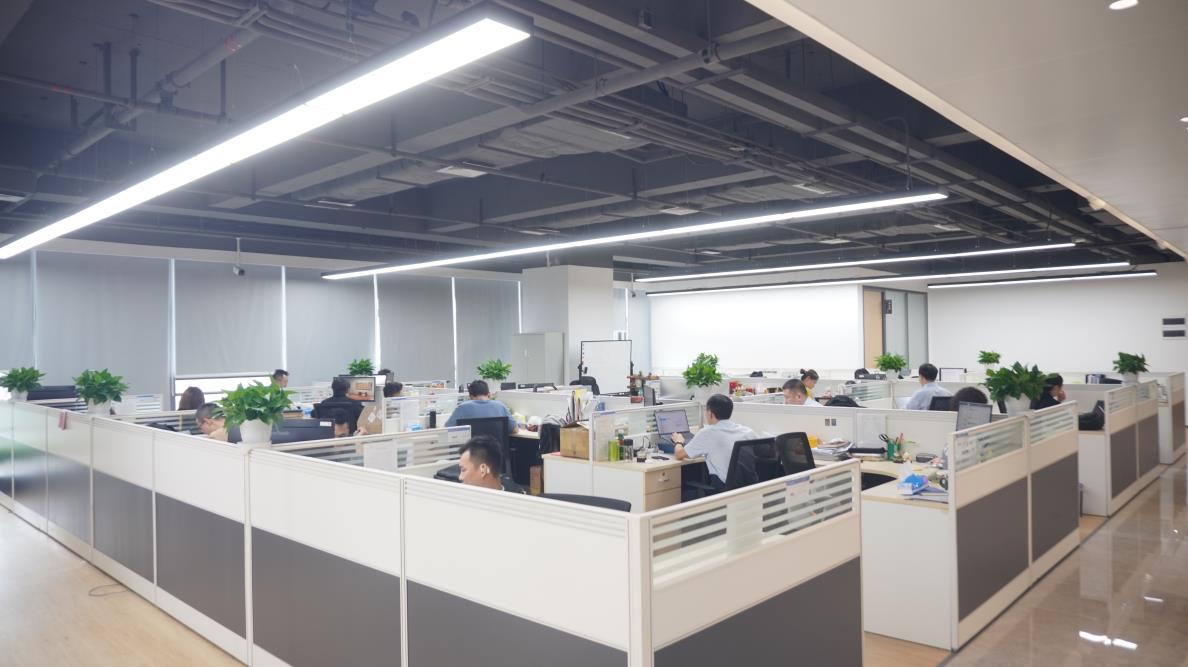 Component Warehouse
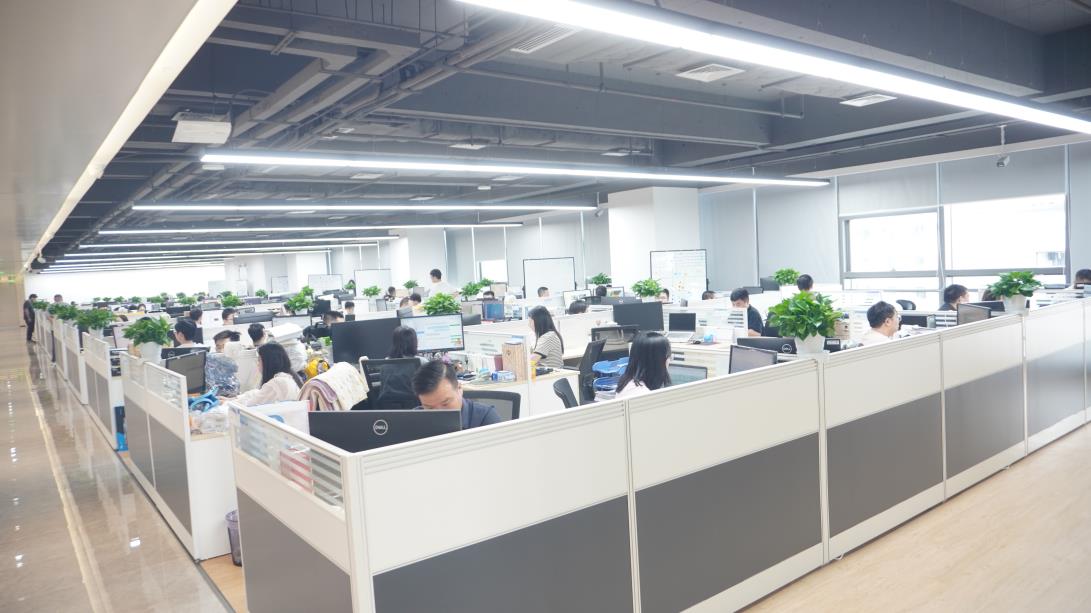 Assembly Area A
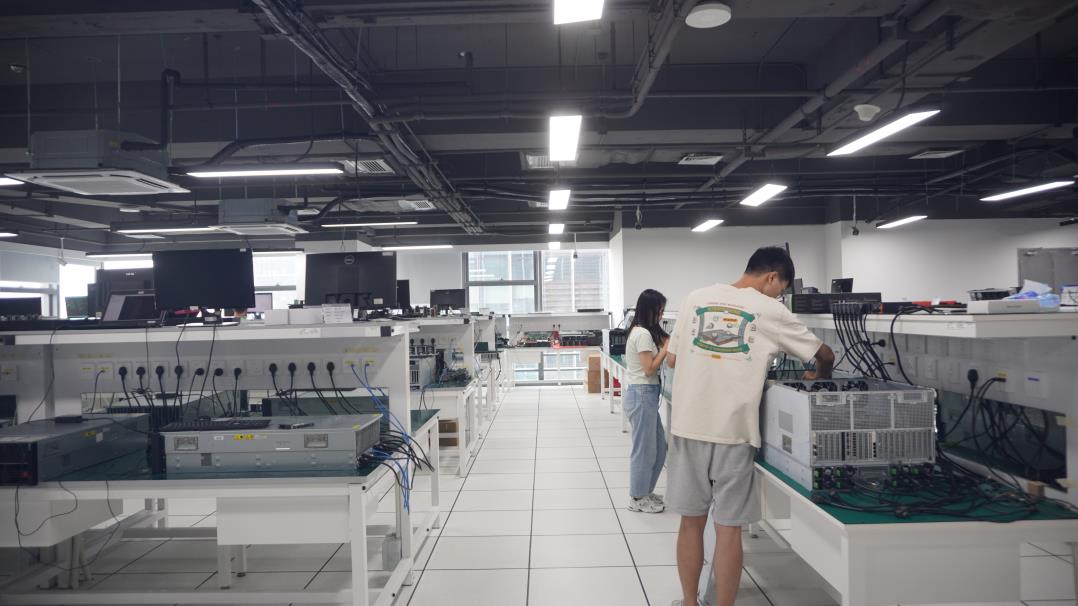 Assembly Area B
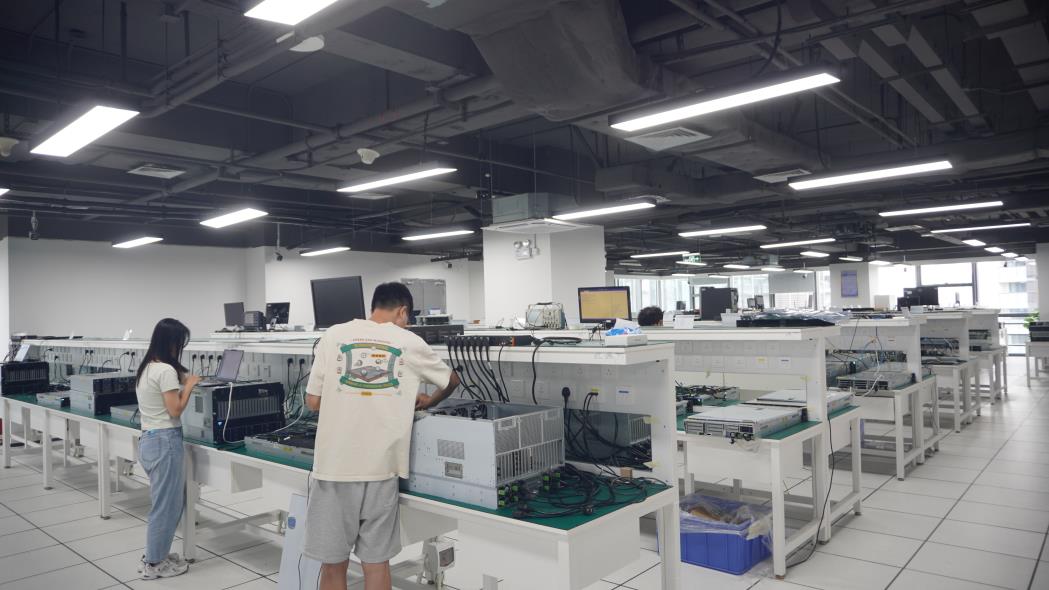 Integration Racks
 Thermal Profiling
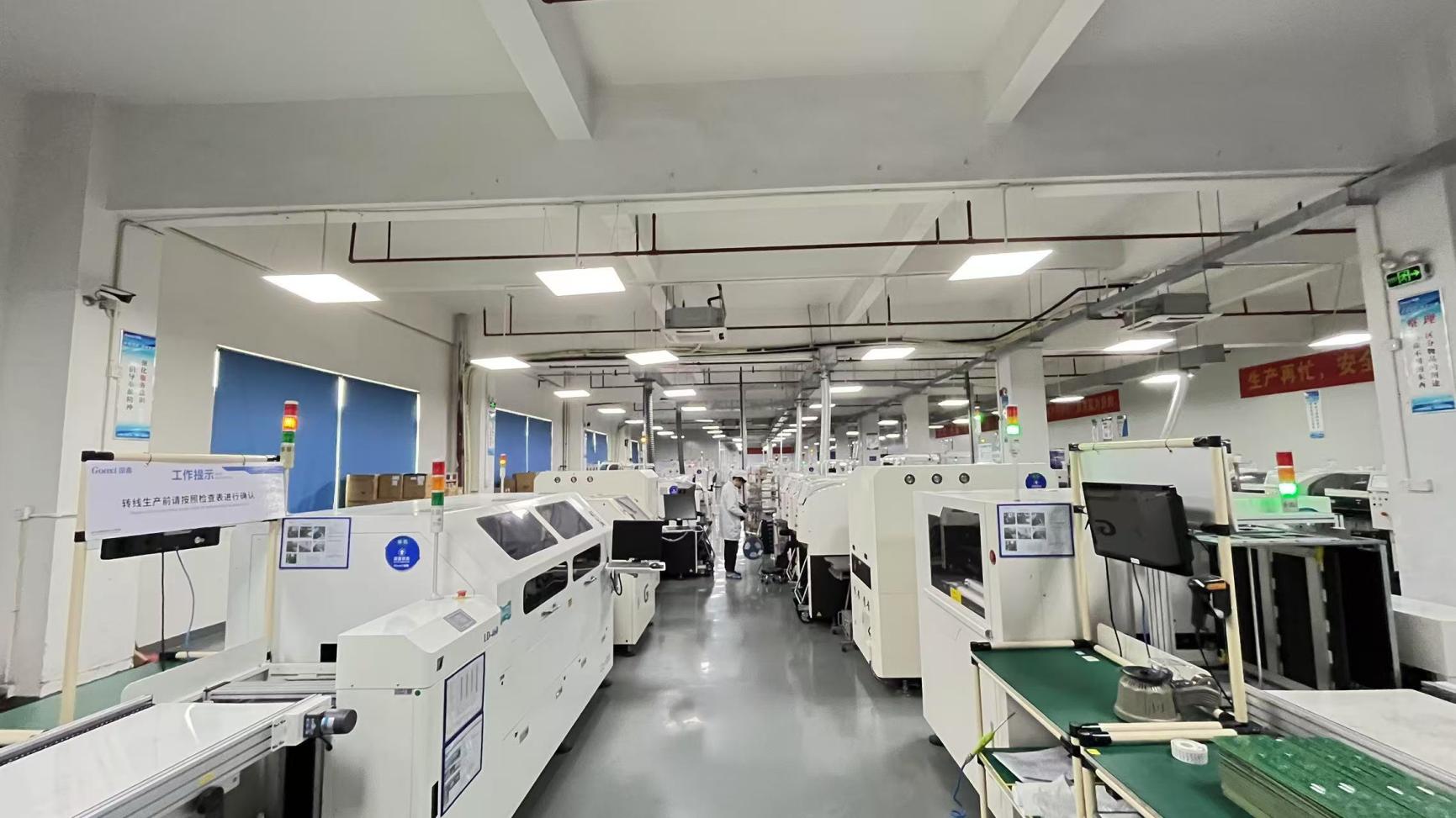 Calibration Bench
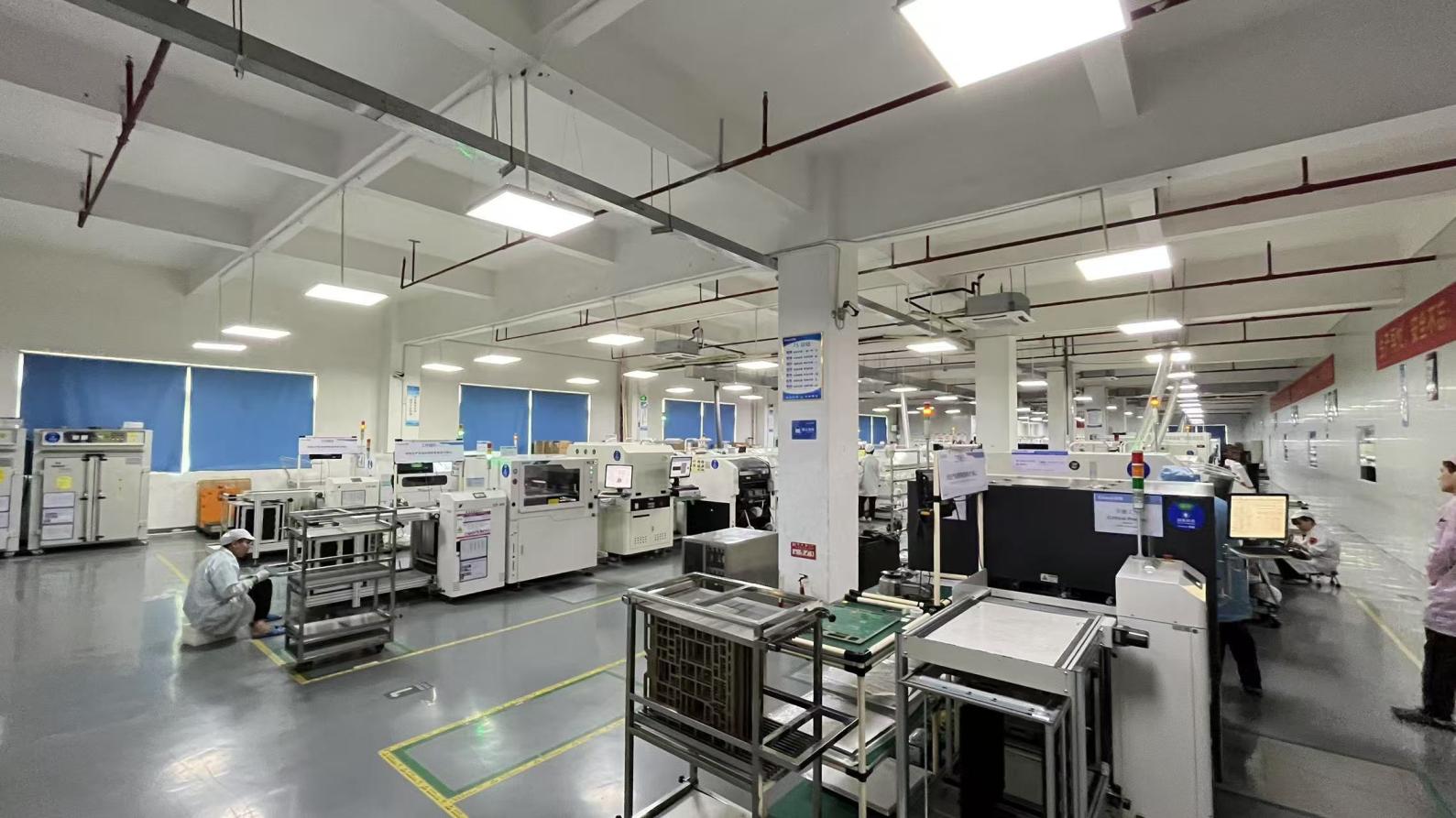 Testing Line A
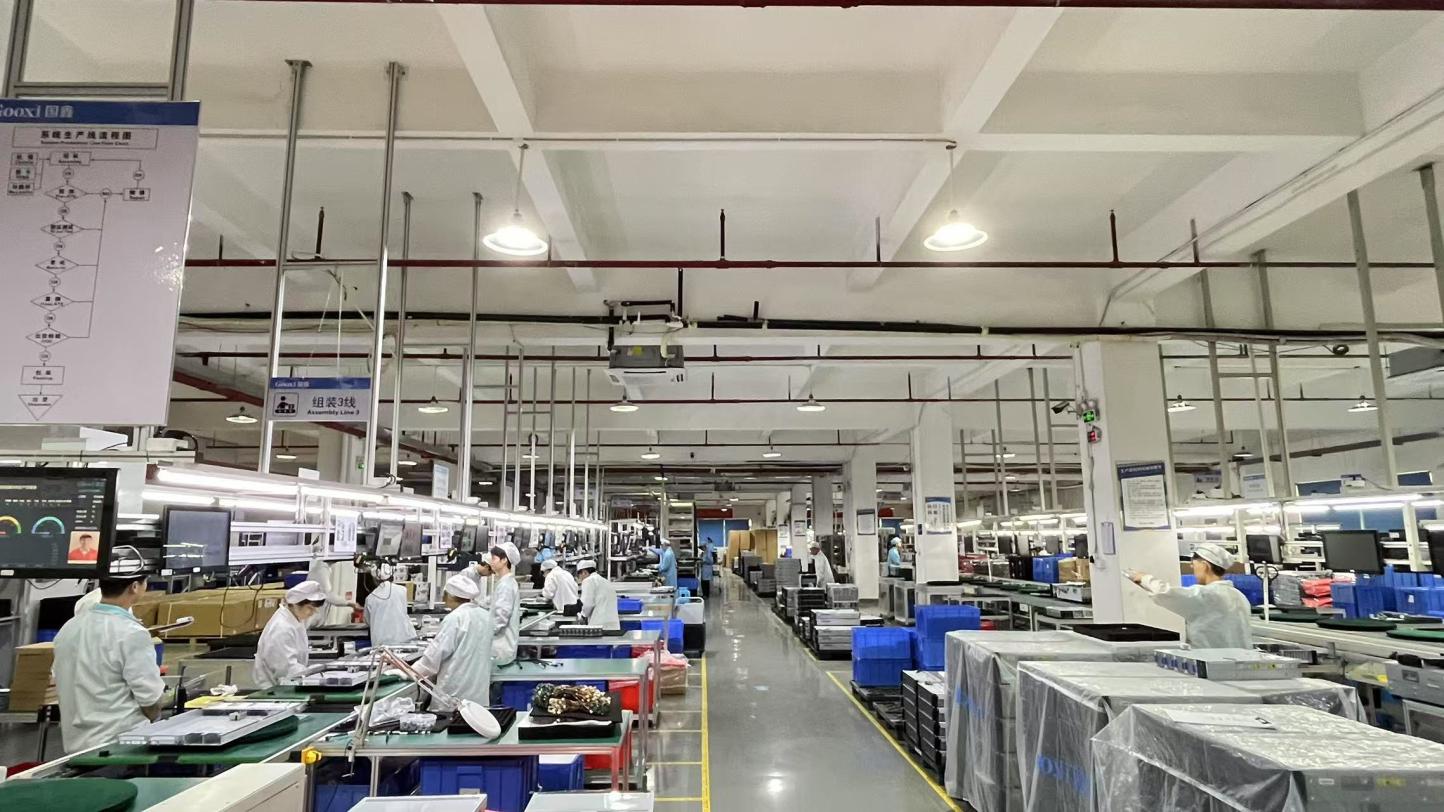 Testing Line B
 Burn-In Terminal
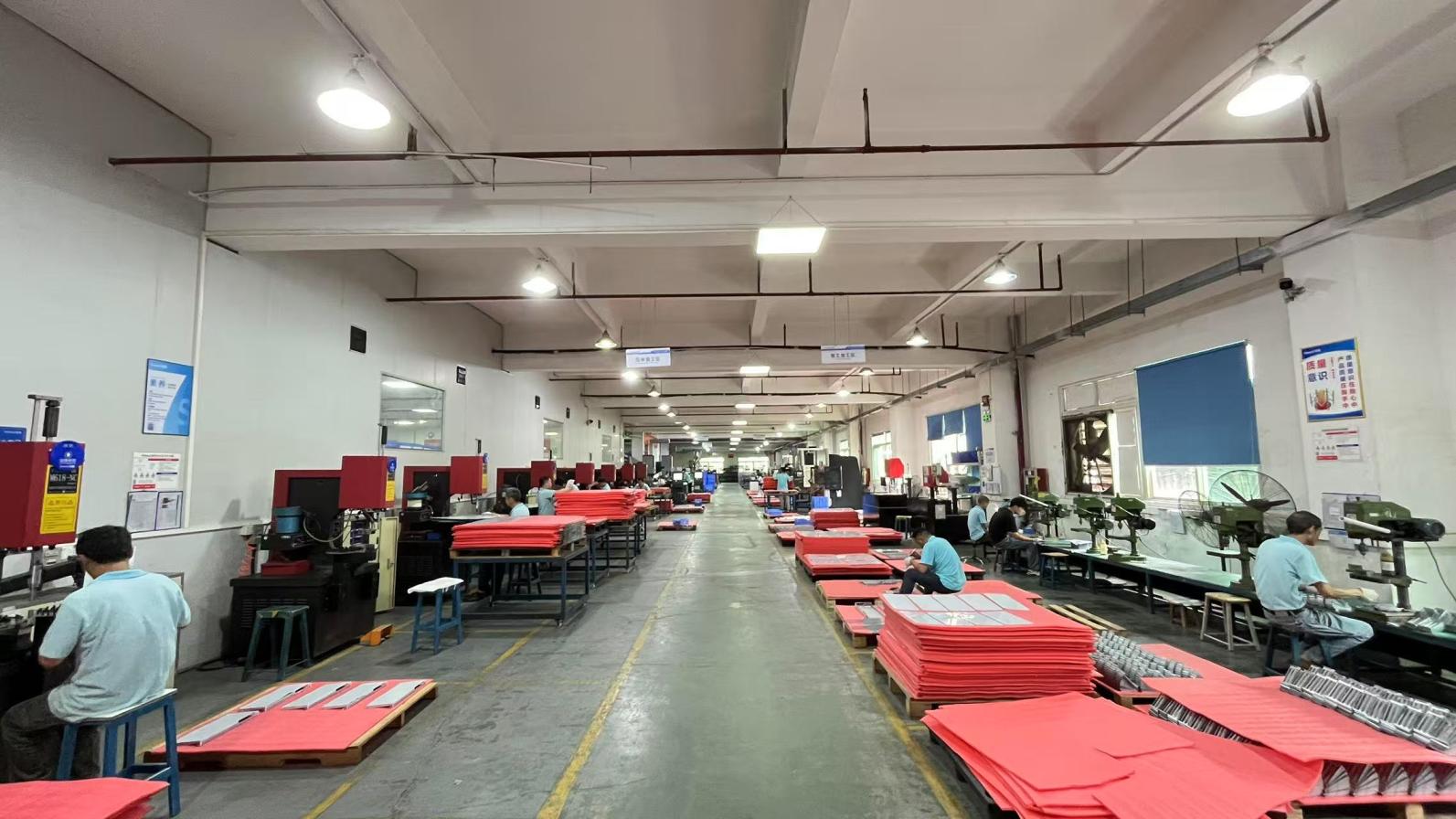 Packaging Bay
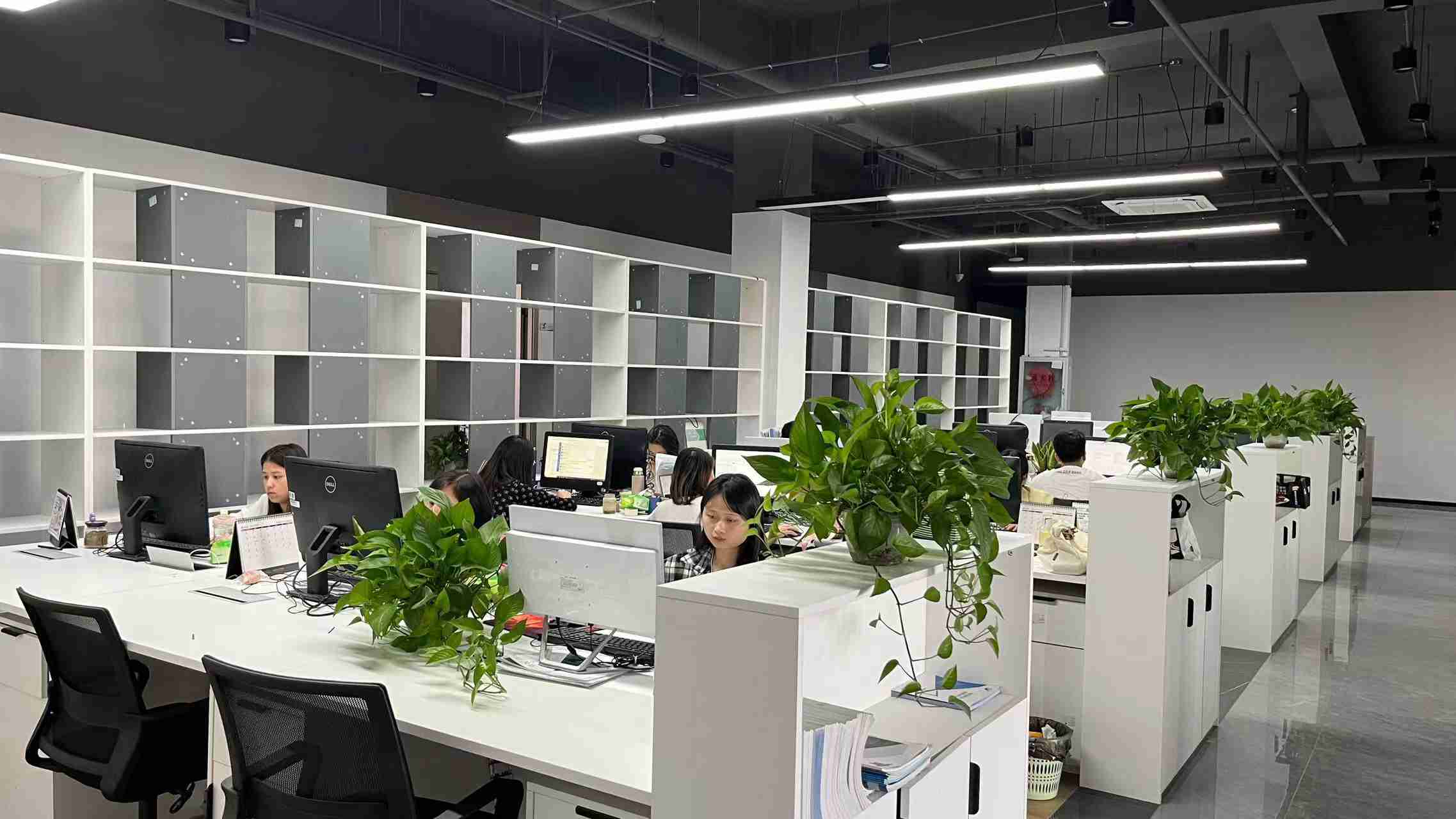 Shipping Warehouse
Deploying servers in Japan requires adherence to local electrical safety standards and regulatory compliance frameworks. ZhiCloud AI manages these regulatory details to simplify integration for Tokyo-based IT departments:
The Electrical Appliance and Material Safety Act (PSE) regulates electrical equipment sold in Japan. ZhiCloud AI ensures that all server power supply options conform to Japanese safety guidelines. By using certified power configurations, we help ensure our hardware meets local safety requirements and functions reliably on Japan's 100V/200V electrical systems.
Tokyo's high density of network and radio equipment requires strict control of electromagnetic emissions. Our V6 Rack Servers undergo shielding configurations to meet the VCCI (Voluntary Control Council for Interference) Class A requirements. This containment minimizes electromagnetic emissions, protecting adjacent systems from interference within shared server rooms.
Leveraging our shipping networks, ZhiCloud AI coordinates transit routes from Shenzhen directly to the Port of Tokyo or Haneda/Narita Airports. We handle necessary customs documentation, import filings, and secure crating. This support helps ensure systems arrive intact and ready for deployment within local Tokyo hosting facilities.
Select from our complete range of 1U, 2U, and 4U configurations, optimized with dual or quad-socket architectures to power enterprise databases and AI infrastructure in Tokyo.
Answers to common technical, logistical, and customization questions from infrastructure procurement teams.
V6 Rack Servers integrate 3rd Gen Intel Xeon Scalable Processors, which provide up to 1.46 times higher integer computation performance and 1.6 times higher database performance compared to legacy V5 servers. From an energy perspective, V6 models leverage Dynamic Energy Management Technology (DEMT) and support 80 Plus Titanium power supplies. These upgrades improve overall conversion efficiency, helping lower operating costs in high-density data centers.
Yes. We offer customization options across physical configuration, storage backplanes, memory speed settings, security settings, and BIOS configurations. Customers can request specific GPU arrangements, custom flash storage, and pre-installed OS/Hypervisor configurations to streamline onsite installation.
Our QA process utilizes specialized testing equipment, including Coordinate Measuring Machines, SMT inspection tools, X-ray scanning, and environmental aging chambers (Thermotanks). Each unit undergoes full system burn-in testing and mechanical vibration verification to help ensure it can withstand long-distance shipping and function reliably upon arrival.
We supply server power configurations that conform to Japan's Electrical Appliance and Material Safety Act (PSE) guidelines. Additionally, our server enclosures are designed to meet VCCI Class A electromagnetic compatibility standards, minimizing radio interference in high-density datacenter environments.
Standard configurations typically ship within 7 to 15 business days. We coordinate transit via air freight to Haneda/Narita Airports (taking 2-4 days) or ocean freight directly to the Port of Tokyo (taking 7-10 days), managing required customs documentation to simplify delivery.
We maintain strategic partnerships with over 1,200 component suppliers, allowing us to source critical parts reliably. This diverse supplier network, combined with our assembly facility and engineering resources, helps us maintain stable lead times and pricing even during periods of global component volatility.
Discuss technical specifications, local compliance requirements, or secure shipping schedules directly with our specialists.
Send Inquiry Now