ZhiCloud AI
ZhiCloud AI
ZhiCloud AI
Pre-configured high-performance modules optimized for low-latency Baltic distribution, compliant with Latvia's power and cooling guidelines.
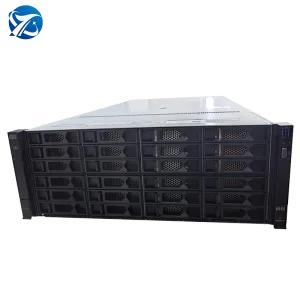
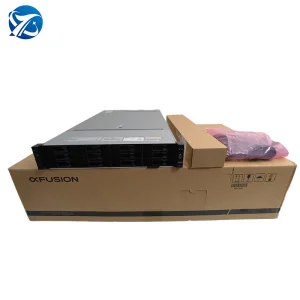
Latvia is rapidly transforming into a digital hub within the Baltic states. With Riga serving as a central point of intersection for high-speed fiber-optic linkages connecting Western Europe, Scandinavia, and Northern Asia, the demand for enterprise computing has spiked. High-performance computation platforms are essential for telecommunications, fintech, logistics (particularly maritime projects in the Port of Ventspils and Riga), and government administration systems.
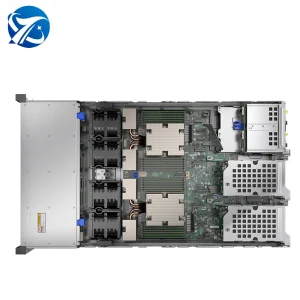
Local data centers like Tet (formerly Lattelecom) and regional colocation facilities require hardware platforms that combine low idle power draw, reliable hardware-based security, and high thermal tolerances. This is where V7 Rack Servers become highly relevant. Designed with thermal efficiency in mind, these systems support up to 350W TDP per processor socket and leverage advanced cooling configurations to operate effectively in low-power-usage-effectiveness (PUE) architectures.
Furthermore, as Baltic companies adopt Artificial Intelligence workloads, our custom GPU storage and rack deployments allow them to scale computing power without redesigning their physical power systems. ZhiCloud AI offers Latvia-facing businesses localized server platforms configured for European grid specifications (230V single phase / 400V three phase) with redundancy architectures designed to comply with TIER III data center benchmarks.
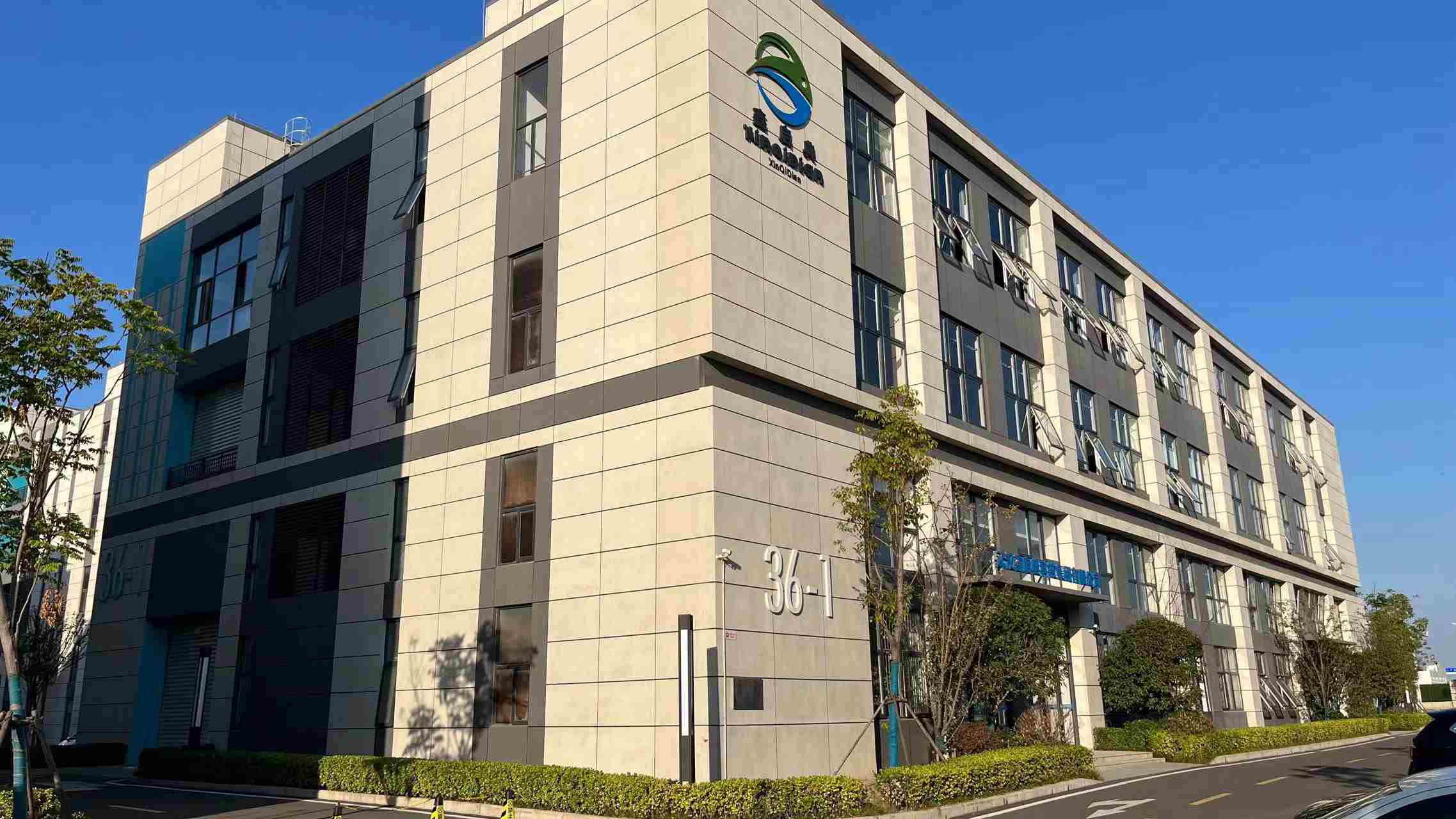
A trusted technical partner with more than a decade of specialized server manufacturing expertise.
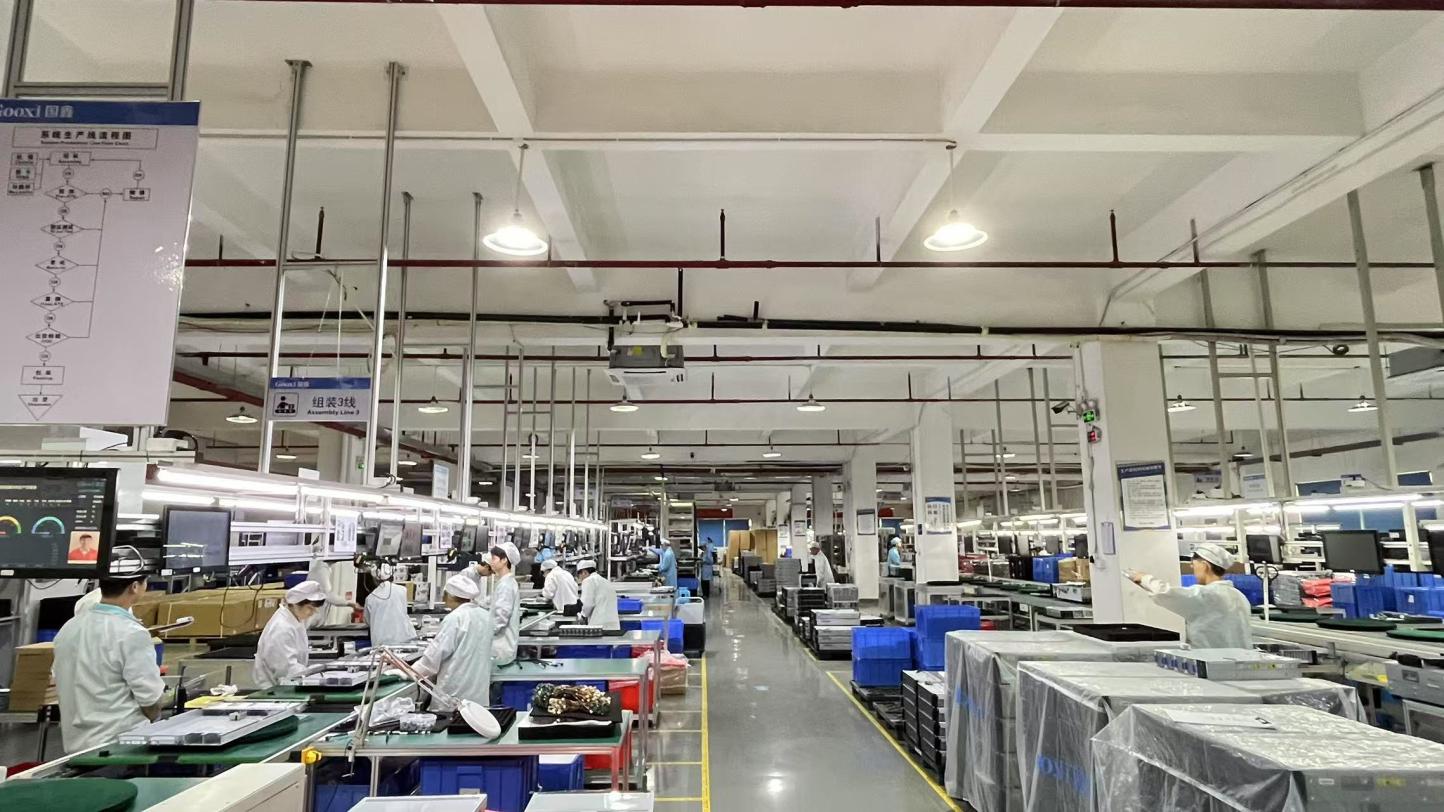
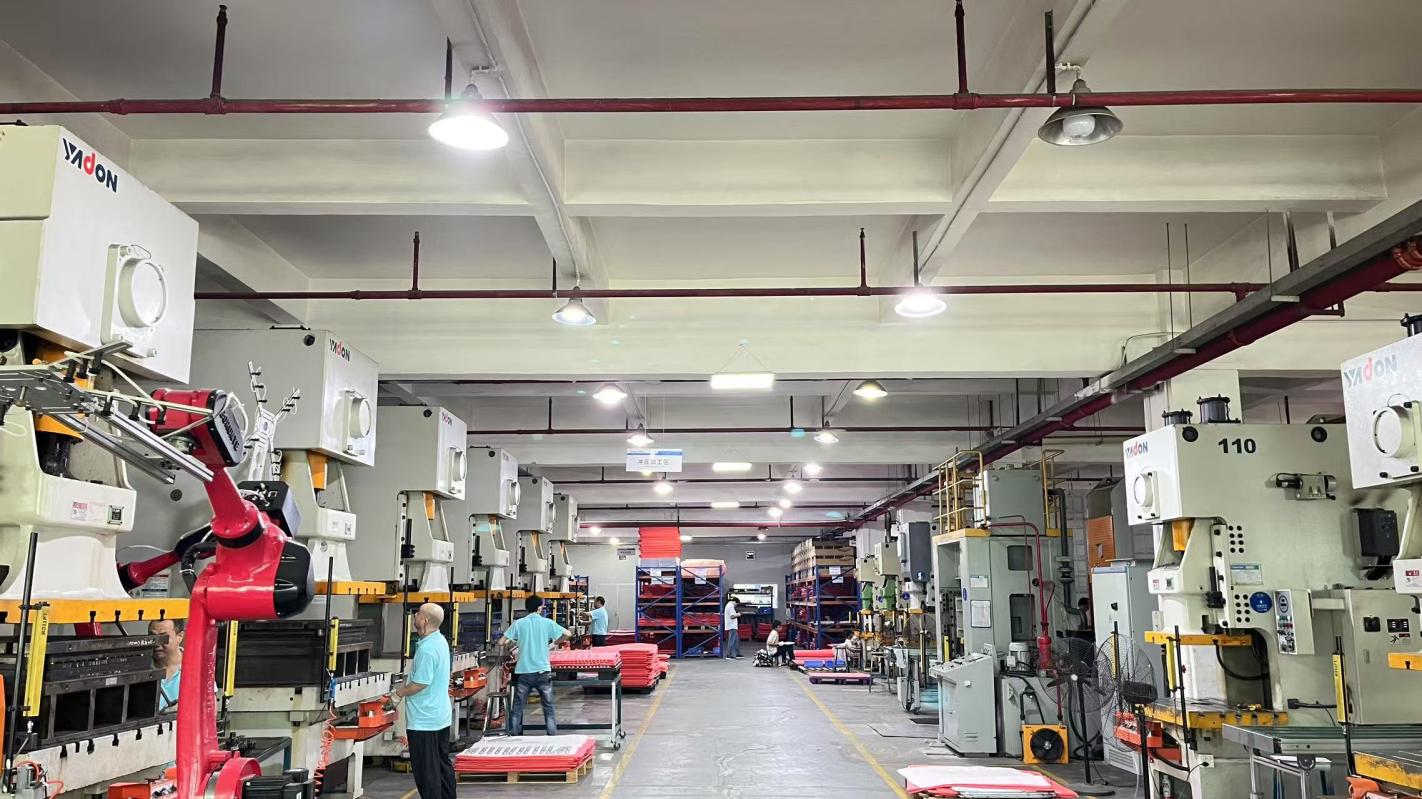
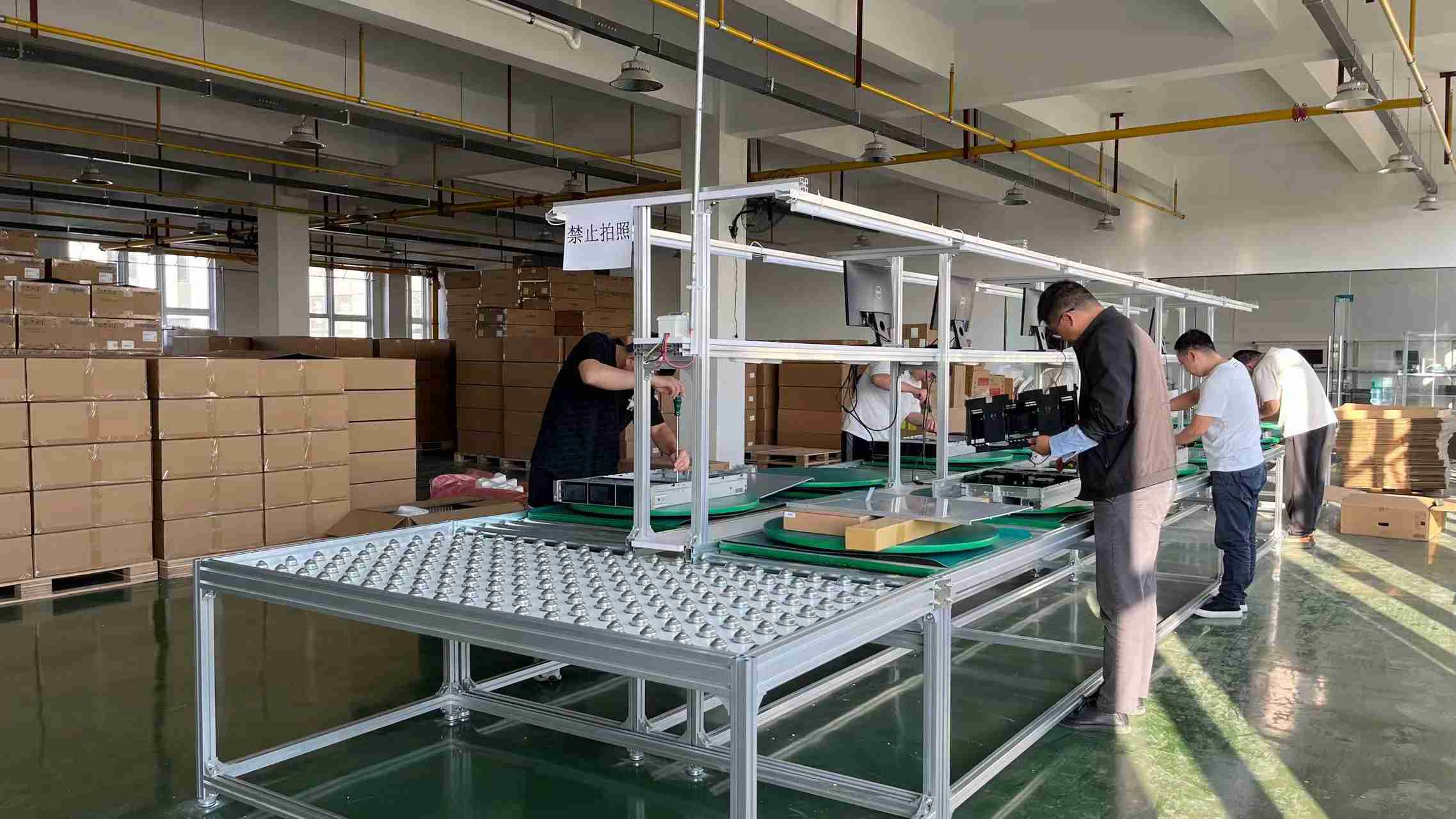
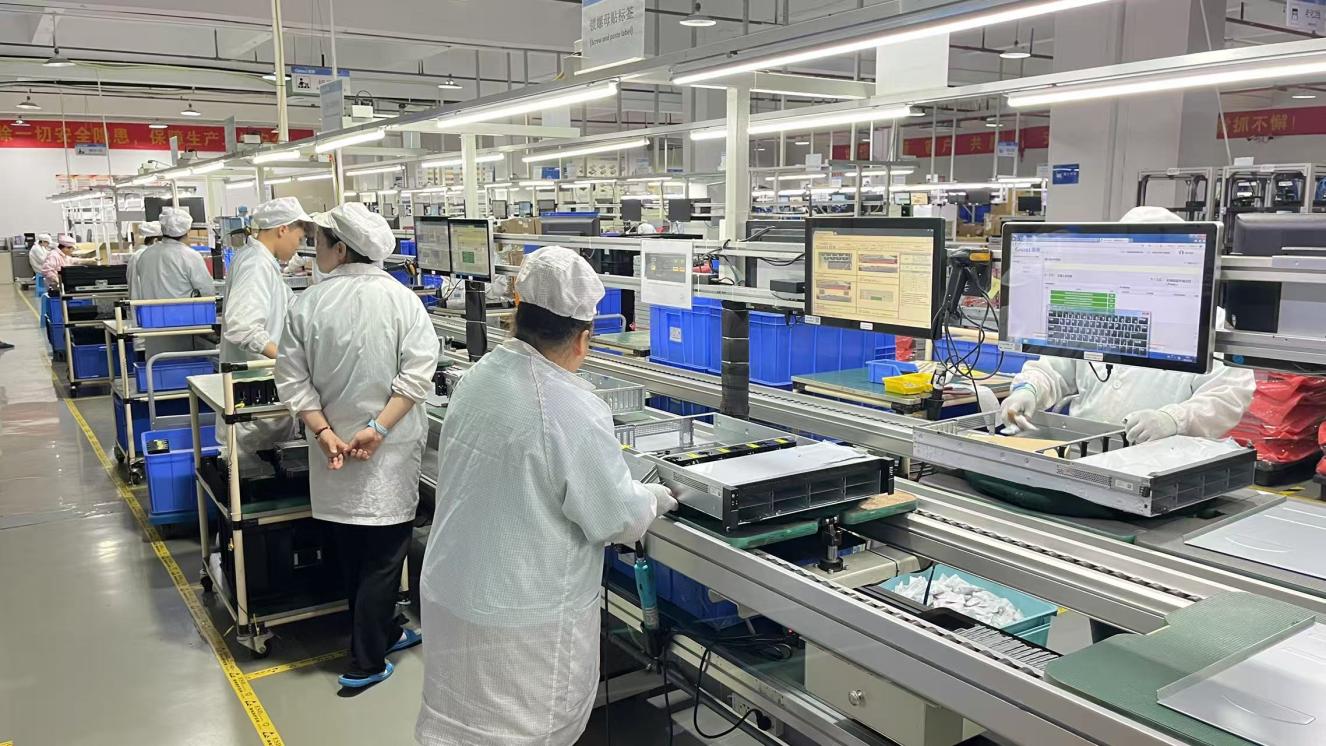
Shenzhen Intelligent Computing Cloud Technology Co., Ltd. (ZhiCloud AI) is a professional AI server and high-performance computing (HPC) solution provider. We specialize in GPU servers, customized AI infrastructure, and scalable cloud computing hardware for enterprise customers globally. Operating from our modern production facility, we execute hardware assembly, complex component integration, firmware flashing, and comprehensive quality inspections to guarantee data-center ready deliveries.
With over 7 years of pure export operations and 11 years of deep design engineering experience, we navigate global logistics, CE standards, and custom regulatory frameworks effortlessly. Our team features 45 QC engineers who utilize multi-phase validation methods, including thermal stresses, memory testing, high-temperature environmental aging, and digital network checks. This comprehensive approach is critical for our expansion into Baltic countries like Latvia, where zero-downtime performance is a baseline requirement.
Tailoring computational density to meet the requirements of Latvia's leading industrial sectors.
Collaborating with institutes like the University of Latvia and Riga Technical University (RTU). Our V7 GPU servers support highly parallel training runs for language model applications, machine vision systems, and automated data modeling.
Optimizing operations at Latvia's major transit points. V7 systems run container sorting optimization systems, supply-chain monitoring dashboards, and real-time transit fleet routing routines without computational lag.
Delivering fast hardware processing speeds to financial services firms in Riga. With integrated TPM 2.0 security chips and BIOS verification schemes, these V7 platforms secure private financial networks while meeting European central bank security guidelines.
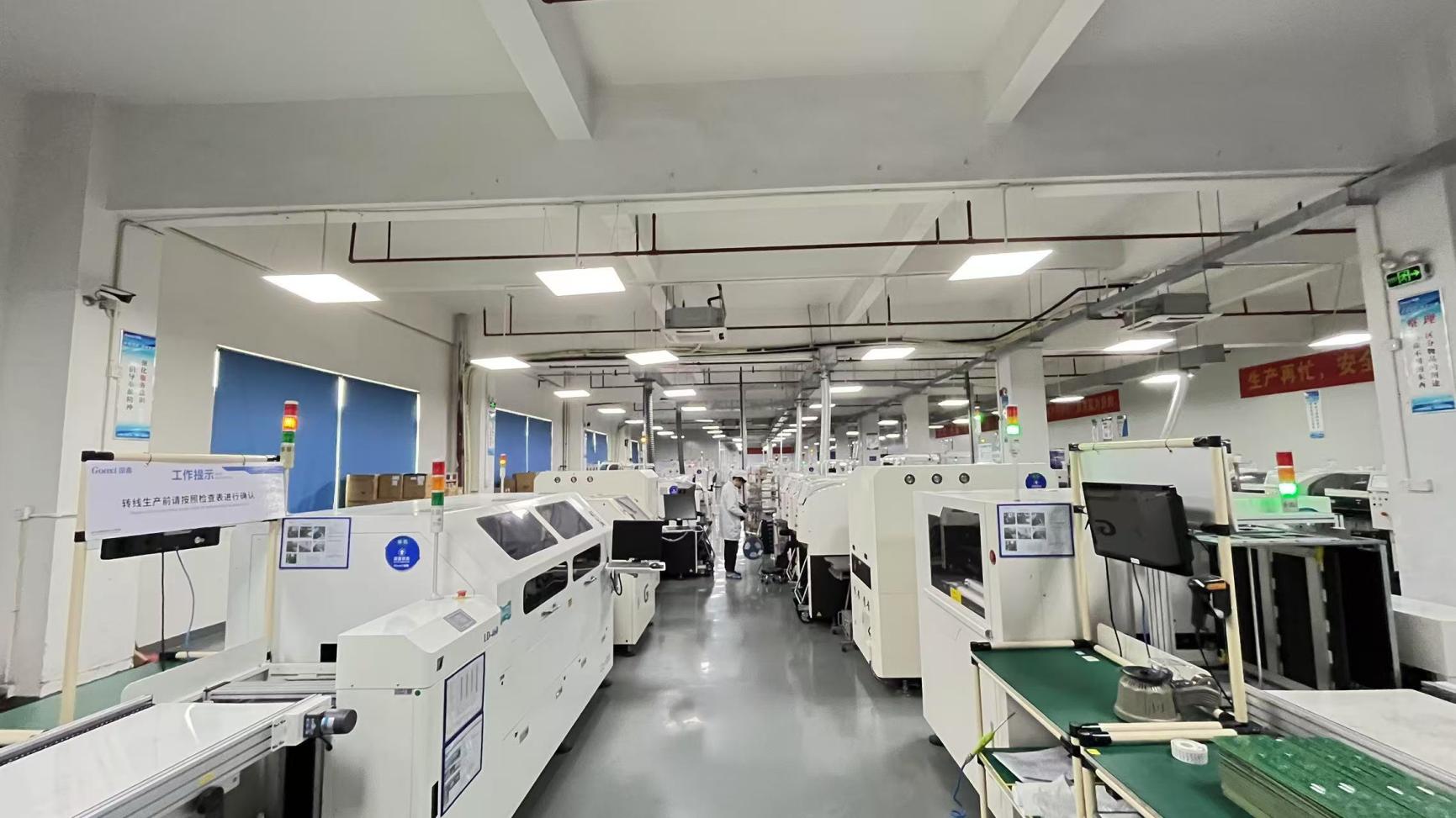
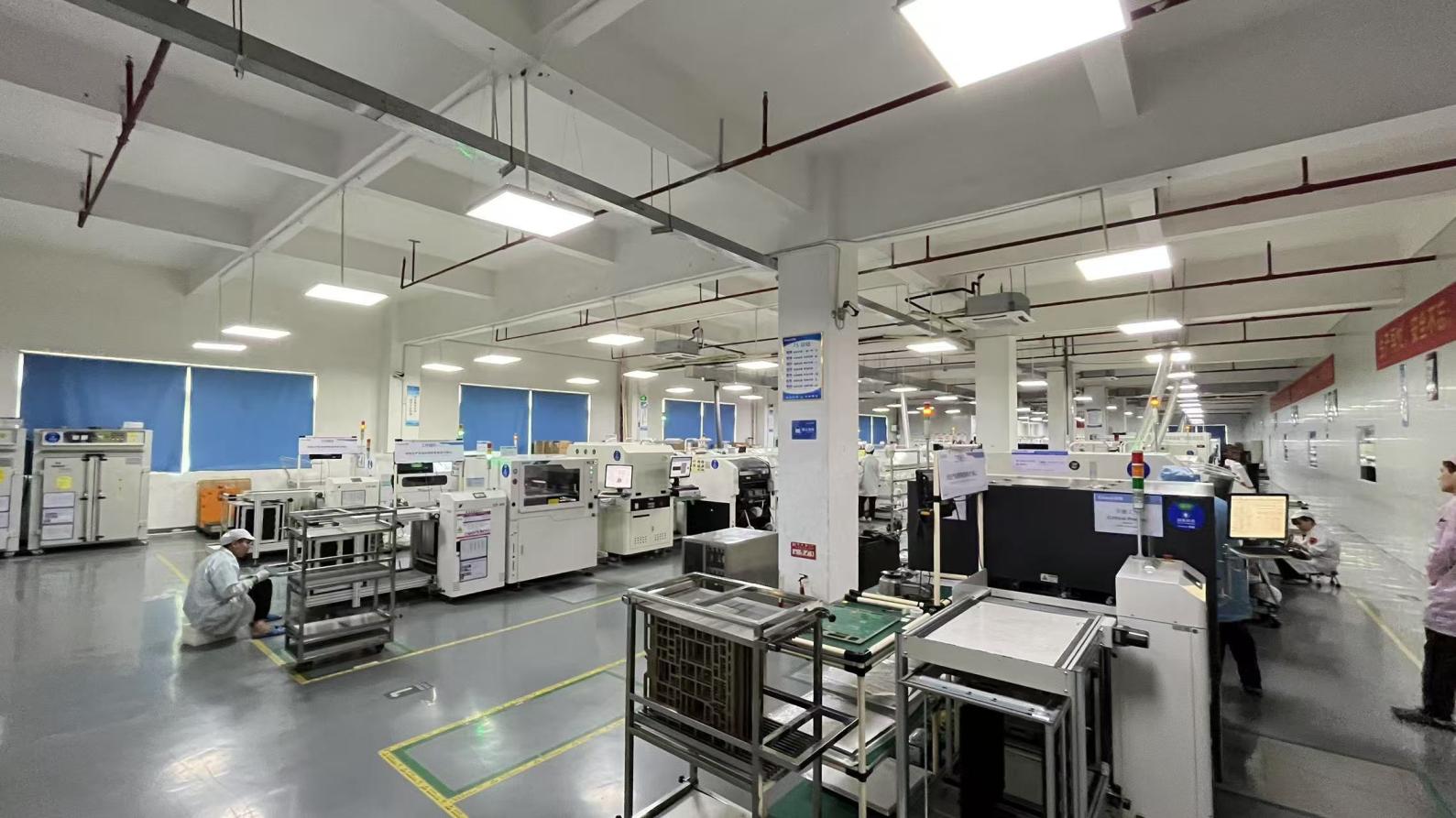
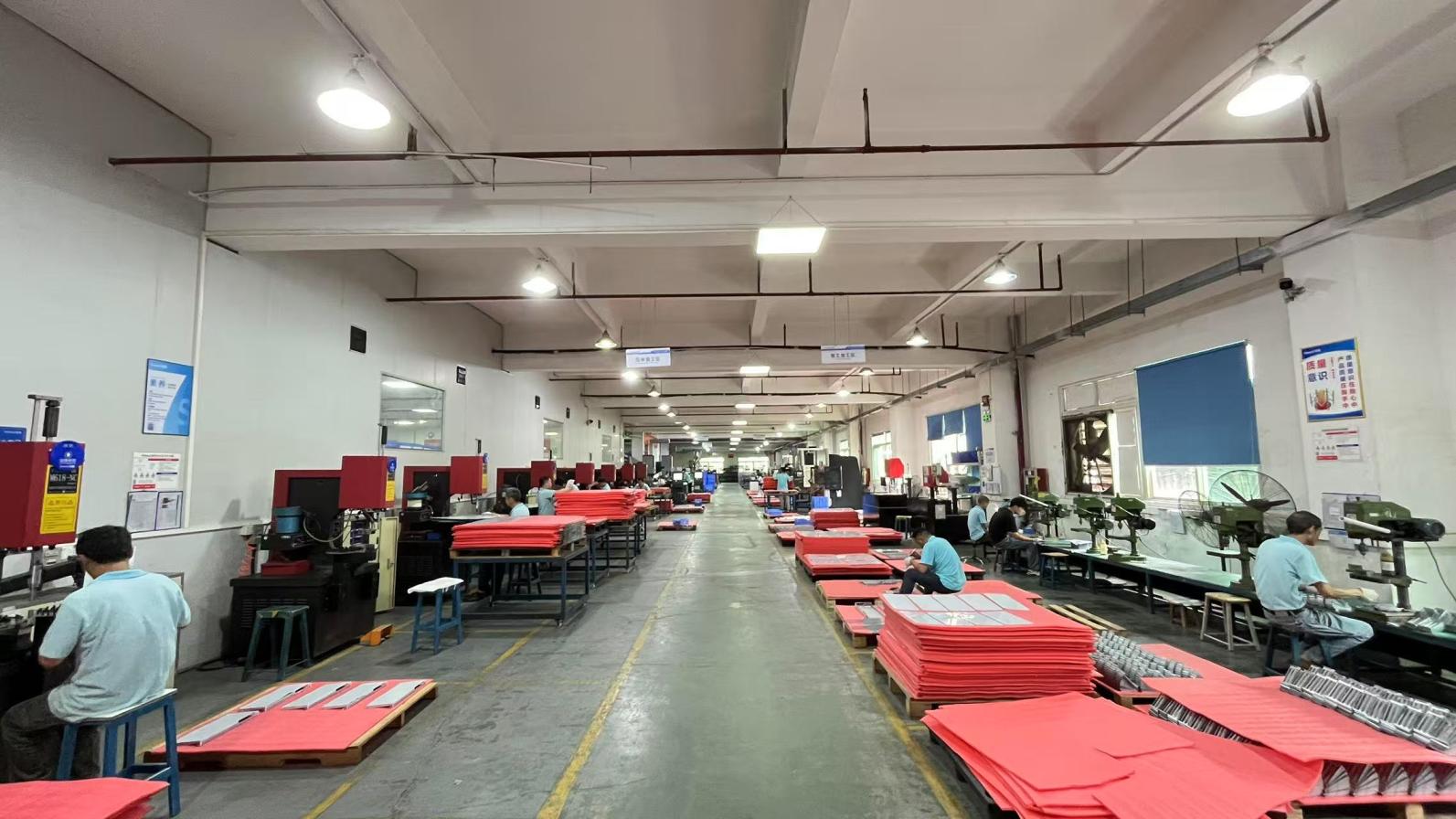
Every V7 server undergoes a documented manufacturing flow, ensuring raw materials are fabricated and combined to industrial standards.
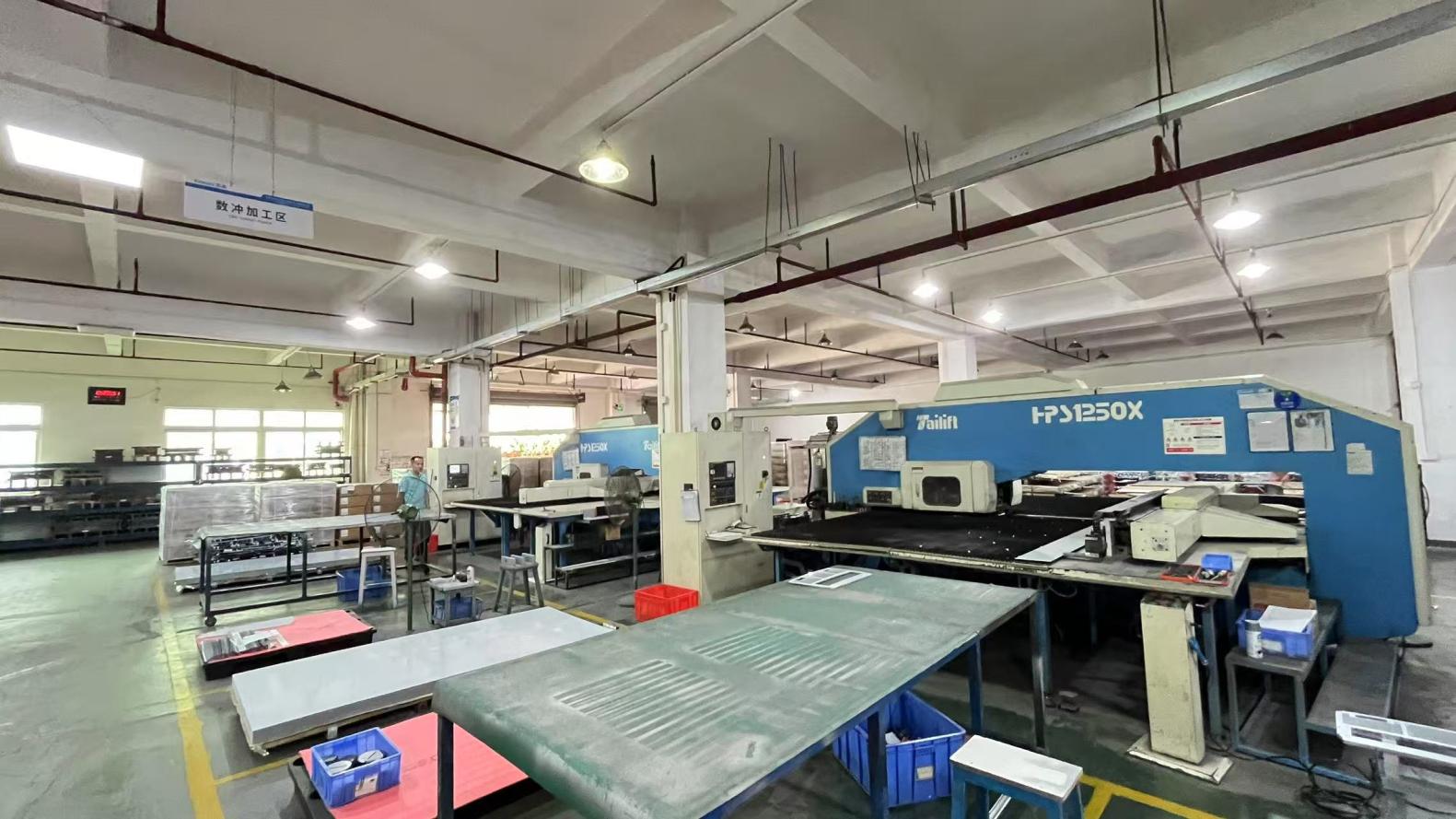
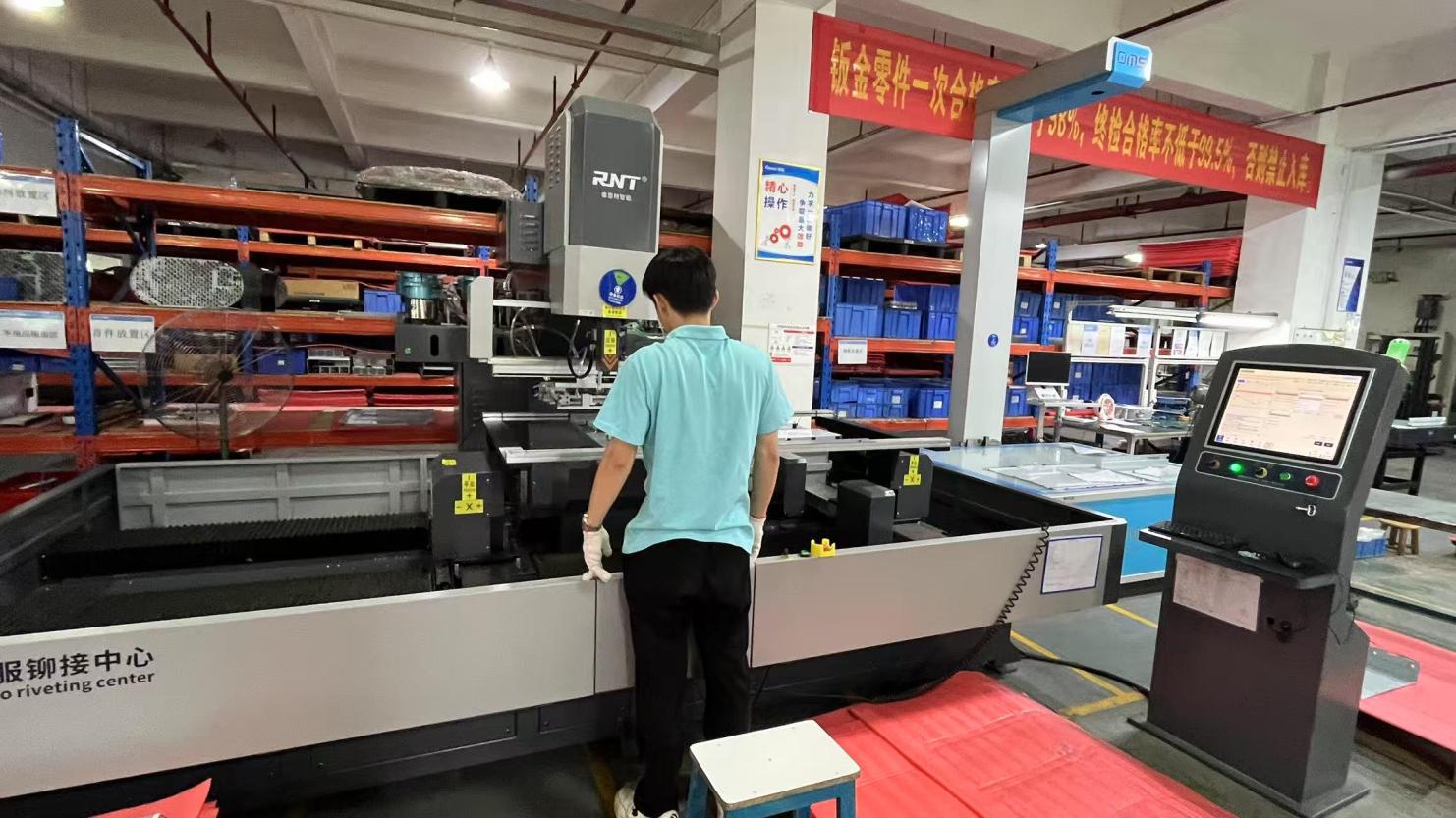
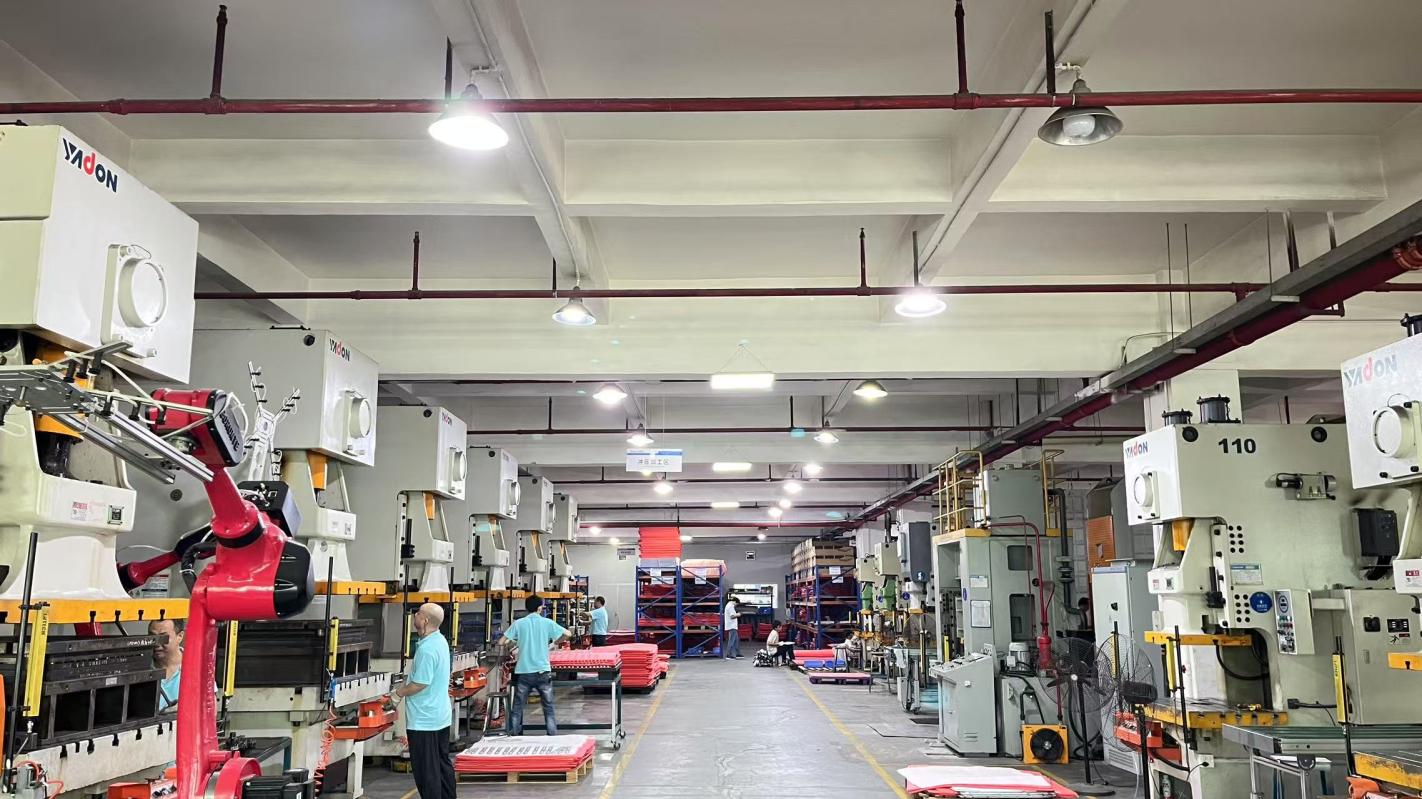
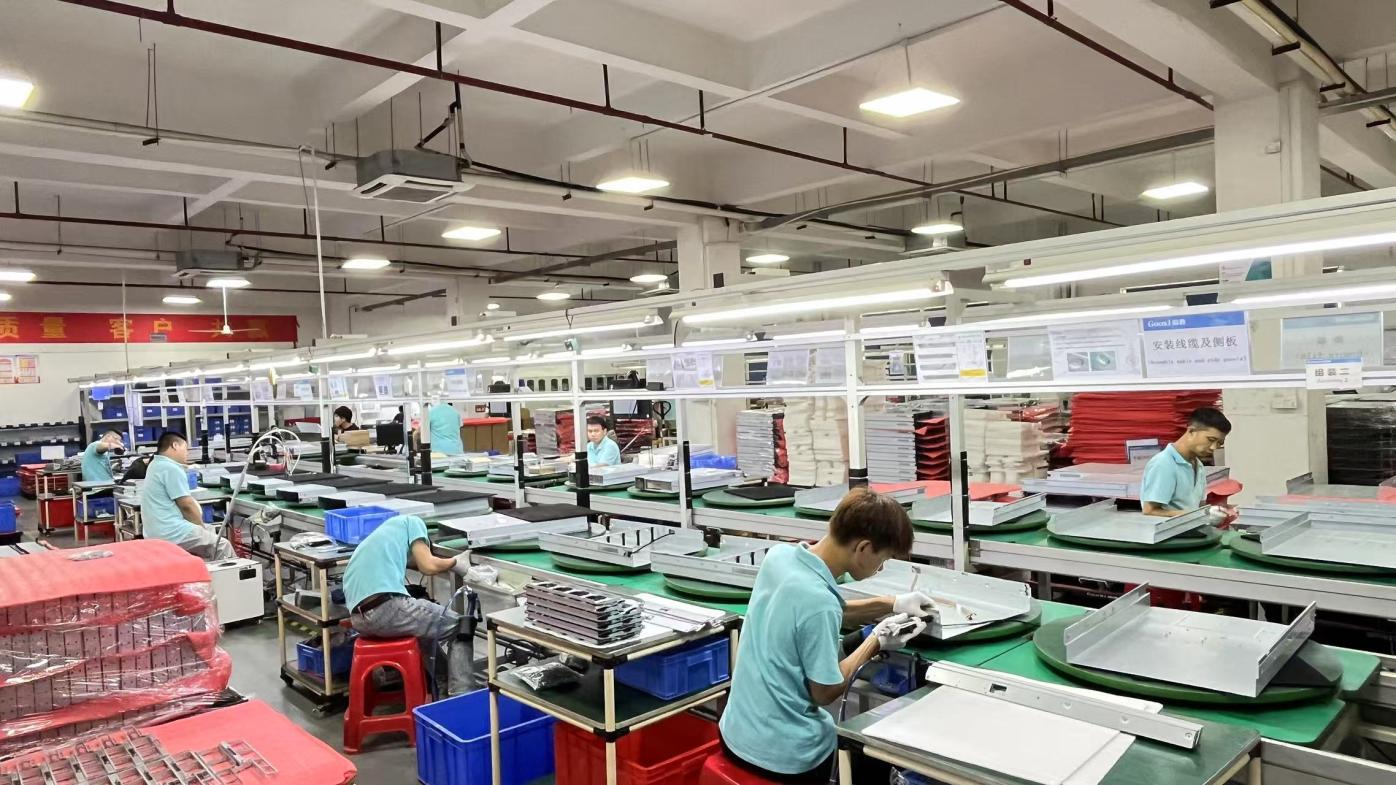
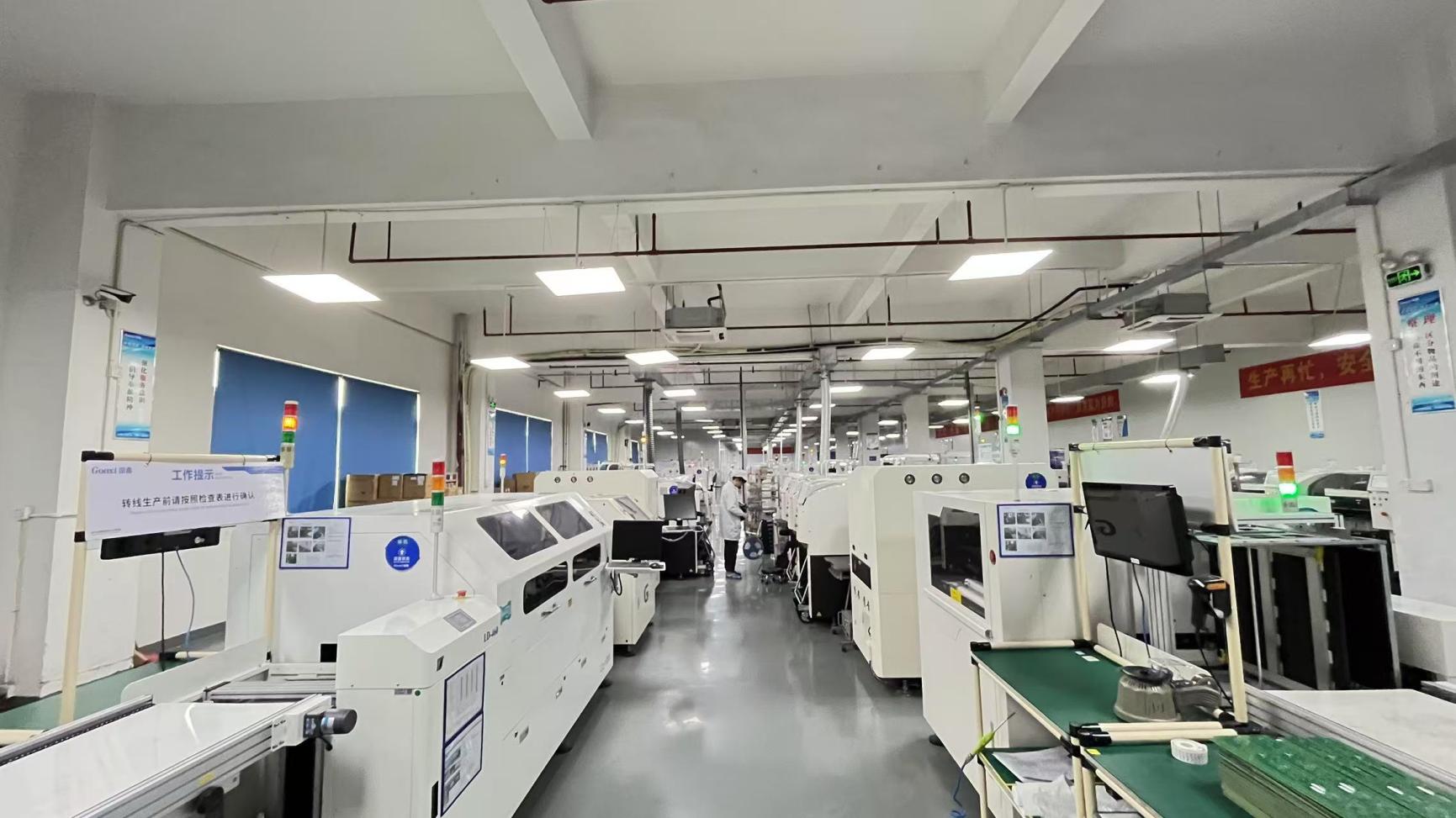
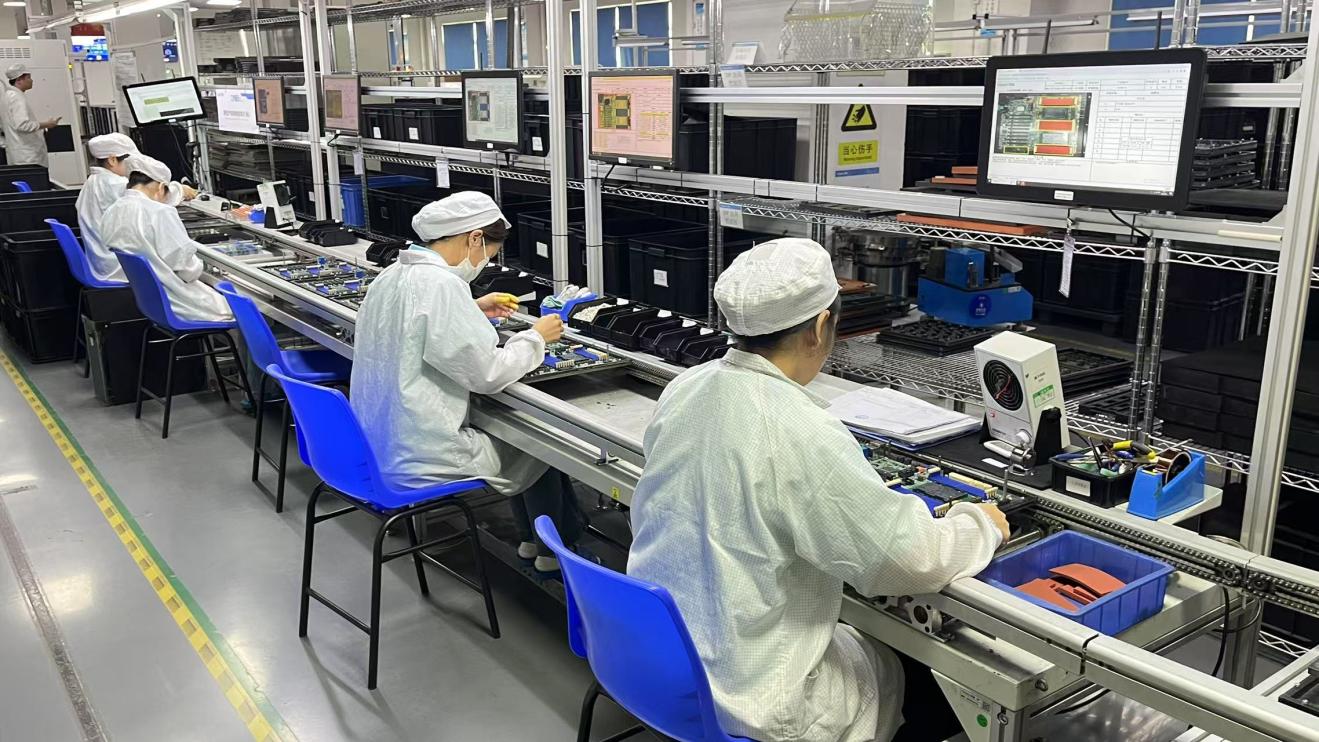
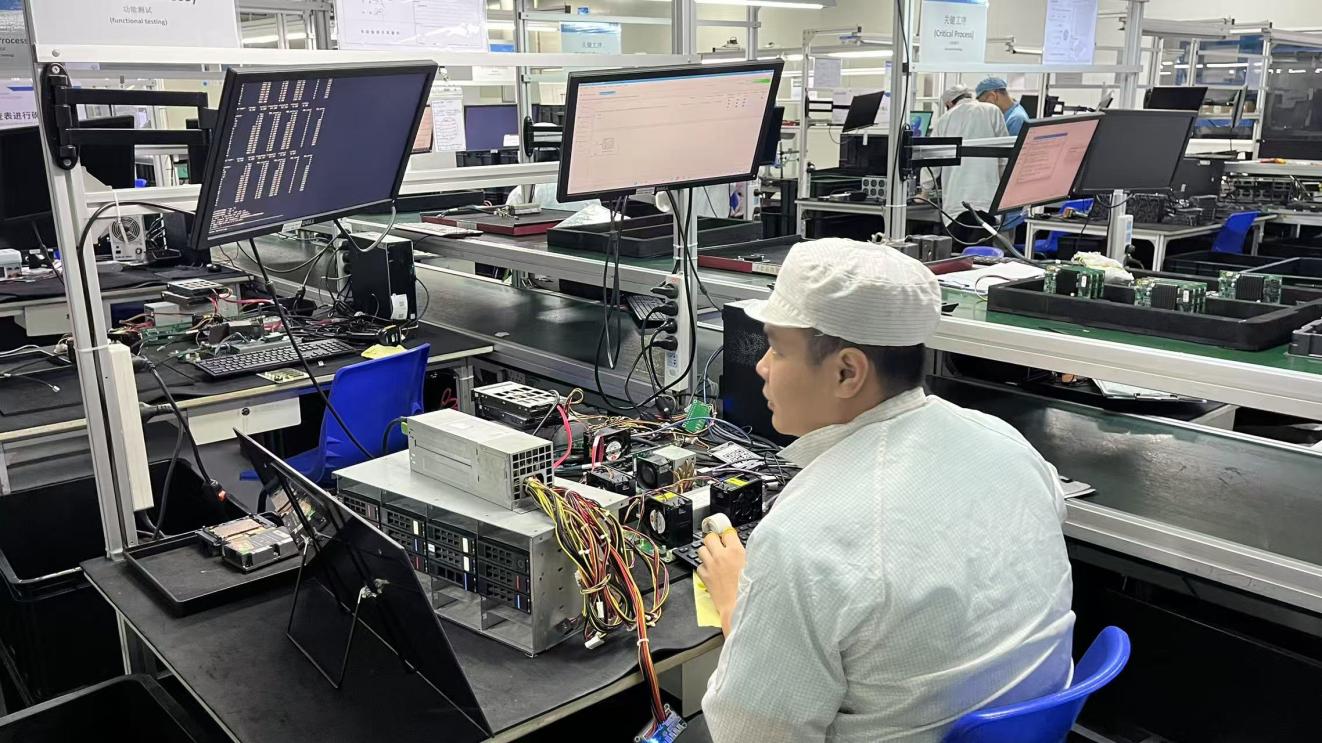
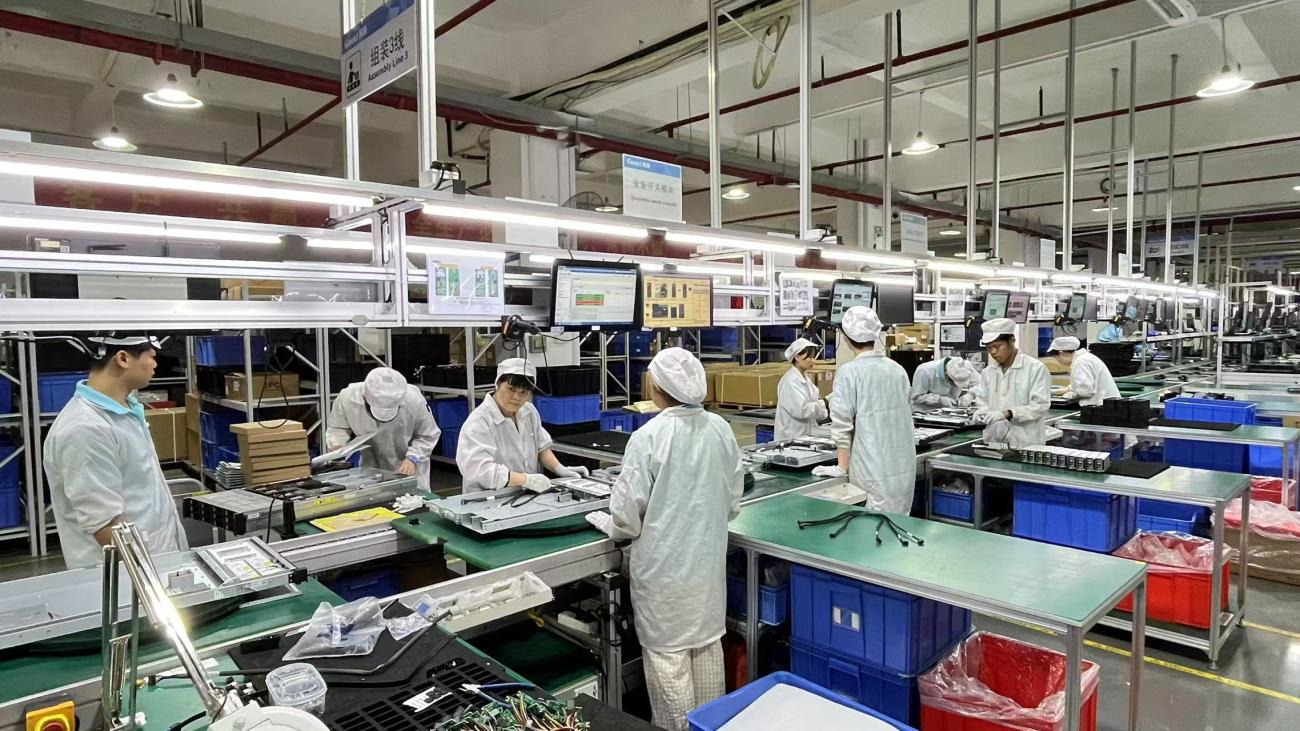
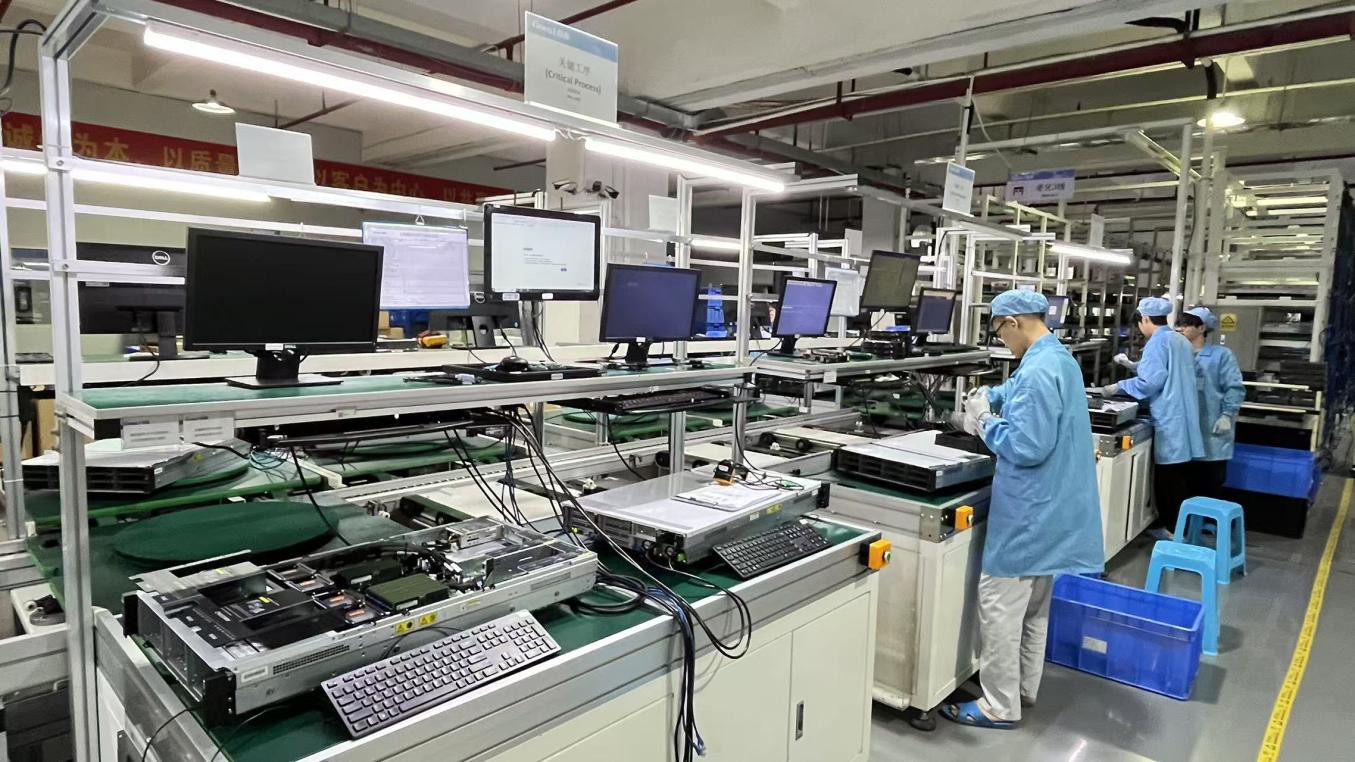
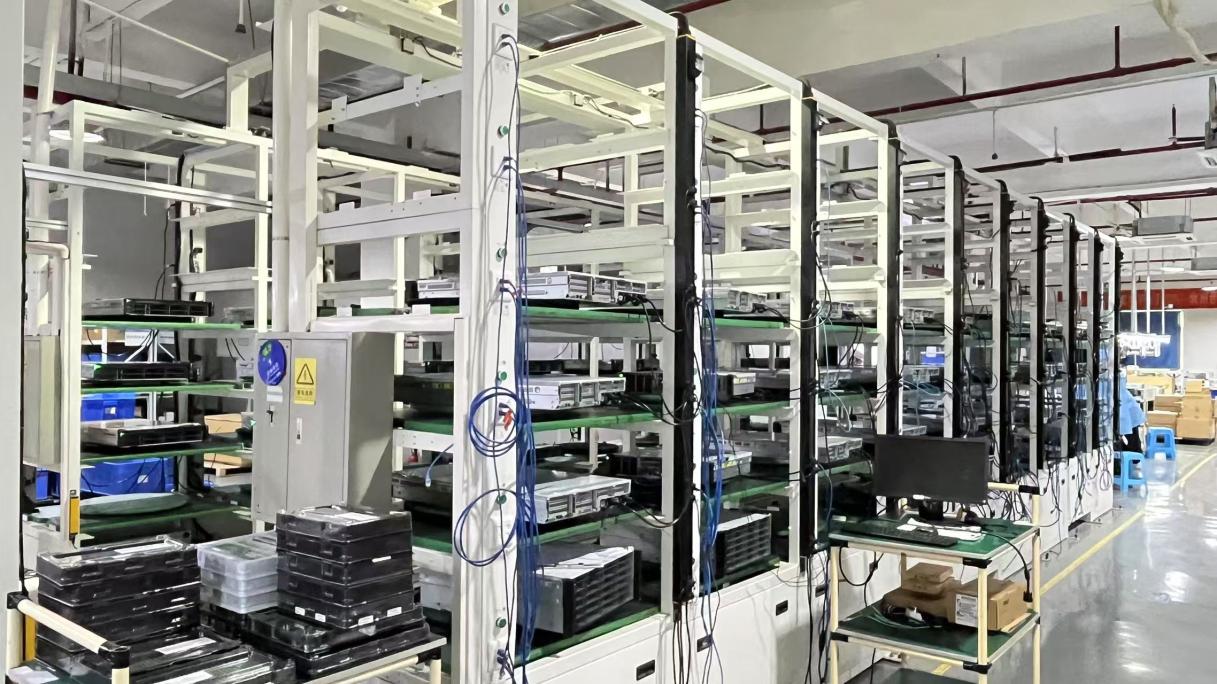
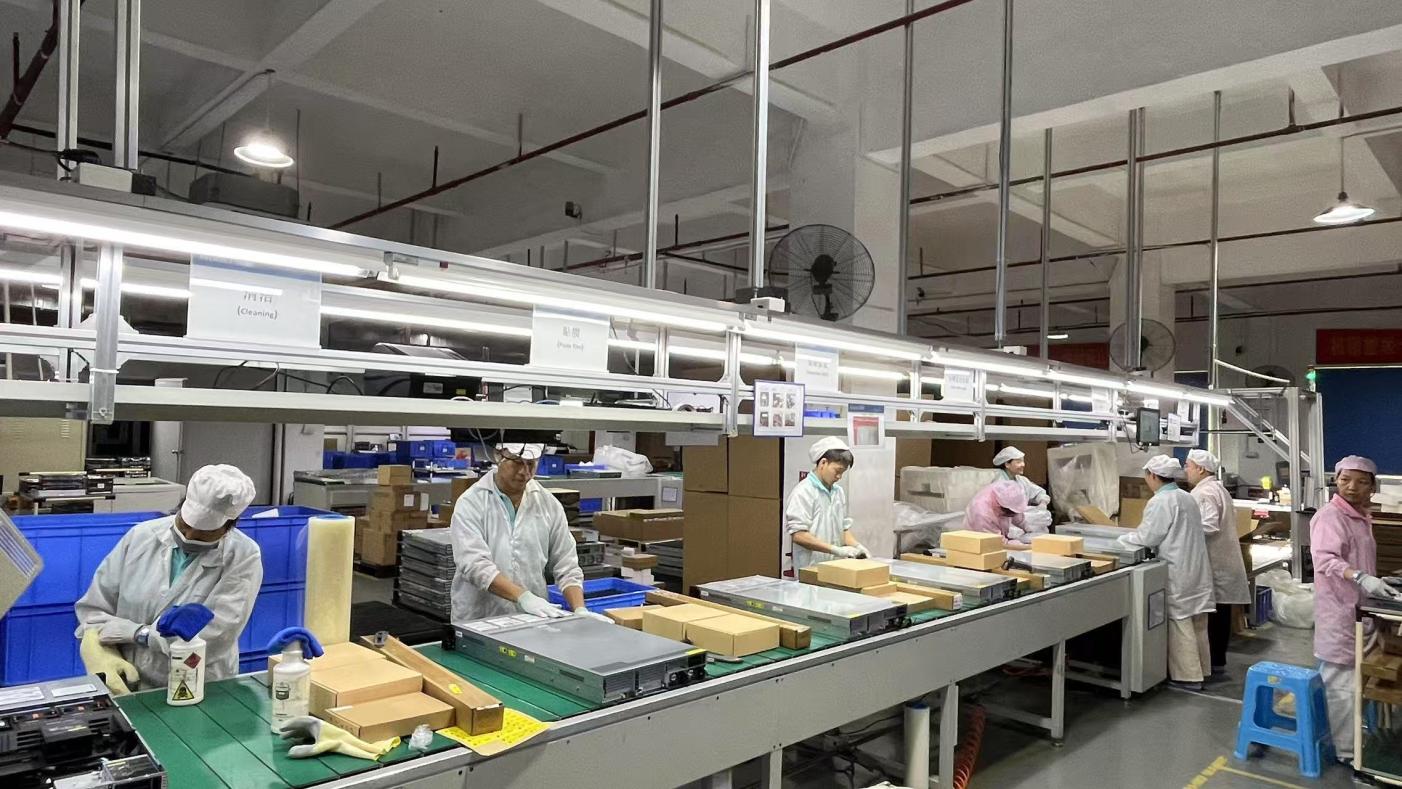
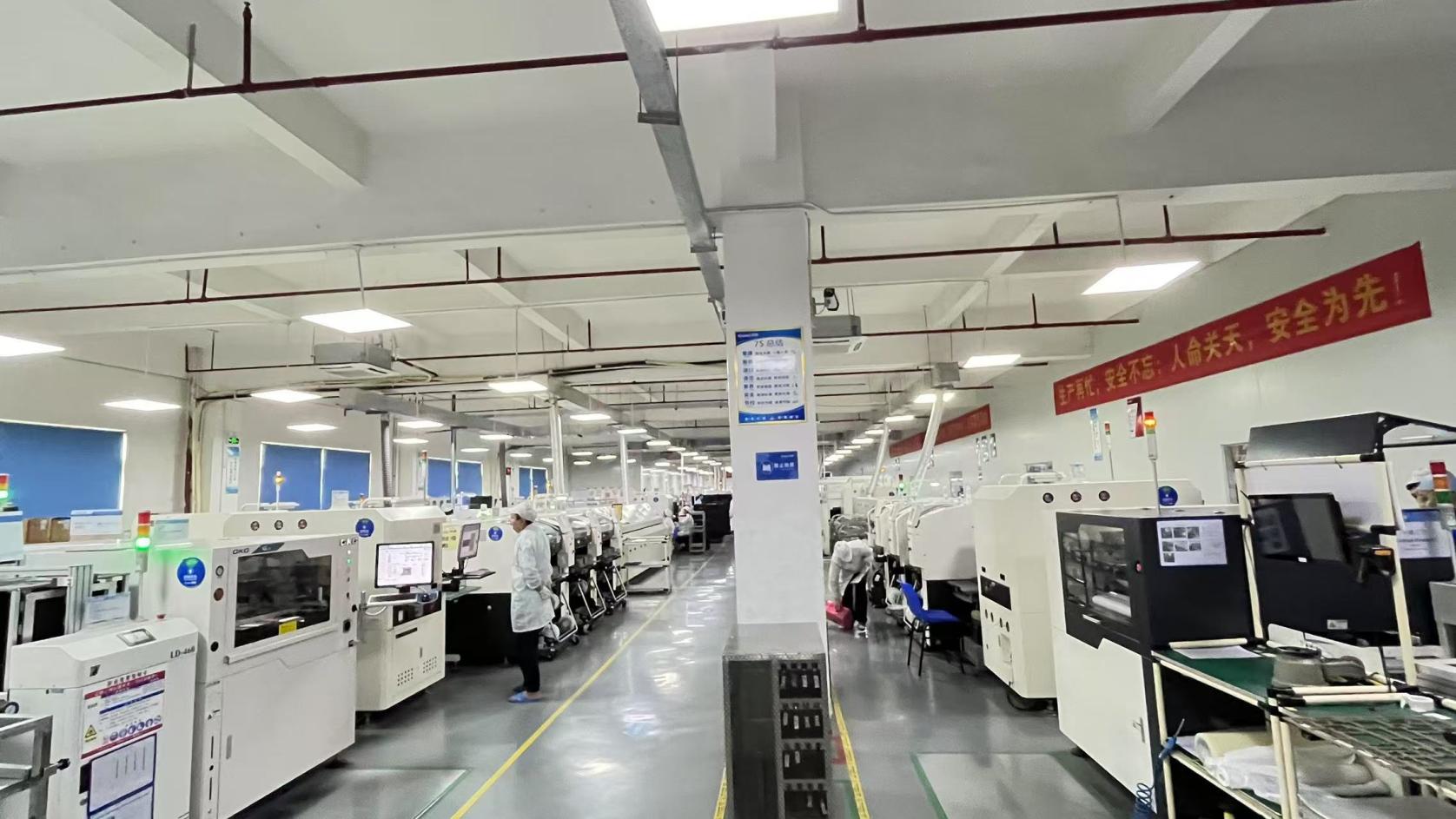
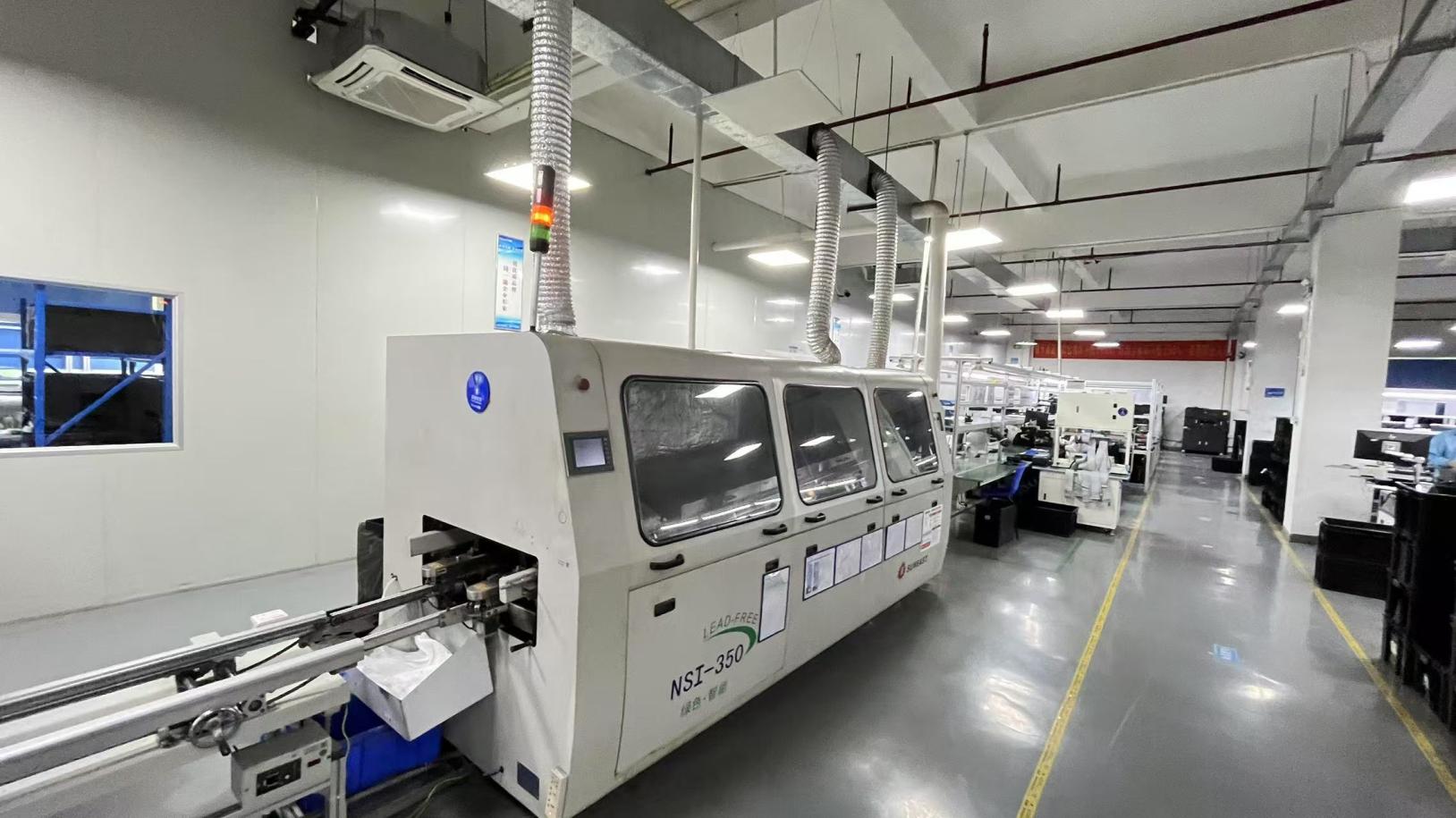
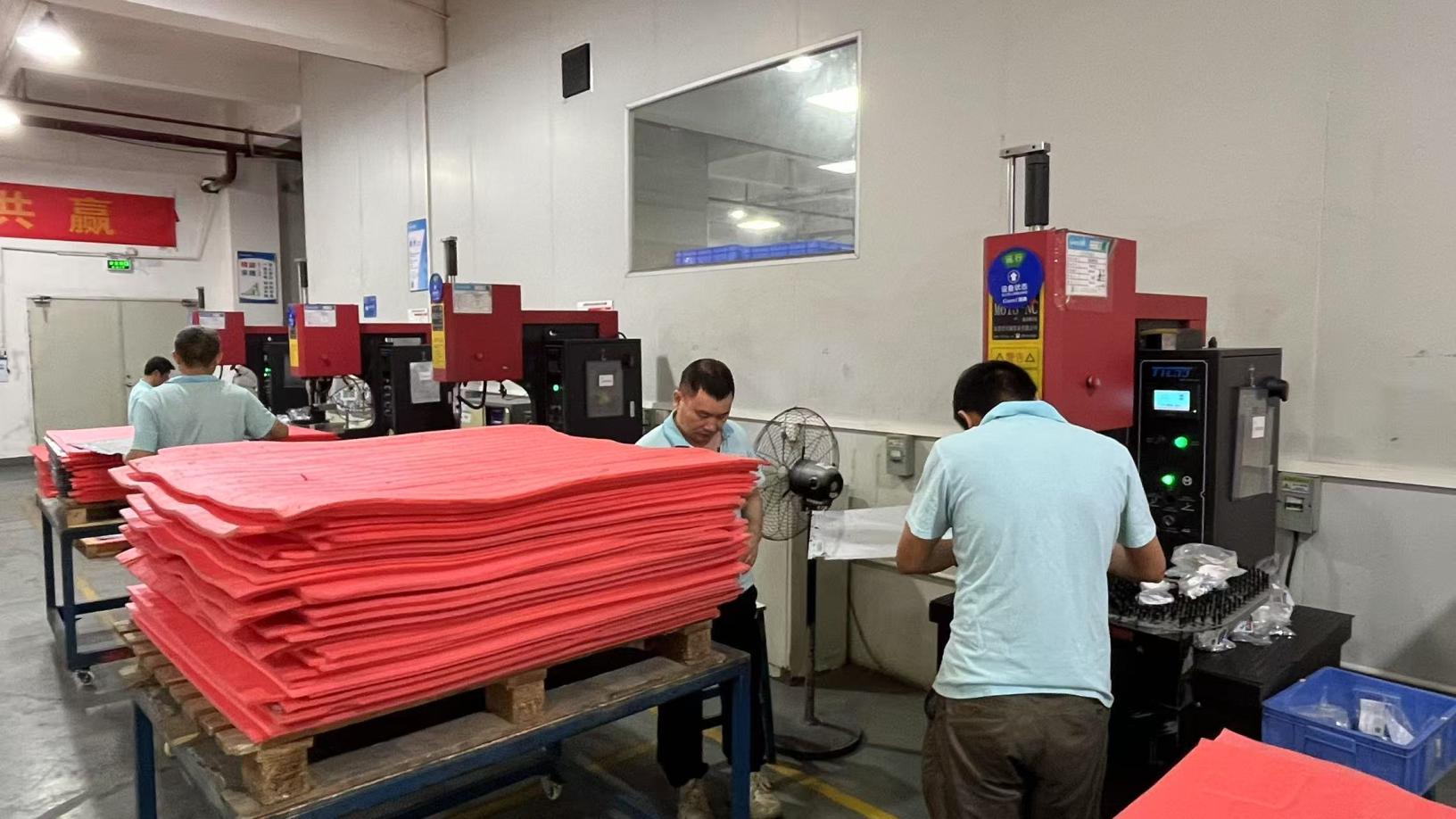
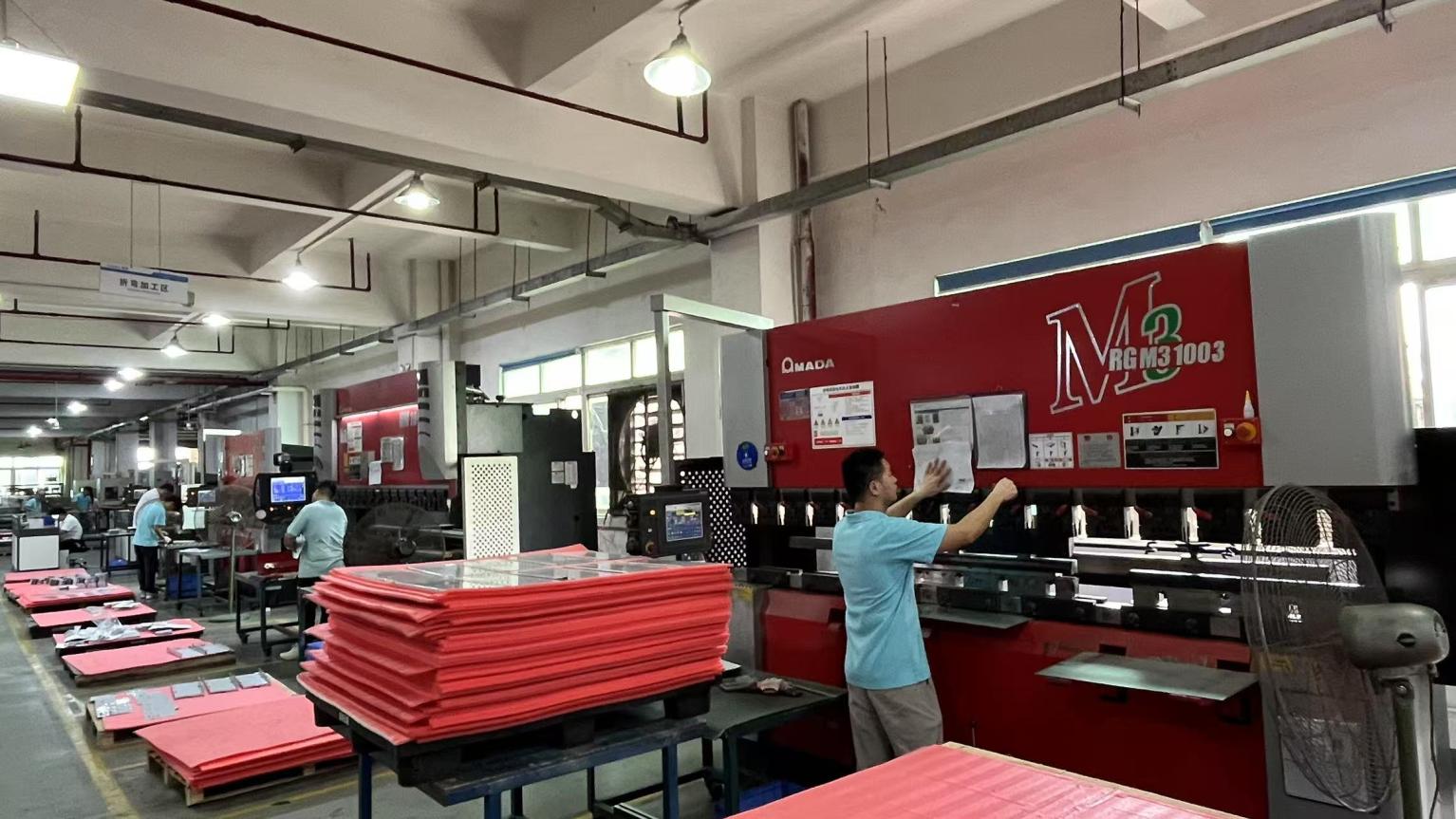

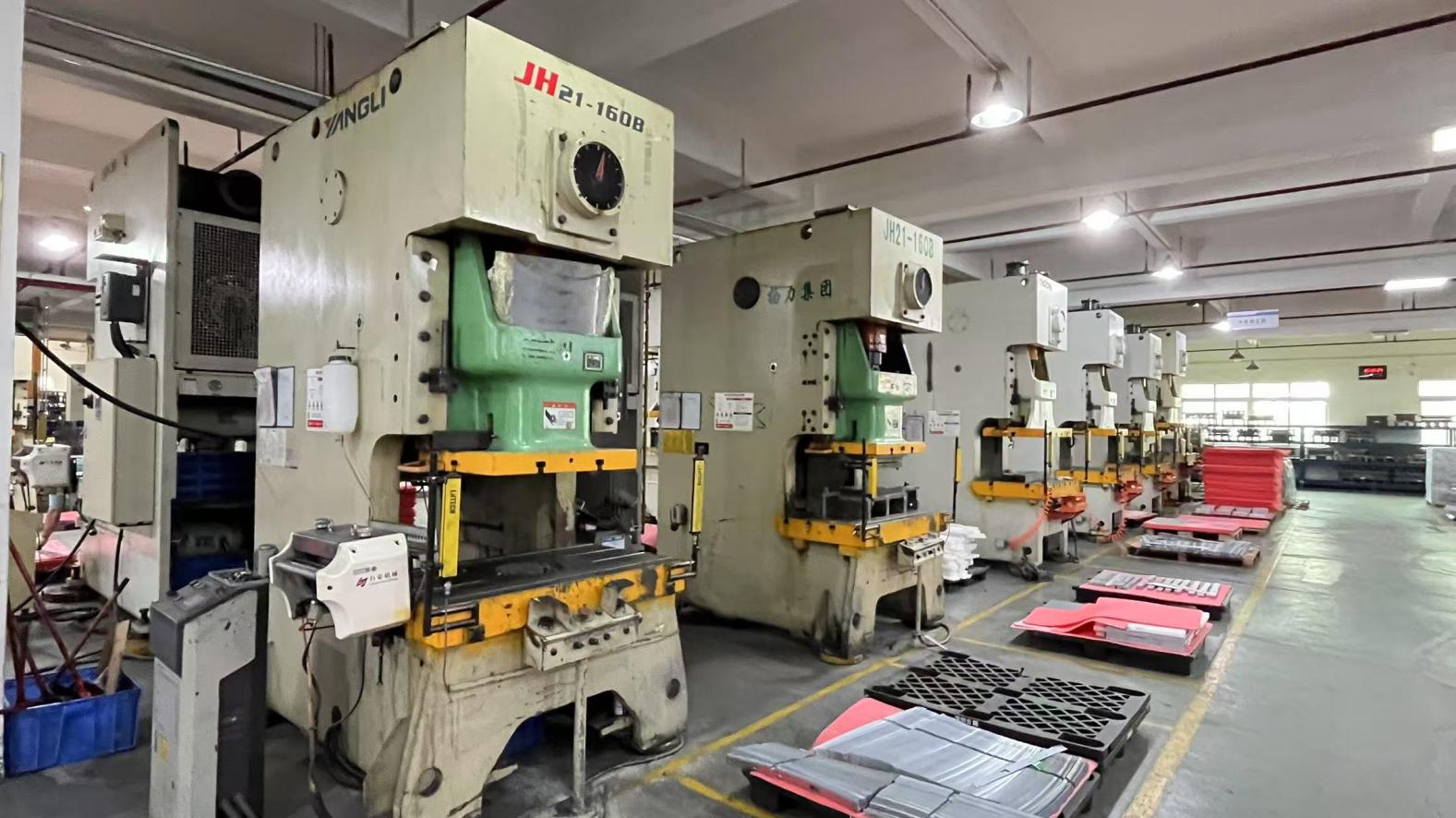
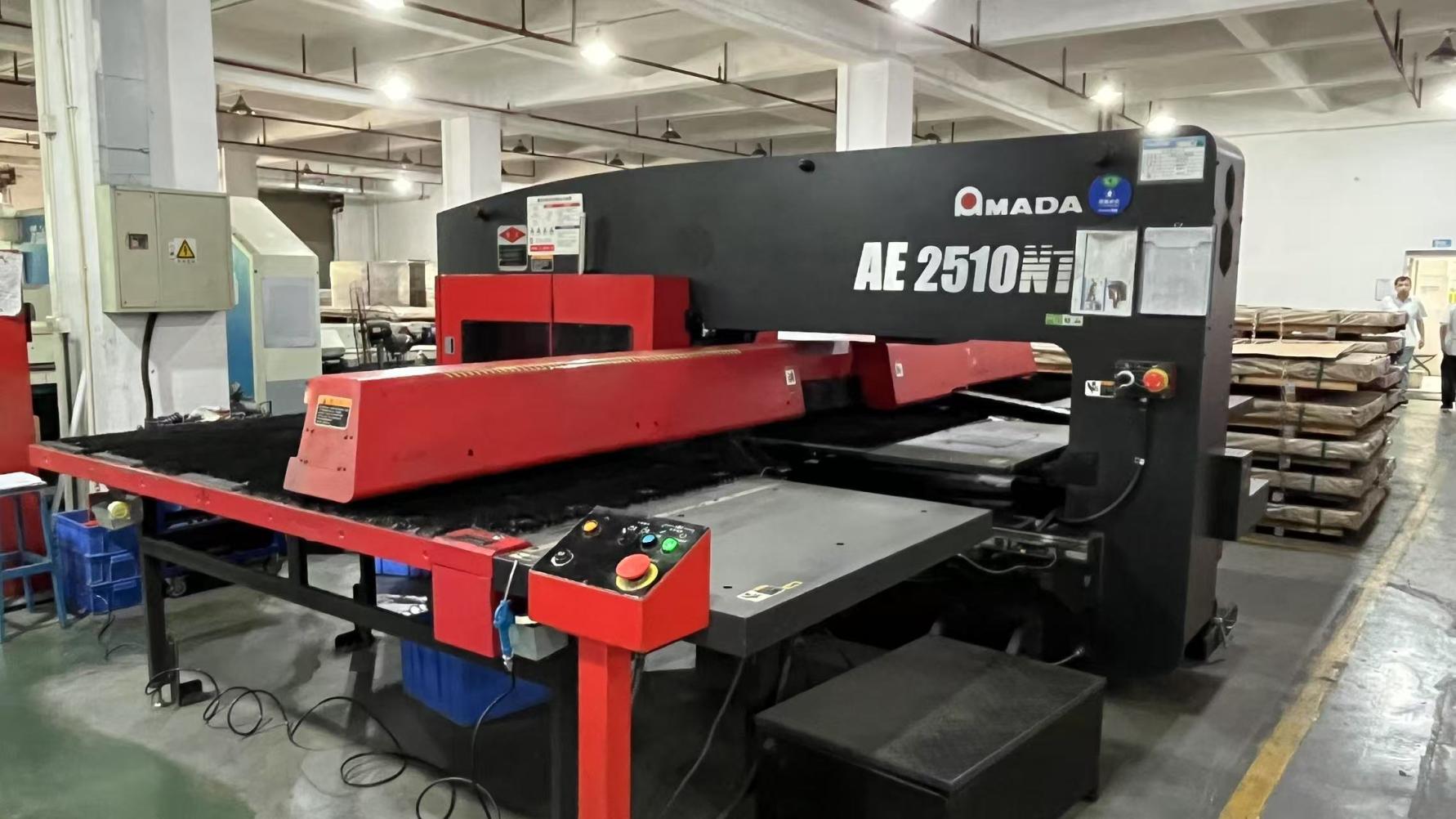
For server units destined for Northern Europe and the Baltic regions, structural and functional resilience is paramount. Sea transit moisture, rail vibrations, and changes in storage temperature can challenge server circuit boards and structural frames. To mitigate this risk, ZhiCloud AI executes deep hardware testing at our facility.
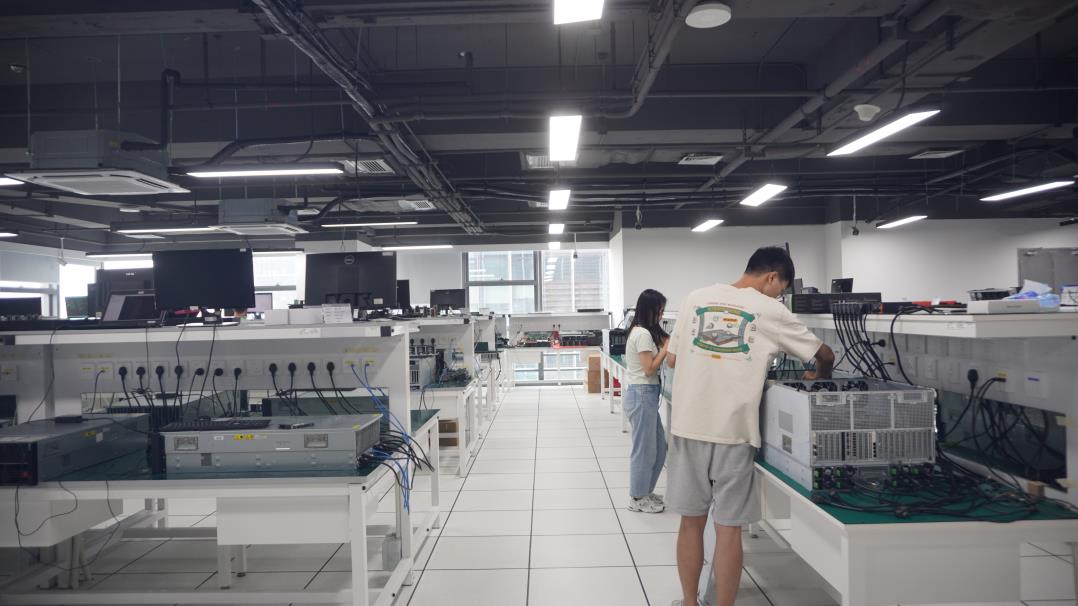
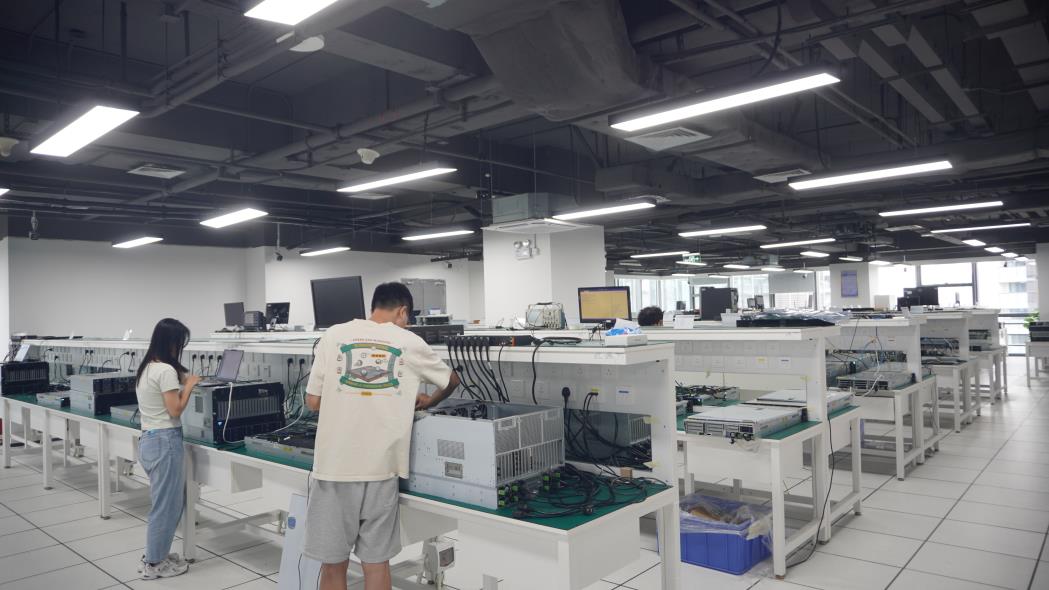
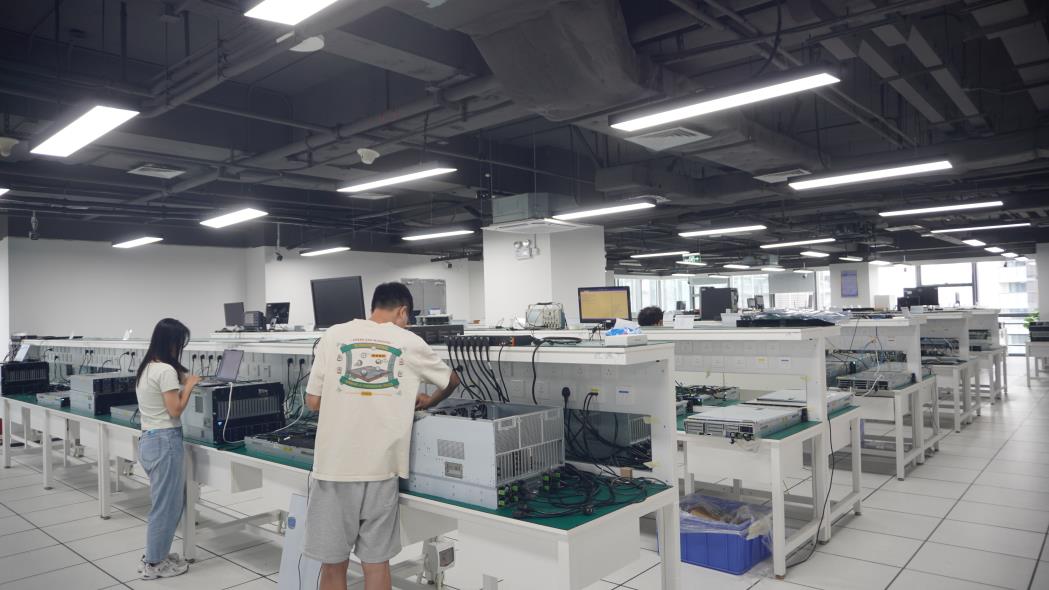
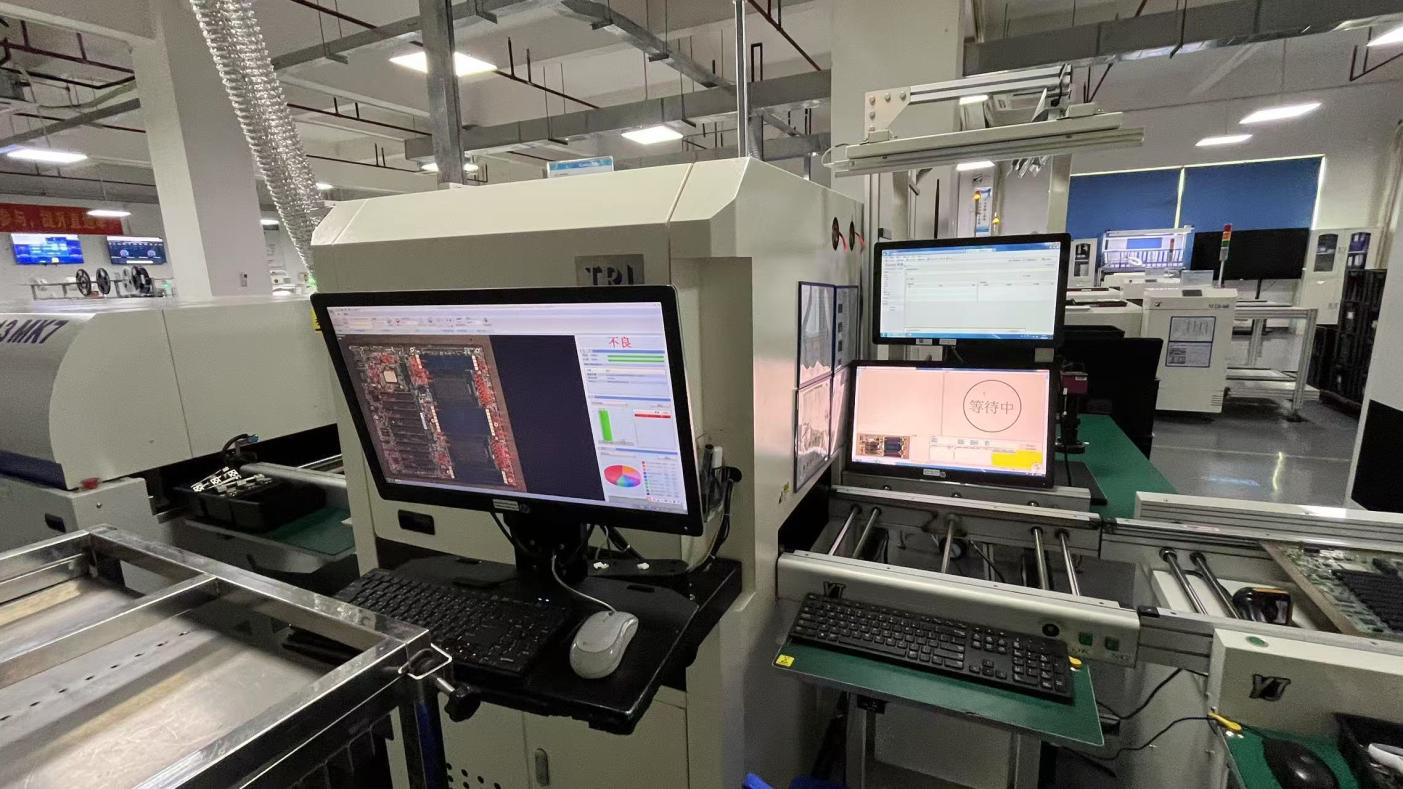
Our testing facility utilizes specialized QA machinery, including Thermotank thermal shock chambers to simulate intense temperature variations, vibration platform testing to simulate delivery movement, and salt spray testing equipment to ensure long-term chassis resistance to oxidation in humid port environments like Riga and Ventspils. We additionally utilize non-destructive X-ray analysis and 3D coordinate-measuring machines (CMM) to inspect complex PCBA structures before assembly.
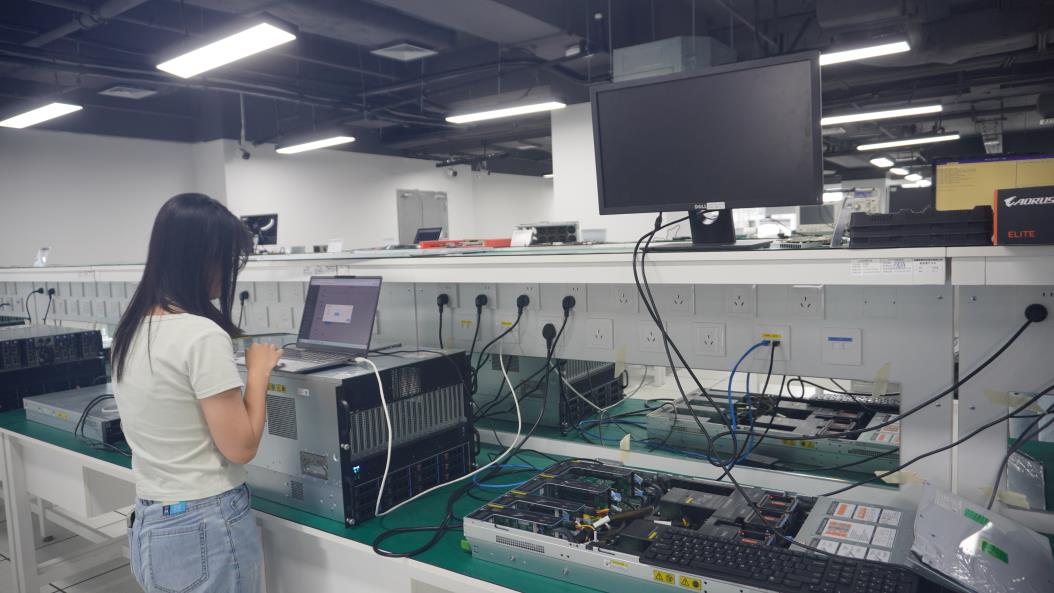
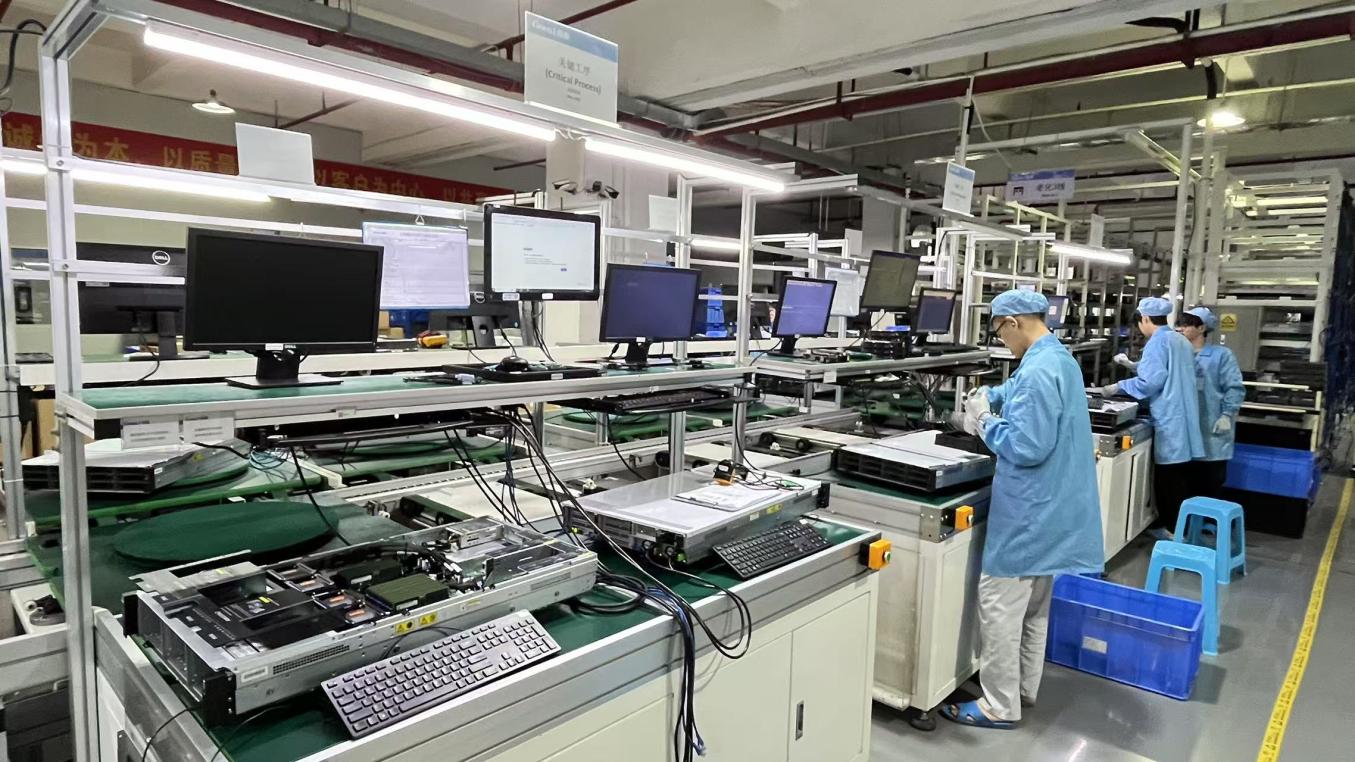
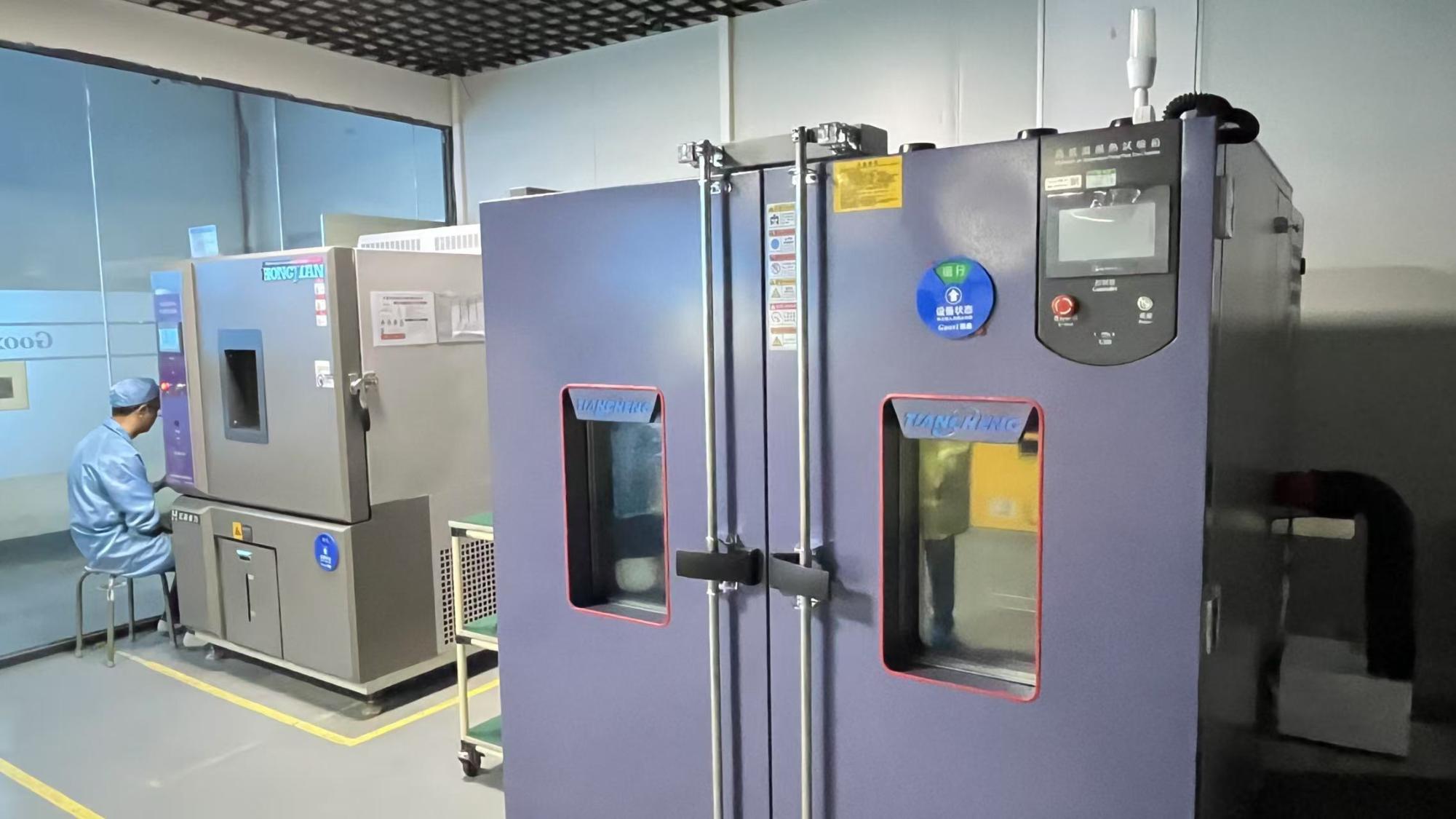
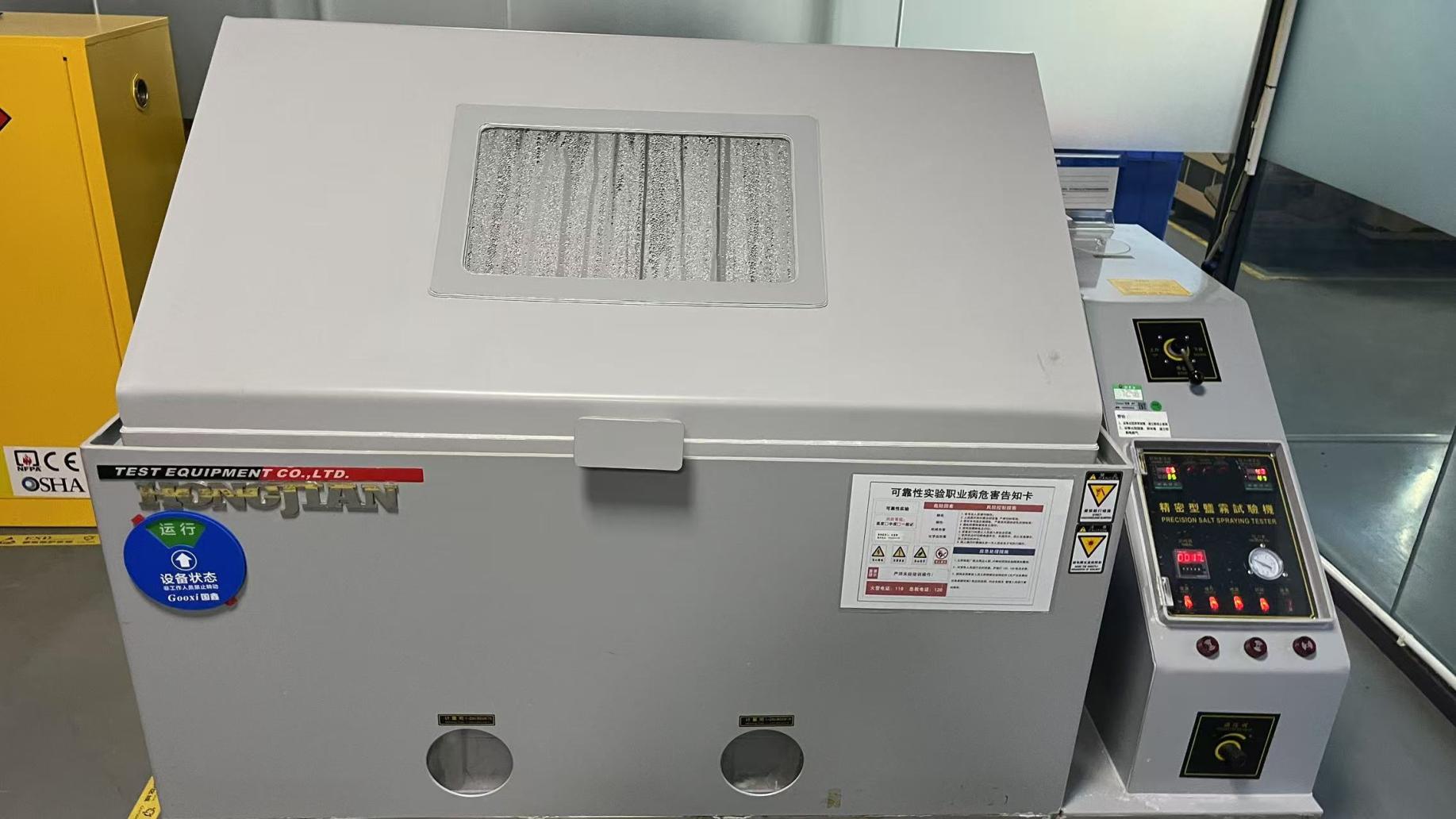
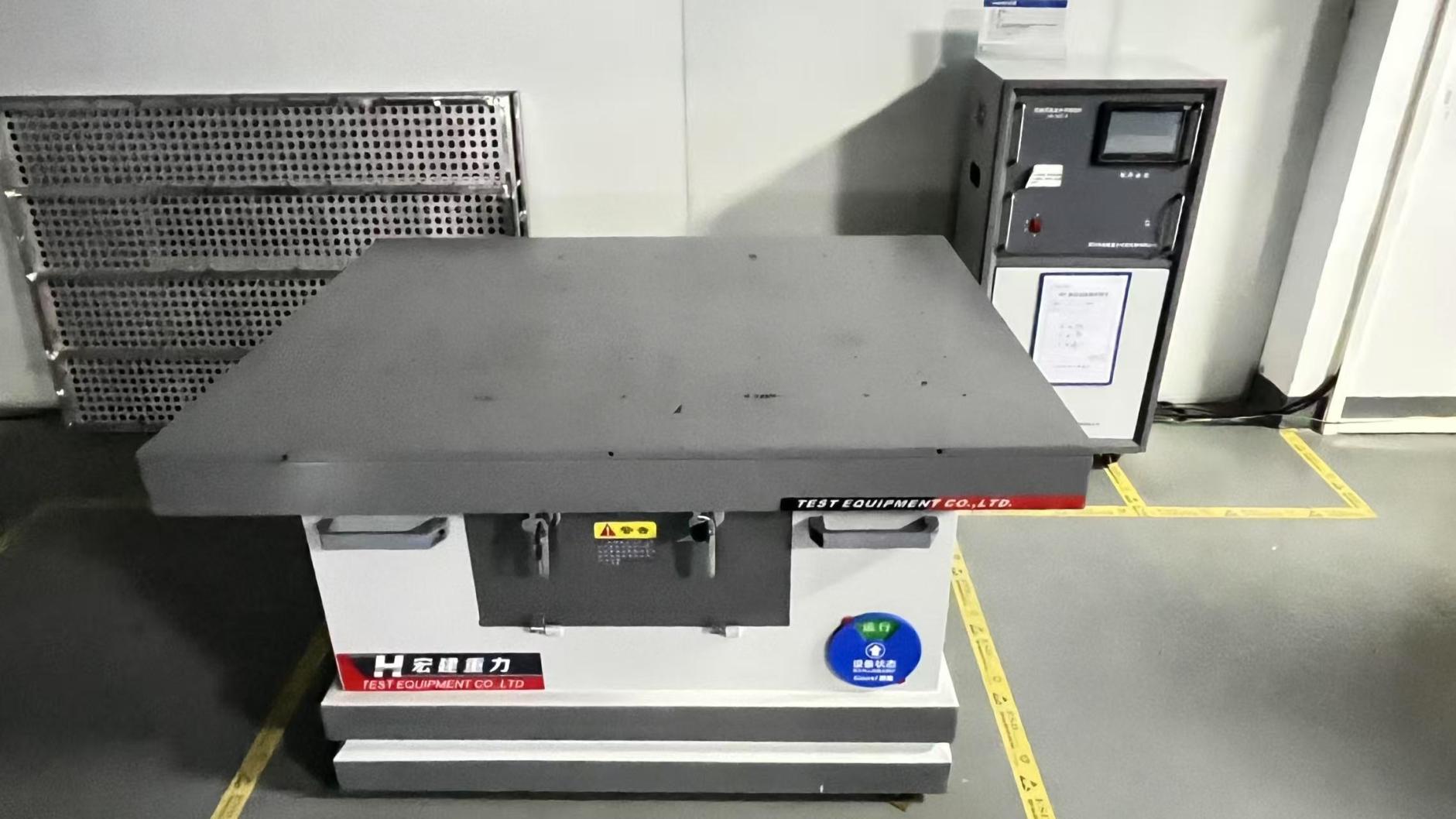
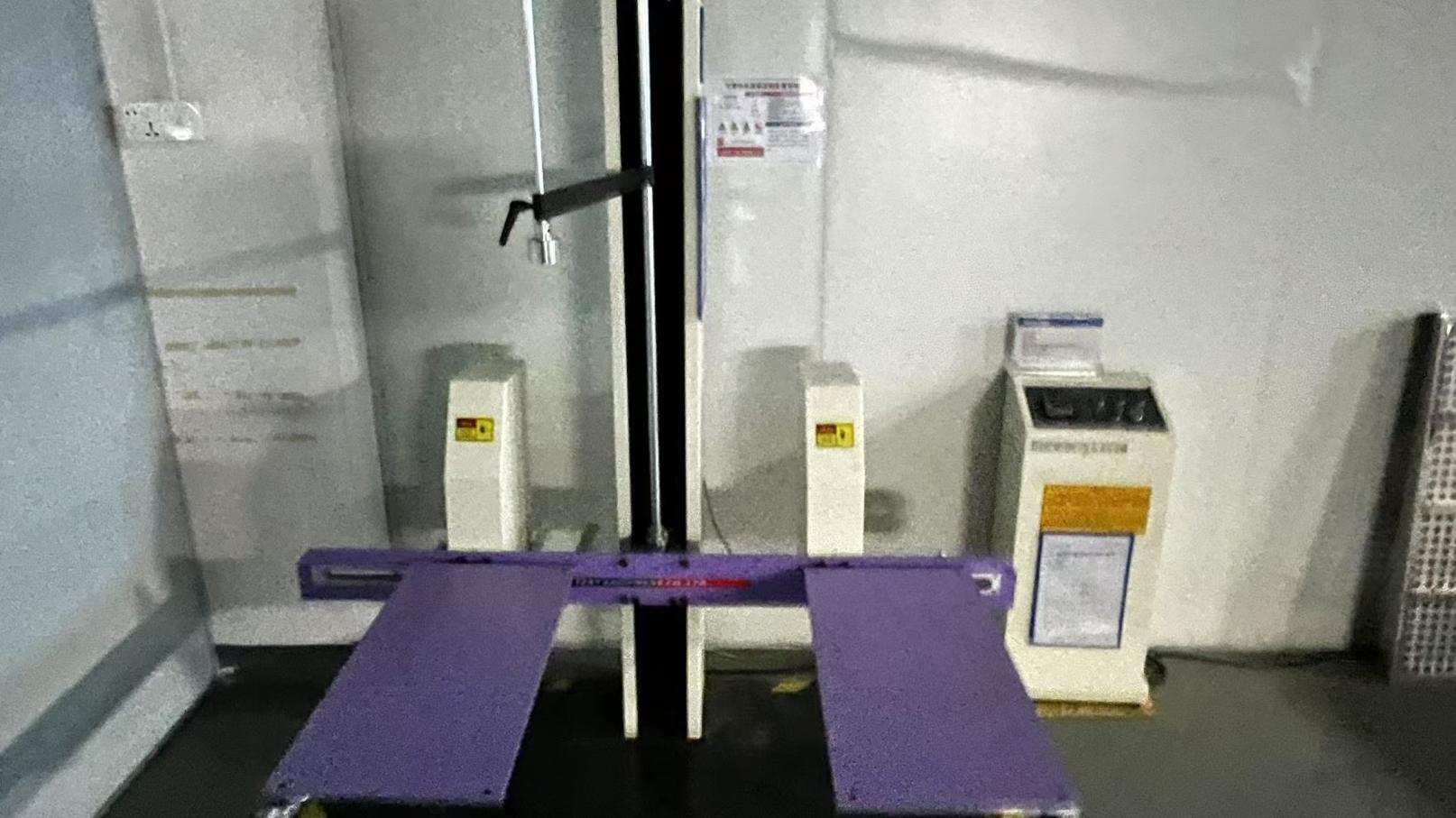
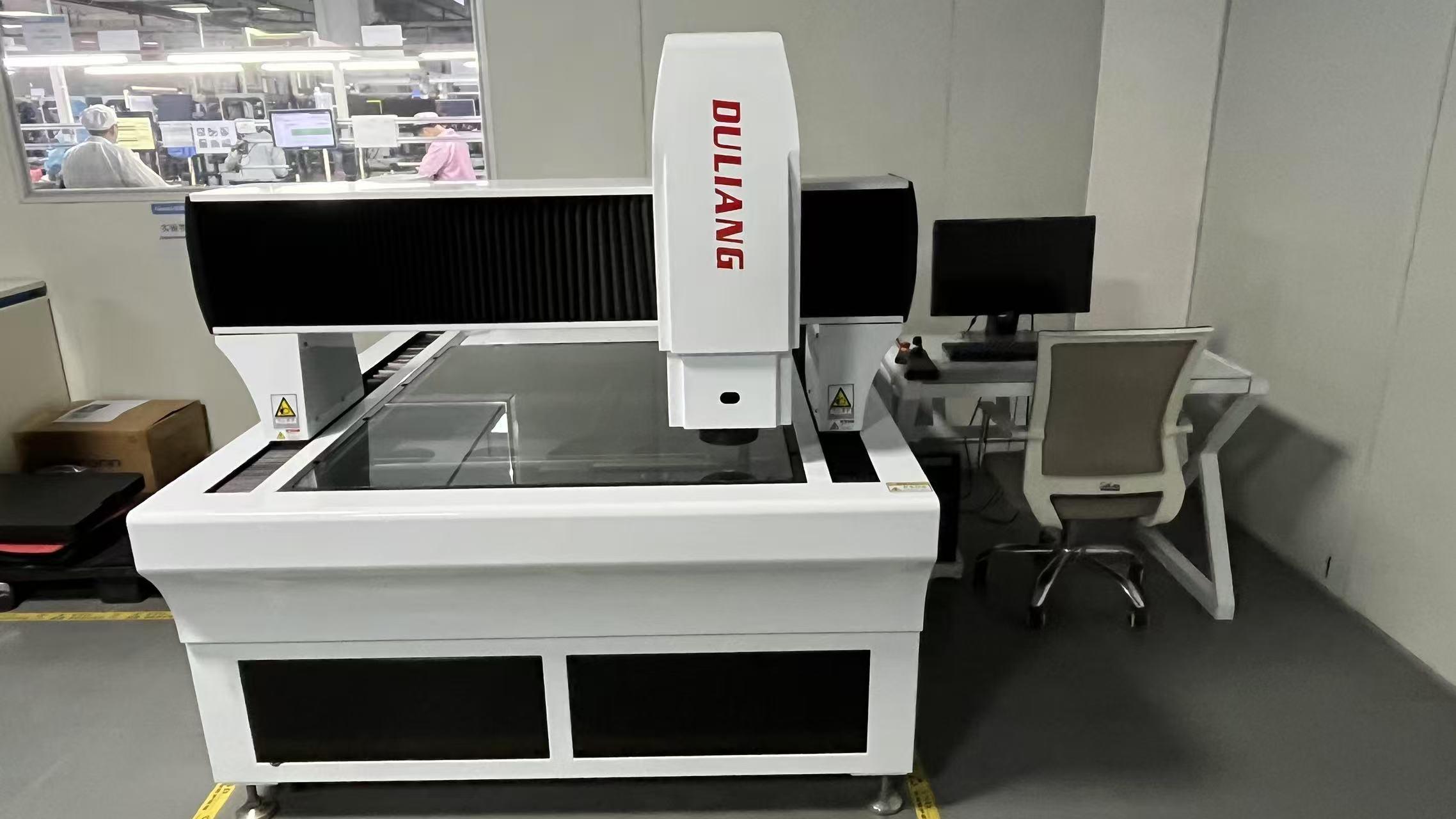
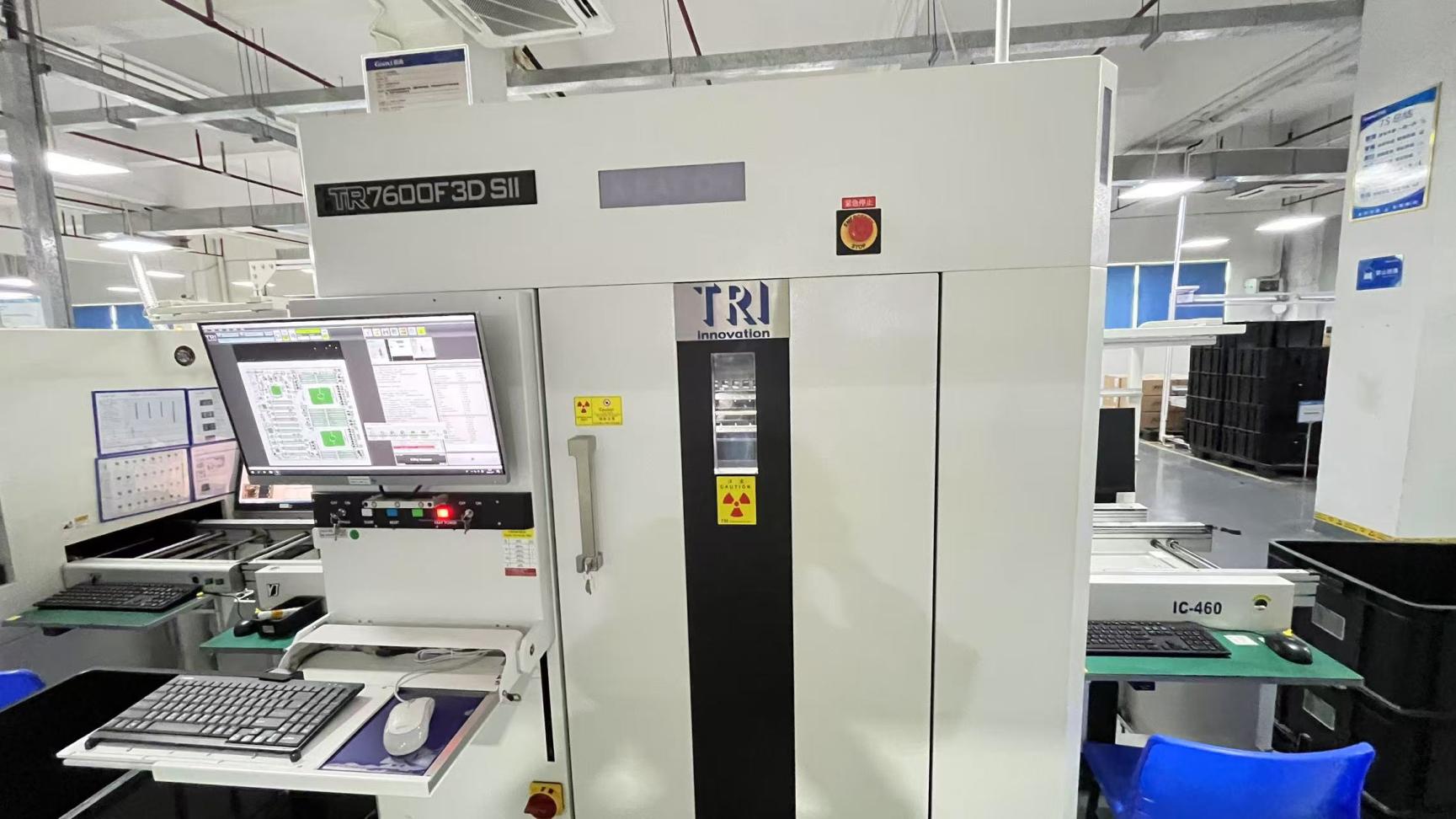
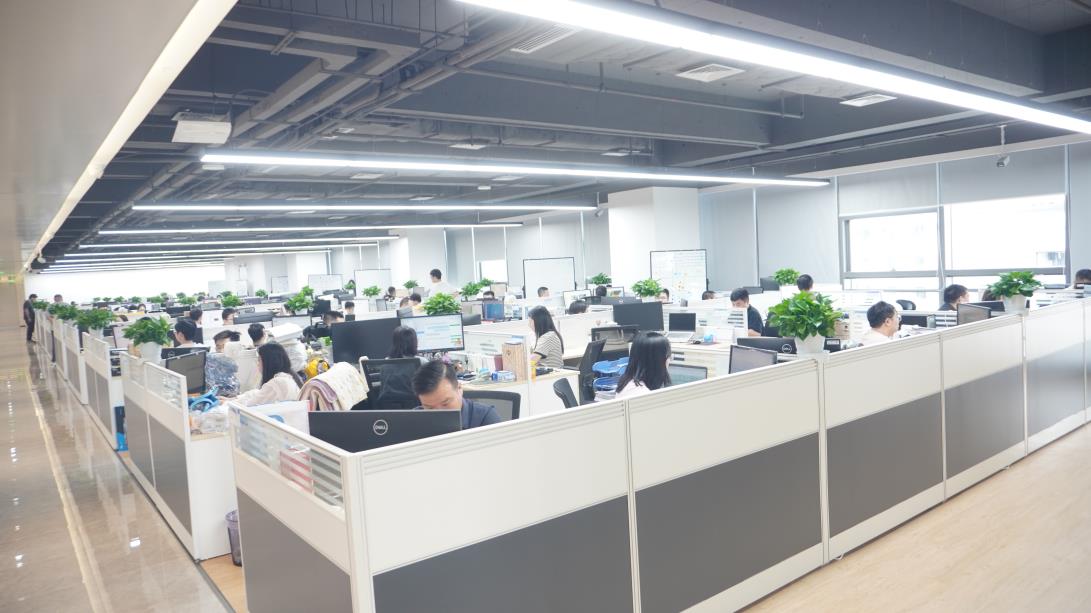
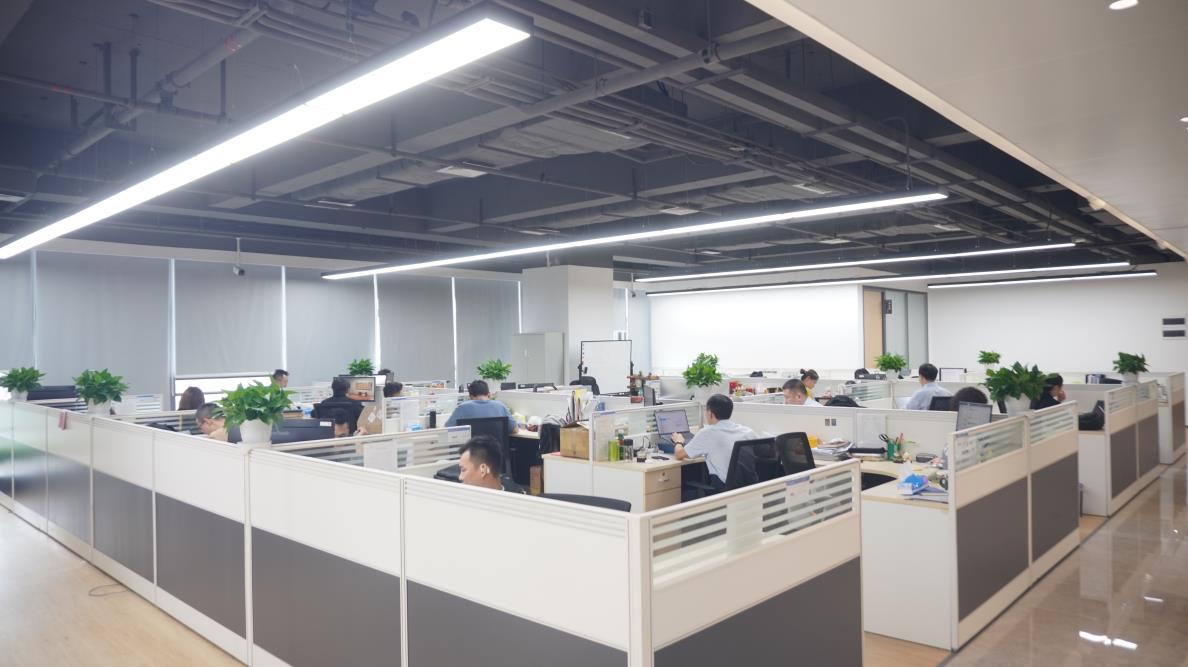
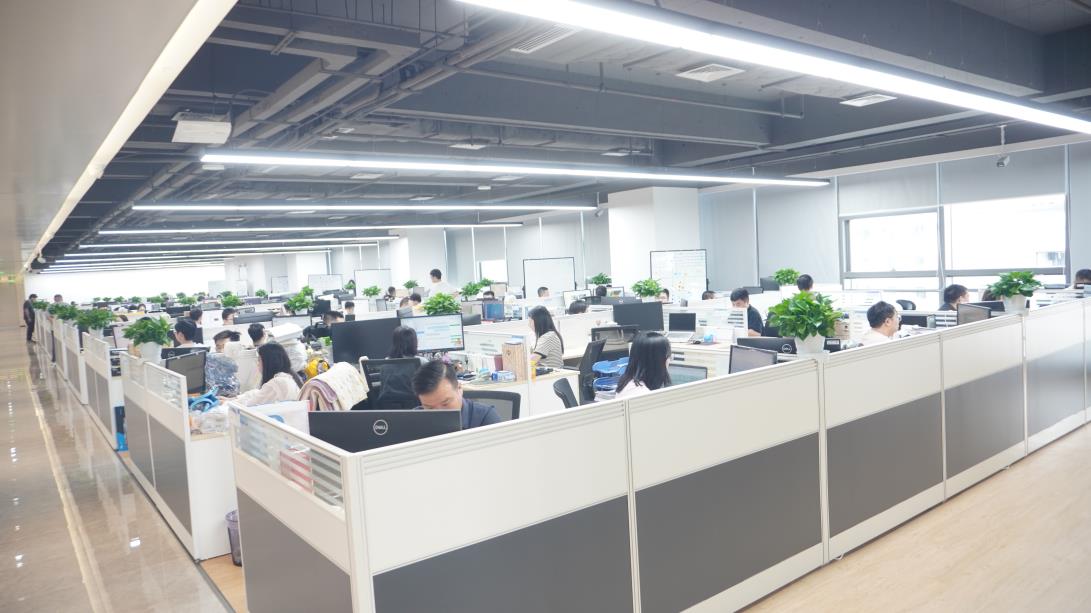
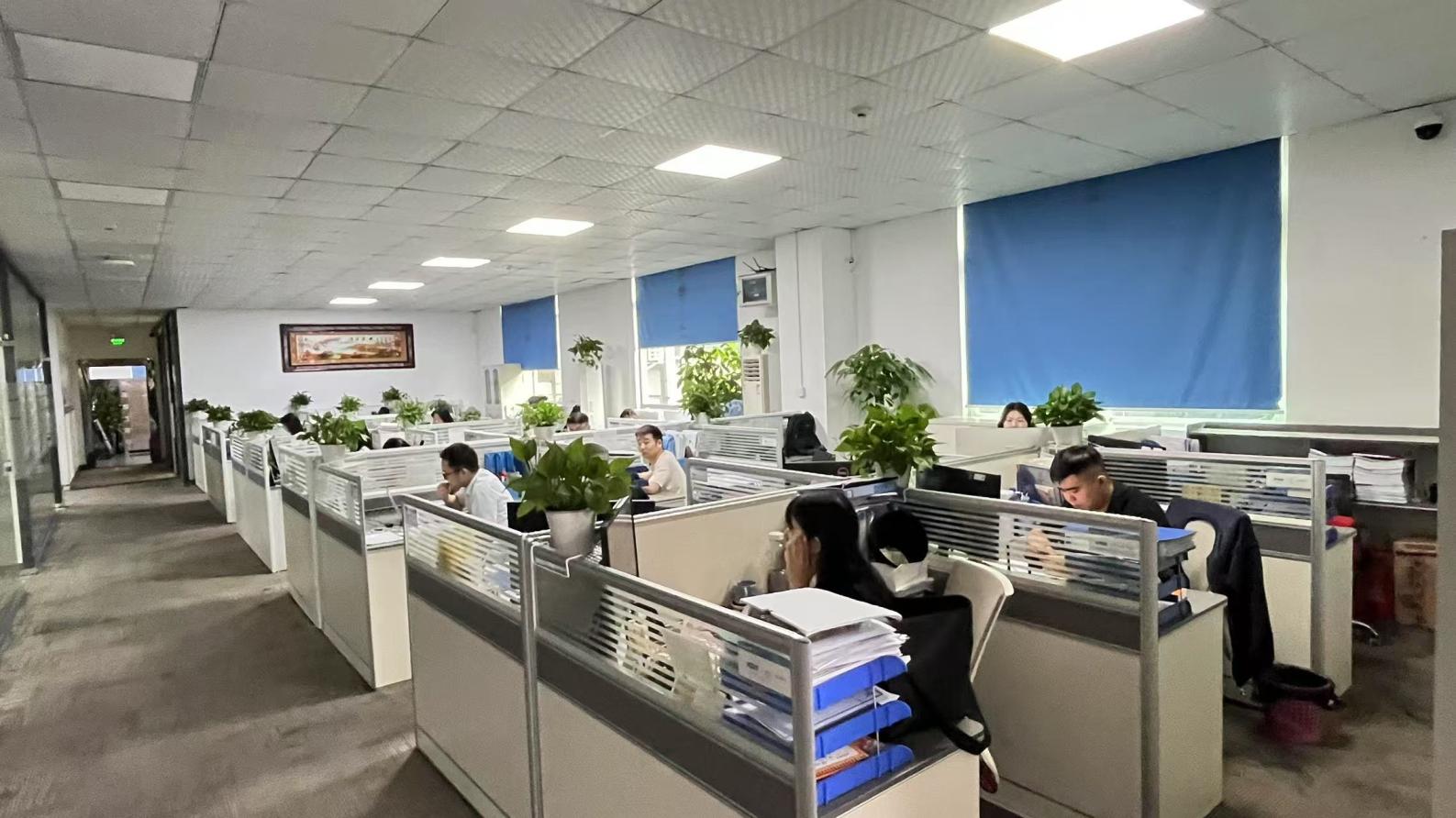
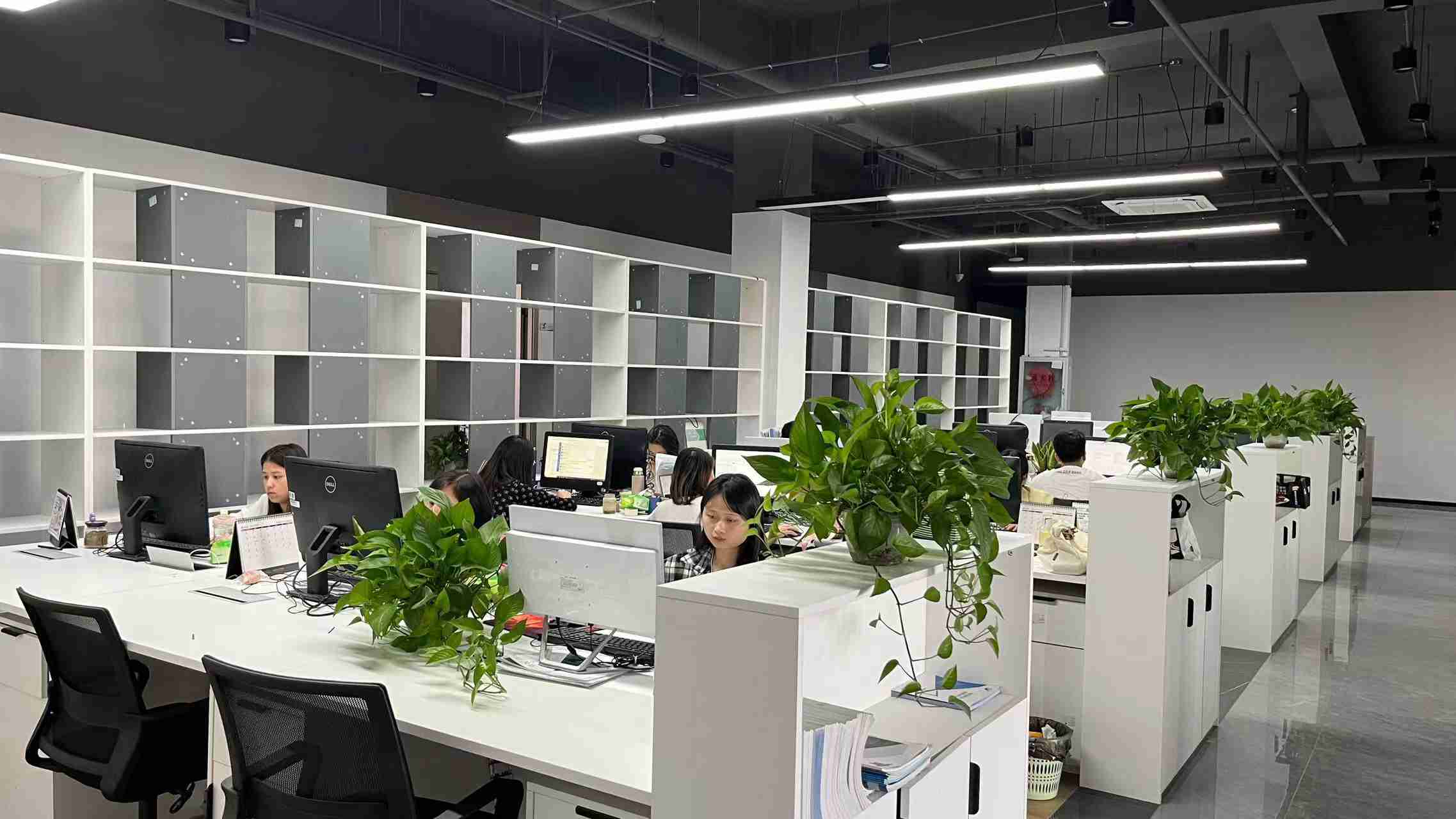
A look into our manufacturing footprint, showing component assembly, inventory controls, and testing floor protocols.
As micro-architectures transition toward PCIe Gen 5 configurations, CXL 2.0, and high-performance interconnects, balancing computational density with energy footprints remains key. ZhiCloud AI’s design philosophy focuses on developing high-density computing platforms that optimize resource allocation. Our engineering roadmap targets full deployment of liquid-to-air cooling manifolds, custom power distribution unit (PDU) profiles, and intelligent thermal throttling systems that reduce operational overhead.
For Baltic colocation data centers operating under the European Green Deal guidelines, our servers offer dynamic power controls. System administrators in Latvia can adjust maximum thermal parameters and run workloads across low-power cycles to align with local renewable generation curves, optimizing total cost of ownership (TCO).
Additionally, our support for Intel SGX and AMD SEV-SNP offers hardware-level enclave isolation. This architecture secures sensitive data in shared hosting zones, supporting compliance with European GDPR frameworks.
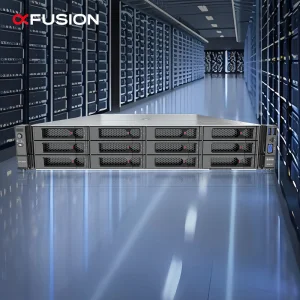
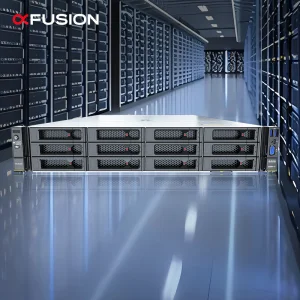
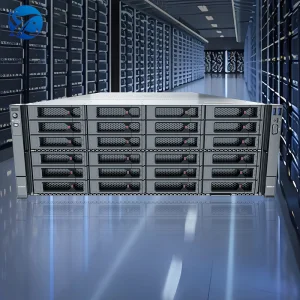
High-capacity server chassis designed for storage density, database workloads, and virtualized Baltic network systems.
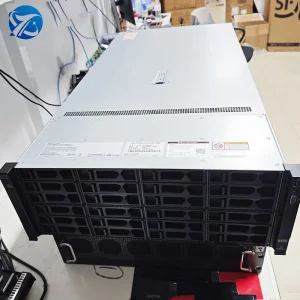
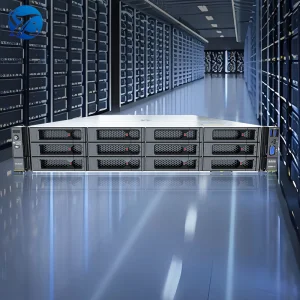
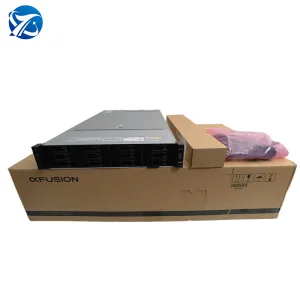
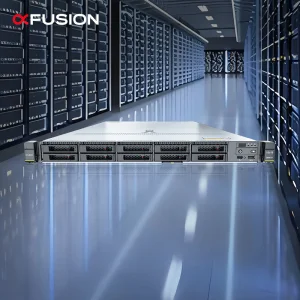
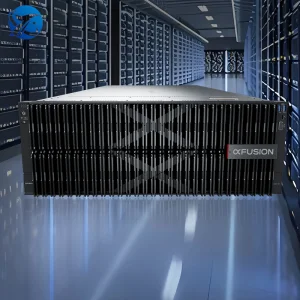
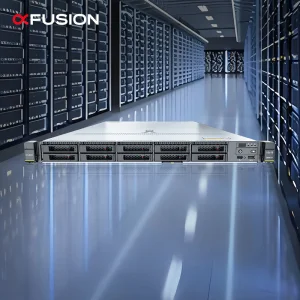
Addressing technical parameters, custom system builds, transport safety, and regulatory compliance details for customers in Latvia.
Yes. ZhiCloud AI offers hardware customization services. We configure memory layouts, flash specific BIOS versions, adjust disk controller configurations, and pre-integrate high-speed NIC options (10GE, 25GE, or 100GE) to ensure compatibility with Tet data hubs or other localized Baltic colocation networks.
Every server is packaged in custom multi-layer impact-absorbing foam cases designed to survive trans-European transit. We work with established air, rail, and sea logistics channels to offer customs clearance support and direct shipping routes into major hubs like Riga, Daugavpils, and Liepāja.
Yes. Our systems are built to meet EU regulatory baselines, including CE, RoHS, and WEEE requirements. We configure our systems with certified High-Efficiency Platinum or Titanium level power supply units (PSUs) to meet local green building guidelines and optimize PUE metrics in energy-conscious Baltic colocation projects.
Every server undergoes a structured testing protocol including non-destructive PCBA X-ray analysis, full-load system burn-in testing, and thermal testing in our Thermotank testing chamber. This system-level validation minimizes arrival issues and ensures components meet operational specifications under long-term workload stress.
Yes. All shipped motherboard designs include TPM 2.0 security processors. We configure secure boot variables and secure microcode enclaves, allowing administrators in Latvia to lock down localized system kernels in compliance with GDPR guidelines and regional banking security mandates.
Discuss your memory configuration, storage layout, cooling, and security requirements with our engineering team. Get a dedicated quote within 24 business hours.
Send Inquiry Now